




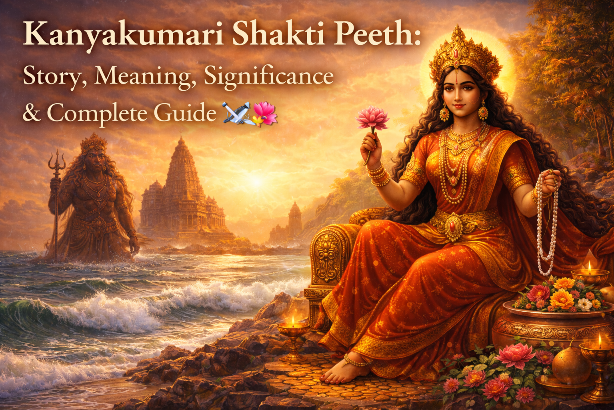
Kanyakumari Shakti Peeth: Story, Meaning, Significance & Complete Guide 🌊🌺
Among all Shakti Peeths, Kanyakumari holds a uniquely profound and contemplative place. She is worshipped not as a warrior in battle, nor as a goddess of wealth or destruction, but as the eternal Kanya—the virgin Devi whose power lies in restraint, tapasya, and unrealized potential.
Kanyakumari Shakti Peeth represents a form of the Divine Mother that is subtle yet immensely powerful. Her strength is not expressed through action, but through stillness. Not through fulfillment, but through unfulfilled destiny. This makes her symbolism deeply spiritual and psychologically resonant.
In this complete guide, we explore the meaning of Kanyakumari, her identity as a Shakti Peeth, the famous mythological story connected with Shiva, the spiritual symbolism of eternal virginity, her guardian (Bhairav) association, cultural importance, and modern relevance. As always, this blog is written responsibly using belief-based explanations, without exaggerated or miracle-style claims, and is suitable for both beginners and advanced seekers.
What is Kanyakumari Shakti Peeth? (Simple Meaning) 🌊
Kanyakumari Shakti Peeth is a sacred Devi worship center where the Divine Mother is revered as Kanya—the eternal virgin goddess. The word “Kanya” means an unmarried maiden, and “Kumari” refers to youthful purity and spiritual potential.
For beginners, Kanyakumari can be understood as the Divine Mother who represents unspent spiritual energy. She symbolizes power that is conserved, not expressed. Potential that remains intact. Strength that has not yet been directed outward.
This makes Kanyakumari very different from other Devi forms. Her Shakti lies not in action, but in restraint.
Why Kanyakumari is Revered as a Shakti Peeth 🌺
The tradition of Shakti Peeths originates from the sacred mythology of Sati and Shiva. After Daksha Yagna and Sati’s sacrifice, Shiva carried Sati’s body across the universe in grief. To restore cosmic balance, Vishnu intervened, and sacred locations emerged where parts of Sati’s body or ornaments were believed to have fallen.
These locations became known as Shakti Peeths. Kanyakumari is widely revered within this framework, especially in Shakta traditions that emphasize the Devi as the source of pure, undirected Shakti.
Responsibly speaking, lists of Shakti Peeths vary across texts. However, Kanyakumari’s spiritual authority and living devotional presence firmly establish her as a powerful Shakti Peeth in practice and belief.
The Mythological Story of Kanyakumari Devi 📖
The most well-known mythology of Kanyakumari Devi is connected to her proposed marriage with Lord Shiva. In belief-based tradition, the Devi agreed to marry Shiva under one condition—that he must arrive before sunrise.
However, through divine intervention and cosmic timing, Shiva arrived late. The marriage did not take place. As a result, Kanyakumari remained eternally unmarried, continuing her tapasya and preserving her Shakti.
This story is not about loss or tragedy. It is about choice and destiny. The Devi’s unfulfilled marriage symbolizes the preservation of spiritual power for a higher cosmic purpose.
Spiritual Meaning of Kanyakumari: Power of Restraint & Tapasya ✨
Spiritually, Kanyakumari represents self-control, purity, focus, and spiritual discipline. Her virginity is not a social concept—it is symbolic of unbroken energy and undirected potential.
In yogic and spiritual traditions, conserved energy is considered extremely powerful. Kanyakumari embodies this idea completely. Her Shakti has not been externalized; it remains inward, concentrated, and potent.
In belief-based devotion, worshipping Kanyakumari is associated with mental clarity, discipline, and the ability to remain focused on one’s path without distraction.
Kanyakumari and the Deeper Symbolism of Unfulfilled Desire 🕉️
One of the most profound aspects of Kanyakumari’s symbolism is unfulfilled desire. In spiritual understanding, not every desire is meant to be fulfilled. Some desires exist to refine the soul.
Kanyakumari teaches that restraint does not weaken a person—it strengthens them. When desire is mastered, energy is preserved and elevated. This makes her worship deeply relevant in a world driven by constant gratification.
Spiritual Significance of Kanyakumari Shakti Peeth 🛕
Kanyakumari Shakti Peeth is spiritually significant because it represents the highest form of disciplined Shakti. It reminds devotees that not all power needs expression. Some power must be preserved.
Devotees who feel drawn to Kanyakumari often seek clarity, focus, and inner strength rather than external achievement. This makes her worship subtle, introspective, and deeply transformative.
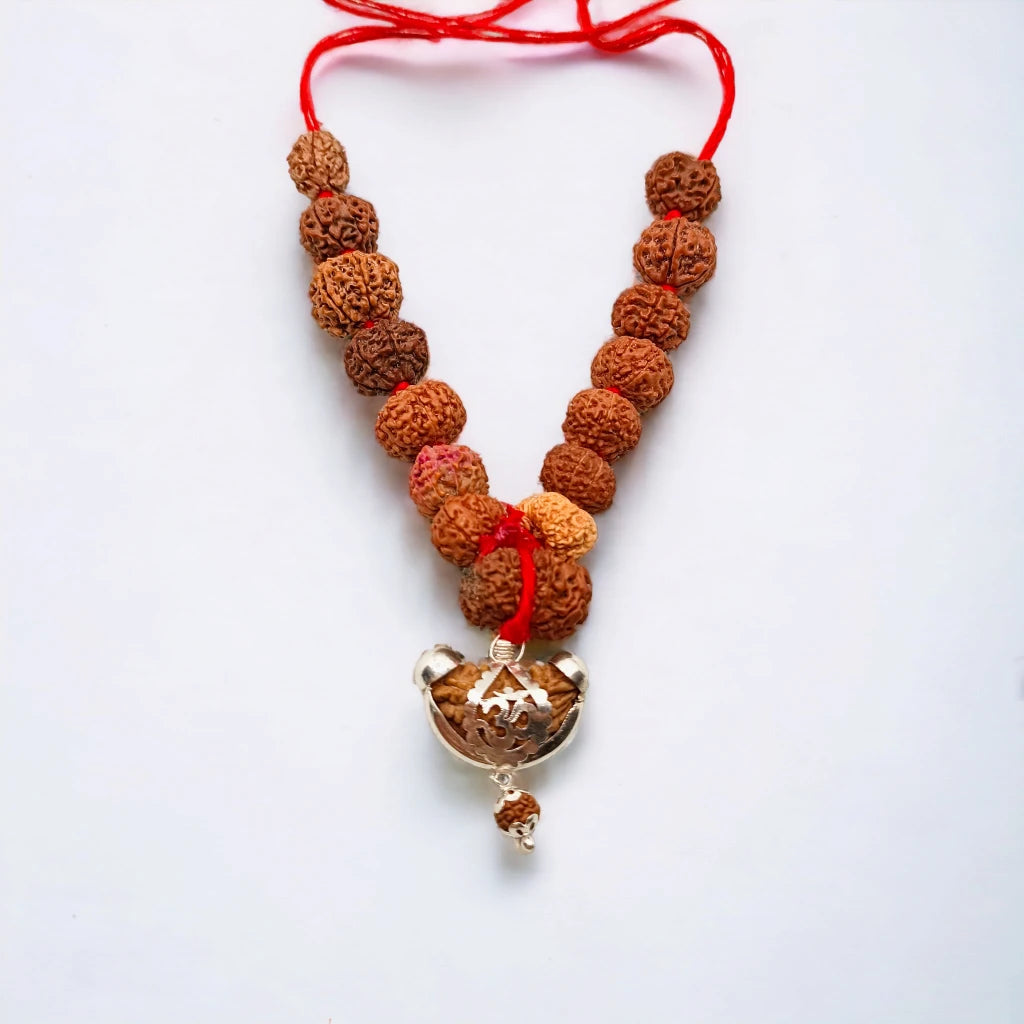
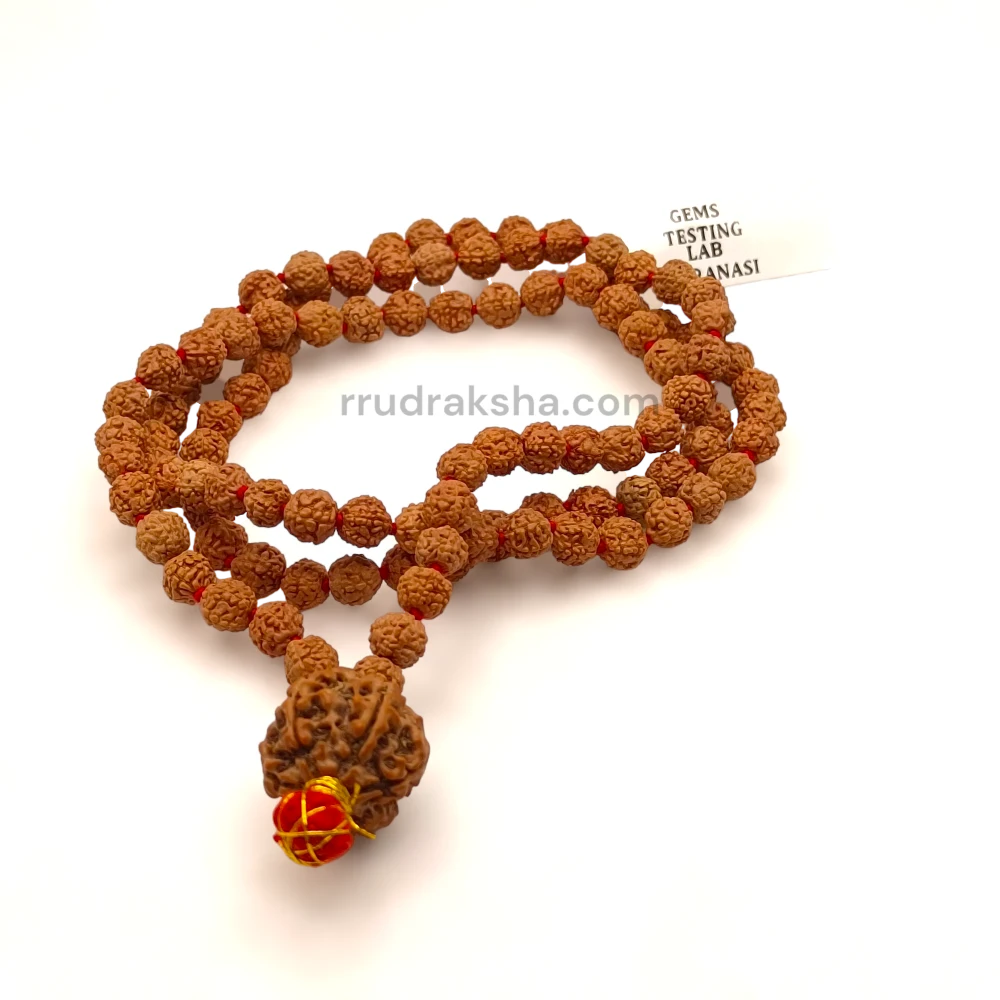
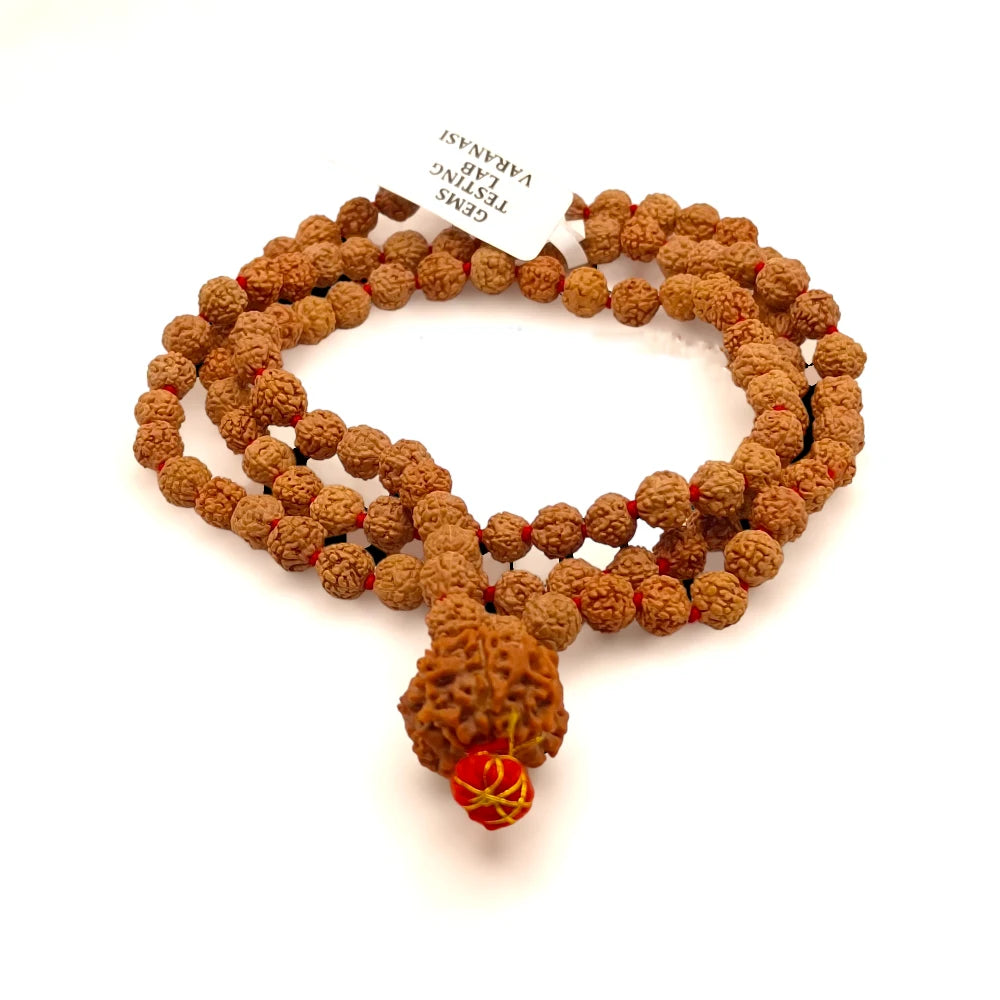
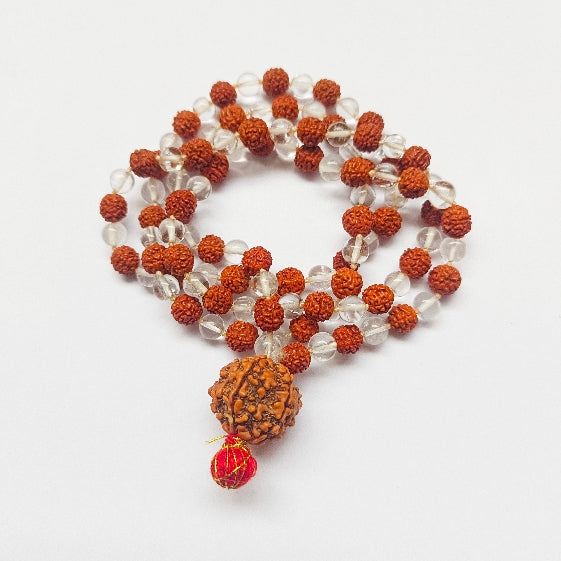
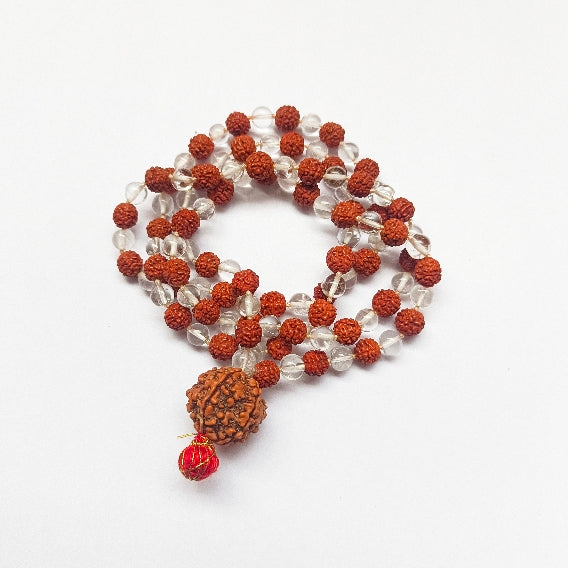
For calm inner strength and emotional balance during reflective spiritual phases, the Rudraksha + Sphatik Combination is often preferred for clarity and mental stability.
Kanyakumari as the Divine Mother: Silent, Strong & Focused 🌺
Kanyakumari’s motherly nature is quiet but firm. She does not console through words. She strengthens through example.
Her presence reassures devotees that discipline, patience, and self-control are divine qualities—not limitations.
This silent strength defines her unique place among all Shakti Peeths.
History & Cultural Importance of Kanyakumari 🌱
Kanyakumari has been revered for centuries as a sacred Devi presence associated with tapasya and spiritual purity. Her worship has shaped regional devotional traditions and philosophical interpretations of Shakti.
She continues to inspire devotees who value discipline, focus, and spiritual restraint.
Bhairav / Guardian Connection in Kanyakumari Tradition 🖤
As with other Shakti Peeths, Kanyakumari is associated with a guardian energy, often symbolized by Bhairav. This guardian represents discipline, protection, and spiritual boundaries.
Bhairav’s presence reinforces the theme of restraint—ensuring Shakti remains conserved and purposeful.
Deeper Symbolism of Kanyakumari: Conserved Energy & Spiritual Potential 💫
Kanyakumari’s deepest symbolism lies in the idea of conserved energy. In many spiritual traditions, power that is restrained becomes refined. When energy is not constantly expressed outward, it turns inward, becoming clarity, focus, and wisdom.
Kanyakumari represents this inner alchemy. Her unfulfilled marriage is not a loss; it is a conscious preservation of Shakti. She embodies the truth that not all paths require completion in the outer world—some destinies are fulfilled inwardly.
In belief-based understanding, her presence reminds devotees that restraint is not denial; it is intelligent redirection of energy.
What Kanyakumari Represents Spiritually (Belief-Based Meaning) ✨
Spiritually, Kanyakumari represents purity of intent, self-discipline, focus, and spiritual maturity. She is the Devi who teaches that power grows when it is guided by awareness rather than impulse.
Devotees who feel drawn to Kanyakumari often value inner growth over external validation. They seek calm, clarity, and purpose rather than constant stimulation.
In belief-based devotion, her blessings are often experienced as mental stability, emotional restraint, and the strength to remain aligned with one’s values.
Kanyakumari and the Spiritual Lesson of Self-Mastery 🕉️
Self-mastery is one of the most challenging spiritual disciplines. Kanyakumari symbolizes this mastery through restraint rather than renunciation.
She does not reject life; she chooses awareness within life. Her story teaches that desire does not need to be destroyed—it needs to be understood and transformed.
This lesson is timeless, especially in a world that rewards impulsive gratification.
Kanyakumari in Modern Life: Why Her Energy Still Matters 🧠
Modern life constantly demands attention, consumption, and reaction. This environment can exhaust the mind and scatter focus.
Kanyakumari’s symbolism offers a counterbalance. In belief-based devotion, people connect with her to cultivate patience, concentration, and emotional regulation.
Her energy supports those who want to live deliberately rather than reactively.
Scientific & Psychological Perspective: Why Restraint Brings Clarity 🌊
From a psychological perspective, delayed gratification and self-regulation are linked with emotional resilience and long-term well-being. Practices that emphasize focus and discipline help reduce anxiety and impulsive behavior.
Kanyakumari’s symbolism aligns naturally with these principles. Her imagery encourages stillness, intention, and inner control—qualities known to support mental clarity.
Without making exaggerated claims, it is reasonable to say that such symbolism supports emotional balance and focus over time.
Frequently Asked Questions (FAQs) ❓
1) Why is Kanyakumari Shakti Peeth famous?
Kanyakumari Shakti Peeth is famous for representing the Divine Mother as eternal virgin Shakti symbolizing restraint and spiritual potential.
2) Is Kanyakumari a Shakti Peeth?
Yes, Kanyakumari is widely revered as a Shakti Peeth in Shakta devotional traditions.
3) What does Kanyakumari mean spiritually?
Spiritually, Kanyakumari represents purity, discipline, focus, and conserved Shakti (belief-based meaning).
4) Why did Kanyakumari not marry Shiva?
In mythology, the marriage did not occur due to divine timing, symbolizing preservation of Shakti for a higher purpose.
5) Is Kanyakumari worship about virginity?
No. Virginity here symbolizes unspent energy and self-mastery, not social norms.
6) What do devotees seek from Kanyakumari?
Devotees often seek focus, discipline, emotional control, and clarity (belief-based).
7) Is Kanyakumari worship suitable for beginners?
Yes. Her calm symbolism makes her worship approachable and introspective.
8) Does Kanyakumari worship bring instant results?
No. It supports gradual inner clarity and discipline over time.
9) Why is restraint important spiritually?
Restraint preserves energy, enabling clarity, focus, and mature decision-making.
10) What is the guardian/Bhairav role here?
The guardian energy represents discipline and protection of conserved Shakti.
11) Can Kanyakumari be worshipped at home?
Yes. Simple prayer and mindful living align with her symbolism.
12) Why does Kanyakumari worship feel calming?
Because her symbolism promotes stillness, patience, and inner focus.
13) What is the spiritual lesson of Kanyakumari?
The lesson is that true power lies in self-mastery and restraint.
14) Why is Kanyakumari relevant today?
Because modern life needs discipline, clarity, and intentional living.
15) What makes Kanyakumari Shakti Peeth unique?
Its emphasis on preserved Shakti rather than expressed power.
🧭 Conclusion 🔚
Kanyakumari Is the Shakti of Restraint, Focus & Inner Strength
Kanyakumari Shakti Peeth stands as a profound reminder that power does not always announce itself through action. Sometimes, the greatest strength lies in stillness, discipline, and conscious restraint.
Through her mythology and symbolism, Kanyakumari teaches that unfulfilled desire can refine the soul and preserved energy can elevate consciousness. In a restless world, she offers a timeless spiritual lesson—true Shakti is calm, focused, and deeply aware.
🙏 हर हर महादेव 🙏





Leave a comment