




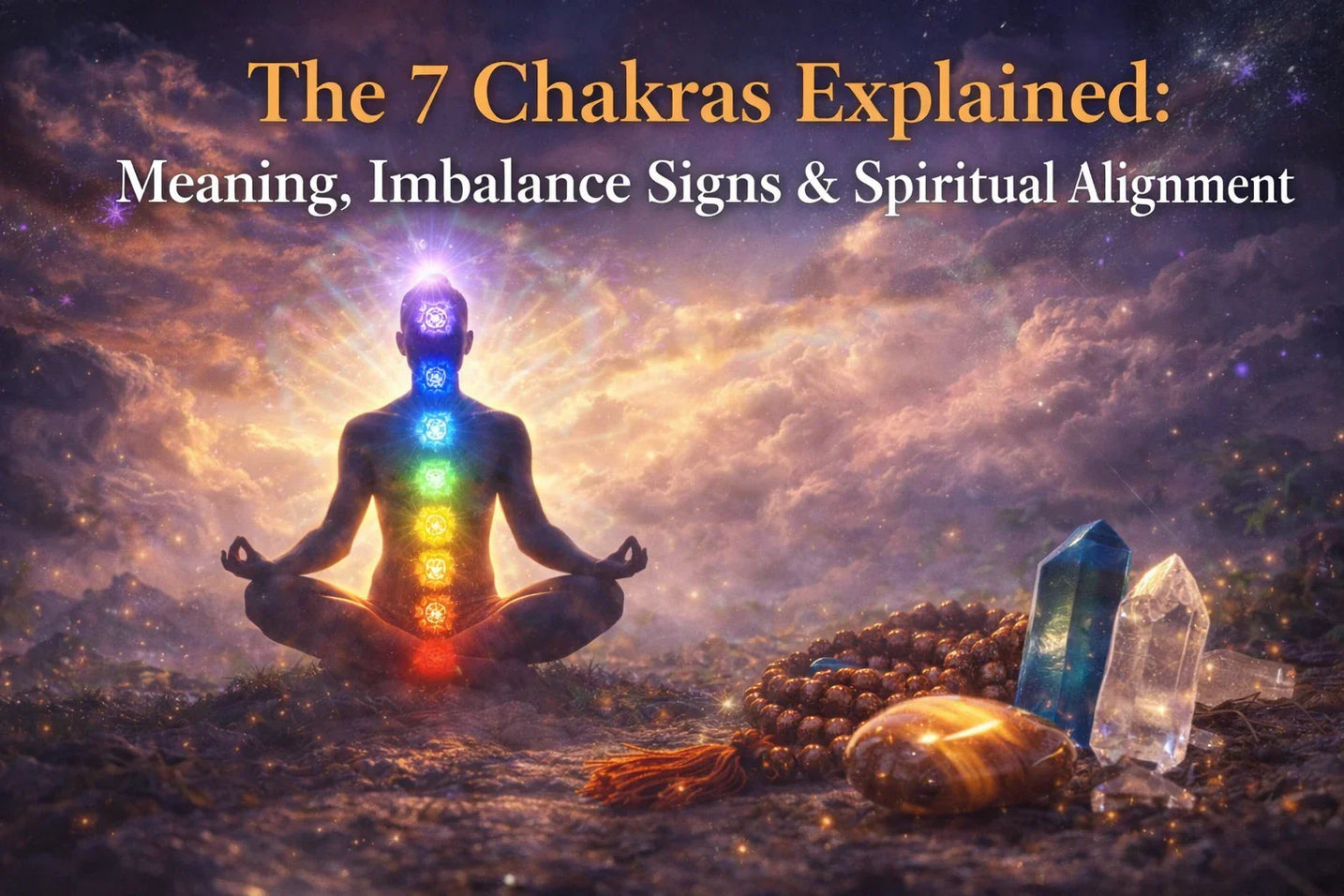
🛞 The 7 Chakras Explained: Meaning, Imbalance Signs & Spiritual Alignment
The concept of the seven chakras has become widely known in modern spiritual conversations, yet it is often misunderstood or oversimplified. Many people encounter chakras through short explanations, charts, or social media posts that reduce them to colors or quick affirmations. In reality, chakras represent a much deeper system of understanding the relationship between consciousness, behavior, emotional patterns, and spiritual growth.
In traditional Indian spiritual philosophy, chakras are not physical organs but subtle energy centers that influence how a person experiences life. They are closely connected with awareness, perception, emotional responses, and long-term behavioral tendencies. Rather than being something that needs to be “activated” forcefully, chakras are understood as systems that naturally seek balance when awareness and discipline are present.
This blog is designed as a complete, responsible, and grounded guide to understanding the seven chakras. It explains what chakras are, how imbalance may express itself in daily life, and how spiritual alignment is traditionally approached. Where appropriate, this guide also introduces the traditional association of Rudraksha, gemstones, malas, and bracelets — not as instant solutions, but as supportive tools within a broader lifestyle of awareness.
🌿 What Are Chakras? A Clear and Traditional Explanation
The word “chakra” comes from Sanskrit and translates to “wheel” or “center.” In spiritual texts, chakras are described as focal points where consciousness and subtle energy interact. These centers are aligned along the spine, beginning at the base and moving upward toward the crown of the head. Each chakra governs specific aspects of perception, behavior, and inner experience.
It is important to understand that chakras are not imagined constructs nor measurable physical objects. They belong to the subtle body — a layer of experience described in yogic and tantric traditions. The health of a chakra is not judged by sensation alone, but by the quality of awareness, emotional stability, and behavioral consistency expressed through it.
When chakras are balanced, a person experiences clarity, stability, and emotional regulation. When they are imbalanced, the effects often show up in patterns — recurring emotional struggles, confusion, fear, restlessness, or lack of direction. These patterns are not random. Traditional systems view them as signals inviting deeper self-observation rather than external correction.
♎ Chakra Balance vs Chakra Activation: A Crucial Difference
One of the most common misconceptions in modern spirituality is the idea that chakras must be forcefully activated. In traditional understanding, chakras are already active by nature. The real concern is balance, not activation. Overstimulating a chakra can be just as disruptive as neglecting it.
For example, excessive focus on higher chakras without grounding may lead to mental restlessness, lack of stability, or detachment from practical responsibilities. Similarly, excessive focus on lower chakras without awareness can manifest as fear, attachment, or rigidity. Balance ensures that energy flows smoothly through the system rather than accumulating or stagnating at one point.
This is why traditional practices emphasize discipline, routine, ethical living, and awareness over shortcuts. Supportive tools such as Rudraksha malas, gemstone bracelets, or meditation aids are meant to complement inner work, not replace it.
🪷 Overview of the Seven Chakras
The seven chakras form a progressive system of awareness, beginning with survival and grounding and moving toward expanded consciousness. Each chakra represents a distinct layer of human experience. Understanding them as a connected system is essential, as imbalance in one often affects others.
🔴 Root Chakra (Muladhara)
The Root Chakra is associated with stability, safety, and grounding. It influences how secure a person feels in the world, both materially and emotionally. When balanced, it supports calm confidence, resilience, and a steady approach toward life’s challenges. When imbalanced, this chakra may express itself through fear, anxiety, restlessness, or a persistent sense of instability.
Traditional grounding practices, disciplined routines, and stability-oriented tools are often associated with this chakra. In classical spiritual understanding, supportive elements such as 5 Mukhi Rudraksha, along with grounding stones like Tiger Eye or Red Jasper, are traditionally explored here to reinforce steadiness and rooted awareness—not as fixes, but as stabilizing companions that complement inner discipline and mindful living.
🟠 Sacral Chakra (Svadhisthana)
The Sacral Chakra governs creativity, emotional fluidity, and the ability to experience pleasure without attachment. It influences how one relates to emotions, desires, and interpersonal connections. When balanced, this chakra allows healthy emotional expression and creative flow. When imbalanced, it may manifest as emotional suppression, excess attachment, or difficulty regulating desires.
Awareness of emotional patterns, creative expression, and moderation are considered key aspects of aligning this chakra. In traditional spiritual understanding, supportive tools such as 6 Mukhi Rudraksha, along with stones like Carnelian or Moonstone, are often explored here to encourage disciplined emotional flow and balanced creativity. These elements are viewed not as indulgent enhancers, but as grounding companions that support awareness, restraint, and emotional maturity
🟡 Solar Plexus Chakra (Manipura)
The Solar Plexus Chakra relates to personal power, self-discipline, and decision-making. It governs how a person asserts themselves and takes responsibility for their actions. When balanced, this chakra supports confidence rooted in clarity rather than aggression. When imbalanced, it may express itself through insecurity, indecisiveness, excessive control, or the need to dominate situations.
This chakra is often misunderstood as dominance. In traditional understanding, it reflects inner authority rather than external control. Grounded confidence, not force, is considered its healthy expression. Within spiritual practice, supportive elements such as 3 Mukhi Rudraksha, along with clarity-oriented stones like Citrine or Yellow Calcite, are traditionally explored here to reinforce disciplined confidence and conscious decision-making, serving as companions to self-awareness rather than tools of assertion.
💚 Heart Chakra (Anahata)
The Heart Chakra represents balance between the material and the subtle aspects of life. Positioned at the center of the chakra system, it acts as a bridge between lower, survival-oriented concerns and higher states of awareness. Anahata governs compassion, emotional openness, forgiveness, and the ability to connect without dependency. When this chakra is balanced, relationships feel supportive rather than consuming, and emotional responses are guided by understanding rather than reaction.
Imbalance in the Heart Chakra often reveals itself through emotional extremes. Overactivity may manifest as excessive attachment, emotional dependency, or the need for constant validation. Underactivity, on the other hand, may appear as emotional withdrawal, difficulty trusting others, or an inability to express care. Traditional teachings emphasize self-awareness and ethical living as primary methods of restoring balance, with supportive tools approached only as complements to inner discipline.
In spiritual practice, the Heart Chakra is not associated with sentimentality but with clarity of emotion. Compassion here is rooted in strength, not vulnerability. Practices that cultivate gratitude, restraint, and balanced relationships are considered far more important than any external aid. Where supportive elements are explored, traditions often associate 4 Mukhi Rudraksha, along with harmonizing stones such as Rose Quartz or Green Aventurine, with encouraging emotional steadiness and clarity—used not to stimulate feeling, but to support awareness and balance.
🔵 Throat Chakra (Vishuddha)
The Throat Chakra governs communication, expression, and truthfulness. It influences not only how one speaks, but also how one listens and processes information. A balanced Vishuddha allows a person to communicate clearly, honestly, and responsibly, without the need to dominate or suppress. It also shapes internal dialogue, influencing how thoughts are organized, refined, and ultimately expressed.
When this chakra is imbalanced, communication patterns often suffer. Overactivity may lead to excessive talking, defensiveness, or a constant urge to assert opinions. Underactivity can result in fear of expression, suppressed emotions, or difficulty articulating thoughts. In traditional understanding, silence, mindful speech, and disciplined expression are considered essential practices for restoring balance, emphasizing quality of communication over quantity.
The Throat Chakra is closely associated with purity of intention. Speaking truth does not mean speaking impulsively; rather, it reflects alignment between thought, intention, and expression. Spiritual traditions consistently emphasize restraint and clarity over volume, reminding practitioners that not all truths require immediate expression. Where supportive elements are explored, 4 Mukhi Rudraksha, along with calming stones such as Blue Lace Agate or Aquamarine, is traditionally associated with encouraging clear, composed communication—used to support mindful expression rather than amplify speech.
👁️ Third Eye Chakra (Ajna)
The Third Eye Chakra is associated with perception, insight, and discernment. Ajna governs how one interprets experiences, patterns, and information. It does not represent supernatural vision, as often portrayed in modern narratives, but rather the ability to see situations clearly without distortion from fear, bias, or desire.
A balanced Third Eye supports intuition grounded in experience. It allows individuals to recognize patterns, make informed decisions, and maintain mental clarity even during uncertainty. When imbalanced, this chakra may express itself through overthinking, confusion, rigid belief systems, or excessive imagination disconnected from practical reality.
Traditional teachings consistently caution against premature focus on this chakra without proper grounding. Developing insight without stability can lead to mental restlessness or detachment from daily responsibilities. This is why balanced spiritual systems emphasize grounding practices before cultivating higher awareness. Where supportive elements are traditionally explored, 2 Mukhi Rudraksha, along with contemplative stones such as Amethyst or Lapis Lazuli, is associated with encouraging mental harmony and perceptive clarity—serving as stabilizing companions to awareness rather than amplifiers of imagination.
🟣 Crown Chakra (Sahasrara)
The Crown Chakra represents expanded awareness and connection beyond individual identity. Sahasrara is not associated with control or personal power, but with surrender, humility, and an understanding of one’s place within a larger whole. When balanced, it supports a quiet sense of meaning and clarity without detachment from daily responsibilities or practical life.
Imbalance in the Crown Chakra often appears in subtle ways. Overemphasis may lead to escapism, spiritual bypassing, or disengagement from worldly duties, while underemphasis can result in excessive material focus or resistance to reflection. Traditional teachings consistently stress that true alignment does not reject life but integrates spiritual awareness with disciplined living and responsibility.
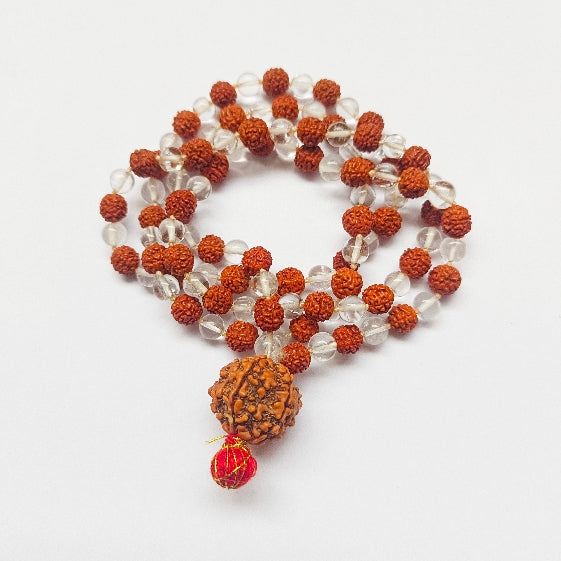
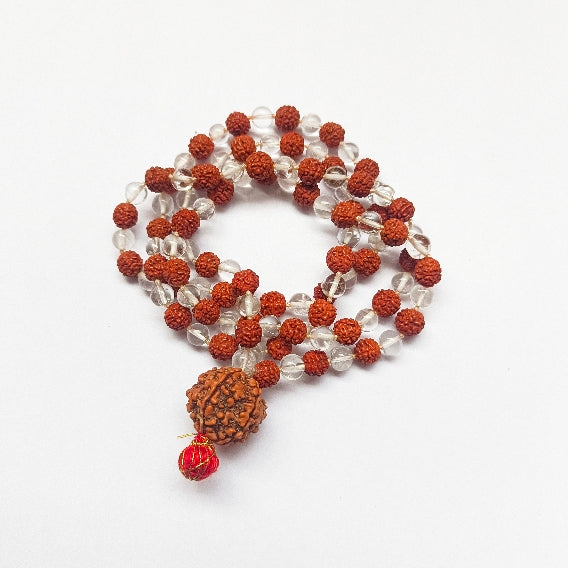
The Crown Chakra is not approached through effort or force alone. It unfolds gradually when lower chakras are balanced and awareness matures over time. This progression reflects the holistic nature of the chakra system, where each center supports the next rather than competing with it. Within traditional spiritual practice, supportive elements such as 1 Mukhi Rudraksha, along with clarity-oriented stones like Sphatik (Clear Quartz) or Amethyst, are associated with contemplative awareness and inner stillness—used to support surrender and understanding rather than pursuit or control.
⚖️ Common Signs of Chakra Imbalance in Daily Life
Chakra imbalance does not usually announce itself through dramatic sensations. Instead, it reveals patterns in behavior, emotion, and decision-making. Recurring fear, chronic indecision, emotional volatility, or difficulty expressing oneself often point toward underlying imbalance rather than isolated problems.
Traditional systems encourage observation rather than diagnosis. The goal is not to label oneself as blocked or unbalanced, but to recognize recurring tendencies and respond with awareness. Chakra alignment is a gradual process, shaped by lifestyle, discipline, and self-reflection rather than immediate correction.
Understanding these patterns allows individuals to approach alignment responsibly. External supports such as malas, bracelets, or stones may be explored, but only after awareness is established. Without awareness, tools remain symbolic. With awareness, they become supportive reminders rather than solutions.
🧭 A Responsible Approach to Chakra Alignment
Chakra alignment is often misunderstood as something that must be achieved quickly or forcefully. Traditional systems take a very different view. Alignment is not about fixing something that is broken, but about restoring balance through awareness, discipline, and consistency. The chakra system responds to how a person lives, thinks, and reacts far more than to any single technique or tool.
This is why ethical living, routine, moderation, and self-observation are emphasized repeatedly in classical teachings. When daily life is chaotic, external tools rarely compensate for the imbalance. When daily life is disciplined and reflective, even subtle supports become effective. Chakra alignment is therefore less about doing more and more about doing appropriately.
It is also important to avoid the idea of working on all chakras at once. Traditional practice focuses on gradual progression, beginning with grounding and stability before moving toward emotional balance, clarity, and expanded awareness. Attempting to bypass foundational layers often leads to confusion rather than growth.
🔗 The Role of Supportive Tools: Rudraksha, Gemstones, Malas & Bracelets
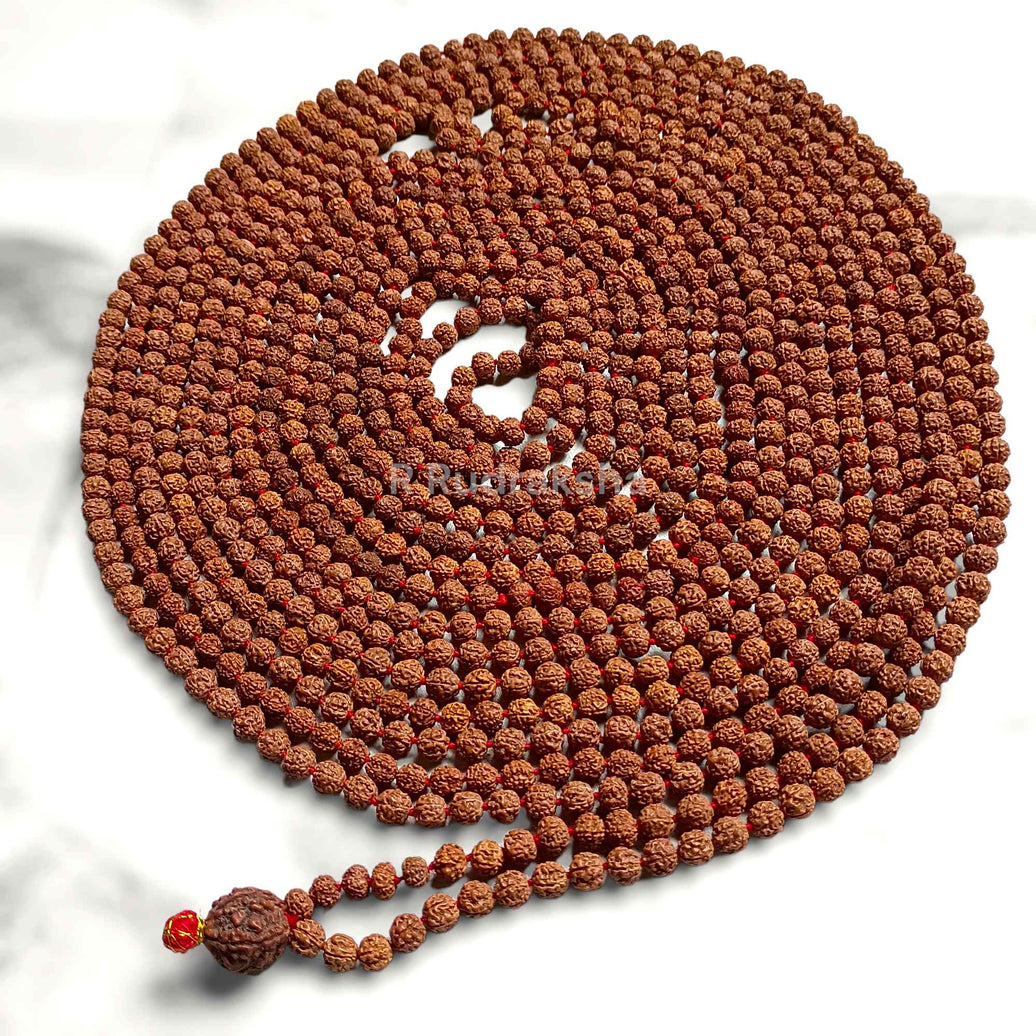
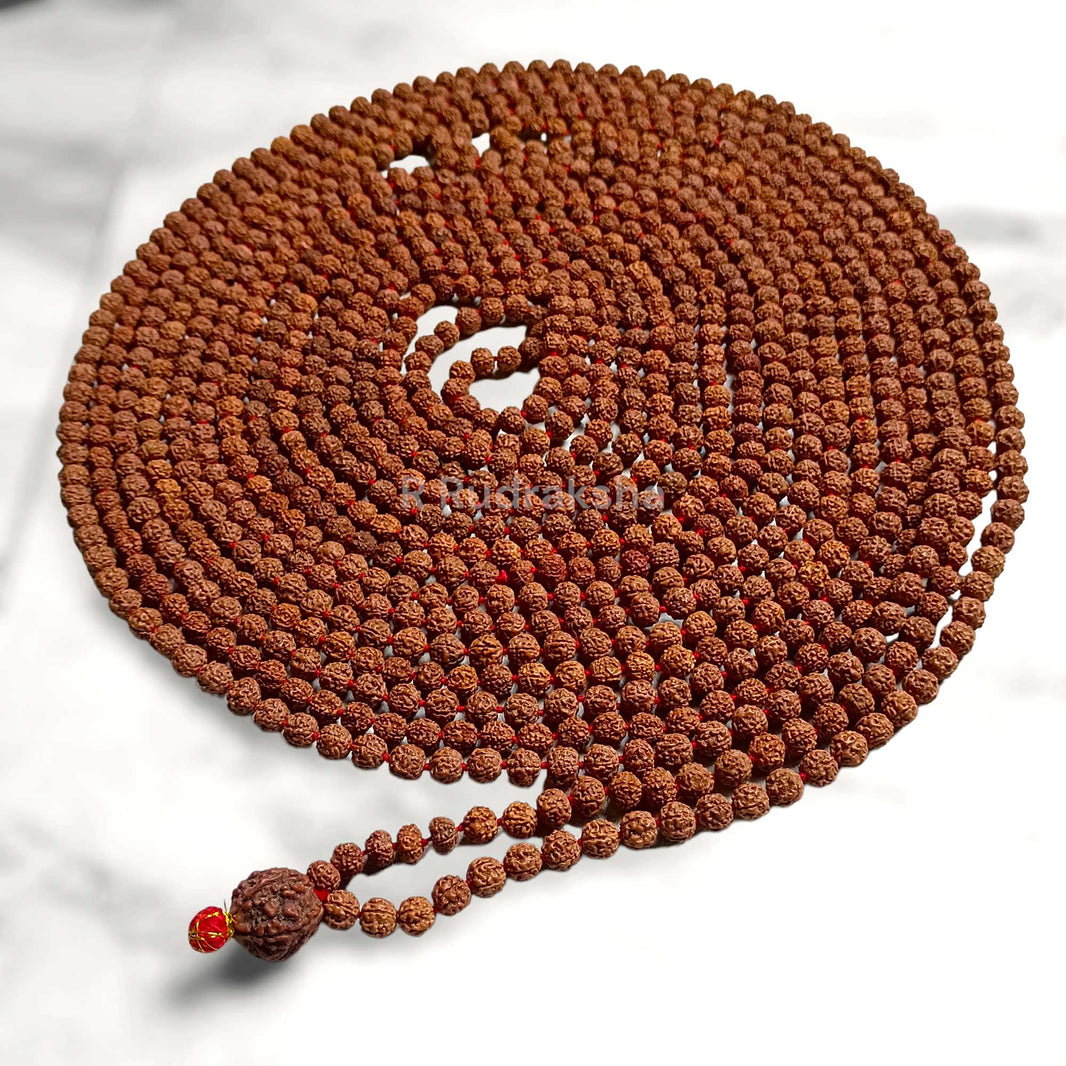
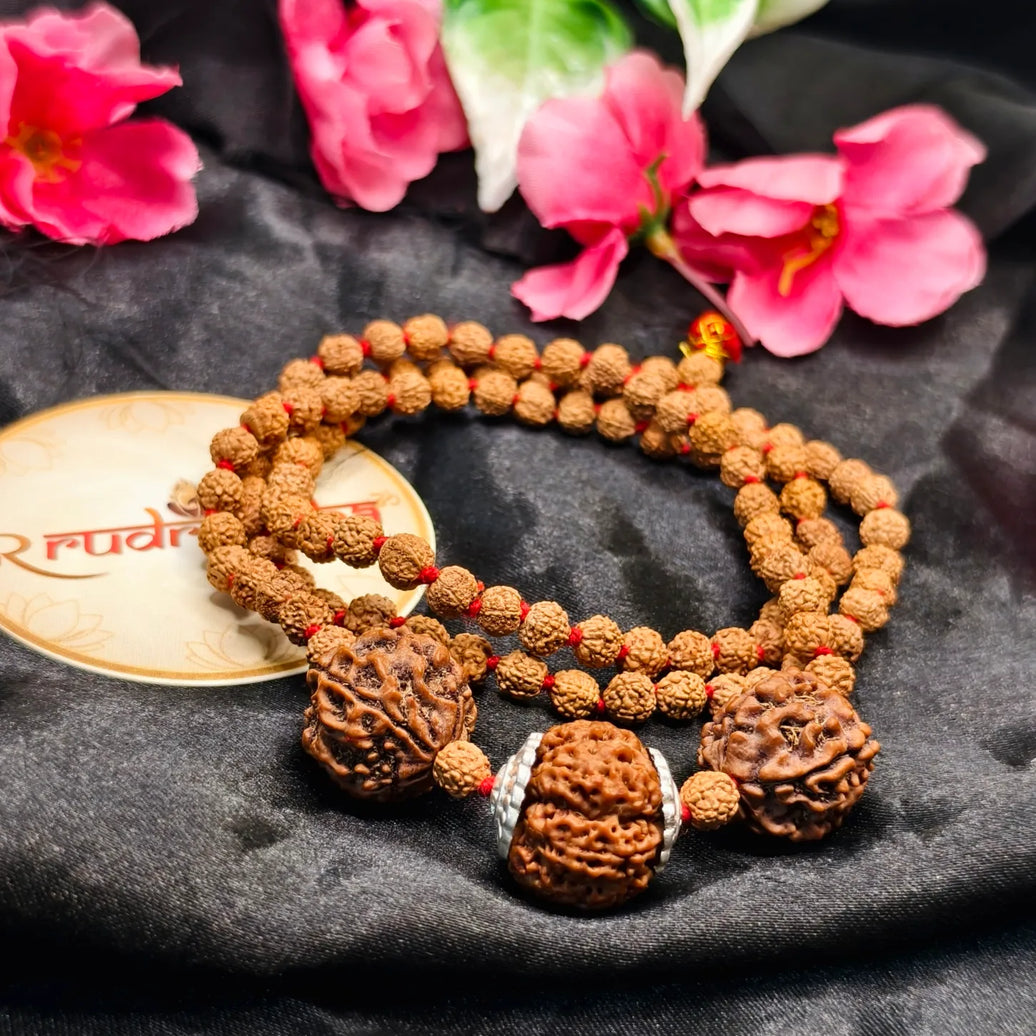
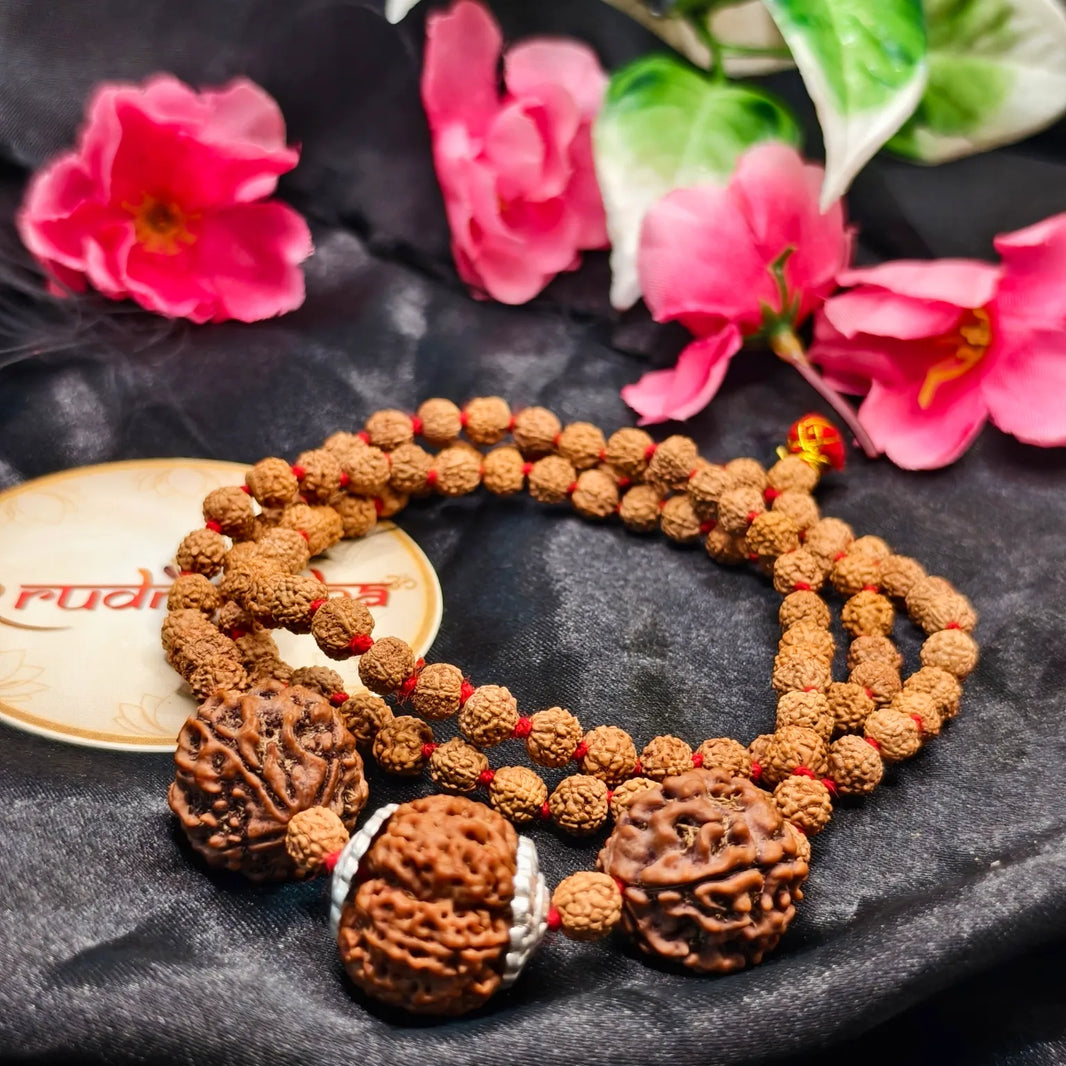
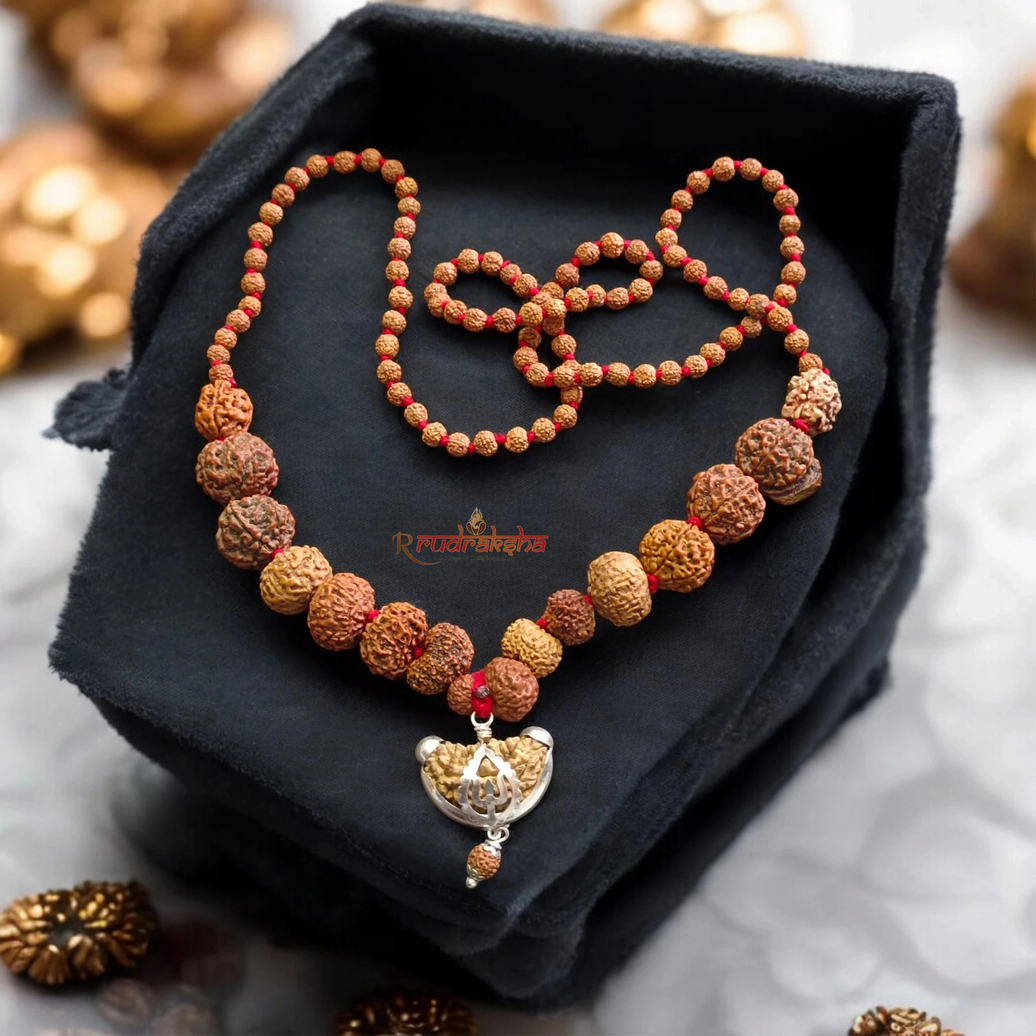
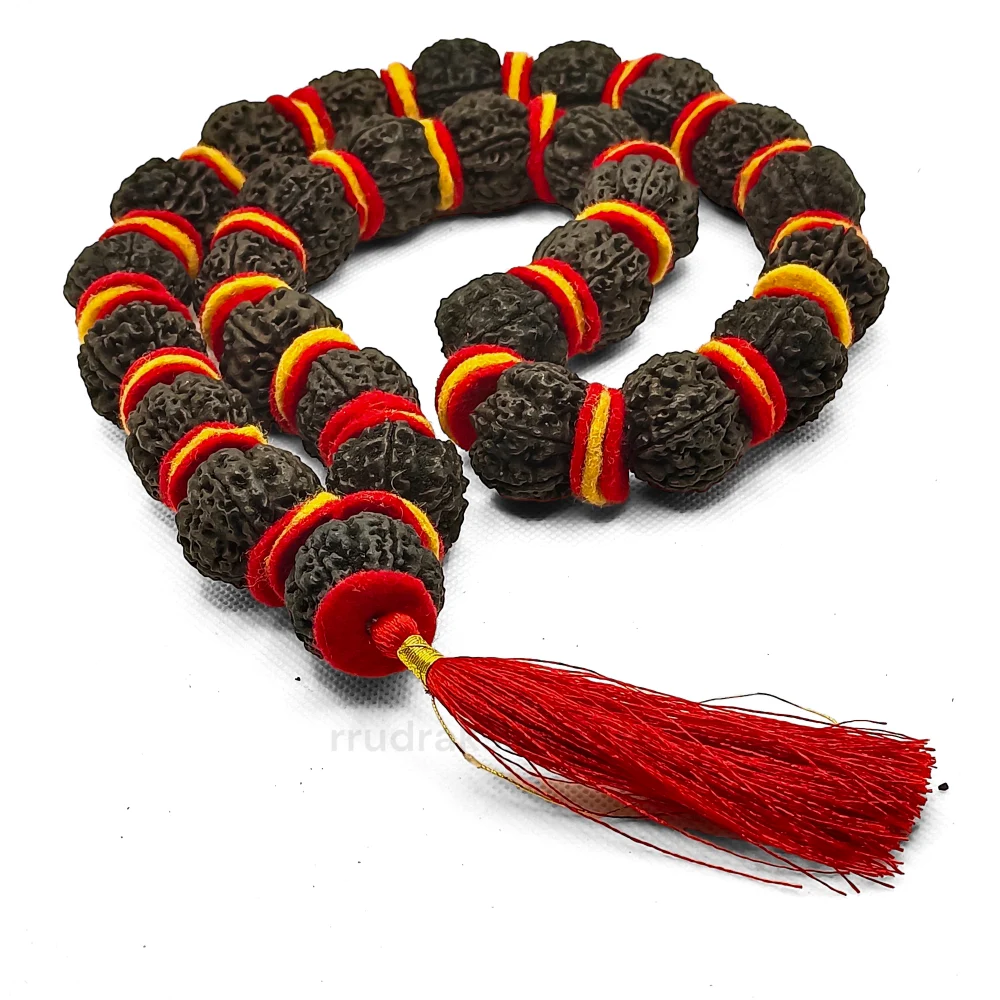
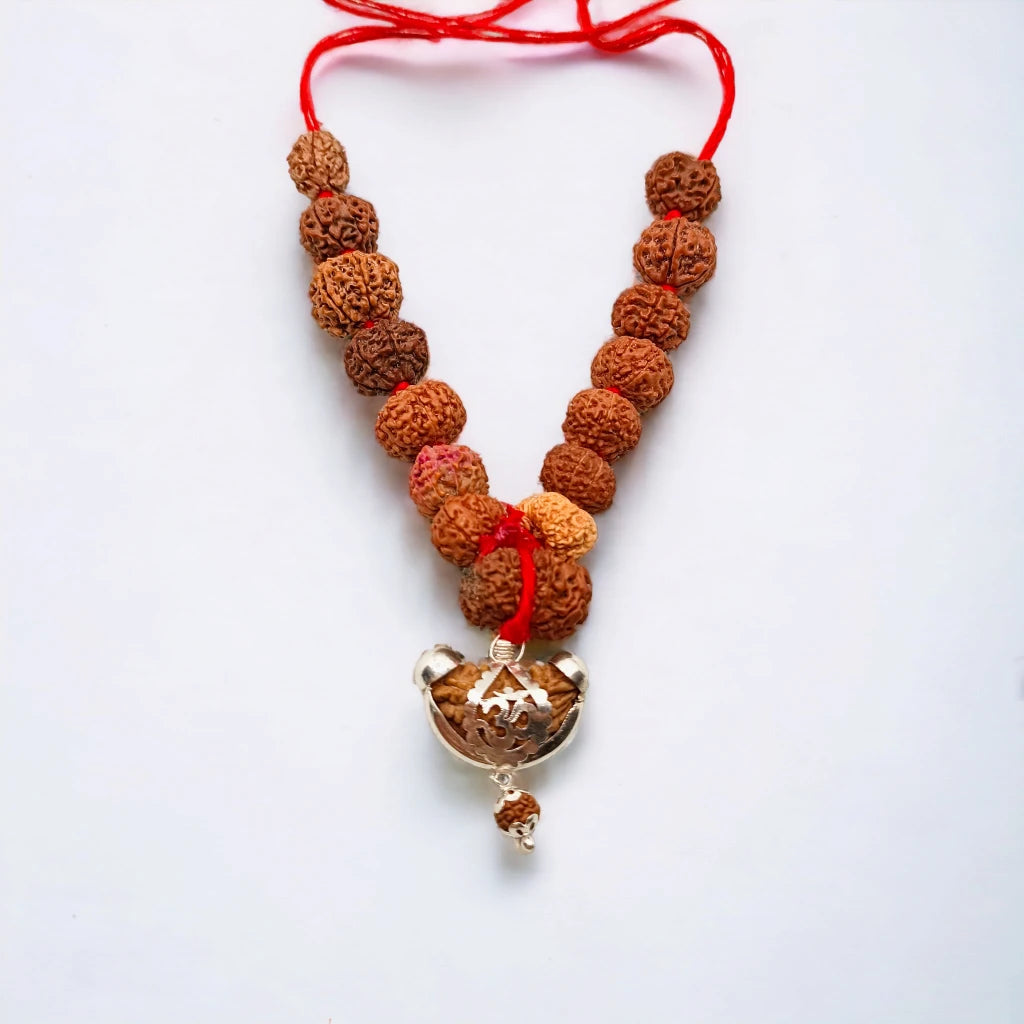
Within traditional practice, tools such as Rudraksha, gemstones, malas, and bracelets are viewed as supports rather than solutions. They are not meant to activate chakras forcefully or replace inner work. Instead, they serve as reminders, stabilizers, and companions that help maintain awareness during daily life.
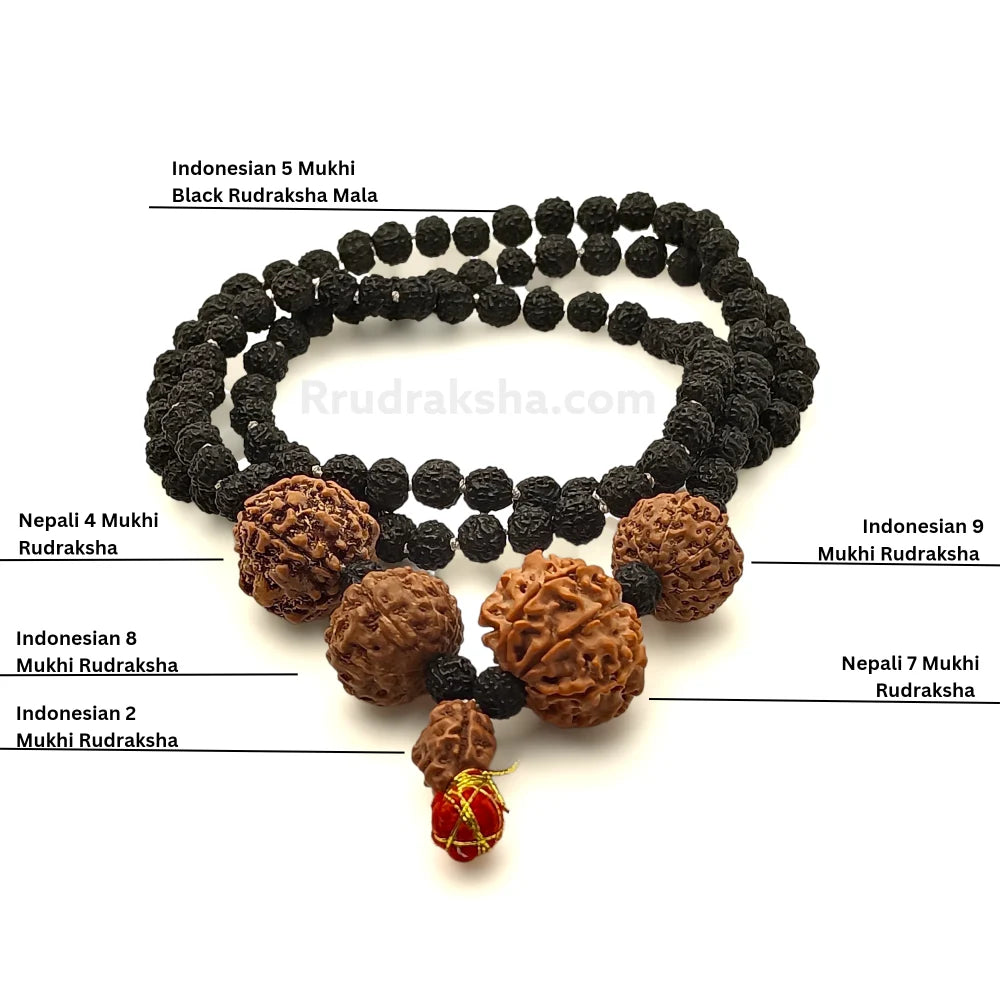
Certain Rudraksha mukhis are traditionally associated with specific chakras due to their symbolic qualities. Similarly, specific gemstones are explored for their grounding, calming, or clarity-oriented associations. These connections are not prescriptions but frameworks that help seekers choose tools aligned with their current phase rather than following trends.
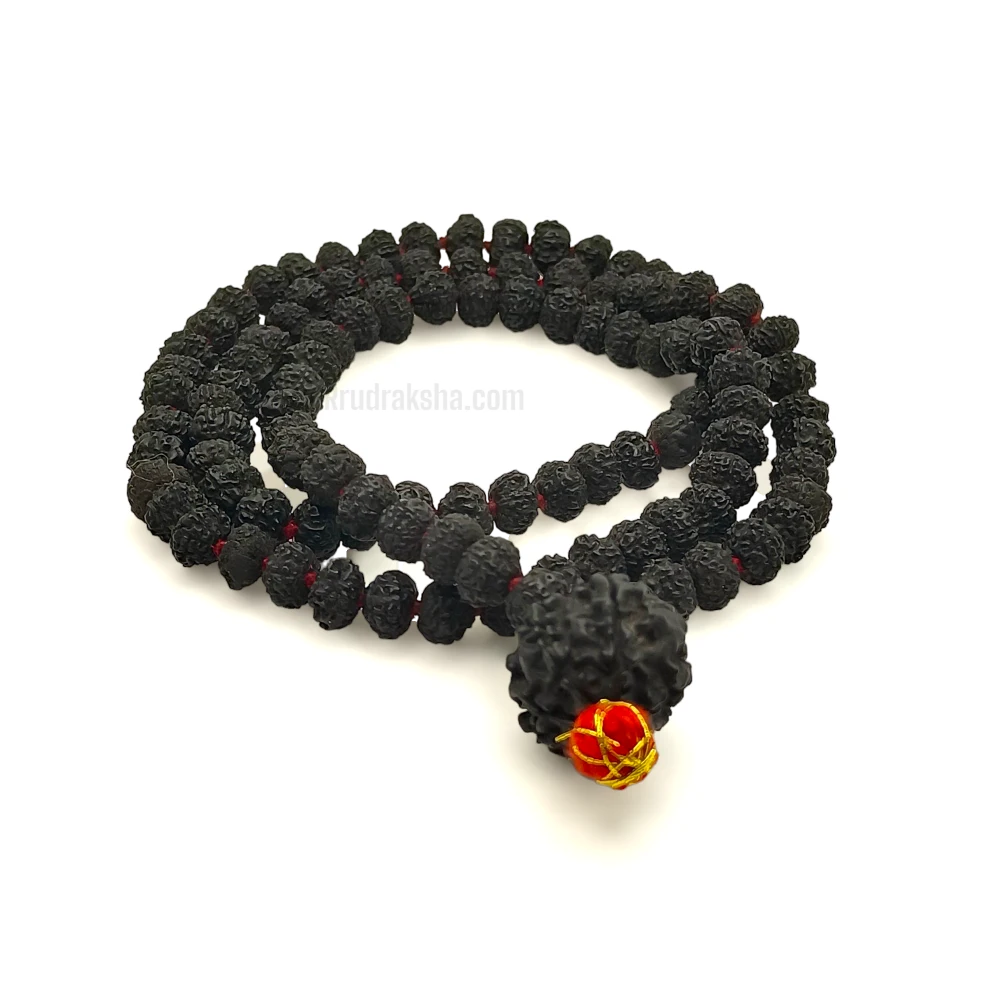
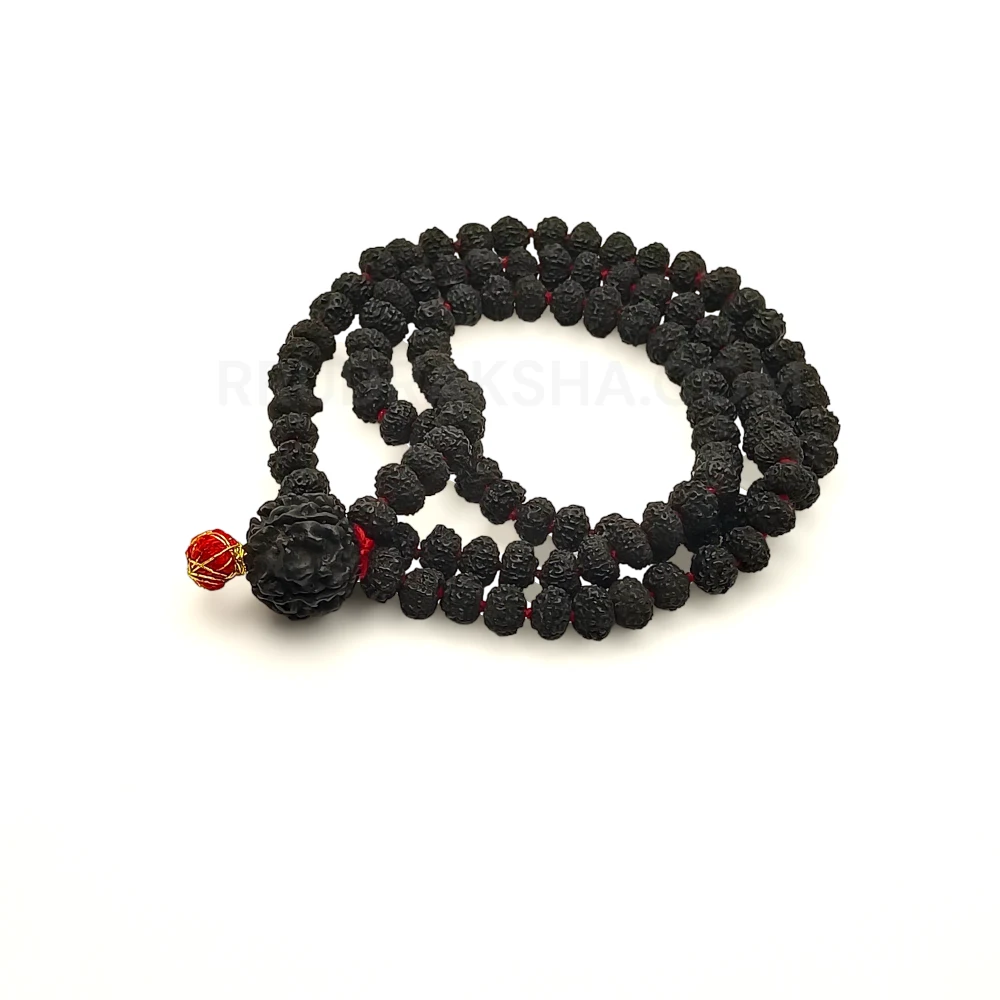
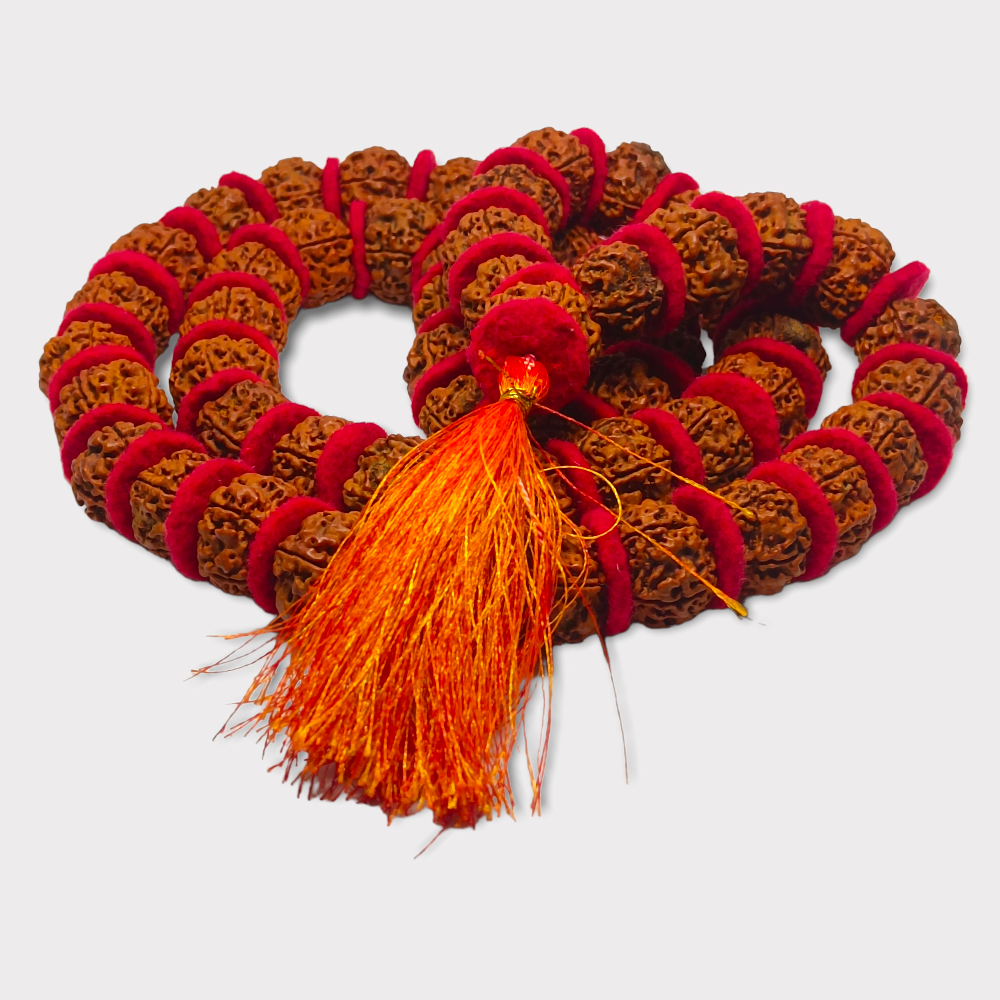
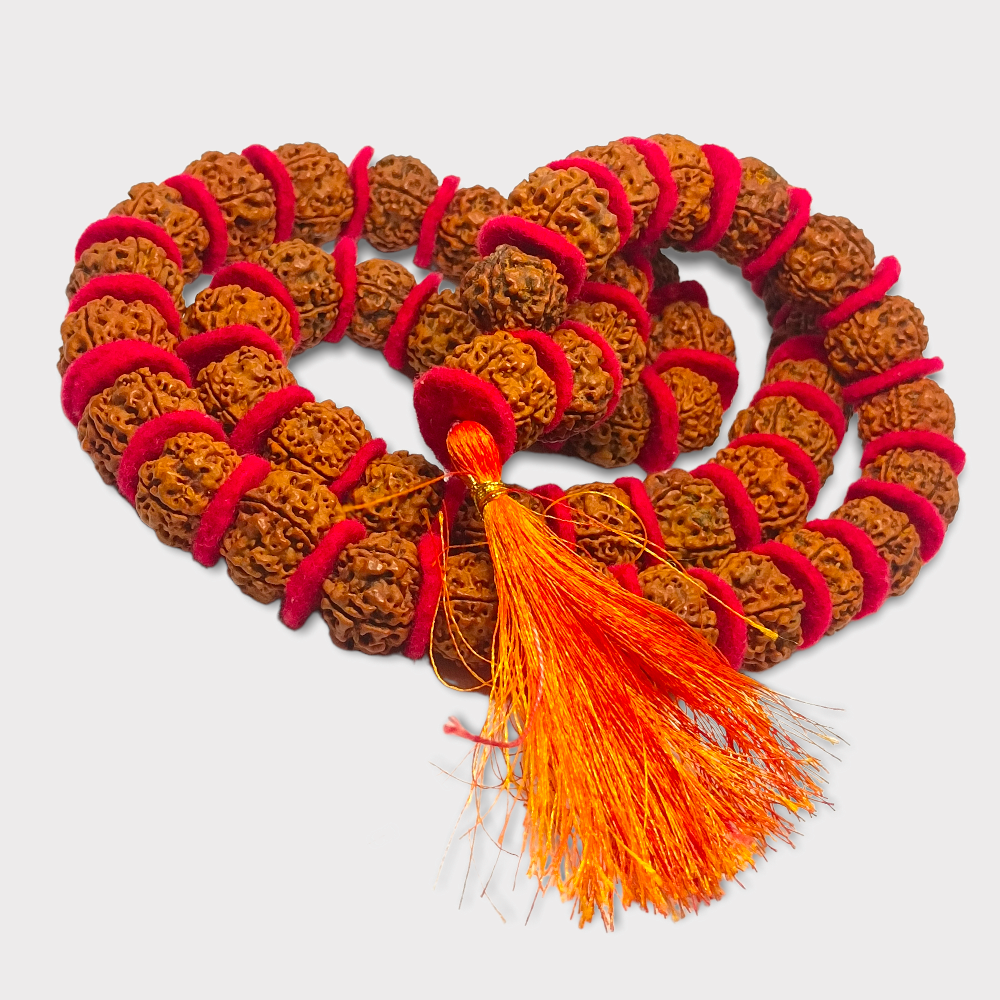
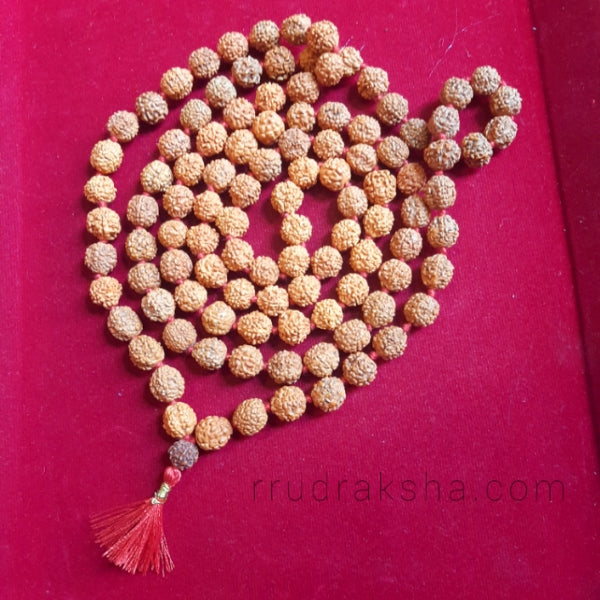
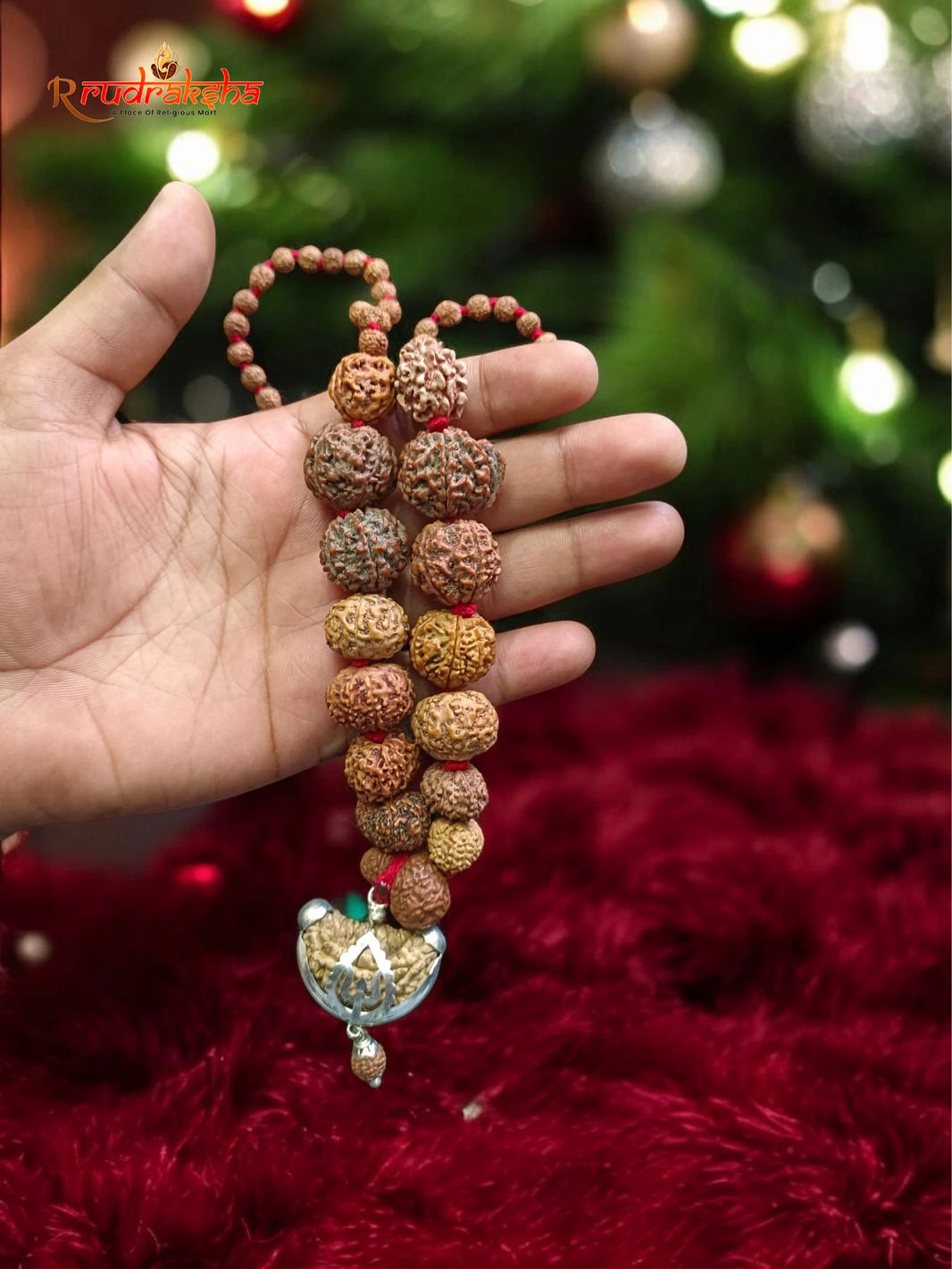
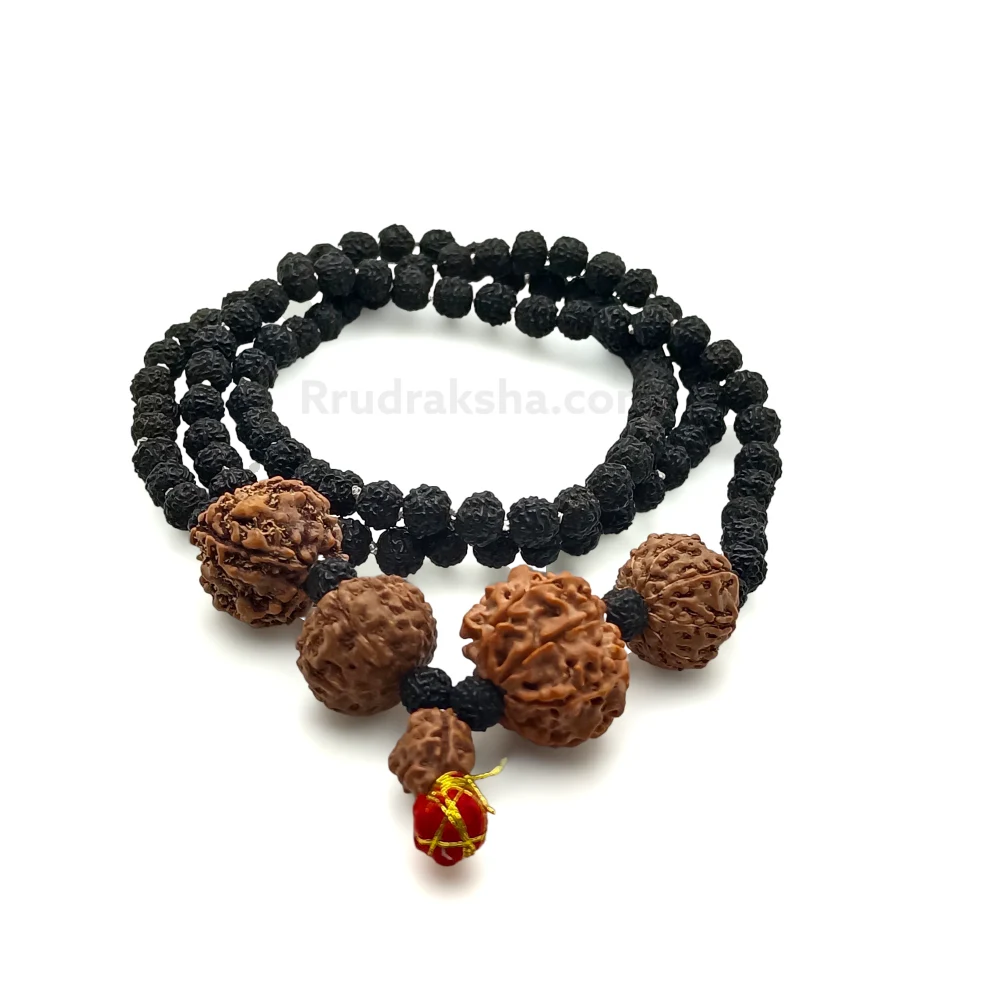
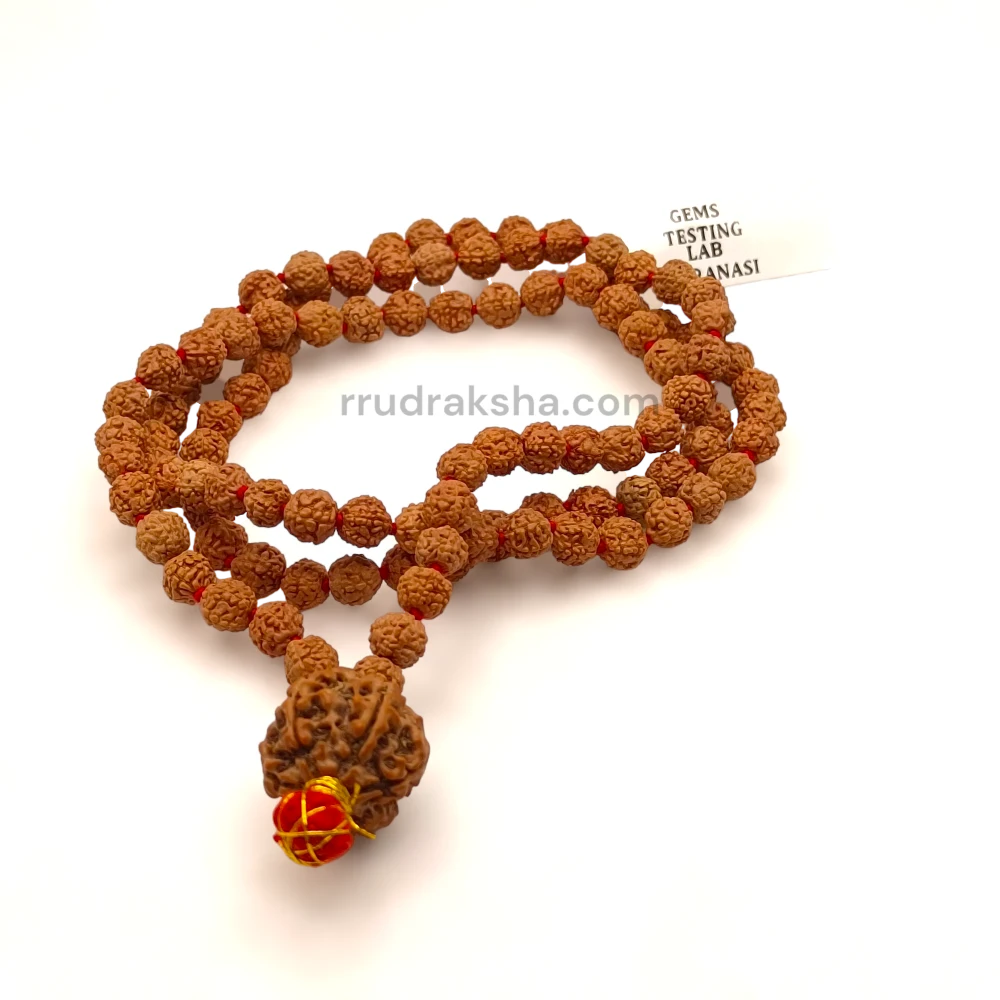
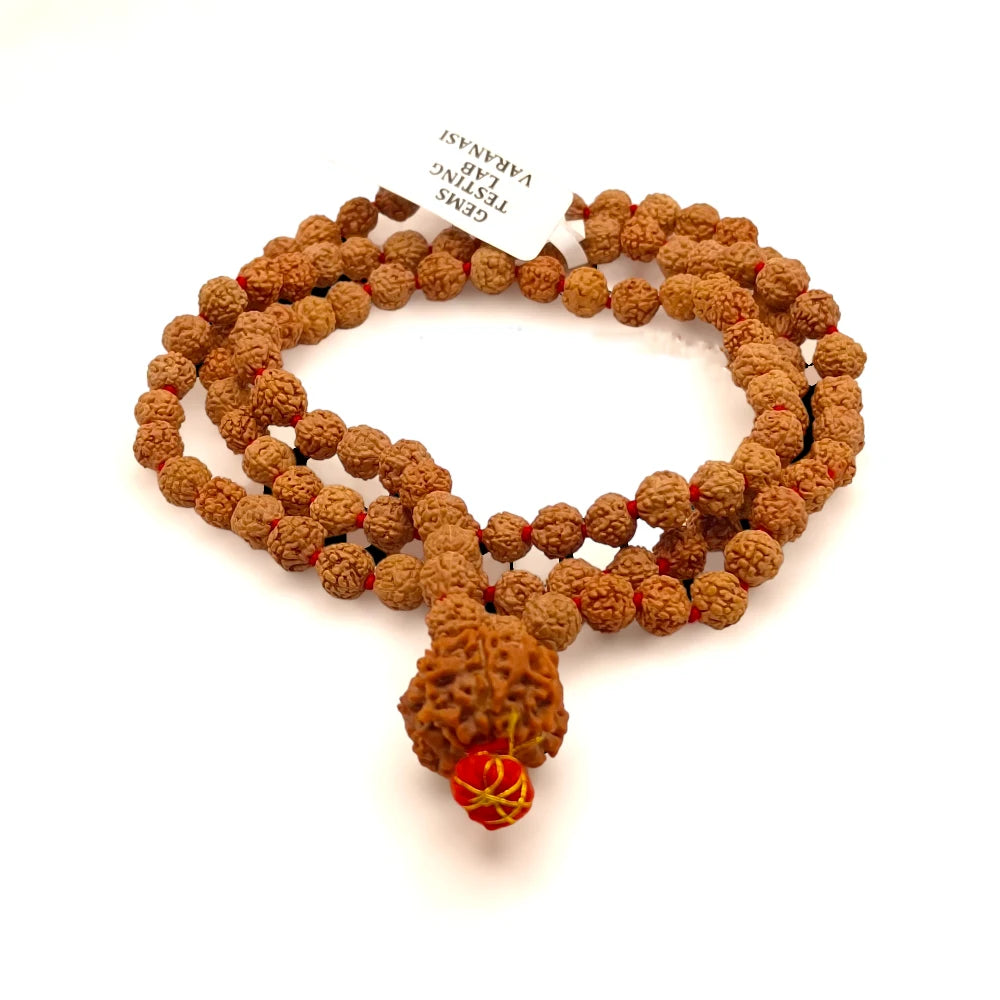
Malas are traditionally used for discipline and consistency, supporting regular practice rather than instant results. Bracelets and beads serve as subtle daily anchors, reminding the wearer to return to balance when distractions arise. When used with awareness, these tools complement the chakra system by reinforcing steadiness rather than stimulating excess.
📌 Choosing Authentic Sources Matters
For readers who prefer exploring chakras, Rudraksha, and gemstones with clarity rather than hype, trusted sources matter. At R Rudraksha the focus remains on genuine Rudraksha and gemstones selected with attention to quality, balance, and reasonable pricing, alongside educational guidance that encourages responsible use rather than exaggerated expectations.
❓ Frequently Asked Questions (FAQs)
Do chakras need to be activated?
Traditional systems emphasize balance rather than activation. Chakras are already functioning; the goal is to support stability and awareness, not forceful stimulation.
Can chakra imbalance affect daily behavior?
Yes. Imbalance often shows up as recurring emotional patterns, confusion, fear, or difficulty expressing oneself rather than physical sensations.
Is it necessary to work on all chakras together?
No. Gradual progression is preferred, starting with grounding and stability before moving toward higher awareness.
Do gemstones and Rudraksha directly fix chakras?
No. They are traditionally used as supportive tools that complement awareness and discipline, not as direct solutions.
How long does chakra alignment take?
Alignment is an ongoing process shaped by lifestyle, routine, and self-awareness rather than a fixed timeline.
Can too much focus on higher chakras cause imbalance?
Yes. Without grounding, excessive focus on higher chakras may lead to restlessness or detachment from practical life.
Are malas and bracelets suitable for daily use?
Yes. They are traditionally used to support consistency and mindfulness during everyday activities.
Is chakra work religious?
Chakra understanding comes from spiritual traditions but can be approached as a system of awareness rather than belief.
Can emotional balance improve with chakra awareness?
Awareness of patterns often leads to better emotional regulation, which is considered a sign of balance.
What is the most important factor in chakra alignment?
Consistency in awareness, ethical living, and disciplined routine matter more than any external aid.
🧭 Conclusion 🌟
Understanding Chakras as a System of Awareness
The seven chakras form a comprehensive framework for understanding how consciousness, behavior, and emotional patterns interact. Rather than viewing them as isolated centers to be fixed or activated, traditional wisdom encourages seeing them as interconnected layers of awareness that naturally seek balance.
True alignment emerges through disciplined living, self-observation, and gradual refinement. Supportive tools such as Rudraksha, gemstones, malas, and bracelets play a complementary role when used responsibly, reinforcing awareness rather than replacing it.
When approached with patience and clarity, the chakra system becomes less about chasing experiences and more about cultivating steadiness, understanding, and meaningful growth. This perspective allows spiritual exploration to remain grounded, integrated, and sustainable over time.
🙏 हर हर महादेव 🙏





Leave a comment