










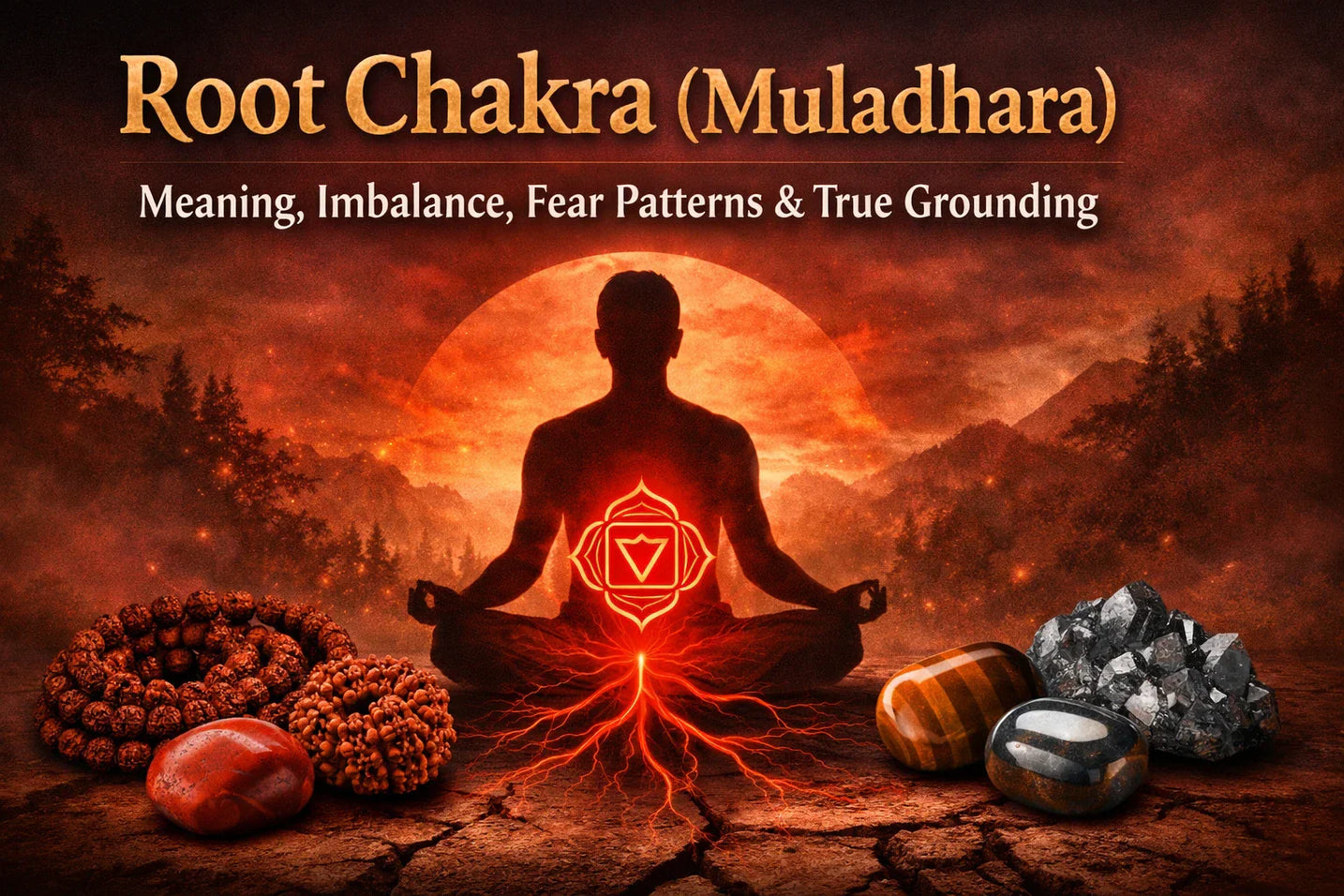
🌱 Root Chakra (Muladhara): Meaning, Imbalance, Fear Patterns & True Grounding
The Root Chakra, known as Muladhara in traditional yogic philosophy, represents the foundation upon which all other aspects of human awareness rest. While it is often reduced to the idea of survival, its influence extends far deeper into how a person experiences safety, stability, continuity, and trust in life itself. The Root Chakra governs the subtle sense of being supported by existence — not merely through material resources, but through inner steadiness and emotional resilience.
When the Root Chakra is balanced, life feels navigable even during uncertainty. Challenges are approached with patience rather than panic, and responsibilities are handled without constant fear of collapse. When this foundation weakens, however, the effects are not always dramatic. Often, imbalance shows up quietly — as restlessness, chronic worry, difficulty committing to long-term plans, or a lingering sense that something is not secure, even when outward circumstances appear stable.
This blog explores the Root Chakra as a lived, psychological and spiritual experience rather than an abstract energy concept. Instead of focusing on techniques or instant fixes, it examines how grounding is built gradually through awareness, routine, and disciplined living. Where appropriate, traditional supportive elements such as Rudraksha, gemstones, and grounding Crystals are discussed — not as solutions, but as companions that reinforce steadiness when aligned with conscious effort.
⚛️ Understanding the Root Chakra Beyond Physical Survival
The Root Chakra is traditionally located at the base of the spine and is associated with earth-like qualities such as structure, permanence, and reliability. While survival needs like shelter and security fall under its domain, Muladhara also governs psychological safety — the internal assurance that one can endure change without losing balance. This distinction is important, as many individuals meet their physical needs yet continue to experience a deeper sense of instability.
A balanced Root Chakra allows awareness to settle into the present moment. Decisions are made thoughtfully, emotions are regulated with greater ease, and the future is approached with preparation rather than fear. Such balance does not remove uncertainty, but it creates a stable inner reference point from which uncertainty can be faced without constant reactivity.
When imbalance develops, the nervous system often remains subtly activated. The mind scans continuously for threats, financial insecurity feels amplified, and even minor disruptions can trigger disproportionate stress. Traditional teachings view this not as weakness, but as a signal that grounding has been compromised and must be restored patiently through routine, physical awareness, and disciplined living.
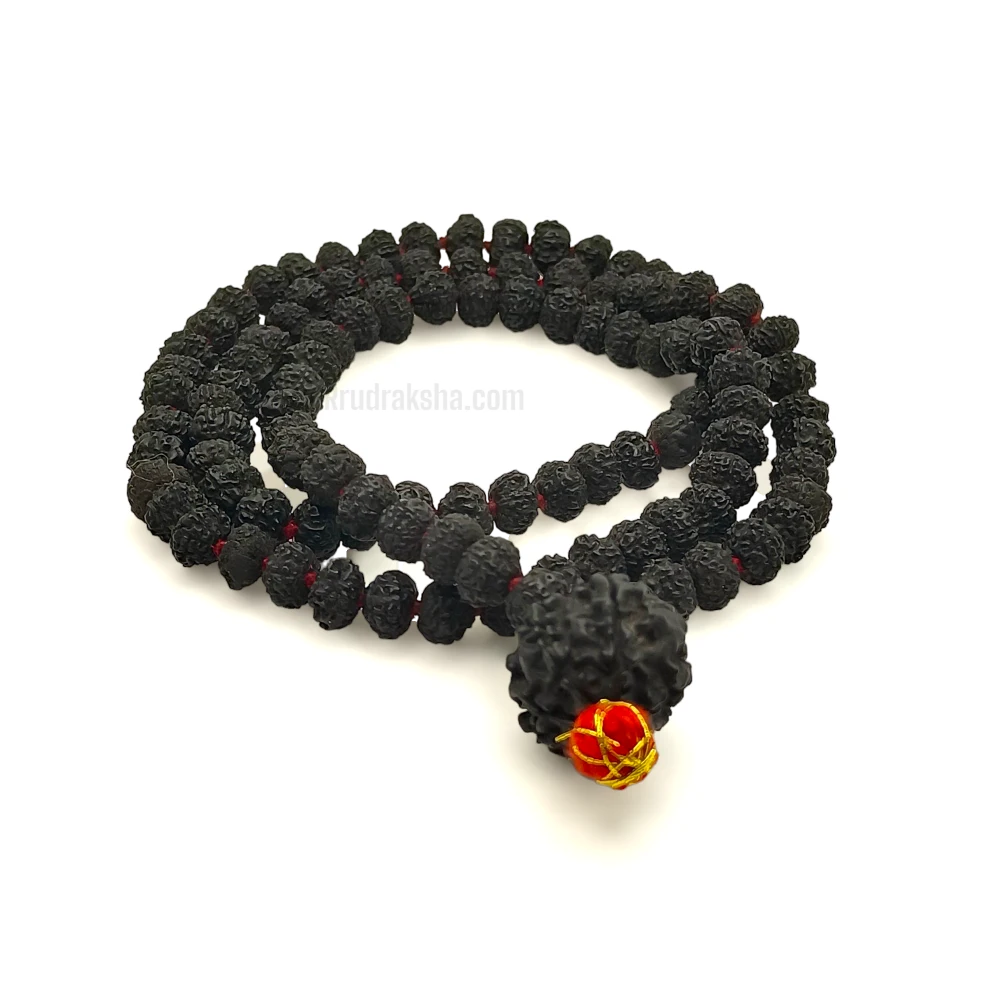
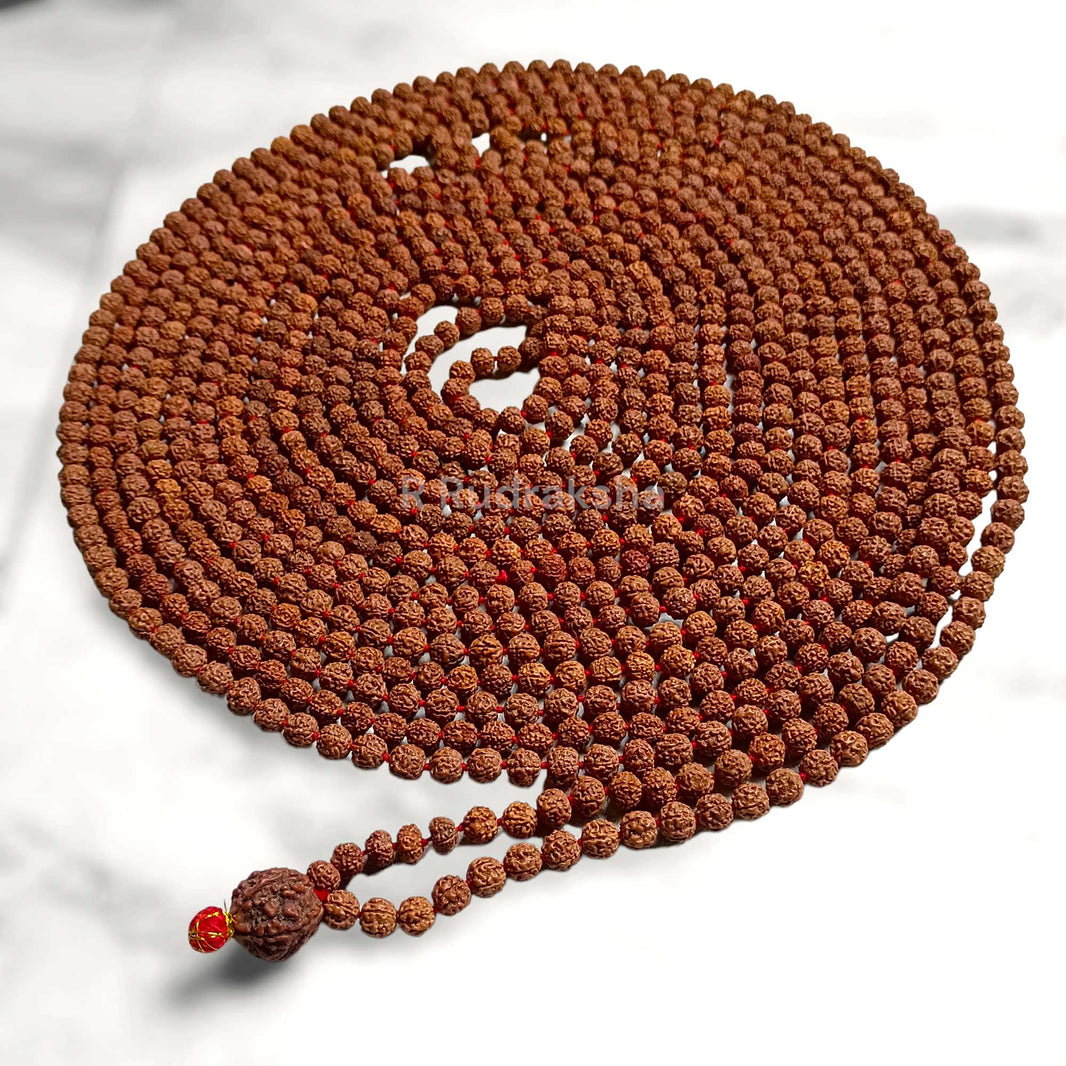
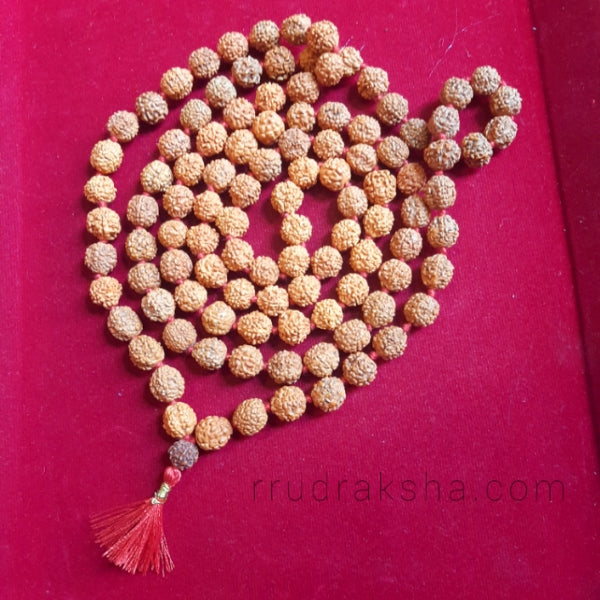
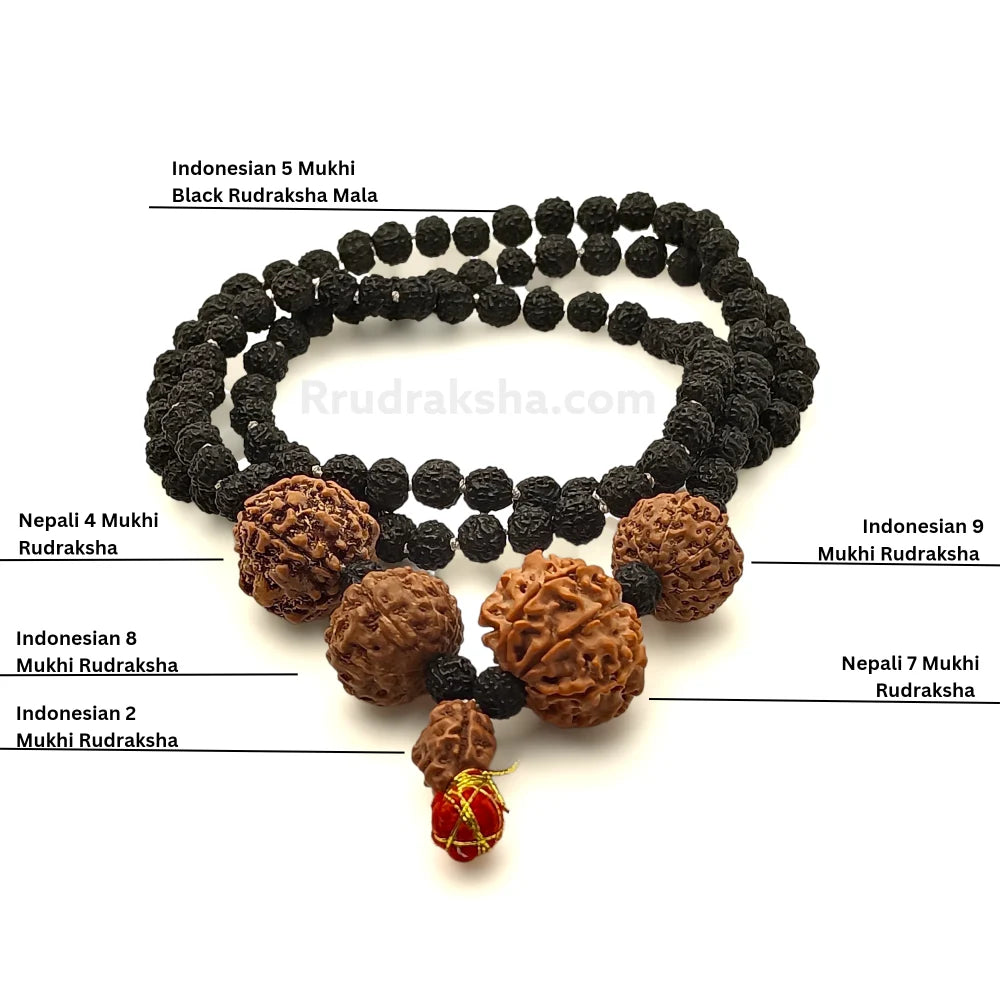
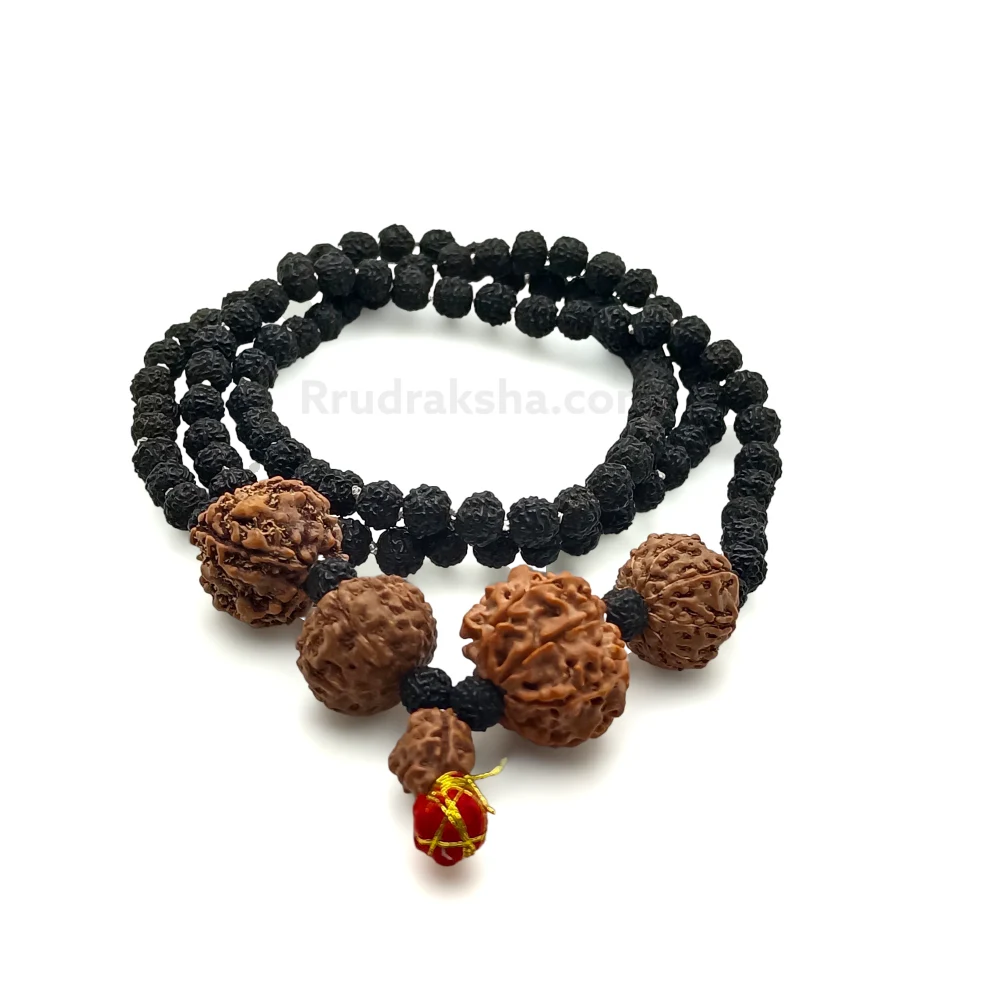
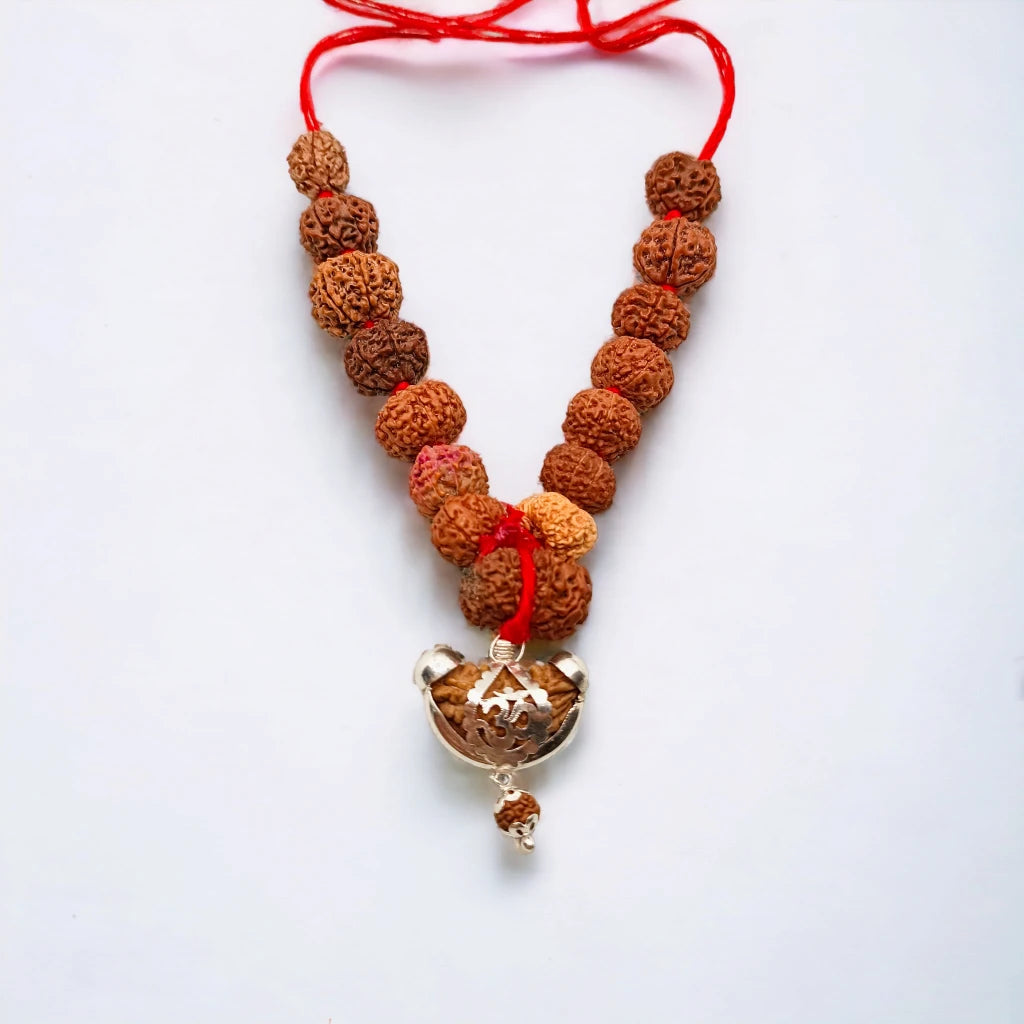
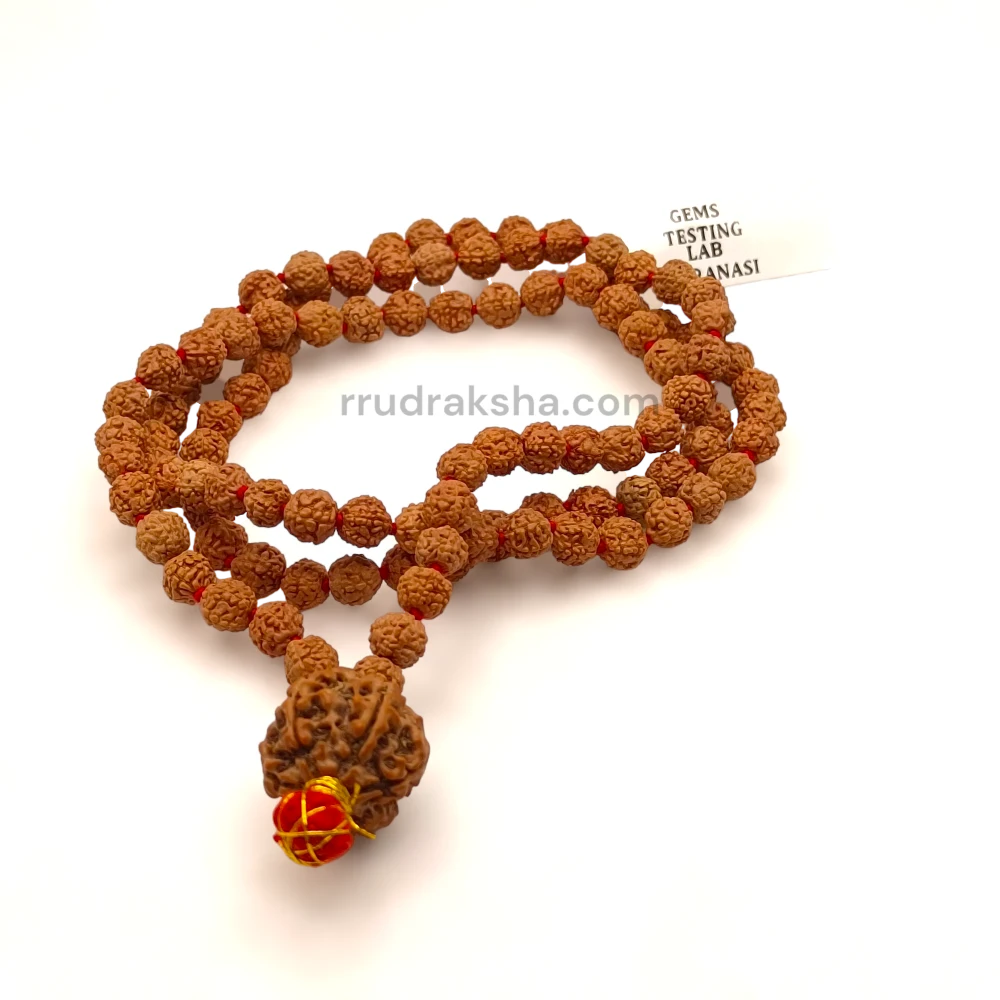
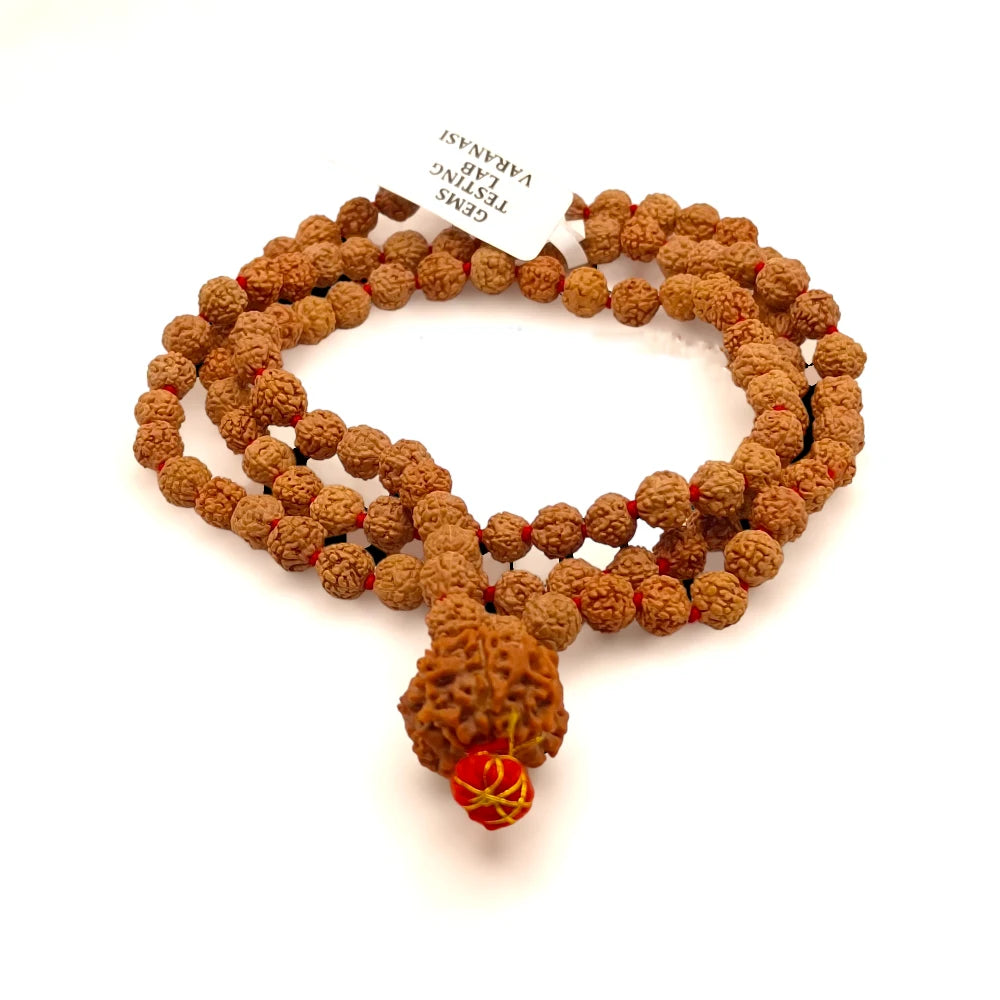
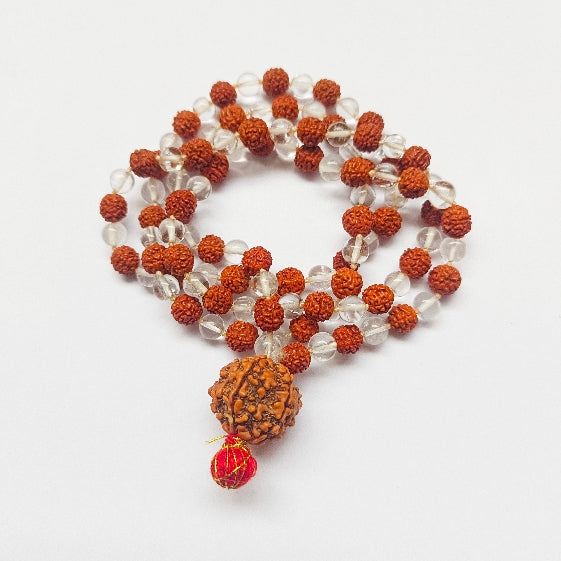
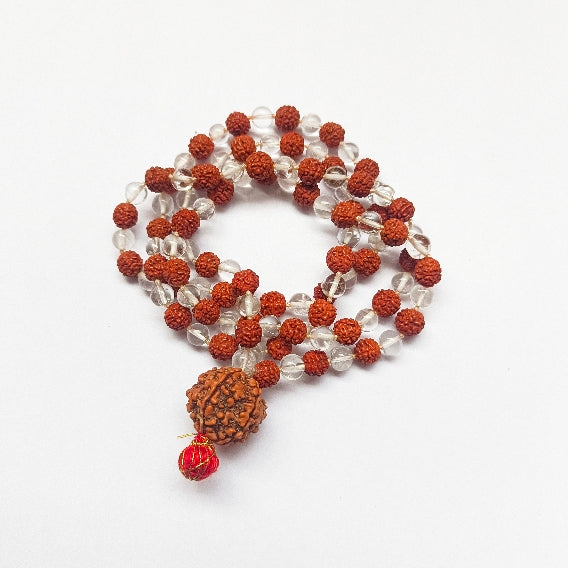
In traditional practice, grounding is sometimes supported with stabilizing aids used alongside inner work. For example, a 5 Mukhi Rudraksha Mala, traditionally associated with steadiness and balance, is often explored by practitioners seeking to reinforce grounding through consistency rather than intensity. Such tools are not considered solutions on their own, but companions to a disciplined and aware lifestyle.
🪨 How Root Chakra Imbalance Forms Over Time
Root Chakra imbalance rarely begins with a single event. It forms gradually through repeated exposure to instability, inconsistency, or unresolved fear. Early life experiences, prolonged uncertainty, sudden losses, or environments lacking structure can weaken the sense of safety that Muladhara provides. The body adapts by remaining alert, even when immediate danger has passed.
Modern lifestyles often reinforce this imbalance. Irregular routines, constant mental stimulation, and financial pressure can disconnect awareness from the body. Without rhythm and predictability, the Root Chakra struggles to anchor attention, leading to fatigue and scattered focus. This is why traditional systems emphasize daily discipline and routine over sporadic spiritual practices.
It is essential to approach this understanding without self-blame. Root Chakra imbalance reflects adaptive responses to instability, not personal failure. Recognizing this allows grounding practices to be approached with compassion and consistency rather than urgency.
🔒 Fear, Security, and the Root Chakra Connection
Fear is one of the clearest indicators of Root Chakra imbalance. Unlike situational fear that arises in response to real danger, Muladhara-related fear often persists without an immediate cause. It may express itself as chronic anxiety, fear of loss, or a constant sense of being unprepared for life’s demands, even when external conditions appear stable.
These fear patterns subtly shape behavior over time. Individuals may avoid calculated risks, over-attach to rigid routines, or seek excessive control over their environment in an attempt to feel safe. While such strategies may offer temporary comfort, they often reinforce imbalance by keeping attention fixed on potential threats rather than cultivating genuine inner stability.
Traditional teachings approach fear not as an enemy to eliminate, but as information to understand. Fear highlights areas where grounding is required. By strengthening foundational stability through consistent routine, physical awareness, and disciplined action, fear gradually loses its intensity without the need for force or suppression. In traditional grounding practices, supportive elements such as 5 Mukhi Rudraksha, often associated with steadiness and balance, are sometimes explored as quiet companions to reinforce stability while working through long-standing fear patterns.
🧘♀️ Grounding as a Way of Living, Not a Technique
Grounding is often misunderstood as a single exercise or ritual. In traditional understanding, grounding is a lifestyle orientation. It is reflected in how one structures daily life, honors responsibilities, and maintains consistency. Simple actions performed with presence — walking, working, eating — become stabilizing when approached attentively.
Physical awareness plays a central role in grounding. Practices that reconnect attention with bodily sensations help anchor awareness in the present moment. Over time, this signals safety to the nervous system, allowing the Root Chakra to stabilize naturally. Such practices do not require intensity, only regularity.
Within this framework, supportive tools are sometimes explored. In traditional spiritual contexts, **5 Mukhi Rudraksha** is often associated with grounding and steadiness, while stones such as **Tiger Eye**, **Red Jasper**, or other earth-oriented crystals are used symbolically to reinforce rooted awareness. These elements are not meant to replace inner work, but to serve as reminders of stability during daily life.
💰 Stability, Money, and Survival: The Hidden Root Chakra Connection
Concerns related to money, work, and long-term security are closely tied to the Root Chakra, yet they are often misunderstood as purely external problems. In traditional understanding, financial anxiety does not arise only from lack of resources, but from an unstable internal sense of continuity. When the Root Chakra is balanced, financial decisions are approached calmly and practically. When it is imbalanced, even adequate resources may not ease the persistent fear of loss or uncertainty.
This is why some individuals continue to feel insecure despite steady income or savings. The Root Chakra governs the feeling of being supported by life itself, not merely by numbers or possessions. When grounding is weak, the mind remains alert, anticipating instability even when circumstances suggest otherwise. This often results in overworking, difficulty resting, or an inability to feel satisfied with progress.
Traditional practices emphasize strengthening internal stability alongside responsible financial behavior. Along with disciplined routines and realistic planning, supportive elements such as **Tiger Eye** or **Pyrite** are sometimes explored in grounding traditions for their symbolic association with confidence, focus, and practical awareness. These stones are not viewed as wealth attractors, but as reminders to remain steady, alert, and disciplined in one’s approach to survival and responsibility.
🍃 Stability vs Control: A Common Root Chakra Misunderstanding
One of the most common misunderstandings associated with the Root Chakra is the belief that stability comes from control. When grounding feels weak, individuals often attempt to manage every outcome, organize every detail, and eliminate uncertainty entirely. While this behavior may appear responsible, it frequently reflects fear rather than balance.
True Root Chakra stability does not eliminate uncertainty; it builds the capacity to remain steady within it. Control seeks to remove unpredictability, whereas grounding develops resilience to face it. This distinction is critical. Excessive control exhausts mental and emotional energy, further weakening the Root Chakra over time.
Traditional teachings emphasize trust built through consistency rather than domination. Daily routines, physical awareness, and ethical responsibility gradually reinforce stability without forcing outcomes. Supportive tools such as 5 Mukhi Rudraksha malas are traditionally used within this framework to encourage steadiness and patience, acting as anchors for disciplined practice rather than instruments of control.
📉 Why Grounding Sometimes Fails Despite Effort
Many individuals report practicing grounding techniques consistently yet continuing to feel unsettled. This often leads to frustration and the belief that grounding “does not work.” Traditional understanding offers a different explanation. Grounding fails not because the practices are ineffective, but because they are approached without addressing the underlying lifestyle patterns that maintain imbalance.
Irregular sleep, constant mental stimulation, lack of physical movement, and avoidance of responsibility all weaken the Root Chakra, regardless of how many grounding exercises are performed. Stability cannot be built in isolation from daily life. The Root Chakra responds most strongly to consistency, structure, and follow-through rather than symbolic effort alone.
This is why classical systems emphasize integration. Grounding practices are meant to support disciplined living, not compensate for its absence. Where external supports are explored, grounding crystals such as **Red Jasper**, **Hematite**, or earth-oriented stones are traditionally used as tactile reminders of presence, helping awareness return to the body rather than remaining trapped in mental loops.
♎ Physical Awareness and the Body’s Role in Root Chakra Balance
The Root Chakra is deeply connected to physical awareness. Unlike higher chakras, which engage perception and insight, Muladhara responds strongly to bodily cues. When attention is disconnected from the body, grounding weakens. This disconnection is common in modern life, where awareness is often consumed by screens, information, and constant cognitive engagement.
Simple physical practices performed consistently help restore this connection. Walking with attention, mindful posture, conscious breathing, and steady movement all support Root Chakra balance. These practices do not need to be intense or time-consuming; their effectiveness lies in regularity and presence.
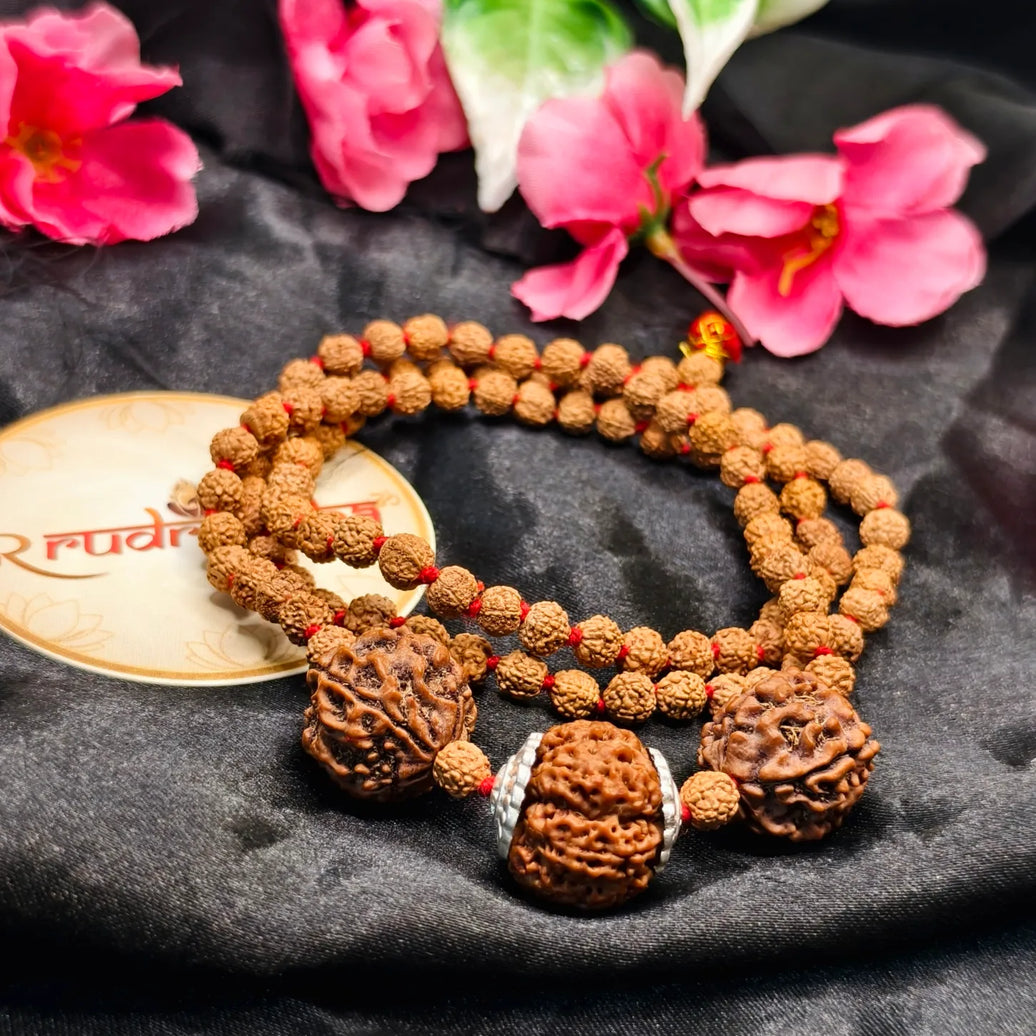
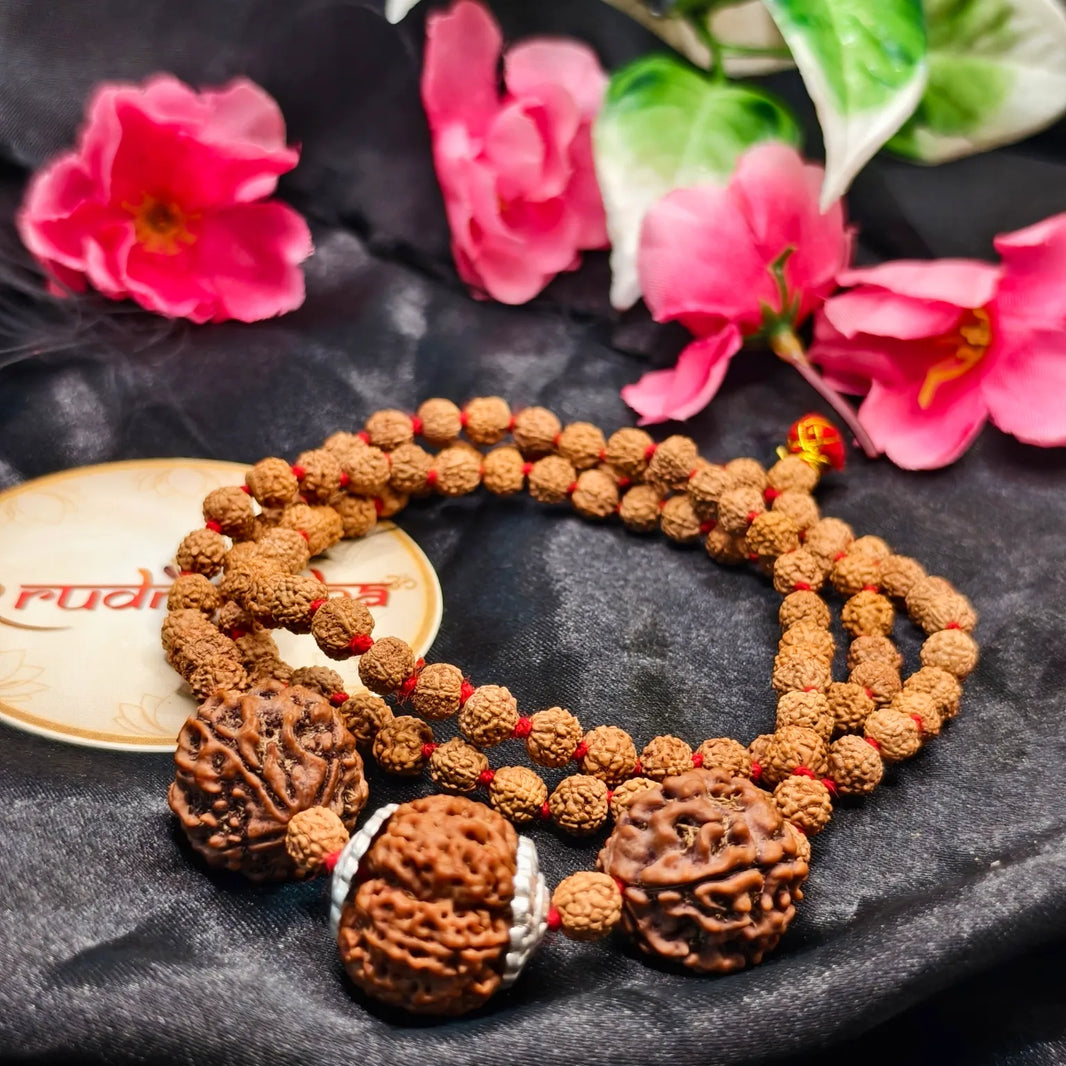
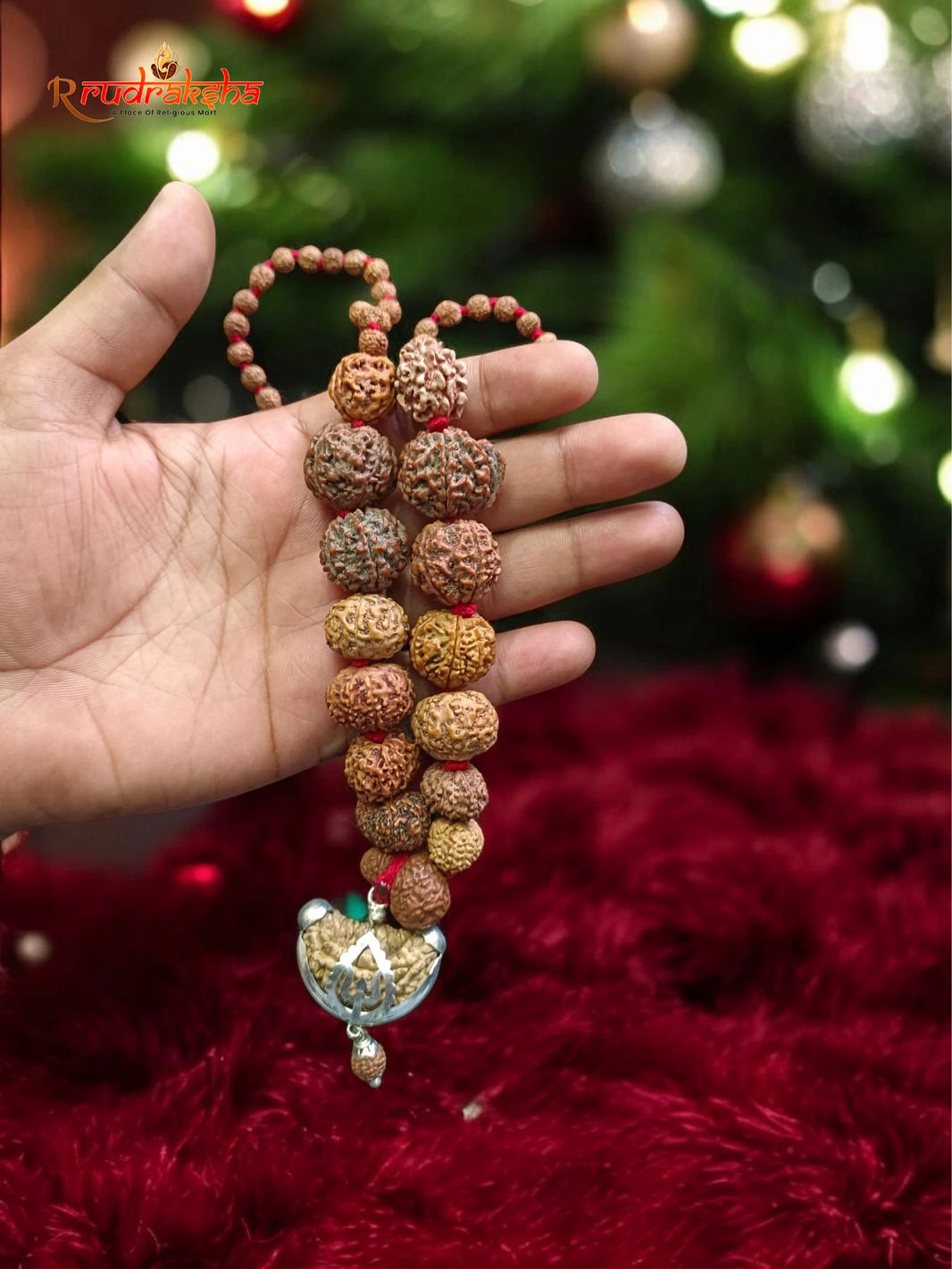
Within traditional contexts, malas and bracelets made with grounding materials are sometimes worn during daily activity to support physical awareness. **Rudraksha beads**, especially when worn close to the body, are traditionally viewed as steady companions that reinforce mindfulness and bodily presence throughout the day, aligning awareness with movement rather than distraction.
🧱 Discipline, Routine, and the Psychology of Safety
Discipline plays a crucial role in Root Chakra alignment, yet it is often misunderstood as restriction. In traditional philosophy, discipline is not punishment; it is predictability. Regular sleep, consistent work patterns, and reliable routines create a sense of safety that the Root Chakra recognizes instinctively.
When life lacks structure, the nervous system remains uncertain, and grounding weakens. Discipline provides reassurance by establishing rhythm. Over time, this rhythm allows awareness to settle, reducing fear and mental agitation. Stability becomes a lived experience rather than a concept.
Supportive tools may be used within this disciplined framework. A **5 Mukhi Rudraksha Mala**, when used consistently during meditation or quiet reflection, traditionally supports steadiness and routine. Similarly, grounding crystals placed in personal spaces are often used as visual cues to reinforce calm, structure, and presence rather than as focal points of effort.
🍂 Root Chakra Maturity: Stability as an Inner State
As Root Chakra alignment matures, stability gradually shifts from being dependent on external conditions to becoming an internal reference point. Life continues to present uncertainty, yet reactions soften. Decisions are made with deliberation rather than urgency, and challenges are met with patience instead of panic. This maturity reflects a nervous system that no longer interprets every change as a threat.
Root Chakra maturity does not create rigidity. On the contrary, it allows flexibility grounded in trust. When awareness is anchored, adaptation becomes possible without fear-driven responses. This balance is often mistaken for detachment, but it is actually deep engagement with life free from constant survival anxiety.
✨ When to Simplify Instead of Adding More Practices
A common mistake in spiritual exploration is adding more techniques when imbalance persists. In the case of the Root Chakra, simplification is often more effective than accumulation. Excessive practices, constant experimentation with tools, or over-analysis can overwhelm awareness and further weaken grounding.
Traditional systems emphasize reducing mental noise and strengthening basics: regular routines, physical presence, and ethical responsibility. When these foundations are restored, additional practices naturally become more effective. Stability is built by consistency, not complexity.
Within this approach, supportive elements such as **5 Mukhi Rudraksha**, grounding Gemstones, or earth-oriented crystals are best used sparingly and consistently. Their role is to reinforce steadiness and remind awareness to return to the body, rather than to create stimulation or dependency.
Common Myths About Root Chakra Balance
One persistent myth is that Root Chakra work is only for those experiencing fear or insecurity. In reality, grounding is essential at every stage of spiritual growth. Even individuals deeply engaged in higher awareness benefit from strong foundations, as imbalance at the root eventually affects all other aspects of life.
Another misconception is that grounding limits spiritual progress. Traditional teachings reject this view entirely. Grounding does not restrict awareness; it supports expansion by providing stability. Without grounding, higher awareness often becomes fragmented or unsustainable.
Finally, there is the belief that external tools alone can resolve Root Chakra imbalance. While Rudraksha, gemstones, and Crystals are meaningful within traditional contexts, they are not substitutes for disciplined living. Their effectiveness depends on how well they align with routine, awareness, and responsibility.
❓ Frequently Asked Questions (FAQs)
What are common signs of Root Chakra imbalance?
Persistent anxiety, difficulty feeling secure, fear of change, and trouble maintaining routines are commonly associated with Root Chakra imbalance.
Can financial stress be related to the Root Chakra?
From a traditional perspective, financial anxiety often reflects internal instability rather than external lack, which is associated with the Root Chakra.
Is grounding only about physical activity?
No. Grounding includes physical awareness, routine, ethical living, and disciplined decision-making.
Does wearing Rudraksha directly balance the Root Chakra?
Rudraksha is traditionally viewed as a supportive aid that complements awareness and discipline, not as a direct solution.
Which Rudraksha is traditionally linked with the Root Chakra?
The **5 Mukhi Rudraksha** is commonly associated with grounding and stability related to the Root Chakra.
Are gemstones necessary for Root Chakra work?
No. Gemstones and crystals are optional supports and are not required for grounding to develop.
Can too much grounding create rigidity?
Balanced grounding creates flexibility, not rigidity. Excessive control, however, may indicate fear rather than balance.
How long does Root Chakra alignment take?
Alignment is gradual and depends on consistency in lifestyle, awareness, and routine rather than a fixed timeline.
🧭 Conclusion 🌱
Grounding as a Lifelong Practice
The Root Chakra is not something to be fixed or activated, but a foundation to be strengthened over time. Its influence extends into every area of life, shaping how safety, responsibility, and resilience are experienced. When grounded alignment is approached with patience, discipline, and awareness, stability becomes a lived reality rather than a goal.
Traditional spiritual systems consistently emphasize that true grounding arises from how one lives each day. Supportive tools such as Rudraksha, gemstones, and grounding crystals play a meaningful but secondary role, reinforcing steadiness rather than replacing inner work. By honoring the Root Chakra as a continuous practice rather than a quick solution, deeper clarity and resilience naturally emerge.
🙏 हर हर महादेव 🙏





Leave a comment