



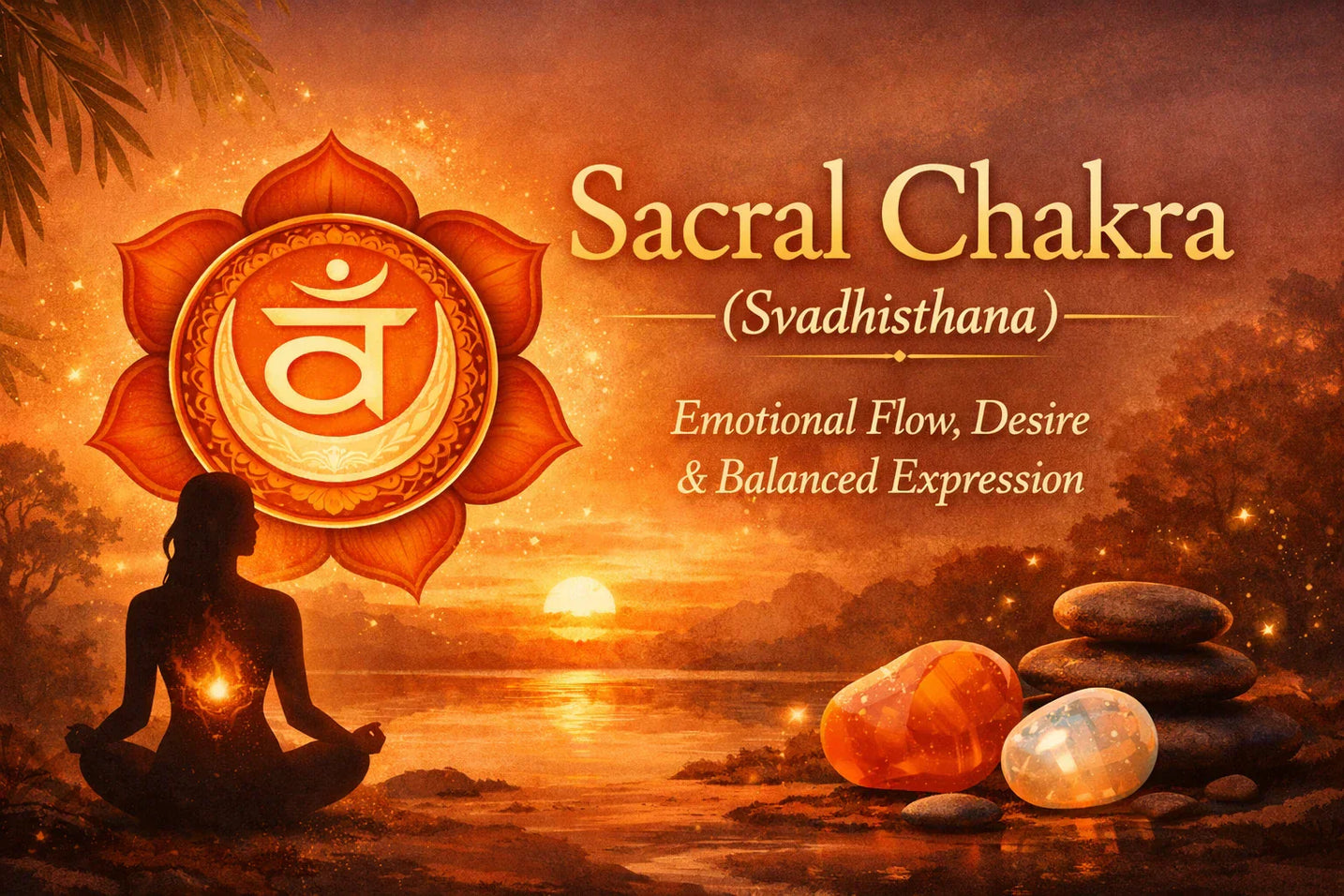
🟠 Sacral Chakra (Svadhisthana): Emotional Flow, Desire & Balanced Expression
The Sacral Chakra, known as Svadhisthana in classical spiritual traditions, governs emotional flow, creativity, and the relationship an individual forms with desire. Although it is frequently reduced to themes of pleasure or sexuality, its deeper function lies in how emotions are experienced, regulated, and expressed without attachment or suppression. Svadhisthana shapes one’s ability to engage with joy, connection, change, and self-expression in a balanced and conscious manner.
When the Sacral Chakra is balanced, emotions move fluidly rather than becoming stagnant or overwhelming. Creativity emerges naturally as an extension of clarity, not compulsion. Pleasure is experienced without dependency, and emotional connections remain nourishing rather than consuming. When imbalance arises, however, emotions often swing between excess and restraint, leading to inner conflict, confusion, or instability.
This exploration approaches the Sacral Chakra as a center of emotional intelligence rather than indulgence. Traditional understanding places emphasis on awareness, moderation, and discipline as the true foundations of emotional balance. Where supportive tools such as Rudraksha, gemstones, or crystals are referenced, they are presented strictly as companions to inner work, not as stimulants or substitutes for awareness.
🌊 Emotional Flow Versus Emotional Excess
One of the most persistent misconceptions surrounding the Sacral Chakra is the belief that emotional freedom requires unrestricted expression. Traditional teachings draw a clear distinction between emotional flow and emotional excess. Emotional flow allows feelings to arise, be acknowledged, and pass naturally. Emotional excess, by contrast, entangles awareness in reaction, creating attachment, volatility, or dependency that gradually weakens emotional balance.
A balanced Sacral Chakra supports the ability to experience emotion without being governed by it. Joy does not demand constant stimulation, nor does discomfort require immediate escape. Emotional intelligence develops through observation rather than indulgence, allowing inner steadiness to remain intact even during emotionally charged moments.
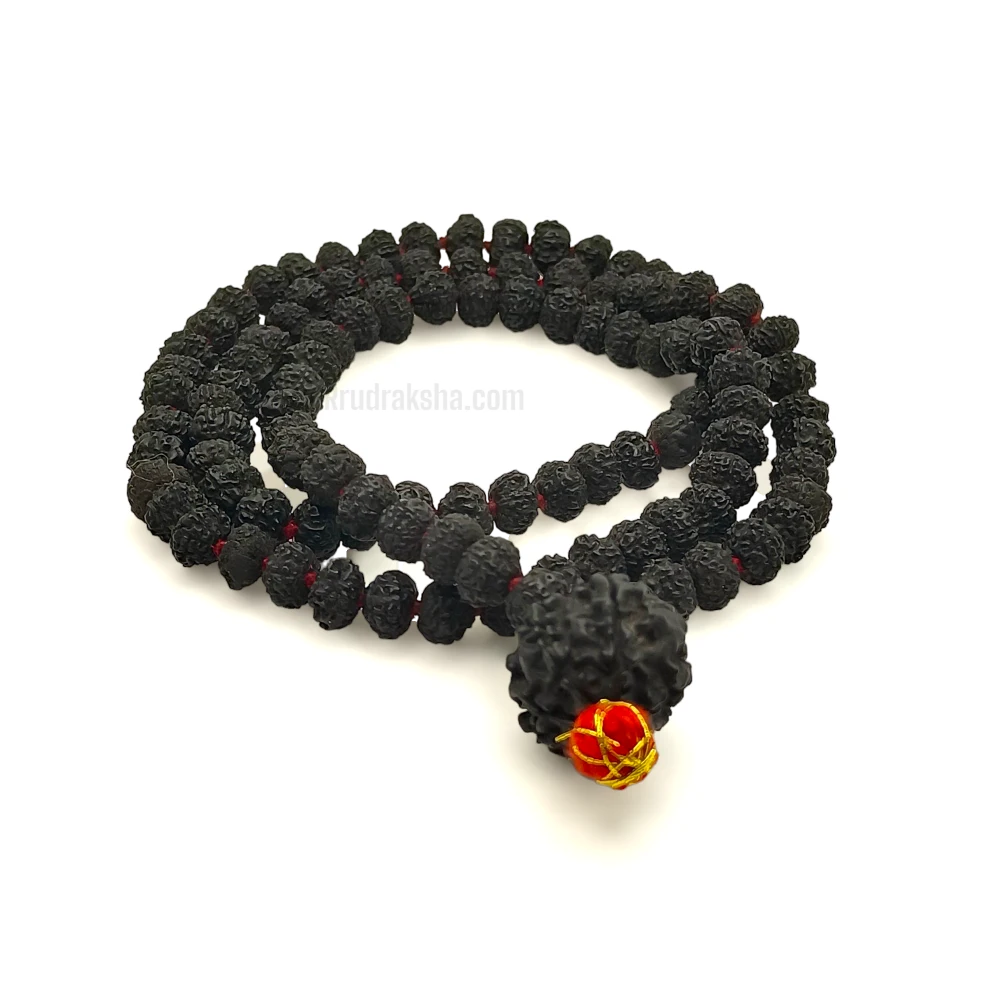
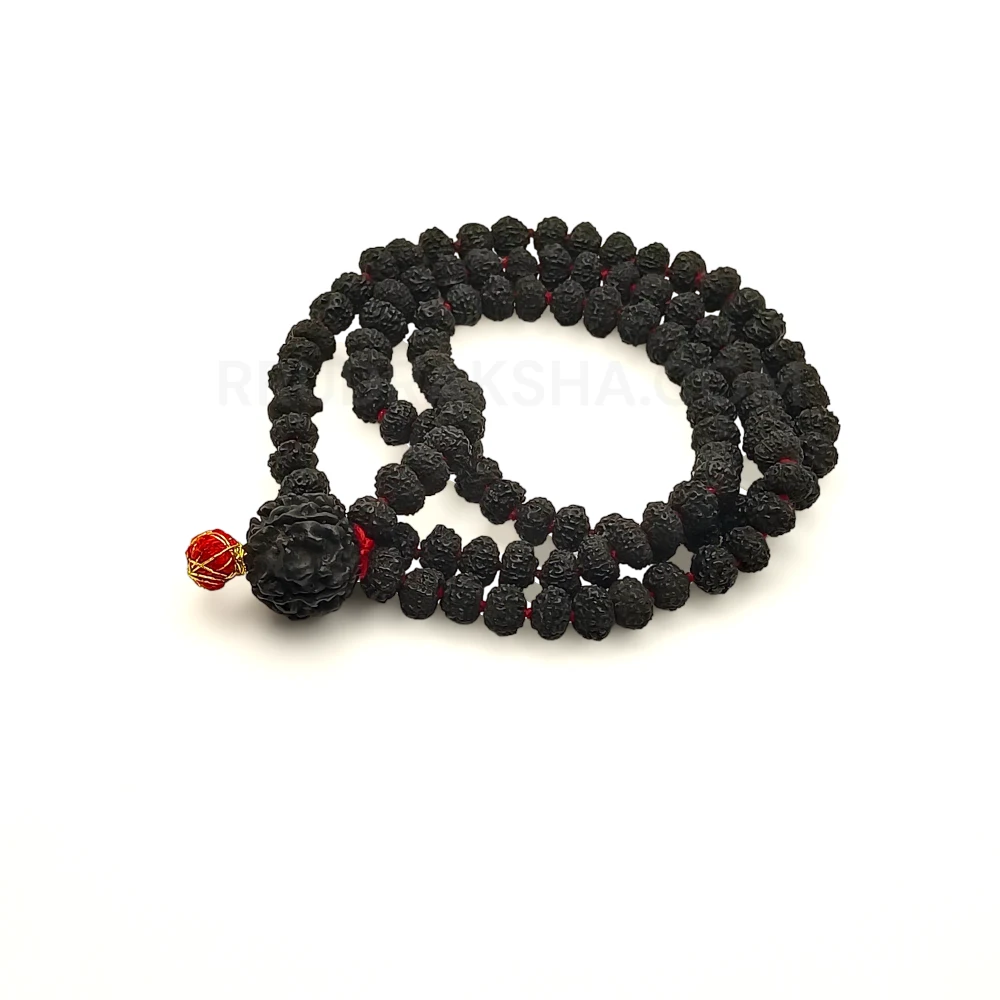
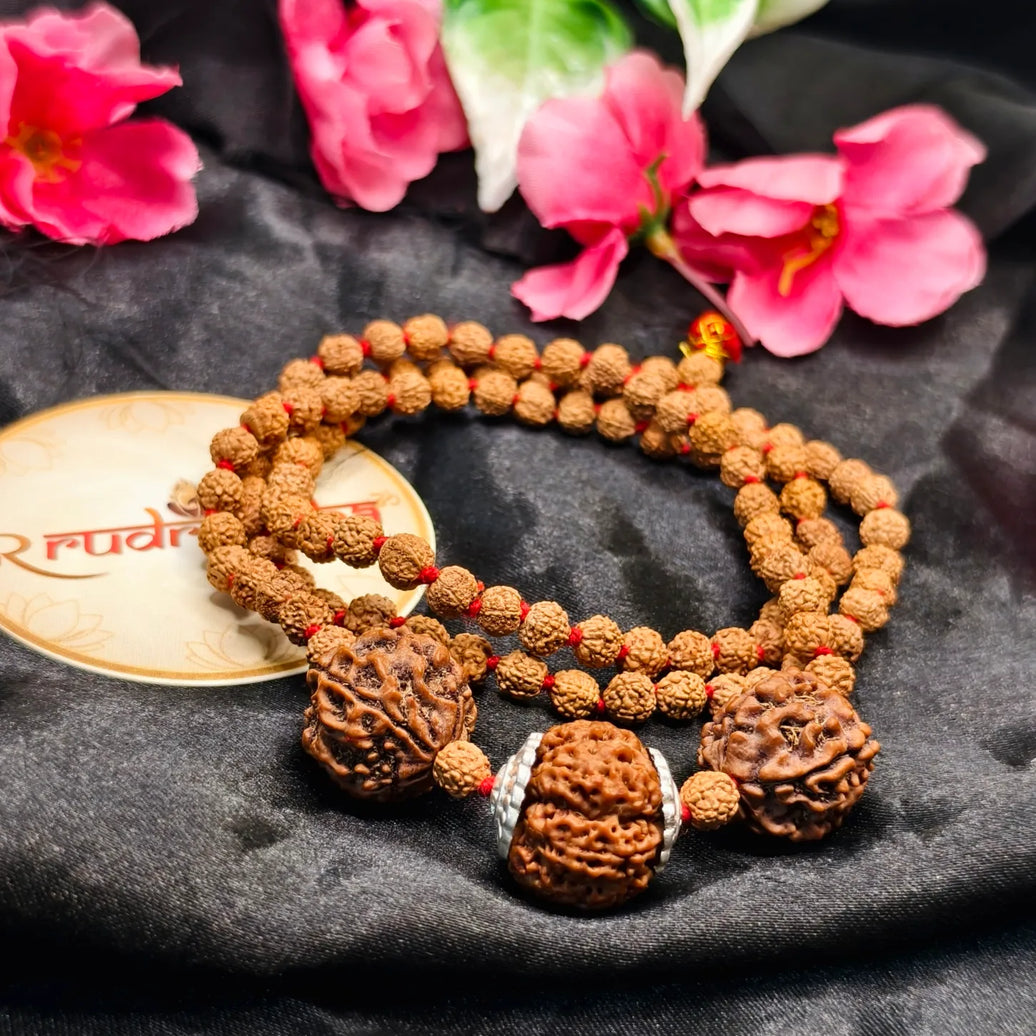
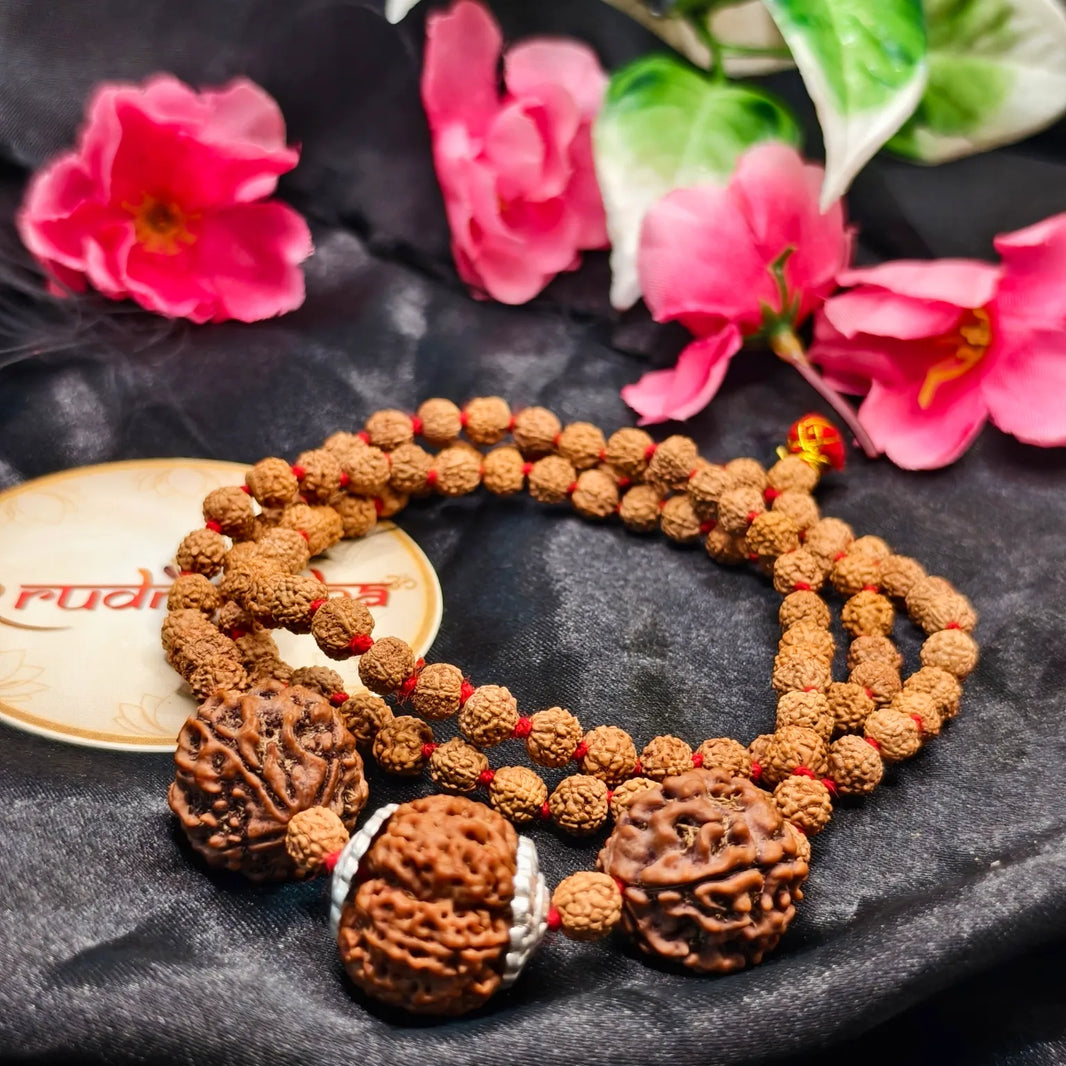
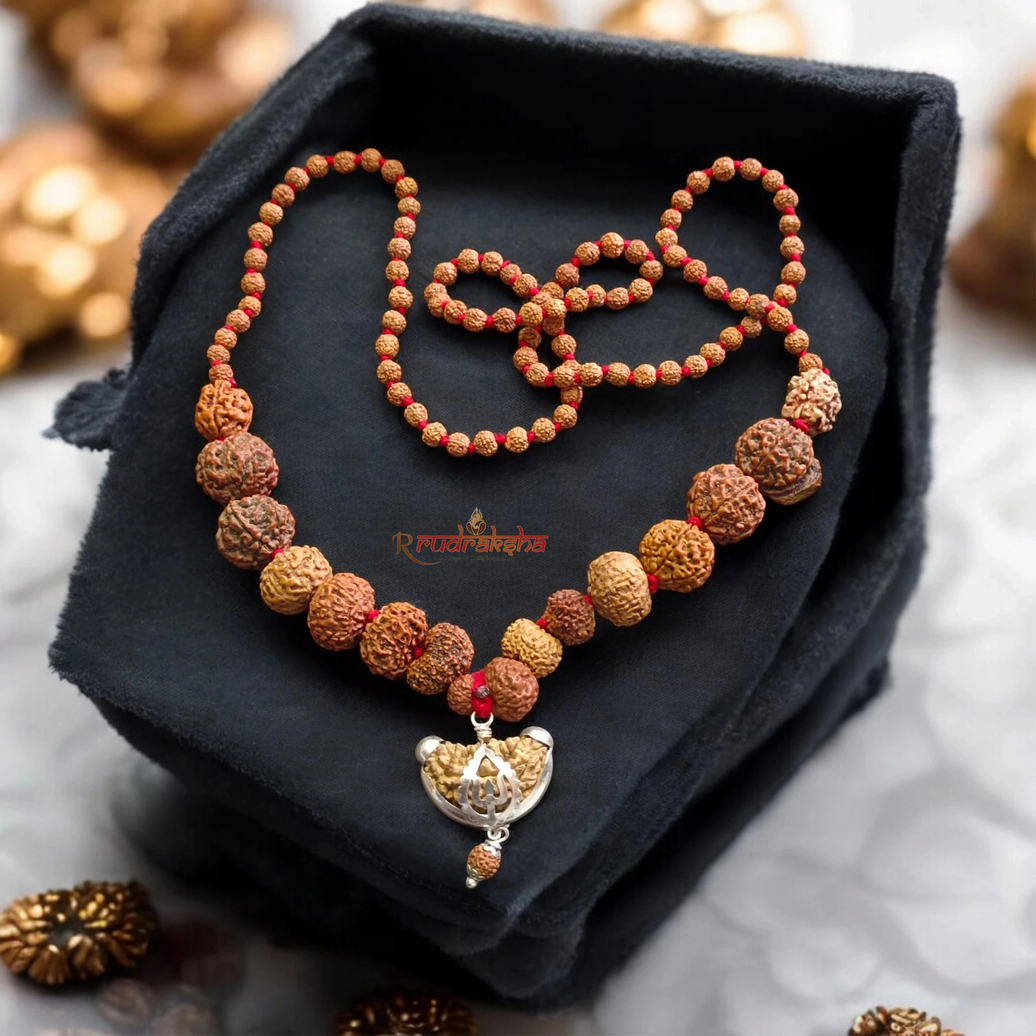
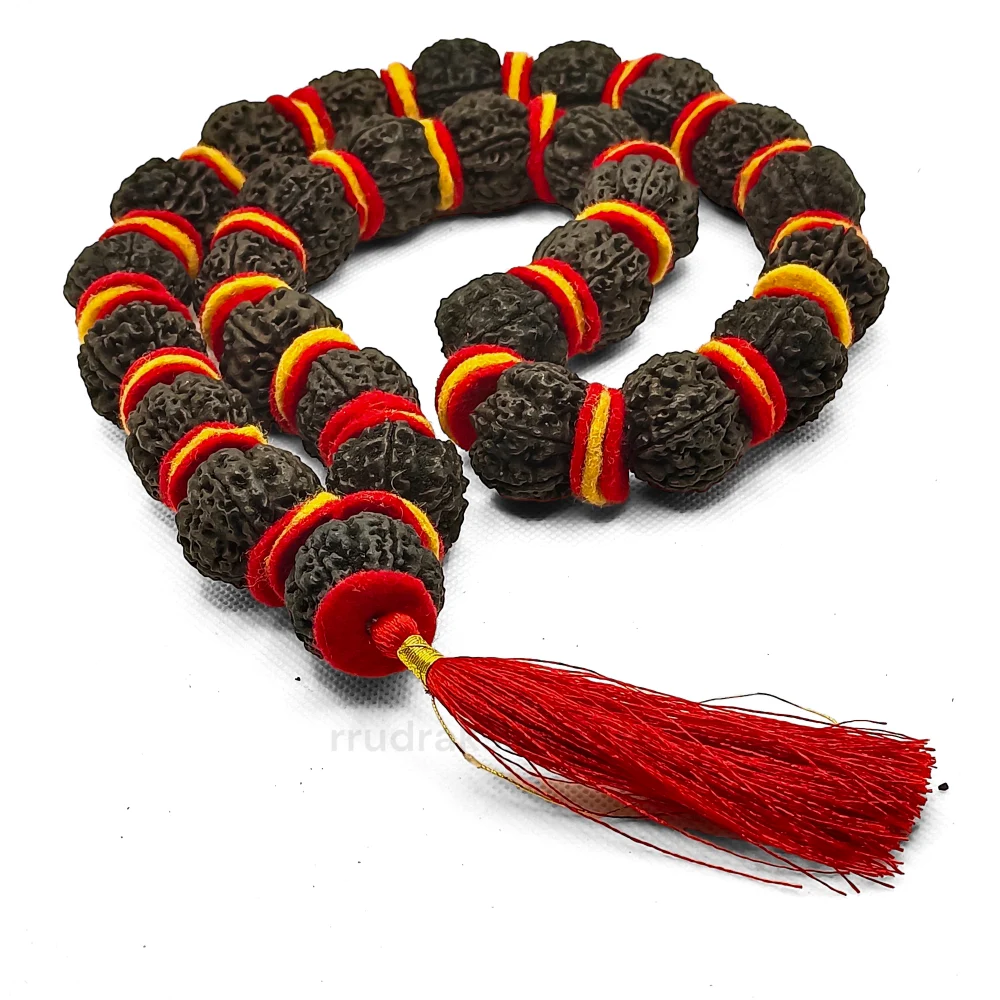
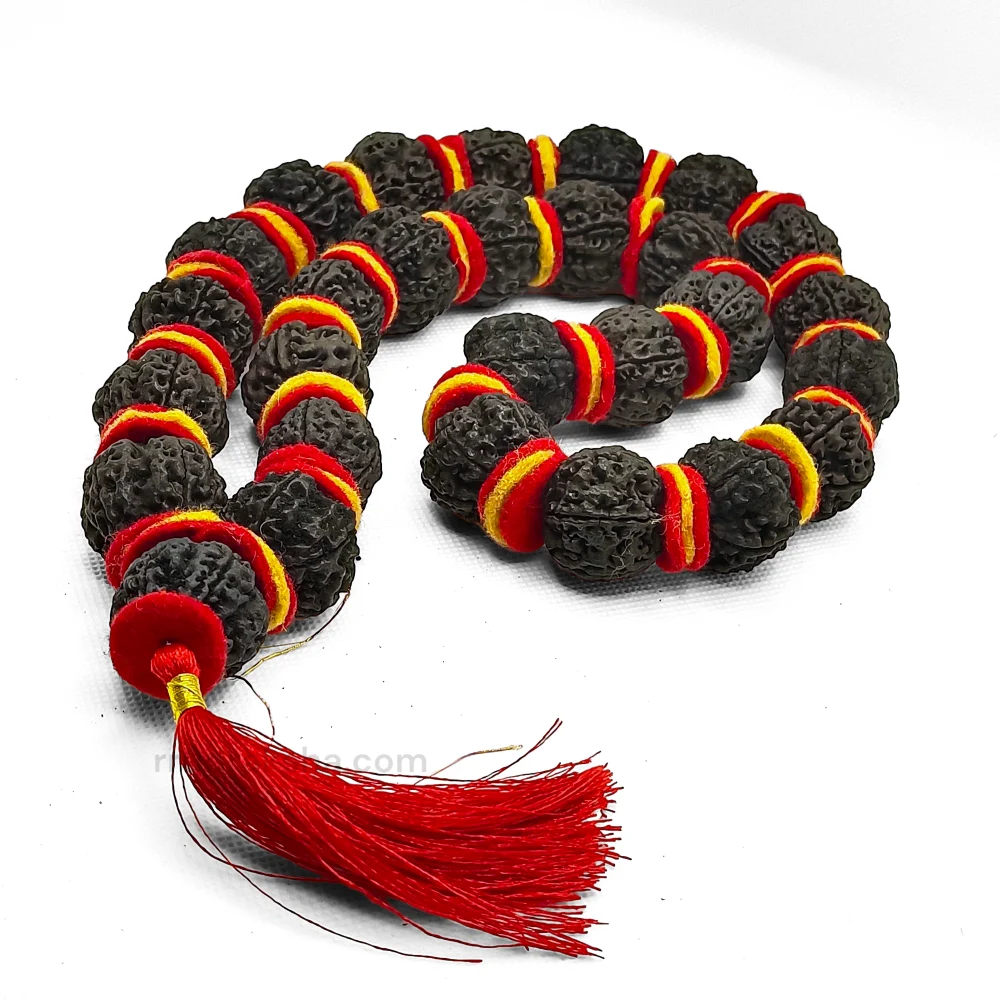
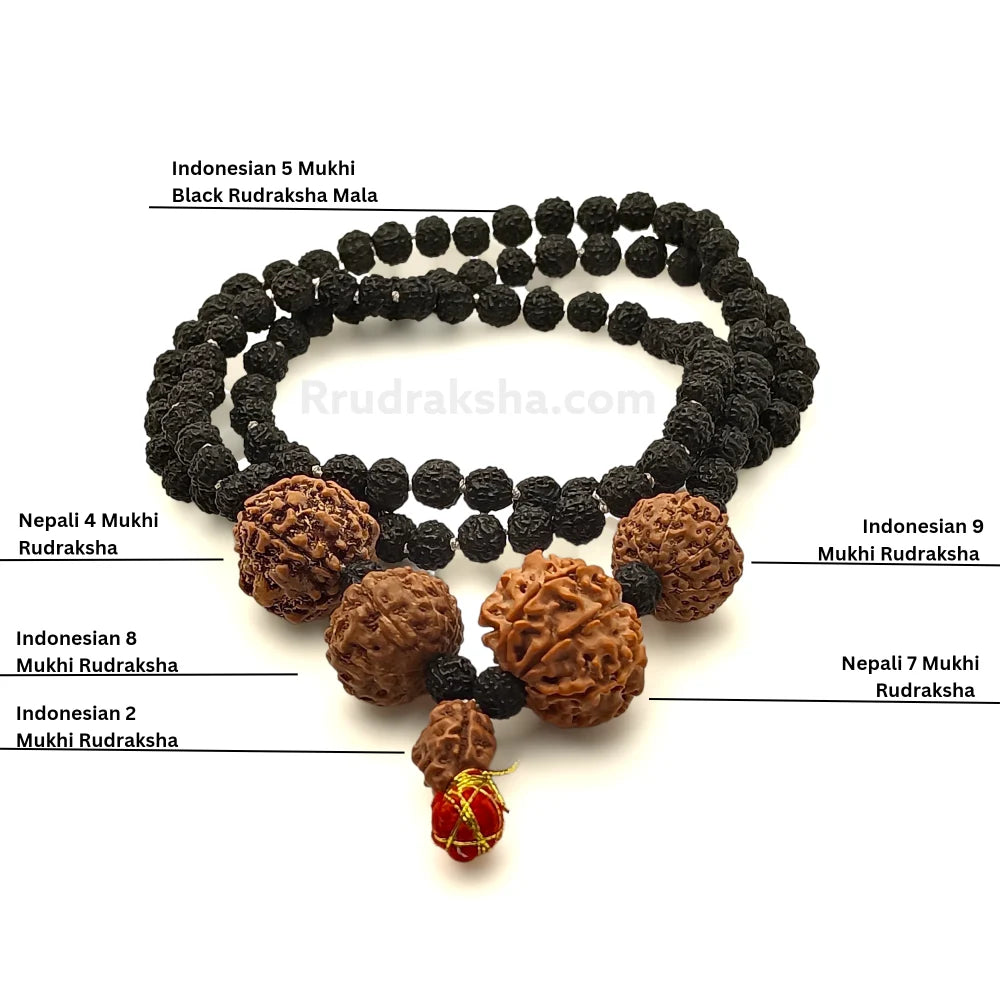
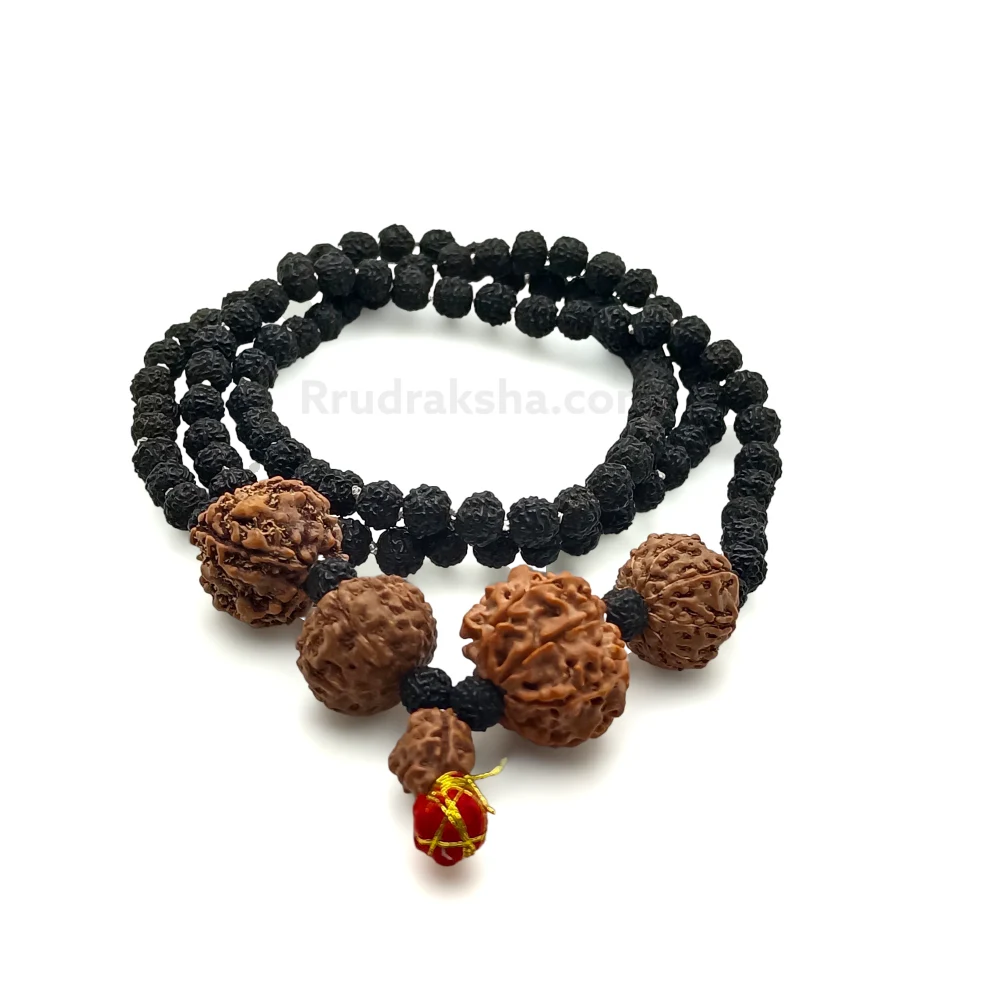
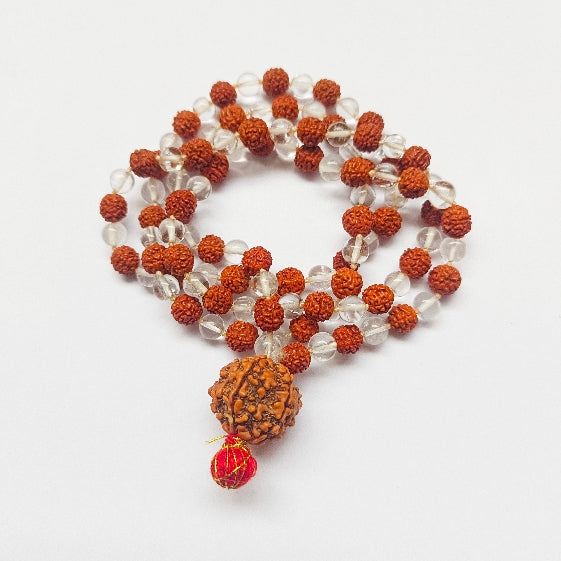
When Svadhisthana is imbalanced, emotional responses often lose proportion. Overactivity may appear as impulsiveness, emotional dependency, or habitual pleasure-seeking as a means of avoidance. Underactivity may present as emotional numbness, creative stagnation, or difficulty forming meaningful connections. Both extremes reflect disruption in emotional regulation rather than absence of feeling. In traditional practice, individuals focusing on emotional steadiness sometimes explore a Sphatik and Rudraksha Combination, worn during daily activity as a reminder to observe emotions clearly without being carried away by them.
🧠 Desire, Attachment, and Emotional Discipline
Desire plays a central role within the Sacral Chakra, yet it is often misunderstood as something that must either be pursued without restraint or suppressed entirely. Traditional systems regard desire as a natural movement of life energy that requires guidance rather than elimination. When observed with awareness and discipline, desire refines into creative force. When left unchecked or ignored, it tends to fragment attention and create emotional imbalance.
Attachment develops when desire becomes linked to identity or emotional security. The Sacral Chakra governs how pleasure and connection are integrated without becoming sources of dependency. Balanced desire allows enjoyment without fear of loss, while imbalance frequently leads to clinging, avoidance, or emotional exhaustion that disrupts emotional clarity.
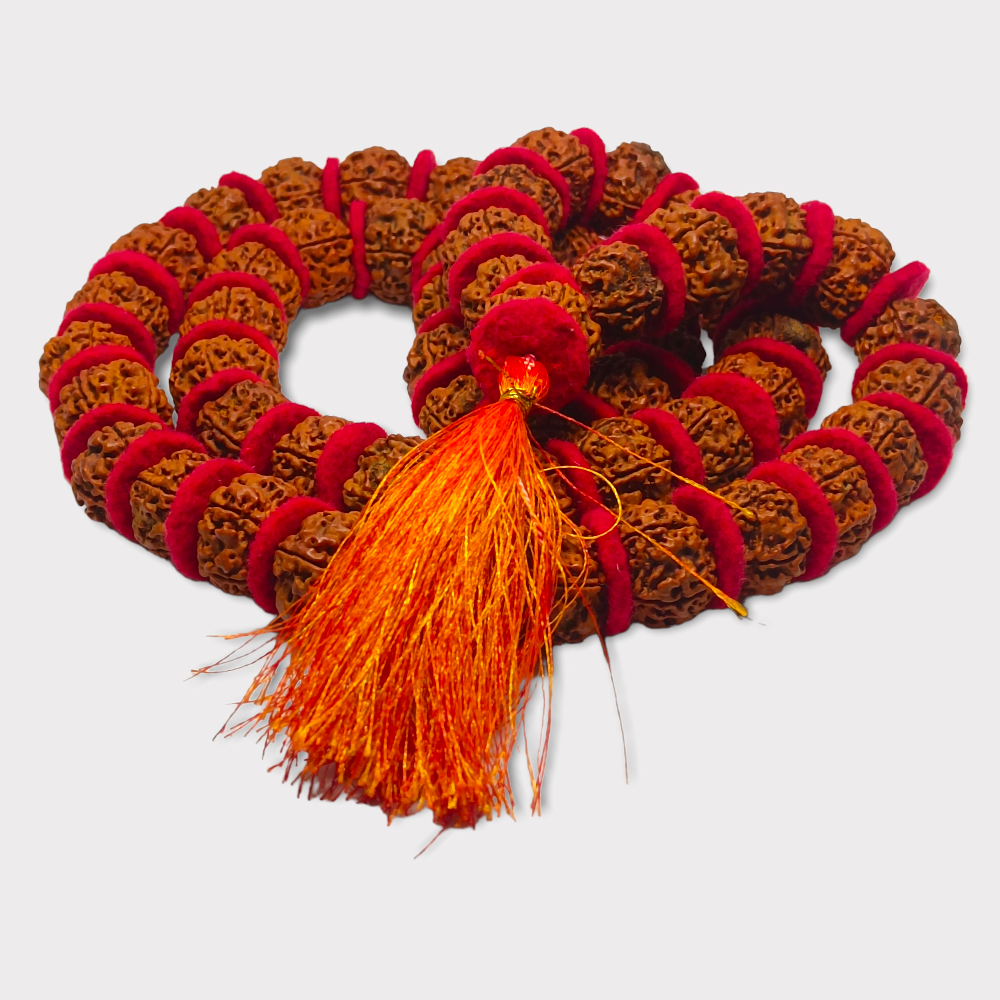
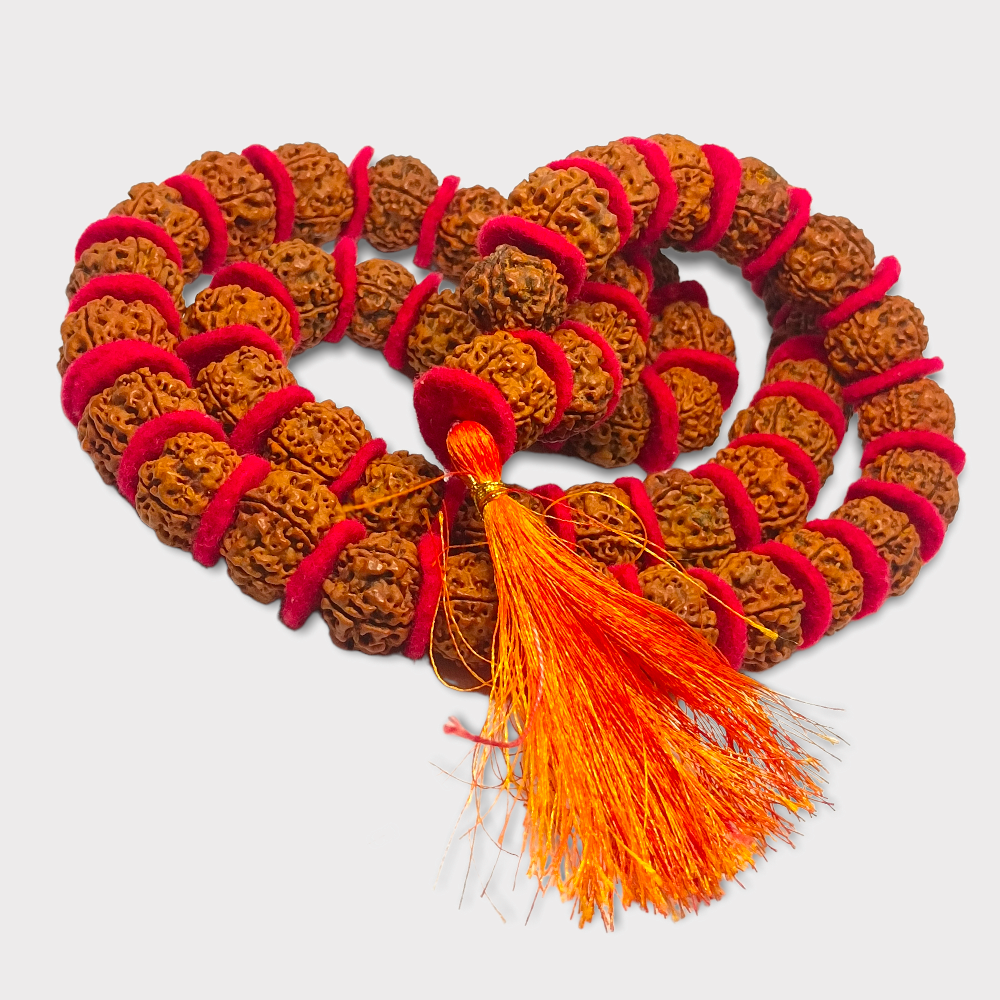
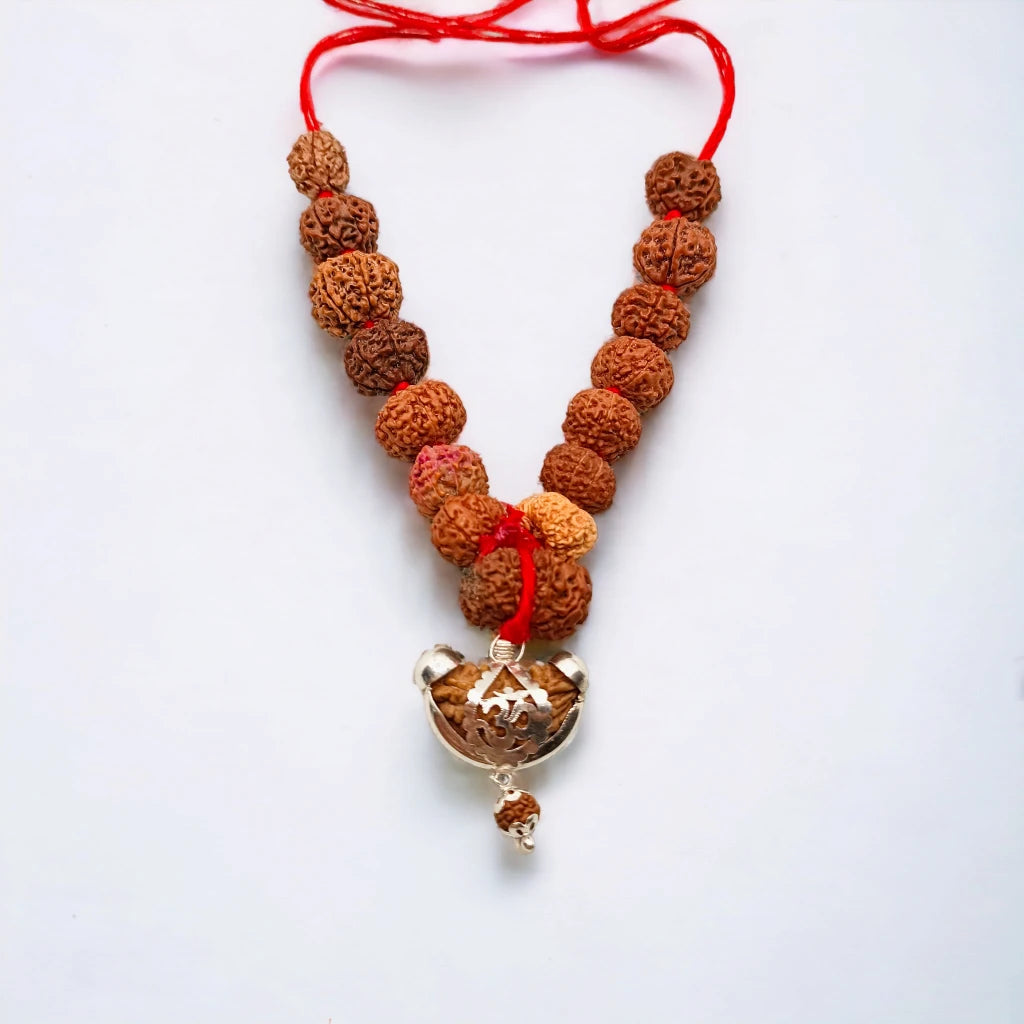
For this reason, classical teachings emphasize moderation rather than denial. Emotional discipline does not restrict experience; it refines it. Conscious engagement with desire strengthens emotional maturity, allowing expression without instability. In traditional practice, individuals working with these patterns sometimes wear a 6 Mukhi Rudraksha Pendant, kept close to the body as a reminder of emotional restraint and mindful engagement, supporting awareness rather than indulgence.
🪷 Creativity as an Expression of Awareness
Creativity in the context of the Sacral Chakra extends far beyond artistic output. It reflects adaptability, emotional openness, and the capacity to respond to life without rigidity. Creativity here is relational rather than performative, shaping how one navigates change, expresses individuality, and engages with emotional experience in a balanced and grounded way.
When Svadhisthana is balanced, creativity arises effortlessly. Emotional expression feels authentic, decision-making becomes flexible, and interpersonal dynamics remain fluid rather than reactive. When imbalance develops, creativity may feel blocked or chaotic, oscillating between suppression and overexpression, often creating frustration rather than inspiration.
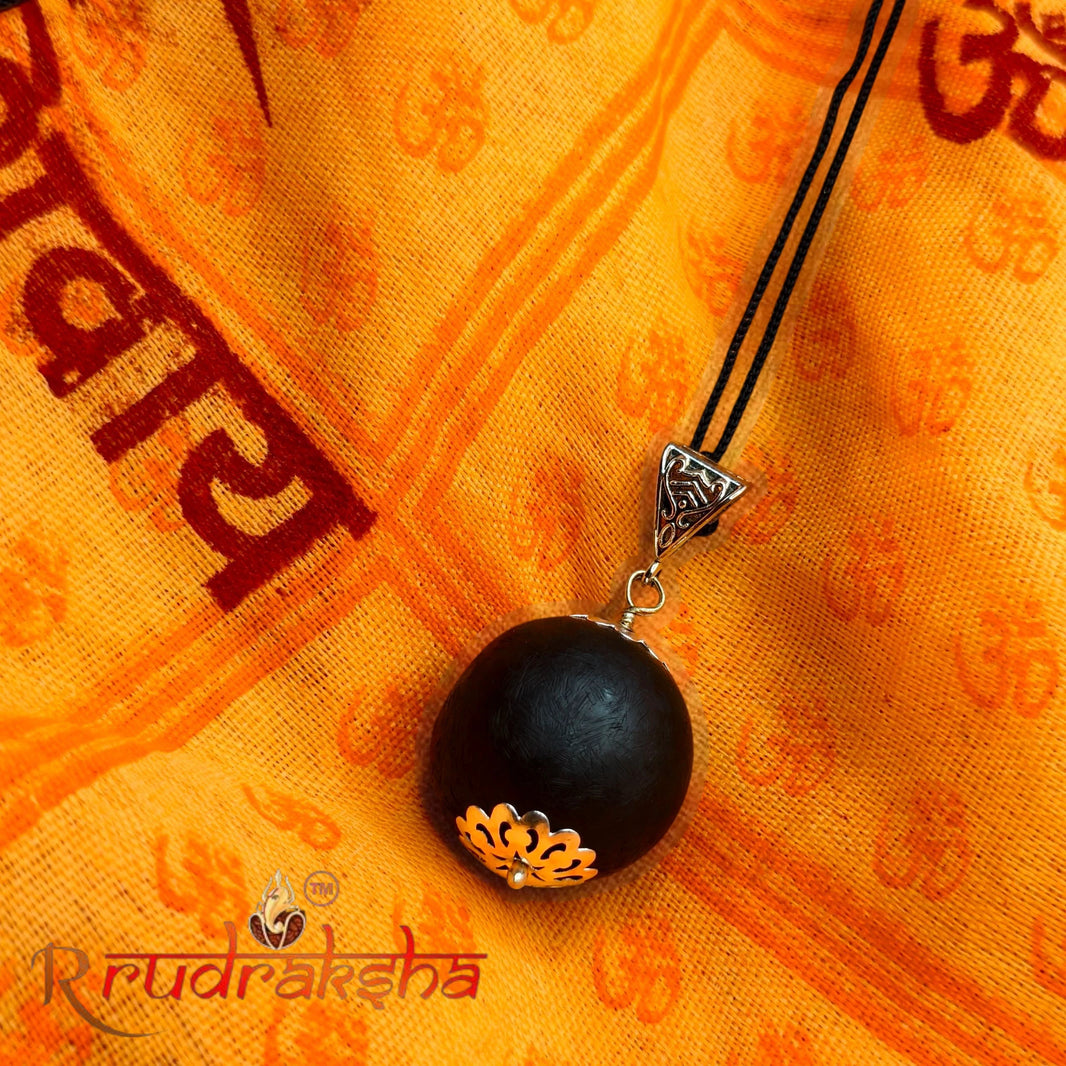
Traditional approaches do not treat creativity as something to force or extract through intensity. Instead, emotional regulation, physical awareness, and disciplined routine are emphasized as the conditions through which creativity naturally unfolds. In reflective practice, individuals engaged in creative disciplines sometimes work with a Green Aventurine, traditionally associated with growth and adaptability, as a subtle support to maintain creative flow without emotional overstimulation.
🌙 Supporting Emotional Balance Through Awareness (Traditional Perspective)
Within traditional practice, emotional balance is cultivated primarily through awareness, restraint, and consistency. Reflective practices, mindful movement, and regulated daily routines help maintain emotional fluidity without excess. Physical awareness plays an important role, as emotions are deeply intertwined with bodily sensation.
Supportive tools may sometimes be explored alongside inner discipline. In traditional understanding, 6 Mukhi Rudraksha is associated with emotional regulation and disciplined expression rather than stimulation. Stones such as Carnelian or Moonstone are also traditionally referenced as symbolic supports for emotional awareness and creative balance, used as gentle reminders rather than enhancers of desire.
These elements are viewed strictly as companions to awareness, supporting emotional steadiness and maturity when used with intention and restraint.
♎ Emotional Suppression, Indulgence, and the Loss of Balance
Imbalance in the Sacral Chakra commonly expresses itself through two opposing tendencies: emotional suppression and emotional indulgence. Although they appear different on the surface, both arise from discomfort with feeling. Suppression attempts to avoid emotion by limiting expression, while indulgence seeks escape through excess stimulation. In both cases, awareness is diverted away from direct experience, weakening emotional regulation over time.
When emotions are consistently suppressed, creative energy gradually stagnates. Individuals may feel disconnected from joy, struggle to articulate feelings, or experience a subtle sense of inner dullness. Over time, this restriction can harden into emotional rigidity, making change feel threatening rather than natural. Indulgence, by contrast, seeks relief through constant engagement—pleasure, distraction, or emotional intensity—yet often leads to exhaustion rather than genuine fulfillment.
Traditional understanding emphasizes that balance does not arise by negotiating between extremes, but through awareness itself. Allowing emotions to arise without immediate reaction restores natural flow. This ability to remain present with feeling—neither resisting nor amplifying it—is central to Sacral Chakra alignment. In daily life, some practitioners choose 6 Mukhi Rudraksha Bracelet, worn during routine activity as steady reminders to observe emotions with restraint rather than react impulsively.
🔗 Relationships, Boundaries, and Emotional Responsibility
The Sacral Chakra strongly influences how individuals relate to others. Emotional balance allows connection without dependency and closeness without loss of autonomy. When Svadhisthana is balanced, relationships feel supportive and dynamic rather than consuming or restrictive, allowing emotional exchange without fear or over-identification.
Imbalance often manifests through blurred boundaries. Emotional over-attachment may create dependency, while emotional withdrawal may limit intimacy. In both cases, the challenge does not arise from the relationship itself, but from unresolved emotional patterns within the individual. The Sacral Chakra governs the ability to engage emotionally while maintaining responsibility for one’s internal state rather than seeking regulation through others.
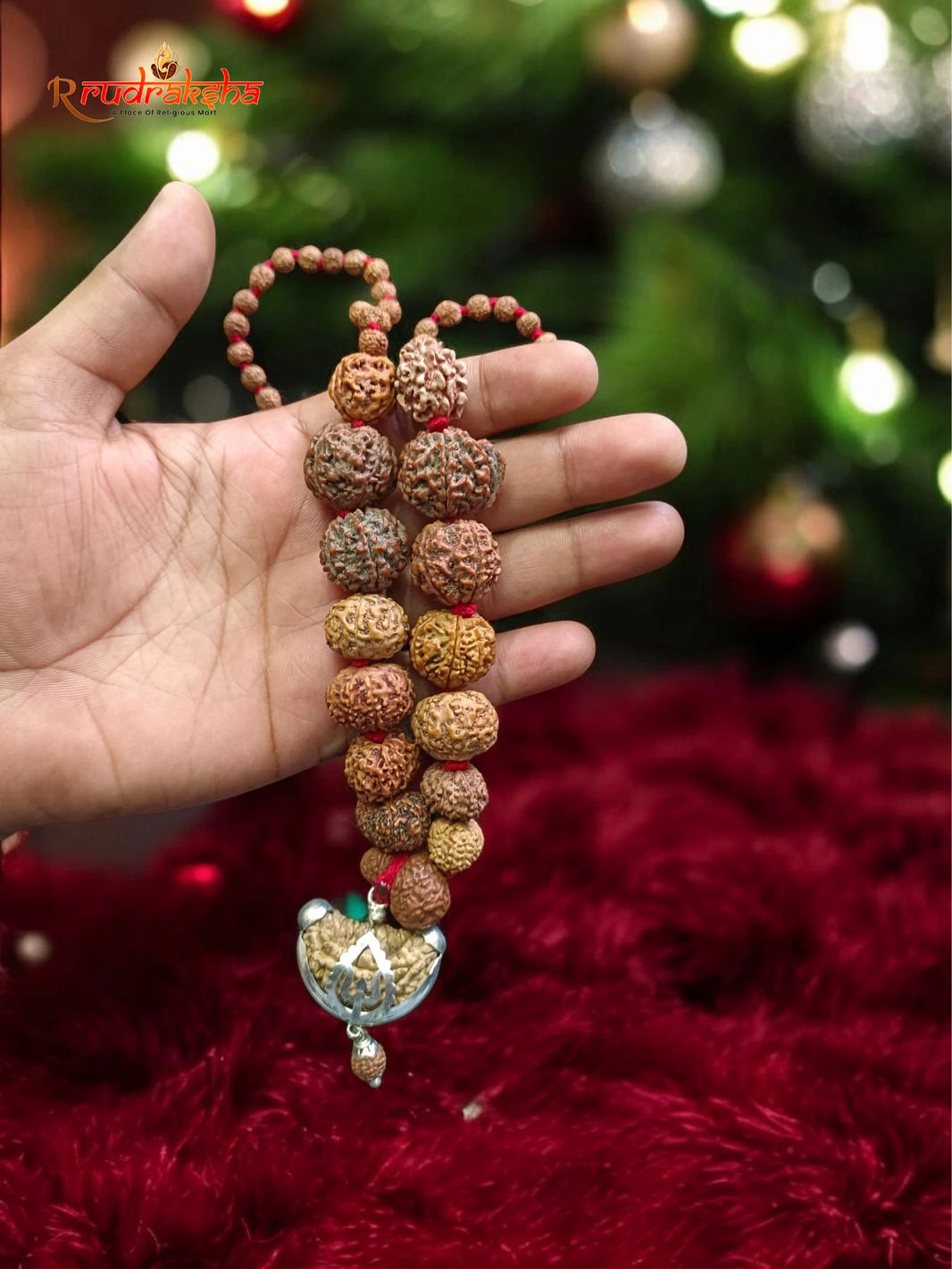
Traditional teachings emphasize clarity of boundaries as an expression of emotional maturity, not emotional distance. Conscious communication, moderation in emotional exchange, and self-awareness are considered essential for restoring balance in relational dynamics. In reflective practice, some individuals explore Sphatika and Rudraksha Bracelet traditionally associated with emotional sensitivity and balance, as subtle reminders to observe emotional responses without becoming absorbed in them.
⚖️ Pleasure Without Dependency
Pleasure occupies a central but often misunderstood role in Sacral Chakra work. Traditional systems neither reject pleasure nor encourage its pursuit as an end in itself. Instead, pleasure is viewed as a natural experience that becomes destabilizing only when it replaces awareness. When pleasure is experienced consciously, it nourishes emotional life rather than distracting from it.
A balanced Sacral Chakra allows pleasure to be experienced fully without attachment. Enjoyment does not demand repetition, and satisfaction does not depend on constant external stimulation. When imbalance develops, however, pleasure may become compulsive or emotionally charged, reinforcing cycles of desire and dissatisfaction that weaken emotional stability over time.
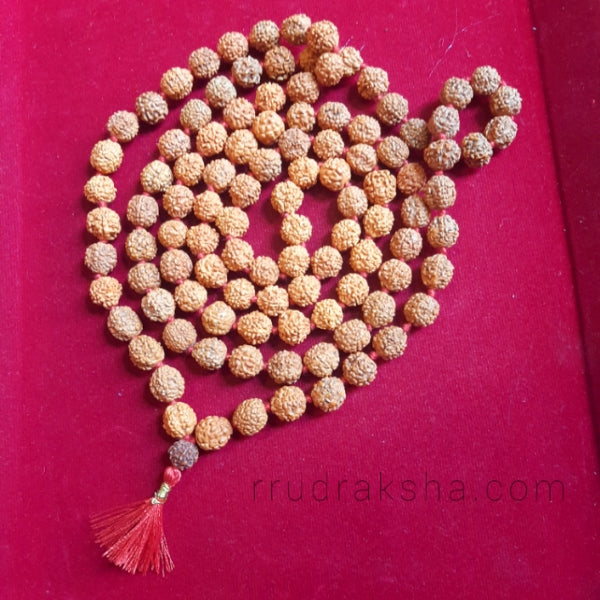
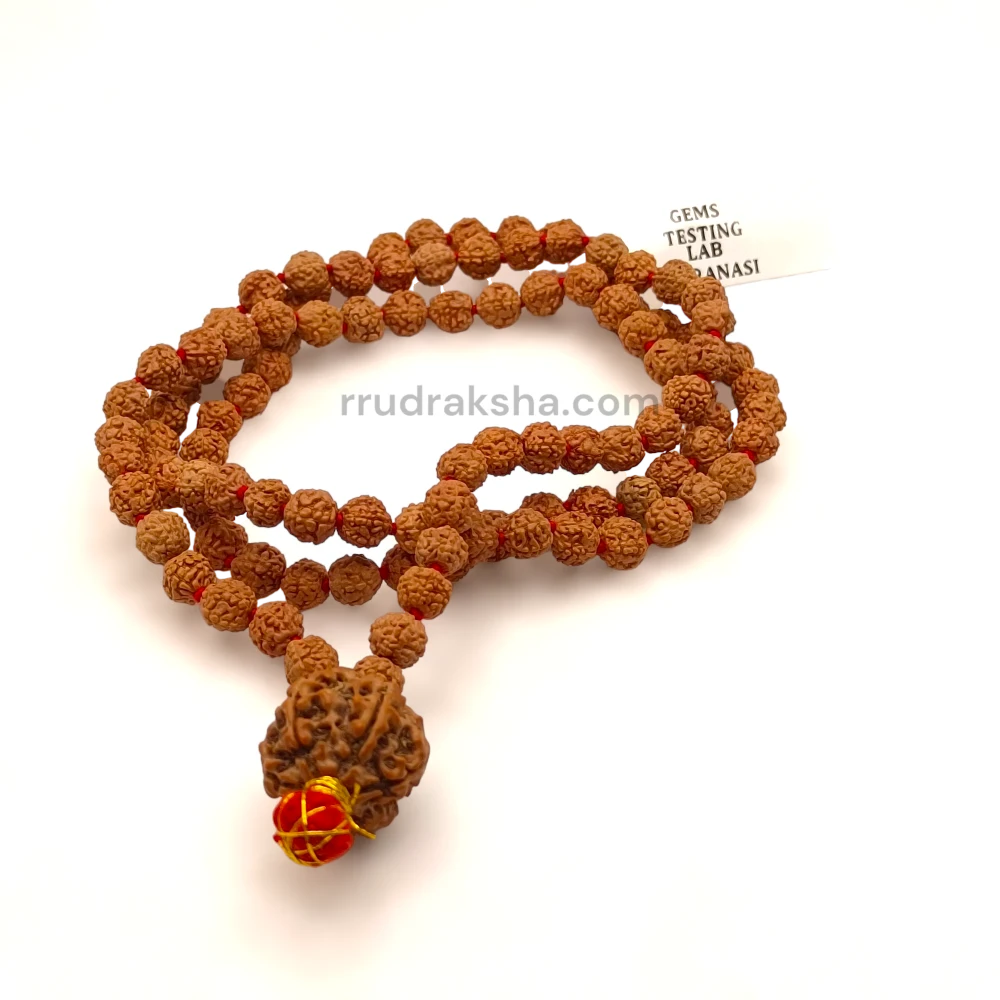
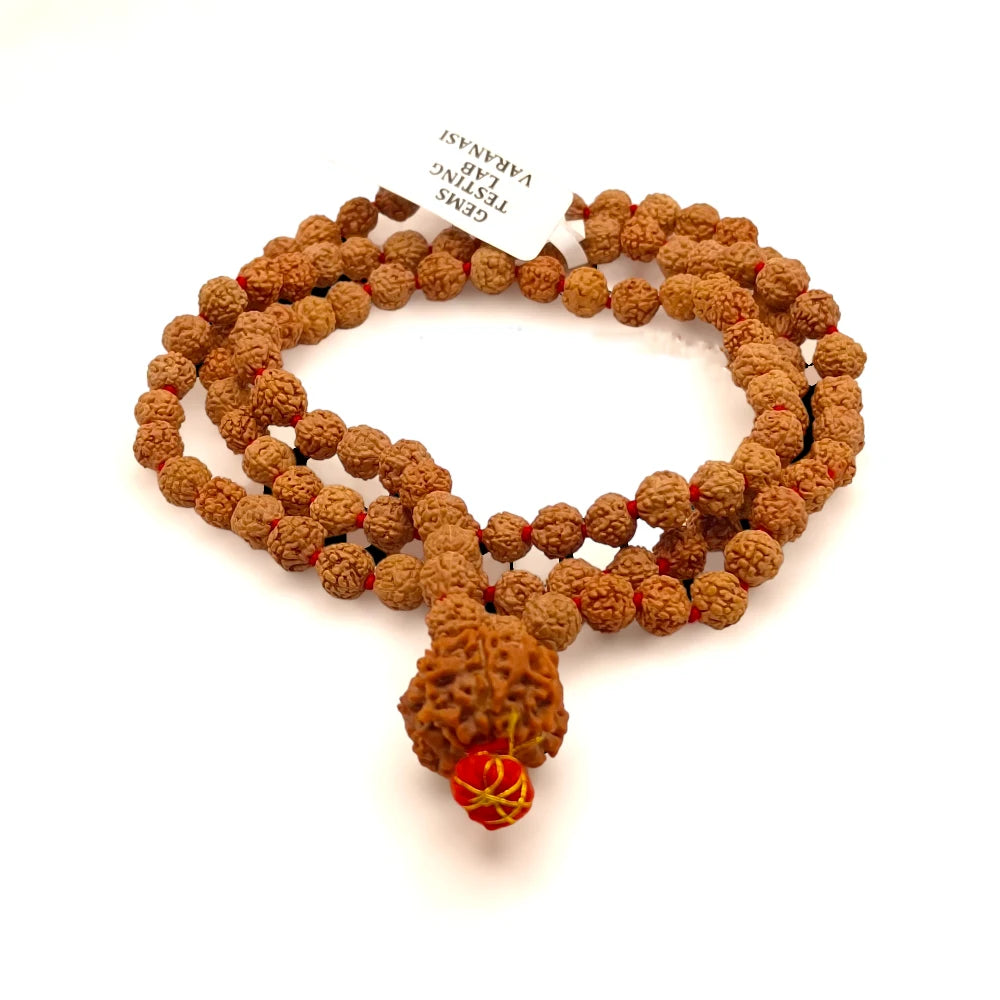
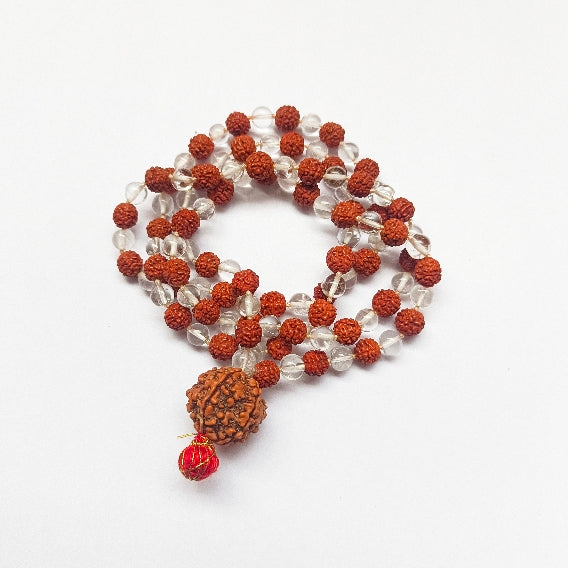
Discipline, therefore, is not opposed to pleasure; it preserves it. By cultivating moderation and awareness, pleasure remains integrated rather than disruptive. In traditional practice, individuals working with restraint and clarity sometimes choose a Sphatik and Rudraksha Mala worn during daily life as a reminder to remain clear, composed, and present while engaging with pleasure, rather than becoming absorbed by it.
🏵️ Emotional Discipline as Freedom
Emotional discipline is often mistaken for emotional restriction. In traditional understanding, discipline creates freedom by preventing emotions from dictating behavior. This allows individuals to respond thoughtfully rather than react impulsively.
Daily practices that cultivate presence—such as mindful movement, reflective pauses, and structured routines—support emotional regulation. These practices do not suppress feeling; they create space in which feeling can be understood and integrated.
Within this disciplined framework, supportive elements may be explored selectively. A 6 Mukhi Rudraksha, traditionally associated with emotional balance and mental clarity, is sometimes used as a steady companion during reflective practice. Stones such as Moonstone, symbolically linked with emotional awareness, are traditionally approached as reminders of calm observation rather than emotional stimulation.
🌙 Integrating the Sacral Chakra into Daily Life
Sacral Chakra alignment is sustained not through isolated practices, but through integration into daily living. Emotional awareness must extend beyond meditation or reflection into work, relationships, and routine activities. This continuity reinforces balance and prevents regression into extremes.
Consistency plays a greater role than intensity. Small, regular moments of awareness create stability over time, allowing emotional patterns to soften naturally. Through this gradual process, creativity, connection, and pleasure align with discipline rather than conflict with it.
In traditional systems, tools such as Rudraksha or symbolic Gemstones are always secondary to lived awareness. Their purpose is to support remembrance of balance, not to replace emotional responsibility or conscious engagement with life.
🌱 Emotional Maturity and the Sacral Chakra
As Sacral Chakra alignment matures, emotional life becomes more spacious and less reactive. Feelings are still experienced fully, yet they no longer dominate attention or decision-making. Emotional maturity does not mean emotional distance; it reflects the capacity to remain present with experience without being pulled into extremes of indulgence or suppression.
This maturity often reveals itself in subtle ways. Reactions soften, creative responses replace habitual patterns, and relationships feel supportive without becoming emotionally demanding. Over time, emotional steadiness becomes an internal reference point rather than a condition dependent on external reassurance.
Traditional systems emphasize patience in this process. Emotional maturity cannot be forced; it develops gradually as awareness, discipline, and consistency take root. The Sacral Chakra stabilizes not through effort alone, but through sustained clarity in daily life.
🧭 Common Misconceptions About the Sacral Chakra
One common misconception is that Sacral Chakra work is about intensifying pleasure or creativity. Traditional teachings caution against this view, noting that excess stimulation often deepens imbalance rather than resolving it. Balance arises from regulation, not amplification.
Another misunderstanding is that emotional discipline restricts freedom. In reality, discipline protects freedom by preventing emotions from dictating behavior. When awareness guides expression, creativity and pleasure remain integrated rather than destabilizing.
There is also a tendency to rely solely on external tools to resolve emotional imbalance. While Rudraksha, gemstones, or crystals are meaningful within traditional contexts, they are never considered substitutes for awareness, responsibility, and moderation. Their role remains supportive, not corrective.
❓ Frequently Asked Questions (FAQs)
What are common signs of Sacral Chakra imbalance?
Emotional volatility, creative blockage, dependency in relationships, or emotional numbness are commonly associated with imbalance in the Sacral Chakra.
Is the Sacral Chakra only related to pleasure?
No. While pleasure is one aspect, the Sacral Chakra primarily governs emotional flow, creativity, and balanced expression.
Can emotional discipline improve Sacral Chakra balance?
Yes. Traditional teachings emphasize moderation, awareness, and consistency as the foundations of emotional regulation.
Does emotional suppression indicate Sacral Chakra blockage?
Suppression may reflect imbalance, especially when emotions are avoided rather than observed and integrated.
Is creativity always affected by Sacral Chakra imbalance?
Often, yes. Creativity may become blocked or chaotic when emotional regulation is disrupted.
Can relationships reflect Sacral Chakra health?
Yes. Patterns of dependency, withdrawal, or emotional instability often mirror Sacral Chakra imbalance.
Which Rudraksha is traditionally associated with the Sacral Chakra?
The 6 Mukhi Rudraksha is traditionally associated with emotional balance and disciplined expression.
Are gemstones necessary for Sacral Chakra work?
No. Gemstones and crystals are optional supports and are not required for emotional balance to develop.
How long does it take to balance the Sacral Chakra?
Balance develops gradually through consistent awareness and disciplined living rather than a fixed timeline.
🧘 Conclusion 🌟
Emotional Balance as a Lifelong Practice
The Sacral Chakra represents the art of balanced emotional living. Rather than suppressing or indulging emotion, Svadhisthana teaches how to experience feeling with clarity and restraint. When awareness guides expression, creativity becomes sustainable, relationships become supportive, and pleasure integrates naturally into life without dependency.
Traditional spiritual systems consistently emphasize that emotional balance is not achieved through shortcuts. Awareness, moderation, and disciplined routine form the true foundation of Sacral Chakra alignment. Supportive tools such as Rudraksha or symbolic gemstones may complement this journey, but they never replace emotional responsibility or conscious engagement with experience.
When approached patiently, Sacral Chakra work fosters emotional maturity rather than intensity. This maturity supports a life that is expressive without excess, creative without compulsion, and connected without loss of inner stability.
🙏 हर हर महादेव 🙏





Leave a comment