



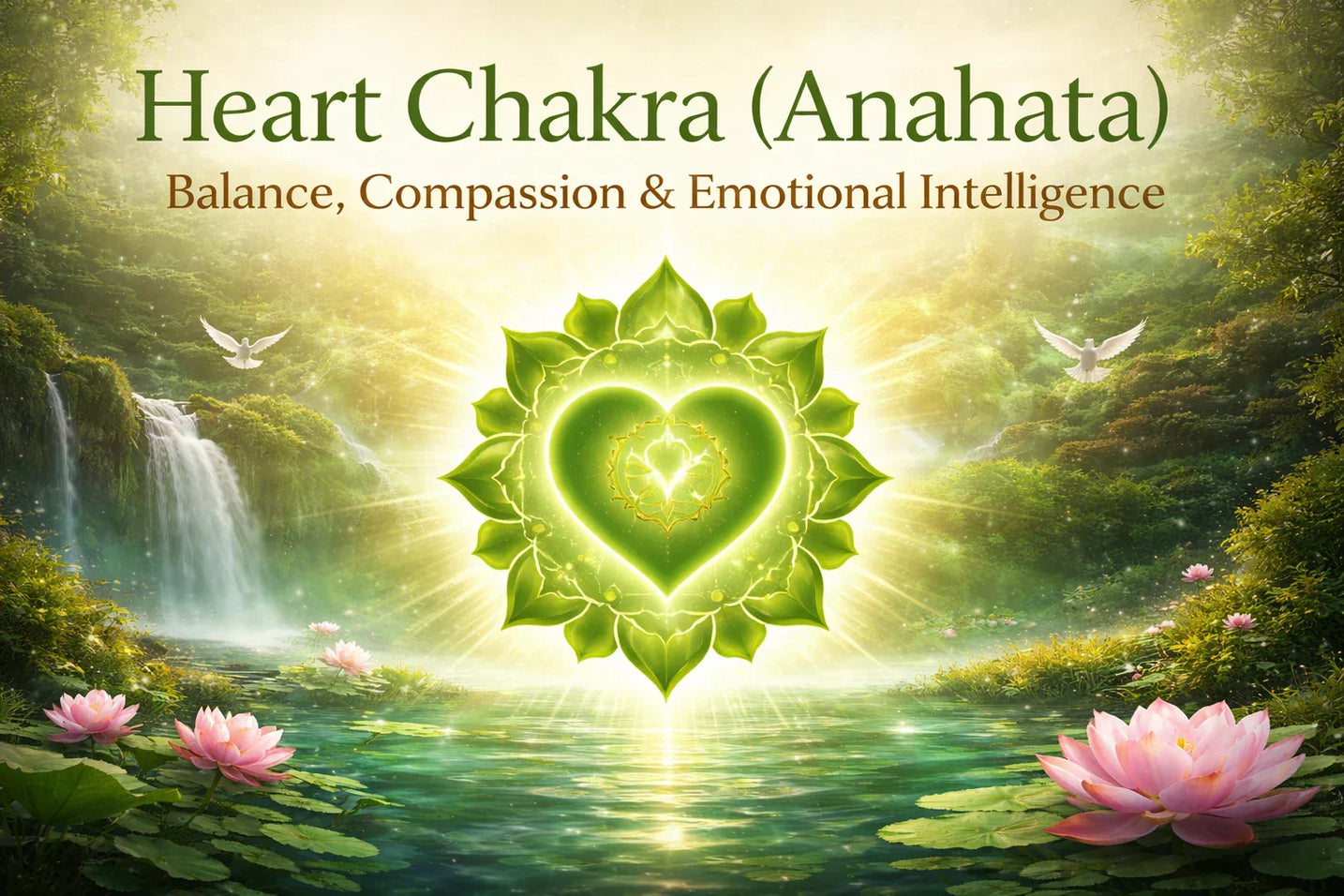
💚 Heart Chakra (Anahata): Balance, Compassion & Emotional Intelligence
The Heart Chakra, known as Anahata in traditional systems, represents balance between the physical and the subtle dimensions of human experience. Positioned at the center of the chakra system, it acts as a bridge between the lower chakras associated with survival and personal power, and the higher chakras related to expression and awareness. Anahata governs compassion, emotional intelligence, forgiveness, and the capacity to relate without losing oneself.
Unlike common interpretations that reduce the Heart Chakra to emotion alone, traditional teachings describe it as the center of equilibrium. Emotional openness here is guided by discernment rather than impulse. Love is experienced without attachment, care without control, and connection without dependency. This balance allows relationships to be nurturing rather than consuming.
When the Heart Chakra is balanced, emotional responses feel proportionate and grounded. Individuals are able to empathize without absorbing others’ emotions, offer support without self-neglect, and remain present without emotional exhaustion. This form of compassion is steady and sustainable because it arises from inner stability rather than emotional reactivity.
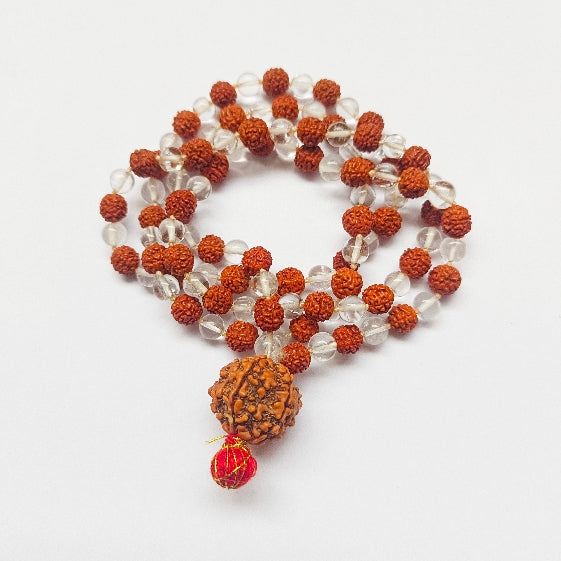
In reflective traditions, practices that cultivate calm awareness are emphasized at this stage. Some individuals choose to work with a Sphatik Mala during quiet contemplation, traditionally associated with clarity and neutrality, as a supportive aid for observing emotions without becoming entangled in them.
🌉 The Heart Chakra as a Bridge Between Lower and Higher Awareness
Anahata occupies a unique position within the chakra system, serving as the meeting point between instinctual drives and higher perception. The lower chakras focus on survival, desire, and action, while the upper chakras govern communication, insight, and expanded awareness. The Heart Chakra integrates these functions, ensuring that action remains humane and awareness remains grounded.
When this bridge functions well, decisions are informed not only by logic or emotion, but by ethical clarity. Individuals can act decisively without becoming harsh, and remain sensitive without becoming overwhelmed. The Heart Chakra ensures that strength does not turn into rigidity and sensitivity does not dissolve into vulnerability.
Imbalance at this level often disrupts integration. Overemphasis on lower centers may lead to emotional guardedness or transactional relationships, while excessive focus on higher awareness may result in detachment or avoidance of human connection. Traditional systems emphasize balance rather than transcendence, reminding practitioners that emotional presence is essential for spiritual maturity.
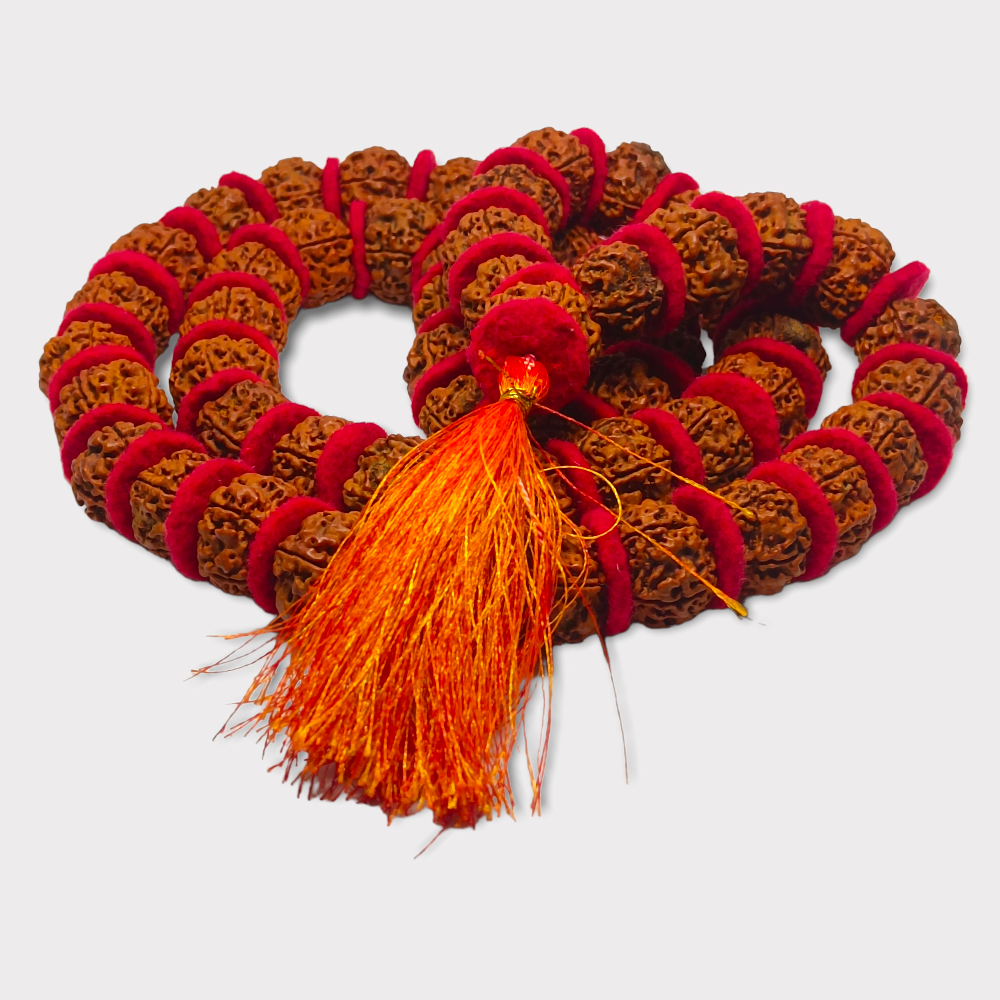
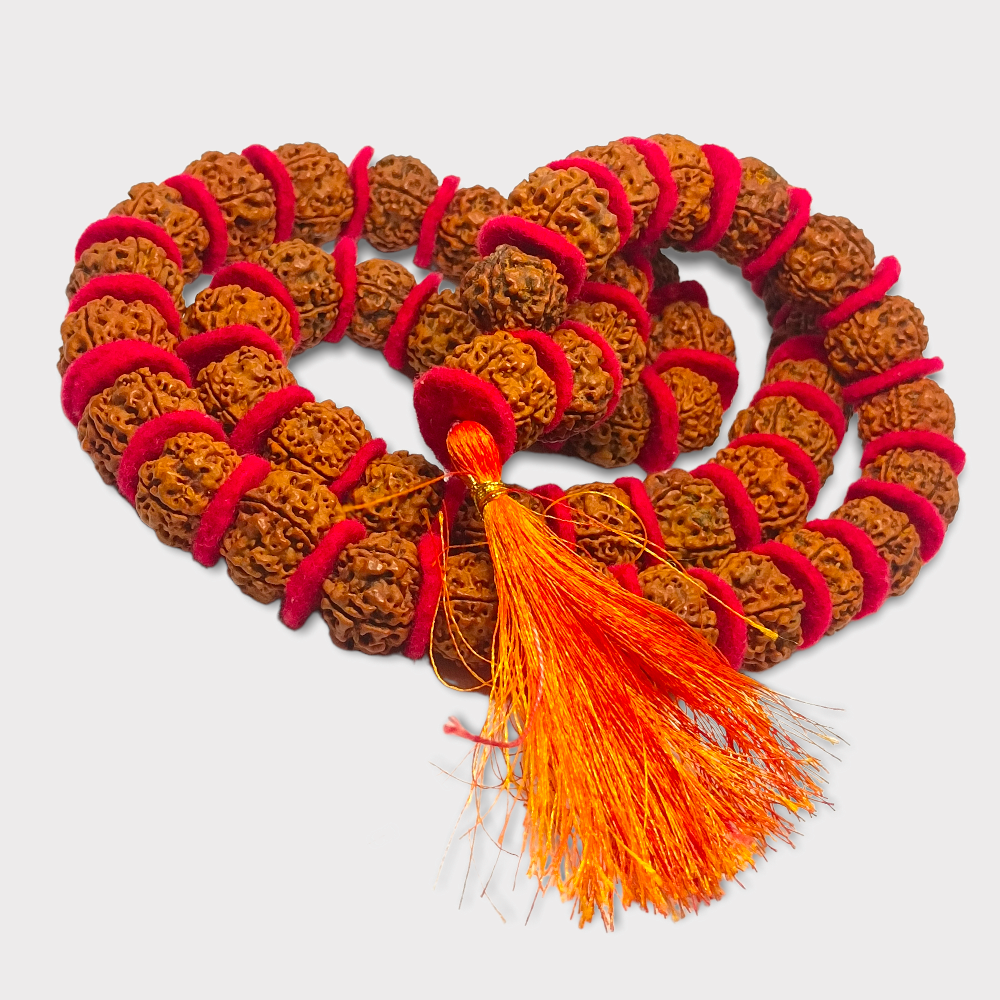
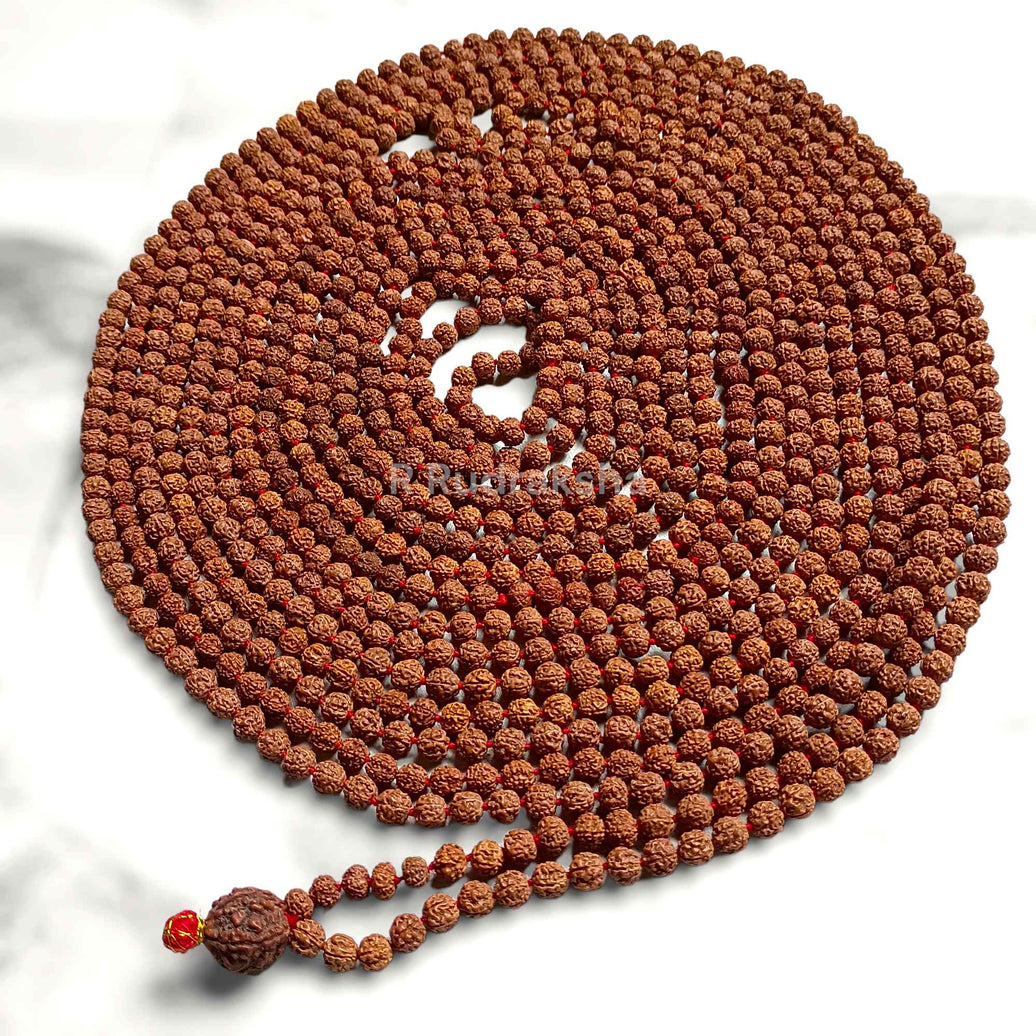
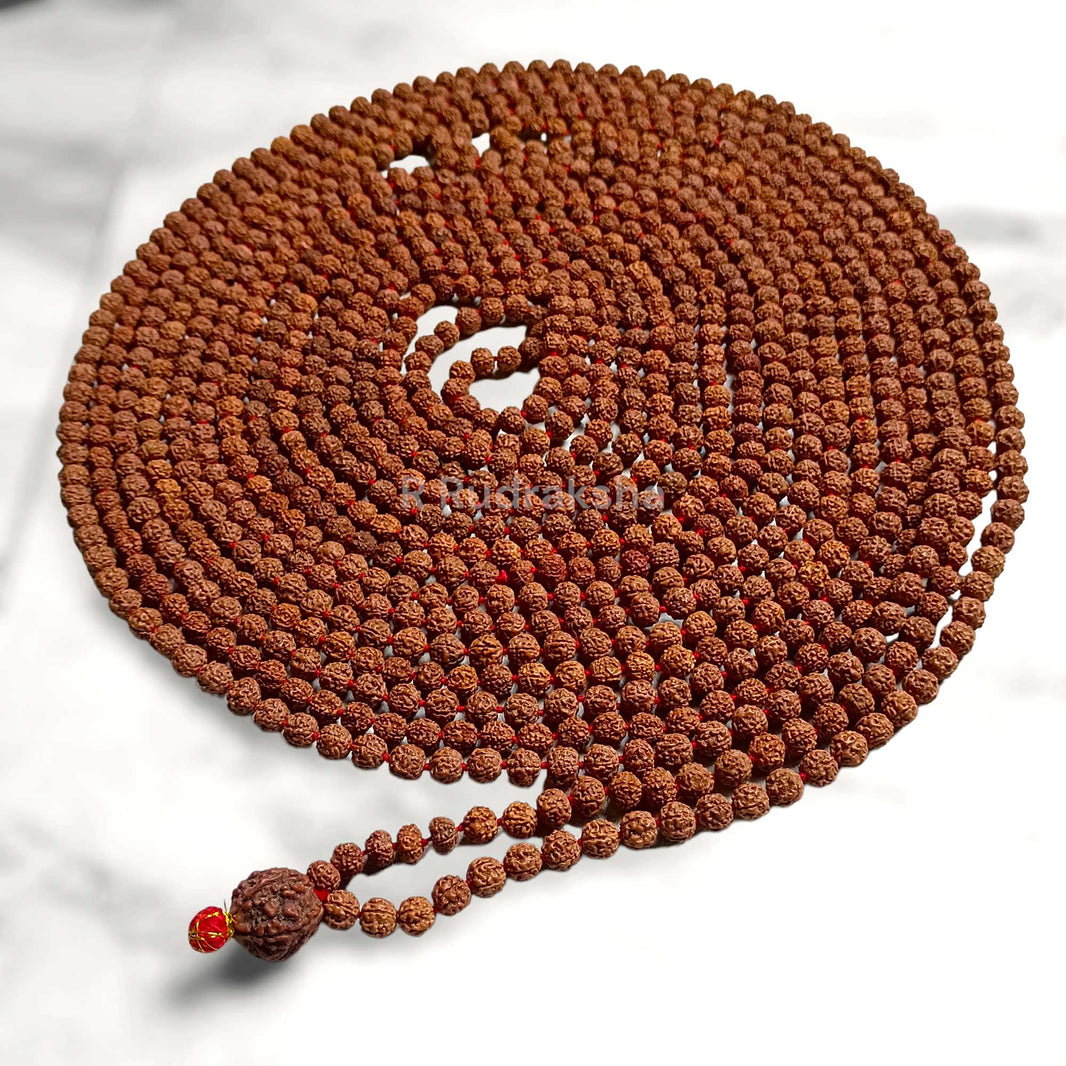
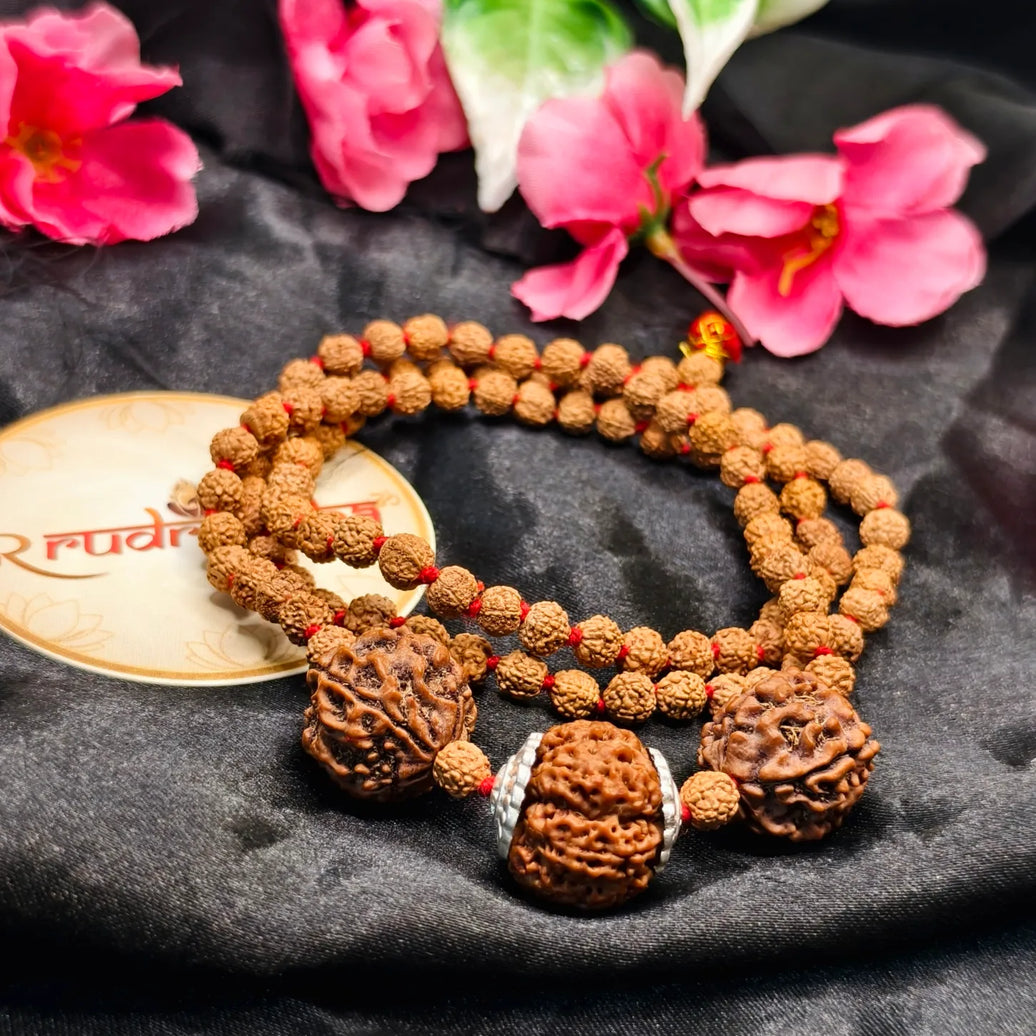
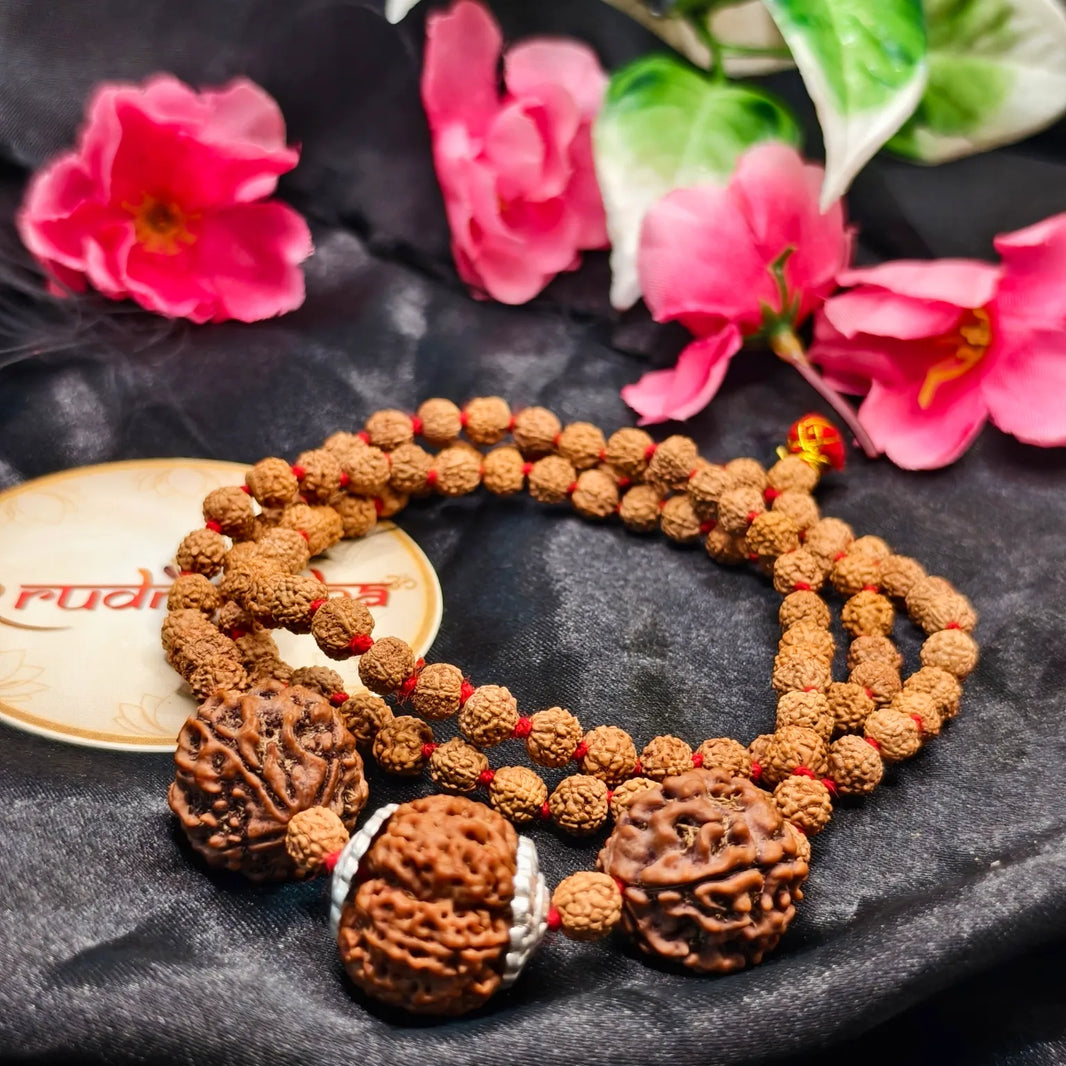
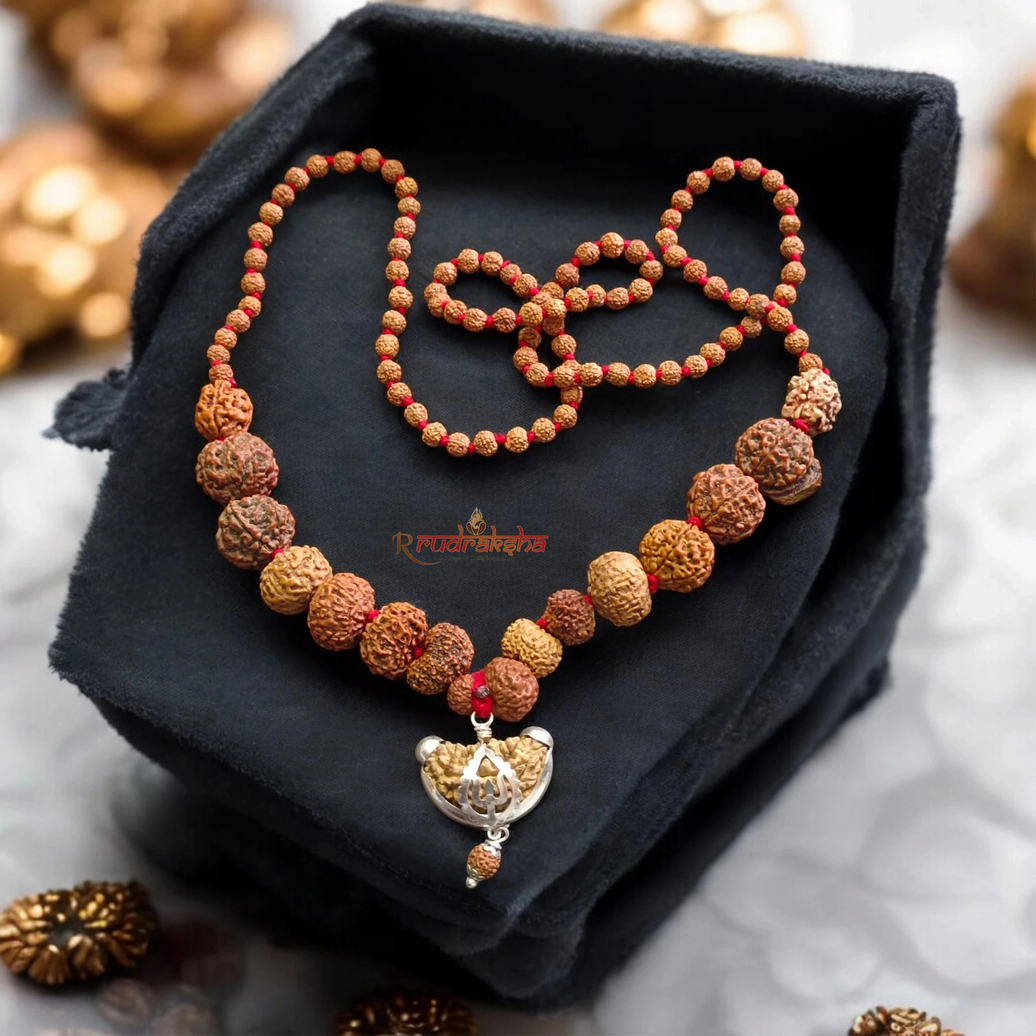
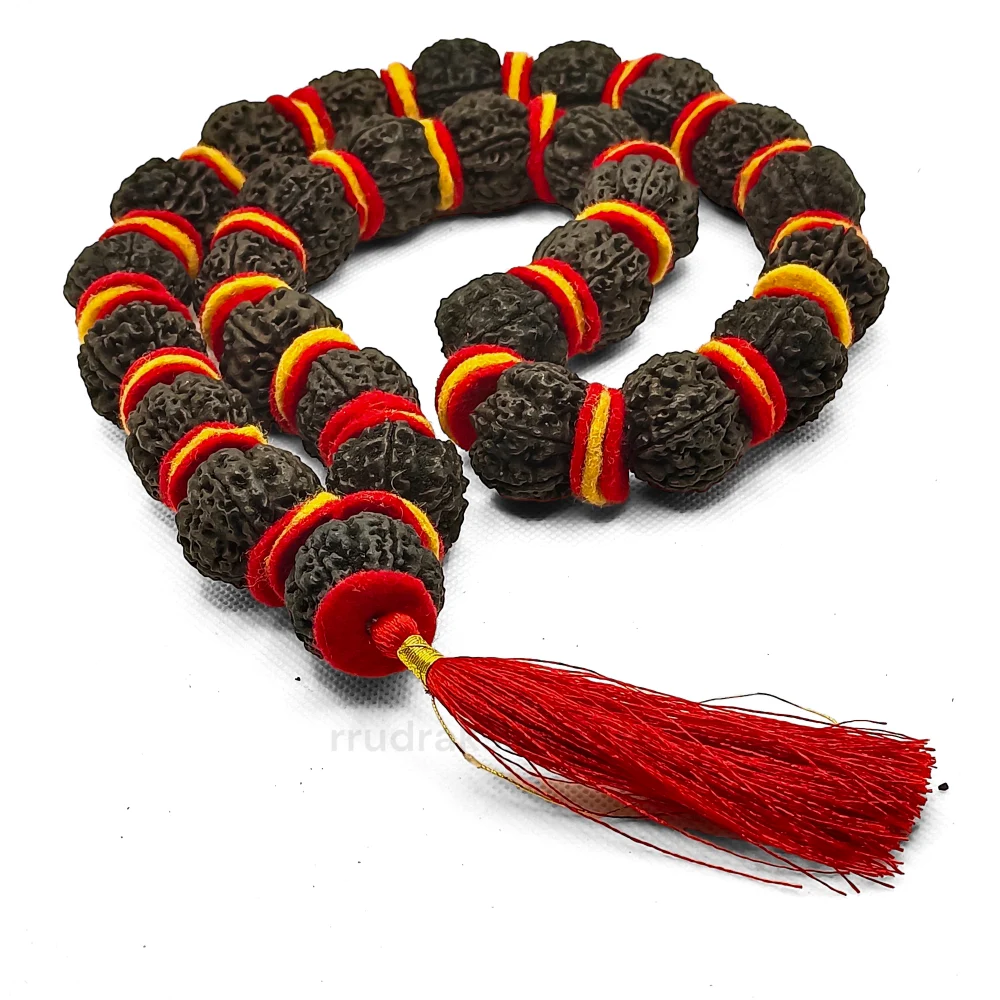
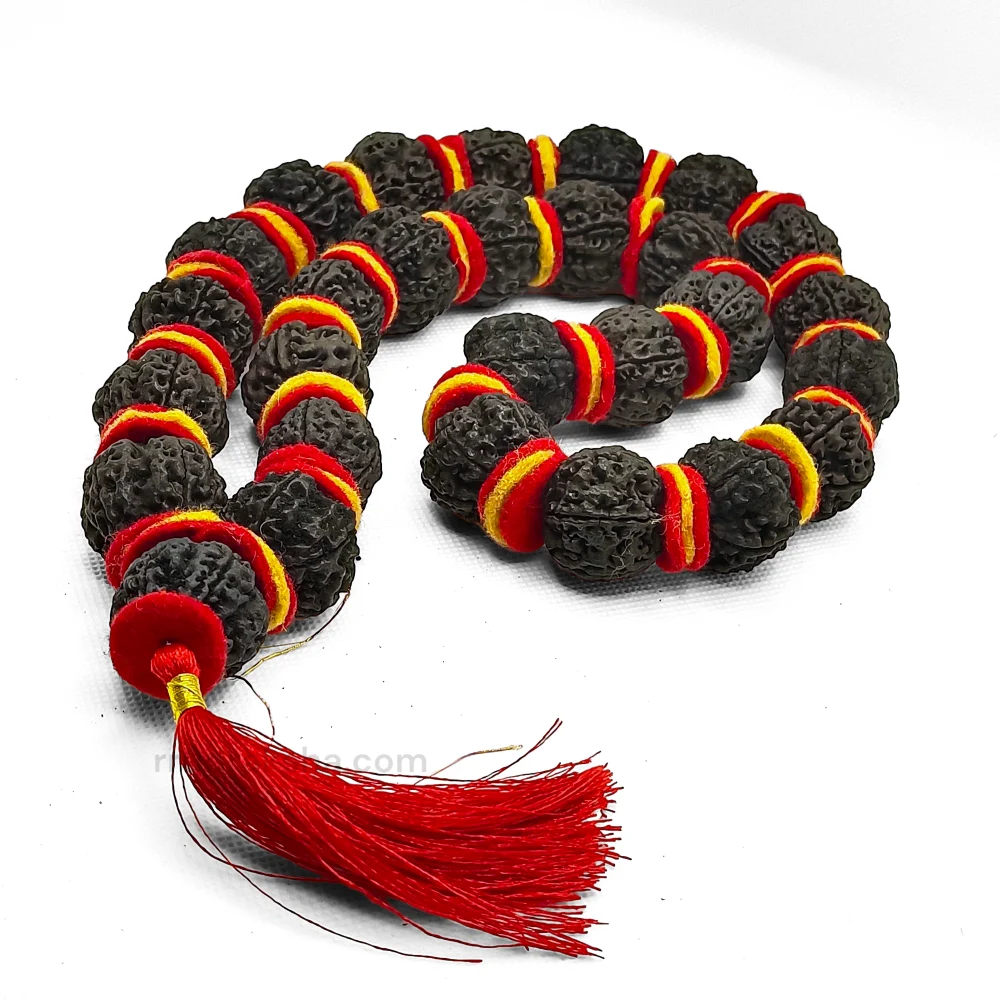
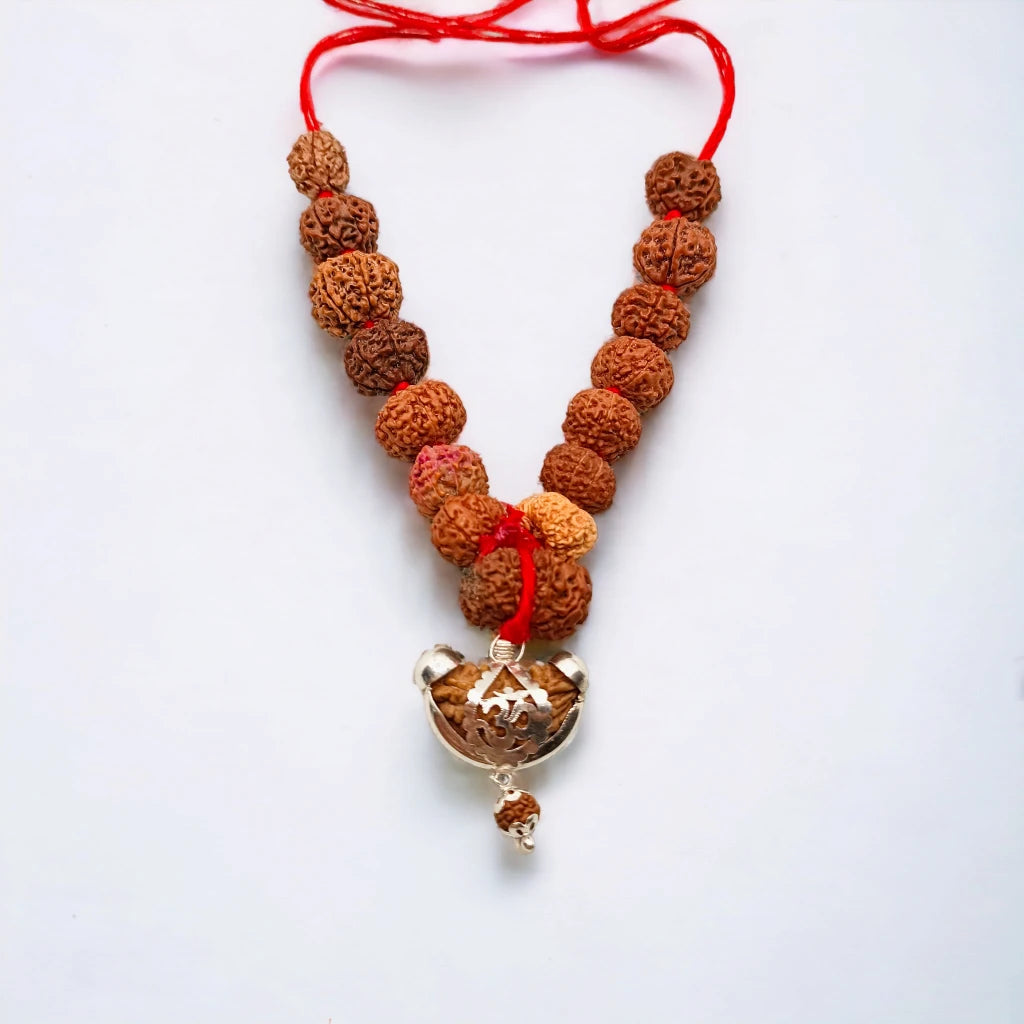
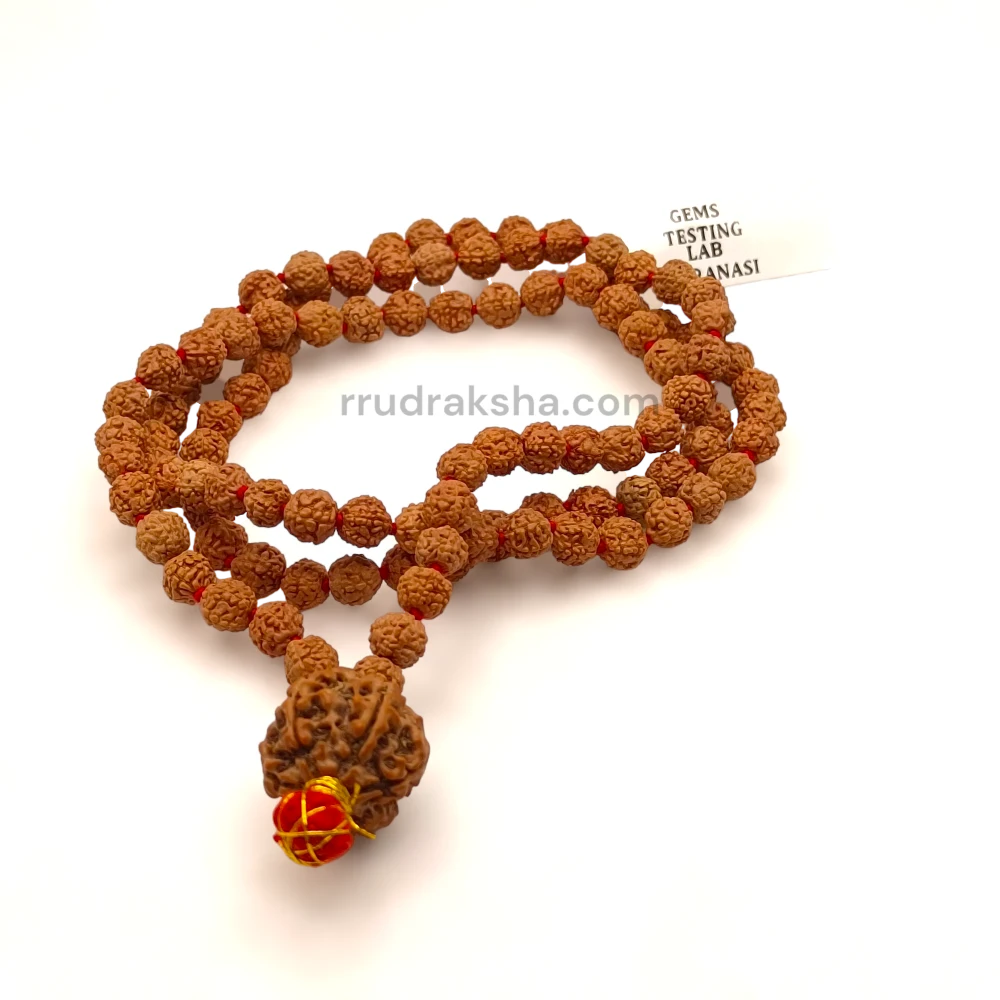
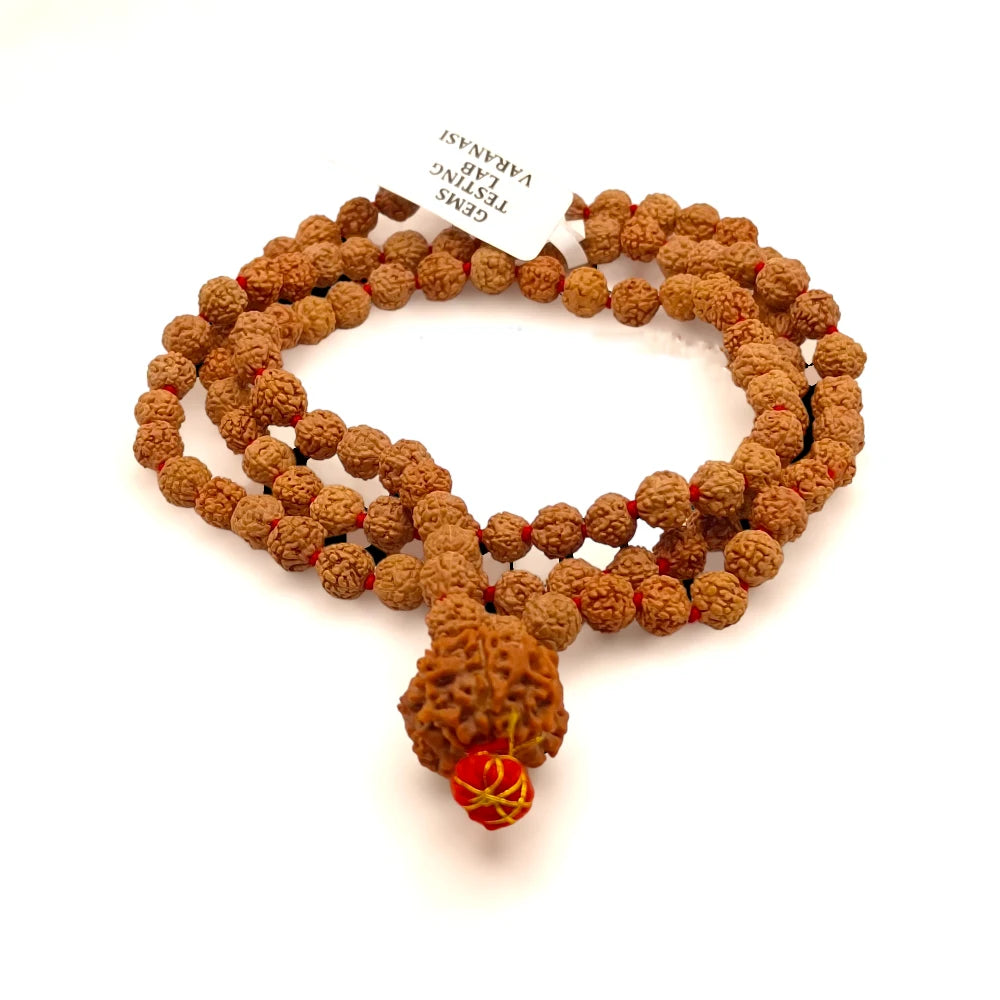
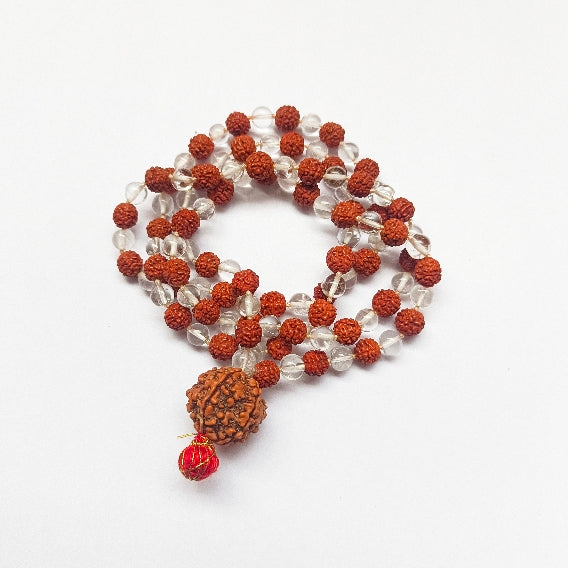
In traditional practice, tools that encourage steadiness rather than stimulation are sometimes used to support this integrative role. A Rudraksha Kantha Mala, worn close to the heart region, is traditionally associated with grounding awareness while remaining engaged in daily life, serving as a quiet reminder to stay balanced between action and reflection.
🧭 Compassion, Boundaries, and Emotional Discernment
A balanced Heart Chakra supports compassion guided by discernment. Compassion here is not driven by obligation or self-sacrifice, but by clarity about one’s capacity to give. This discernment allows individuals to remain open without becoming emotionally depleted, and to offer care without assuming responsibility for others’ emotional states.
When Anahata is imbalanced, compassion may distort into people-pleasing or emotional withdrawal. Overactivity can lead to excessive attachment, difficulty saying no, or prioritizing others at the expense of self-respect. Underactivity may appear as guardedness, difficulty trusting, or reluctance to engage emotionally. Both patterns reflect imbalance rather than lack of care.
Traditional teachings describe emotional discernment as the key to restoring Heart Chakra balance. Awareness of emotional limits, honest communication, and ethical self-responsibility allow compassion to remain genuine and sustainable. In reflective routines, some individuals work with a Pearl (Moti) Mala or Ring, traditionally associated with emotional calm and moderation, as a gentle aid to maintain sensitivity without emotional overextension.
💞 Love Versus Attachment: Understanding Emotional Balance
One of the most important distinctions governed by the Heart Chakra is the difference between love and attachment. Love, as understood in traditional systems, arises from inner completeness rather than emotional need. It allows closeness without fear and connection without possession. Attachment, on the other hand, often forms when emotional security is sought outside oneself, gradually turning relationships into sources of dependence rather than shared growth.
When Anahata is balanced, affection flows without urgency. Individuals are able to care deeply while remaining emotionally self-contained, allowing relationships to feel supportive rather than consuming. This is why classical traditions describe love as expansive rather than binding — it grows when it is not driven by the fear of loss or the need for reassurance. Practices that cultivate emotional calm and self-awareness are considered essential at this stage, and in some lineages, heart-centered supportive tools such as Pearl (Moti) are traditionally associated with maintaining emotional softness without attachment, symbolizing sensitivity held within composure.
Imbalance in the Heart Chakra often blurs the line between love and attachment. Overactivity may express itself as clinging, emotional merging, or anxiety around separation, while underactivity can appear as guardedness or withdrawal from intimacy altogether. In both cases, the issue is not love itself, but the absence of inner fullness. Traditional teachings consistently return to this principle: when emotional stability is restored internally, connection becomes a choice rather than a necessity, and love regains its natural balance.
🌿 Grief, Loss, and Emotional Processing
The Heart Chakra also governs how grief and loss are processed. Grief is not viewed as an imbalance in itself, but as a natural response to emotional connection. A balanced Anahata allows grief to move through awareness without becoming suppressed or overwhelming. Emotions are acknowledged, expressed, and gradually integrated rather than avoided.
When the Heart Chakra is imbalanced, grief may linger unresolved. Emotional suppression can lead to numbness or disconnection, while over-identification with loss may result in prolonged sorrow or withdrawal from life. In both cases, the issue lies not in feeling deeply, but in the inability to allow emotions to move naturally.
Traditional practices emphasize patience, ethical living, and emotional honesty during periods of loss. In reflective routines, some individuals choose a Green Aventurine Bracelet, traditionally associated with emotional steadiness and gentle renewal, as a quiet reminder to remain open without forcing emotional resolution.
🛡️ Trust, Vulnerability, and Emotional Safety
Trust and vulnerability are closely linked to the Heart Chakra’s function. Anahata governs the capacity to remain open while maintaining emotional safety. Balanced vulnerability allows individuals to share authentically without exposing themselves to unnecessary emotional harm. This balance fosters genuine connection grounded in mutual respect.
When imbalance exists, vulnerability may become distorted. Overactivity can lead to oversharing or emotional exposure without discernment, while underactivity may result in defensiveness or difficulty trusting others. Both patterns reflect uncertainty in emotional boundaries rather than strength or weakness.
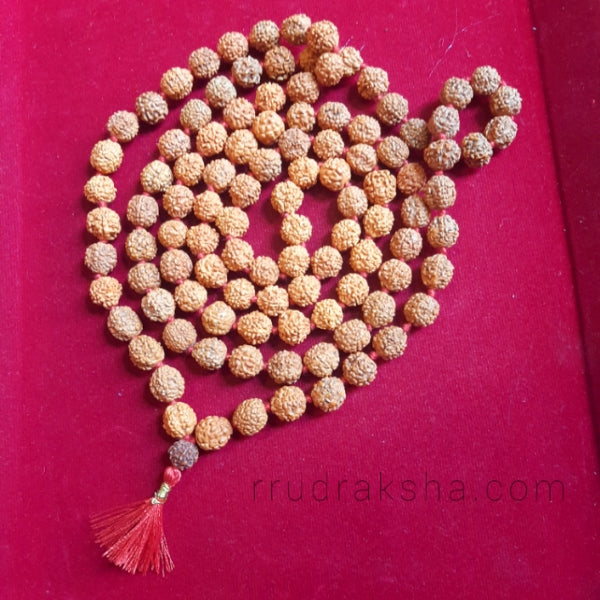
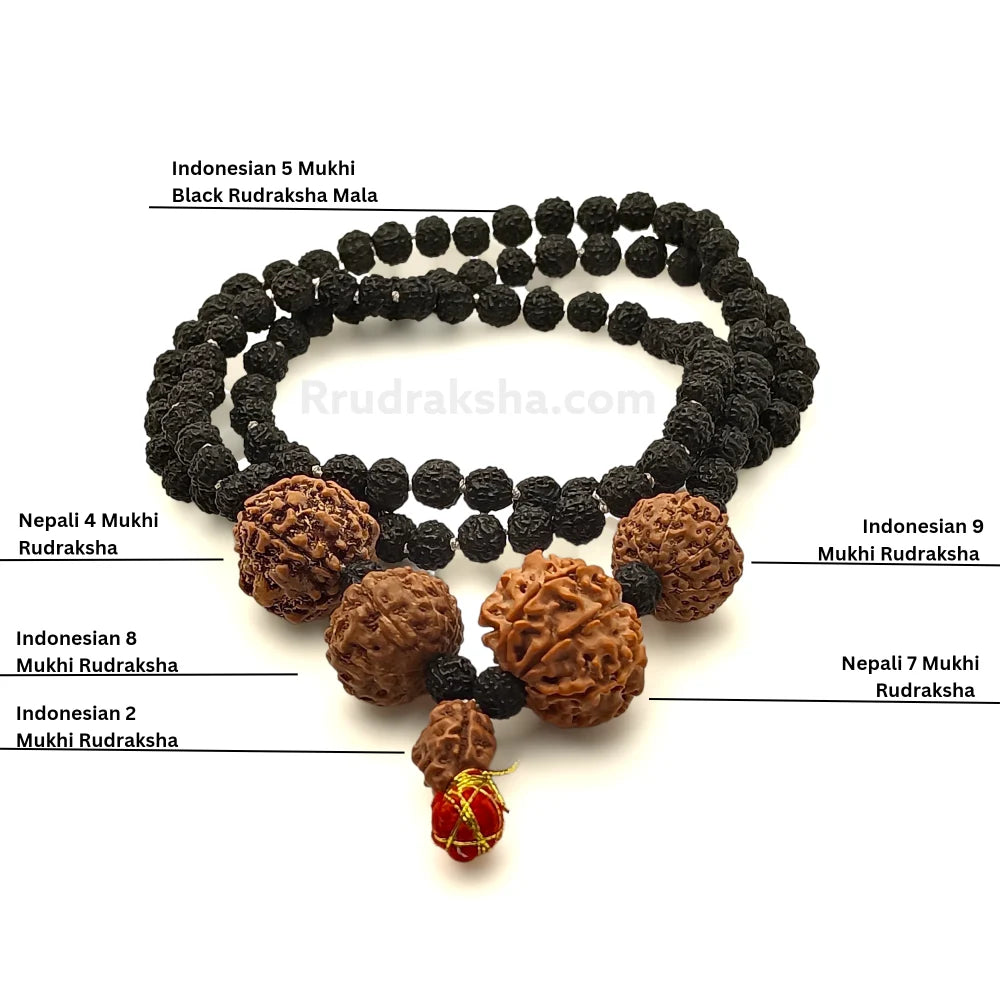
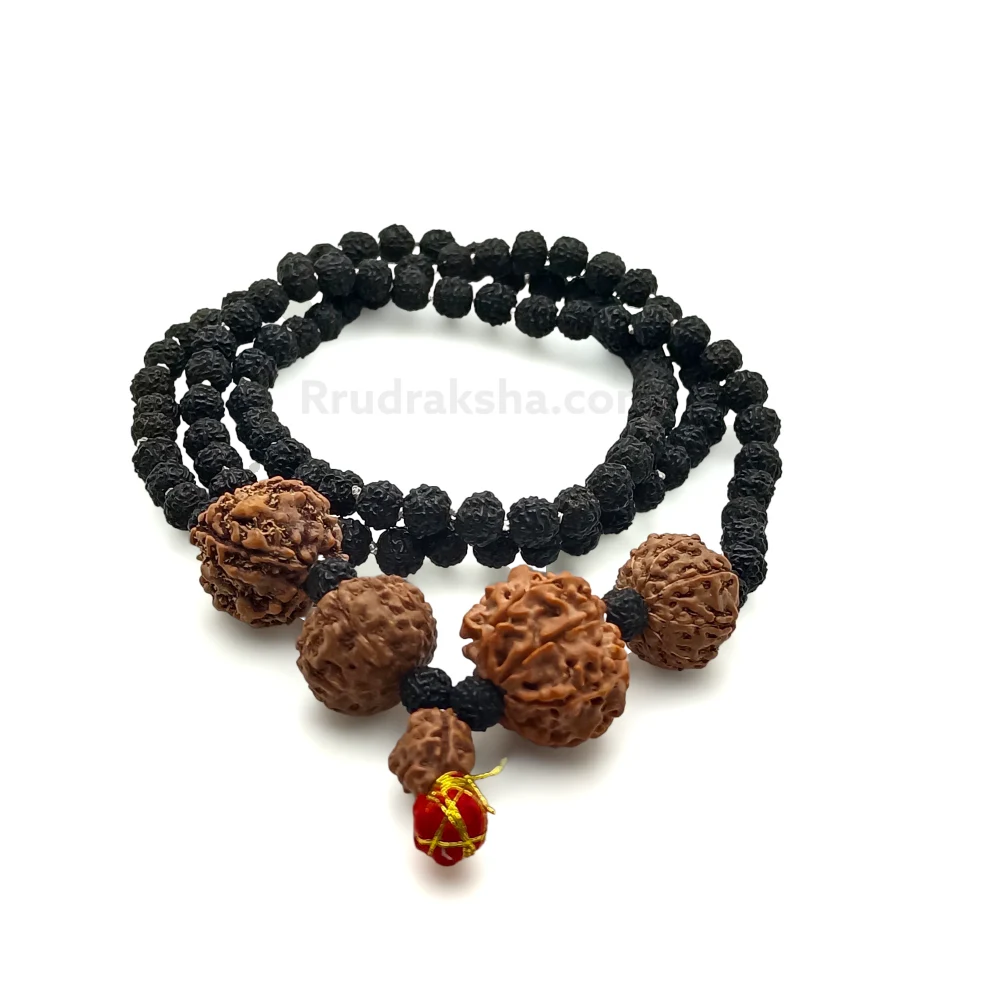
Traditional teachings approach trust as a gradual process rather than an immediate leap. Emotional safety is built through consistency, integrity, and discernment. In personal reflection, some practitioners explore a 5 Mukhi Rudraksha Mala, traditionally associated with calm awareness and emotional balance, during meditation or quiet contemplation to support steadiness while engaging with vulnerability.
🕊️ Forgiveness, Emotional Release, and Inner Lightness
Forgiveness is one of the most misunderstood functions of the Heart Chakra. In traditional understanding, forgiveness is not an act of condoning harm or forgetting pain, but a process of releasing emotional burden that no longer serves awareness. Anahata governs the capacity to let go of resentment without denying one’s experience, allowing emotional weight to dissolve without suppression.
When forgiveness is resisted, emotional energy often becomes stagnant. Past experiences are repeatedly revisited, not for learning, but for protection against vulnerability. This attachment to emotional memory can gradually harden into guardedness, limiting openness in present relationships. Forgiveness, when approached with clarity rather than obligation, restores emotional movement without compromising self-respect.
Traditional teachings emphasize patience and inner reflection during emotional release. In contemplative practices, some individuals work with Sphatik, traditionally associated with clarity and neutrality, worn close to the heart as a symbolic aid for observing emotional patterns without judgment while allowing release to occur naturally.
🌬️ Compassion Fatigue and Emotional Burnout
Compassion fatigue arises when emotional giving exceeds emotional capacity. The Heart Chakra governs not only the ability to care, but also the ability to regulate care. When Anahata is balanced, compassion flows without depletion. When imbalanced, continuous emotional output without replenishment leads to exhaustion, irritability, or emotional withdrawal.
This fatigue often affects individuals in caregiving roles or those who habitually prioritize others’ needs. Emotional burnout does not indicate lack of compassion, but lack of boundaries. Traditional systems emphasize self-awareness and moderation, teaching that compassion must include oneself to remain sustainable.
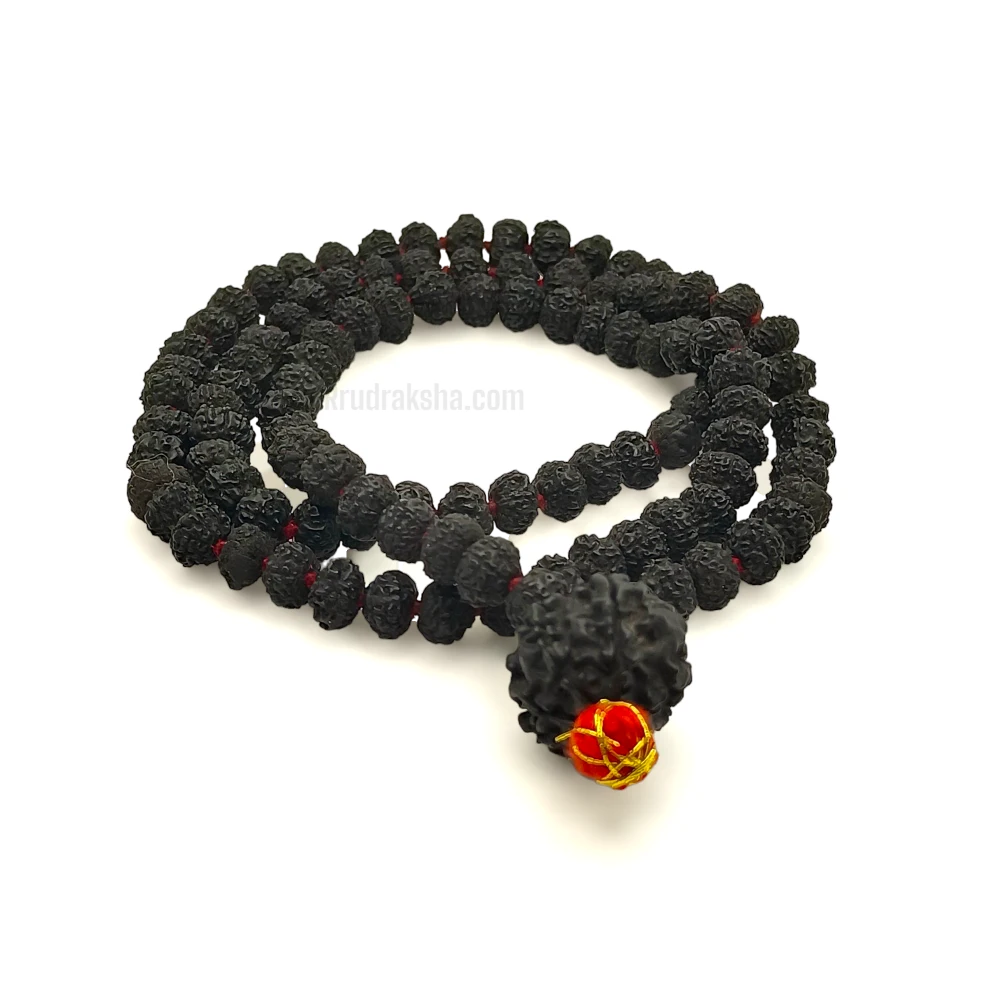
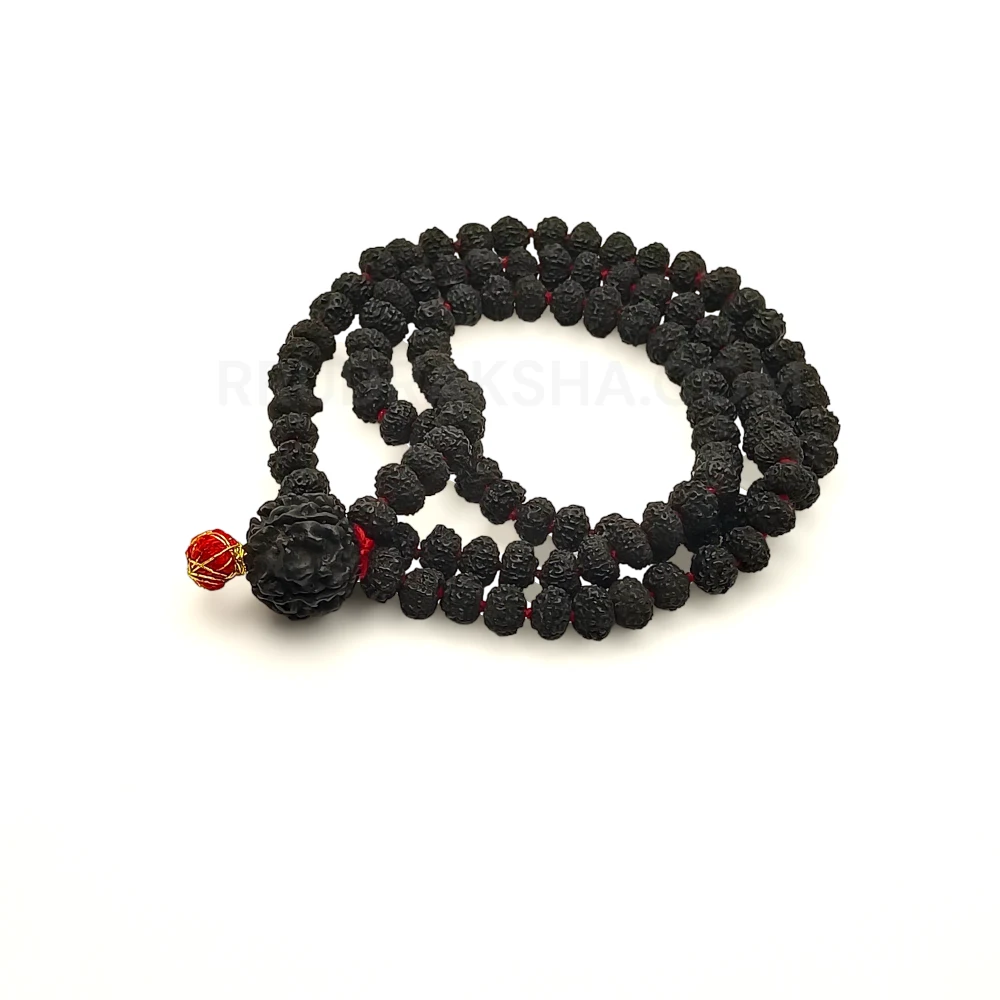
In daily life, some practitioners choose a Rudraksha Bracelet, worn during active hours, as a grounding reminder to remain emotionally present without absorbing responsibility for others’ emotional states. The bracelet serves as a cue for balance rather than engagement.
🧩 Boundaries as an Expression of Love
Boundaries are often misinterpreted as barriers, yet within Heart Chakra philosophy, boundaries are expressions of respect. Anahata supports the ability to define limits without hostility and openness without self-neglect. Boundaries preserve emotional clarity, ensuring that love remains conscious rather than reactive.
When boundaries are weak, emotional entanglement often replaces connection. Individuals may feel responsible for others’ happiness or avoid expressing needs to maintain harmony. Conversely, rigid boundaries may indicate unresolved fear rather than strength. Balance allows boundaries to adapt to context without losing integrity.
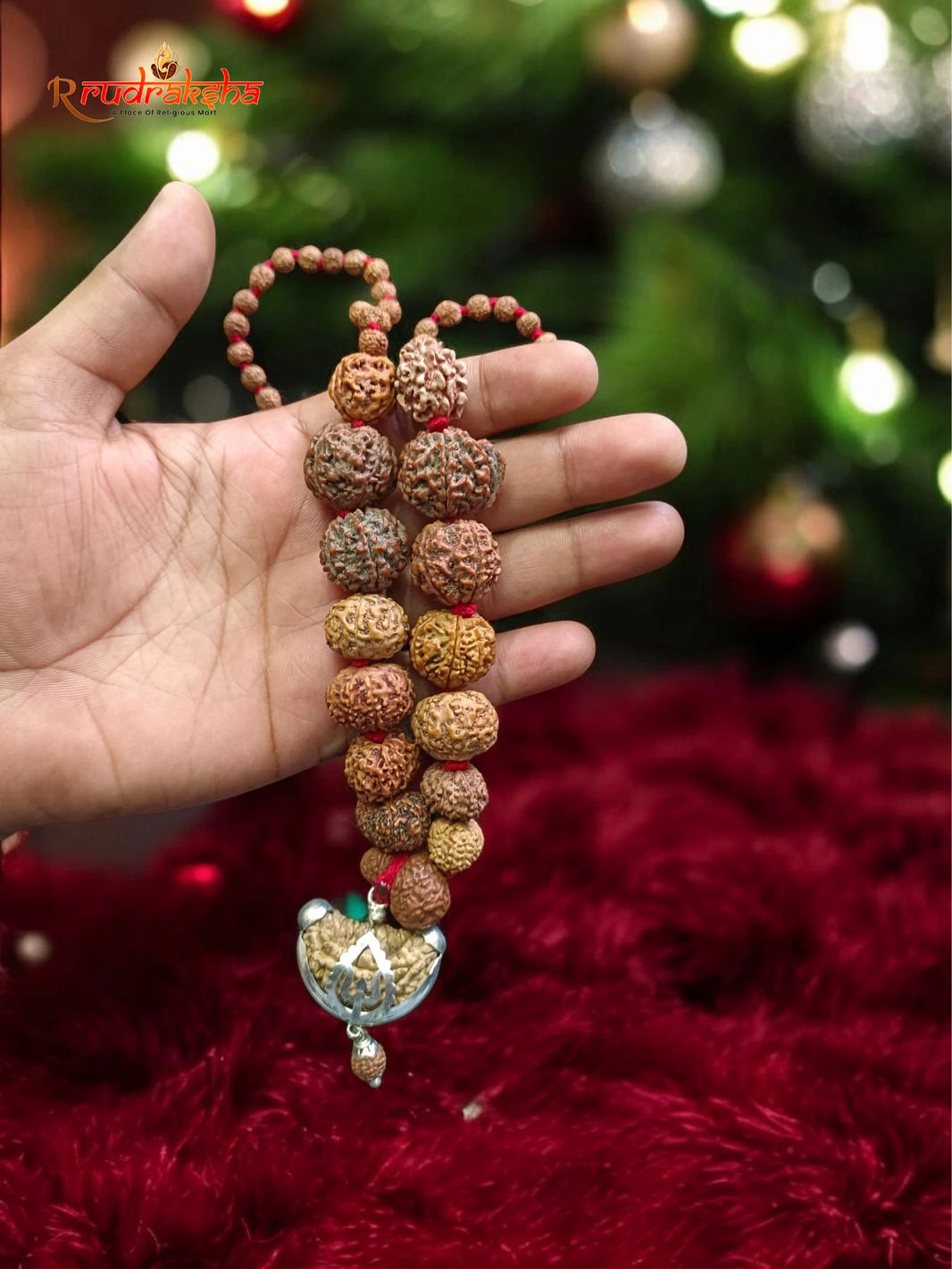
Traditional frameworks describe boundaries as ethical self-care. In reflective routines, some individuals explore 12 Mukhi Rudraksha, traditionally associated with self-respect and inner dignity, during quiet contemplation to reinforce balanced self-worth while engaging compassionately with others.
🔄 Integrating the Heart Chakra into Daily Living
Heart Chakra alignment is sustained not through isolated emotional work, but through daily integration. Ordinary interactions—listening, responding, setting limits, offering help—become expressions of Anahata when guided by awareness. Consistency in ethical behavior strengthens emotional intelligence more effectively than dramatic emotional experiences.
Balanced Anahata allows emotional presence without overwhelm and openness without loss of self. Relationships become spaces of mutual respect rather than emotional exchange. Over time, this integration cultivates emotional resilience, allowing compassion to remain stable across changing circumstances.
❓ Frequently Asked Questions (FAQs)
What does the Heart Chakra represent?
The Heart Chakra represents balance, compassion, emotional intelligence, and the ability to connect without attachment. It acts as a bridge between physical instincts and higher awareness, integrating feeling with discernment.
How do I know if my Heart Chakra is imbalanced?
Common signs of imbalance include emotional withdrawal, excessive attachment, difficulty trusting others, people-pleasing behavior, or emotional exhaustion. These patterns reflect challenges in emotional regulation rather than lack of care.
Is emotional sensitivity a sign of a balanced Heart Chakra?
Sensitivity alone does not indicate balance. A balanced Heart Chakra allows sensitivity to exist alongside boundaries, ensuring emotions are felt without overwhelming awareness or judgment.
Can forgiveness heal the Heart Chakra?
Forgiveness supports Heart Chakra balance when approached as emotional release rather than obligation. It allows emotional weight to dissolve naturally without denying past experience or compromising self-respect.
Why do caring people experience emotional burnout?
Emotional burnout often arises when compassion lacks boundaries. Traditional teachings emphasize that sustainable compassion includes self-awareness and moderation, preventing emotional depletion.
Is detachment necessary for Heart Chakra balance?
No. Balance does not require detachment from relationships, but conscious engagement. Emotional presence guided by discernment allows connection without dependency or loss of autonomy.
How does the Heart Chakra affect relationships?
The Heart Chakra influences how individuals give and receive care. When balanced, relationships feel supportive and respectful rather than emotionally demanding or restrictive.
Can emotional pain block the Heart Chakra?
Emotional pain does not block the Heart Chakra by itself. Suppression, avoidance, or fixation on pain may contribute to imbalance, whereas awareness allows emotions to move and integrate naturally.
Is compassion fatigue a Heart Chakra issue?
Yes. Compassion fatigue reflects imbalance between giving and self-care. Restoring boundaries and emotional discernment is essential for sustaining compassion.
How long does it take to balance the Heart Chakra?
Balance develops gradually through consistent awareness, ethical living, and emotional responsibility. There is no fixed timeline, as progress depends on individual experience and practice.
🟩 Conclusion ♻️
Emotional Balance as a Way of Living
The Heart Chakra teaches that emotional strength is not found in intensity, sacrifice, or withdrawal, but in balance. Anahata supports the ability to remain open without losing stability, to care without depletion, and to connect without dependency. This balance transforms emotional life into a source of resilience rather than vulnerability.
Traditional systems emphasize that Heart Chakra alignment unfolds through daily conduct rather than isolated emotional effort. Awareness, ethical responsibility, and consistent self-reflection allow compassion to mature naturally. Supportive tools may complement this process, but they remain secondary to lived emotional intelligence.
When approached with patience and discernment, Heart Chakra work integrates sensitivity with strength, allowing love to be expressed consciously rather than reactively. This integration reflects emotional maturity grounded in clarity, presence, and balance.
🙏 हर हर महादेव 🙏





Leave a comment