





🔥 Solar Plexus Chakra (Manipura): Inner Power, Discipline & Responsible Confidence
The Solar Plexus Chakra, known as Manipura in traditional systems, governs personal power, self-discipline, confidence, and the capacity to act with clarity. Located between the emotional centers below and the perceptual centers above, this chakra shapes how individuals assert themselves in the world without dominance or insecurity. Manipura is not concerned with authority over others, but with mastery over one’s impulses, decisions, and sense of direction.
When the Solar Plexus Chakra is balanced, confidence emerges naturally rather than being forced. Actions feel purposeful, boundaries are maintained without rigidity, and responsibility is accepted without fear. Inner authority replaces the need for external validation, allowing decisions to be made calmly even under pressure. This form of confidence is stable because it is rooted in self-regulation rather than comparison.
Imbalance in Manipura often expresses itself in subtle psychological patterns. Underactivity may appear as indecision, procrastination, self-doubt, or difficulty taking initiative. Overactivity, by contrast, may manifest as excessive control, rigidity, or the constant need to prove strength. In both cases, the issue lies not in power itself, but in the absence of disciplined direction.
⚖️ Confidence Versus Control
A common misunderstanding surrounding the Solar Plexus Chakra is the belief that confidence requires dominance. Traditional teachings clearly distinguish between confidence and control. Confidence reflects inner stability and trust in one’s capacity to act, while control arises from fear of uncertainty and the need to manage outcomes excessively.
When Manipura is balanced, confidence does not seek attention or validation. Decisions are made with responsibility, and leadership emerges through clarity rather than force. When imbalanced, however, individuals may attempt to compensate for inner uncertainty by exerting control over people, situations, or results, often creating tension rather than effectiveness.
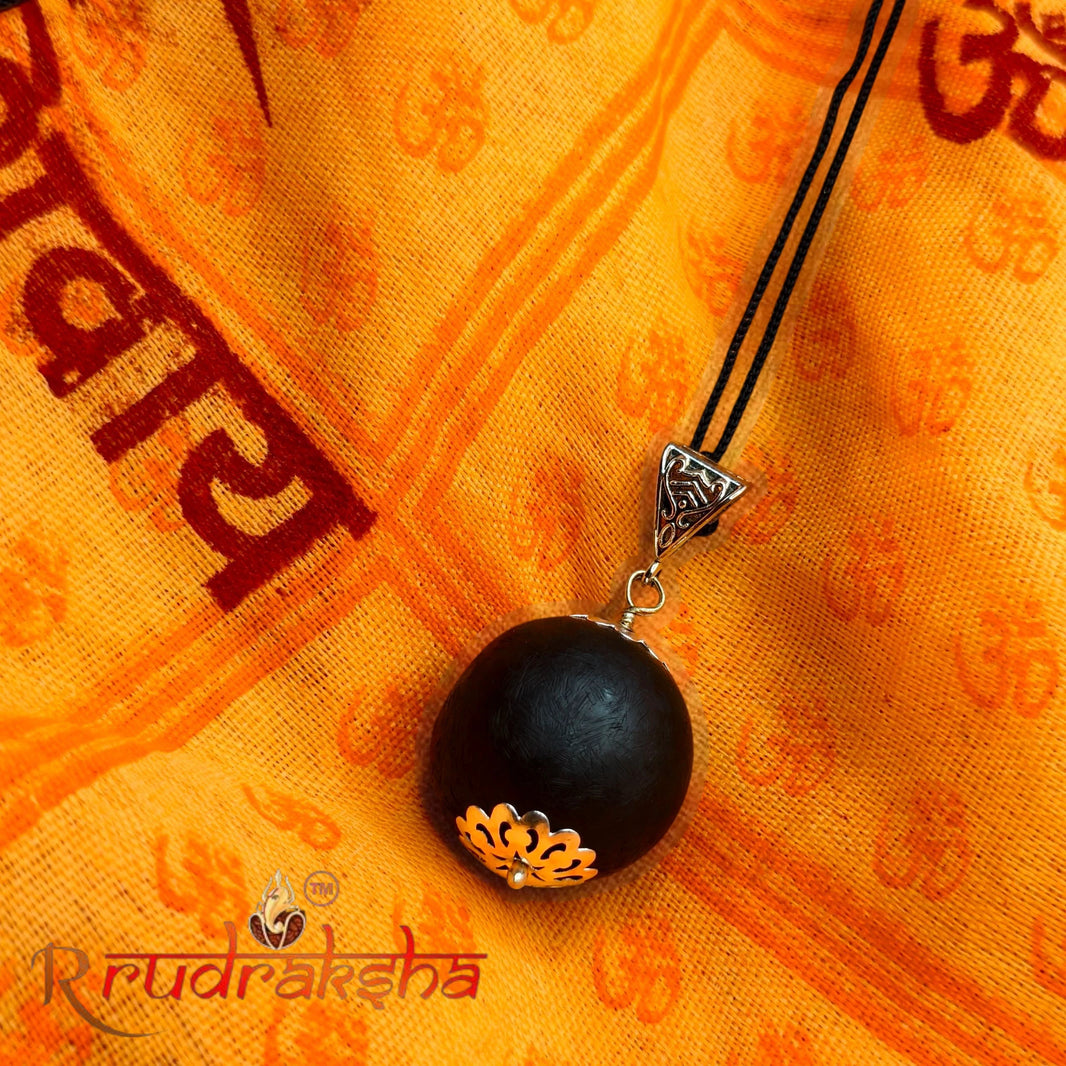
Traditional practices emphasize disciplined action and ethical responsibility as the foundation of healthy confidence. In reflective practice, individuals working to strengthen focus and grounded self-belief sometimes explore a Tiger Eye stone bracelet, traditionally associated with practical confidence and clarity of action, as a supportive reminder to act from inner steadiness rather than impulsive assertion.
🧭 Decision-Making, Responsibility, and Inner Authority
The Solar Plexus Chakra plays a central role in decision-making. It governs how choices are made, responsibilities are accepted, and consequences are faced. A balanced Manipura allows individuals to assess situations realistically, act decisively, and remain accountable for outcomes without becoming overwhelmed by doubt or fear of failure.
When this chakra is imbalanced, decision-making often becomes distorted. Underactivity may result in avoidance, overthinking, or reliance on others to decide. Overactivity may lead to impulsive decisions driven by the need to assert control rather than thoughtful evaluation. Both patterns reflect weakened inner authority rather than lack of intelligence or capability.
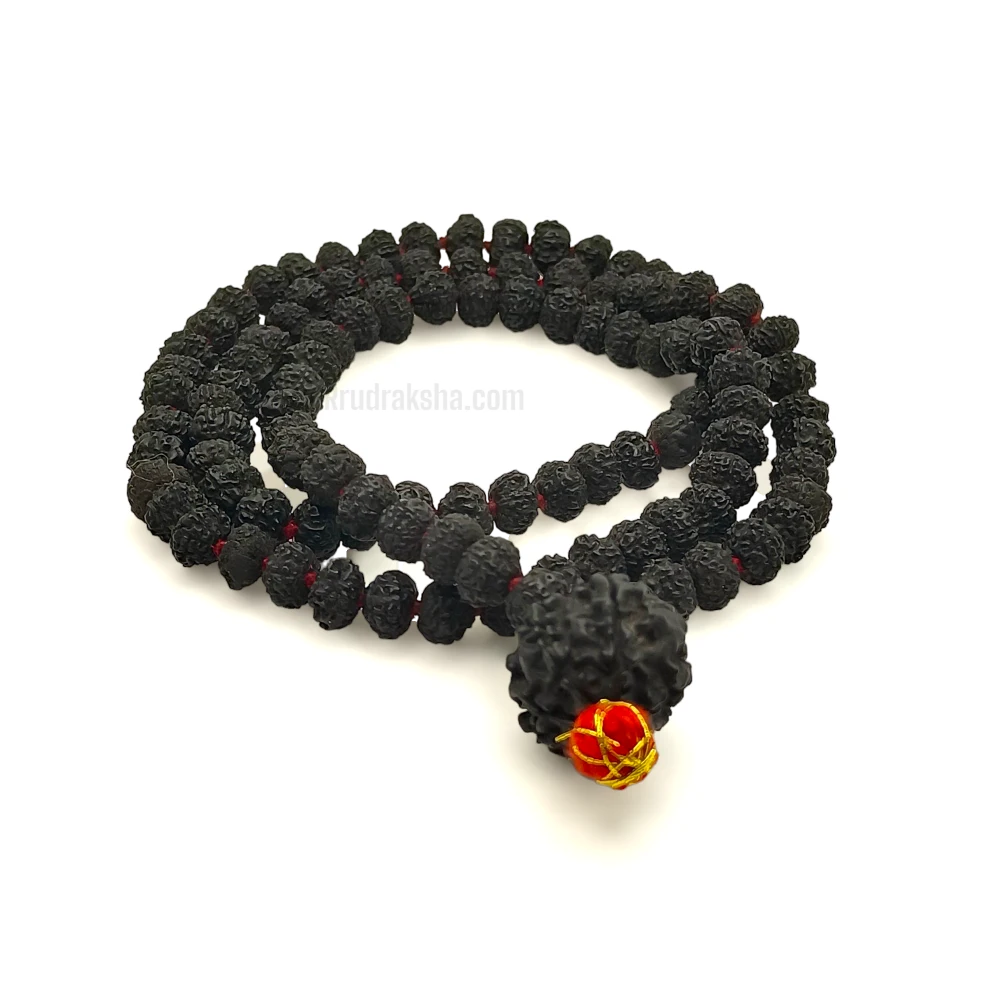
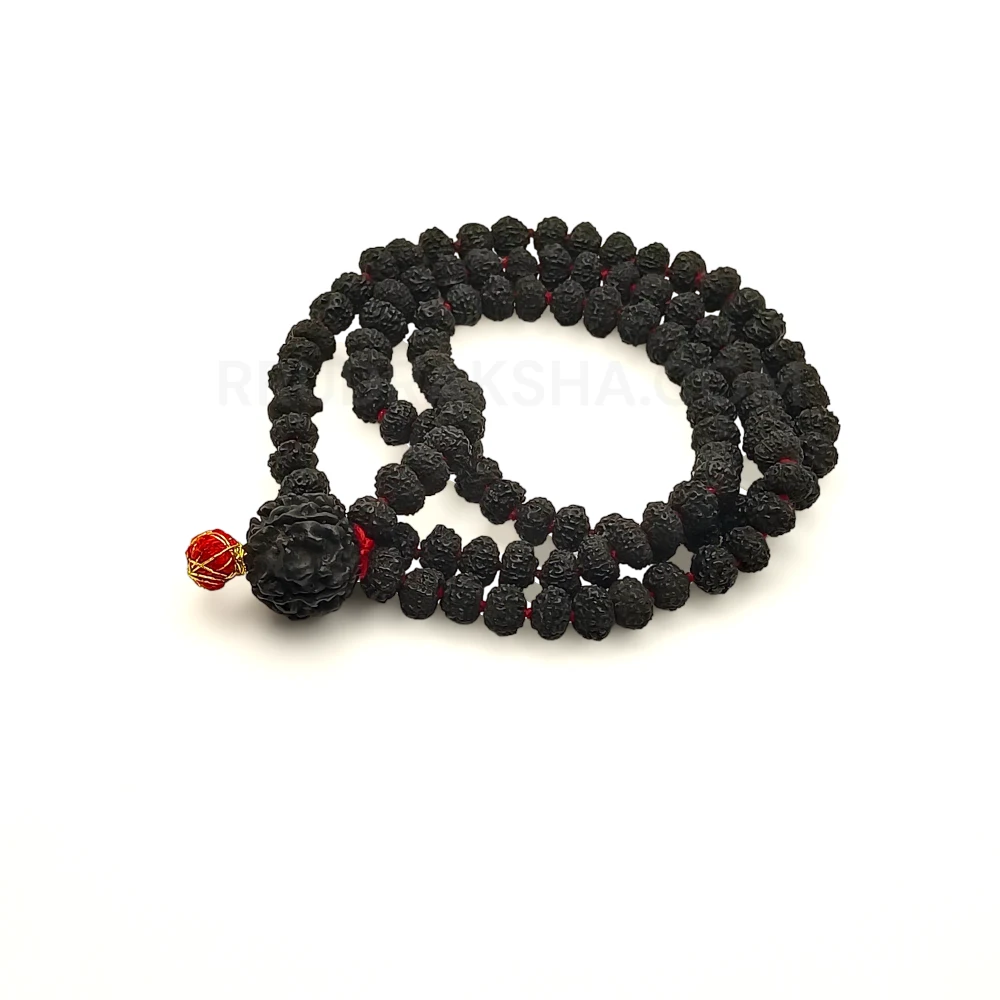
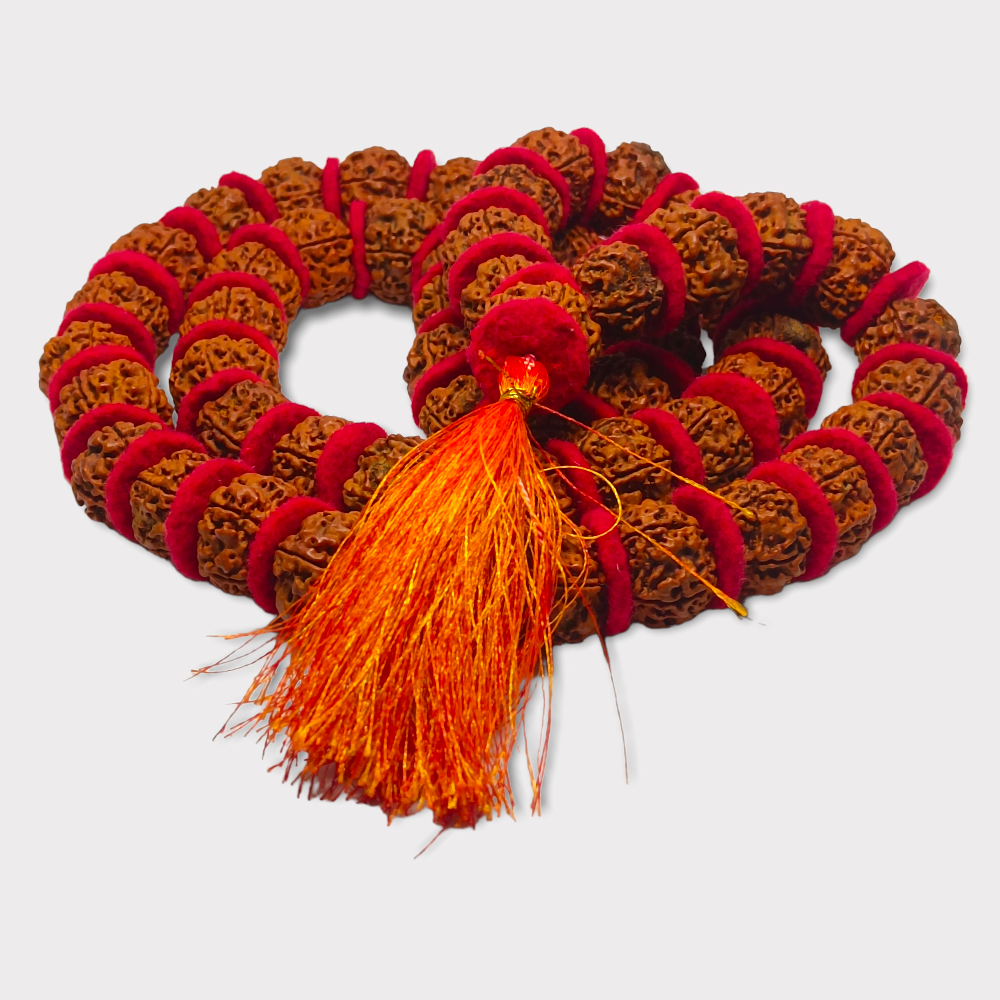
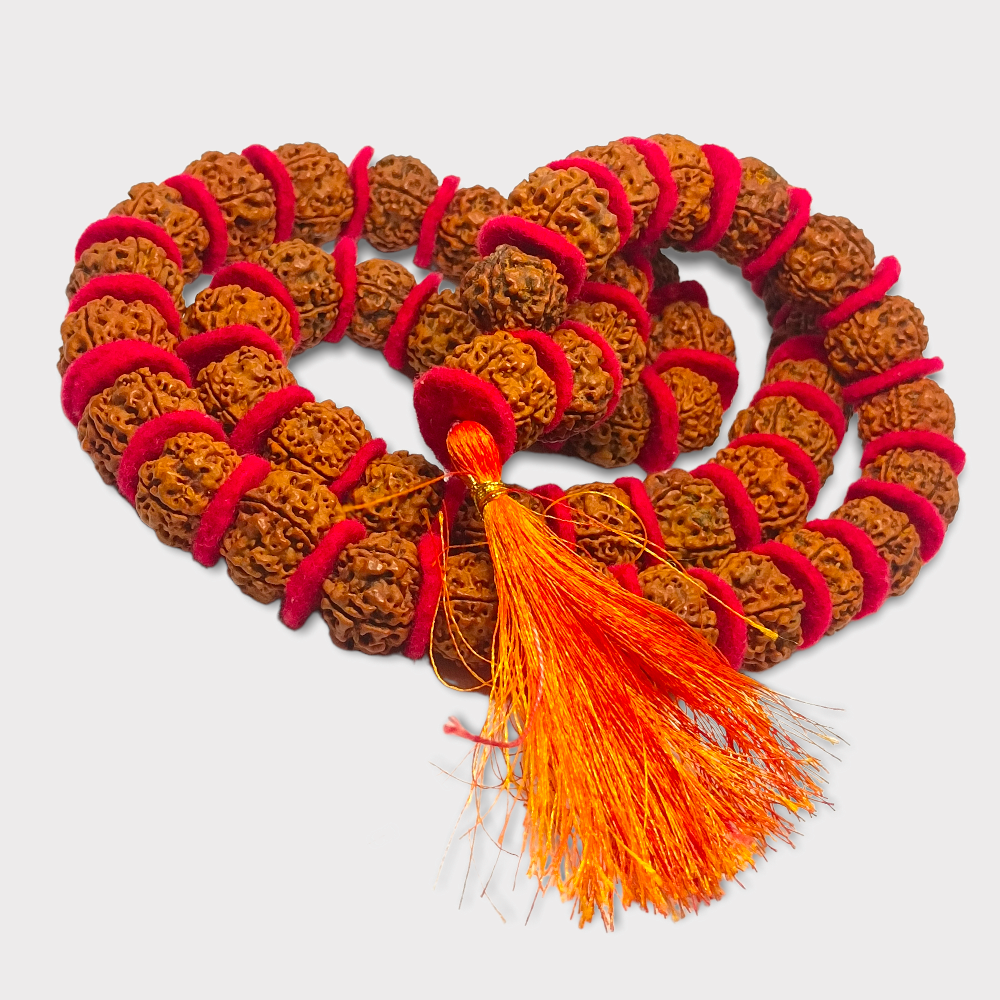
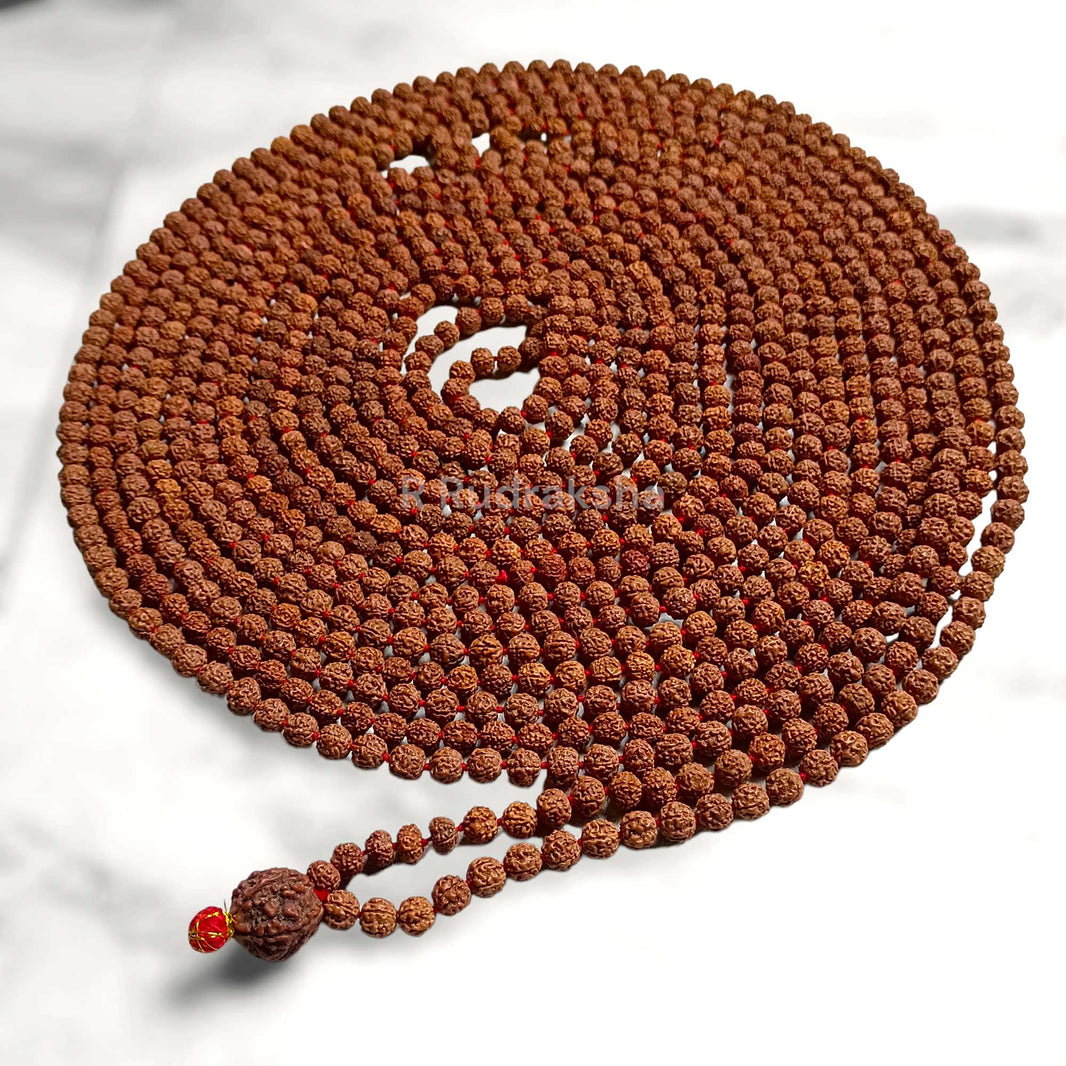
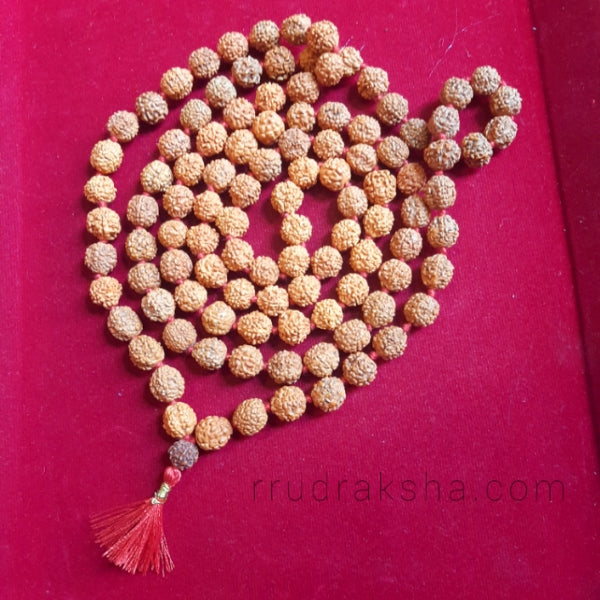
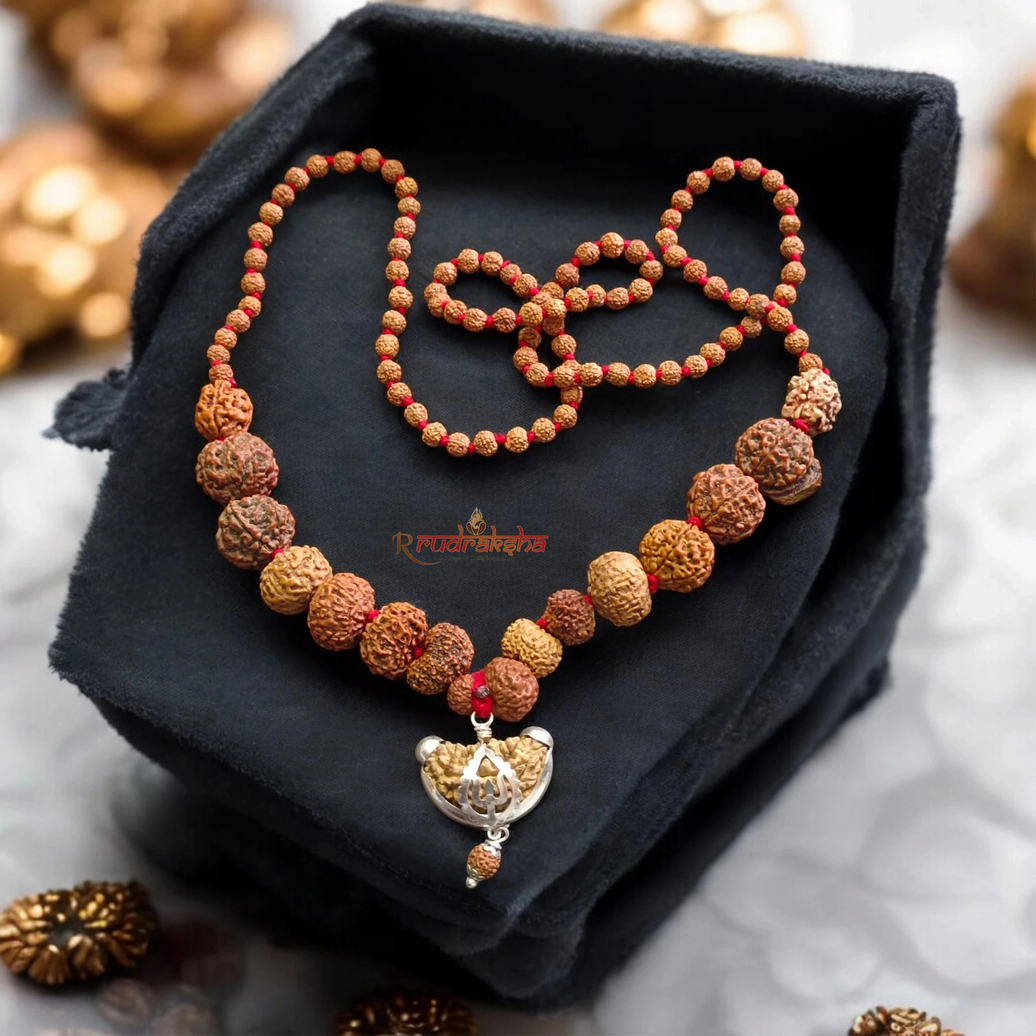
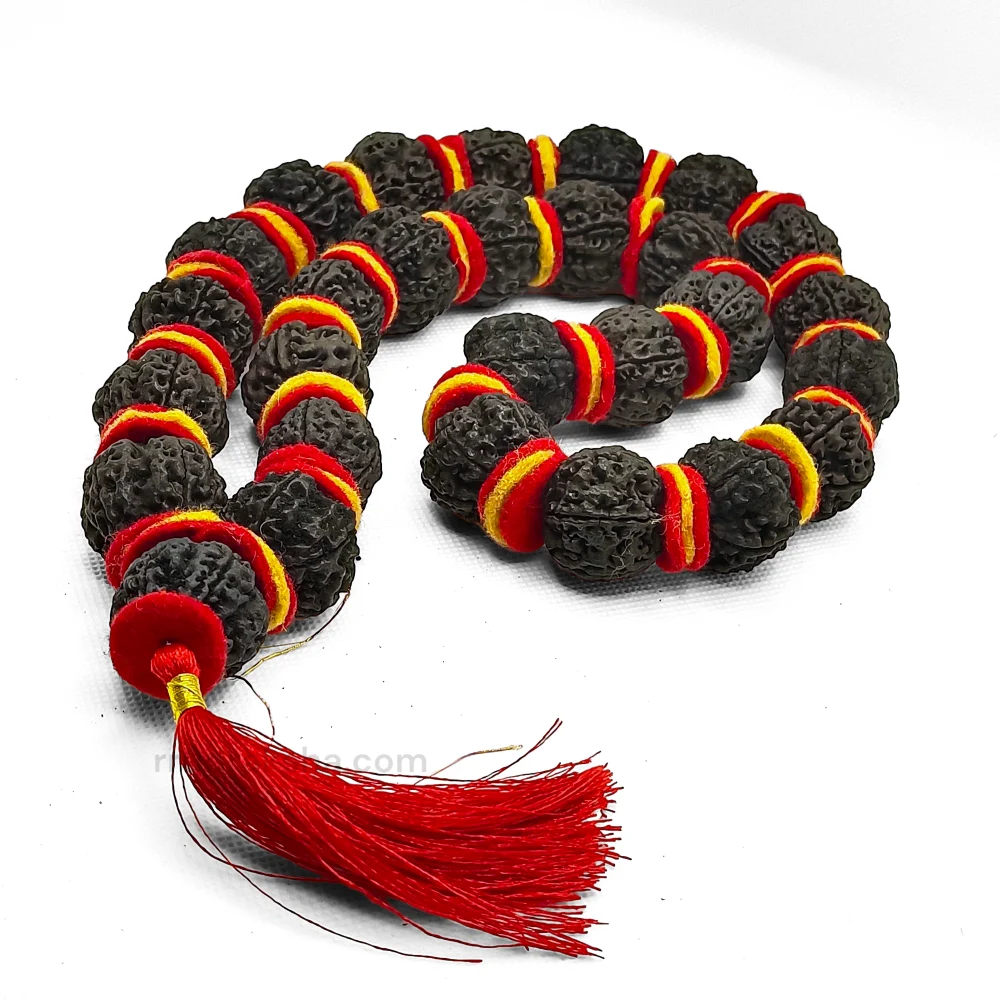
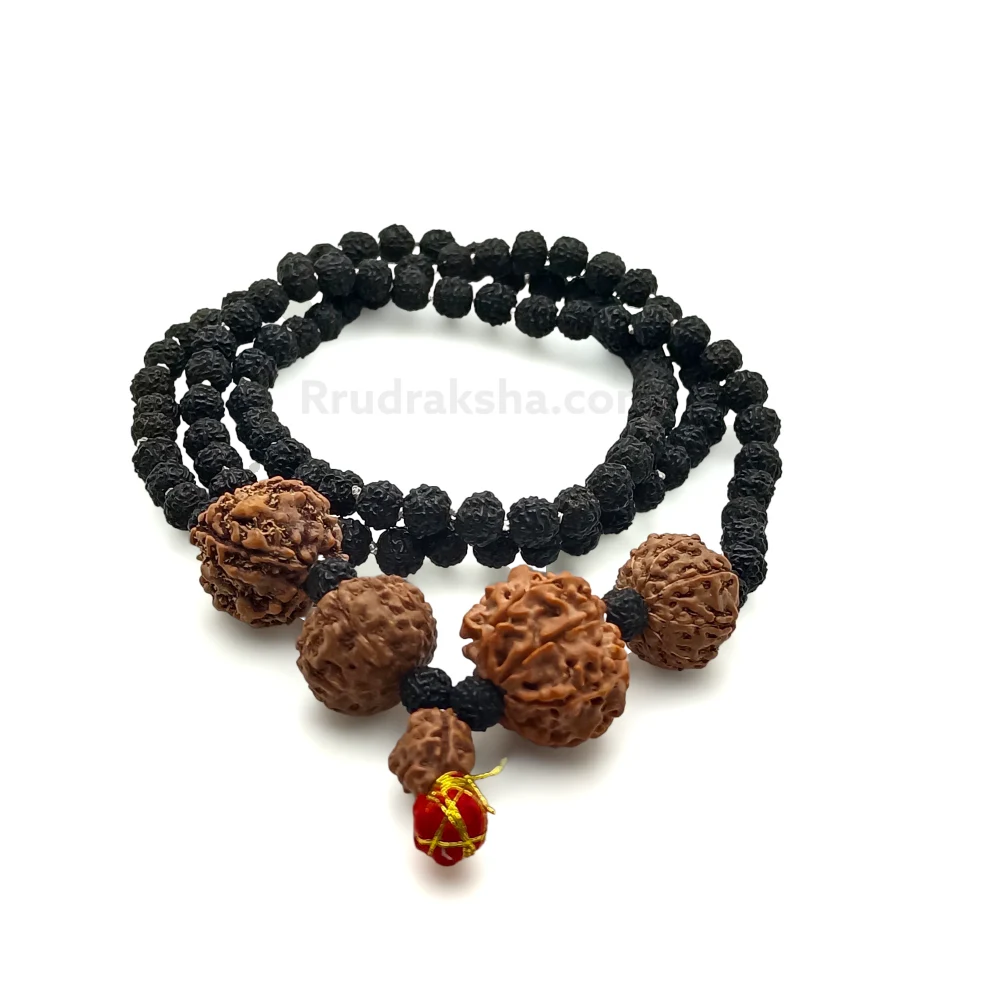
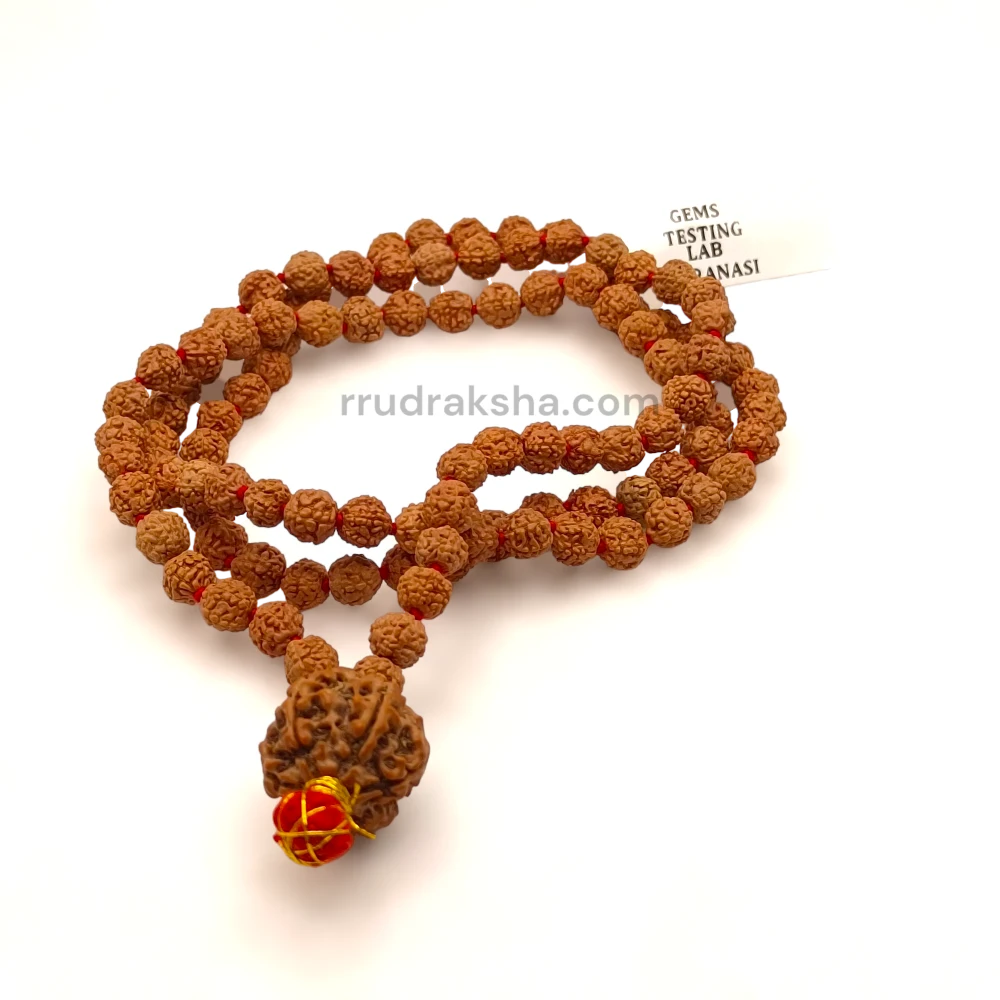
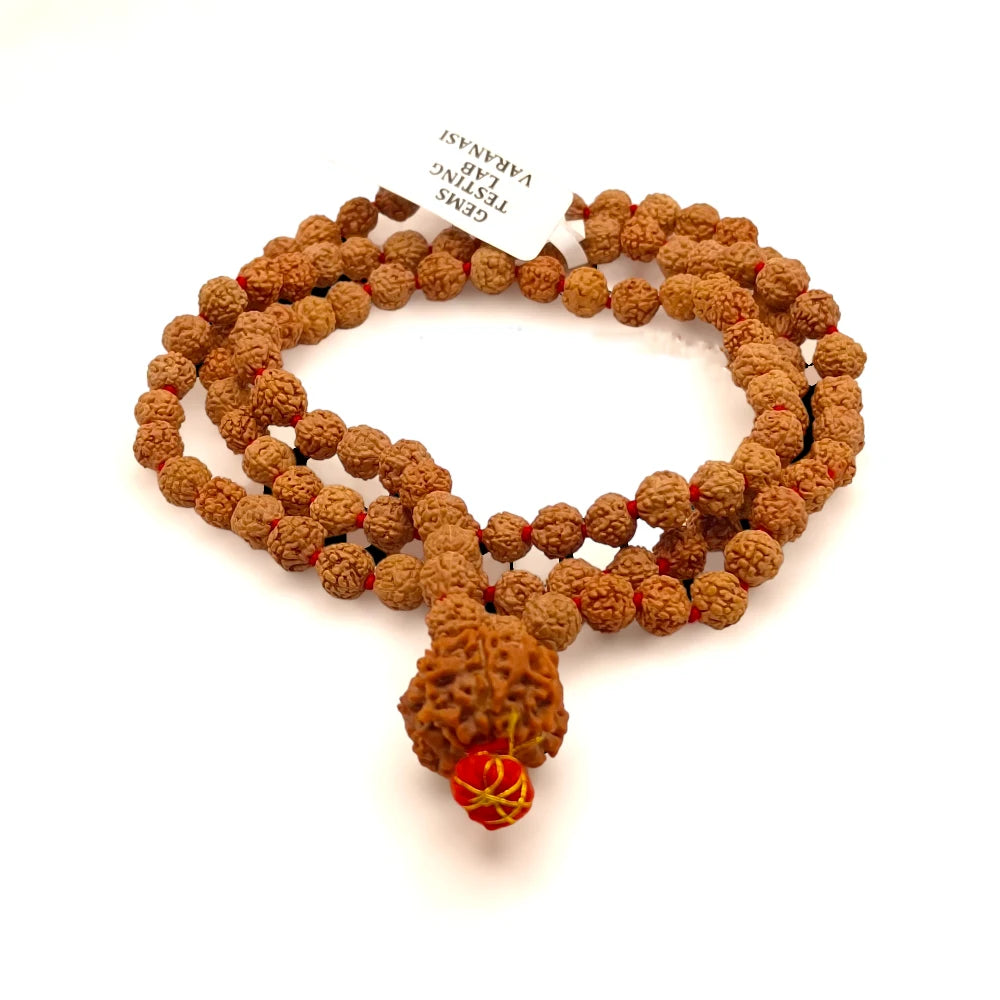
Traditional teachings emphasize consistency and self-observation as essential for restoring balance. Through disciplined routine and honest self-assessment, inner authority develops gradually. In daily practice, some individuals choose a 5 Mukhi Rudraksha Mala, traditionally associated with steadiness and self-regulation, as a quiet companion to reinforce disciplined decision-making without emotional pressure.
⚠️ Fear of Failure and the Solar Plexus Imbalance
Fear of failure is one of the most common expressions of Solar Plexus Chakra imbalance. Unlike fear rooted in survival, this fear arises from uncertainty about one’s own capability and worth. It often manifests as hesitation, avoidance of responsibility, or a tendency to delay action until conditions feel completely safe. Over time, this pattern weakens confidence and reinforces self-doubt.
When Manipura lacks balance, the mind frequently overanalyzes outcomes before action begins. Mistakes are perceived as personal shortcomings rather than learning experiences, making progress feel risky instead of constructive. This internal pressure often leads to procrastination, even in capable individuals, as the desire to avoid failure overrides the willingness to act.
Traditional teachings approach fear of failure through steady action rather than forceful confidence. By engaging consistently with responsibility, self-trust develops naturally. In reflective practice, individuals addressing hesitation and fear-driven avoidance sometimes work with a Pyrite Stone bracelet, traditionally associated with grounded confidence and practical courage, as a reminder to engage with responsibility rather than withdraw from it.
🧱 Discipline, Willpower, and Consistency
Discipline forms the structural foundation of Solar Plexus balance. Rather than being a form of restriction, discipline provides clarity and direction for personal power. Regular routines, consistent effort, and clear priorities allow Manipura to function without excess strain or volatility. Through discipline, willpower becomes reliable rather than reactive.
When discipline is absent, motivation fluctuates unpredictably. Effort becomes dependent on mood or external validation, making progress inconsistent. A balanced Solar Plexus does not rely on bursts of intensity; it is sustained through steady commitment to action, even when motivation feels low.
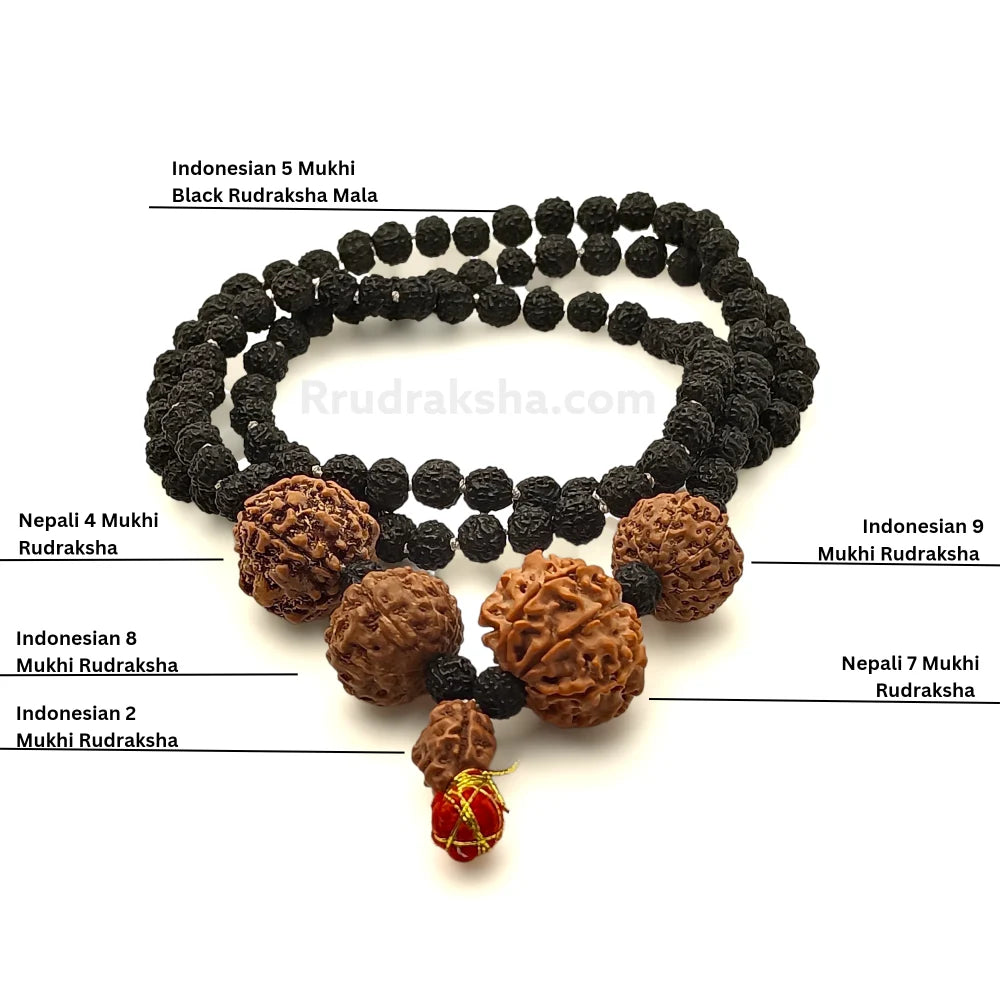
Traditional systems emphasize routine as a stabilizing force for willpower. In daily practice, some individuals choose a 7 Mukhi Rudraksha bracelet, traditionally associated with responsibility and practical stability, worn during work or decision-making hours as a steady reminder to remain committed to effort rather than outcome.
💼 Responsibility, Work, and Practical Confidence
The Solar Plexus Chakra is deeply connected to one’s relationship with work, responsibility, and practical achievement. Balanced Manipura supports the ability to take ownership of tasks without feeling burdened or overwhelmed. Work becomes an expression of capability rather than a measure of self-worth.
Imbalance in this area may appear as avoidance of responsibility, over-identification with success, or burnout driven by the need to prove competence. Both extremes reflect insecurity rather than strength. True confidence emerges when effort is guided by clarity rather than pressure.
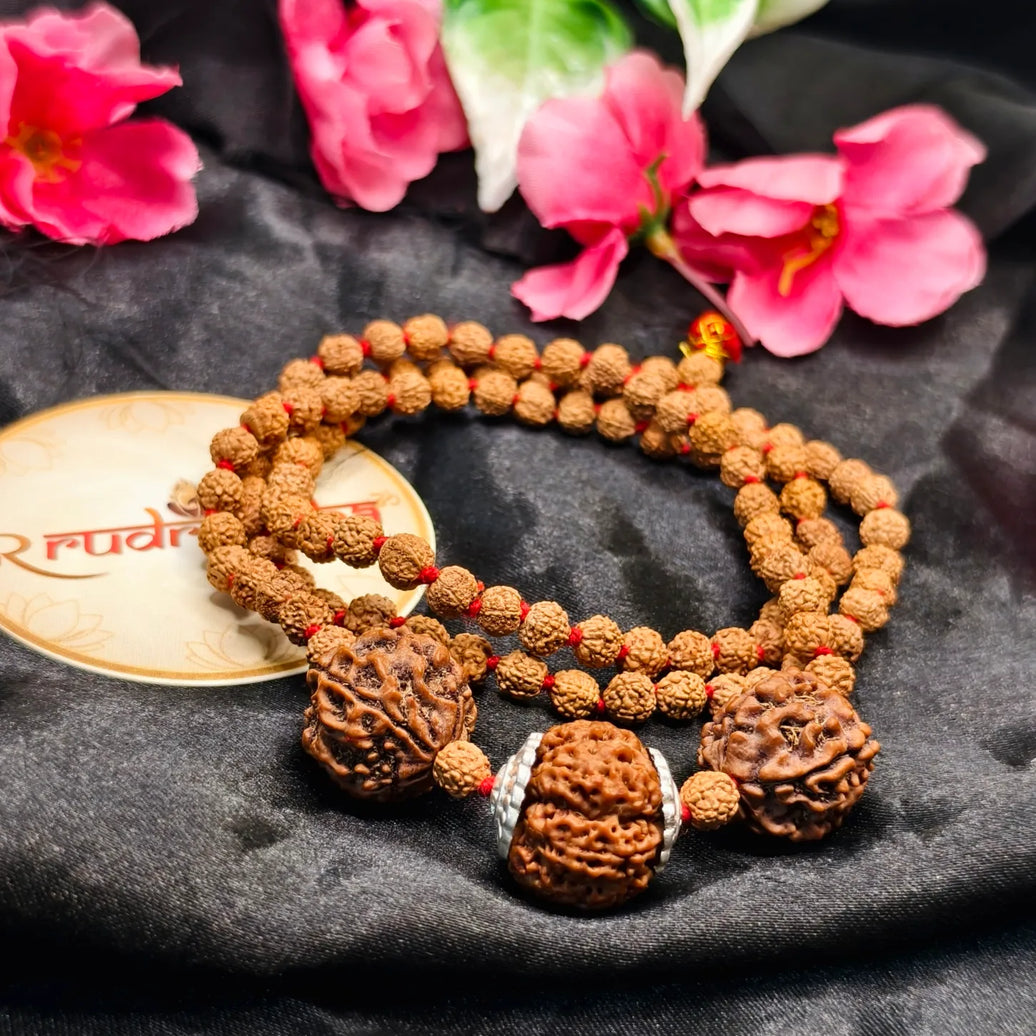
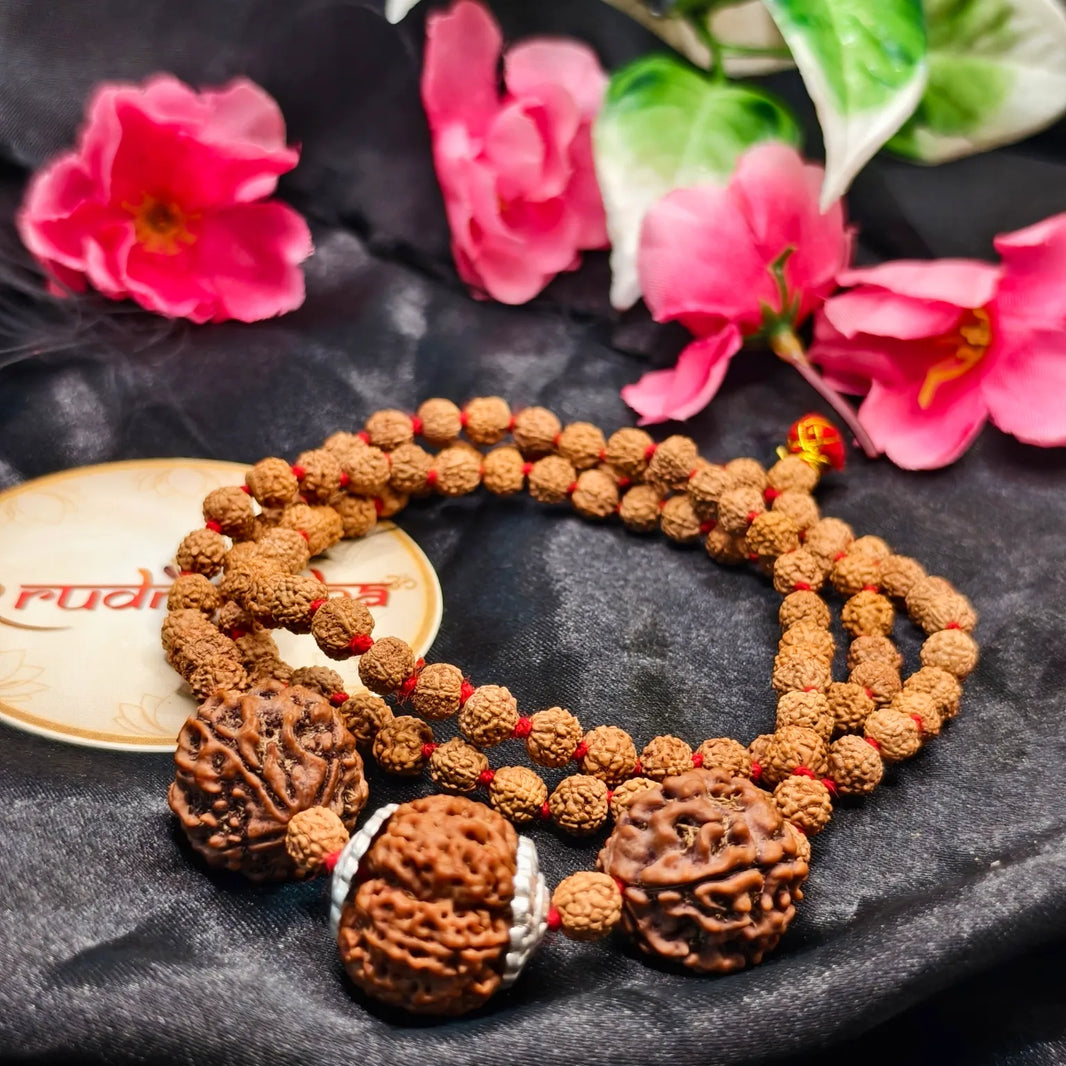
Traditional perspectives emphasize grounded engagement with responsibility. In professional settings, individuals seeking steady confidence without aggression sometimes explore a Tiger Eye and Rudraksha combination, traditionally associated with focus and balanced authority, as a subtle support to maintain composure and clarity while handling responsibility.
🔥 Anger, Frustration, and Suppressed Personal Power
Anger and frustration are often misunderstood expressions of the Solar Plexus Chakra. Rather than being negative emotions in themselves, they frequently arise when personal power is suppressed, misdirected, or denied expression. When Manipura is balanced, emotions related to power are processed consciously and expressed constructively. When imbalanced, these emotions tend to accumulate internally, eventually surfacing as irritation, resentment, or sudden outbursts.
Suppressed personal power often develops when individuals consistently override their own judgment, avoid asserting boundaries, or delay necessary action. Over time, this internal conflict creates frustration that is not always linked to external events, but to unexpressed inner authority. Anger in this context is not a flaw, but a signal that clarity and responsibility need to be restored.
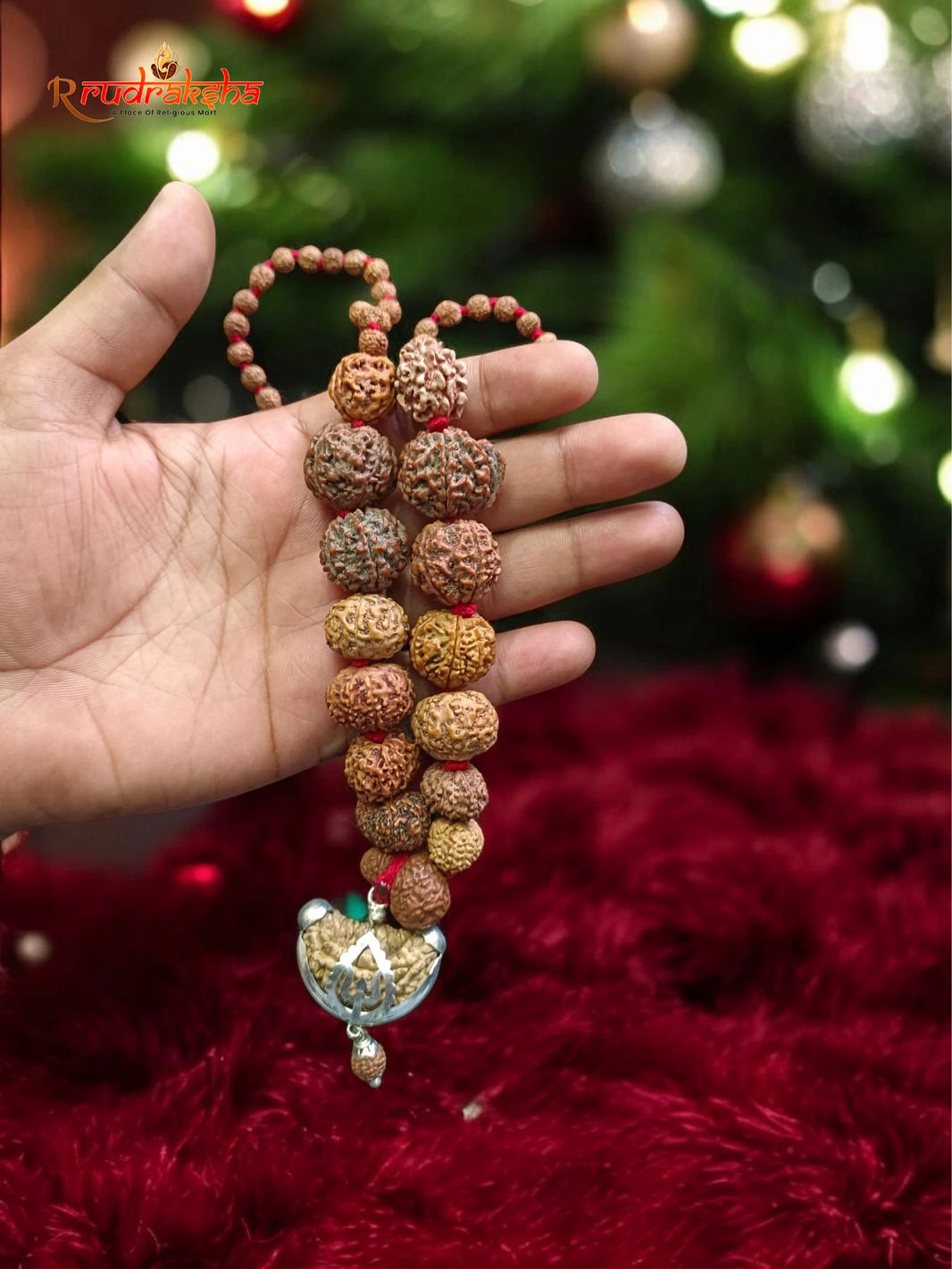
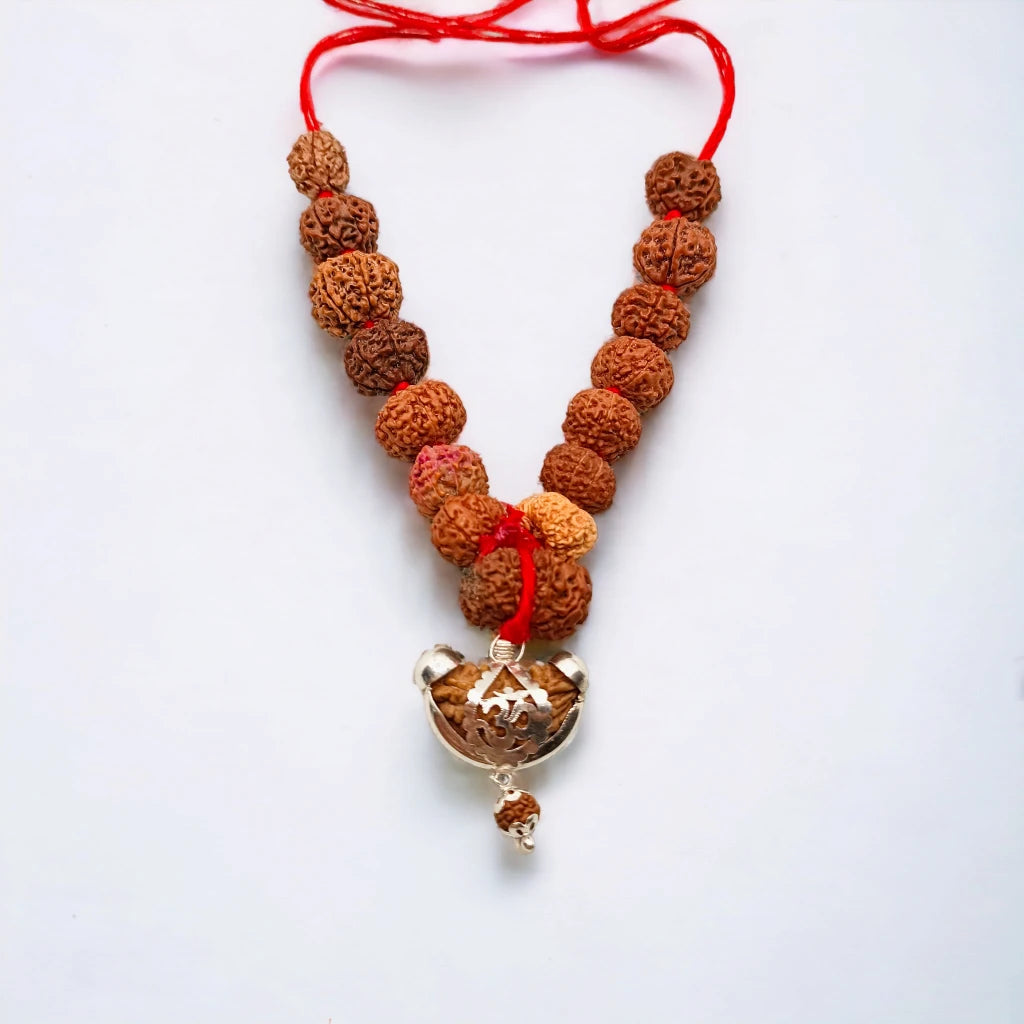
Traditional teachings emphasize channeling energy into disciplined action rather than emotional discharge. In reflective practice, individuals working with suppressed willpower sometimes explore an 11 Mukhi Rudraksha Pendant, traditionally associated with inner strength and clarity of purpose, worn close to the body as a reminder to act from self-trust rather than suppressed emotion.
🧠 Leadership Without Dominance
The Solar Plexus Chakra governs leadership not as authority over others, but as alignment with one’s own responsibility and direction. Balanced Manipura allows leadership to emerge naturally through clarity, consistency, and accountability. Such leadership does not seek control or validation; it functions through example and steadiness.
When imbalance is present, leadership may shift toward dominance or avoidance. Overactivity may create rigid control or intolerance toward others, while underactivity may result in reluctance to lead, even when capability is present. Both patterns reflect uncertainty in self-direction rather than lack of skill.
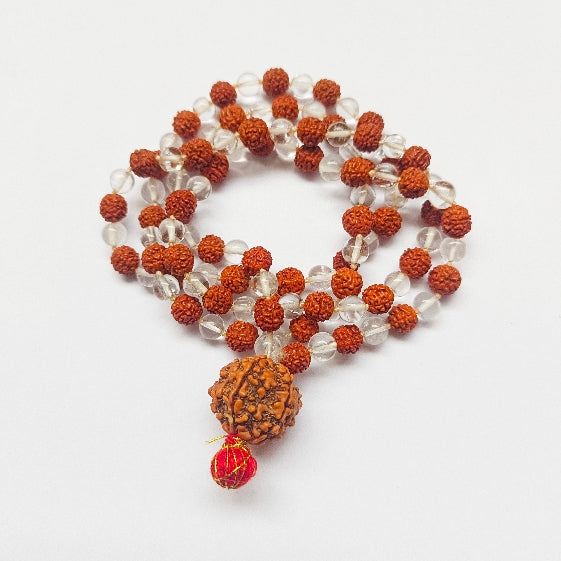
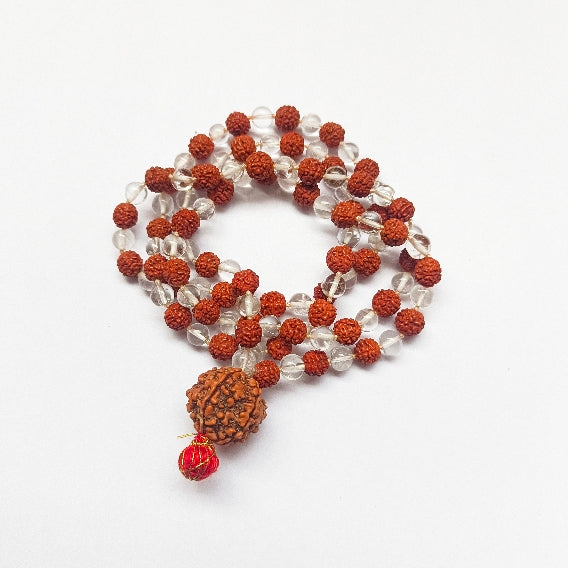
Traditional perspectives emphasize self-regulation as the foundation of leadership. During periods of decision-making or responsibility, some individuals choose a Sphatik (Quartz) bead mala, traditionally associated with clarity and composed thinking, used during reflection to support calm evaluation rather than reactive authority.
🔄 Integrating the Solar Plexus Chakra into Daily Life
Solar Plexus alignment is sustained through integration into everyday action rather than isolated practices. Decision-making, work habits, boundaries, and accountability all serve as daily expressions of Manipura. Consistency in small responsibilities strengthens confidence far more effectively than sporadic displays of intensity.
Balanced Manipura encourages responsibility without self-criticism. Effort is valued over outcome, and learning is prioritized over perfection. This integration allows confidence to remain stable even during uncertainty, reinforcing inner authority through experience rather than belief alone.
In daily routines, some practitioners choose a Rudraksha Bracelet, worn during work or active hours, as a grounding reminder to remain accountable, focused, and composed while engaging with responsibilities throughout the day.
🎯 The Solar Plexus Chakra and the Sense of Direction
Beyond confidence and discipline, the Solar Plexus Chakra plays a subtle role in shaping a person’s sense of direction in life. This direction is not limited to career or ambition; it reflects clarity about priorities, values, and long-term intentions. When Manipura is balanced, individuals are able to distinguish between what is essential and what is merely urgent, allowing energy to be invested wisely rather than scattered across conflicting goals.
When this sense of direction weakens, effort often becomes misaligned. People may remain busy yet feel unfulfilled, or pursue goals that no longer resonate. This confusion is not a lack of ability, but a sign that inner authority has become disconnected from action. In traditional practice, individuals working to restore focus and direction sometimes explore Tiger Eye Mala traditionally associated with grounded decision-making and clarity of intent, as a supportive companion during periods of transition.
🧘♀️ Self-Respect, Boundaries, and Inner Stability
The Solar Plexus Chakra also governs self-respect, which forms the foundation of healthy boundaries. Self-respect here does not arise from achievement or recognition, but from consistency between values and behavior. When Manipura is balanced, boundaries are maintained naturally, without guilt or defensiveness. Saying no does not feel like rejection, and saying yes does not feel like obligation.
Imbalance in this area often leads to boundary confusion. Individuals may overextend themselves to avoid conflict or withdraw entirely to preserve energy. Both patterns reflect uncertainty in self-valuation rather than generosity or independence. Traditional teachings emphasize inner steadiness over external validation. In reflective routines, some practitioners choose an 11 Mukhi Rudraksha, traditionally associated with inner strength and self-assurance, as a reminder to uphold personal boundaries without rigidity.
🌀 The Solar Plexus Chakra and Motivation Cycles
Motivation is another key function of the Solar Plexus Chakra, yet it is often misunderstood as constant drive or enthusiasm. In reality, balanced Manipura supports sustainable motivation—effort that rises and falls in rhythm rather than burning out or collapsing entirely. Motivation becomes responsive to circumstances rather than driven by pressure or fear.
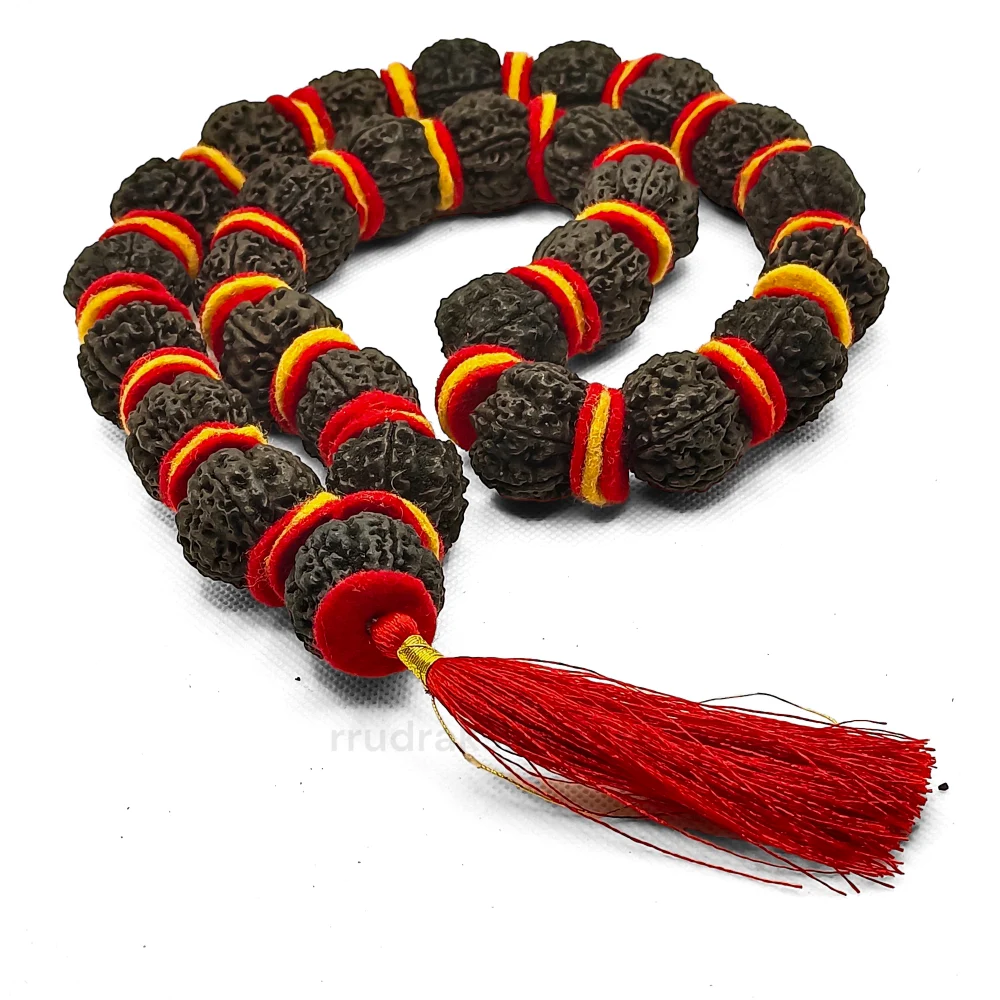
When imbalance develops, motivation tends to fluctuate unpredictably. Periods of intense effort may be followed by exhaustion or disengagement. This cycle often leads to frustration and self-criticism, further weakening confidence. Traditional systems emphasize moderation and consistency, and some individuals exploring steadier effort patterns work with a 7 Mukhi Rudraksha Mala, traditionally associated with responsibility and practical stability, during work or planning hours to reinforce disciplined engagement.
❇️ Integrity and the Alignment of Action
Integrity is a lesser-discussed but central aspect of the Solar Plexus Chakra. Integrity here refers to alignment between intention, decision, and action. When Manipura is balanced, actions feel internally coherent; choices reflect values, and effort feels honest rather than conflicted. This alignment creates a quiet sense of self-trust that does not depend on external approval.
Loss of integrity often manifests as inner tension. Individuals may act against their better judgment due to pressure, fear, or expectation, leading to dissatisfaction even when outcomes appear successful. Traditional frameworks emphasize clarity and self-observation as corrective tools. Because this section focuses on ethical awareness rather than action support, no external tool is traditionally emphasized here, allowing inner reflection to remain primary.
❓ Frequently Asked Questions (FAQs)
What does the Solar Plexus Chakra represent?
The Solar Plexus Chakra represents personal power, discipline, confidence, and the ability to take responsible action without fear or dominance.
What are common signs of Solar Plexus imbalance?
Indecision, lack of confidence, excessive control, anger, procrastination, or fear of responsibility may indicate imbalance.
Is anger related to Solar Plexus Chakra imbalance?
Yes. Anger often arises when personal power is suppressed or misdirected rather than expressed with clarity.
Can discipline improve Solar Plexus balance?
Traditional teachings emphasize routine, responsibility, and consistency as key factors in restoring balance.
Which Rudraksha is traditionally associated with inner strength?
The 11 Mukhi Rudraksha is traditionally associated with confidence, courage, and inner authority.
Does confidence mean control over others?
No. Balanced confidence reflects self-regulation and clarity, not dominance or external control.
🧘 Conclusion 🌟
Inner Authority Through Disciplined Action
The Solar Plexus Chakra teaches that true power arises from responsibility rather than control. When Manipura is balanced, confidence becomes steady, decisions become clear, and action aligns naturally with inner values. Discipline, consistency, and ethical engagement form the foundation of this stability.
Traditional systems emphasize that inner authority develops through lived experience, not affirmation alone. Supportive tools such as Rudraksha or symbolic gemstones may complement this process, but they remain secondary to disciplined action and self-awareness.
When approached patiently, Solar Plexus work transforms fear into clarity, hesitation into responsibility, and effort into meaningful progress, allowing confidence to emerge as a natural expression of inner alignment.
🙏 हर हर महादेव 🙏





Leave a comment