

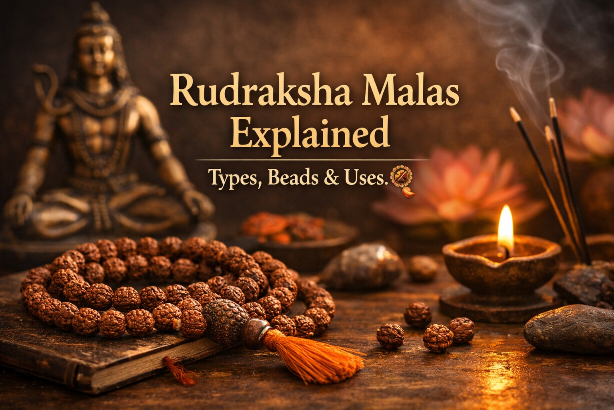
📿 Rudraksha Malas Explained: Types, Beads, Uses & Complete Guide
Rudraksha beads hold a timeless place in spiritual traditions, meditation practices, and devotional rituals. While many people are familiar with individual Rudraksha beads, the Rudraksha mala carries a deeper spiritual and cultural significance. A mala is not merely a string of beads. It is a sacred tool used for meditation, mantra chanting, mindfulness, and spiritual discipline.
For centuries, sages, yogis, and spiritual seekers have used malas to maintain focus during prayer and meditation. Today, Rudraksha malas are worn and used by people around the world who seek a connection with traditional spiritual practices.
This complete guide explores everything about Rudraksha malas — their history, types, bead counts, uses, symbolism, and how they are used in modern spiritual life.
🕉️ What Is a Rudraksha Mala?
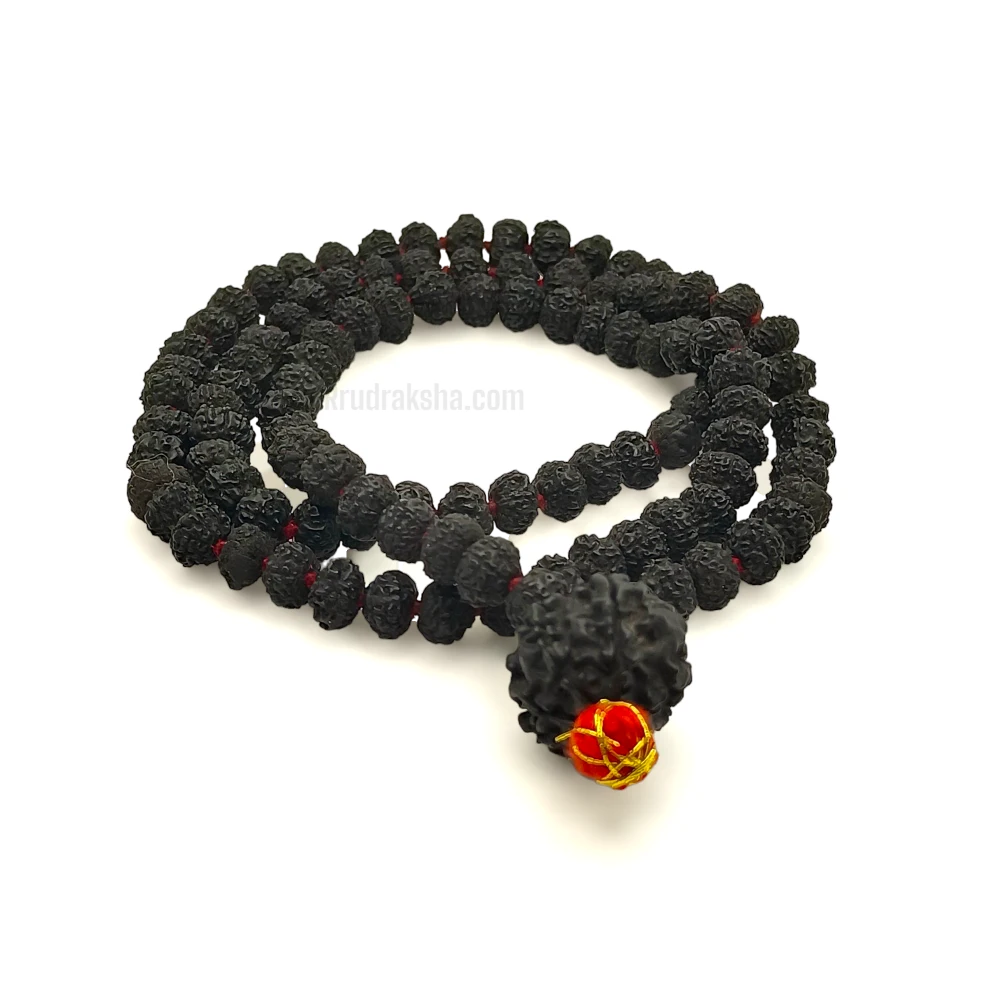
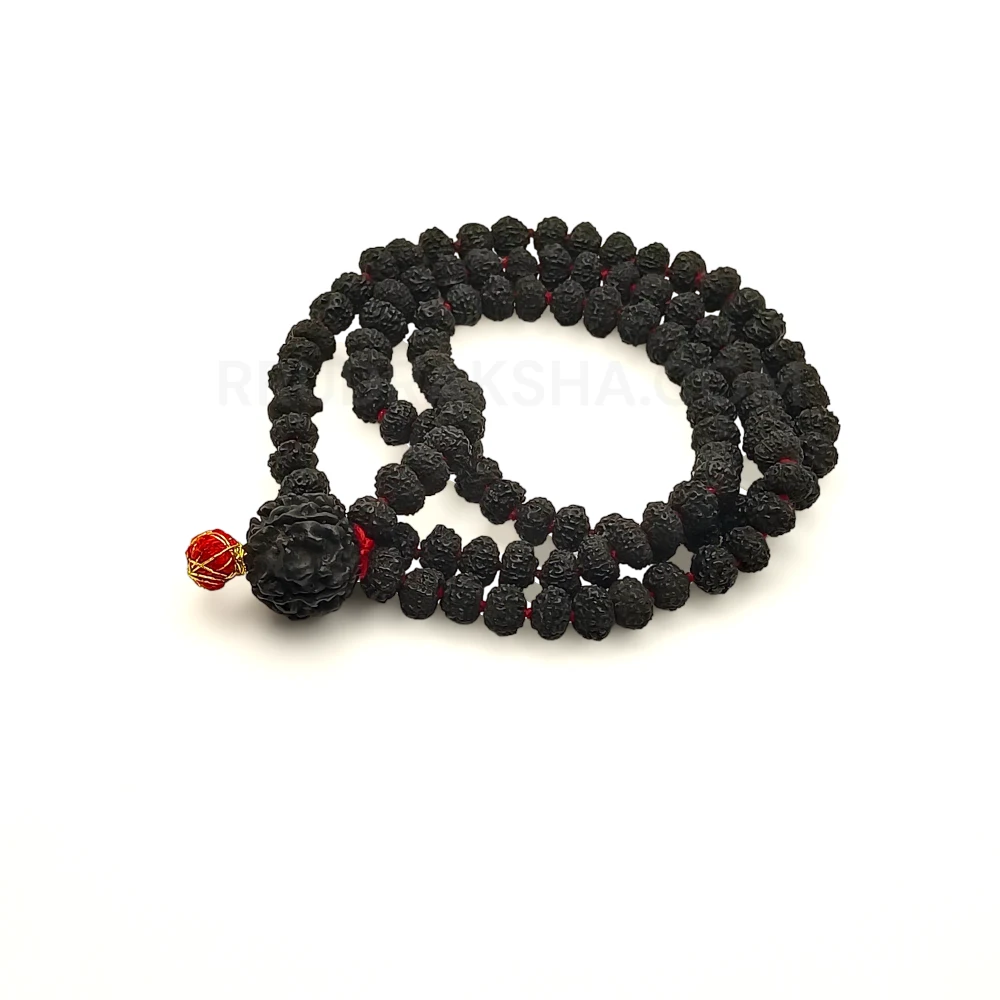
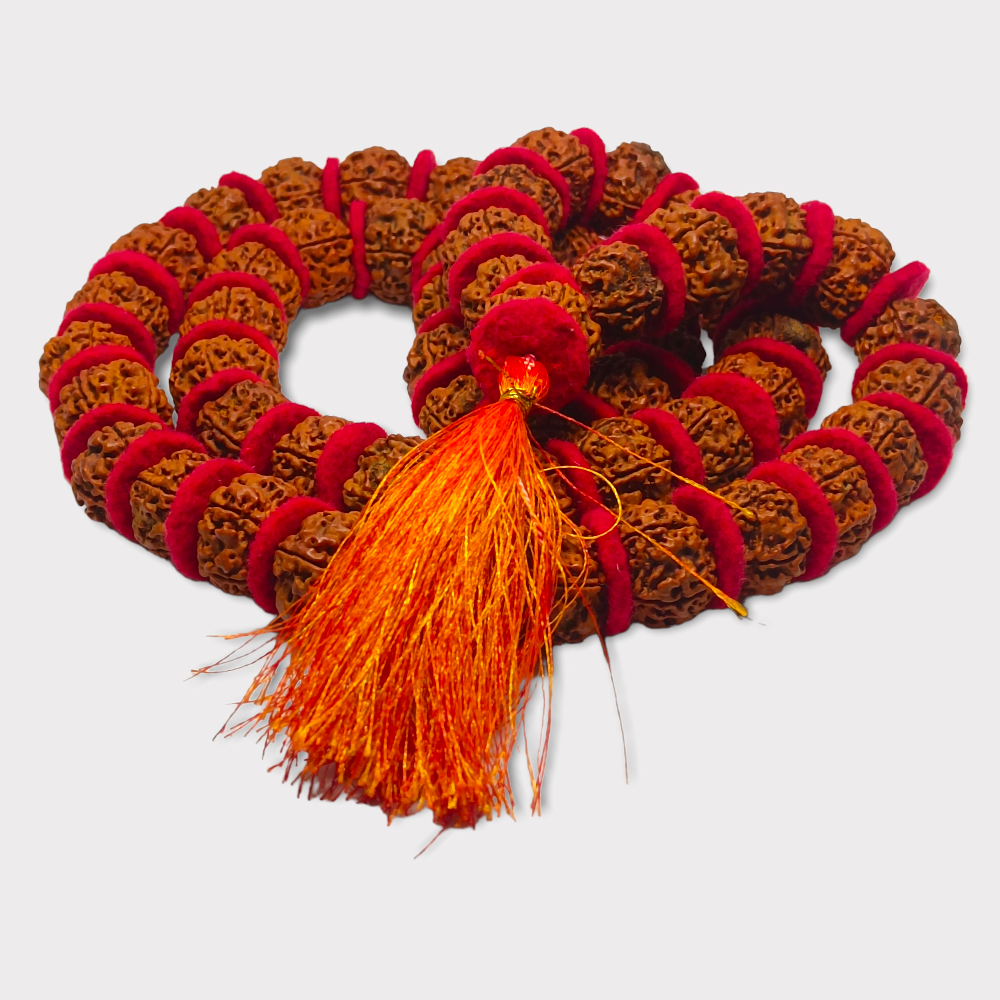
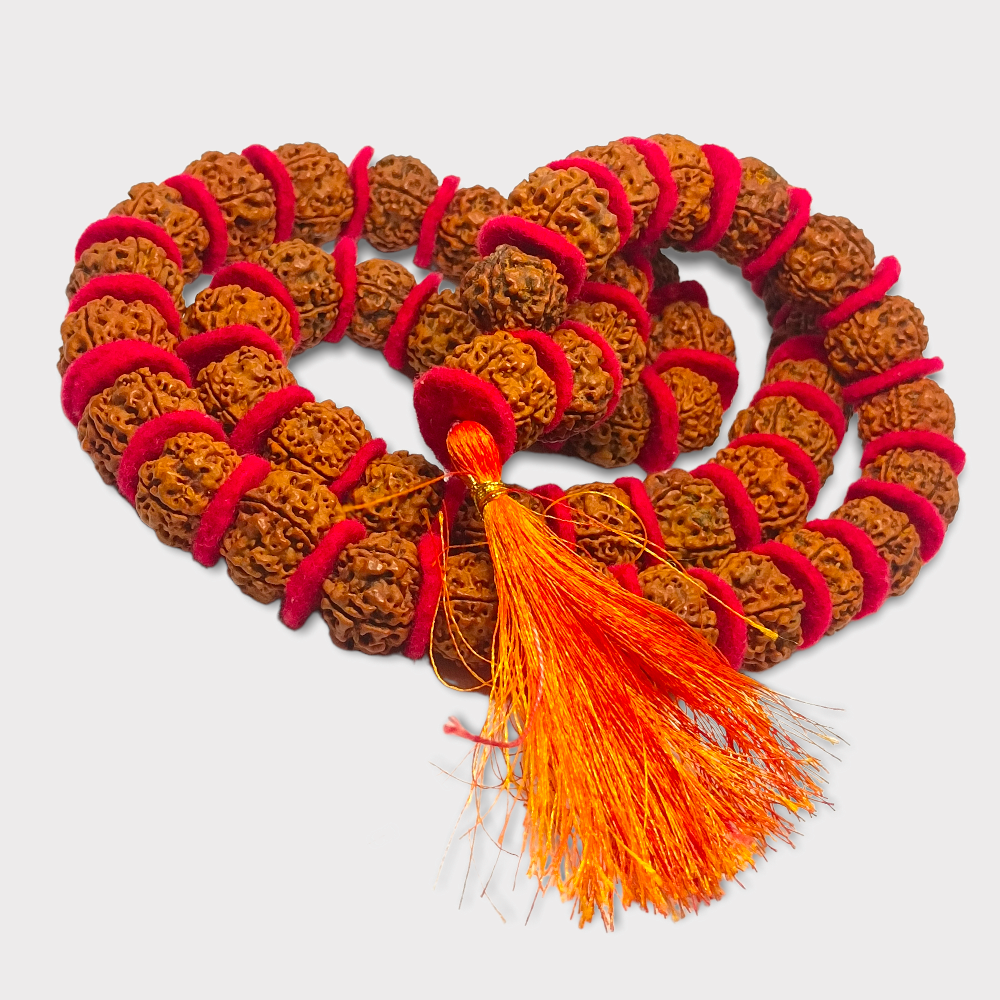
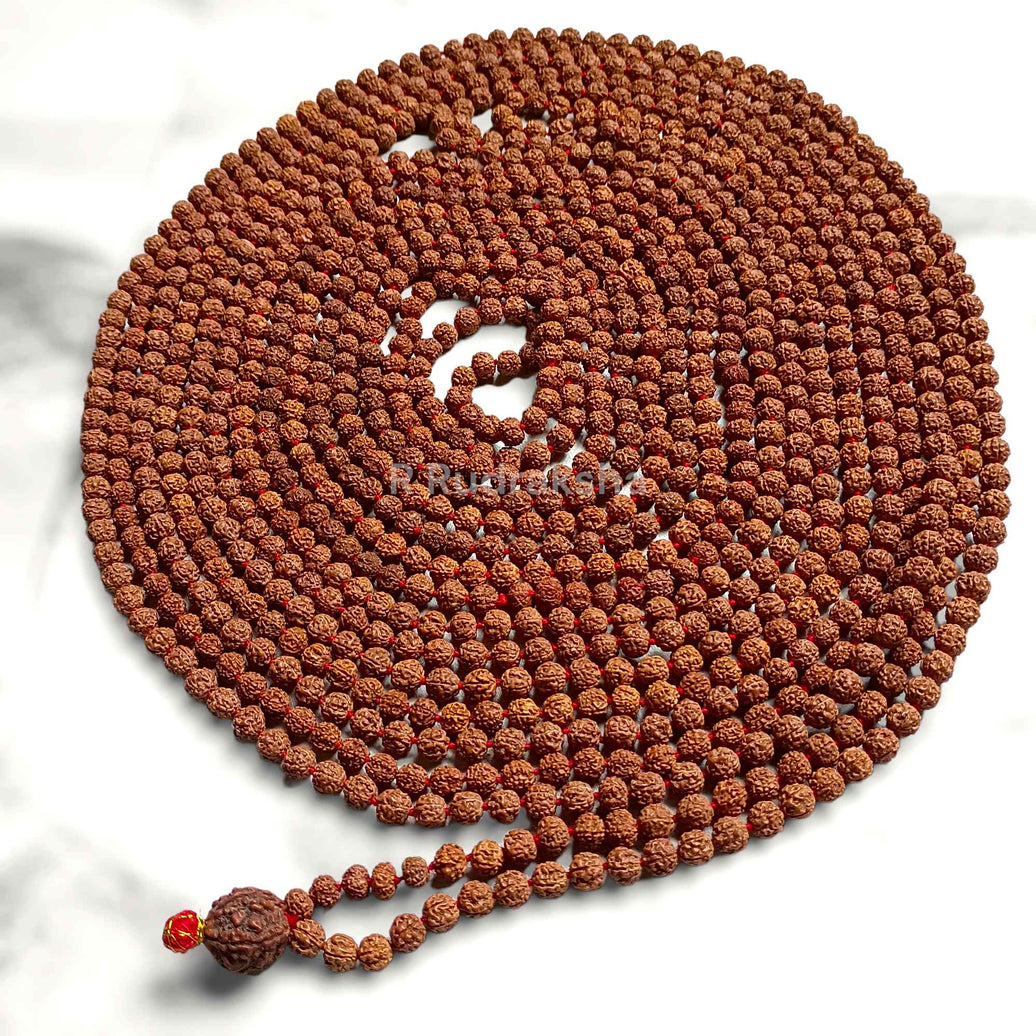
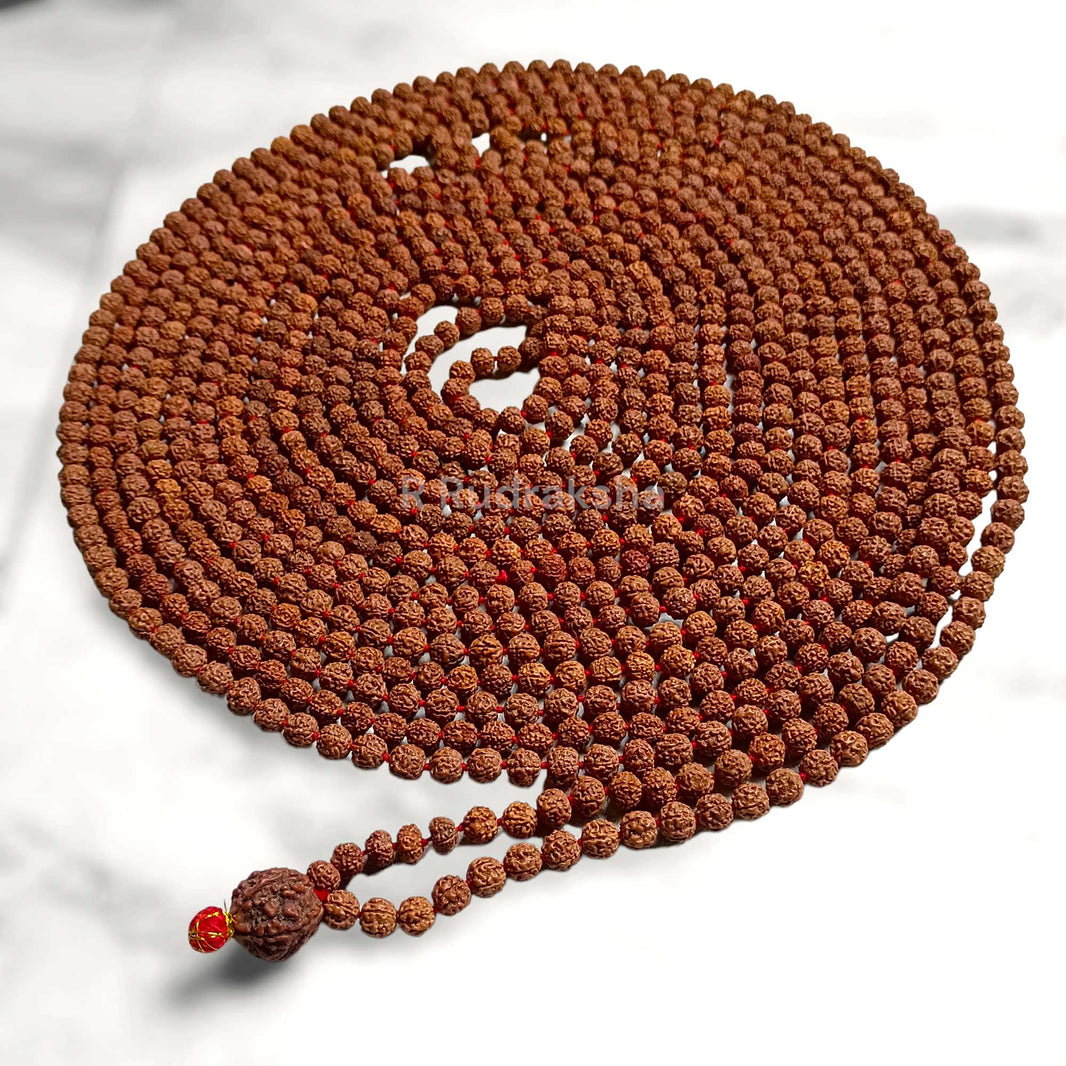
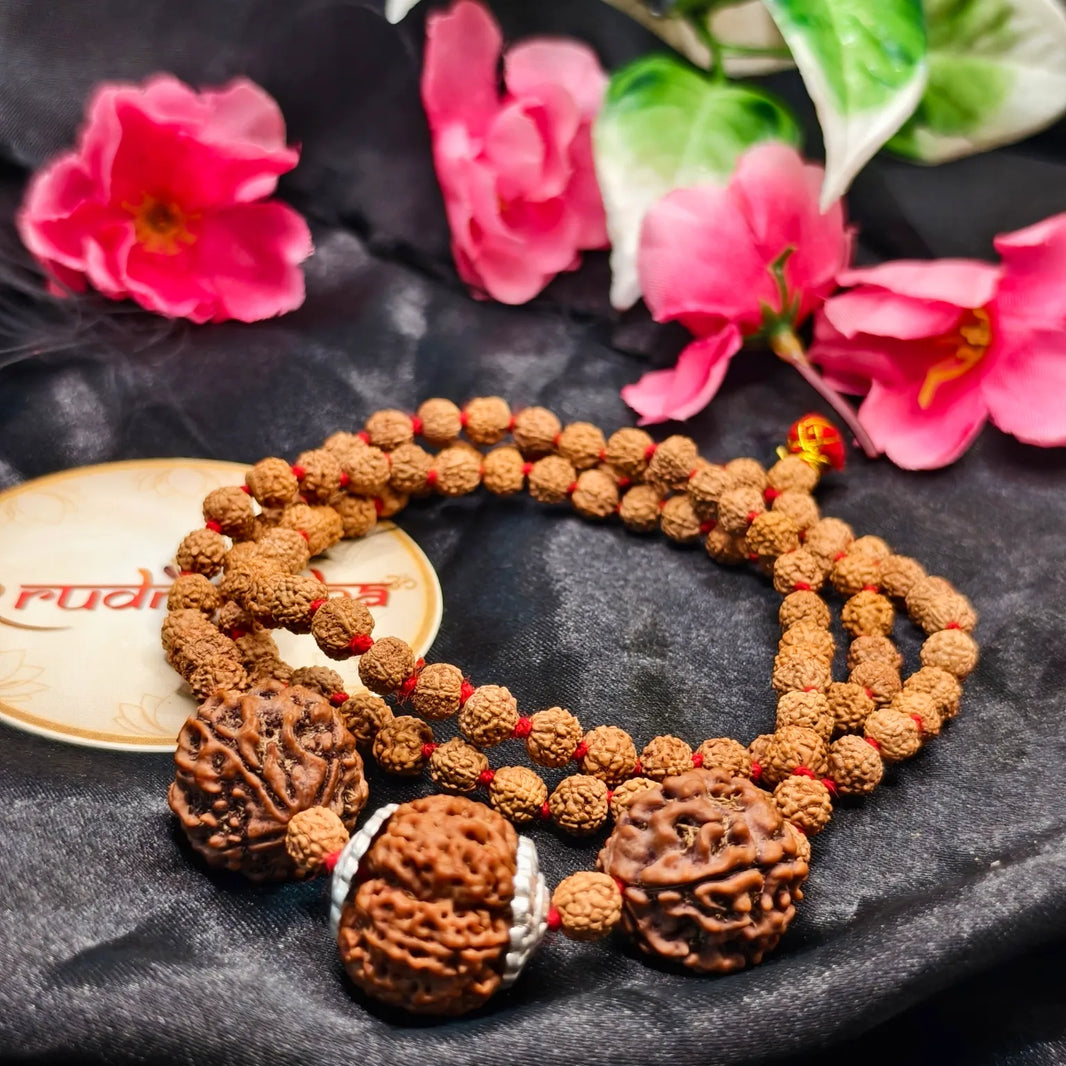
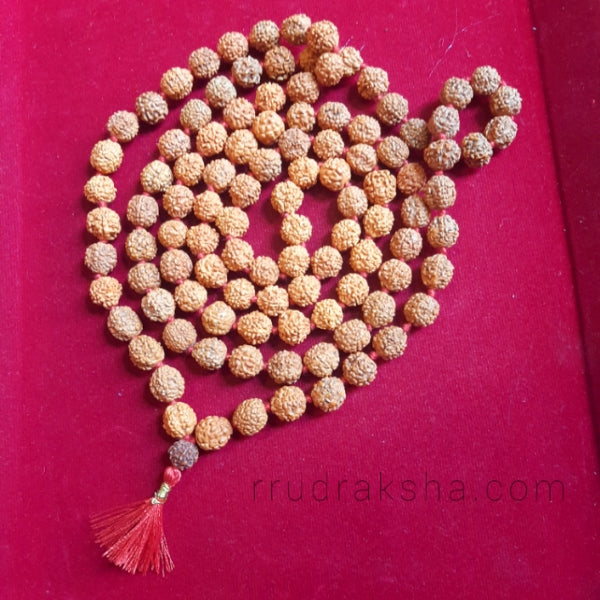
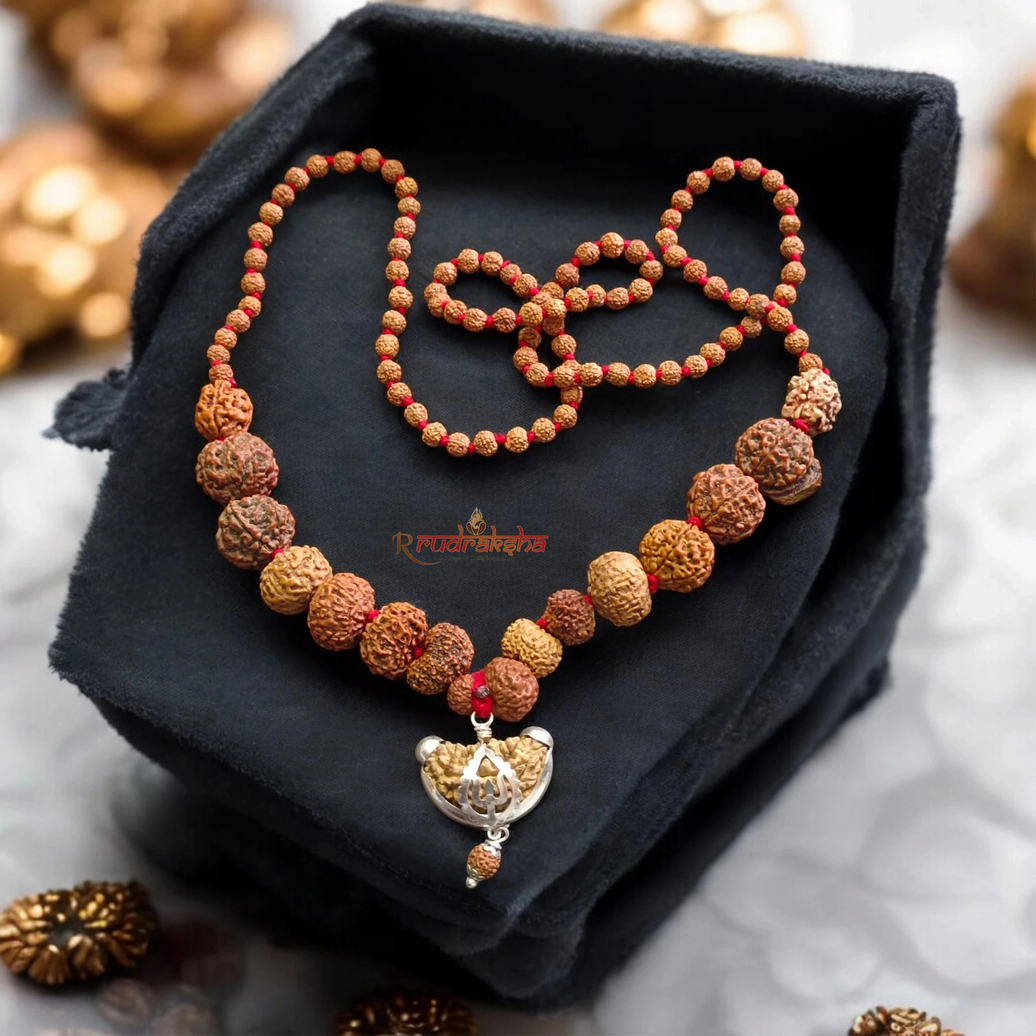
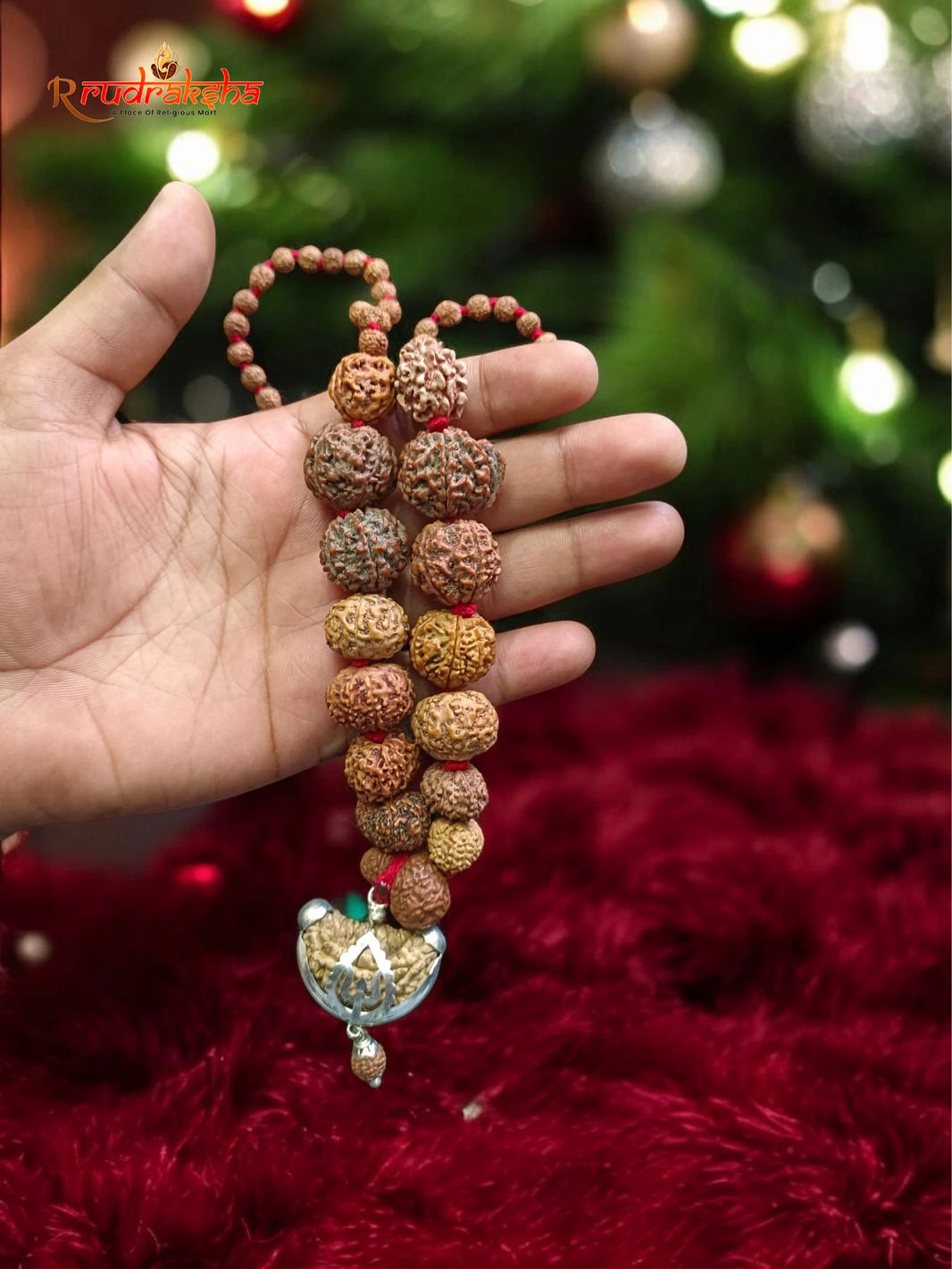
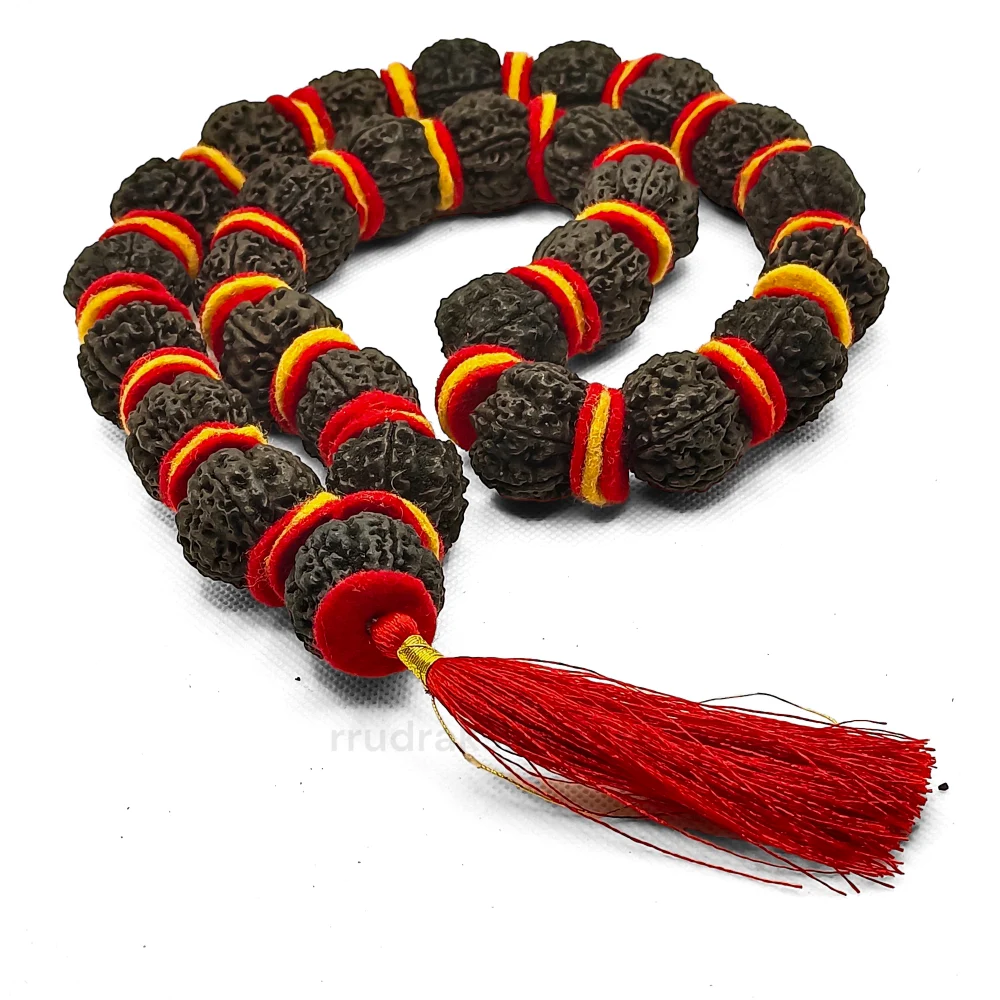
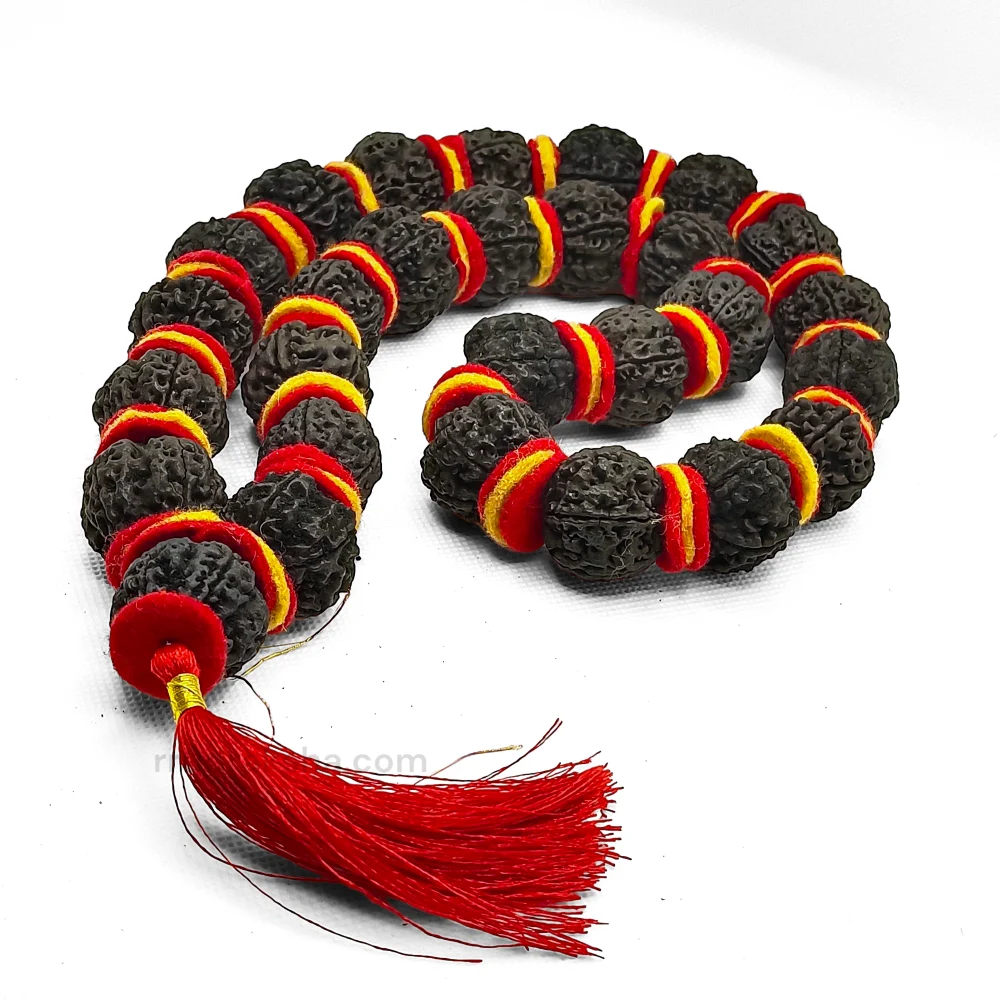
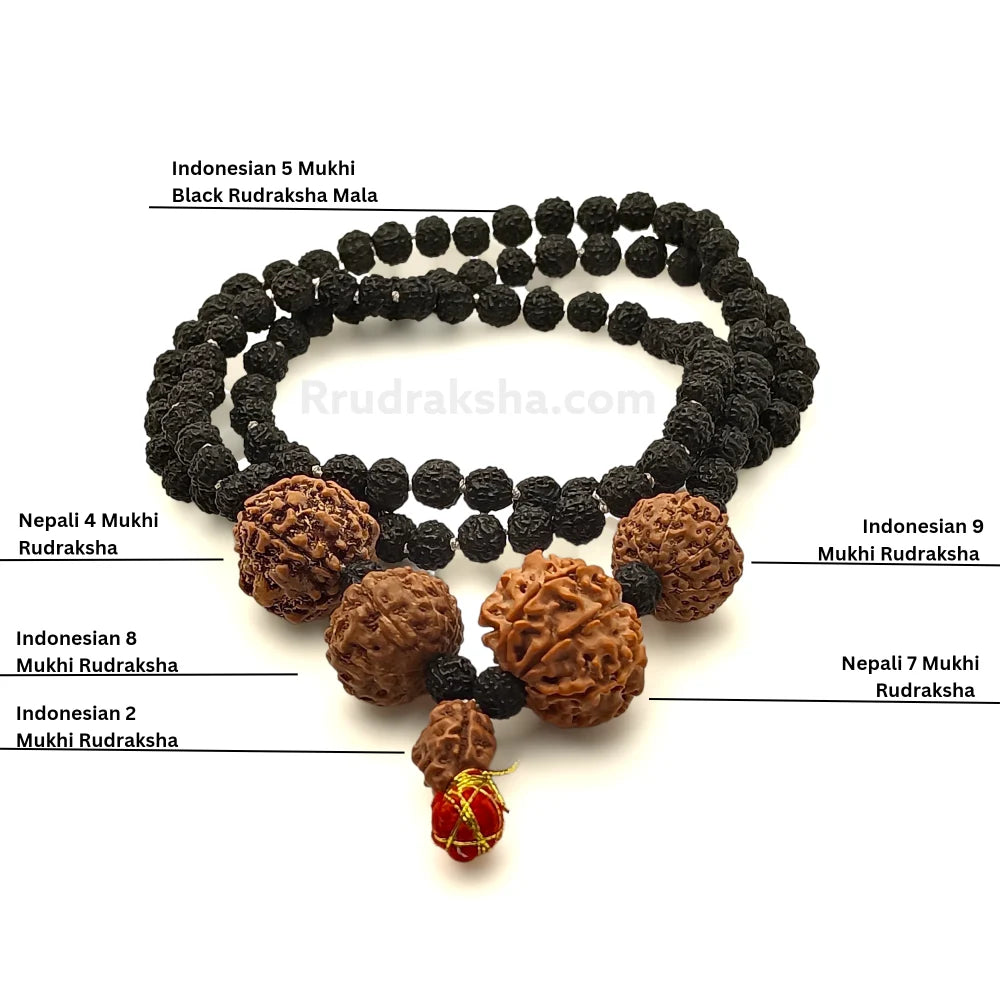
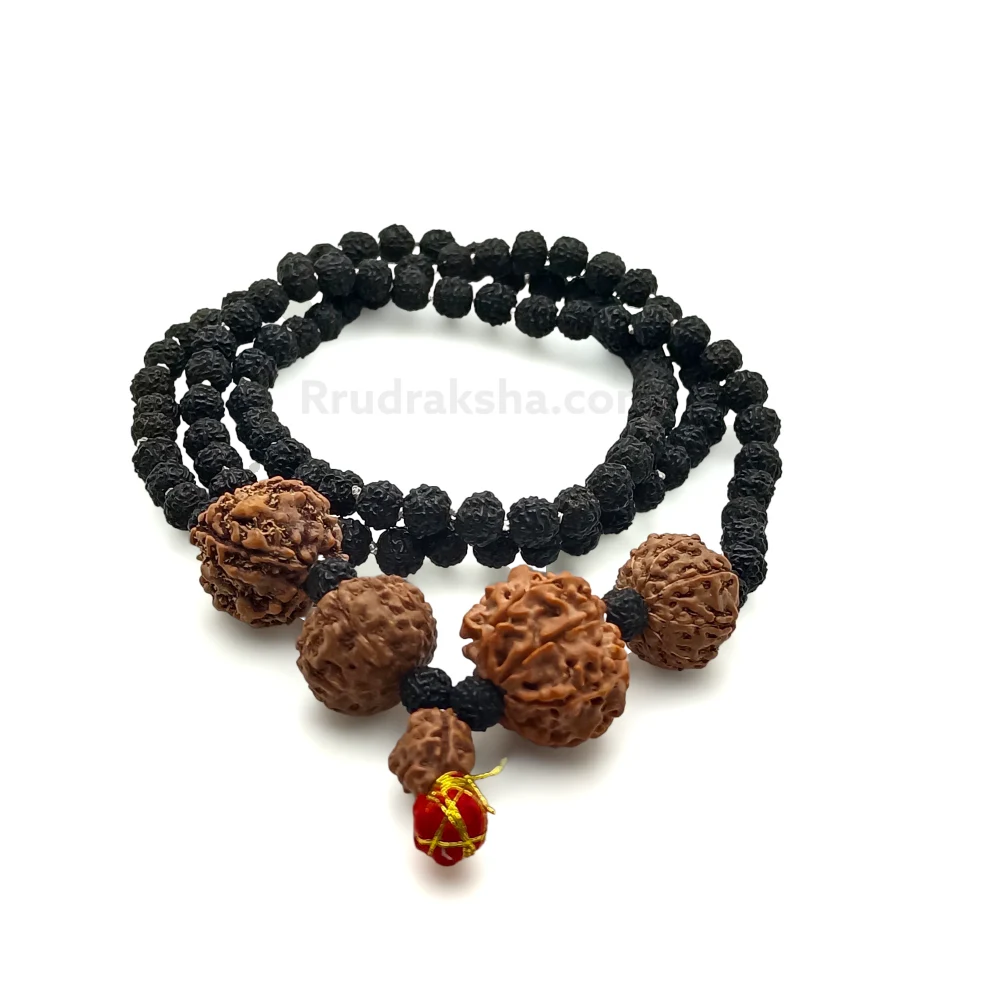
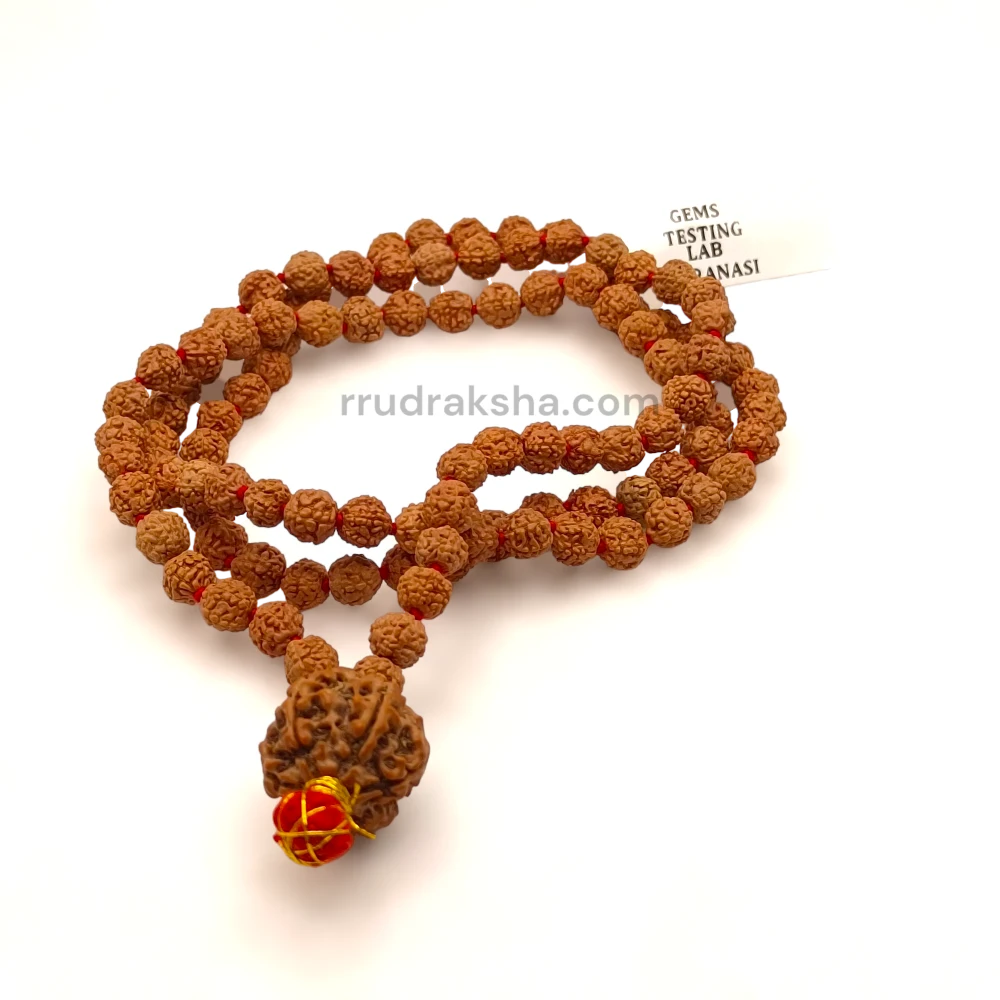
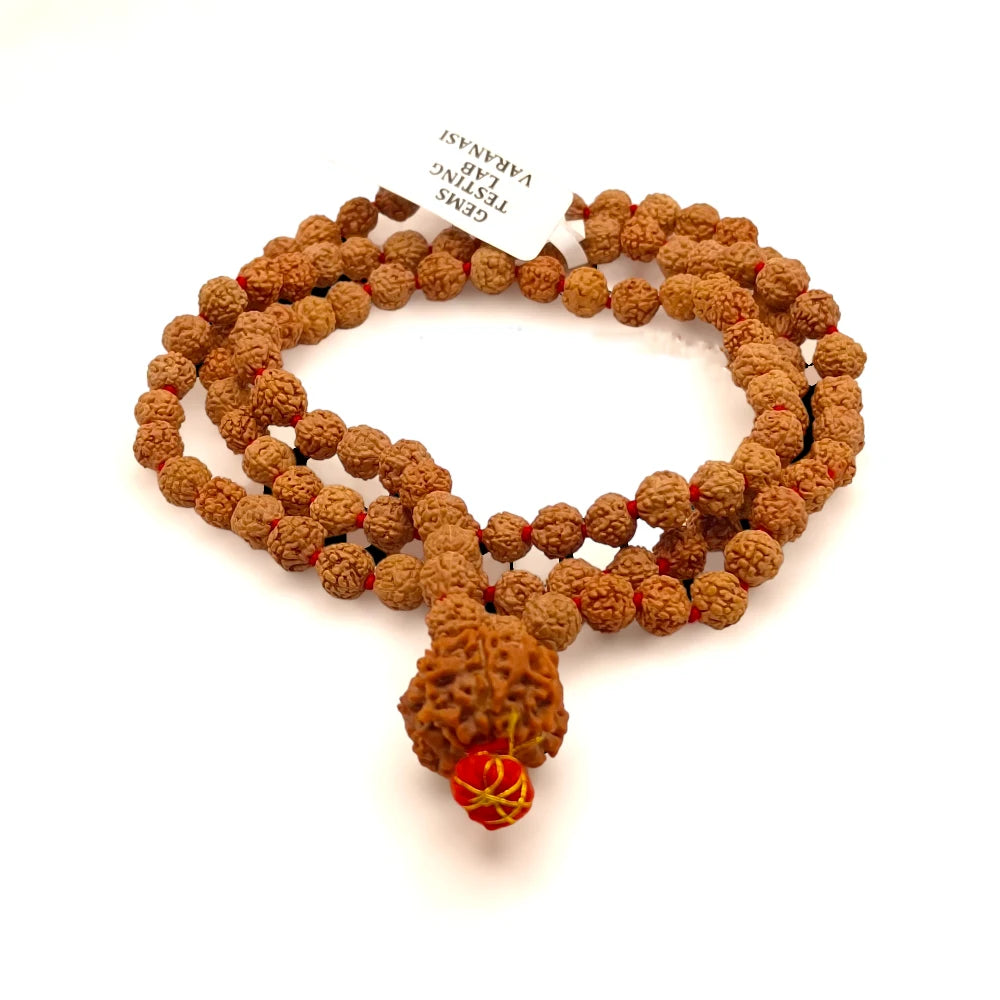
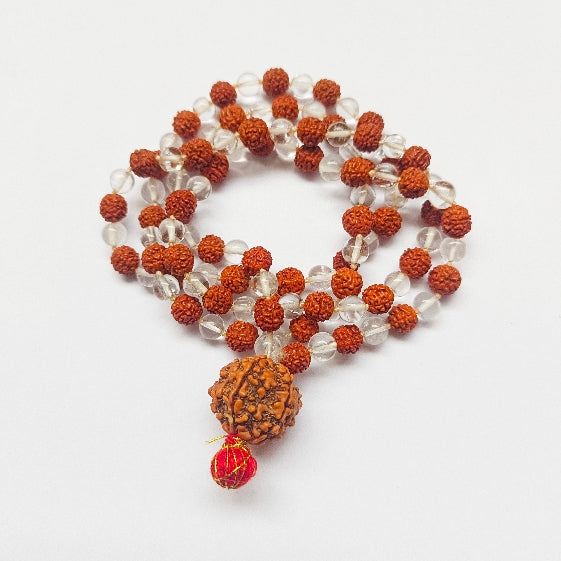
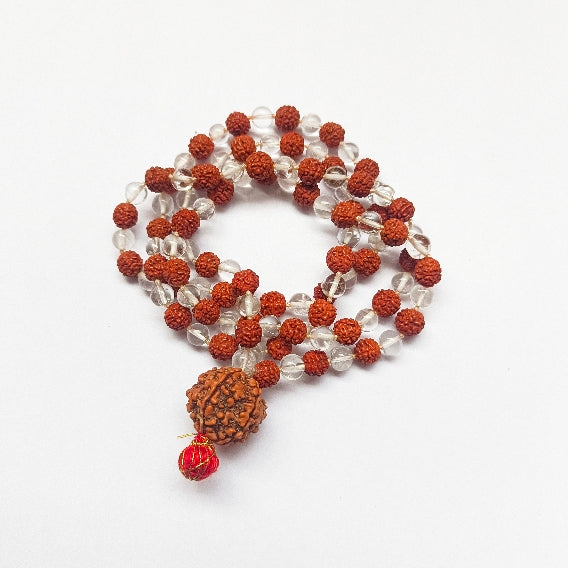
A Rudraksha mala is a string of Rudraksha beads traditionally used for mantra chanting and meditation. The beads are usually strung together using thread or metal wire, forming a loop that can be worn around the neck or used for counting mantras.
The word “mala” means garland in Sanskrit. In spiritual traditions, a mala represents devotion, discipline, and the continuous cycle of spiritual practice.
📜 Historical Background of Prayer Beads
Prayer beads have been used across many spiritual traditions worldwide. In Hinduism and yoga traditions, malas are used to count mantra repetitions during meditation.
Rudraksha malas became one of the most popular choices because of their association with Lord Shiva and meditation practices.
🔱 Why Rudraksha Is Used for Malas
Rudraksha beads are traditionally associated with meditation and spiritual discipline. Their natural texture makes them easy to hold and count during chanting.
📿 Symbolism of the Rudraksha Mala
A Rudraksha mala symbolizes discipline, mindfulness, and spiritual commitment.
🔢 Why 108 Beads Are Used
Most Rudraksha malas contain 108 beads. This number holds symbolic importance in spiritual traditions.
🌟 Beginning of the Rudraksha Mala Journey
This guide continues in the next sections.
🔢 The Sacred Significance of 108 Beads
The number 108 holds deep symbolic meaning in Hinduism, yoga, and meditation traditions. It is often considered a sacred number representing completeness and spiritual wholeness. This is why most traditional Rudraksha malas contain 108 beads along with one additional bead known as the Guru bead.
Ancient scholars and spiritual practitioners viewed 108 as a number that connects the human experience with cosmic principles. Whether interpreted through astronomy, numerology, or spiritual symbolism, the number has remained central to meditation practices for centuries.
When chanting mantras using a mala, completing one round of 108 repetitions is believed to represent a full cycle of spiritual practice.
🧿 The Guru Bead (Meru Bead)
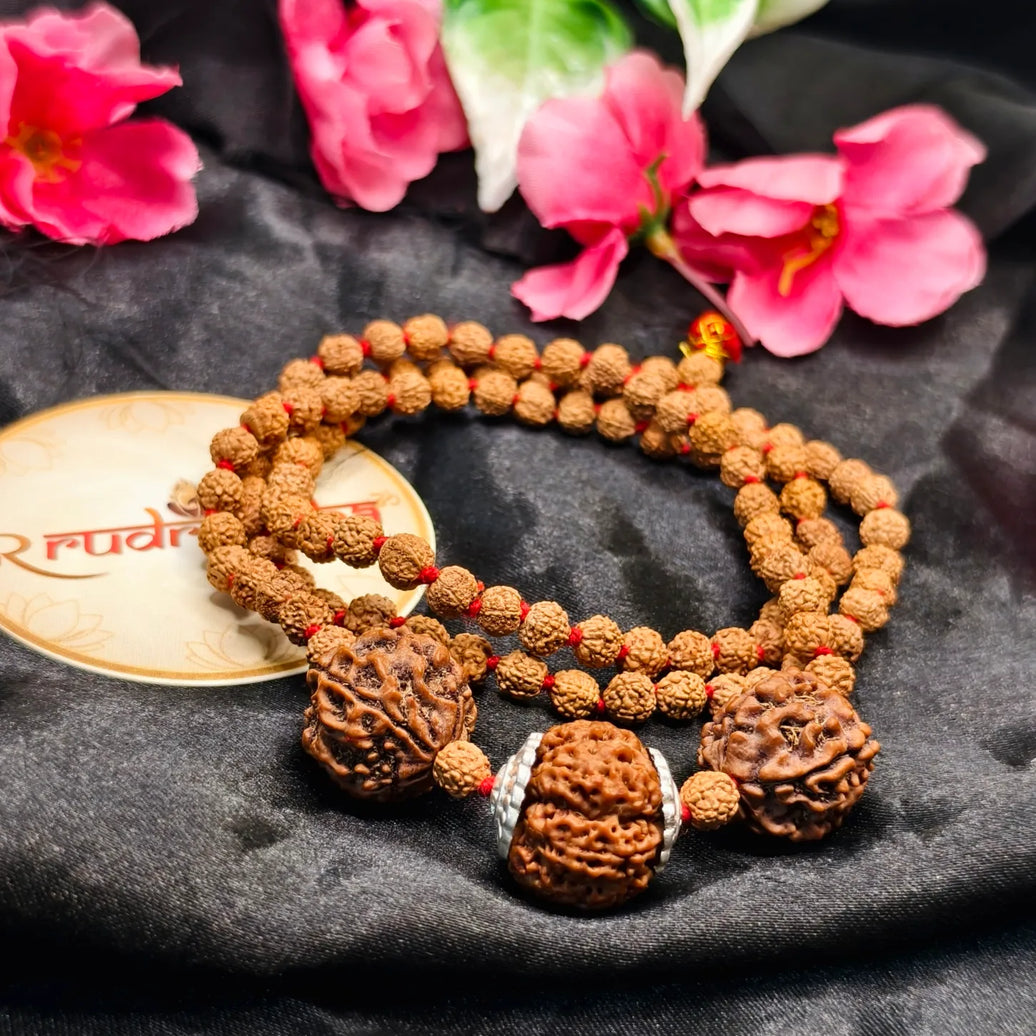
At the end of a traditional mala sits a slightly larger or distinct bead known as the Guru bead or Meru bead. This bead holds special significance in meditation practices.
The Guru bead represents guidance, knowledge, and the completion of a spiritual cycle. During mantra chanting, practitioners do not cross the Guru bead. Instead, they reverse the direction of counting when they reach it. This practice symbolizes respect for spiritual teachers and the cyclical nature of spiritual growth.
📿 Types of Rudraksha Malas by Bead Count
Rudraksha malas are available in different bead counts depending on their purpose. Each type serves a specific role in spiritual practice and daily wear.
108 Bead Mala
This is the most traditional and widely used mala for meditation and mantra chanting. It is commonly worn around the neck or used during prayer.
54 Bead Mala
A 54 bead mala represents half of a traditional mala. It is often used by people who prefer a shorter and lighter mala while maintaining symbolic significance.
27 Bead Mala
This compact version is commonly worn as a bracelet or used for shorter meditation sessions.
🧘♂️ Uses of Rudraksha Mala in Meditation
Rudraksha malas help maintain focus during mantra chanting. The repetitive motion of counting beads provides a physical anchor that supports concentration.
🙏 Rudraksha Mala in Daily Spiritual Practice
Many people wear Rudraksha malas as part of their daily routine. The mala serves as a reminder of mindfulness and intention.
✨ Transition to Next Section
In the next part, we will explore types of Rudraksha malas, materials, modern uses, FAQs, and conclusion.
📿 Types of Rudraksha Malas by Purpose
While the bead count of a Rudraksha mala is important, its purpose also plays a significant role in determining how it is used. Over centuries, different types of malas have developed to suit meditation, daily wear, spiritual rituals, and personal comfort.
🧘 Meditation Mala
The meditation mala is typically the traditional 108-bead mala. It is primarily used for mantra chanting and spiritual practices. These malas are usually lightweight and comfortable to hold for extended periods.
🙏 Wearing Mala
Some malas are designed specifically for daily wear. These may include 54-bead or 27-bead versions that are easier to wear around the neck throughout the day.
💼 Bracelet Malas
Bracelet malas are compact versions designed for everyday use. They offer convenience while retaining spiritual symbolism.
🧵 Materials Used in Rudraksha Mala Stringing
The thread or material used to string Rudraksha beads plays an important role in durability and comfort.
Cotton Thread
Traditional malas often use cotton thread for a natural and lightweight feel.
Silk Thread
Silk thread provides additional strength and durability.
Metal Wire
Some malas use metal wire for increased longevity.
🌍 Rudraksha Malas in Modern Lifestyle
Today, Rudraksha malas are worn by people from diverse backgrounds. Many use them as reminders of mindfulness and spiritual discipline.
🧠 Psychological Perspective on Mala Usage
Using a mala creates structure and routine in meditation practice. This repetition helps build discipline and focus.
🌟 Transition to Part 2
In Part 2, we will explore deeper symbolism, FAQs, and a complete conclusion.
🔱 Spiritual Symbolism of Wearing a Rudraksha Mala
Beyond meditation and mantra chanting, the Rudraksha mala carries a deep symbolic meaning when worn in daily life. Throughout history, sacred beads have represented commitment, discipline, and spiritual awareness. Wearing a mala is often seen as a reminder of one’s intention to live with mindfulness and balance.
In traditional spiritual culture, the mala represents a continuous spiritual journey. Each bead symbolizes a step on the path of awareness, while the circular form of the mala represents the cycle of life and growth.
🌿 Rudraksha Mala in Daily Life
Many people wear Rudraksha malas as part of their daily routine. For some, the mala is worn during prayer and meditation. For others, it becomes a subtle reminder to remain calm and focused throughout the day.
🧘 Mala and Breath Awareness
Some practitioners combine mala use with breathing exercises. Holding a bead while focusing on breath creates a rhythm that supports mindfulness.
🌍 Rudraksha Malas Across Cultures
The global rise of meditation and yoga has introduced Rudraksha malas to new audiences. Today, they are recognized worldwide as tools for mindfulness and meditation.
✨ Transition to Part 2
In Part 2, we will explore FAQs and conclusion.
🧠 The Deeper Philosophy Behind Mala Practice
The use of a mala is deeply connected to the philosophy of repetition and discipline. Ancient spiritual traditions understood that transformation rarely happens through one-time effort. Instead, growth occurs through consistent and repeated practice. The mala became a physical representation of this philosophy.
Each bead represents a moment of awareness. Each round of chanting represents a cycle of effort. Over time, this repetition builds focus, patience, and mental discipline. This is why the mala is considered more than a tool — it is a companion in spiritual practice.
🔁 Repetition and the Human Mind
Modern psychology supports the idea that repetition helps build habits and strengthen focus. When a person repeats a mantra while moving through beads, the mind gradually shifts from distraction toward concentration.
The rhythmic movement of the fingers, the repetition of sound, and the steady breathing pattern create a calming effect. This combination helps anchor attention in the present moment.
🧘 Discipline and Consistency
One of the key teachings associated with mala practice is consistency. Even a few minutes of daily meditation can build long-term discipline. The mala acts as a reminder to return to practice regularly.
📿 Mala as a Symbol of Commitment
Wearing a Rudraksha mala often symbolizes a personal commitment to mindfulness and spiritual growth. Historically, malas were worn by seekers who dedicated time to meditation and prayer.
🌏 Modern Relevance of Mala Practice
In today’s fast-paced world, tools that encourage mindfulness and reflection are becoming increasingly valuable. Many people now use malas as reminders to slow down, breathe, and reconnect with their inner balance.
🌟 Transition to Part 2
In Part 2, we will cover FAQs and conclusion.
❓ Frequently Asked Questions About Rudraksha Malas
1. What is a Rudraksha mala used for?
A Rudraksha mala is primarily used for mantra chanting, meditation, and mindfulness practices.
2. Why do malas have 108 beads?
The number 108 is considered spiritually significant and represents completeness in meditation traditions.
3. What is the Guru bead?
The Guru bead marks the beginning and end of a mantra cycle and represents guidance and spiritual knowledge.
4. Can Rudraksha mala be worn daily?
Yes, many people wear Rudraksha malas as part of their daily routine.
5. What is the difference between 108, 54, and 27 bead malas?
They represent full, half, and quarter meditation cycles respectively.
6. Can beginners use a Rudraksha mala?
Yes, malas are suitable for beginners and experienced practitioners alike.
7. Is Rudraksha mala only for meditation?
No, it can also be worn as a reminder of mindfulness and discipline.
8. What materials are used to string malas?
Common materials include cotton thread, silk thread, and metal wire.
9. Can Rudraksha mala be worn as a bracelet?
Yes, 27 bead malas are often worn as bracelets.
10. Why do people wear Rudraksha malas?
They serve as tools for meditation and reminders of spiritual discipline.
🧾 Conclusion
Rudraksha malas represent centuries of spiritual tradition, mindfulness, and meditation practices. From mantra chanting to daily wear, they continue to serve as tools that encourage focus, discipline, and awareness.
Understanding the types, uses, and symbolism of Rudraksha malas helps practitioners choose the right mala for their spiritual journey.
🙏 हर हर महादेव 🙏





Leave a comment