



















Why Shiva Is Called Bholenath: The Innocent God Explained 🔱
In the vast world of Hindu mythology, Lord Shiva is known by hundreds of names, each reflecting a different dimension of his personality and cosmic role. He is Mahadev, the greatest of gods; Mahakal, the lord of time; Neelkanth, the one who consumed poison; Adiyogi, the first yogi. Yet among these powerful and awe-inspiring titles, one name stands out for its warmth and emotional closeness — Bholenath. Unlike names that emphasize power, destruction, or cosmic authority, the name Bholenath feels personal, comforting, and deeply human. It paints the picture of a compassionate and innocent deity who responds instantly to devotion, no matter who the devotee is.
The word “Bhola” in Sanskrit means simple, innocent, pure-hearted, and free from manipulation. “Nath” means lord or protector. Together, Bholenath means “The Innocent Lord.” This title reflects the belief that Shiva does not judge devotees based on wealth, knowledge, social status, or ritual perfection. Instead, he responds to sincerity and devotion alone. This idea has shaped centuries of worship and explains why people across social and cultural backgrounds feel a deep emotional connection to Shiva.
The Simplicity of Shiva’s Lifestyle 🧘
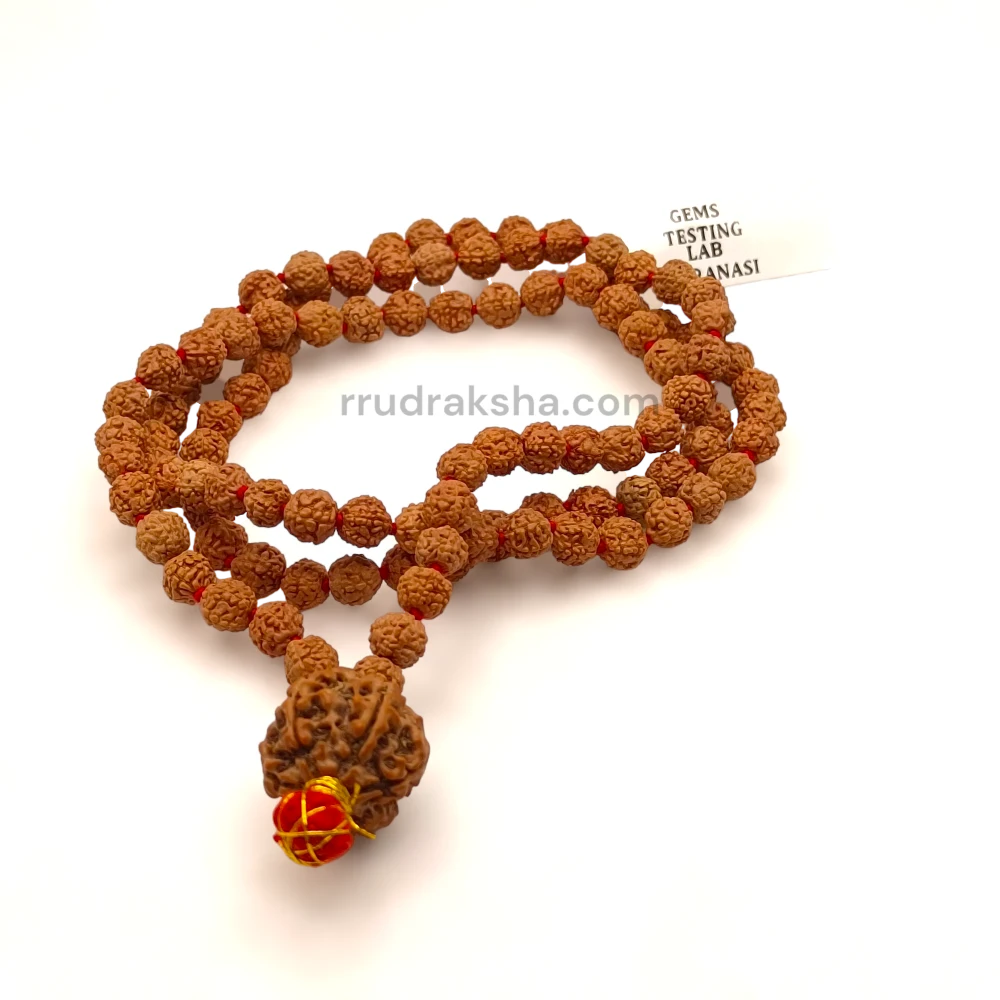
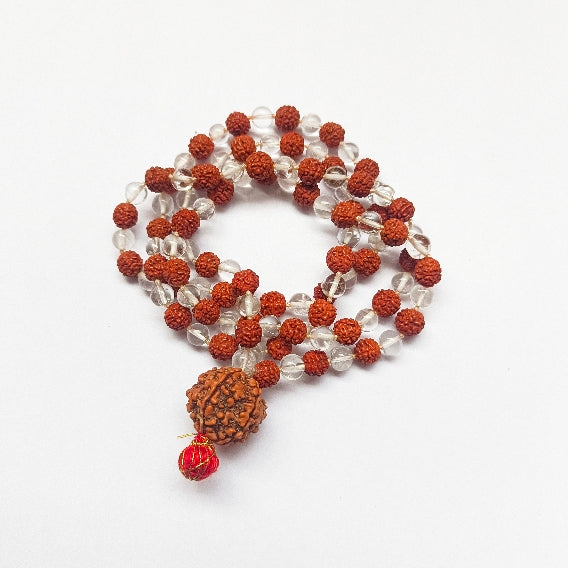
One of the most striking aspects of Shiva’s iconography is the simplicity of his lifestyle. While many deities are depicted in royal attire and golden palaces, Shiva is shown sitting in meditation in the Himalayas, wearing ashes, tiger skin, and rudraksha beads. His home is Mount Kailash, far removed from luxury and comfort. This simplicity is deeply symbolic. It represents freedom from material attachment and the idea that true fulfillment does not depend on external possessions.
Over centuries, devotees began to see this simplicity as a sign of innocence. Shiva does not seek luxury or praise; he seeks stillness and awareness. This contrast between cosmic power and personal simplicity became the foundation of his identity as Bholenath.
The God Who Accepts Simple Offerings ☘️
Another reason Shiva is called Bholenath is his acceptance of the simplest offerings. Unlike elaborate rituals required in many traditions, Shiva is pleased with water, milk, bilva leaves, or even heartfelt prayers. This accessibility made him beloved among ordinary people. Devotees believed they did not need wealth or elaborate ceremonies to connect with Shiva — sincerity was enough.
This idea transformed Shiva worship into one of the most inclusive spiritual practices. Farmers, kings, sages, and children all felt equally welcome to pray to him.
The Story of the Demons and Shiva’s Innocence 👁️
Many mythological stories highlight Shiva’s innocent nature. In several legends, demons performed intense penance and received powerful boons from Shiva. These stories are often interpreted as evidence of his pure and non-judgmental nature. Shiva responds to devotion, regardless of the devotee’s background.
The Story of Bhasmasura — When Innocence Became Dangerous 🔥
One of the most famous stories that explains Shiva’s innocent nature is the legend of Bhasmasura. According to mythology, a demon named Bhasmasura performed intense penance to please Lord Shiva. He meditated for years, showing unwavering dedication and discipline. Shiva, moved by his devotion, appeared before him and offered a boon. Without suspicion or hesitation, Shiva granted the demon’s wish. Bhasmasura asked for the power to turn anyone into ashes by placing his hand on their head.
This story beautifully illustrates why Shiva is called Bholenath. He did not question the demon’s intentions or judge his character. He saw only devotion and responded with compassion. However, once Bhasmasura received the boon, he became arrogant and attempted to test his power on Shiva himself. This moment reflects a powerful lesson: innocence without caution can sometimes create unexpected challenges.
Eventually, Lord Vishnu intervened and resolved the situation, restoring balance. Devotees interpret this story not as a flaw but as evidence of Shiva’s pure and trusting nature.
The Story of Ravana and the Gift of Strength 💪
Another powerful story highlighting Shiva’s innocence is the tale of Ravana. The king of Lanka performed intense penance to please Shiva, even offering his own heads in devotion. Impressed by his dedication, Shiva granted him immense strength and protection. Ravana’s devotion earned Shiva’s blessings despite his later role as an antagonist in the Ramayana.
This story reflects a central theme in Shiva devotion: he responds to sincerity, not reputation. This belief strengthened his identity as Bholenath — the innocent and compassionate lord who answers devotion without discrimination.
The Emotional Bond Between Devotees and Bholenath ❤️
Over centuries, these stories shaped a deeply personal relationship between devotees and Shiva. Unlike distant or royal deities, Bholenath feels approachable and compassionate. Devotees believe they can share their worries, fears, and hopes with him without judgment.
Bholenath and the Psychology of Devotion 🧠
From a psychological perspective, the image of an innocent and compassionate deity provides emotional comfort. Believing in a non-judgmental divine presence can reduce anxiety and create a sense of security.
The Story of Samudra Manthan — The Ultimate Proof of Compassion 🌊
One of the most powerful stories that strengthened Shiva’s identity as Bholenath comes from the legend of Samudra Manthan, the churning of the cosmic ocean. According to mythology, the devas and asuras worked together to churn the ocean in search of amrit, the nectar of immortality. As the ocean churned, many treasures emerged, but before the nectar appeared, a deadly poison known as Halahala surfaced.
This poison threatened to destroy all creation. Its fumes were so powerful that they began spreading across the universe, endangering every living being. In this moment of crisis, the devas approached Lord Shiva for help. Without hesitation, without calculation, and without concern for his own safety, Shiva consumed the poison to protect the universe.
Parvati stopped the poison in his throat, turning it blue and giving Shiva the name Neelkanth. This act symbolizes the ultimate compassion and selflessness. Shiva did not seek recognition or reward; he acted instinctively to protect others. This spontaneous compassion became one of the strongest reasons devotees began calling him Bholenath.
Bholenath — The Lord Who Gives Without Expectation 🎁
Across countless stories, a consistent pattern emerges. Shiva gives blessings freely. He does not demand elaborate rituals, wealth, or perfection. Devotees believe that sincerity alone is enough to reach him. This belief made Shiva worship accessible to everyone, regardless of social status or background.
The Simplicity of Shiva Worship 🌸
Unlike many traditions that emphasize complex rituals, Shiva worship often involves simple offerings such as water, milk, bilva leaves, or heartfelt prayers. This simplicity reflects the idea that devotion should be accessible to all.
Why Bholenath Feels Closest to Devotees 💙
The image of Shiva as Bholenath creates a sense of emotional closeness. Devotees feel they can approach him without fear or formality. This personal connection continues to shape Shiva devotion across generations.
Bholenath as the Lord of Equality ⚖️
One of the most remarkable aspects of Shiva’s personality is his complete indifference to social hierarchy. In many mythological depictions, Shiva is surrounded not by kings and celestial beings but by ghosts, animals, sages, and ordinary devotees. His companions include Nandi the bull, serpents, and beings who exist outside traditional social structures. This imagery carries deep symbolic meaning. It suggests that Shiva does not discriminate between rich and poor, powerful and powerless, learned and uneducated. All are equally welcome in his presence.
This idea of equality played a major role in shaping Shiva’s identity as Bholenath. Devotees began to see him as a god who belonged to everyone, not just a select few. Over centuries, this belief created a strong emotional bond between Shiva and his devotees.
Why Devotees Call Him Bhole Baba 🙏
In everyday language, devotees often call Shiva “Bhole Baba,” a name filled with affection and familiarity. The term “Baba” reflects closeness and trust, similar to how one might address a father or elder. This emotional connection is unique and reflects centuries of devotion shaped by stories of compassion and simplicity.
The Spiritual Meaning of Innocence 🕊️
In spiritual philosophy, innocence does not mean lack of knowledge. Instead, it represents freedom from ego and manipulation. Shiva’s innocence reflects his complete detachment from pride and desire. This detachment allows him to respond to devotion without judgment.
Bholenath in Modern Life 🌍
Even today, the image of Bholenath continues to inspire millions. People facing stress, uncertainty, and challenges often turn to Shiva for comfort and strength. The idea of a compassionate and non-judgmental divine presence remains deeply reassuring.
The Deep Philosophy Behind the Name Bholenath 🕉️
When devotees call Shiva Bholenath, they are not simply describing his personality; they are expressing a deep philosophical idea. In spiritual traditions, innocence represents a state beyond ego and manipulation. It reflects the ability to act without selfish intent and to respond to the world with compassion and openness. Shiva’s innocence symbolizes a mind free from pride and attachment. This is why he responds to devotion without judgment.
In many ways, the title Bholenath represents the ideal of unconditional acceptance. Devotees believe that Shiva does not evaluate their worth based on achievements or status. Instead, he responds to sincerity and faith.
Why the Name Bholenath Inspires Devotion 💙
The emotional appeal of the name Bholenath lies in its simplicity. While many divine titles emphasize power or authority, Bholenath emphasizes compassion and innocence. This creates a sense of closeness and trust.
Bholenath and the Path of Devotion ❤️
Over centuries, the image of Bholenath inspired devotional traditions centered on sincerity and simplicity. Devotees believe that heartfelt prayer is more important than elaborate rituals.
Why Bholenath Is Seen as the Fastest to Bless Devotees ⚡
Another important reason Shiva is called Bholenath is the widespread belief that he responds quickly to sincere devotion. Across centuries, devotees have described Shiva as the deity who listens immediately, who responds without delay, and who does not demand perfection before offering compassion. This idea appears repeatedly in mythology, where even brief but sincere prayers are said to reach him. Over time, this belief shaped a deep emotional trust among devotees who feel that Shiva is always accessible, always listening, and always ready to help.
The Symbolism of Simplicity in Shiva Worship 🌿
The rituals associated with Shiva worship reflect simplicity and accessibility. Devotees often offer water, milk, bilva leaves, or simple prayers. This simplicity reinforces the belief that devotion should be accessible to everyone.
Bholenath in Festivals and Cultural Traditions 🎉
Festivals such as Mahashivratri celebrate Shiva’s compassionate and accessible nature. During these celebrations, devotees stay awake, chant prayers, and perform rituals that emphasize devotion and mindfulness.
The Emotional Comfort of Bholenath 💙
Believing in a compassionate and non-judgmental divine presence can create emotional reassurance and resilience. This emotional connection explains why the name Bholenath continues to inspire devotion across generations.
Bholenath as the Symbol of Surrender and Faith 🕉️
When devotees call Shiva Bholenath, they are not only remembering mythological stories but also expressing a deep spiritual philosophy. The innocence of Shiva symbolizes surrender — a state where ego, pride, and calculation disappear. In spiritual traditions, surrender does not mean weakness. Instead, it represents trust in the natural flow of life and acceptance of both joy and hardship. Shiva’s character embodies this idea perfectly. He does not seek control, recognition, or power; he exists in stillness and awareness. This symbolism teaches devotees that inner peace begins when ego fades and sincerity grows.
Why Young Generations Connect With Bholenath 🌍
In modern times, the image of Bholenath has become increasingly relatable to younger generations. Many people today seek simplicity, authenticity, and emotional comfort in a fast-paced world filled with pressure and expectations. The idea of a compassionate and approachable deity resonates deeply. Devotees often feel they can speak to Shiva openly without fear of judgment, which creates a strong emotional bond.
The Psychology of Bhakti and Emotional Comfort 🧠
From a psychological perspective, devotion provides emotional reassurance and resilience. Believing in a compassionate presence can reduce anxiety and create hope during challenging times. The image of Bholenath as a caring and accessible deity reflects this emotional connection.
Frequently Asked Questions (FAQs)❓
1. Why is Shiva called Bholenath?
Because he is believed to be innocent, compassionate, and quick to respond to devotion.
2. What does Bholenath mean?
The innocent and pure-hearted lord.
3. Why do devotees call him Bhole Baba?
It reflects emotional closeness and trust.
4. Why does Shiva accept simple offerings?
Because sincerity is considered more important than ritual complexity.
5. Why is Shiva considered compassionate?
Stories like Samudra Manthan highlight his selflessness.
6. Why is Shiva worship simple?
It reflects accessibility and inclusiveness.
7. Can anyone worship Shiva?
Yes, devotion is open to all.
8. Why is Shiva called the fastest to bless?
Because of his compassionate and responsive nature.
9. Is Bholenath different from Mahadev?
Bholenath reflects his innocent nature, while Mahadev reflects his greatness.
10. Why do people feel close to Shiva?
His simplicity and compassion create emotional connection.
🌀 Conclusion ✅
The title Bholenath reflects centuries of devotion shaped by mythology, symbolism, and emotional connection. Shiva’s innocence represents compassion, acceptance, and trust. This timeless image continues to inspire millions seeking comfort, strength, and hope.
🙏 हर हर महादेव 🙏





Leave a comment