

🔱 Why Mahadev Wears Rudraksha: Discipline Over Ornament
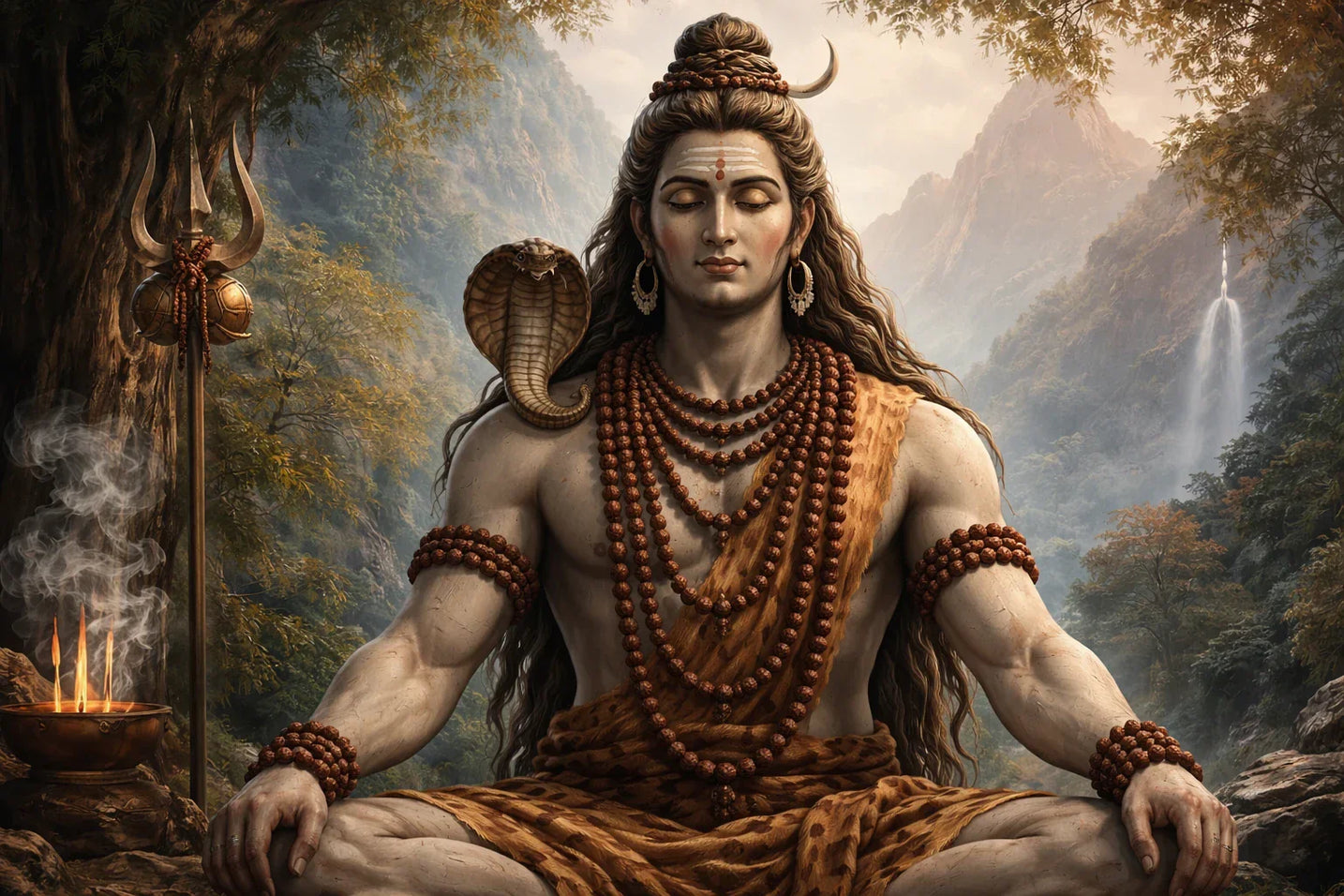
In the iconography of Sanatan Dharma, Mahadev stands apart from every other deity. Where others are adorned with crowns, jewels, silks, and symbols of prosperity, Shiva is depicted with almost nothing. Ash upon his body, matted hair, minimal clothing, and a calm presence that does not seek attention. Yet amid this radical simplicity, one element remains constant — Rudraksha.
This choice is not aesthetic, nor is it symbolic in a decorative sense. Rudraksha, unlike gold or gemstones, does not enhance beauty or status. Its presence on Mahadev reflects a deeper principle: discipline over ornament, steadiness over display, and inner order over external identity. To understand why Mahadev wears Rudraksha, one must move beyond mythology and into the philosophy of restraint that defines Shiva’s way of being.
🧘 Mahadev as the Archetype of Discipline, Not Decoration
Mahadev is often misunderstood as a figure of chaos or destruction, yet traditional texts describe him as the embodiment of supreme order. His stillness is not passive; it is disciplined. His detachment is not escapism; it is mastery. Every aspect of his appearance reflects intentional restraint rather than neglect.
In this context, Rudraksha is not an accessory. It is a marker of continuity. While ornaments change with mood, occasion, or status, Rudraksha remains constant. It represents repetition, routine, and the quiet strength of daily discipline. Shiva does not wear Rudraksha to attract attention, but to signify unwavering alignment with his inner state.
This distinction is crucial. Ornamentation is meant to be seen. Discipline, by contrast, functions even when unseen. Mahadev’s Rudraksha does not announce power; it reflects self-regulation. It is worn not for others, but as an extension of an already established inner order.
📿 Rudraksha as a Symbol of Consistency and Inner Order
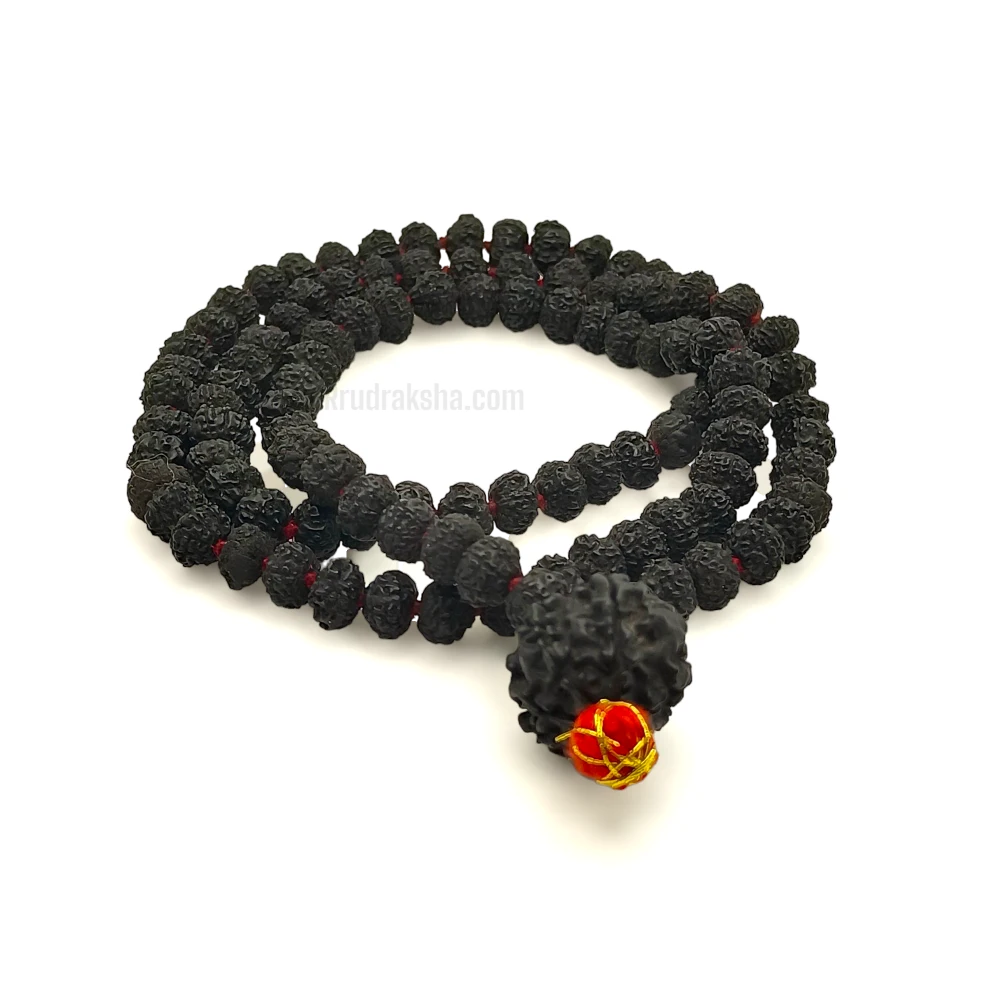
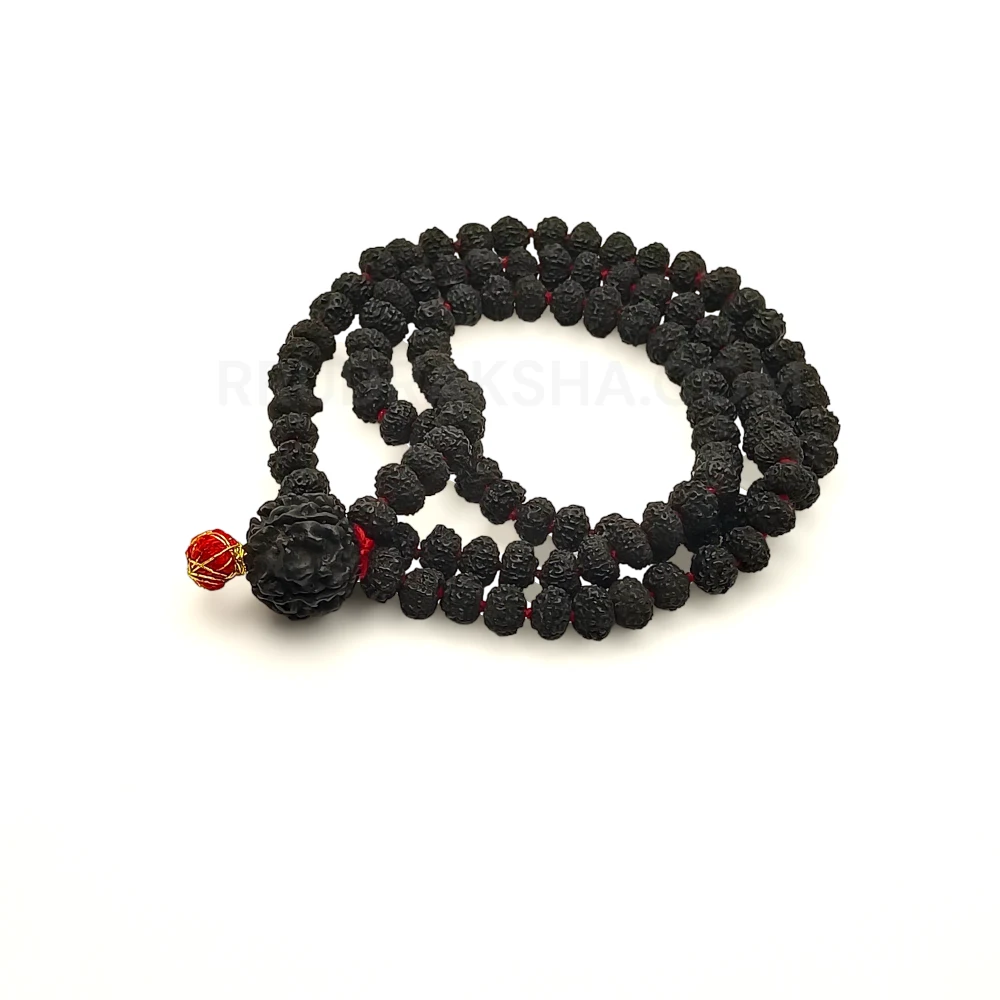
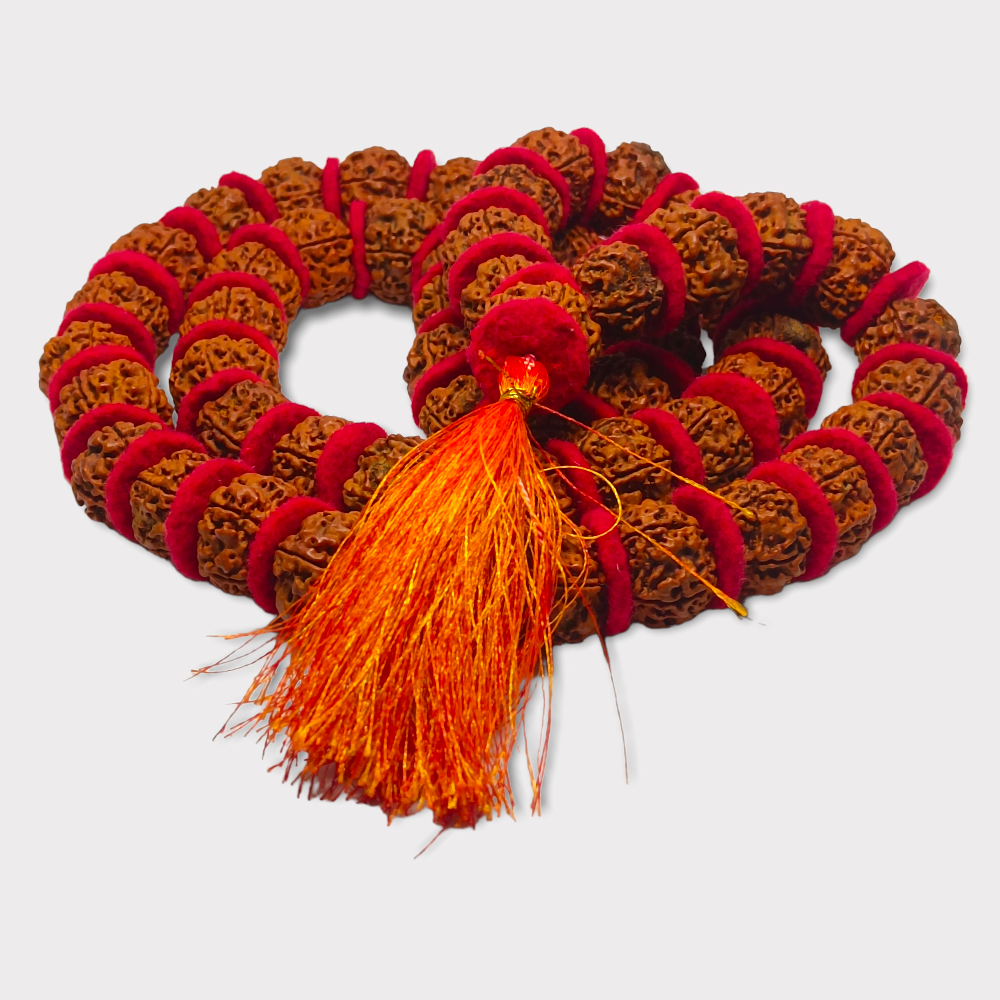
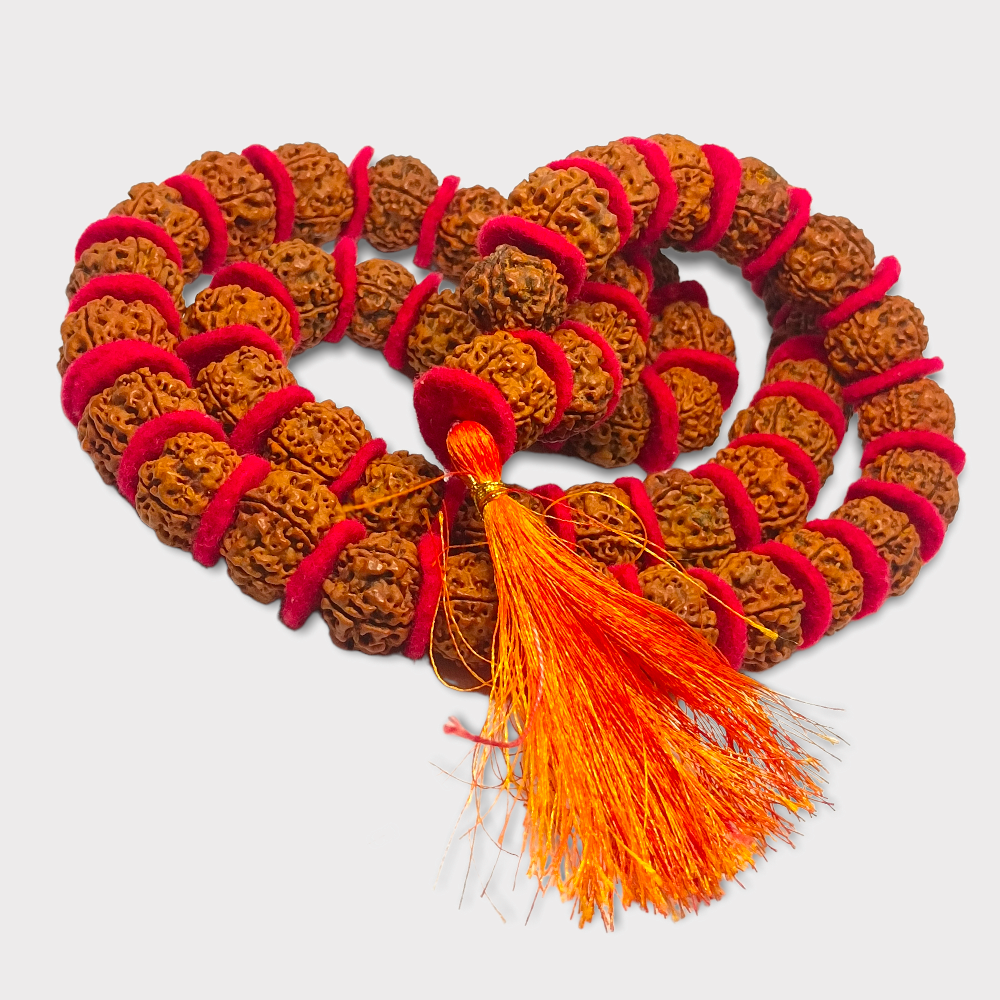
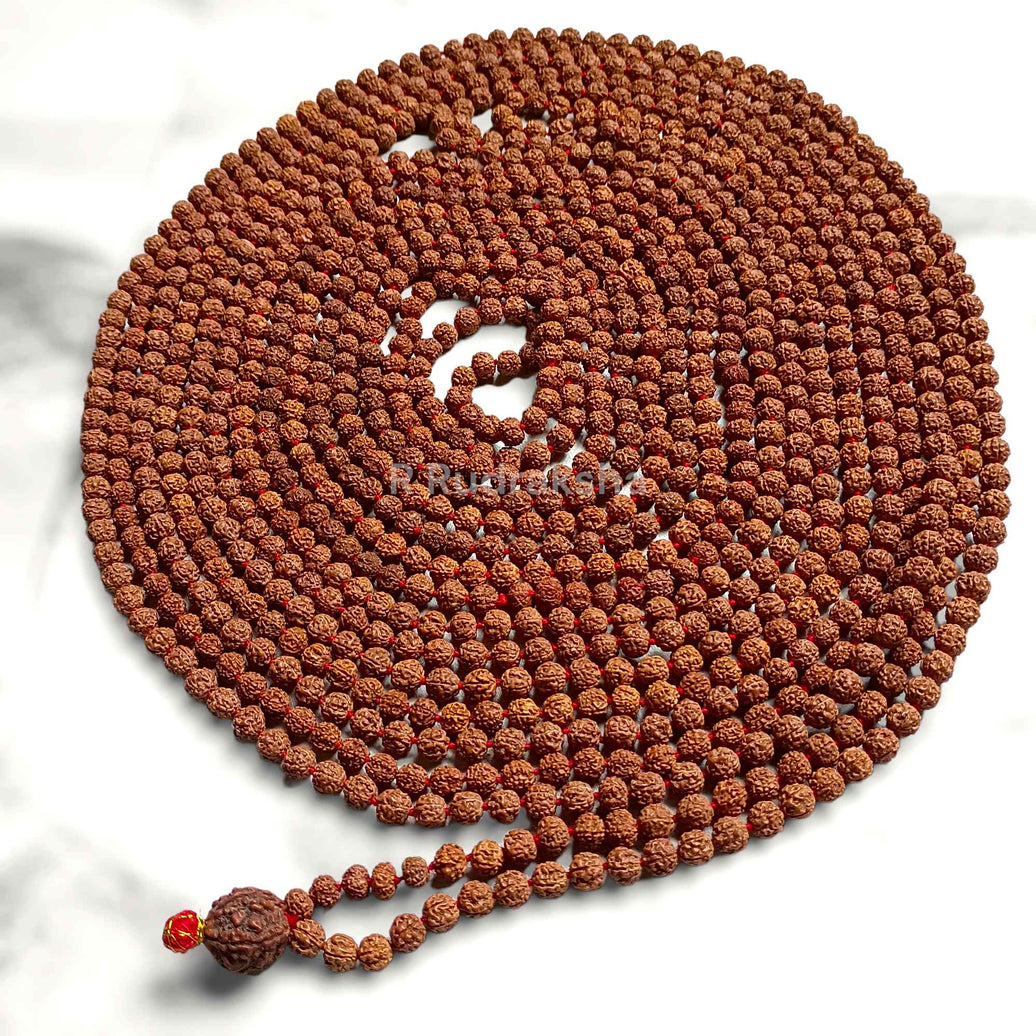
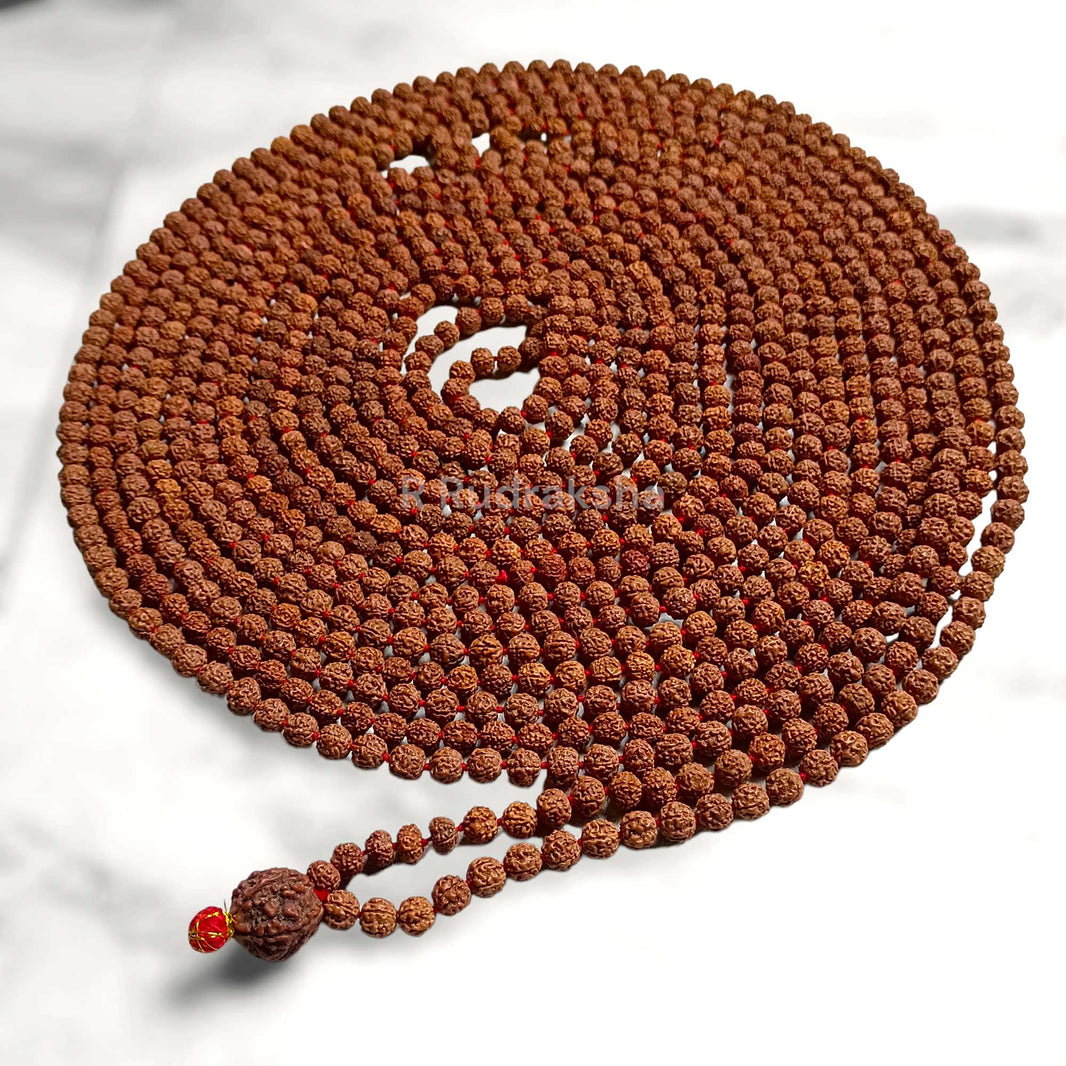
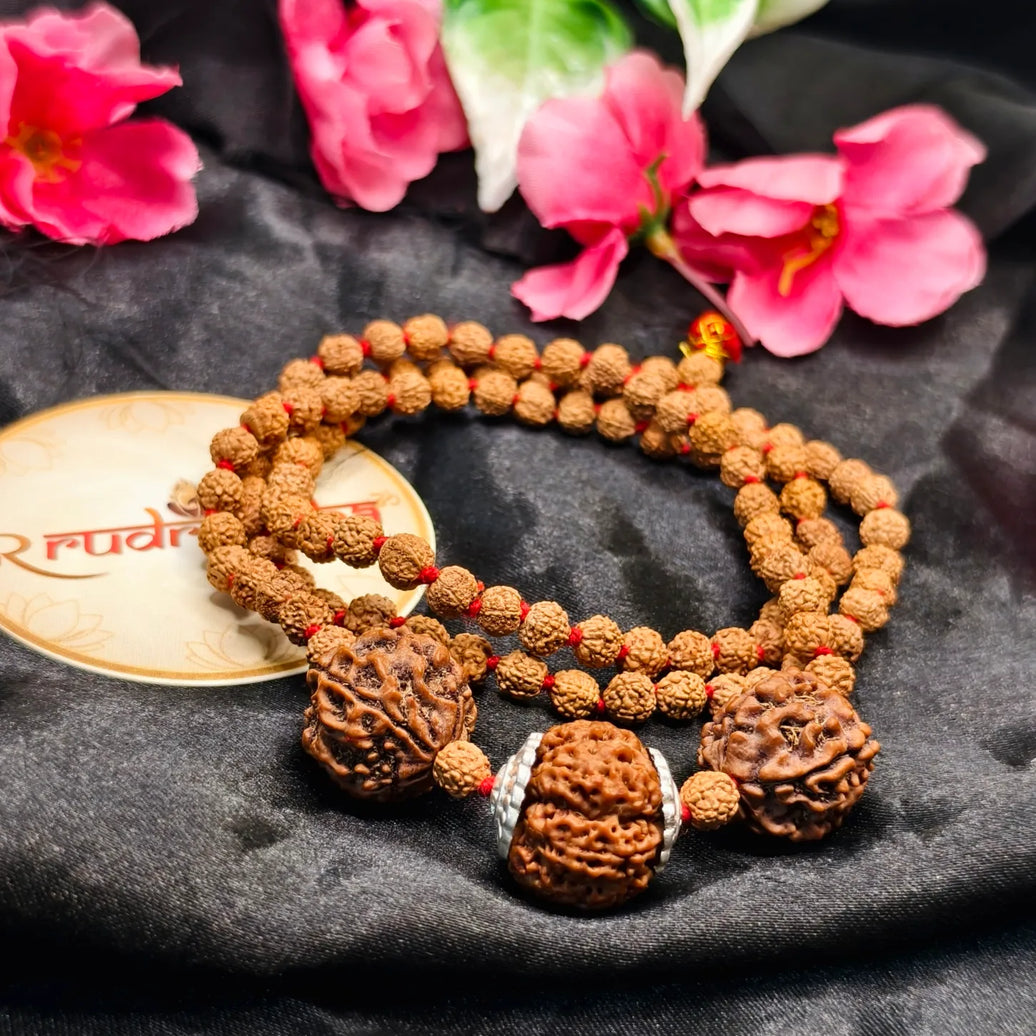
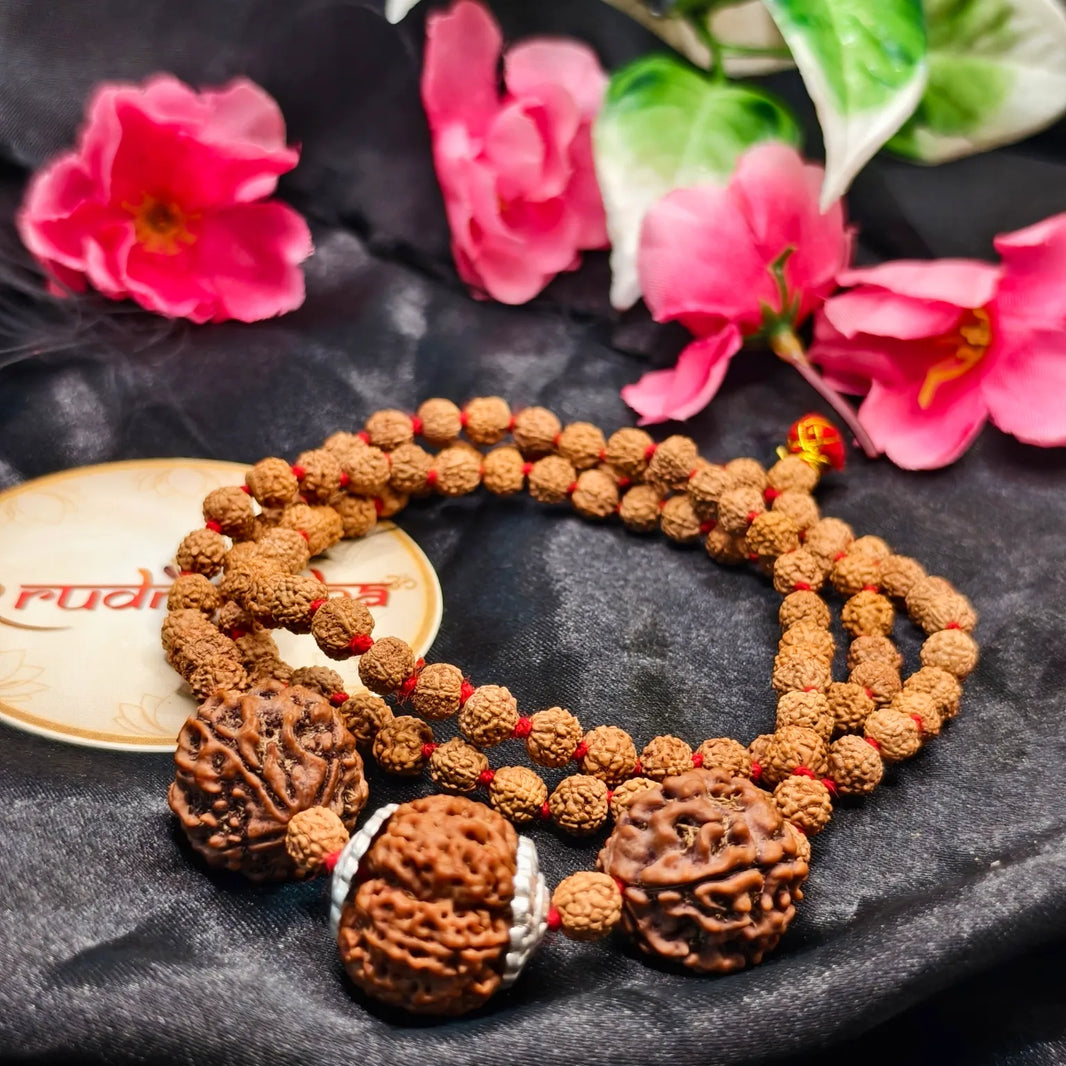
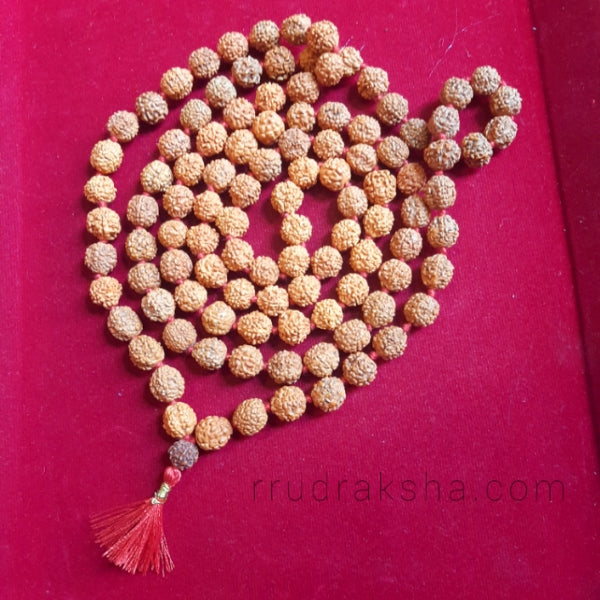
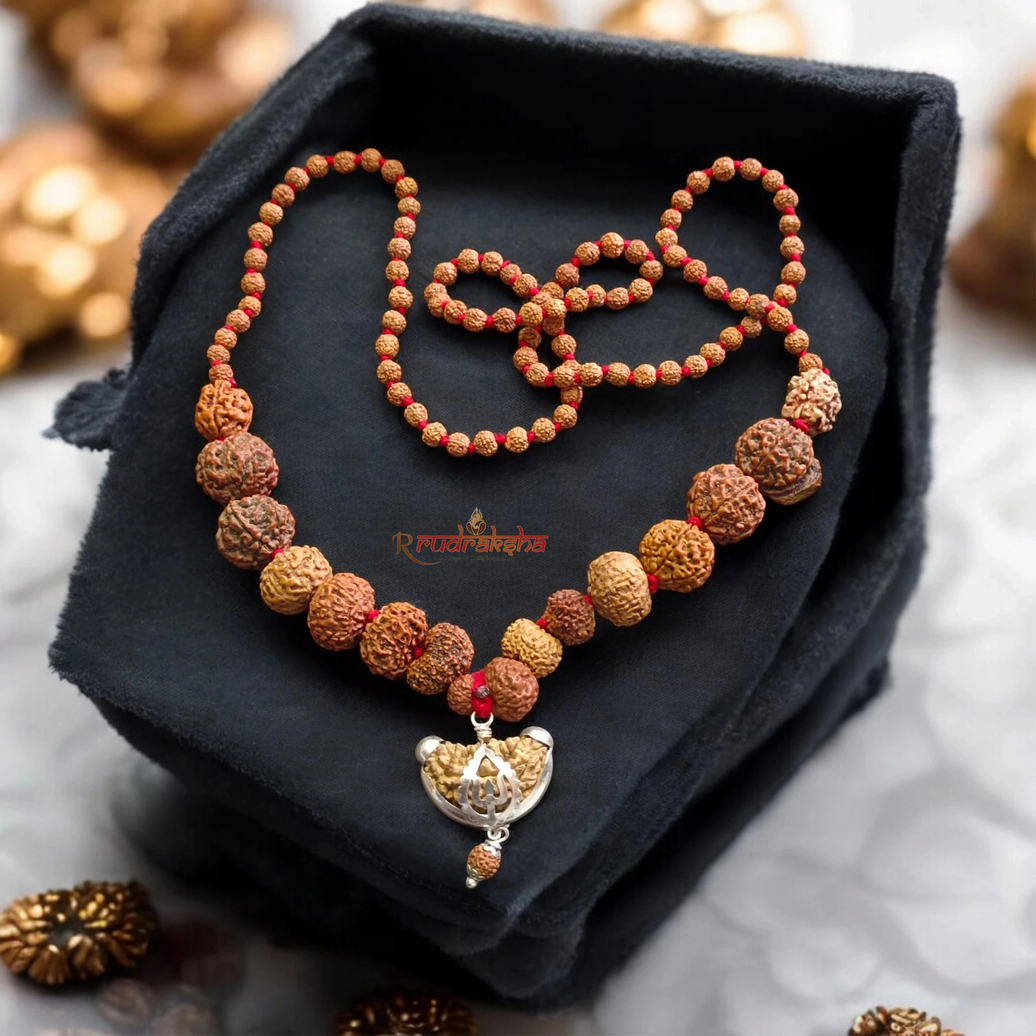
Rudraksha beads are raw, organic, and uneven. They do not conform to ideals of symmetry or polish. This very nature aligns with Shiva’s rejection of artificial refinement. Where ornament seeks perfection through enhancement, Rudraksha accepts imperfection through continuity.
In traditional understanding, Rudraksha represents consistency of practice. It is associated with repetition — chanting, contemplation, and regulated awareness. Mahadev, as Adiyogi, embodies this principle completely. His wearing of Rudraksha signifies a life rooted in sustained discipline rather than momentary intensity.
Unlike gemstones that are often associated with outcomes, Rudraksha is associated with process. It does not promise transformation; it reflects commitment. This is why Rudraksha aligns naturally with Shiva’s way of living — a life where awareness is cultivated daily, without urgency or expectation.
🔥 Ornament Versus Ascetic Identity
Ornamentation historically signifies identity — king, warrior, priest, or householder. Shiva’s rejection of ornament is therefore a rejection of fixed identity. He does not define himself through role, power, or possession. His only consistent adornment, Rudraksha, does not grant identity; it dissolves attachment to it.
This is why Rudraksha fits the ascetic framework. It does not elevate ego, nor does it enhance social distinction. Instead, it quietly reinforces inward focus. Mahakaal's Rudraksha does not say “I am divine.” It says “I am disciplined.”
In this light, Rudraksha becomes a reminder rather than a reward. It reflects a state of being where awareness is not dependent on circumstance. This is the core reason Mahadev wears Rudraksha — not as a symbol of divinity, but as an expression of self-mastery.
🕉️ Why Rudraksha Aligns With the Adiyogi Tradition
As Adiyogi, Mahadev is regarded as the first teacher of inner sciences. His teachings emphasize posture, breath, awareness, and restraint — all practices that require repetition and patience. Rudraksha naturally aligns with this pedagogical framework.
In yogic traditions, tools are chosen not for stimulation but for stabilization. Rudraksha serves this function symbolically. It does not energize aggressively, nor does it distract the senses. Instead, it accompanies practice, reinforcing rhythm and continuity.
This is why Rudraksha is seen across ascetic traditions rather than royal courts. It belongs to those who value steadiness over spectacle. Mahadev’s choice reflects this alignment — Rudraksha is worn because it mirrors the yogic path, not because it enhances appearance.
🕯️ Rudraksha and the Rejection of Display-Based Spirituality
In contemporary spiritual culture, visibility often replaces discipline. Spiritual identity is frequently expressed through appearance, social display, and external validation. This tendency stands in sharp contrast to Mahadev’s way of living. Shiva’s Rudraksha does not serve visibility; it serves continuity. It is worn without concern for recognition, reinforcing a form of spirituality that functions independently of audience.
Mahadev’s rejection of ornamentation reflects a deeper rejection of performative spirituality. Where ornament seeks to impress, Rudraksha quietly accompanies. It does not amplify presence; it stabilizes it. This distinction is essential to understanding why Rudraksha belongs to Shiva’s form and not to decorative tradition.
In classical understanding, spiritual tools were never meant to replace inner work. They were meant to support it silently. Mahadev’s Rudraksha reflects this principle perfectly — a reminder that discipline continues whether or not it is noticed, celebrated, or rewarded.
📿 Why Rudraksha Is the Only Constant Across Shiva’s Forms
Across Shiva’s each manifestations — ascetic, householder, yogi, destroyer, benefactor — Rudraksha remains constant. His posture may change, his context may shift, yet Rudraksha remains present. This continuity reveals its true significance.
Rudraksha represents a thread of steadiness that runs through every phase of existence. Whether Shiva is immersed in deep meditation or engaged in dynamic action, Rudraksha symbolizes unbroken awareness. It does not belong to a particular mood or state; it belongs to the underlying discipline that sustains all states.
This is a critical lesson often missed by modern practitioners. Rudraksha is not meant only for crisis, ritual days, or intense practices. Its traditional role is long-term association reflecting steadiness across changing circumstances rather than reaction to them.
🧠 Misunderstanding Rudraksha as Power Instead of Practice
A common modern misconception treats Rudraksha as a source of power — something that grants protection, success, or spiritual advancement by mere possession. This view is incompatible with Mahadev’s symbolism. Shiva does not accumulate power; he regulates it.
Rudraksha, in this context, does not function as a power object. It functions as a practice object. Its value lies not in what it produces externally, but in what it reinforces internally — patience, repetition, and restraint.
When Rudraksha is approached as a shortcut, confusion arises. Expectations grow, results are measured prematurely, and disappointment follows. Mahadev’s wearing of Rudraksha teaches the opposite approach: discipline without demand, practice without urgency, and steadiness without expectation.
🕉️ Shiva’s Rudraksha and the Principle of Long-Term Alignment
Alignment, in Shiva’s tradition, is not a momentary achievement. It is a lived condition sustained through consistency. Rudraksha reflects this principle by design. Its natural form resists polish, its texture resists perfection, and its use resists immediacy.
Mahadev’s Rudraksha does not change with outcomes. It remains present regardless of success or struggle. This constancy is the essence of alignment — remaining rooted in practice even when results fluctuate.
Traditional systems emphasized that true spiritual progress often feels uneventful. There are fewer dramatic highs, but greater stability. Rudraksha supports this mode of living by reinforcing continuity rather than excitement, reminding the practitioner that awareness matures quietly.
🔱 What Mahadev’s Rudraksha Teaches the Modern Seeker
For the modern seeker, Mahadev’s Rudraksha offers a corrective lens. It shifts focus away from acquisition toward application, away from identity toward discipline. Wearing Rudraksha without understanding this context risks turning a symbol of restraint into an object of display.
Shiva’s example makes one thing clear: Rudraksha is not worn to become spiritual; it is worn because spirituality is already being lived. It does not initiate discipline; it accompanies it.
This understanding restores Rudraksha to its rightful place — not as an ornament, not as a shortcut, but as a quiet companion to a disciplined inner life. In choosing Rudraksha, Mahadev affirms a path where awareness is cultivated daily, without performance, without urgency, and without ornament.
❓Frequently Asked Questions (FAQs)
Why does Mahadev wear Rudraksha instead of ornaments?
Mahadev’s choice of Rudraksha symbolizes discipline, renunciation, and inner stability rather than decoration. Rudraksha represents awareness and restraint, aligning with Shiva’s role as the yogi beyond material identity.
Is Rudraksha meant for decoration or spiritual discipline?
Traditionally, Rudraksha was never treated as jewelry. It was worn as a tool of discipline, meditation, and self-regulation. Its purpose is inward alignment, not outward display.
Did Shiva recommend Rudraksha for all seekers?
Scriptural traditions describe Rudraksha as suitable for seekers who value discipline and steadiness. It was not prescribed as a universal remedy but as a companion for conscious living and spiritual responsibility.
What does Rudraksha symbolize in Shaivism?
In Shaiva philosophy, Rudraksha symbolizes detachment, awareness, and continuity. It reflects Shiva’s state of being unaffected by gain or loss while remaining fully present.
Is wearing Rudraksha only for saints and ascetics?
No. While ascetics traditionally wore Rudraksha, householders also adopted it to maintain balance, routine, and ethical clarity in daily life.
Why is Rudraksha associated with austerity and simplicity?
Rudraksha lacks ornamental appeal by design. This simplicity reinforces humility and discipline, reminding the wearer to focus on awareness rather than appearance.
Does Rudraksha have to be worn after rituals or activation?
Traditional texts emphasize intention and consistency over elaborate rituals. Awareness-based use mattered more than ceremonial activation.
Why is Rudraksha linked with Shiva’s yogic nature?
Shiva represents mastery over impulses and identity. Rudraksha aligns with this yogic ideal by supporting steadiness, restraint, and inward focus.
Can Rudraksha replace spiritual practice?
No. Rudraksha was never meant to replace effort or discipline. It serves as a reminder and support, not a substitute for conscious living.
What lesson does Mahadev’s Rudraksha teach modern seekers?
It teaches that true power lies in discipline, not display; in awareness, not accumulation; and in steadiness, not excess.
🙏 Conclusion ♎
Discipline as the True Ornament
Mahadev’s Rudraksha is not a contradiction to his ascetic form; it is its completion. In a life stripped of excess, Rudraksha remains because discipline remains. Where ornament decorates the outer self, discipline shapes the inner one.
Understanding why Mahadev wears Rudraksha requires moving beyond mythology into lived philosophy. It invites the seeker to reconsider what is valued — appearance or alignment, recognition or restraint, power or practice.
In this light, Rudraksha becomes more than a bead. It becomes a reminder that the most enduring form of strength is not displayed, but sustained.
🙏 हर हर महादेव 🙏





Leave a comment