










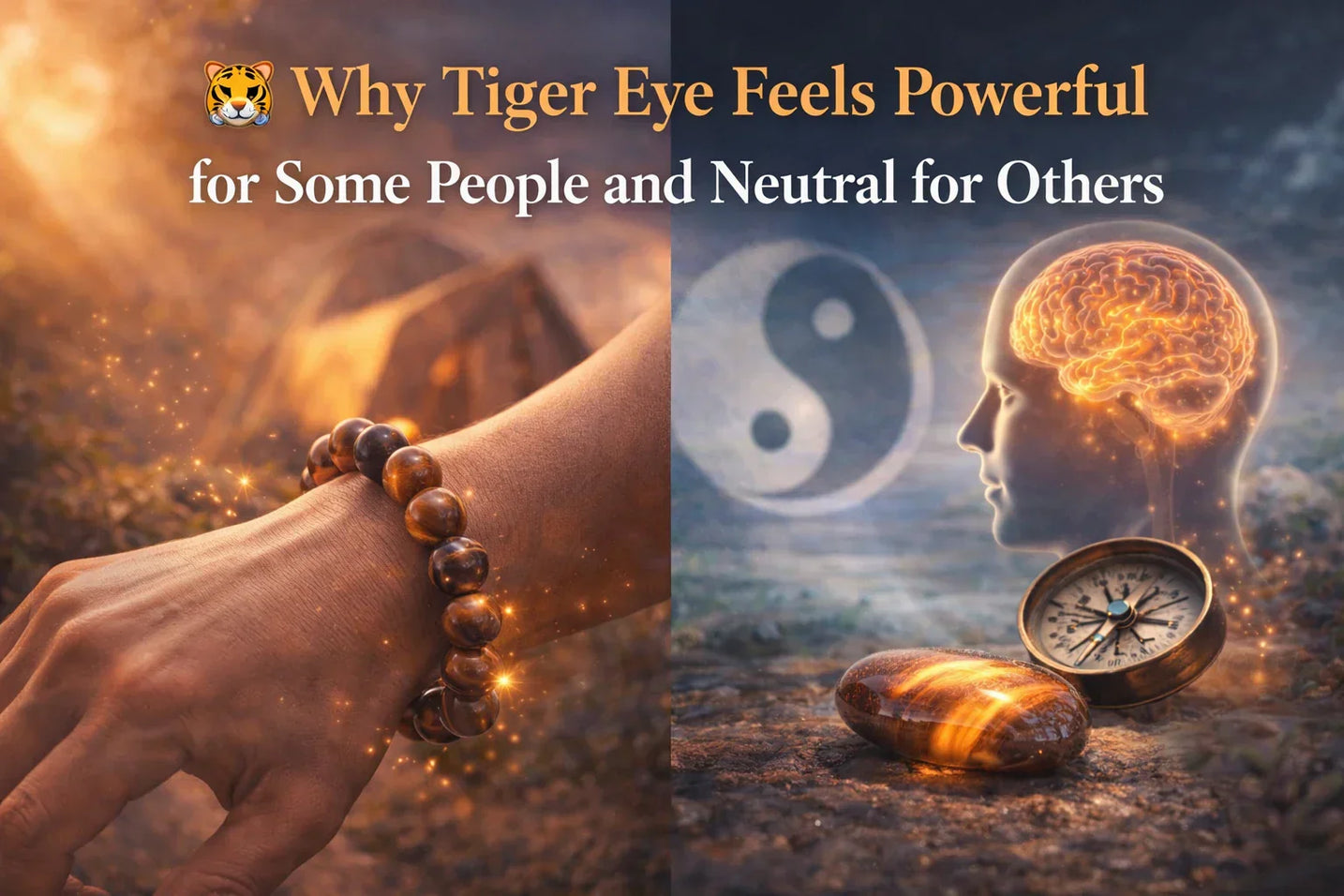
🐅 Why Tiger Eye Feels Powerful for Some People and Neutral for Others
One of the most misunderstood aspects of Gemstones is not what they are, but how they are experienced. Tiger Eye, in particular, often creates confusion because people expect a uniform response. Some individuals describe feeling grounded, focused, or mentally steadier after wearing it, while others report feeling almost nothing at all. This difference leads many to question authenticity, suitability, or even the legitimacy of gemstones themselves. In reality, this variation is not only normal, it is expected.
To understand why Tiger Eye feels different from person to person, one must move away from marketing language and toward experiential logic. Tiger Eye is traditionally associated with regulation rather than activation. It does not aim to excite the mind or heighten emotional states. Instead, it supports balance, containment, and steadiness. Stones with such qualities rarely announce themselves loudly. Their influence is subtle, gradual, and deeply dependent on the wearer’s internal condition.
This blog explores why Tiger Eye produces varied experiences, how expectations shape perception, and why neutrality is often mistaken for failure. Rather than asking whether Tiger Eye “works,” the better question is: *what is it designed to support, and under what conditions does that support become noticeable?*
🧭 Understanding Regulation-Based Stones
In traditional stone usage, gemstones are often loosely categorized into two broad experiential groups: activating stones and regulating stones. Activating stones are associated with stimulation, emotional amplification, or heightened awareness. Their effects are often easier to notice because they introduce contrast. Regulation-based stones, on the other hand, aim to stabilize what already exists. They do not create new sensations; they reduce internal disturbance.
Tiger Eye belongs firmly to the second category. It is traditionally associated with grounding mental processes, supporting clarity under pressure, and helping individuals remain steady during long decision cycles. Because regulation reduces excess rather than adding energy, its effects are often invisible unless imbalance is present. This explains why people who are mentally scattered, overburdened, or indecisive tend to notice Tiger Eye more than those who are already stable.
When a regulating influence enters a balanced system, there is little to correct. The result feels neutral. This neutrality is often misinterpreted as ineffectiveness, when in fact it indicates alignment. Expecting dramatic change from a stabilizing influence is similar to expecting noise from silence; the misunderstanding lies in expectation, not function.
🧠 The Role of Mental State in Gemstone Experience
Mental state plays a greater role in gemstone experience than sensitivity or belief alone. Two individuals may wear the same Tiger Eye bracelet under very different internal conditions. One may be overwhelmed by choices, carrying responsibility without clarity. The other may already have structured routines, stable emotions, and clear priorities. The first individual experiences relief; the second experiences continuity.
This difference does not imply that Tiger Eye favors certain personalities. Rather, it reflects how regulation interacts with imbalance. Just as rest feels profound only after exhaustion, grounding feels noticeable only when grounding is needed. For someone already grounded, Tiger Eye does not disrupt balance to prove its presence. It simply maintains it.
This is why Tiger Eye is often chosen during phases of transition—career shifts, financial responsibility, leadership roles, or long-term decision-making. In such contexts, seekers frequently choose Tiger Eye Bracelets for daily wear, not to feel something new, but to remain steady while navigating complexity.
🔍 Expectation Bias and the Search for Sensation
Modern gemstone culture is heavily influenced by Testimonials that emphasize sensation. Phrases such as “I felt it immediately” or “the energy was intense” dominate online narratives. While such experiences are valid for some stones and some individuals, they create unrealistic expectations for stones like Tiger Eye. When expectation is set toward intensity, subtlety feels like absence.
Expectation bias shapes perception. When the mind is focused on detecting change, it often overlooks stabilization. Reduced anxiety, steadier thought patterns, or calmer decision-making rarely feel dramatic. They are noticed only when contrasted with previous instability. This is why many people report recognizing Tiger Eye’s value only after removing it and noticing the difference in hindsight.
Constantly checking for results can interfere with the very process one hopes to observe. Regulation unfolds quietly. It does not respond well to scrutiny. Wearing Tiger Eye without constant evaluation allows its influence to integrate naturally, often revealing itself through behavior rather than sensation.
⚖️ Neutrality as a Functional Outcome
Neutrality is often perceived as a lack of effect, but in regulation-based systems, neutrality is the goal. When mental noise reduces, when emotional swings soften, and when decisions feel less burdensome, the result is not excitement but calm. Calm is easily dismissed because it lacks spectacle.
In traditional understanding, the absence of disturbance is a sign of alignment. Tiger Eye is not meant to override personality or force change. Its role is to support coherence between thought and action. When this coherence already exists, the stone does not impose itself. It simply stays present.
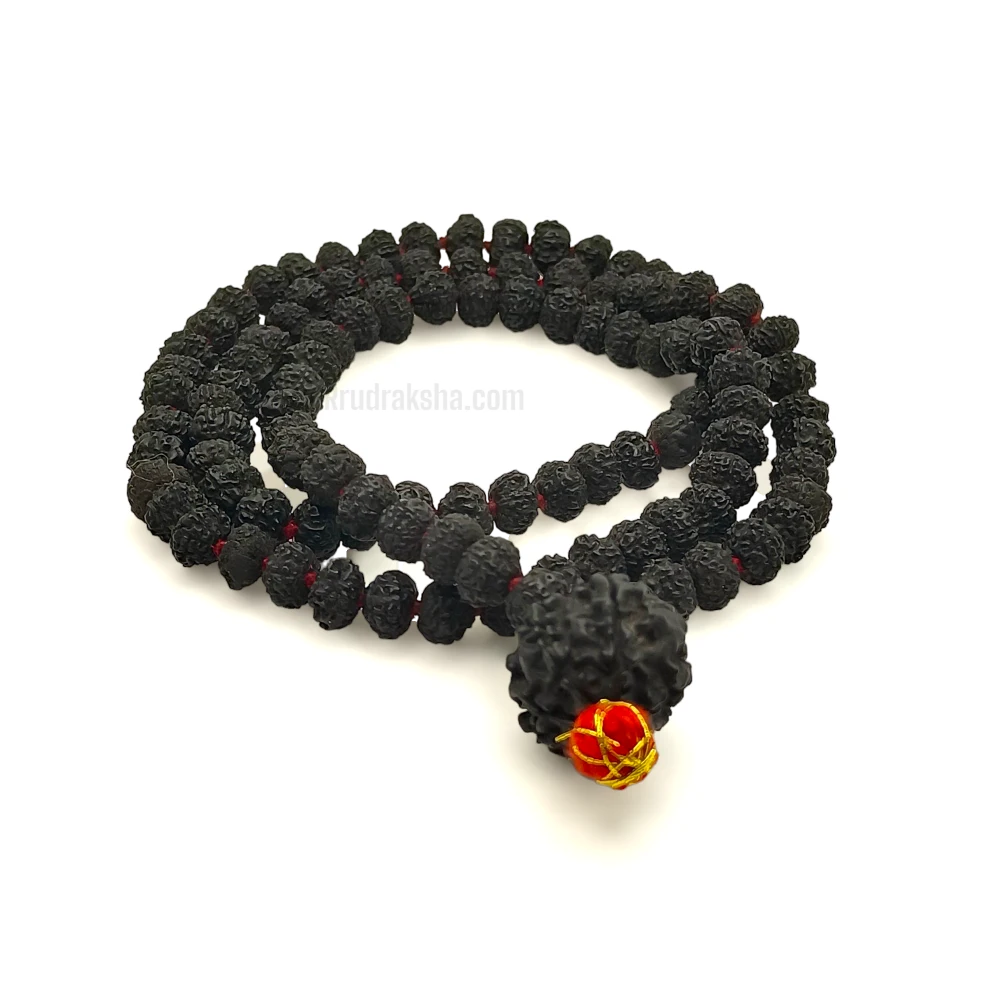
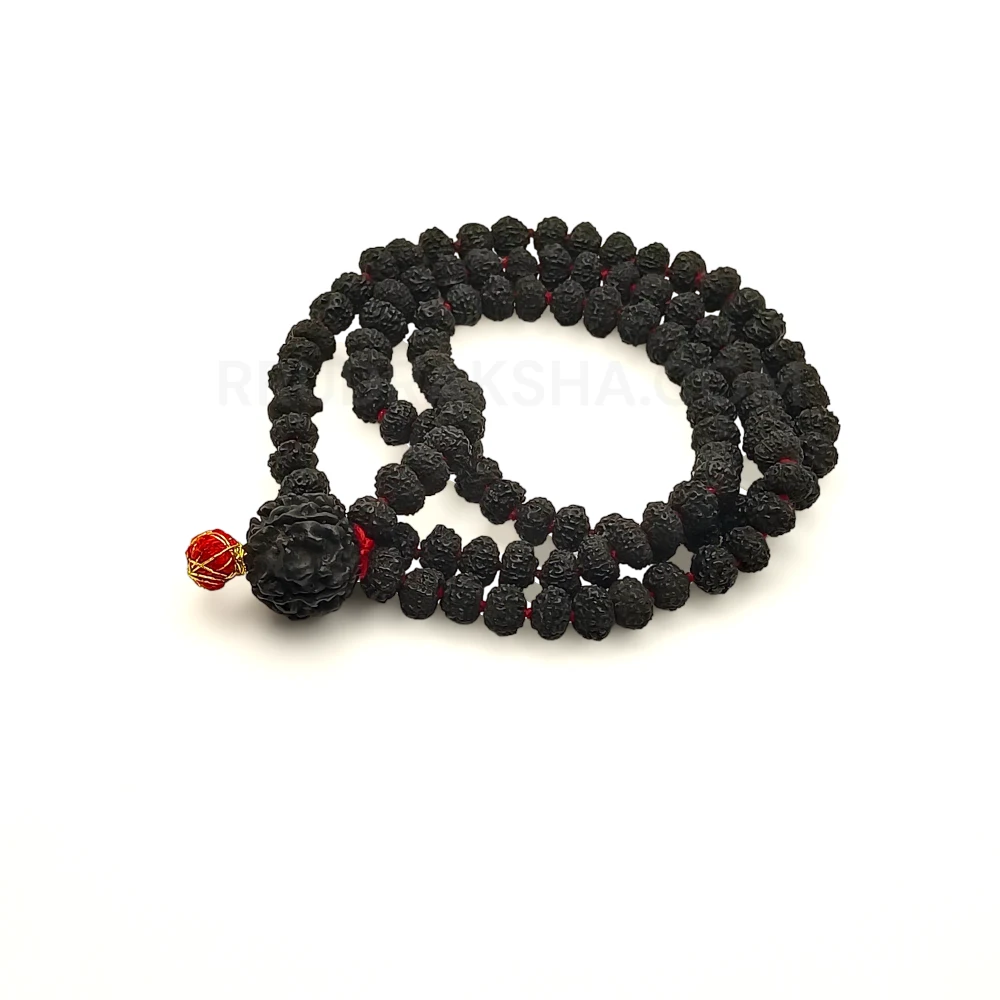
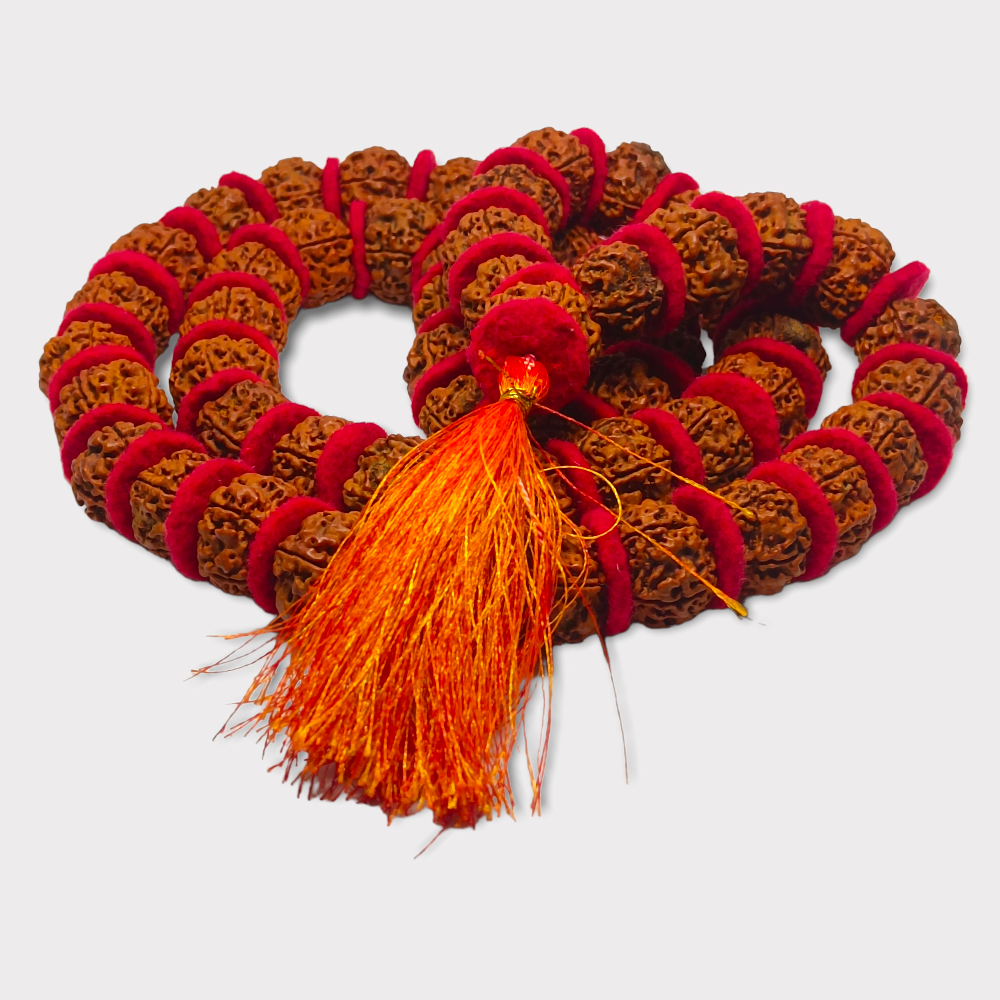
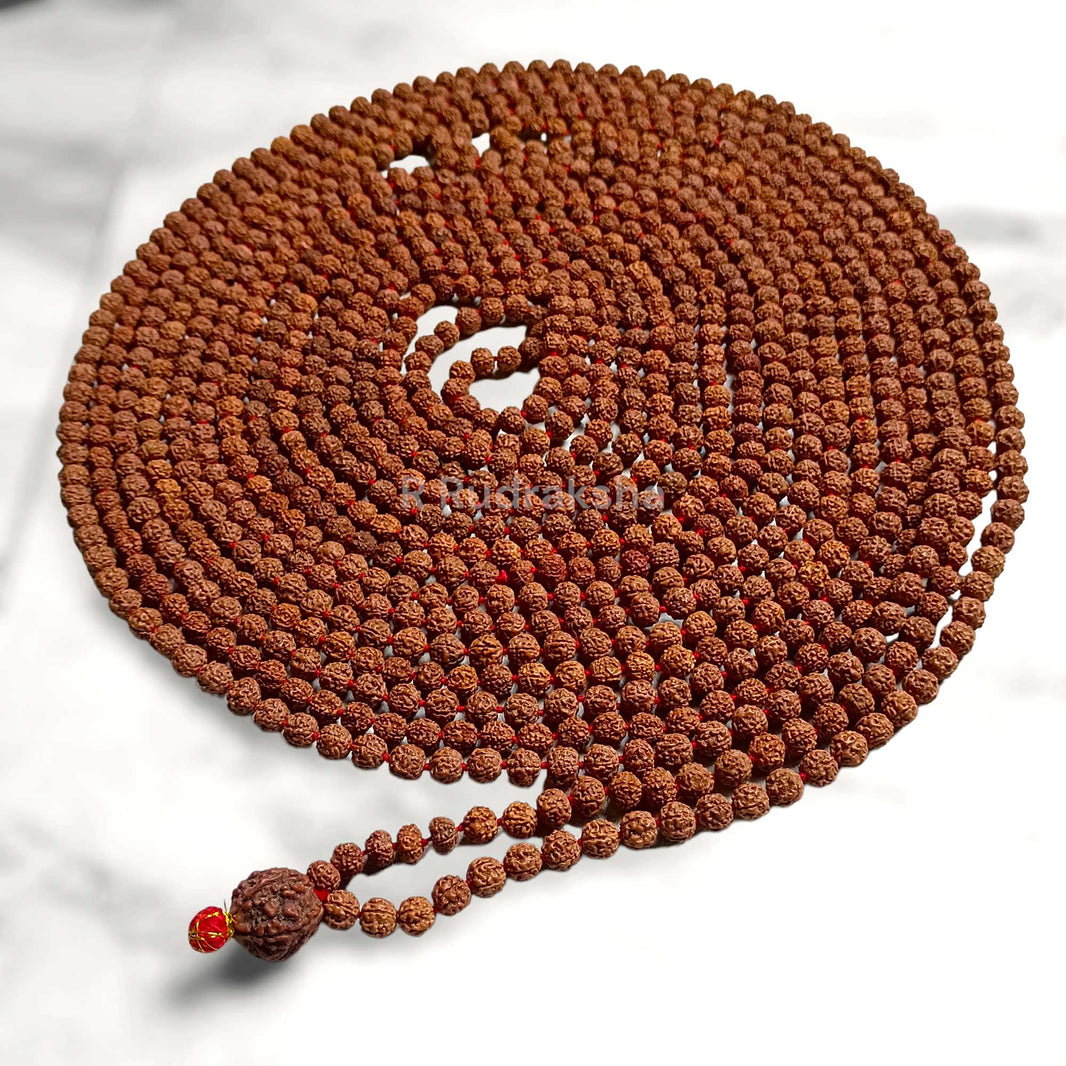
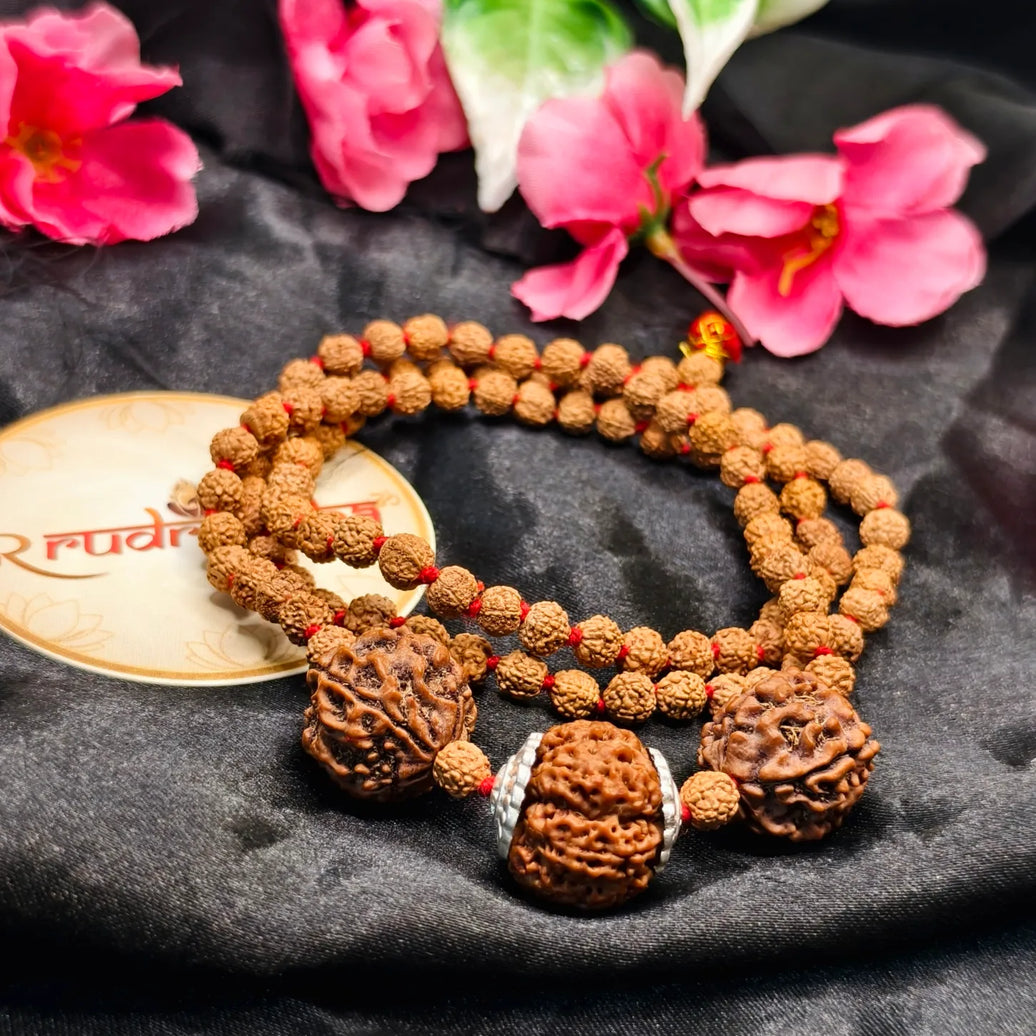
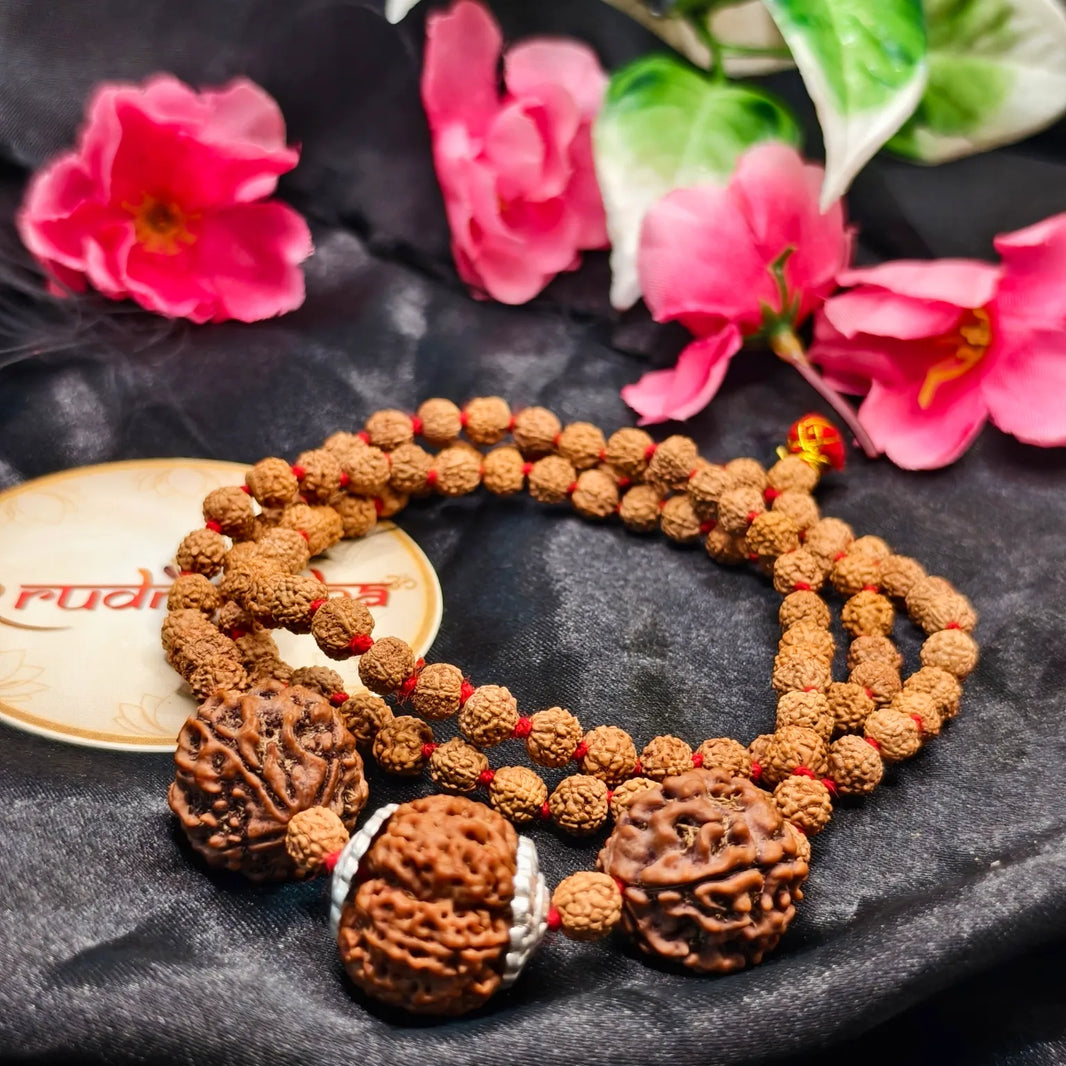
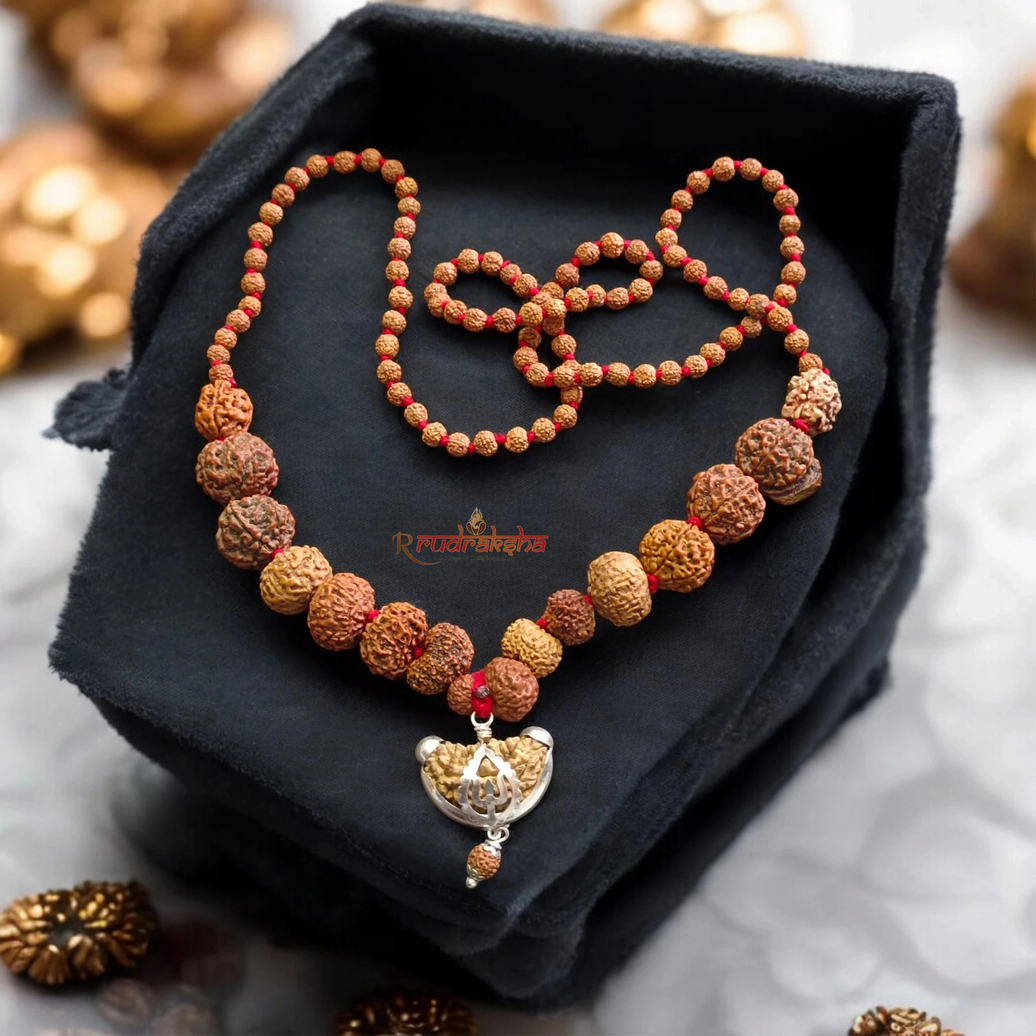
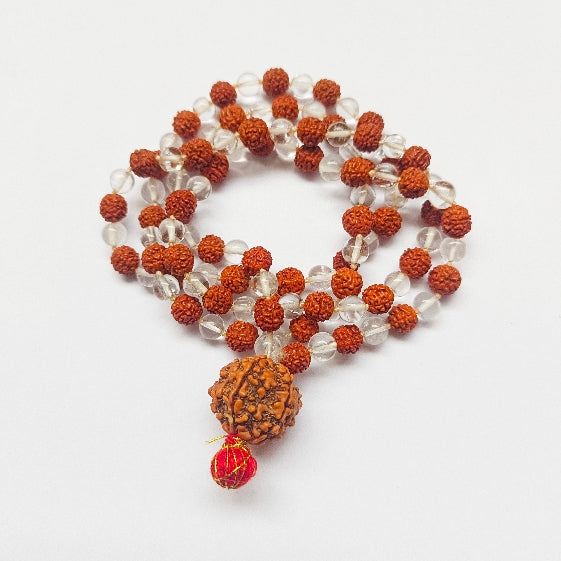
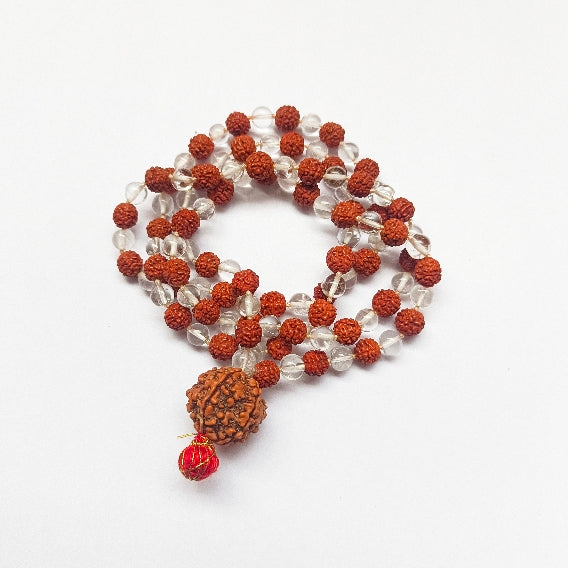
This is why Tiger Eye is often paired with other grounding elements rather than stimulating ones. Combining Tiger Eye with grounding practices or materials such as Rudraksha is traditionally preferred by seekers who want steadiness without emotional fluctuation. The intention is support, not transformation.
🪨 Material Interaction: Why Finish, Texture, and Weight Matter More Than People Realize
One factor that significantly influences how Tiger Eye is experienced, yet is rarely discussed openly, is material interaction. Many people judge Tiger Eye purely by appearance, gravitating toward highly polished, glossy stones that look visually striking. While such finishes are attractive, they also alter how the wearer subconsciously interacts with the stone. Texture, weight, and tactile feedback play a subtle but important role in perception.
Natural or lightly polished Tiger Eye often feels calmer to the wearer. Its surface does not constantly draw visual attention, allowing the mind to forget it is being worn. This “forgetting” is important. Regulation-based stones integrate best when they do not dominate awareness. Overly shiny stones, by contrast, repeatedly pull attention back to themselves, interrupting the quiet adjustment process that grounding requires.
Weight is another overlooked factor. Genuine Tiger Eye has a reassuring density. When worn as a bracelet or Pendant, this physical presence reinforces a sense of stability. Synthetic or overly treated stones often feel lighter, which may subtly reduce the sense of grounding the wearer expects. These physical cues influence experience even before belief or symbolism comes into play.
⏳ Time as a Necessary Ingredient: Why Days Are Not Enough
A common misunderstanding around Tiger Eye is the belief that results should appear quickly. In reality, stones associated with regulation unfold their influence over time. Expecting noticeable change within days is unrealistic, particularly when the stone’s role is to stabilize rather than stimulate.
Traditional usage emphasizes consistency. Wearing Tiger Eye daily for several weeks allows the mind to adapt gradually. During this period, changes are often subtle and behavioral rather than sensory. People may notice that decisions feel less mentally exhausting, that reactions soften, or that focus improves without conscious effort. These shifts are rarely dramatic, but they are meaningful.
This delayed recognition often causes people to abandon Tiger Eye prematurely. They look for sensation instead of observing patterns. Regulation is best measured by outcomes over time, not by immediate feelings. In this sense, Tiger Eye teaches patience as much as it supports clarity.
🧠 Resistance vs Incompatibility: Understanding Discomfort
While neutrality is common, some individuals experience mild discomfort or resistance when wearing Tiger Eye. This is not necessarily a sign that the stone is unsuitable or harmful. More often, it reflects a mismatch between the wearer’s current emotional needs and the stone’s grounding influence.
Tiger Eye contains energy symbolism associated with containment and structure. For individuals seeking emotional release, heightened sensitivity, or rapid inner change, this containment may feel restrictive. The stone does not amplify emotion; it stabilizes it. When a person desires expansion rather than stabilization, resistance may arise.
This experience should not be interpreted as failure. Instead, it serves as feedback. It suggests that the individual’s current phase may require a different kind of support. Reducing wear time, wearing the stone intermittently, or pausing entirely is often more appropriate than forcing adaptation. Responsible gemstone usage respects timing as much as compatibility.
🔗 Contextual Support: Why Tiger Eye Is Rarely Used Alone
In traditional practice, stones are rarely treated as isolated tools. Tiger Eye is often paired with grounding practices or complementary materials that reinforce its stabilizing role. This pairing is not about amplification but about coherence. When multiple grounding elements align, the overall effect becomes smoother and more sustainable.
For instance, many seekers combine Tiger Eye with Rudraksha during phases of responsibility or mental pressure. Both are traditionally associated with steadiness and balance rather than stimulation. This combination is often chosen by individuals who want support without emotional fluctuation, particularly in daily life or professional settings.
Such combinations highlight an important principle: Tiger Eye works best when the surrounding environment supports its intention. Chaotic routines, constant multitasking, or emotional extremes can dilute its regulatory influence. Grounding stones are not replacements for stability; they are companions to it.
🔬 Psychological Interpretation Without Dismissal
From a modern perspective, the effects attributed to Tiger Eye can be viewed through psychological frameworks such as symbolism, cognitive anchoring, and behavioral reinforcement. Wearing a stone associated with steadiness may serve as a reminder to remain composed, reinforcing intentional behavior over impulsive reaction.
This interpretation does not negate traditional belief. Instead, it bridges ancient symbolism with contemporary understanding. Humans naturally assign meaning to objects, and these meanings influence behavior. Tiger Eye’s symbolism of focus and grounding may subtly encourage the wearer to act with greater deliberation.
Recognizing this dual framework allows individuals to engage with Tiger Eye responsibly. It removes the pressure of supernatural expectation while preserving the value of intentional practice. Whether viewed spiritually or psychologically, the stone’s role remains the same: to support stability rather than spectacle.
🧩 Long-Term Patterns Observed in Consistent Wearers
Over extended periods, individuals who wear Tiger Eye consistently often describe changes that are difficult to quantify but easy to recognize. These include a calmer approach to problem-solving, reduced emotional reactivity, and greater tolerance for uncertainty. Such patterns emerge gradually and are often noticed only when the stone is removed.
This delayed recognition reinforces the idea that Tiger Eye is not about immediate sensation. Its influence integrates into daily behavior rather than interrupting it. This makes it particularly suitable for long-term phases of responsibility, leadership, or personal restructuring.
In this way, Tiger Eye aligns more closely with disciplines that value consistency over intensity. Its contribution is quiet, steady, and easily overlooked—yet deeply appreciated once understood.
📿 Why Source Credibility Is Important
For readers who prefer exploring Tiger Eye and other spiritual tools with clarity rather than hype, trusted platforms matter. At R Rudraksha the focus remains on genuine Rudraksha and gemstones selected with attention to quality, balance, and reasonable pricing.
❓ Frequently Asked Questions (FAQs)
Why do some people feel Tiger Eye immediately while others do not?
Immediate response usually depends on contrast. Individuals experiencing mental overload, decision fatigue, or instability are more likely to notice regulation quickly. Those already balanced may experience maintenance rather than change, which feels neutral.
Is it normal to feel nothing after wearing Tiger Eye?
Yes. Tiger Eye is traditionally associated with stabilization, not stimulation. Feeling nothing often indicates balance rather than failure. Subtle regulation is not always perceptible as sensation.
How long should Tiger Eye be worn before judging its effect?
Traditionally, several weeks of consistent wear are recommended. Regulation-based stones require time to integrate, and effects are often noticed in behavior rather than immediate feelings.
Can Tiger Eye feel uncomfortable or restrictive?
In some cases, yes. This usually reflects a mismatch between the wearer’s current emotional needs and the stone’s grounding influence. Reducing wear time or pausing usage is often advised rather than forcing adaptation.
Does polish or finish really change the experience?
Yes. Overly polished stones tend to draw constant attention, which can interfere with regulation. Natural or lightly polished Tiger Eye often feels calmer and more grounding.
Is Tiger Eye meant for emotional healing?
Tiger Eye is not traditionally associated with emotional release. It supports containment and steadiness rather than catharsis, making it more suitable during responsibility-driven phases.
Can Tiger Eye be worn every day?
Yes. Its durability and grounding nature make it suitable for daily wear, especially when used for long-term mental steadiness rather than short-term effect.
Can Tiger Eye be combined with other stones or spiritual tools?
Yes. It is often combined with grounding elements such as Rudraksha or Sphatik. Such combinations aim for balance, not amplification.
Does belief influence how Tiger Eye is experienced?
Belief and expectation shape perception. However, Tiger Eye’s role is regulatory, so even without strong belief, its influence may manifest subtly through behavior rather than sensation.
When should someone stop wearing Tiger Eye?
If prolonged discomfort or resistance occurs, pausing wear is recommended. Responsible usage respects timing and personal readiness.
🧭 Final Conclusion 🌟
Understanding the Nature of Subtle Support
Tiger Eye is often misunderstood because modern expectations favor intensity over stability. Its traditional role is not to create excitement, heightened emotion, or immediate transformation. Instead, it supports balance during periods of responsibility, mental strain, and long-term decision-making. This support unfolds quietly, often going unnoticed until contrast reveals its value.
Recognizing that neutrality can be a positive outcome reframes the entire experience. When a stabilizing influence enters a system already in balance, it maintains equilibrium rather than disrupting it. This maintenance is subtle, yet deeply functional.
Approaching Tiger Eye with realistic expectations allows it to fulfill its intended role. Whether viewed through a spiritual lens or a psychological one, its contribution remains the same: supporting steadiness rather than spectacle. When worn consistently and understood correctly, Tiger Eye becomes less about feeling something new and more about sustaining what is already aligned.
🙏 हर हर महादेव 🙏





Leave a comment