








🐯 Tiger Eye Stone — Meaning, Benefits, Identification, How to Wear, Astrology, Healing Properties & Complete Guide
Tiger Eye is one of the most widely discussed gemstones in the world of crystals and spiritual stones, yet it is also one of the most misunderstood. Known for its golden-brown bands and natural chatoyancy, Tiger Eye attracts people not because of visual appeal alone, but because of its long-standing association with grounding, clarity, and inner stability. Across cultures and traditions, it has been viewed as a stone that supports balanced decision-making rather than emotional extremes.
In modern times, Tiger Eye is often promoted using simplified labels such as “confidence stone” or “success stone.” While such descriptions are popular, they rarely explain how or why people experience changes when wearing Tiger Eye. This guide aims to move beyond surface-level claims and provide a detailed, responsible, and structured understanding of Tiger Eye — from its geological formation and historical usage to its spiritual symbolism, astrological relevance, identification methods, and practical ways to wear and care for it.
Whether you are exploring Tiger Eye for the first time or seeking deeper clarity before wearing or purchasing it, this guide is designed to help you understand the stone in a grounded, informed, and realistic way.
🪨 What is Tiger Eye Stone?
Tiger Eye is a naturally occurring gemstone belonging to the quartz family. It is formed through a complex geological process where fibrous minerals such as crocidolite undergo transformation and are gradually replaced by silica, while retaining their original fibrous structure. This unique process gives Tiger Eye its characteristic silky luster and banded appearance, commonly referred to as chatoyancy or the “cat’s eye effect.”
The stone is typically found in shades of golden brown, honey, and deep amber, though variations can occur depending on mineral composition and heat exposure. Tiger Eye is primarily sourced from regions such as South Africa, Australia, India, and parts of Africa, where geological conditions allow for slow and stable mineral transformation.
From a non-spiritual perspective, Tiger Eye is valued for its durability and aesthetic texture. From a traditional and spiritual standpoint, it is regarded as a stone associated with balance, grounded awareness, and steady mental focus rather than sudden energetic activation.
📜 History & Cultural Significance of Tiger Eye
Tiger Eye has been used across different civilizations for centuries. In ancient Rome, soldiers were known to carry Tiger Eye as a protective talisman, believing it supported alertness and courage during battle. The stone was not seen as a source of aggression, but as an aid in remaining composed under pressure — a trait valued by warriors and leaders alike.
In ancient Egyptian culture, Tiger Eye was associated with divine vision and protection. The stone’s reflective surface was symbolically linked to the eyes of deities, representing awareness and vigilance. It was often used in amulets and ornamental objects meant to safeguard the wearer from confusion and external negativity.
In Eastern traditions, particularly in India and parts of Asia, Tiger Eye has been viewed as a grounding stone rather than a purely spiritual one. It was used by individuals who needed stability in worldly responsibilities — traders, administrators, and householders — rather than by ascetics seeking detachment. This distinction highlights an important aspect of Tiger Eye: its role in supporting balance within material life rather than withdrawal from it.
🔮 Spiritual Meaning & Symbolism of Tiger Eye
Spiritually, Tiger Eye is associated with the concept of balance between thought and action. Unlike stones believed to heighten emotional sensitivity or intuition, Tiger Eye Stone is traditionally linked with regulation — helping the wearer remain centered when faced with pressure, uncertainty, or responsibility.
The symbolism of the tiger itself plays a role here. The tiger does not act impulsively; it observes, waits, and moves with calculated precision. Similarly, Tiger Eye is believed to support conscious decision-making rather than emotional reaction. This makes it particularly relevant for individuals who struggle with overthinking, hesitation, or decision fatigue.
Many spiritual practitioners describe Tiger Eye as a stone that supports alignment between intention and execution. It is not considered a stone of sudden transformation, but rather one that assists gradual inner stabilization over time.
🪐 Astrological Significance of Tiger Eye
In astrology, Tiger Eye is commonly associated with the planet Sun and, in some traditions, Mars. These associations relate not to aggression or dominance, but to clarity, self-awareness, and disciplined action. The Sun represents authority and consciousness, while Mars represents drive and execution. Tiger Eye is believed to help balance these forces, preventing either from becoming excessive.
Tiger Eye is often recommended for individuals whose astrological charts show instability in decision-making, fluctuating confidence, or difficulty maintaining focus under pressure. Zodiac signs such as Leo, Capricorn, and Virgo are traditionally associated with Tiger Eye due to their connection with responsibility, structure, and leadership.
That said, Tiger Eye is not restricted to specific zodiac signs. Its grounding nature makes it suitable for individuals experiencing transitional phases, career pressure, or long-term responsibilities, regardless of astrological background. However, those who are highly sensitive or emotionally reactive are often advised to wear Tiger Eye gradually and observe their response over time.
💠 Healing Properties of Tiger Eye (Belief-Based Perspective)
From a belief-based and traditional perspective, Tiger Eye is associated primarily with mental and emotional regulation rather than physical healing. It is believed to support mental clarity by reducing scattered thoughts and internal conflict. Individuals who feel mentally overwhelmed often describe a sense of steadiness when wearing Tiger Eye consistently.
Emotionally, Tiger Eye is associated with helping individuals remain composed during stressful situations. It is not believed to suppress emotions, but to prevent emotional responses from becoming overwhelming or impulsive. This is why Tiger Eye is often chosen during phases of responsibility, leadership, or financial pressure.
Spiritually, Tiger Eye is believed to help align lower energy centers associated with survival and action. Rather than elevating awareness upward, it is thought to anchor awareness in the present moment, supporting practical spirituality — one that integrates inner awareness with outer responsibilities.
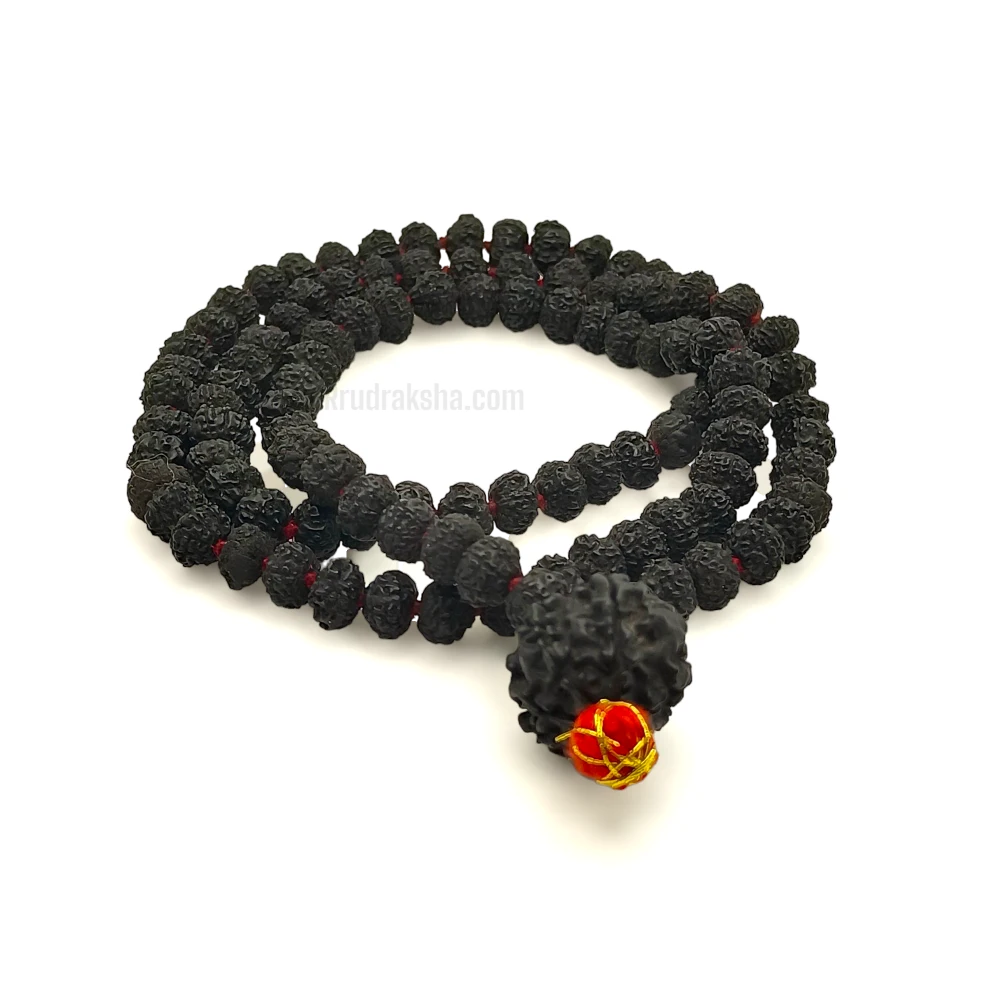
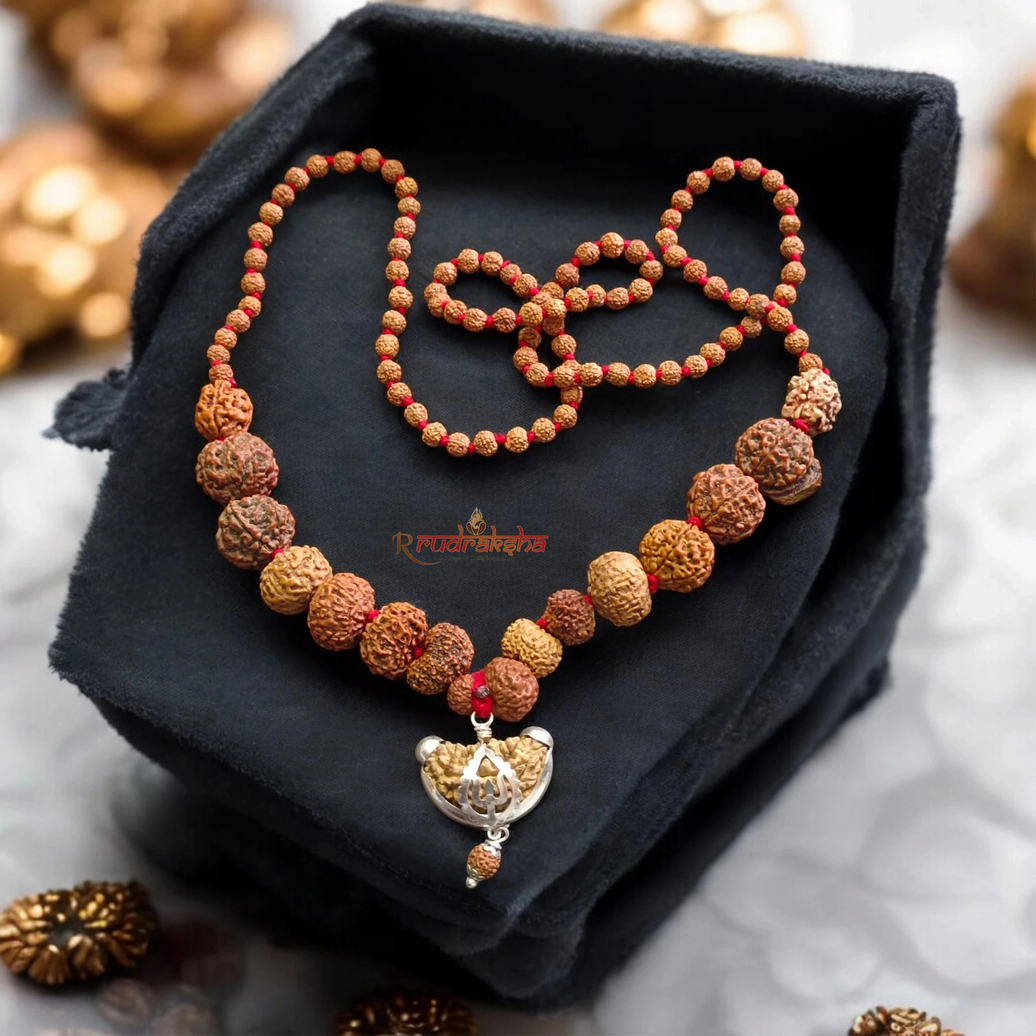
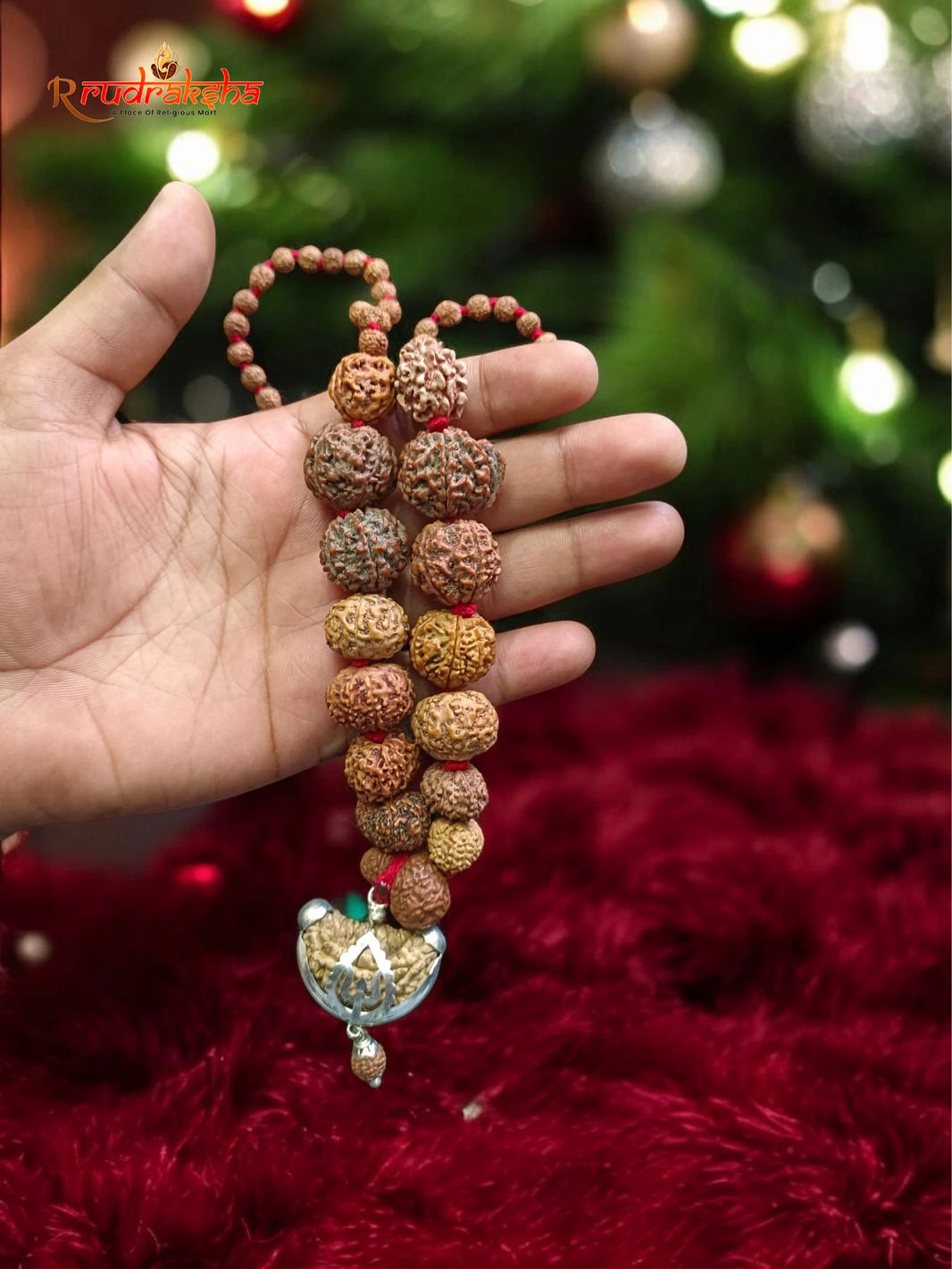
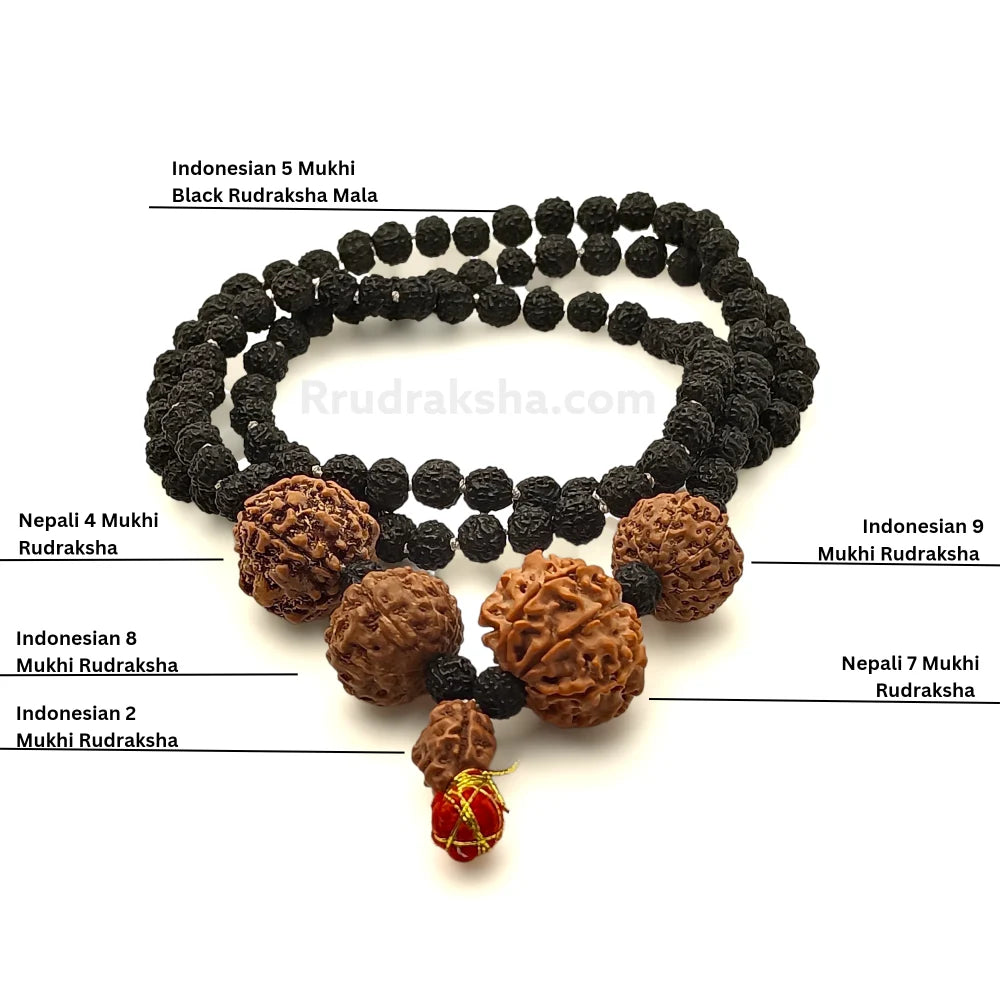
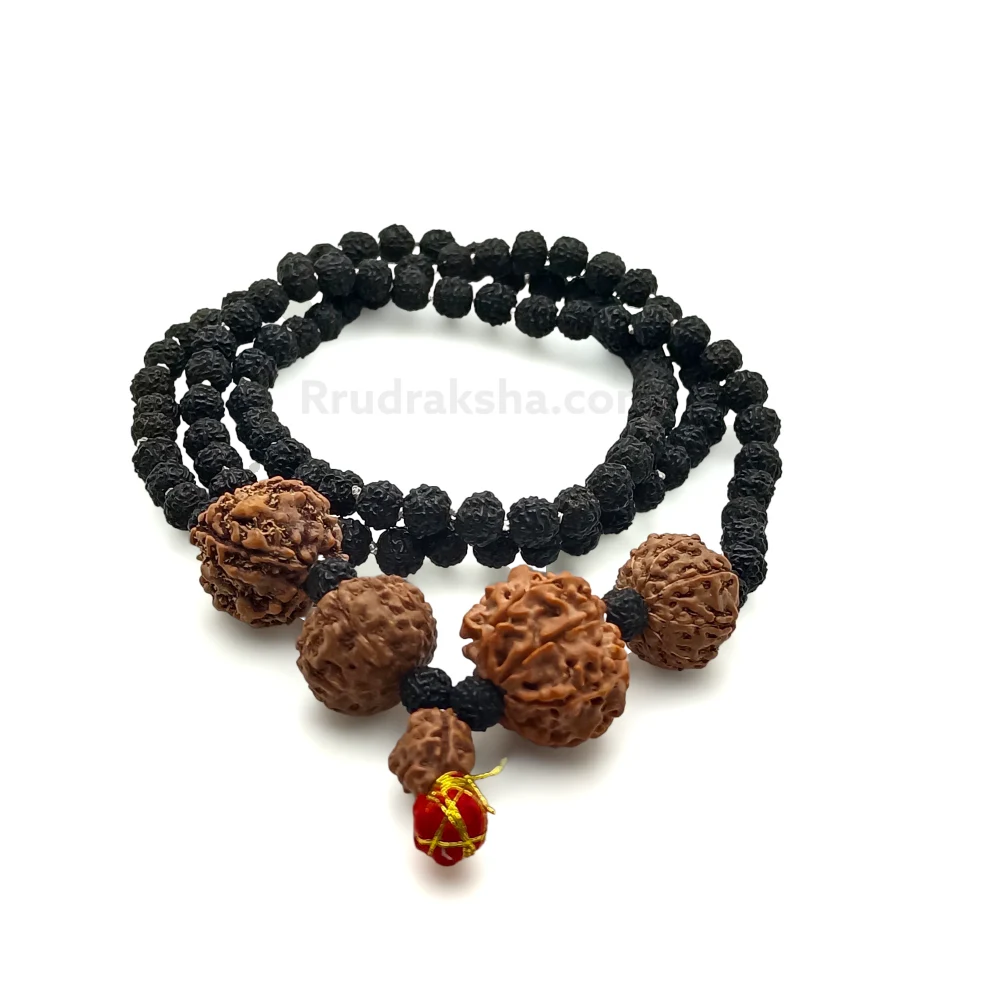
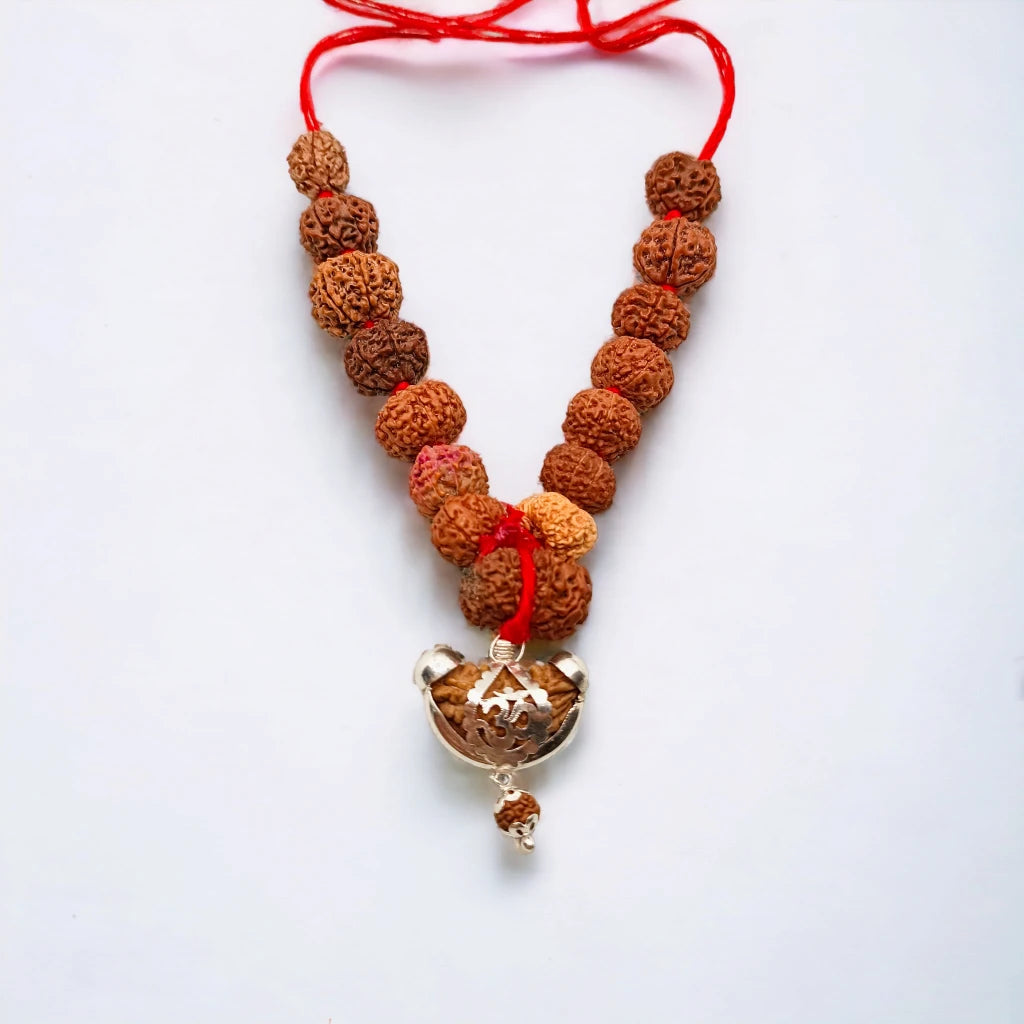
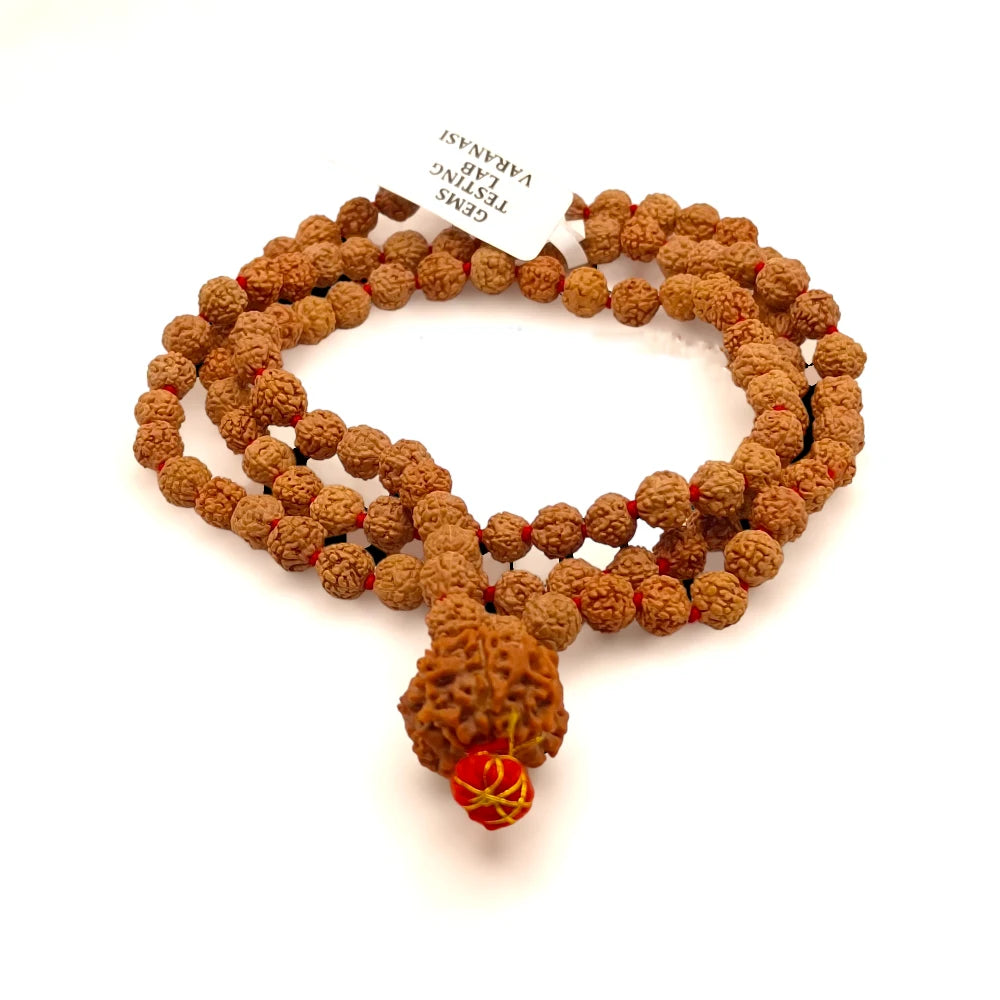
If you are exploring clarity and mental focus alongside grounding, some seekers choose to combine Tiger Eye with specific Rudraksha. For instance, **6 Mukhi Rudraksha** is traditionally associated with intellect and mental clarity, while **Tiger Eye bracelets** are chosen for steady decision-making in daily life.
🧪 Physical Properties & Composition of Tiger Eye
From a geological perspective, Tiger Eye is a variety of quartz with a hardness of approximately 7 on the Mohs scale, making it durable enough for daily wear in the form of bracelets, pendants, and rings. Its distinctive appearance comes from the replacement of fibrous crocidolite by silica while preserving the fibrous structure. This process creates the optical phenomenon known as chatoyancy, where light reflects in bands across the stone’s surface.
Tiger Eye typically appears in golden brown, honey, and deep amber tones, though variations can include red or blue hues depending on oxidation levels and heat exposure. Its density and weight feel substantial compared to synthetic or dyed stones, which often appear lighter and unnaturally glossy.
🌈 Types & Variations of Tiger Eye Stone
Natural Tiger Eye occurs in several variations. Golden Tiger Eye is the most common and is associated with balance and grounded clarity. Red Tiger Eye is created through natural or controlled heat exposure and is often linked with motivation and vitality. Blue Tiger Eye, sometimes referred to as Hawk’s Eye, retains higher iron content and is traditionally associated with calm awareness and observation.
While all variations belong to the same mineral family, their visual and energetic differences are subtle rather than extreme. Selection should be based on personal resonance and intended use rather than dramatic expectations.
🕵️♂️ How to Identify Original vs Fake Tiger Eye
Identifying authentic Tiger Eye requires attention to visual, tactile, and material cues. Natural Tiger Eye displays layered bands with soft transitions rather than sharp, painted lines. The chatoyancy effect moves smoothly when the stone is rotated under light.
Fake Tiger Eye is often made from dyed glass or resin. Such pieces may appear overly shiny, unnaturally uniform in color, and lack depth. Touching genuine Tiger Eye usually reveals a cool, solid feel, whereas synthetic alternatives warm quickly in the hand.
Laboratory certification can help confirm authenticity, but visual inspection and sourcing from reputable sellers remain equally important. Buyers should be cautious of stones marketed with exaggerated claims or unusually low pricing.
🧿 How to Wear Tiger Eye Stone
Tiger Eye is most commonly worn as a bracelet, as regular skin contact supports consistent interaction. It may also be worn as a pendant close to the solar plexus area, traditionally associated with decision-making and personal authority.
There is no universally fixed day to wear Tiger Eye, though some traditions recommend Sunday or Tuesday due to planetary associations. Silver, copper, or natural thread are commonly preferred, depending on personal comfort and intention.
Before wearing, many people choose to cleanse the stone using running water, sunlight, or simple intention-based practices. The focus is on respect and awareness rather than ritual complexity.
🧼 Care, Cleansing & Maintenance
Tiger Eye requires minimal maintenance. Cleaning with lukewarm water and a soft cloth is usually sufficient. Avoid harsh chemicals or prolonged exposure to extreme heat. When not in use, storing Tiger Eye separately helps preserve its surface and energetic neutrality.
Periodic cleansing is often recommended, especially if the stone is worn daily. This can be done through sunlight exposure or placement near natural elements. Over-cleansing or aggressive methods are unnecessary.
🌱 Benefits of Tiger Eye for Different Professions & Purposes
Professionals facing constant decision-making, such as business owners, managers, and administrators, often choose Tiger Eye for its association with steadiness and mental clarity. Students and learners may find it supportive during periods of focus-intensive study.
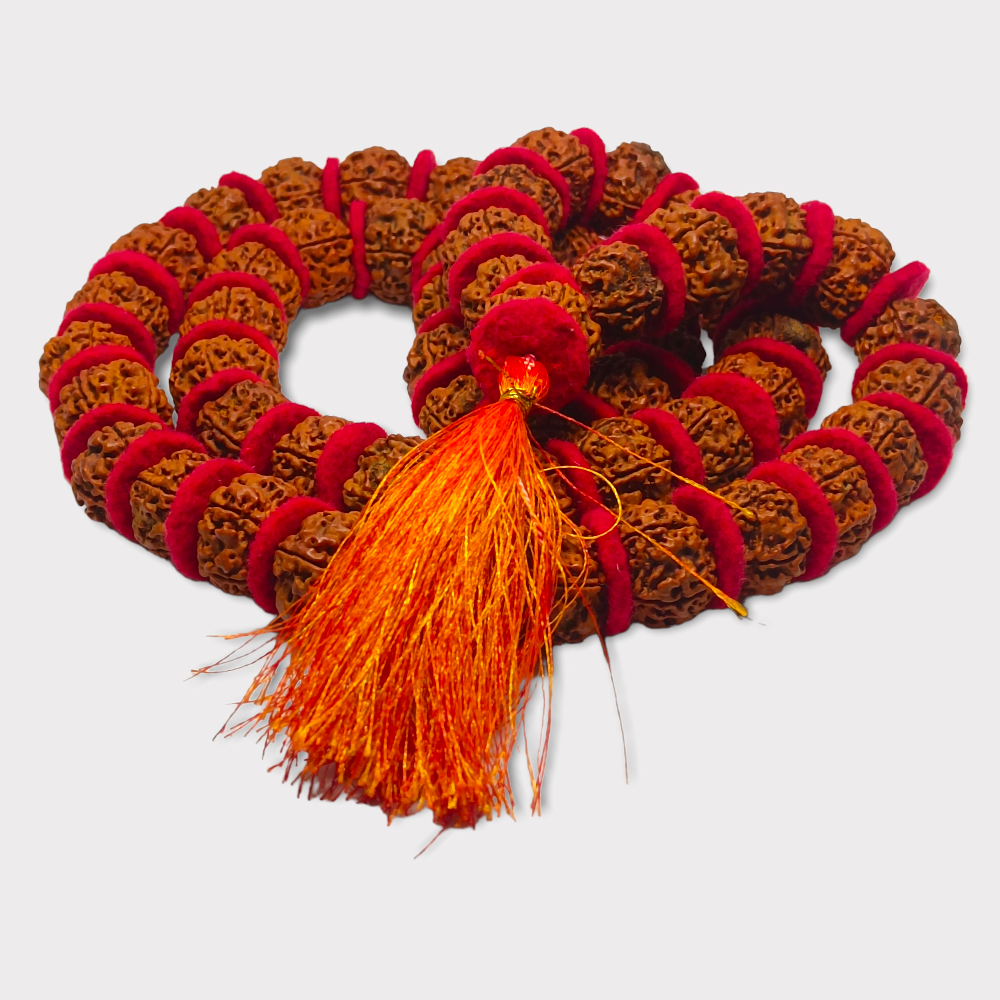
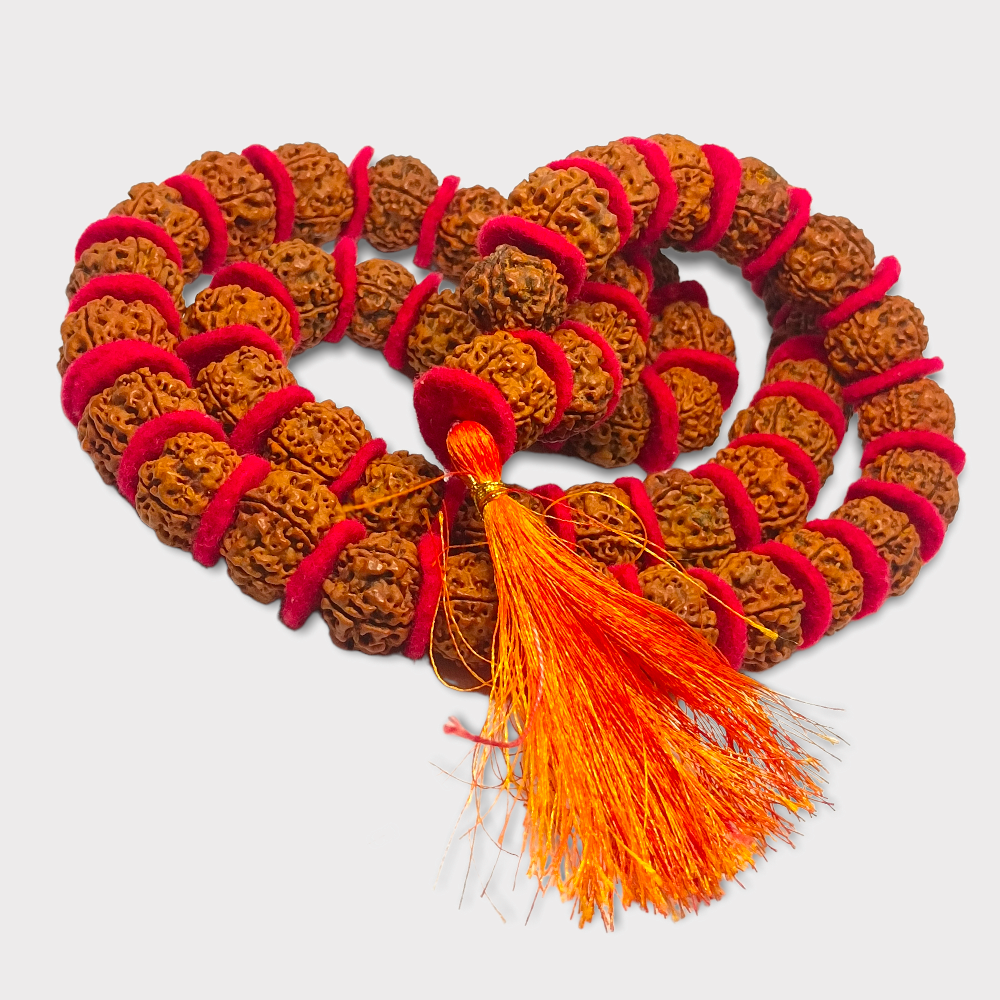
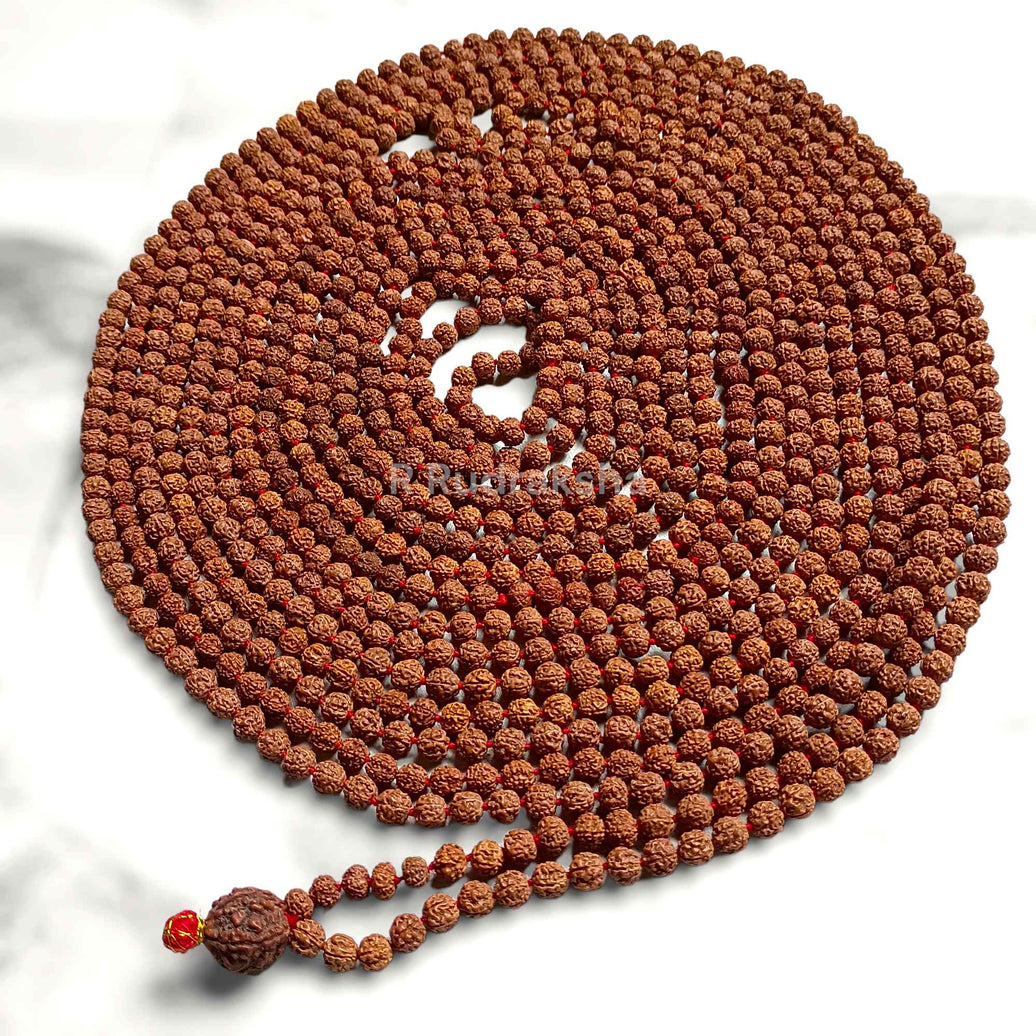
For spiritual seekers who wish to remain grounded while engaging in introspection, Tiger Eye is often preferred over highly stimulating stones. In such contexts, pairing Tiger Eye with grounding tools like **Rudraksha bracelets** or **Rudraksha malas** is traditionally explored.
🔗 Combination with Other Stones
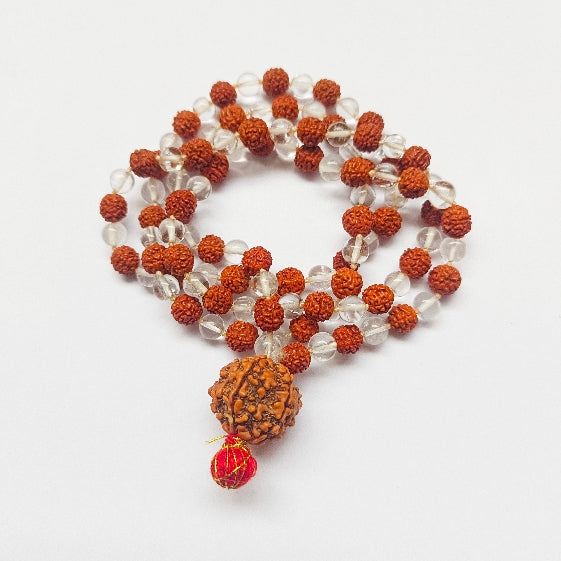
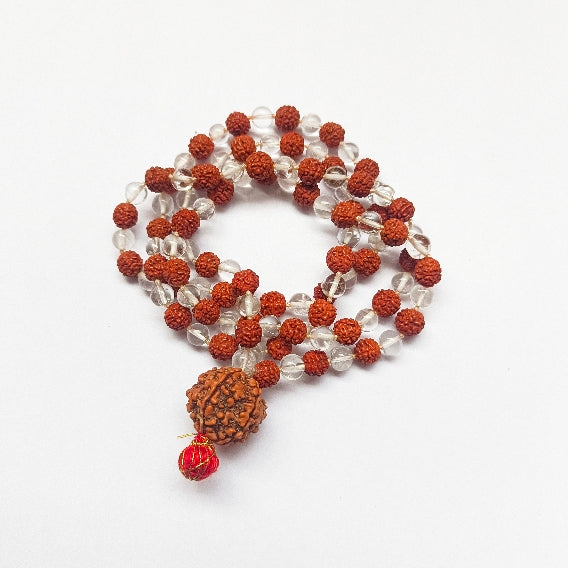
Tiger Eye is commonly combined with grounding stones and materials rather than highly activating ones. It pairs well with Rudraksha, Sphatik, and other stabilizing elements. Combinations should aim for balance, not intensity.
Those sensitive to energetic shifts are generally advised to avoid combining Tiger Eye with multiple stimulating stones simultaneously, as this may create conflicting sensations.
🔬 Scientific & Modern Perspective
From a scientific standpoint, Tiger Eye has no proven physiological effects. However, psychological research acknowledges the impact of belief systems, symbolism, and intention on human perception and behavior. Wearing stones like Tiger Eye may influence mindset through focus, awareness, and placebo-based mechanisms.
Understanding this perspective allows individuals to engage with Tiger Eye responsibly—appreciating its symbolic and experiential value without expecting unrealistic outcomes.
❓ Frequently Asked Questions (FAQs)
Can anyone wear Tiger Eye?
Yes, though highly sensitive individuals may prefer gradual use.
Is Tiger Eye suitable for daily wear?
Yes, its durability and grounding nature make it suitable for regular wear.
Does Tiger Eye work instantly?
Traditionally, Tiger Eye is associated with gradual regulation rather than instant change.
Can Tiger Eye be worn with Rudraksha?
Yes, this combination is commonly chosen for balance and steadiness.
Is certification necessary?
Certification helps, but sourcing from a trusted seller is equally important.
🛒 Buying Guide – How to Choose the Best Tiger Eye
When choosing Tiger Eye, focus on natural appearance, clear chatoyancy, and balanced coloration. Avoid stones that appear excessively glossy or unnaturally uniform. Pricing varies based on origin, size, and finish, but extreme bargains often indicate compromised quality.
At R Rudraksha authenticity goes beyond lab reports. Every Tiger Eye and Rudraksha offering is selected with attention to quality, integrity, and reasonable pricing, ensuring buyers receive stones aligned with traditional understanding rather than exaggerated marketing.
🧭 Conclusion ✨
Tiger Eye is best understood not as a stone of exaggerated confidence, but as one associated with stability, clarity, and grounded awareness. Its value lies in subtle regulation rather than dramatic transformation. When approached with realistic expectations and worn consistently, Tiger Eye can become a supportive companion during phases of responsibility and decision-making.
By understanding its history, composition, symbolism, and proper usage, individuals can engage with Tiger Eye in a respectful and informed manner—allowing its traditional role to unfold naturally rather than forcing outcomes.
🙏 हर हर महादेव 🙏





Leave a comment