


















🕉️ Why Shiva Accepts Poison (Halahala): Responsibility Without Escape
Among all the symbols associated with Mahakaal, none is more unsettling than poison. Ash may appear austere, the snake may seem dangerous, Rudraksha may look severe — but poison represents something far deeper. Poison is not worn. It is not displayed. It is endured.
The story of Halahala emerging during Samudra Manthan is often narrated as a dramatic myth — gods frightened, demons alarmed, the universe on the brink of destruction, and Shiva stepping in as a savior. But when this story is approached only as mythology, its most important lesson is lost.
Halahala is not merely cosmic poison. It is a symbol of unavoidable consequence — the byproduct of collective action, ambition, and imbalance. Shiva’s acceptance of poison is not heroism born of power, but responsibility born of awareness.
☣️ Poison as a Byproduct of Creation, Not a Mistake
One of the most overlooked aspects of the Samudra Manthan narrative is this: poison appears before nectar. Before reward, before clarity, before benefit — toxicity surfaces.
This sequencing is intentional. Traditional systems recognized that any process of expansion, extraction, or transformation produces residue. In human terms, growth generates pressure, progress creates imbalance, and ambition leaves behind consequences that cannot be ignored. Halahala represents that residue. It is not an accident, nor is it punishment. It is the cost of action itself.
What distinguishes Shiva is not that he destroys poison, but that he accepts it without transferring the burden. He does not seek to purify it immediately, nor does he deny its existence. He holds it — fully aware of its danger.
🧠 Responsibility Versus Blame: The Core Lesson
Modern thinking often treats discomfort as something to be eliminated, outsourced, or blamed on circumstance. Traditional Shaiva Philosophy takes a different position: what emerges from collective action must be collectively acknowledged — but personally held.
Shiva does not ask who caused the poison. He does not negotiate responsibility. He does not wait for consensus. This is a radical psychological stance. Accepting poison means accepting that not every outcome is desirable, yet every outcome demands containment. This is responsibility without escape — a willingness to hold what others cannot.
This is why Shiva is not depicted swallowing poison casually. It burns. It turns his throat blue. The mark remains. Responsibility leaves evidence.
🔵 The Blue Throat: When Accountability Leaves a Mark
Neelkanth is not a badge of honor; it is a record. Shiva’s blue throat signifies that taking responsibility is not invisible. It changes the one who bears it.
In modern life, responsibility is often discussed as a moral concept. In traditional understanding, it is a physiological and psychological reality. Holding pressure alters the nervous system. It reshapes perception.
Shiva does not become blue everywhere — only at the throat. The poison is held, not consumed fully, not released recklessly. This restraint is crucial. True responsibility does not mean absorbing destruction entirely. It means containing harm without allowing it to spread.
📿 Poison, Discipline, and Inner Containment
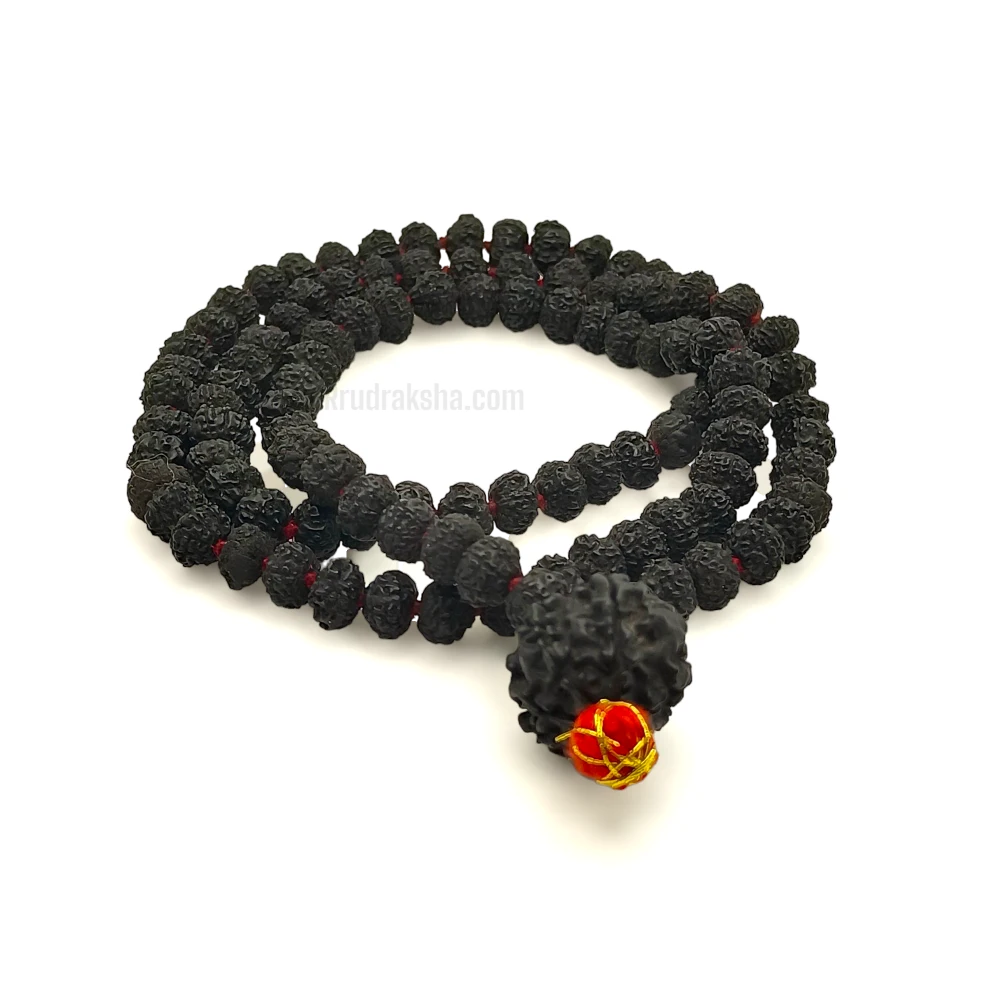
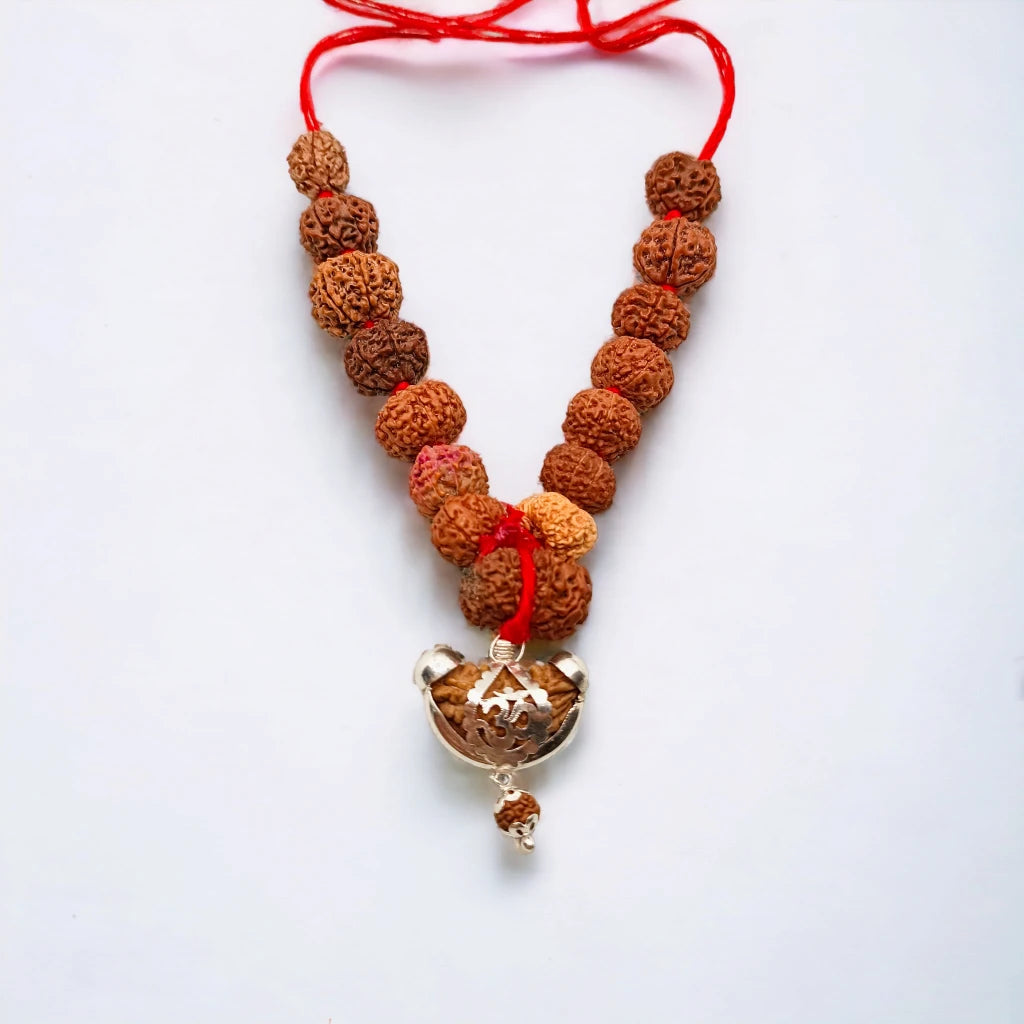
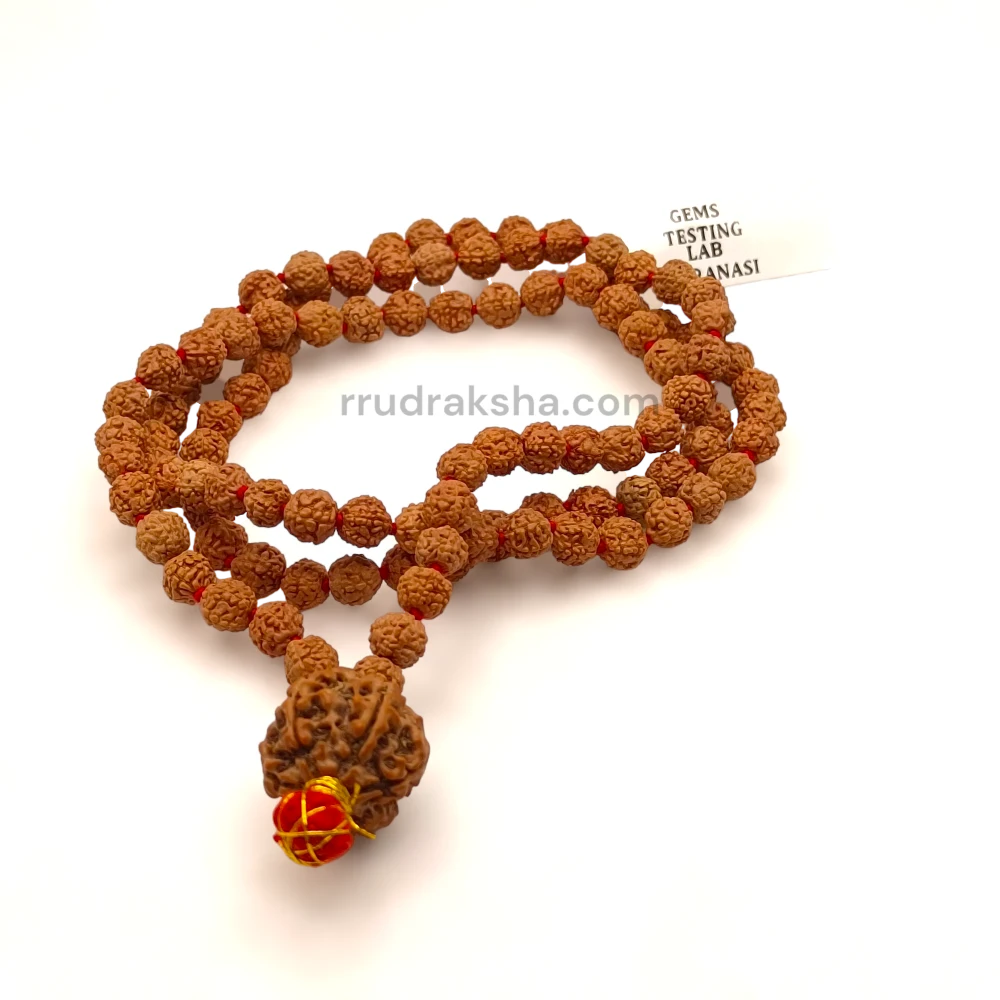
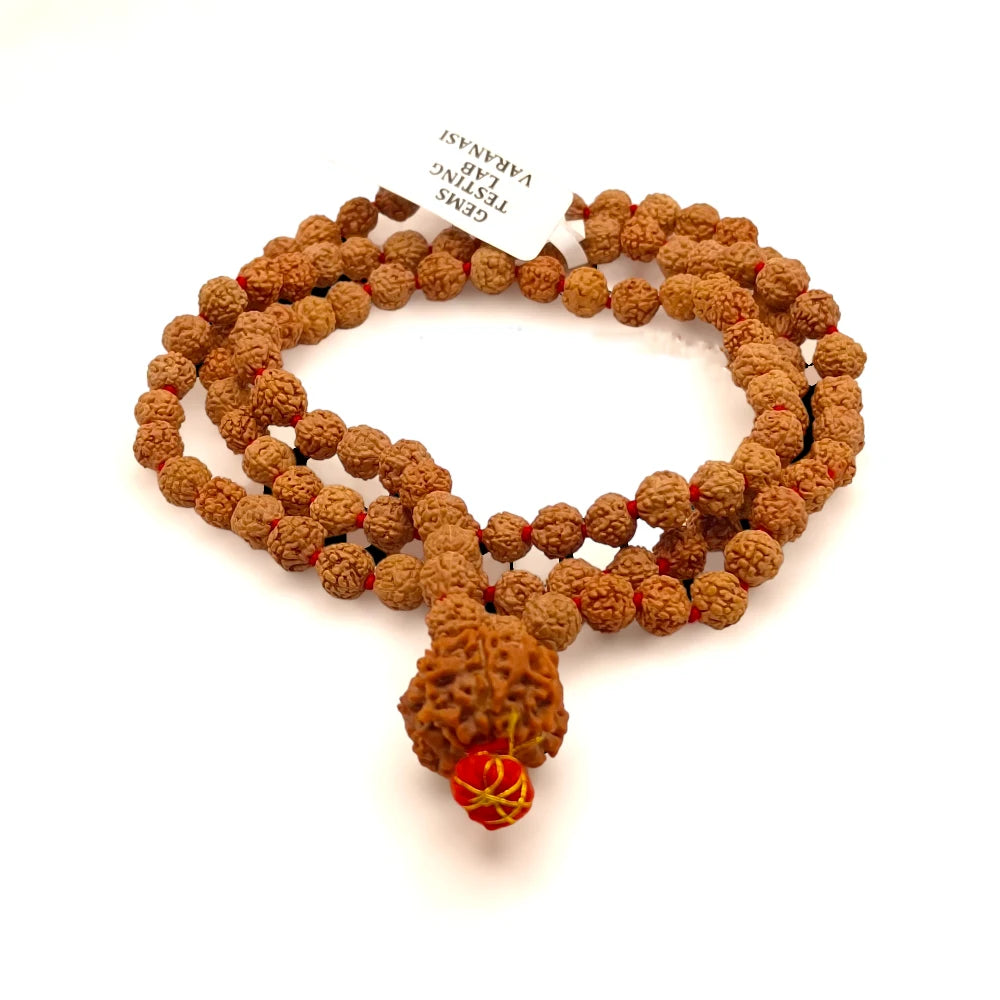
The acceptance of poison is inseparable from discipline. Without structure, poison destroys. Without awareness, it leaks. This is why Shiva’s life is surrounded by stabilizing symbols. Ash removes attachment. The snake maintains alertness. Rudraksha reinforces rhythm and steadiness.
Together, these elements create a system capable of holding intensity without collapse. Poison is not managed through denial, but through containment. In human terms, this translates to the ability to hold stress, conflict, responsibility, and uncertainty without transferring them outward as anger, avoidance, or collapse.
🌊 Why Shiva, and Not the Gods of Comfort?
It is significant that Halahala is not offered to the gods associated with pleasure, order, or reward. Poison cannot be managed by systems designed for comfort. Only a consciousness rooted in stillness, detachment, and discipline can hold what is inherently destabilizing.
Shiva’s acceptance of poison is not an act of sacrifice in the emotional sense. It is alignment with reality — an acknowledgment that creation without responsibility leads to destruction. This is why Shiva remains central in times of crisis. Not because he removes difficulty, but because he teaches how to hold it.
🔥 Poison in Daily Life: The Burden We Try to Escape
In modern life, poison rarely appears as a dramatic event. It emerges quietly — as accumulated stress, unresolved responsibility, ethical compromise, suppressed anger, or emotional fatigue. Unlike mythological poison, this toxicity does not threaten the universe; it destabilizes the individual.
Most people respond to this pressure by avoidance. Discomfort is numbed through distraction, responsibility is deferred, and consequences are redirected toward others. This is not moral failure — it is a lack of containment. Without inner discipline, pressure seeks an exit.
Shiva’s example challenges this reflex. Accepting poison does not mean enjoying pain or glorifying struggle. It means acknowledging that some pressures cannot be outsourced. They must be held, observed, and metabolized through awareness rather than reaction. This is why Shiva does not release the poison back into the cosmos. He does not weaponize it, deny it, or dramatize it. He holds it — calmly, consciously — preventing further harm.
🧠 Containment Is Not Suppression
A critical distinction must be made between containment and suppression. Suppression buries pressure, allowing it to surface later as aggression, illness, or collapse. Containment keeps pressure visible and regulated. Shiva’s blue throat is a perfect metaphor for this distinction. The poison is not swallowed into oblivion, nor expelled outward. It is contained at a threshold — visible, acknowledged, controlled.
Psychologically, this reflects emotional regulation rather than repression. A disciplined mind can hold fear, anger, or uncertainty without acting impulsively. This capacity is not innate; it is cultivated. Shiva’s life is structured to support this cultivation. Minimalism removes distraction. Stillness stabilizes the nervous system. Repetition through discipline reinforces resilience. These are not aesthetic choices — they are functional necessities.
⚖️ Why Responsibility Always Arrives Before Relief
One of the most uncomfortable truths revealed by the Halahala story is this: relief comes only after responsibility is assumed. Nectar does not appear before poison is addressed. Modern narratives often invert this order. People seek relief first — through remedies, escapes, or reassurances — while responsibility remains unclaimed. Traditional Shaiva philosophy rejects this inversion.
Shiva accepts poison before the nectar emerges because growth without accountability leads to collapse. Relief that bypasses responsibility creates fragility rather than freedom. This lesson applies directly to personal growth. Whether dealing with career pressure, relational conflict, or internal confusion, clarity emerges only after one stops negotiating with discomfort and begins containing it consciously.
📿 Discipline as the Only Antidote
It is tempting to search for antidotes — quick solutions that neutralize pressure. Shiva’s path offers no such shortcuts. Poison is not neutralized; it is held.
Discipline becomes the antidote not because it removes pain, but because it builds capacity. Repetition, routine, and steadiness strengthen the inner container. Over time, what once felt toxic becomes manageable.
This is why Shiva is inseparable from disciplined practices. Not as rituals performed during crisis, but as daily structures that prevent collapse when crisis arrives. In this sense, discipline is preventative, not reactive. It prepares the mind to face what cannot be avoided.
🌑 Why Shiva Is the Only One Who Could Hold It
The gods in the Samudra Manthan represent order, pleasure, reward, and power. None of these frameworks are designed to hold poison. They require stability to function.
Shiva, however, exists beyond dependence on outcome. His stillness is not passive; it is resilient. His detachment is not disengagement; it is clarity.
Only a consciousness not reliant on comfort can contain discomfort without fragmentation. This is why Shiva is approached during times of crisis — not because he removes suffering, but because he teaches how to survive it intact. Poison does not destroy Shiva because Shiva does not resist reality.
🔱 The Real Teaching of Halahala
The story of Halahala is not about sacrifice, heroism, or divine power alone. It is about maturity. It teaches that responsibility cannot be postponed, delegated, or denied. Every system — cosmic or personal — generates residue. Growth produces pressure. Action produces consequence. Someone must hold it.
Shiva shows what happens when responsibility is met with awareness rather than fear. Poison loses its power to destroy when it is contained consciously. This is not an invitation to seek suffering. It is an invitation to stop fleeing from responsibility.
❓ Frequently Asked Questions (FAQs)
🔱 Why did Shiva drink poison instead of destroying it?
Shiva did not destroy the poison because the teaching was not about elimination, but responsibility. Poison represents unavoidable consequences that must be contained consciously rather than denied or passed on.
☠️ What does Halahala symbolize in everyday life?
Halahala symbolizes accumulated pressure—stress, ethical responsibility, unresolved consequences—that emerges during growth and transformation. It reflects what must be held, not avoided.
🔵 Why is Shiva called Neelkanth after drinking poison?
The blue throat represents visible accountability. It signifies that taking responsibility leaves a mark and changes the one who bears it, rather than remaining invisible or painless.
🧠 Is accepting poison the same as suppressing pain?
No. Acceptance is containment, not suppression. Suppression hides pressure, while containment keeps it acknowledged and regulated without spreading harm.
⚖️ Why didn’t other gods handle the poison?
The other gods represent order, pleasure, or reward—systems that require stability. Poison requires detachment and resilience, which aligns with Shiva’s nature rather than comfort-based frameworks.
📿 How is Rudraksha connected to Shiva’s ability to hold poison?
Rudraksha represents discipline and steadiness. It symbolizes the repetitive inner structure needed to contain pressure without emotional collapse.
🔥 Does Shiva’s act glorify suffering?
No. The teaching is not about seeking pain, but about not escaping responsibility. Shiva does not pursue poison; he responds to it when it arises.
🌊 What lesson does Samudra Manthan offer beyond mythology?
The story shows that transformation produces residue before reward. Growth creates pressure first, and only disciplined containment allows clarity to emerge later.
🕉️ Can ordinary people apply this teaching in daily life?
Yes. The lesson applies to handling stress, accountability, and ethical choices without avoidance, blame, or emotional overflow.
🔱 Why is Shiva associated with crisis rather than comfort?
Shiva represents stability during uncertainty. He is approached not to remove difficulty, but to teach how to remain intact while facing it.
🌑 What is the core message of Shiva accepting poison?
The core message is simple: responsibility is the price of awareness. Consciousness without accountability leads to collapse, not freedom.
🙏 Is this story about faith or psychological maturity?
It is about maturity. The symbolism operates at a psychological level, showing how disciplined awareness prevents destruction during inevitable pressure.
🙏 Conclusion ♎
Responsibility Is the Price of Consciousness
Shiva accepts poison because consciousness demands accountability. Awareness without responsibility is escapism. Power without containment is destruction. Ash reminds us that nothing permanent can protect us. The snake reminds us to stay alert. Rudraksha reminds us to remain steady. Poison reminds us that responsibility is unavoidable.
Together, these symbols form a complete teaching — not of comfort, but of capacity. In a world that constantly seeks relief, Shiva offers something far more enduring: the strength to remain whole under pressure.
🙏 हर हर महादेव 🙏





Leave a comment