


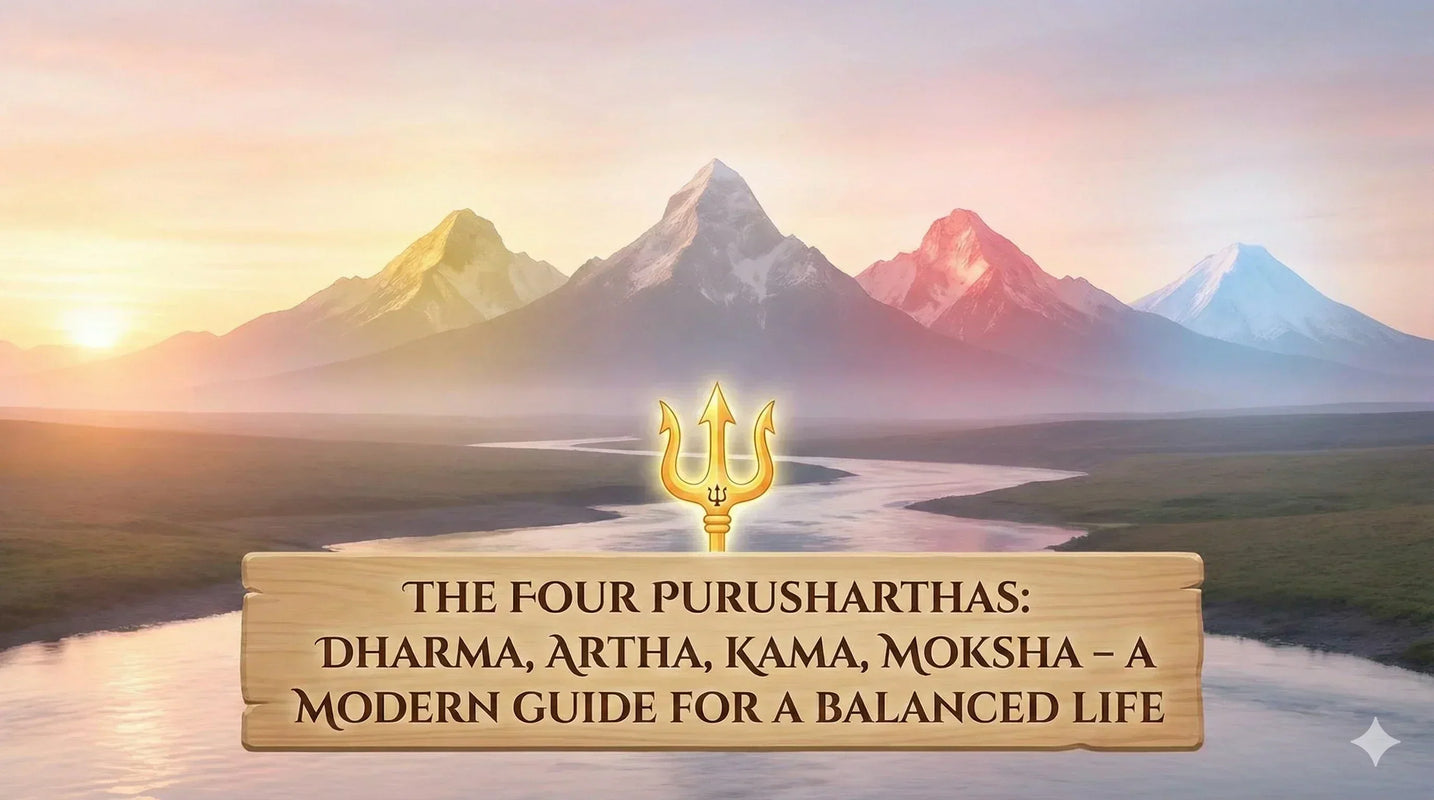
🕉️ The Four Purusharthas: Dharma, Artha, Kama, Moksha – A Modern Guide for a Balanced Life
In Sanatan Dharma, life is not seen as random or meaningless. It is understood as a sacred journey, a spiritual yatra where every experience – joy, pain, success, failure – has a deeper purpose. To guide this journey, our ancient Rishis gave a beautiful framework called the Four Purusharthas – Dharma, Artha, Kama, Moksha. 🌺
These four are not just philosophical words from scriptures; they are like the four legs of a chaar-pai (cot). If even one leg is weak or missing, the entire structure becomes unstable. In the same way, when one Purushartha is ignored or overemphasized, life feels imbalanced, empty or chaotic. The magic of Sanatan Dharma is that it teaches us how to live in the world without becoming of the world. It doesn’t ask us to run away from money, relationships or desires, but it shows us how to live with alignment, purity and higher vision. ✨
In this in-depth guide, we will explore each Purushartha one by one, understand its meaning, its place in modern life, and how you can bring them into balance with your daily routine, mindset, and even with the help of spiritual tools like Rudraksha, gemstones and sadhana.
🌿 What Are Purusharthas? The Four Pillars of a Meaningful Life
The word Purushartha is made of two parts – Purusha (individual being / soul) and Artha (purpose, goal, meaning). So, Purusharthas are the four main goals of human life as described in Sanatan Dharma: Dharma (Righteous Living), Artha (Wealth & Resources), Kama (Desires & Pleasure), and Moksha (Liberation).
What makes Sanatan Dharma unique is that it does not reject any of these. It doesn’t say “Only Moksha matters, everything else is waste,” nor does it say, “Just enjoy and forget spirituality.” Instead, it shows a balanced path where you can earn, enjoy, serve, love and still move slowly and steadily towards inner freedom. 🕊️
Think of Purusharthas as a spiritual compass. Whenever you are confused – about career, relationships, money, or life decisions – you can ask yourself:
Is this aligned with Dharma?
- Is this helping me create Artha without harming anyone?
- Is this Kama (desire) healthy, or is it leading to bondage?
- Is this taking me closer to Moksha or further away?
The more your life aligns with these questions, the more peace and clarity you will experience. Now let us go deep into each of the four. 🌈
1️⃣ DHARMA – The Foundation of a Dharmic Life
📚 What Is Dharma Really?
Most people translate Dharma as “religion” or “duty”, but it is much more subtle and powerful. Dharma comes from the root word “Dhri”, which means “that which sustains, supports or holds together.”
So, Dharma is that cosmic order, that inner code of ethics which holds society, the universe and your own life in harmony. For a doctor, treating patients honestly is Dharma; for a teacher, spreading knowledge with responsibility is Dharma; for a businessperson, earning profit without cheating is Dharma; for a spiritual seeker, walking on the path of truth is Dharma.
Dharma is not the same for everyone all the time; it depends on your role, stage of life and situation. But one thing always remains common – Dharma never supports selfishness, adharma or harm. It always points towards truth, compassion, responsibility and inner integrity. ⚖️
🌅 Dharma in Today’s World – Simple Examples
In the modern world, living by Dharma can look like extremely simple daily choices:
- Choosing honesty over shortcuts, even if it takes more time.
- Respecting your parents and elders, even when you disagree with them.
- Doing your job sincerely, not just to “show off” but as a form of seva (service).
- Being loyal in relationships and keeping your promises.
- Paying employees on time and treating them fairly.
Whenever you stand for truth and fairness, even if it is uncomfortable, you are standing with Dharma. And when you ignore that inner voice for temporary gains, you slowly move towards Adharma, which eventually leads to suffering.
🔱 Shiva, Rudraksha & Dharma
In Sanatan Dharma, Lord Shiva is revered as the silent witness — the upholder of cosmic Dharma. His energy symbolizes truth, balance and inner clarity. Rudraksha, believed to be born from Shiva’s tears, carries a vibration that supports steadiness, focus and mental purity.
Seekers who walk the path of Dharma often use Rudraksha as a spiritual tool to remain grounded and aligned during life’s challenges. When actions are rooted in truth, the mind becomes peaceful, and a quiet strength arises — the strength of knowing, “I am aligned with the Divine law.”
2️⃣ ARTHA – Wealth, Stability & the Energy of Abundance
💰 What Is Artha?
Artha refers to wealth, resources, security and material prosperity. It includes money, property, career, knowledge, skills and everything that helps you live comfortably in the world. Sanatan Dharma does not deny the importance of Artha. In fact, it clearly acknowledges that without basic financial stability, it becomes difficult to think about higher goals.
But there is a beautiful condition: Artha must be pursued within the boundaries of Dharma. That means, how you earn is more important than how much you earn. Money earned through deceit, exploitation or unethical means may look attractive, but it comes with a spiritual and emotional cost.
🏦 Artha in Daily Life – A Spiritual View of Money
In modern times, many people either worship money blindly or hate it, thinking spirituality means poverty. But the wisdom of Purusharthas teaches something different:
- Money is not evil; attachment and greed are.
- Artha becomes a problem only when it starts controlling you.
- If earned and used correctly, Artha supports Dharma, Kama and even your spiritual journey.
For example, when you use money to support your family, educate a child, help the needy, perform dharmic activities, or even to create a peaceful, sattvic environment at home – you are using Artha with wisdom.
🌟 Balancing Artha – Signs You Are Going Off Track
Ask yourself a few honest questions:
- Am I compromising my ethics just for more money?
- Am I ignoring my health and relationships in the name of “career”?
- Is my self-worth completely dependent on my bank balance?
If the answer is “yes” to any of these, then Artha is becoming a source of bondage rather than support. The Purushartha framework gently guides you to re-align: earn well, grow well, but never forget Dharma. Remember, without Dharma, Artha becomes a burden; with Dharma, Artha becomes a blessing. 🙏
💎 Rudraksha, Gemstones & Artha
In Vedic astrology and spiritual science, certain Rudraksha and gemstones are associated with stability, confidence and financial growth. For instance:
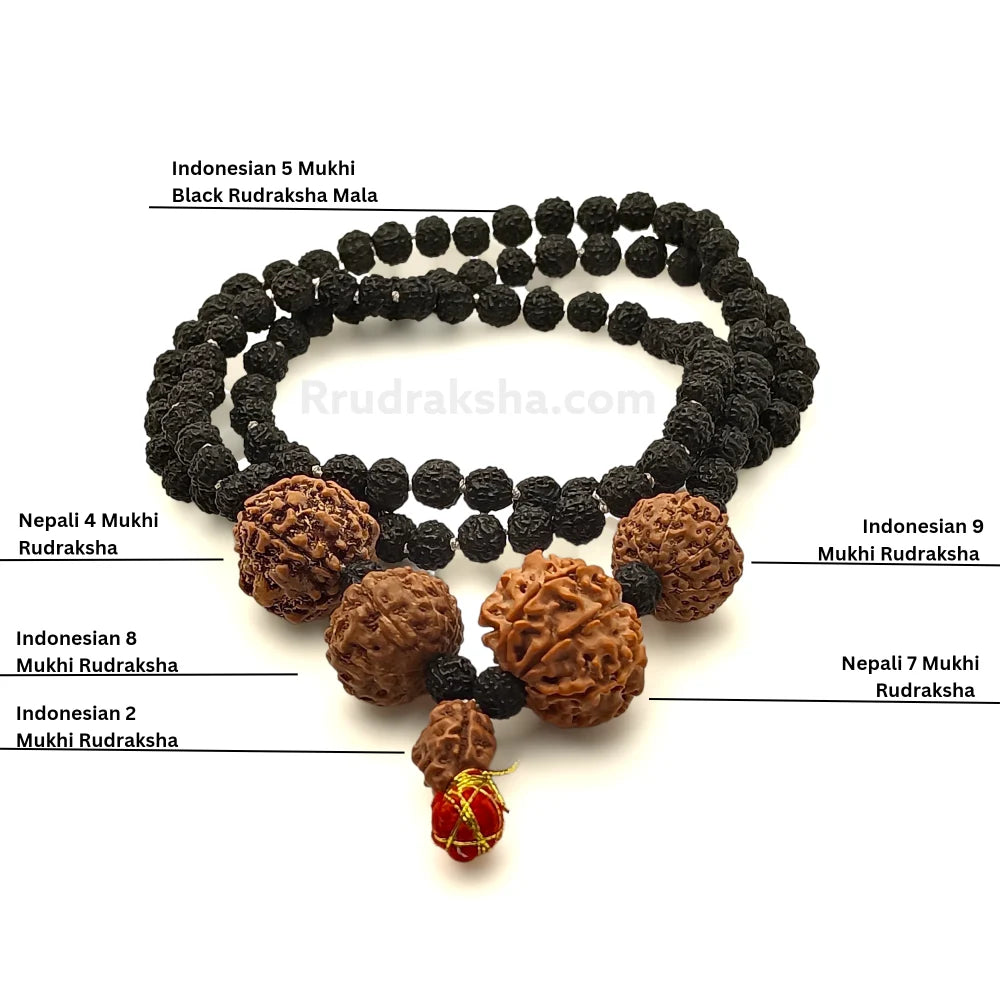
- 7 Mukhi Rudraksha is linked with Goddess Mahalakshmi and is believed to support financial well-being and removing money blocks.
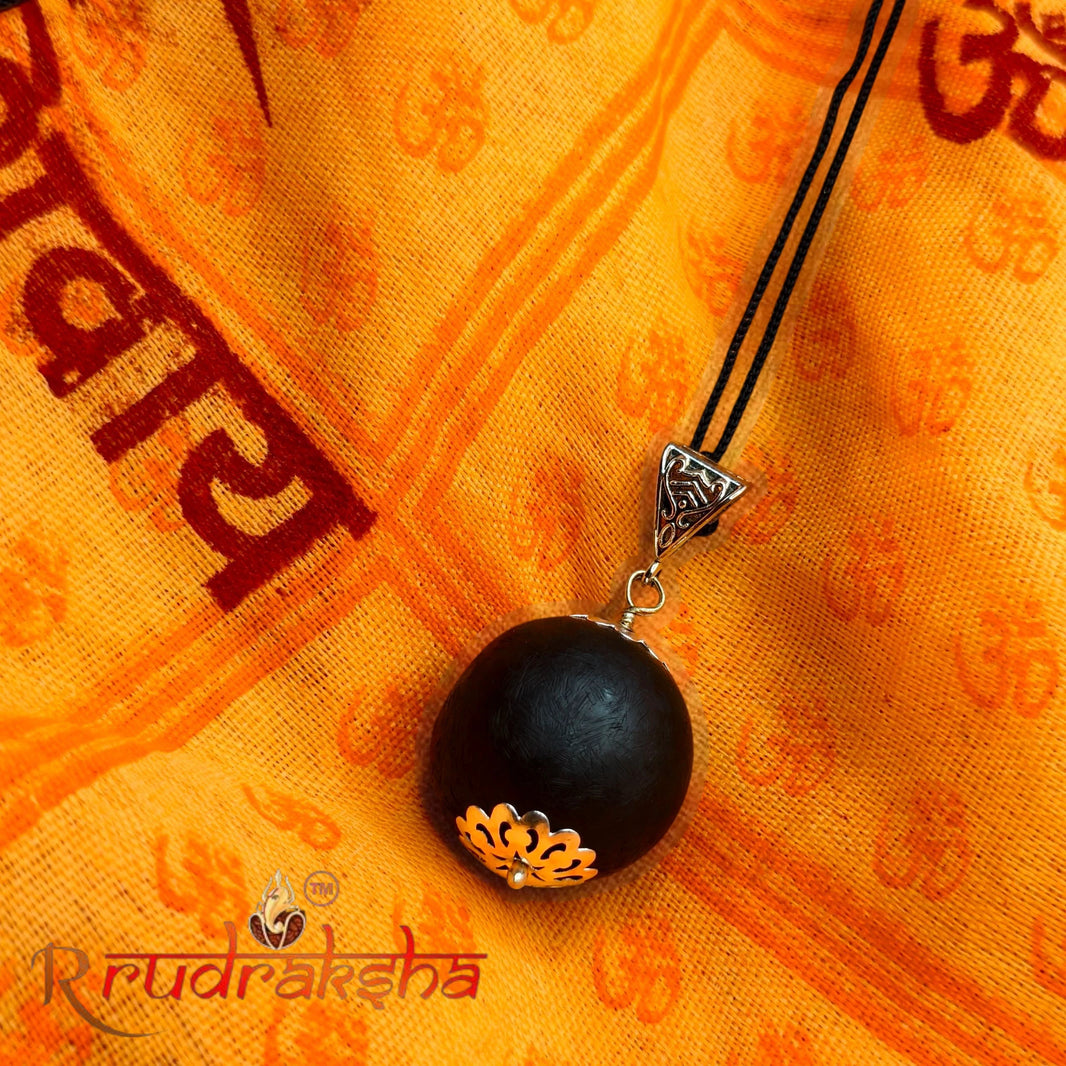
- Pyrite, Yellow Sapphire, Citrine and other gemstones are often worn for abundance and opportunities.
However, no Rudraksha or gemstone can support Artha if one’s actions are completely against Dharma. The outer tools help when the inner intent is aligned and sincere. 🌻
3️⃣ KAMA – Desire, Joy & the Art of Living Fully
❤️ What Is Kama?
Kama is often misunderstood as only physical or sensual desire, but its meaning is much wider. Kama refers to all forms of healthy desires, enjoyment, aesthetic pleasure and emotional fulfillment. It includes love, companionship, beauty, music, art, taste, experiences and emotional satisfaction.
In Sanatan Dharma, life is not meant to be dry or joyless. Our scriptures celebrate love, beauty and rasa (essence). Think of Radha-Krishna’s divine love, the art of music and dance in temples, the fragrance of flowers in puja, the joy of festivals – all this is Kama, expressed in a refined, sacred way. 🌹
🎭 Kama in Today’s Lifestyle
In today’s world, where instant gratification is available at a click, Kama can easily become distorted. If desire is not guided by Dharma and wisdom, it can lead to addiction, obsession, heartbreak and mental disturbance.
Healthy Kama is when:
- Your desires do not harm yourself or others.
- You enjoy, but you are not enslaved by that enjoyment.
- You value emotional depth over superficial attraction.
- You understand that relationships are a responsibility, not just entertainment.
Unhealthy Kama is when you constantly chase more – more pleasure, more thrill, more distraction – and end up feeling empty inside. This is where the wisdom of Purusharthas becomes priceless. Kama is allowed, but only when aligned with Dharma and Artha, and not at the cost of your higher purpose.
🌸 Love, Relationships & Spiritual Maturity
Relationships can be a path of growth or a source of suffering, depending on how we approach them. When we see our partner as a soul on their own journey, when we bring respect, loyalty, communication and emotional honesty into a relationship, we are living Kama in a dharmic way.
On the other hand, if love becomes only about ownership, control, insecurity and ego, we move away from Dharma and create inner confusion. Sanatan Dharma does not tell you to suppress love; it tells you to purify love. True love elevates you, expands your heart and slowly prepares you for the ultimate love – union with the Divine. 💖
🧘♂️ Rudraksha & Emotional Balance
Certain Rudraksha combinations are traditionally used to stabilize emotions, heal the heart and balance desires:
- 2 Mukhi Rudraksha is associated with harmony in relationships and inner emotional alignment.
- 6 Mukhi Rudraksha is connected with emotional control, grounding and focus.
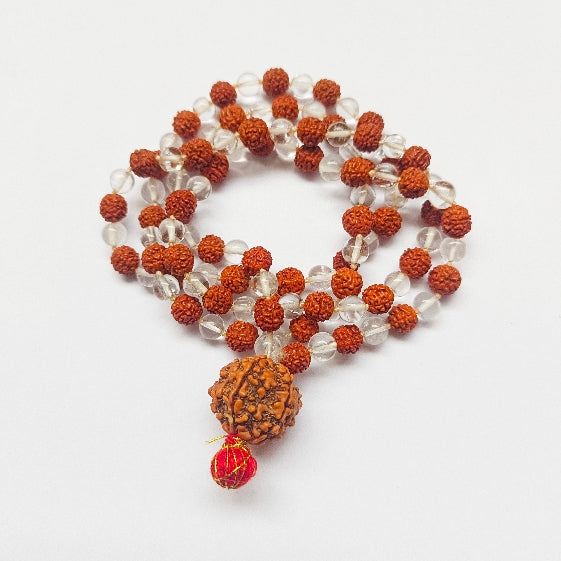
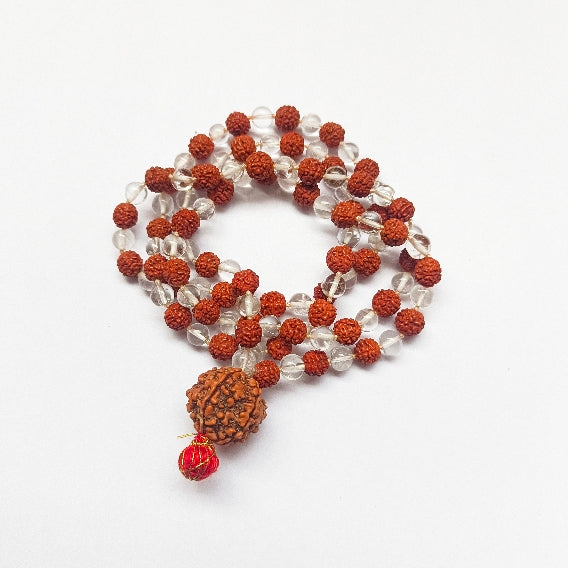
- Combination malas with Sphatik (for calmness) and Rudraksha (for grounding) can support emotional clarity, especially during intense desire or confusion.
Again, these are supports. The real transformation happens when you consciously choose to live with awareness and responsibility in your relationships and desires.
4️⃣ MOKSHA – The Ultimate Freedom Beyond Birth & Death
🕊️ What Is Moksha?
After Dharma, Artha and Kama comes the final and highest Purushartha – Moksha, which means liberation, freedom from the cycle of birth and death, and realization of one’s true Self.
Moksha is not escapism. It is not about hating the world or running into a forest. It is about realizing that your true nature is not limited to the body, mind or ego. You are the Atman – eternal, pure, unbounded awareness. When this realization becomes firm, the fear of death, the craving for constant validation and the restless search for happiness outside start dropping away.
In day-to-day terms, Moksha reflects as:
- Deep inner peace, even in changing situations.
- Freedom from excessive attachment and fear.
- A heart full of compassion for all beings.
- A life lived in surrender to the Divine will.
🌌 Can a Grihastha (Householder) Seek Moksha?
Absolutely. In fact, many of our greatest saints were householders first – they fulfilled Dharma, earned Artha, lived Kama responsibly, and still moved steadily towards Moksha. Sanatan Dharma does not force everyone to become a monk. It says: “Wherever you are, start there. Make your family, your work, your challenges – your sadhana.”
This is the beauty of the Purusharthas – they show that Moksha is not separate from life; it is the ultimate flowering of a life lived in balance. When Dharma guides you, Artha supports you, Kama doesn’t control you, then Moksha naturally becomes your inner direction.
🔱 Shiva, Rudraksha & the Path to Moksha
Lord Shiva is the ultimate symbol of Moksha – Vairagya (detachment), awareness, silence. Rudraksha is considered a direct blessing from Shiva for seekers of liberation. Higher Mukhi Rudrakshas (like 11 Mukhi, 12 Mukhi, 13 Mukhi, etc. – worn as per proper guidance) are often connected with deeper spiritual awakening, courage in sadhana and breaking old karmic patterns.
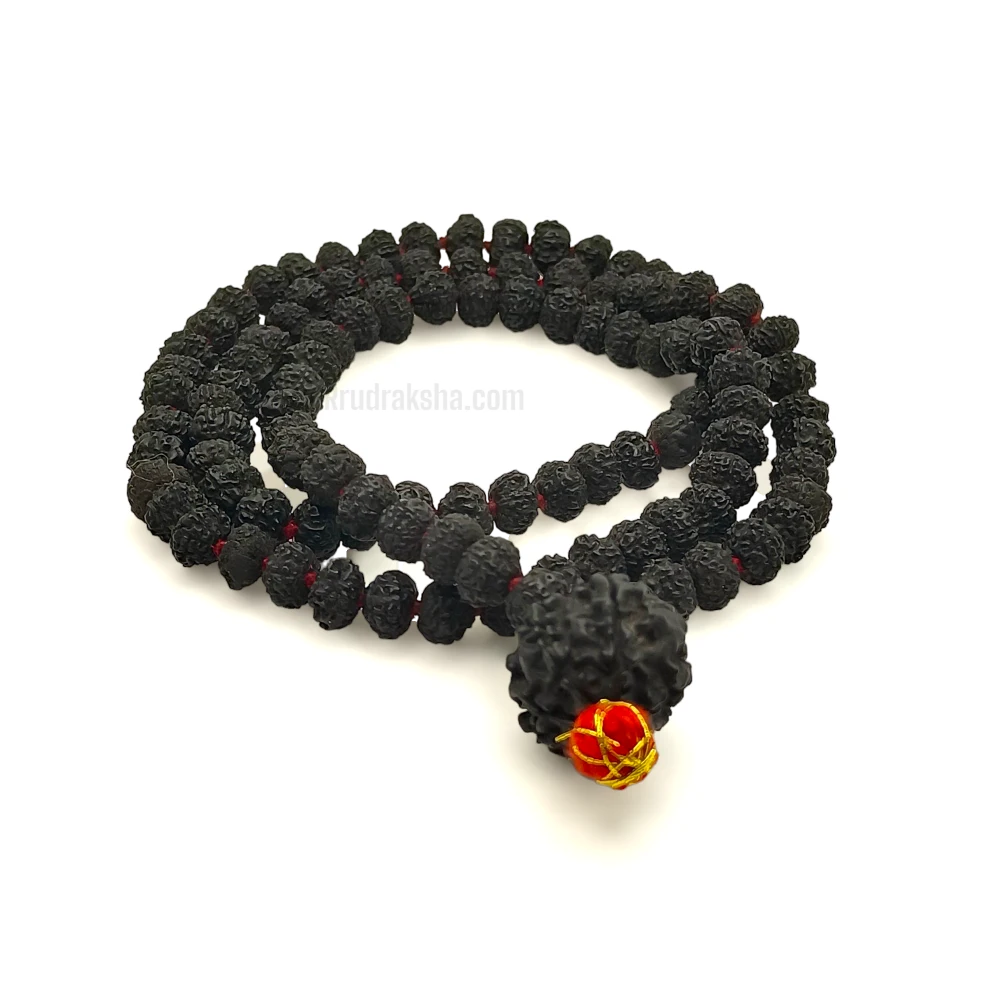
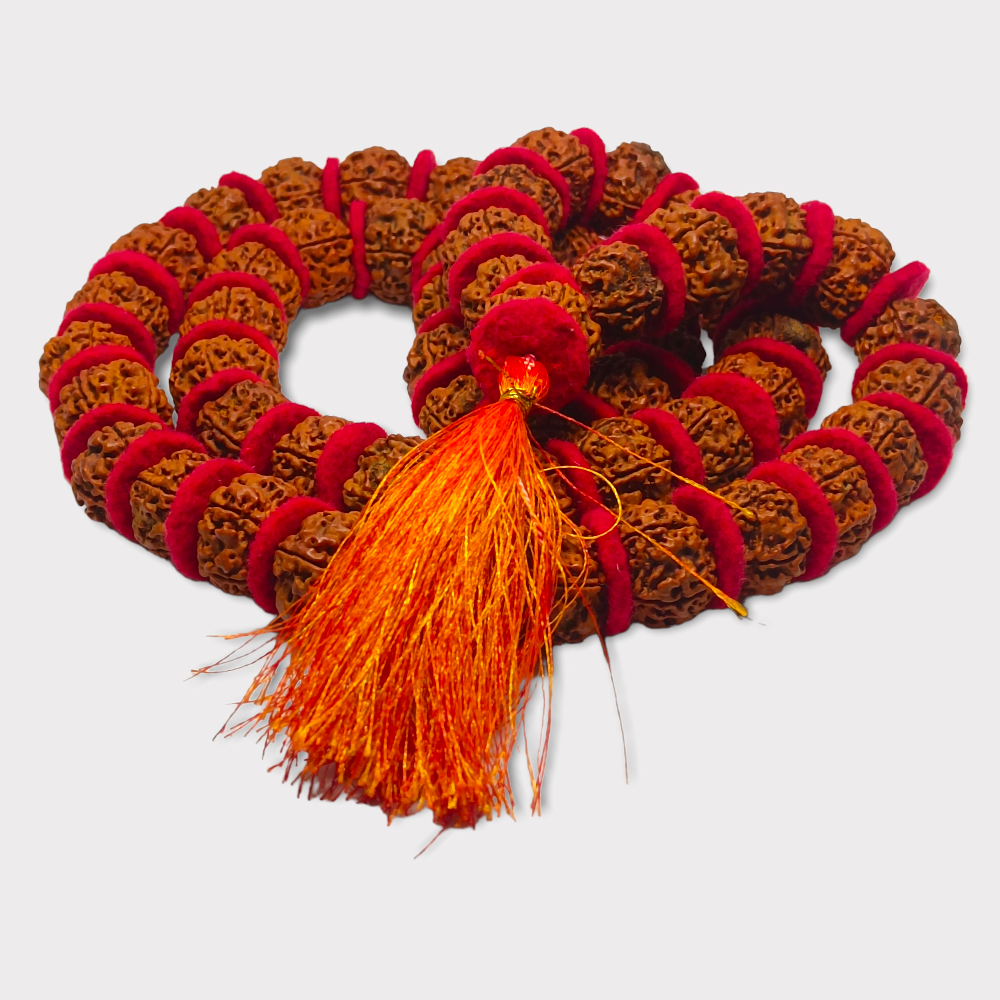
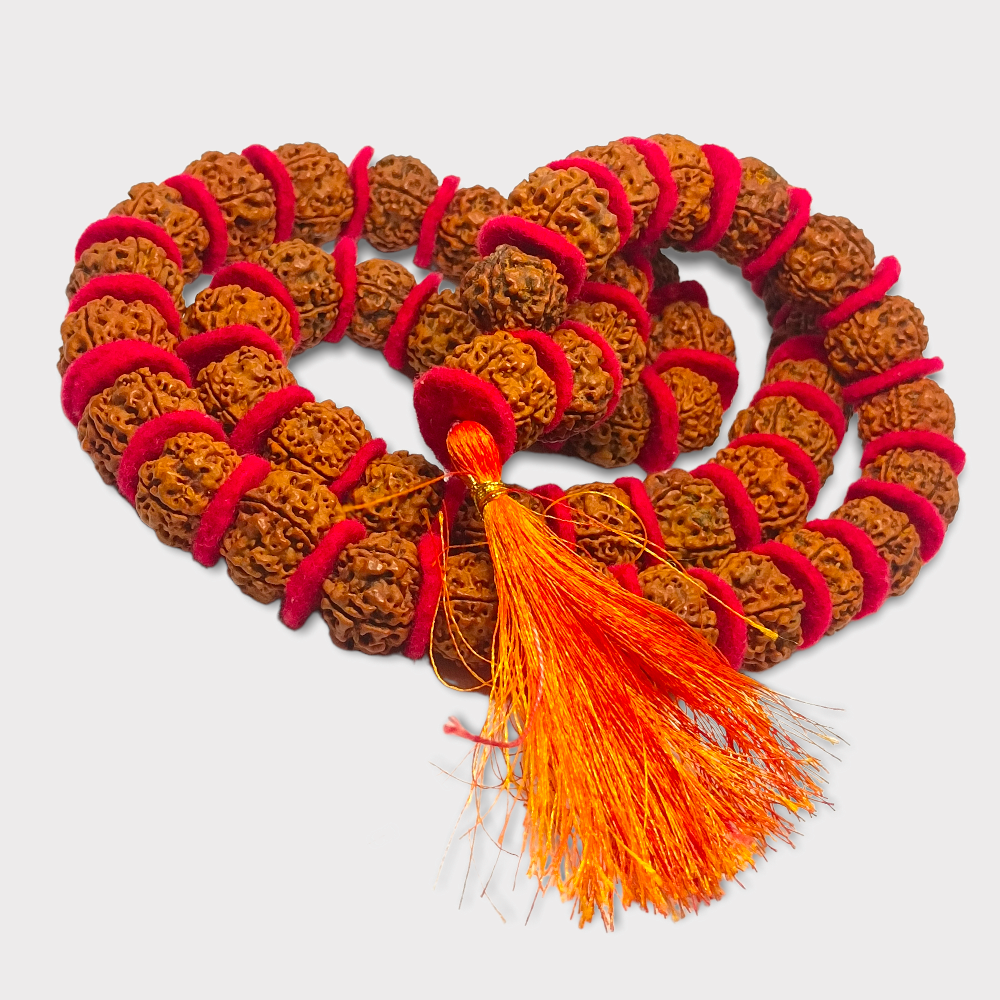
Regular japa with a Rudraksha mala, chanting mantras like “Om Namah Shivaya”, “Mahamrityunjaya Mantra” and living with a sincere intention to grow spiritually, all slowly purify the mind and prepare it for Moksha.
🌈 The Harmony of All Four – Not Either/Or, But All Together
One of the most beautiful insights of the Purushartha system is that it does not demand that you ignore any aspect of life. Rather, it teaches harmony.
- Dharma is the guiding light.
- Artha is the support system.
- Kama is the sweetness and rasa of life.
- Moksha is the ultimate goal and inner destination.
When Dharma is missing, Artha and Kama become dangerous. When Moksha is forgotten, life feels like an endless cycle of running after something – more money, more comfort, more status – but never feeling truly content. And when Artha or Kama is suppressed unnaturally, the mind becomes frustrated, leading to imbalance.
Sanatan Dharma tells us: “Live fully, but live consciously.” Earn, enjoy, love, create, but keep remembering – “I am a spiritual being having a human experience, not the other way round.”
🧭 How to Apply the Four Purusharthas in Your Modern Life
1️⃣ Daily Self-Check with the Four Questions
At the end of the day, sit quietly for a few minutes and ask yourself:
- Dharma: Did I live according to my values today, or did I compromise?
- Artha: Am I building stable, ethical resources for myself and my family?
- Kama: Did my desires lead to joy and growth, or guilt and confusion?
- Moksha: Did I remember my spiritual nature even briefly today?
This simple practice itself can shift your awareness and bring immense clarity into your life decisions.
2️⃣ Align Your Career with Dharma
Whatever field you are in – business, job, healing, teaching, service, art – ask:
- Is my work harming or exploiting others?
- Can I bring more honesty, compassion or quality to what I do?
A career aligned with Dharma may still have challenges, but it will give inner satisfaction that no salary slip alone can match.
3️⃣ Use Artha Consciously
Create a small, sacred intention for your money: “A part of whatever I earn will go to some dharmic cause – feeding, temple seva, education, or helping someone in need.” Even a small percentage done consistently changes the vibration of your Artha.
Also, invest in things that increase sattva (purity) in your life – spiritual books, puja items, Rudraksha, gemstones, courses that uplift you, or even traveling to sacred places. These are not expenses; these are investments in your inner growth. 🌼
4️⃣ Purify Kama Instead of Suppressing It
Instead of fighting your desires with guilt, observe them with awareness. Ask: “Is this desire coming from insecurity, ego or emptiness? Or is it a healthy expression of joy, creativity and love?”
Choose relationships that support your emotional and spiritual growth. Respect your own boundaries and others’ boundaries. Let your heart be open, but also wise.
5️⃣ Walk Steadily Towards Moksha
You don’t have to renounce everything to move towards Moksha. Start with simple steps:
- Spend a few minutes daily in silence, prayer or meditation.
- Chant a mantra with a Rudraksha mala – even 11 or 21 beads daily with sincerity.
- Read a few lines of Gita, Upanishads, Shiv Puran or Ramayan regularly.
- Try to practice forgiveness and non-attachment in daily life.
These small yet consistent practices gradually purify the mind, making it ready for deeper realization.
🕉️ Rudraksha & the Purusharthas – A Subtle Support for Your Journey
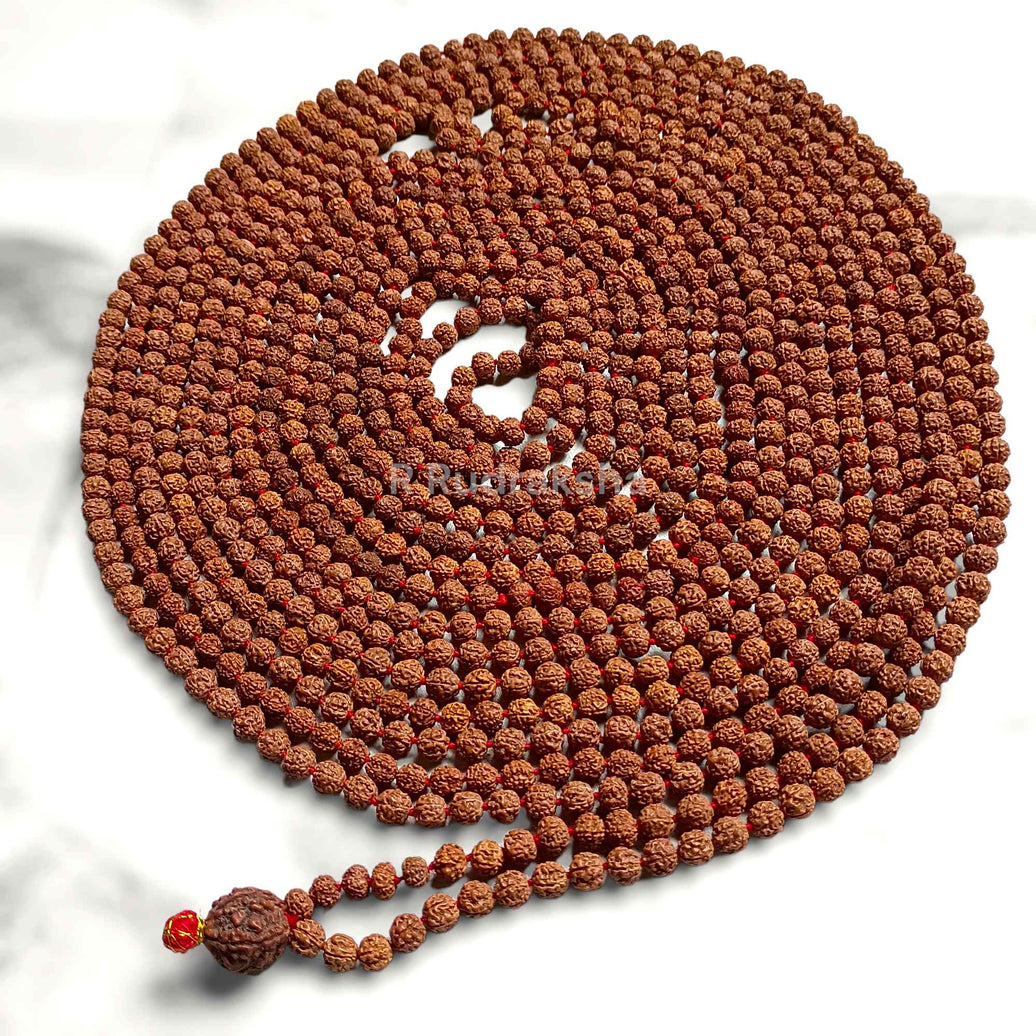
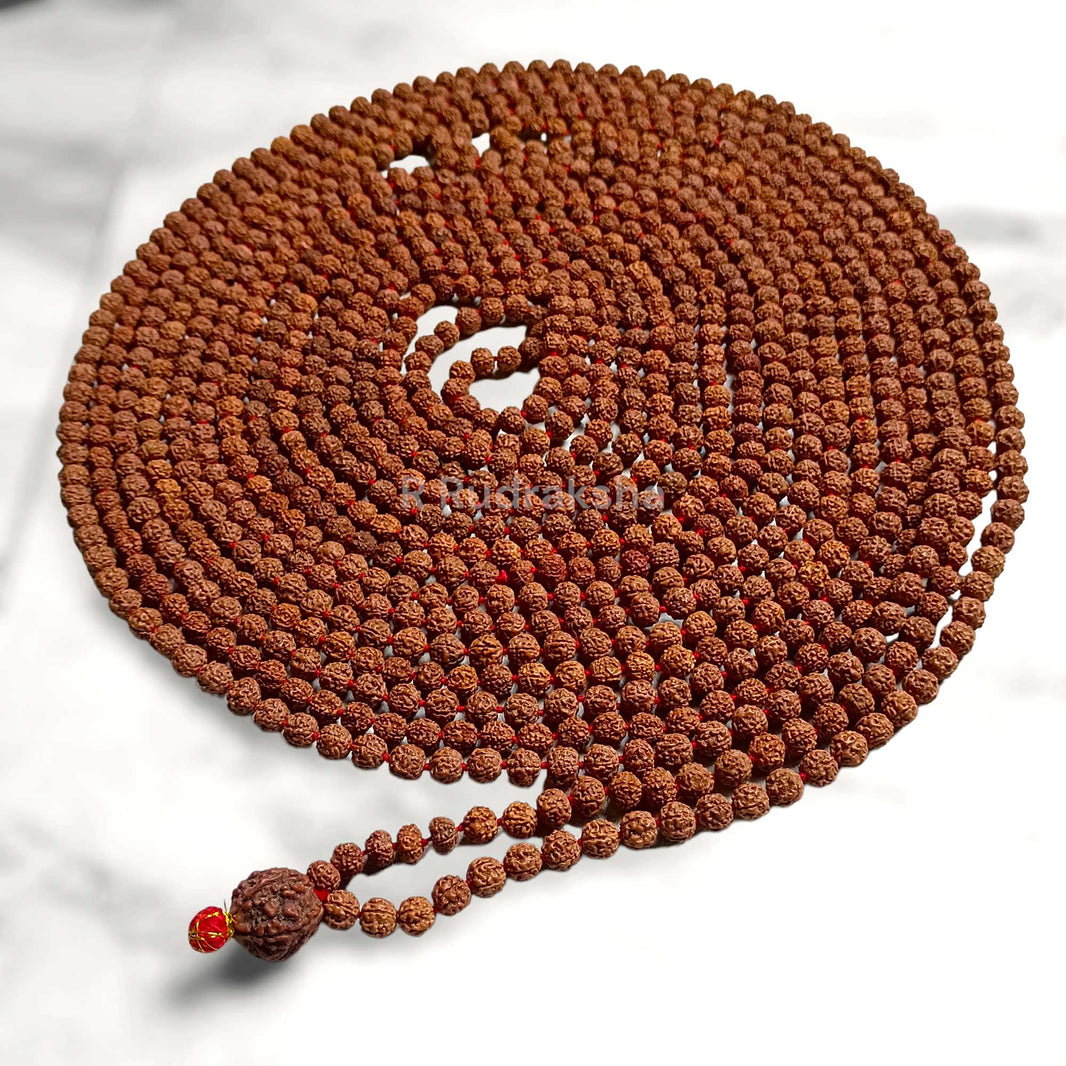
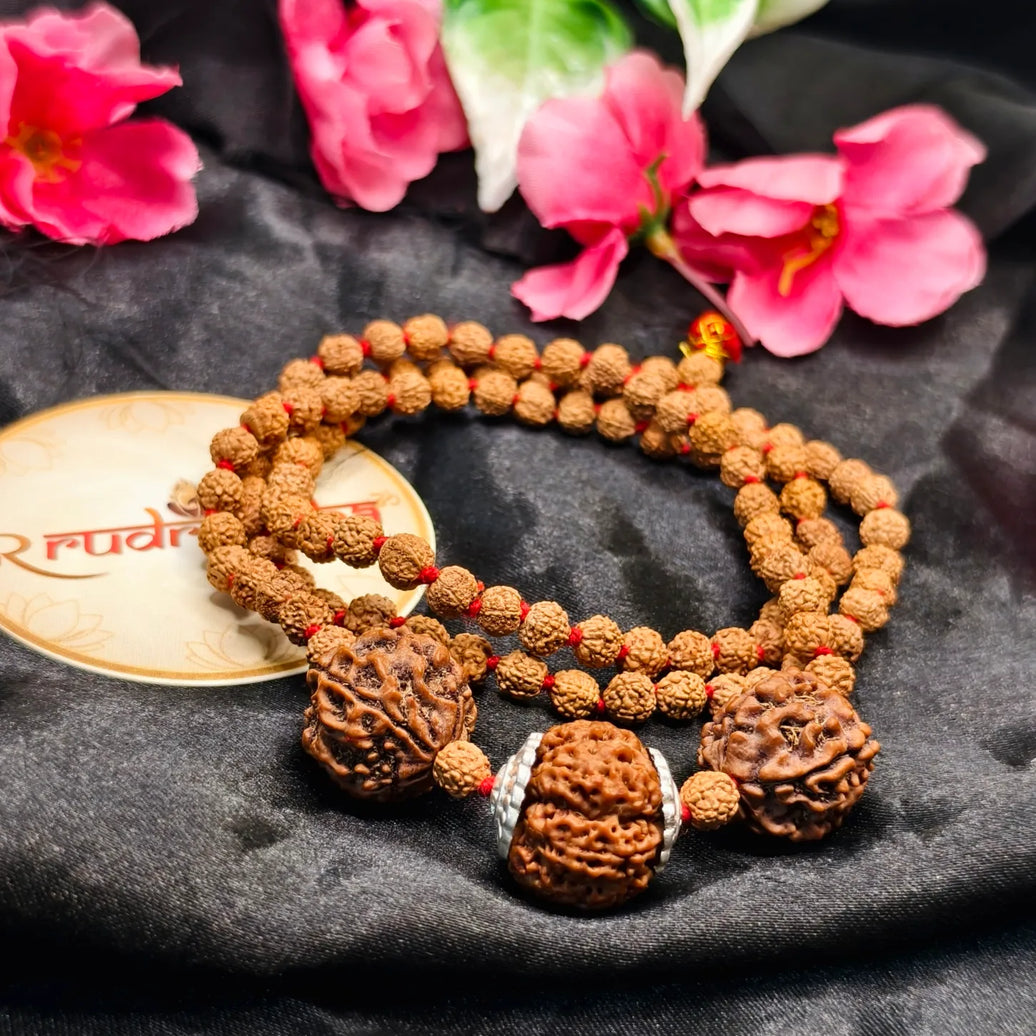
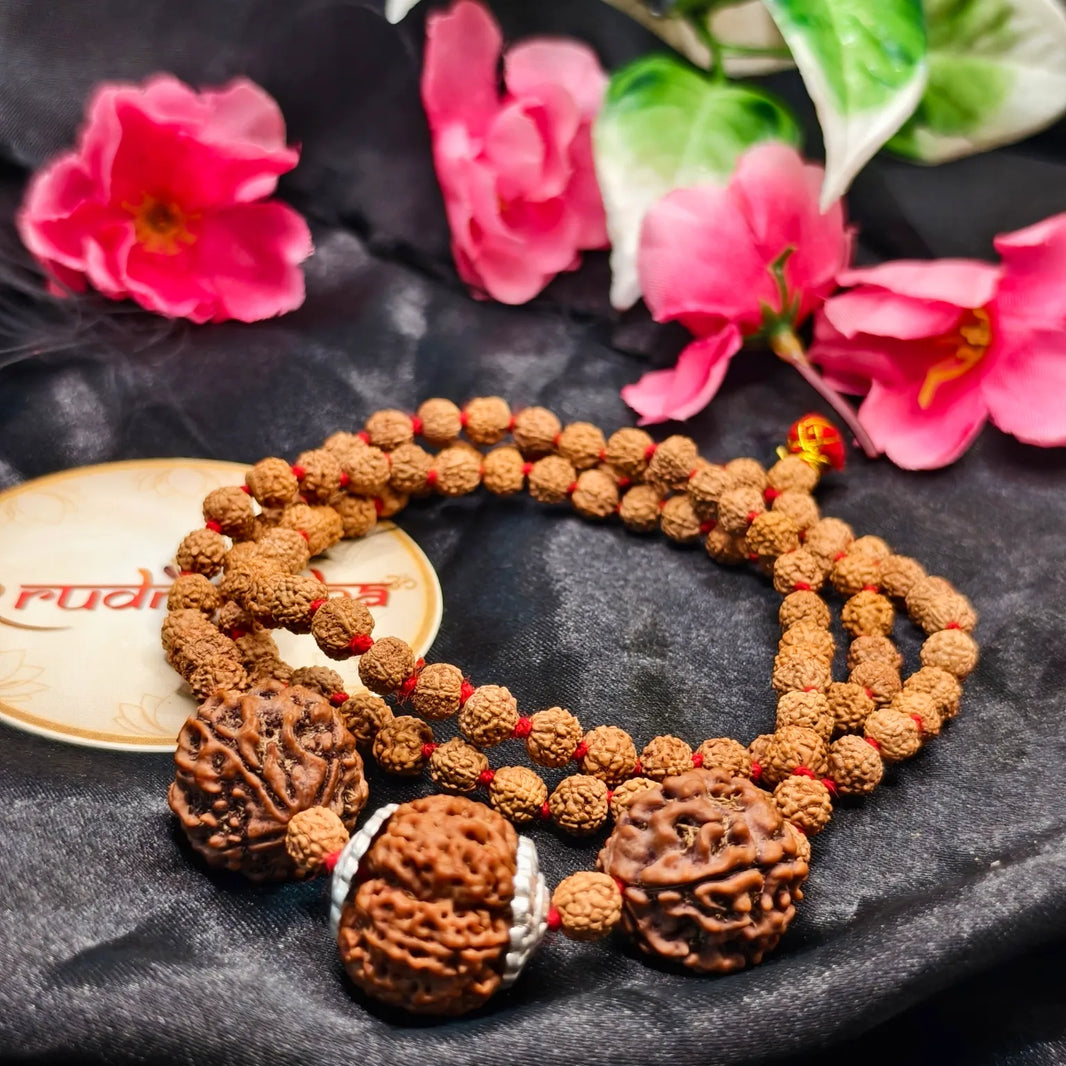
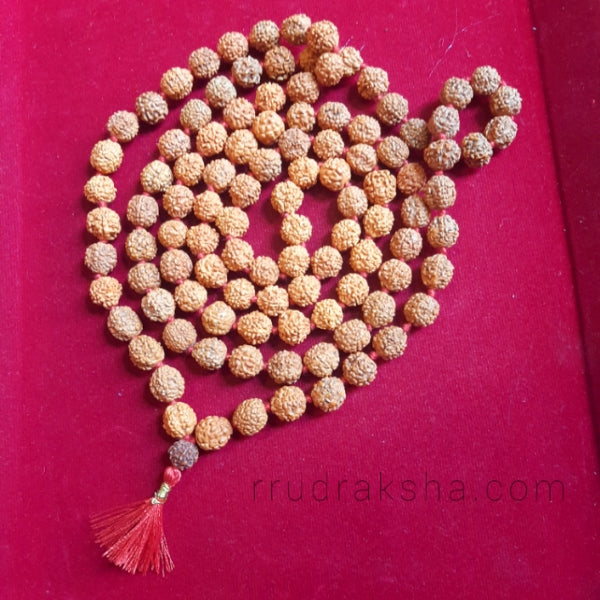
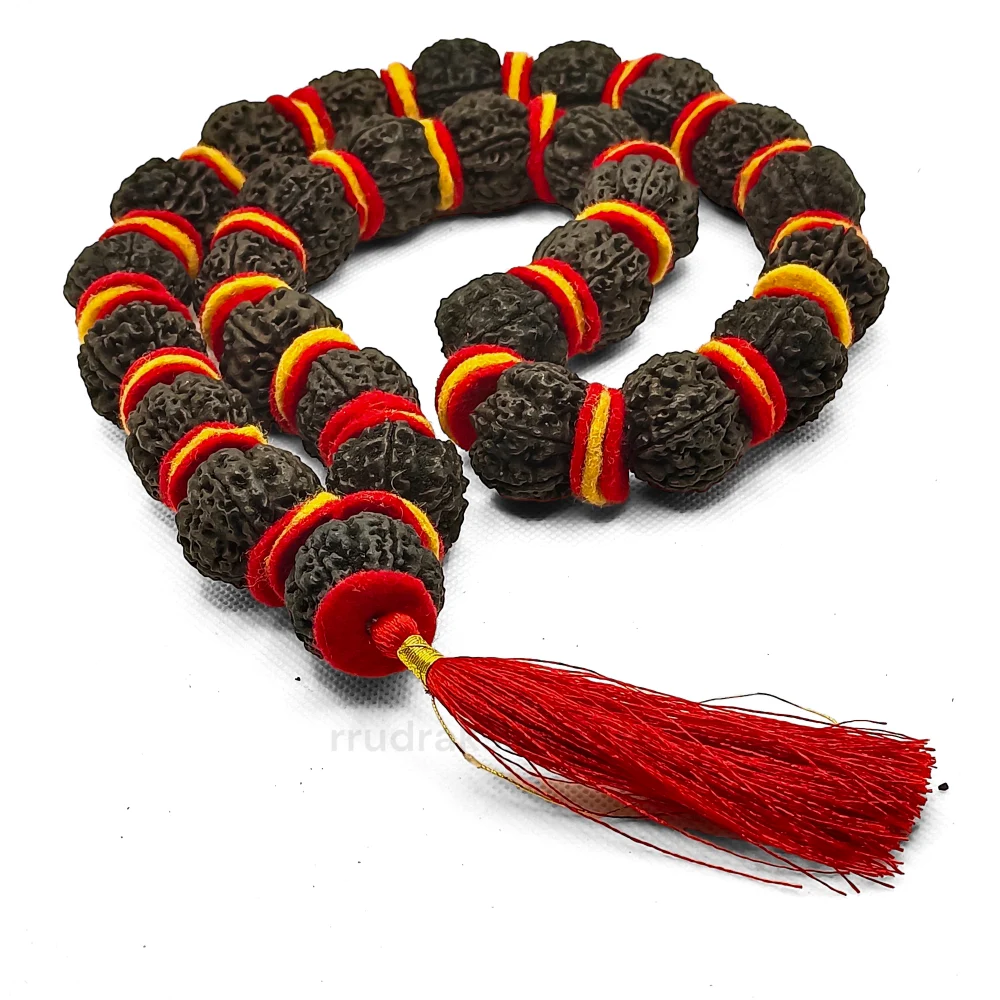
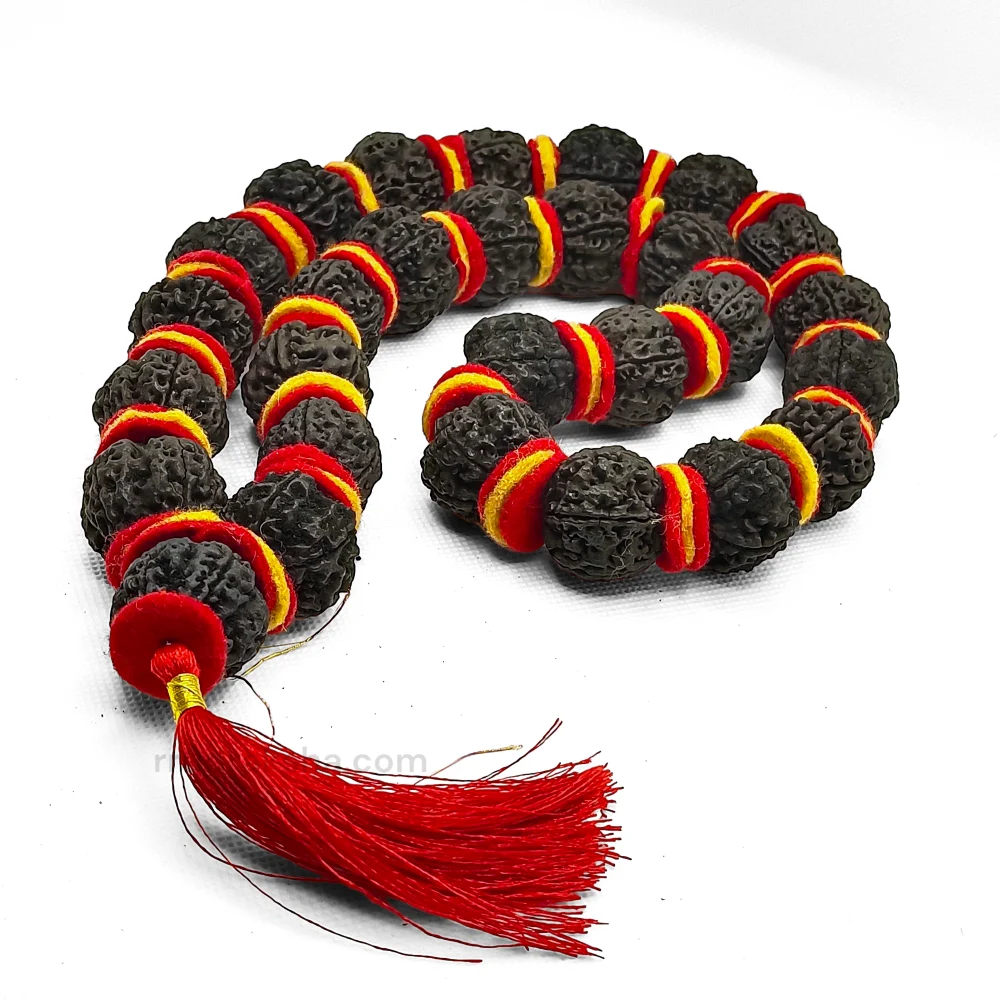
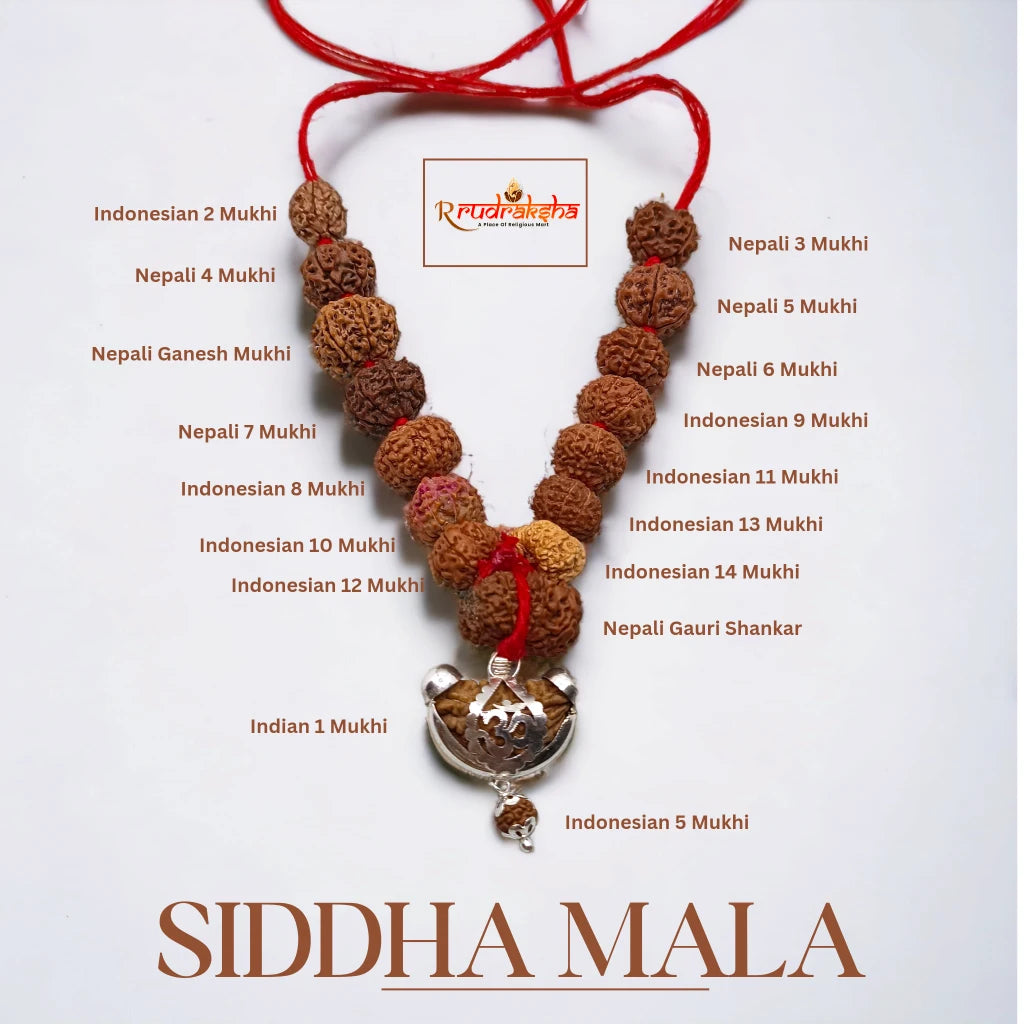
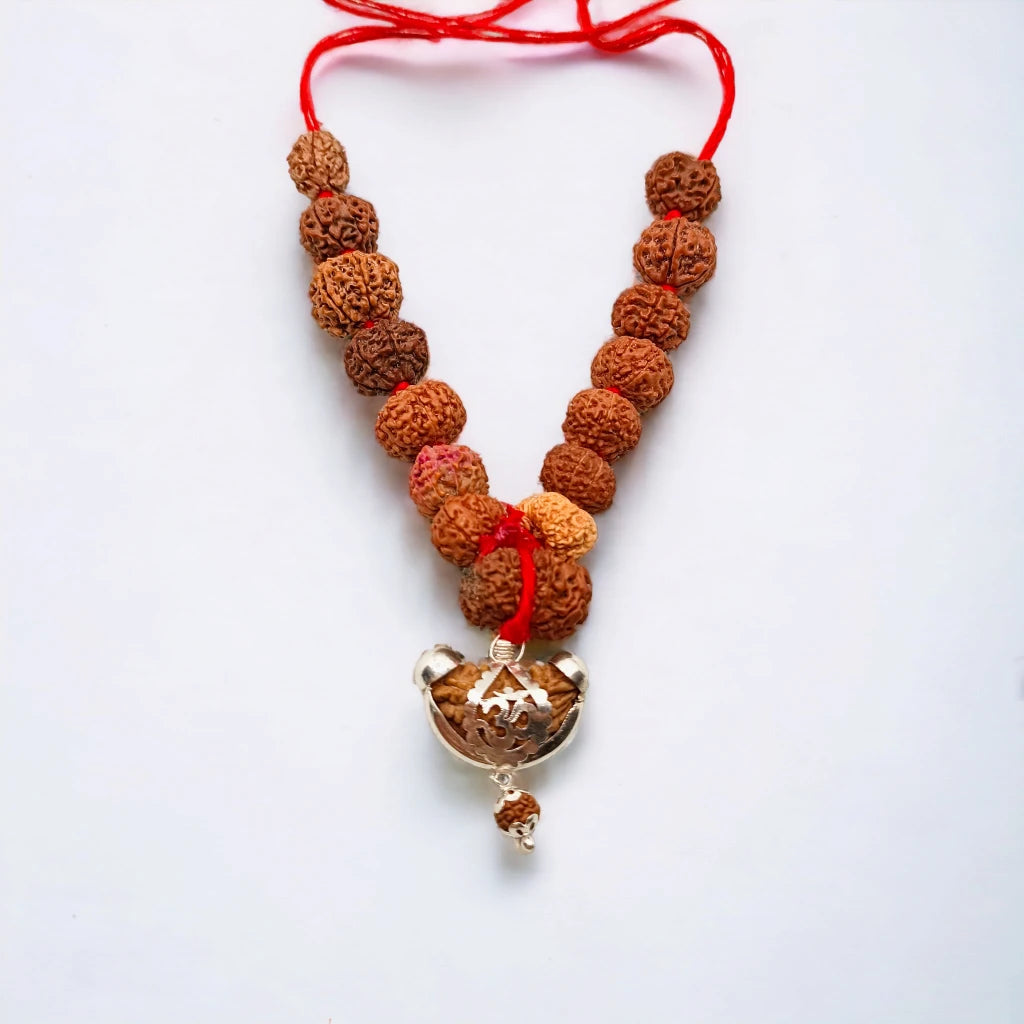
At RRudraksha the vision is not just to sell products, but to support your entire spiritual journey. Rudraksha is not a fashion accessory; it is a spiritual tool that works on your subtle energies when worn with faith and correct guidance.
You can consciously choose Rudraksha combinations to support the balance of your Four Purusharthas:
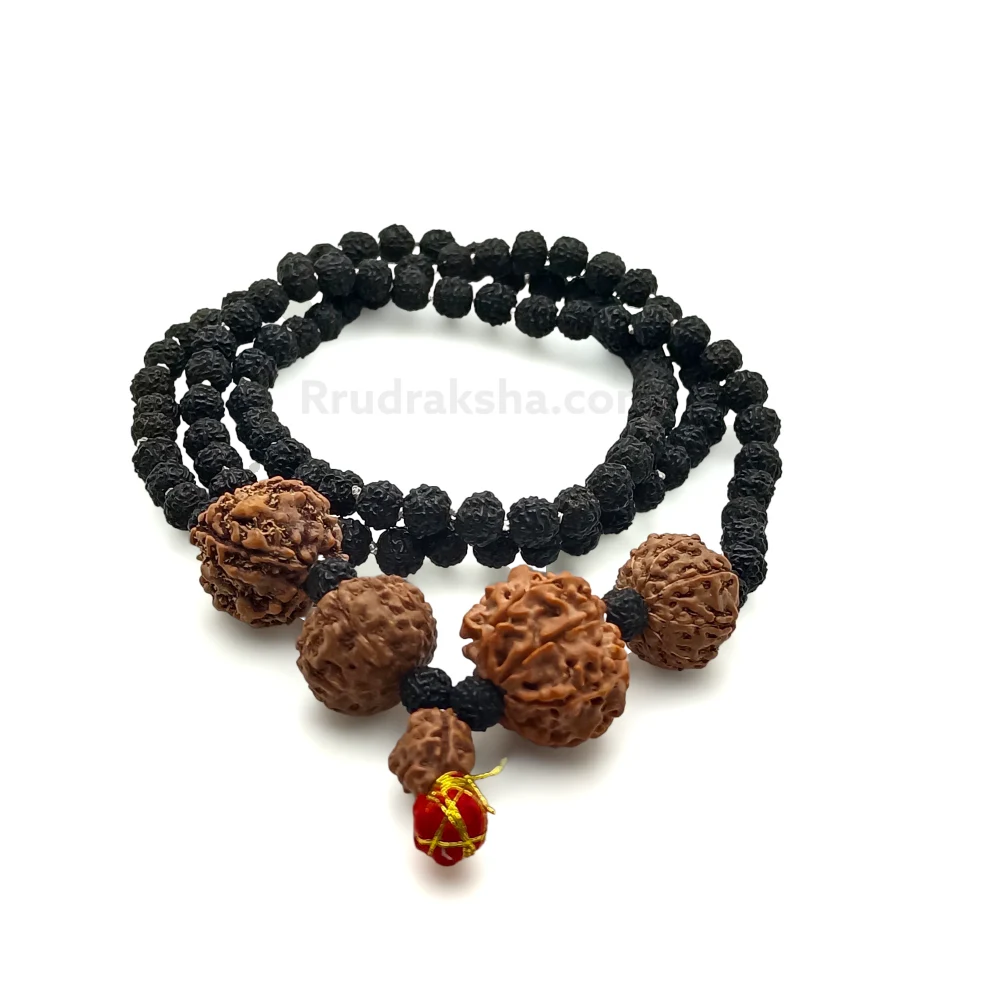
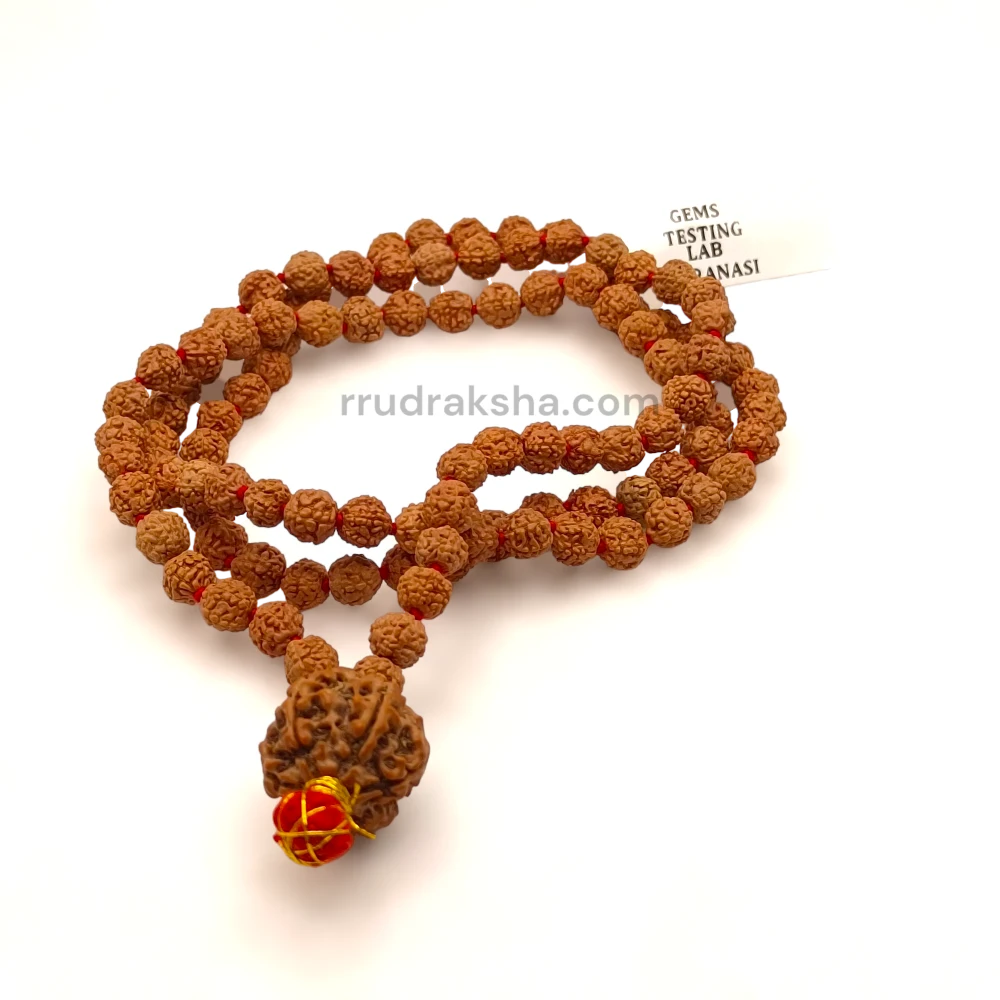
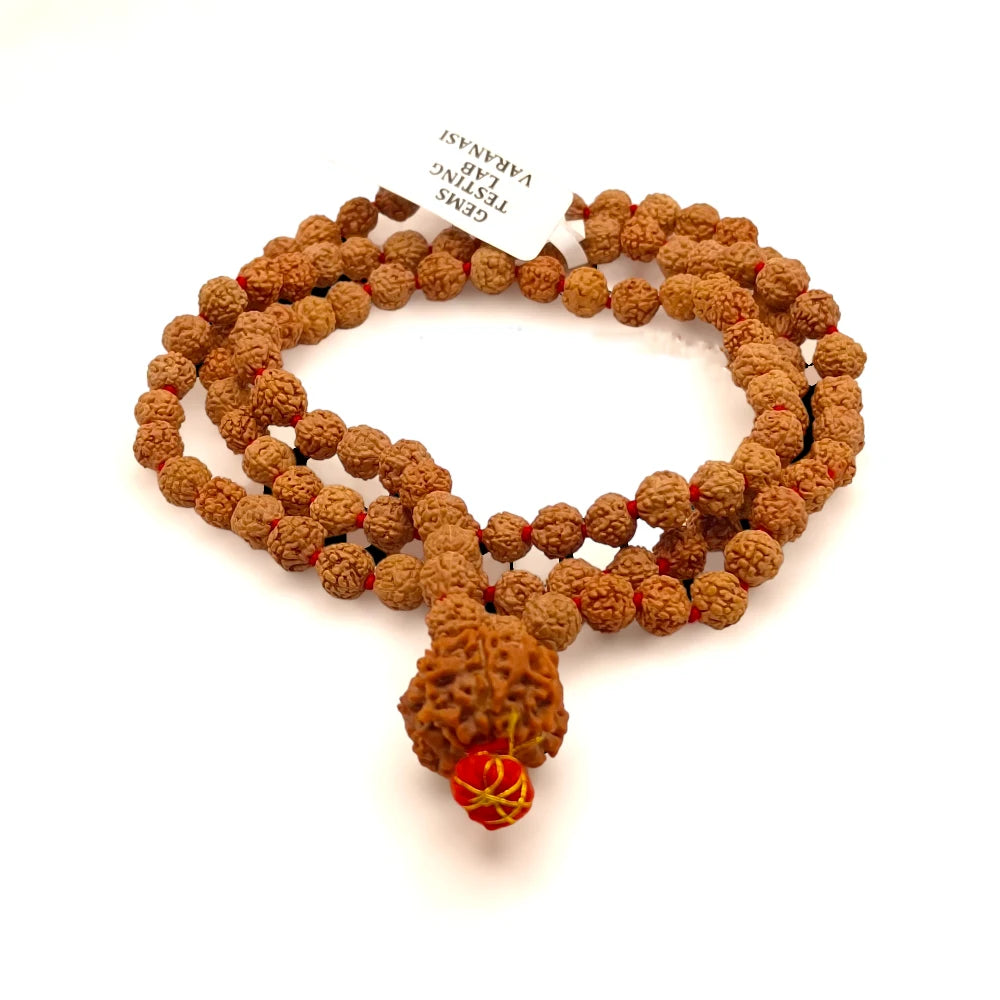
- For Dharma: 5 Mukhi Rudraksha malas for clarity, grounding and connection with higher wisdom.
- For Artha: 7 Mukhi and other wealth-supporting combinations (as per guidance) for stability and abundance.
- For Kama (emotional balance): 2 Mukhi, 6 Mukhi and Sphatik combinations for harmony and calmness in relationships.
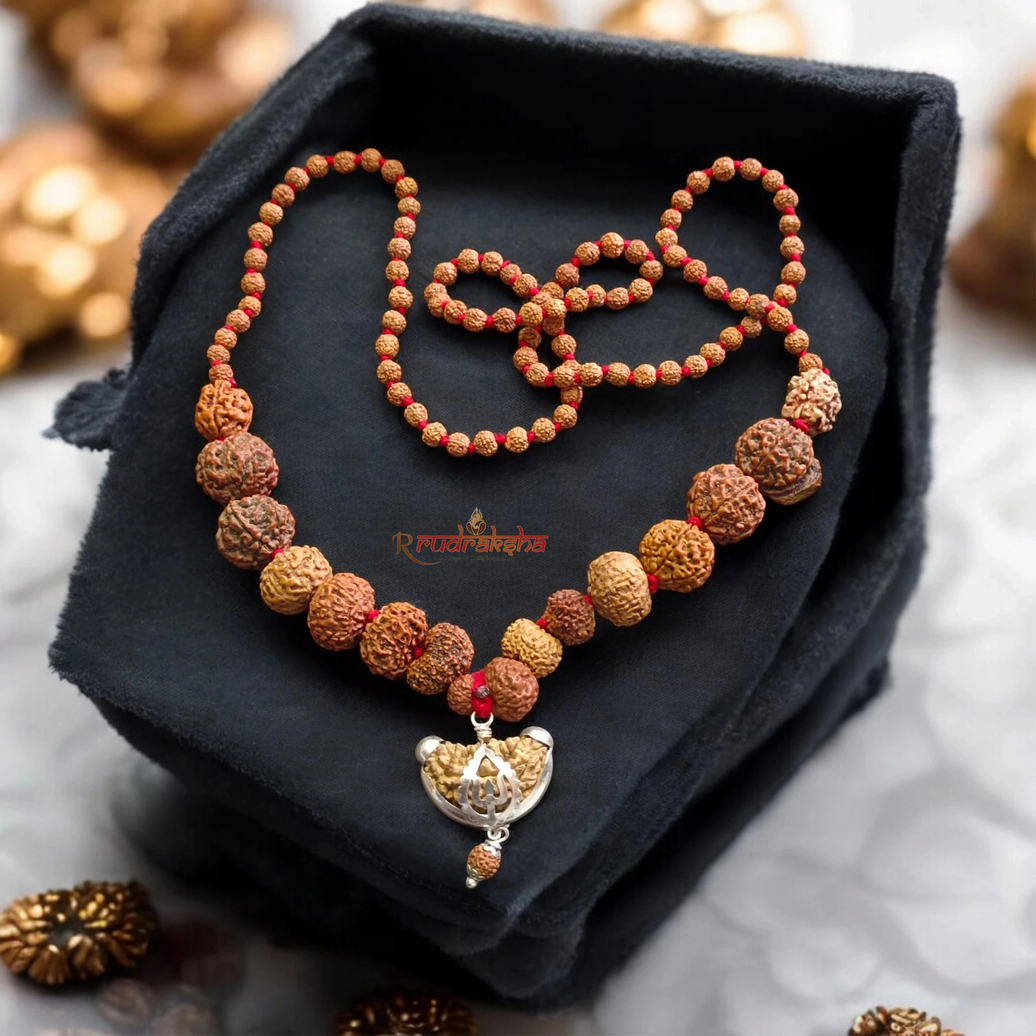
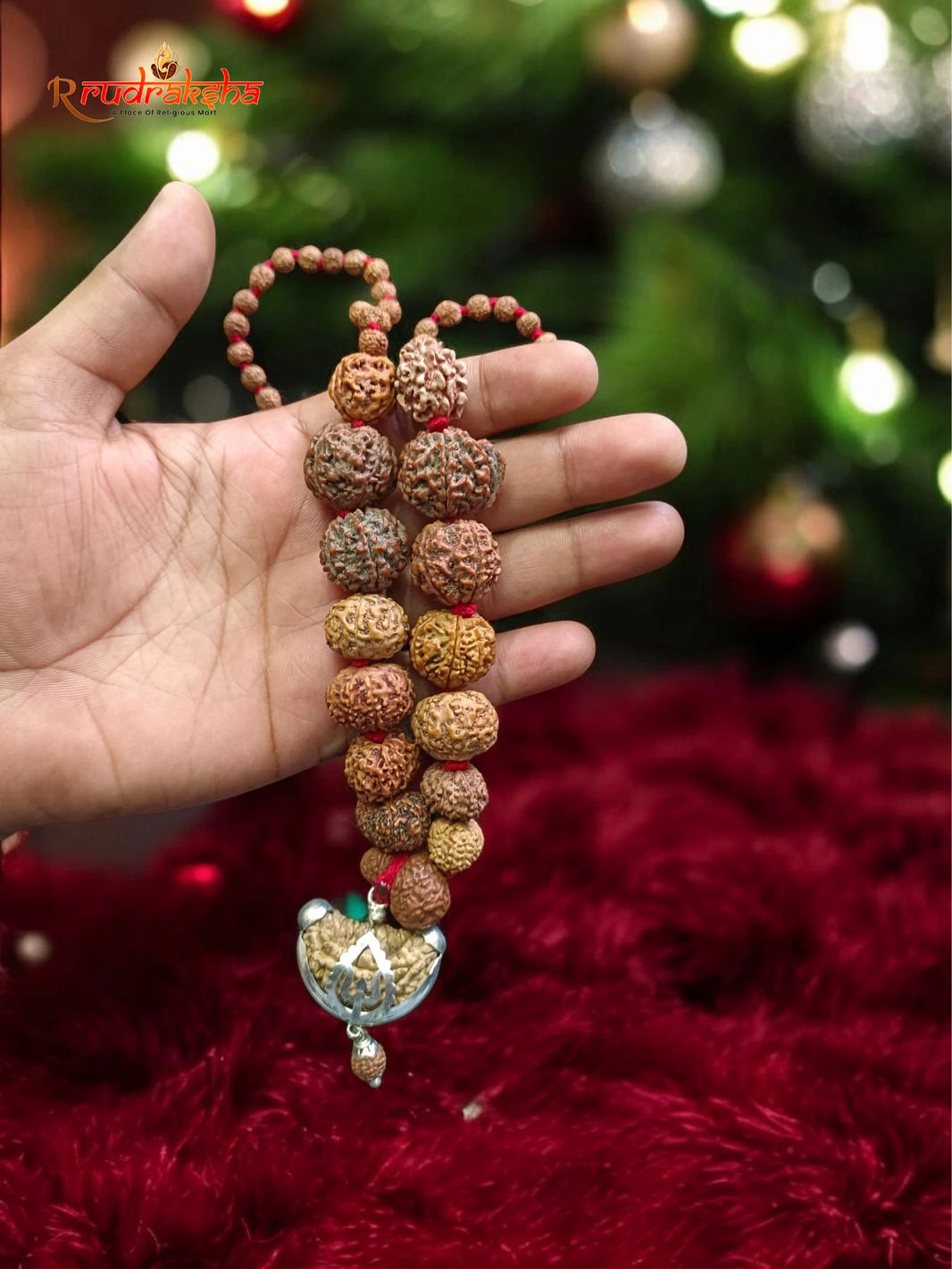
- For Moksha: Higher Mukhi Rudrakshas and powerful malas for deeper meditation, protection and spiritual growth.
Wearing Rudraksha is like tuning your inner frequency. When your inner energy aligns, decision-making improves, clarity increases, and you naturally start living closer to the essence of Dharma, Artha, Kama and Moksha. 🌺
🌻 Conclusion – Live the Complete Life Sanatan Dharma Offers
The Four Purusharthas are not just ancient ideals written in scriptures — they are a living blueprint for a complete, harmonious and deeply meaningful life. They teach us that true success is not measured only by money, pleasure or status, but by how consciously we live, how truthfully we act and how peacefully we sleep at night.
Dharma gives direction and integrity. Artha provides stability and strength. Kama adds beauty, love and emotional richness. Moksha reveals our highest spiritual purpose.
When all four move together in balance, a person becomes whole — grounded in life yet rising towards the Divine. This harmony is the essence of Sanatan Dharma: a life where nothing needs to be rejected, and everything can be transformed into a step toward spiritual evolution.
You don’t need to escape the world to walk a spiritual path. You can live in your home, build your career, love your family, pursue your dreams — and still move steadily toward inner freedom. Every decision made with awareness becomes a part of your sadhana. Every act done with Dharma becomes worship. Every moment lived consciously becomes meditation.
And when life is lived with this understanding, a gentle realization arises: “I am not separate from Dharma. I am not separate from the Divine. My life itself is a sacred journey.”
If you feel inspired to deepen your journey — through mantra, meditation, self-reflection or spiritual tools like Rudraksha — take the first step with sincerity. The path will reveal itself as you walk. The Divine always supports an earnest seeker. 🙏
🕉️ May Dharma guide your steps, May Artha strengthen your life, May Kama enrich your heart, And may Moksha illuminate your soul.
Har Har Mahadev 🕉️





Leave a comment