












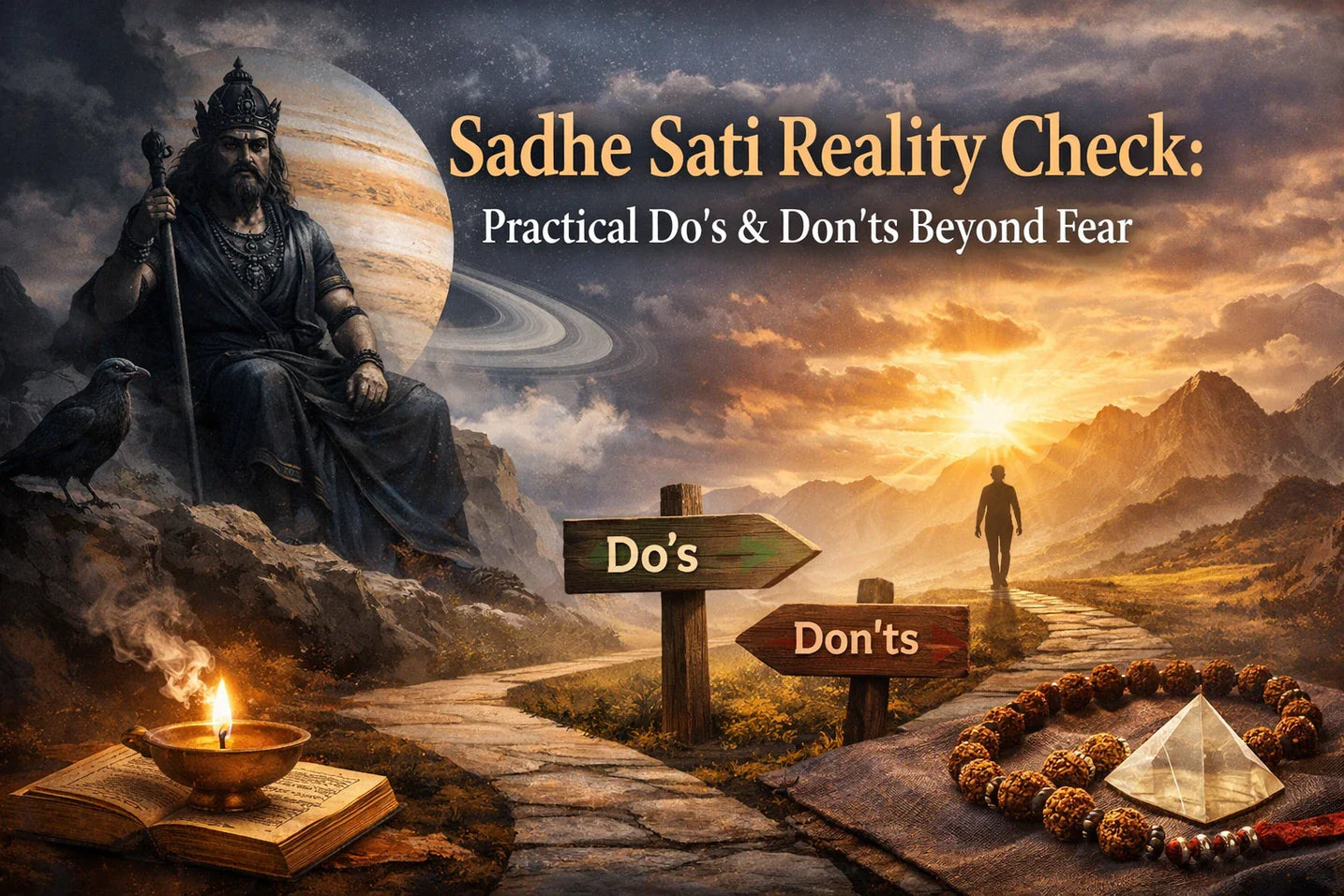
🪐 Sadhe Sati Reality Check: Practical Do’s & Don’ts Beyond Fear
Sadhe Sati is one of the most talked-about and least understood phases in Vedic Astrology. For many people, the mere mention of this period triggers anxiety, hurried decisions, and an urgent search for remedies. Over time, Sadhe Sati has become synonymous with loss, delay, and hardship. Yet this fear-driven perception has far more to do with cultural storytelling and commercial narratives than with Saturn’s actual role.
In classical understanding, Saturn (Shani) is not a planet of punishment. It represents time, structure, accountability, and consequence. Sadhe Sati is not designed to create suffering; it is designed to expose what lacks stability. The discomfort people associate with this phase arises not because Saturn is hostile, but because shortcuts, avoidance, and dependency no longer function under it's influence.
This blog is not about escaping Sadhe Sati. It is about understanding how it works, why fear around it persists, and how disciplined habits matter more than panic remedies. When approached correctly, Sadhe Sati becomes a period of internal correction rather than external chaos.
⚠️ Why Sadhe Sati Is Feared More Than It Is Understood
Fear surrounding Sadhe Sati did not originate in scripture. It evolved socially, shaped by selective stories of difficulty passed down without context. Over generations, Saturn became associated with dramatic anecdotes of loss, failure, and struggle, while stories of quiet growth and maturity were rarely emphasized.
Modern astrology content has intensified this fear. Sadhe Sati is often presented as a crisis to be solved immediately, encouraging people to react rather than reflect. This reactive approach directly contradicts Saturn’s nature. Saturn does not respond to urgency. It responds to consistency.
When people enter Sadhe Sati expecting comfort and ease, resistance builds. Saturn’s lessons feel heavy when responsibility is avoided. The same period feels constructive when accountability is embraced. Fear arises not from Saturn itself, but from a mismatch between expectation and reality.
🌀 What Sadhe Sati Actually Is (Without Myth or Drama)
Astronomically, Sadhe Sati occurs when Saturn transits the zodiac sign before, over, and after an individual’s natal Moon. This phase lasts approximately seven and a half years. The Moon governs the mind, emotional processing, habitual reactions, and instinctive responses. Saturn’s slow movement through this zone places sustained pressure on how emotions are handled and how responsibility is managed.
Unlike fast planetary transits that bring sudden events, Saturn operates gradually. There is no immediate explosion. Instead, there is a slow tightening of consequences. Emotional patterns that once worked begin to fail. Avoidance strategies stop delivering relief. Dependencies—emotional, financial, or psychological—become visible.
Sadhe Sati does not create problems from nothing. It magnifies existing structures. If discipline is weak, weakness becomes visible. If effort is inconsistent, consequences surface. If responsibility has been avoided, Saturn insists on accountability. This is why Sadhe Sati feels deeply personal. It engages the internal world before it affects the external.
😶🌫️ Why Fear-Based Narratives Around Sadhe Sati Exist
Fear-based narratives thrive because they offer urgency without responsibility. Panic sells remedies. Calm understanding does not. Over time, this has transformed Sadhe Sati into a marketable fear rather than a meaningful life phase.
Traditional systems never promoted remedy-chasing as a primary response. They emphasized preparation. Saturn periods were historically associated with ethical conduct, routine, restraint, service, and patience. These were not optional add-ons; they were the core response to Saturn’s influence.
When Sadhe Sati is treated as something to escape, frustration increases. When it is approached as a phase that requires structural correction, pressure reduces. Saturn does not punish effort. It removes what effort cannot support.
📖 Saturn’s Core Lesson: Responsibility Before Relief
Saturn represents delayed gratification. His lessons unfold over time, not overnight. This is why people often realize the value of Sadhe Sati only after it has ended. Growth during this phase is subtle, cumulative, and internal.
Responsibility under Saturn is not about burden; it is about alignment. When actions match values, when routines support stability, and when discipline replaces impulse, Saturn’s influence stabilizes rather than constrains. Pressure decreases not because circumstances change quickly, but because internal resistance dissolves.
This understanding forms the foundation for all practical do’s and don’ts during Sadhe Sati. Without this clarity, remedies feel ineffective. With it, even simple routines begin to restore balance.
❌ The Core Mistake People Make During Sadhe Sati
The most common mistake during Sadhe Sati is approaching it as a problem that needs to be fixed quickly. This mindset creates urgency, and urgency is incompatible with Saturn’s nature. Saturn does not accelerate outcomes; he slows processes so that weaknesses become visible and corrections become unavoidable.
When people react with panic, they often jump from one remedy to another, expecting immediate relief. This behavior increases mental agitation and reinforces the belief that something is “wrong.” In reality, Sadhe Sati is not an emergency phase. It is a long-term restructuring phase.
Traditional understanding emphasized reducing noise rather than adding solutions. Fewer promises, fewer expectations, and fewer impulsive decisions. Stability was restored by simplifying life, not complicating it.
✅ Practical DO’s During Sadhe Sati (Habits That Actually Help)
The most effective response to Sadhe Sati begins with routine. Saturn governs time, and routine is time made visible. Regular sleep, consistent work hours, and predictable daily structure create a sense of internal order that Saturn supports.
Another essential practice is accountability. Saturn exposes avoidance. Tasks postponed, responsibilities delayed, or commitments ignored tend to resurface with greater pressure during this phase. Addressing obligations steadily — even when progress feels slow — reduces Saturn’s friction.
Mental discipline is equally important. Observing emotional reactions without immediately acting on them prevents impulsive decisions that Saturn later corrects more harshly. This is why reflective practices are emphasized over expressive ones during Saturn-heavy periods.
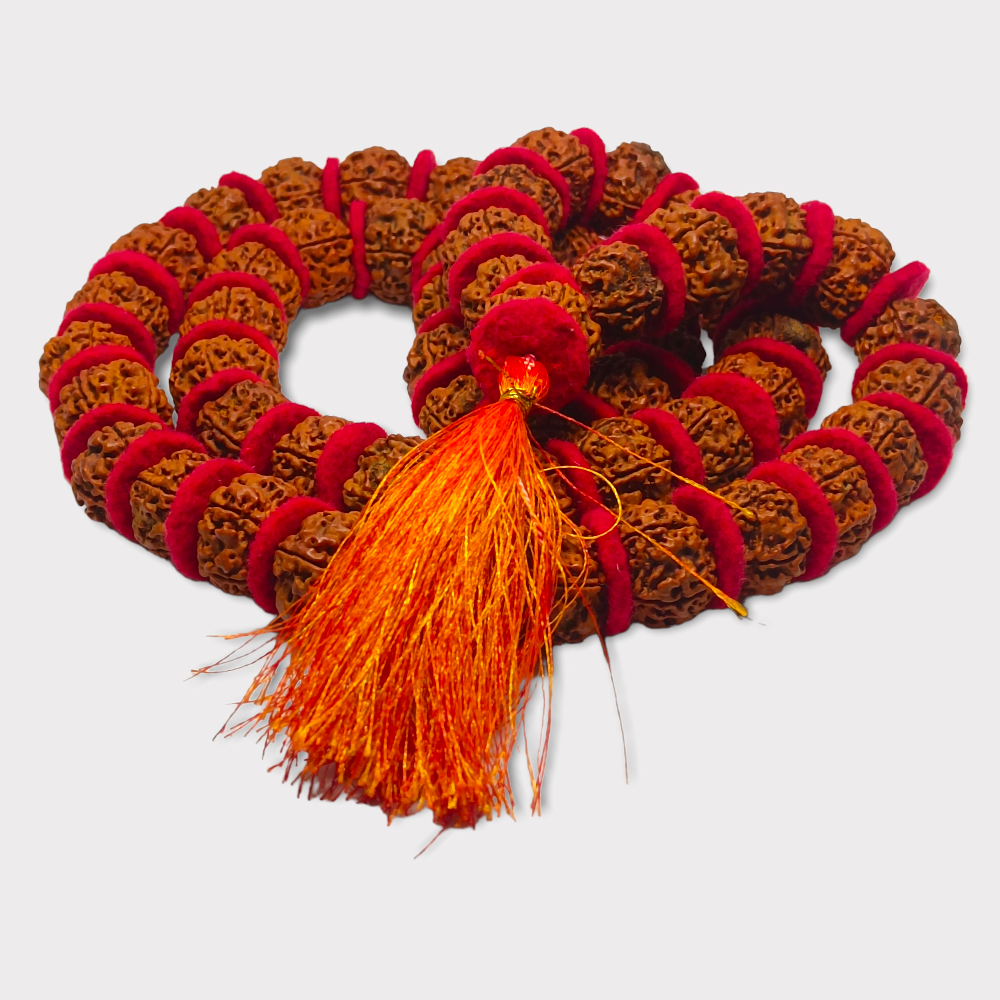
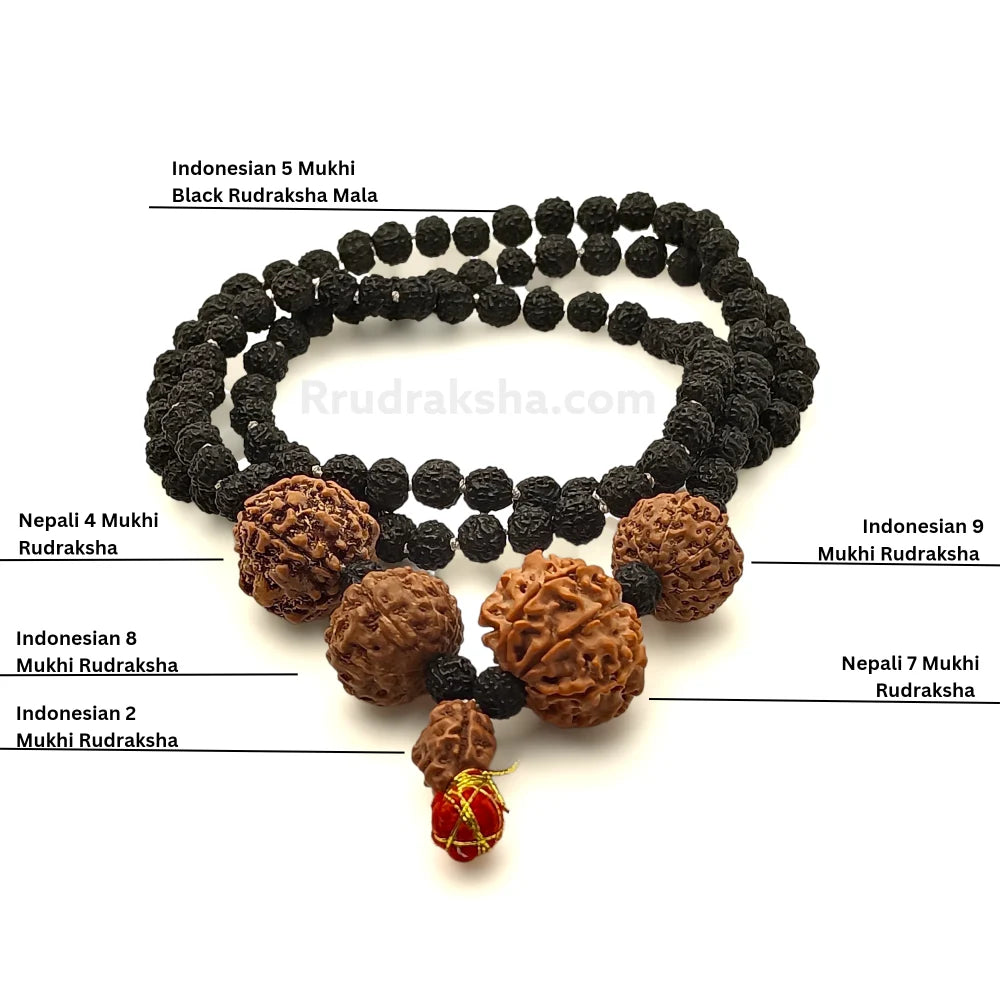
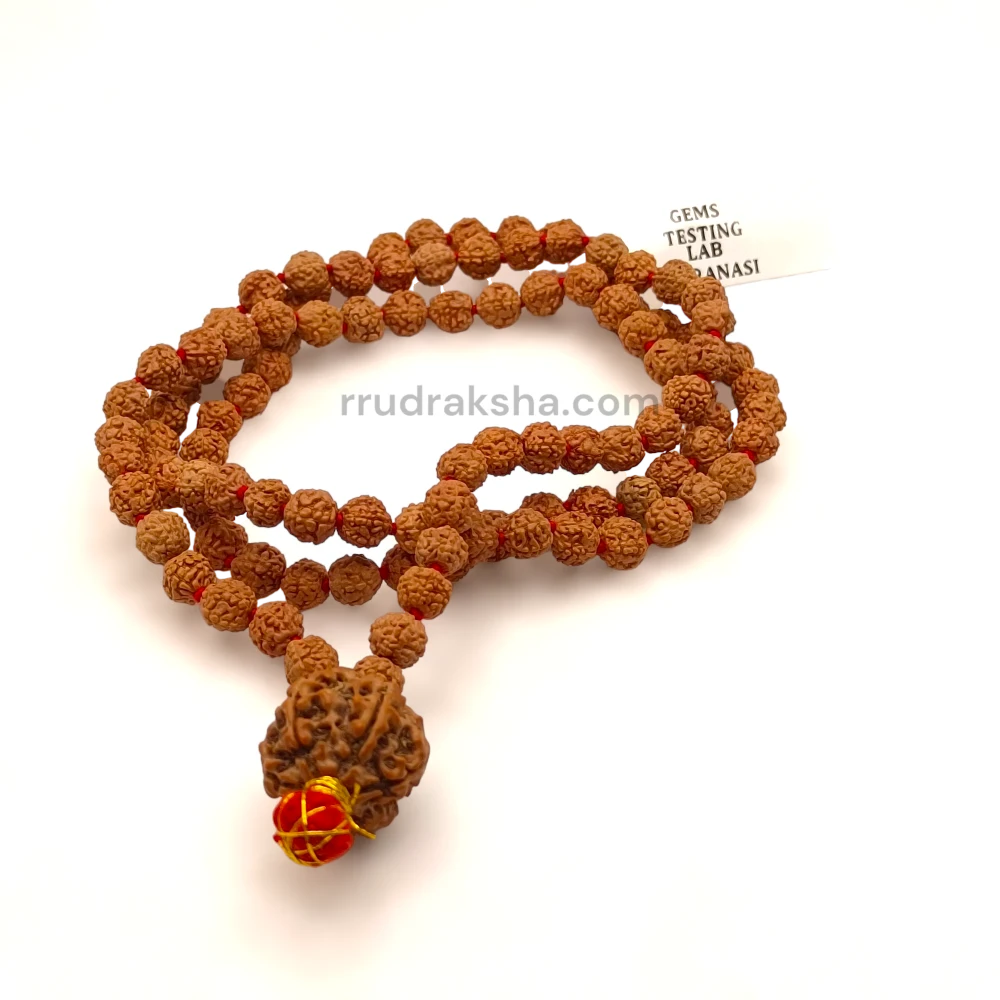
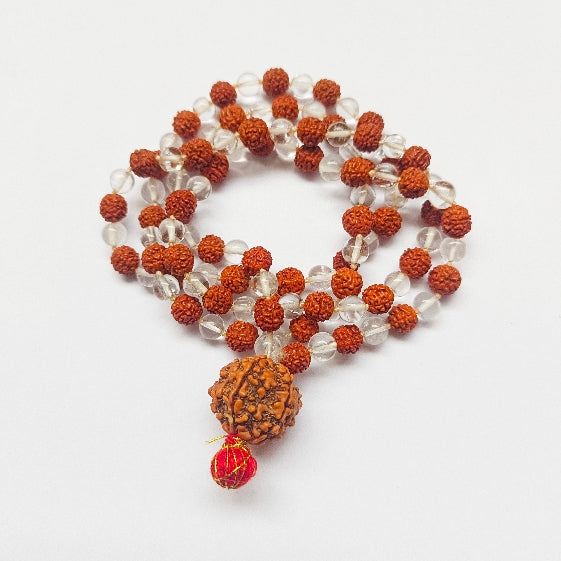
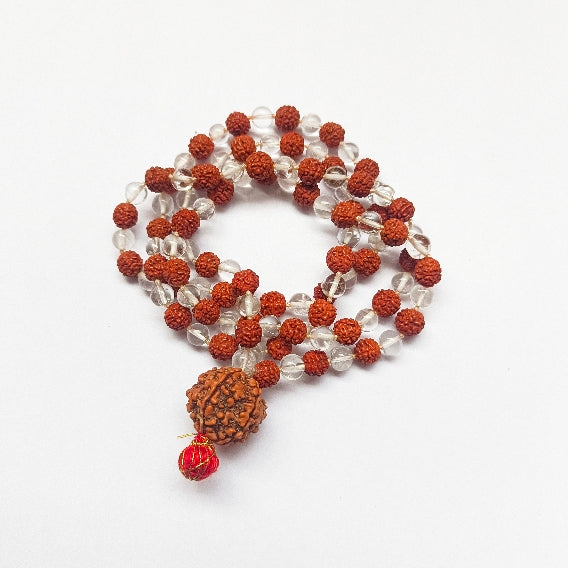
Some individuals choose to reinforce consistency through symbolic discipline. For example, using a 7 Mukhi Rudraksha during daily reflection is traditionally associated with themes of responsibility, grounding, and financial order. Its role is not to remove challenges, but to reinforce steadiness and commitment to effort.
🚫 Practical DON’Ts During Sadhe Sati (What Increases Pressure)
One of the most damaging responses to Sadhe Sati is remedy-hopping. Switching practices frequently, chasing new solutions, or relying on dramatic claims creates instability. Saturn responds negatively to inconsistency.
Another mistake is resisting simplicity. During Sadhe Sati, excess — whether emotional, financial, or social — becomes difficult to sustain. Ignoring this signal often leads to exhaustion or forced reduction later.
Avoid comparing your experience with others. Saturn phases are deeply individual, shaped by personal habits and past choices. External comparison only amplifies anxiety and distracts from necessary internal correction.
🧘♀️ Saturn and the Role of Spiritual Discipline (Not Magical Fixes)
Spiritual practices during Sadhe Sati were never meant to function as escape mechanisms. Their purpose was to cultivate patience and mental order. Chanting, reflection, and silence were valued because they slowed the mind, not because they promised quick change.
Consistency mattered more than intensity. A short daily practice performed with discipline was considered more effective than long, irregular efforts driven by fear. This principle is often forgotten today.
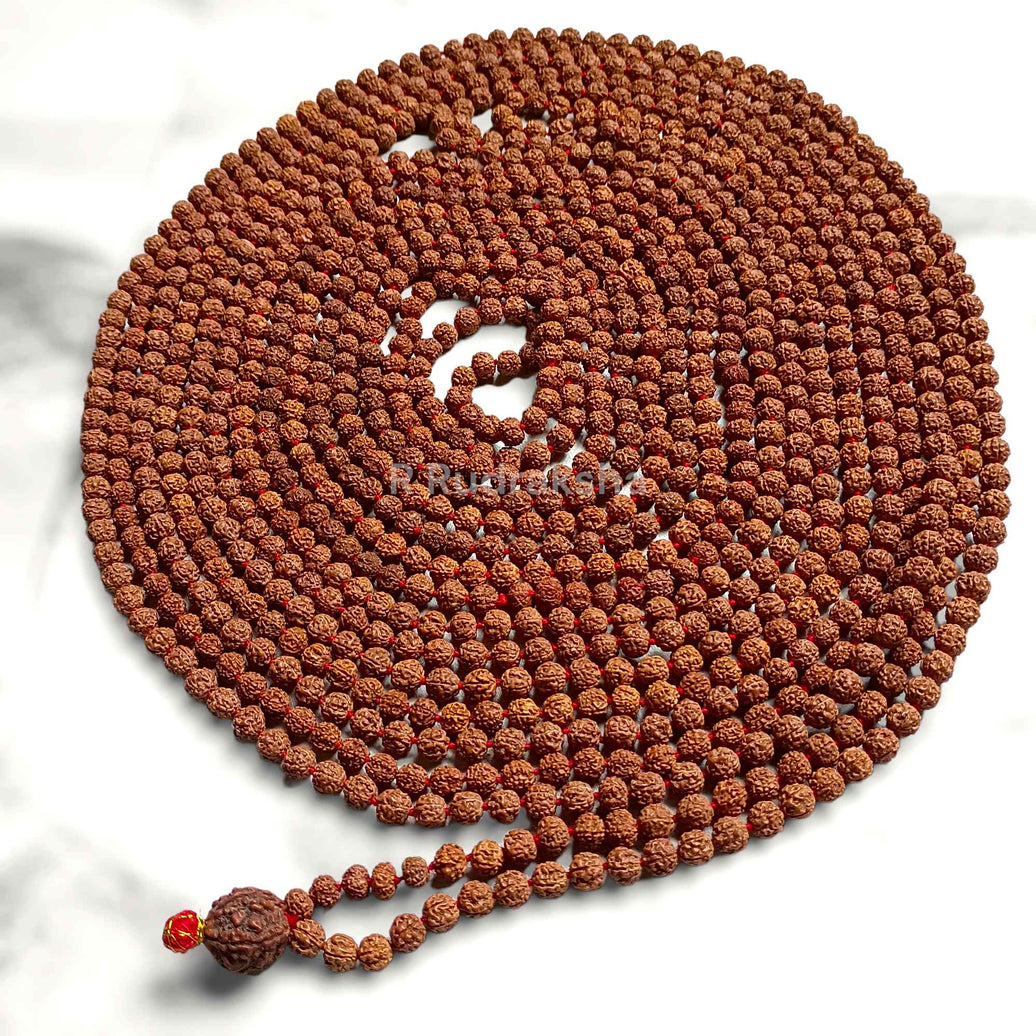
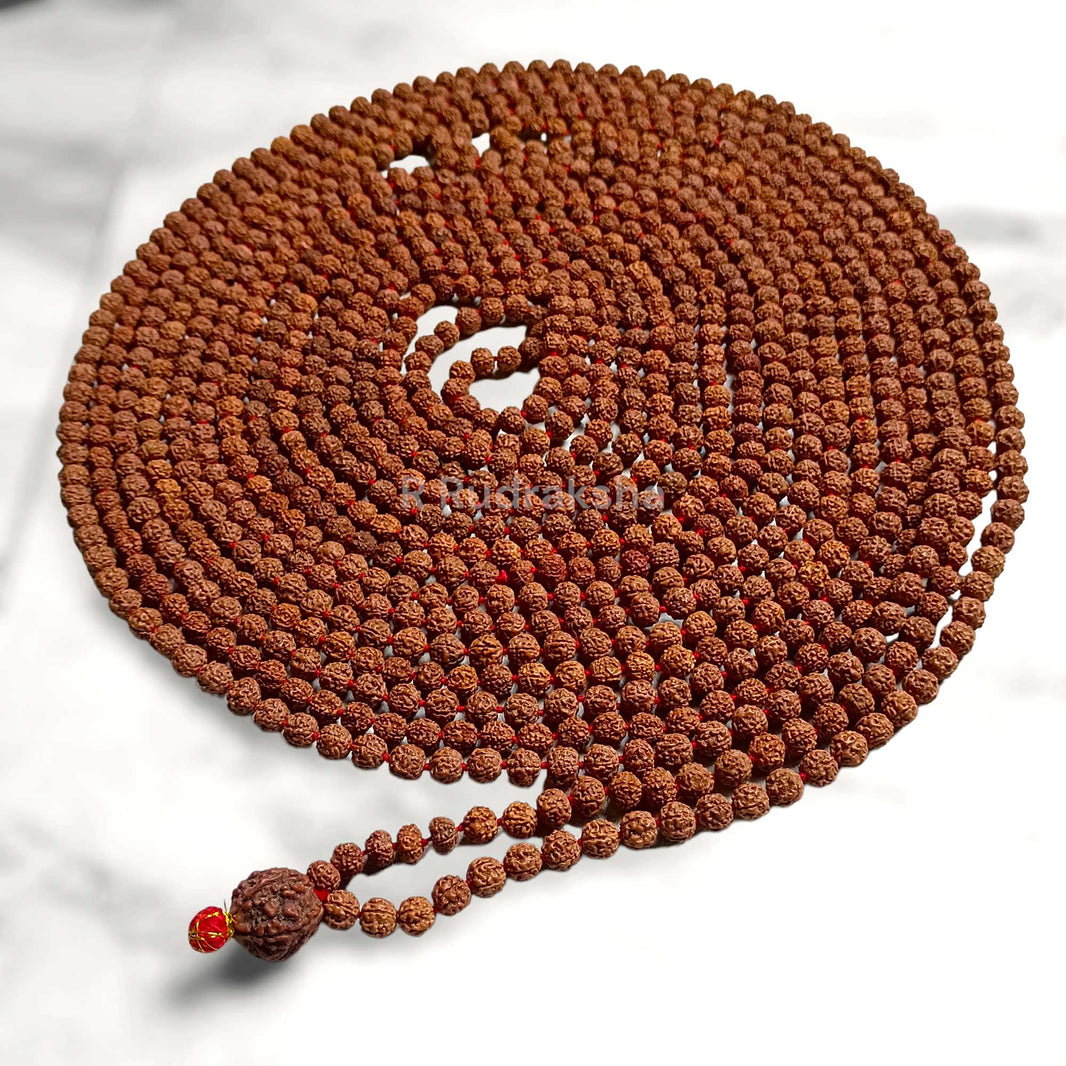
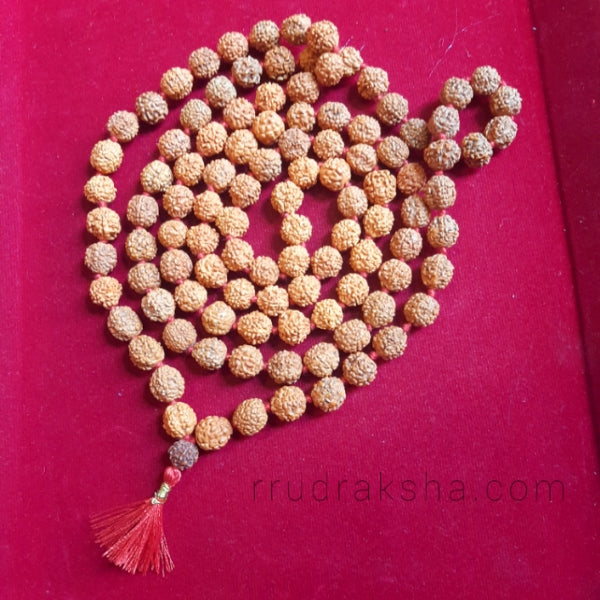
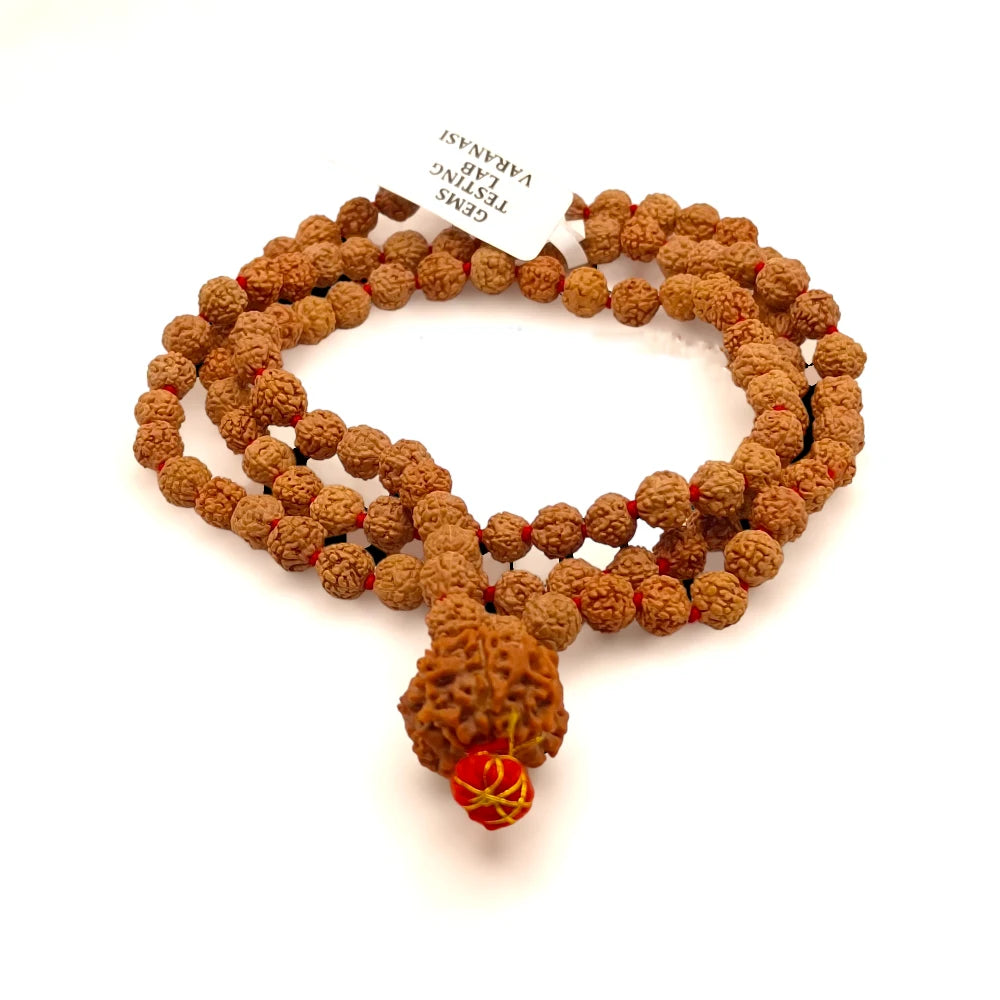
Some practitioners maintain steadiness through structured repetition, traditionally supported by a Rudraksha Jaap Mala. Its use is symbolic rather than corrective — reinforcing rhythm, focus, and continuity without stimulating emotional extremes.
⏳ Why Sadhe Sati Often Feels Worse Before It Feels Better
Sadhe Sati tends to feel most uncomfortable when internal resistance is highest. As Saturn tightens structures, avoidance becomes harder. This phase often coincides with increased self-awareness, where previously ignored patterns come into focus.
This discomfort is frequently misinterpreted as failure. In reality, it is a sign that correction is underway. Saturn’s pressure reduces once alignment improves — not because circumstances immediately change, but because the individual adapts.
This is why many people only recognize Sadhe Sati’s value after it ends. The growth it produces is subtle, cumulative, and deeply internal.
⚖️ Tools as Support, Not Substitutes
Traditional systems never treated spiritual tools as replacements for effort. They were used to support discipline, not bypass it. During Sadhe Sati, tools associated with steadiness and continuity were preferred over those promising rapid transformation.
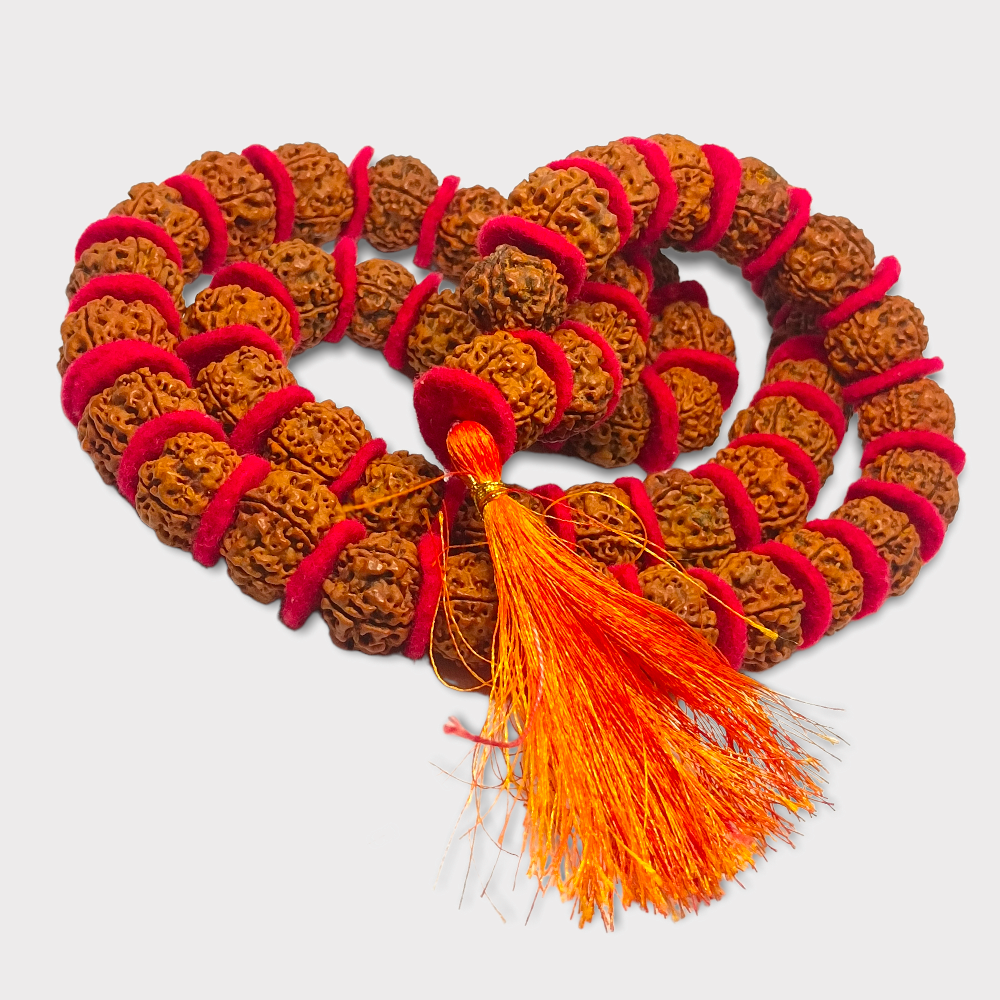
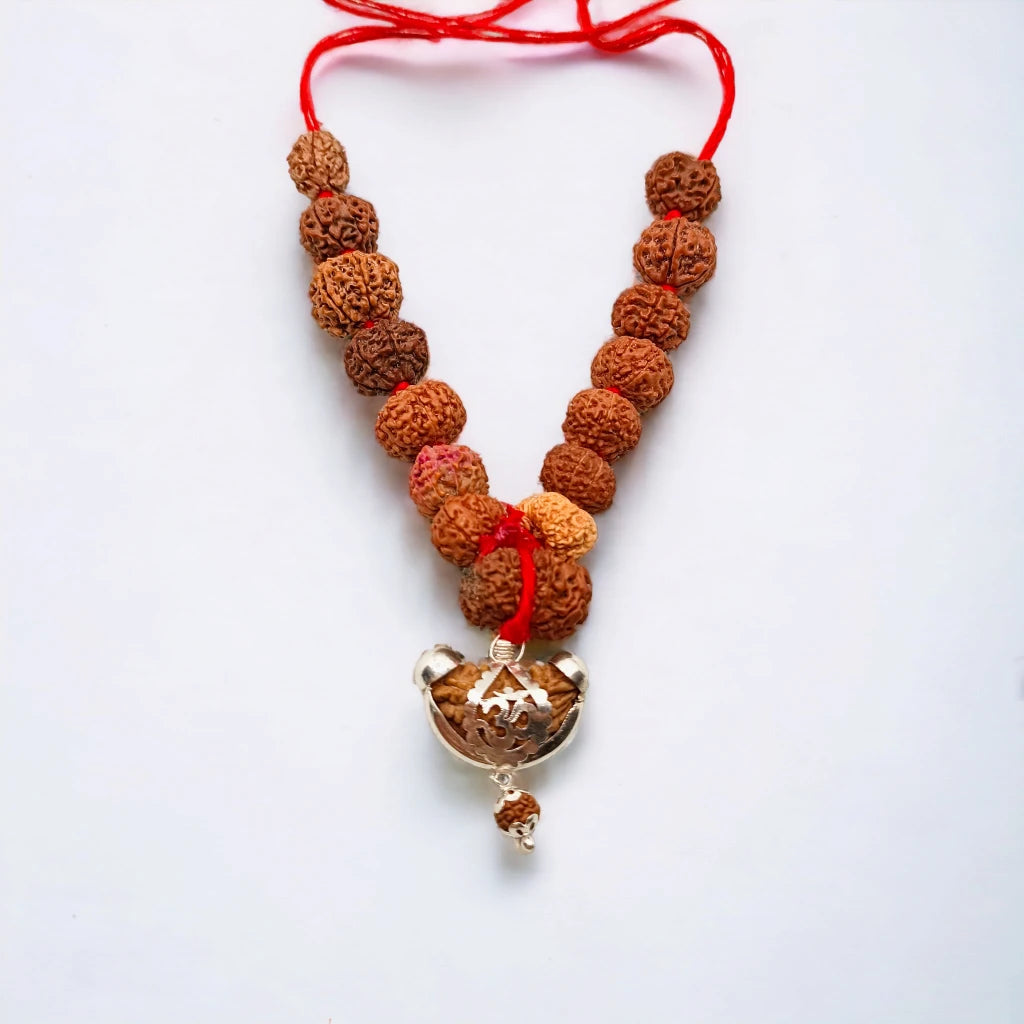
For individuals seeking grounding rather than stimulation, a Rudraksha Kantha Mala worn consistently is traditionally viewed as a symbol of commitment and responsibility. Its purpose is not to “fix” Saturn’s influence, but to remind the wearer of long-term accountability.
When tools are used with correct understanding, they reinforce habits. When used with fear, they increase dependency. Saturn responds positively only to the former.
❓ Frequently Asked Questions (FAQs)
Is Sadhe Sati always bad?
No. Sadhe Sati is not inherently negative. It is a corrective phase that emphasizes responsibility, discipline, and maturity. Difficulty arises only when habits and structures are weak. When approached consciously, Sadhe Sati often becomes a period of long-term stabilization rather than loss.
Does Sadhe Sati cause loss and failure?
Sadhe Sati does not cause random loss. It exposes unsustainable patterns. If something collapses during this phase, it usually lacked structural integrity to begin with. Saturn removes what cannot be supported by effort and accountability.
Should remedies be done daily during Sadhe Sati?
Traditional systems did not emphasize frequent remedies. They emphasized consistency in lifestyle, ethics, and discipline. Occasional structured practices are acceptable, but habit-building matters far more than ritual repetition.
Can Rudraksha remove the effects of Sadhe Sati?
Rudraksha is not meant to remove Saturn’s lessons. When used correctly, it supports steadiness, focus, and routine. Tools like a 7 Mukhi Rudraksha or Jaap Mala are traditionally associated with reinforcing responsibility, not bypassing effort.
Why do some people grow during Sadhe Sati while others struggle?
The difference lies in response, not fate. Those who accept accountability, simplify life, and maintain discipline tend to experience growth. Those who resist correction and seek shortcuts experience greater pressure.
Is Sadhe Sati the same for everyone?
No. While the transit is the same astronomically, its effects depend on personal habits, emotional maturity, and prior responsibilities. Saturn reflects what already exists rather than imposing identical outcomes.
Should important decisions be avoided during Sadhe Sati?
Avoidance is not required. However, decisions should be made slowly, thoughtfully, and without impulse. Saturn favors careful planning and long-term thinking over quick gains.
Why does Sadhe Sati feel mentally heavy?
Because Saturn works through the Moon, which governs the mind. Emotional habits, reactions, and mental shortcuts are challenged. This heaviness reduces when emotional discipline improves.
Does Sadhe Sati end suddenly?
No. Its influence fades gradually. Many people only recognize the internal growth after the phase has ended, when stability and clarity become evident.
What is the best mindset to carry during Sadhe Sati?
Patience, responsibility, and consistency. Saturn responds to effort sustained over time, not to fear or urgency.
✨ Conclusion 🔚
Sadhe Sati as a Period of Correction, Not Punishment
Sadhe Sati is not a curse, nor is it an event to fear. It is a phase that demands alignment between action and responsibility. Saturn does not ask for perfection; he asks for honesty — honesty in effort, honesty in discipline, and honesty in accountability.
When fear is removed from the equation, Sadhe Sati reveals its true nature. It slows life down so that weak structures can be rebuilt and unstable habits can be corrected. The pressure felt during this phase is proportional to resistance. The moment responsibility is accepted, that pressure begins to ease.
This is why habits matter more than remedies. Structure matters more than promises. Consistency matters more than intensity. Tools, when used, should support discipline — never replace it.
Those who complete Sadhe Sati with patience often emerge quieter, steadier, and more grounded than before. The growth may not be dramatic, but it is durable. That is Saturn’s signature.
🙏 हर हर महादेव 🙏





Leave a comment