






💫 Rahu–Ketu Axis Explained: Why Life Feels Split During Certain Phases
Among all astrological influences, the Rahu–Ketu axis is perhaps the most misunderstood. It is often spoken about with fear, mystery, or exaggerated warnings, yet rarely explained with clarity. Unlike planets that represent visible forces such as action, emotion, or intellect, Rahu and Ketu operate subtly — shaping awareness, attachment, and identity.
This is why Rahu–Ketu periods often feel confusing rather than catastrophic. Life may appear outwardly stable, yet internally something feels unsettled. Goals that once felt meaningful begin to lose their grip. Familiar roles feel restrictive. At the same time, the future does not immediately reveal a clear alternative. This sensation of being pulled in two directions is not accidental — it is the very function of the axis.
Traditional systems never described Rahu–Ketu as malefic forces meant to harm. They were understood as indicators of transition — phases where life demands awareness instead of comfort. When approached with discipline rather than panic, these phases become periods of deep recalibration rather than loss.
🌗 Why Rahu and Ketu Are Always Experienced Together
Rahu and Ketu are not independent energies. They always function as an axis — two ends of the same movement. Where Rahu amplifies desire, Ketu dissolves attachment. Where Rahu pulls attention outward toward ambition and identity, Ketu redirects awareness inward toward detachment and release.
This simultaneous push and pull explains why Rahu–Ketu phases feel internally divided. Expansion occurs without satisfaction. Detachment appears without immediate peace. The mind wants clarity, but the old reference points no longer work.
Astrology often focuses on Rahu and Ketu separately, but lived experience proves otherwise. They operate together, forcing life to be re-examined from both ends at once. Growth without grounding creates chaos. Detachment without stability creates emptiness. The axis exists to expose this imbalance.
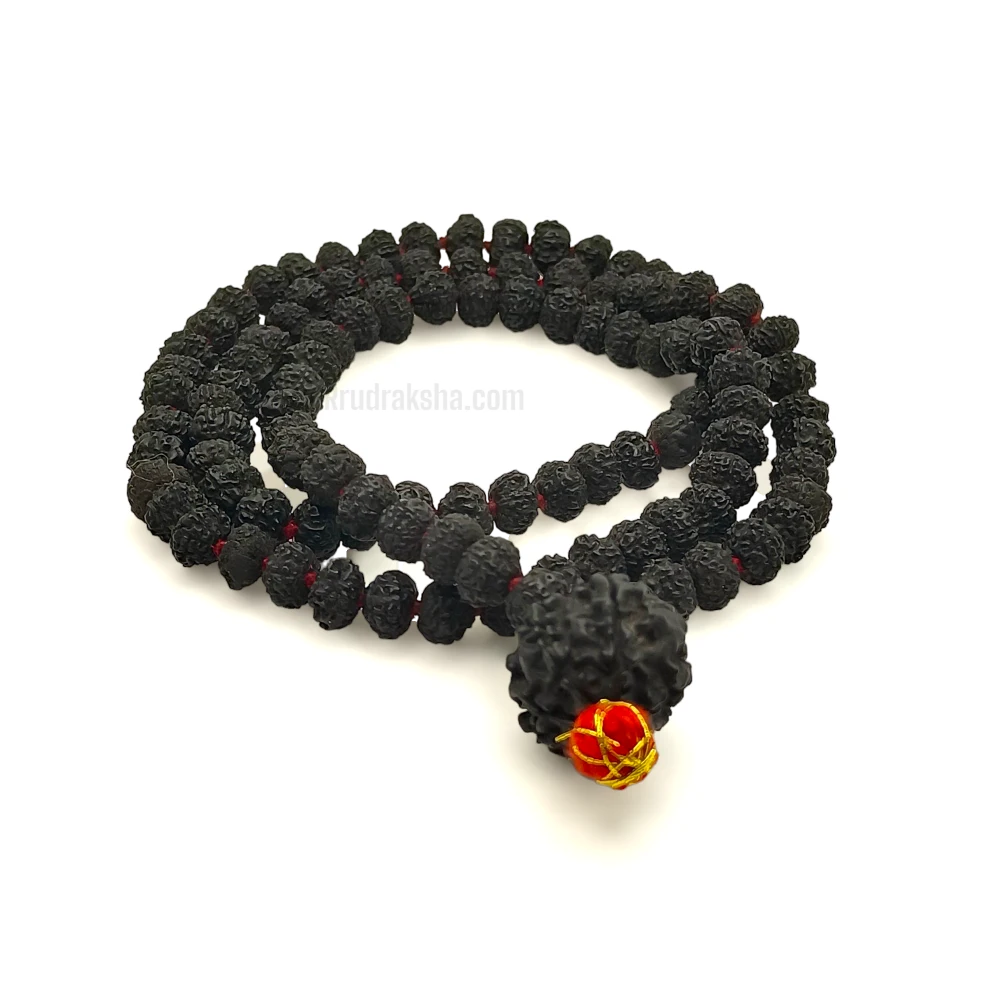
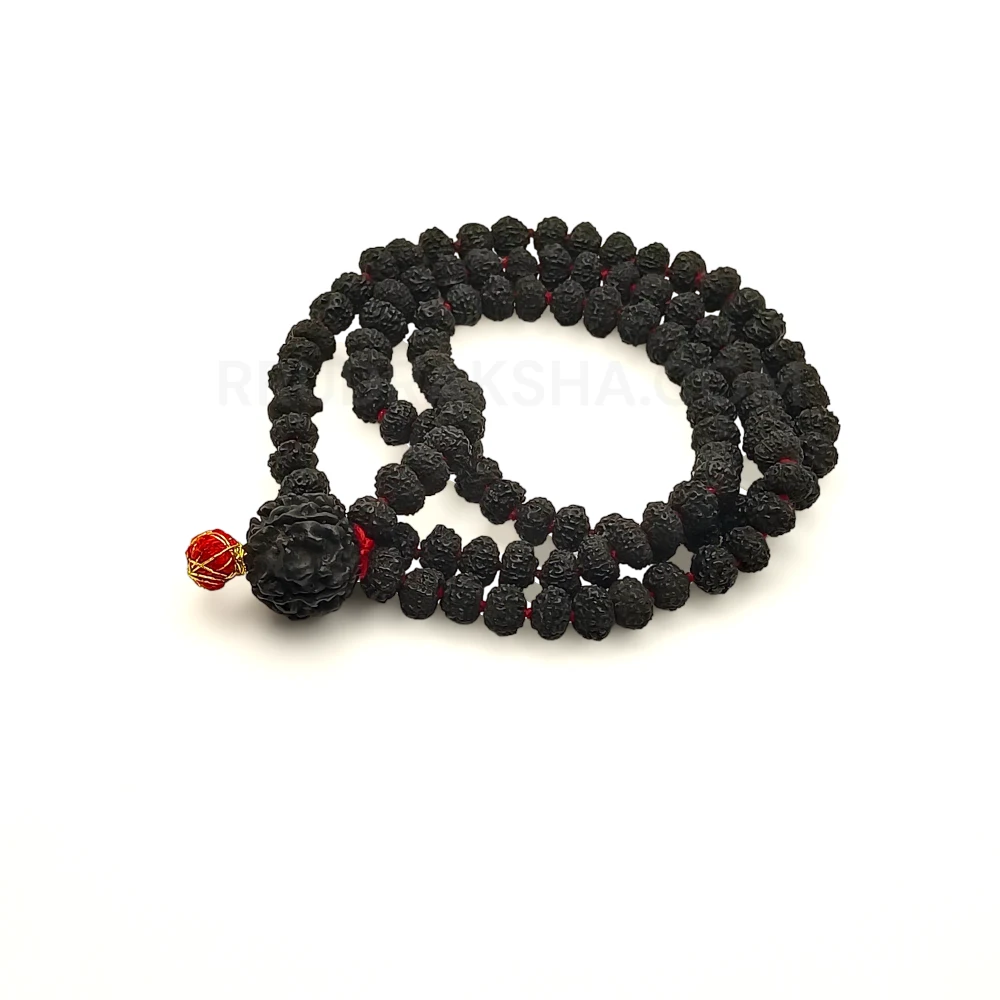
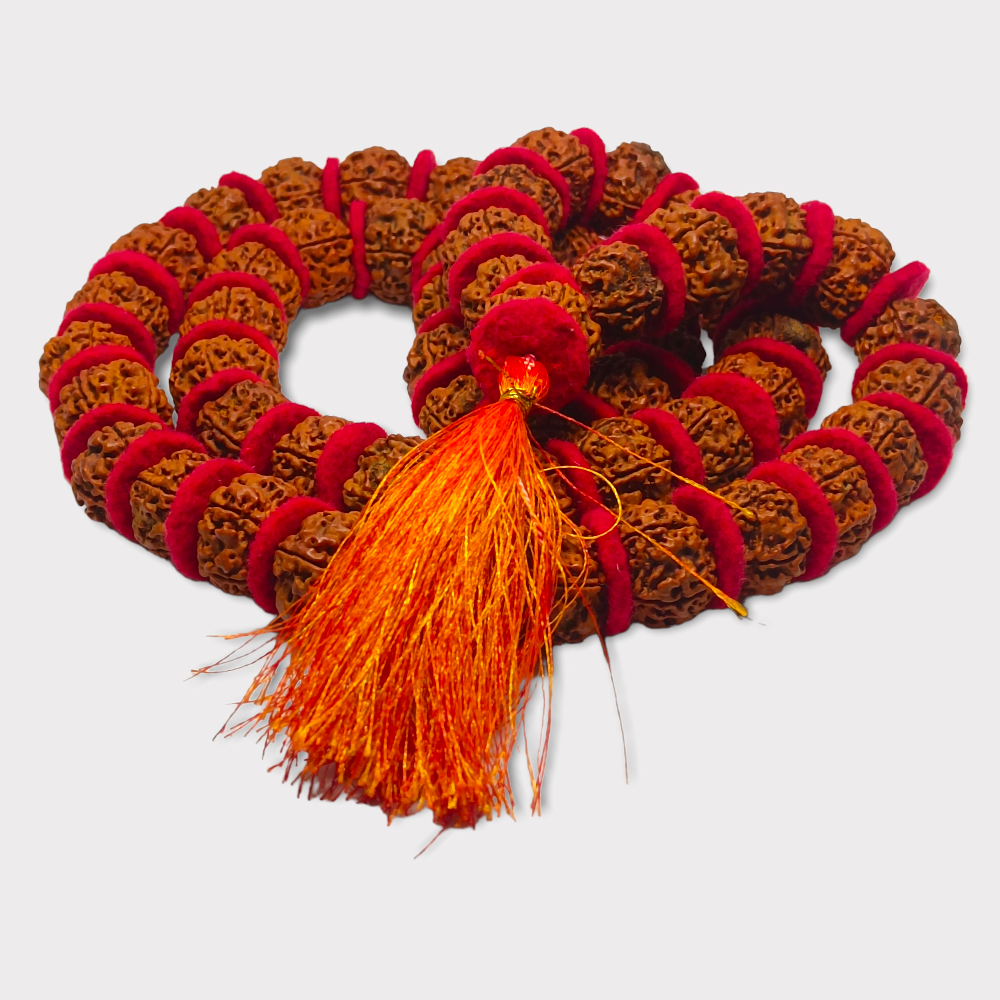
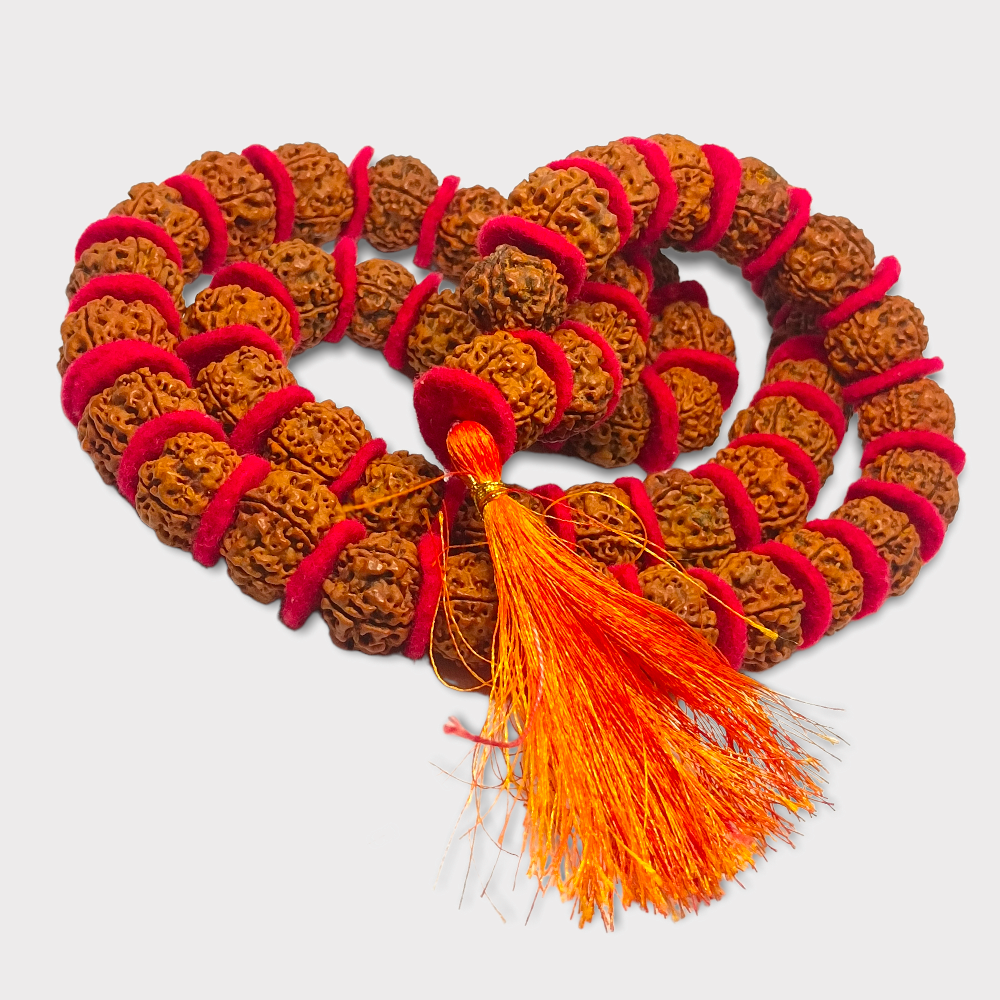
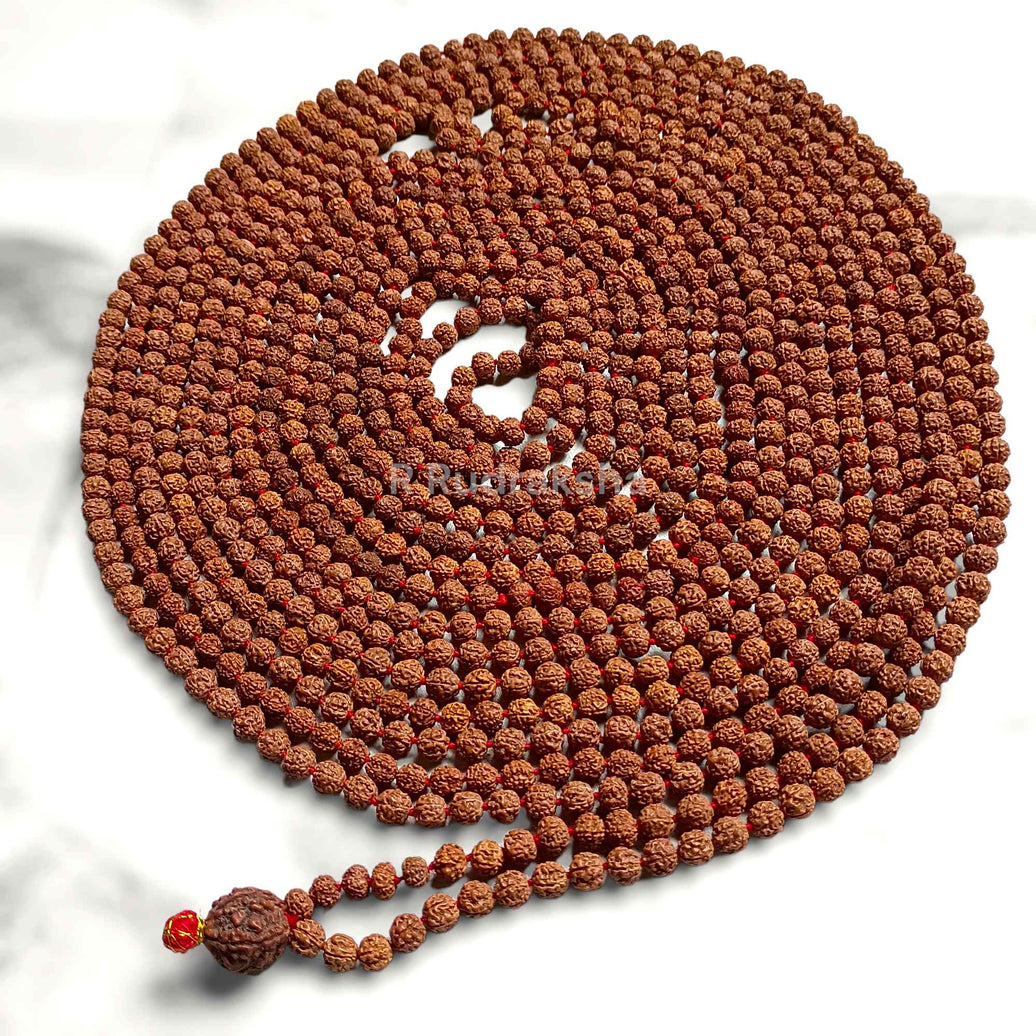
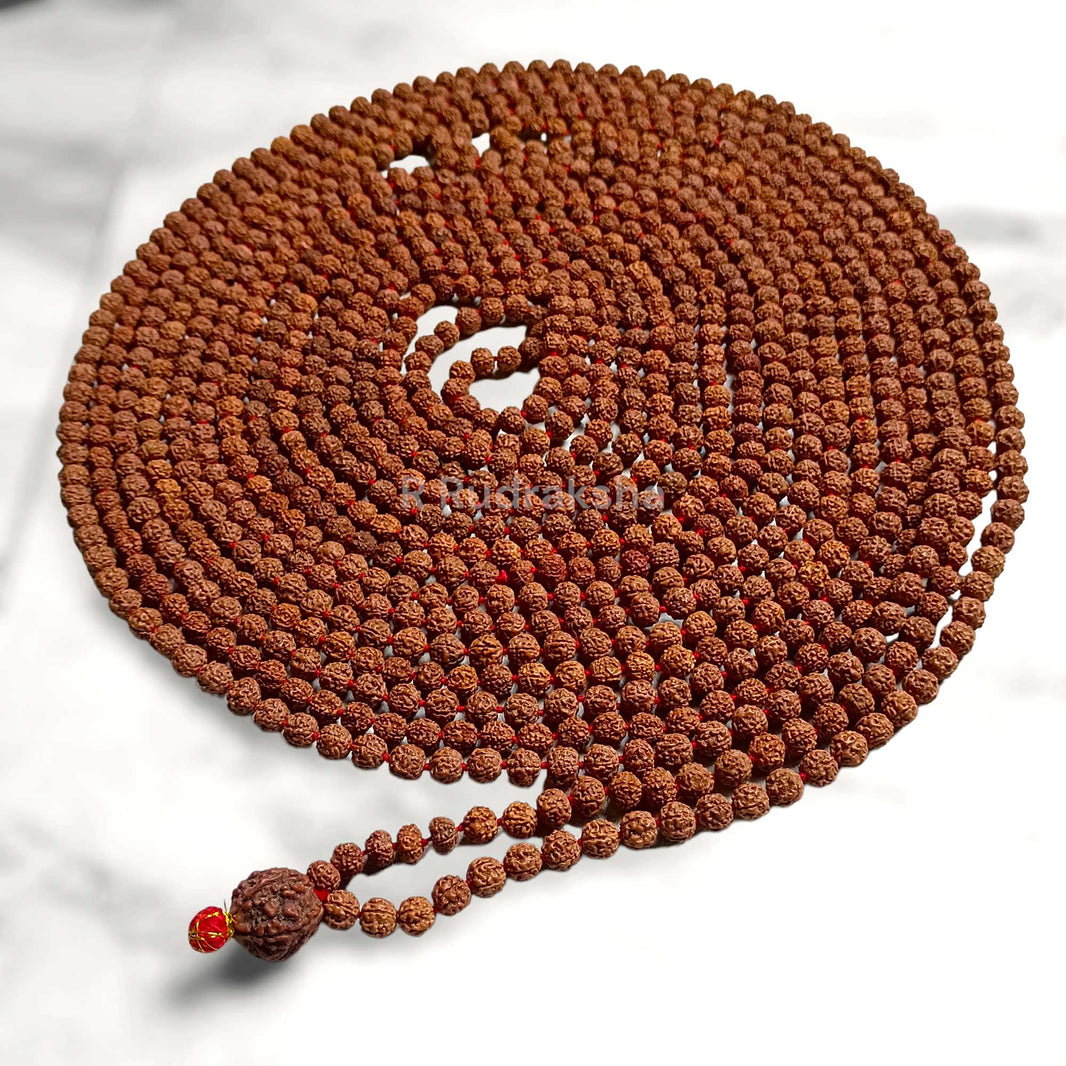
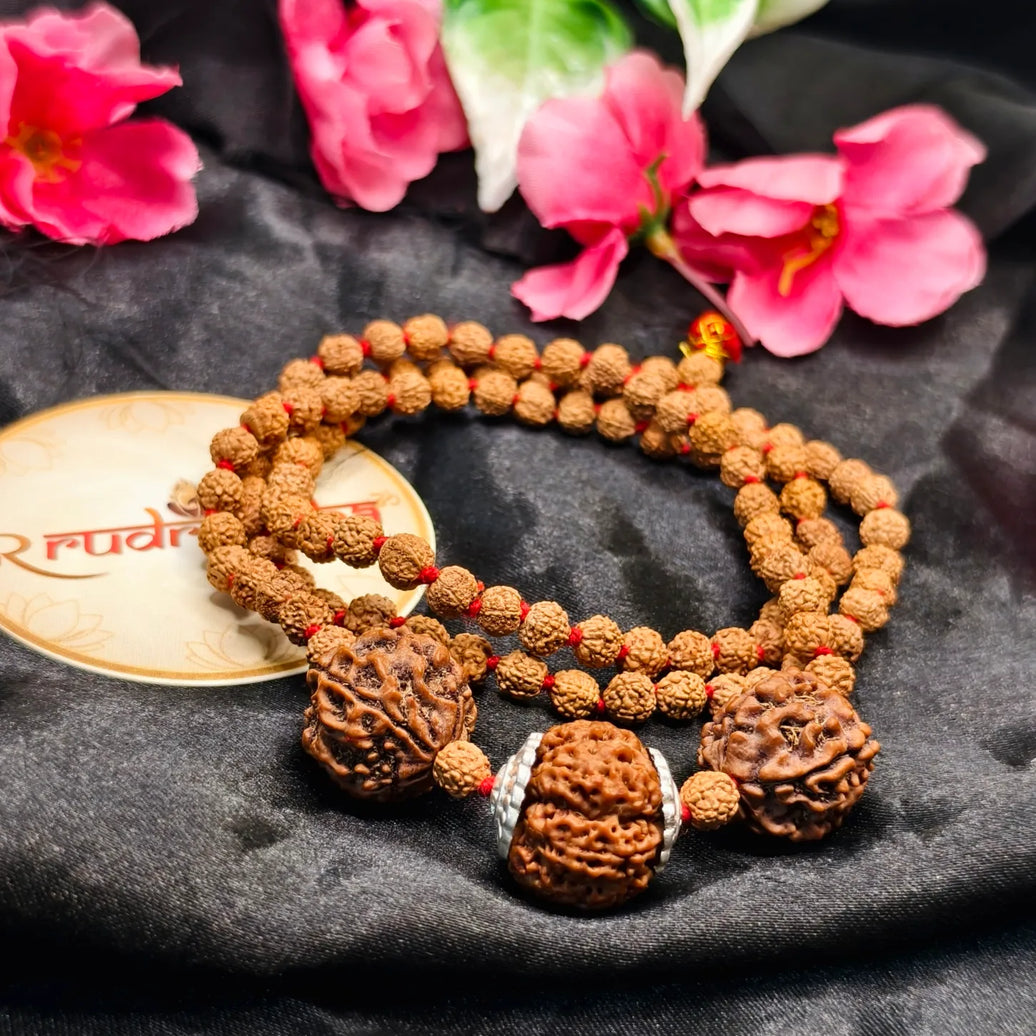
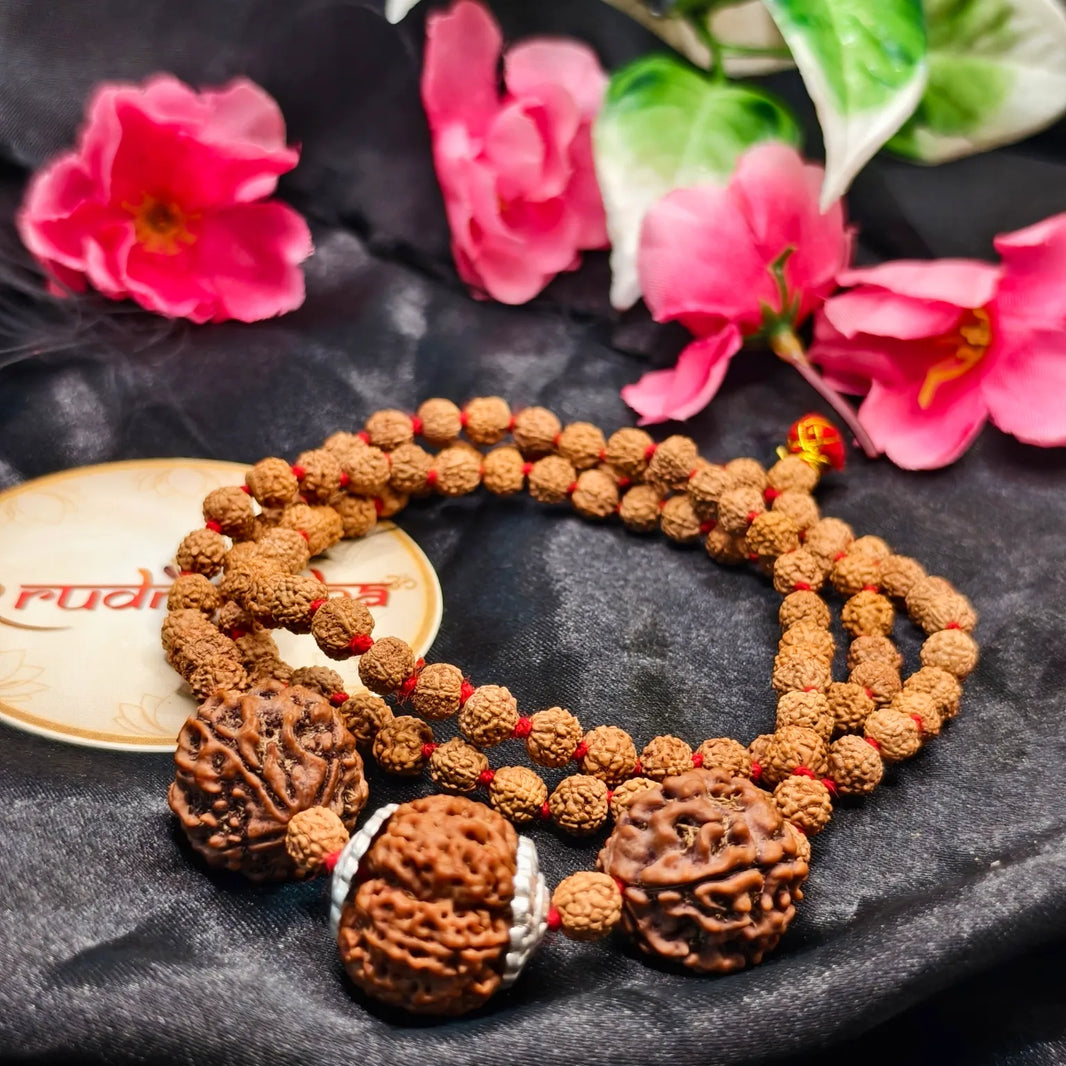
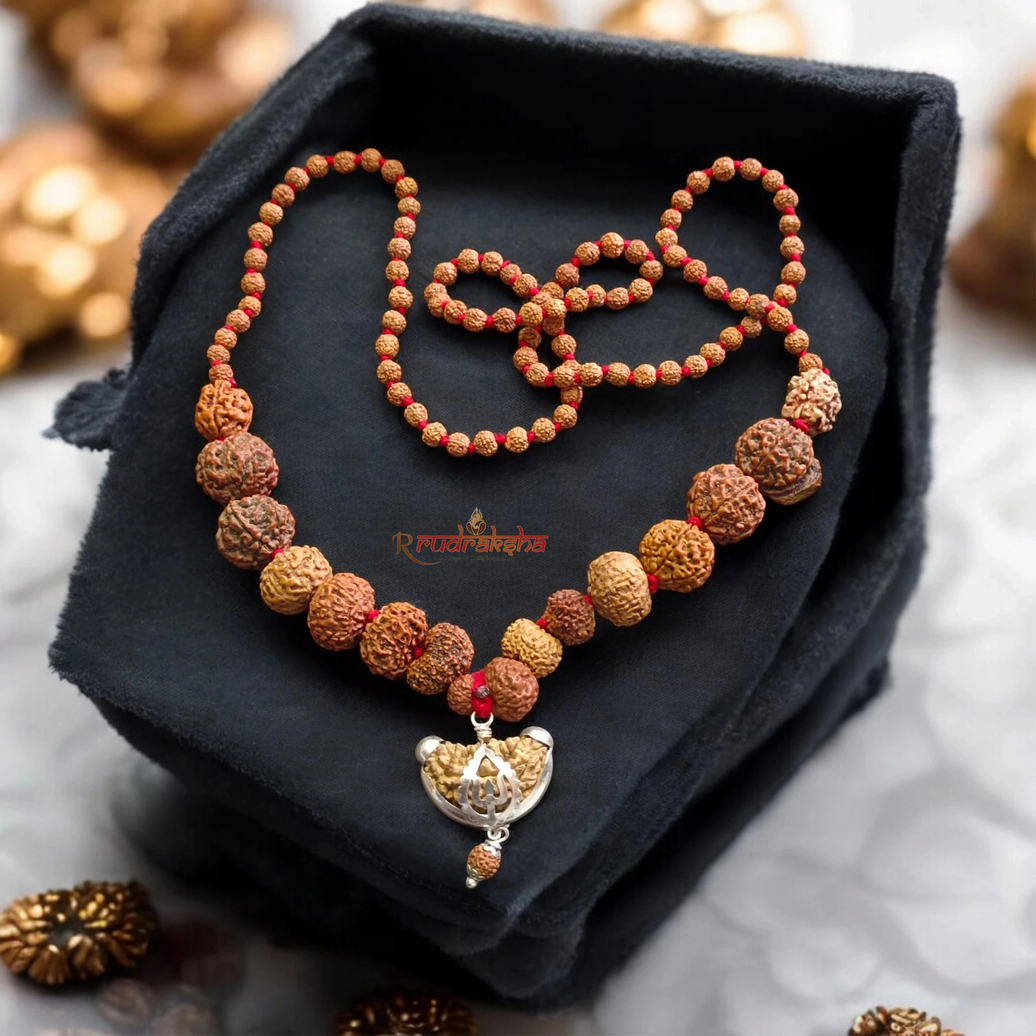
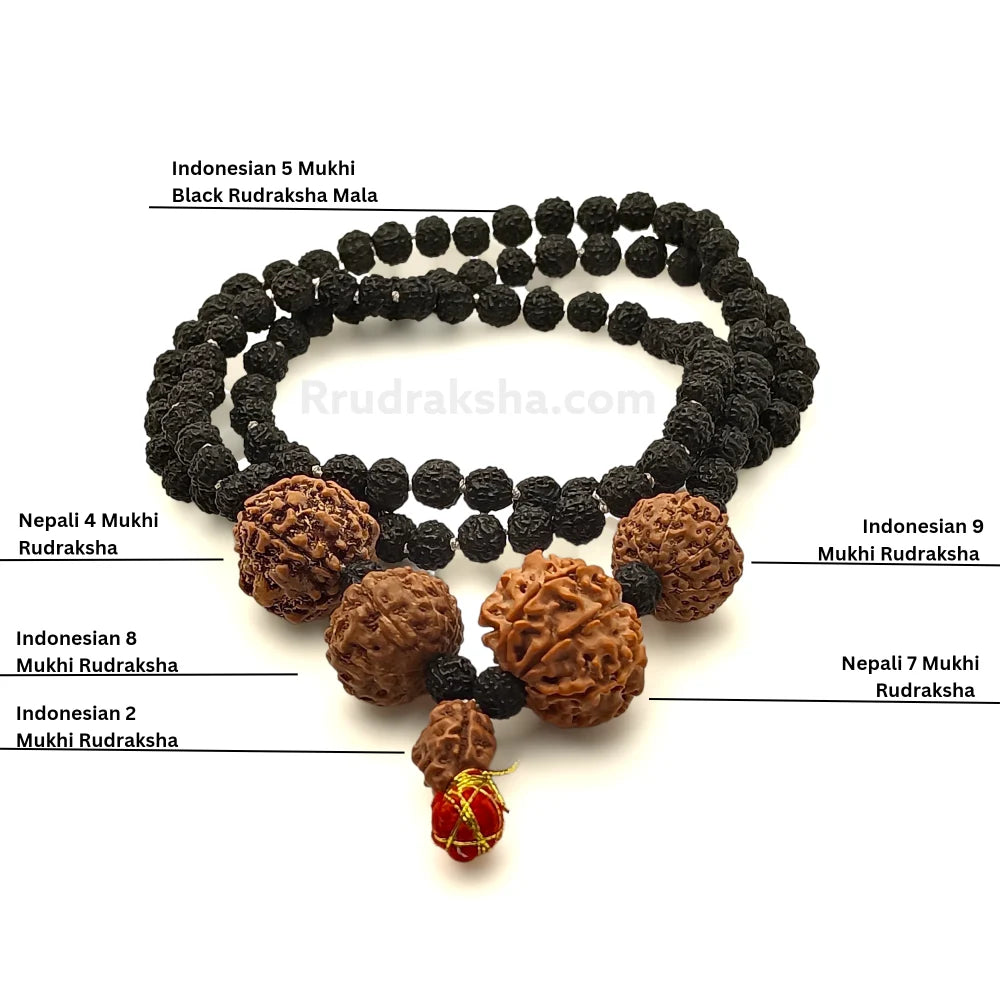
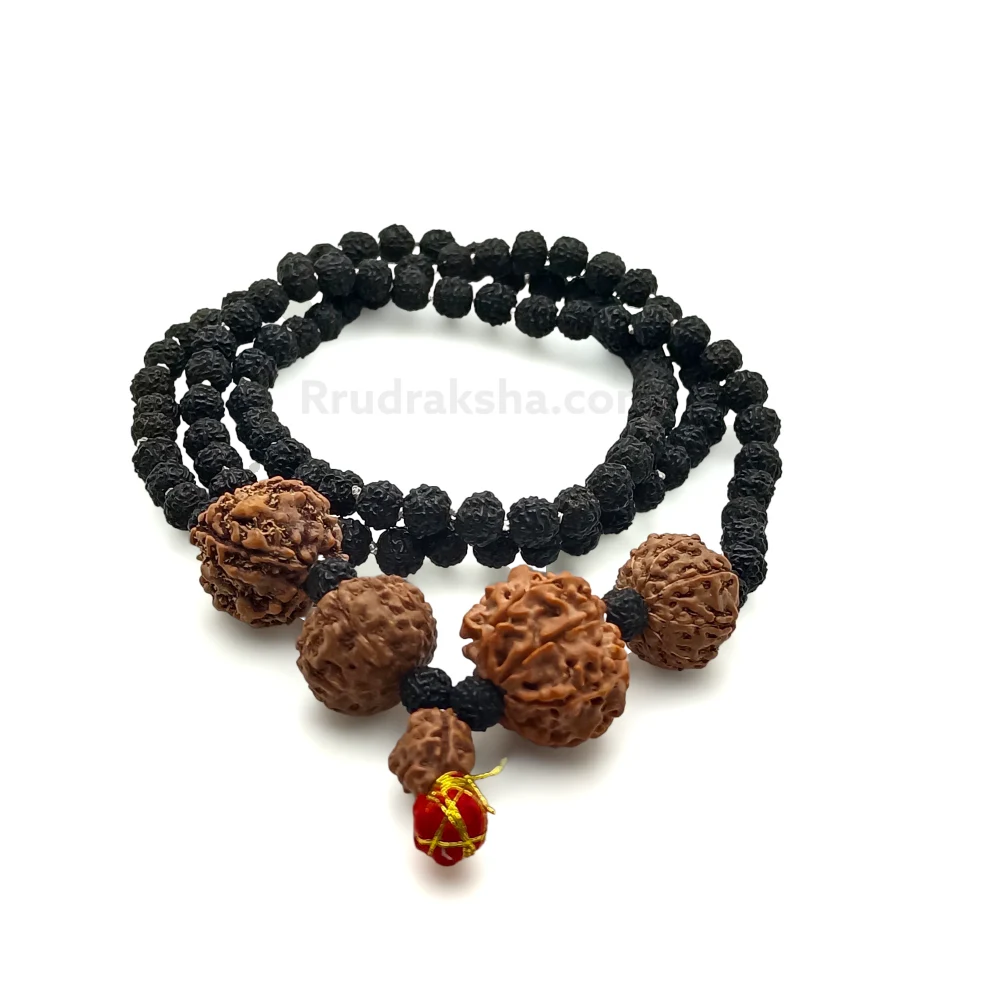
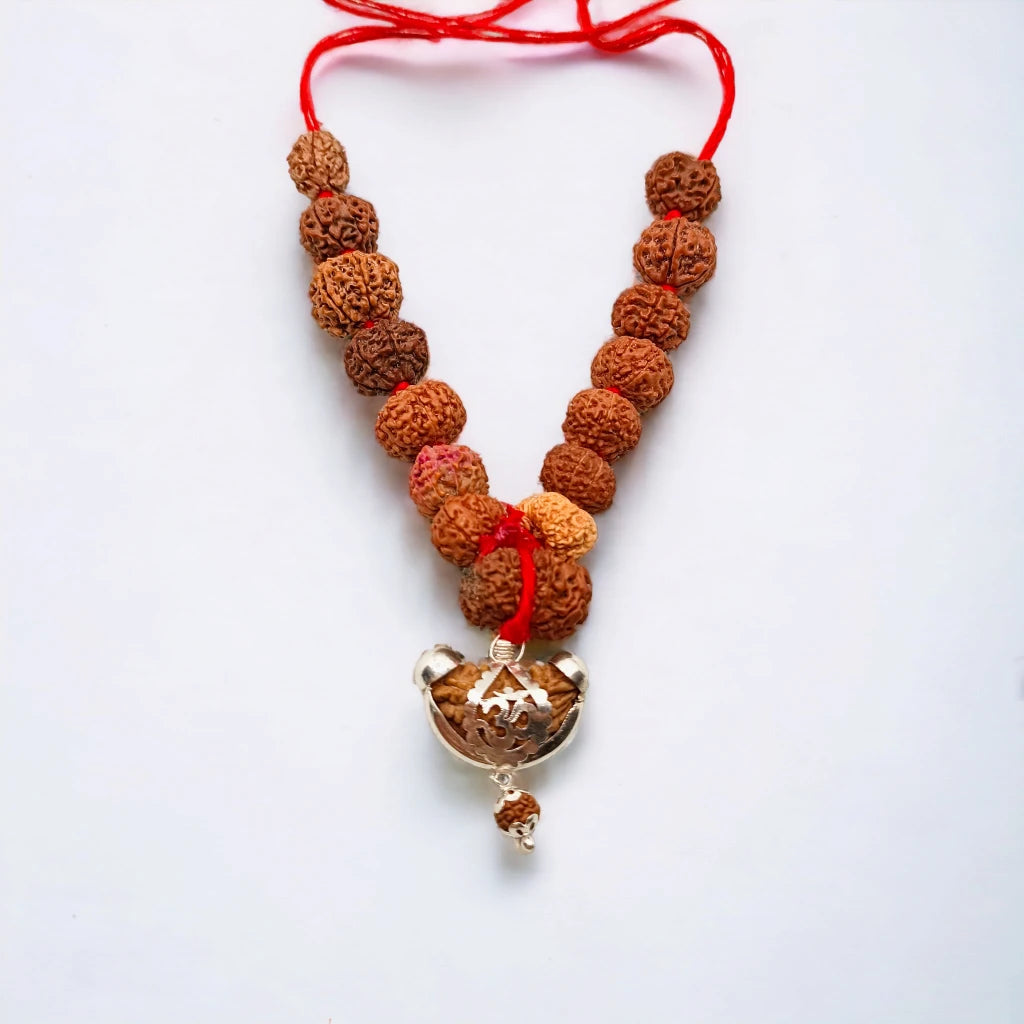
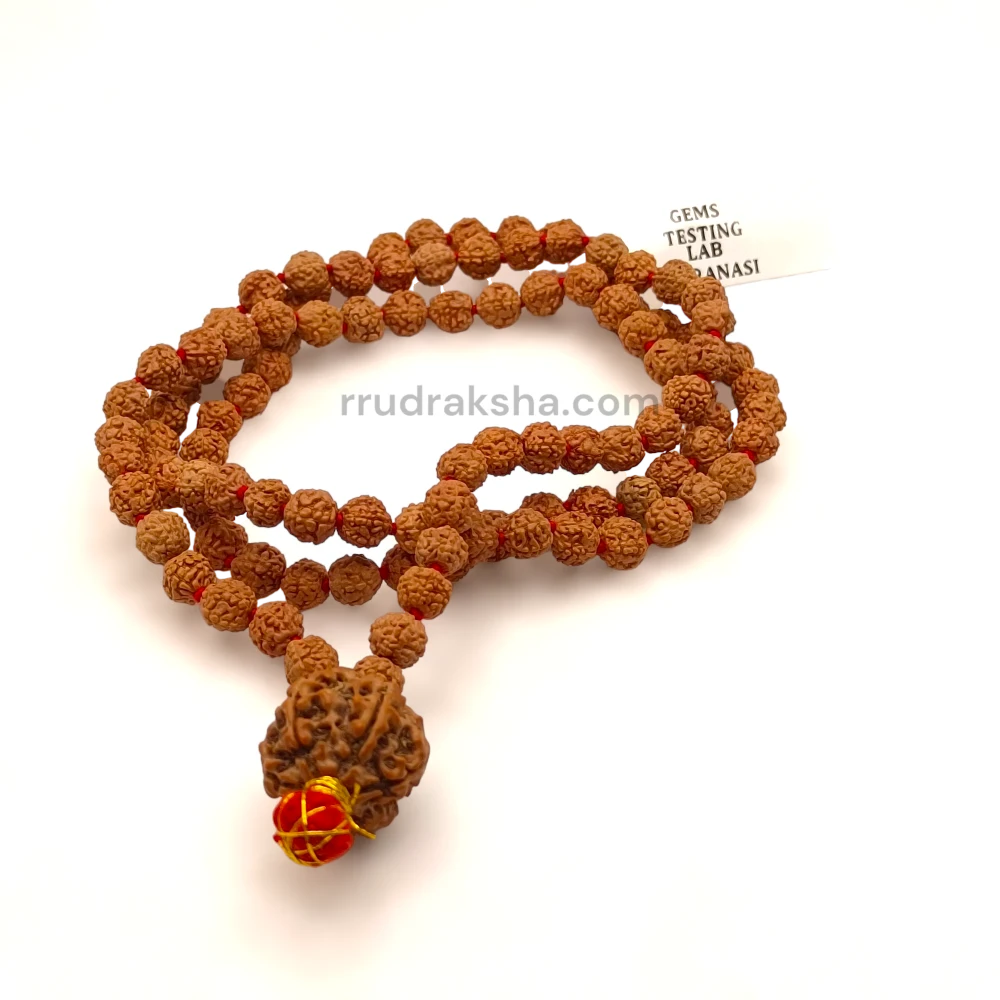
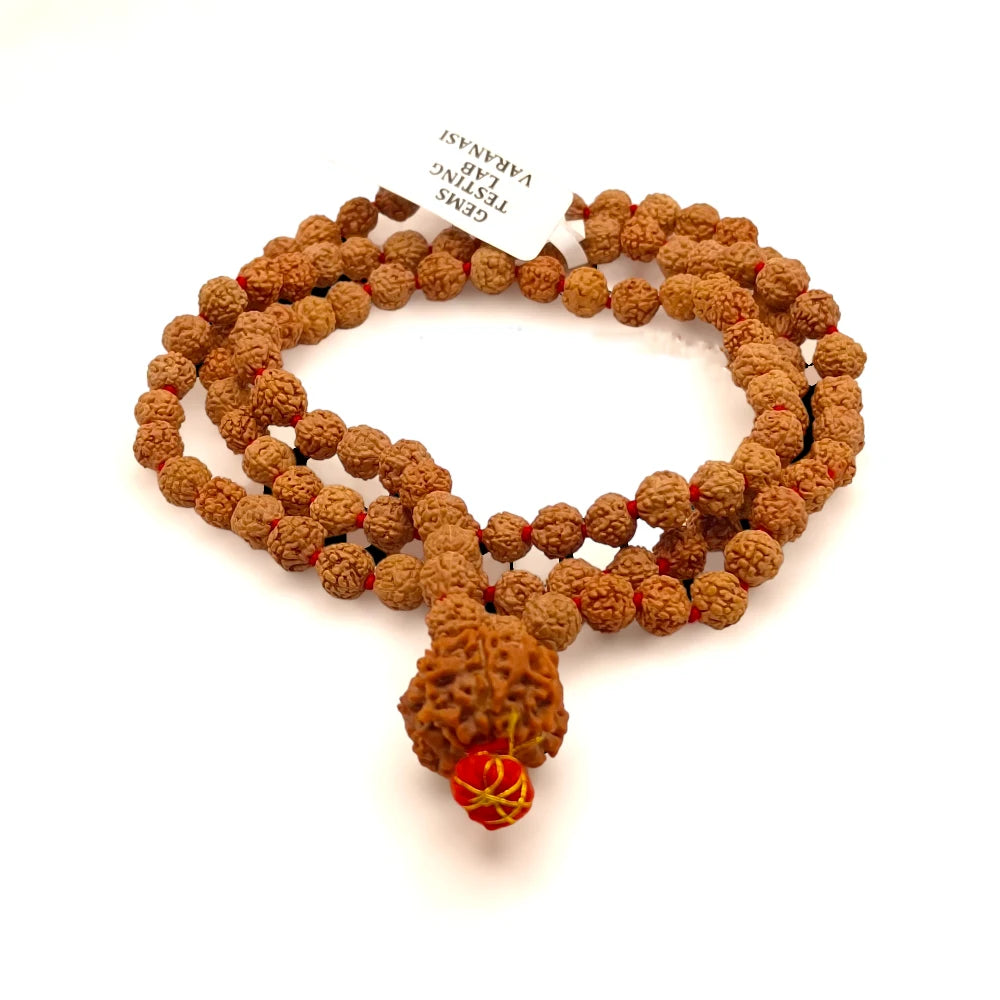
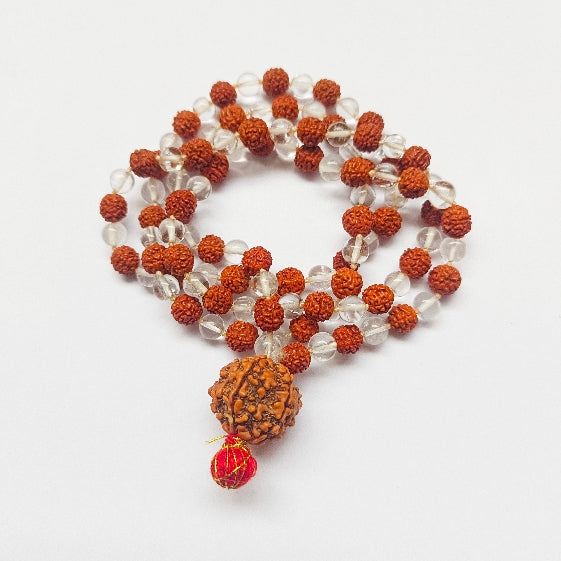
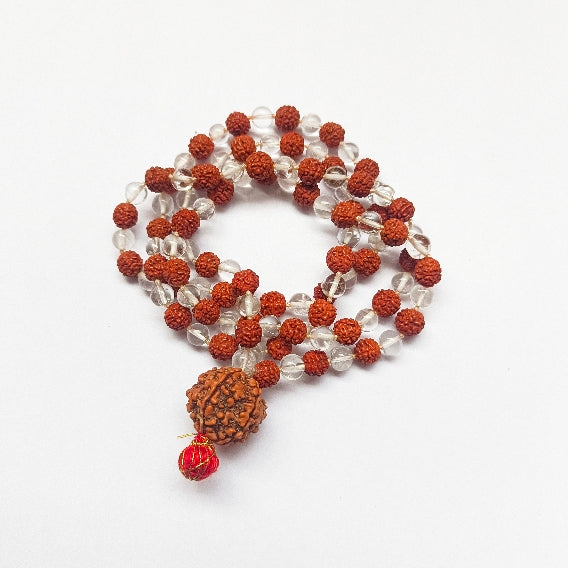
During such phases, stabilizing routines become more important than dramatic interventions. This is why traditional practitioners emphasized consistency over cures, often supporting discipline through simple tools like a Rudraksha Kantha Mala worn regularly — not as a remedy, but as a symbol of continuity during inner transition.
🧭 What the Rahu–Ketu Axis Actually Represents
At its core, the Rahu–Ketu axis represents misalignment between awareness and habit. Rahu exposes where desire has grown unchecked — ambition without clarity, attachment without fulfillment, identity without depth. Ketu reveals where dependency has formed — on roles, outcomes, validation, or certainty.
When this axis activates strongly, life begins to question itself. Success may continue, yet satisfaction fades. Detachment may increase, yet direction feels unclear. This is not failure. It is feedback.
Traditional astrology viewed this phase as diagnostic rather than destructive. Rahu exaggerates what has been avoided. Ketu removes what has been relied upon too heavily. Together, they interrupt autopilot living and force conscious participation.
In such periods, grounding practices matter more than prediction. Repetition, routine, and reflection help anchor awareness. Many individuals traditionally relied on Jaap Malas for daily repetition during Rahu–Ketu phases — not to neutralize planets, but to stabilize attention amid psychological fluctuation.
⚖️ Why Life Feels Divided During Rahu–Ketu Periods
One of the most common experiences reported during Rahu–Ketu phases is a sense of internal split. People often say, “I know something needs to change, but I don’t know what,” or “I’m moving forward, yet I feel disconnected.” This contradiction is central to the axis.
Rahu demands movement. Ketu demands release. When both operate together, familiar structures weaken before new clarity emerges. This gap is uncomfortable, but necessary. Without it, old patterns would never loosen.
This is why Rahu–Ketu periods often coincide with career redirection, belief shifts, emotional detachment, or reassessment of long-held goals. These are not random disruptions. They are invitations to realign life with awareness rather than habit.
During this phase, traditions emphasized steadiness over experimentation. Simple contemplative routines — sometimes supported by a Siddha Mala used consistently — were preferred because they reinforced inner stability without feeding urgency or fear.
🔥 Rahu: Expansion Without Satisfaction
Rahu represents hunger — not just for material success, but for experience, recognition, and control. Under Rahu’s influence, ambition intensifies. The desire to achieve, accumulate, or reinvent becomes stronger. Yet satisfaction often remains elusive.
This is because Rahu expands without grounding. It magnifies desire faster than awareness can integrate it. When misunderstood, this leads to excess — too many plans, too much information, too much stimulation.
Traditional systems never advised suppressing Rahu. Instead, they emphasized discipline to guide expansion. Growth supported by structure remains constructive. Growth without structure becomes overwhelming.
For this reason, learning-oriented phases under Rahu were often paired with steady reflective practices, sometimes supported by a 5 Mukhi Rudraksha, traditionally associated with balance and focus — helping expansion move in a meaningful direction rather than scatter.
🌑 Ketu: Detachment Without Direction
If Rahu expands desire, Ketu removes certainty. Ketu does not destroy life structures abruptly; it quietly withdraws emotional attachment from them. Under Ketu’s influence, people often continue doing the same work, maintaining the same relationships, or following the same routines — yet the inner connection weakens.
This detachment is frequently misunderstood as loss, depression, or lack of motivation. In reality, Ketu exposes over-identification. Roles that once defined identity begin to feel hollow. Achievements that once felt meaningful lose emotional weight. This is not punishment; it is correction.
Traditional texts describe Ketu as a force of refinement rather than removal. It does not demand abandonment of life, but it challenges dependency on outcomes, labels, and certainty. When resisted, Ketu feels confusing. When understood, it creates space for clarity that is no longer dependent on validation.
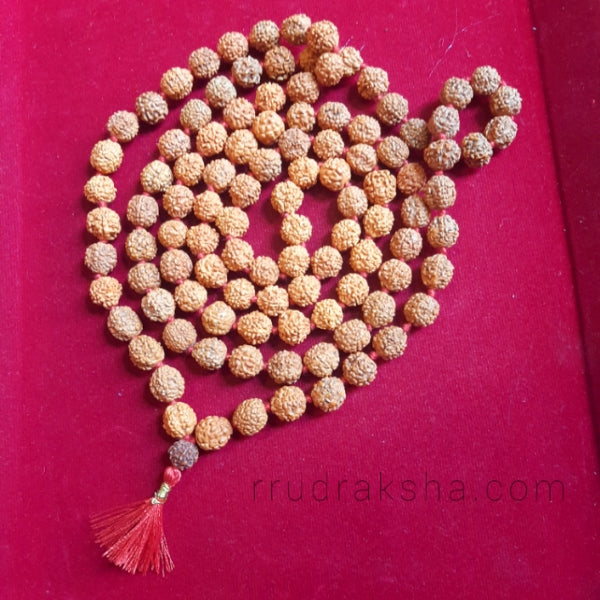
Because Ketu weakens external anchors, grounding practices become essential. Instead of seeking stimulation, traditions favored continuity — quiet repetition, ethical routine, and minimalism. Many practitioners relied on simple Rudraksha malas for silent repetition, not to regain excitement, but to remain steady while inner orientation shifted.
🪞 Why Rahu–Ketu Phases Feel Internally Unstable
The discomfort of Rahu–Ketu periods does not come from events alone. It comes from the gap between old identity and emerging awareness. Rahu pushes forward before clarity arrives. Ketu removes attachment before new meaning forms. This overlap creates uncertainty.
Most people attempt to resolve this discomfort quickly — by seeking remedies, predictions, or shortcuts. Traditional systems warned against this approach. The axis is not meant to be “fixed.” It is meant to be observed.
Instability arises when individuals cling to certainty during a phase designed to dissolve it. Attempts to force clarity prematurely often intensify confusion. This is why Rahu–Ketu periods reward patience over action and discipline over urgency.
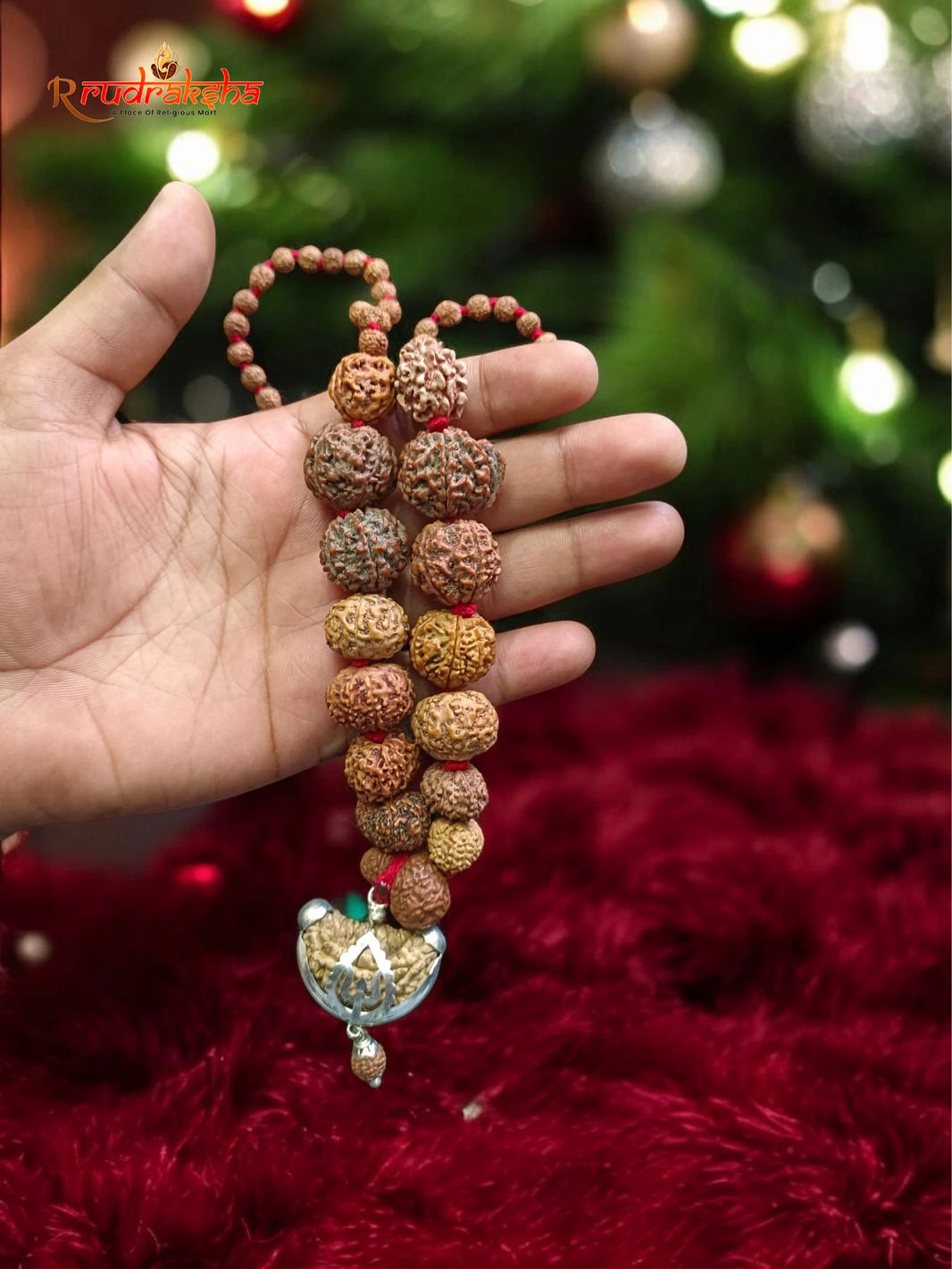
During such transitions, stabilizing anchors — such as wearing a Kantha Mala consistently — were valued symbolically. They reinforced continuity of practice even when direction felt unclear, reminding the practitioner that steadiness precedes clarity.
⚠️ The Biggest Mistake People Make During Rahu–Ketu Phases
The most common mistake during Rahu–Ketu periods is treating discomfort as a problem to eliminate rather than a signal to interpret. Fear-based astrology often amplifies this error by framing the axis as dangerous rather than diagnostic.
When pressure increases, people rush toward remedies without addressing habits, routines, or awareness. This creates dependency rather than resilience. Rahu feeds this urgency. Ketu exposes its emptiness.
Traditional teachers emphasized that Rahu–Ketu cannot be bypassed. They can only be navigated. This navigation requires slowing down, simplifying choices, and observing patterns without immediate correction.
For this reason, reflective practices supported by repetition — sometimes using a Chanting Mala during daily contemplation — were encouraged. The purpose was not planetary appeasement, but cultivation of attention and patience.
🧘 Discipline as Protection, Not Remedy
Rahu–Ketu periods reveal whether discipline exists beyond comfort. When life flows smoothly, habits often feel unnecessary. During transition, their absence becomes visible.
Discipline here does not mean restriction. It means predictability. Fixed routines, ethical consistency, and steady reflection create psychological safety when external direction dissolves.
This is why traditions emphasized routine over ritual during Rahu–Ketu phases. Stability was built through repetition, not intensity. Spiritual Tools associated with steadiness — such as Rudraksha malas used daily rather than ceremonially — symbolized commitment to continuity instead of control.
🪐 Rahu–Ketu and Identity Recalibration
Ultimately, the Rahu–Ketu axis recalibrates identity. Rahu exposes where identity has become inflated or externally driven. Ketu reveals where identity has become rigid or dependent.
This recalibration is subtle. There may be no dramatic events, yet internal orientation shifts significantly. Values reorder. Priorities soften. The future is approached with less certainty but more honesty.
Traditional Astrology never framed this as regression. It was understood as maturation. When awareness is no longer fully invested in outcomes, clarity emerges naturally.
Those who navigate this phase with patience often emerge with stronger discernment and quieter confidence — not because problems disappear, but because identity is no longer threatened by uncertainty.
🌱 The Real Gift of the Rahu–Ketu Axis
The Rahu–Ketu axis does not promise comfort. It offers alignment. It strips away excess identification and redirects awareness toward what remains steady beneath change.
When resisted, it feels chaotic. When observed, it becomes revealing. And when lived through with discipline, it leaves behind a more resilient inner structure — one less dependent on control, approval, or certainty.
This is why classical systems treated Rahu–Ketu with seriousness, not fear. They recognized that not all growth feels positive, and not all clarity feels immediate.The axis exists not to disrupt life, but to mature it.
🔍 Frequently Asked Questions (FAQs)
What is the Rahu–Ketu axis in astrology?
The Rahu–Ketu axis represents unconscious desire (Rahu) and detachment (Ketu). Together, they highlight areas of life where growth occurs through inner realignment, not comfort or certainty.
Why does Rahu create confusion and restlessness?
Rahu amplifies ambition and curiosity without clear direction. When unchecked, this can lead to impulsive decisions, dissatisfaction, or mental overload rather than meaningful progress.
Why does Ketu cause detachment or loss of motivation?
Ketu weakens emotional attachment to outcomes and identity roles. This often feels like confusion or withdrawal, but its purpose is to expose over-dependence on external validation.
Are Rahu and Ketu malefic planets?
Rahu and Ketu are not inherently malefic. They function as corrective forces that reveal imbalance rather than create harm. Their impact depends on awareness and personal discipline.
Why do Rahu–Ketu periods feel psychologically intense?
These periods challenge identity and certainty. The discomfort arises from internal restructuring, not punishment. Resistance increases pressure, while observation brings clarity.
Should remedies be used during Rahu–Ketu phases?
Traditional systems emphasize discipline, routine, and ethical conduct over quick remedies. Supportive tools are used to maintain steadiness, not to bypass the process.
What practices help during Rahu–Ketu influence?
Consistency in daily routine, minimalism, self-reflection, and disciplined habits are considered most effective. Stability in behavior reduces psychological volatility.
Can Rudraksha be used during Rahu–Ketu periods?
Yes. Traditionally, Rudraksha was used as a symbol of continuity during uncertain phases. It supports steadiness and discipline rather than stimulation or instant relief.
Why is fear-based astrology harmful during Rahu–Ketu transits?
Fear amplifies Rahu’s restlessness and Ketu’s detachment. Panic-driven interpretations weaken discernment and create dependency instead of resilience.
What is the real purpose of the Rahu–Ketu axis?
The true purpose is maturation. Rahu expands awareness of desire, while Ketu refines identity by removing excess attachment. Together, they guide inner alignment.
🧭 Conclusion 🙏
Understanding the Rahu–Ketu Axis Without Fear
The Rahu–Ketu axis is not designed to destabilize life, nor is it meant to be feared. Its role is far more precise. Rahu expands awareness by exposing unchecked desire, ambition, and attachment, while Ketu refines identity by loosening dependency on certainty, labels, and outcomes. Together, they operate as a corrective mechanism rather than a punitive force.
Much of the anxiety surrounding Rahu–Ketu periods arises from misunderstanding their function. When these phases are framed as threats, individuals respond with urgency and fear, often seeking shortcuts instead of insight. Traditional systems, however, never approached this axis as something to escape. It was observed, respected, and navigated through discipline, restraint, and consistency.
The real challenge of Rahu–Ketu lies not in external events, but in internal adjustment. These periods reveal where identity has become inflated, rigid, or dependent. When resisted, discomfort intensifies. When approached with patience, clarity gradually replaces confusion. This process cannot be rushed, and it does not reward panic-driven action.
Supportive tools, when used, were never intended as substitutes for awareness. They functioned as anchors of continuity — reminders of steadiness during psychological transition. Whether through routine, ethical conduct, or symbolic practices, the emphasis was always on building capacity rather than neutralizing pressure.
Ultimately, the Rahu–Ketu axis matures the individual. It strips away excess identification and redirects attention toward what remains stable beneath change. Those who engage with it consciously often emerge with stronger discernment, quieter confidence, and a deeper sense of alignment — not because life becomes easier, but because awareness becomes steadier.
When understood in this way, Rahu–Ketu no longer represents disruption. It represents recalibration — a necessary process through which growth becomes sustainable rather than reactive.
🙏 हर हर महादेव 🙏





Leave a comment