













🪐 Navgraha Explained: How Planetary Influences Shape Everyday Decisions
In traditional Indian thought, the Navgraha were never viewed as distant forces controlling fate. They were understood as mirrors — reflections of tendencies that already exist within human behavior. Each planet represents a specific psychological function that influences how decisions are made, how pressure is handled, and how responsibility is carried in daily life.
When understood correctly, the Navgraha framework does not create fear. It creates clarity. Instead of asking “What will happen to me?”, the wiser question becomes “What aspect of my behavior needs awareness right now?” This shift transforms astrology from prediction into self-observation.
This guide explores the Navgraha through the lens of everyday decision-making. Each planetary section explains what that planet represents in practical life, how imbalance commonly appears, and — only where appropriate — which traditional Rudraksha or gemstone supports have historically been used as stabilizing companions rather than quick fixes.
☀️ Sun (Surya): Identity, Responsibility, and Inner Authority
The Sun represents identity, confidence, and the ability to take responsibility without arrogance. In daily life, Surya governs how a person leads, how they stand by decisions, and how comfortable they are with visibility and accountability. A balanced Sun allows confidence to emerge naturally, without the need to dominate or withdraw.
When Sun energy is weak, individuals may struggle with self-doubt, indecision, or fear of responsibility. When excessive, it may appear as ego rigidity, the need for control, or difficulty accepting feedback. In both cases, the issue is not power itself, but relationship with authority — both internal and external.
Traditional systems emphasized discipline and ethical conduct as the primary stabilizers of Sun influence. Where symbolic support was used, grounding tools associated with steadiness and responsibility — such as a 1 Mukhi or well-chosen 12 Mukhi Rudraksha — were traditionally associated with Surya principles, serving as reminders of accountability rather than sources of dominance.
🌙 Moon (Chandra): Emotion, Stability, and Mental Security
The Moon governs emotional response, memory, and the sense of inner safety. In everyday decisions, Chandra influences how one reacts under stress, how emotions color judgment, and how secure one feels when outcomes are uncertain. A balanced Moon allows emotions to flow without overwhelming clarity.
Imbalance in Moon energy often shows up as emotional volatility, overthinking, mood dependency, or difficulty feeling settled. Decisions made under lunar imbalance tend to be reactive rather than reflective, driven by comfort-seeking or fear of loss.
Traditional approaches emphasized emotional regulation through routine, rest, and reflection. Symbolic supports associated with calmness and mental clarity — such as Pearl or Sphatik used during quiet sitting — were historically favored to encourage emotional steadiness rather than emotional stimulation.
🔥 Mars (Mangal): Action, Courage, and Controlled Assertiveness
Mars governs action, initiative, and the ability to confront challenges directly. In daily life, Mangal influences how decisively one acts, how conflict is handled, and how energy is directed under pressure. Balanced Mars energy produces courage with restraint.
When Mars is excessive, actions may become impulsive, aggressive, or confrontational. When weak, hesitation, avoidance, or suppressed anger may appear. In both cases, decisions suffer — either from recklessness or inaction.
Traditional systems viewed Mars discipline as essential. Physical routine, focused effort, and ethical restraint were emphasized. Where symbolic tools were used, grounding supports like a 3 Mukhi Rudraksha were traditionally associated with refining action, encouraging courage without aggression and initiative without recklessness.
🌱 Mercury (Budh): Communication, Logic, and Adaptability
Mercury governs intellect, communication, and adaptability. In practical life, Budh influences how information is processed, how clearly ideas are expressed, and how flexibly one responds to change. A balanced Mercury supports clarity without overanalysis.
Imbalance may appear as scattered thinking, over-communication, manipulation through words, or difficulty articulating thoughts. Decisions influenced by unstable Mercury energy often feel rushed, confusing, or overly analytical without conclusion.
Traditional systems emphasized simplicity and clarity for Mercury balance. Reflective practices that encourage mental order were prioritized. Where symbolic association was used, lighter supports such as a 4 Mukhi Rudraksha were traditionally linked with sharpening intellect and communication, serving as aids for clarity rather than mental stimulation.
📚 Jupiter (Guru): Wisdom, Growth, and Ethical Direction
Jupiter represents wisdom, expansion, belief systems, and the search for meaning. In everyday life, Guru influences how knowledge is absorbed, how principles are formed, and how long-term decisions are guided. A balanced Jupiter allows growth that is thoughtful rather than excessive, purposeful rather than scattered.
When Jupiter energy is imbalanced, expansion can lose direction. Individuals may accumulate information without integration, pursue too many opportunities at once, or develop overconfidence without ethical grounding. Decisions influenced by such imbalance often feel optimistic in the moment but unstable over time.
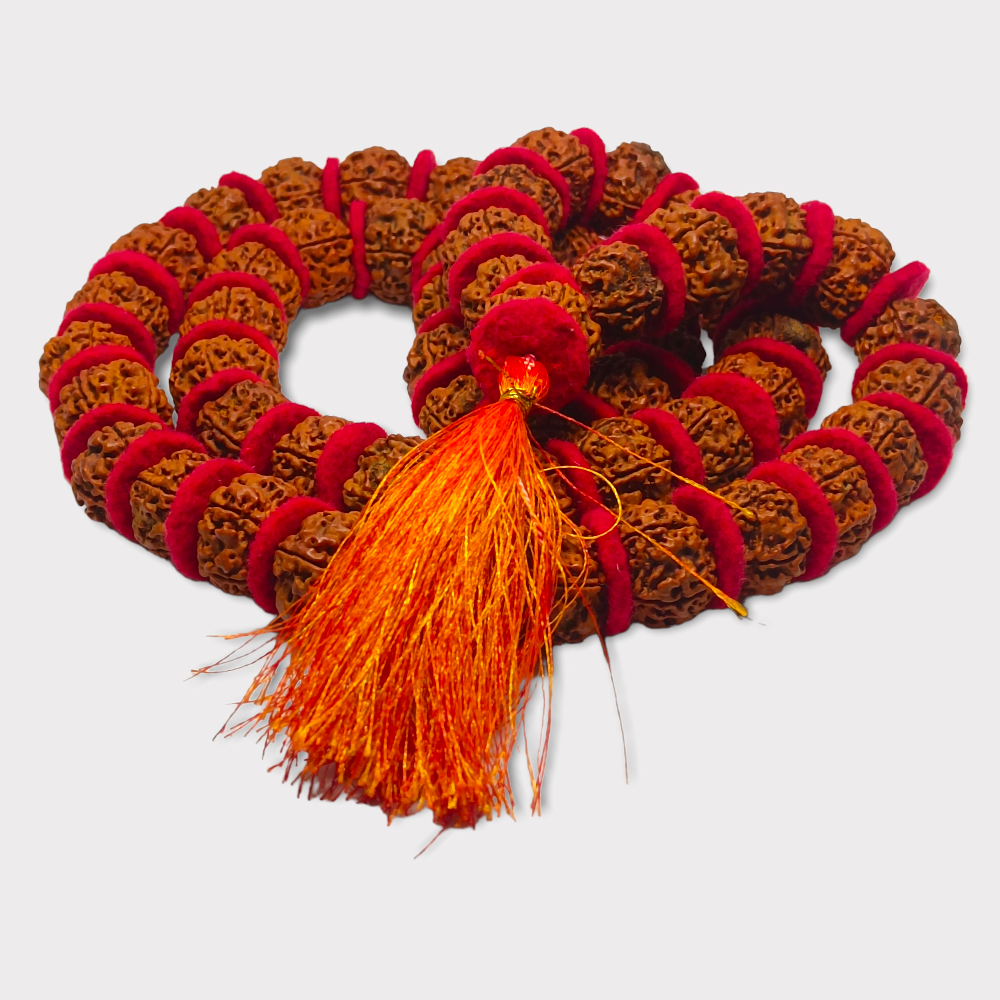
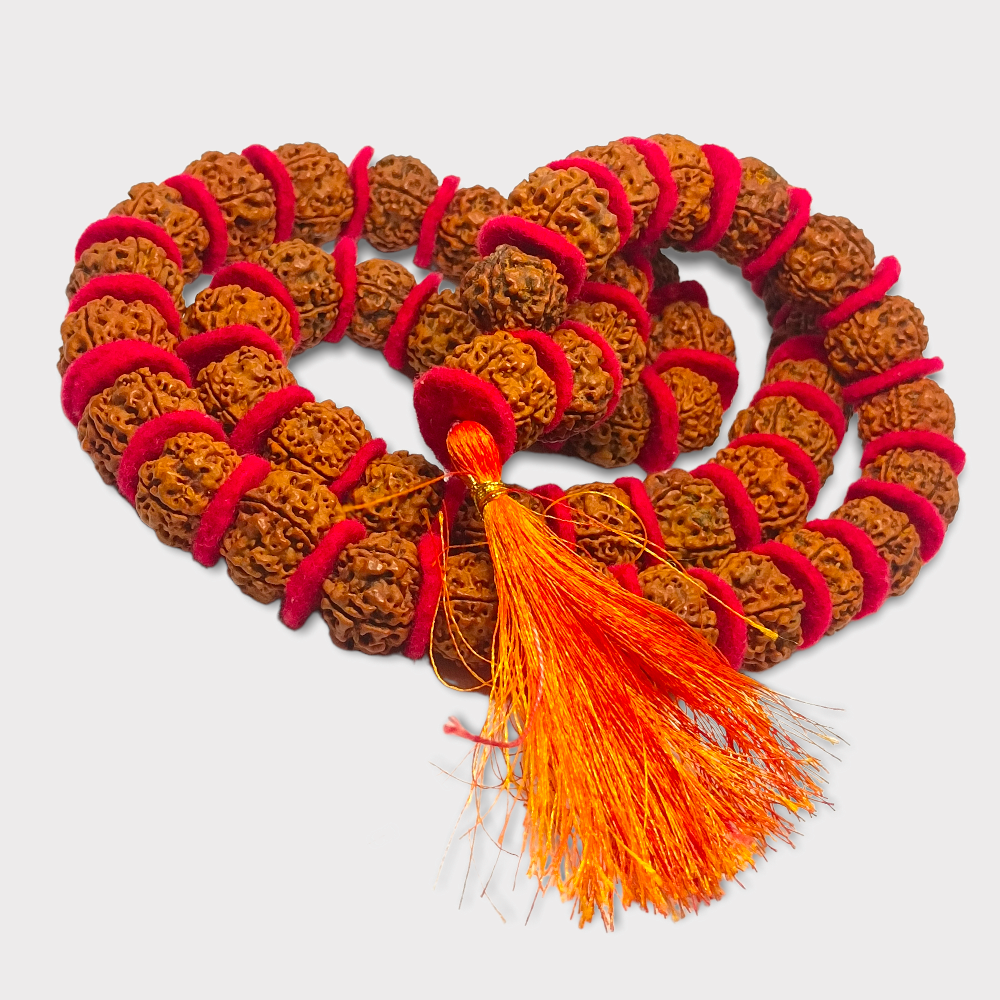
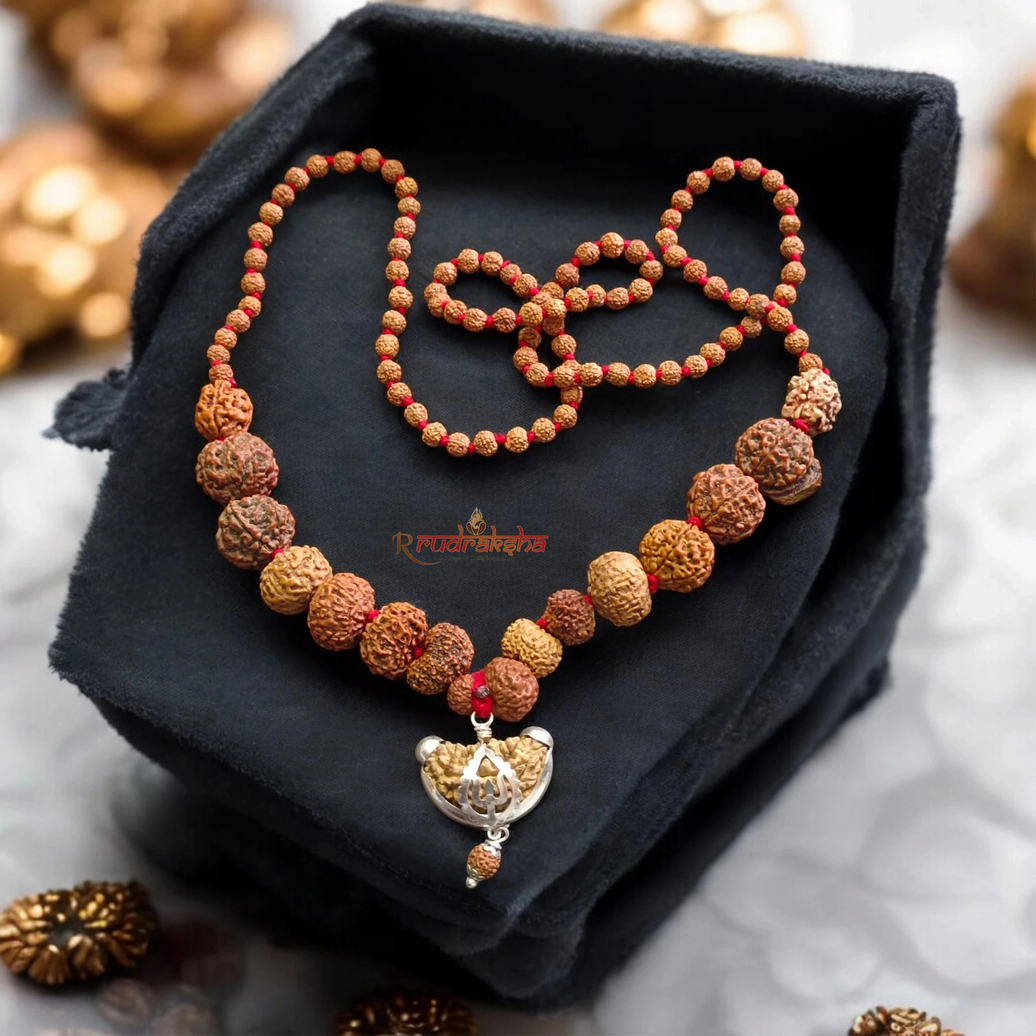
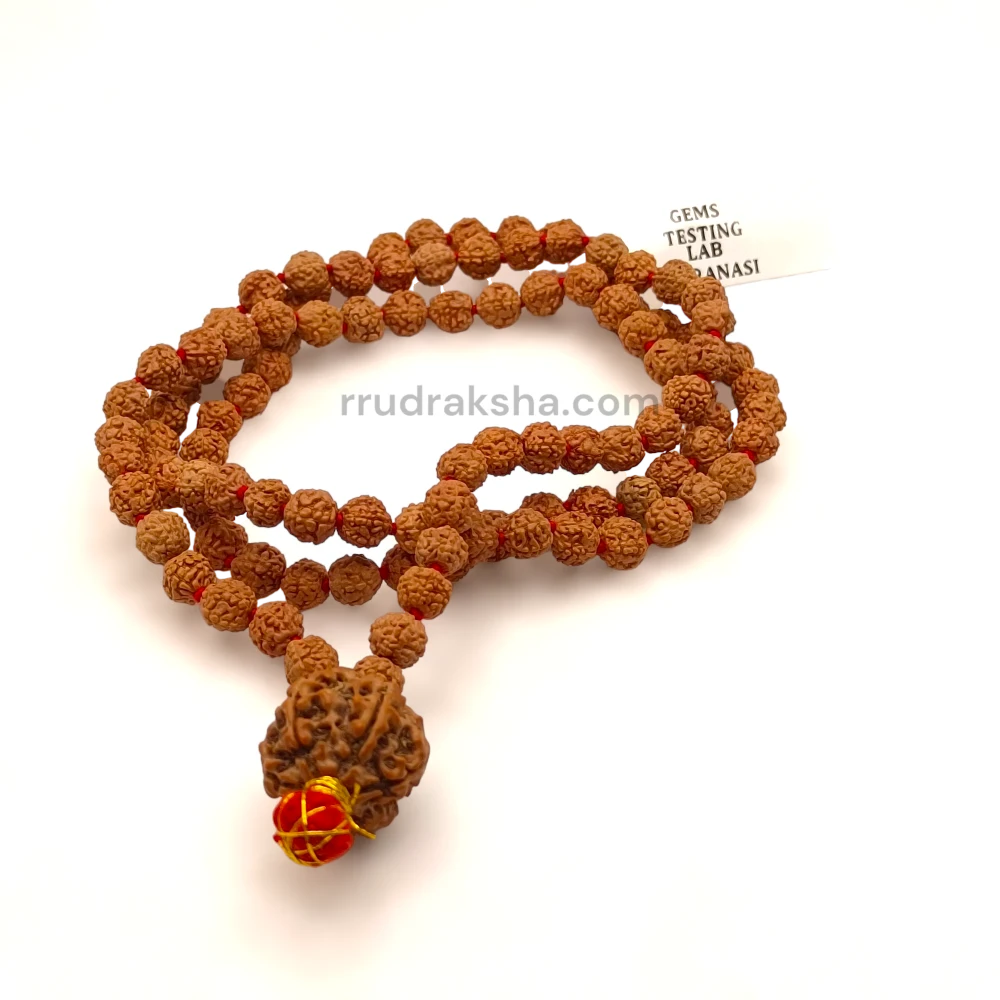
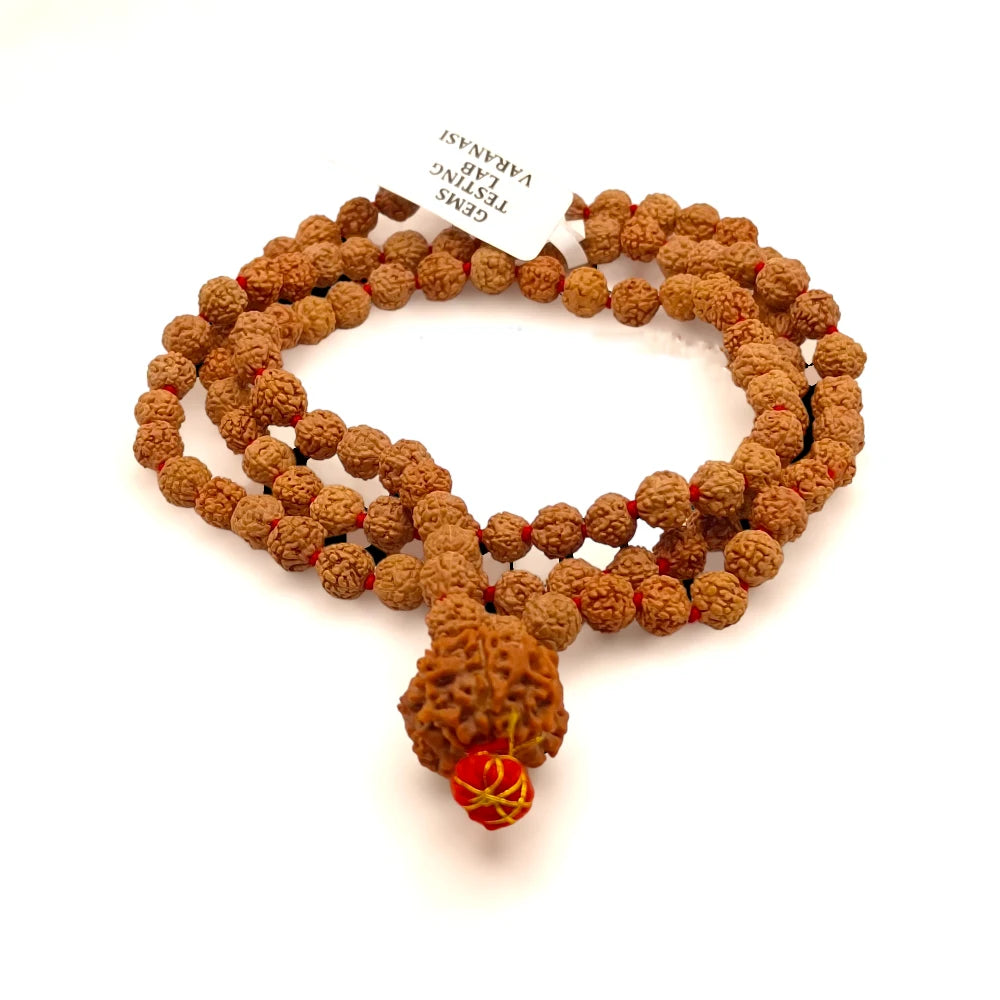
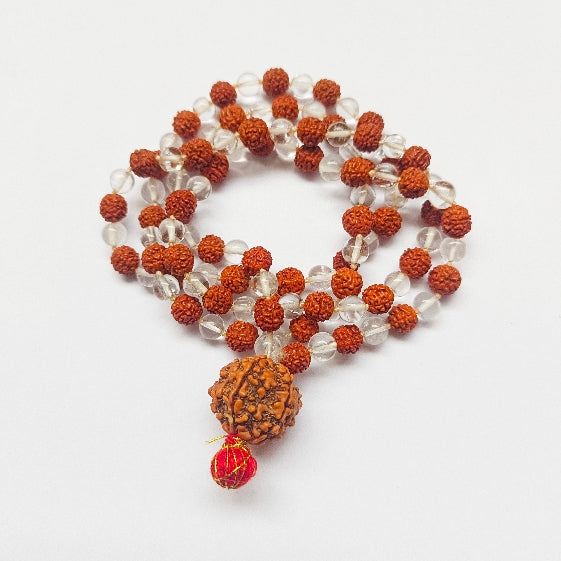
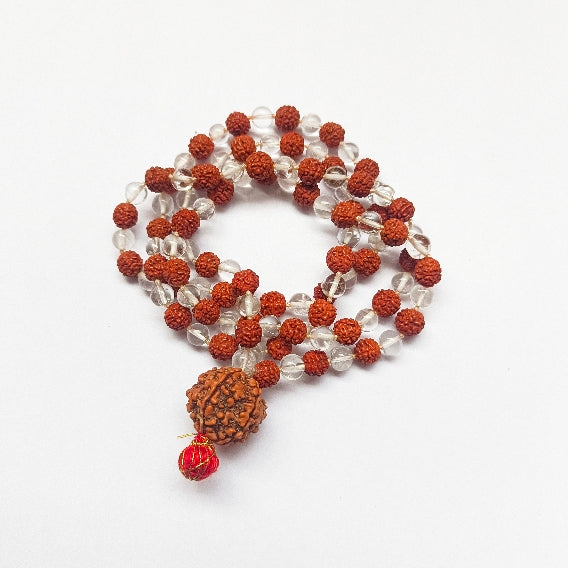
Traditional astrology always paired Jupiter’s influence with restraint and discipline. Learning was meant to mature slowly through reflection and lived experience. In this context, steady contemplative practices were emphasized. Symbolic supports such as a 5 Mukhi Rudraksha Jaap Mala were traditionally associated with Guru principles, not as tools for rapid success, but as companions that encourage focused learning, ethical clarity, and disciplined growth.
🌸 Venus (Shukra): Values, Relationships, and Healthy Enjoyment
Venus governs values, relationships, pleasure, and aesthetic sensibility. In daily decisions, Shukra shapes how comfort is sought, how relationships are nurtured, and how enjoyment is balanced with responsibility. A healthy Venus allows pleasure without dependency and connection without compromise of self-respect.
When Venus is excessive, indulgence may replace discernment. Emotional dependency, over-attachment, or prioritizing comfort over responsibility can distort judgment. When weak, difficulty receiving joy, emotional withdrawal, or undervaluing relationships may emerge.
Traditional systems emphasized moderation rather than denial for Venus balance. Pleasure was respected, but not allowed to dominate awareness. Where symbolic supports were used, gentle stabilizers associated with harmony — such as a 6 Mukhi Rudraksha — were traditionally linked with refining emotional expression and encouraging balance in relationships rather than emotional excess.
🪨 Saturn (Shani): Discipline, Patience, and Long-Term Stability
Saturn governs discipline, responsibility, patience, and endurance. In everyday life, Shani influences how challenges are handled, how commitments are honored, and how long-term goals are sustained despite discomfort. A balanced Saturn creates resilience and reliability.
Imbalance in Saturn energy often manifests as fear of limitation, avoidance of responsibility, or excessive rigidity. Decisions may be delayed out of fear or enforced too harshly without flexibility. In both cases, growth feels heavy rather than constructive.
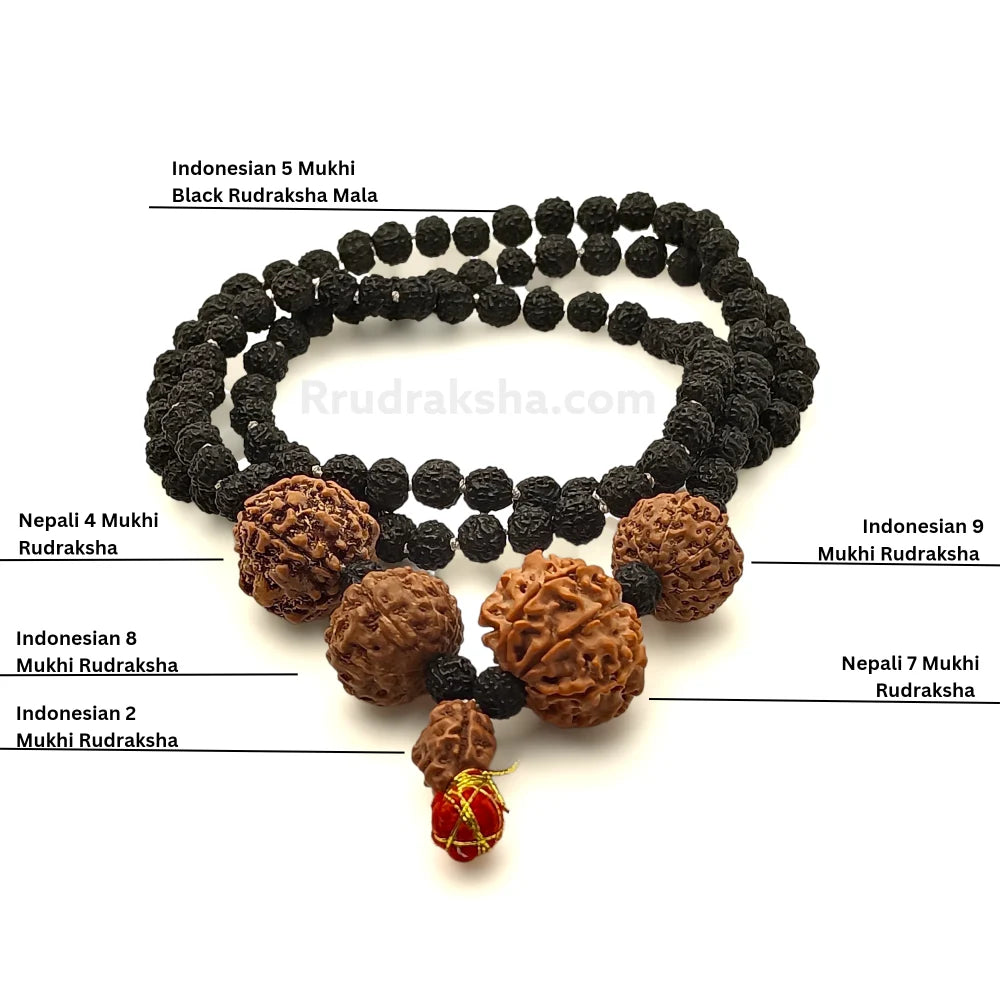
Traditional astrology viewed Saturn not as a punisher, but as a teacher of maturity. Simplicity, routine, and ethical conduct were emphasized. Symbolic supports associated with steadiness — such as a 7 Mukhi Mala — were traditionally chosen to reinforce patience, responsibility, and grounded persistence rather than immediate relief.
🌫 Rahu: Desire, Ambition, and Psychological Restlessness
Rahu represents desire, ambition, and the pull toward the unfamiliar. In daily life, Rahu influences curiosity, obsession, innovation, and the urge to break boundaries. When balanced, it supports creative expansion and unconventional thinking.
When imbalanced, Rahu can create restlessness, confusion, or compulsive pursuit of outcomes without clarity. Decisions may be driven by impulse, comparison, or the fear of missing out rather than conscious intention.
Traditional systems approached Rahu periods with grounding and restraint rather than suppression. Repetition, consistency, and ethical limits were emphasized. Symbolic companions such as a Siddha Mala were traditionally associated with maintaining steadiness and discipline during periods of psychological fluctuation, helping awareness remain anchored amid uncertainty.
🕊 Ketu: Detachment, Insight, and Letting Go
Ketu governs detachment, insight, and the dissolution of outdated identities. In daily decision-making, Ketu influences how easily one releases what no longer serves — habits, roles, or emotional patterns that have completed their purpose.
When Ketu is balanced, clarity deepens without withdrawal. When excessive, detachment may turn into isolation, disengagement, or avoidance of responsibility. Decisions may feel directionless if grounding is absent.
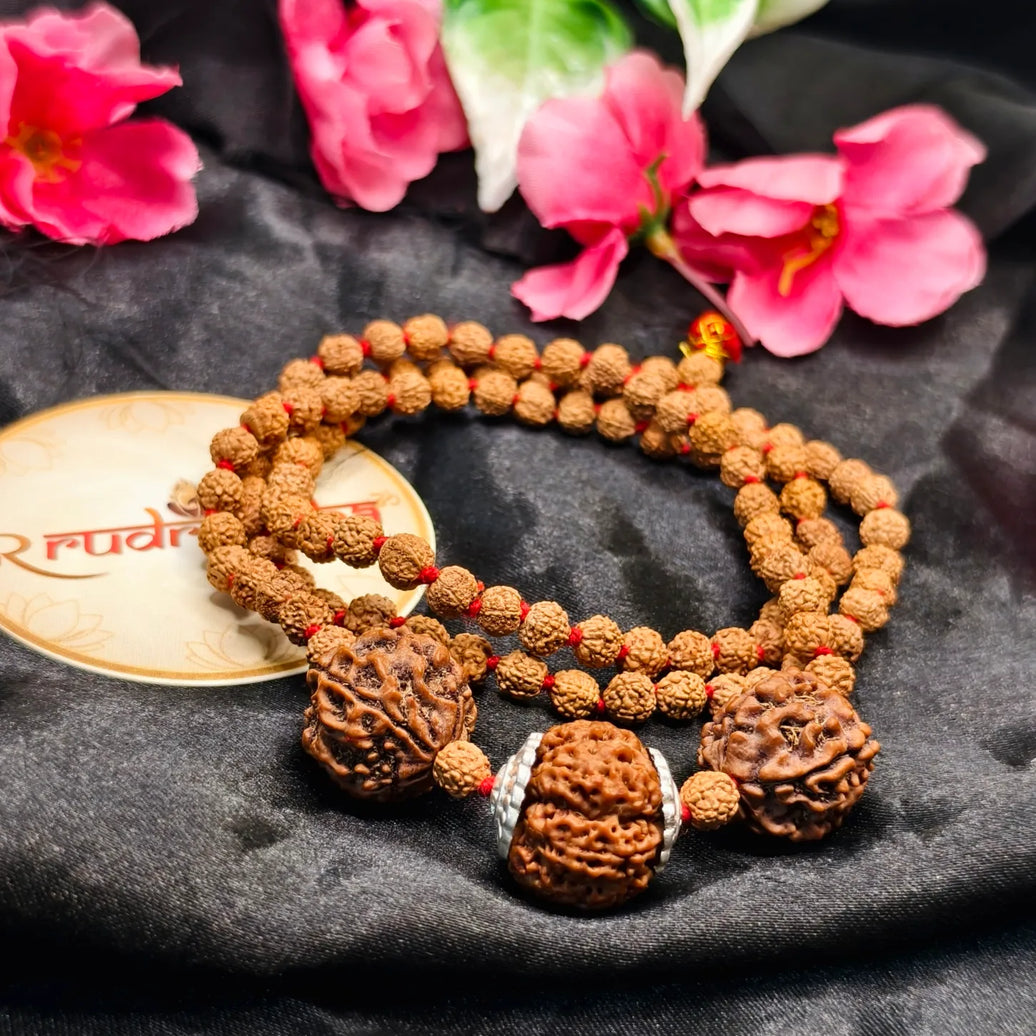
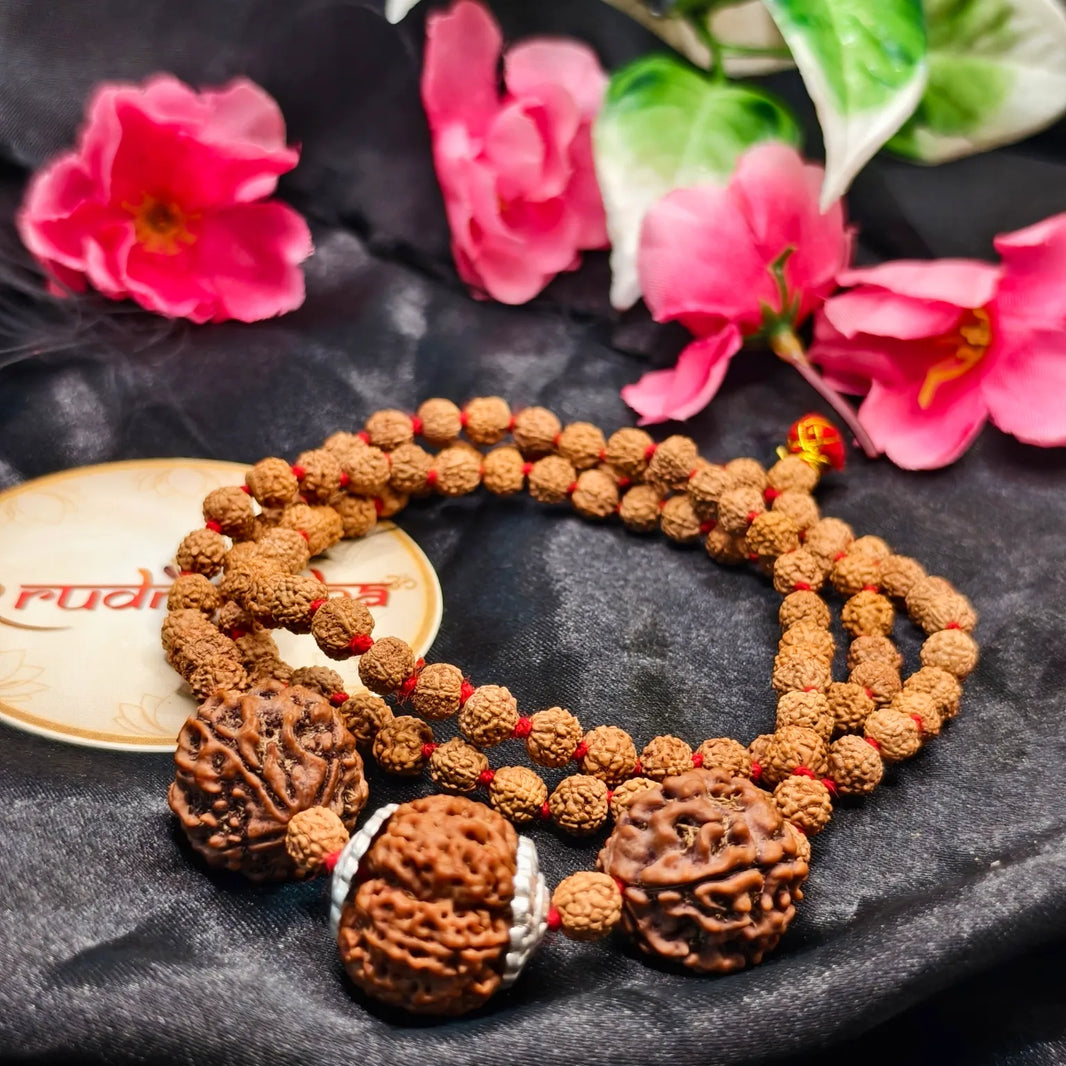
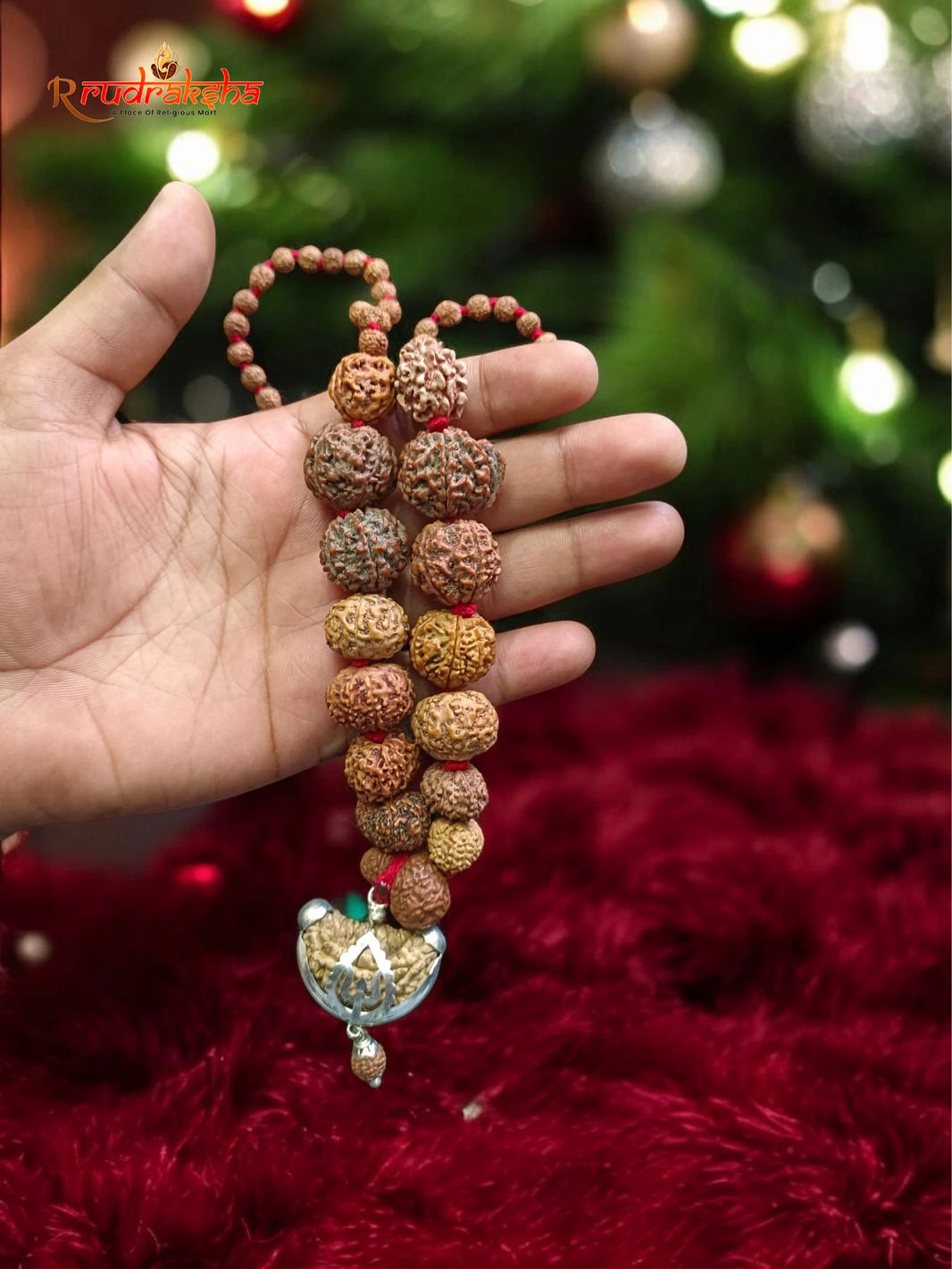
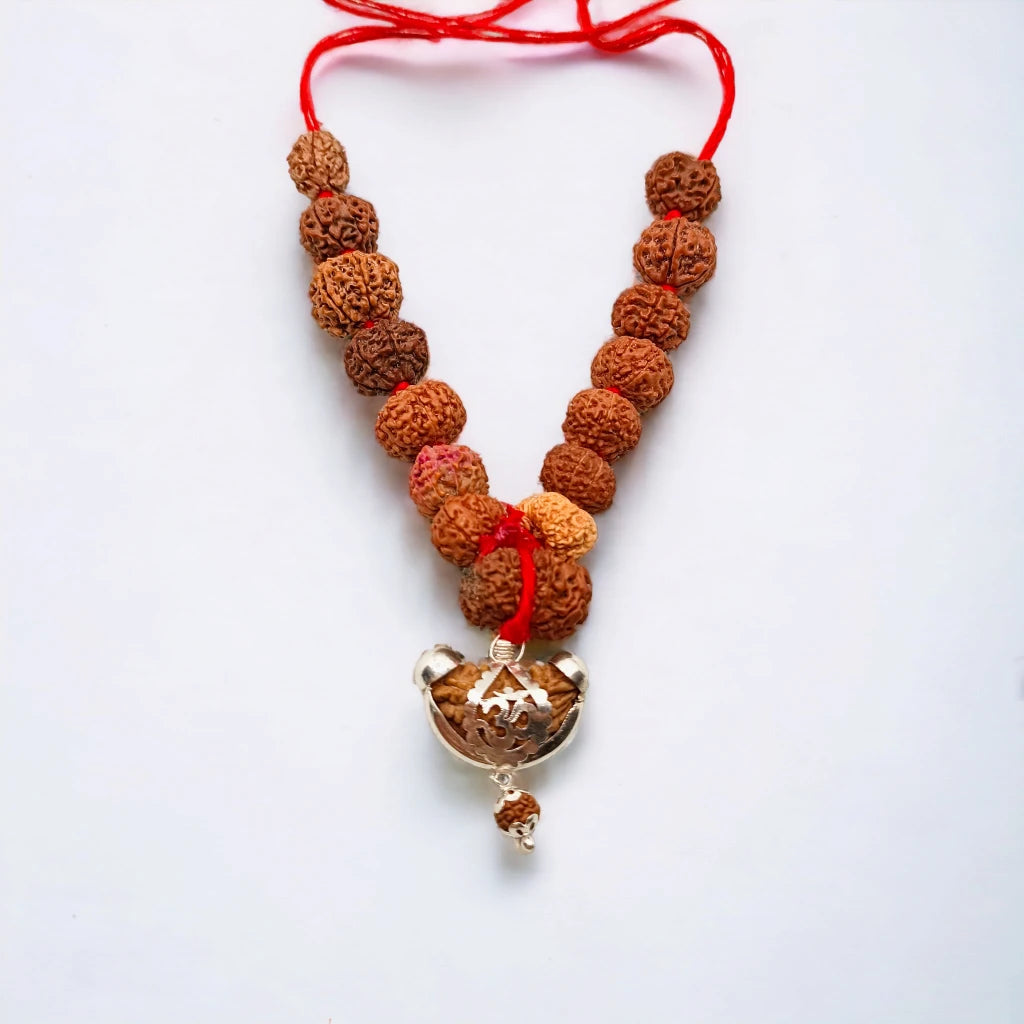
Traditional teachings emphasized grounding Ketu’s influence through continuity and routine. Supports associated with simplicity — such as a Rudraksha Kantha Mala worn consistently — were traditionally preferred to maintain connection with daily life while allowing insight to mature without disconnection.
🔄 How Multiple Planetary Influences Interact in Daily Life
In real life, planetary influences rarely operate in isolation. Decisions are shaped by overlapping forces — discipline from Saturn, desire from Venus, ambition from Rahu, discernment from Jupiter, and clarity from the Sun. Understanding this interaction is essential, because confusion often arises not from one planet being “strong” or “weak,” but from conflicting influences acting simultaneously.
For example, a person may feel inspired to expand professionally (Jupiter) while simultaneously experiencing hesitation or fear of responsibility (Saturn). Another may feel a strong urge to change direction (Rahu) while lacking emotional stability (Moon). These internal contradictions are not flaws; they are natural expressions of planetary dynamics within the psyche.
Traditional astrology addressed such overlap through balance rather than correction. Instead of amplifying one influence to overpower another, practitioners emphasized steadiness — allowing each force to express itself within ethical and practical boundaries. This is why stabilizing practices, repetition, and routine were valued more than dramatic interventions.
🧭 Decision-Making Through Planetary Awareness (Not Fear)
One of the most misunderstood aspects of Navgraha is the belief that planets dictate unavoidable outcomes. Classical systems, however, treated planetary influence as context rather than command. Planets describe tendencies, not destiny. Awareness of these tendencies allows decisions to be made consciously instead of reactively.
For instance, during strong Mars influence, impatience or impulsive action may increase. Awareness does not require suppression of action, but refinement of timing. Similarly, during Venus-dominant phases, emotional or relational decisions benefit from moderation rather than indulgence. The goal is alignment, not avoidance.
This is why traditional systems emphasized self-observation. When decision-making is guided by awareness of internal states rather than external pressure, planetary influence becomes informative instead of overwhelming.
📿 Supportive Tools as Anchors, Not Shortcuts
In classical traditions, spiritual tools were never used to “fix” planets. They were used to anchor attention and reinforce discipline. A mala, kantha, or bracelet was meaningful not because of instant effects, but because it symbolized continuity — returning awareness to steadiness during daily activity.
For example, during periods of mental overload influenced by Mercury or Rahu, repetition-based practices helped slow internal noise. During emotionally demanding phases linked with Moon or Venus, grounding reminders supported emotional regulation rather than avoidance. The emphasis was always on consistency over intensity.
This perspective prevents dependency. Tools support awareness; they do not replace effort, responsibility, or ethical conduct. When used appropriately, they become reminders rather than solutions — reinforcing inner stability rather than external expectation.
🌱 Staying Balanced During Transits Without Panic
Planetary transits are often presented as periods to fear or aggressively remedy. Traditional understanding takes a very different approach. Transits highlight themes already present in life; they do not create problems from nothing. Awareness during transits allows adjustment, not alarm.
When transits activate uncertainty, grounding becomes essential. When they activate ambition, restraint becomes important. When they activate emotional sensitivity, patience becomes necessary. Balance is achieved not by countering the planet, but by responding appropriately to the quality it brings forward.
This approach transforms astrology from prediction into self-regulation. Instead of asking, “What will happen?” the more useful question becomes, “How should I respond?” This shift reduces anxiety and restores agency.
🧠 Navgraha as a Framework for Inner Maturity
Viewed holistically, Navgraha is not a system of rewards and punishments. It is a psychological and ethical framework describing how different aspects of human experience operate and interact. Each planet reflects a dimension of life that requires understanding, discipline, and balance.
When approached with maturity, astrology becomes less about prediction and more about preparation. It encourages responsibility, self-awareness, and adaptability. Life is no longer experienced as something happening to an individual, but as something unfolding through conscious participation.
This perspective aligns closely with traditional teachings, which emphasized character over outcomes and understanding over control. Planets were guides, not authorities. Awareness was the true stabilizer.
❓Frequently Asked Questions (FAQs)
What is Gochar in astrology for 2026?
Gochar refers to the movement of planets through zodiac signs. In 2026, these transits indicate shifts in focus, responsibility, learning, and restructuring rather than fixed outcomes.
Do planetary transits in 2026 affect everyone the same way?
No. Navgraha transits interact differently with each person’s mindset, circumstances, and choices. Gochar reflects tendencies, not identical results for everyone.
Should I be worried about major transits like Saturn, Jupiter, or Rahu–Ketu in 2026?
There is no need for panic. Traditionally, these transits highlight areas that require discipline, maturity, or realignment rather than predicting loss or danger.
Are remedies necessary during Gochar 2026?
Classical astrology does not consider remedies compulsory. Awareness, ethical conduct, and steady routines are emphasized more than reactive measures.
Can Rudraksha or gemstones reduce negative effects of planetary transits?
They are not meant to change planetary movements. Traditionally, they are used as supportive tools to reinforce grounding, focus, and steadiness during transitional phases.
Is Gochar 2026 about prediction or preparation?
Gochar is better understood as a framework for preparation and self-awareness rather than exact prediction of events.
How should beginners approach Navgraha transits in 2026?
Beginners are encouraged to observe patterns calmly, avoid fear-based interpretations, and focus on consistent personal discipline instead of searching for quick fixes.
What matters most during challenging planetary periods?
Personal responsibility, emotional regulation, and clarity in decision-making matter more than any external support or remedy.
🔚 Conclusion ♎
Balance Over Remedies
Navgraha understanding was never meant to create fear or dependency. Its purpose was to cultivate awareness, patience, and ethical clarity in daily life. When planetary influence is approached with maturity, balance becomes possible without panic.
Rather than seeking constant remedies, traditional systems emphasized steady living — routine, responsibility, reflection, and restraint. Supportive tools, when used, reinforced these values rather than replacing them.
In this way, astrology becomes not a source of anxiety, but a map for conscious decision-making — one that supports steadiness, clarity, and resilience across changing circumstances.
🙏 हर हर महादेव 🙏





Leave a comment