


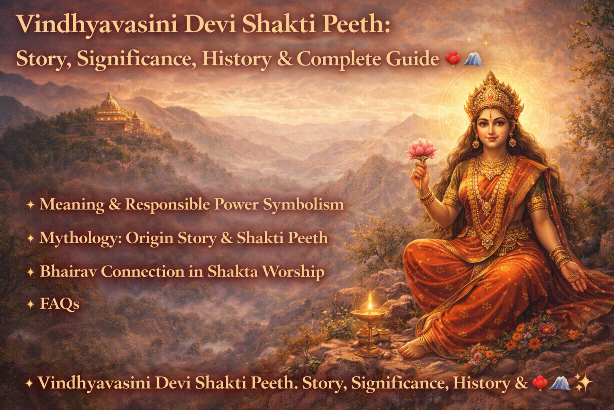
Vindhyavasini Devi Shakti Peeth: Story, Significance, History & Complete Guide 🌺⛰️
Among the many sacred forms of the Divine Mother worshipped in Sanatan Dharma, Vindhyavasini Devi holds a deeply powerful and balanced identity. She is neither only fierce nor only gentle. She is remembered as the Devi who chose stillness over destruction, stability over chaos, and protection over aggression. 🌺⛰️
Vindhyavasini Devi is worshipped as a living presence of Shakti who resides in the Vindhya mountain range, symbolizing control, balance, and divine restraint. Her name itself reveals her nature—“Vindhya” refers to the sacred mountains, and “Vasini” means “the one who resides.” Together, Vindhyavasini means the Divine Mother who resides in the Vindhyas, stabilizing cosmic energy.
In this complete guide, we will explore Vindhyavasini Devi Shakti Peeth meaning, her mythological origins, spiritual symbolism, Shakti Peeth connection, cultural importance, Bhairav association, and deeper relevance in modern devotional life. This blog is written responsibly using belief-based language, without exaggeration or miracle claims, and is suitable for both beginners and advanced devotees.
What is Vindhyavasini Devi Shakti Peeth? (Simple Meaning) ⛰️
Vindhyavasini Devi Shakti Peeth is a revered center of Devi worship where the Divine Mother is honored as the Shakti who brings balance and stability to the universe. She is worshipped as a form of Durga who chose to remain in the Vindhya mountains after completing her divine purpose.
For beginners, the simplest way to understand Vindhyavasini Devi is this: she is the Divine Mother who protects without unnecessary destruction and governs power with restraint. Her worship is deeply connected with peace, balance, and inner strength.
Unlike some Devi forms that represent intense transformation, Vindhyavasini represents controlled Shakti—the energy that knows when to act and when to remain still.
Why Vindhyavasini Devi is Considered a Shakti Peeth 🕉️
The Shakti Peeth tradition originates from the sacred mythology of Sati and Shiva. According to belief-based narratives, after Daksha Yagna and Sati’s sacrifice, Shiva carried Sati’s body across the cosmos in grief. To restore balance, Vishnu intervened, and sacred locations emerged where parts of Sati’s body or ornaments fell.
These locations became known as Shakti Peeths—powerful centers of Devi Shakti. Vindhyavasini Devi is widely revered within this sacred framework as a Shakti Peeth, especially in regional and devotional traditions.
It is important to note responsibly that different texts list Shakti Peeths with slight variations. However, Vindhyavasini Devi’s Shakti identity is extremely strong in living devotion and is deeply respected as a powerful seat of the Divine Mother.
The Mythological Story of Vindhyavasini Devi 📖
The mythology of Vindhyavasini Devi is closely connected to one of the most significant stories in Devi worship—the defeat of evil forces threatening cosmic order. In belief-based tradition, after Devi’s victory over destructive forces, she was invited by the gods to continue residing in heaven.
However, Devi chose a different path. She decided to remain on earth, in the Vindhya mountains, to protect humanity and maintain balance. This decision reflects her unique identity—not as a distant celestial goddess, but as a protective Divine Mother who stays close to her devotees.
This story carries a deep spiritual message. True power does not always seek dominance. Sometimes, true power chooses responsibility. Vindhyavasini Devi symbolizes that mature Shakti—the kind that sustains, stabilizes, and protects without excess force.
Spiritual Meaning of Vindhyavasini Devi: Shakti in Balance 🌺
Spiritually, Vindhyavasini Devi represents balanced power, restraint, and inner stability. In Shakta philosophy, uncontrolled energy can create destruction, while balanced energy creates harmony.
Vindhyavasini worship reflects the idea that spiritual strength is not always loud or aggressive. Sometimes, it is calm, steady, and deeply rooted. This makes her symbolism especially relevant for devotees seeking emotional stability and mental clarity.
In belief-based devotion, people often connect with Vindhyavasini Devi during times when life feels unstable. Her presence symbolizes grounding—the reminder that strength does not mean chaos; it means control.
Spiritual Significance of Vindhyavasini Devi Shakti Peeth 💫
Vindhyavasini Devi Shakti Peeth is spiritually significant because it represents the Divine Mother as a stabilizing force. She is the Shakti that keeps the universe balanced—not through fear, but through presence.
Many devotees worship Vindhyavasini Devi for inner peace, emotional balance, and protection. Her blessings, in belief-based understanding, are often experienced as calmness, clarity, and courage to face life responsibly.
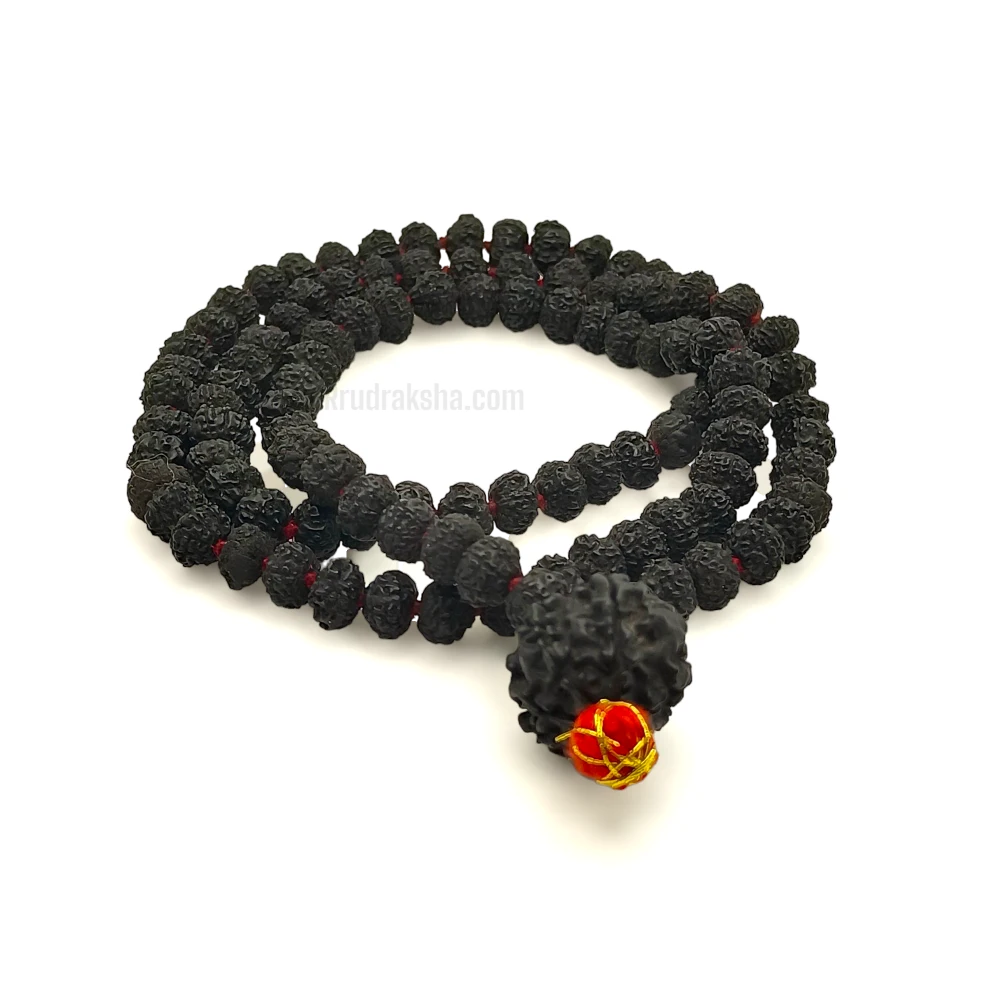
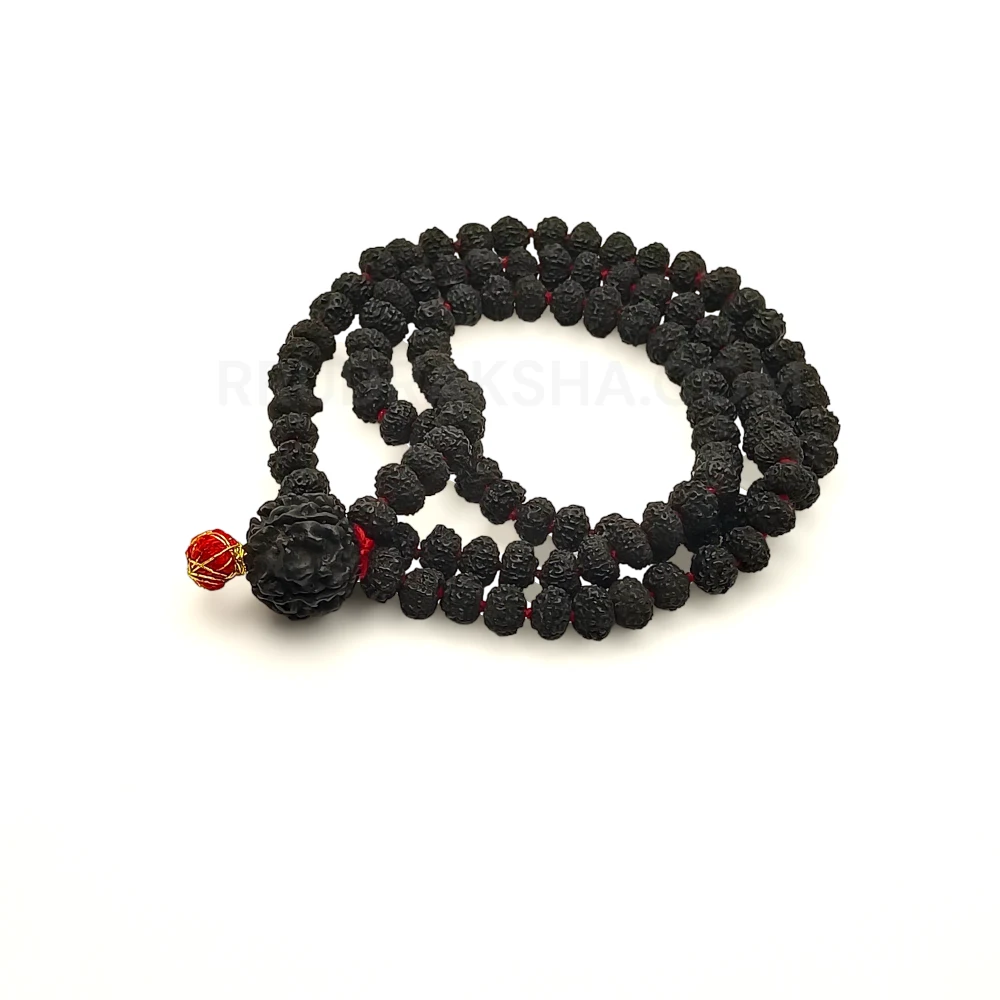
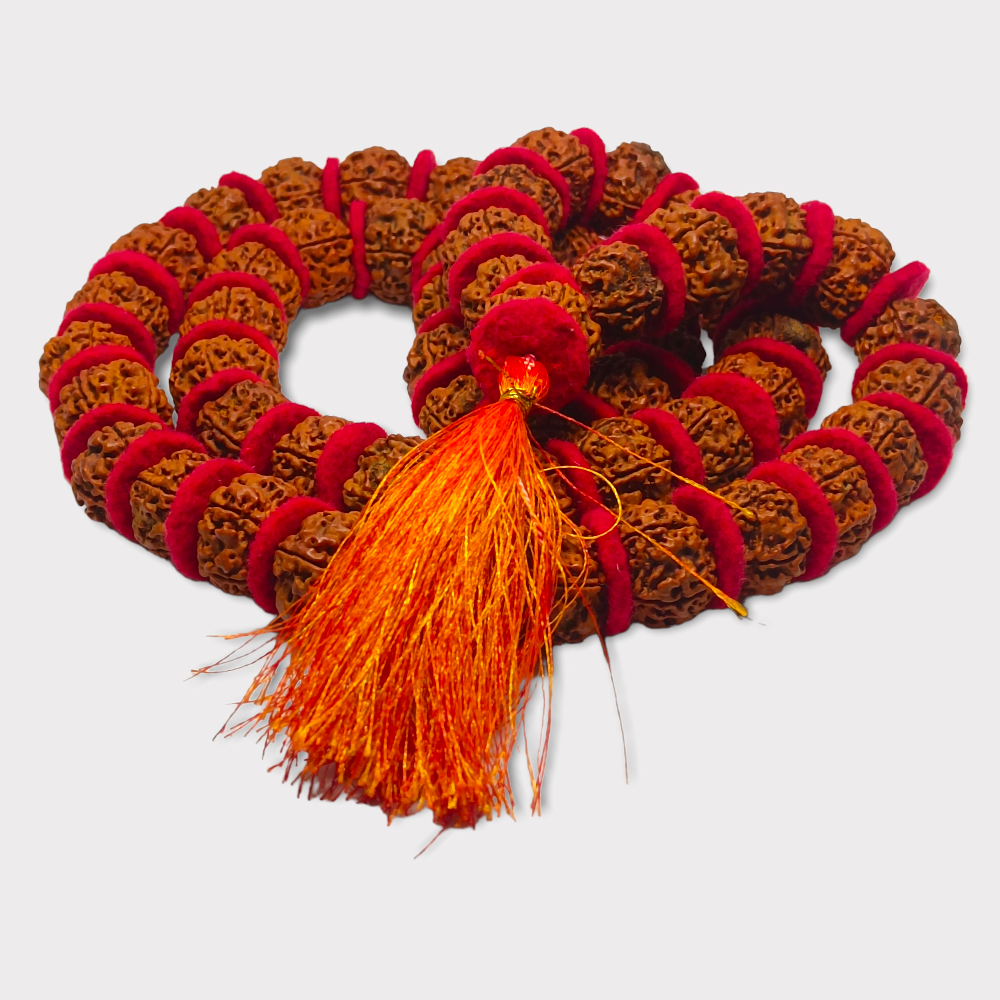
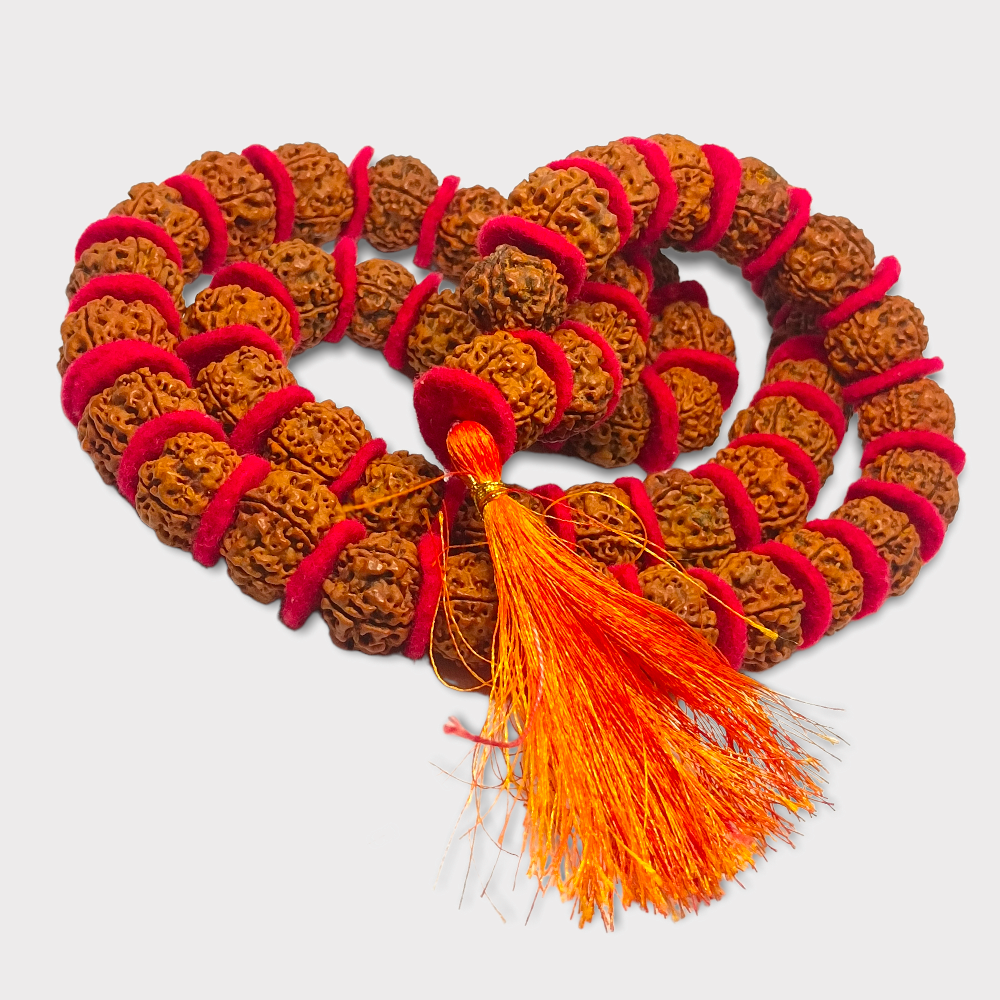
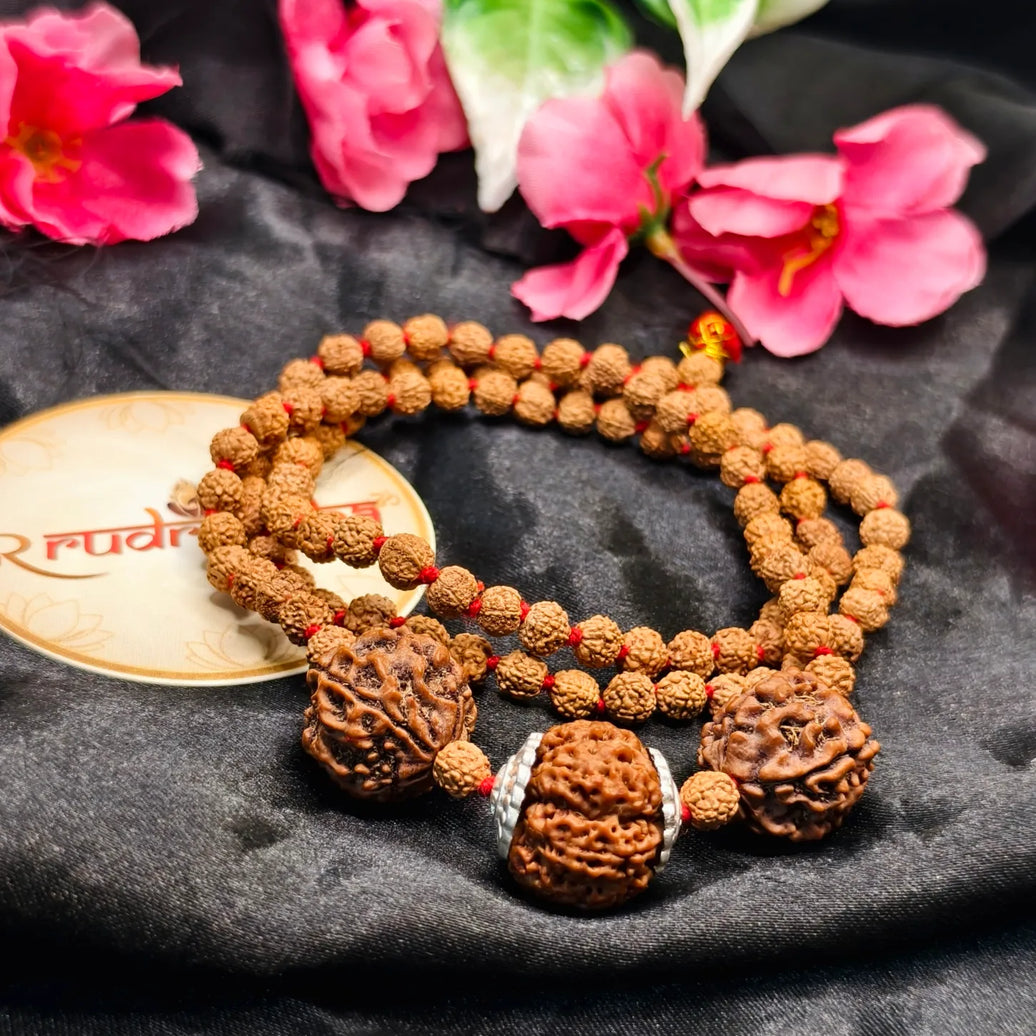
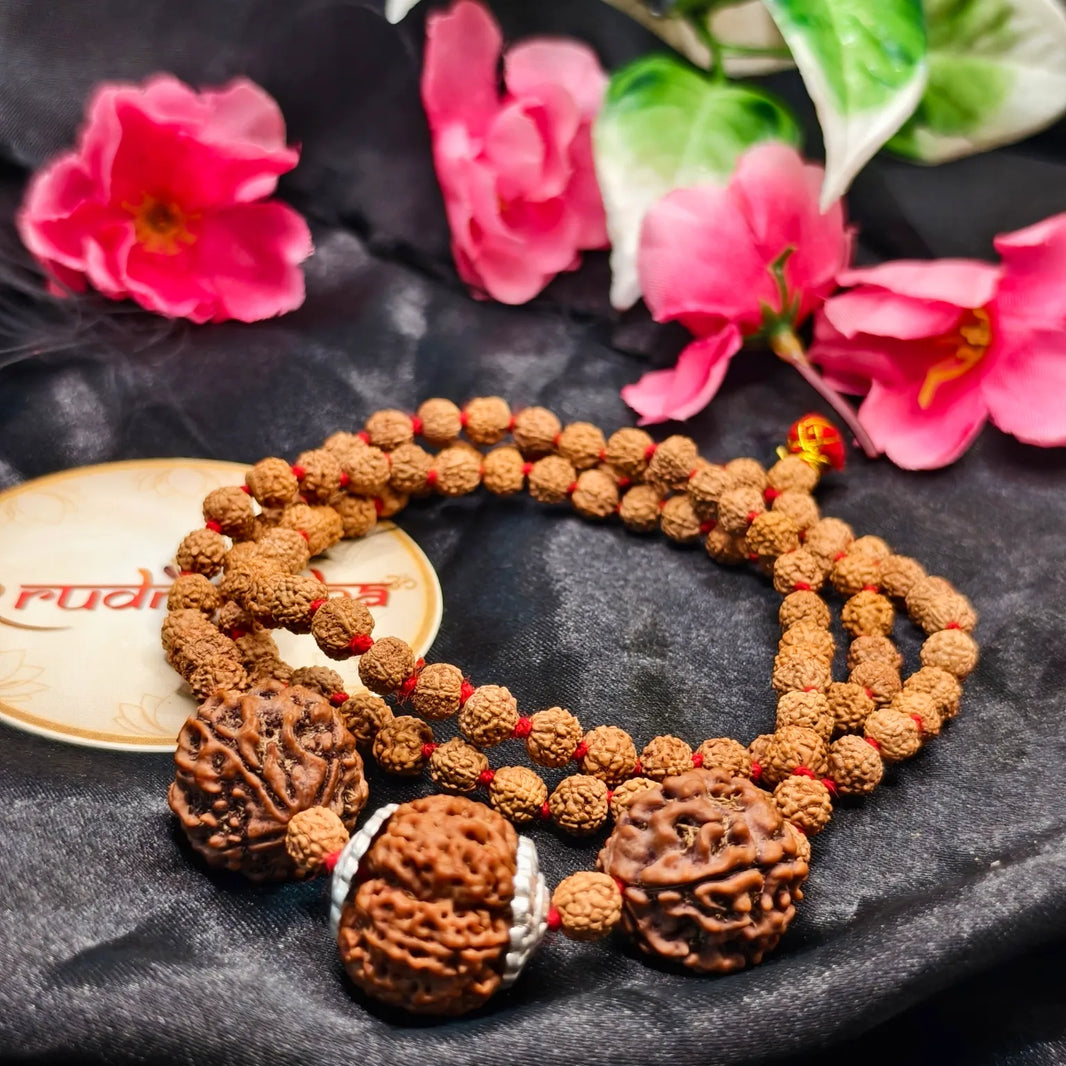
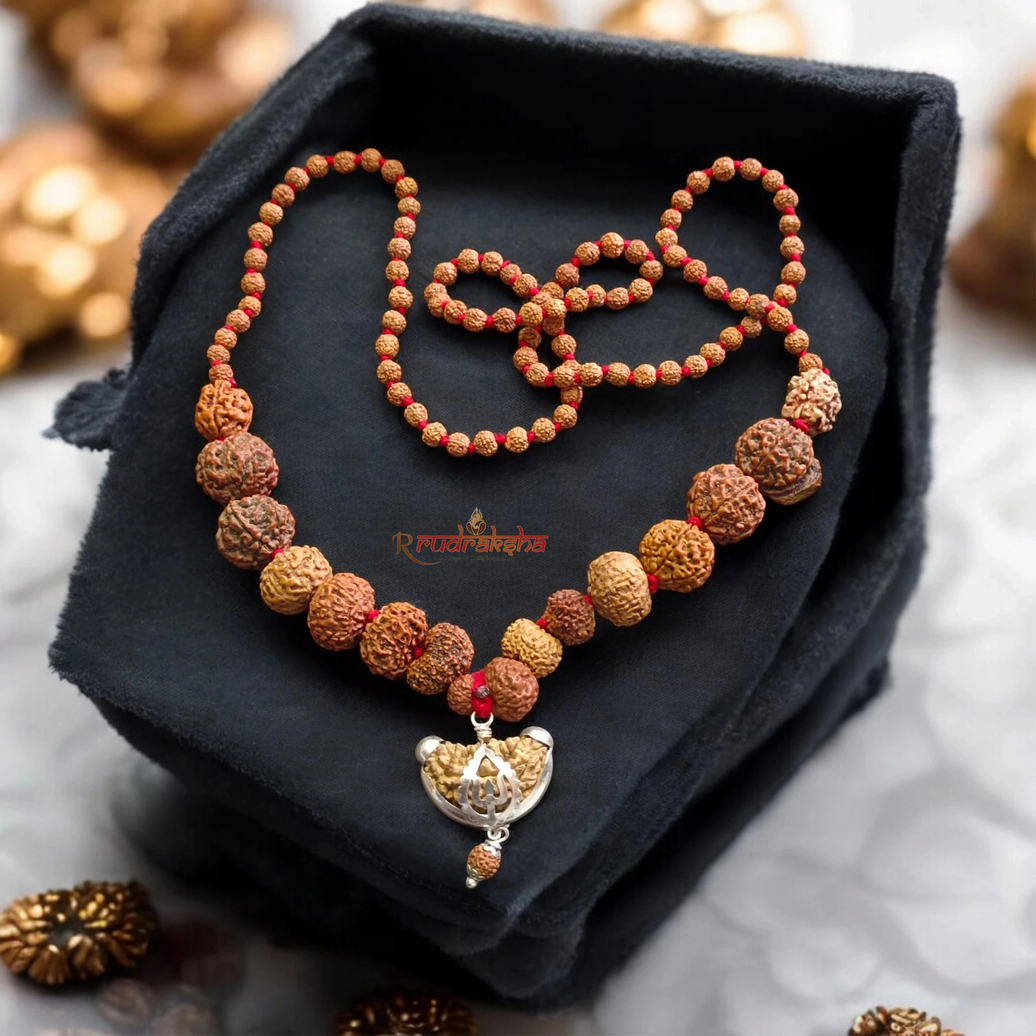
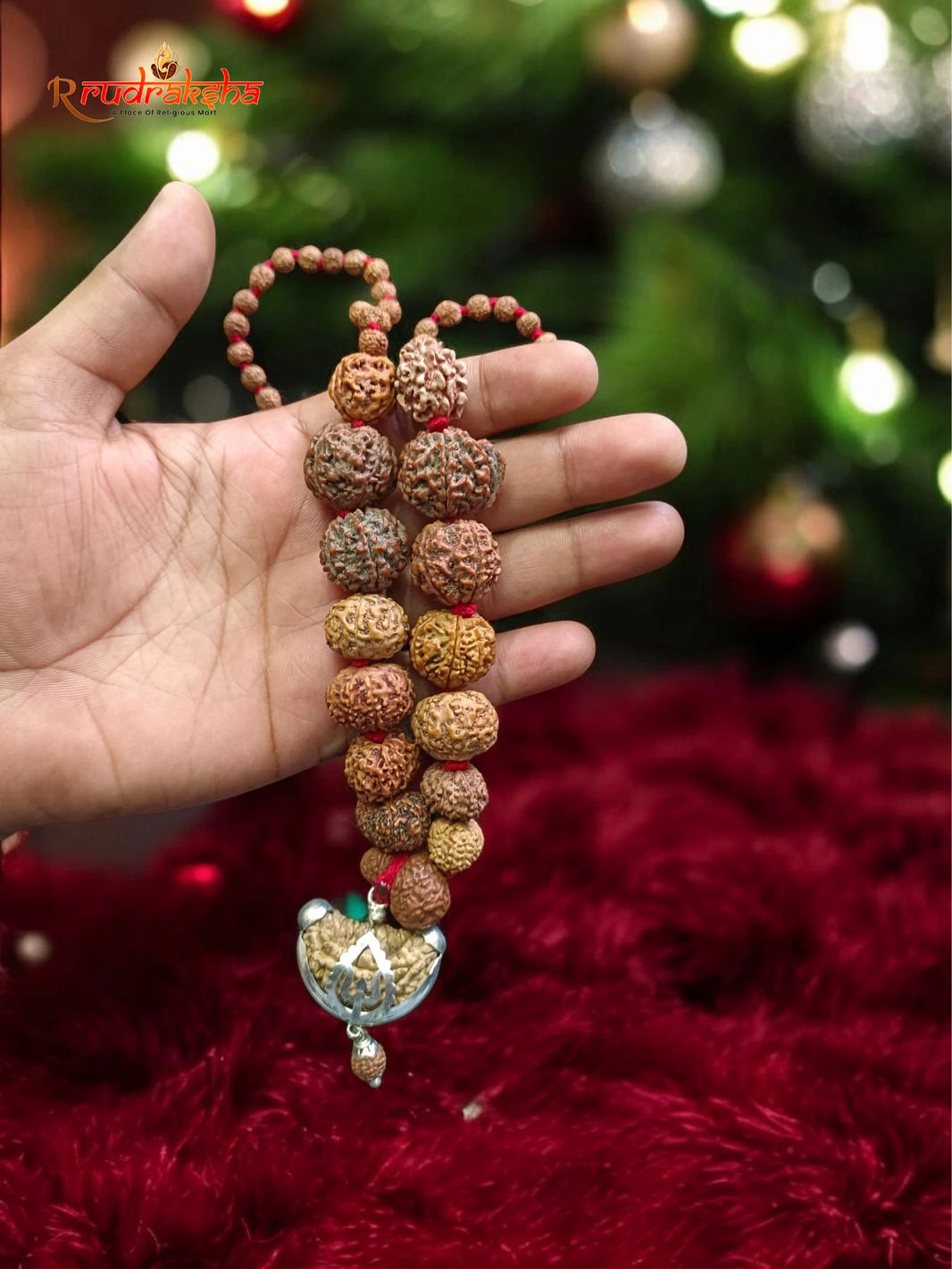
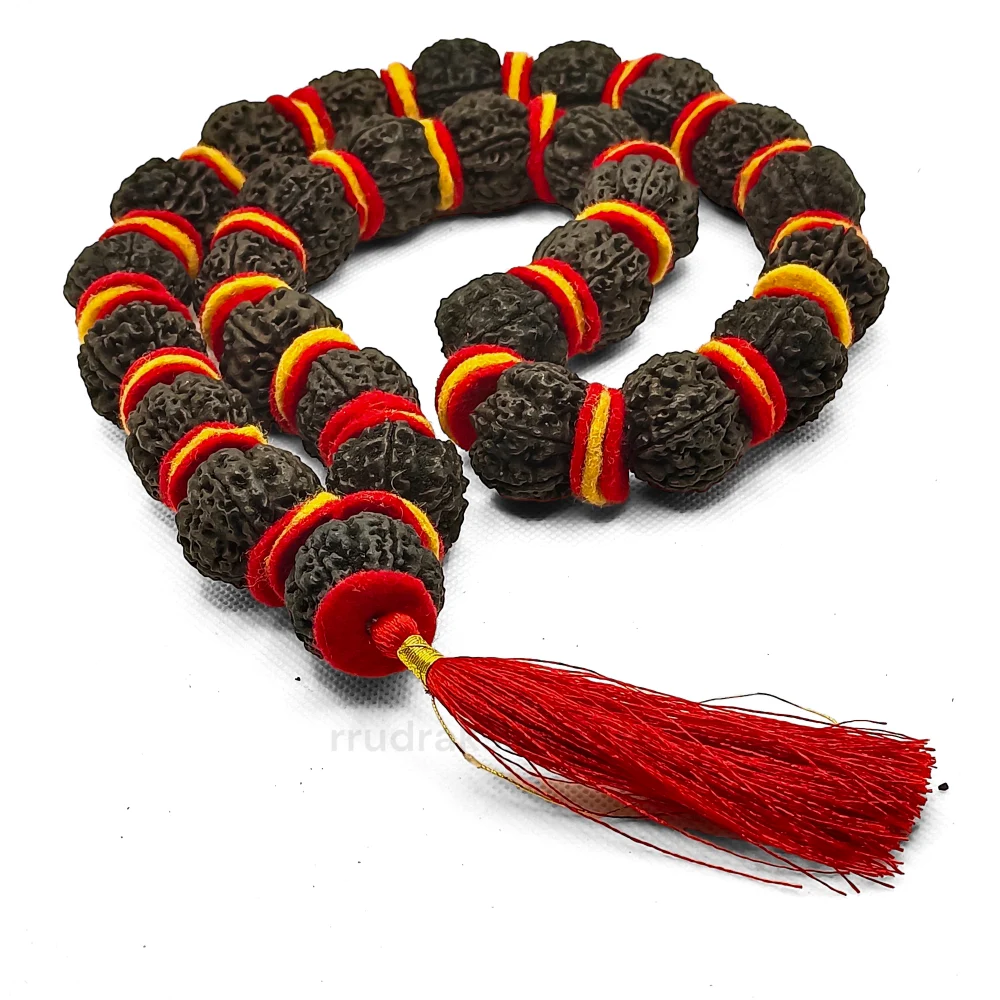
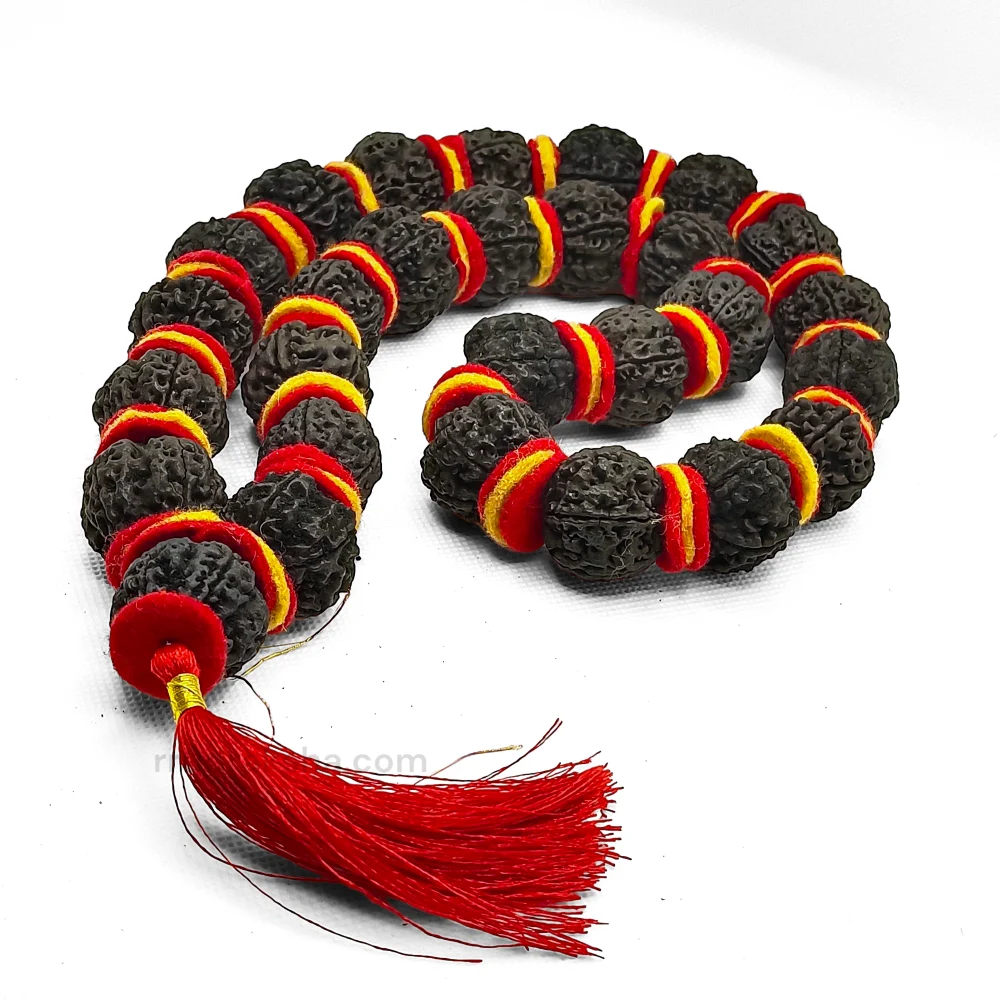
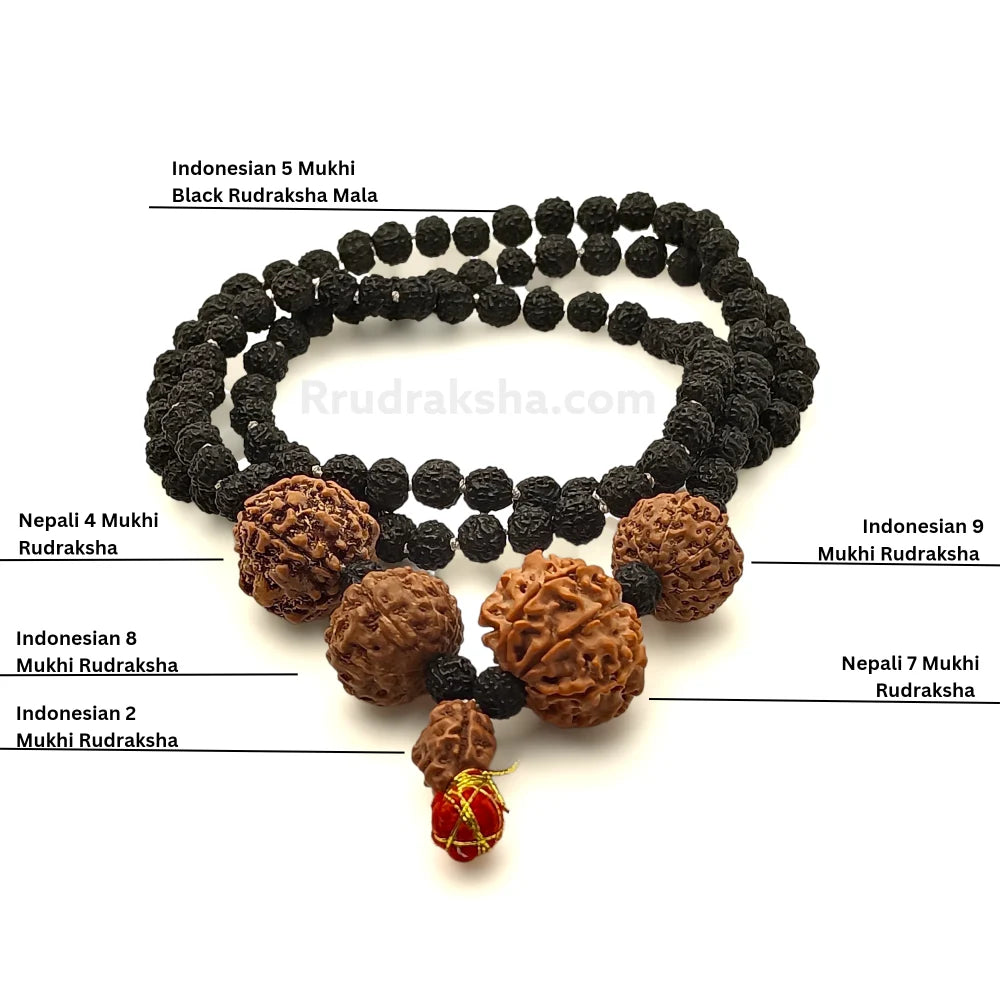
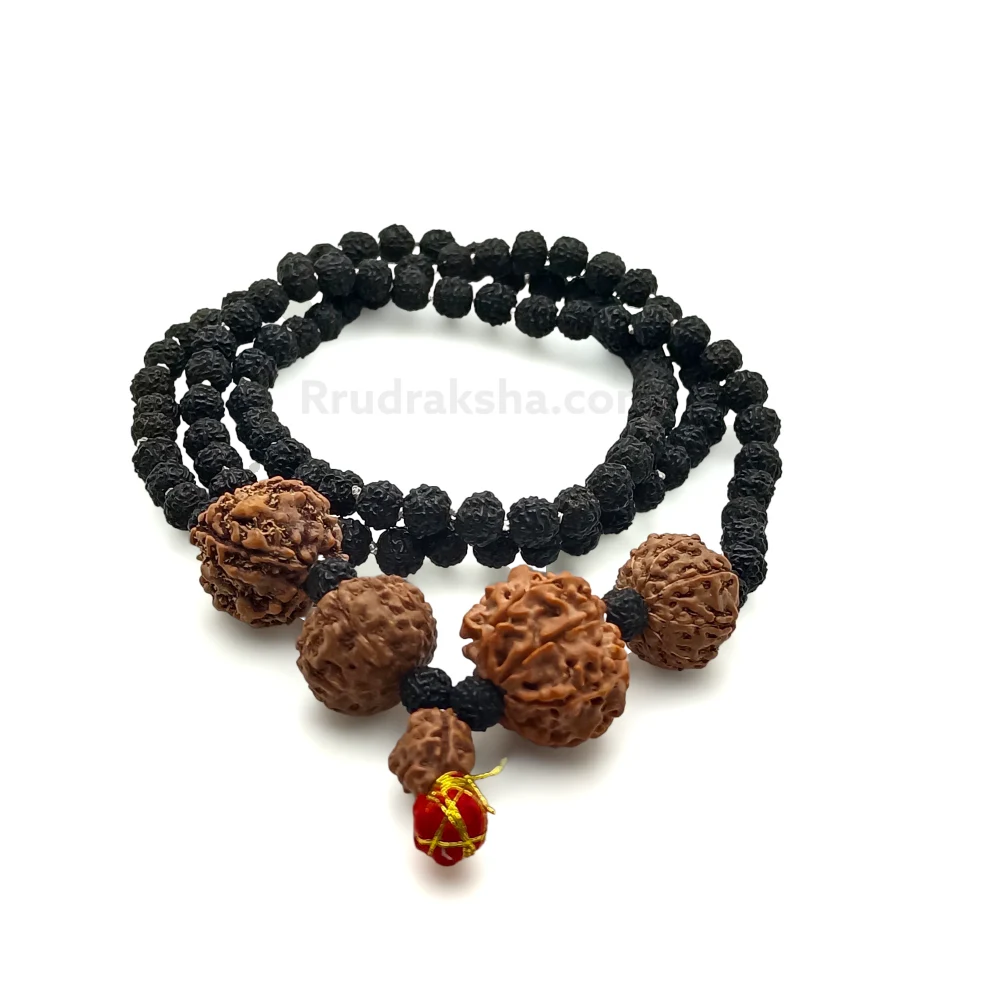
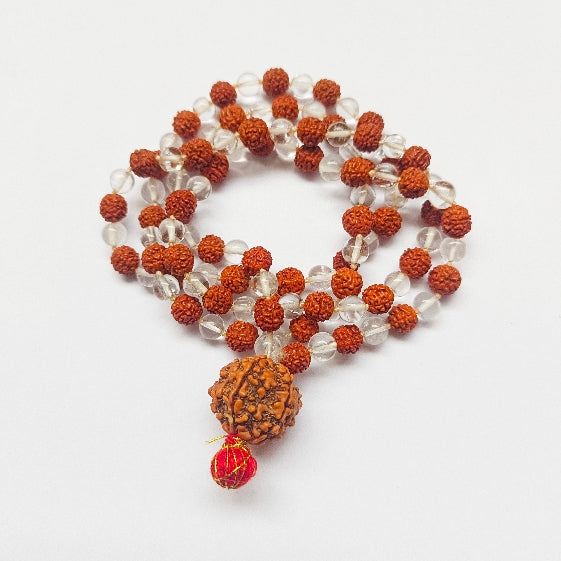
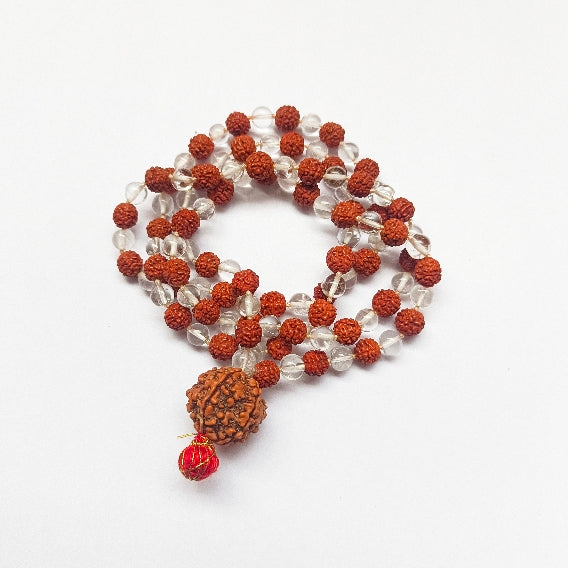
When devotees seek calmness, clarity, and emotional balance in daily life, many choose the Rudraksha + Sphatik Combination to support steady inner peace.
This is why Vindhyavasini Devi holds a unique place among Shakti Peeths. She teaches that divine power is not about domination—it is about harmony.
Vindhyavasini Devi as the Divine Mother: Protection Without Fear 🕉️
Vindhyavasini Devi is worshipped as a mother who protects silently. Her energy is not intimidating. It is reassuring. Devotees often describe her presence as calming rather than overwhelming.
This motherly symbolism creates trust. People feel safe approaching her with worries, confusion, and emotional burdens. Her worship becomes a spiritual refuge where the mind can rest.
In a world filled with constant pressure and instability, this aspect of Vindhyavasini Devi worship feels deeply relevant.
History & Cultural Importance of Vindhyavasini Devi 🛕
Vindhyavasini Devi holds immense cultural importance due to centuries of continuous worship in the Vindhya region. Her temple and traditions have been preserved through generations, reflecting the strength of regional Shakta devotion.
Festivals, rituals, and devotional practices associated with Vindhyavasini Devi continue to attract devotees who seek peace, balance, and protection. Her cultural presence reinforces the idea that Devi worship adapts to human needs across time.
This living tradition ensures that Vindhyavasini Devi remains not just a mythological figure, but a deeply personal spiritual presence.
Bhairav Connection in Vindhyavasini Devi Tradition 🔱
As with many Shakti Peeths, Vindhyavasini Devi is associated with Bhairav as the guardian energy. Bhairav represents discipline, boundaries, and protection, while Devi represents Shakti, nourishment, and transformation.
This balance between Bhairav and Devi reinforces the core message of Vindhyavasini worship: power must be guided by responsibility. Protection must be supported by discipline.
Deeper Symbolism of Vindhyavasini Devi: Shakti That Chooses Stability 🌺
Vindhyavasini Devi symbolizes a rare and mature expression of Shakti—the power that chooses balance over excess. In many Devi narratives, Shakti appears in fierce forms to restore dharma. Vindhyavasini, however, represents what comes after victory: stability, grounding, and responsibility.
This symbolism is deeply relevant. After every challenge, what truly sustains life is not aggression but balance. Vindhyavasini Devi embodies this wisdom. She reminds devotees that strength does not always need to be loud. Sometimes, the strongest force is the one that remains steady.
In belief-based devotion, worshipping Vindhyavasini Devi is like aligning oneself with calm power—the power that protects without creating fear, and guides without controlling.
What Vindhyavasini Devi Represents Spiritually (Belief-Based Meaning) 🕉️
Spiritually, Vindhyavasini Devi represents grounded strength, emotional balance, and inner discipline. She is the Devi who teaches that power must be anchored. Without anchoring, energy becomes chaos.
Many devotees feel drawn to Vindhyavasini Devi during phases when life feels unstable—emotionally, mentally, or spiritually. Her symbolism supports grounding. It encourages patience, clarity, and calm decision-making.
In belief-based understanding, her blessings are often experienced as steadiness of mind and emotional reassurance rather than dramatic external changes.
Vindhyavasini Devi and the Lesson of Restraint ✨
Restraint is one of the most misunderstood spiritual qualities. It is often mistaken for weakness. In reality, restraint requires strength. Vindhyavasini Devi represents this higher form of strength.
Her mythology shows that even after defeating destructive forces, Devi did not seek dominance. She chose to remain present—to protect, guide, and stabilize. This teaches a powerful lesson: true leadership is responsibility.
For devotees, this lesson becomes practical. Vindhyavasini devotion inspires self-control, emotional maturity, and a balanced approach to life’s challenges.
Vindhyavasini Devi in Modern Life: Why She Still Matters Today 🧠
Modern life is fast, demanding, and often emotionally overwhelming. People are constantly pushed to react quickly, compete aggressively, and chase results. This environment creates inner instability.
Vindhyavasini Devi worship feels relevant because it offers the opposite energy. It encourages calmness, reflection, and balance. In belief-based devotion, people connect with her to regain emotional grounding and mental clarity.
This does not mean withdrawal from life. It means engaging with life from a stable center. Vindhyavasini Devi becomes the spiritual symbol of that center.
Scientific & Modern Perspective: Why Balance-Based Devotion Feels Grounding ✅
From a modern psychological perspective, symbols of stability and grounding help regulate emotional stress. When individuals focus on calm, protective imagery, the nervous system relaxes and mental clarity improves.
Devotional practices also provide structure and rhythm, which are known to reduce anxiety. Vindhyavasini Devi’s symbolism of restraint and balance aligns naturally with these effects.
Without making exaggerated claims, it is fair to say that balance-oriented devotion supports emotional resilience and clarity over time.
Frequently Asked Questions (FAQs) ❓
1) Why is Vindhyavasini Devi Shakti Peeth famous?
Vindhyavasini Devi is famous for symbolizing balanced Shakti—power guided by restraint, stability, and protection.
2) Is Vindhyavasini Devi a Shakti Peeth?
Vindhyavasini Devi is widely revered as a Shakti Peeth in regional and devotional traditions connected to Shakti worship.
3) What does Vindhyavasini mean?
Vindhyavasini means “the Divine Mother who resides in the Vindhya mountains,” symbolizing grounding and stability.
4) What is the mythological story of Vindhyavasini Devi?
In belief-based tradition, after defeating destructive forces, Devi chose to remain in the Vindhya mountains to protect and stabilize the world.
5) What does Vindhyavasini Devi represent spiritually?
She represents balanced power, restraint, emotional grounding, and inner stability (belief-based meaning).
6) Why is restraint important in spiritual life?
Restraint allows power to remain constructive rather than destructive, supporting long-term stability and clarity.
7) What do devotees pray for at Vindhyavasini Devi?
Devotees commonly pray for peace, balance, emotional strength, and responsible guidance (belief-based).
8) Is Vindhyavasini Devi worship suitable for beginners?
Yes. Her calm and balanced symbolism makes her worship approachable and comforting for beginners.
9) Does Vindhyavasini Devi worship give instant results?
No. Worship supports inner balance over time rather than instant external changes.
10) What is the Bhairav connection here?
Bhairav represents discipline and boundaries, complementing Devi’s balanced Shakti.
11) How is Vindhyavasini different from fierce Devi forms?
Vindhyavasini represents calm power and restraint rather than intense destruction.
12) Can Vindhyavasini Devi be worshipped at home?
Yes. Simple prayer and sincere devotion at home are sufficient.
13) Why does balanced devotion help modern stress?
Because it calms the nervous system and supports emotional regulation through meaning and focus.
14) What is the spiritual lesson of Vindhyavasini Devi?
The lesson is that true power lies in balance, restraint, and responsibility.
15) Why is Vindhyavasini Devi worship still relevant today?
Because modern life demands stability, and Vindhyavasini symbolizes grounded strength.
🌱 Conclusion 🌺
Vindhyavasini Devi is the Shakti of Balance, Stability & Responsible Power
Vindhyavasini Devi Shakti Peeth stands as a sacred reminder that divine power is most effective when guided by restraint and responsibility. Rooted in Shakti Peeth Tradition and preserved through centuries of devotion, Vindhyavasini Devi represents the calm center that holds everything together.
For devotees, her worship is not about dramatic change—it is about inner balance. It is about becoming steady in an unstable world. In that sense, Vindhyavasini Devi continues to guide humanity not through fear, but through grounded Shakti that protects, sustains, and stabilizes life itself.
🙏 हर हर महादेव 🙏





Leave a comment