

















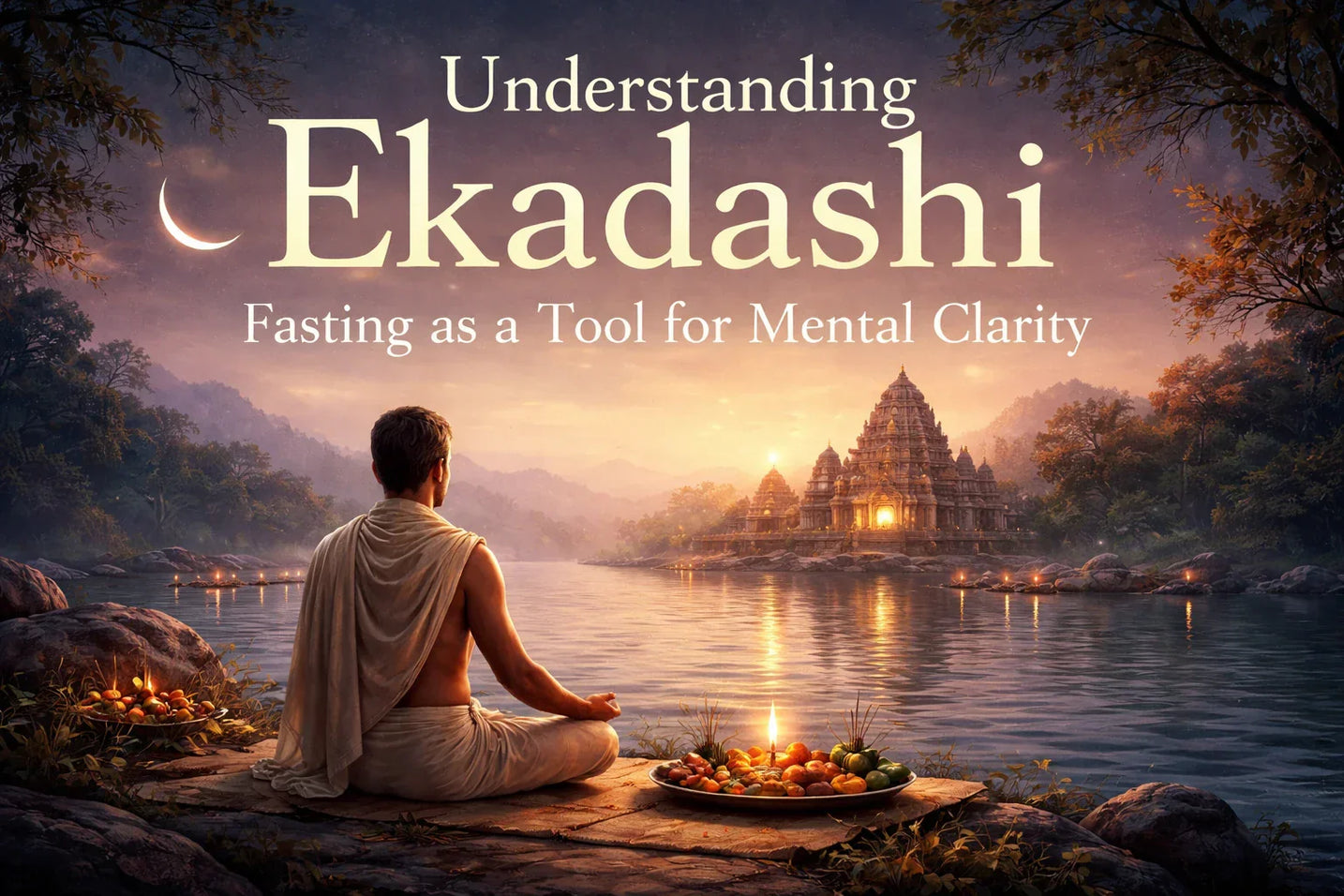
🌑 Understanding Ekadashi: Fasting as a Tool for Mental Clarity
Ekadashi is often misunderstood as a religious fast imposed for merit, punishment, or bodily sacrifice. In reality, Ekadashi was never designed as a test of hunger. It was designed as a discipline of attention. Long before modern psychology spoke about impulse control, habit loops, or cognitive overload, Ekadashi functioned as a recurring pause — a structured interruption in consumption, stimulation, and routine thinking. This mirrors the same principle explained in why astrology traditionally rewards effort over quick fixes, where growth is shaped by responsibility and consistency rather than instant relief.
What makes Ekadashi unique is not what is avoided, but why it is avoided. Food, especially heavy and habitual food, anchors attention to repetition. By temporarily suspending that anchor, Ekadashi creates space — not emptiness, but clarity. This distinction is essential, because fasting without understanding leads to strain, while fasting with awareness leads to stability.
Traditional systems never framed Ekadashi as self-denial. They framed it as self-observation. The body was not starved; it was simplified. The mind was not suppressed; it was steadied. Over centuries, this practice became embedded into culture not as an act of faith alone, but as a rhythm that prevented mental stagnation.
🧠 Why Ekadashi Was Designed for the Mind, Not the Body
Modern fasting trends often focus on metabolism, detoxification, or weight control. Ekadashi operates on an entirely different plane. Its primary target is not the digestive system, but the patterned mind. Eating is one of the strongest reinforcements of routine. When the same foods are eaten at the same times every day, the mind settles into predictability — useful for survival, but limiting for awareness. This distinction becomes clearer when viewed through the lens of mental discipline rather than physical restriction, a principle repeatedly emphasized in traditional spiritual systems.
Ekadashi disrupts this predictability gently. By altering diet and routine for a single day, the nervous system is reminded that it can remain stable even when habits change. This is not stress; it is flexibility training. The mind learns that discomfort does not equal danger, and that awareness can remain intact even when familiar comforts are paused.
This is why Ekadashi repeats twice every lunar month. It is not a one-time ritual. It is a regular mental calibration. Just as muscles require repeated training to remain strong, attention requires periodic withdrawal from automatic behaviors. Ekadashi provides that withdrawal without forcing withdrawal from life itself.
🌙 The Lunar Logic Behind Ekadashi (Why Timing Matters)
Ekadashi occurs on the eleventh lunar day of both the waxing and waning moon. Traditional observers noticed that these phases corresponded with heightened mental restlessness. Thoughts multiply, desires intensify, and emotional reactions become quicker. Rather than interpreting this as superstition, ancient systems responded with structure — much like how planetary cycles were traditionally studied to understand psychological fluctuation rather than predict events.
Instead of allowing mental agitation to spill into impulsive action, Ekadashi introduced containment. Simpler food, fewer indulgences, reduced stimulation — all served one purpose: to slow the mind when it accelerates naturally. This reflects a deep understanding of cyclical psychology rather than blind ritualism.
Importantly, Ekadashi does not suppress activity. It refines it. Work continues. Responsibilities remain. What changes is the quality of engagement. When stimulation is reduced, attention becomes sharper. When indulgence pauses, clarity emerges. This is why Ekadashi was never positioned as an escape from life, but as a method to engage with life more consciously.
🍽️ What Ekadashi Is NOT (And Why Confusion Exists)
Ekadashi is not about extreme fasting, dehydration, or physical hardship. These interpretations arose much later, often when ritual lost its philosophical context. In traditional practice, nourishment was adjusted, not eliminated. The focus was on reducing heaviness, not inducing weakness.
When Ekadashi is approached as a competition of endurance, it defeats its own purpose. Strain narrows awareness. Fatigue destabilizes attention. The original intent was steadiness — mental steadiness achieved through simplicity. This is why many classical guidelines emphasize calm meals, moderation, and silence rather than austerity.
Confusion also arises when Ekadashi is framed as a transactional act — fast today, receive reward tomorrow. This mindset shifts focus away from discipline and toward expectation. Ekadashi was never meant to bargain with the future. It was meant to refine the present.
🔁 Discipline Over Drama: Why Ekadashi Still Works Today
Modern life is saturated with stimulation — constant information, constant choice, constant consumption. Ekadashi offers a counterbalance without demanding withdrawal from society. It introduces a single day where less is intentionally chosen, not because less is superior, but because awareness requires space.
Those who approach Ekadashi consistently — without fear, guilt, or obsession — often notice subtle shifts. Decision-making slows. Emotional reactions soften. Impulses lose urgency. These changes are not dramatic, and that is precisely why they last.
Ekadashi survives because it addresses a timeless problem: the mind’s tendency to scatter when left unchecked. Instead of suppressing desire, it teaches regulation. Instead of glorifying discomfort, it cultivates resilience. And instead of offering shortcuts, it builds capacity.
🧩 Ekadashi and Impulse Control: Why Cravings Peak
One of the most revealing aspects of Ekadashi is not the absence of food, but the sudden visibility of impulse. On this day, cravings often feel sharper, distractions feel louder, and restlessness becomes more noticeable. This is not a failure of discipline — it is the exposure of habit.
Impulse thrives on repetition. When routines remain uninterrupted, desire operates quietly in the background, rarely questioned. Ekadashi interrupts this loop. The moment routine changes, the mind reacts, not because it is deprived, but because it has lost automatic control.
Traditional systems understood this mechanism intuitively. Instead of suppressing impulse, Ekadashi was designed to reveal it. Awareness grows not by eliminating desire, but by observing how quickly the mind seeks comfort when patterns shift. Over time, this observation weakens impulsive behavior far more effectively than forced restraint.
This is why Ekadashi was never about heroic willpower. Willpower exhausts itself. Awareness refines itself. The practice trains the mind to remain present even when habitual responses are unavailable — a skill that extends far beyond fasting days.
🧘 Silence Is the Real Fast (Food Is Secondary)
While food receives the most attention during Ekadashi, traditional emphasis was often placed elsewhere — on speech, stimulation, and mental noise. Silence, both external and internal, was considered the true fast.
When speech reduces, the mind slows. When stimulation decreases, attention gathers. This is why many classical guidelines suggest minimizing unnecessary conversation, entertainment, and sensory overload on Ekadashi. The aim was not withdrawal, but refinement of attention.
In modern contexts, this aspect is often overlooked. Individuals may skip food but continue consuming information endlessly — social media, news, conversation, and opinion. This defeats the psychological purpose of Ekadashi. The fast becomes physical while the mind remains overstimulated.
Ekadashi invites a different experiment: reduce inputs. Observe thoughts without immediately expressing them. Notice how silence reveals patterns that noise conceals. Over time, this practice strengthens clarity far more than dietary restriction alone.
⚠️ Common Mistakes That Turn Ekadashi Into Strain
When Ekadashi becomes difficult, it is often not because the practice is demanding, but because it is misunderstood. One common mistake is intensity without preparation. Sudden extremes destabilize the nervous system and create resistance rather than clarity.
Another error lies in comparison. Measuring one’s practice against others — longer fasts, stricter rules, dramatic claims — shifts attention outward. Ekadashi loses its inward orientation and becomes performative. Discipline turns into pressure.
A third mistake is expectation. When Ekadashi is approached with the hope of immediate benefit — mental calm, spiritual experience, or external reward — disappointment follows. Traditional systems emphasized consistency over outcome. The practice worked precisely because it was not evaluated daily.
These distortions explain why many abandon Ekadashi after a few attempts. Not because it fails, but because it is burdened with goals it was never meant to fulfill.
📿 When Supportive Tools Help — And When They Distract
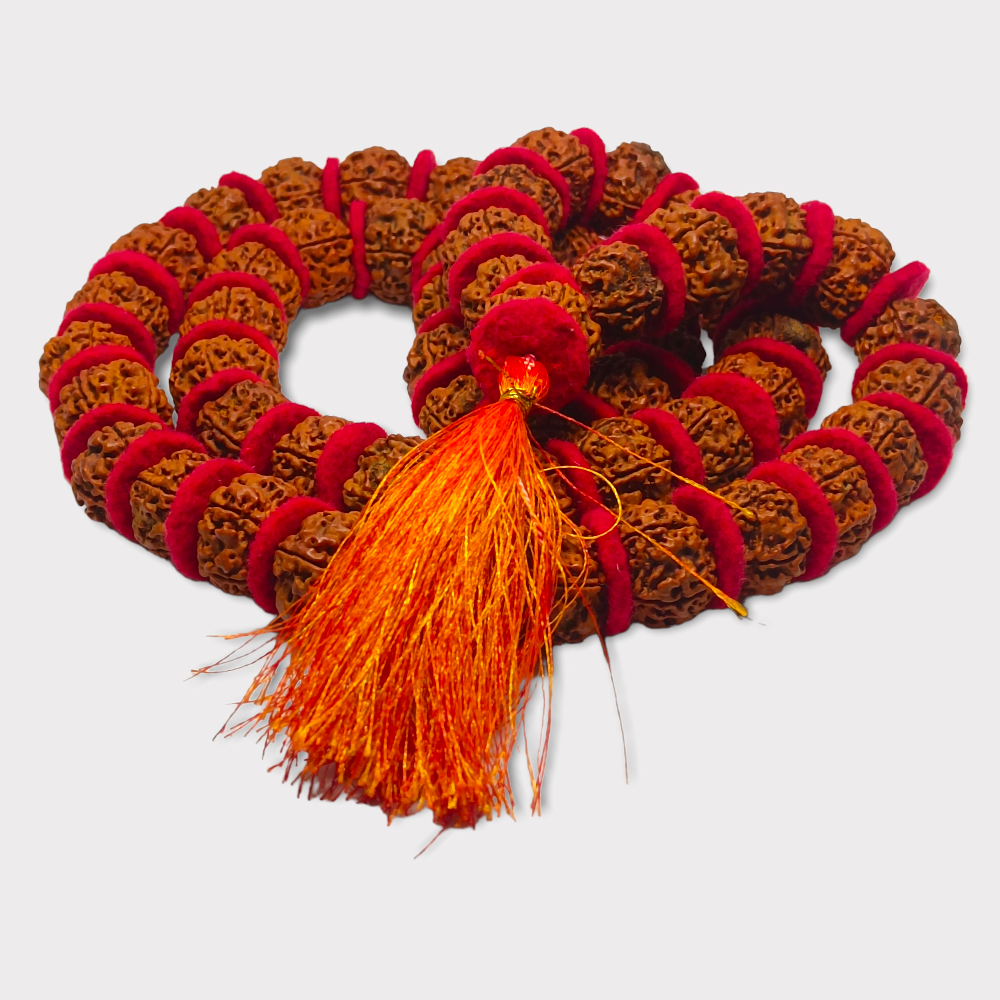
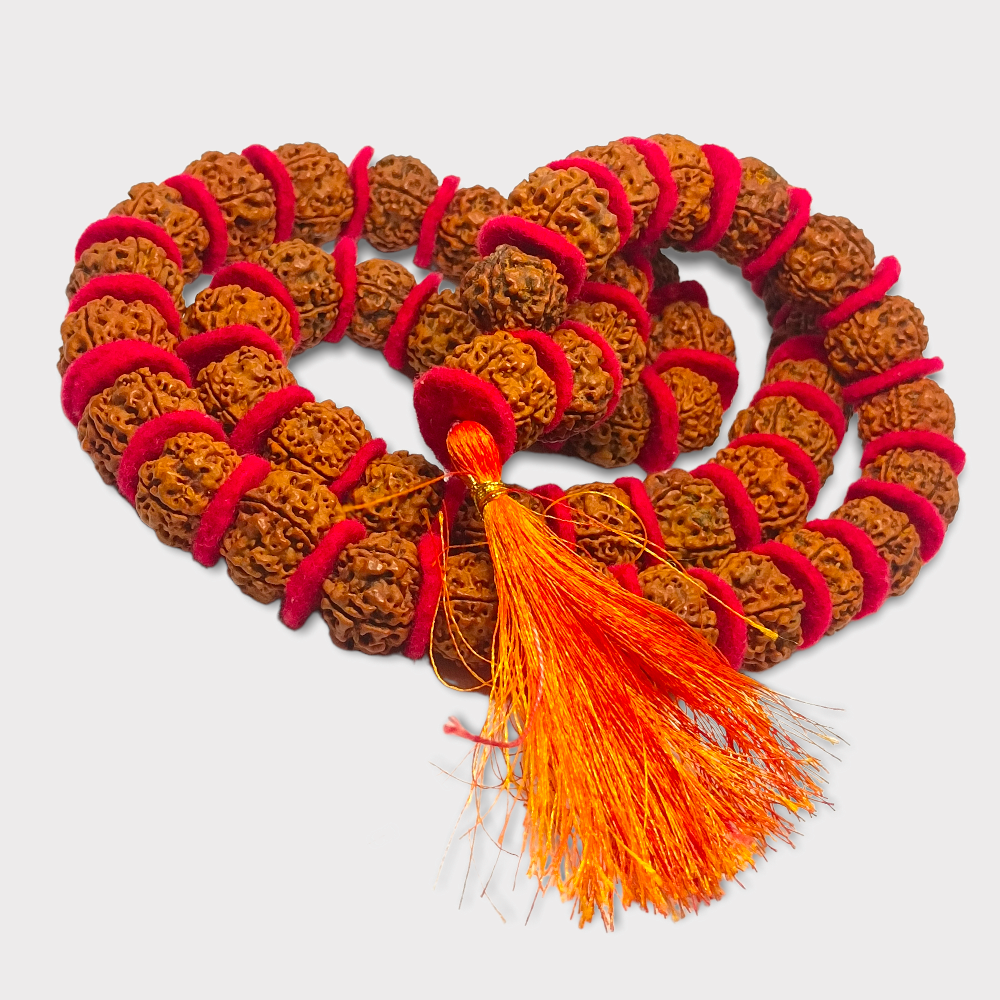
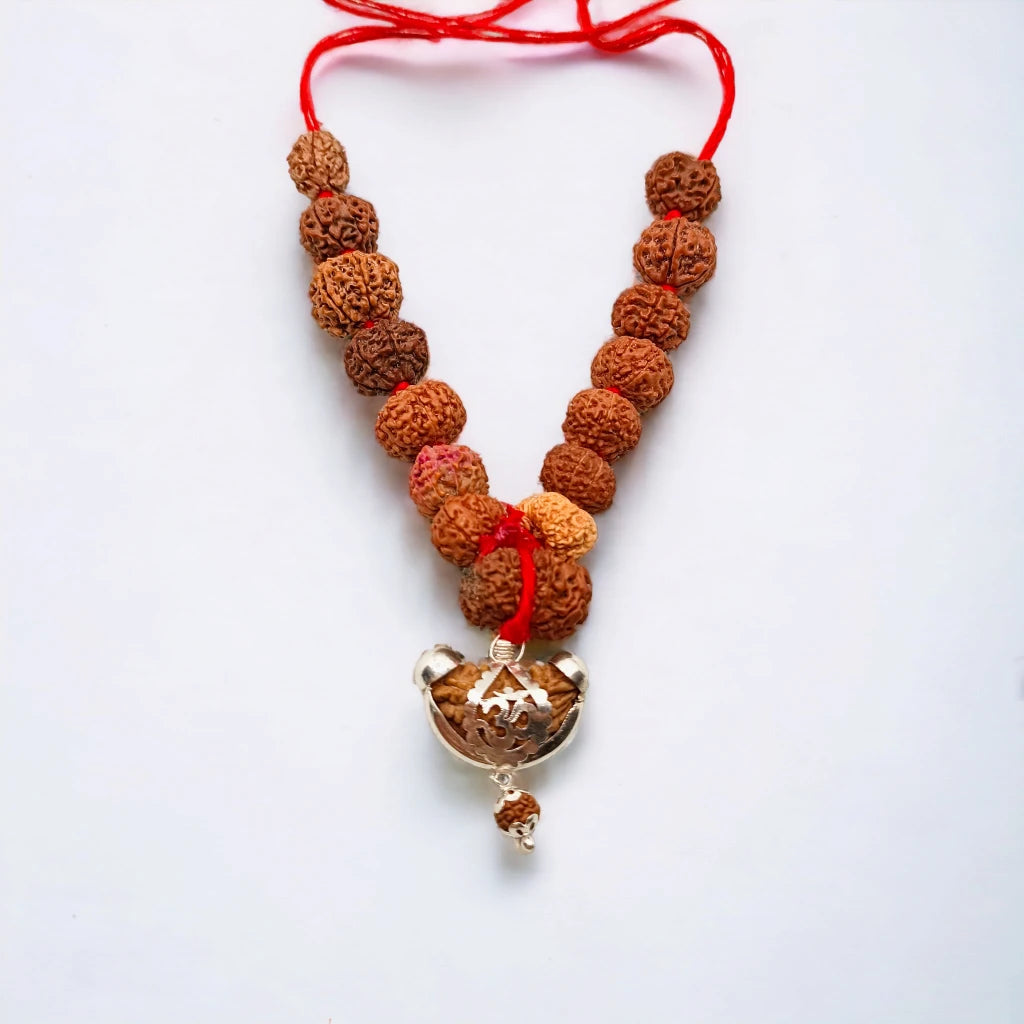
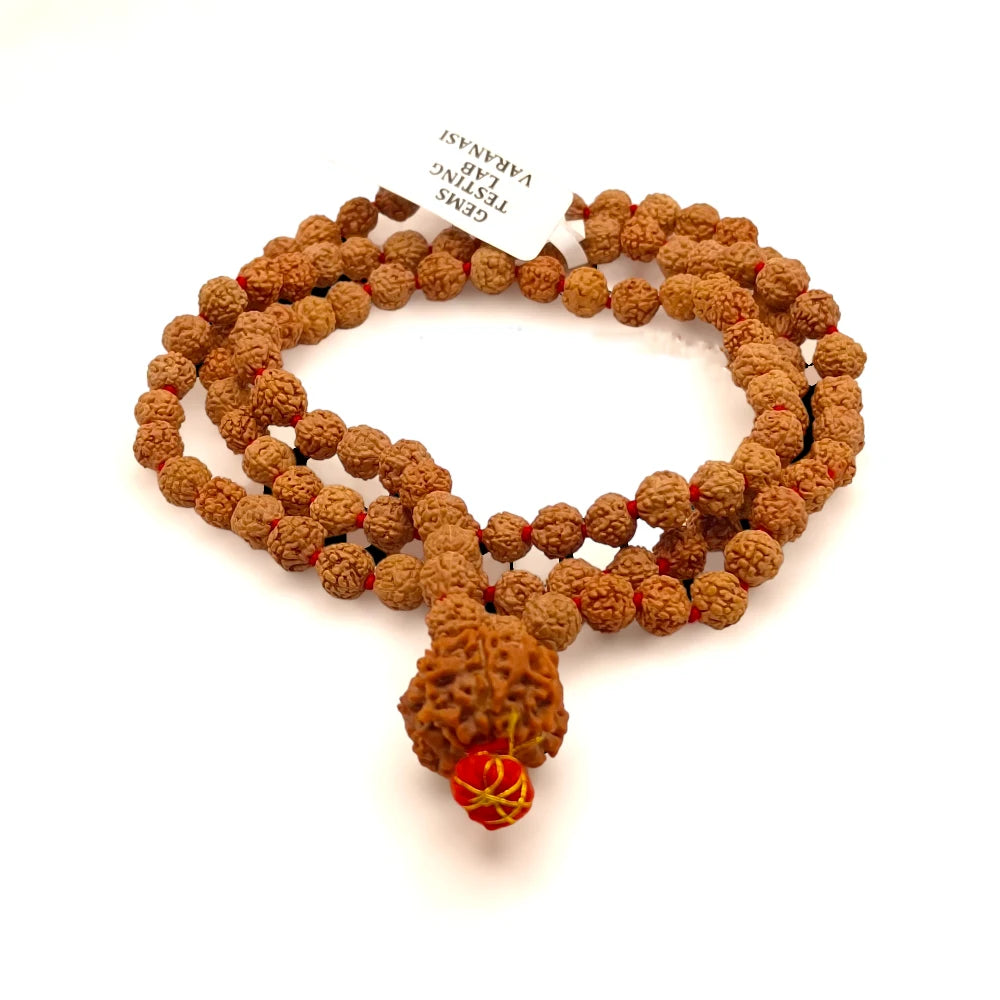
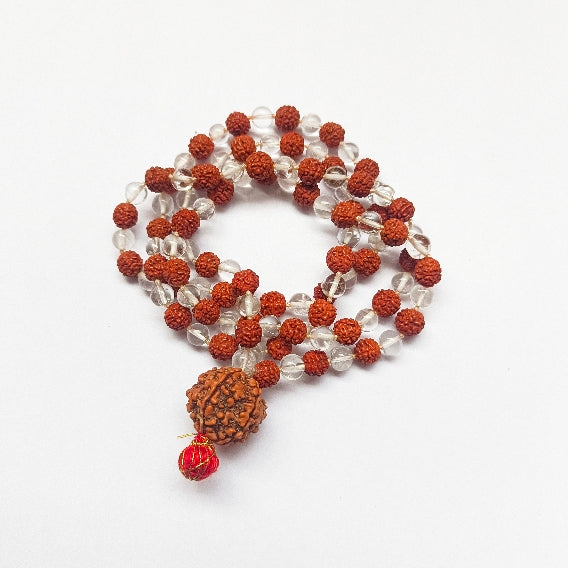
In classical traditions, supportive tools were used sparingly and symbolically. Their purpose was not to amplify effort, but to anchor consistency. During Ekadashi, tools associated with steadiness were sometimes used to maintain rhythm rather than induce intensity.
The key distinction lies in intention. When a tool is used to avoid discomfort, it becomes a distraction. When used to reinforce routine — such as maintaining a quiet period for reflection — it complements the discipline rather than replacing it.
This is why traditional guidance often emphasized fewer supports, not more. Simplicity preserved attention. Excess fragmented it. Ekadashi was meant to reduce dependency, not create new ones.
The most effective support remains structure itself: consistent timing, reduced stimulation, and patient observation. Tools were secondary — reminders, not solutions.
🔄 Ekadashi as Long-Term Training, Not Occasional Detox
Perhaps the most important aspect of Ekadashi is its cumulative effect. Practiced sporadically, it feels disruptive. Practiced consistently, it becomes stabilizing. Over months and years, it reshapes the relationship between impulse and awareness.
This long-term orientation explains why Ekadashi has survived cultural shifts, religious reinterpretations, and modern skepticism. It addresses a universal challenge: how to remain conscious within habit-driven life.
Ekadashi does not ask for belief. It asks for observation. It does not promise comfort. It builds capacity. And it does not eliminate difficulty — it prepares the mind to meet it without collapse.
🌱 Why Ekadashi Still Matters in a Hyper-Stimulated World
In an age where attention is constantly consumed, Ekadashi offers a rare interruption — not by force, but by design. It reminds the individual that stability does not arise from control, but from rhythm.
The festival survives not because of tradition alone, but because its logic remains intact. The mind still benefits from pauses. Desire still weakens when observed. Awareness still sharpens when excess recedes.
Ekadashi stands as a quiet counterpoint to modern urgency. It teaches that clarity is cultivated, not chased — and that discipline, when understood correctly, is not punishment, but freedom.
❓ Frequently Asked Questions About Ekadashi
Is Ekadashi fasting mandatory in Hindu tradition?
Ekadashi was never framed as mandatory punishment. Traditional systems presented it as an optional discipline designed for mental clarity and impulse regulation. Its value lies in conscious participation rather than obligation.
Is Ekadashi mainly about not eating food?
No. Food restriction is secondary. The primary focus of Ekadashi is reducing mental stimulation, habitual behavior, and impulsive engagement. Silence, simplicity, and awareness were considered more important than strict fasting.
Why does Ekadashi come twice every month?
Ekadashi aligns with lunar phases when mental restlessness naturally increases. The repetition ensures regular recalibration rather than occasional detox, helping awareness remain steady over long periods.
Can Ekadashi be practiced without religious belief?
Yes. Ekadashi functions as a psychological and behavioral discipline. It does not require belief in reward or punishment. Observation and consistency are sufficient for its benefits to unfold.
Why do cravings feel stronger on Ekadashi?
Cravings intensify because routine is interrupted. Ekadashi exposes dependency patterns that usually operate unnoticed. This exposure is intentional and forms the foundation of impulse awareness.
Is complete fasting necessary for Ekadashi to work?
No. Traditional practices emphasized simplicity, not deprivation. Over-straining the body often weakens attention, which goes against the purpose of Ekadashi.
What is the biggest mistake people make on Ekadashi?
Approaching Ekadashi with urgency, fear, or expectation. When the practice becomes result-oriented or competitive, it loses its stabilizing effect.
Does Ekadashi have scientific relevance?
Modern psychology supports periodic reduction in stimulation for impulse control, emotional regulation, and cognitive clarity. Ekadashi aligns closely with these principles, though it was developed long before modern terminology.
Can Ekadashi be harmful if done incorrectly?
Yes, if practiced with extremes, dehydration, or self-punishment. Traditional teachings always emphasized moderation, preparation, and gentleness.
How long does it take to notice changes from Ekadashi?
Ekadashi works cumulatively. Subtle shifts in impulse control and clarity may appear over months rather than days. Its strength lies in long-term consistency.
🔚 Conclusion 🌟
Ekadashi as Discipline, Not Denial
Ekadashi survives across centuries not because it promises miracles, but because it addresses a permanent human challenge — the tendency of the mind to drift when left unchecked. It does not seek to punish the body or suppress desire. Instead, it introduces rhythm where excess dominates, and awareness where habit takes control.
When understood correctly, Ekadashi becomes a form of mental training rather than religious burden. It teaches restraint without repression, discipline without rigidity, and clarity without force. The practice works not by removing difficulty, but by strengthening the capacity to remain stable within it.
In a world saturated with stimulation and shortcuts, Ekadashi offers a rare alternative — a pause that does not escape life, but refines how life is engaged. Its power is quiet, cumulative, and deeply practical. That is why it continues to matter.
🙏 हर हर महादेव 🙏





Leave a comment