

🕉️ Why Shiva Chose Ash, Snake, and Rudraksha — A Life Designed Without Comfort
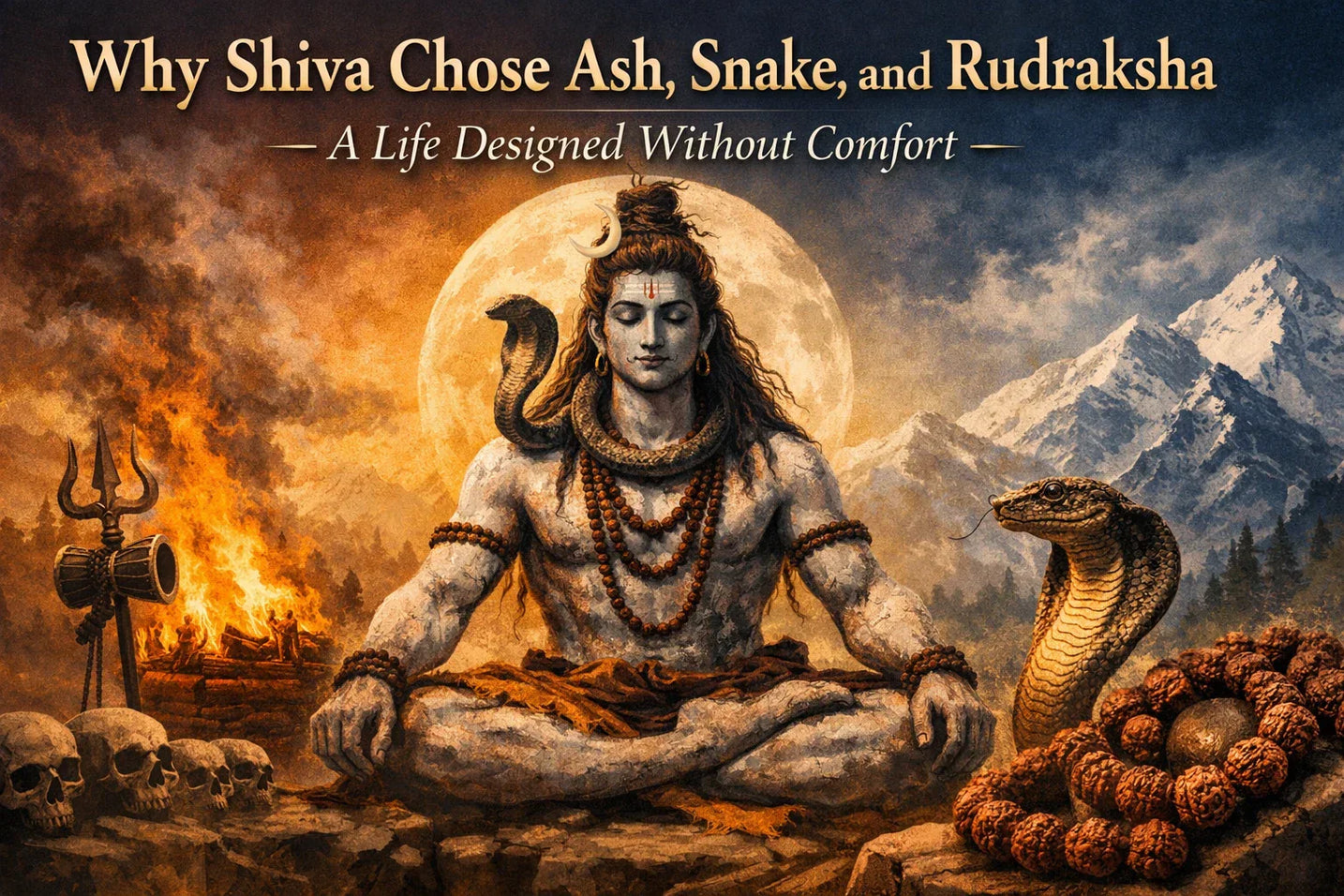
Among all divine figures in Hindu tradition, Shiva stands apart not because of power, authority, or abundance, but because of what he consciously rejects. Where other deities are adorned with gold, silk, jewels, and symbols of prosperity, Shiva chooses ash, a serpent, and Rudraksha. These are not aesthetic ornaments, nor are they mystical accessories meant to inspire awe. They are deliberate symbols of a life structured against comfort, attachment, and dependency.
In traditional understanding, Shiva is not a god who promises ease or convenience. He represents clarity that emerges only when comfort is removed. His appearance itself is a philosophical declaration: when identity is no longer built on possessions, pleasures, or external security, what remains is awareness, discipline, and responsibility. Ash, snake, and Rudraksha together form a complete framework of this worldview.
This exploration does not approach Shiva symbolically in a poetic or devotional sense alone. Instead, it examines why these symbols are intentionally uncomfortable, why they resist modern ideas of success, and what they reveal about the psychology of self-mastery. To understand Shiva, one must understand why comfort was never part of his path.
🔥 Shiva as the Anti-Comfort Archetype
Comfort has long been associated with stability, success, and well-being. Yet within yogic and ascetic traditions, comfort is also recognized as a subtle source of dependency. The more comfort one accumulates, the more the mind begins to rely on it for emotional regulation, confidence, and identity. Shiva’s form directly challenges this conditioning.
He does not reside in palaces but in cremation grounds and remote mountains. He does not wear refined garments but ash and animal skin. His environment is intentionally austere, stripped of anything that could create habitual reliance. This is not punishment or rejection of life, but a conscious psychological structure designed to prevent attachment from forming in the first place.
Shiva represents an inner state where stability arises from awareness rather than environment. His symbols act as constant reminders that when comfort is removed, the mind can no longer distract itself. Avoidance becomes impossible. This confrontation with oneself is not incidental — it is the very foundation of transformation in traditional systems.
⚱️ Ash (Vibhuti): The End of Identity Built on Form
Ash is what remains after all form has been destroyed. It has no shape, no utility, no decorative value. By covering himself in ash, Shiva aligns his identity with impermanence itself. This gesture is not morbid or nihilistic; it is deeply clarifying. Ash does not symbolize death alone — it symbolizes the inevitability of dissolution.
From a psychological perspective, ash dismantles ego at its root. Ego depends on continuity — of appearance, recognition, possessions, and status. Ash represents discontinuity. It constantly reminds the mind that nothing external can be relied upon permanently. When this understanding becomes lived rather than intellectual, fear of loss begins to weaken.
In ascetic traditions, ash is applied not as decoration but as discipline. It trains awareness to remain steady even when identity markers disappear. Shiva’s ash-covered body reflects mastery over impermanence rather than denial of it. It is a refusal to build self-worth on form.
🐍 The Snake: Comfort With Danger, Not Escape From It
The serpent around Mahakaal's neck is one of the most misunderstood of his symbols. In many traditions, the snake represents fear, unpredictability, and latent danger. Most beings instinctively seek distance from it. Shiva does the opposite — he wears it openly, calmly, without control or aggression.
This choice reflects a profound psychological stance. The snake symbolizes aspects of life that cannot be eliminated: uncertainty, instinct, mortality, and raw energy. Rather than attempting to dominate or suppress these forces, Shiva remains composed in their presence. He neither indulges fear nor denies it.
By placing the snake at his throat — the center of expression and responsibility — Shiva demonstrates restraint over instinct. The snake is not killed, decorated, or tamed. It is acknowledged and integrated. This represents emotional maturity: the ability to coexist with discomfort without being ruled by it.
📿 Rudraksha: Discipline Worn, Not Displayed
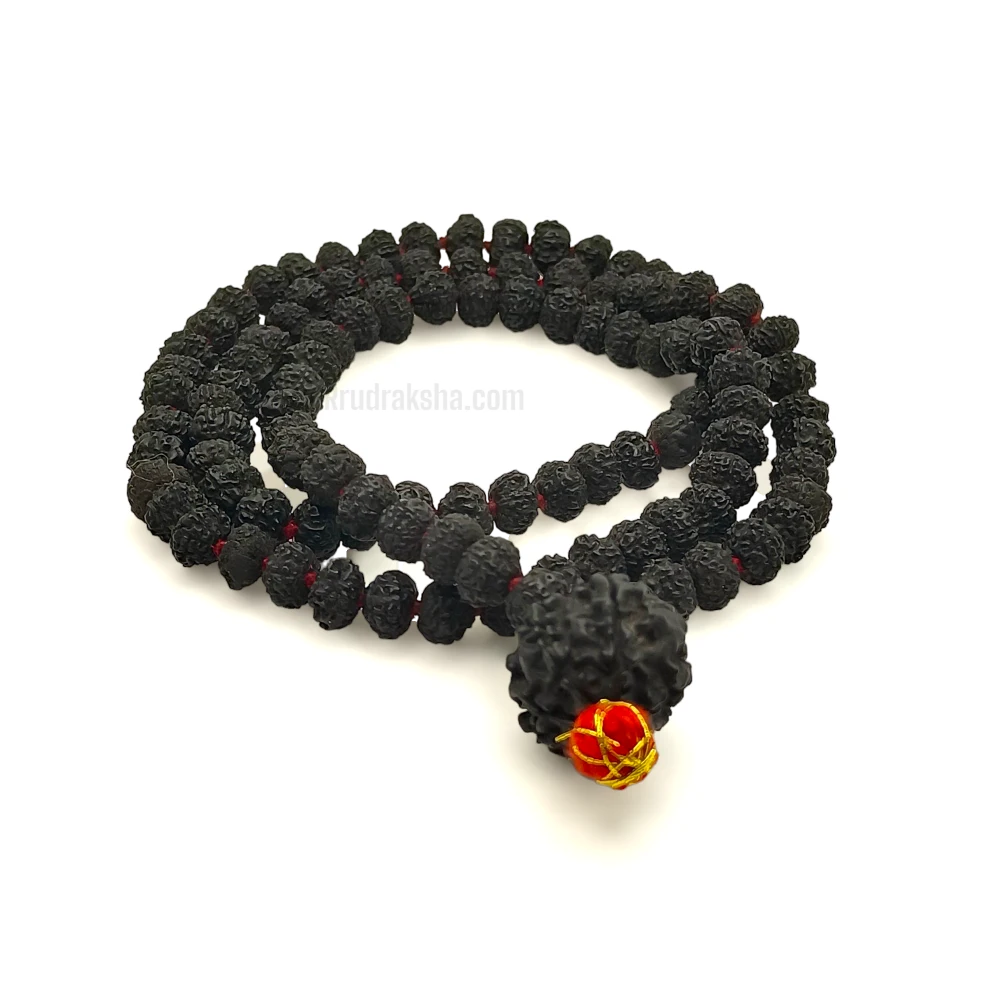
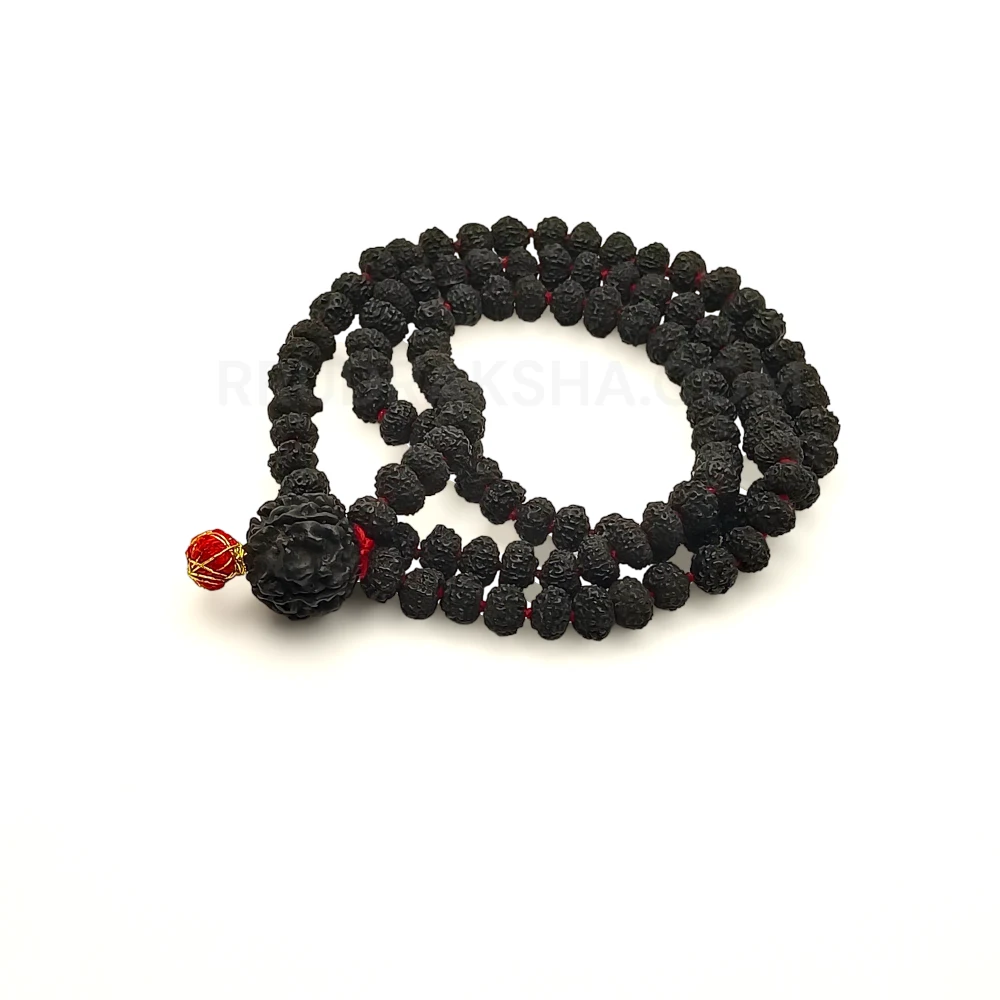
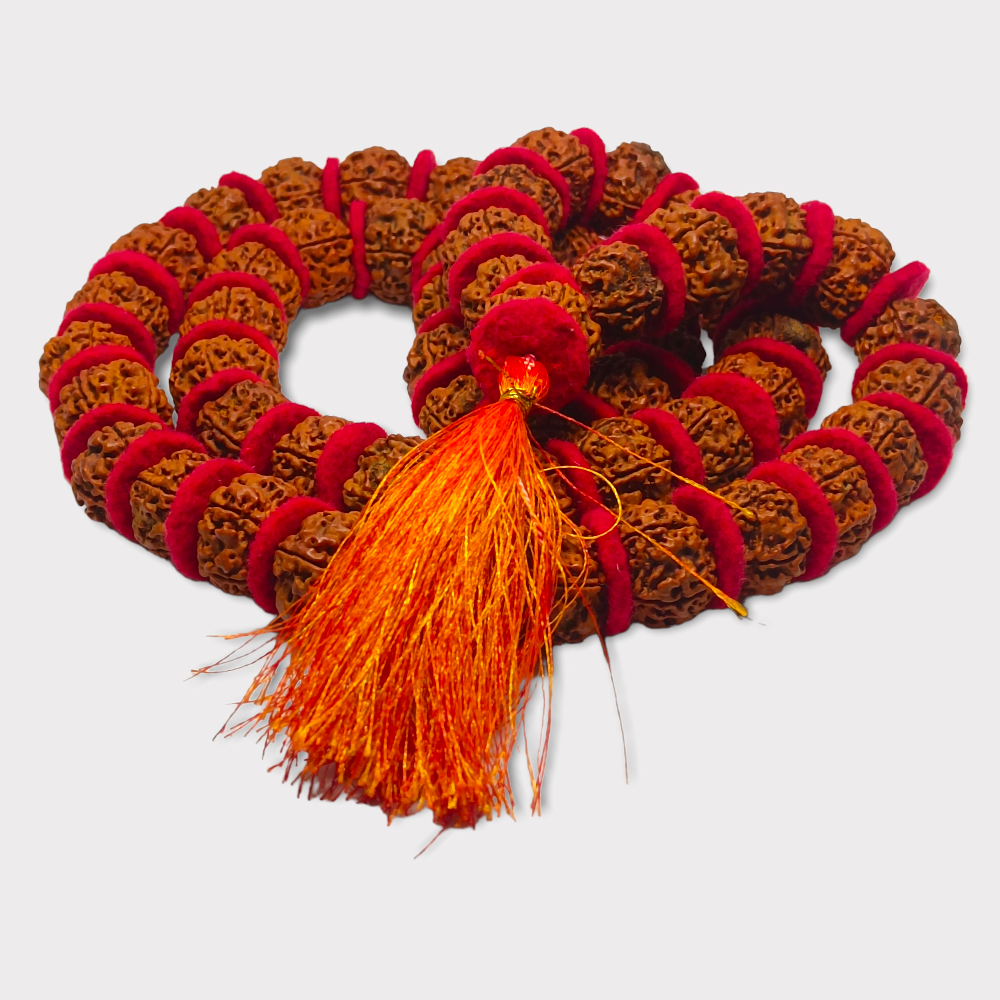
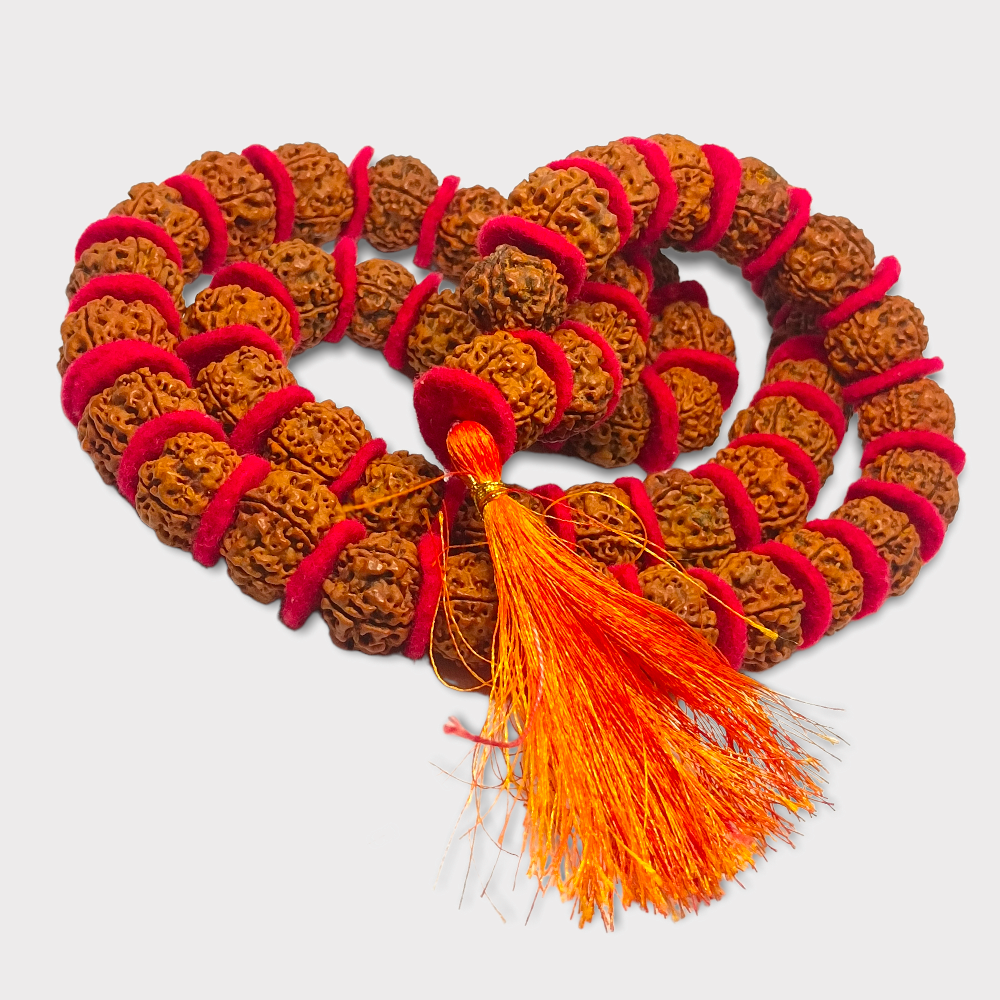
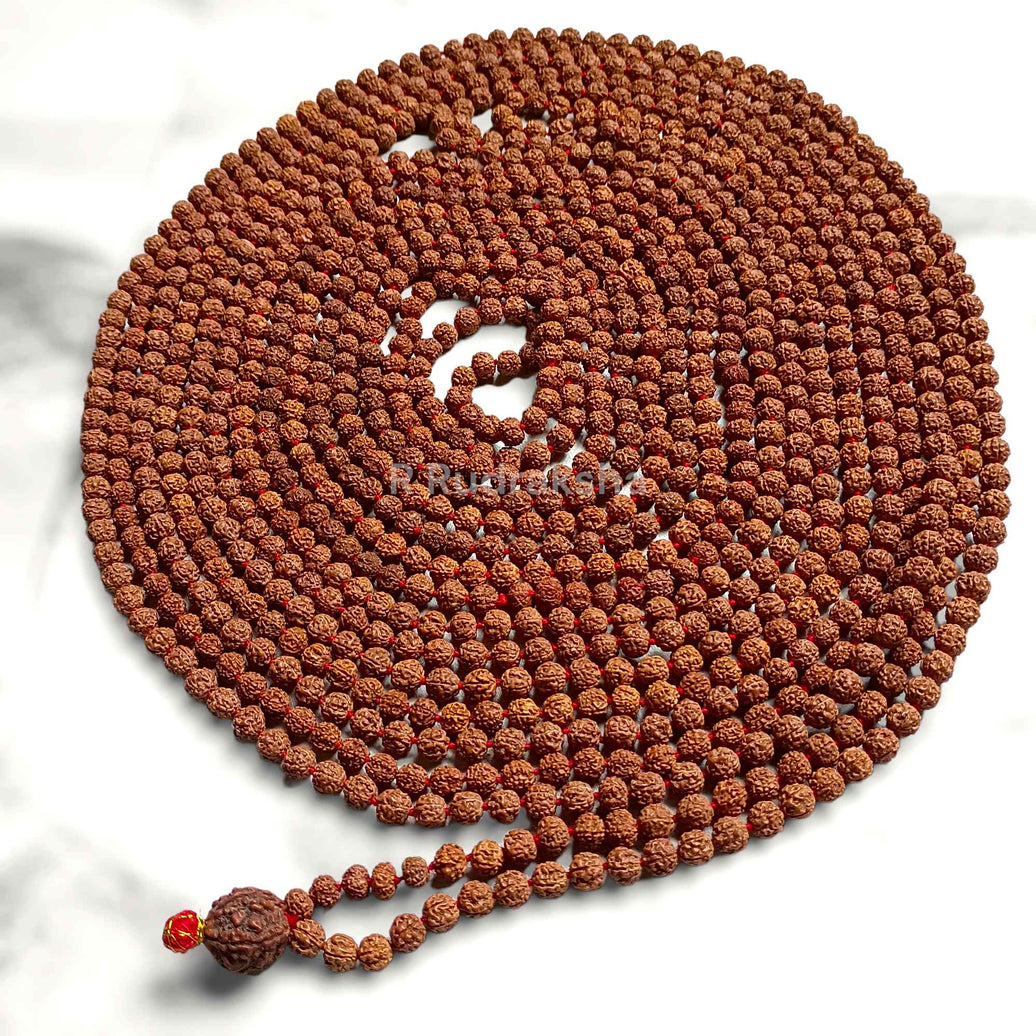
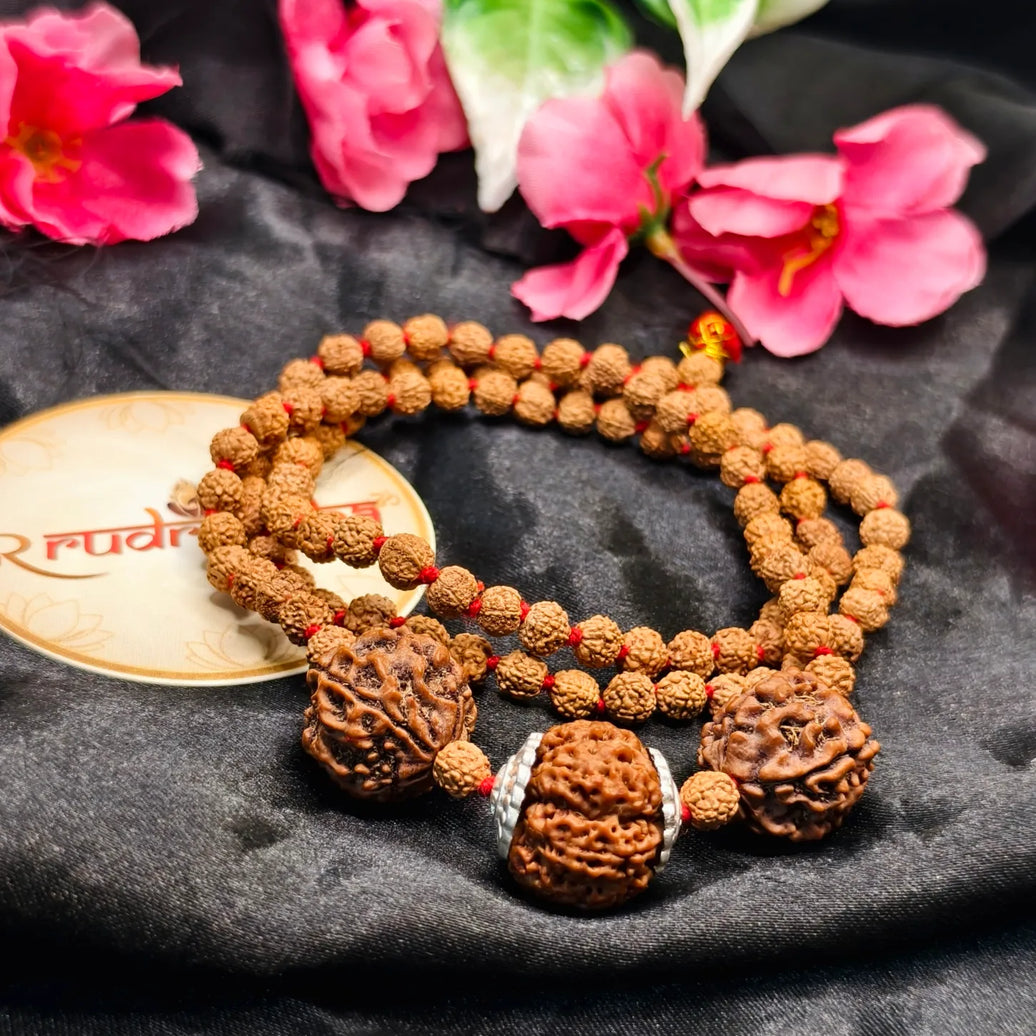
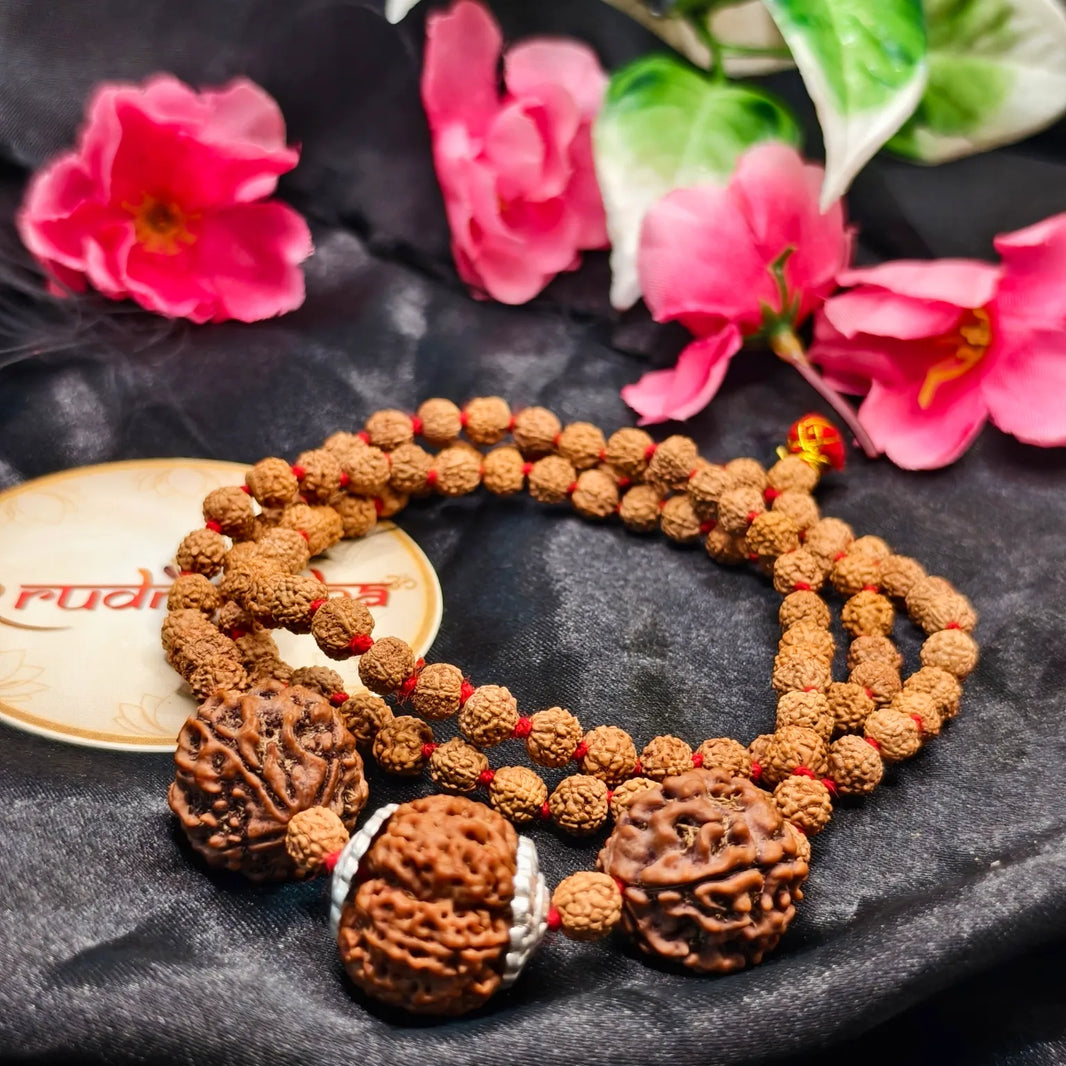
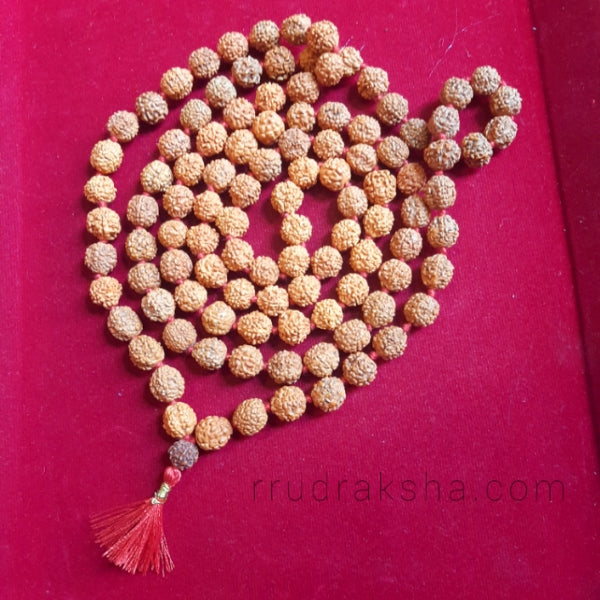
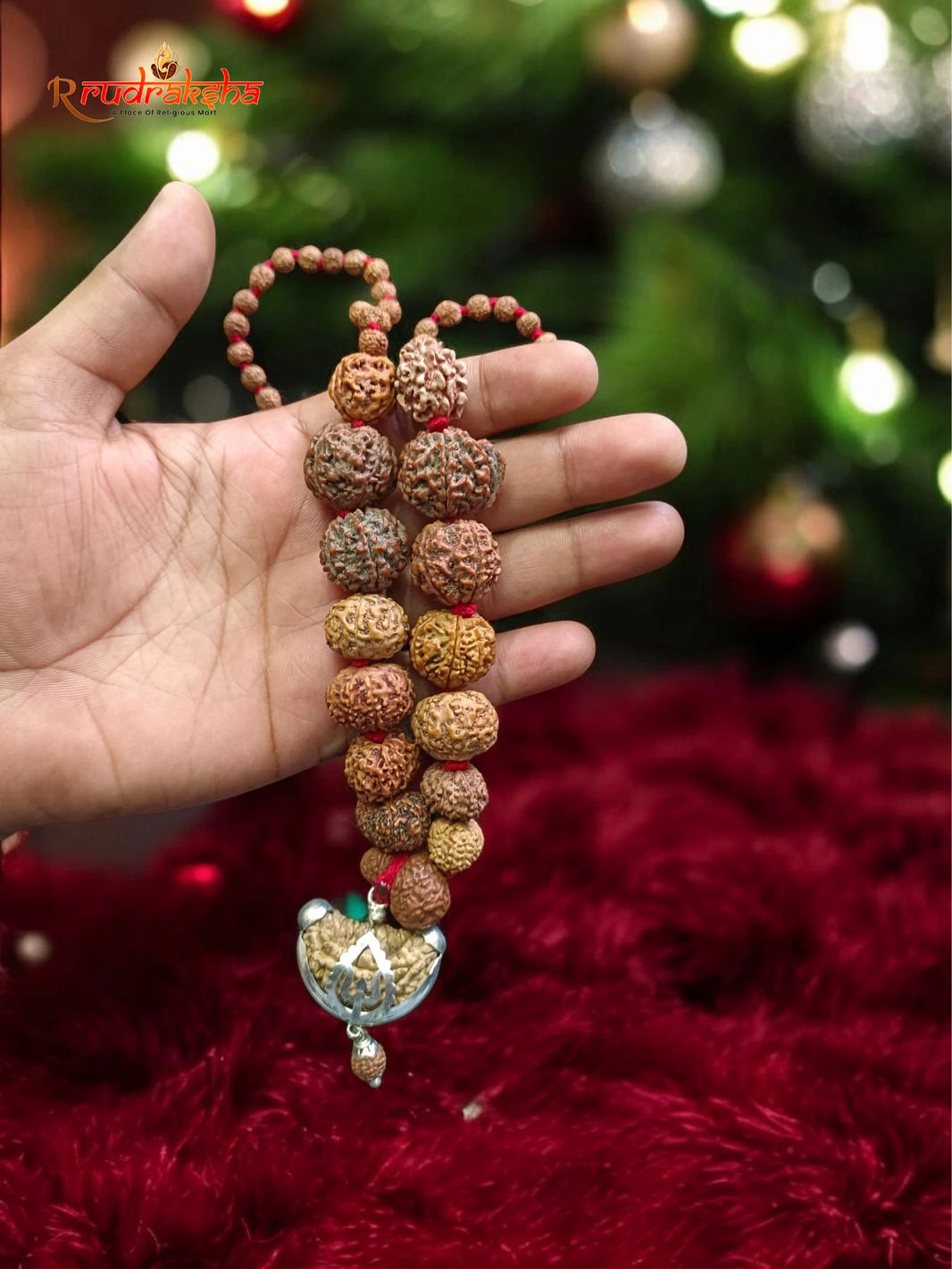
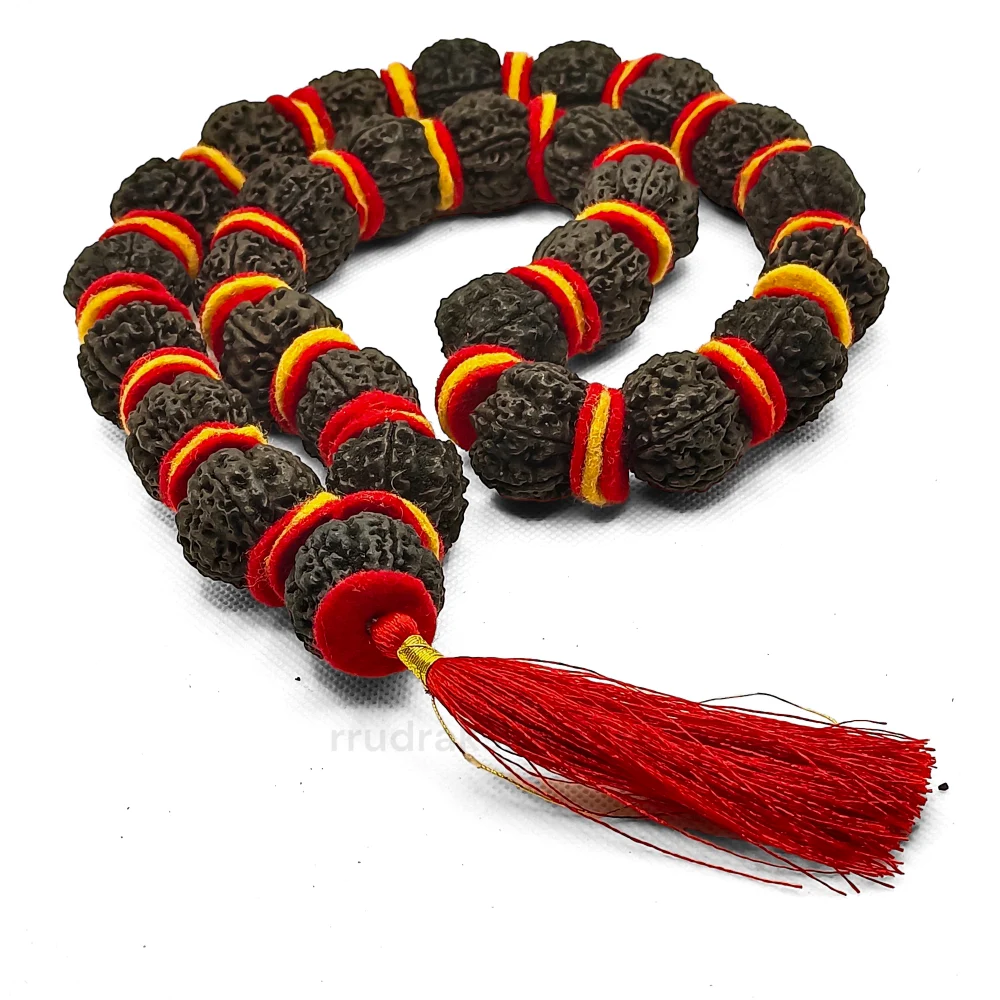
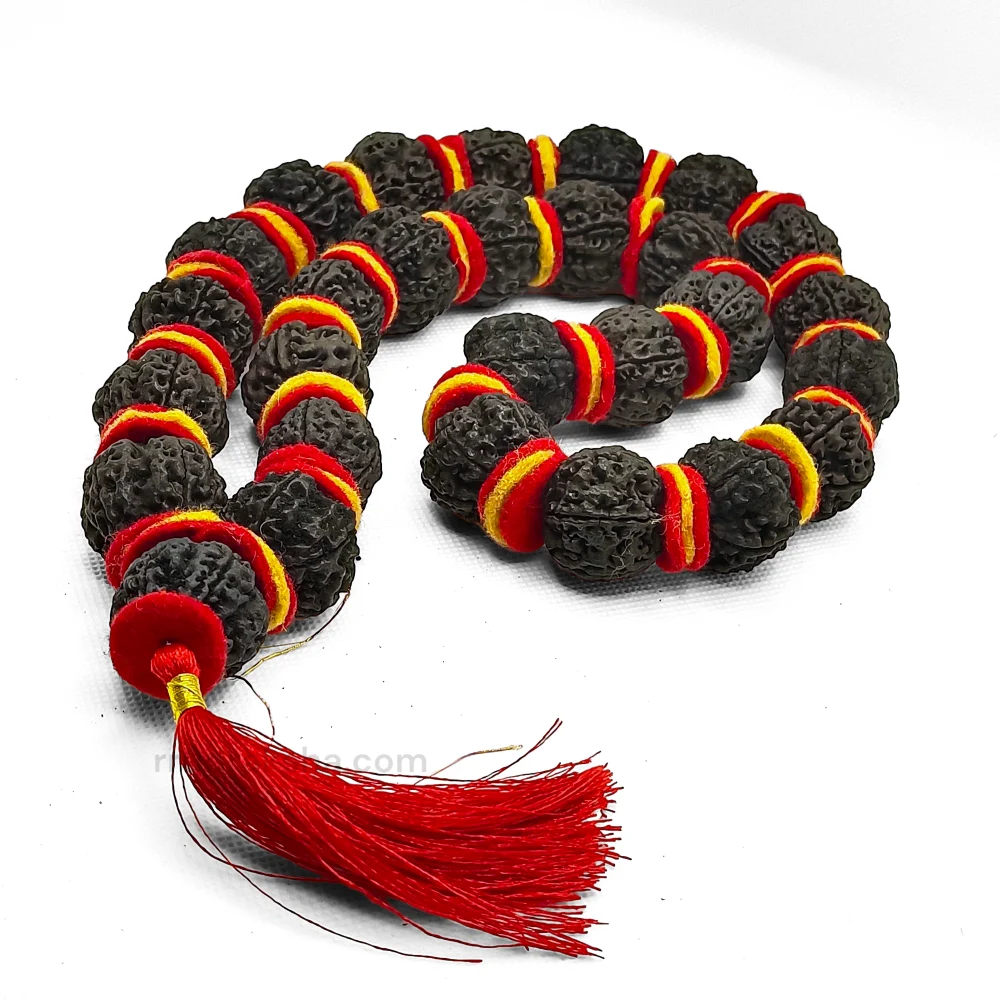
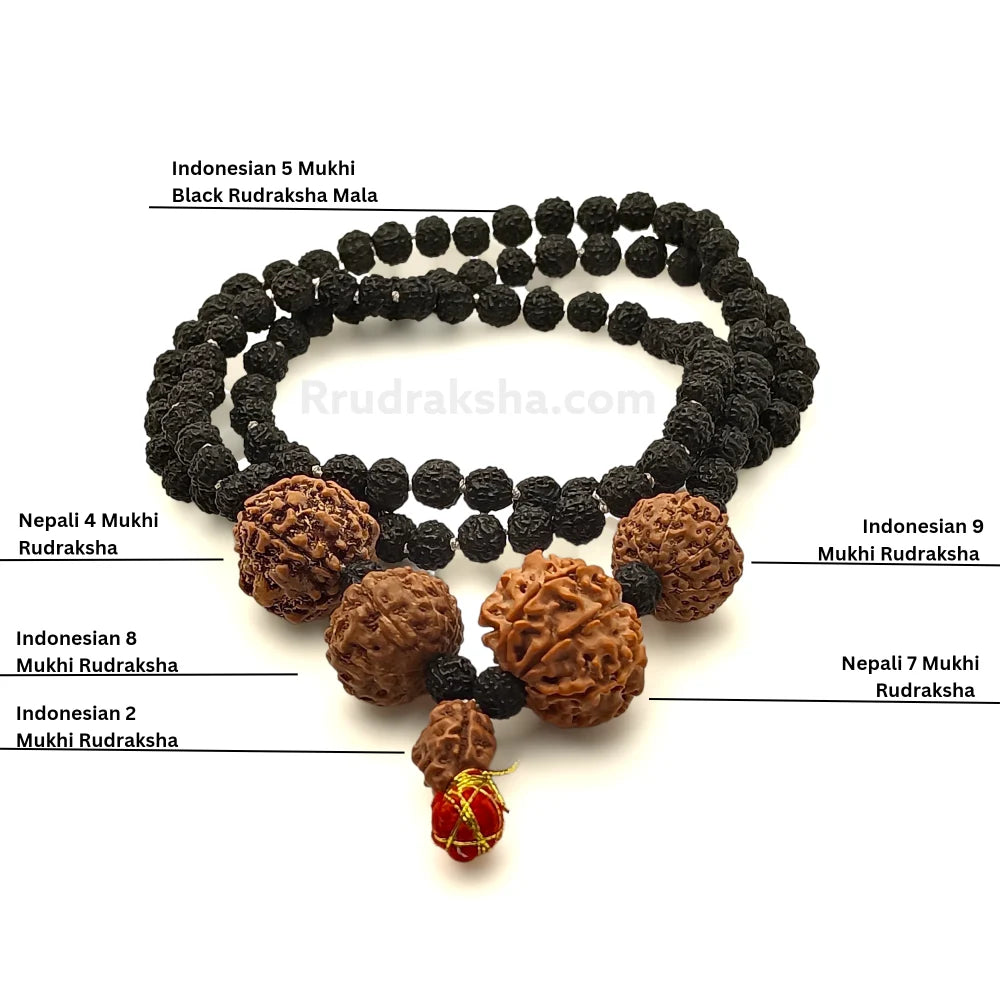
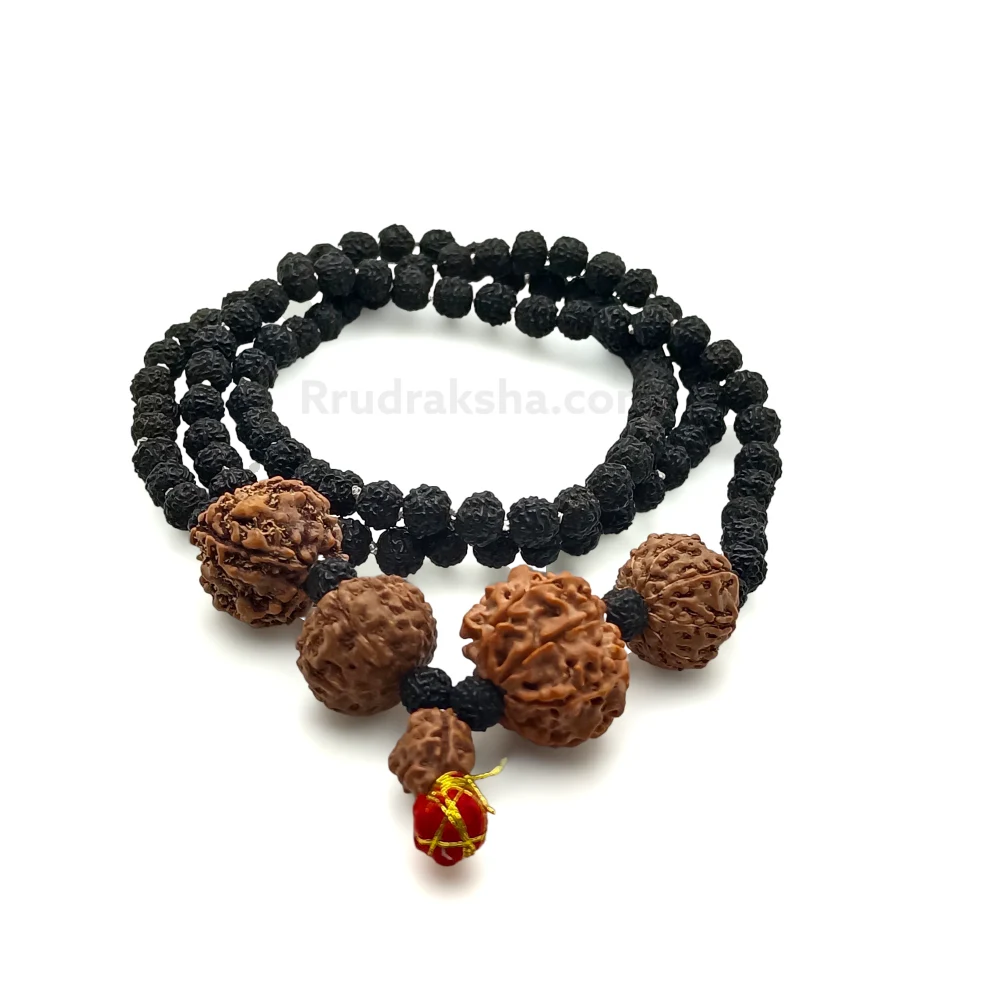
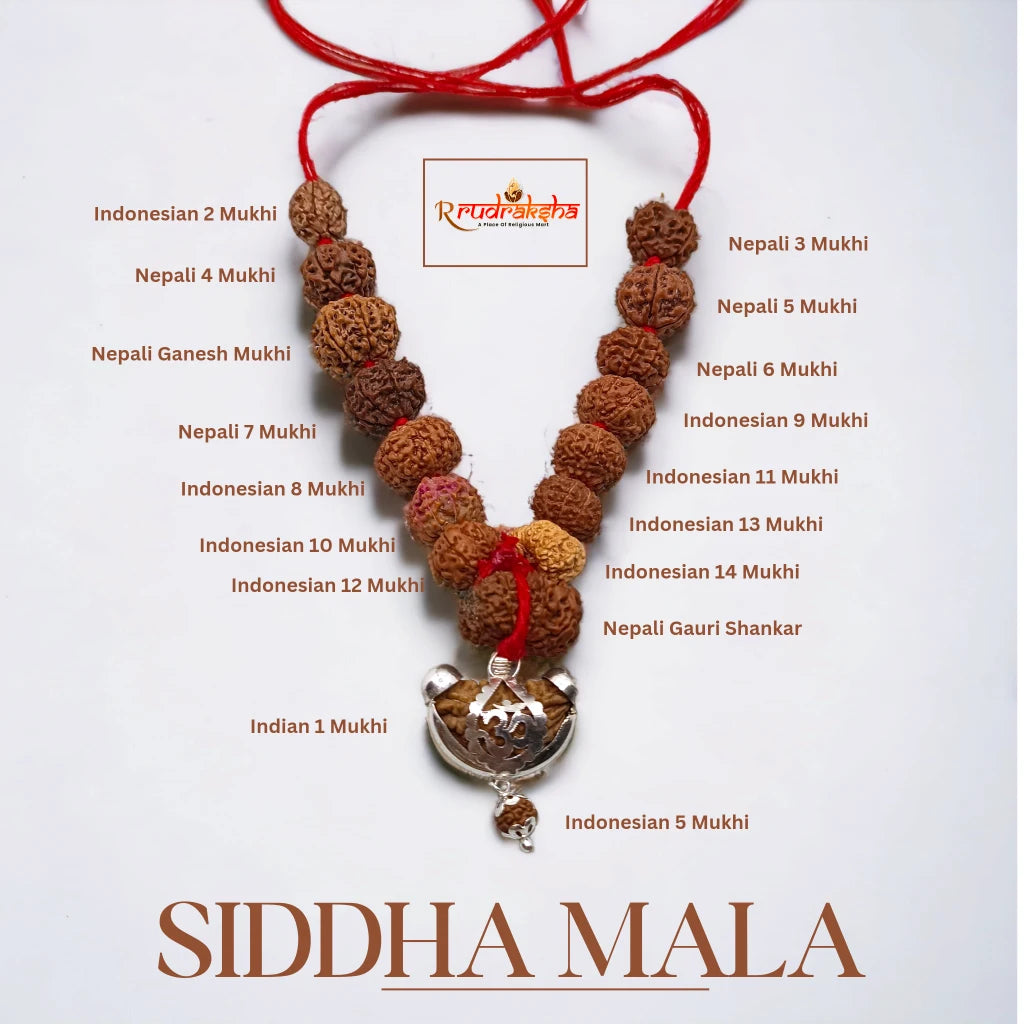
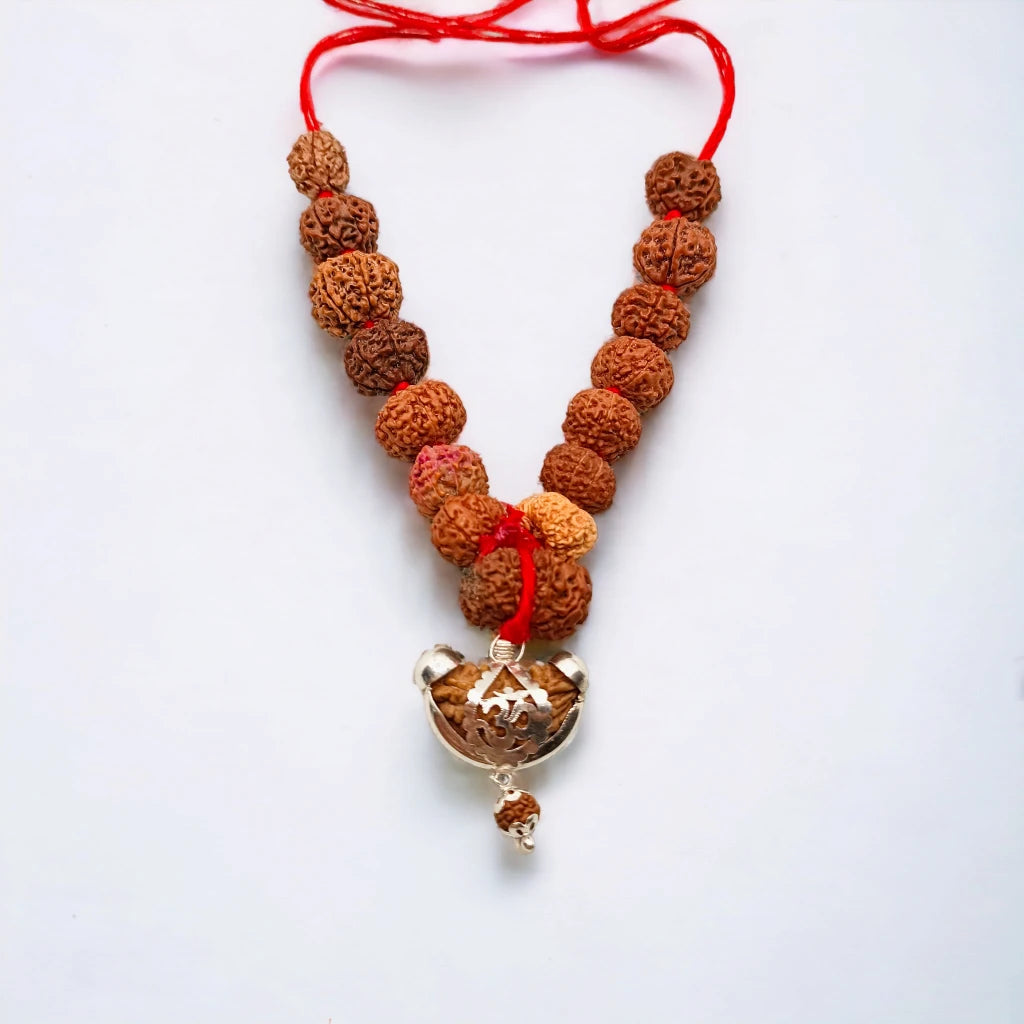
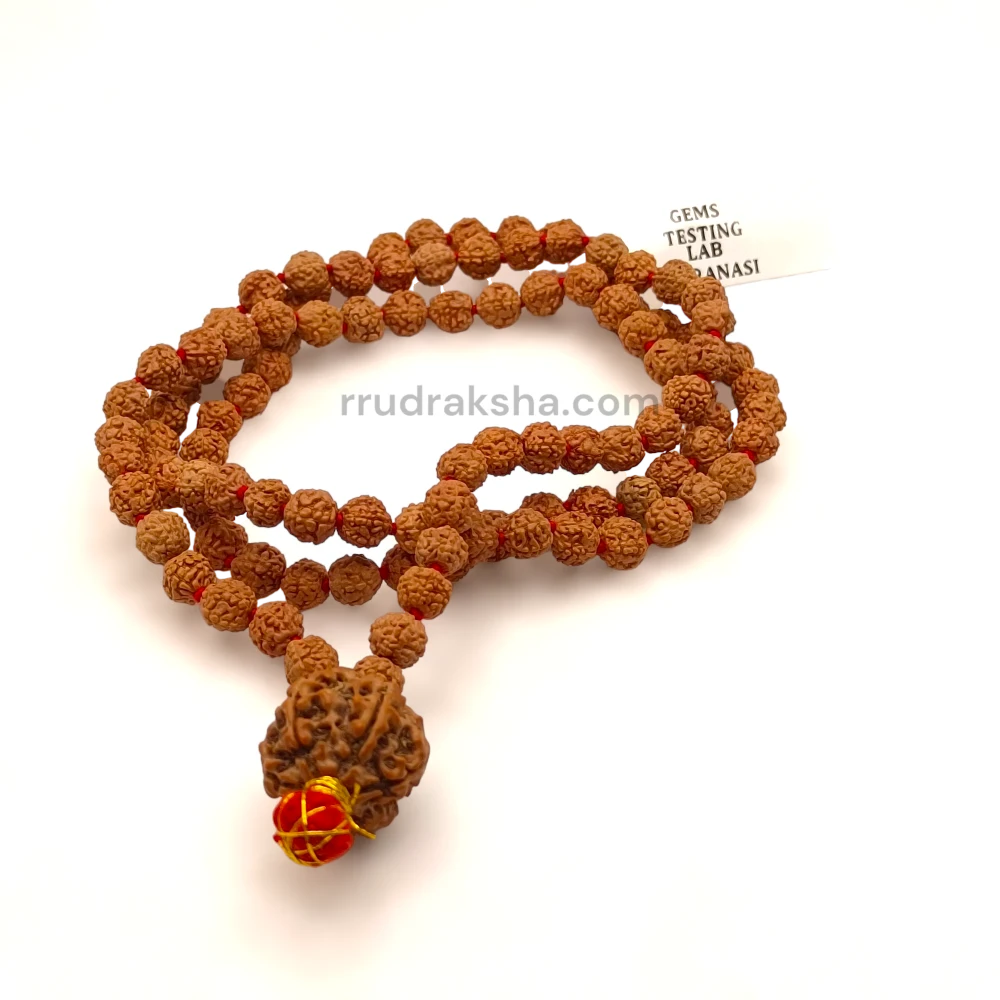
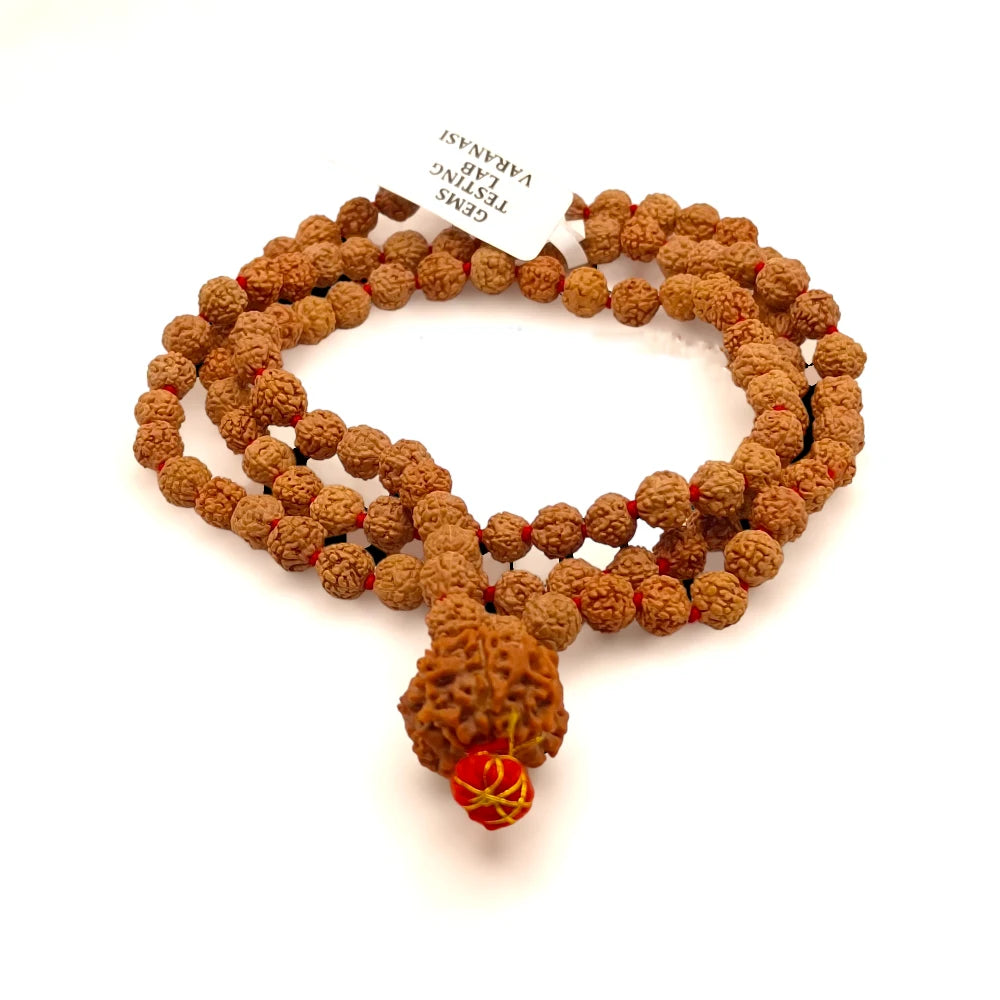
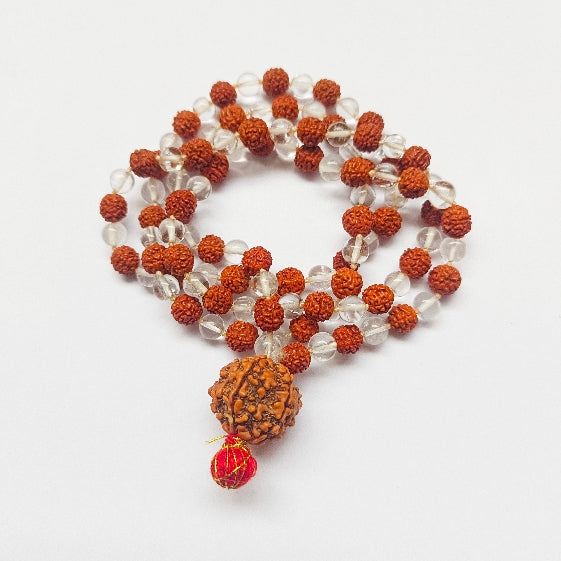
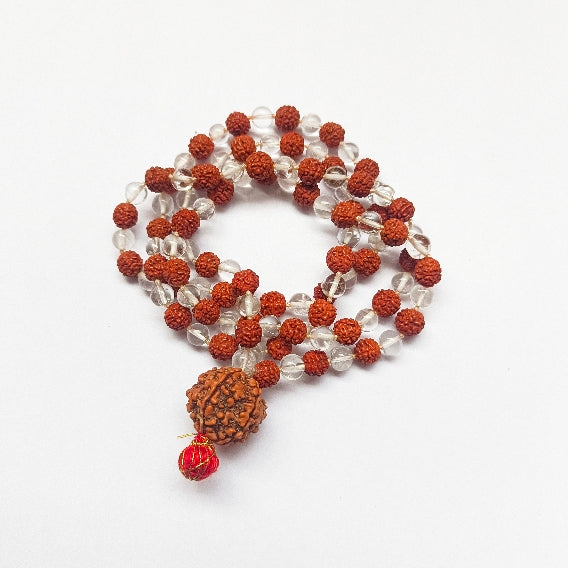
Rudraksha beads are perhaps the most directly accessible of Shiva’s symbols, yet they are also among the most misunderstood. Rudraksha is not worn by Shiva as jewelry or protection. It is worn as a reminder of discipline, repetition, and inner order.
In traditional contexts, Rudraksha was associated with continuity of practice. Each bead represents consistency rather than achievement. Wearing Rudraksha close to the body symbolized an unbroken relationship with awareness — not during rituals alone, but throughout ordinary life.
Unlike precious gems that attract attention, Rudraksha is intentionally modest. Its value lies not in appearance, but in what it demands: patience, routine, and restraint. This aligns perfectly with Shiva’s rejection of comfort. Rudraksha does not stimulate the senses; it steadies them.
🧘 Comfort, Attachment, and the Psychology of Dependence
When comfort becomes the primary regulator of emotional well-being, dependence follows naturally. The mind begins to avoid challenge, uncertainty, and effort. Over time, this avoidance weakens resilience. Shiva’s symbols confront this pattern directly.
Ash removes attachment to form. The snake removes avoidance of fear. Rudraksha removes dependence on stimulation. Together, they dismantle the psychological scaffolding that comfort builds. What remains is not suffering, but clarity.
Shiva’s life is not anti-pleasure or anti-world. It is anti-dependence. His symbols remind practitioners that true stability cannot be outsourced to environment, objects, or circumstances. It must be cultivated internally, through awareness and discipline.
🔱 Why These Symbols Still Matter Today
In a world increasingly designed around convenience, speed, and stimulation, Shiva’s symbols feel confrontational. They resist modern narratives of instant relief and effortless happiness. This resistance is precisely why they remain relevant.
Ash reminds us that identity based on appearance and success is fragile. The snake reminds us that discomfort cannot be eliminated, only understood. Rudraksha reminds us that discipline is not restriction, but freedom from chaos.
Shiva’s life is not meant to be imitated literally, but understood deeply. His symbols offer a framework for living with less dependence on comfort and greater reliance on clarity. In that sense, they are not ancient relics — they are timeless instructions.
🧠 Why Comfort Weakens Discipline (A Psychological View)
Discipline is often misunderstood as an act of force — something imposed upon the mind against its will. In reality, discipline weakens only when comfort becomes excessive. When life is structured entirely around ease, the mind loses its tolerance for friction. Even small challenges begin to feel overwhelming, and avoidance gradually replaces responsibility.
Shiva’s symbols directly counter this psychological drift. Ash removes the illusion of permanence, preventing the ego from becoming complacent. The snake keeps awareness alert, ensuring instinct is acknowledged rather than numbed. Rudraksha introduces rhythm and repetition, anchoring attention without stimulation. Together, they create a mental environment where discipline is not enforced, but inevitable.
Modern Neuroscience echoes this ancient understanding. Habits form not through motivation alone, but through repeated exposure to manageable discomfort. When discomfort is eliminated entirely, the nervous system becomes hypersensitive. Shiva’s life rejects this fragility. His symbols cultivate a nervous system capable of stability without reliance on external comfort.
⛰️ Asceticism Is Not Escape — It Is Engagement
A common misconception is that Shiva’s ascetic life represents withdrawal from the world. This interpretation confuses simplicity with avoidance. Asceticism, in its traditional sense, is not about escaping responsibility, but about removing distractions that dilute attention.
By living with minimal possessions and maximal awareness, Shiva demonstrates a form of engagement that is uncompromised. There is no dependency on mood, environment, or approval. Action arises from clarity rather than compulsion. This is why Shiva is both a renunciate and a householder, both stillness and movement.
The ash-covered body is not disengaged; it is unburdened. The snake is not symbolic danger; it is symbolic presence. Rudraksha is not ritual jewelry; it is lived discipline. Asceticism here becomes a psychological technology — one that removes noise so responsibility can be faced directly.
📿 Rudraksha as a System of Inner Order
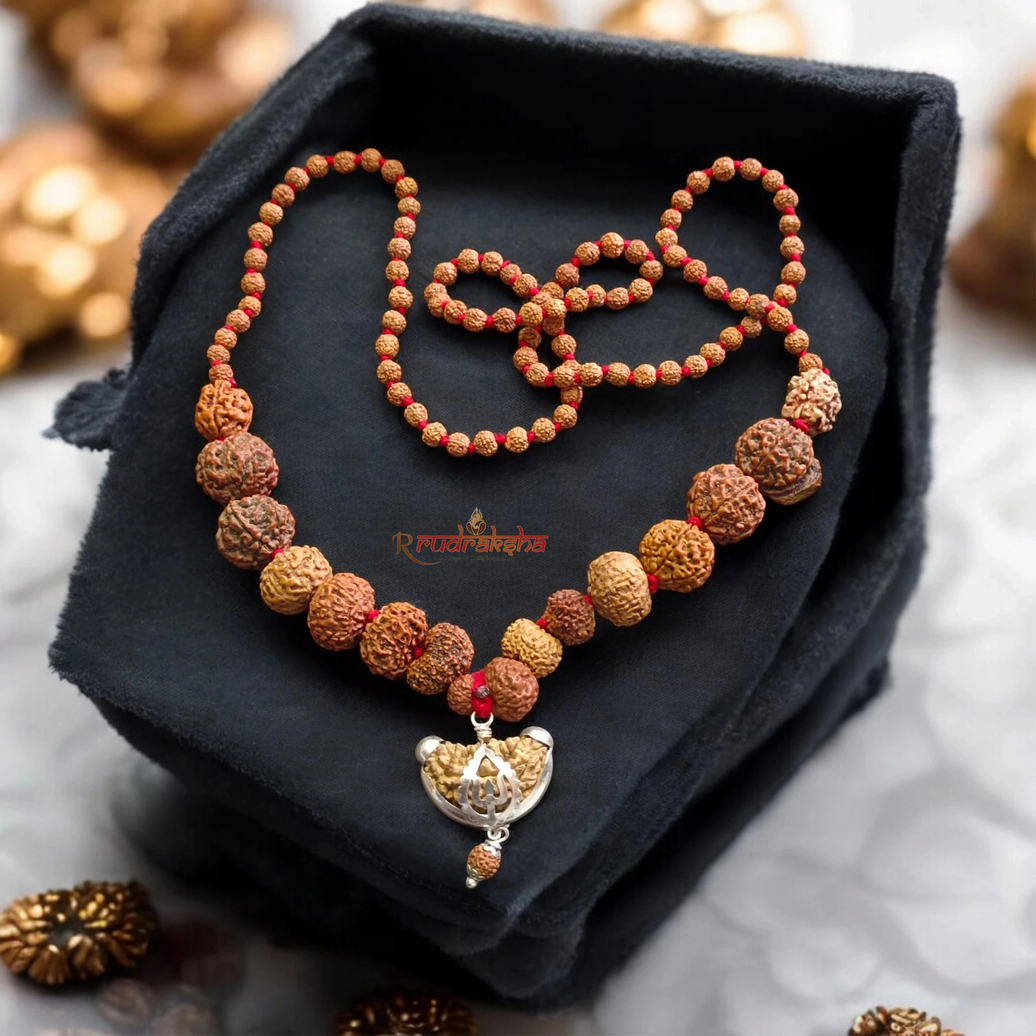
Among Shiva’s symbols, Rudraksha is the most often externalized without internal understanding. In tradition, Rudraksha was never prescribed as a quick solution or protective charm. It functioned as a system of order — reminding the wearer of continuity, repetition, and restraint.
Each bead represents a return to awareness. Not excitement, not intensity — return. This is why Rudraksha aligns naturally with Shiva’s rejection of comfort. Comfort thrives on novelty; discipline thrives on repetition. Rudraksha trains the mind to remain steady even when nothing stimulating is occurring.
This explains why Rudraksha has historically been worn close to the body, often for long durations. It was not meant to be removed after practice. Its role was to blur the line between “spiritual time” and ordinary life, reinforcing the understanding that awareness does not begin and end with ritual.
⚖️ Ash, Snake, and Rudraksha as a Complete Framework
Individually, each of Shiva’s symbols carries meaning. Together, they form a complete psychological framework. Ash dissolves attachment to form. The snake integrates fear without domination. Rudraksha stabilizes awareness through discipline. None of these symbols promise comfort — and that is precisely their strength.
Comfort seeks to remove discomfort. Shiva’s framework seeks to build capacity. This difference defines two radically different approaches to life. One depends on favorable conditions. The other remains steady regardless of conditions.
This is why Shiva is often described as the destroyer — not of the world, but of false dependence. His symbols dismantle the structures that weaken resilience and replace them with clarity, responsibility, and self-regulation.
🌑 Why These Symbols Feel Uncomfortable Today
In a culture optimized for convenience, Shiva’s symbols feel foreign — even unsettling. Ash contradicts beauty standards. Snakes trigger instinctive fear. Rudraksha lacks visual luxury. These reactions reveal more about modern conditioning than about the symbols themselves.
Discomfort arises when a symbol refuses to affirm existing habits. Shiva’s symbols do not validate desire, speed, or accumulation. They interrupt it. This interruption is not hostile — it is diagnostic. It reveals where dependence has quietly replaced discipline.
This is also why Shiva remains relevant. Not as a deity to be decorated, but as a consciousness to be understood. His symbols do not promise relief. They offer responsibility — and through it, freedom.
🔱 Living Shiva’s Philosophy Without Renouncing Life
To understand Shiva is not to imitate his external life, but to internalize his principles. One need not live in mountains or cremation grounds to reject comfort-based dependency. Awareness of routine, restraint in desire, and consistency in discipline bring the same clarity into ordinary life.
When comfort no longer dictates choices, clarity emerges naturally. Decisions become less reactive. Responsibility feels lighter. Fear loses urgency. This is the lived expression of Shiva’s symbols — not through appearance, but through orientation.
Shiva does not ask followers to abandon life. He asks them to abandon illusion. Ash, snake, and Rudraksha are not relics of asceticism; they are tools of psychological maturity. In a world chasing ease, they quietly insist on depth.
❓ Frequently Asked Questions (FAQs)
🔱 Why does Shiva deliberately reject comfort in his symbols?
Shiva’s rejection of comfort represents freedom from dependency rather than denial of life. His symbols emphasize resilience, awareness, and responsibility instead of reliance on external ease.
🔥 What does ash symbolize beyond death and renunciation?
Ash symbolizes impermanence and ego dissolution. It reminds the mind that form, status, and identity are temporary, encouraging clarity rather than fear of loss.
🐍 Why is the snake associated with awareness instead of danger?
The snake represents alertness and instinct integrated with consciousness. It teaches coexistence with fear rather than suppression or escape from it.
📿 Is Rudraksha meant to be a spiritual ornament or a discipline tool?
Traditionally, Rudraksha functioned as a discipline tool. Its repetitive form reinforces steadiness, rhythm, and continuity of awareness rather than decorative identity.
🧠 How do Shiva’s symbols relate to mental resilience today?
They counter modern dependency on comfort by strengthening psychological tolerance for uncertainty, repetition, and responsibility.
⛰️ Does ascetic symbolism mean withdrawing from society?
No. Shiva’s ascetic symbols represent internal detachment, not social escape. They encourage full engagement with life without attachment to outcomes.
⚖️ Why are Shiva’s symbols intentionally uncomfortable to modern sensibilities?
Because they do not affirm desire, luxury, or speed. They interrupt comfort-based conditioning, making them challenging but transformative.
🕉️ Can Shiva’s philosophy be practiced without renunciation?
Yes. Discipline, restraint, and awareness can be integrated into ordinary routines without abandoning family, work, or society.
📖 Why is Rudraksha associated with repetition rather than stimulation?
Discipline grows through consistency, not novelty. Rudraksha reinforces return to awareness rather than excitement or intensity.
🌑 What is the core lesson behind ash, snake, and Rudraksha together?
Together they form a framework of impermanence, alertness, and discipline—removing dependency while strengthening inner stability.
🔍 Is Shiva rejecting pleasure or attachment to pleasure?
Shiva rejects attachment, not experience. Pleasure without dependence remains, but reliance on comfort for stability dissolves.
🙏 Why does Shiva’s symbolism remain relevant in modern life?
Because uncertainty, fear, and dependency still exist. Shiva’s symbols address these foundational human challenges without time-bound solutions.
🙏 Closing Reflection 🪞
Why Shiva Rejects Comfort
Shiva’s rejection of comfort is not rejection of joy, love, or life. It is rejection of dependence. His symbols teach that stability cannot be borrowed from environment, objects, or outcomes. It must be cultivated internally.
Ash reminds us that form fades. The snake reminds us that fear must be integrated. Rudraksha reminds us that discipline sustains awareness. Together, they design a life that does not collapse under uncertainty.
In this sense, Shiva’s path is not extreme. It is precise. It removes what weakens and preserves what stabilizes. And that is why, even today, his symbols continue to speak — quietly, firmly, without comfort.
🙏 हर हर महादेव 🙏





Leave a comment