











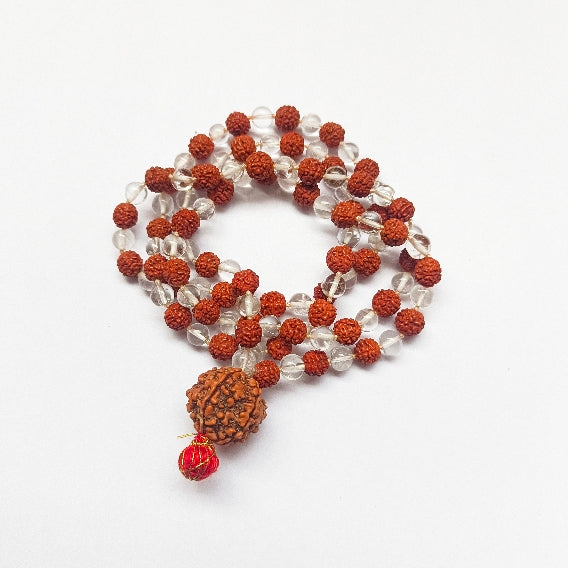

🔬 The Science Behind Kantha Mala: How Large Rudraksha Beads Affect the Body
Kantha Mala is often described in spiritual language — discipline, stability, restraint — yet its influence does not remain limited to belief or tradition. Beneath the symbolism lies a quieter, more measurable reality: the human body responds to continuous physical and sensory inputs. Kantha Mala operates precisely at this intersection of ancient wisdom and biological response.
Modern science increasingly acknowledges that the body is not only chemical but also electrical and neurological. Every thought, emotion, and reaction travels through nerve impulses. When an object remains in constant contact with sensitive regions of the body, it can subtly influence how these impulses are regulated. Kantha Mala was designed with this understanding long before modern terminology existed.
This is why Kantha Mala must be examined not just as a religious artifact, but as a functional tool that interacts with the nervous system, sensory perception, and psychological conditioning.
🧠 The Human Body as an Electrical System
The human nervous system functions through electrical signals. Neurons communicate via electrochemical impulses, forming complex networks that regulate thought, emotion, and behavior. Stability within this system determines mental clarity, emotional balance, and stress response.
External stimuli — pressure, texture, weight, temperature — continuously influence neural activity. Objects worn close to the body can become part of this sensory environment. When such objects remain in constant contact, their influence becomes sustained rather than occasional.
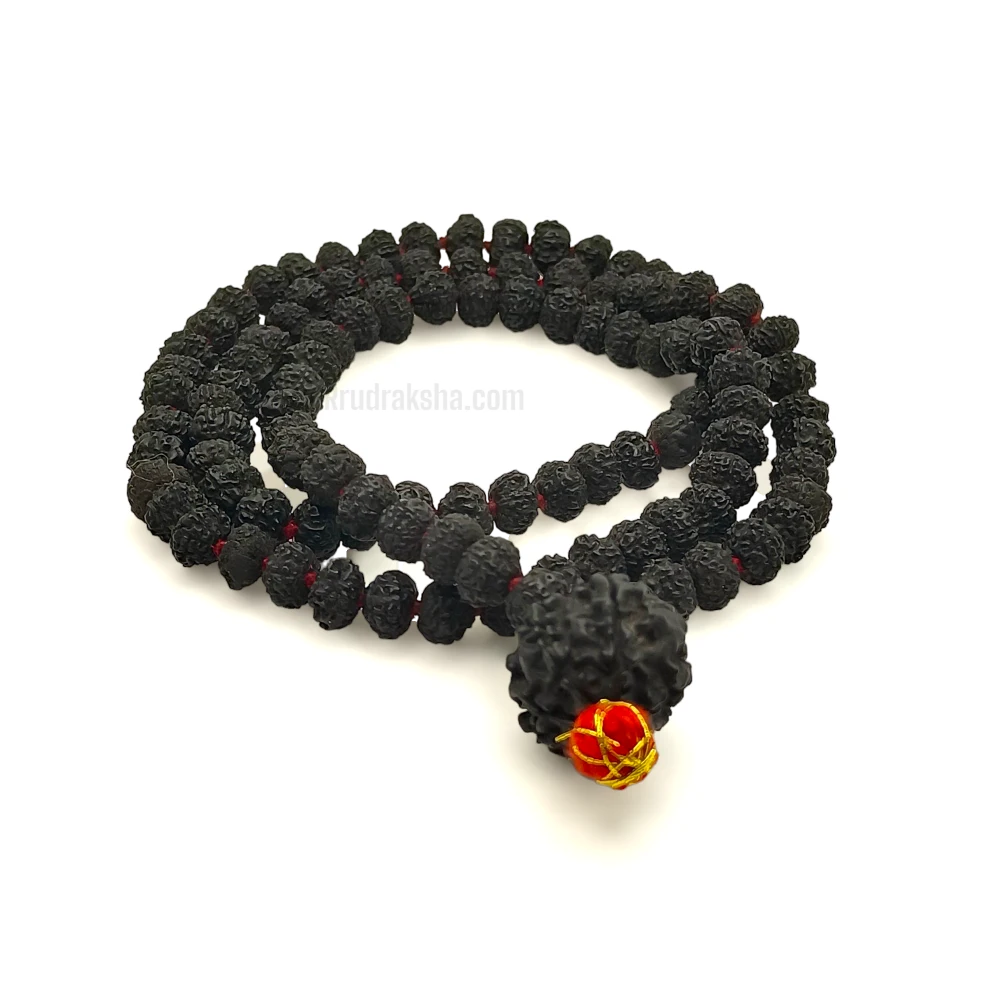
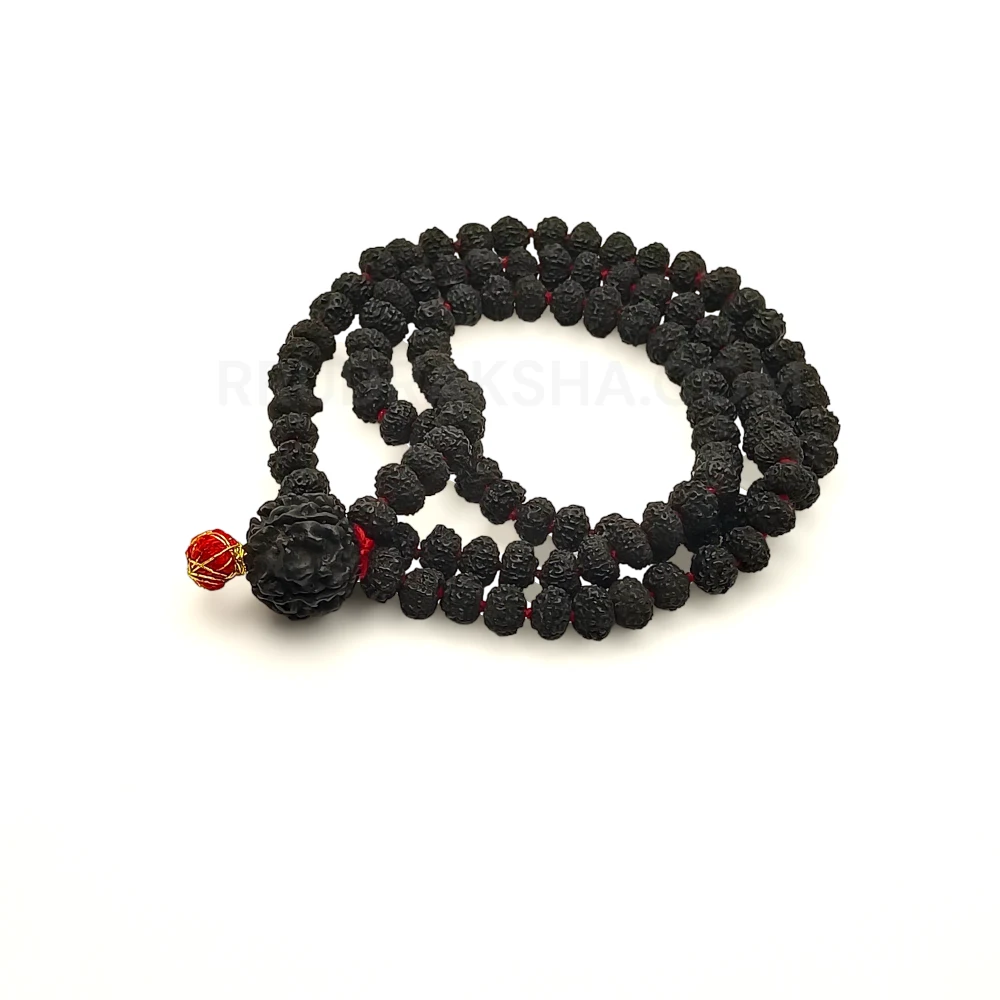
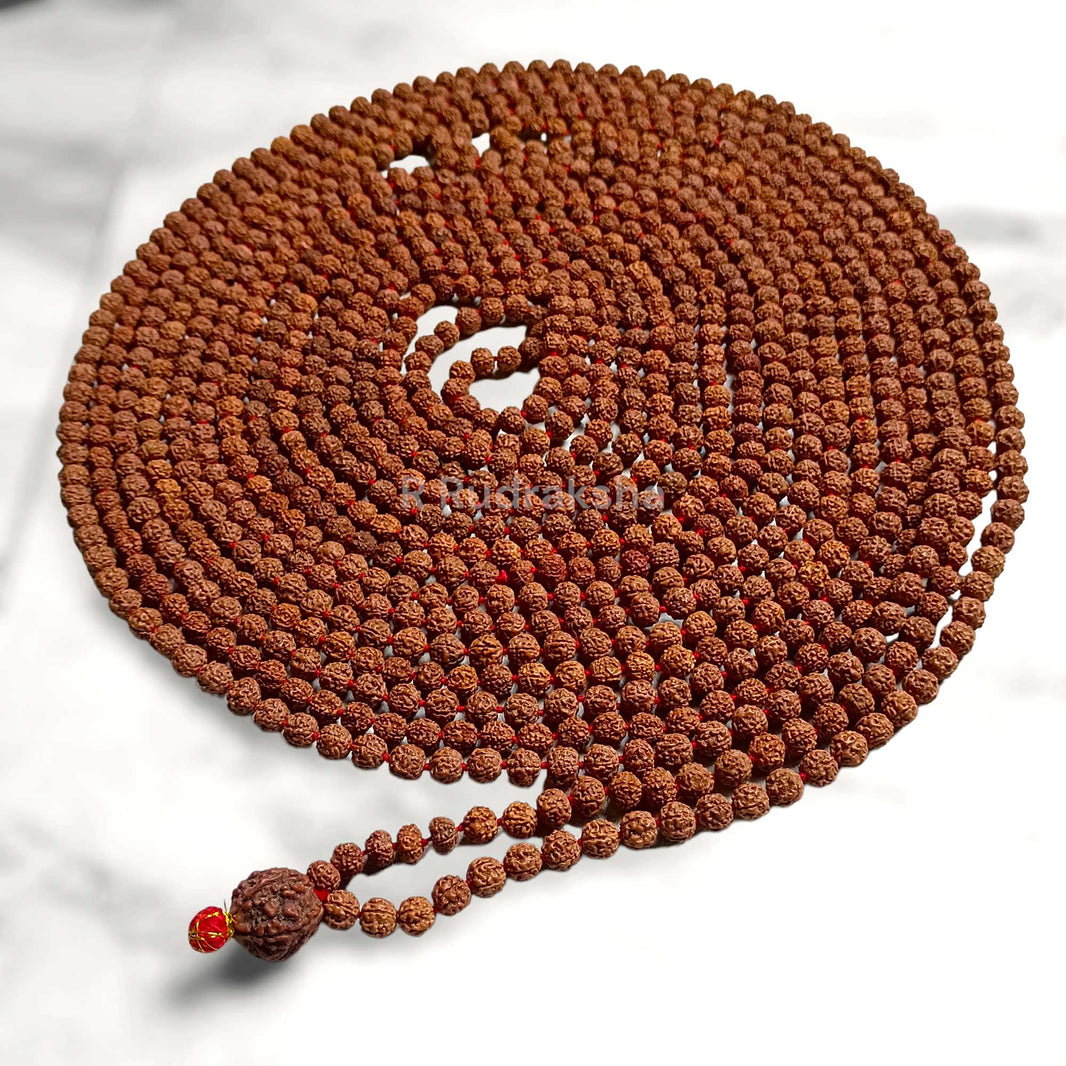
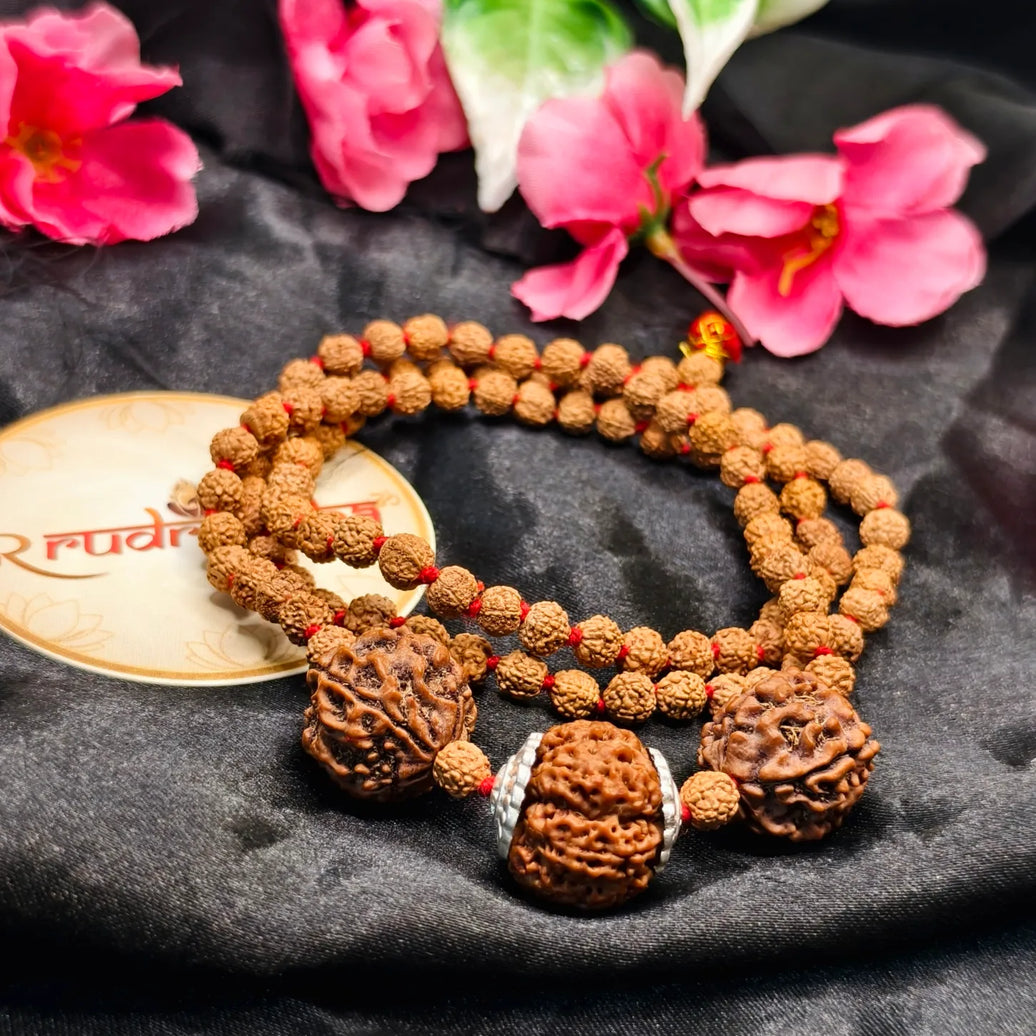
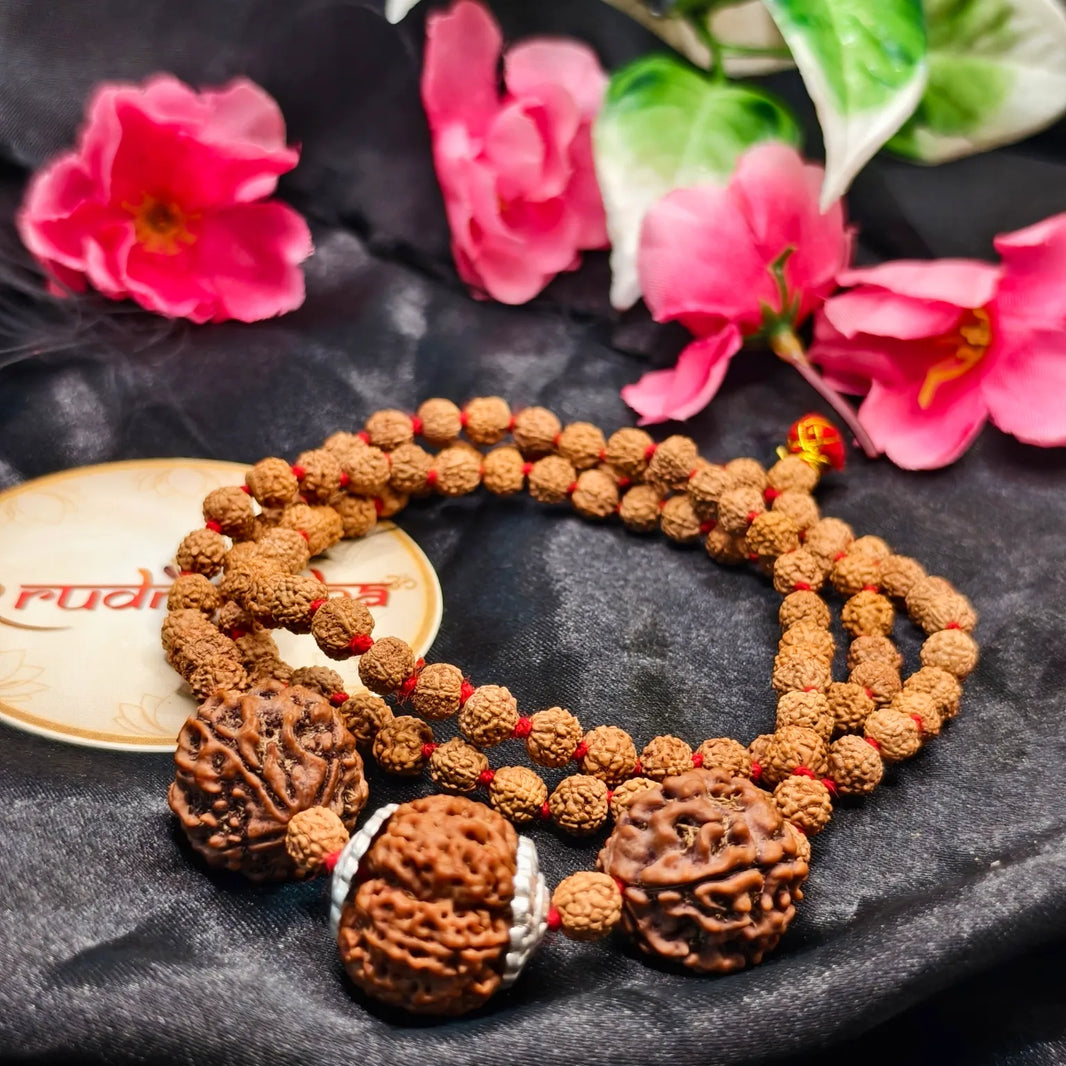
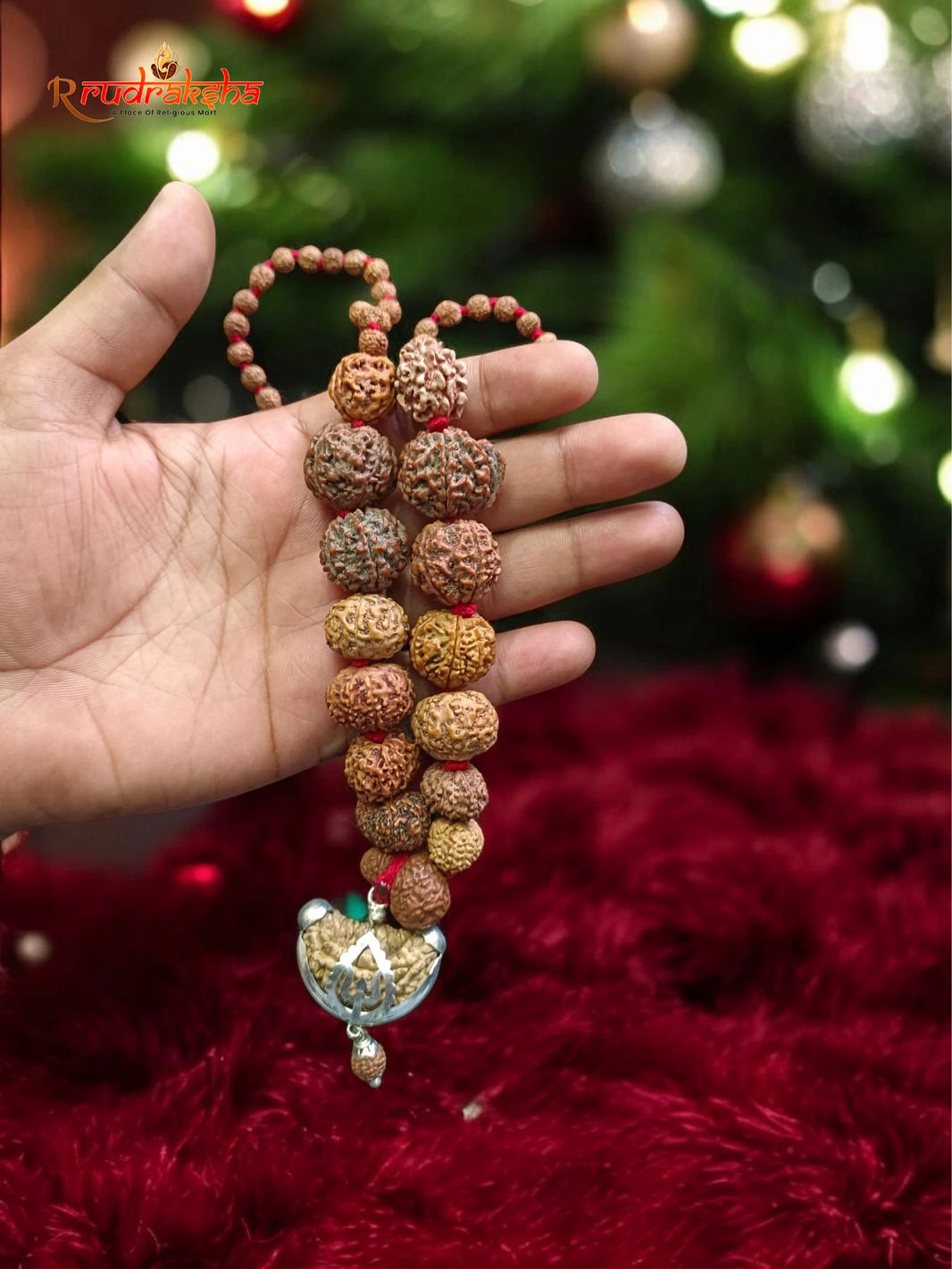
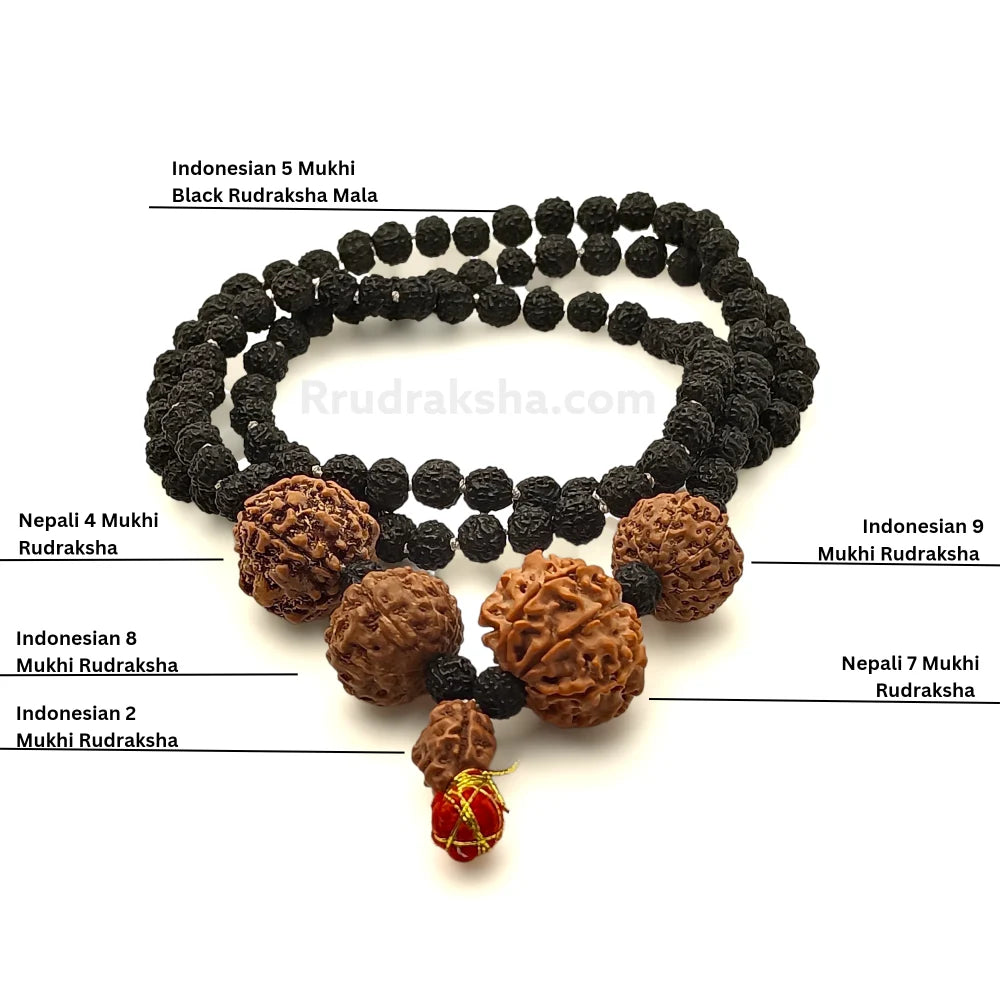
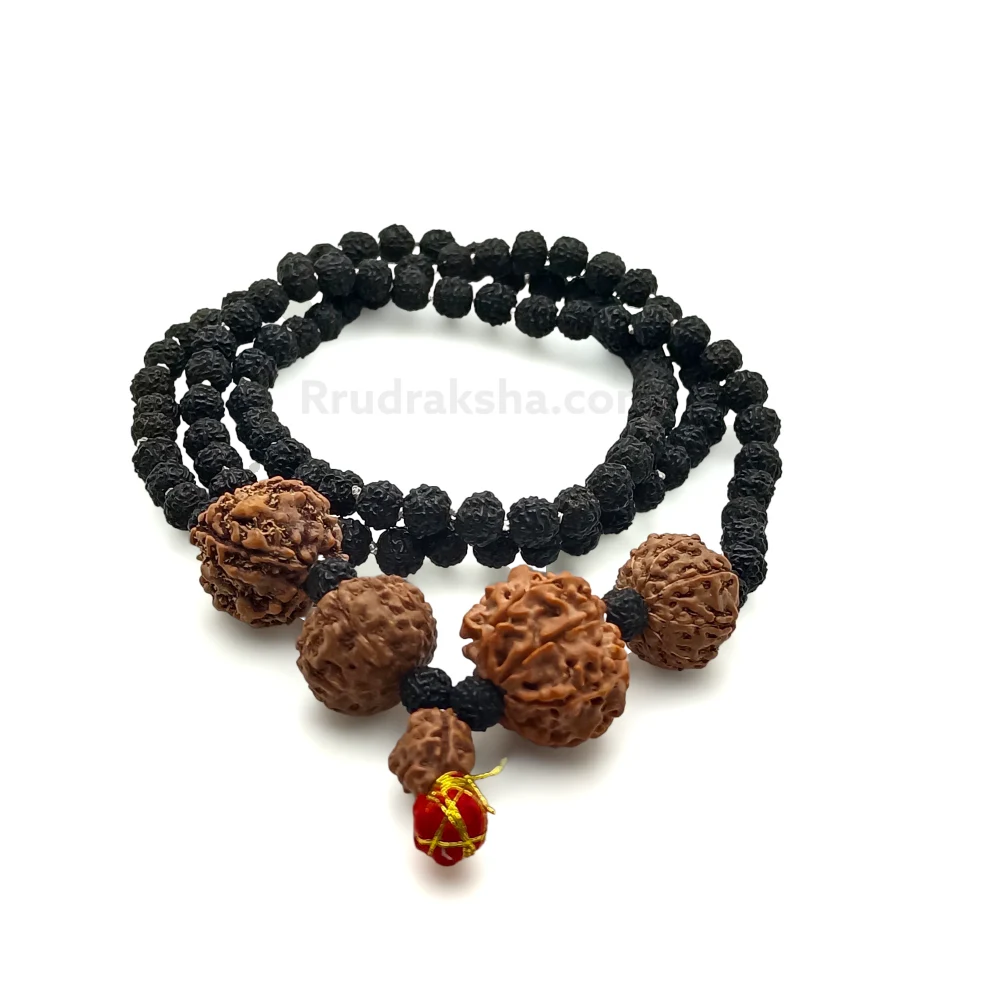
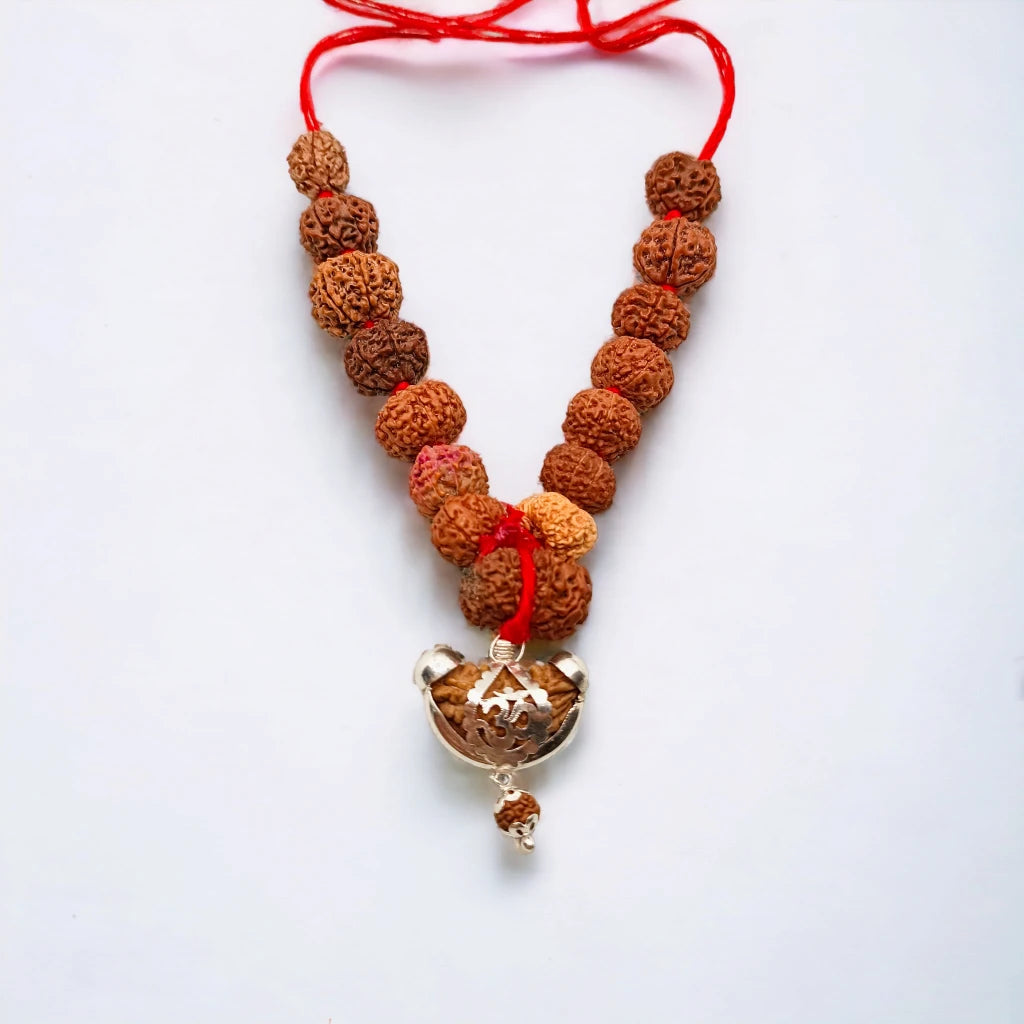
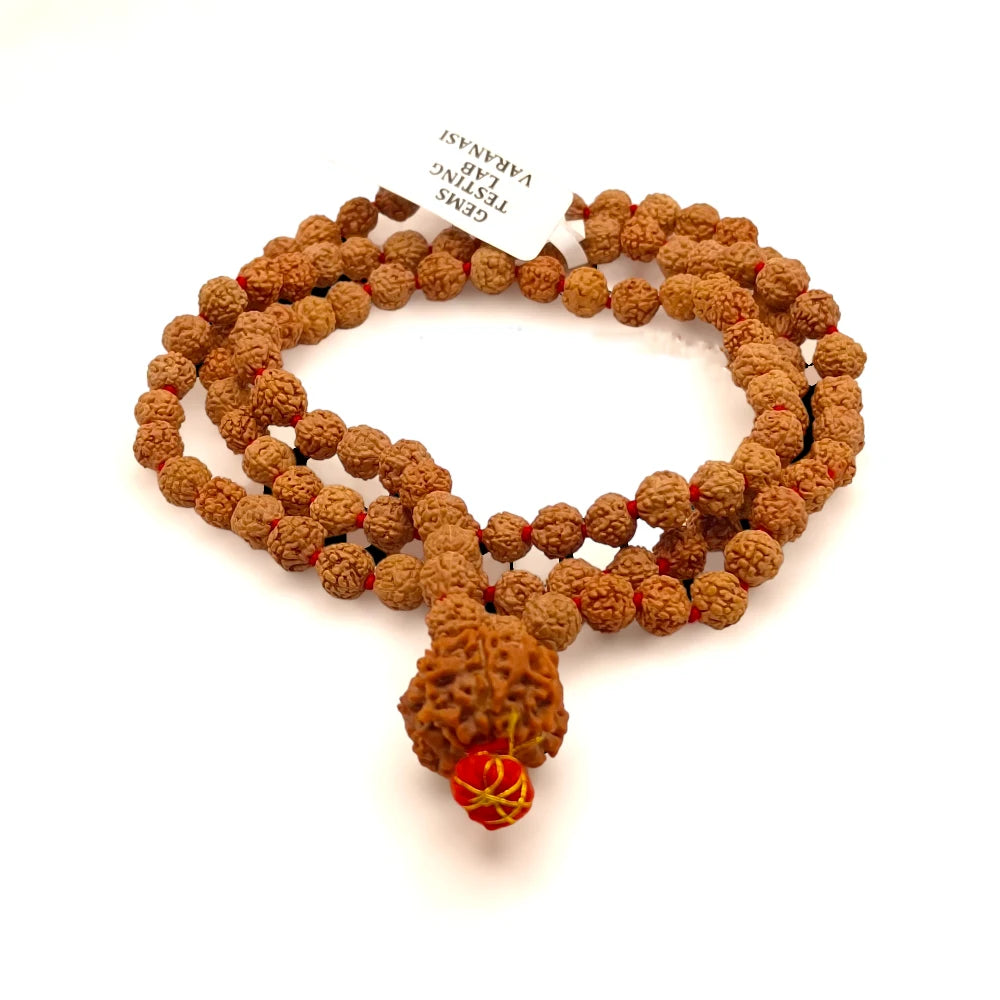
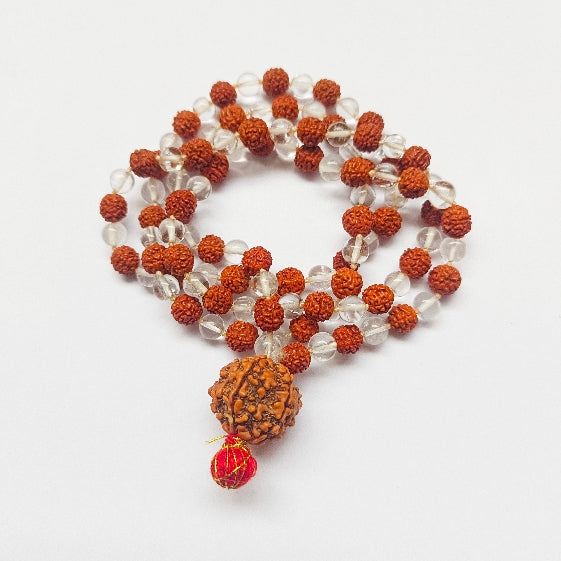
Kantha Mala, with its large Rudraksha beads and tight placement around the neck, introduces a consistent tactile presence. Over time, this presence becomes integrated into the body’s baseline sensory awareness.
📍 Why the Neck Is a Critical Zone
The neck is one of the most neurologically sensitive regions of the body. It houses pathways connecting the brain with the heart, lungs, and digestive system. The vagus nerve — a major regulator of emotional and physiological balance — passes through this region.
Continuous stimulation near the neck can influence parasympathetic activity, which governs calmness, digestion, and recovery. When this system is activated consistently, the body shifts away from chronic stress patterns.
Kantha Mala’s design ensures uninterrupted contact with this region. Unlike loose necklaces or removable malas, it remains present during sleep, movement, and rest — reinforcing stability rather than intermittency.
⚖️ Size Matters: The Role of Large Rudraksha Beads
Bead size is not an aesthetic choice. Larger beads exert more surface contact and subtle pressure, increasing sensory feedback. This feedback does not overstimulate; it grounds.
Small beads provide light stimulation suitable for short durations. Large beads provide steady input suitable for continuous wear. This distinction explains why Kantha Mala feels fundamentally different from regular Rudraksha malas.
From a scientific perspective, repeated sensory input trains neural pathways. Over time, this training can reduce impulsive reactions and enhance emotional regulation.
🧘 Sensory Anchoring and Mental Regulation
Psychology recognizes the concept of sensory anchoring — using physical sensation to stabilize attention and emotional state. Weighted objects, textured surfaces, and pressure points are often used therapeutically to reduce anxiety and restlessness.
Kantha Mala functions as a natural sensory anchor. Its weight and texture keep awareness grounded in the body, preventing excessive mental wandering. This effect is subtle but cumulative.
Rather than calming the mind temporarily, Kantha Mala retrains it gradually. This is why its influence is most noticeable over weeks and months, not hours.
🔄 Continuous vs Intermittent Influence
Regular Rudraksha malas influence the body intermittently — during chanting, meditation, or focused moments. Kantha Mala influences continuously. This difference is central to its scientific impact.
Continuous input creates adaptation. The nervous system adjusts its baseline state in response to persistent conditions. Over time, stress thresholds rise and emotional responses stabilize.
This explains why Kantha Mala is often associated with inner firmness rather than emotional comfort.
⚡ Bio-Electric & Electromagnetic Theories Behind Rudraksha
Modern scientific language may differ from ancient terminology, but the underlying observations often converge. The human body continuously generates bio-electric signals through nerve transmission, muscle movement, and cardiac rhythm. These signals form a dynamic internal electrical environment that responds to external materials and sustained contact.
Rudraksha seeds possess a naturally occurring structure with microscopic pores and conductive pathways. When worn in constant contact with the skin, especially in larger bead form as seen in Kantha Mala, this structure may interact subtly with the body’s bio-electric field. The effect is not dramatic or externally measurable in isolation, but cumulative over time.
Ancient practitioners may not have used terms like “electromagnetic interaction,” yet they clearly recognized that certain materials, when worn continuously, altered mental steadiness and emotional response. Kantha Mala represents the most immersive application of this understanding.
🔄 Why Continuous Contact Changes the Baseline State
The nervous system adapts to its environment. Repeated exposure to the same sensory condition trains the brain to treat it as the new normal. This principle is well established in neuroscience and behavioral psychology.
Kantha Mala maintains uninterrupted contact with the body. Unlike accessories that are removed and worn again, it creates a stable sensory condition. Over time, the nervous system adjusts its baseline toward this steadiness, reducing exaggerated stress responses.
This explains why Kantha Mala rarely produces sudden “effects.” Instead, wearers often notice that they respond differently to situations that once caused agitation. The change is internal and gradual.
🧠 Psychological Conditioning Through Physical Presence
Human psychology is deeply influenced by physical cues. Objects worn close to the body can become part of identity reinforcement and behavioral regulation. This is not symbolism alone; it is conditioning.
Kantha Mala functions as a continuous reminder of restraint and awareness. Its weight and presence discourage unconscious habits. Over weeks of wear, this reminder shifts from conscious notice to subconscious regulation.
This is why many wearers describe a reduction in impulsive speech, reactive emotions, and scattered focus. These outcomes align with known principles of habit reinforcement and sensory-based behavioral conditioning.
📉 Why Kantha Mala Can Feel Intense Initially
Initial discomfort — physical or psychological — is common when wearing Kantha Mala. From a scientific perspective, this reflects adaptation. The nervous system resists sudden changes in sensory environment.
Large beads exert consistent pressure. The neck region, being sensitive, amplifies awareness of this pressure at first. As adaptation occurs, perception normalizes and discomfort fades.
Psychologically, the mala also confronts unconscious habits. Reduced impulsivity can feel restrictive before it feels stabilizing. This transitional phase is often misinterpreted as incompatibility.
🌿 Comparison with Therapeutic Grounding Tools
In modern therapy, weighted blankets, pressure vests, and tactile grounding tools are used to reduce anxiety and improve focus. These tools rely on sustained sensory input to calm the nervous system.
Kantha Mala operates on a similar principle, though its design predates modern therapy by centuries. Its difference lies in continuity — it is not applied temporarily, but integrated into daily life.
This comparison helps demystify Kantha Mala. Its effectiveness does not depend on belief; it depends on consistency.
🧪 Scientific Limitations and Honest Perspective
It is important to acknowledge scientific limitations. Kantha Mala has not been subjected to large-scale clinical trials. Its effects cannot be isolated easily because they operate gradually and interact with individual lifestyle and psychology.
However, absence of formal trials does not imply absence of effect. Many practices recognized today — mindfulness, breath regulation, sensory grounding — were once experiential knowledge before being studied scientifically.
Kantha Mala belongs to this category: an experiential tool whose logic aligns with modern understanding, even if not yet quantified in laboratories.
⏳ Long-Term Observed Changes with Continuous Kantha Mala Use
When Kantha Mala is worn consistently over extended periods, the changes reported are rarely dramatic or sudden. Instead, they appear as gradual shifts in baseline behavior and perception. This pattern aligns with how the nervous system adapts to persistent environmental conditions.
Over months of continuous wear, individuals often describe reduced emotional volatility, improved tolerance to stress, and clearer decision-making. These effects are not tied to heightened stimulation, but to lowered reactivity. The body learns to conserve energy rather than expend it through impulsive responses.
Such long-term stabilization is consistent with principles of neural adaptation, where repeated conditions reshape response thresholds. Kantha Mala does not introduce new sensations over time; it normalizes steadiness.
🧠 Cognitive Effects: Focus, Attention, and Thought Regulation
Sustained sensory grounding can influence attention regulation. The brain prioritizes fewer stimuli when a stable tactile reference is present. This reduces mental fragmentation and supports sustained focus.
Kantha Mala, by remaining within the body’s perceptual field, acts as a reference point. Thoughts continue to arise, but they lose urgency. This effect is particularly noticeable during activities that previously triggered distraction or overthinking.
From a cognitive science perspective, this aligns with attentional anchoring — a mechanism where stable physical cues help regulate mental activity.
🧍 Physiological Regulation Beyond the Mind
The nervous system does not operate in isolation from the rest of the body. As parasympathetic activity increases, secondary physiological effects may appear. Improved digestion, regulated breathing patterns, and better sleep quality are often reported by consistent wearers.
These outcomes are not unique to Kantha Mala, but they demonstrate how sensory grounding can influence whole-body regulation. By reducing chronic stress activation, the body reallocates resources toward recovery and balance.
Kantha Mala supports this process indirectly, through continuity rather than intervention.
🎯 Who Benefits Most from Kantha Mala (Scientifically Speaking)
Individuals with high sensory load, frequent mental stimulation, or emotionally demanding environments tend to respond more noticeably to Kantha Mala. Their nervous systems have more room for regulation, making changes easier to observe.
Those engaged in leadership, creative work, or decision-intensive roles often report improved clarity and reduced fatigue. The mala does not enhance performance directly; it stabilizes the internal environment in which performance occurs.
People with consistent routines and willingness to adapt gradually are more likely to experience benefits, as adaptation requires time and predictability.
🚫 Why Some People Feel Little or No Effect
Not everyone experiences noticeable changes. From a scientific perspective, this is expected. Individuals with already stable nervous systems or low sensory overload may perceive minimal difference.
Irregular wear, frequent removal, or conflicting lifestyle patterns can also reduce impact. Sensory adaptation requires continuity. Without it, the body does not adjust its baseline state.
Expectation plays a role as well. Seeking immediate or dramatic effects can overshadow subtle shifts that occur naturally over time.
🔍 Separating Experience from Exaggeration
It is important to distinguish genuine regulation from exaggerated claims. Kantha Mala does not alter physiology overnight, cure illness, or replace medical intervention. Its role is supportive and gradual.
The scientific value of Kantha Mala lies in its consistency with known principles of sensory grounding, neural adaptation, and behavioral conditioning — not in extraordinary promises.
This honest framing preserves credibility and allows the mala to be understood as a practical tool rather than a mystical shortcut.
❓ Frequently Asked Questions (FAQs)
Is there scientific proof that Kantha Mala affects the body?
There are no large-scale clinical trials specifically on Kantha Mala. However, its effects align with established scientific principles such as sensory grounding, neural adaptation, and parasympathetic nervous system regulation. These mechanisms are well-documented in neuroscience and psychology.
Why do large Rudraksha beads feel more impactful than small ones?
Larger beads provide greater surface contact and consistent tactile pressure. This sustained sensory input increases grounding and nervous system adaptation over time, unlike smaller beads that offer lighter, intermittent stimulation.
Does Kantha Mala work even if someone is not spiritually inclined?
Yes. The core mechanisms behind Kantha Mala are physical and neurological rather than belief-based. Consistent sensory input influences the nervous system regardless of spiritual belief, though intention can enhance awareness of subtle changes.
Why is Kantha Mala worn tightly around the neck?
The neck houses critical neural pathways, including those related to emotional regulation and stress response. Continuous contact in this region enhances sensory anchoring and supports nervous system stability.
Is initial discomfort a negative sign?
No. Initial discomfort usually reflects sensory adaptation. As the nervous system adjusts to continuous contact, this sensation typically diminishes and gives way to stability.
Can Kantha Mala replace meditation or therapy?
Kantha Mala does not replace meditation, therapy, or medical treatment. It acts as a supportive tool that enhances regulation and awareness, complementing other practices rather than substituting them.
How long should Kantha Mala be worn to notice changes?
Noticeable changes usually emerge gradually over weeks or months of consistent wear. Kantha Mala influences baseline regulation rather than producing immediate effects.
🧘 Final Conclusion 🌟 Understanding Kantha Mala Through Science and Balance
Kantha Mala stands at the intersection of ancient observation and modern understanding. Its design reflects a deep awareness of how the human body responds to continuity, pressure, and sensory grounding. Rather than operating through belief alone, it interacts with the nervous system, psychological conditioning, and behavioral regulation.
Large Rudraksha beads, continuous neck contact, and sustained presence create an environment where reactivity reduces and stability increases. These changes are subtle, cumulative, and deeply personal. They do not announce themselves dramatically, but they reshape how one responds to stress, distraction, and emotional demand.
When viewed honestly, Kantha Mala is neither a miracle object nor a placebo. It is a practical tool rooted in experiential science — effective when worn with consistency, patience, and realistic understanding. For those seeking steadiness rather than stimulation, Kantha Mala offers a grounded path toward inner balance.
🙏 हर हर महादेव 🙏





Leave a comment