


📿 Kantha Mala vs Regular Rudraksha Mala: Differences, Benefits & Who Should Wear What
In the spiritual journey, choosing the right tool is as important as choosing the path itself. Rudraksha malas have been worn for centuries, yet not every Rudraksha mala serves the same purpose. Among the many forms, the difference between a Kantha Mala and a regular Rudraksha mala is often misunderstood, oversimplified, or reduced to appearance alone.
This misunderstanding leads many seekers to adopt a mala that does not align with their lifestyle, mental temperament, or spiritual readiness. Some feel overwhelmed, while others feel nothing at all. The issue is not the mala — it is suitability.
Kantha Mala and regular Rudraksha mala are designed for different kinds of seekers. Neither is superior or inferior. Each responds to a specific level of discipline, awareness, and engagement with inner life. Understanding this distinction brings clarity, prevents confusion, and allows the mala to serve its true purpose.
🔱 Understanding a Regular Rudraksha Mala
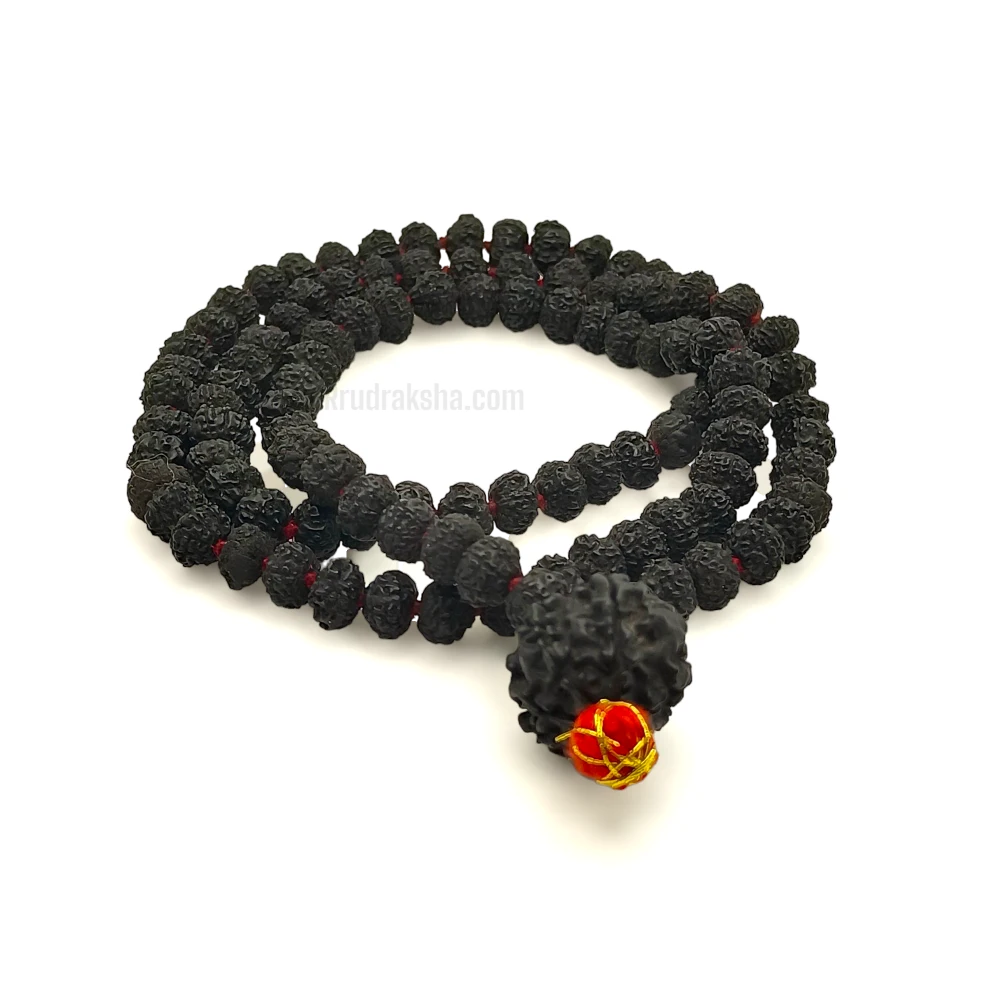
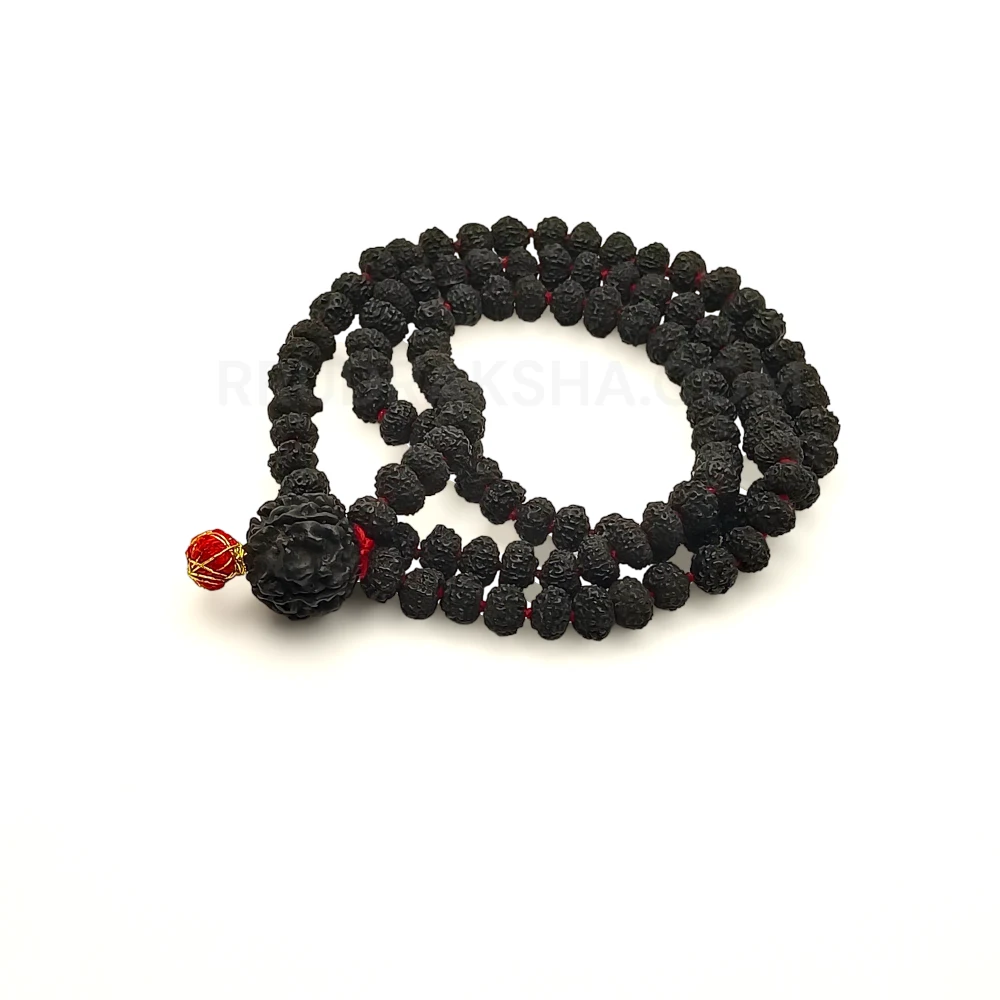
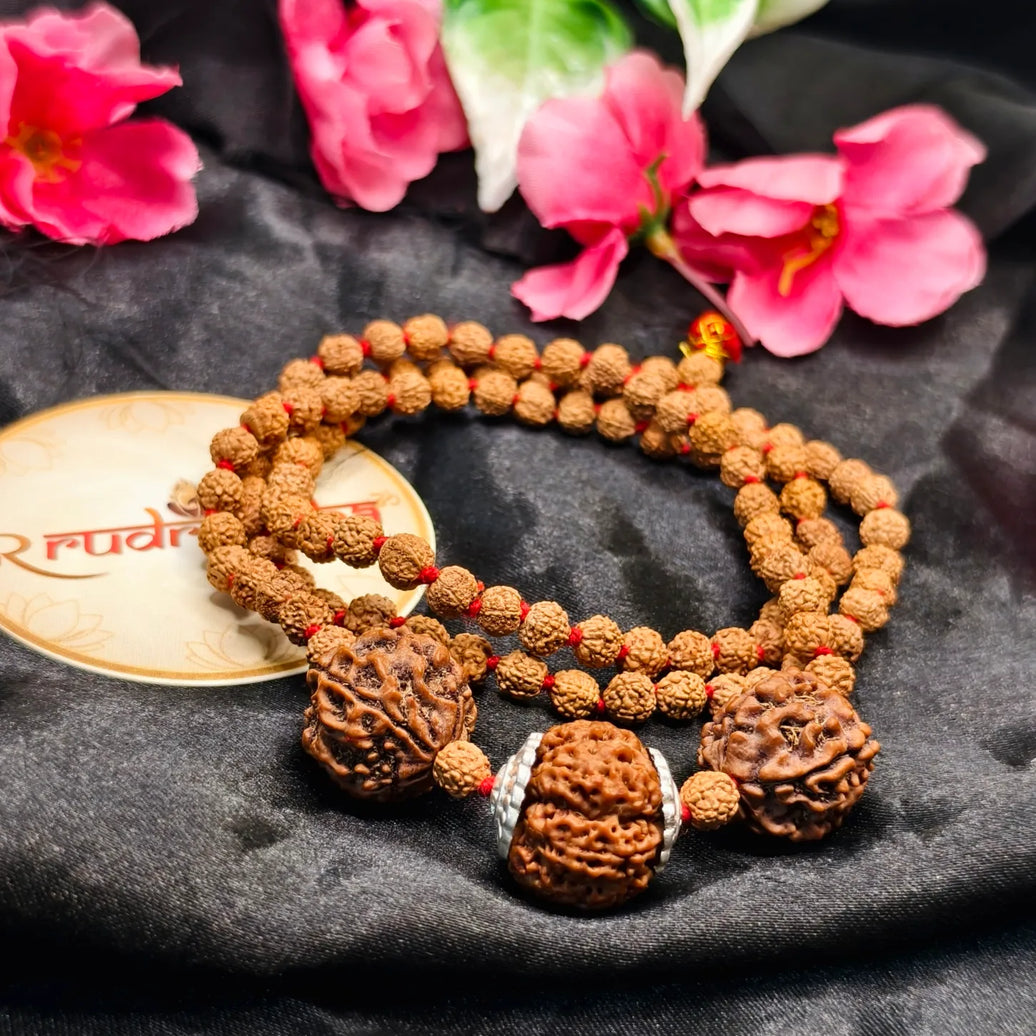
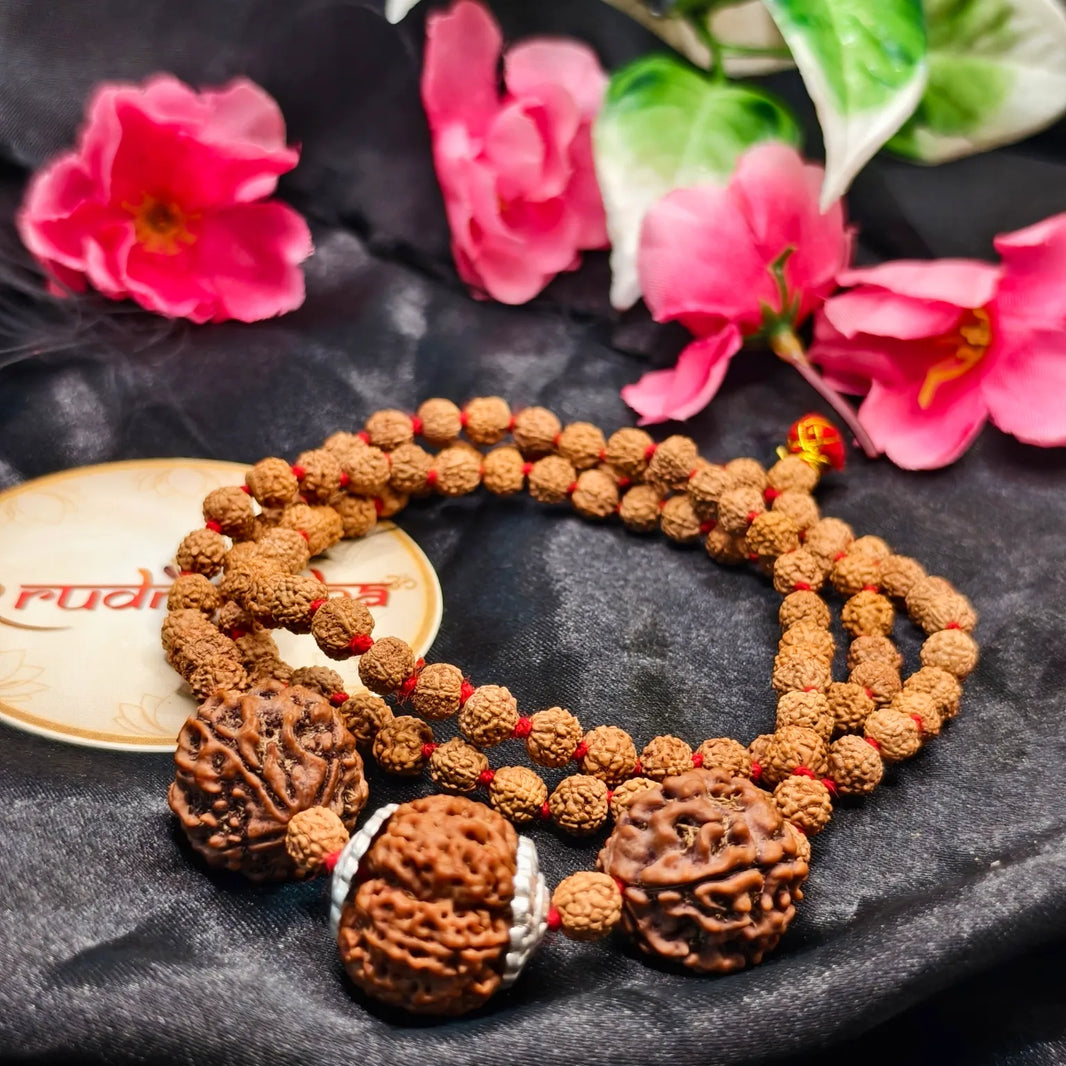
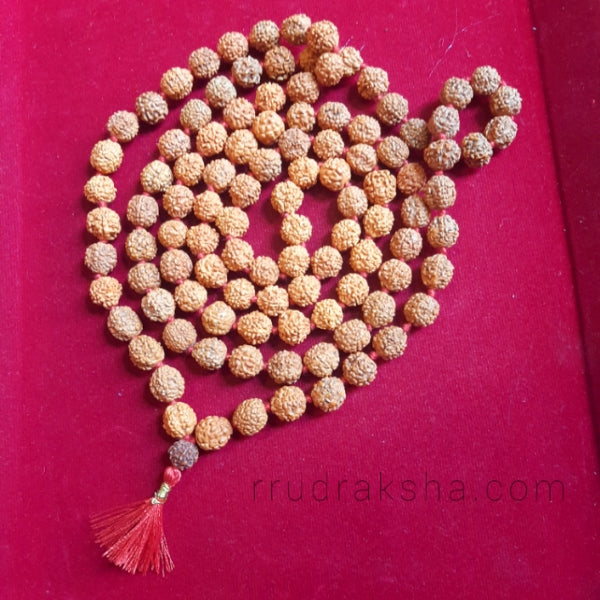
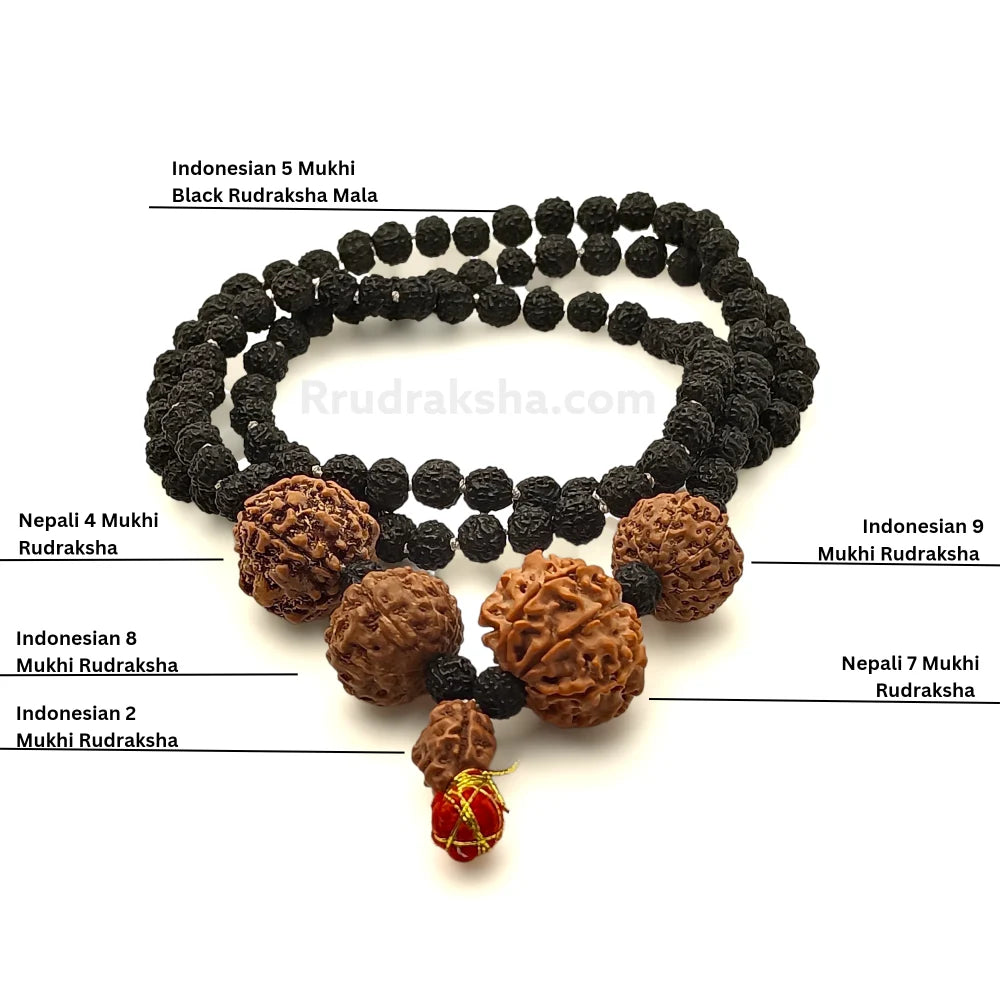
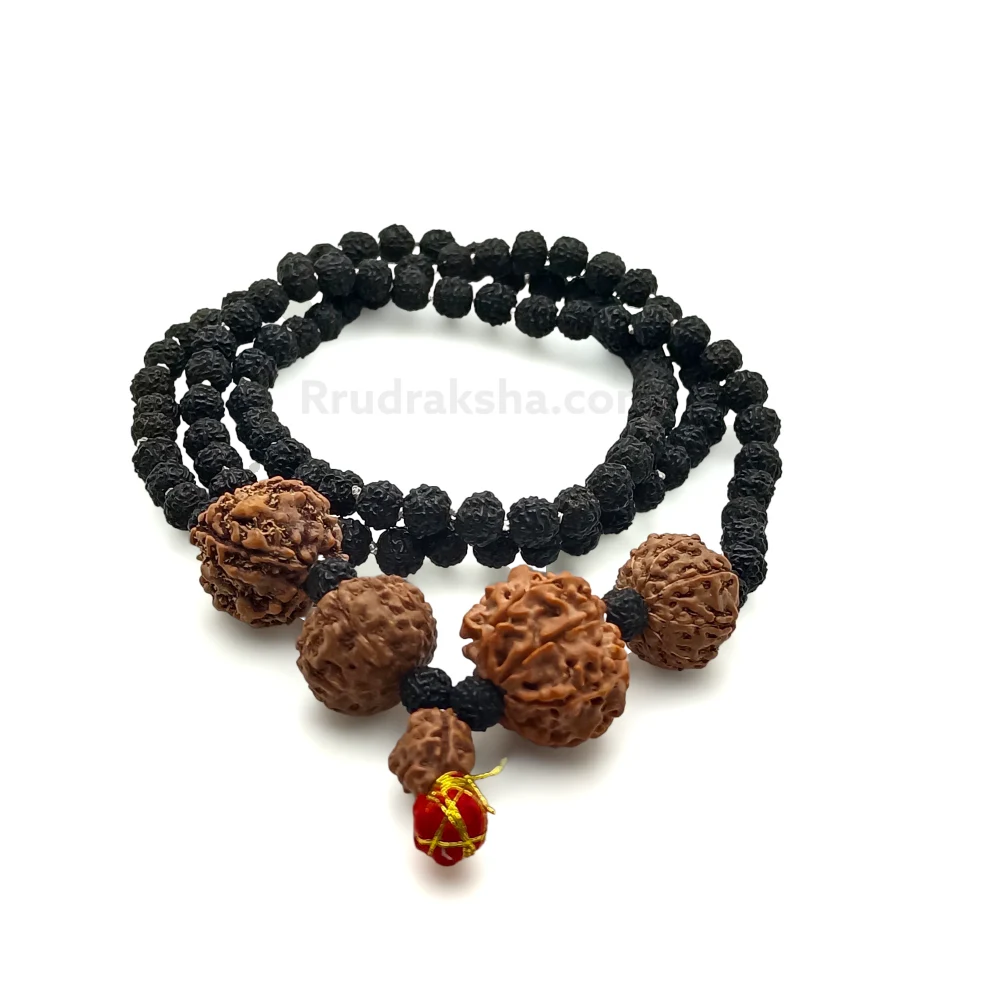
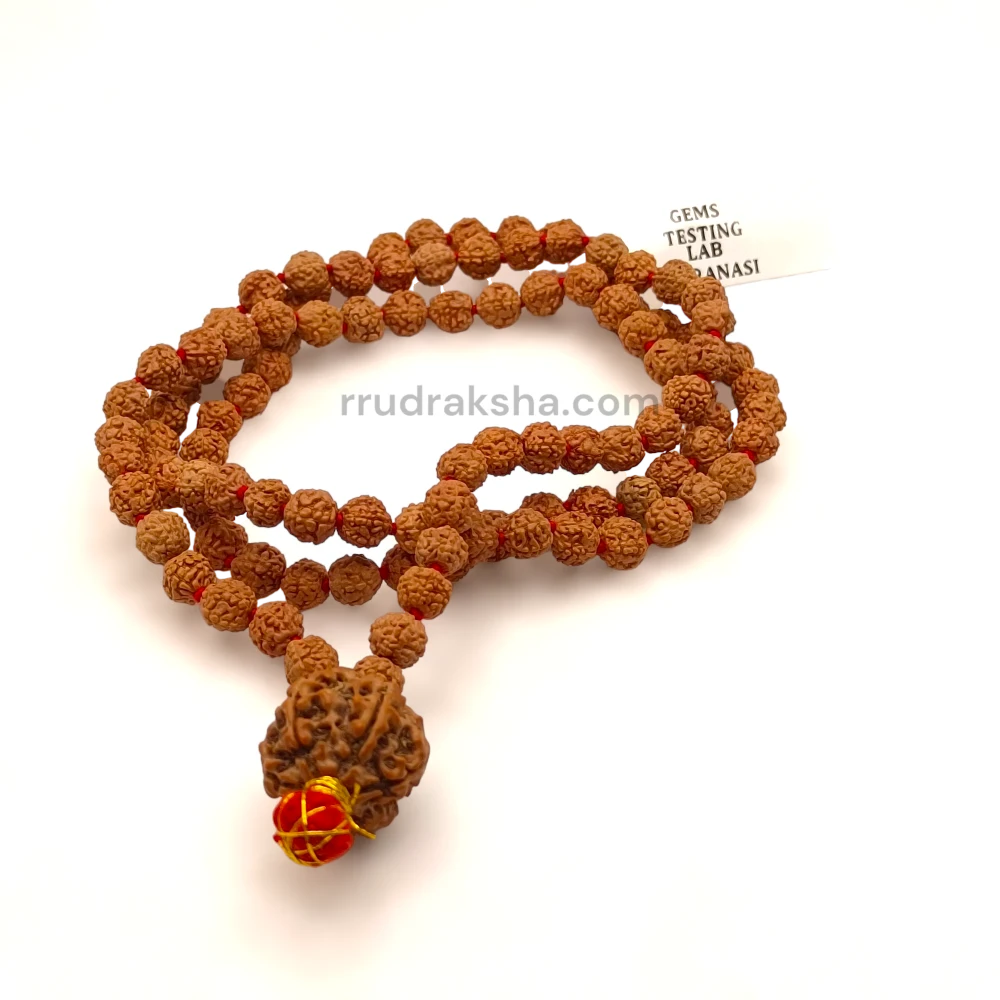
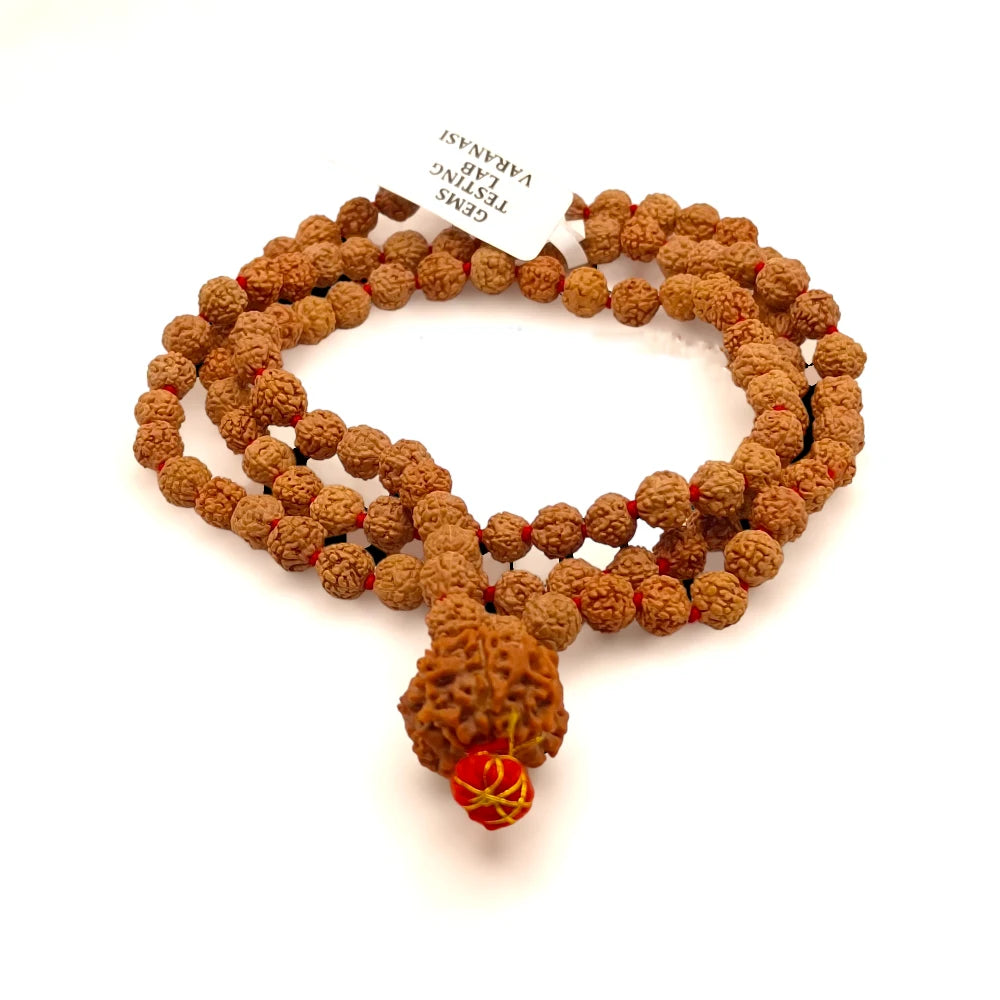
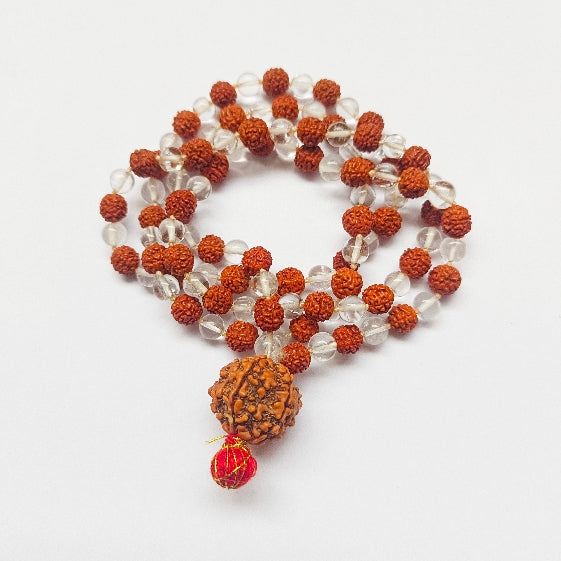
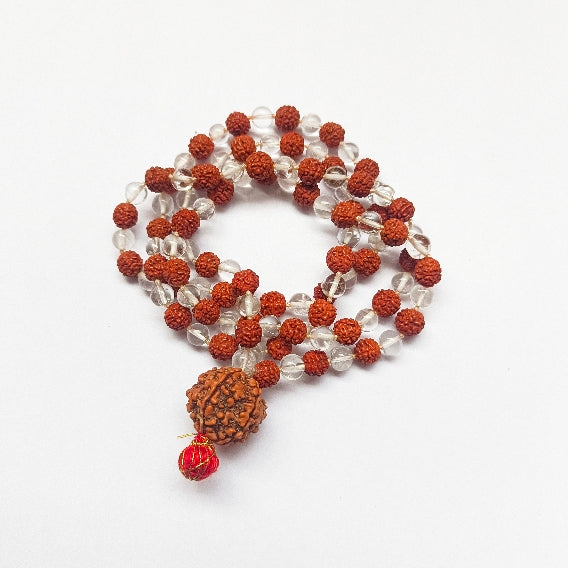
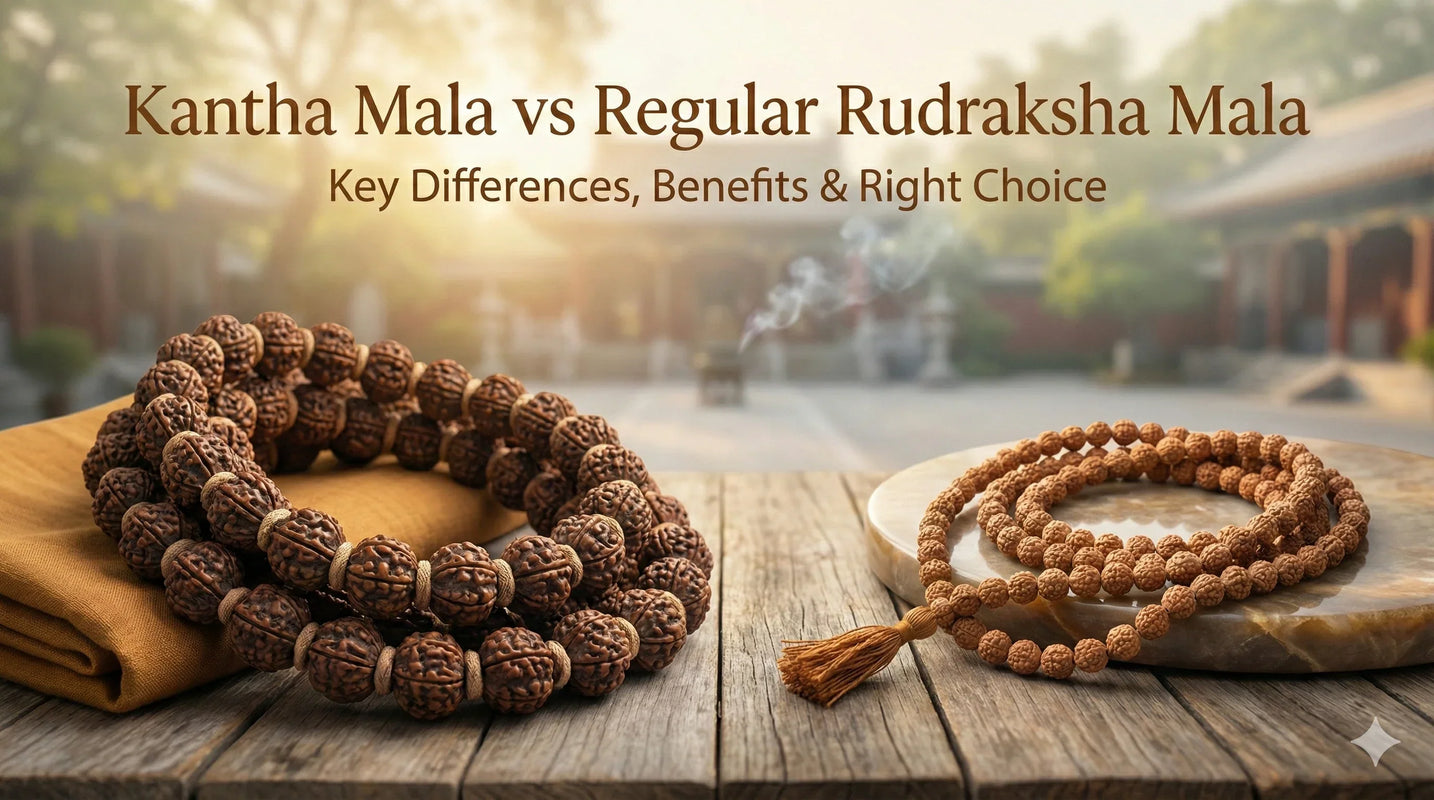
A regular Rudraksha mala is the most commonly worn form of Rudraksha. It usually consists of small to medium-sized beads strung with space and flexibility, allowing it to rest comfortably on the body. Its design reflects accessibility — it is meant to support daily life rather than redefine it.
Regular malas are often worn during meditation, prayer, or chanting, and removed during sleep, bathing, or work. This on-and-off relationship makes them ideal for householders, beginners, and those whose spiritual practice exists alongside demanding worldly responsibilities.
Energetically, a regular Rudraksha mala provides gentle grounding. It calms emotional fluctuations, supports focus during spiritual practice, and offers subtle protection without demanding major lifestyle changes.
🕉️ What Truly Defines a Kantha Mala
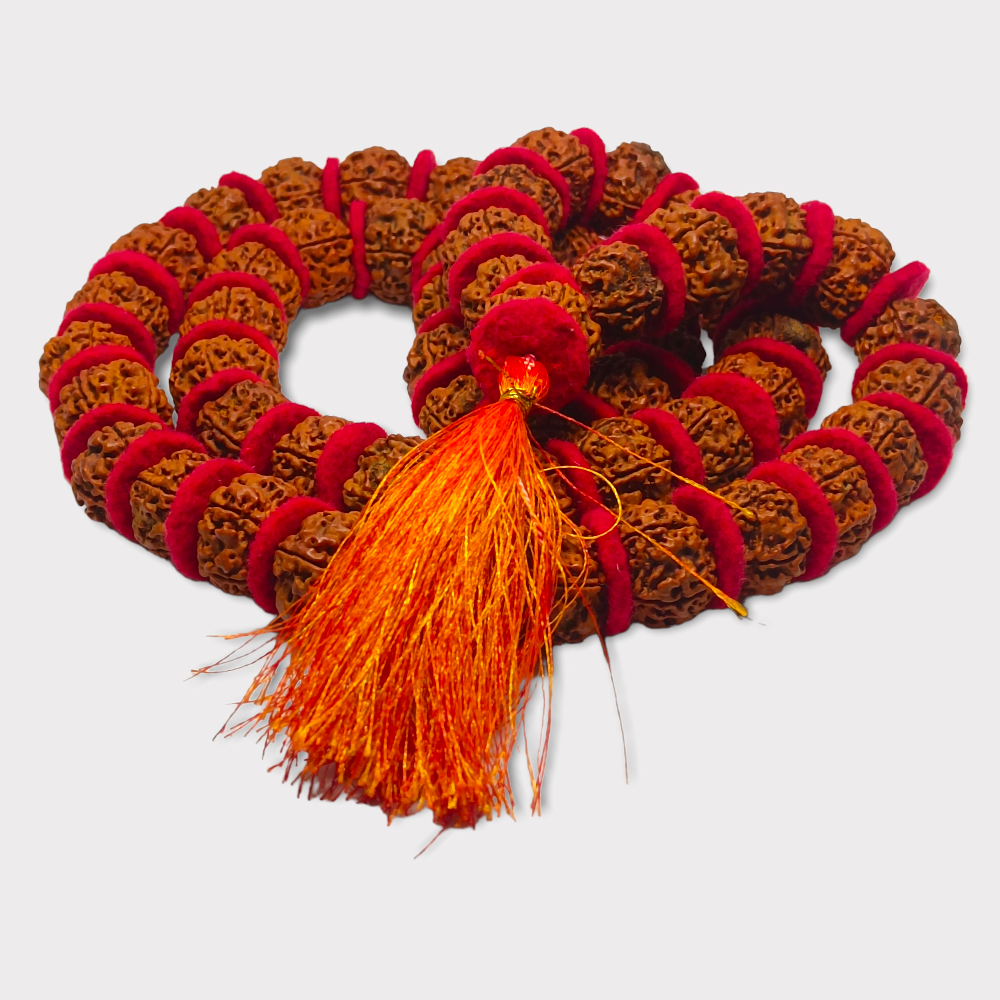
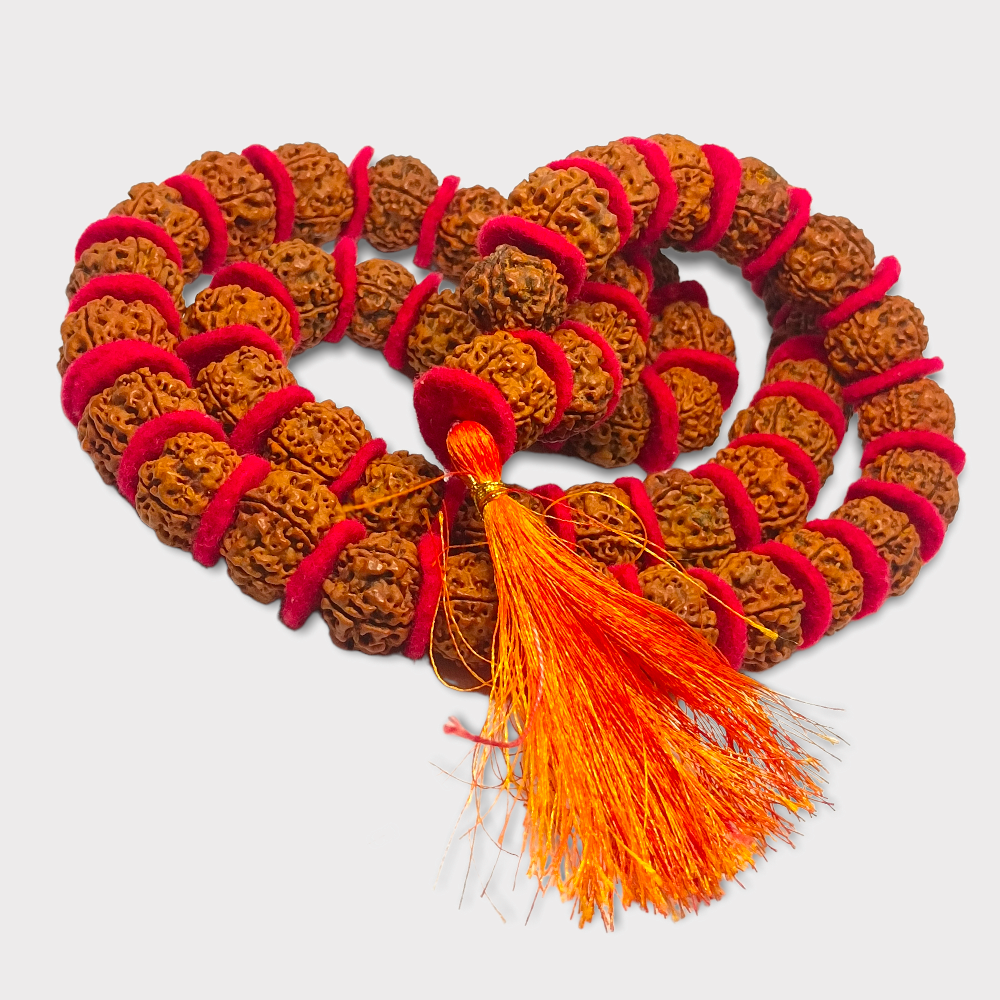
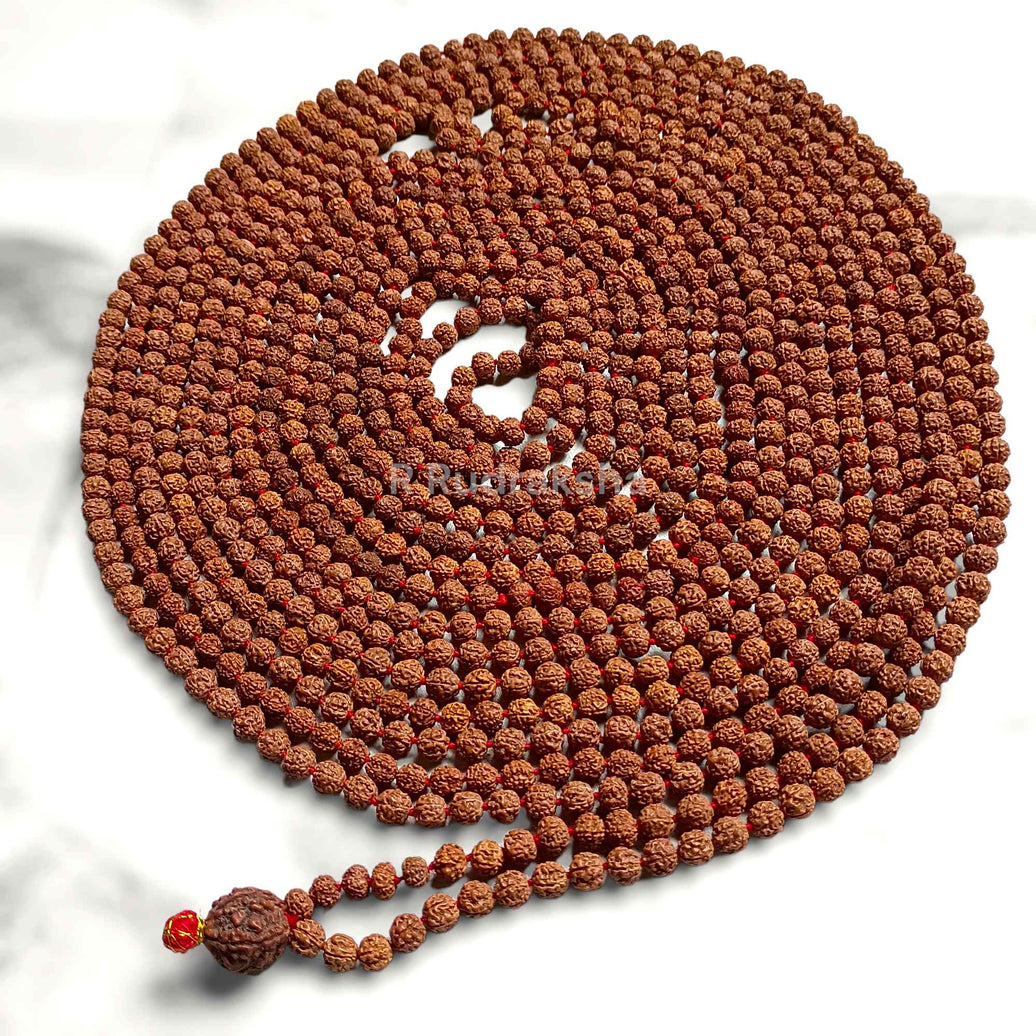
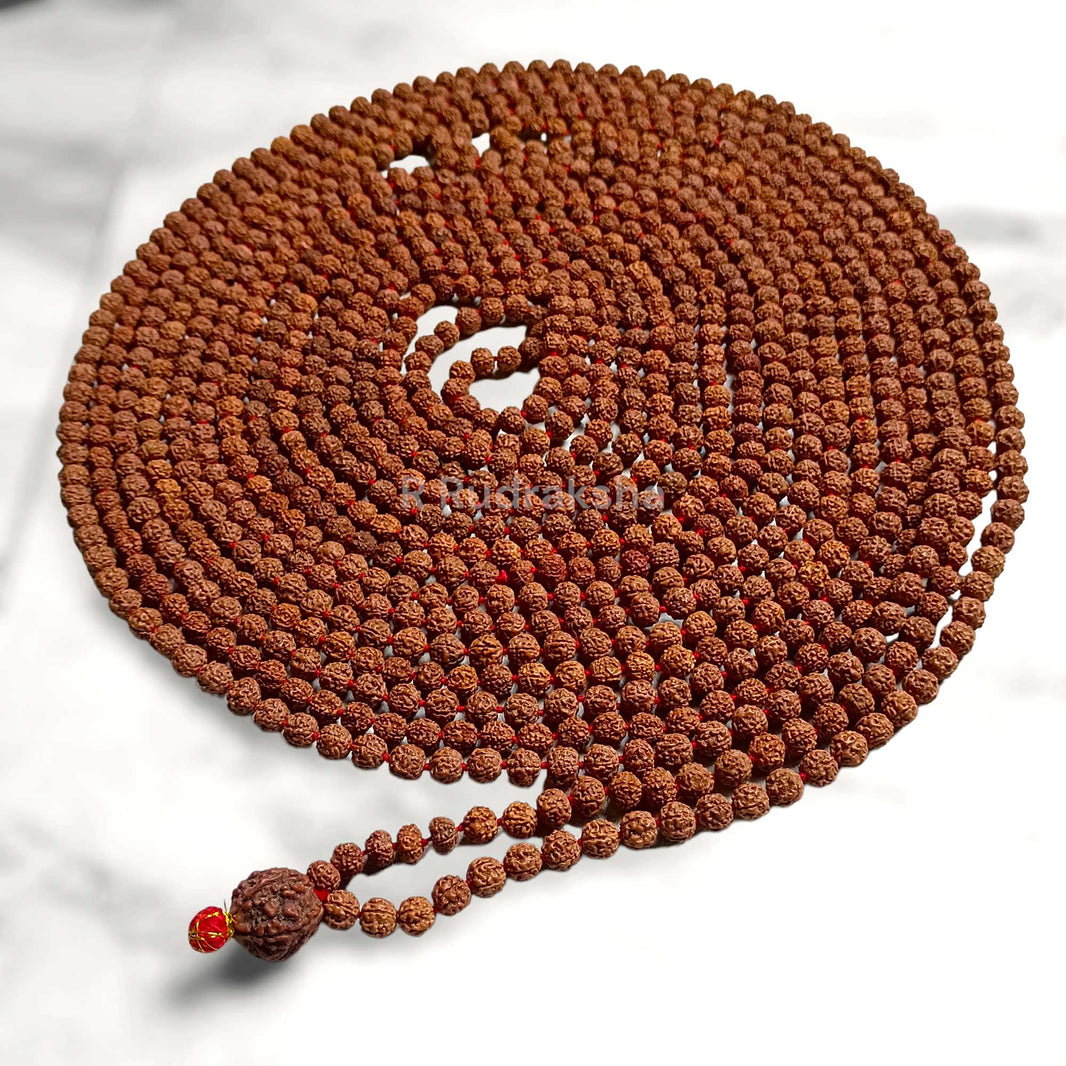
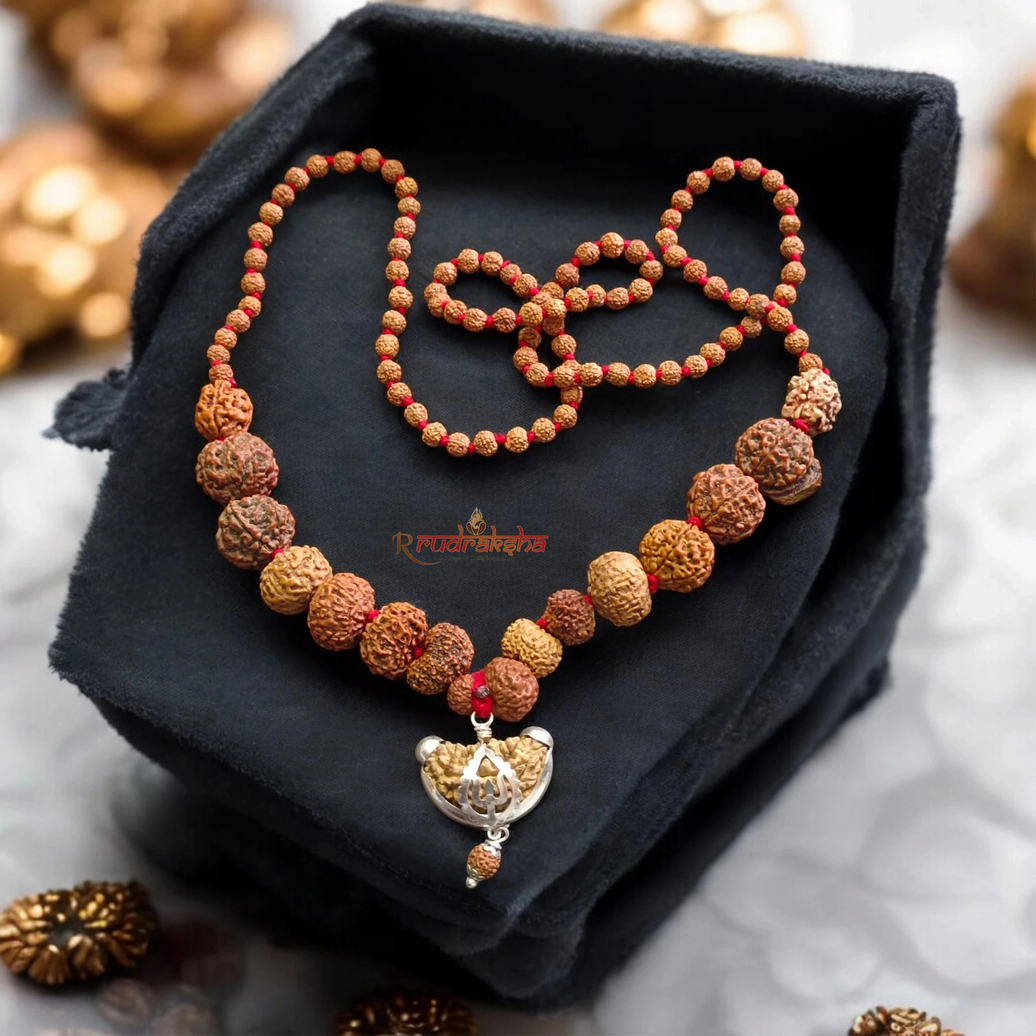
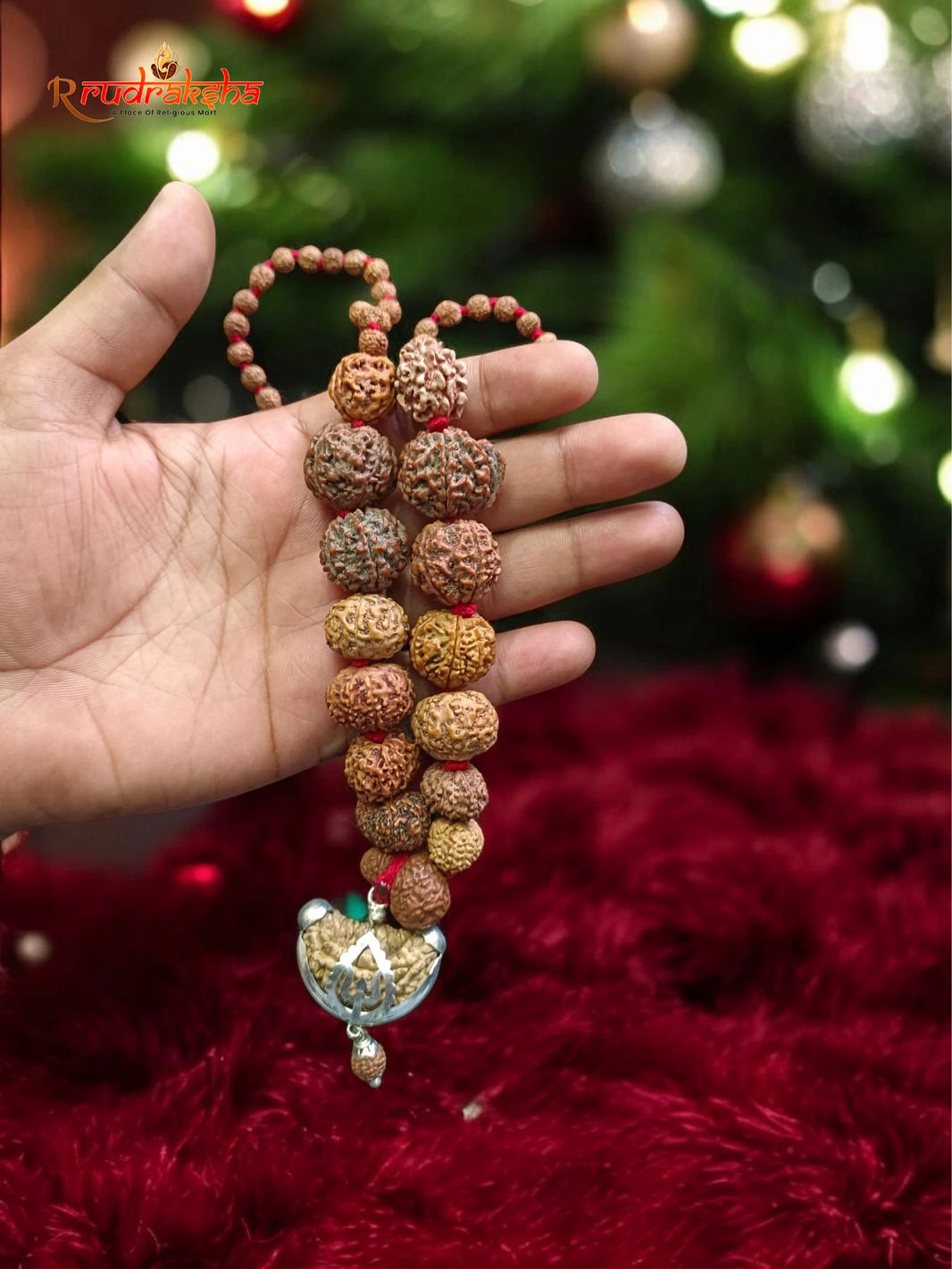
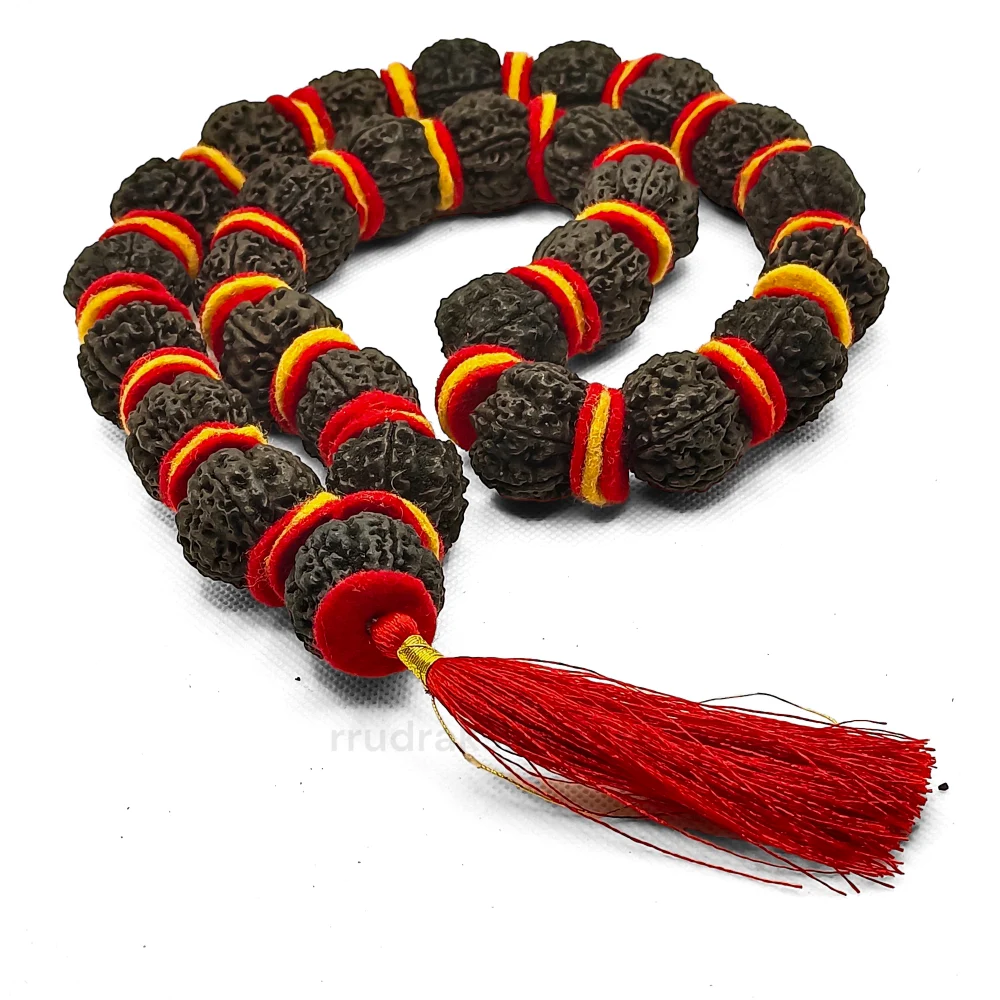
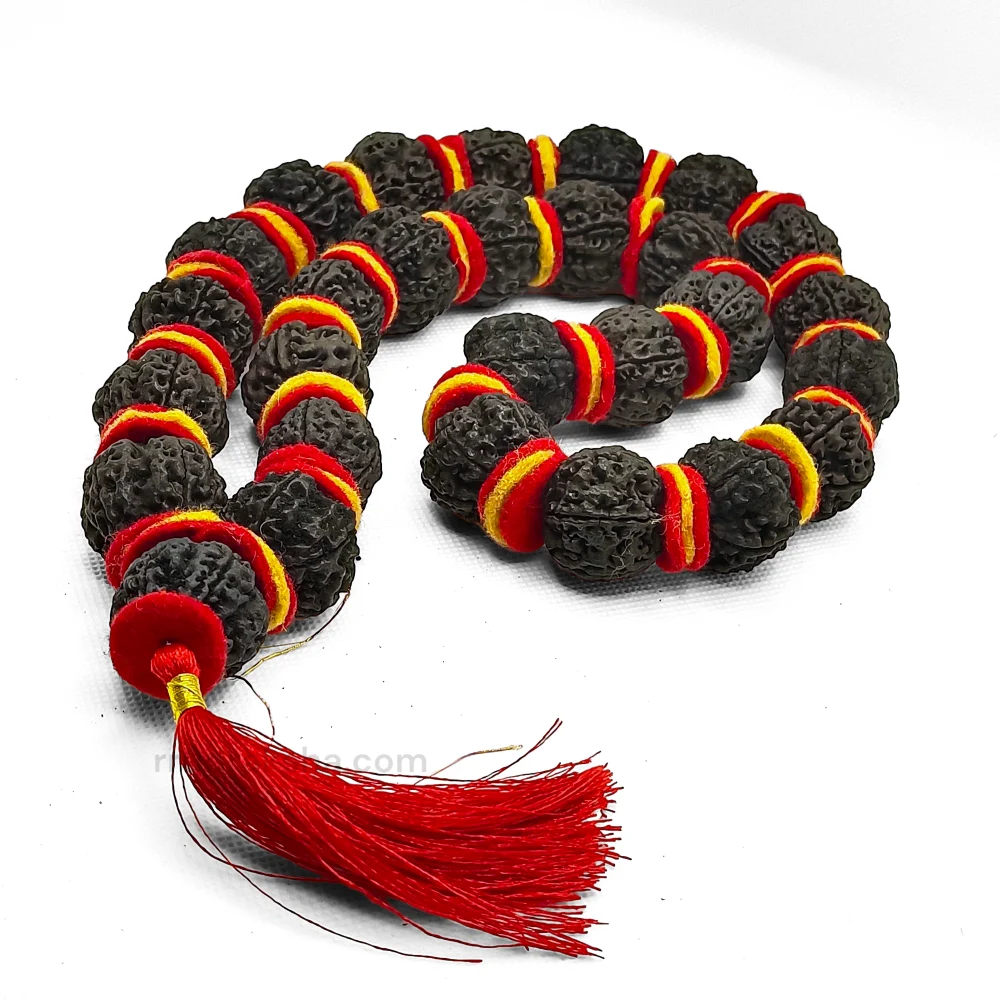
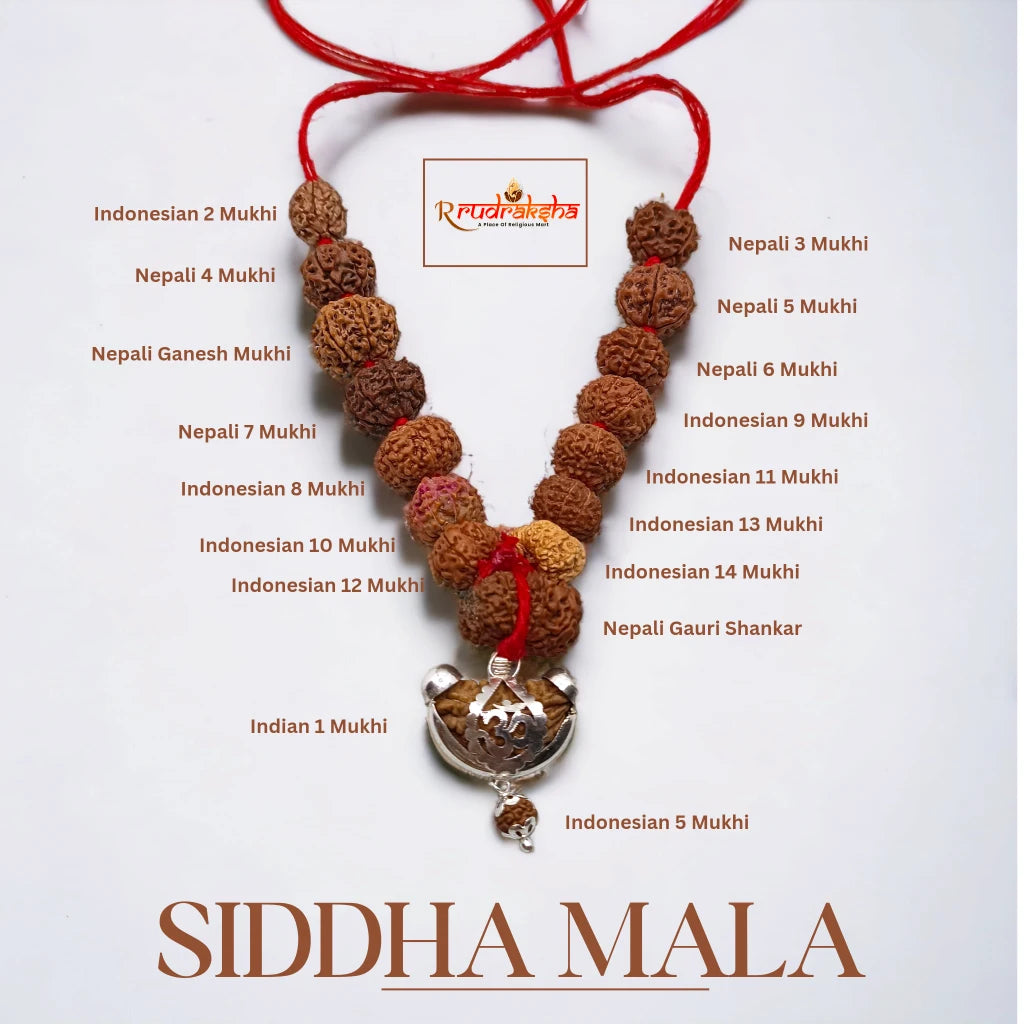
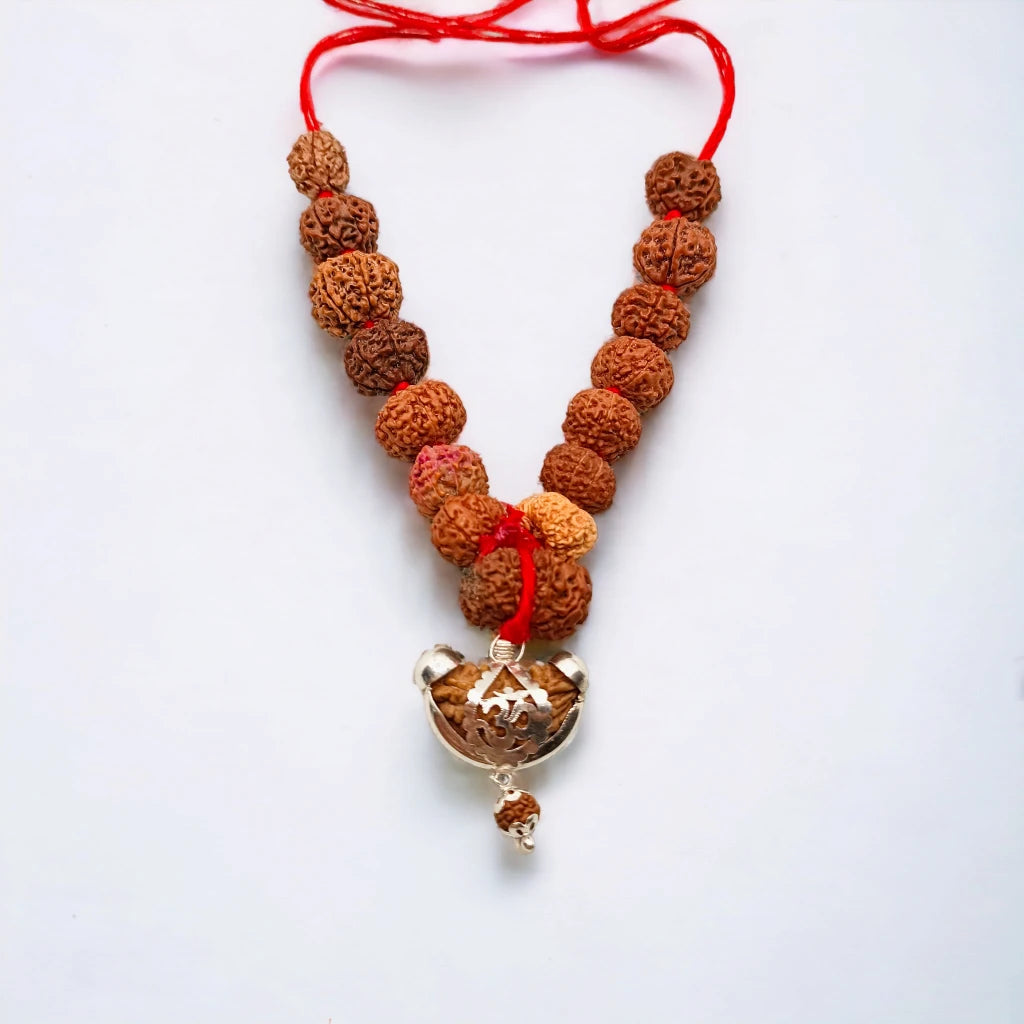
Kantha Mala is fundamentally different in intent and impact. It is crafted using larger Rudraksha beads and worn tightly around the neck, maintaining continuous contact with the body. This design is not accidental — it reflects its purpose.
Unlike regular malas that adapt to the wearer’s routine, Kantha Mala gradually reshapes it. Its constant presence reinforces awareness throughout the day and night. It is not meant to be removed casually, because its strength lies in continuity.
Kantha Mala is traditionally associated with seekers who value discipline over comfort. It does not accommodate distraction easily, which is why it has long been favored by ascetics, sadhaks, and individuals walking a path of inner restraint.
⚖️ Structural Differences That Create Different Results
The physical construction of a mala plays a crucial role in how it influences the body and mind. Regular malas prioritize ease and lightness. Kantha Mala prioritizes stability and grounding.
Larger beads create a constant tactile presence around the throat region — a sensitive junction connecting thought, emotion, and expression. This continuous feedback trains awareness subtly but persistently.
Where a regular mala soothes, a Kantha Mala regulates. Where one supports, the other disciplines. This difference explains why Kantha Mala feels intense to some and deeply stabilizing to others.
🧠 Mental & Emotional Impact: Support vs Regulation
A regular Rudraksha mala works primarily by easing mental tension. It helps slow down racing thoughts, encourages calmness, and supports meditation without interfering with existing habits.
Kantha Mala works differently. It does not merely calm the mind — it conditions it. Over time, it reduces impulsive reactions, sharpens emotional boundaries, and encourages measured responses. This effect develops gradually and requires consistency.
For individuals dealing with scattered focus or emotional overload, the distinction between these two malas becomes especially important.
🌿 Lifestyle Suitability: Which Mala Fits Which Life
The most overlooked aspect while choosing between a Kantha Mala and a regular Rudraksha mala is lifestyle alignment. Spiritual tools do not operate in isolation; they respond to how a person lives, thinks, and structures their day. When there is harmony between lifestyle and tool, the effect becomes natural and sustainable.
A regular Rudraksha mala suits individuals whose lives involve multiple responsibilities, frequent social interaction, and changing routines. Its flexibility allows the wearer to engage with the world without feeling restricted. It supports spiritual intention without demanding withdrawal.
Kantha Mala, by contrast, thrives in structure. It supports those who value routine, self-regulation, and inward discipline. The mala does not isolate the wearer from life, but it does encourage mindful engagement rather than impulsive participation.
🔬 Nervous System Response: Subtle Calm vs Deep Grounding
From a physiological perspective, both malas influence the nervous system differently. Regular malas provide intermittent sensory feedback, which gently encourages calmness during spiritual practice. This makes them effective stress-reducing tools for everyday life.
Kantha Mala creates continuous tactile input around the neck region, an area associated with vital neural pathways. This uninterrupted contact supports grounding and emotional regulation over time. Rather than offering temporary calm, it trains the nervous system toward stability.
This distinction explains why Kantha Mala often feels more demanding initially. It works continuously, not selectively.
⚡ Energetic Influence: Flexibility vs Consistency
Energetically, a regular Rudraksha mala adapts to the wearer’s emotional state. It softens sharp fluctuations and supports inner balance without confronting habits directly. This makes it suitable for gradual integration into daily life.
Kantha Mala maintains energetic consistency. Its constant presence reinforces steadiness and minimizes energetic leakage caused by emotional reactivity. Over time, this creates a sense of inner firmness rather than emotional dependency.
Both approaches are valid. The difference lies in readiness.
🧘 Who Should Choose a Regular Rudraksha Mala
A regular Rudraksha mala is ideal for individuals beginning their spiritual journey, those balancing work and family life, or those seeking gentle grounding without significant lifestyle change. It supports meditation, prayer, and emotional calm while allowing flexibility.
It is also suitable for individuals who prefer wearing and removing their mala based on comfort or activity. This adaptability makes regular malas widely accessible.
🔥 Who Is Naturally Drawn Toward Kantha Mala
Kantha Mala resonates with individuals who value discipline, structure, and long-term inner refinement. It suits those who are comfortable with consistency and are willing to let their habits evolve gradually.
People experiencing mental restlessness, emotional volatility, or a strong pull toward deeper spiritual focus may find Kantha Mala stabilizing. However, readiness is essential. The mala amplifies discipline already present.
⚠️ Common Mistakes While Choosing Between the Two
One common mistake is assuming that Kantha Mala is always superior. In reality, using a tool misaligned with one’s lifestyle can create discomfort or resistance. Another mistake is choosing a mala based on trend or visual appeal rather than inner readiness.
True benefit arises when the seeker chooses with clarity rather than comparison.
📜 Scriptural Perspective: Why Different Malas Exist
Sanatan Dharma never promotes uniformity in spiritual practice. Scriptures repeatedly acknowledge that seekers differ in temperament, capacity, and stage of evolution. This diversity is precisely why multiple forms of Rudraksha malas exist. Kantha Mala and regular Rudraksha mala were never meant to serve the same role.
Ancient texts emphasize suitability over symbolism. Ascetics described in Shaiva traditions are often depicted wearing thick Rudraksha strands close to the neck, reflecting their disciplined lifestyle and inward focus. Household practitioners, on the other hand, are described using Rudraksha during rituals, chanting, and prayer — not as constant companions.
This distinction reveals an important truth: spiritual tools are designed to support the seeker’s path, not impose a path upon them.
🌌 Astrological Logic: Temperament Over Remedy
In Jyotish, remedies are never prescribed without assessing temperament. The throat and neck region symbolize expression, intention, and karmic communication. Continuous stimulation of this area, as seen with Kantha Mala, is traditionally recommended only when the individual is mentally prepared for restraint and awareness.
Regular Rudraksha malas, by contrast, allow intermittent engagement. This flexibility suits individuals navigating varied planetary influences without needing constant grounding. The mala supports rather than stabilizes aggressively.
Astrology, like spirituality, values balance. The right mala complements planetary influence rather than attempting to overpower it.
⏳ Long-Term Impact: Gradual Ease vs Inner Firmness
Over extended periods, the effects of regular Rudraksha mala and Kantha Mala diverge noticeably. Regular malas tend to cultivate calmness, emotional comfort, and gradual inward orientation. Their influence is reassuring and accommodating.
Kantha Mala cultivates firmness. Emotional reactions reduce in intensity, distractions lose urgency, and decision-making becomes slower but clearer. This inner firmness is not rigidity; it is stability born from consistency.
Neither outcome is superior. Each serves a different need.
🔄 Adaptability vs Commitment
A regular Rudraksha mala supports adaptability. It integrates smoothly into changing schedules, social interactions, and emotional states. This makes it ideal for individuals seeking balance without withdrawal.
Kantha Mala supports commitment. It thrives in repetition, routine, and inner accountability. The mala does not demand renunciation, but it does encourage intentional living.
Understanding this difference prevents dissatisfaction and misuse.
🚫 Who Should Avoid Switching Prematurely
Some seekers attempt to shift from a regular mala to a Kantha Mala out of curiosity or comparison. This transition should be intentional rather than impulsive. Without readiness, the constant presence of Kantha Mala may feel restrictive.
Similarly, abandoning a regular mala too soon can deprive the seeker of gradual grounding. Progress in spiritual tools mirrors inner readiness, not ambition.
🧭 Choosing with Clarity Rather Than Ego
The decision between a Kantha Mala and a regular Rudraksha mala should never be driven by appearance or perceived spiritual status. Kantha Mala is not a badge of advancement; regular mala is not a lesser choice.
True alignment arises when the seeker listens honestly to their temperament, lifestyle, and intent. When chosen correctly, both malas fulfill their purpose effortlessly.
❓ Frequently Asked Questions (FAQs)
Can I wear both a Kantha Mala and a regular Rudraksha mala?
Yes, some seekers wear both, but not simultaneously around the neck. A regular mala may be used for chanting or meditation, while Kantha Mala is worn continuously. The key is clarity of purpose, not accumulation of tools.
Is Kantha Mala stronger than a regular Rudraksha mala?
Kantha Mala is not stronger in a hierarchical sense. It is more immersive due to its size, placement, and continuous contact. Regular malas are equally powerful when used appropriately for the wearer’s lifestyle and intent.
Which mala is better for beginners?
For beginners, a regular Rudraksha mala is generally more suitable. It offers gentle grounding and supports spiritual practice without demanding major lifestyle changes.
Can a householder wear a Kantha Mala?
Yes, a householder can wear a Kantha Mala if they value discipline, routine, and inner stability. It is not limited to ascetics, but it does require consistency and readiness.
Is discomfort a sign that Kantha Mala is unsuitable?
Initial discomfort is common and often reflects adjustment rather than incompatibility. However, prolonged mental resistance may indicate that the timing or intent needs reconsideration.
Does removing a regular Rudraksha mala reduce its benefits?
No. Regular Rudraksha malas are designed for flexible use. Their benefit lies in mindful engagement rather than continuous wear.
Should the choice be based on astrology alone?
Astrology can offer insight, but temperament, lifestyle, and intention are equally important. The right mala complements the individual rather than acting as a standalone remedy.
🧘 Final Understanding ✨
The difference between a Kantha Mala and a regular Rudraksha mala is not about superiority, but about alignment. Each serves a distinct role, shaped by centuries of observation into how the human mind, body, and energy respond to sustained spiritual tools.
A regular Rudraksha mala offers flexibility, emotional ease, and gentle grounding — ideal for seekers integrating spirituality into active daily lives. Kantha Mala offers structure, regulation, and inner firmness — suited for those drawn toward discipline and long-term refinement.
When chosen with clarity rather than comparison, both malas fulfill their purpose effortlessly. The true measure of a spiritual tool is not how intense it appears, but how naturally it supports the seeker’s inner journey.
🙏 हर हर महादेव 🙏





Leave a comment