







Why Coconut is Offered in Puja: Meaning, Symbolism & Correct Method 🥥🙏
In Hindu rituals, some offerings appear simple but carry a deep spiritual meaning. One of the most common and widely respected offerings is the coconut—seen in temple rituals, home puja, weddings, vrat ceremonies, business inaugurations, and even sacred journeys.
Many people offer coconut because “it is tradition.” But behind that tradition is a beautiful spiritual logic: coconut symbolizes purity, sacrifice, auspicious beginnings, and the act of surrendering the ego at the feet of the divine. That is why coconut is not just a fruit in Sanatan Dharma—it becomes a sacred symbol in worship. 🥥🕉️
In this complete guide, you will learn why coconut is offered in puja, what it represents spiritually, how it is connected with blessings and new beginnings, how to choose the right coconut, and the correct method to offer it respectfully. This blog is written in a responsible, educational tone—easy for beginners and deep enough for advanced spiritual readers.
What is the Significance of Coconut in Hindu Worship? 🥥🛕
The coconut is considered one of the most sacred offerings in Hindu rituals because it represents wholeness and purity. Unlike many other offerings, coconut is naturally covered, protected, and complete. This “complete form” is seen as symbolic of a devotee’s devotion—offering something whole and sincere.
Coconut is also strongly linked with auspicious beginnings. That is why it is offered during new starts such as housewarming, weddings, new business openings, new vehicle puja, and new journeys. In belief-based tradition, offering coconut is a way of saying, “May this beginning be protected and blessed.”
In many regions, coconut is seen as a respectful substitute for certain ancient sacrificial symbols, representing a peaceful and sattvic offering that aligns with devotional purity.
Why Do We Break Coconut in Puja? (The Real Meaning) 🥥✨
Breaking a coconut during puja is one of the most symbolic actions in Hindu worship. Many people do it automatically, but the deeper meaning is extremely powerful. In spiritual symbolism, the coconut represents the human ego. The hard outer shell represents pride, stubbornness, and attachments that prevent spiritual growth.
When the coconut is broken, it symbolically represents the breaking of ego at the feet of the divine. It is an inner message: “I surrender my arrogance, my negativity, and my fear.” This is why breaking coconut often feels emotionally satisfying. It is not just a ritual action—it is a spiritual release.
The white coconut inside represents purity and truth—the inner self that becomes visible when the outer ego breaks. This is one of the reasons coconut is considered such a meaningful offering across temples and households.
Coconut as “Shriphal”: Why It Is Called a Sacred Fruit 🕉️🥥
In many traditions, coconut is called Shriphal, meaning “the fruit of Goddess Lakshmi” or “the fruit of prosperity.” This name reflects the belief that coconut carries auspicious energy and supports positive beginnings.
That is why coconut is commonly offered in Lakshmi puja, Ganesh puja, and during festivals like Diwali. It is also used in many temple rituals as a standard sacred offering because it is considered sattvic, pure, and suitable for prasad distribution.
Even if we remove superstition, the spiritual logic remains clear: coconut represents a clean and respectful offering that is simple, meaningful, and universally accepted.
Spiritual Symbolism: What Coconut Represents in Puja 🥥🙏
Coconut is deeply symbolic in multiple ways. The outer shell represents the physical body and ego. The inner white flesh represents purity and sincerity. The coconut water represents divine energy and inner nourishment.
Another strong symbolism is the coconut’s three “eyes,” which are often associated with awareness and the idea of seeing clearly. Some devotees connect it with the concept of the third eye and higher perception, although this is a belief-based symbolism rather than a fixed rule.
Overall, coconut represents the message that devotion should be complete: external discipline with internal purity.
Which Gods is Coconut Offered To? 🛕🥥
Coconut is one of the most universal offerings in Hindu worship, which is why it can be offered to many deities. It is commonly offered to Lord Ganesha because Ganesha worship begins with auspiciousness and obstacle removal. Coconut is also offered to Goddess Lakshmi for blessings and prosperity.
In many households, coconut is offered to Shiva during major pujas and festivals, and it is also offered to Devi during Navratri or Shakti worship traditions. Since coconut is considered a sattvic and pure offering, it is generally accepted across devotional paths.
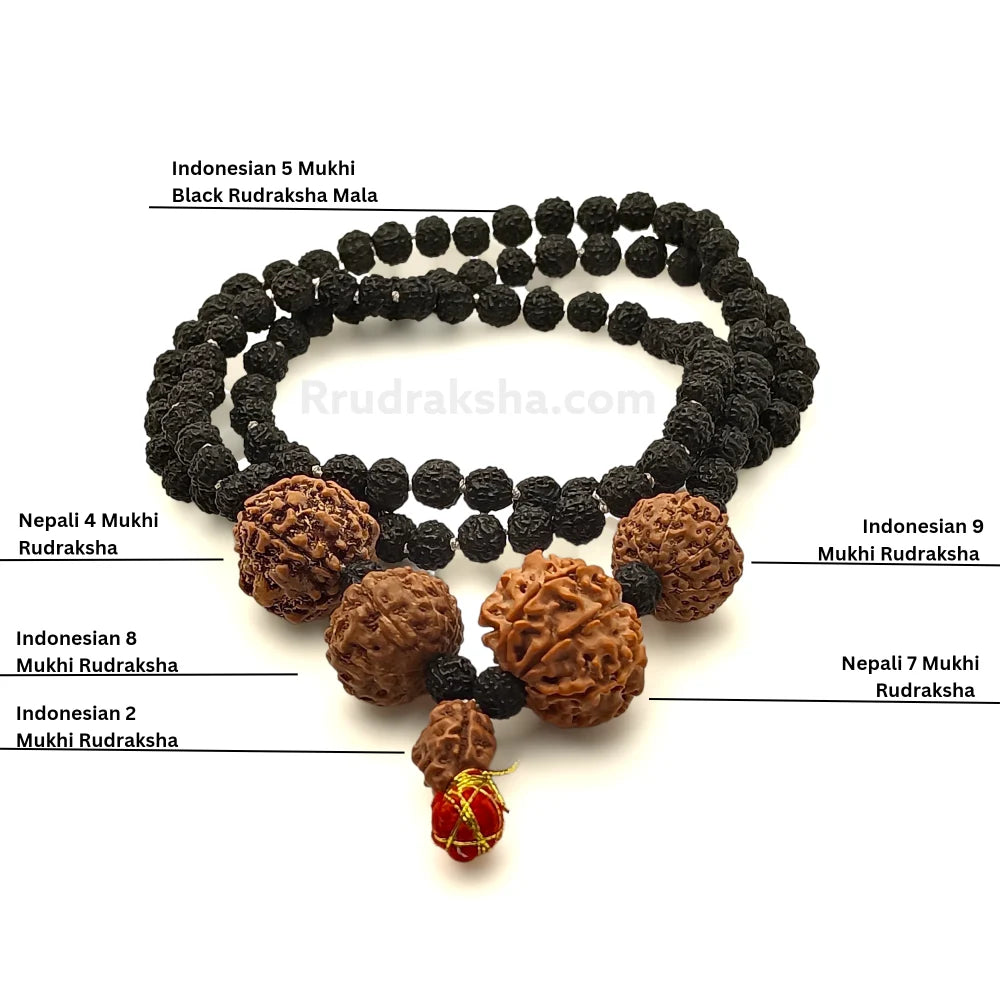
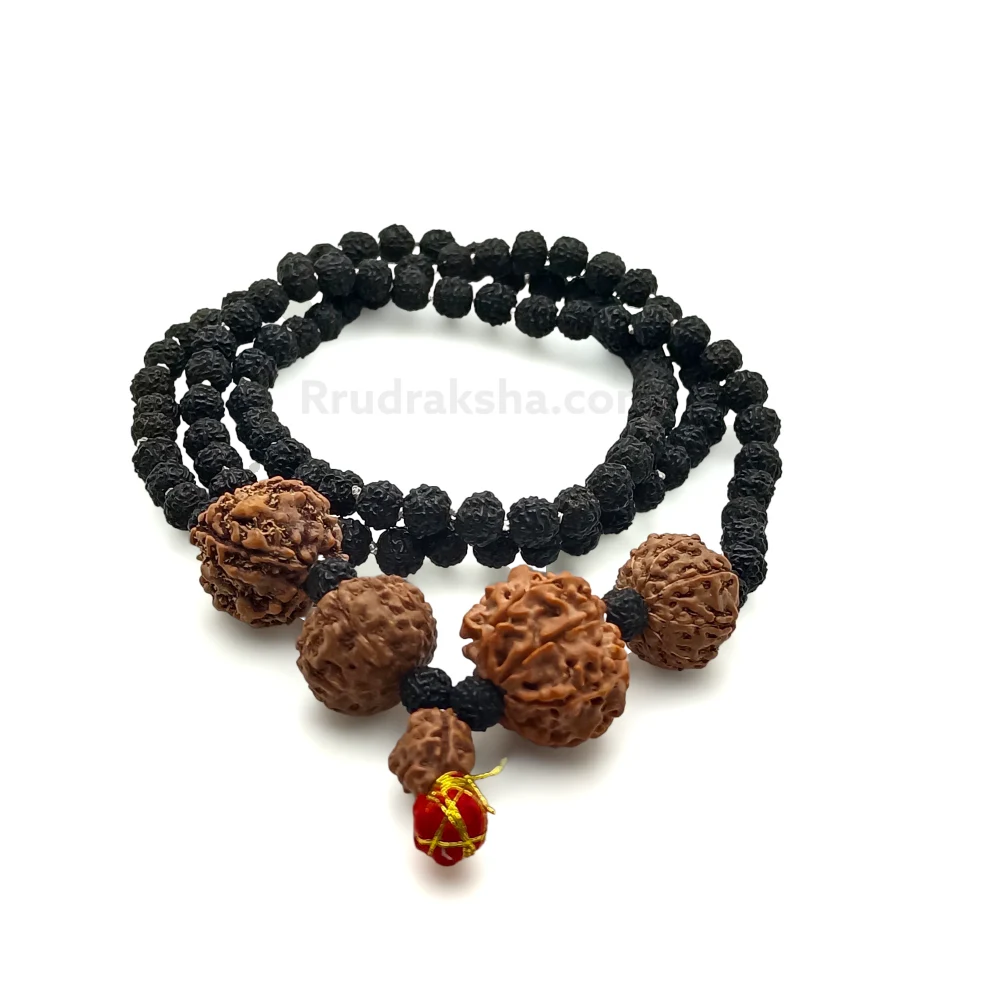
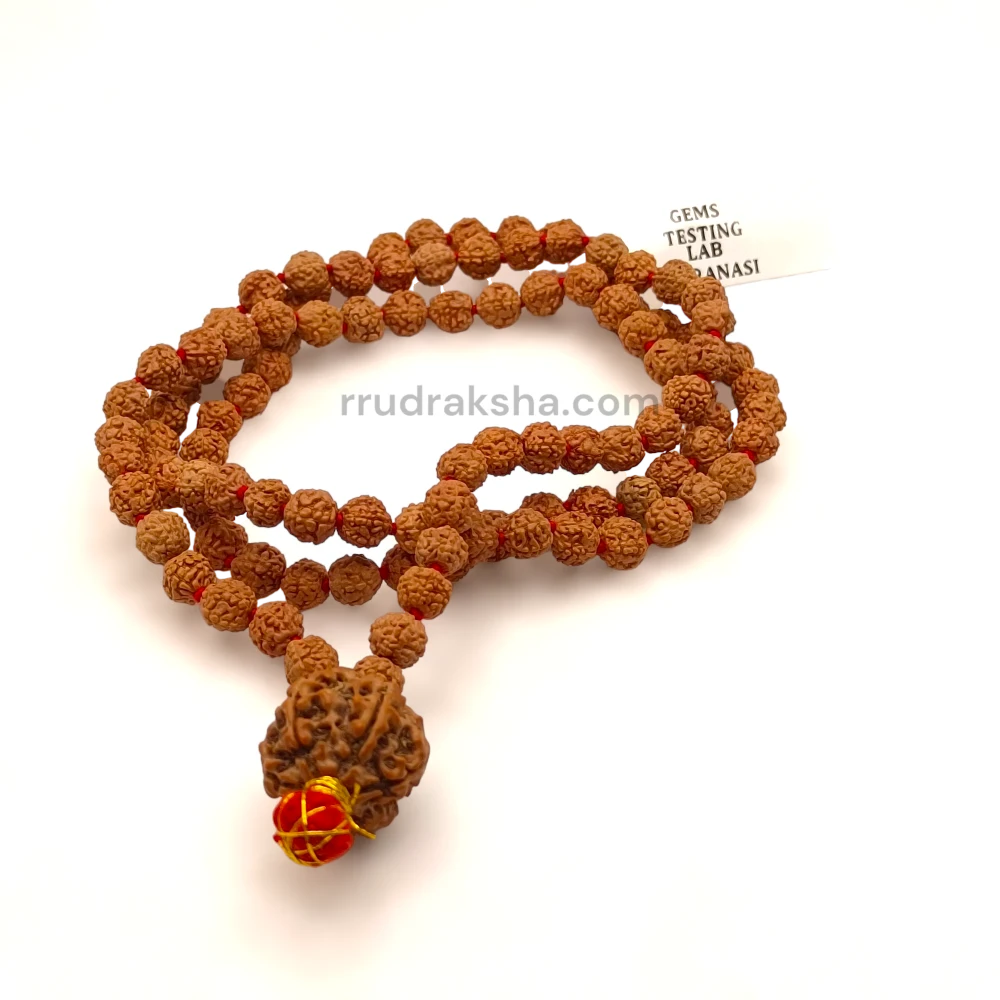
For success, good luck, and obstacle removal, discover the benefits of 7 Mukhi Rudraksha. 💰
How to Choose a Good Coconut for Puja ✅🥥
Choosing the right coconut for puja is not complicated, but a few simple checks are helpful. A good puja coconut should feel heavy for its size, which usually indicates it has enough water inside. It should have a clean and natural appearance without cracks, black mold, or strong bad smell.
Many devotees prefer a coconut with intact husk for certain rituals, while others use a dry coconut depending on tradition. The key is to choose a coconut that looks fresh, clean, and worthy of offering respectfully.
Remember: the coconut does not need to look “perfect.” It needs to be clean, pure, and offered with sincere intention.
Correct Method to Offer Coconut in Puja (Step-by-Step) 🥥🛕
Offering coconut in puja is simple. Start by washing the coconut with clean water. If you want to keep the offering more traditional, you can also place a small tilak on the coconut using kumkum or chandan.
Place the coconut on the puja plate, or place it on a kalash if your ritual includes a kalash setup. During your prayer or sankalp, offer the coconut mentally and physically as a symbol of surrender and devotion. If your tradition involves breaking the coconut, do it safely and respectfully, keeping your worship space clean.
After puja, the coconut can be distributed as prasad or used respectfully in the household. Avoid wasting it, as the offering is considered sacred.
Coconut in Kalash: Why It’s Placed on Top 🪔🥥
One of the most sacred and visually powerful uses of coconut in puja is when it is placed on top of a kalash. The kalash is often filled with water and decorated with mango leaves, and the coconut is placed above it as a symbol of completeness and divine presence.
In belief-based symbolism, the kalash represents abundance and sacred life energy, while the coconut represents a pure and complete offering placed at the highest point of the setup. Together, the kalash and coconut symbolize a well-blessed beginning—where prosperity is not only material, but also spiritual.
That is why in many ceremonies, the kalash with coconut becomes the center of the ritual. It visually communicates the message: “This space is now sacred.”
Why Coconut is Used in Weddings, Griha Pravesh & New Beginnings 🏠💛
Coconut is not limited to temple worship. It is widely used in weddings, housewarming ceremonies (griha pravesh), naming ceremonies, and other auspicious events. The reason is simple: coconut represents purity and a complete offering, which makes it ideal for sacred beginnings.
In a belief-based understanding, every new beginning requires blessing, protection, and stability. Coconut becomes a symbol of that prayer. It is offered to remove negativity, invite peace, and start the event with positivity.
This is also why coconut is often offered before a major decision, a journey, or a new project. It reflects the mindset of devotion: “May this start be guided and protected.”
Why Coconut is Offered in Business Opening or Shop Puja 🧾🥥
Many business owners and shopkeepers begin a new venture with Ganesh puja or Lakshmi puja. Coconut is almost always included because it symbolizes a respectful and complete offering for success and smooth progress.
Spiritually, it represents two ideas: first, surrendering the ego that thinks “everything is in my control,” and second, inviting divine guidance in decision-making. A business becomes stable not only through effort but also through discipline, ethics, and clarity—values that puja rituals remind us of. Coconut in business rituals becomes a symbol of a clean start—one that begins with gratitude and responsibility.
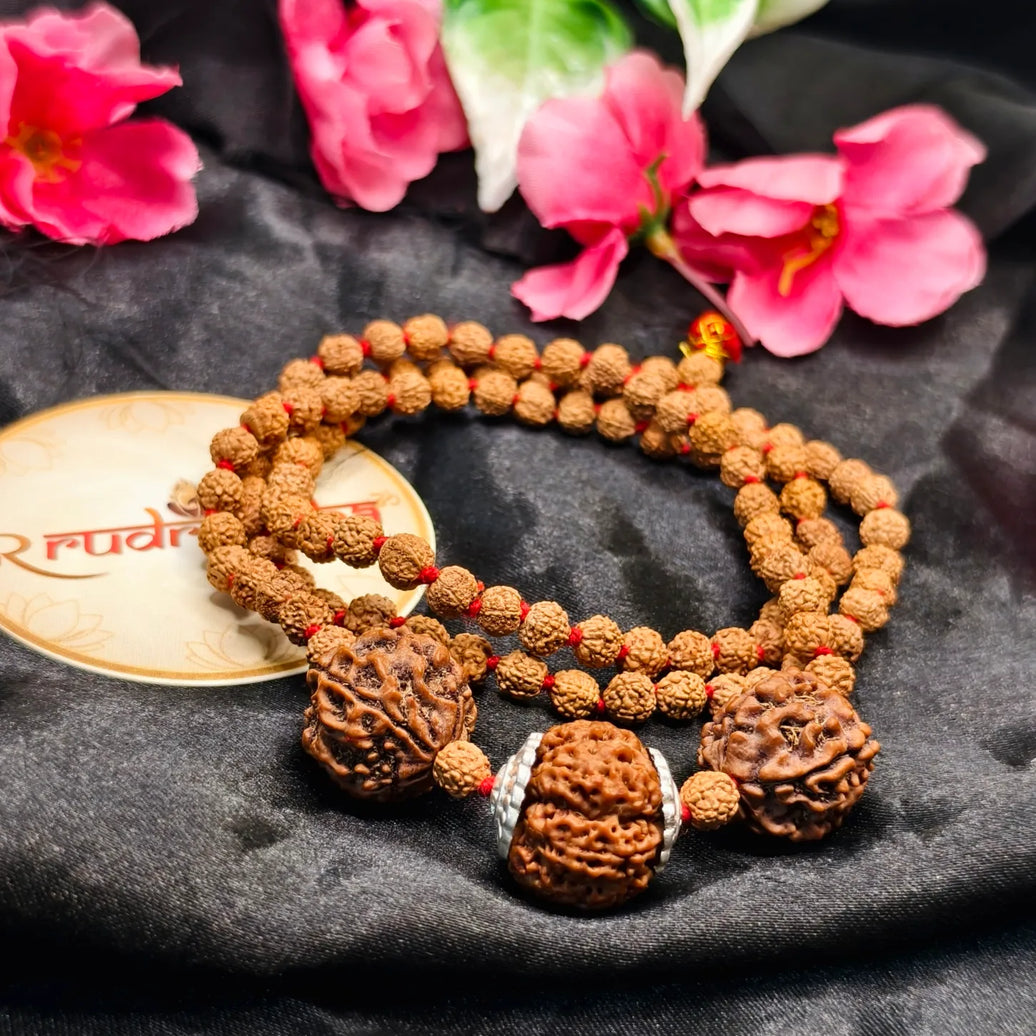
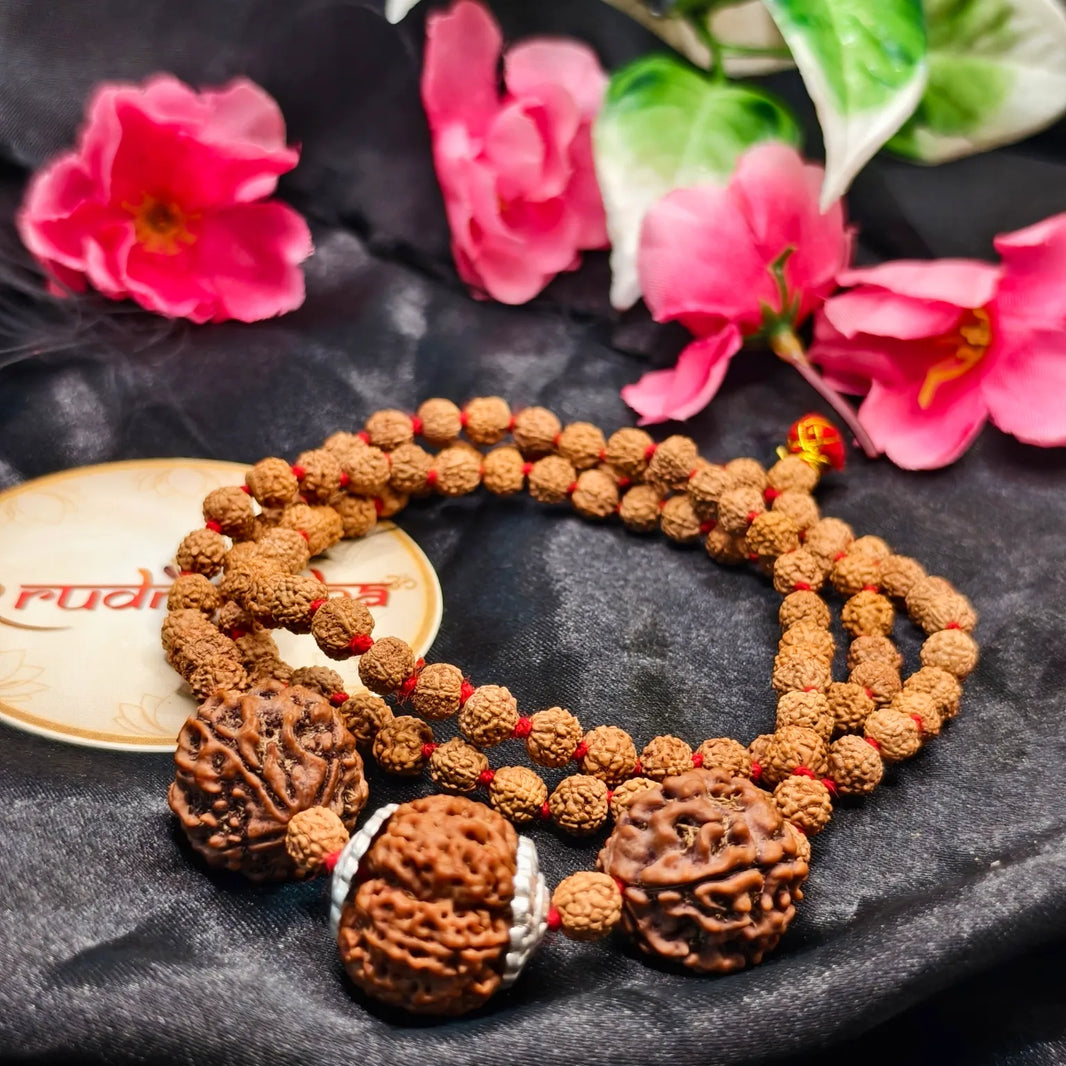
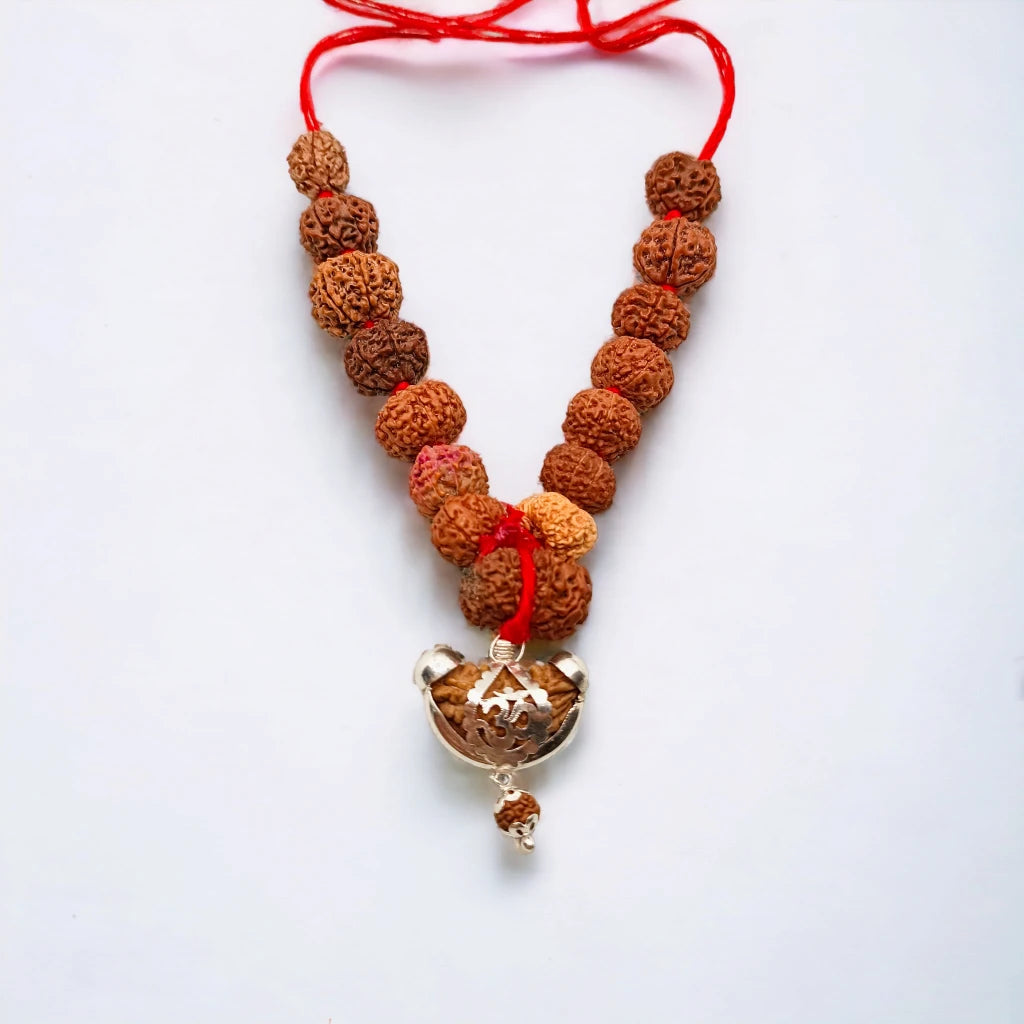
For obstacle removal, career stability, and protection from negativity, choose a Lab-Certified Ganesha Mukhi Rudraksha. ✨
Do’s and Don’ts While Offering Coconut ✅⚠️
Offering coconut is simple, but a few respectful practices keep the ritual clean and meaningful. Always offer a coconut that is fresh, clean, and not spoiled. Wash it properly before placing it in your worship space. If you add tilak to the coconut, do it gently and respectfully.
Avoid throwing or breaking coconut in an aggressive manner. The act is symbolic, not forceful. Also avoid wasting the coconut after puja. Use it as prasad or in household cooking where appropriate. Respect the offering because it represents devotion and gratitude.
If you are in a temple or shared worship space, follow the rules of that place. Some temples allow coconut breaking in specific areas only.
Common Mistakes People Make with Coconut in Puja ⚠️
One common mistake is selecting a coconut that is already spoiled. This can happen when people buy it in a hurry. A spoiled coconut often has a bad smell or feels unusually light. Always check properly before offering.
Another mistake is treating coconut breaking like a superstition—believing it will “force” a result. Puja rituals are meant to build devotion and discipline, not to create fear-based shortcuts. The power of the ritual comes from the intention behind it.
Some people also break coconut in unsafe ways, risking injury. The correct way is always safe and mindful. If your tradition allows it, you can break it gently on a clean surface or in the proper temple area.
The biggest mistake is ignoring the meaning. Coconut is not just an item—it is a symbol of surrender. When you remember this meaning, the ritual becomes spiritually alive.
Scientific & Modern Perspective: Why Coconut Became a Universal Offering 🧠🥥
From a modern perspective, coconut is also a very practical offering. It is naturally sealed, clean from inside, and can be stored safely. It is easy to distribute as prasad and widely available in many parts of India.
Its symbolic value also makes psychological sense. Breaking the coconut can feel like releasing mental stress. The act becomes a physical representation of letting go—letting go of ego, fear, or negativity. This creates a subtle feeling of calmness and closure.
The meaning does not require exaggerated claims. The ritual works as a spiritual anchor and emotional reset, especially when performed with sincerity and mindfulness.
Frequently Asked Questions (FAQs) ❓
1) Why is coconut offered in puja?
Coconut is offered in puja because it symbolizes purity, completeness, surrender of ego, and auspicious beginnings in Hindu tradition.
2) Why do we break coconut during puja?
Breaking coconut symbolizes breaking ego and negativity, revealing inner purity and devotion (belief-based spiritual symbolism).
3) What does coconut represent spiritually?
Coconut represents the devotee’s surrender, purity, and complete offering to the divine, along with blessings for a positive beginning.
4) Why is coconut called Shriphal?
Coconut is called Shriphal because it is considered auspicious and linked with prosperity and divine blessings in many traditions.
5) Can coconut be offered to any God?
Yes. Coconut is a universal sattvic offering and can be offered to many deities including Ganesha, Lakshmi, Shiva, and Devi.
6) Is coconut offering compulsory in puja?
No. It is not compulsory. It is a respected tradition, but devotion and sincerity are more important than specific items.
7) What type of coconut should be used for puja?
A clean, fresh coconut that feels heavy for its size and has no cracks, mold, or bad smell is best for puja.
8) Why is coconut placed on kalash?
Coconut on kalash symbolizes completeness, sacred presence, and blessed beginnings in traditional puja setups.
9) Can we offer a dry coconut in puja?
Yes. Many traditions use dry coconut depending on the ritual. The key is cleanliness and respectful offering.
10) Is breaking coconut a superstition?
It is a symbolic ritual in Hindu tradition. Its meaning is connected to surrender and spiritual intention rather than fear-based superstition.
11) What should we do with coconut after puja?
You can distribute it as prasad or use it respectfully at home. Avoid wasting it, as it is considered sacred after offering.
12) Why coconut is used in business opening puja?
Coconut symbolizes auspicious start, respect for divine guidance, and surrender of ego before beginning a new venture.
13) Can coconut be offered without breaking it?
Yes. Many devotees offer coconut without breaking it. Breaking depends on local tradition and ritual type.
14) What does coconut water symbolize in puja?
Coconut water symbolizes inner purity and sacred life energy, representing spiritual nourishment (belief-based meaning).
15) What is the main lesson behind offering coconut?
The main lesson is surrender—offering ego, negativity, and pride to the divine and beginning with humility and devotion.
🙏 Conclusion 🔚
Coconut is a Symbol of Surrender and Sacred Beginnings
Offering coconut in puja is one of the most meaningful traditions in Hindu worship because it represents spiritual surrender in a simple form. The hard shell reflects ego and attachments, the white inside reflects purity, and the act of offering reflects devotion and gratitude.
Whether you offer coconut at home, in a temple, during weddings, or before a new beginning, the purpose remains the same: start with humility, seek blessings with sincerity, and walk forward with discipline and faith. When offered with true intention, even a simple coconut becomes a powerful symbol of spiritual connection.
🙏 हर हर महादेव 🙏





Leave a comment