















Rudra Abhishek Explained: Meaning, Step-by-Step Vidhi, Samagri, Mantras & Rules 🔱
Rudra Abhishek is one of the most powerful and meaningful forms of Shiva worship in Sanatan tradition. Yet, it is also one of the most misunderstood. Many devotees want to do it correctly, but they are unsure about the rules, the right offerings, the best mantras, and the proper steps. Some people feel that Rudra Abhishek requires a priest every time, while others believe it is only for special occasions like Sawan or Mahashivratri.
The truth is beautifully simple: Rudra Abhishek is not about complexity—it is about sincerity. It is a sacred way to express devotion through action, discipline, and intention. When you pour water on the Shivling slowly with focus, your mind naturally becomes quiet. When you offer Bilva leaves with respect, your heart becomes steady. And when you chant Shiva’s name repeatedly, your inner energy feels more grounded.
This blog is a complete beginner-to-advanced guide to Rudra Abhishek. You will learn what Rudra Abhishek truly means, how it differs from regular abhishek, the best items to offer, how to perform it step-by-step at home or in a temple, which mantras are safe and powerful, what rules should be followed, and what common mistakes devotees should avoid—without any exaggerated or unrealistic claims.
What is Rudra Abhishek? (Meaning in Simple Words) 🛕
Rudra Abhishek means performing a sacred “abhishek” (ritual bathing) of Lord Shiva in His Rudra form. In practical terms, it means offering water (and sometimes milk, curd, honey, ghee, etc.) to the Shivling with devotion while chanting Shiva mantras. The purpose is not only to complete a ritual, but to create a focused spiritual environment where the devotee’s mind, body, and faith align.
The word “Abhishek” indicates a spiritual offering through a gentle flow—usually water—symbolizing purification, devotion, surrender, and renewal. The word “Rudra” refers to Shiva’s intense transforming energy. Rudra is often understood as the aspect of Shiva that removes inner negativity, destroys illusion, and strengthens discipline. This is why Rudra Abhishek is often performed during emotionally heavy phases, major life transitions, or times when a devotee seeks clarity, strength, and spiritual stability.
It is important to understand this respectfully: Rudra Abhishek is not a “shortcut to results.” It is a devotional practice that helps you become mentally still, spiritually aligned, and emotionally strong through belief, repetition, and spiritual focus.
Rudra Abhishek vs Shivling Abhishek: What’s the Difference? ✅
This is one of the most searched questions—and it is a genuine confusion for many devotees.
Shivling Abhishek is a broad term. Any time you pour water (or other sacred offerings) on the Shivling, it can be called Shivling Abhishek. It can be short, simple, and done daily.
Rudra Abhishek is usually done with deeper intention, more discipline, and a stronger focus on mantra chanting—especially Rudra-related mantras. Many devotees treat Rudra Abhishek as a more structured spiritual practice, where abhishek is not just a symbolic offering, but a complete worship cycle including sankalp (intention), mantra japa, and prayer.
In short: every Rudra Abhishek is an abhishek, but not every abhishek is performed as Rudra Abhishek. Both are valid forms of devotion when done with respect.
Why Rudra Abhishek is Considered Powerful (Spiritual Significance) 🔱✨
Rudra Abhishek is considered spiritually powerful because it naturally trains your mind in three core qualities: focus, surrender, and discipline. Unlike many forms of worship that happen quickly, abhishek slows you down. You cannot do it properly in a rushed or distracted mood. The gentle flow of water forces your attention to stay on the Shivling. That steady attention itself becomes a form of meditation.
Spiritually, the abhishek flow represents continuous purification. It reminds a devotee that devotion is not only about doing something once in a while—it is about returning to Shiva again and again with humility. This is why many devotees feel emotionally lighter after abhishek—not because of instant miracles, but because the act of devotion calms the mind.
The Rudra aspect adds a deeper layer of meaning. Rudra worship is often associated with inner strength and removal of mental heaviness. In a responsible, belief-based sense, Rudra Abhishek becomes a sacred way of saying: “Mahadev, remove what is not needed within me. Make me stable. Make me sincere.”
Mythological & Symbolic Meaning of Rudra (Storytelling Touch) 🕉️📖
Mythology in Sanatan Dharma is not just storytelling—it is symbolism that teaches life lessons. Rudra is often described as Shiva’s fierce and transforming nature. But “fierce” does not mean violent. It means unstoppable truth. Rudra energy is what breaks illusion, removes false identities, and brings a person back to reality, discipline, and dharma.
If we translate that into daily life, Rudra represents the part of you that wants to become better—more stable, more focused, and less controlled by fear, ego, or confusion. That is why Rudra Abhishek feels intense to many devotees: because it is not only worship—it is inner cleansing through devotion.
And this is why Rudra Abhishek has such a strong emotional connection with Shiva devotees. It feels like you are not only offering water to Mahadev—you are offering your chaos, your restlessness, your stress, and your distractions, and asking for peace and direction.
When Should You Perform Rudra Abhishek? (Best Days & Occasions) 📅
One of the most comforting truths is this: Rudra Abhishek can be performed on any day if done with sincerity. Shiva is called “Ashutosh” because He responds to pure devotion, not complicated rules.
However, in tradition, certain days are considered more spiritually aligned for Shiva worship. Many devotees choose Monday (Somwar) because it is strongly associated with Shiva bhakti. Pradosh is also considered auspicious for Shiva worship because it represents an ideal devotional time window in the evening. During Shravan (Sawan), Rudra Abhishek becomes even more popular, as the entire month is viewed as a powerful period for Shiva worship.
Mahashivratri is another significant time. Rudra Abhishek on Mahashivratri holds deep devotional meaning because the entire night is devoted to Shiva consciousness, fasting, and inner reflection.
If you are a beginner, the best time is simple: choose a peaceful morning or evening when your mind is calm and you can focus without interruption. The quality of your attention matters more than perfect timing.
Rudra Abhishek Samagri List (Complete & Practical) 🧾🛕
Many devotees overcomplicate the samagri list. The most important thing to remember is: Rudra Abhishek can be completed even with the simplest items. What matters is cleanliness, respect, and intention.
Essential Items (Must-Have) ✅
You need a Shivling (or Shiva image if a Shivling is not available), clean water, a small lota or vessel for pouring, a diya (lamp), incense (dhoop/agarbatti), flowers, chandan (sandal paste), and a basic naivedya offering like fruits or sweets.
Most Recommended Offering: Bilva Leaves (Bel Patra) 🍃
Bilva leaves are one of the most symbolic and respected offerings in Shiva worship. Offering Bilva during abhishek represents devotion, discipline, and purity. If you have only water and Bilva leaves, you can still perform a complete and meaningful Rudra Abhishek.
Optional Items (If You Wish) 🌿
You may also use milk, curd, honey, ghee, and sugar in limited quantity. Some devotees prefer to add Ganga Jal, vibhuti (bhasma), or a rudraksha mala for japa. These are optional and should never become a source of pressure.
A very responsible note: avoid wastage. Use small, respectful quantities. Shiva worship is always about simplicity and balance—not excess.
What Can You Offer in Rudra Abhishek? (Water, Milk, Curd, Honey) 💧🥛🍯
The most universal and always-acceptable offering in abhishek is clean water because, It represents purity and flow, and it is enough for a full Rudra Abhishek when performed with devotion.
Milk, curd, ghee, and honey are also used in many traditions. They are considered sacred offerings and represent devotion through nourishment and respect. But it is important to remember that these are not mandatory. If you do not have these items, do not feel that your worship is incomplete.
For most devotees, a simple structure works perfectly: begin with water abhishek, offer Bilva leaves, chant a Shiva mantra, and complete the ritual with prayer. This version is spiritually strong, beginner-friendly, and easy to do consistently.
How to Perform Rudra Abhishek Step-by-Step (Correct & Simple Vidhi) ✅🔱
This step-by-step process is designed to be practical, respectful, and beginner-friendly. You can follow it at home or in a temple environment with small adjustments.
Step 1: Prepare Your Space and Your Mind 🕯️
Clean the pooja area. Keep your items organized. Light a diya and incense. Most importantly, keep your phone aside and enter the ritual with calmness. Rudra Abhishek becomes powerful when your attention becomes stable.
Step 2: Take a Simple Sankalp (Intention) 🕉️
You do not need complex Sanskrit. You can say: “Mahadev, I am performing Rudra Abhishek with devotion. Please bless me with clarity, discipline, and peace.” A sincere intention is enough.
Step 3: Begin Water Abhishek Slowly 💧
Pour water gently on the Shivling. Do not rush. The slow flow is important because it naturally calms the mind. While pouring, chant a simple mantra like “Om Namah Shivaya”.
Step 4: Optional Dravya Abhishek (Only if You Want) 🥛
If you choose to offer milk/curd/honey/ghee, use a small quantity. After that, pour water again to complete the abhishek. This maintains ritual balance and avoids wastage.
Step 5: Offer Bilva Leaves with Mantra 🍃
Offer Bilva leaves with respect. While offering, you can chant: “Om Namah Shivaya” or “Om Rudraya Namah”. Bilva offering is one of the most meaningful parts of Shiva worship.
Step 6: Offer Chandan, Flowers, Dhoop and Deep 🌸🕯️
Apply chandan, offer flowers, and complete the dhoop-deep ritual. This completes the devotional atmosphere around the abhishek.
Step 7: Do Mantra Japa (Short but Focused) 📿
For beginners, a simple count like 11 times or 108 times “Om Namah Shivaya” is enough. The key is focus—not speed. If you use a rudraksha mala, it can help maintain rhythm and attention.
Step 8: Final Prayer + One Minute of Silence 🙏
Close your eyes and sit silently for one minute. Offer a short prayer of gratitude. This silence is where many devotees feel the deepest peace of Rudra Abhishek.
Best Mantras for Rudra Abhishek (Safe & Powerful) 🔱📿
If you want one mantra that is always safe, beginner-friendly, and spiritually strong, choose:
“Om Namah Shivaya”
This mantra is widely used in Shiva worship and can be chanted throughout the abhishek, during Bilva offering, and in japa. If you want a Rudra-focused mantra, you may also chant:
“Om Rudraya Namah”
You can keep your repetition count simple: 11, 21, or 108 times. Remember: it is better to chant 11 times with full devotion than 108 times with distraction.
Rudra Abhishek Rules (Do’s & Don’ts) ✅🔱
Rudra Abhishek is not difficult, but it becomes truly meaningful when done with discipline and respect. Most “rules” in Shiva worship are not meant to create fear—they are meant to create purity, focus, and devotional stability. When you follow a simple structure, your mind stays calm, and the ritual feels spiritually complete.
Do keep your worship space clean. Even if you are doing Rudra Abhishek in a small corner of your home, a clean and organized space creates a sacred mindset. Do keep your intention simple and clear. Do pour water slowly, because abhishek is not about speed—it is about attention.
Don’t rush the ritual like a checklist. Don’t waste offerings, especially milk, honey, or other dravyas. Shiva worship values balance and humility, not excess. Don’t overcomplicate the process with too many items if you are a beginner. A simple water abhishek with Bilva leaves and “Om Namah Shivaya” is spiritually complete.
Most importantly, do not turn devotion into pressure. Rudra Abhishek should help you feel spiritually lighter and more disciplined—not anxious or confused.
Common Mistakes Devotees Make During Rudra Abhishek ⚠️
Even sincere devotees sometimes make mistakes—not because they lack faith, but because they are following random advice or social-media shortcuts. Here are the most common mistakes you should avoid.
The first mistake is performing abhishek without focus. Many people pour water while thinking about something else or while talking to others. The power of abhishek is its ability to create one-pointed attention. Even two minutes of focused abhishek is better than a long ritual done mindlessly.
The second mistake is using too many offerings unnecessarily. Some devotees believe more ingredients automatically mean more blessings. But in Shiva worship, purity and balance matter more than quantity. If you use milk, honey, curd, and ghee in large amounts without reason, it can become wasteful. Use small amounts with respect.
The third mistake is expecting instant results. Rudra Abhishek is a spiritual practice, not a quick fix. It supports discipline, calmness, and devotion over time. When done regularly, it can strengthen inner stability—but it should never be treated like a “guaranteed outcome ritual.”
The fourth mistake is ignoring basic cleanliness and devotion etiquette. Clean hands, a clean space, a calm mind, and respectful behavior matter more than expensive items.
Rudra Abhishek at Home vs Temple: Which is Better? 🏠🛕
Both are meaningful, and both have their own beauty.
Temple Rudra Abhishek feels powerful because the environment itself is devotional. The sound of bells, the presence of other devotees, and the sacred vibration of a Shiva temple can make the experience emotionally deep. Many devotees prefer temple abhishek on Mondays, during Sawan, or on Mahashivratri.
Home Rudra Abhishek has a different kind of strength: consistency. When you do a simple abhishek at home regularly, it becomes a habit of devotion. It trains your mind to return to Shiva daily or weekly with discipline. Home worship also allows deeper silence and personal connection, especially if you prefer a calm environment.
For most people, the best approach is a combination: regular simple abhishek at home, and special abhishek in a temple on important days.
How Often Should You Do Rudra Abhishek? (Daily, Weekly, Monthly?) 📿
There is no rigid rule that applies to everyone. The best frequency is the one you can follow consistently without stress.
If you are a beginner, even doing Rudra Abhishek once a week (especially on Monday) is a beautiful start. If your schedule allows, you may do a simple water abhishek daily, even for 2–3 minutes. In spiritual practice, small consistent actions build the strongest foundation.
Some devotees choose a monthly cycle such as Pradosh or Shivratri days. Others intensify their worship during Sawan. All of these approaches are valid when done with sincerity.
A simple spiritual truth: Shiva is not impressed by intensity—Shiva responds to consistency.
Rudra Abhishek and Rudraksha: Is There a Connection? 📿🔱
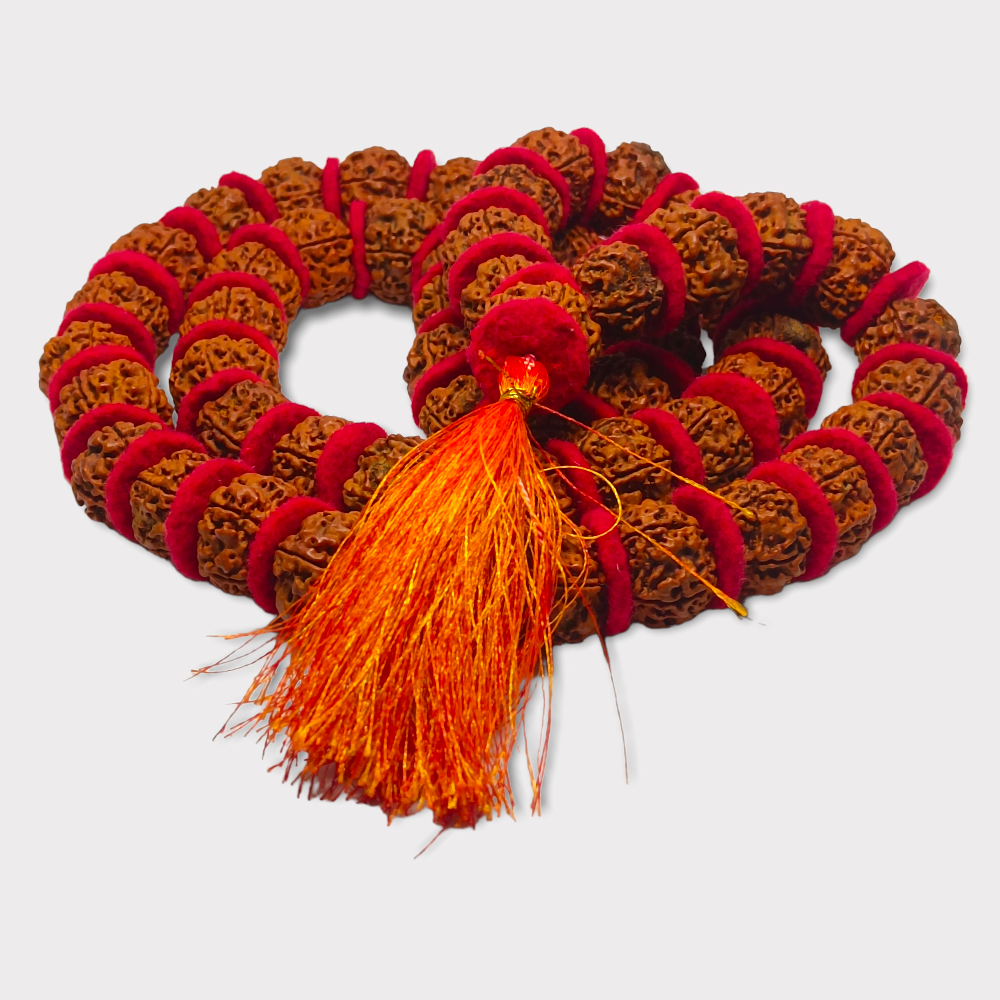
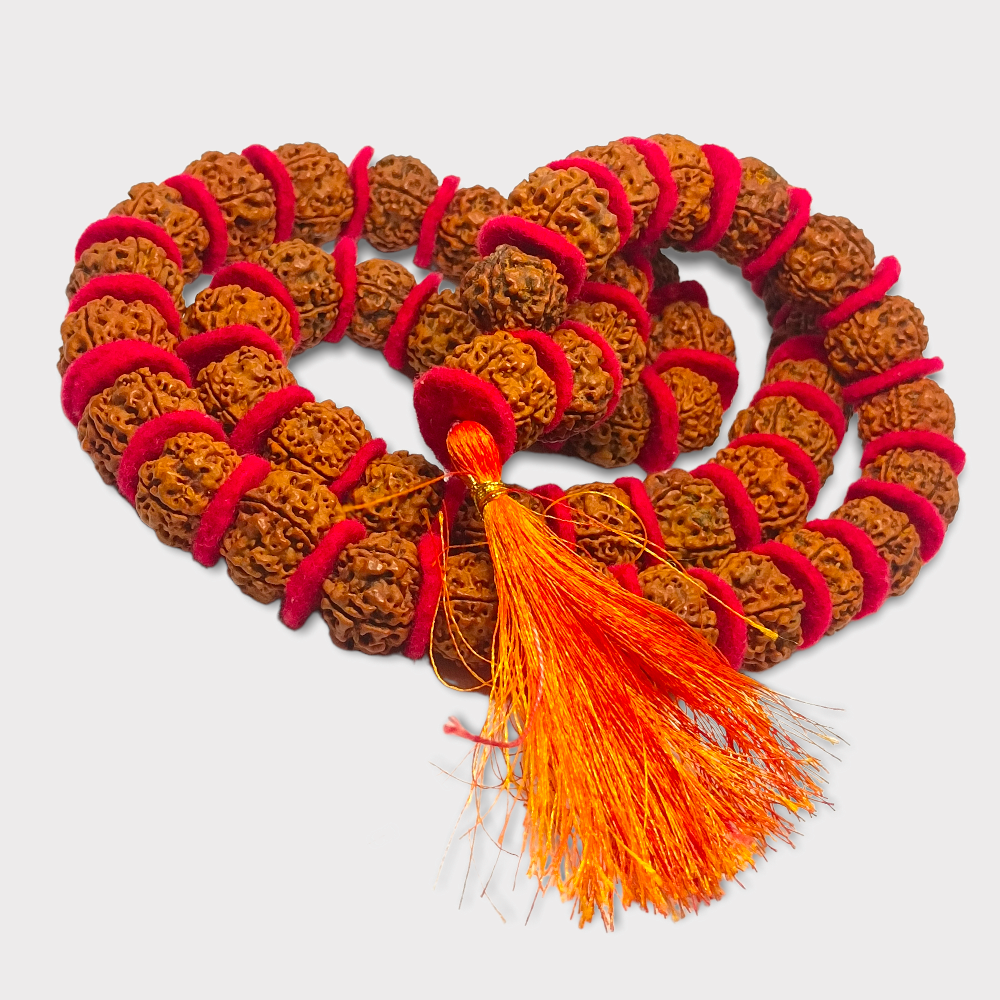
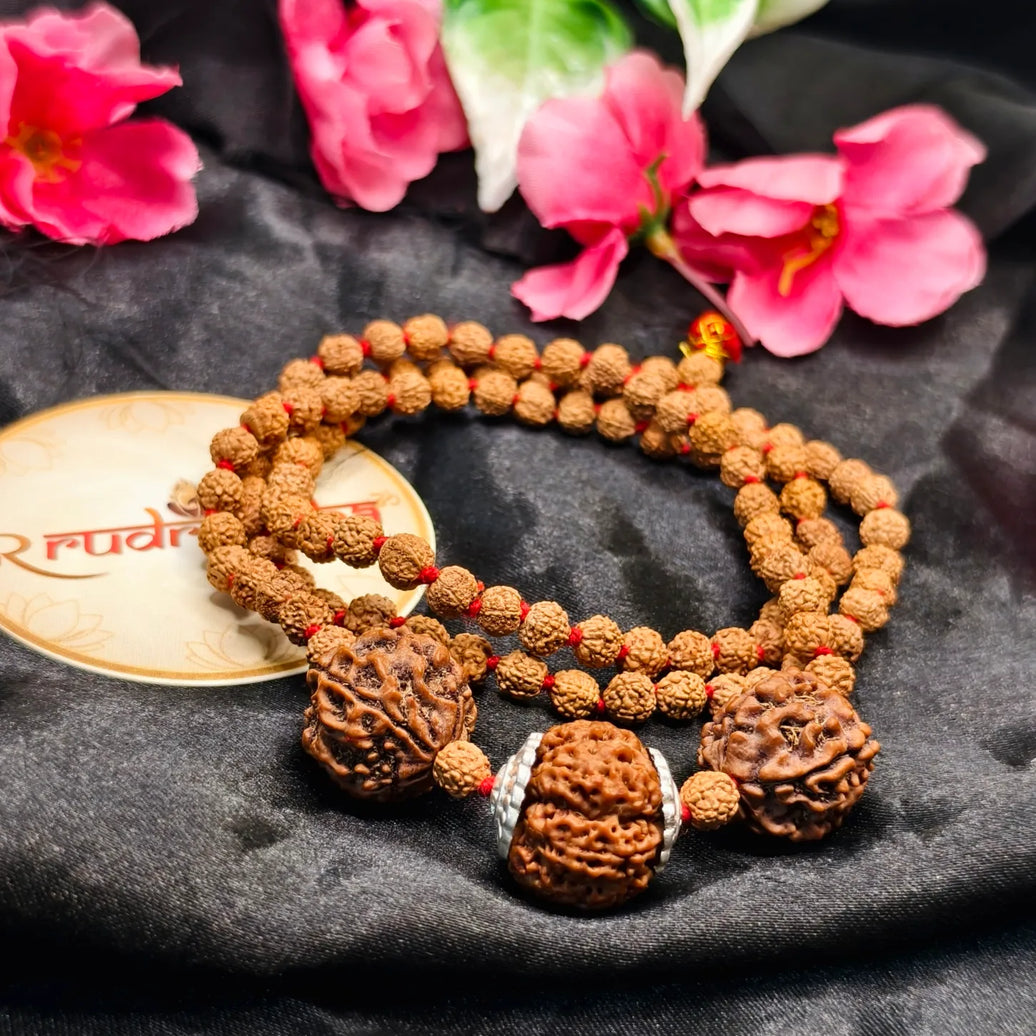
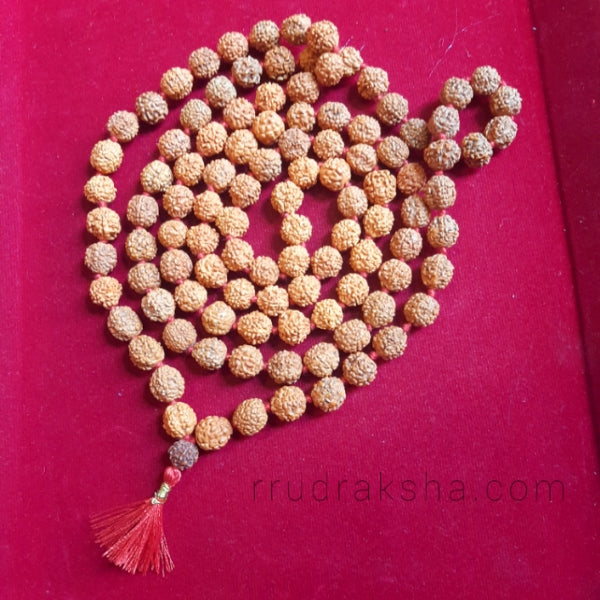
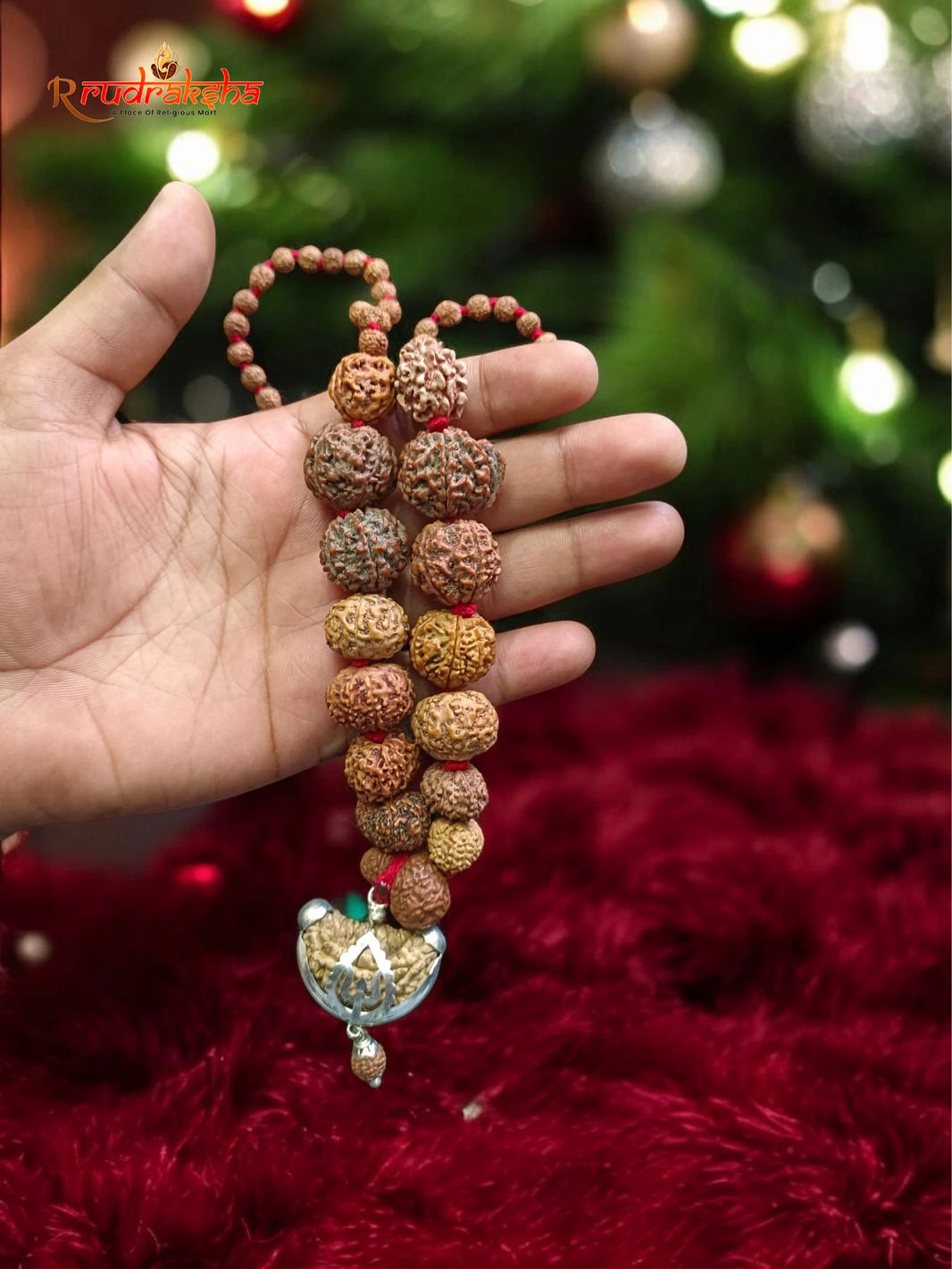
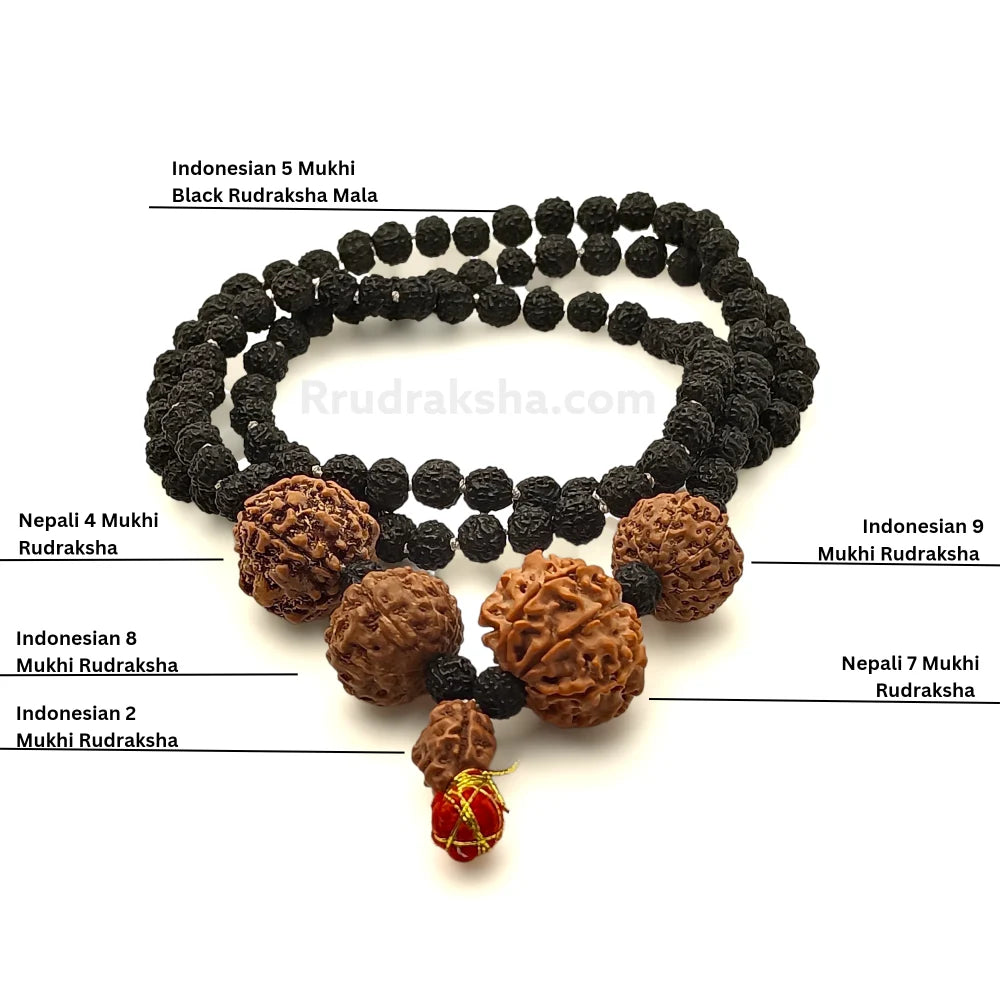
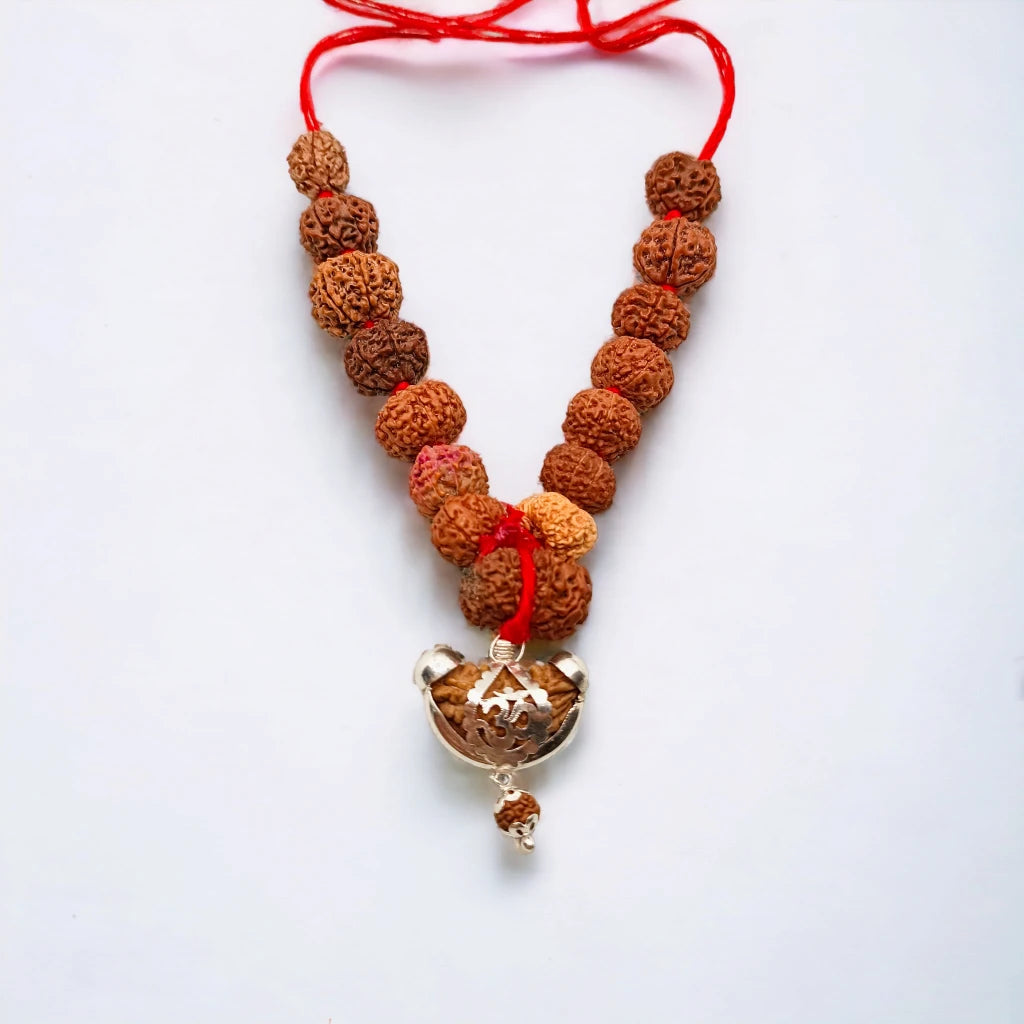
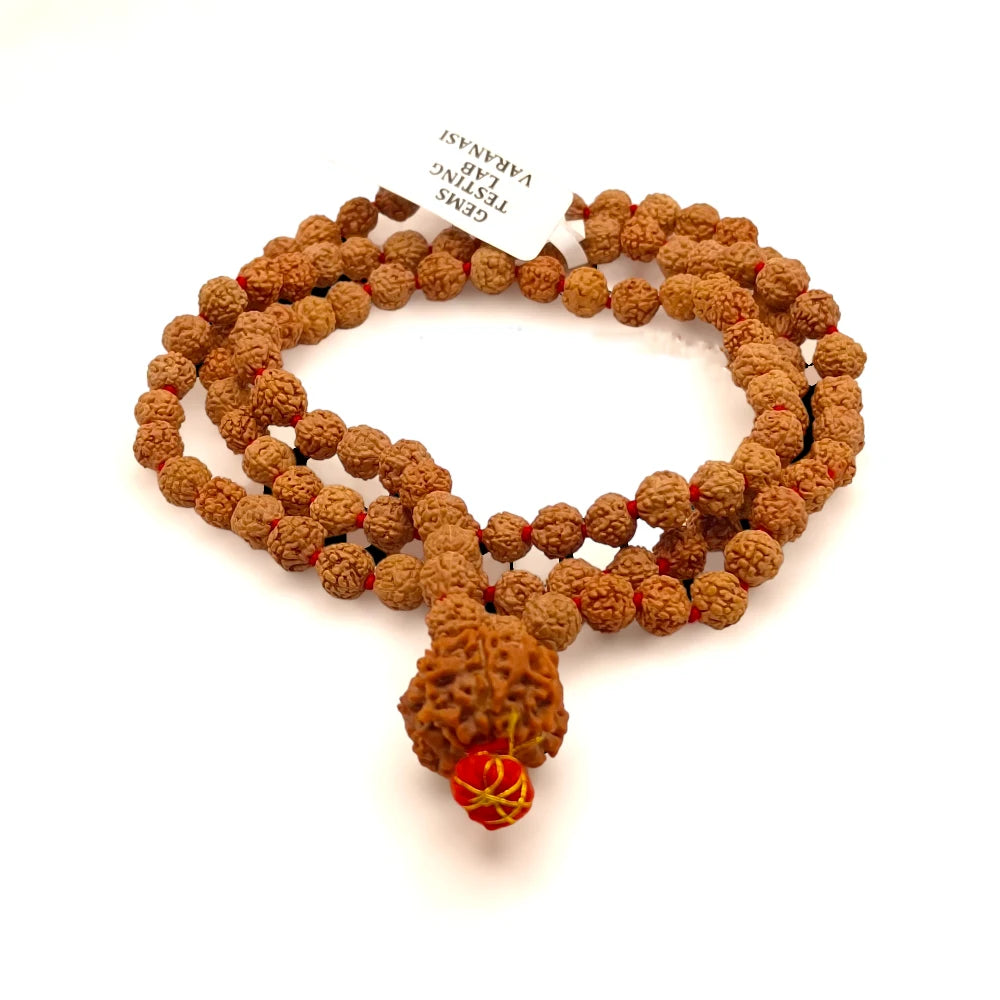
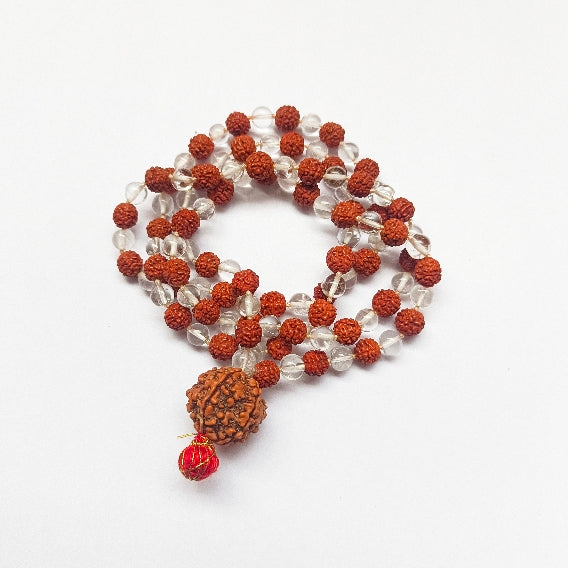
Rudraksha is deeply associated with Shiva worship, and many devotees use Rudraksha mala during japa before or after abhishek. The purpose is not decoration. It is discipline. A mala helps you maintain rhythm and focus during mantra repetition.
If you perform Rudra Abhishek regularly, you can gently add a Rudraksha mala into your practice by chanting “Om Namah Shivaya” for one round (108 repetitions) or even 11 repetitions for beginners. This can create a more stable spiritual routine.
If you wear Rudraksha, treat it with respect. Keep it clean, avoid careless handling, and use it as a reminder to stay calm and disciplined. In Shiva worship, the energy of the practice comes from intention and consistency.
Can Anyone Perform Rudra Abhishek? (Beginner Guidance) ✅
Yes—Rudra Abhishek can be performed by anyone with respect and devotion. You do not need complex knowledge to begin. In fact, Shiva worship is famous because it is simple and accessible. If you have clean water, a sincere heart, and a few minutes of focus, you can begin.
Many people feel hesitant because they fear “doing it wrong.” But the most important part of Rudra Abhishek is your devotional intention. If you keep the ritual clean, respectful, and balanced, your worship is valid.
When in doubt, keep it simple: water abhishek + Bilva offering + “Om Namah Shivaya” + prayer. That is enough.
Frequently Asked Questions (FAQs) ❓
1) What is Rudra Abhishek in simple words?
Rudra Abhishek is a devotional practice of offering water and sacred items to the Shivling while chanting Shiva mantras, worshipping Lord Shiva in His Rudra form.
2) Is Rudra Abhishek different from normal Shivling Abhishek?
Yes. Normal abhishek is a general offering to the Shivling, while Rudra Abhishek is usually more structured and mantra-focused, performed with deeper intention and discipline.
3) Can I do Rudra Abhishek at home without a priest?
Yes. A simple and respectful Rudra Abhishek can be done at home with water, Bilva leaves, and the mantra “Om Namah Shivaya.”
4) What is the best day to do Rudra Abhishek?
Monday (Somwar) is widely preferred for Shiva worship. Many devotees also perform Rudra Abhishek on Pradosh, Mahashivratri, and during Shravan (Sawan).
5) Which mantra is best for Rudra Abhishek?
The safest and most powerful mantra for Rudra Abhishek is “Om Namah Shivaya.” You may also chant “Om Rudraya Namah.”
6) How many times should I chant “Om Namah Shivaya” during abhishek?
You can chant 11, 21, or 108 times. It is better to chant fewer times with full focus than many times with distraction.
7) Is milk necessary for Rudra Abhishek?
No. Clean water alone is enough. Milk is optional and should be used in small quantity with respect and without wastage.
8) Can I do Rudra Abhishek daily?
Yes, you can do a simple water abhishek daily if your schedule allows. Consistency is more important than intensity.
9) What is the most important offering in Shiva worship?
Bilva (Bel Patra) is considered one of the most important symbolic offerings, along with clean water and sincere devotion.
10) What should I do after Rudra Abhishek is complete?
After abhishek, chant a few mantras, offer a simple prayer, and sit quietly for a minute. Closing in silence makes the ritual feel complete.
11) Can Rudra Abhishek be done during difficult times in life?
Yes. Many devotees perform it during challenging phases for inner strength, calmness, and spiritual grounding (belief-based intention).
12) What if I don’t have Bilva leaves?
You can still perform Rudra Abhishek with water and mantra chanting. Bilva is recommended but not mandatory.
13) Can I use Rudraksha mala during Rudra Abhishek?
Yes. A Rudraksha mala helps maintain focus during mantra japa and supports a consistent devotional routine.
14) Is Ganga Jal compulsory for Rudra Abhishek?
No. Clean water is sufficient. Ganga Jal is optional if available and used respectfully.
15) What is the spiritual purpose of Rudra Abhishek?
Its purpose is to build devotion, focus, surrender, and inner discipline through a structured worship practice (belief-based understanding).
Buying Guide: What to Choose for Rudra Abhishek (Simple & Practical) 🛍️🛕
If you want to perform Rudra Abhishek regularly, focus on quality and purity rather than buying too many items. A small clean Shivling (or a dedicated Shiva worship setup), a good copper/brass lota, a fresh incense pack, and a reliable diya are enough for a consistent home practice.
For mantra chanting, a good-quality Mala is valuable long-term companion because it helps with rhythm and focus. If you offer Bilva leaves regularly, ensure they are clean and respectfully placed.
Most importantly, avoid building a worship setup that feels expensive but lacks discipline. A simple setup used daily with devotion is always better than an elaborate setup used once a year.
🔱 Conclusion 🧭
Rudra Abhishek is Devotion in Action
Rudra Abhishek is one of the most meaningful ways to worship Lord Shiva because it turns devotion into a calm, disciplined spiritual practice. It does not require complicated rituals, expensive offerings, or perfect expertise. What it requires is sincerity, cleanliness, balance, and focus.
When you perform abhishek slowly, you train your mind to become steady. When you offer Bilva leaves respectfully, you build humility. And when you chant Shiva’s name with attention, you create inner clarity. Done consistently, Rudra Abhishek becomes more than a ritual—it becomes a spiritual routine that supports emotional grounding and devotion in everyday life.
🙏 हर हर महादेव 🙏





Leave a comment