



















💫 Mahamrityunjaya Mantra Explained: Purpose, Practice, and What People Often Get Wrong
ॐ त्र्यम्बकं यजामहे
सुगन्धिं पुष्टिवर्धनम् ।
उर्वारुकमिव बन्धनान्
मृत्योर्मुक्षीय मामृतात् ॥
The Mahamrityunjaya Mantra is one of the most revered Vedic mantras, yet also one of the most misunderstood. In modern times, it is frequently approached through fear—associated with illness, danger, or death—rather than through its original intent of awareness, stability, and disciplined spiritual orientation. This gap between tradition and modern usage has led to widespread misuse, mechanical chanting, and unrealistic expectations.
Traditionally, the Mahamrityunjaya Mantra was never meant to be a panic response. It was designed as a mantra of clarity and continuity, helping practitioners cultivate steadiness of mind during uncertainty. Understanding its purpose requires moving beyond emergency-driven narratives and returning to the context in which the mantra was preserved and transmitted.
🌱 The Deeper Purpose of the Mahamrityunjaya Mantra
The Mahamrityunjaya Mantra is dedicated to Lord Shiva (MAHAKAAL) in his aspect as the witness of transformation rather than the destroyer. The word “Mahamrityu” does not simply mean physical death; it refers to the deeper cycles of fear, attachment, instability, and loss of awareness that bind the mind. The mantra addresses these inner conditions rather than external threats.
In classical understanding, the mantra supports liberation from psychological rigidity. It encourages the practitioner to remain rooted in awareness while navigating change—whether that change appears as uncertainty, illness, emotional turbulence, or transition. This is why the mantra has always been associated with long-term discipline rather than one-time chanting.
❓Why the Mantra Is Commonly Misused Today
One of the most common misunderstandings surrounding the Mahamrityunjaya Mantra is the belief that it functions as a protective emergency tool. Many people turn to it only during moments of crisis, chanting with urgency and fear. This approach contradicts the traditional framework, which emphasizes steadiness over reaction.
Another misuse involves treating the mantra as a mechanical formula. Chant counts, speed, and external performance often replace attention and understanding. In such cases, repetition continues, but awareness does not deepen. Traditional systems consistently emphasized that a mantra’s effect depends on the quality of attention, not volume or force.
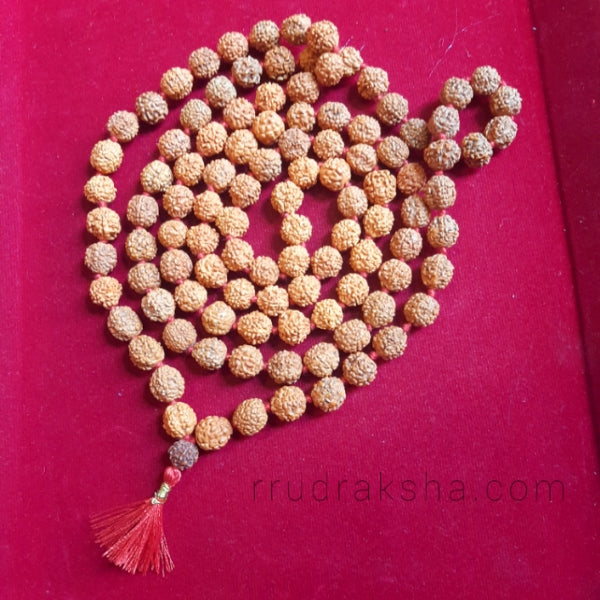
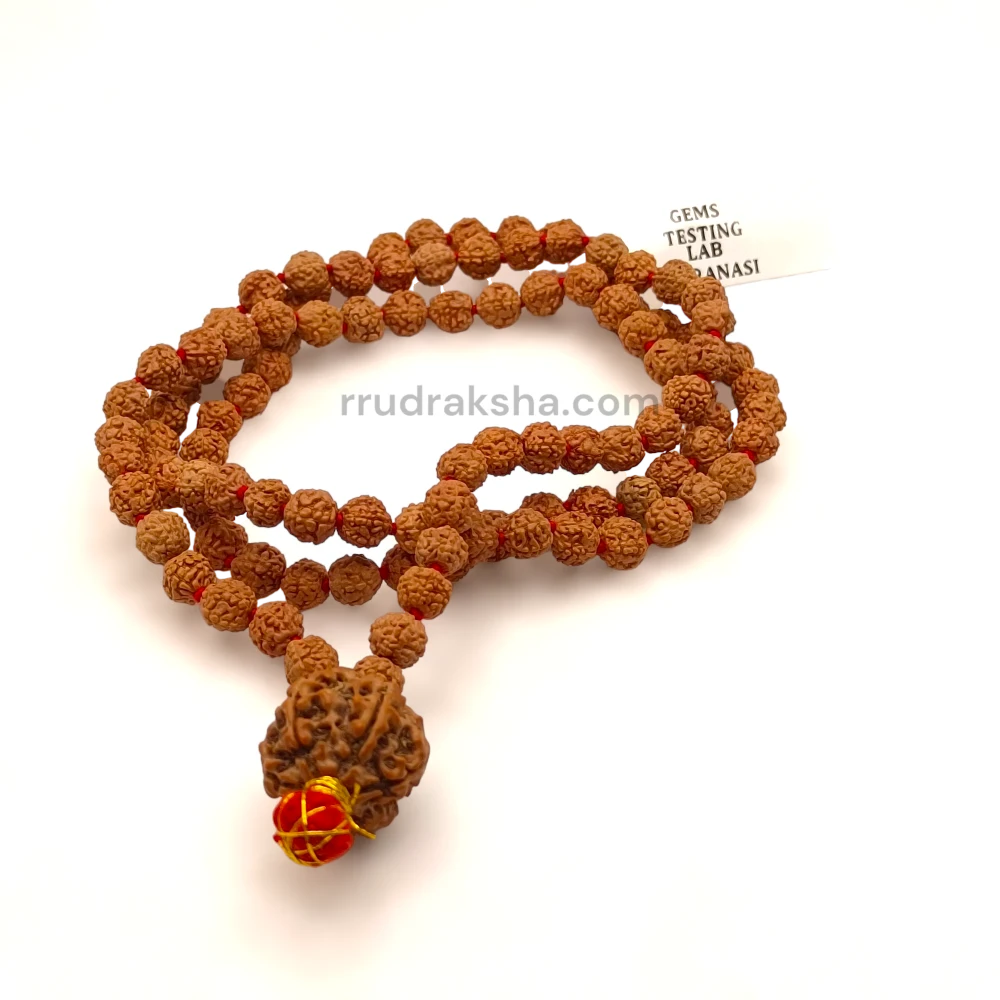
For this reason, classical practice favored consistency over intensity. Simple supports were used not to amplify results, but to maintain rhythm and focus. For example, a Rudraksha Jaap Mala used during calm, daily recitation traditionally served as a grounding aid—helping the practitioner remain attentive without rushing or overexerting effort. Such tools were viewed as companions to discipline, not substitutes for understanding.
🧘♀️ Correct Chanting as a Discipline, Not a Technique
Correct chanting of the Mahamrityunjaya Mantra is less about posture or pronunciation alone and more about inner alignment. The mantra was traditionally practiced in a calm, seated state, with regular timing and minimal distraction. Consistency mattered more than intensity.
Rather than seeking immediate results, practitioners were encouraged to observe gradual changes in mental steadiness, emotional regulation, and clarity. Chanting was considered successful when it reduced inner agitation, not when it produced dramatic external outcomes.
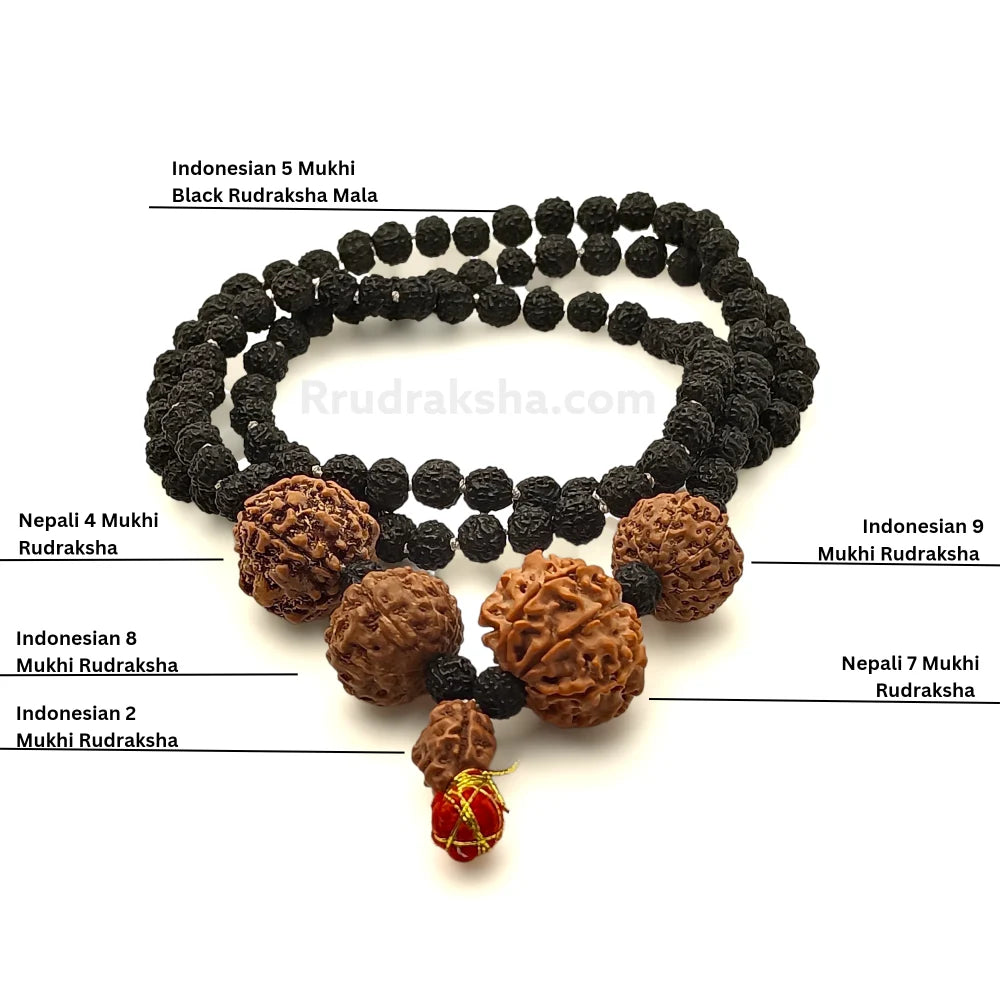
To support this disciplined approach, simple aids were sometimes used to maintain rhythm without strain. A Rudraksha Mala used during daily chanting traditionally functioned as a grounding reference point, helping the practitioner remain present through repetition without rushing or forcing progress. Such supports were valued not as techniques, but as reminders that steadiness itself is the practice.
😶🌫️ Fear-Based Chanting vs Awareness-Based Practice
Fear-based chanting narrows attention. It reinforces the very anxiety the mantra is meant to dissolve by keeping the mind fixed on urgency and outcome. When chanting arises from fear, awareness contracts, and the practice becomes reactive rather than stabilizing. In such cases, repetition may increase, but inner clarity does not.
Awareness-based practice works differently. It expands perspective, allowing fear to be observed without being immediately acted upon. The practitioner remains present with uncertainty instead of trying to escape it. This shift—from reaction to observation—is central to the traditional purpose of the Mahamrityunjaya Mantra.
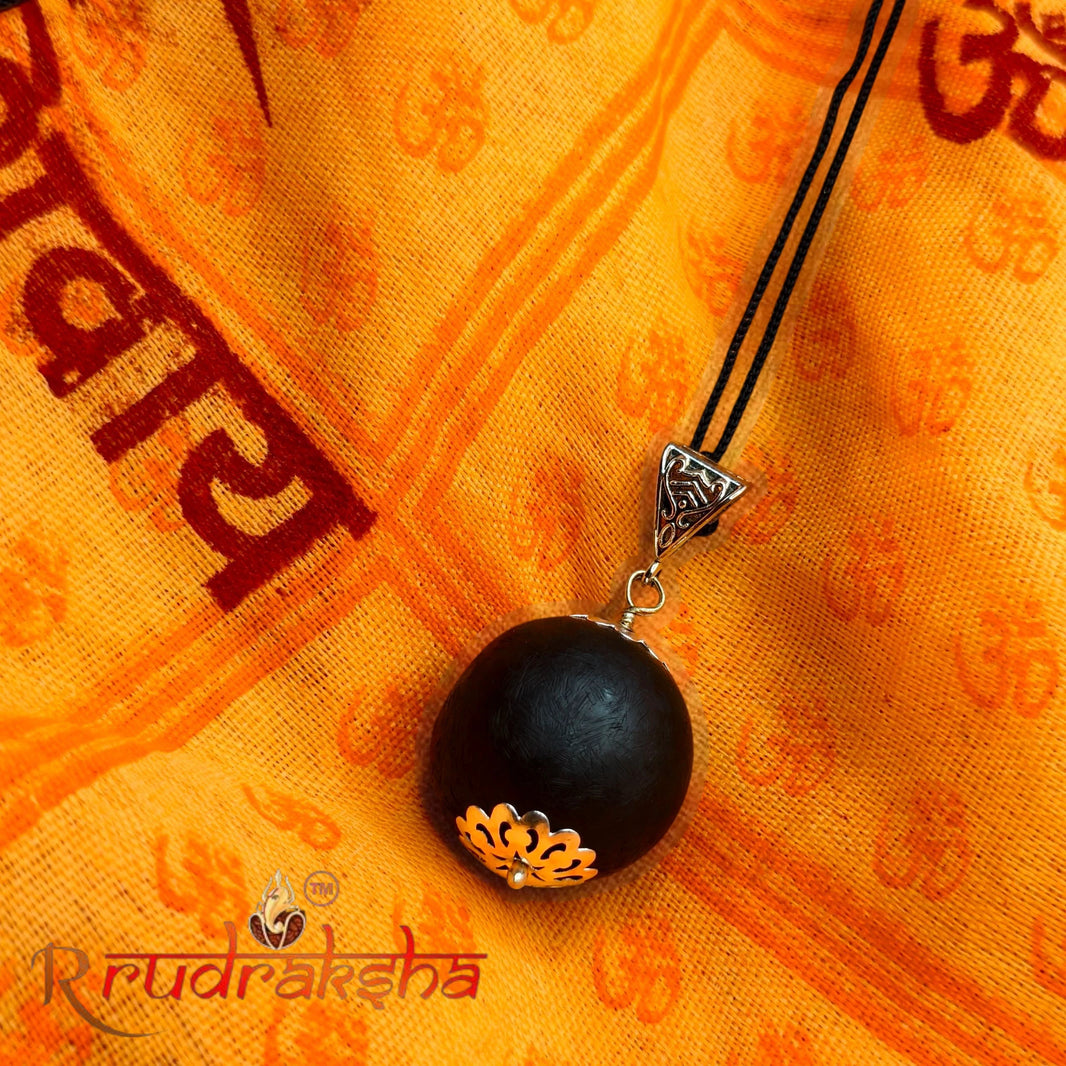
This distinction explains why classical teachers discouraged chanting during emotional extremes unless guided properly. The mantra was intended to steady the mind, not amplify distress. When practiced with patience and understanding, it supports resilience rather than dependence. To reinforce this calmer orientation, some practitioners traditionally preferred neutral supports such as a Sphatik, which symbolically emphasizes clarity and composure during slow, attentive repetition rather than emotional stimulation.
🎯 The Role of Discipline and Consistency in Mantra Practice
In traditional systems, the Mahamrityunjaya Mantra was never separated from discipline. Chanting was embedded into daily routine rather than treated as an isolated spiritual act. This emphasis on regularity served a psychological purpose: it trained the mind to return to steadiness regardless of circumstance.
Consistency builds familiarity, and familiarity reduces fear. When the mantra becomes part of ordinary life—chanted at the same time each day, in a similar setting—it loses its association with crisis and regains its original role as a stabilizing influence. Over time, the nervous system begins to associate the sound and rhythm of the mantra with calm rather than urgency.
For this reason, traditional practitioners often preferred simple, repeatable formats of practice. Quiet recitation supported by a Rudraksha Jaap Mala was used not to amplify results, but to maintain rhythm and focus. The mala functioned as a tool of continuity, helping attention remain anchored without mental strain.
🍂 Why Mechanical Chanting Weakens the Practice
One of the most common modern errors is the belief that repetition alone guarantees effectiveness. Chanting large counts without awareness may create physical fatigue, but it rarely cultivates clarity. Traditional teachings consistently warned against this approach, emphasizing that mantra without attention becomes noise rather than support.
Mechanical chanting often emerges from impatience. When individuals expect immediate relief, they increase speed or volume, mistaking effort for engagement. This tendency reinforces restlessness rather than dissolving it. The Mahamrityunjaya Mantra, however, was designed to slow the mind, not overwhelm it.
In disciplined practice, pauses were considered as important as repetition. Silence between chants allowed awareness to settle. Tools associated with neutrality—such as a Sphatik Mala used during slow, attentive repetition—were traditionally favored in such contexts because they encouraged clarity without emotional stimulation.
🏵️ The Psychological Dimension of the Mantra
Beyond its spiritual framing, the Mahamrityunjaya Mantra has a clear psychological dimension. Its rhythm, phonetic structure, and measured pace naturally encourage regulated breathing and reduced mental agitation. This is why its effect is often described as calming rather than energizing.
When practiced regularly, the mantra supports the ability to remain present with uncertainty. Fear does not disappear, but it becomes observable rather than overwhelming. This shift—from identification with fear to awareness of fear—is central to the mantra’s traditional purpose.
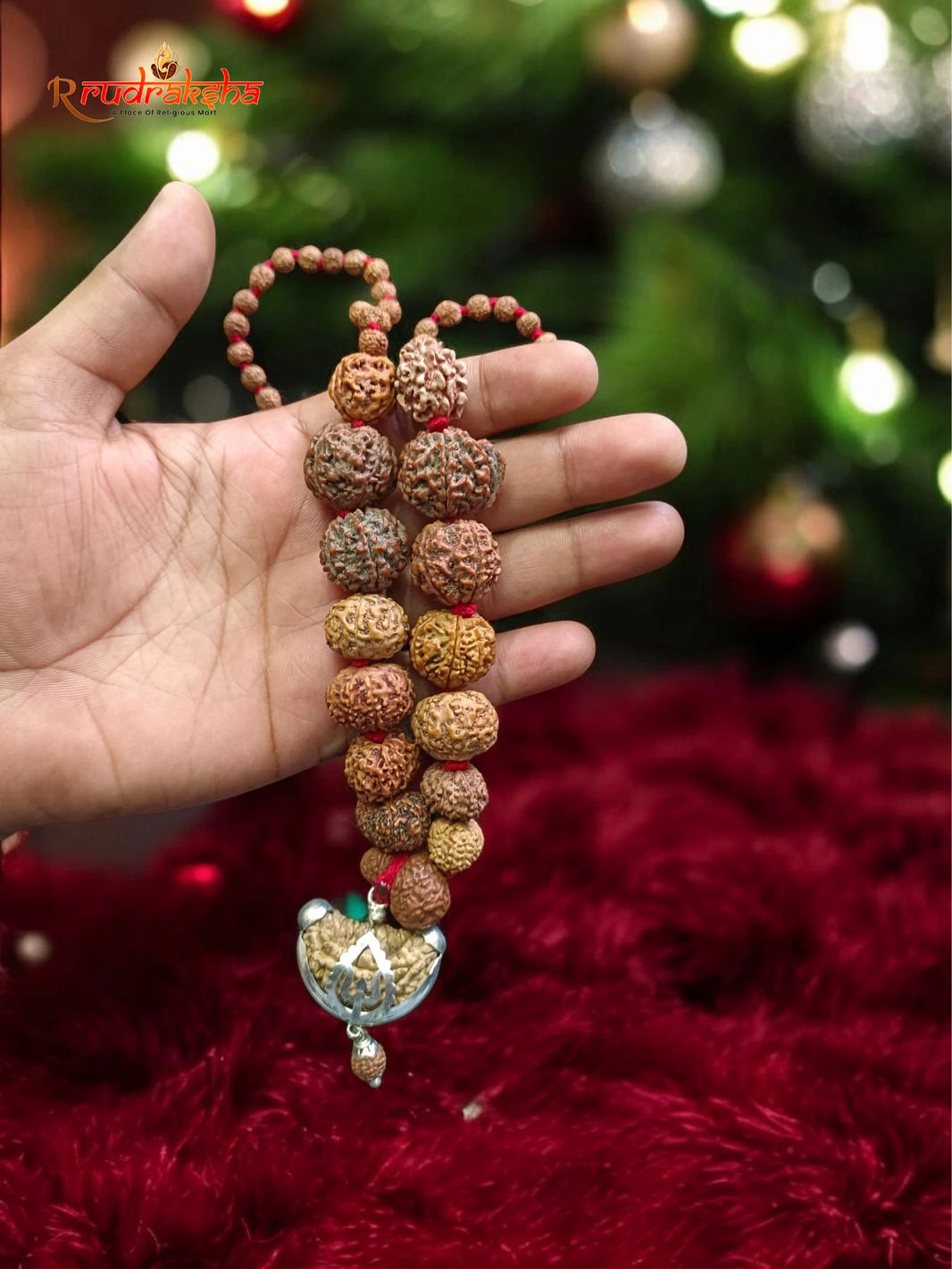
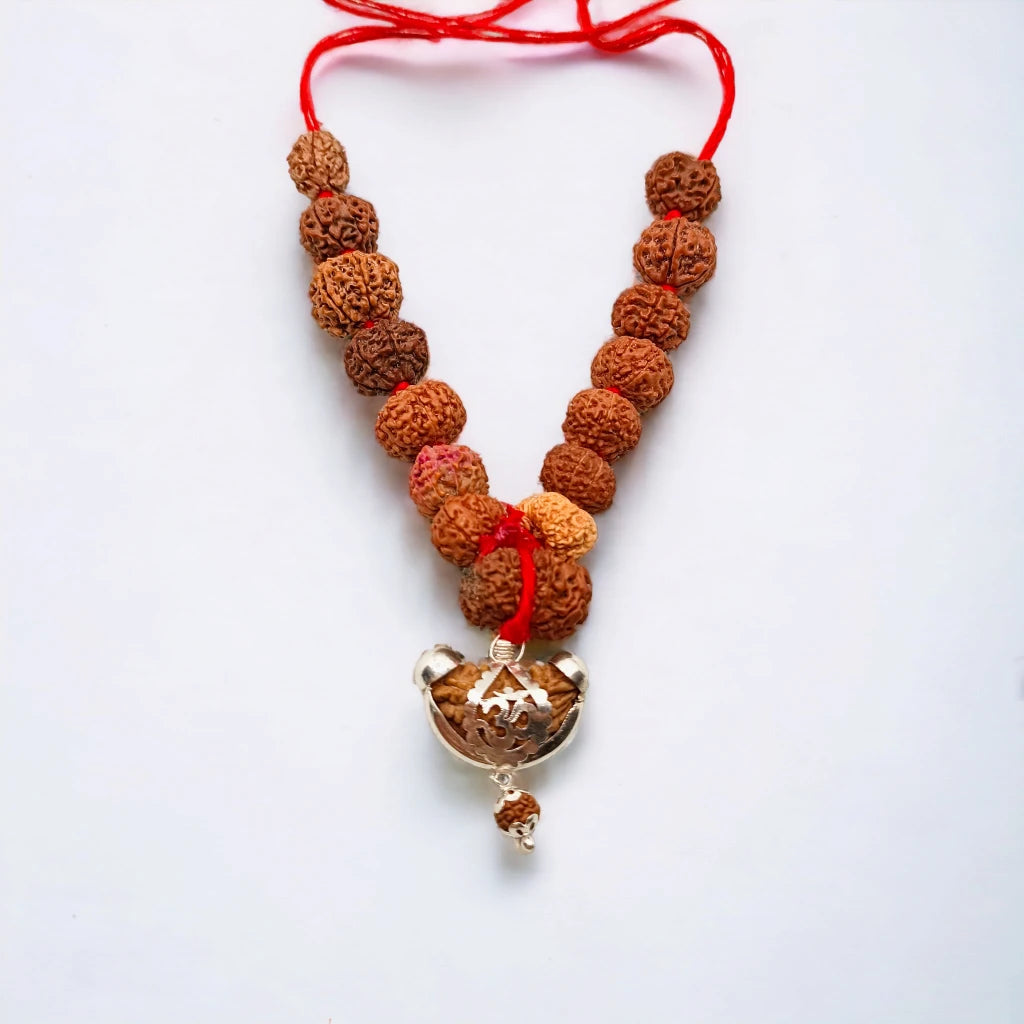
Practitioners seeking this form of inner steadiness often approached the mantra alongside grounding disciplines. Wearing a Rudraksha Kantha Mala close to the body symbolized continuity between inner awareness and daily responsibility, reinforcing the understanding that spiritual practice must remain integrated with life rather than separate from it.
🌿 Long-Term Practice Versus Crisis-Driven Use
Traditional sources consistently emphasize that the Mahamrityunjaya Mantra unfolds through long-term association. Its benefits were never framed as instant or dramatic. Instead, they appeared gradually—as reduced reactivity, improved emotional regulation, and greater resilience during change.
Crisis-driven use, by contrast, often leads to disappointment. When the mantra is approached only during moments of fear, it becomes psychologically linked to distress. This association undermines its stabilizing function and reinforces dependency rather than strength.
Long-term practitioners understood that stability cannot be rushed. Just as physical health develops through consistent habits rather than emergency interventions, inner steadiness emerges through patient, repeated engagement. The mantra was valued precisely because it supported this slow and reliable process.
👉 The Importance of Right Context
Context determines how a mantra functions. In its traditional setting, the Mahamrityunjaya Mantra was part of a broader ethical and disciplined life. Chanting was accompanied by restraint in speech, moderation in behavior, and responsibility in action.
When removed from this context, the mantra risks being misunderstood as a magical formula. Traditional teachers cautioned against isolating mantra from conduct, reminding practitioners that inner clarity cannot coexist with unchecked impulse or avoidance of responsibility.
This holistic approach explains why supportive tools were always secondary. Whether one used a mala or practiced silently, the emphasis remained on alignment rather than accumulation. The mantra was never meant to replace effort, but to refine it.
💯 When the Mantra Is Practiced Correctly
When practiced with understanding, the Mahamrityunjaya Mantra produces subtle but reliable effects. The mind becomes less reactive, emotional responses soften, and fear loses its dominance. These changes may not be dramatic, but they are durable.
Correct practice does not eliminate uncertainty; it changes one’s relationship with it. Instead of reacting impulsively, practitioners learn to observe and respond with composure. This is the freedom traditionally associated with the mantra—not escape from life, but stability within it.
This understanding restores the mantra to its rightful place: not as an emergency measure, but as a companion to awareness, discipline, and continuity.
📌 Frequently Asked Questions (FAQs)
Is the Mahamrityunjaya Mantra only meant for illness or danger?
No. Traditionally, the mantra was practiced as a long-term discipline to cultivate stability and awareness, not only during emergencies.
Can chanting this mantra change destiny or prevent death?
Classical teachings do not describe the mantra as a tool to override destiny. Its purpose is to transform one’s relationship with fear and impermanence.
Is there a “correct” number of times the mantra must be chanted?
Consistency and attentiveness were considered more important than fixed numbers. Mechanical repetition without awareness was discouraged.
Can beginners chant the Mahamrityunjaya Mantra?
Yes, when approached respectfully and without panic-driven expectations. Beginners are advised to focus on calm repetition and understanding rather than results.
Why do people say the mantra is powerful but also dangerous?
This belief comes from fear-based interpretations. Traditional sources describe the mantra as stabilizing, not harmful, when practiced responsibly.
Is it necessary to chant the mantra loudly?
No. Soft chanting or silent repetition was often preferred, as it supports inward focus and reduces distraction.
How long does it take to feel any effect?
Traditional practice did not focus on timelines. Changes were expected to be gradual and subtle, reflected in mental clarity and steadiness.
Can the mantra be chanted daily?
Yes. Daily chanting with a calm and disciplined approach aligns more closely with traditional usage than occasional emergency chanting.
Is faith required for the mantra to work?
While respect and sincerity matter, blind belief is not required. Awareness and consistency were considered central.
What is the biggest mistake people make with this mantra?
Using it as a reaction to fear rather than as a steady practice aimed at inner clarity.
🔆 Conclusion 🌟
Returning the Mantra to Its Original Purpose
The Mahamrityunjaya Mantra was never meant to be approached through fear, urgency, or expectation of instant relief. Its traditional role is far more grounded and enduring. It serves as a discipline of awareness, helping practitioners cultivate steadiness in the face of uncertainty rather than attempting to escape it. When understood correctly, the mantra does not promise control over life’s outcomes, but clarity in how those outcomes are met.
Misuse often begins when the mantra is reduced to a reactionary tool—chanted only during crisis or treated as a mechanical formula. Classical traditions consistently emphasized the opposite approach: regular, calm engagement rooted in patience and understanding. Over time, this disciplined relationship supports emotional regulation, resilience, and the ability to remain composed even during profound change.
Ultimately, the value of the Mahamrityunjaya Mantra lies not in dramatic results, but in quiet transformation. When practiced with respect for its original intent, it becomes a companion to awareness rather than a response to fear—reinforcing continuity, responsibility, and inner balance across all phases of life.
🙏 हर हर महादेव 🙏





Leave a comment