






Kalighat Shakti Peeth: Story, Significance, History & Complete Guide 🖤🌺
Among the most famous and emotionally powerful Shakti Peeths in India, Kalighat holds a place of deep devotion. For many devotees, the name Kalighat immediately brings to mind one strong feeling: an intense connection with Maa Kali—the divine form that destroys fear, breaks illusion, and awakens inner truth. 🌺
Kalighat is not only a temple identity. It is a living cultural and spiritual heartbeat where Devi worship feels raw, direct, and deeply transformative. Some people approach Kali worship with curiosity, some with fear, and some with pure surrender. But when understood correctly, Kalighat teaches one timeless message: the Divine Mother is not only gentle—she is also the force that protects you by removing what is false.
In this complete guide, we will explore Kalighat Shakti Peeth meaning, its mythological origin story, its spiritual symbolism, the deeper significance of Maa Kali worship, the Bhairav connection in Shakti Peeth tradition, and FAQs that answer the most searched questions about Kalighat. This blog is written in an educational and responsible tone—beginner-friendly, but with advanced depth—without exaggerated claims.
What is Kalighat Shakti Peeth? (Simple Meaning) 🌺
Kalighat Shakti Peeth is one of the most widely revered Shakti centers in India, associated with the worship of Goddess Kali. It is considered a Shakti Peeth because it is connected to the traditional Shakti Peeth origin story linked to Sati and Shiva.
Kalighat is not just known for its religious identity. It is known for the intensity of Kali worship, the emotional depth of devotion, and the spiritual symbolism of Kali as a mother who protects by transforming the devotee from within.
For beginners, it is helpful to understand Kali clearly: Maa Kali is not worshipped as “negative energy.” She is worshipped as the divine force that removes fear, destroys illusion, and leads the devotee toward truth. This is why Kali worship often feels powerful and direct.
Why Kalighat is Considered a Shakti Peeth 🕉️
In Shakti Peeth tradition, a Shakti Peeth is a sacred place linked with the mythological story of Sati’s sacrifice and Shiva’s cosmic grief. As described in classical devotional narratives, parts of Sati’s body or ornaments fell at various locations after Vishnu intervened to restore cosmic balance during Shiva’s tandava.
Kalighat is recognized as one of these sacred locations. In belief-based tradition, this association makes Kalighat an especially powerful center of Devi worship.
Many devotees view Shakti Peeths as places where Devi’s presence feels concentrated and spiritually intense. Kalighat is often described as one such place—where worship does not remain only ritualistic, but becomes deeply emotional and transformational for devotees.
The Mythological Origin Story of Kalighat Shakti Peeth 📖
To understand Kalighat fully, it must be seen within the larger mythological story of Shakti Peeth formation. This story begins with Daksha Yagna, a sacred ritual event filled with pride, politics, and ego. Daksha, Sati’s father, organizes the yagna and invites many divine beings, but deliberately does not invite Shiva.
Sati, unable to tolerate Shiva’s insult, goes to the yagna and finds that Shiva is being publicly disrespected. Overwhelmed by this insult toward her husband and the supreme divine principle he represents, Sati sacrifices herself in the yagna fire.
When Shiva learns about this, the story describes an unbearable grief—so intense that Shiva carries Sati’s body and begins the Rudra Tandava, a cosmic expression of divine destruction. This tandava threatens the balance of the universe, and the gods seek a way to restore stability.
Vishnu intervenes and, in belief-based tradition, uses the Sudarshan Chakra to separate Sati’s body. The locations where these sacred parts fell became known as Shakti Peeths.
Kalighat is remembered as one of the sacred places connected to this divine event. This is why Kalighat is revered not merely as a historical temple, but as a sacred spiritual map point—linked to the deepest emotional and cosmic myth of Shiva and Shakti.
Who is Maa Kali? (Correct Meaning for Beginners) 🕉️
One of the most important parts of understanding Kalighat is understanding Maa Kali correctly. Kali is often portrayed with a fierce appearance, and some people misunderstand her. But in Shakta tradition, Kali is not worshipped as fear—Kali is worshipped as the destroyer of fear.
The name “Kali” is often connected to the concept of time and transformation. In belief-based interpretation, Kali represents the power that destroys what is false, what is ego-driven, and what is illusion. She is not “darkness” in a negative sense. She is the divine force that reveals truth by cutting through illusion.
This is why Kali is often worshipped by devotees who want inner strength. When life feels uncertain, Kali worship reminds the devotee: truth is stronger than fear.
Spiritual Significance of Kalighat: Why Devotees Feel a Powerful Connection 🌺
Kalighat is a place where devotion feels direct. Many devotees describe a strong emotional experience, because Kali worship is not always soft. It is intense, protective, and transformational.
Spiritually, Kalighat is significant because Kali represents the mother who does not only comfort—she also corrects. She protects by removing the root cause of suffering, which is often illusion, attachment, and fear.
In belief-based devotion, people connect with Kalighat when they want courage, protection, clarity, and the power to move beyond emotional weakness. The temple becomes a symbol of inner awakening, where devotees pray not only for blessings, but for strength to face life with truth.
Kalighat and the Divine Feminine: Strength, Truth, and Protection 🕉️
Kalighat represents a form of the Divine Feminine that is deeply powerful. This is important because many people mistakenly believe that divine femininity only means softness. In Shakta tradition, Devi is the complete power of existence. She nurtures, protects, destroys negativity, and rebuilds truth.
Kali is the reminder that real protection sometimes looks fierce. Just like a mother can be strict to save her child, Kali is fierce to save the devotee from inner destruction caused by ego and illusion.
This is why Kalighat is often worshipped with both devotion and seriousness. It is not casual worship. It is worship that demands sincerity.
History & Cultural Importance of Kalighat 🛕
Kalighat holds immense cultural importance because it is not only a Shakti Peeth—it is a living center of Devi worship with deep roots in regional faith traditions. Over centuries, Kalighat became one of the most widely known Kali temples, influencing devotional culture, festivals, and spiritual identity.
Kalighat’s presence has shaped devotional storytelling in Shakta tradition. The temple is often seen as a symbol of Kolkata’s sacred identity, carrying both spiritual devotion and cultural heritage in a deeply connected way.
Even today, Kalighat continues to remain highly revered because Kali worship remains relevant. In uncertain times, people naturally seek strength. Kalighat represents that strength through the Divine Mother’s fierce and loving presence.
Bhairav Connection in Kalighat Shakti Peeth Tradition 🔱
In Shakti Peeth tradition, Devi is often worshipped along with Bhairav. This pairing reflects spiritual balance. Devi represents energy and power, while Bhairav represents discipline and protection. Together, they create a complete spiritual framework—where Shakti is guided and guarded.
In the context of Kali worship, Bhairav becomes especially meaningful. Kali destroys illusion, and Bhairav protects truth. Kali transforms, and Bhairav disciplines. This is why Bhairav worship is respected alongside Shakti Peeth devotion in many traditions.
The Deeper Symbolism of Maa Kali at Kalighat 🖤
To truly understand Kalighat, you must understand Maa Kali beyond the surface appearance. Kali is not worshipped because she looks fierce. She is worshipped because she represents the truth that transforms life. In Shakta tradition, Kali is the force that removes what is false and protects what is real.
Her fierce symbolism is often interpreted as the destruction of inner darkness—not outer enemies alone. Ego, fear, addiction to comfort, dishonesty with oneself, and emotional weakness are often the real sources of suffering. Kali represents the spiritual power that breaks these inner chains.
This is why Kali worship is sometimes described as “direct.” Where some forms of worship comfort the mind, Kali worship awakens the mind. Kalighat becomes a sacred reminder that love is not always soft, and protection is not always gentle. Sometimes, the most compassionate energy is the one that forces you to face truth.
What Kalighat Shakti Peeth Represents Spiritually 🕉️
Kalighat Shakti Peeth represents a spiritual theme that is timeless: transformation through truth. Many devotees approach Devi hoping for blessings, but Kali worship often takes the devotee deeper—toward inner change.
In belief-based understanding, Kalighat is a place where the devotee asks for the courage to remove negativity from within. This negativity may not always be visible outside. Sometimes it is hidden in thinking patterns, emotional instability, confusion, fear of failure, or unresolved pain.
Kalighat worship is deeply connected with strength. Not aggressive strength, but inner strength—the ability to remain stable, brave, and honest even when life challenges the mind.
Kalighat and the Meaning of “Kaal” in Kali Worship 🕰️
Many devotees associate Maa Kali with the word “Kaal,” which can be understood as time. In spiritual symbolism, time is unstoppable. It breaks everything that is false. It destroys illusions. It exposes weaknesses. No one can escape time.
Kali represents mastery over that unstoppable force. She is worshipped as the divine power that removes fear of time, fear of death, and fear of loss. This is not meant to create fear in devotees—it is meant to create liberation from fear.
In this sense, Kalighat becomes a sacred place where the devotee learns: the real enemy is not time—it is fear. And Kali is the force that destroys that fear through inner awakening.
Kalighat Worship and the Divine Mother Archetype ✨
Kalighat teaches a powerful spiritual psychology: the Divine Mother does not only give comfort; she also gives correction. This mother archetype is deeply human. A true mother protects, but also disciplines. She saves the child not only from external danger, but also from internal weakness.
In belief-based devotional interpretation, Kali’s fierce form is the symbol of that protective discipline. Her intensity is meant to remove what is harmful inside the devotee. This is why devotees often feel emotionally overwhelmed at Kali temples—not because the energy is “scary,” but because the symbolism feels deeply real.
Kalighat becomes a temple of honesty. It reminds the devotee that spiritual life is not just about praying for results—it is about becoming worthy of truth.
Kalighat’s Cultural Legacy: Why This Shakti Peeth Is So Influential 🛕
Kalighat is not only important spiritually—it is also culturally influential. Over centuries, this temple’s presence shaped local devotional identity and became one of the most widely recognized centers of Kali worship in India.
When a temple becomes a long-standing pilgrimage point, it creates something bigger than architecture. It creates cultural memory. People don’t come only for ritual—they come with personal stories, emotions, prayers, and gratitude. Kalighat is one of those places where generations have sought Devi’s strength.
This cultural continuity is one of the reasons Kalighat remains so powerful in the collective devotional imagination. The temple does not feel like a historical monument. It feels like a living prayer.
Kalighat in Modern Life: Why People Still Seek Maa Kali Today 🧠
Modern life is filled with anxiety, overthinking, and emotional pressure. The mind constantly faces comparisons, uncertainty, and fear of failure. In such a world, the worship of Maa Kali becomes emotionally relevant because it teaches fearlessness.
Many devotees approach Kali worship when they feel mentally stuck. When life becomes unpredictable, people seek inner power. Kali worship, when approached responsibly, becomes a reminder that strength exists within.
Kalighat stands as a spiritual symbol for that inner strength. It tells the devotee: do not beg life for comfort alone—develop courage. Develop truth. Develop discipline. The blessings of Kali are often understood as the awakening of inner stability.
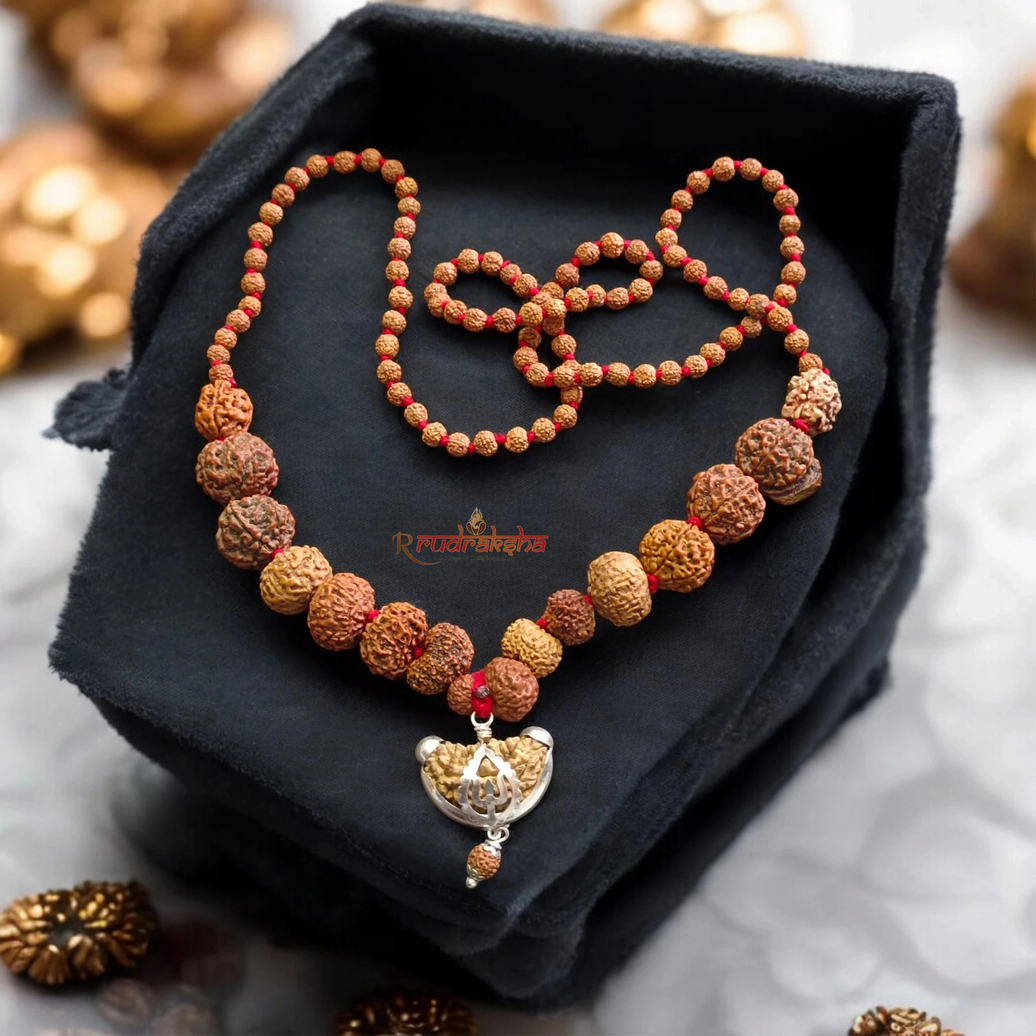
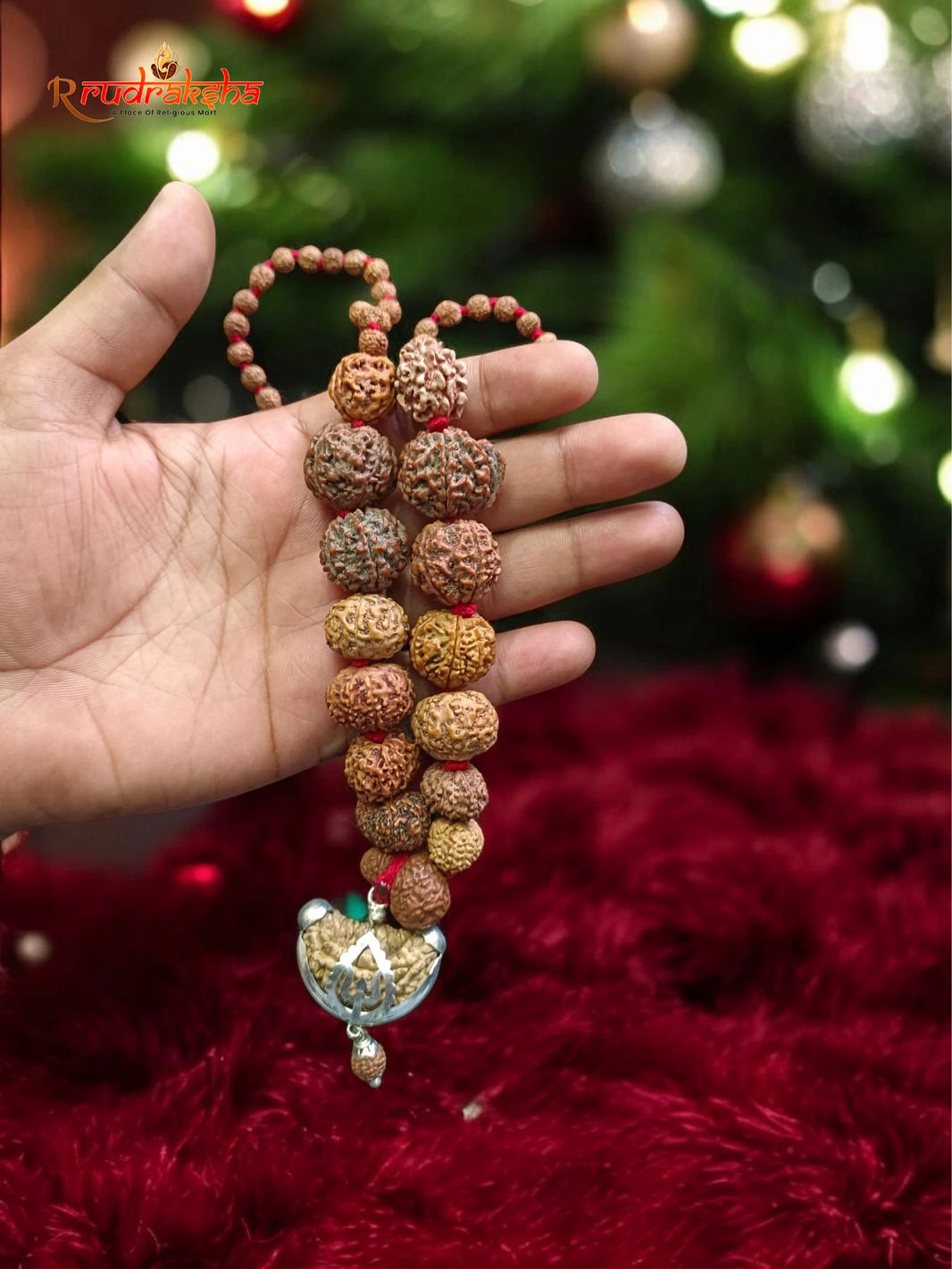
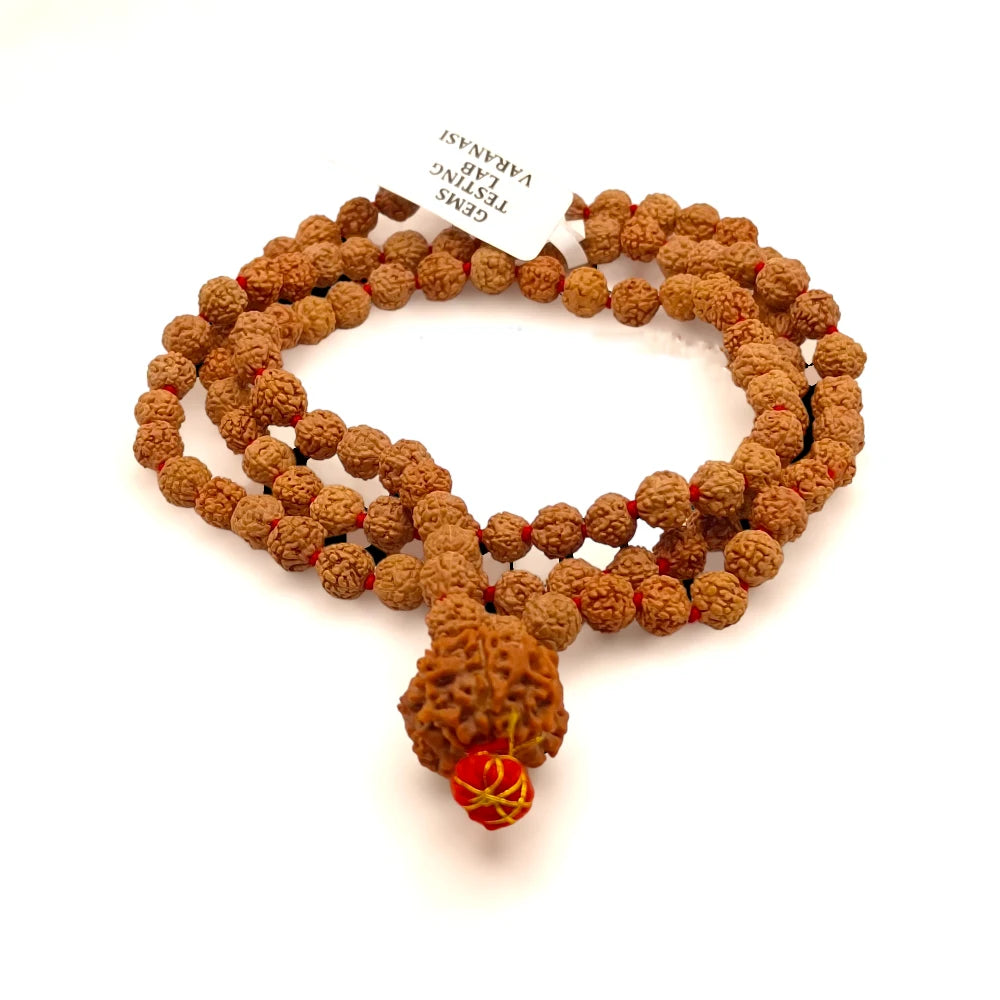
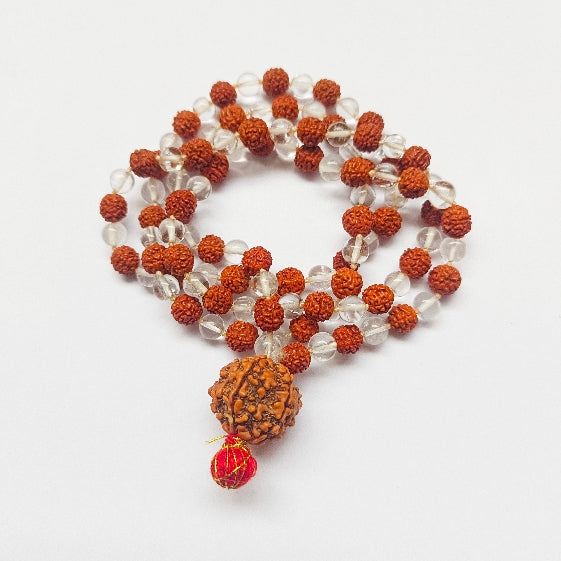
If you’re seeking fearlessness, courage, and stronger inner control during emotionally difficult phases, explore our Lab-Certified 11 Mukhi Rudraksha for confidence and spiritual strength.
Scientific & Modern Perspective: Why Kali Worship Feels Transformational ✅
From a modern perspective, the intensity of Kali worship can be understood through symbolism and psychology. Powerful divine symbols create a powerful mental effect. When a devotee sees the fierce image of Kali, the mind receives a message: “Fear is not final.”
Temples like Kalighat also carry centuries of collective belief. Even for someone who is not deeply religious, the environment of devotion can create emotional reflection. Rituals create structure. Prayer builds focus. Devotion reduces mental noise.
This is why people often feel calmer or emotionally lighter after darshan—not because a miracle happened instantly, but because devotion created stability. That stability is one of the most valuable gifts spiritual practice can provide.
Frequently Asked Questions (FAQs) ❓
1) Why is Kalighat Shakti Peeth famous?
Kalighat is famous because it is one of the most revered Shakti Peeths and one of the most widely known temples of Maa Kali worship in India.
2) Is Kalighat a Shakti Peeth?
Yes, Kalighat is widely recognized as a Shakti Peeth connected to the Shakti Peeth origin story linked with Sati and Shiva.
3) Who is worshipped at Kalighat?
Kalighat is dedicated primarily to Maa Kali, worshipped as a fierce and protective form of the Divine Mother in Shakta tradition.
4) What is the spiritual meaning of Maa Kali?
Spiritually, Maa Kali represents transformation, truth, protection, and the destruction of fear and illusion (belief-based meaning).
5) What is the mythological origin story of Kalighat?
Kalighat’s Shakti Peeth connection is linked to the Sati–Shiva story, Daksha Yagna, and the formation of sacred Shakti Peeth locations.
6) Is Maa Kali worship negative or fearful?
No. Kali worship is not negative. Kali is worshipped as the divine protector who destroys fear, ego, and inner darkness.
7) What does “Kaal” mean in Kali worship?
Kaal is often associated with time. Kali symbolizes mastery over fear of time, change, and loss through spiritual strength.
8) Why is Bhairav connected to Shakti Peeths like Kalighat?
Bhairav is connected to many Shakti Peeths as the guardian energy representing discipline and protection alongside Devi’s power.
9) What do devotees seek at Kalighat?
Devotees commonly seek courage, protection, emotional strength, and spiritual clarity through Maa Kali’s blessings (belief-based).
10) Is Kalighat worship suitable for beginners?
Yes. Beginners can worship Maa Kali with simple devotion and respect, without needing complex rituals.
11) What makes Kalighat different from other Devi temples?
Kalighat is known for its intense Maa Kali worship symbolism, emphasizing transformation and fearless truth-based devotion.
12) Is Kalighat connected to Shakta tradition?
Yes. Kalighat is a major Shakta worship center and one of the most recognized Kali temples in the broader Devi tradition.
13) Does Kali worship require fear or strictness?
No. Kali worship requires sincerity and respect, not fear. The purpose is inner strength and truth-based transformation.
14) What is the main message of Kalighat Shakti Peeth devotion?
The main message is that the Divine Mother protects by removing illusion and building fearlessness within the devotee.
15) What is the biggest spiritual lesson of Maa Kali worship?
The biggest lesson is that truth is stronger than fear, and spiritual power comes from inner transformation and devotion.
💫 Conclusion 🌀
Kalighat is the Shakti Peeth of Truth, Fearlessness & Transformation
Kalighat Shakti Peeth is revered not only because it is associated with the sacred Shakti Peeth tradition, but because it represents Maa Kali in her most transformative form. Kalighat teaches devotees that divine protection is not always gentle—it is fearless and truth-driven. The power of Kali is the power to remove illusion and awaken inner courage.
When approached with sincerity, Kalighat devotion becomes deeply meaningful. It encourages the devotee to live with clarity, discipline, and inner stability. In a world full of fear and confusion, Maa Kali remains the spiritual reminder that truth is the greatest protection—and the Divine Mother is always present for those who surrender with respect and devotion.
🙏 हर हर महादेव 🙏





Leave a comment