









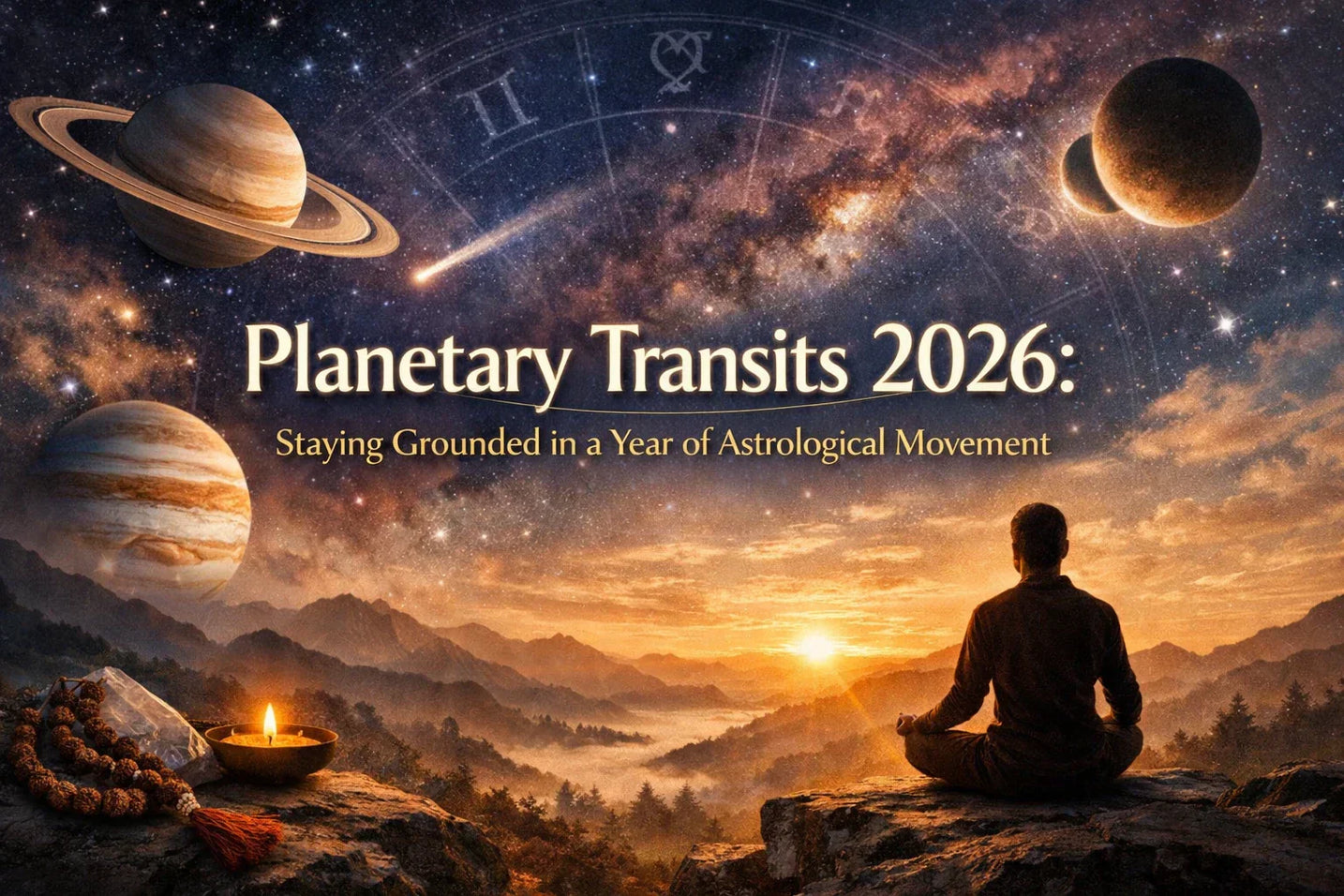
🌌 Planetary Transits 2026: Staying Grounded in a Year of Astrological Movement
Every year brings planetary movement, yet some years feel louder than others. 2026 is one such year — not because the sky is threatening, but because multiple long-duration planetary transits overlap, creating a collective sense of change. In moments like these, the real challenge is not predicting outcomes, but learning how to remain steady while movement unfolds.
Modern astrology often frames planetary transits as warnings or opportunities that demand immediate action. This approach fuels anxiety and leads people toward excessive remedies, impulsive decisions, or unnecessary fear. Traditional astrological wisdom, however, takes a very different view. Transits are not events to control — they are conditions to understand.
This guide explores the planetary transits of 2026 from a grounded, non-alarmist perspective. Instead of focusing on fear-based predictions, it emphasizes awareness, discipline, and inner stability. The goal is not to outsmart the planets, but to remain balanced while they move — because movement is inevitable, but panic is optional.
🔭 What Are Planetary Transits (Gochar), Really?
In astrology, a planetary transit — or Gochar — refers to the ongoing movement of planets through the zodiac and their interaction with an individual’s birth chart. These movements are continuous and unavoidable. What changes is not the motion itself, but how awareness responds to it.
Traditional astrology never treated transits as sudden disruptions. Instead, they were understood as phases of emphasis. Certain themes become more visible, certain pressures more pronounced, and certain lessons harder to ignore. None of this implies reward or punishment. It simply reflects timing.
Problems arise when transits are interpreted as threats rather than signals. Fear-based interpretations often encourage people to chase quick remedies, abandon consistency, or override their own judgment. Classical astrological systems, by contrast, emphasize preparation over reaction and steadiness over urgency.
🧭 Why 2026 Feels Intense Without Being Dangerous
The year 2026 stands out because several slow-moving planets — particularly Saturn, Jupiter, and Rahu–Ketu — shift signs in relatively close succession. Slow planets do not create sudden events; they reshape background conditions. Their influence is subtle but persistent, affecting collective psychology more than isolated incidents.
When multiple slow transits overlap, people often report a sense of restlessness, uncertainty, or the feeling that “something is changing” without being able to name it. This does not mean something bad is approaching. It usually means old structures are no longer sufficient, while new ones are still forming.
This in-between phase can feel uncomfortable, especially for those who rely heavily on predictability. Traditional astrology views such periods as times to simplify, strengthen routines, and avoid unnecessary extremes. Stability becomes a practice rather than a guarantee.
🧠 Panic Remedies vs. Foundational Stability
One of the most common mistakes during active transit years is the rush toward remedies. People accumulate gemstones, change rituals repeatedly, or seek constant reassurance from predictions. While remedies have their place, using them reactively often creates more imbalance than relief.
Astrological remedies were never meant to override personal discipline. In classical systems, they functioned as supports, not solutions. The foundation was always lifestyle stability — consistent sleep, ethical conduct, grounded thinking, and emotional regulation.
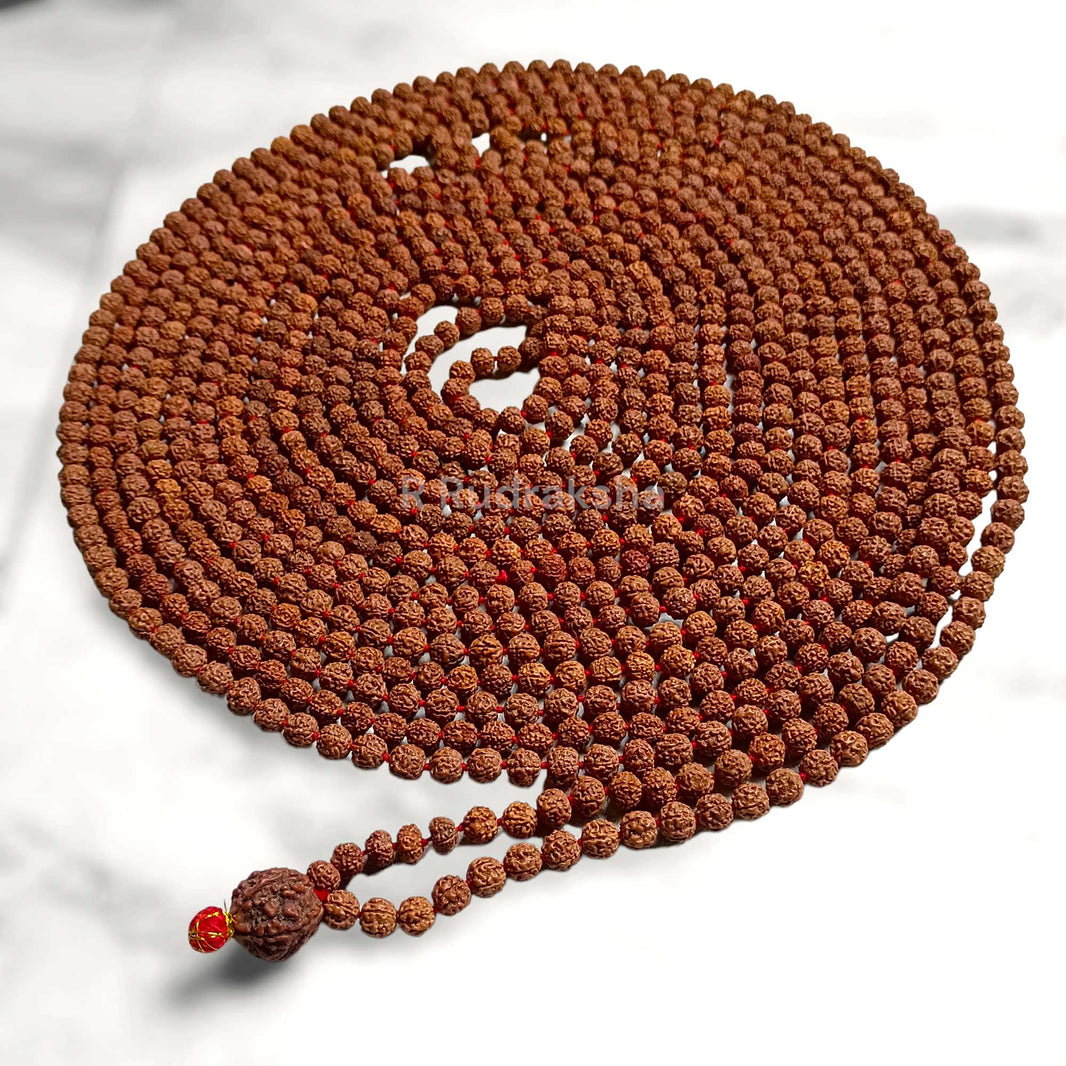
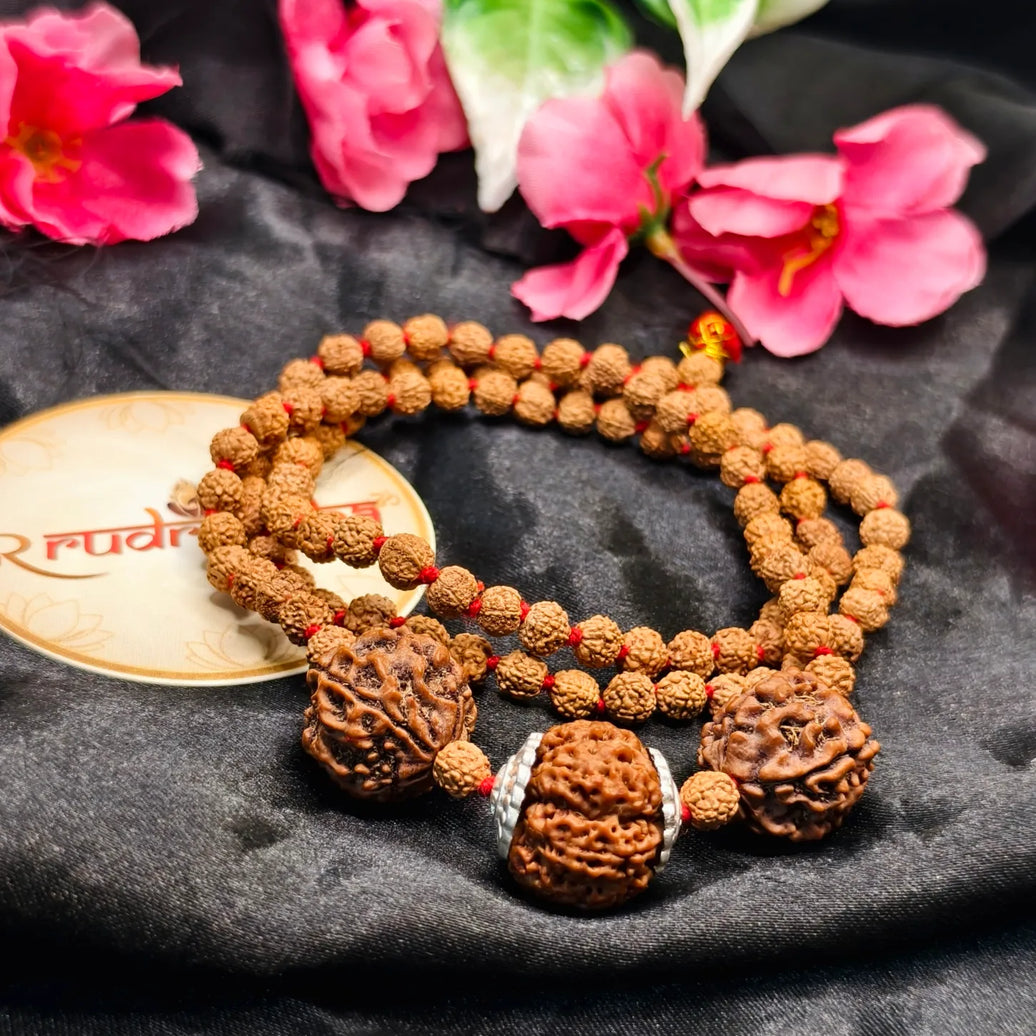
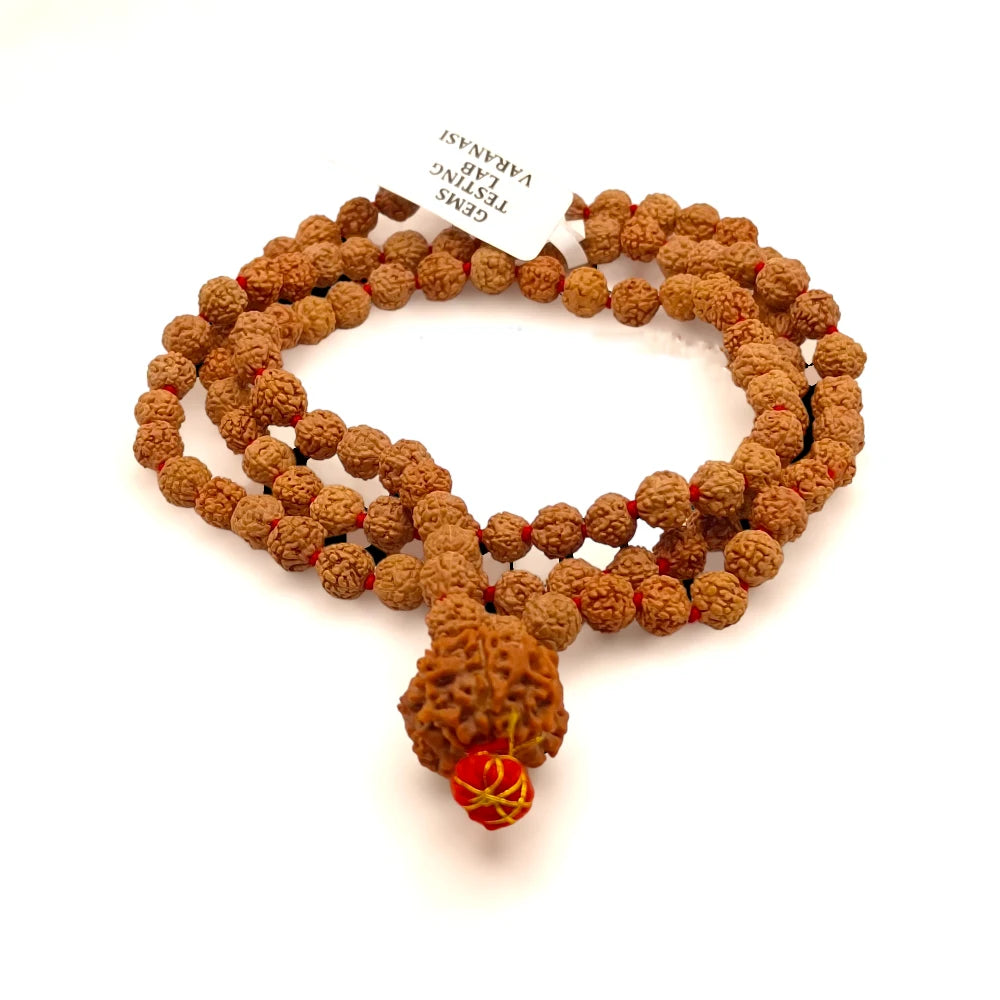
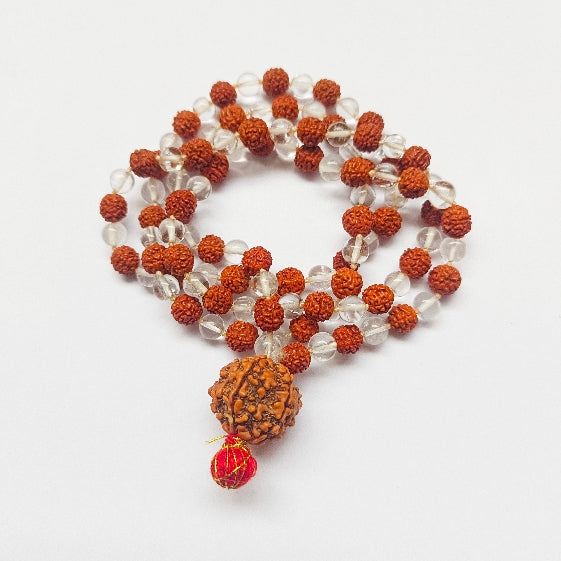
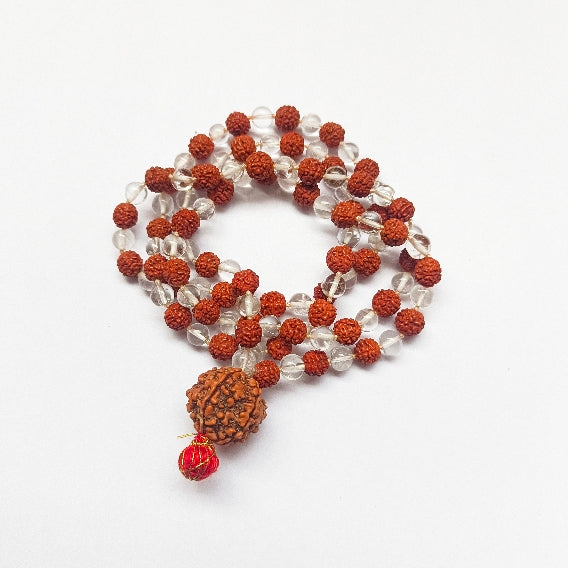
This is where long-term stabilizing tools have traditionally been preferred over aggressive or short-term interventions. For example, many practitioners emphasize the quiet consistency of Rudraksha used during daily reflection rather than switching objects with every transit update. The value lies in continuity, not novelty.
🌿 The Real Question 2026 Asks You
Astrologically speaking, 2026 does not ask, “What should you fear?” It asks, “What needs to be stabilized?”
Planetary movement highlights weak foundations. If routines are fragile, they feel exposed. If emotional boundaries are unclear, they feel strained. If decisions are reactive, consequences feel heavier. None of this is punishment — it is information.
Responding wisely means reducing excess rather than adding complexity. Fewer remedies, fewer predictions, fewer impulsive changes. More consistency, more awareness, more grounded action. This approach aligns with how traditional systems navigated periods of planetary transition for centuries.
🔗 A Note on Supportive Tools
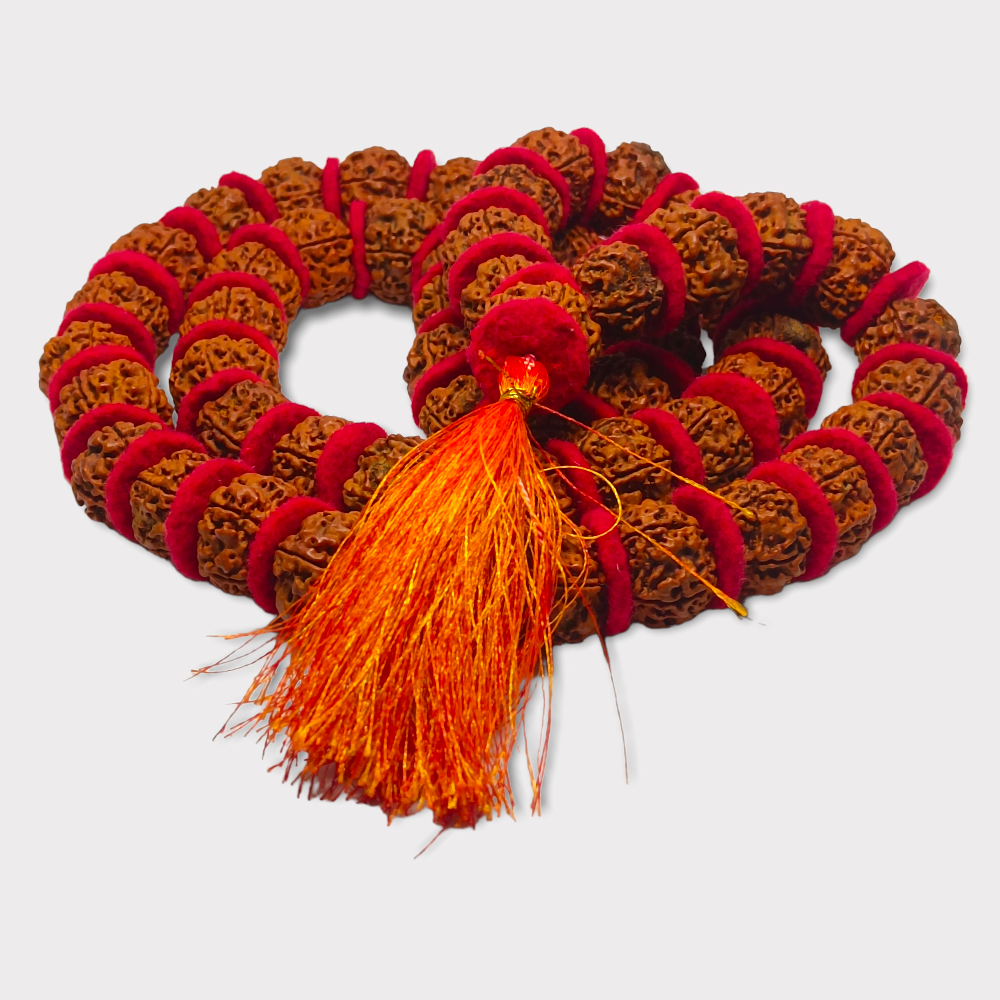
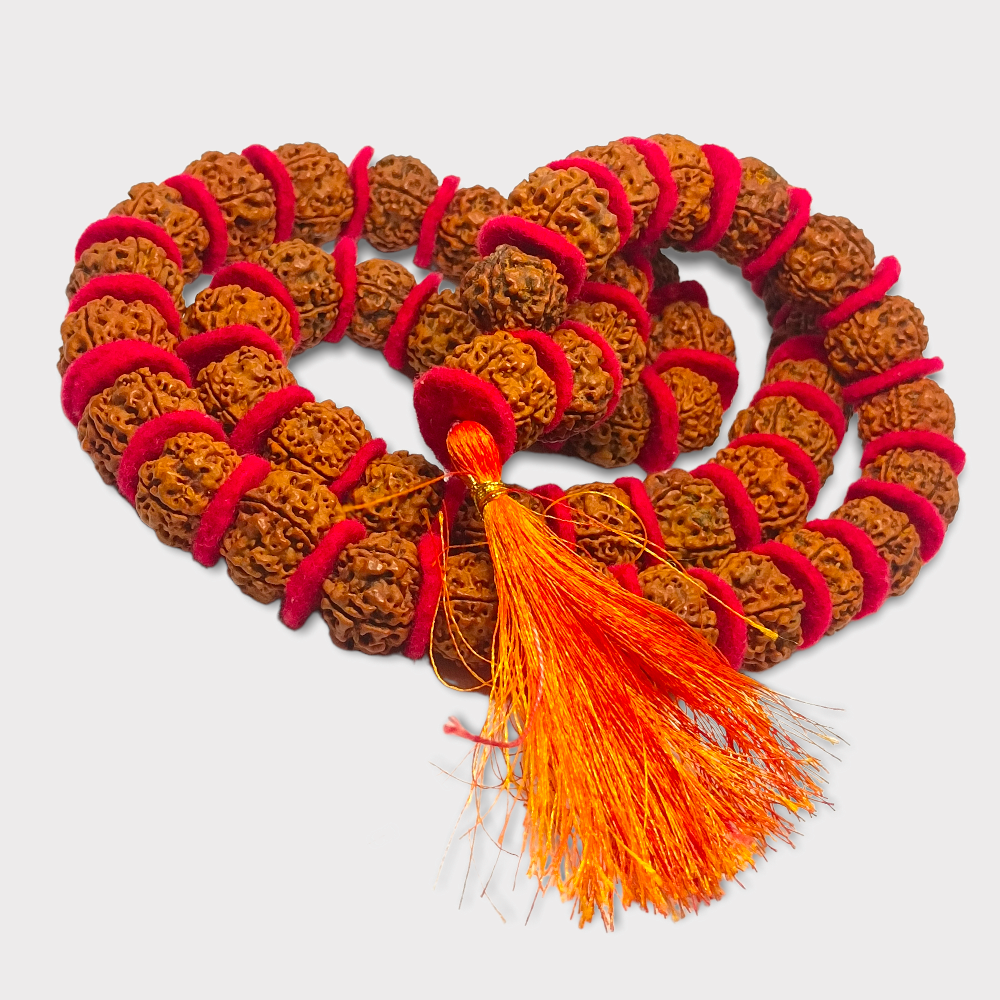
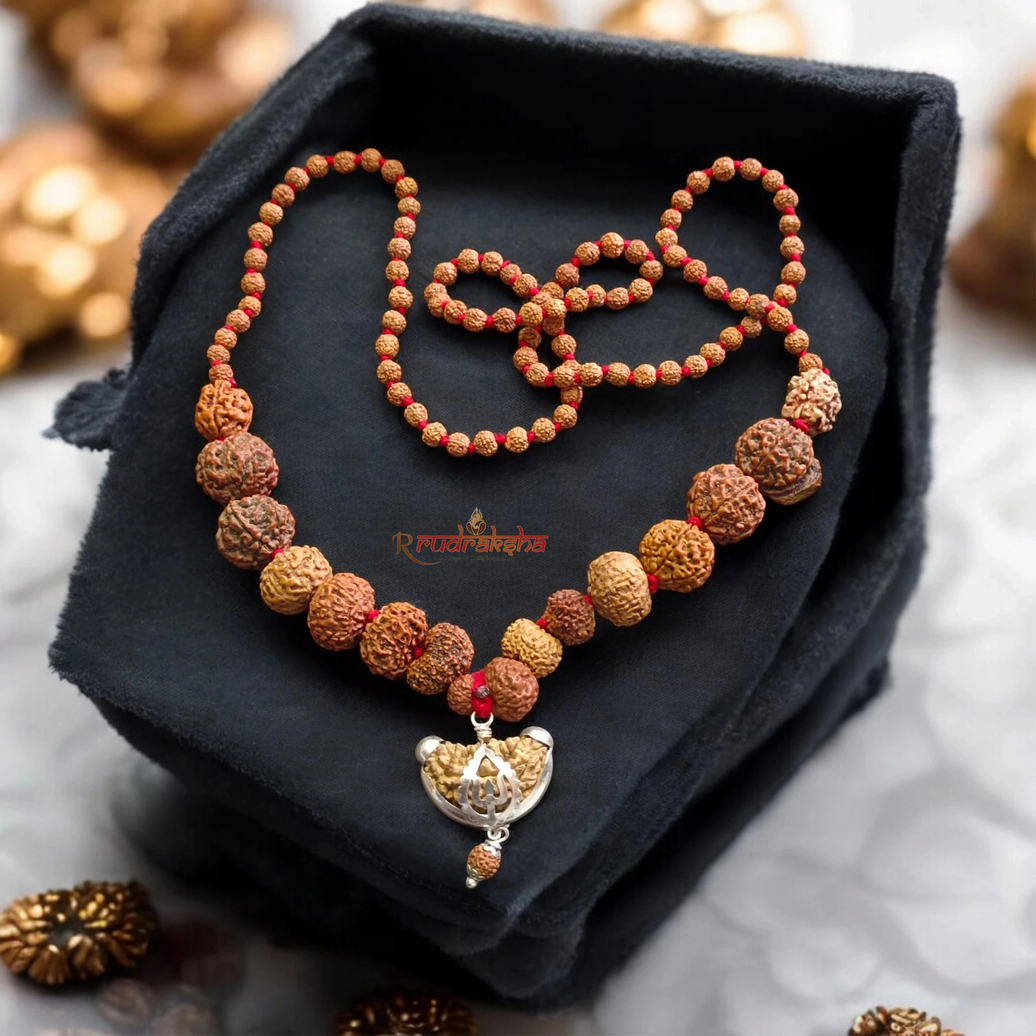
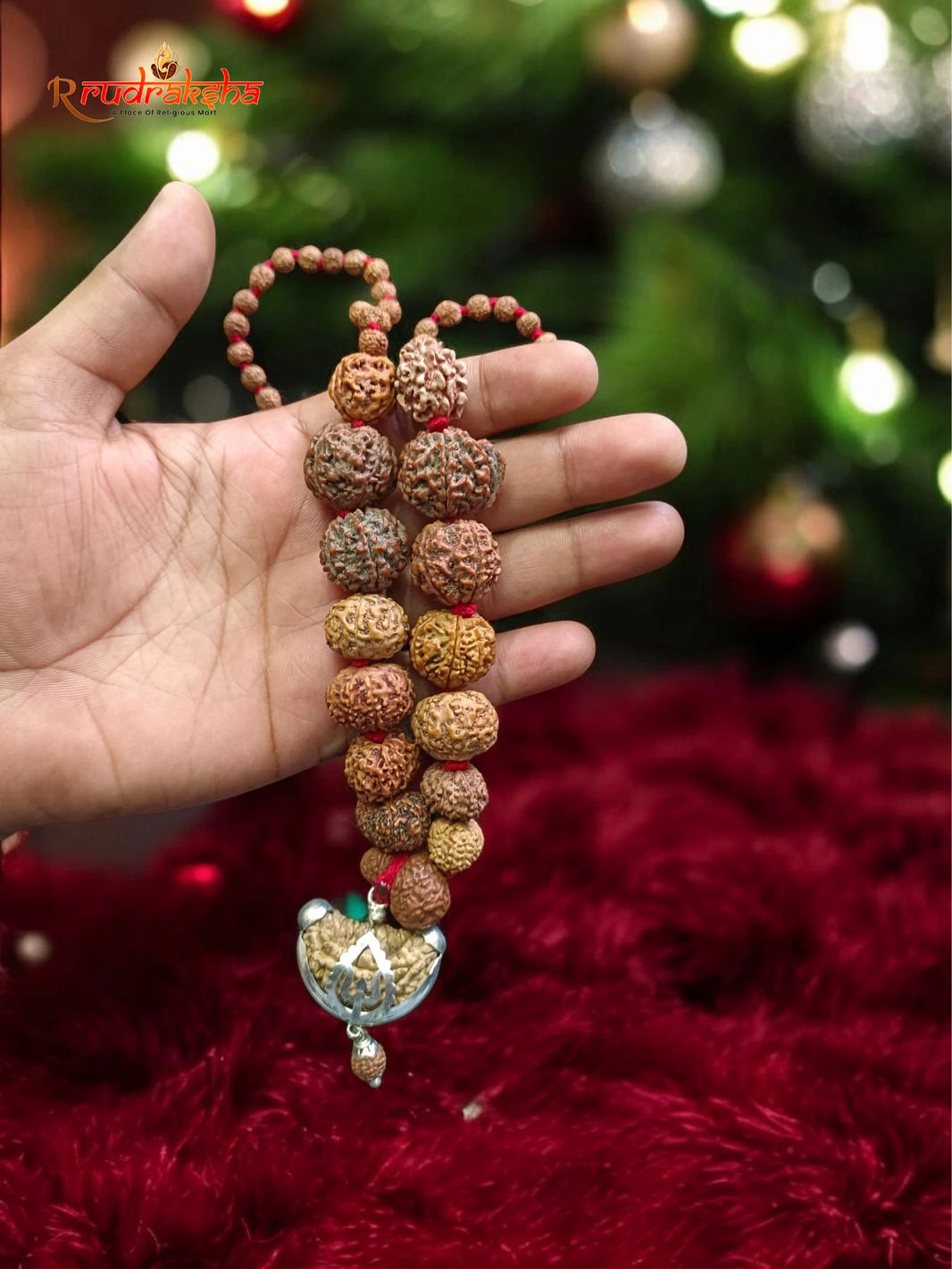
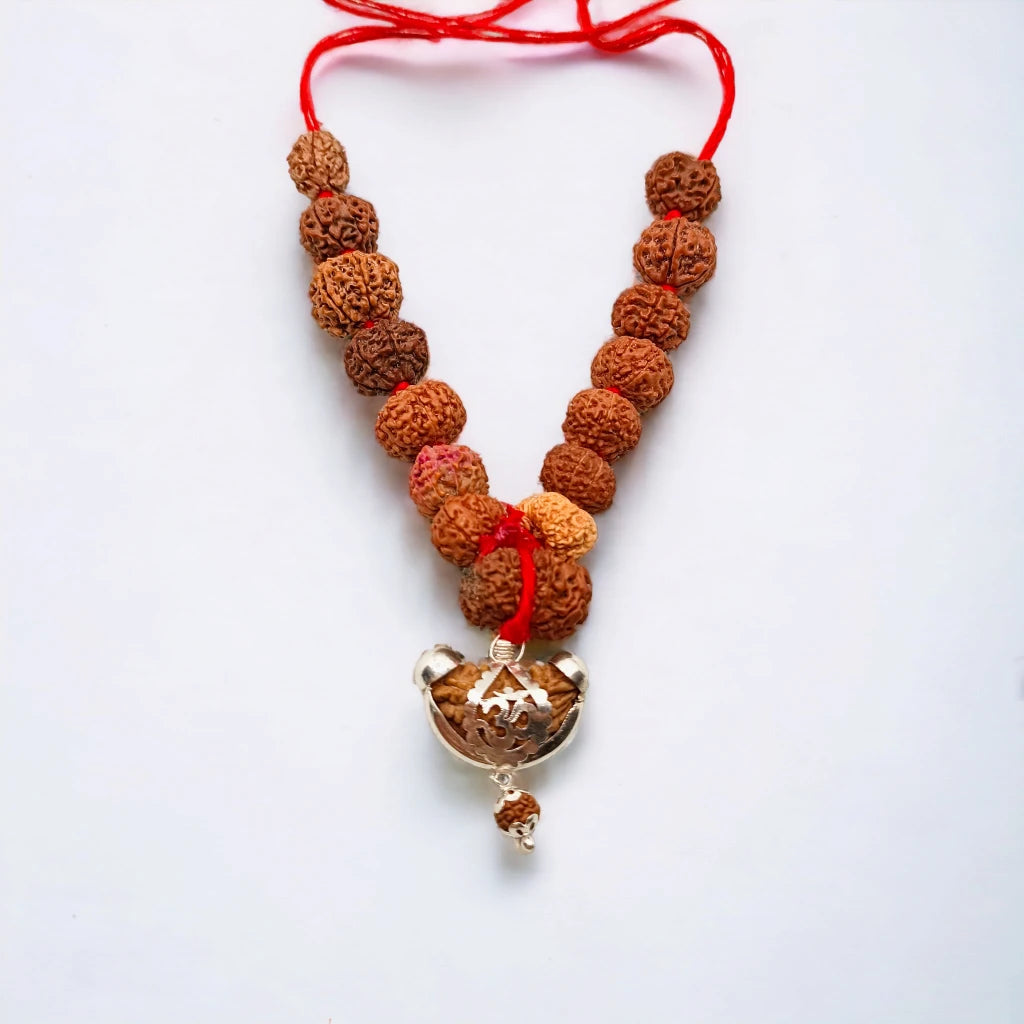
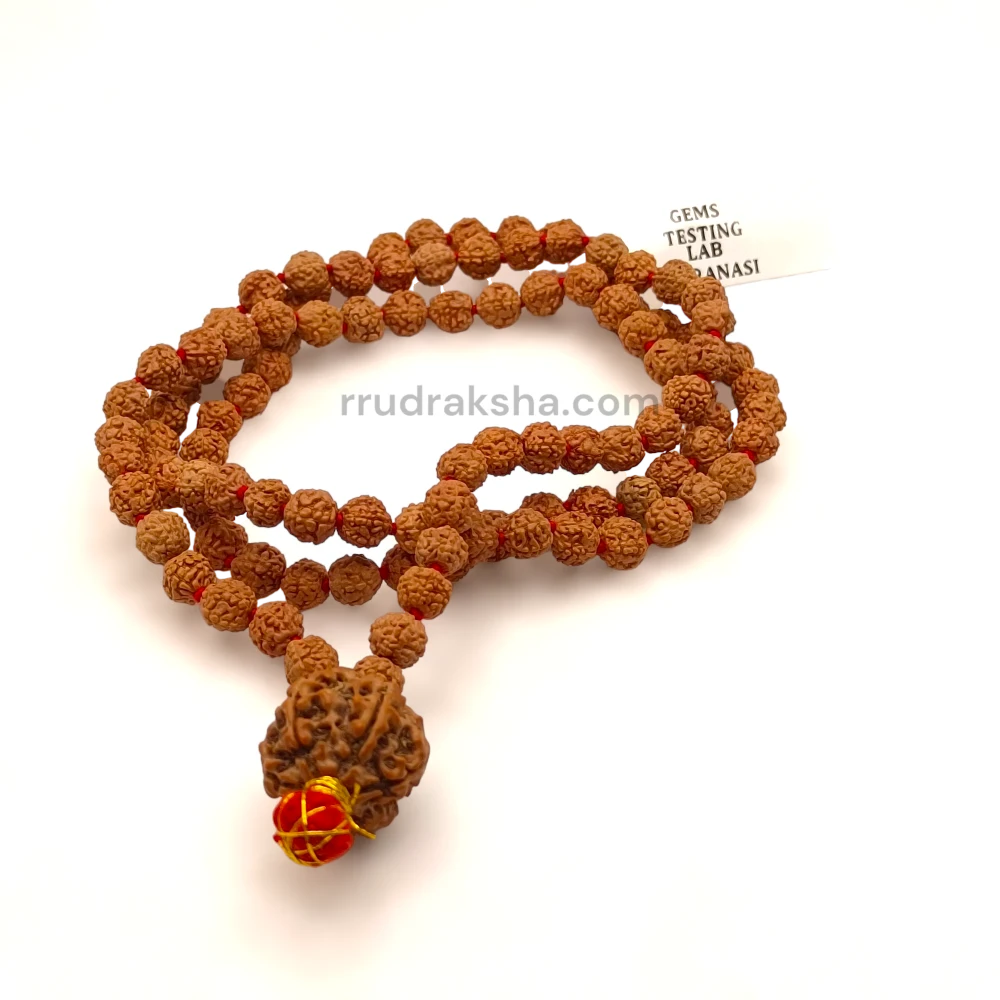
In traditional practice, certain stabilizing supports were chosen not for dramatic effect, but for their neutrality and long-term suitability. Simple tools associated with grounding and continuity — such as a Rudraksha Kantha Mala worn close to the body — were valued because they reinforced steadiness without amplifying emotion or expectation.
The key principle was always moderation. A tool supports awareness only when awareness is already being cultivated. Without discipline, no object can compensate. With discipline, even the simplest support becomes meaningful.
This perspective becomes especially important in years like 2026, where the temptation to overcorrect is high. Balance is not achieved by doing more — it is achieved by doing what matters consistently.
🪐 Slow Planets in 2026: Why Subtle Shifts Matter More Than Sudden Events
Fast-moving planets influence moods and short-term situations, but they rarely reshape life direction. In contrast, slow-moving planets — Saturn, Jupiter, and the lunar nodes Rahu–Ketu — work quietly and persistently. Their influence is not dramatic, yet it is lasting. This is why years dominated by slow transits often feel heavier even when nothing visibly “goes wrong.”
In 2026, the overlap of these slow planetary movements creates an atmosphere of reassessment. Structures that once felt reliable may feel restrictive. Beliefs that once guided decisions may require refinement. This does not signal failure; it signals maturation. Slow transits expose what is outdated so that stability can be rebuilt on firmer ground.
Traditional astrology never encouraged people to “fight” these influences. Instead, it taught observation and adjustment. Resistance creates friction; awareness reduces it. The more one tries to force certainty during slow transits, the more strained life feels. Patience, not prediction, becomes the essential skill.
⏳ Saturn’s Influence: Responsibility Without Fear
Saturn’s movement is often described with anxiety, yet its real function is misunderstood. Saturn does not create hardship; it reveals weak foundations. When discipline, routine, and responsibility are present, Saturn feels stabilizing. When life is built on avoidance or inconsistency, Saturn feels restrictive.
In 2026, Saturn emphasizes accountability rather than punishment. Areas of life that lack structure may demand attention, while areas built on steady effort tend to strengthen. This is why panic-based remedies often fail during Saturn-heavy periods — they attempt to bypass responsibility instead of reinforcing it.
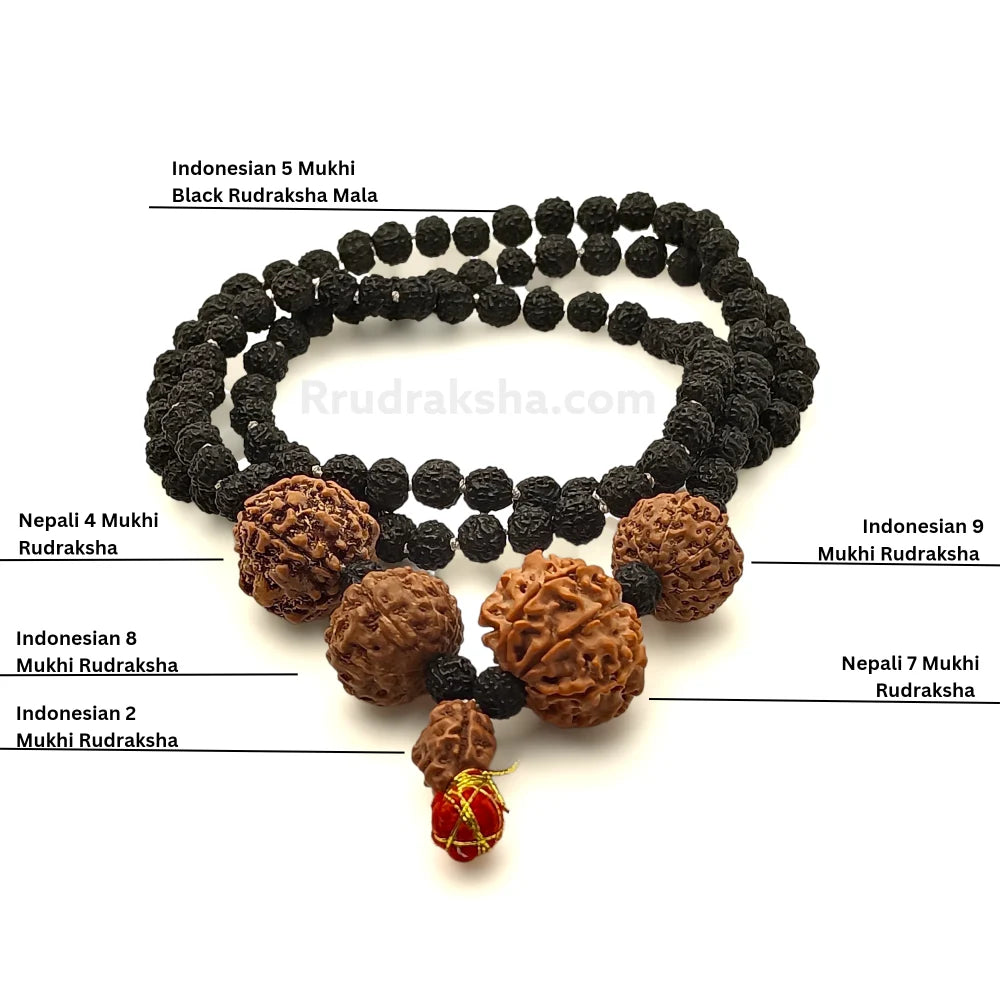
Traditionally, Saturn periods were navigated through simplicity rather than expansion. Fewer commitments, clearer priorities, and disciplined routines were valued over ambitious experimentation. Supportive tools were chosen for their grounding nature, such as 7 Mukhi Rudraksha used consistently during daily reflection, reinforcing steadiness rather than urgency.
🌱 Jupiter’s Role: Growth That Requires Direction
Jupiter represents expansion, learning, and opportunity — but expansion without direction creates confusion. In 2026, Jupiter’s influence encourages growth through understanding rather than accumulation. Knowledge deepens, beliefs evolve, and perspectives widen, but only when curiosity is guided by discernment.
When misunderstood, Jupiter can lead to excess: too many plans, too much information, or overconfidence without grounding. Traditional astrology always paired Jupiter’s growth with ethical clarity. Wisdom was valued over optimism, and restraint over indulgence.
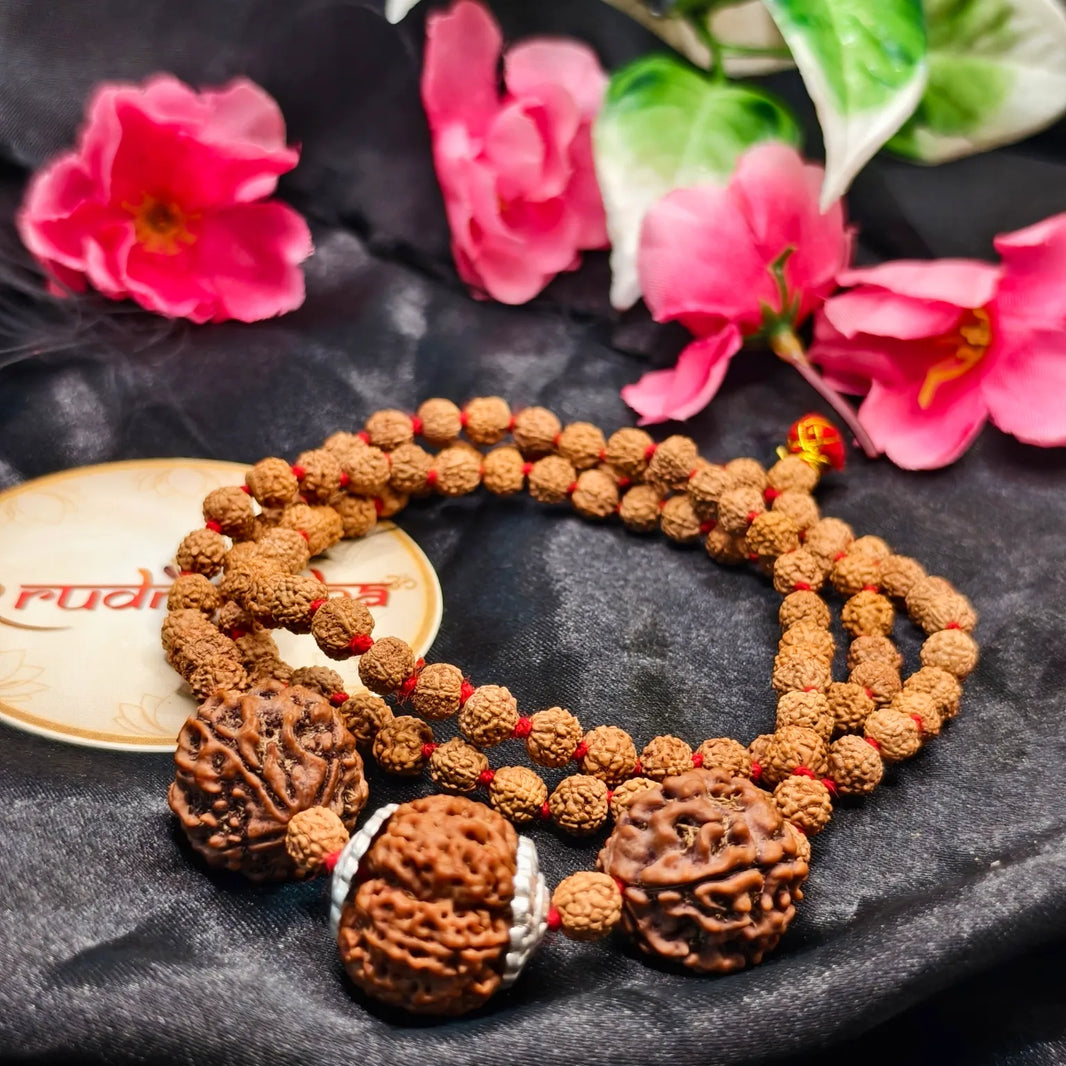
This is why stabilizing practices are emphasized even during Jupiter-dominant phases. Expansion supported by grounding remains constructive. Expansion without grounding becomes overwhelming. Many traditions therefore combined learning with steady contemplative practices, sometimes supported by a Jaap Mala, traditionally associated with Guru principles, used to reinforce focus, reflection, and disciplined understanding rather than stimulation.
☯️ Rahu–Ketu: Disruption as a Teacher, Not a Threat
Rahu and Ketu are often blamed for chaos, yet their function is diagnostic rather than destructive. They reveal unconscious patterns — attachments, aversions, and habits that quietly govern behavior. In 2026, their influence encourages detachment from outdated identities and compulsive patterns.
Rahu amplifies desire and restlessness, while Ketu dissolves certainty and attachment. Together, they create discomfort when identity is overly rigid. This discomfort is not meant to destabilize life, but to loosen fixation.
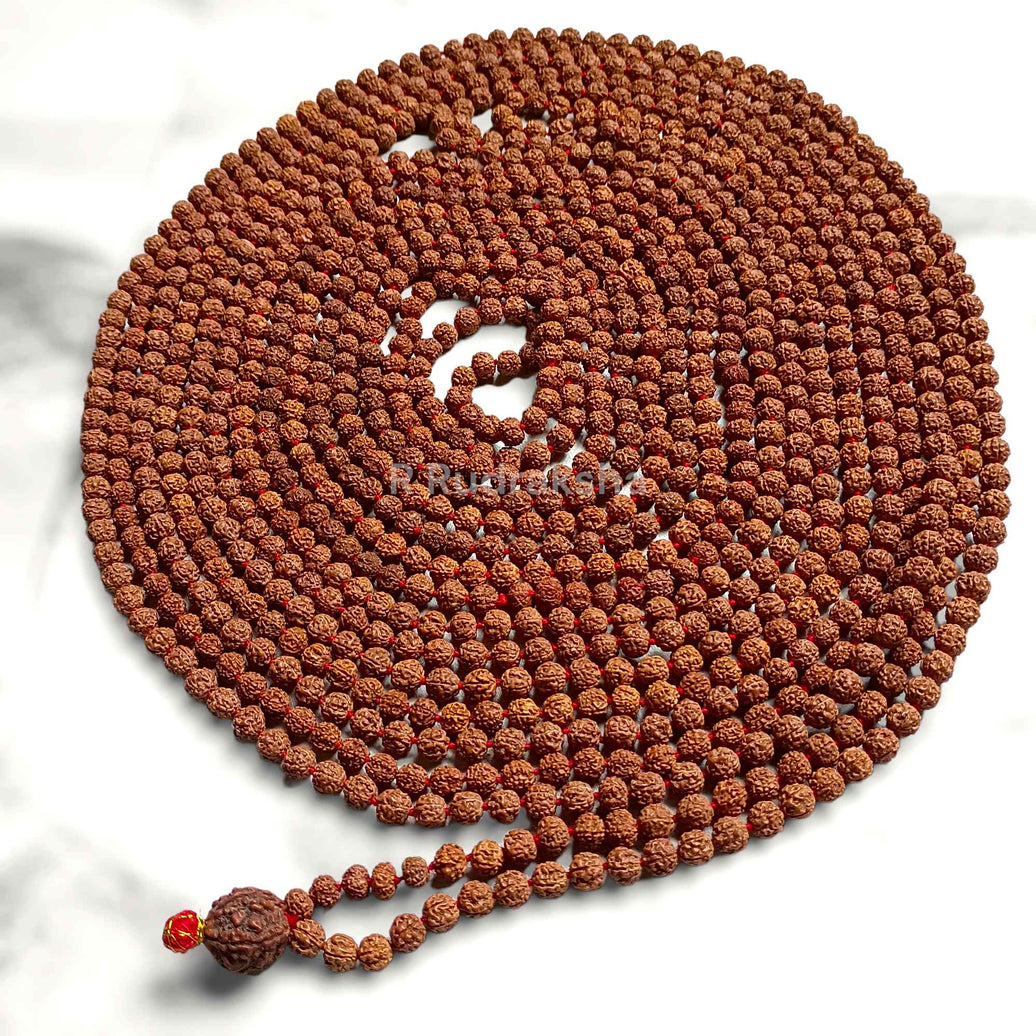
Traditional systems approached Rahu–Ketu periods with caution and simplicity. Instead of chasing remedies, practitioners focused on grounding practices, ethical restraint, and minimizing excess. Supports associated with continuity — such as a Siddha Mala used regularly during disciplined practice — were preferred, not as solutions, but as stabilizing companions that reinforce steadiness, repetition, and psychological balance during periods of internal fluctuation.
🧩 Who Actually Feels Transits Strongly?
One of the most overlooked truths in astrology is that not everyone experiences transits with the same intensity. Individuals with stable routines, emotional regulation, and clear priorities often feel transits as mild pressure rather than disruption. Those already living reactively tend to feel transits more sharply.
This difference is not about destiny; it is about preparedness. Planetary movement amplifies existing patterns. Stability softens impact, while instability magnifies it. This is why traditional astrology emphasized strengthening foundations long before interpreting future movement.
Understanding this shifts focus away from fear and toward responsibility. The question becomes less about “What will happen?” and more about “How prepared am I to respond?”
🛑 Why Over-Remedy Culture Backfires During Transit Years
Years like 2026 often trigger remedy overload. People accumulate gemstones, change rituals weekly, or seek constant astrological reassurance. Ironically, this behavior increases anxiety rather than reducing it. Too many interventions disrupt continuity, which is precisely what slow transits demand.
Traditional astrology never promoted constant adjustment. Remedies were chosen carefully, maintained consistently, and evaluated over time. Abrupt changes were discouraged because they destabilized focus.
A single, stable support — used with intention — was considered more effective than multiple reactive measures. This principle remains relevant today, especially during years marked by overlapping planetary movement.
🌿 The Traditional Response: Stability Over Strategy
When viewed through a classical lens, 2026 is not a year to outsmart the planets. It is a year to simplify life, reinforce discipline, and reduce unnecessary noise. Awareness becomes the remedy.
Rather than asking which stone to add or which ritual to change, traditional systems encouraged strengthening daily habits: consistent sleep, honest communication, ethical action, and measured decision-making. These create a foundation that planetary movement cannot destabilize.
Tools, when used, were selected for their neutrality and long-term suitability. They functioned as reminders, not solutions. The emphasis was always on living well, not correcting fate.
🧘 Living Through Gochar 2026: What Actually Helps
When planetary transits intensify, the instinctive response is often to seek control — predictions, fixes, or guarantees. Traditional astrological systems, however, emphasize a different response: alignment. Alignment does not attempt to stop change; it strengthens one’s capacity to move through it without fragmentation.
In 2026, alignment means reducing excess rather than adding layers. Fewer commitments, clearer priorities, and realistic expectations create psychological space. This space allows planetary influence to be processed gradually instead of experienced as pressure. The quieter life becomes externally, the easier it is to remain stable internally.
Daily grounding practices play a central role here. Consistency matters more than intensity. Simple routines performed at the same time each day — reflection, silent sitting, or mindful repetition — establish rhythm. In many traditions, this rhythm is symbolically supported through steady tools such as a Rudraksha for daily contemplation, not as a corrective measure, but as a continuity anchor during extended periods of change.
🧠 Emotional Regulation During Planetary Shifts
Planetary transits often amplify emotional patterns that already exist. Anxiety, impatience, or restlessness do not suddenly appear because of planetary movement; they become more visible. This visibility can feel uncomfortable, yet it offers an opportunity for regulation rather than reaction.
Emotional regulation during 2026 requires restraint, not suppression. Observing emotional responses without immediately acting on them prevents escalation. Traditional teachings describe this as “holding awareness steady while emotion moves.” Over time, this capacity reduces emotional volatility even when external circumstances remain uncertain.
Supportive symbols associated with emotional steadiness — such as a Sphatik Mala used during quiet sitting — have traditionally been favored in such periods. Their neutrality reinforces clarity rather than stimulation, supporting emotional balance without amplifying feeling.
📌 Decision-Making in a Year of Movement
One of the most practical challenges during major transits is decision-making. When multiple planetary influences overlap, clarity can feel delayed. Traditional astrology advises against rushing major decisions during such periods unless necessity demands it.
Instead of forcing certainty, decisions are refined gradually. Gathering information, allowing time for reflection, and observing patterns before committing leads to more stable outcomes. Saturn-heavy periods especially reward patience over speed.
In classical systems, individuals often relied on stabilizing personal symbols — such as a Rudraksha Kantha Mala worn regularly — as reminders of responsibility and long-term perspective. These were not used to predict outcomes, but to maintain composure while decisions matured naturally.
🔍 What Not to Do During Gochar 2026
Equally important is understanding what to avoid. Constantly checking predictions, changing remedies frequently, or comparing one’s experience with others often increases anxiety rather than insight. Planetary movement does not affect everyone identically, and comparison distorts perception.
Traditional systems discouraged remedy-hopping. Once a stabilizing practice or tool was chosen, it was maintained consistently. Changing approaches repeatedly was seen as a sign of internal restlessness rather than external necessity.
Avoid framing transits as threats. Fear narrows awareness, while understanding expands it. The calmer the approach, the less disruptive planetary movement feels.
❓ Frequently Asked Questions (FAQs)
Do planetary transits in 2026 affect everyone equally?
No. The impact of transits depends largely on personal stability, routine, and emotional regulation. Those with grounded habits often experience transits as mild pressure rather than disruption.
Should I start new remedies for every major transit?
Traditional astrology advises against frequent changes. Stability and consistency are more effective than reactive adjustments, especially during slow planetary movements.
Is Saturn transit always negative?
Saturn emphasizes responsibility and structure. When foundations are strong, its influence is stabilizing rather than restrictive.
Can Rudraksha or malas stop bad effects?
They are traditionally used as supportive tools, not protective shields. Their value lies in reinforcing discipline, continuity, and awareness.
Is it necessary to fear Rahu–Ketu transits?
No. Rahu–Ketu reveal unconscious patterns. Discomfort arises when attachment is strong, not because the transit itself is harmful.
🕉️ Conclusion 🌟
Moving Through 2026 With Stability, Not Fear
Planetary Transits in 2026 do not demand panic, excessive remedies, or constant correction. They invite maturity. The sky moves as it always has; the real question is how grounded one remains while it does.
Traditional wisdom teaches that stability is not achieved by resisting change, but by strengthening foundations. Routine, ethical clarity, emotional regulation, and disciplined awareness soften the impact of planetary movement more effectively than prediction ever could.
When approached with understanding, 2026 becomes less a year of uncertainty and more a year of refinement. Growth unfolds quietly. Awareness deepens. And life continues — steady, engaged, and grounded.
🙏 हर हर महादेव 🙏





Leave a comment