























Why Shiva Is Called Adiyogi: Meaning, History & Spiritual Significance 🧘
Long before the idea of yoga became popular across the modern world, long before yoga studios, meditation apps, and global wellness movements existed, ancient Indian traditions spoke of a being sitting in deep stillness in the Himalayas. He did not teach through books or institutions. He did not speak to crowds or build temples for followers. Instead, he sat in silence, immersed in profound meditation, radiating a presence that seekers could feel even from a distance. This being was Shiva, and in yogic tradition, he is known as Adiyogi — the first yogi.
The title Adiyogi carries immense meaning. It does not merely describe Shiva as a practitioner of yoga; it recognizes him as the origin of yogic wisdom itself. To understand why Shiva is called Adiyogi, we must step beyond modern ideas of yoga as physical exercise and explore the ancient philosophy of yoga as a path to self-realization and inner transformation.
What Does Adiyogi Mean? 🕉️
The word Adiyogi comes from two Sanskrit words: “Adi,” meaning first or primordial, and “Yogi,” meaning one who has mastered the science of inner transformation. Together, the term refers to the first yogi — the origin of yogic knowledge and spiritual practice.
In yogic philosophy, yoga is not limited to physical postures. It is a complete system of understanding the human mind, body, and consciousness. Calling Shiva Adiyogi means recognizing him as the source of this ancient knowledge.
The Silent Yogi of the Himalayas 🏔️
Ancient yogic stories describe Shiva sitting in deep meditation in the Himalayas for thousands of years. He was not teaching or preaching; he was simply immersed in absolute stillness. According to tradition, his presence radiated such profound peace that seekers were drawn to him.
For a long time, Shiva remained in meditation, uninterested in sharing his knowledge. But eventually, the sincerity and dedication of a group of seekers moved him to become a teacher. This moment marks the beginning of yoga as a transmitted tradition.
The First Disciples — The Sapta Rishis 🌟
Seven seekers waited patiently for years, observing Shiva in meditation. Their dedication impressed him. Shiva began sharing yogic knowledge with them, transforming them into the Sapta Rishis — the seven sages.
This moment is considered the birth of yoga as a spiritual science. The Sapta Rishis carried this knowledge to different parts of the world, spreading yogic wisdom across civilizations.
The Turning Point — From Silence to Teacher 🌌
For ages, Shiva remained immersed in deep meditation, completely detached from the world around him. His stillness symbolized the ultimate state of awareness — a state beyond thoughts, emotions, and physical identity. Yet the dedication of the seven seekers slowly shifted this silence into teaching. According to yogic tradition, these seekers observed Shiva with patience and humility for years, demonstrating their readiness to receive knowledge not as curiosity but as commitment.
Finally, Shiva opened his eyes and began to teach. This moment is considered the birth of yoga as a transmitted science. The knowledge he shared was not limited to physical postures; it included methods to master the body, calm the mind, balance emotions, and transcend limitations. This is why Shiva is called Adiyogi — the first teacher of the science of inner transformation.
The Sapta Rishis — Carriers of Yogic Wisdom 🌍
The seven disciples who received Shiva’s teachings became known as the Sapta Rishis. They carried yogic knowledge to different regions of the world, adapting teachings to diverse cultures and civilizations. This symbolic narrative explains how yoga became a universal spiritual practice.
Yoga as Inner Technology 🧠
In yogic philosophy, yoga is described as an inner technology — a set of tools designed to help individuals explore their consciousness. The practices taught by Adiyogi aimed to help humans move from chaos to clarity and from restlessness to awareness.
Symbolism of Shiva as Adiyogi 🔱
Every aspect of Shiva’s iconography reflects yogic symbolism. His meditative posture represents stillness. The crescent moon symbolizes control over time. The Ganga flowing from his hair represents knowledge. The snake around his neck represents mastery over fear.
Why Modern Yoga Connects to Adiyogi 🌎
Today, yoga is practiced worldwide for health and well-being. Yet its roots trace back to the ancient teachings attributed to Adiyogi. Modern yoga continues to reflect the timeless idea that inner balance leads to outer harmony.
The Science of Yoga According to Adiyogi 🧘
When ancient traditions describe Shiva as Adiyogi, they are not presenting yoga as a religion, belief system, or cultural identity. Instead, yoga is described as a science of inner experience — a systematic method of understanding human potential. In yogic philosophy, the human being is seen as a complex system of body, breath, mind, memory, and awareness. The teachings attributed to Adiyogi aimed to harmonize these layers so that individuals could experience clarity, balance, and inner stillness.
This understanding of yoga is much broader than modern perceptions focused primarily on physical postures. While physical practices remain an important entry point, traditional yoga encompasses breathing techniques, meditation, lifestyle discipline, and ethical awareness. These practices were designed to help individuals move from restlessness toward inner stability. This holistic approach explains why Adiyogi is considered not only the first yogi but also the first teacher of a complete system for inner growth.
The Role of the Himalayas in Yogic Tradition 🏔️
The Himalayas hold deep symbolic importance in the story of Adiyogi. These mountains represent silence, stillness, and the vastness of nature. In spiritual symbolism, mountains often represent stability and transcendence. The image of Shiva meditating in the Himalayas reflects the idea that inner stillness arises when distractions fade and awareness deepens.
For centuries, seekers have traveled to the Himalayas in search of spiritual knowledge, inspired by the belief that the region carries the energy of ancient yogic practice. Whether interpreted literally or symbolically, the Himalayas continue to represent the birthplace of deep meditation and self-inquiry.
Adiyogi and the Concept of Inner Freedom 🔓
One of the central themes in yogic philosophy is the pursuit of inner freedom. This does not refer to external independence but to freedom from fear, confusion, and emotional turbulence. The teachings of Adiyogi emphasize that true freedom begins within. By mastering the mind and emotions, individuals can experience clarity and resilience even in challenging circumstances.
The Symbol of the Meditating Yogi 🕉️
The image of Shiva in meditation has become one of the most recognizable spiritual symbols in the world. This image communicates a powerful message: that stillness is not inactivity but awareness. Meditation represents the ability to remain centered despite external change.
Adiyogi and the Evolution of Human Awareness 🌌
Ancient yogic traditions describe the teachings of Adiyogi as guidance for human evolution. This evolution is not biological but psychological and spiritual. According to yogic philosophy, humans possess the ability to expand awareness, move beyond instinctive reactions, and cultivate deeper understanding. The concept of Adiyogi symbolizes the beginning of this journey.
Yoga Beyond Physical Practice 🧘
In modern times, yoga is often associated with flexibility, fitness routines, and physical postures. While these aspects are valuable, the deeper teachings of Adiyogi reveal that yoga was never meant to be limited to physical exercise alone. At its core, yoga is a profound system designed to cultivate awareness, balance, and inner transformation.
Traditional yogic philosophy explains that the body is only the starting point of the journey. Physical practices, known as asanas, are intended to prepare the body so it can remain still and comfortable during meditation. When the body becomes stable and relaxed, the mind naturally begins to settle, making it easier to turn attention inward. In this way, physical yoga acts as a bridge that connects external movement with internal stillness.
The true purpose of yoga lies in creating harmony between the body, mind, and breath. As awareness deepens, practitioners begin to experience greater emotional balance, improved focus, and a sense of inner calm that extends beyond the yoga mat. This shift marks the transition from practicing yoga as a workout to experiencing yoga as a way of life.
By moving beyond the physical dimension, yoga becomes a tool for self-awareness and conscious living. It encourages individuals to observe their thoughts, regulate their emotions, and cultivate a steady state of mindfulness in everyday situations. In this sense, yoga is not something practiced for an hour each day—it becomes a continuous process of living with presence, clarity, and balance.
Why Adiyogi Remains Relevant Today 🌍
In today’s fast-paced and constantly connected world, stress, anxiety, and mental overload have become common challenges. Many individuals are searching for practical ways to restore emotional balance and regain a sense of inner stability. The teachings associated with Adiyogi remain deeply relevant because they offer timeless methods for cultivating mindfulness, self-awareness, and conscious living.
Adiyogi’s wisdom emphasizes understanding the mind rather than fighting it. Instead of escaping from modern responsibilities, these teachings encourage individuals to develop inner strength so they can navigate life with clarity and composure. Practices such as meditation, breath awareness, and mindful living help people slow down, observe their thoughts, and respond to situations with greater emotional intelligence.
As modern life becomes more complex, the need for inner balance becomes even more important. Adiyogi’s teachings provide a practical framework for managing stress, improving focus, and fostering resilience in everyday life. They remind us that true well-being is not dependent on external circumstances but on the state of our inner world.
This timeless relevance is what continues to inspire millions of people across the globe. By encouraging self-awareness and inner harmony, the teachings of Adiyogi offer guidance that feels just as meaningful today as it did thousands of years ago.
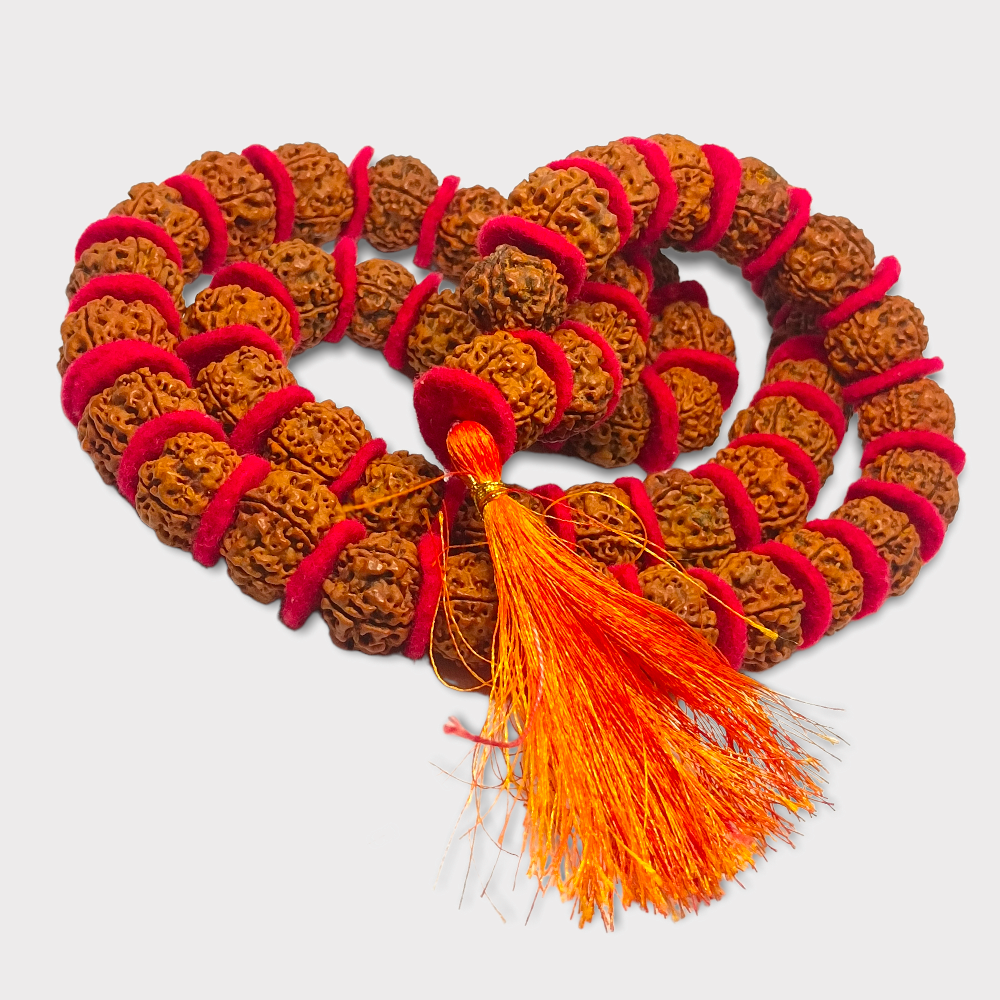
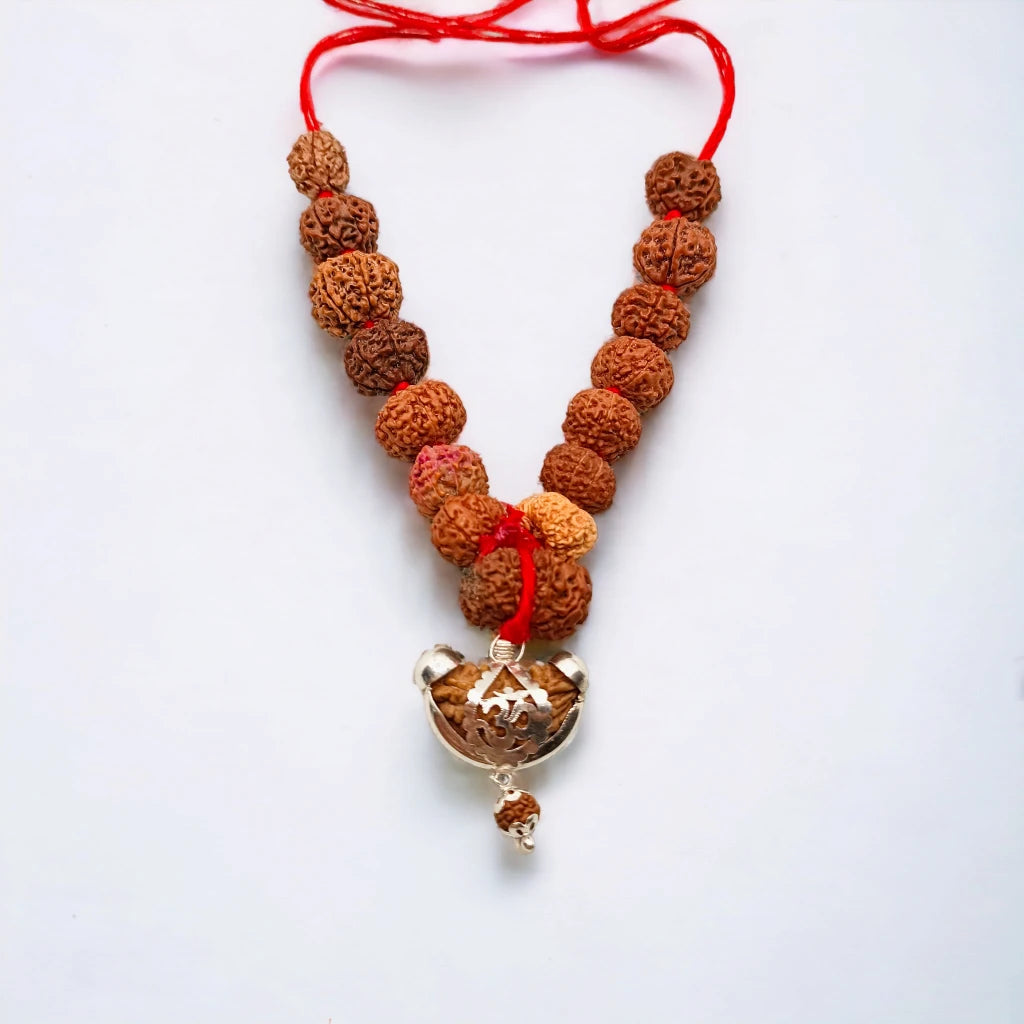
In a world filled with constant pressure and distractions, many individuals choose spiritual tools that support grounding and inner stability. You can explore our authentic collection of Rudraksha Bracelets designed for everyday wear.
Frequently Asked Questions (FAQs)❓
1. Why is Lord Shiva called Adiyogi?
Lord Shiva is called Adiyogi because yogic traditions consider him the first yogi and the origin of yogic knowledge. The word “Adi” means first or primordial, and “Yogi” means one who has mastered the science of inner transformation. According to ancient narratives, Shiva shared the knowledge of yoga with the Sapta Rishis, who then spread this wisdom across the world. This makes him the symbolic source of yoga and meditation.
2. What is the difference between Shiva and Adiyogi?
Shiva represents many roles in Hindu philosophy — destroyer, protector, ascetic, and householder. The term Adiyogi specifically highlights Shiva’s role as the first yogi and spiritual teacher who introduced the science of self-awareness and meditation to humanity.
3. Is Adiyogi a historical figure or symbolic concept?
Adiyogi is primarily a symbolic and spiritual concept. He represents the origin of yogic wisdom rather than a historical individual. The teachings associated with Adiyogi reflect ancient spiritual traditions that evolved over thousands of years.
4. Why is Adiyogi associated with meditation?
Adiyogi is often depicted in deep meditation, symbolizing stillness and awareness. Meditation represents the ability to remain centered and calm, which is considered a key aspect of yogic practice.
5. What did Adiyogi teach the Sapta Rishis?
According to tradition, Adiyogi shared the science of yoga, including practices related to physical discipline, breath control, emotional balance, and meditation. The Sapta Rishis carried this knowledge to different parts of the world.
6. Is yoga connected to religion?
Yoga is considered a spiritual and philosophical system rather than a religion. It focuses on self-awareness, discipline, and inner balance.
7. Why is the Himalaya connected to Adiyogi?
The Himalayas symbolize silence, stillness, and spiritual seeking. The imagery of Shiva meditating in the mountains represents deep inner awareness.
8. What is the message of Adiyogi for modern life?
The teachings associated with Adiyogi emphasize mindfulness, emotional balance, and self-awareness. These ideas remain relevant in modern life, where people seek ways to manage stress and improve well-being.
9. Why is Adiyogi important in yoga culture?
Adiyogi represents the origin of yogic wisdom and the foundation of many modern yoga practices.
10. Can anyone follow the teachings of Adiyogi?
Yes, the philosophy associated with Adiyogi is universal and focuses on self-awareness and personal growth.
✨ Conclusion 🌺
The title Adiyogi reflects a timeless idea that continues to inspire millions across the world. Long before yoga became a global practice, ancient traditions described a meditating yogi in the Himalayas who embodied stillness, awareness, and inner transformation. Through mythology and symbolism, Shiva became known as Adiyogi — the first yogi and the source of yogic wisdom.
Whether viewed through spiritual philosophy, cultural tradition, or modern mindfulness practices, the idea of Adiyogi continues to hold deep relevance. The teachings associated with this symbol remind individuals that true transformation begins within. By cultivating awareness, balance, and discipline, individuals can move toward clarity and inner stability.
The story of Adiyogi is not only about the past; it is a reminder that the journey of self-discovery is timeless and ongoing. In every era, people continue to seek stillness, understanding, and connection, and the symbolism of Adiyogi continues to inspire that search.
🙏 हर हर महादेव 🙏





Leave a comment