

















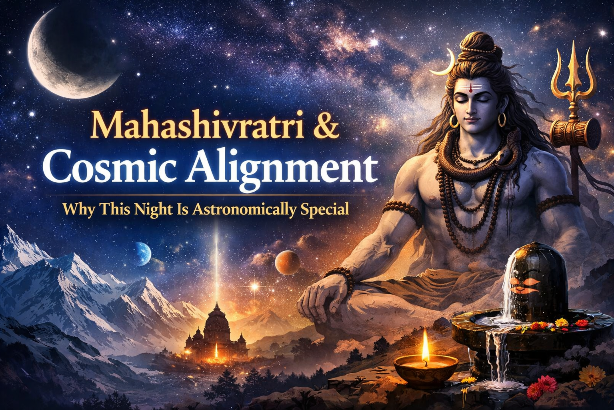
Mahashivratri & Cosmic Alignment: Why This Night Is Astronomically Special 🌌🔱
Every year, as winter slowly begins to loosen its grip and the subtle warmth of spring approaches, millions of devotees across the world prepare for a night unlike any other — Mahashivratri, the Great Night of Shiva. Unlike most Hindu festivals that are celebrated with vibrant daytime rituals, Mahashivratri unfolds in silence, darkness, meditation, and wakefulness. Temples remain open all night, bells echo through the quiet hours, chants of “Om Namah Shivaya” fill the air, and devotees deliberately choose to stay awake until sunrise. For many, this tradition begins as devotion, but soon transforms into curiosity: why is this night so different from all others?
Ancient yogic traditions never described Mahashivratri merely as a festival. Instead, they called it a night of powerful cosmic alignment — a moment in the year when the human body, the Earth, and the universe are believed to move into a subtle but meaningful harmony. Yogis and spiritual seekers have spoken about this night for centuries as an opportunity for heightened awareness, meditation, and inner stillness. What makes this especially fascinating is that the timing of Mahashivratri is not random; it is deeply connected with lunar cycles, seasonal shifts, and Earth’s natural rhythms.
Long before telescopes and modern astronomy existed, ancient civilizations across the world observed the sky with remarkable precision. They studied the movement of stars, tracked lunar cycles, and understood how these celestial rhythms influenced agriculture, climate, sleep patterns, and human behavior. In India, this astronomical awareness evolved into a sophisticated calendar system that aligned spiritual observances with cosmic movements. Mahashivratri emerged from this tradition as a night specifically chosen for spiritual practice.
The Night That Happens Just Before the New Moon 🌑
Mahashivratri is celebrated on the 14th night of the lunar month, the night just before the new moon, known as Krishna Paksha Chaturdashi. This timing is incredibly significant. On this night, the moon becomes almost invisible in the sky. For thousands of years, humans have intuitively associated the moon with emotions, mental activity, and psychological rhythms. Even today, scientific research explores how lunar cycles influence sleep, tides, and biological patterns.
Ancient yogis observed that as the moon wanes and approaches the new moon phase, the night sky becomes darker and quieter. This darkness is not seen as emptiness but as potential — a symbolic representation of stillness and introspection. Mahashivratri occurs at the exact moment when lunar influence is at its lowest, creating an environment believed to be ideal for turning inward.
Symbolically, the absence of moonlight represents the quieting of mental noise. Without the distraction of brightness, the night invites stillness. In spiritual language, this stillness represents Shiva — the silent consciousness underlying all existence.
Why Late Winter Matters 🌬️
Mahashivratri occurs during the transition from winter to spring, a time when nature itself undergoes transformation. In many cultures, this seasonal shift symbolizes renewal and rebirth. From a physical perspective, the human body also experiences subtle changes during this period. As daylight gradually increases and temperatures rise, biological rhythms begin adjusting.
Ancient traditions believed this transition period was ideal for detoxification, fasting, and spiritual practices. Fasting during Mahashivratri aligns with this seasonal shift, giving the body a chance to reset and conserve energy while the mind focuses inward.
Earth’s Subtle Upward Energy 🔺
Yogic traditions describe Mahashivratri as a night when natural energy within the human system is said to move upward. In yogic philosophy, the human body is not only physical but also energetic. Practices like meditation and mantra chanting are believed to help direct this energy upward toward higher awareness.
Because of the specific planetary and lunar positioning during Mahashivratri, yogic traditions suggest that sitting upright and staying awake may help maintain alertness and clarity.
Why Staying Awake Became Tradition 🌙
The tradition of staying awake all night during Mahashivratri is often misunderstood as mere ritual. However, ancient yogis viewed this practice as a conscious decision to align with the natural stillness of the night. The quiet hours before dawn have long been considered ideal for meditation across many spiritual traditions.
Remaining awake during Mahashivratri symbolizes alertness and awareness. Rather than drifting into unconscious sleep, devotees choose wakefulness as a form of spiritual discipline.
The Moon and Human Consciousness 🌕
The moon has influenced human imagination and observation for millennia. Ancient civilizations linked lunar cycles with agriculture, tides, and emotional rhythms. Mahashivratri’s placement near the new moon phase reflects a long-standing belief that reduced lunar brightness encourages introspection and calmness.
From Cosmic Events to Spiritual Symbolism 🕉️
Over centuries, astronomical observations gradually merged with spiritual symbolism. Mahashivratri became both a cosmic event and a spiritual celebration — a night when the universe appears quieter, darker, and more still.
How Ancient Civilizations Observed the Sky Without Modern Technology 🔭
One of the most fascinating aspects of Mahashivratri is that its timing was determined thousands of years ago, long before telescopes, satellites, or modern astronomy existed. Ancient observers relied entirely on patient sky watching, seasonal memory, and precise calendar calculations. Over generations, they noticed repeating patterns in the movement of the moon and stars and how these cycles influenced weather, tides, agriculture, and even human behavior. This careful observation slowly evolved into a sophisticated lunar calendar system that guided festivals and rituals.
Mahashivratri was positioned within this calendar with extraordinary precision. It falls on the darkest phase of the lunar cycle and during a seasonal transition. This placement suggests that the festival was intentionally aligned with natural rhythms rather than randomly assigned. For ancient yogis, aligning spiritual practices with cosmic rhythms was considered essential for harmony.
The Midnight Abhishek and Planetary Stillness 🌌
One of the most distinctive rituals of Mahashivratri is the midnight abhishek — the ceremonial offering of water, milk, and sacred substances to the Shivling at midnight. This ritual timing reflects the belief that midnight represents a symbolic midpoint between darkness and dawn. The stillness of midnight creates a quiet environment ideal for reflection and meditation.
From a psychological perspective, midnight is often the quietest time of the day. External distractions fade, daily responsibilities pause, and the world becomes calmer. Rituals performed during this time can feel more intense and meaningful because of this silence.
Meditation and the Power of the Night 🧘
Across cultures and traditions, night has long been associated with introspection and contemplation. The absence of daylight encourages inward focus, making it easier to withdraw attention from external activities. Mahashivratri embraces this natural rhythm by encouraging meditation, chanting, and reflection.
Modern research supports the idea that quiet environments improve focus and emotional regulation. Meditation practiced at night may feel deeper simply because the environment becomes less stimulating.
Mythology Meets Cosmic Symbolism 📖
Ancient stories of Shiva often portray him as the cosmic yogi — a figure who embodies stillness, awareness, and balance. These symbolic stories align with the festival’s emphasis on meditation and introspection.
Mythology and astronomy often intersect in spiritual traditions. Stories serve as narrative tools that help communities remember cosmic events and seasonal cycles.
Modern Scientific Perspective 🔬
Modern science explains many benefits of meditation, fasting, and mindful rituals. Research shows that fasting can promote metabolic reset, while meditation reduces stress and improves mental clarity. Night time meditation can enhance emotional awareness and focus.
While science does not interpret Mahashivratri in spiritual terms, it acknowledges the psychological and physiological benefits of the practices associated with the festival.
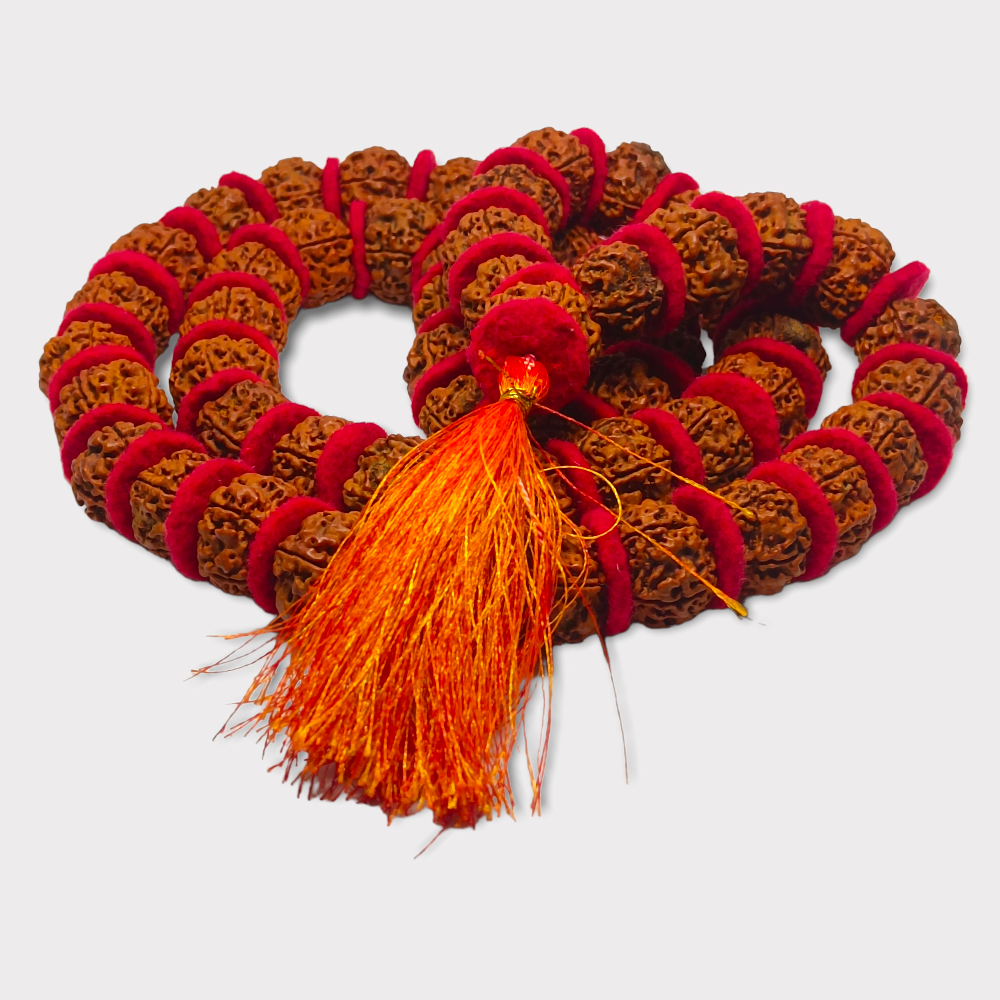
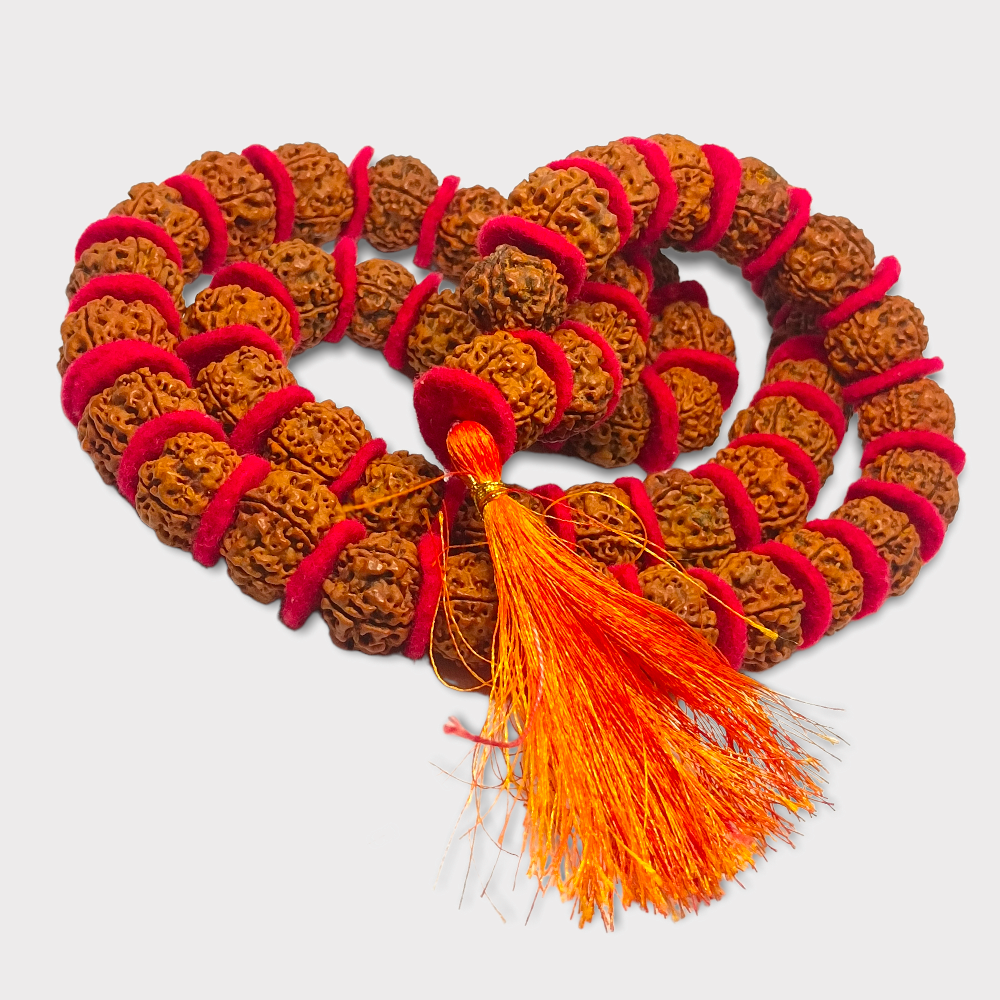
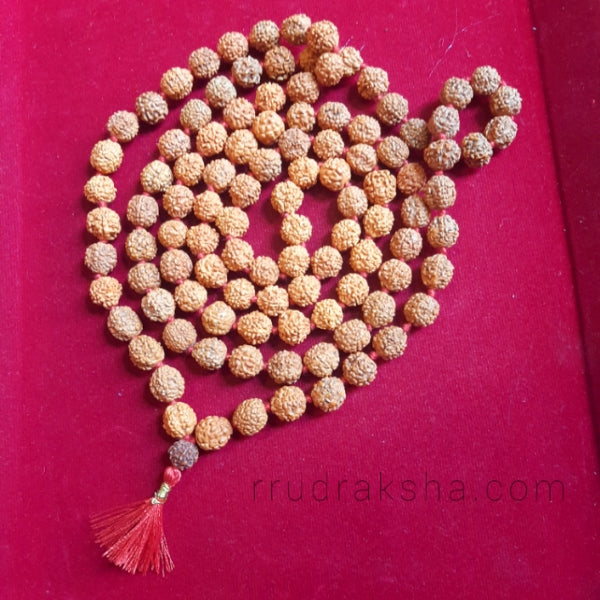
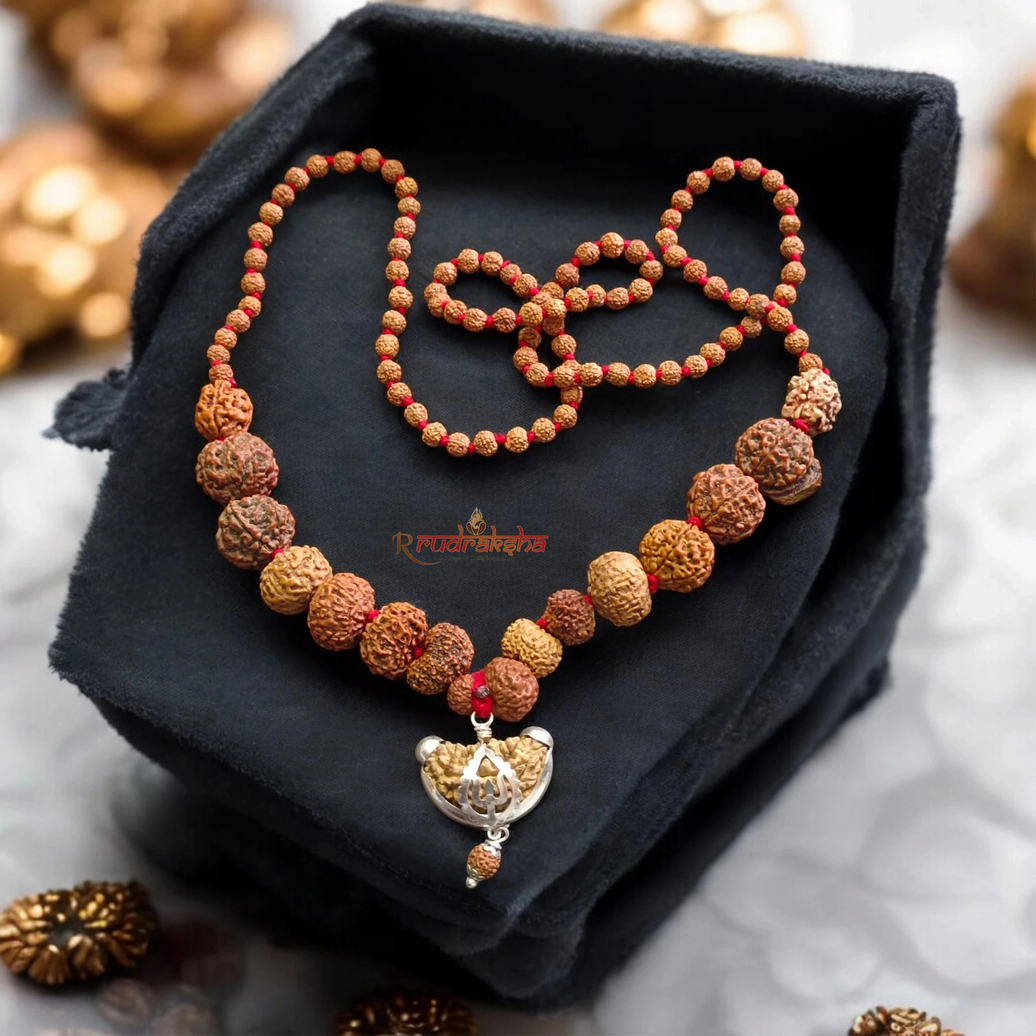
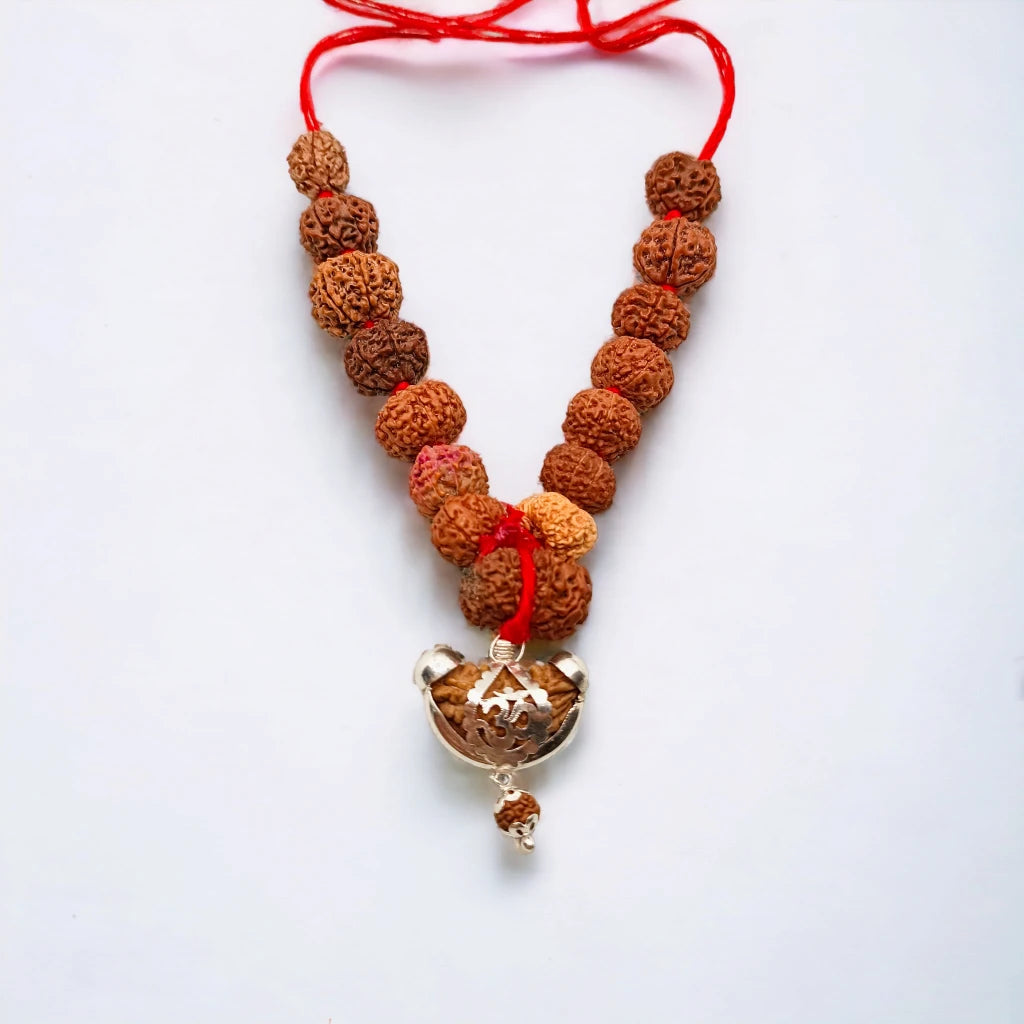
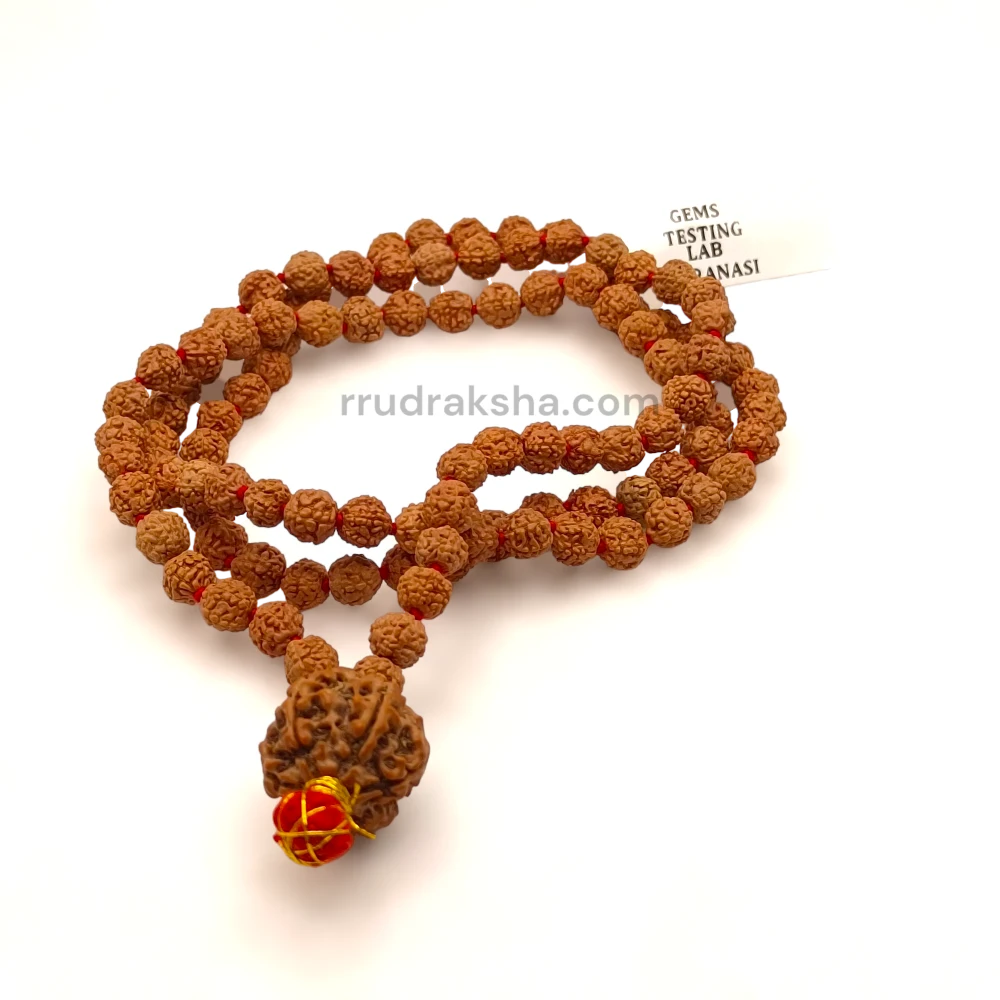
For those who practice meditation and mantra chanting during Mahashivratri, the Rudraksha Jaap Mala (108+1) is commonly used to support focus, discipline, and consistent practice.
Mahashivratri in the Modern World 🌍
Today, Mahashivratri continues to inspire millions of people. Some celebrate through temple visits, others through meditation or quiet reflection at home. The festival’s enduring relevance reflects its adaptability to modern life.
Frequently Asked Questions (FAQs)❓
1. Why is Mahashivratri celebrated at night?
The night symbolizes stillness and introspection, ideal for meditation and reflection.
2. Why does Mahashivratri occur before the new moon?
It coincides with the darkest lunar phase, symbolizing inner stillness.
3. Why do devotees stay awake?
Staying awake represents awareness and conscious living.
4. Why is fasting practiced?
Fasting is traditionally associated with purification and focus.
5. Why is meditation emphasized?
Meditation aligns with the quiet and introspective nature of the night.
6. Is Mahashivratri connected to astronomy?
Yes, it aligns with lunar cycles and seasonal transitions.
7. Why is midnight considered sacred?
Midnight symbolizes stillness and transition.
8. Why is the Shivling worshipped?
The Shivling represents the formless aspect of consciousness.
9. Can beginners celebrate Mahashivratri?
Yes, simple meditation or prayer is enough.
10. Is temple visit necessary?
No, the festival can be observed at home.
✨ Conclusion 🌙
Mahashivratri is more than a festival. It is a reminder of the relationship between human awareness and cosmic rhythms. Through rituals, meditation, and storytelling, the festival connects individuals with a sense of stillness and reflection.
Whether viewed through spiritual symbolism or modern psychology, Mahashivratri invites people to pause, reflect, and reconnect with themselves.
🙏 हर हर महादेव 🙏





Leave a comment