

🌱 How Rudraksha Is Harvested & Processed: From Forest to Mala
When people wear a Rudraksha bead, they often focus on its spiritual symbolism, cultural significance, or traditional benefits. Yet behind every Rudraksha mala lies a fascinating natural journey that begins deep inside forests and ends in the hands of spiritual seekers across the world.
The journey of Rudraksha from tree to mala is a process shaped by nature, patience, and careful human effort. Unlike manufactured jewelry or synthetic accessories, Rudraksha beads originate from living trees that grow slowly over years before producing fruit.
This guide explores the complete journey of Rudraksha harvesting and processing — from the moment the fruit ripens on the tree to the stage where the bead becomes part of a mala or bracelet.
🌳 The Rudraksha Tree: Nature’s Starting Point
Rudraksha beads come from the seeds of the Elaeocarpus Ganitrus tree. This evergreen tree thrives in humid subtropical and tropical climates, particularly in Nepal, Indonesia, and parts of India.
The tree can grow up to 50–80 feet tall and takes several years to mature before producing fruit. Once mature, the tree begins producing blue-colored fruits that contain the Rudraksha seed inside.
This natural growth cycle means Rudraksha cannot be mass-produced quickly. The entire process depends on seasonal growth and environmental conditions.
🌸 Flowering Stage of the Rudraksha Tree
The journey begins with flowering. During the flowering season, the tree produces small white blossoms that eventually develop into fruit. This stage is influenced by climate, rainfall, and soil quality.
The flowering phase is crucial because it determines the number of fruits the tree will produce in the coming season.
🔵 Formation of Rudraksha Fruit
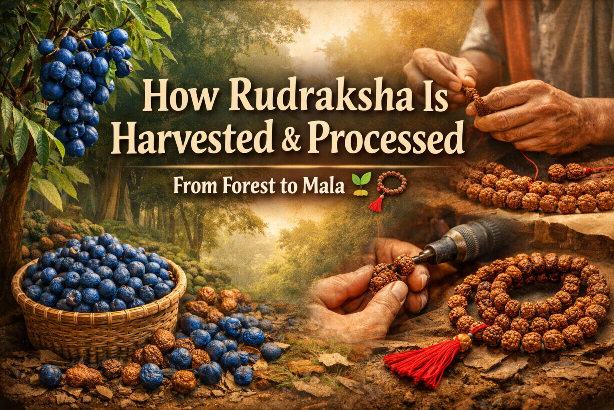
After flowering, the blossoms transform into green fruits that gradually ripen into a distinctive blue color. This fruit is often referred to as the “blue marble fruit” because of its appearance.
Inside the fruit lies the Rudraksha seed — the bead used in malas and bracelets.
🍂 Natural Ripening and Falling of Fruits
One of the most important aspects of Rudraksha harvesting is patience. Traditionally, fruits are not plucked from the tree prematurely. Instead, they are allowed to ripen fully and fall naturally.
This natural falling process ensures the seed inside is fully matured.
🧺 Collecting Fallen Rudraksha Fruits
During harvest season, farmers and local communities collect the fallen fruits from the ground. This stage marks the beginning of the human role in the Rudraksha journey.
🌟 Beginning of the Processing Journey
Once collected, the fruits are transported for cleaning and processing. This marks the transition from forest to workshop.
🧼 Removing the Outer Fruit Pulp
After the Rudraksha fruits are collected from the forest floor, the next step in the journey begins — removing the outer pulp that surrounds the seed. Freshly fallen Rudraksha fruits are soft and fleshy, similar to other natural fruits. Inside this pulp lies the hard seed that eventually becomes the Rudraksha bead.
Traditionally, the collected fruits are soaked in water for several hours or sometimes a few days. This soaking softens the outer pulp, making it easier to remove without damaging the seed inside. Once softened, the pulp is gently rubbed or washed away by hand.
This stage requires patience and care. The goal is to clean the seed while preserving the natural surface patterns and mukhi lines that make each bead unique.
🌞 Natural Drying Process
After the pulp is removed, the seeds are washed thoroughly and laid out to dry under natural sunlight. Sun drying is an essential step because it removes moisture and helps preserve the bead for long-term use.
Drying may take several days depending on weather conditions. During this period, the seeds gradually harden and develop the characteristic texture associated with Rudraksha beads.
🔍 Sorting and Initial Inspection
Once dried, the seeds are sorted based on size, shape, and surface patterns. At this stage, experienced workers inspect each bead carefully. This sorting process helps identify different types of Rudraksha based on the number of natural grooves or lines present on the surface.
This stage marks the transition from raw seed to recognizable Rudraksha bead.
🪵 Cleaning and Surface Preparation
After sorting, beads may be gently cleaned using soft brushes or natural cloth. This cleaning removes any remaining residue and enhances the bead’s natural appearance.
Careful handling during this stage ensures the bead’s texture and structure remain intact.
🧴 Conditioning and Preservation
Some traditional processing methods include applying natural oils to the beads. This conditioning helps maintain durability and prevents the bead from becoming too dry over time.
This step supports the longevity of the Rudraksha bead and prepares it for long-term use.
📿 Drilling and String Preparation
After cleaning and conditioning, the beads are prepared for use in malas and bracelets. A small hole is carefully drilled through the center of each bead. This step requires precision and skill to avoid damaging the bead.
The drilled beads are then ready to be strung into malas or bracelets.
🧵 Crafting Rudraksha Malas
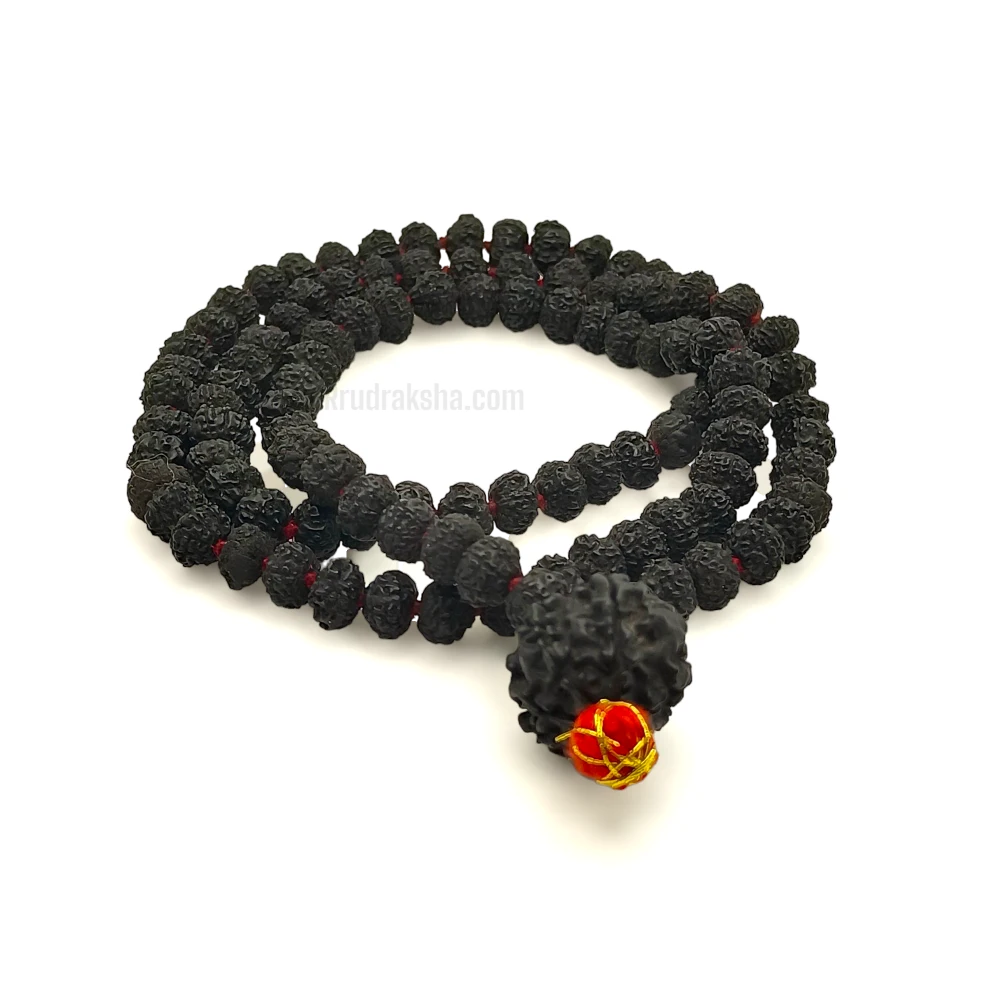
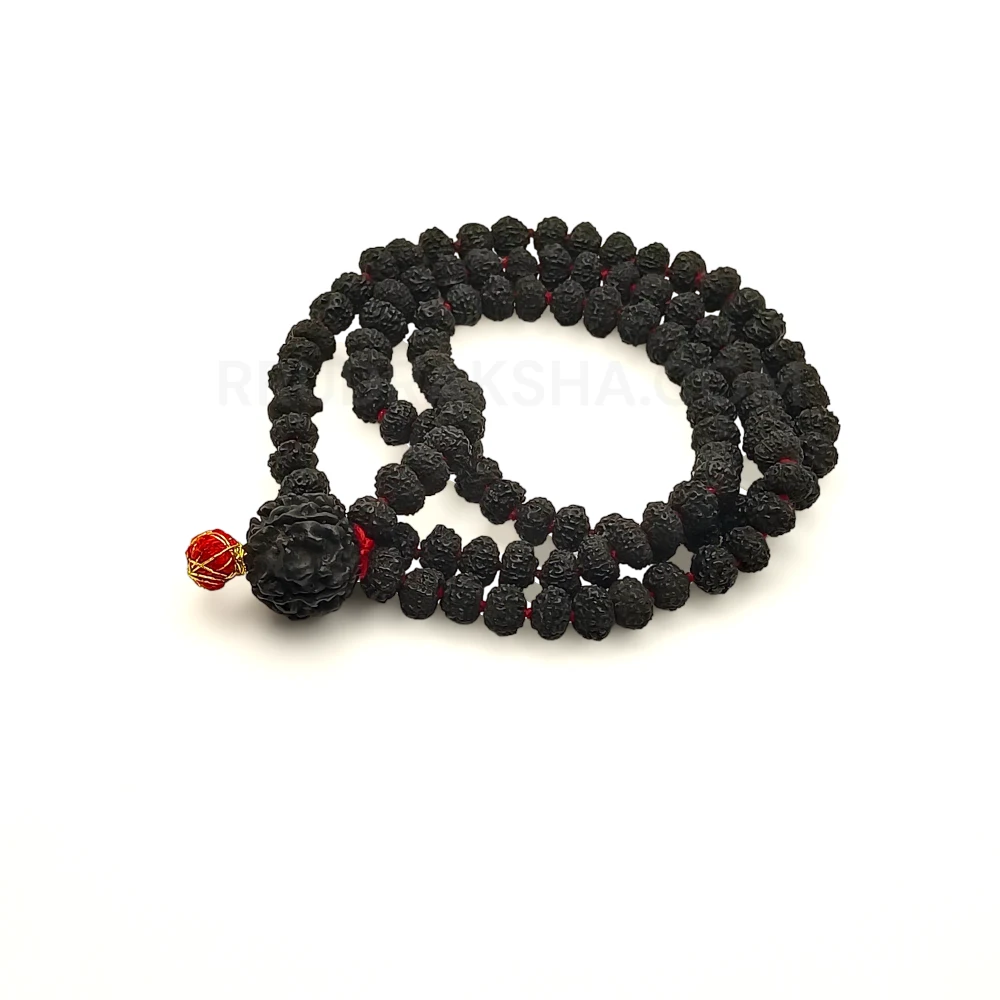
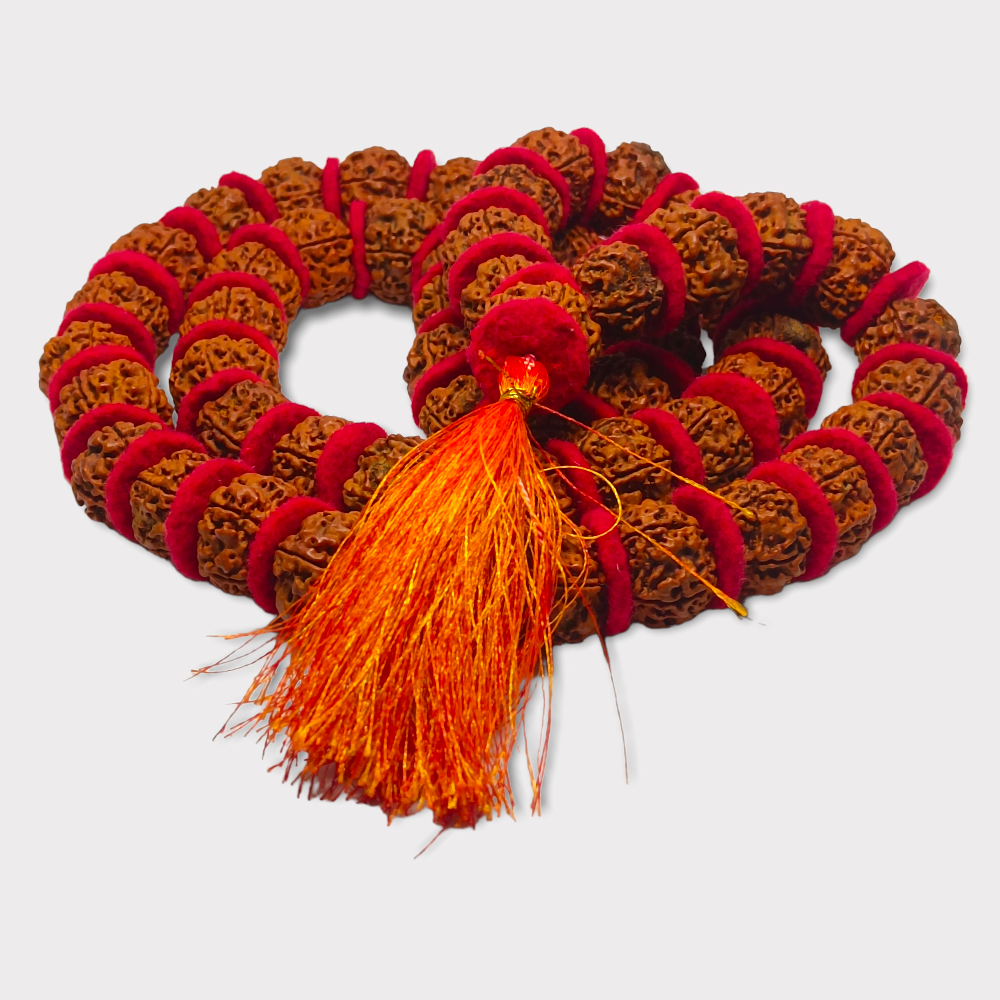
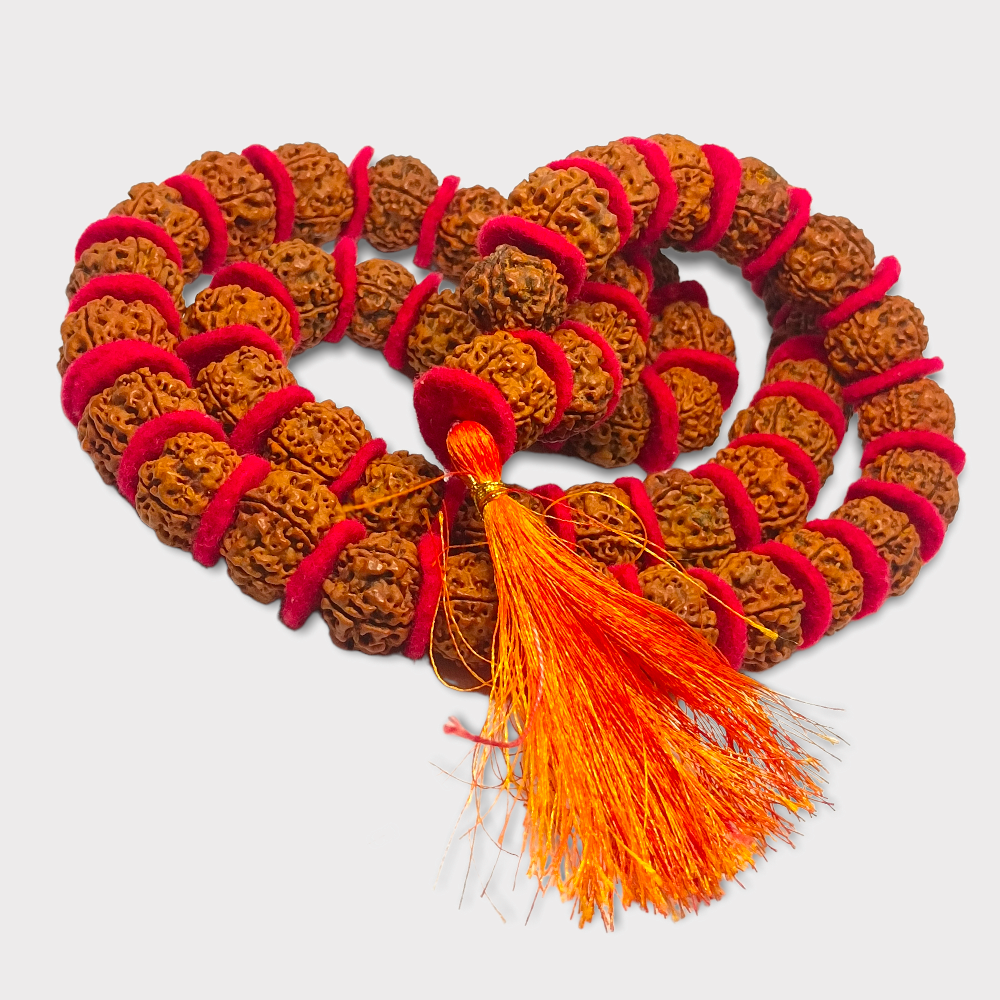
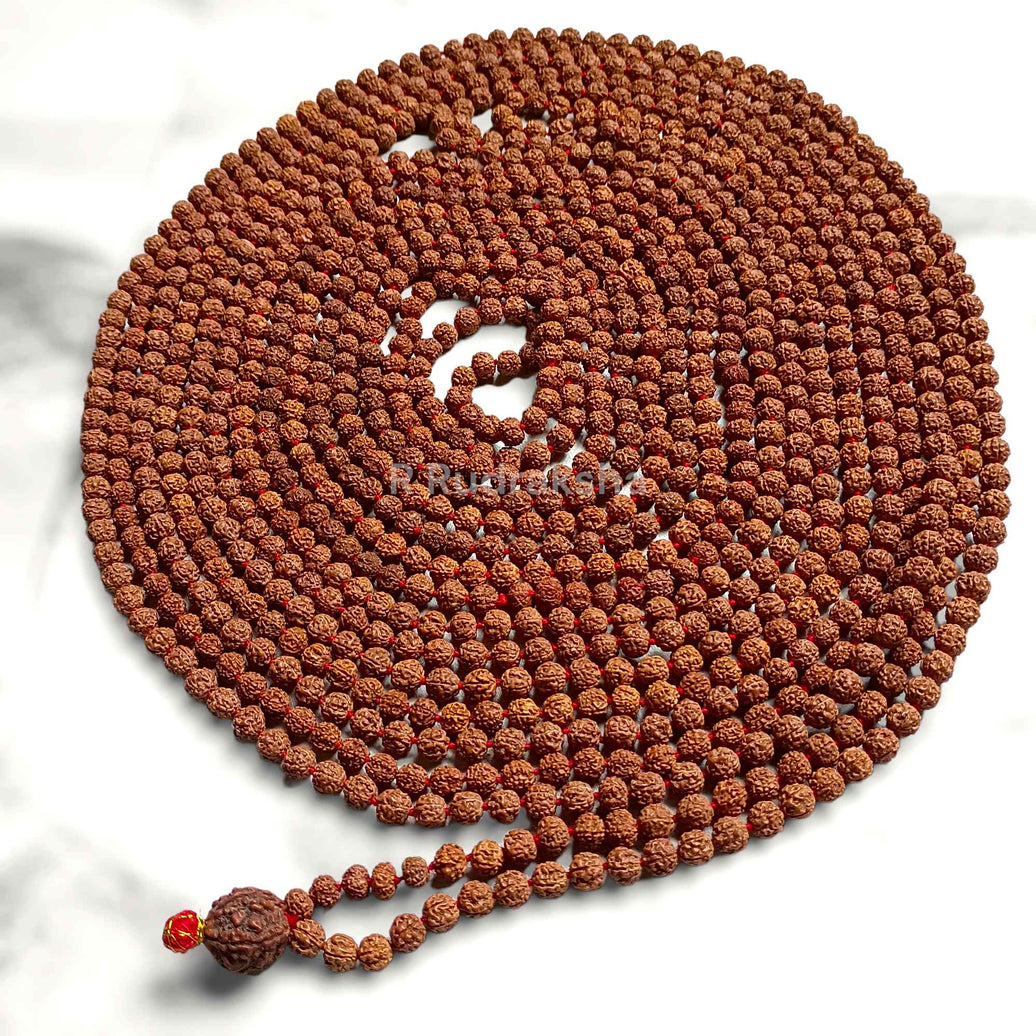
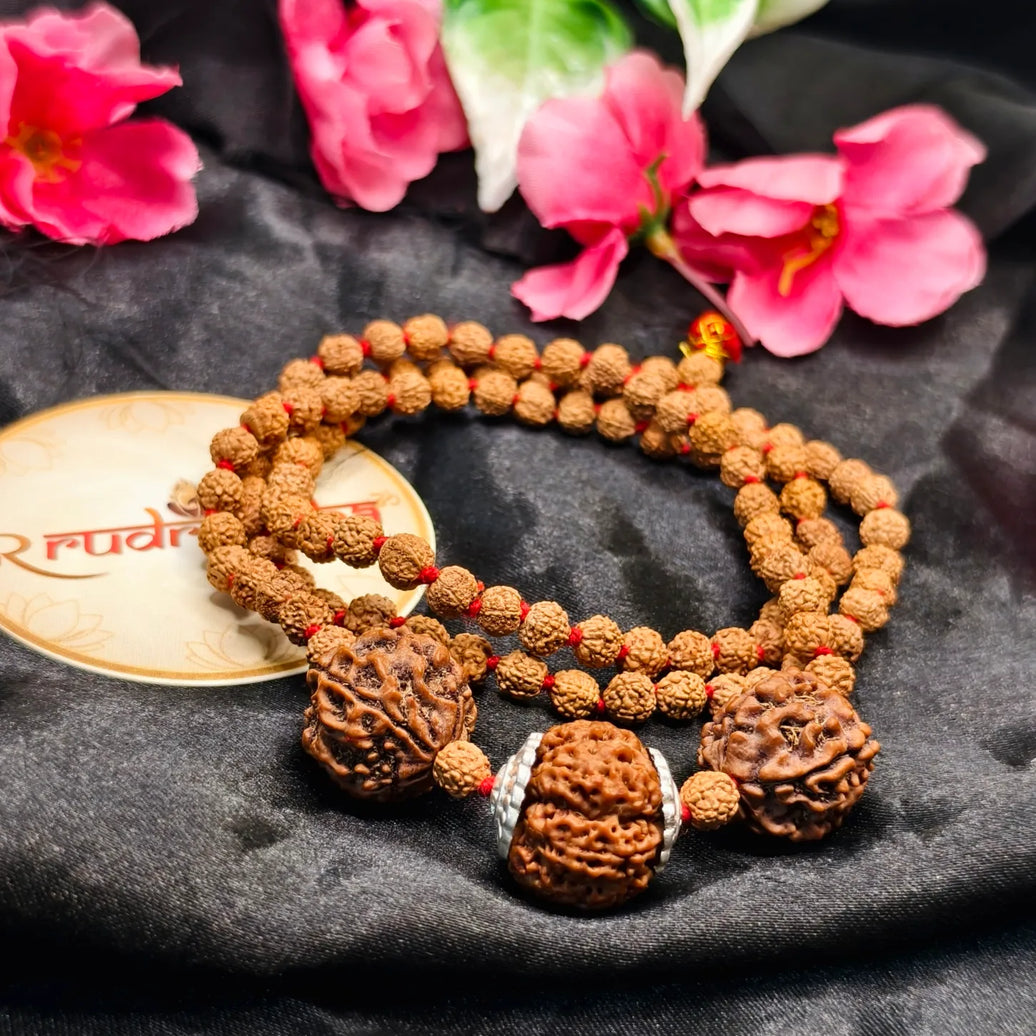
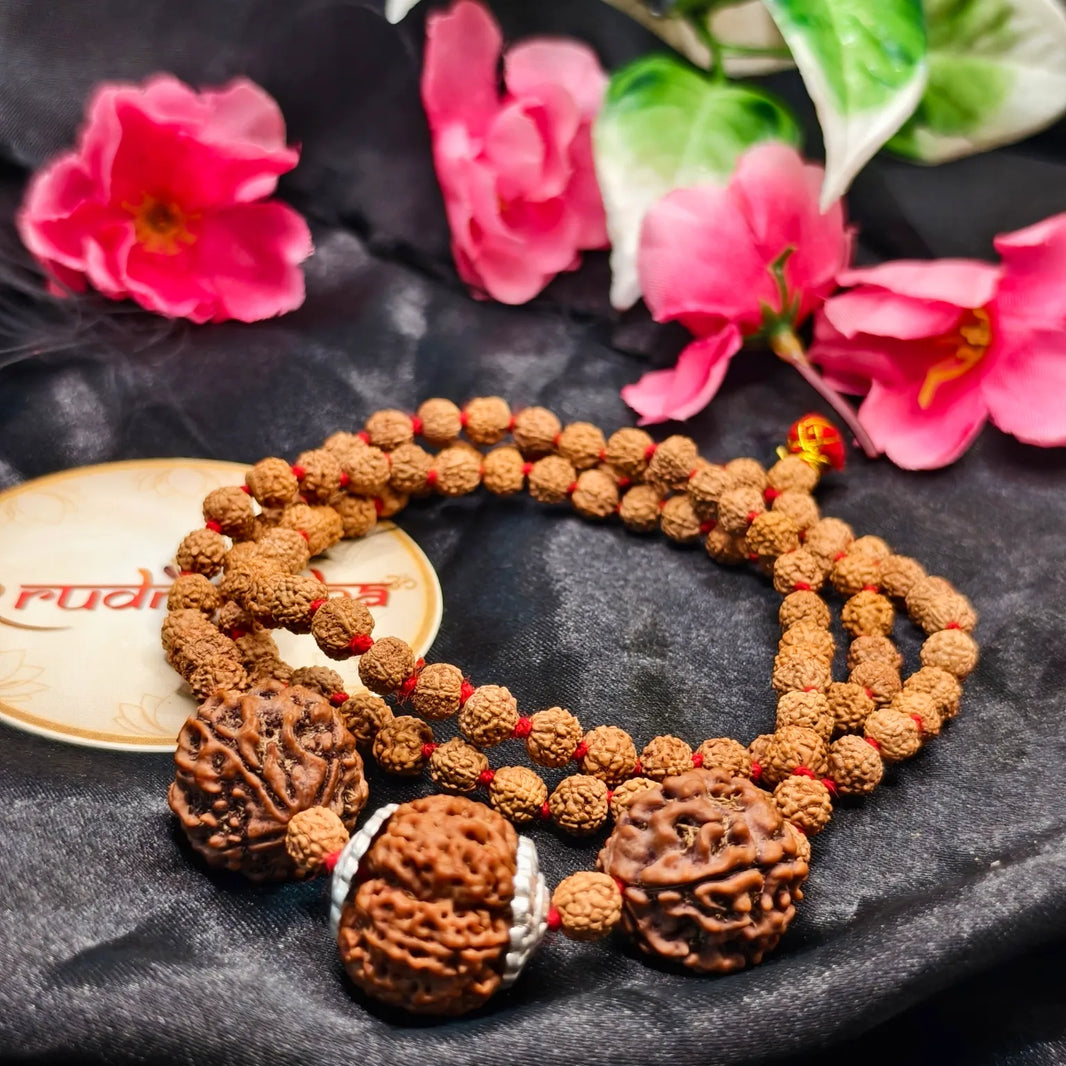
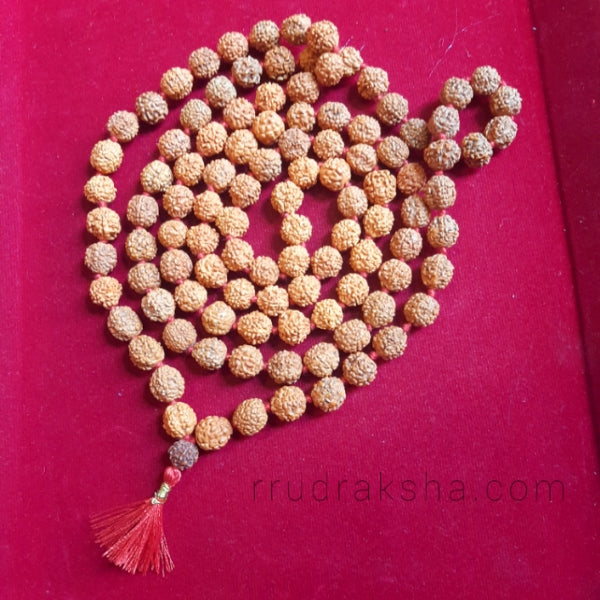
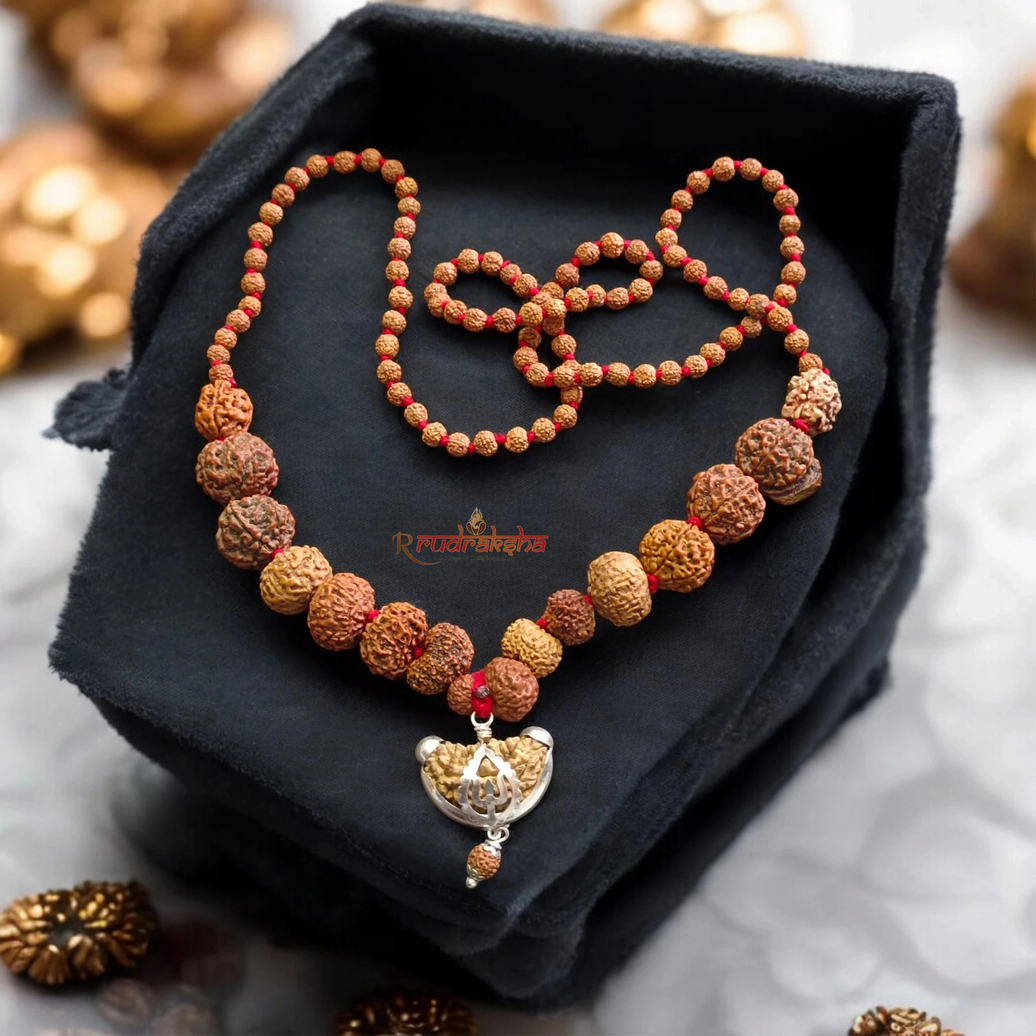
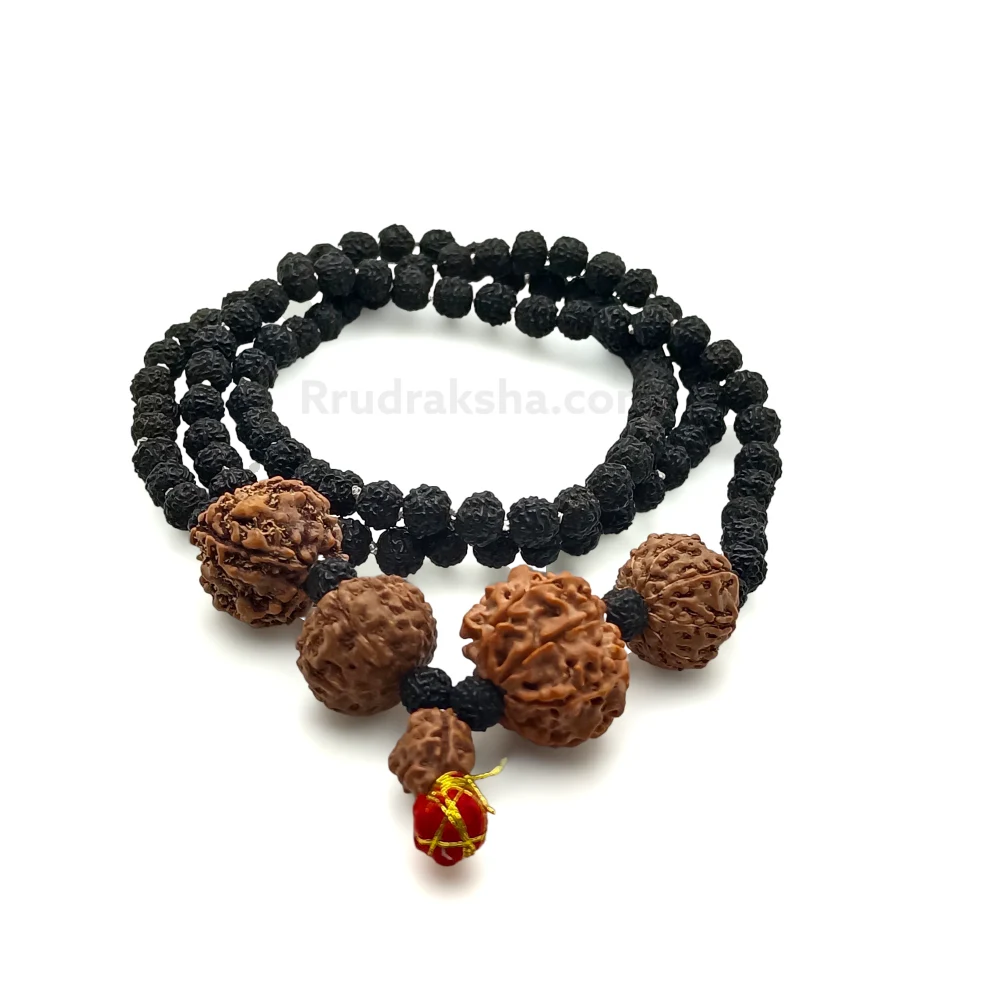
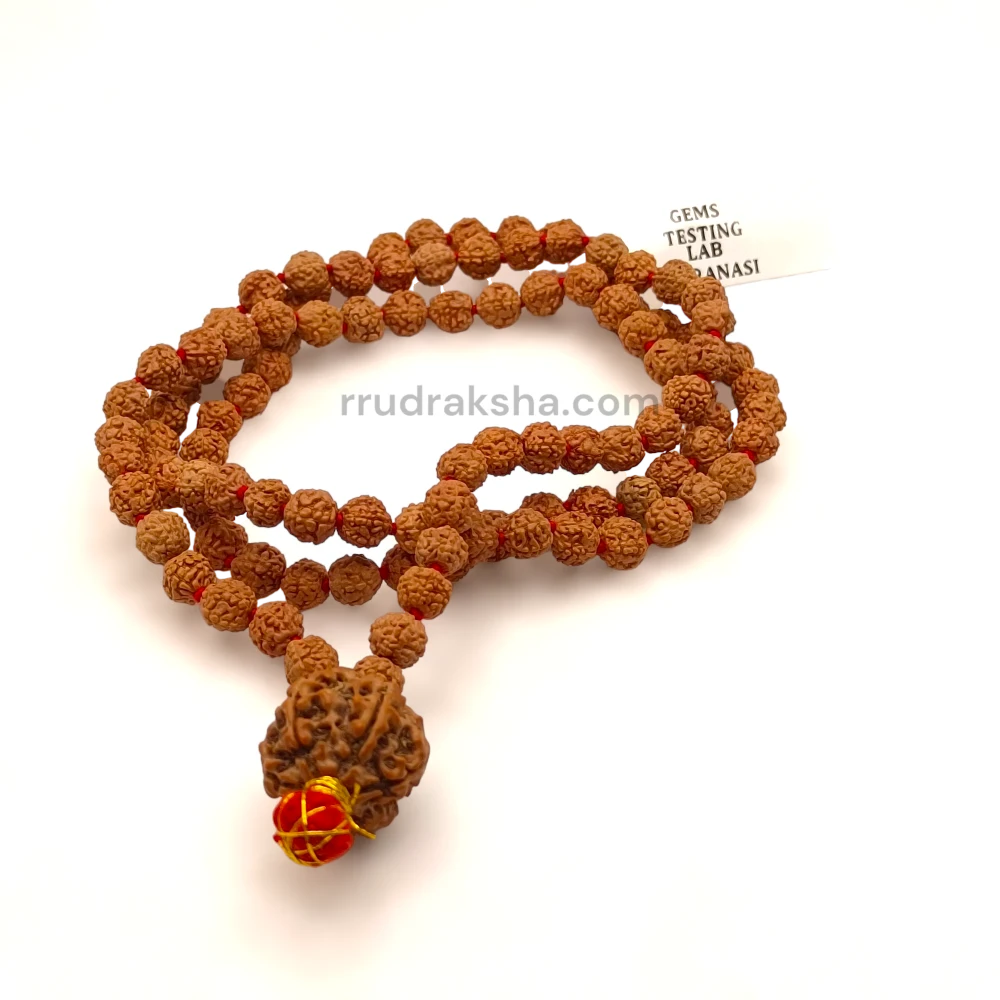
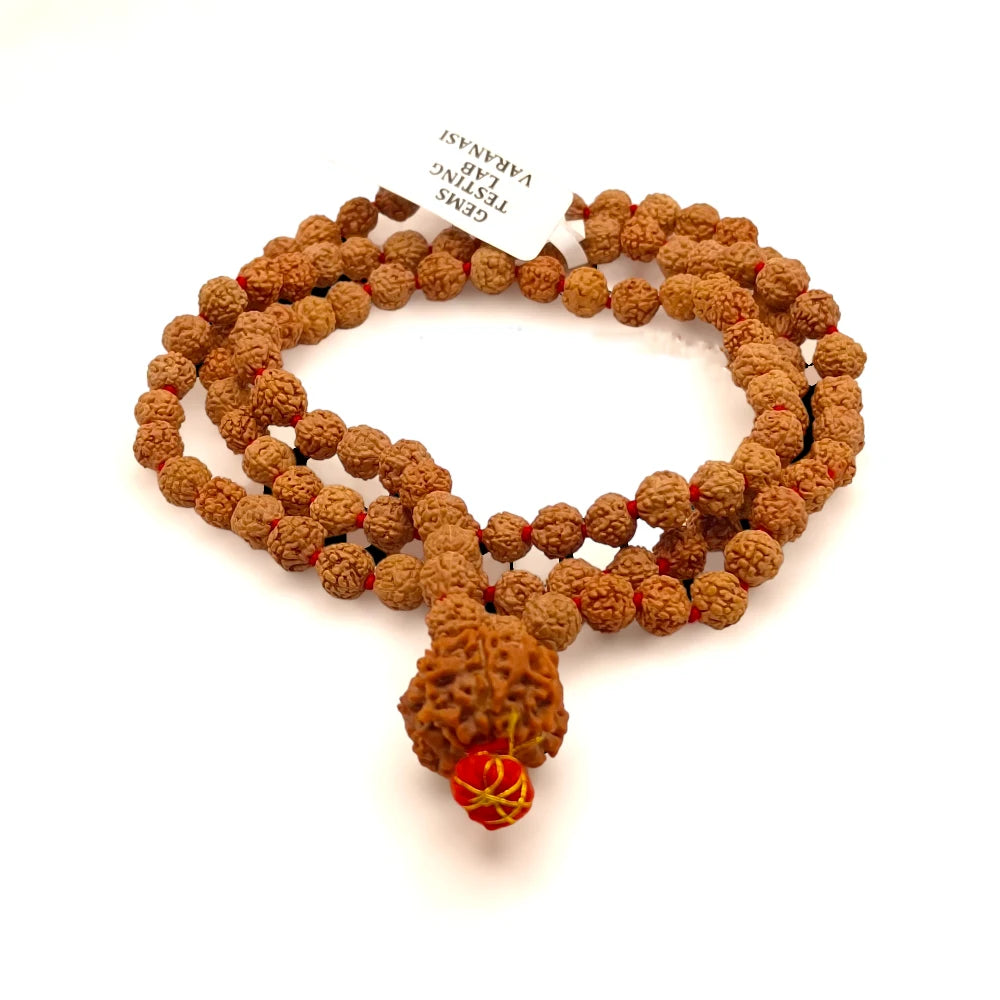
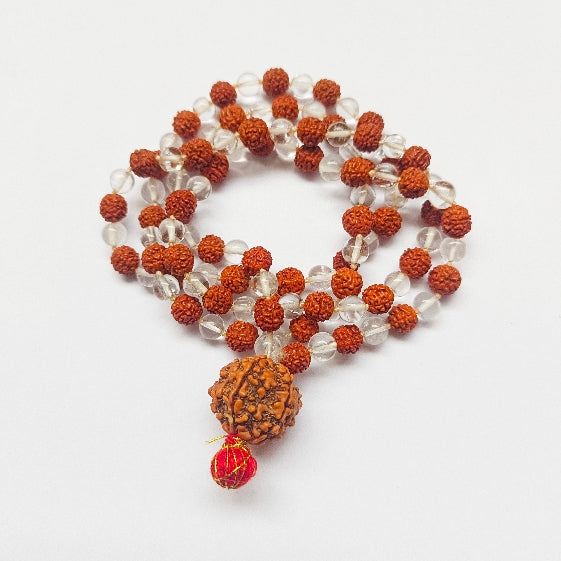
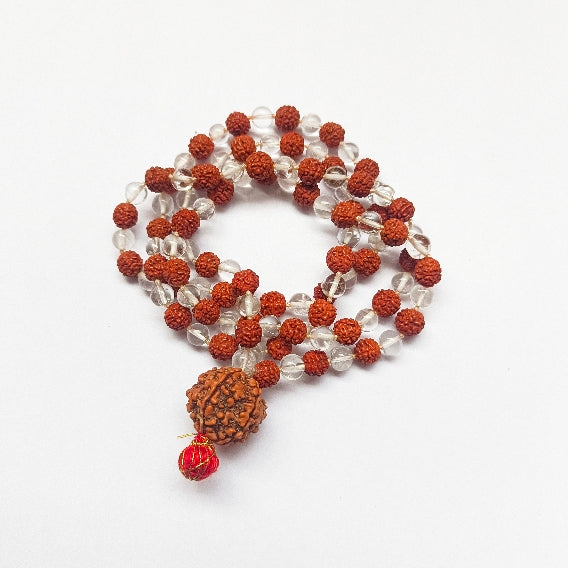
Skilled artisans string the beads into malas using thread, silk, or metal wire depending on the design. The number of beads used varies depending on the purpose of the mala.
🔍 Quality Checks Before Market Distribution
Once Rudraksha beads are cleaned, dried, sorted, and drilled, they undergo an important stage before reaching spiritual seekers — quality inspection. This stage ensures that the beads are structurally sound, properly processed, and suitable for long-term use.
Quality inspection involves examining each bead for cracks, weak spots, or structural damage that may have occurred during harvesting or drilling. Because Rudraksha is a natural seed, each bead is unique. Some seeds develop perfectly while others may not withstand the processing stages. This inspection helps separate usable beads from damaged ones.
Experienced workers carefully evaluate bead shape, surface texture, and durability. Only beads that pass these inspections move forward in the distribution process.
📦 Packaging and Storage
After inspection, Rudraksha beads are packaged for storage and transport. Proper storage is essential to maintain bead quality. Beads are usually kept in dry environments to prevent moisture exposure and maintain their durability.
This stage marks the completion of the transformation from forest seed to finished Rudraksha bead.
🌍 Global Distribution Network
Rudraksha beads travel long distances before reaching the hands of buyers. From harvesting regions in Nepal, Indonesia, and India, beads are transported to spiritual markets and distributors worldwide.
Today, Rudraksha beads are shipped across continents to meditation practitioners, collectors, and spiritual communities. This global distribution highlights the growing worldwide interest in traditional meditation tools.
🧠 Modern Demand and Spiritual Markets
The rise of yoga, meditation, and mindfulness has increased global demand for Rudraksha. Spiritual markets now connect traditional harvesting communities with international buyers.
This connection helps preserve traditional knowledge while meeting modern demand.
🌱 Sustainability and Environmental Awareness
The growing popularity of Rudraksha has also increased awareness about sustainable harvesting and conservation. Protecting Rudraksha trees and forest ecosystems ensures the long-term availability of these sacred seeds.
🌍 The Complete Journey: From Forest Harvest to Spiritual Use
The journey of Rudraksha does not end once the beads are cleaned, drilled, and strung into malas. In many ways, the most meaningful part of the journey begins only after the bead leaves the workshop and enters the life of the wearer. To truly understand the significance of Rudraksha processing, it is important to look at the entire chain — from forests and farmers to artisans, distributors, and finally spiritual practitioners.
This journey reflects a blend of nature, tradition, craftsmanship, and global cultural exchange. Each stage contributes to the transformation of a natural seed into a spiritual companion.
🏡 The Role of Local Communities in Rudraksha Harvesting
In regions where Rudraksha trees grow naturally, local communities play a crucial role in harvesting and processing. For many rural families in Nepal and Indonesia, Rudraksha harvesting is a seasonal activity that supplements their income.
Harvesting usually takes place during specific seasons when the fruits ripen and fall naturally from the trees. Families collect these fruits from forest floors and nearby farmland. This activity often involves multiple generations working together, passing down traditional knowledge about harvesting and processing techniques.
This community involvement highlights the deep connection between Rudraksha cultivation and local livelihoods.
🌱 Traditional Knowledge and Generational Skills
Rudraksha harvesting and processing rely heavily on traditional knowledge. Experienced harvesters know when fruits are ready to be collected, how long seeds should be soaked, and how to clean them without damaging the natural surface.
These techniques have been passed down for generations. Unlike industrial manufacturing processes, Rudraksha processing still retains a strong human and traditional element.
🧼 Importance of Careful Cleaning Techniques
Cleaning Rudraksha seeds requires patience and attention to detail. Removing the fruit pulp without damaging the seed is a delicate task. Overly aggressive cleaning methods can harm the bead’s surface and affect its appearance.
Traditional cleaning methods focus on gentle soaking, hand washing, and natural drying. These techniques preserve the integrity of the bead.
🌞 The Science Behind Natural Sun Drying
Sun drying plays a crucial role in the preservation of Rudraksha seeds. Natural sunlight helps remove moisture and strengthens the seed’s outer shell. This process reduces the risk of fungal growth and prepares the bead for long-term storage.
Drying under controlled natural conditions is essential for maintaining bead durability.
🪵 Skilled Artisans and the Crafting Process
Once the beads are cleaned and dried, skilled artisans begin the process of preparing them for malas and bracelet. Drilling holes through the center of each bead requires precision and experience. Improper drilling can crack or weaken the bead.
This stage highlights the craftsmanship involved in Rudraksha processing.
📿 Transformation Into Malas and Bracelets
After drilling, beads are sorted again and prepared for stringing. Artisans carefully select beads that match in size and shape to create balanced malas and bracelets.
The stringing process transforms individual beads into wearable spiritual tools.
🌏 Modern Global Supply Chain
Today, Rudraksha beads travel through international supply chains before reaching buyers worldwide. This global journey connects traditional harvesting communities with modern spiritual markets.
🌱 Sustainability and Conservation Efforts
With increasing global demand, sustainability has become an important topic. Conservation efforts aim to protect Rudraksha trees and ensure responsible harvesting.
Frequently Asked Questions (FAQs) ❓
1. How long does a Rudraksha tree take to produce fruit?
A Rudraksha tree typically takes several years to mature before producing fruit. Once mature, the tree begins producing fruit seasonally depending on climate and region.
2. Are Rudraksha fruits plucked directly from trees?
Traditionally, fruits are allowed to ripen and fall naturally. This ensures the seed inside is fully matured before processing.
3. How is the Rudraksha seed removed from the fruit?
The collected fruits are soaked in water to soften the pulp. The outer layer is then gently removed, revealing the seed inside.
4. Why is sun drying important?
Sun drying removes moisture and strengthens the bead, helping preserve it for long-term use.
5. How are holes drilled in Rudraksha beads?
Skilled artisans carefully drill a small hole through the center of the bead to prepare it for stringing into malas or bracelets.
6. Who harvests Rudraksha?
Local communities in Nepal, Indonesia, and India often participate in seasonal harvesting and processing.
7. Why is sorting important?
Sorting helps identify bead size, shape, and quality before distribution.
8. Are Rudraksha beads machine-made?
No, Rudraksha beads are natural seeds processed using traditional methods and skilled craftsmanship.
9. How do Rudraksha beads reach global markets?
After processing and packaging, beads are distributed through international supply chains.
10. Why is sustainability important in Rudraksha harvesting?
Responsible harvesting protects Rudraksha trees and ensures long-term availability.
✅ Conclusion 🌱
The journey of Rudraksha from forest to mala reflects a beautiful blend of nature, tradition, craftsmanship, and global cultural exchange. From flowering trees and seasonal harvesting to skilled artisans and worldwide distribution, every stage contributes to the transformation of a natural seed into a meaningful spiritual companion.
Understanding this journey helps readers appreciate the effort and tradition behind every Rudraksha bead.
🙏 हर हर महादेव 🙏





Leave a comment