



📿 33 vs 54 vs 108 vs 1008 Mala: How to Choose the Right Bead Count for Your Goal
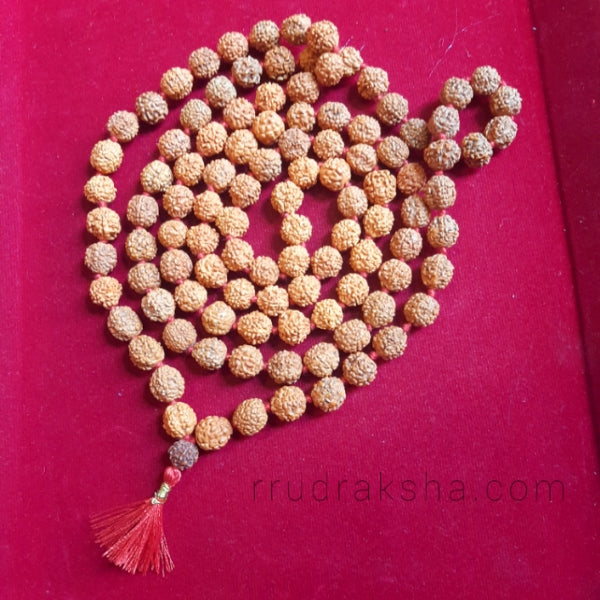
When people talk about malas, the conversation almost always stops at 108 beads. Over time, this has created a silent confusion — if 108 is sacred, why do 33-bead malas exist? Why do some seekers use 54? And who actually needs a 1008-bead mala?
The truth is simple but often ignored: there is no “one correct” mala count for everyone. Bead count was never meant to be symbolic decoration or spiritual status. It was designed as a functional system — a way to support attention, discipline, and consistency based on a person’s goal, capacity, and stage of practice.
This blog breaks away from generic explanations and explores mala counts the way traditional practitioners understood them — not as sacred numbers to worship, but as practical structures to work with the mind.
🧮 Why Mala Bead Count Was Never Arbitrary
In classical practice, malas were not created for display or identity. They were tools — no different from a metronome for music or a compass for navigation. The number of beads determined one thing above all else: how long the mind could remain steady without breaking focus.
Ancient systems recognized a simple psychological truth long before modern neuroscience: attention has limits. Push it too hard, and it collapses. Keep it too shallow, and it never deepens. Mala counts evolved to respect this balance.
That is why multiple bead counts existed simultaneously. Different seekers had different capacities:
- Some needed short cycles to build discipline
- Some needed medium cycles for daily stability
- Some needed long cycles to dissolve restlessness
The mala did not define the seeker. The seeker chose the mala that matched their reality.
🌟 33-Bead Mala: For Entry, Consistency, and Mental Accessibility
The 33-bead mala was traditionally used not for intensity, but for approachability. It was meant for those who were beginning disciplined practice or whose minds resisted long periods of repetition.
Psychologically, 33 repetitions sit within a comfortable attention span. The mind does not feel trapped or overwhelmed. This is critical in early stages, because forcing longer cycles often creates resistance rather than devotion.
A 33-bead mala works best when:
- You are rebuilding routine after inconsistency
- You struggle with restlessness or avoidance
- You want repetition without mental fatigue
In traditional use, the same mantra would often be repeated three full rounds on a 33-bead mala — not to reach a number, but to allow gradual settling. The repetition count was flexible; the discipline was not.
This is why 33 is often misunderstood today. It is not “less spiritual” — it is strategically supportive.
🌀 54-Bead Mala: The Bridge Between Comfort and Depth
If 33 beads train consistency, 54 beads train endurance. This count represents a middle ground — long enough to challenge distraction, short enough to prevent overload.
Traditionally, 54-bead malas were favored by practitioners who had already stabilized routine but were not yet ready for extended cycles. The mind is gently pushed beyond comfort, but not into strain.
This count works especially well when:
- Daily practice is established but shallow
- Attention breaks midway through longer cycles
- You want depth without pressure
Many people unknowingly use 108-bead malas while their capacity aligns more naturally with 54. The result is distraction masked as discipline. Choosing 54 instead often produces more genuine steadiness.
In classical understanding, depth mattered more than duration. A fully present 54 repetitions were considered more transformative than 108 distracted ones.
🧭 108-Bead Mala: Full Cycle of Attention
The 108-bead mala became prominent not because it was mystical, but because it represented a complete attentional cycle. At this length, the mind passes through resistance, settling, boredom, and clarity — all within a single round.
This is why 108 is traditionally associated with completion. Not completion of karma or destiny, but completion of one full mental arc.
A 108-bead mala is most effective when:
- Routine is already stable
- The practitioner can sit without restlessness
- The goal is depth, not habit-building
Without readiness, however, 108 becomes mechanical. The fingers move, the beads turn, but awareness leaks. This is where people mistakenly assume the mala “isn’t working,” when in reality the structure exceeds their current capacity.
In traditional systems, moving to 108 was considered a natural progression — not a starting point.
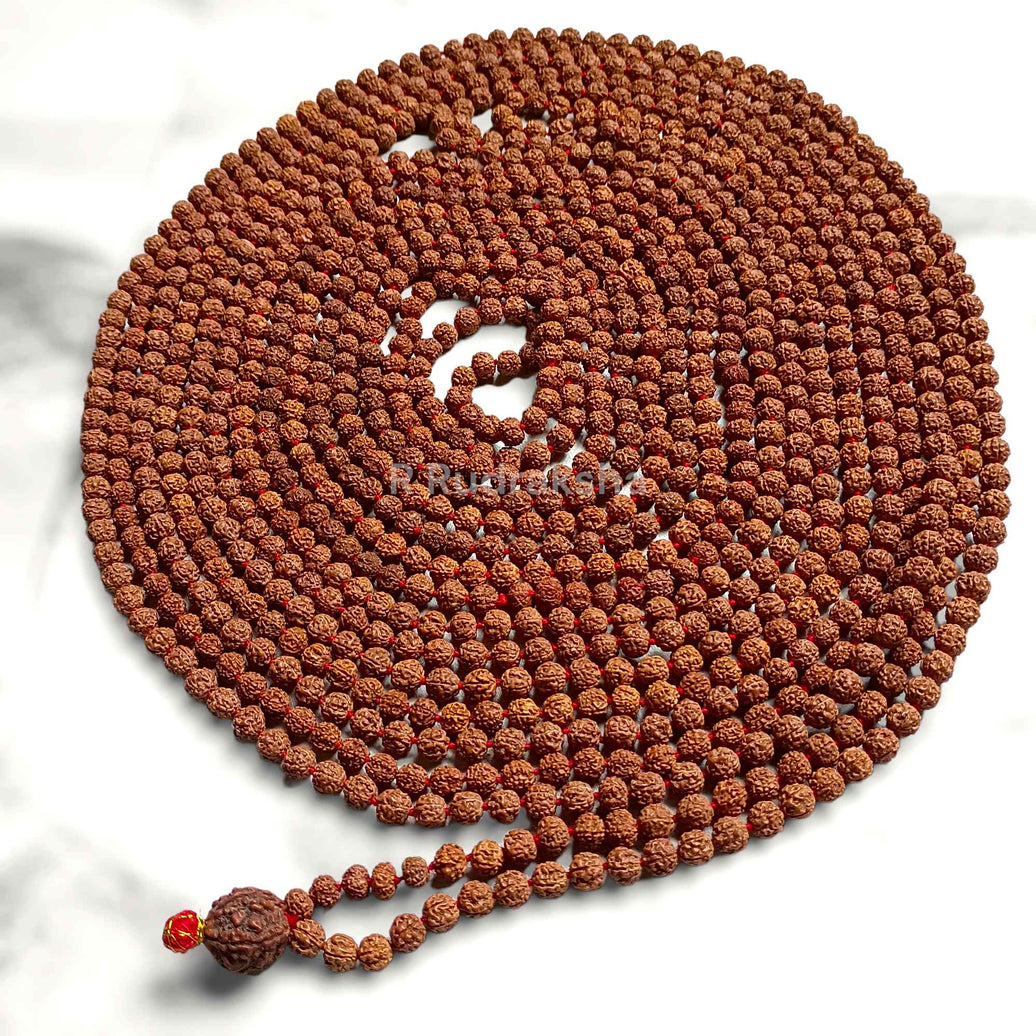
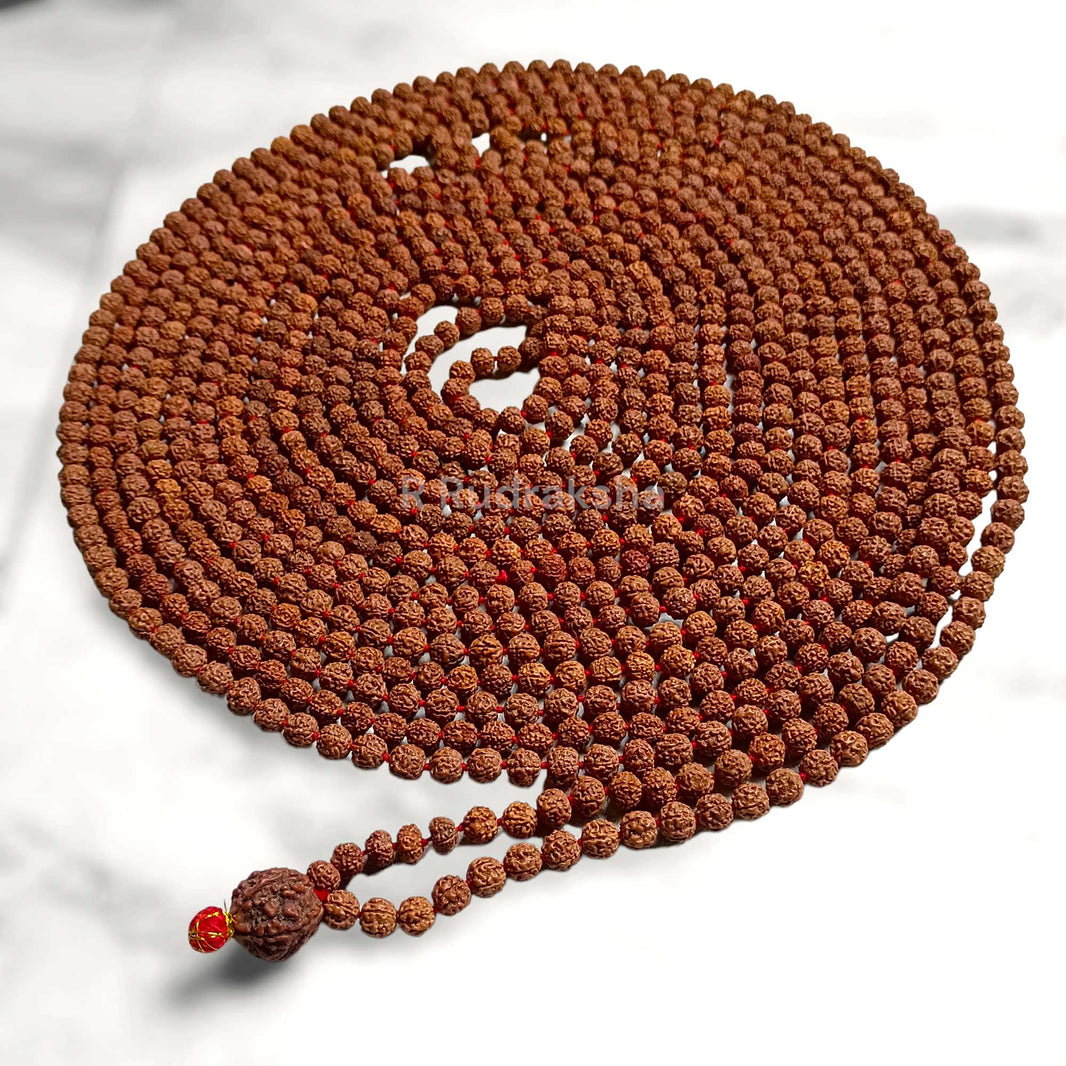
🍃1008-Bead Mala: Capacity, Not Status
The 1008-bead mala is the most misunderstood of all. In modern usage, it is often treated as a symbol of spiritual seriousness or advanced status. Traditionally, it meant neither.
A 1008 mala was never intended for casual or daily use. It was designed for practitioners whose minds could remain stable through extended repetition without fatigue, irritation, or dissociation. The count does not create depth — it tests whether depth already exists.
At this length, the mind encounters every form of resistance: boredom, impatience, self-doubt, distraction, and finally surrender. If the practitioner lacks inner containment, the practice collapses into mechanical repetition or emotional strain.
This is why traditional systems used 1008 malas selectively:
- During long retreats or vow-based practices
- For disciplined chanting over limited periods
- When attention had already been trained through smaller cycles
Using a 1008 mala without readiness does not accelerate growth. It amplifies instability. In this sense, the mala does not challenge the ego — it exposes the nervous system’s limits.
🎯 Choosing Mala Count Based on Your Actual Goal
One of the biggest mistakes people make is choosing a mala based on symbolism rather than intention. The correct question is not “Which count is most powerful?” but “What am I training right now?”
Different goals require different structures:
- Building routine & consistency: 33 beads
- Stabilizing focus & discipline: 54 beads
- Deepening awareness & presence: 108 beads
- Extended chanting or vow-based practice: 1008 beads
Notice that none of these goals mention “manifestation” or “quick results.” That is intentional. Malas were never designed to bypass effort. They were designed to support it.
When the structure matches the goal, practice feels grounded. When it doesn’t, the mind either resists or escapes.
🔱 Why Smaller Counts Often Work Better Than Bigger Ones
There is a quiet truth rarely spoken in spiritual spaces: most people would progress faster with a smaller mala.
Long repetitions look impressive, but short, consistent cycles build trust with the mind. A practice that can be sustained daily — without negotiation or avoidance — always outperforms one that feels heavy or aspirational.
This is why traditional teachers prioritized:
- Regularity over duration
- Presence over numbers
- Stability over intensity
A 33- or 54-bead mala used sincerely every day creates more structural change than a 108-bead mala used inconsistently or under pressure.
❌ Common Mistakes People Make With Mala Counts
Understanding mala logic also requires unlearning common errors:
- Choosing 108 because it is “sacred,” not suitable
- Jumping to 1008 to feel advanced
- Forcing long cycles during mental fatigue
- Abandoning practice because it feels heavy
None of these mistakes indicate lack of devotion. They indicate lack of alignment between capacity and structure. The mala does not judge. It reflects.
🧘♀️ How Traditional Practice Progressed Naturally
In traditional settings, progression was organic. A practitioner did not “upgrade” mala counts. The practice itself expanded naturally as attention stabilized.
The sequence often looked like this:
- Start with shorter cycles to build reliability
- Move to medium cycles as distraction reduced
- Adopt full cycles once the mind settled easily
- Use extended cycles only when discipline matured
At no stage was struggle glorified. Strain was considered a signal to simplify, not to push harder.
👉 So, Which Mala Count Is “Right” for You?
The right mala count is the one that:
- You can use daily without resistance
- Supports steadiness instead of urgency
- Encourages presence rather than endurance
If the practice leaves you calmer, clearer, and more consistent — the count is right. If it leaves you fatigued, distracted, or guilty — it is not.
Malas were never meant to impress others. They were meant to train the mind quietly, over time.
💫 Final Thought: Structure Before Symbolism
Sacred numbers have meaning, but structure has consequences. When bead count aligns with capacity, the mala disappears into the background and discipline takes the foreground.
That is when the practice begins to work — not as ritual, but as training.
The right mala count does not elevate you. It supports you. And support, not struggle, is what sustains long-term growth.
❓ Frequently Asked Questions (FAQs)
Is a higher mala bead count always better for spiritual growth?
No. Higher bead counts do not automatically lead to deeper results. Growth depends on consistency, mental steadiness, and the ability to remain present through repetition. A smaller mala used regularly is often more effective than a larger one used inconsistently.
Can beginners use a 108 or 1008 bead mala?
Beginners can use any count, but larger malas require greater mental endurance. If attention becomes restless or strained, it usually indicates that a smaller count would support steadier progress at that stage.
Why is 108 considered sacred if it is not always recommended?
108 holds symbolic and structural significance, but symbolism does not replace suitability. Traditional systems valued correct application over numerical reverence. A sacred number becomes effective only when the practitioner’s capacity matches its demand.
Is it wrong to switch mala counts over time?
No. Mala counts were never meant to be fixed permanently. As discipline stabilizes or life circumstances change, adjusting the structure of practice is both natural and appropriate.
What if chanting feels mechanical or tiring?
This usually indicates that the structure exceeds current capacity. Traditional practice responds to fatigue by simplifying, not forcing. Reducing repetition often restores presence and sincerity.
Can mala count influence focus without chanting?
Yes. Even silent repetition or mindful handling of a mala can reinforce rhythm and steadiness. The count still shapes attention through structure, not sound alone.
Is daily use more important than completing full rounds?
Absolutely. Daily continuity trains the nervous system far more effectively than occasional long sessions. Consistency builds reliability; endurance builds fatigue if unsupported.
📌 Conclusion 🔚
Choose Structure That You Can Carry
Mala bead counts were never designed as spiritual rankings or performance markers. They are tools of structure — meant to support the mind, not challenge it unnecessarily. When the structure is appropriate, practice becomes quiet, stable, and self-sustaining.
The most effective mala is not the one with the highest number of beads, but the one that allows awareness to remain intact without resistance. Growth does not come from pushing harder; it comes from choosing a form that the mind can trust and return to every day.
When bead count aligns with capacity, discipline stops feeling like effort and starts becoming habit. And when habit stabilizes, depth follows naturally — without strain, comparison, or urgency.
This is the logic behind mala counts: not symbolism first, but sustainability first.
🙏 हर हर महादेव 🙏





Leave a comment