



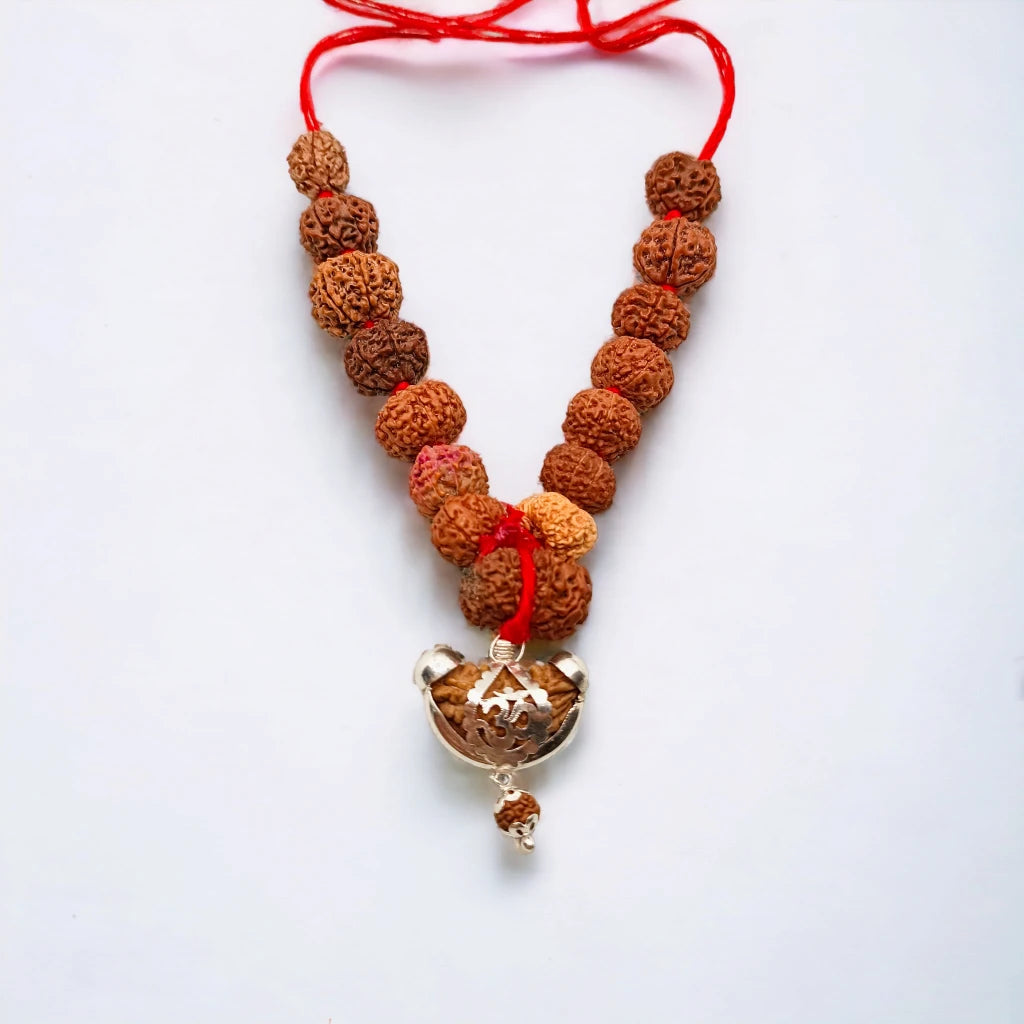
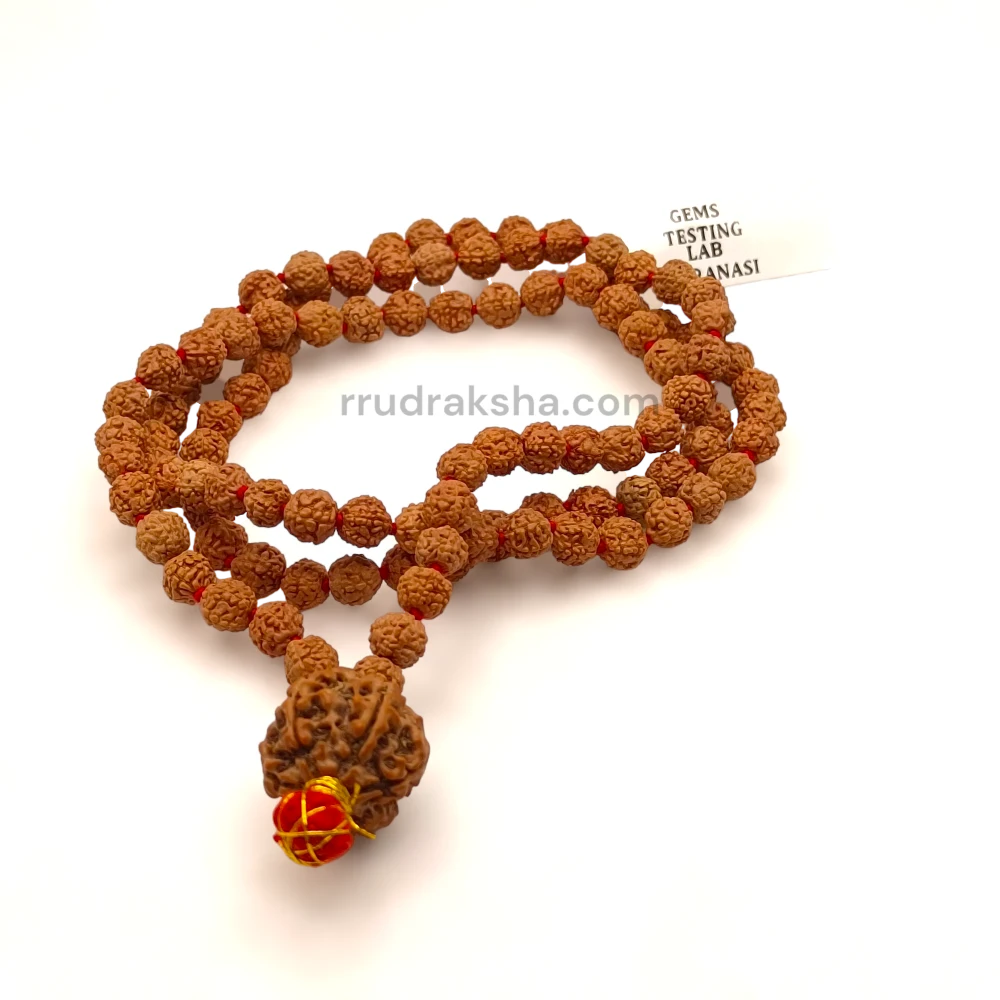
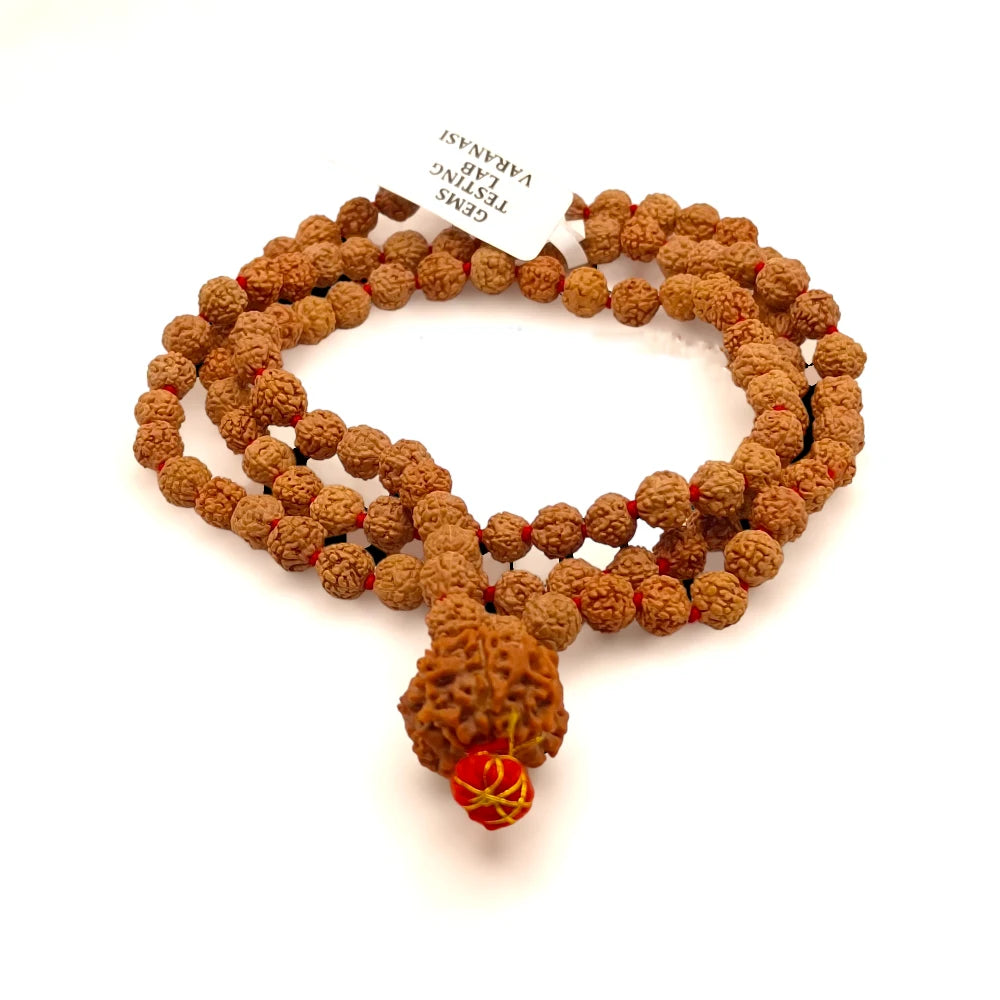
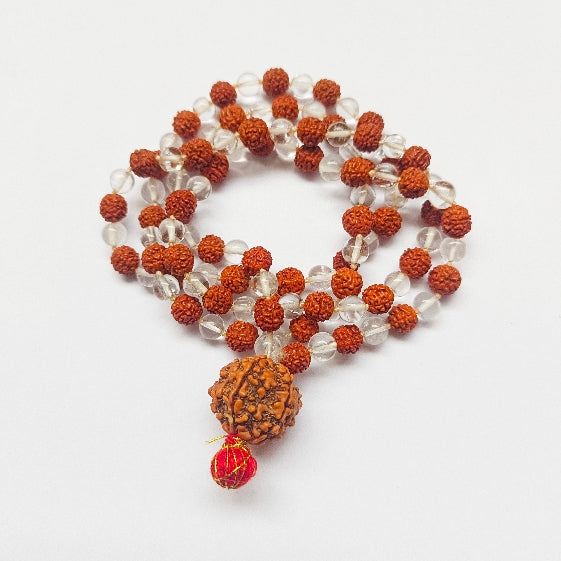
🌍 Geography of Rudraksha Trees: Nepal vs Indonesia vs India – Complete Guide
When people first learn about Rudraksha beads, one of the most common questions they ask is: Where do Rudraksha beads come from? Shortly after that comes an even more important question: Are Nepali, Indonesian, and Indian Rudraksha different?
These questions are not only natural but essential. The geographical origin of Rudraksha plays a significant role in its size, appearance, availability, and cultural reputation. Over centuries, three primary regions have become known for Rudraksha cultivation — Nepal, Indonesia, and India.
Each region has its own climate, soil, altitude, and ecological conditions. These factors influence the growth of the Rudraksha tree and the characteristics of the beads produced.
This complete guide explores the geography of Rudraksha trees in depth, helping readers understand how location shapes the journey of these sacred beads from forests to spiritual practice.
🌱 What Is the Rudraksha Tree?
Rudraksha beads come from the seeds of the Elaeocarpus ganitrus tree. This evergreen tree grows in subtropical climates with high humidity and consistent rainfall. The tree produces blue-colored fruits, and the seed inside the fruit becomes the Rudraksha bead.
Rudraksha trees thrive in regions with fertile soil, warm temperatures, and adequate rainfall. These environmental conditions are primarily found in parts of South and Southeast Asia.
🏔️ The Himalayan Connection
The Himalayan region has long been considered the spiritual heartland of Rudraksha. Many ancient sages and yogis lived in Himalayan forests, where Rudraksha trees naturally grow. This geographical connection strengthened the association between Rudraksha and meditation traditions.
Over centuries, the Himalayan foothills became one of the most important regions for Rudraksha cultivation.
🇳🇵 Rudraksha in Nepal
Nepal is one of the most well-known regions for Rudraksha cultivation. The country’s mountainous terrain, fertile soil, and humid climate provide ideal conditions for the growth of Rudraksha trees.
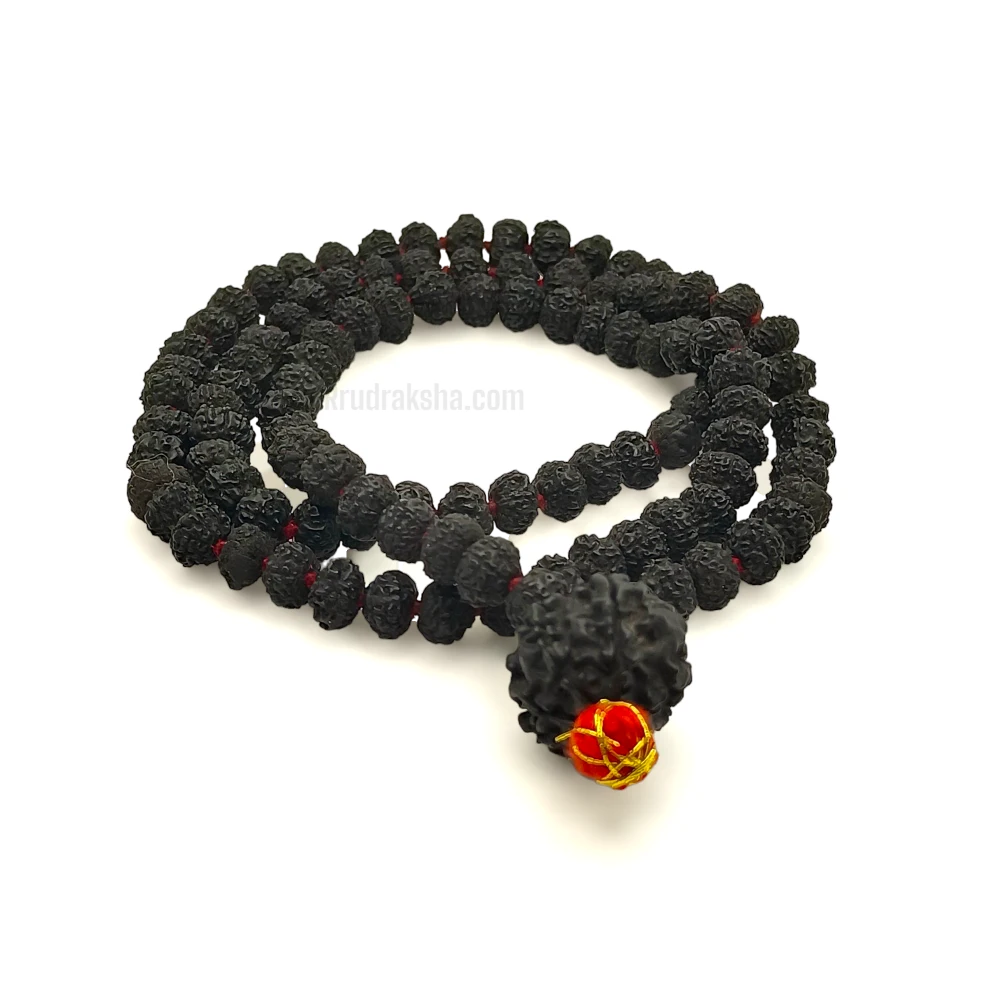
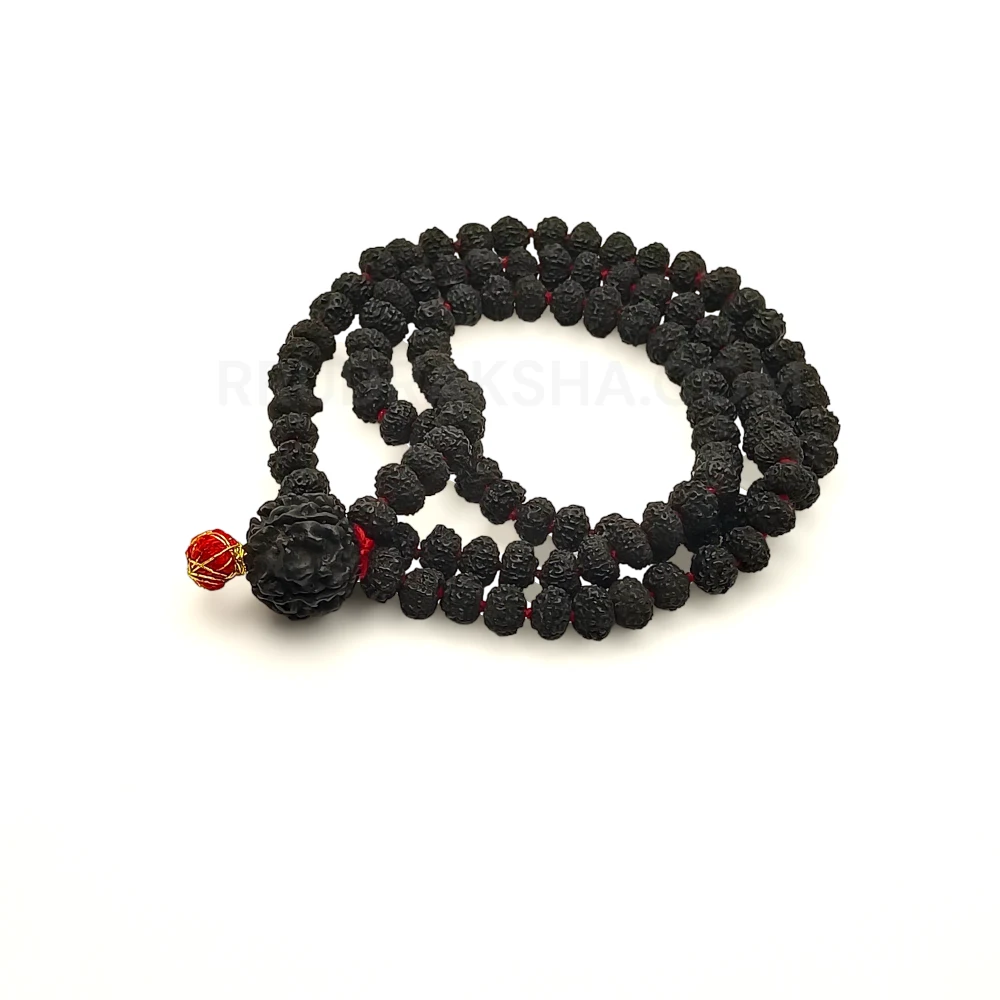
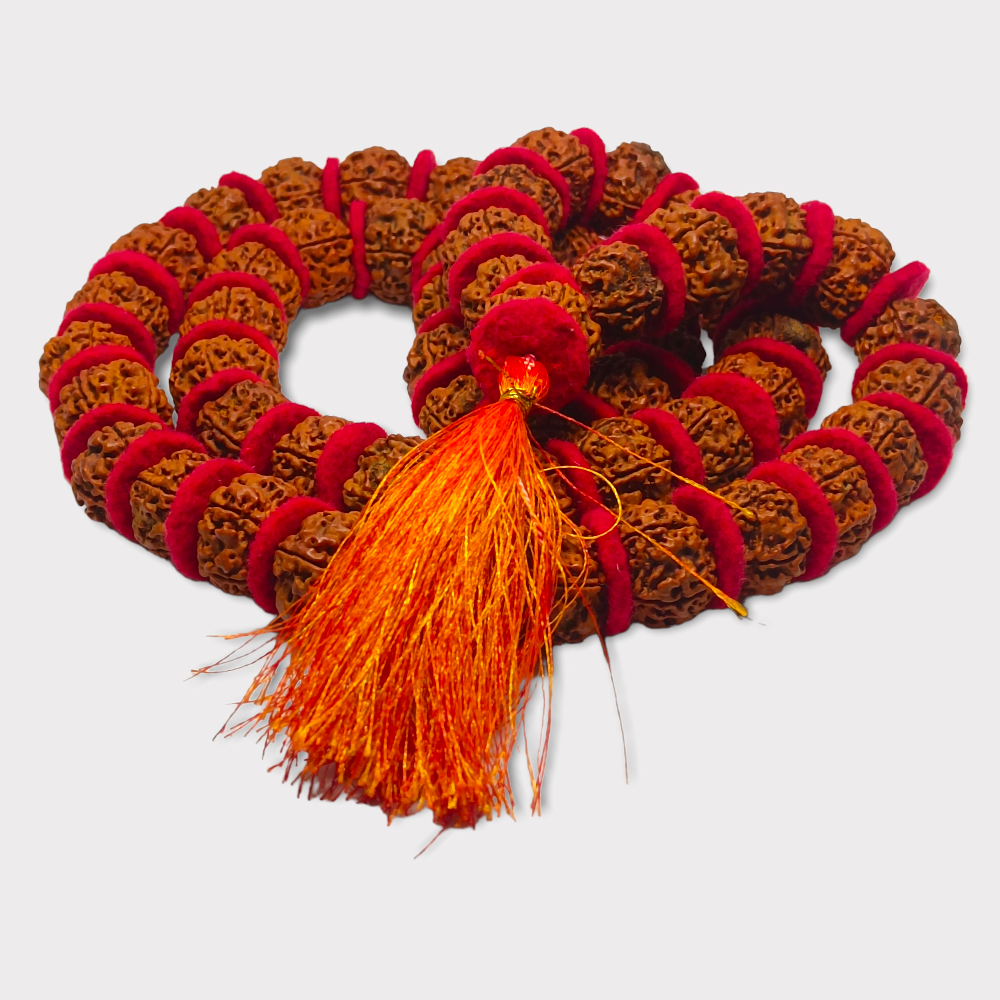
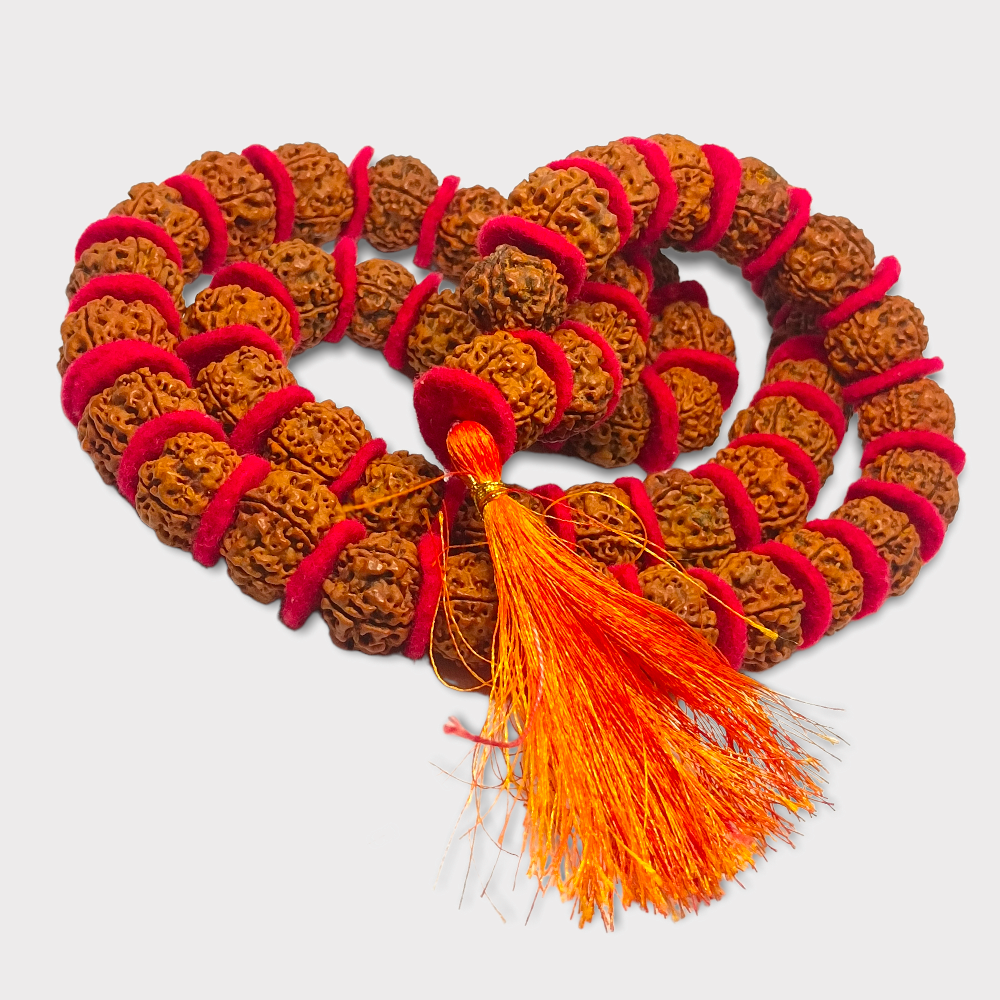
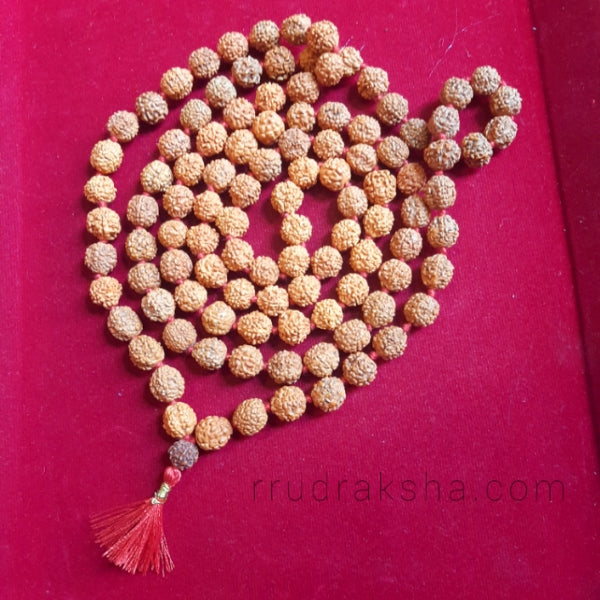
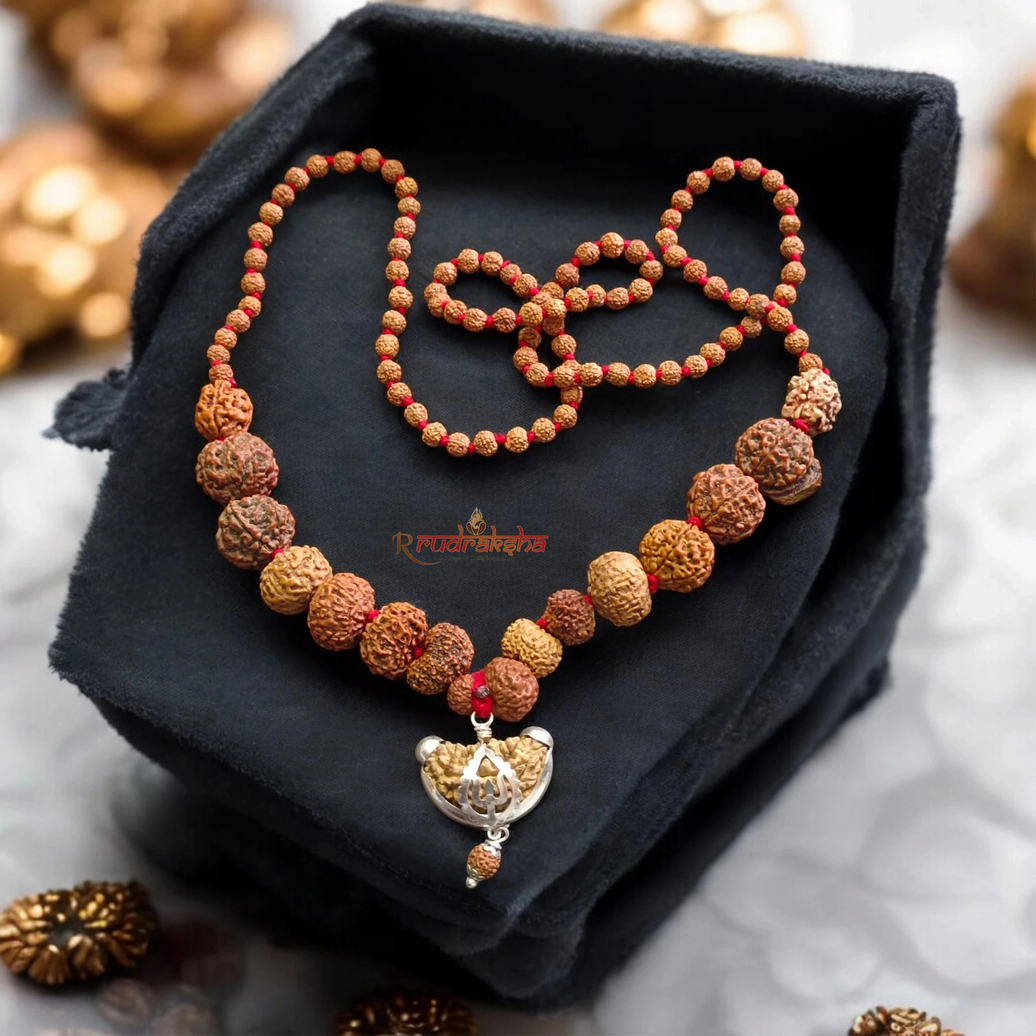
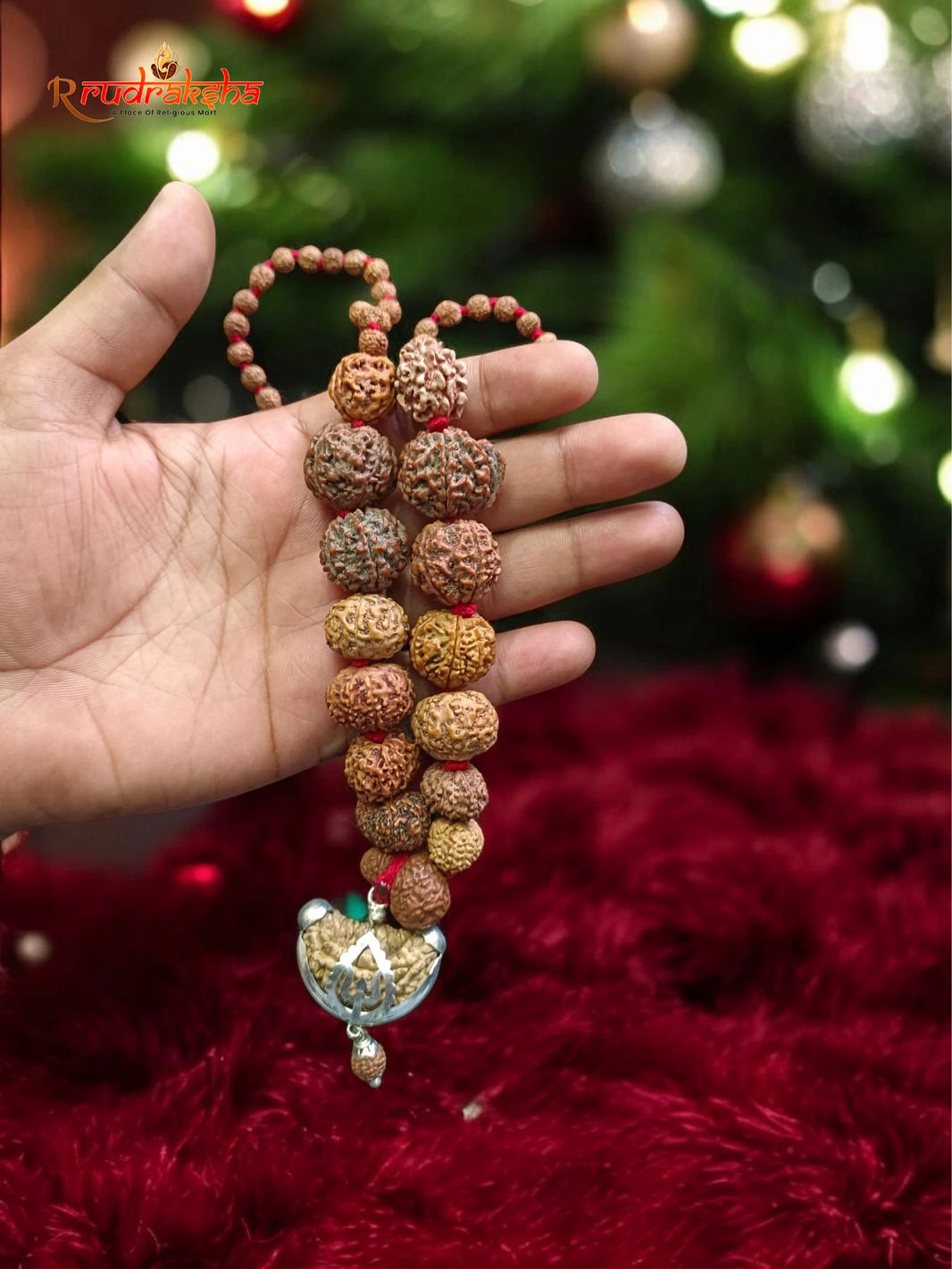
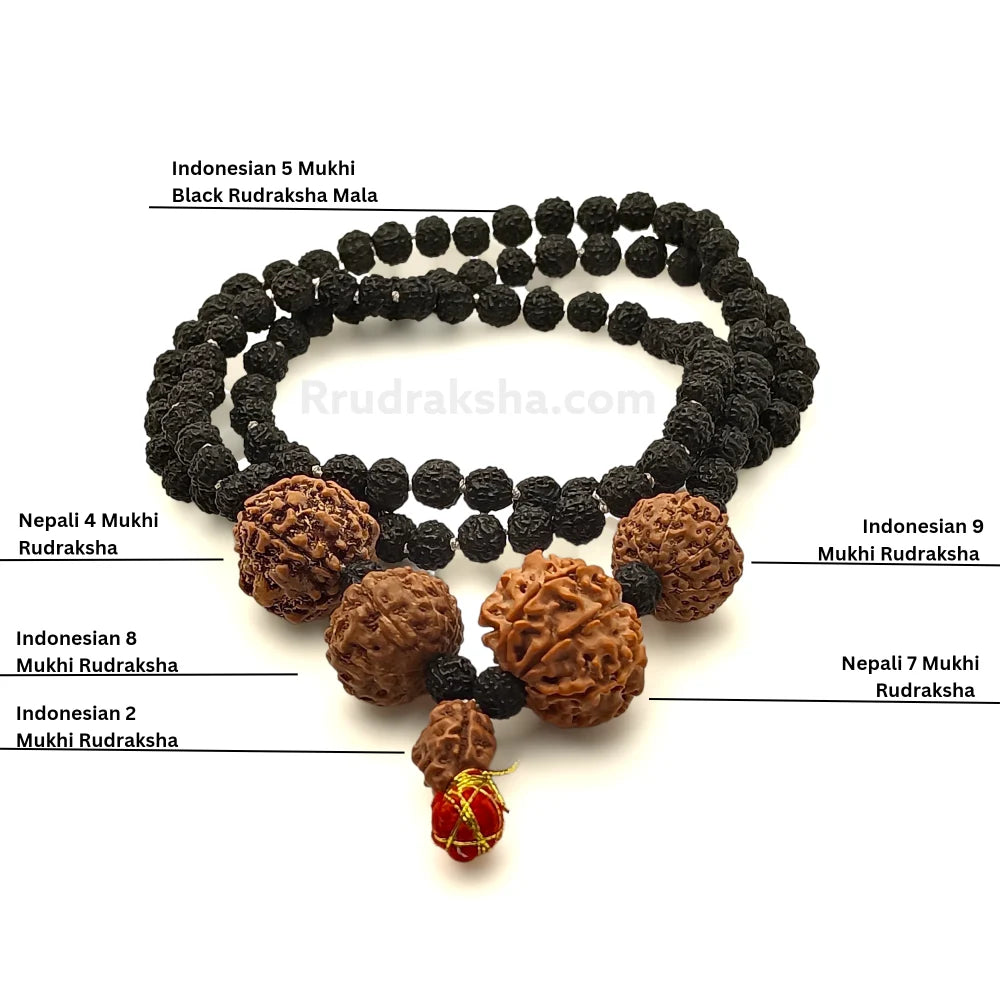
Nepali Rudraksha beads are often recognized for their larger size and well-defined mukhi lines. These characteristics have contributed to their strong reputation among collectors and spiritual practitioners.
🌧️ Climate of Nepal and Rudraksha Growth
The subtropical climate of Nepal’s lower Himalayan region supports healthy tree growth. Consistent rainfall and fertile soil create ideal conditions for the trees.
🇮🇩 Rudraksha in Indonesia
Indonesia is another major region where Rudraksha trees grow naturally. The tropical climate and abundant rainfall create favorable conditions for cultivation.
🌴 Indonesian Climate and Tree Growth
Indonesia’s tropical climate allows Rudraksha trees to grow in large numbers.
🇮🇳 Rudraksha in India
Rudraksha trees also grow in parts of India, especially in Himalayan regions.
🌟 Beginning of the Geographic Journey
Understanding these regions helps readers appreciate the natural journey of Rudraksha from forests to spiritual use.
🏔️ Nepal: The Himalayan Heartland of Rudraksha
Nepal is widely regarded as one of the most important regions for Rudraksha cultivation. The lower Himalayan belt provides the perfect ecological environment for the Elaeocarpus ganitrus tree. This region combines fertile soil, high humidity, moderate temperatures, and consistent rainfall — all essential conditions for healthy Rudraksha growth.
The Himalayan connection has also contributed to the strong spiritual reputation of Nepali Rudraksha. For centuries, the Himalayas have been associated with meditation, yoga, and spiritual retreat. Many ancient sages practiced meditation in these mountains, strengthening the symbolic relationship between Rudraksha and spiritual life.
Nepali Rudraksha beads are often recognized for their larger size and clearly defined mukhi lines. These characteristics are influenced by environmental factors such as altitude, soil composition, and climate.
🌧️ Environmental Factors in Nepal
The Himalayan foothills provide unique growing conditions. The combination of cool mountain air and subtropical humidity creates a balanced environment for tree growth. Seasonal rainfall supports fruit production, while fertile soil helps trees develop strong roots.
These environmental factors contribute to the distinctive appearance of Nepali Rudraksha beads.
🌴 Indonesia: Tropical Rudraksha Forests
Indonesia is another major region known for Rudraksha cultivation. The tropical climate provides abundant rainfall, warm temperatures, and dense forest ecosystems. These conditions allow Rudraksha trees to grow in large numbers.
Indonesian Rudraksha beads are typically smaller and lighter compared to Nepali beads. This difference is influenced by climate, soil composition, and tree growth patterns.
🌊 Climate Influence in Indonesia
Indonesia’s warm and humid climate allows trees to grow throughout the year. This environment supports large-scale cultivation and contributes to the availability of Indonesian Rudraksha in global markets.
🇮🇳 India: The Sacred Origin Land
India also has regions where Rudraksha trees grow naturally, particularly in the Himalayan belt and parts of North-East India. The cultural and spiritual significance of Rudraksha in India is deeply rooted in ancient traditions.
Although India produces fewer Rudraksha beads compared to Nepal and Indonesia, the cultural connection remains strong.
🌍 Environmental Comparison of the Three Regions
Each region offers unique environmental conditions that influence the growth of Rudraksha trees. Nepal’s mountainous terrain, Indonesia’s tropical forests, and India’s Himalayan regions all contribute to the global availability of Rudraksha.
📿 How Geography Influences Rudraksha Bead Appearance
The environment in which a Rudraksha tree grows has a direct influence on the characteristics of the beads it produces. Factors such as altitude, soil composition, rainfall, and temperature affect the size, texture, and surface patterns of the Rudraksha seed. Understanding these geographical influences helps explain why Rudraksha beads from Nepal, Indonesia, and India often look different from one another.
While the spiritual symbolism of Rudraksha remains consistent across regions, the physical appearance of the beads reflects the natural conditions of the environment in which they grow.
🏔️ Why Nepali Rudraksha Are Often Larger
Nepal’s Himalayan foothills provide a unique combination of cool mountain air and fertile soil. Trees growing in this environment tend to develop slower and stronger growth cycles. This slower growth often results in larger seeds with well-defined mukhi lines.
The altitude and seasonal climate variations contribute to this distinctive appearance.
🌴 Why Indonesian Rudraksha Are Usually Smaller
Indonesia’s tropical climate allows Rudraksha trees to grow continuously throughout the year. This faster growth cycle often results in smaller and lighter beads. The humid environment supports high production, making Indonesian Rudraksha widely available.
🇮🇳 Indian Rudraksha Characteristics
Indian Rudraksha beads are typically found in Himalayan and North-Eastern regions.
Their appearance varies depending on local environmental conditions.
🌍 Global Distribution of Rudraksha
Today, Rudraksha beads are distributed globally through trade and cultivation networks. Nepal and Indonesia remain the primary sources of Rudraksha supply.
🌏 Global Demand and Trade of Rudraksha in the Modern Era
In recent decades, the global rise of yoga, meditation, and mindfulness practices has brought renewed attention to Rudraksha beads. What was once primarily used by sages and spiritual practitioners in South Asia is now worn by individuals across the world. This growing awareness has created a significant global demand for Rudraksha.
However, the journey of Rudraksha from forest to marketplace is deeply connected to geography. Nepal, Indonesia, and India remain the primary regions responsible for supplying Rudraksha beads to the world. Each region plays a unique role in the cultivation, harvesting, and distribution of these sacred seeds.
The increasing popularity of meditation and spiritual wellness has transformed Rudraksha from a regional spiritual tool into a globally recognized symbol of mindfulness.
📦 The Journey From Forest to Marketplace
The journey of Rudraksha begins in dense forests and mountainous landscapes where Elaeocarpus ganitrus trees grow naturally. These trees can reach impressive heights and take several years to mature before producing fruit.
Once the trees reach maturity, they begin producing blue-colored fruits. Inside each fruit lies the Rudraksha seed. Harvesting usually takes place when the fruit naturally ripens and falls from the tree.
This natural harvesting process is important because it ensures the seeds are fully matured. After collection, the outer fruit pulp is removed, and the seeds are washed and dried. This process prepares the Rudraksha beads for sorting and distribution.
🌱 Seasonal Harvesting Differences Across Regions
The harvesting season varies between Nepal, Indonesia, and India due to climate differences. In Nepal and India, Rudraksha fruits typically ripen during late summer and early autumn. In Indonesia, the tropical climate allows more frequent harvesting cycles.
These regional variations contribute to differences in supply and availability throughout the year.
🏔️ Supply Chain in Nepal
Nepal’s Rudraksha industry is closely connected with rural communities living in the Himalayan foothills. Many families participate in collecting and processing Rudraksha fruits during harvest season.
After collection, the seeds are cleaned, dried, and transported to trading hubs. From there, they are distributed to different parts of the world.
🌴 Supply Chain in Indonesia
Indonesia plays a major role in meeting global demand. The country’s tropical climate supports large-scale cultivation, making Indonesian Rudraksha widely available in international markets.
The large supply helps meet growing demand from meditation practitioners and spiritual communities worldwide.
🇮🇳 Role of India in Distribution and Cultural Preservation
Although India produces fewer Rudraksha beads compared to Nepal and Indonesia, the country plays a significant role in cultural preservation, spiritual education, and distribution.
India serves as a major hub for spiritual markets and global export.
🌍 Rising Global Awareness of Rudraksha
The expansion of yoga and meditation has introduced Rudraksha to new audiences worldwide. Spiritual seekers across continents now explore traditional meditation tools.
🌱 Environmental Importance of Rudraksha Trees
The increasing demand for Rudraksha has also increased awareness about the need to preserve Rudraksha trees and their ecosystems. Conservation efforts help maintain ecological balance and biodiversity.
Frequently Asked Questions (FAQs) ❓
1. In which countries do Rudraksha trees grow naturally?
Rudraksha trees mainly grow in Nepal, India, and Indonesia. These regions provide the subtropical and tropical climate required for healthy tree growth.
2. Which country produces the most Rudraksha?
Indonesia produces the largest quantity of Rudraksha due to its tropical climate and large-scale cultivation. Nepal is known for producing larger-sized beads.
3. Why are Nepali Rudraksha usually bigger?
The Himalayan climate and slower tree growth cycles contribute to larger seeds with well-defined mukhi lines.
4. Why are Indonesian Rudraksha smaller?
The tropical climate supports faster growth cycles, which often result in smaller and lighter beads.
5. Are Indian Rudraksha rare?
Indian Rudraksha is less common compared to Nepal and Indonesia but holds strong cultural and spiritual significance.
6. Does geography affect Rudraksha quality?
Geography affects size, appearance, and availability, but spiritual symbolism remains consistent across regions.
7. Can Rudraksha grow outside Asia?
Rudraksha trees primarily grow in South and Southeast Asia due to climate requirements.
8. When is Rudraksha harvested?
Harvesting usually occurs when fruits naturally ripen and fall from the tree.
9. Why is Nepal famous for Rudraksha?
Nepal’s Himalayan climate and spiritual history contribute to its strong reputation.
10. Why is understanding geography important for buyers?
Knowing the origin helps buyers understand availability, size differences, and global supply chains.
📌 Conclusion ✨
The geography of Rudraksha trees tells a story that stretches from Himalayan mountains to tropical forests. Nepal, Indonesia, and India each play unique roles in the cultivation, harvesting, and global distribution of Rudraksha beads.
Understanding this journey helps readers appreciate the natural origins of Rudraksha and the environmental factors that shape its growth and availability. From forest ecosystems to global meditation culture, Rudraksha continues to connect nature, spirituality, and tradition.
🙏 हर हर महादेव 🙏





Leave a comment