


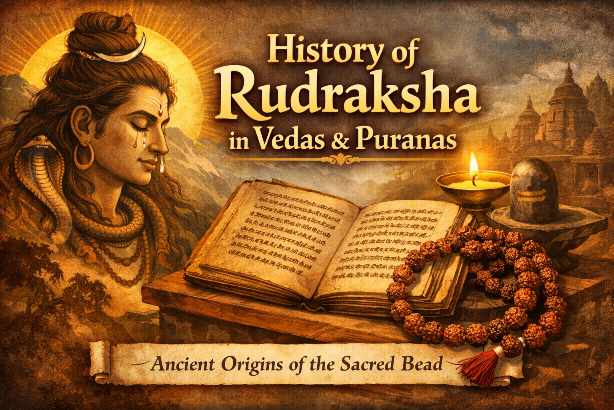
📜 History of Rudraksha in Vedas & Puranas: Ancient Origins of the Sacred Bead
Long before Rudraksha became a spiritual accessory worn by seekers across the world, it was already deeply rooted in the sacred literature of India. The story of Rudraksha does not begin in market places or modern spiritual trends. It begins in ancient forests, in meditation caves, and in the sacred texts that shaped Hindu philosophy and spiritual practice.
Today, Rudraksha beads are worn by millions of people for spiritual growth, meditation, and mindfulness. Yet many people are unaware of how ancient and profound the history of Rudraksha truly is. References to Rudraksha appear in scriptures, Puranas, and traditional spiritual literature that date back thousands of years.
This blog explores the historical and scriptural journey of Rudraksha — from its mythological origin in the tears of Lord Shiva to its role in meditation, devotion, and spiritual discipline across centuries.
🔱 What Does the Word Rudraksha Mean?
The word Rudraksha comes from two Sanskrit words: “Rudra” and “Aksha.” Rudra is one of the ancient names of Lord Shiva, and Aksha means tears or eyes. Therefore, Rudraksha literally means “the tears of Lord Shiva.”
This name reflects the deeply spiritual origin of the bead. According to Hindu tradition, Rudraksha is not just a seed from a tree. It is a symbol of compassion, meditation, and divine awareness.
🕉️ The Mythological Origin of Rudraksha
The most widely known story about Rudraksha comes from the Shiva Purana. According to this sacred text, Lord Shiva once entered a deep state of meditation for the well-being of all living beings. When he finally opened his eyes, tears of compassion fell to the Earth.
From these tears grew the first Rudraksha trees.
This story is symbolic and spiritual rather than literal. It represents compassion, awareness, and the desire to reduce suffering.
📖 Rudraksha in the Shiva Purana
The Shiva Purana contains some of the most detailed references to Rudraksha. The text describes Rudraksha as a sacred bead associated with meditation and spiritual discipline.
It explains that sages and seekers wore Rudraksha during meditation and spiritual practice.
📚 Rudraksha in Other Puranas
References to Rudraksha also appear in the Padma Purana, Skanda Purana, and Linga Purana. These texts describe Rudraksha as a sacred companion for spiritual seekers.
🧘 Rudraksha in Ancient Meditation Traditions
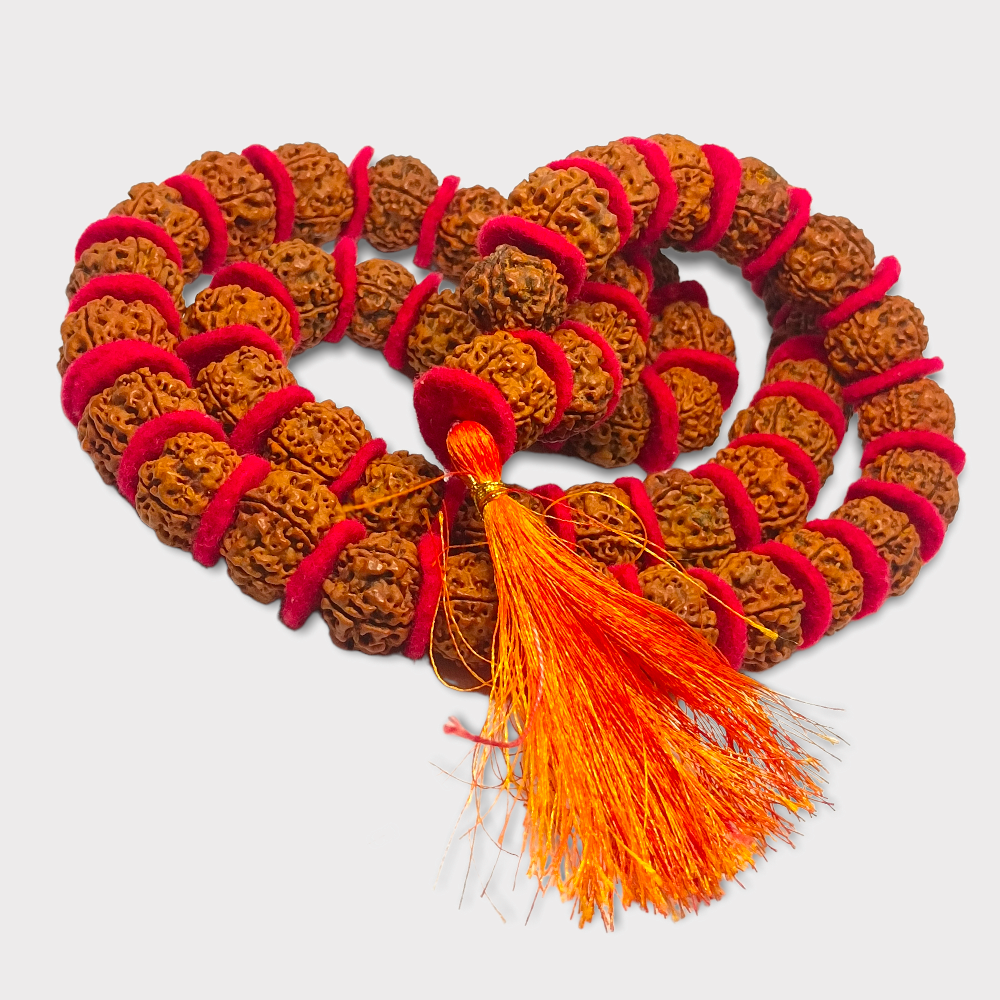
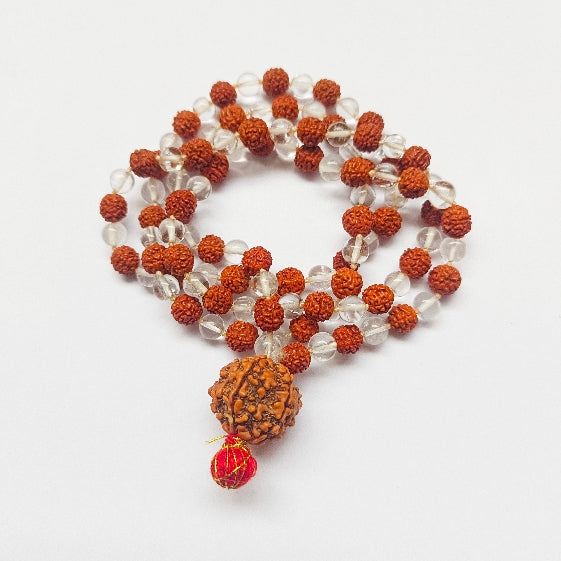
Rudraksha beads were traditionally used for meditation and mantra chanting. The textured surface and natural feel made them suitable for prayer beads.
🏛️ Rudraksha in Ancient India
Historical evidence suggests that Rudraksha beads were worn by sages and yogis living in forests and Himalayan regions.
🌍 Spread of Rudraksha Traditions
Over centuries, Rudraksha traditions spread across India and beyond.
🌿 Rudraksha in the Upanishads and Early Spiritual Literature
Beyond the Puranas, Rudraksha is also referenced in later spiritual texts and traditions that evolved from Vedic philosophy. While the Vedas themselves focus more on cosmic principles, rituals, and philosophical hymns, later spiritual literature and Upanishadic traditions began emphasizing meditation, self-realization, and personal spiritual discipline. It is within this broader evolution of spiritual practice that Rudraksha gained a more visible role.
As meditation became central to spiritual life, sacred tools such as malas (prayer beads) became essential companions for seekers. Rudraksha beads, because of their association with Lord Shiva and meditation, naturally became the preferred choice for mantra chanting and contemplative practices.
Over time, Rudraksha came to symbolize the transition from ritualistic worship toward inner spiritual exploration. This shift marked an important evolution in Hindu spirituality — from external rituals to internal awareness.
🧘 Rudraksha in the Tradition of Yogis and Sages
Ancient India witnessed the rise of yogic traditions that focused on meditation, self-discipline, and inner transformation. Yogis living in forests, caves, and Himalayan regions often wore Rudraksha beads as part of their spiritual lifestyle.
These practitioners did not wear Rudraksha for decoration or status. Instead, the beads symbolized renunciation, awareness, and spiritual commitment. Rudraksha became part of the visual identity of ascetics and seekers, representing a life dedicated to meditation and simplicity.
Even today, images of yogis and sages wearing Rudraksha malas remain deeply embedded in the spiritual imagination of India.
📿 Rudraksha and the Evolution of Japa Mala
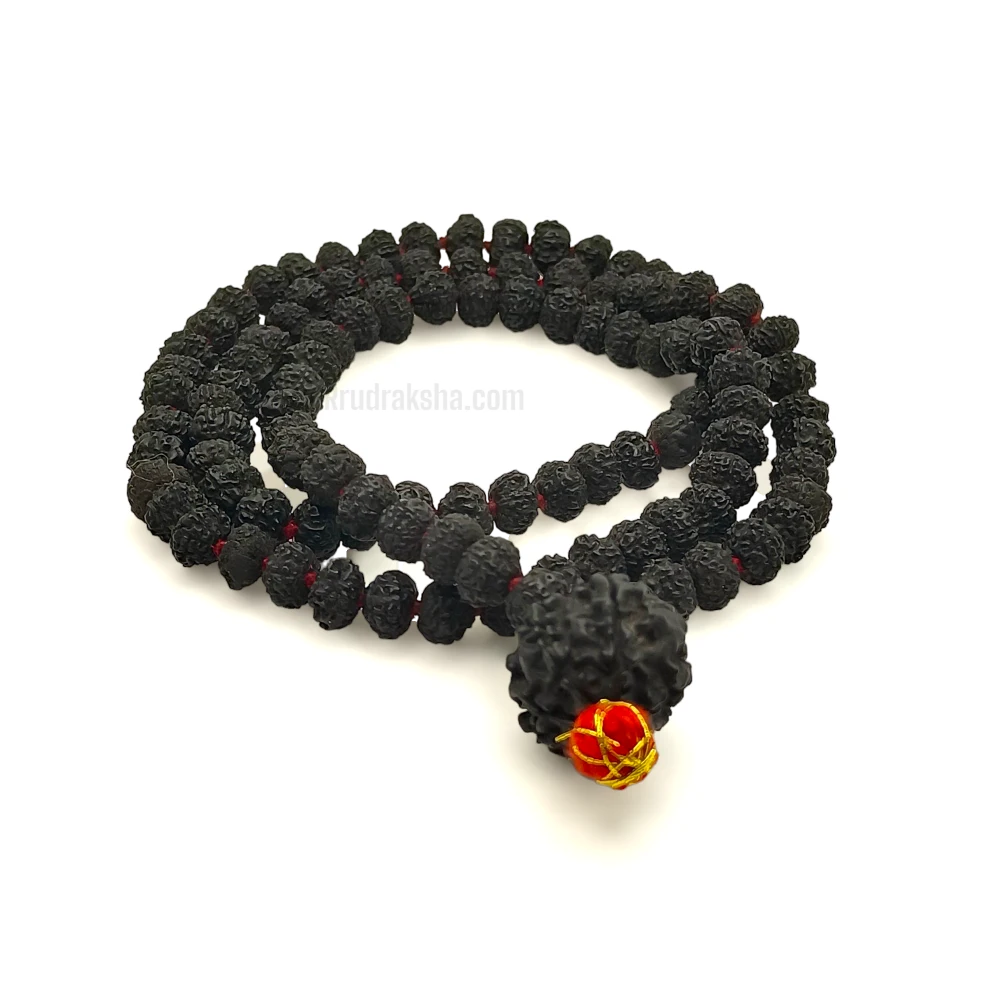
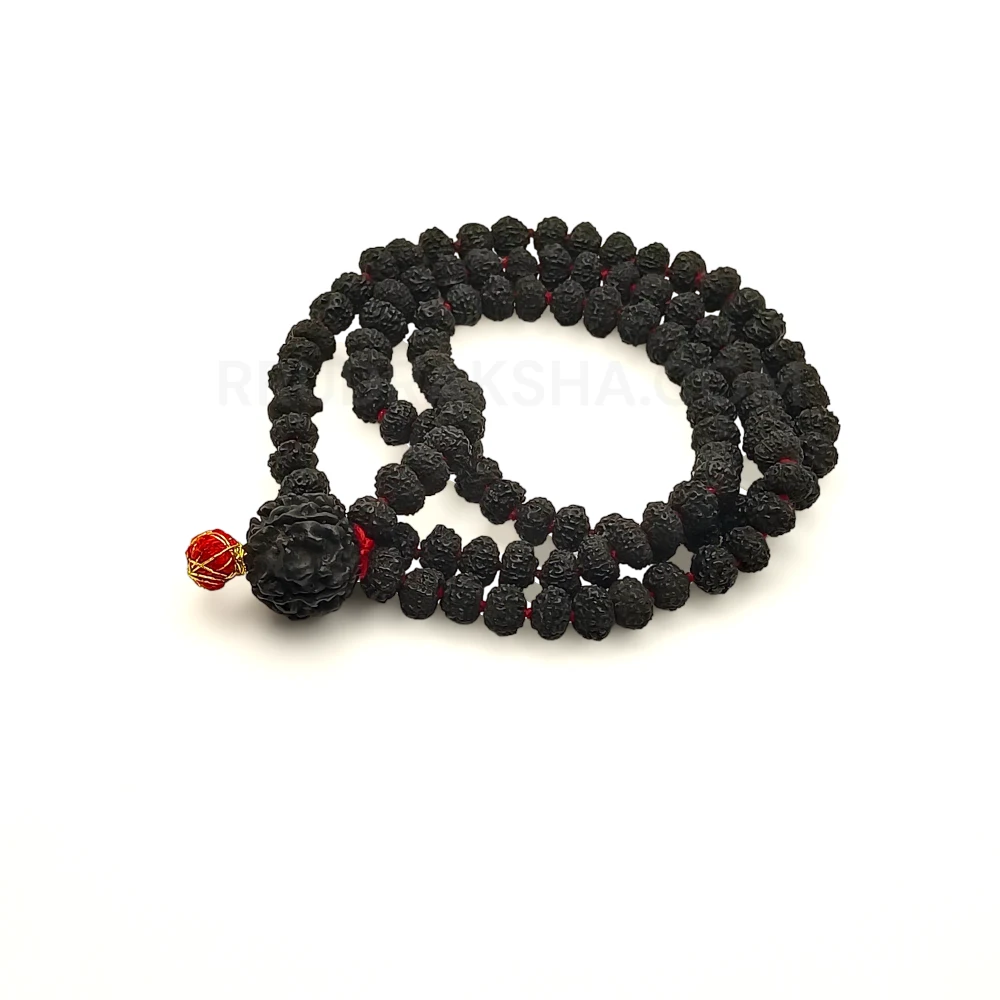
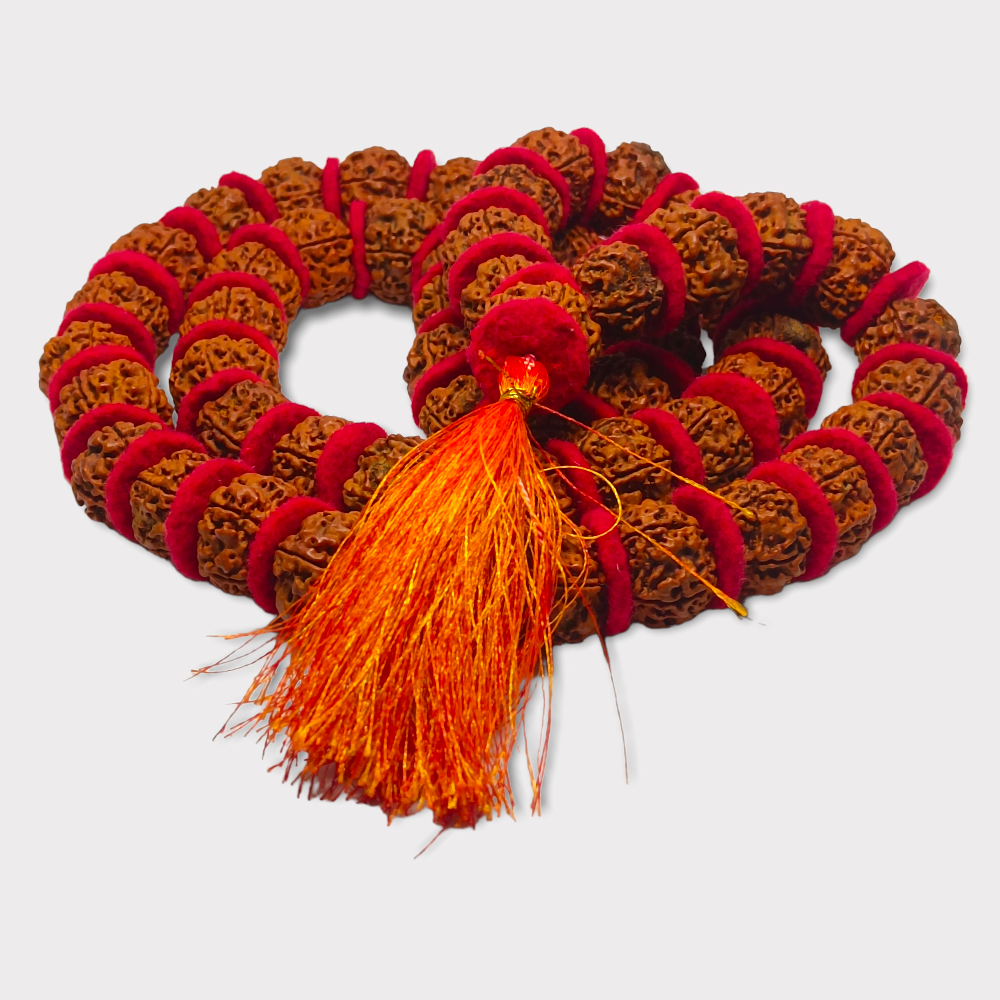
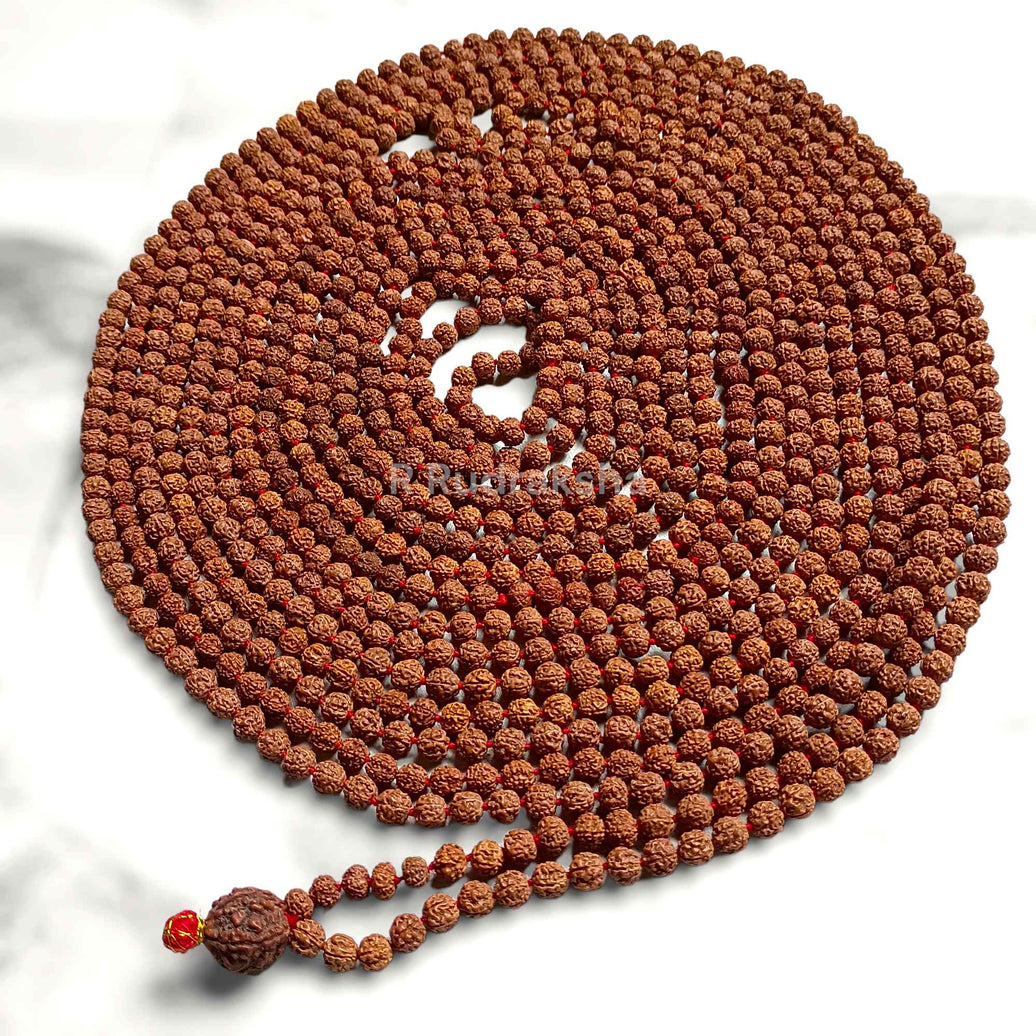
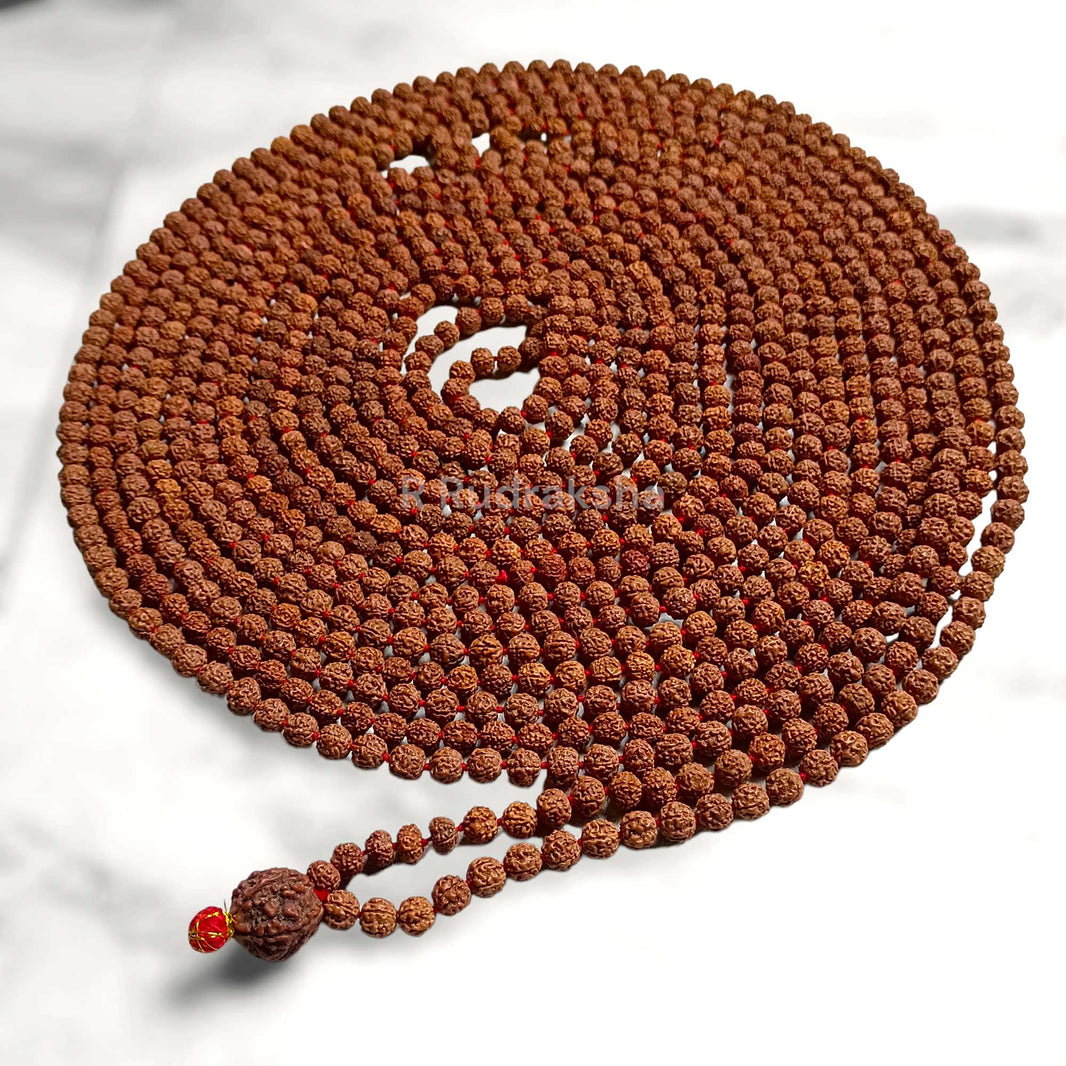
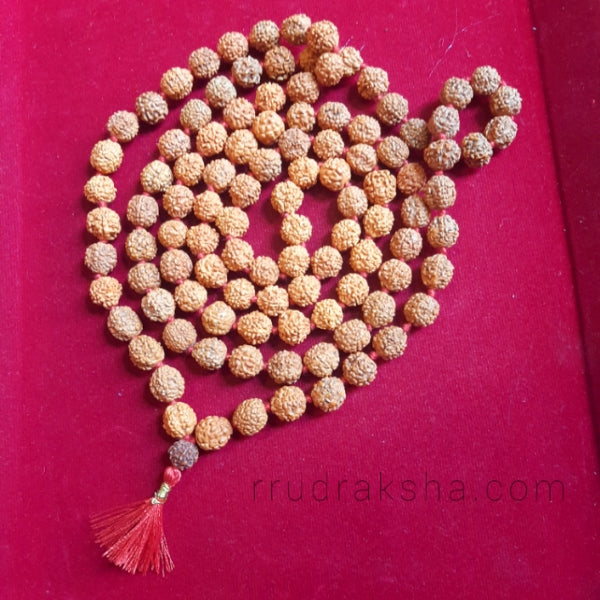
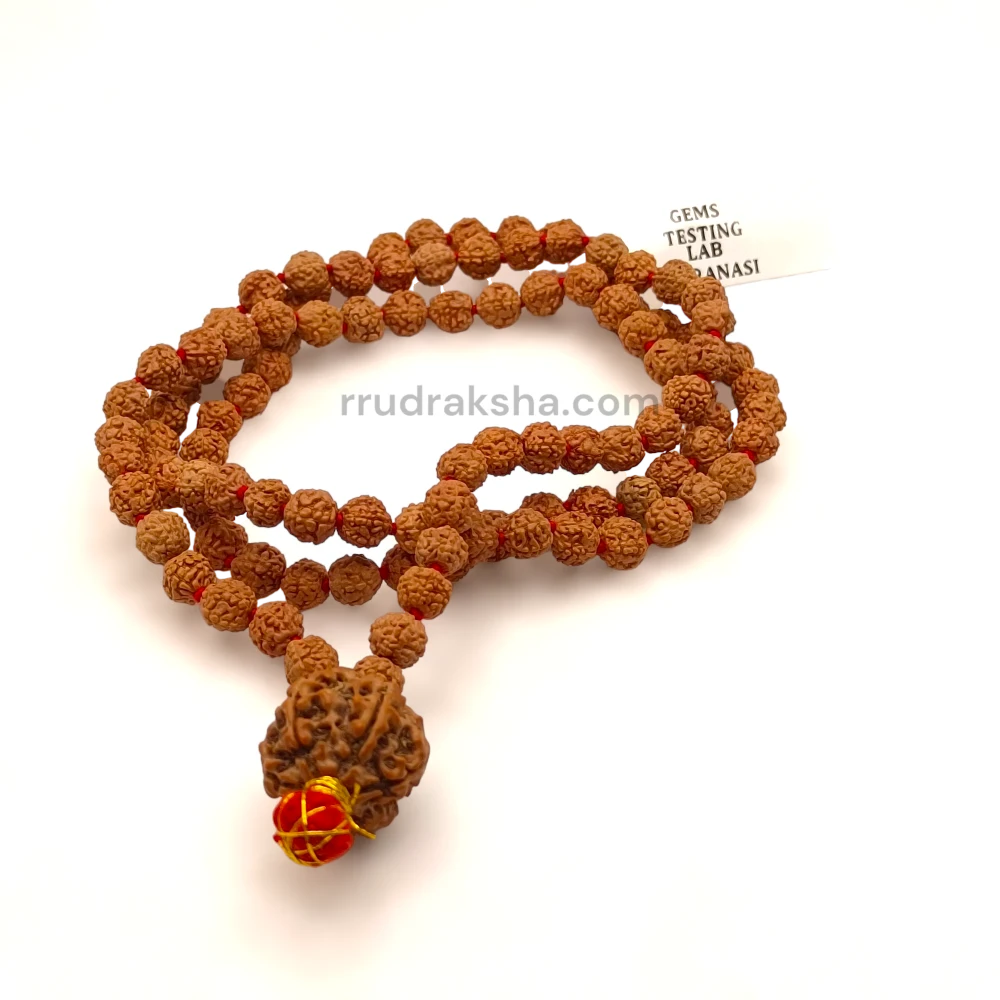
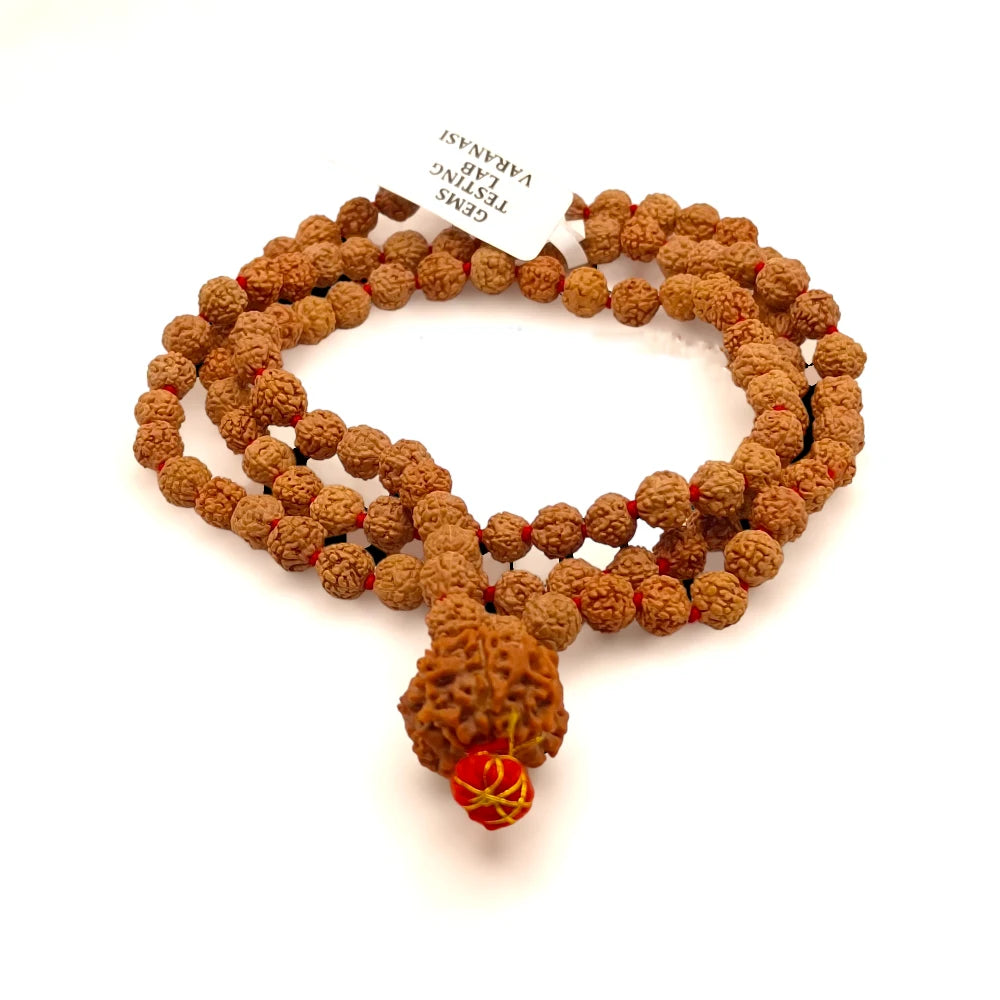
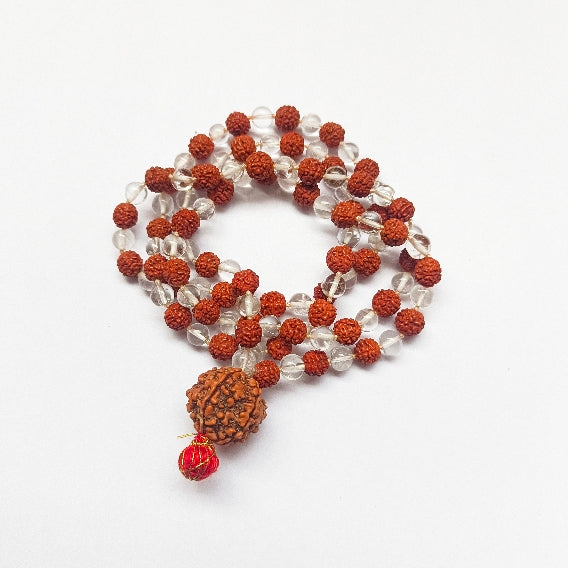
As mantra chanting became an important spiritual practice, the use of Japa Mala (prayer beads) developed into a structured tradition. A typical mala contains 108 beads, a number considered sacred in Hindu and yogic traditions.
Rudraksha beads became one of the most preferred materials for making Japa Malas. Their natural texture made them easy to hold and count during chanting, while their spiritual symbolism strengthened the emotional connection of the practitioner.
This integration of Rudraksha into daily spiritual practice further solidified its place in Hindu tradition.
🏔️ Rudraksha and Himalayan Spiritual Culture
The Himalayan region has long been considered the spiritual heartland of India. Many ancient sages and spiritual masters lived and practiced meditation in these mountains. Rudraksha trees naturally grow in the Himalayan foothills and nearby regions, creating a natural connection between geography and spirituality.
This geographical connection strengthened the association between Rudraksha and meditation traditions. Over centuries, the bead became deeply embedded in Himalayan spiritual culture.
🌏 Rudraksha in Modern Spiritual Culture
As centuries passed, Rudraksha slowly transitioned from being primarily associated with ascetics and monks to becoming a spiritual companion for householders and modern practitioners. This shift began during the late medieval period and continued into modern times as spiritual teachings became more accessible to the general public.
Today, Rudraksha is worn not only by monks and yogis but also by students, professionals, and individuals seeking balance in daily life. This transformation reflects the adaptability of ancient spiritual traditions. Rather than remaining confined to monasteries and caves, spiritual tools like Rudraksha evolved to support people living modern lifestyles.
This transition highlights an important truth: spiritual practices evolve with time while preserving their essence.
🧠 Rudraksha and the Rise of Global Meditation Culture
The global interest in meditation and mindfulness during the 20th and 21st centuries brought renewed attention to Rudraksha. As yoga and meditation spread worldwide, people began exploring traditional spiritual tools associated with these practices.
Rudraksha malas became widely recognized as meditation beads, similar to prayer beads used in other spiritual traditions. This cross-cultural recognition helped introduce Rudraksha to a global audience.
While the cultural context differs, the underlying purpose remains the same — supporting focus, mindfulness, and spiritual discipline.
🏛️ Cultural Continuity Across Generations
Despite modern influences, Rudraksha continues to hold deep cultural and spiritual significance in India and Nepal. Many families pass down Rudraksha malas through generations as symbols of faith and tradition.
This continuity demonstrates how spiritual traditions remain alive by adapting to changing lifestyles while preserving their core values.
🔬 Scientific & Botanical Curiosity Around Rudraksha
Modern interest in Rudraksha has also led to scientific curiosity about the bead’s botanical origin. Rudraksha seeds come from the Elaeocarpus ganitrus tree, which grows primarily in the Himalayan region, Nepal, and parts of Southeast Asia.
While spiritual beliefs remain rooted in tradition, scientific curiosity about the tree and its properties continues to grow.
📿 Rudraksha in Contemporary Spiritual Lifestyle
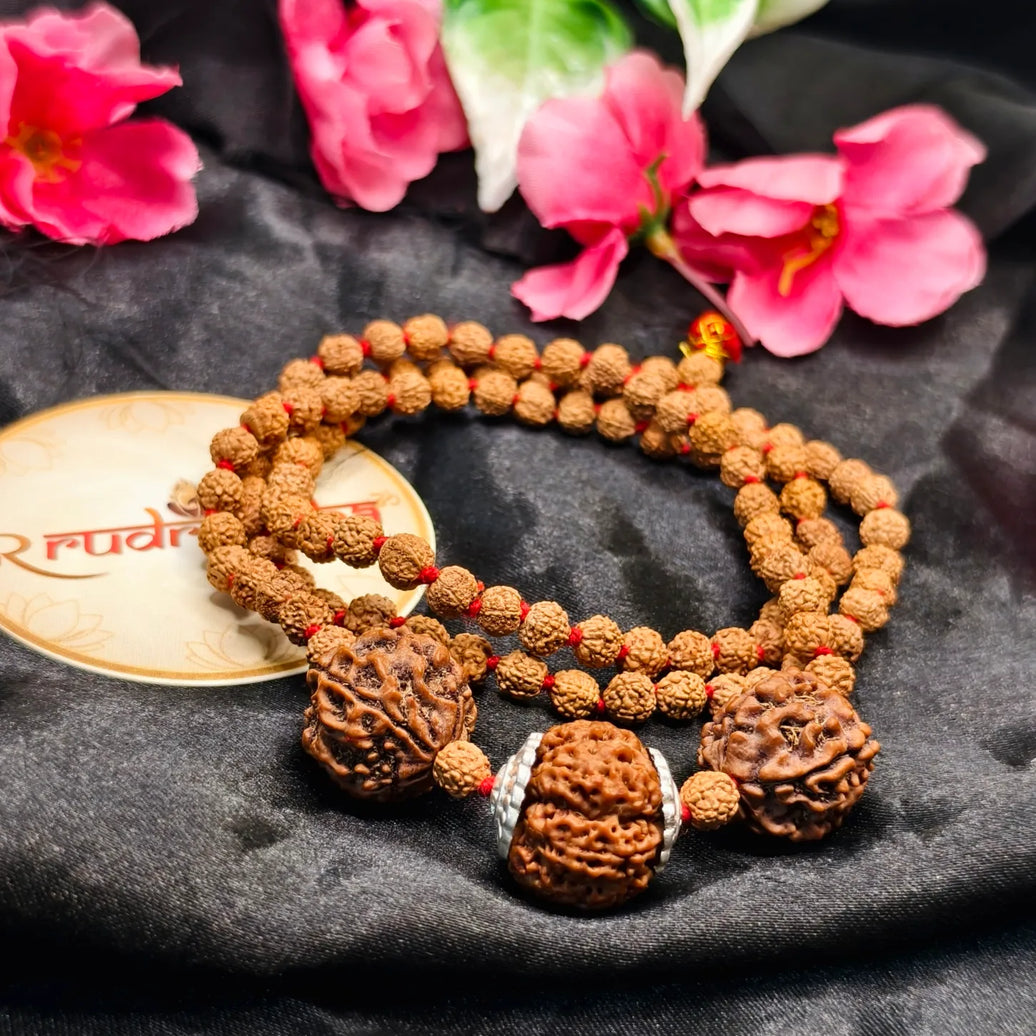
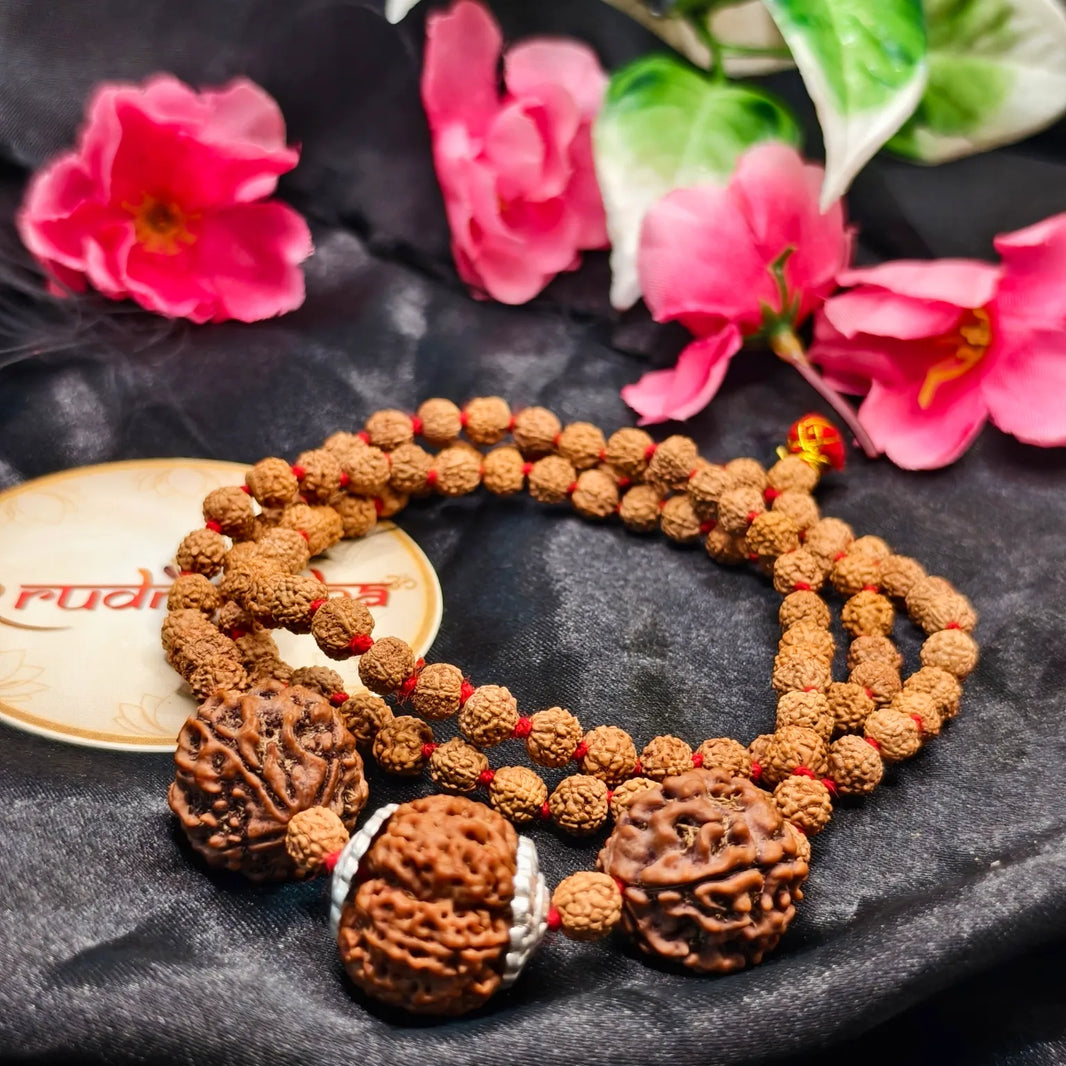
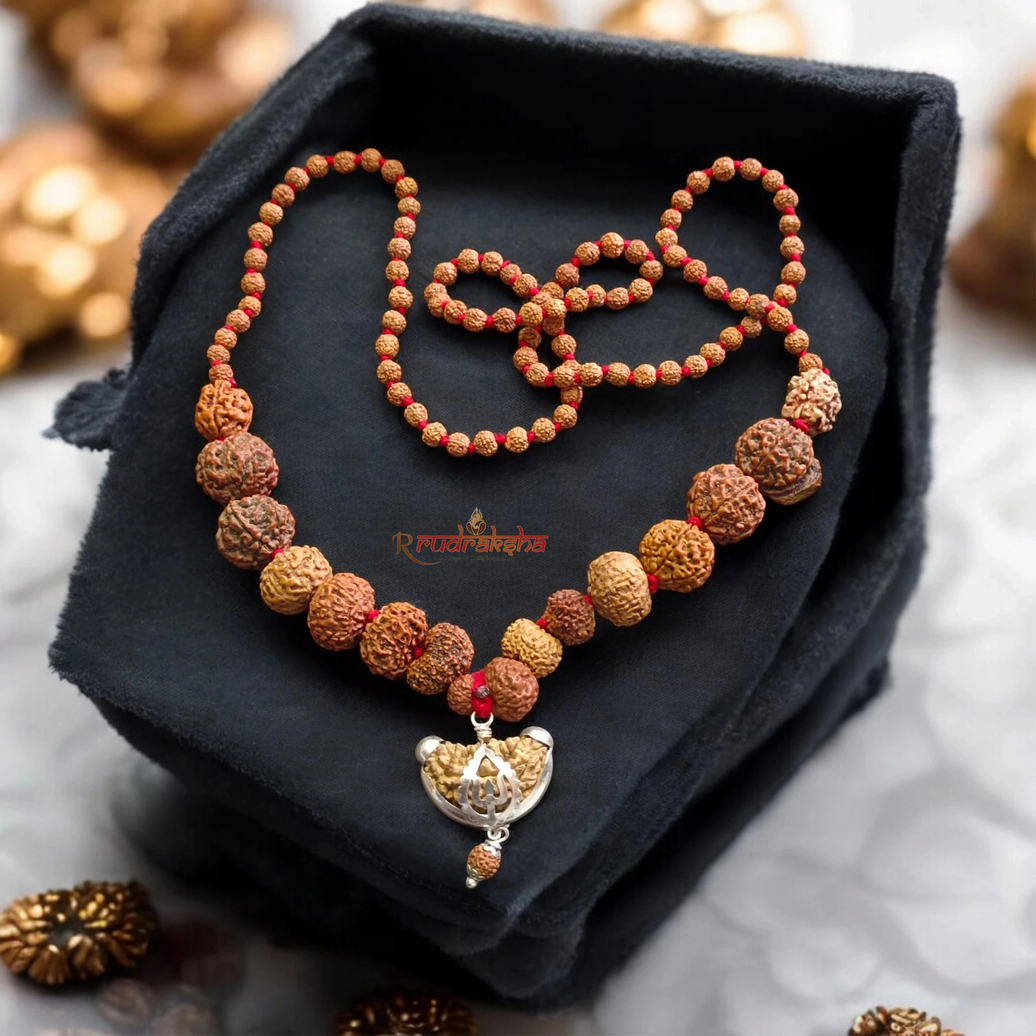
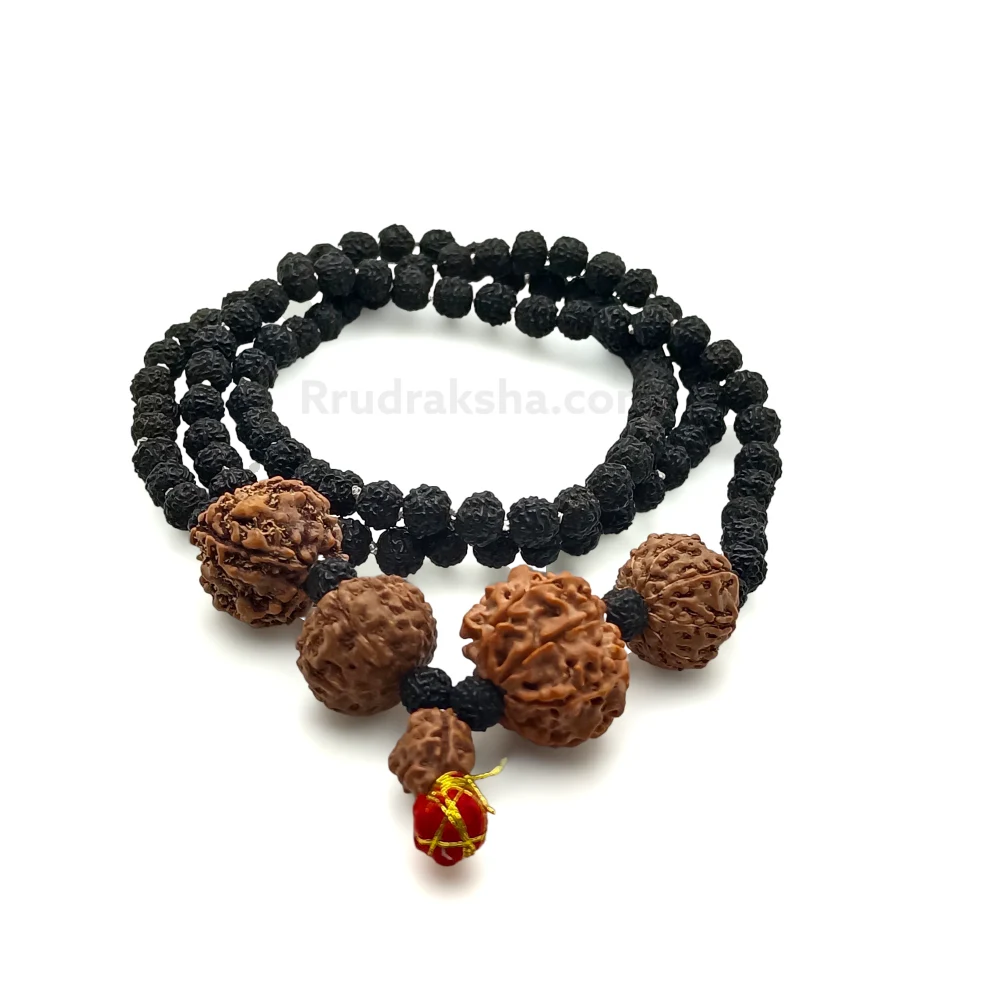
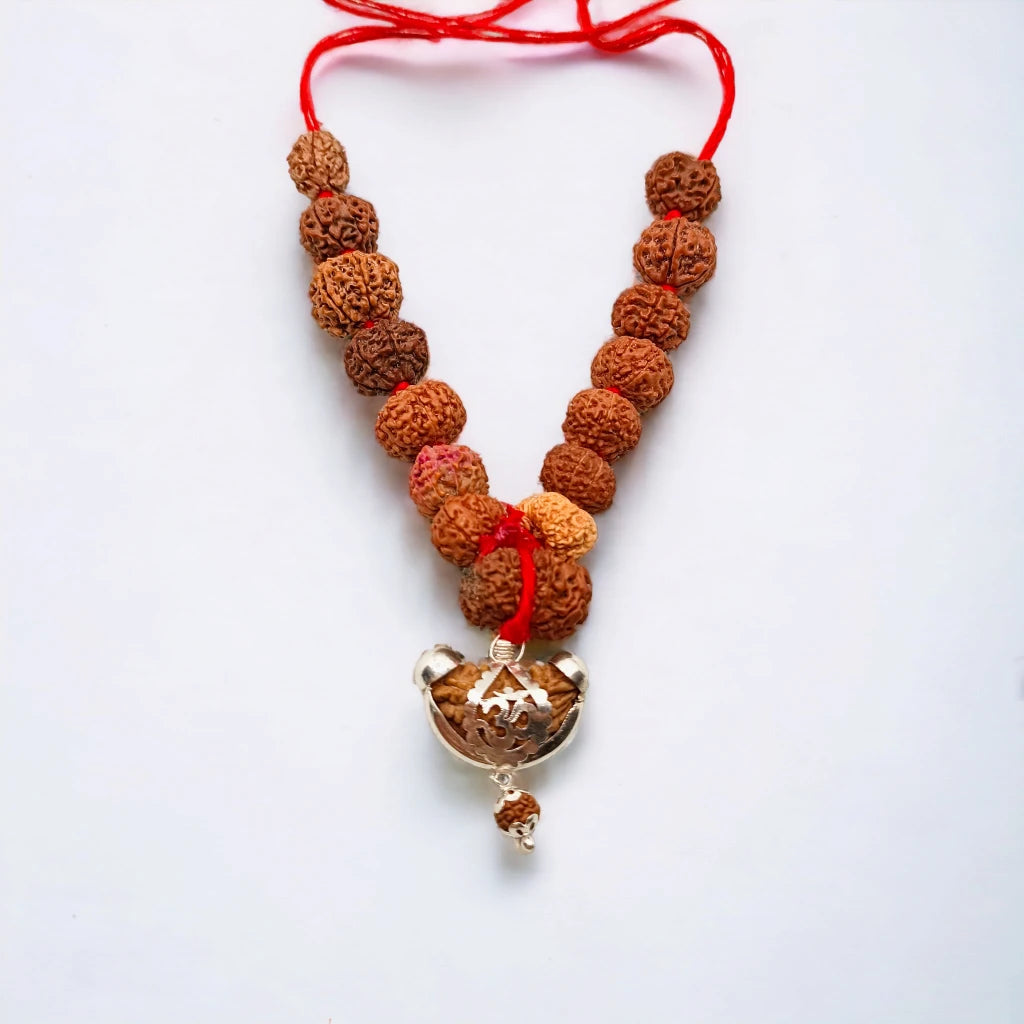
Today, Rudraksha is worn in many forms — malas, bracelets, and pendants. People incorporate it into meditation, yoga, and personal reflection routines.
This modern usage reflects a blend of tradition and contemporary lifestyle.
🔍 Rudraksha in Historical Travel Records & Cultural Exchange
As trade routes expanded across Asia, spiritual objects began traveling along with merchants, monks, and travelers. Historical records suggest that sacred beads and prayer malas were exchanged across regions, allowing Rudraksha to reach areas beyond the Indian subcontinent. This exchange helped Rudraksha become known in Southeast Asia, particularly in Indonesia, where Rudraksha trees naturally grow.
Over centuries, this geographical spread strengthened Rudraksha’s reputation as a spiritual bead associated with meditation and mindfulness. The movement of ideas, traditions, and sacred objects through travel and trade played an important role in shaping global spiritual culture.
📿 Symbolism of Rudraksha in Different Spiritual Paths
Although Rudraksha is most closely associated with Shaivism, its symbolism gradually expanded beyond one specific tradition. Over time, people from different spiritual backgrounds began wearing Rudraksha as a symbol of meditation, self-awareness, and spiritual commitment.
This broader acceptance reflects the universal appeal of spiritual symbols. Objects that encourage mindfulness and reflection often transcend specific traditions and become meaningful to wider audiences.
🌱 Botanical Origins of the Rudraksha Tree
The Rudraksha bead comes from the fruit of the Elaeocarpus ganitrus tree. This tree grows in subtropical climates, particularly in the Himalayan region, Nepal, Indonesia, and parts of Southeast Asia. The natural growth of Rudraksha trees in these regions contributed to the spread of the tradition.
The connection between geography and spirituality is a recurring theme in ancient traditions. Sacred objects often originate in regions associated with spiritual practice, strengthening their cultural significance.
📜 Cultural Preservation Through Generations
One of the most remarkable aspects of Rudraksha history is its continuity across generations. From ancient sages to modern practitioners, the bead has remained a symbol of discipline and awareness.
This continuity highlights the enduring relevance of spiritual traditions in changing times.
🔱 Deeper Symbolism of Rudraksha in Hindu Philosophy
To truly understand the historical role of Rudraksha, we must go beyond mythology and explore its deeper philosophical symbolism. In Hindu philosophy, sacred objects are never seen as magical charms or lucky items. They are symbolic tools designed to guide the human mind toward awareness, discipline, and inner transformation.
The story of Rudraksha originating from the tears of Lord Shiva represents compassion for all living beings. In spiritual symbolism, tears are not signs of weakness; they are symbols of empathy and divine concern. This idea transforms Rudraksha from a botanical seed into a reminder of the human capacity for compassion and awareness.
When ancient seekers wore Rudraksha, they were not wearing a decorative bead. They were wearing a symbol of the path they had chosen — a life of mindfulness, simplicity, and self-awareness.
🧘 Rudraksha as a Tool for Meditation & Inner Discipline
One of the most consistent historical uses of Rudraksha has been in meditation. Ancient spiritual traditions recognized that the human mind is naturally restless. Maintaining focus during prayer or meditation requires structure and support. This led to the development of prayer beads, known as Japa Malas.
Rudraksha beads became one of the most preferred materials for these malas. The textured surface of the bead provides tactile feedback while chanting mantras, helping the practitioner maintain focus. This practical function made Rudraksha an essential tool for meditation across centuries.
Over time, the act of chanting with Rudraksha malas became deeply embedded in spiritual culture. The repetitive motion of counting beads supports concentration and emotional calmness. This connection between physical action and mental focus explains why prayer beads exist in many spiritual traditions worldwide.
📜 Role of Rudraksha in Shaivism Traditions
Within Shaivism, the spiritual tradition dedicated to Lord Shiva, Rudraksha holds special significance. Devotees of Shiva often wear Rudraksha malas as a symbol of their devotion and commitment to spiritual growth.
In this tradition, Rudraksha represents detachment, awareness, and inner transformation. These qualities are central to the symbolism of Lord Shiva, who represents meditation and stillness.
Over centuries, the image of sages and yogis wearing Rudraksha became deeply embedded in cultural imagination. Even today, Rudraksha malas remain closely associated with meditation and spiritual practice.
🌏 Rudraksha in the Bhakti Movement
The Bhakti movement, which spread across India during medieval times, brought spiritual practices into everyday life. Devotion became accessible to people from all social backgrounds, and spiritual practices moved beyond monastic communities.
During this period, chanting and devotional singing became widespread. Rudraksha malas played an important role in helping devotees maintain focus during these practices. This shift marked the transition of Rudraksha from ascetic communities to household spiritual life.
This period helped establish Rudraksha as a spiritual tool for everyone, not just monks and ascetics.
🌍 Global Spread of Rudraksha Awareness
The modern global interest in yoga and meditation brought renewed attention to Rudraksha. As spiritual practices spread internationally, Rudraksha became recognized as a meditation bead across cultures.
This global recognition demonstrates how spiritual symbols can transcend cultural boundaries while preserving their core meaning.
🔬 Scientific & Botanical Curiosity
In recent decades, Rudraksha has attracted scientific curiosity due to its botanical origin. The bead comes from the Elaeocarpus ganitrus tree, which grows in the Himalayan region, Nepal, and parts of Southeast Asia.
While spiritual claims remain belief-based, the botanical study of the tree continues to grow.
🧠 Psychological Perspective on Sacred Symbols
Psychologists recognize that meaningful symbols can reinforce positive habits and discipline. Wearing sacred objects can serve as daily reminders of intention and commitment.
This perspective helps explain the enduring relevance of Rudraksha.
Frequently Asked Questions (FAQs) ❓
1. How old is the Rudraksha tradition?
It dates back thousands of years to ancient Hindu scriptures.
2. Why is Rudraksha linked to meditation?
Because it was historically used in mantra chanting and spiritual practices.
3. Is Rudraksha only for spiritual people?
No, it is worn by people from all walks of life.
4. Where do Rudraksha trees grow?
Mainly in Nepal, India, and Southeast Asia.
5. Why did Rudraksha spread globally?
Because of the rise of yoga and meditation.
6. What does Rudraksha symbolize?
Awareness, compassion, and discipline.
7. Why did yogis wear Rudraksha?
As a symbol of spiritual commitment.
8. Is Rudraksha still relevant today?
Yes, it remains widely used in meditation.
9. Is Rudraksha mentioned in multiple scriptures?
Yes, it appears in several Puranas.
10. Why do people wear Rudraksha today?
For spiritual discipline and mindfulness.
🧾 Conclusion 📌
The history of Rudraksha is a journey from ancient scriptures to modern spiritual life. From meditation caves to global mindfulness culture, Rudraksha continues to symbolize awareness, compassion, and discipline.
🙏 हर हर महादेव 🙏





Leave a comment