

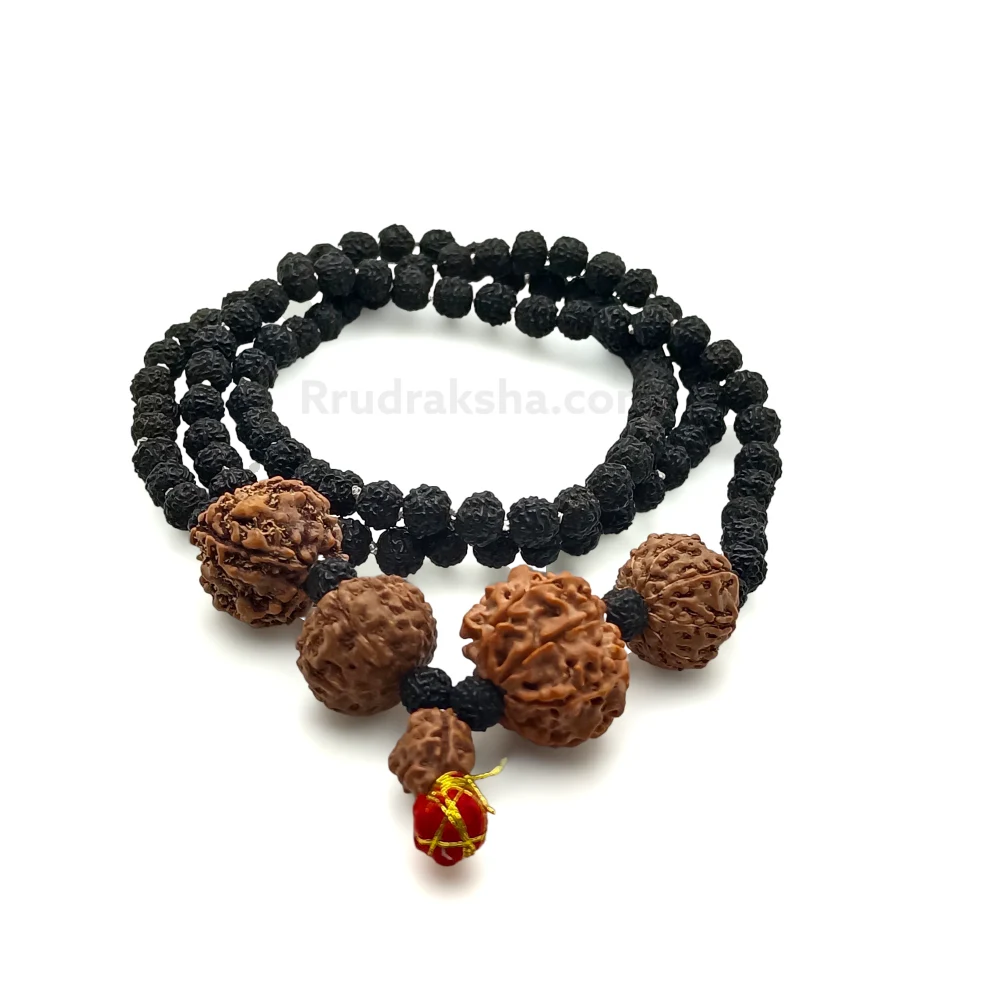

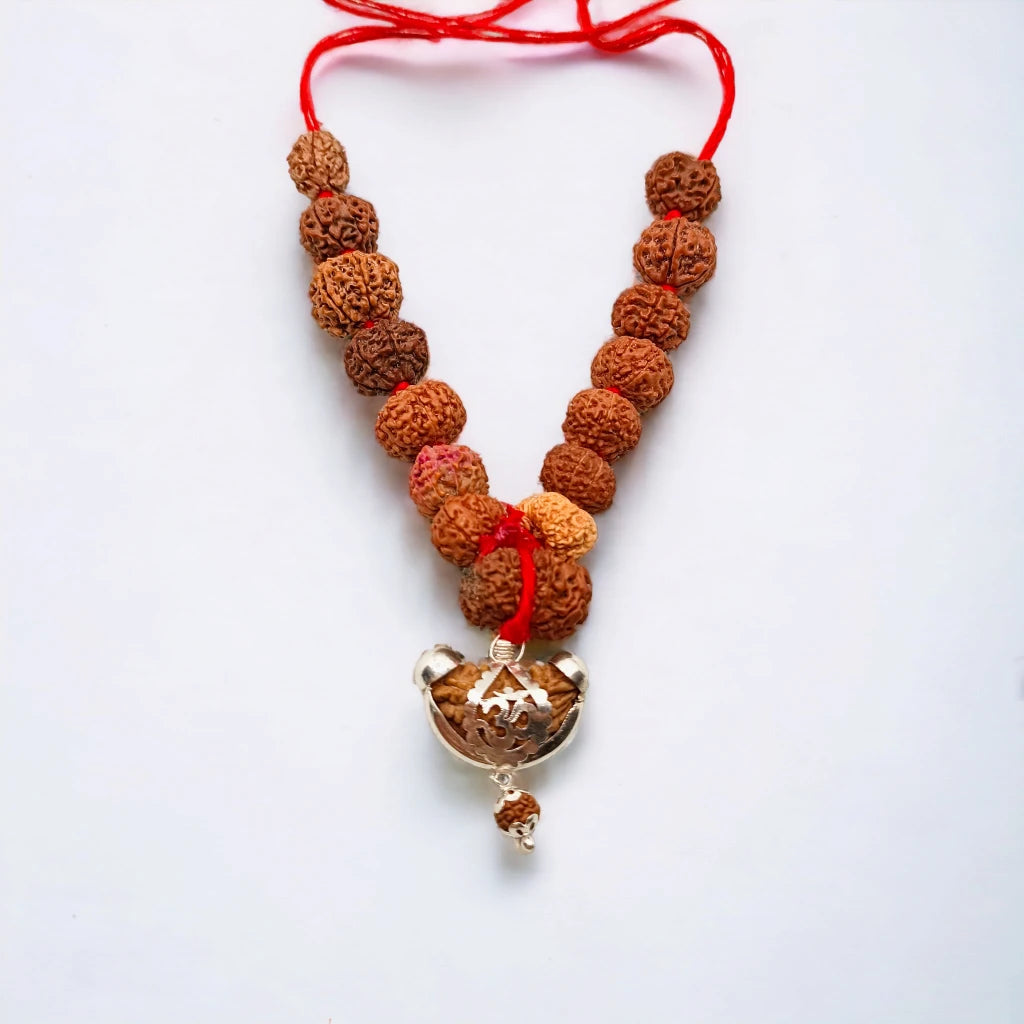
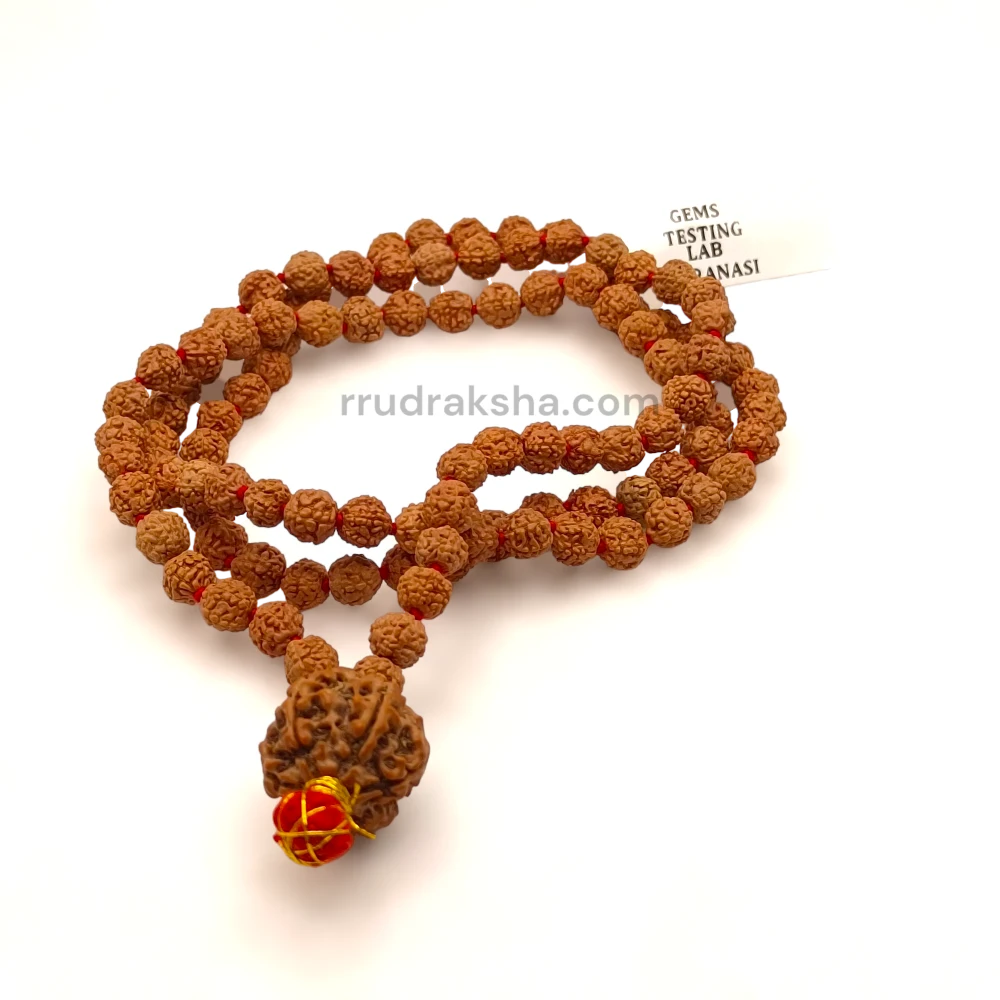
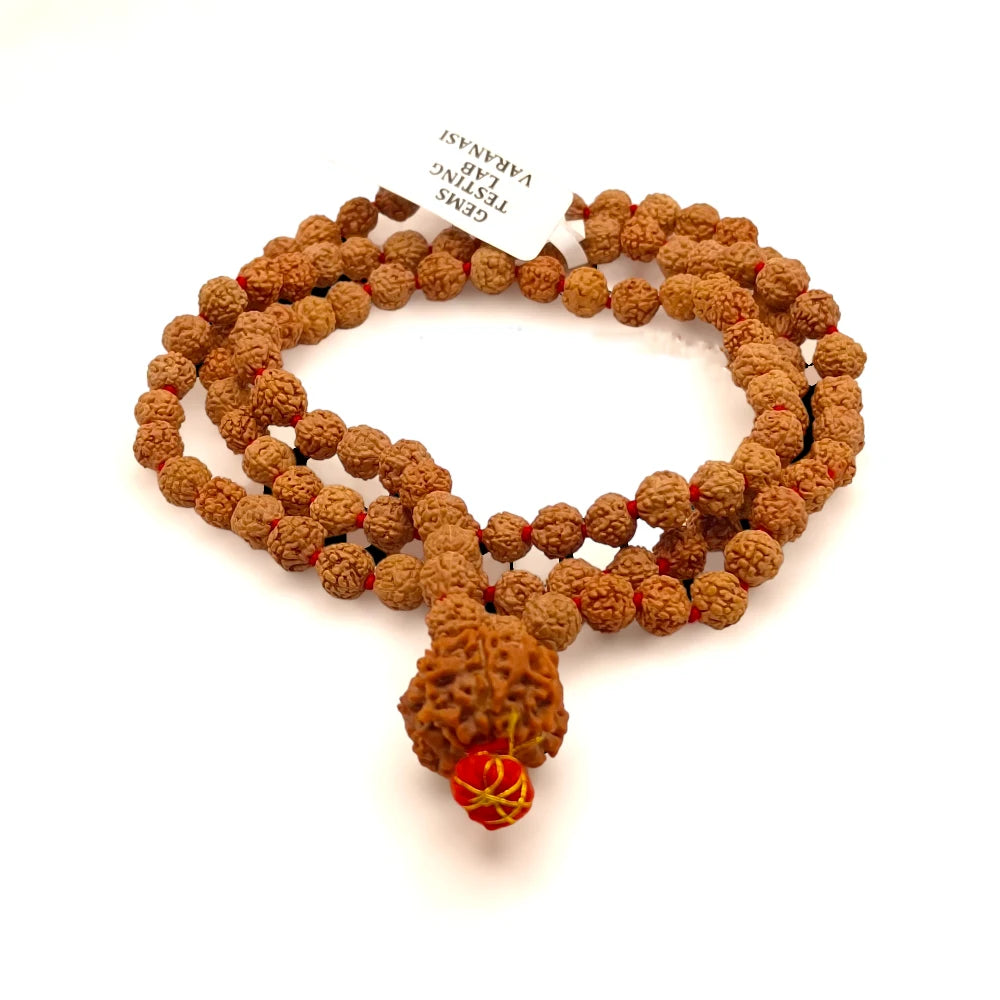
🌿 Rudraksha and Its Origination
A complete research-based overview of how Rudraksha originated — spiritually, historically, botanically and geographically.
1) Mythological Origination — Shiva’s Tears 🕉️
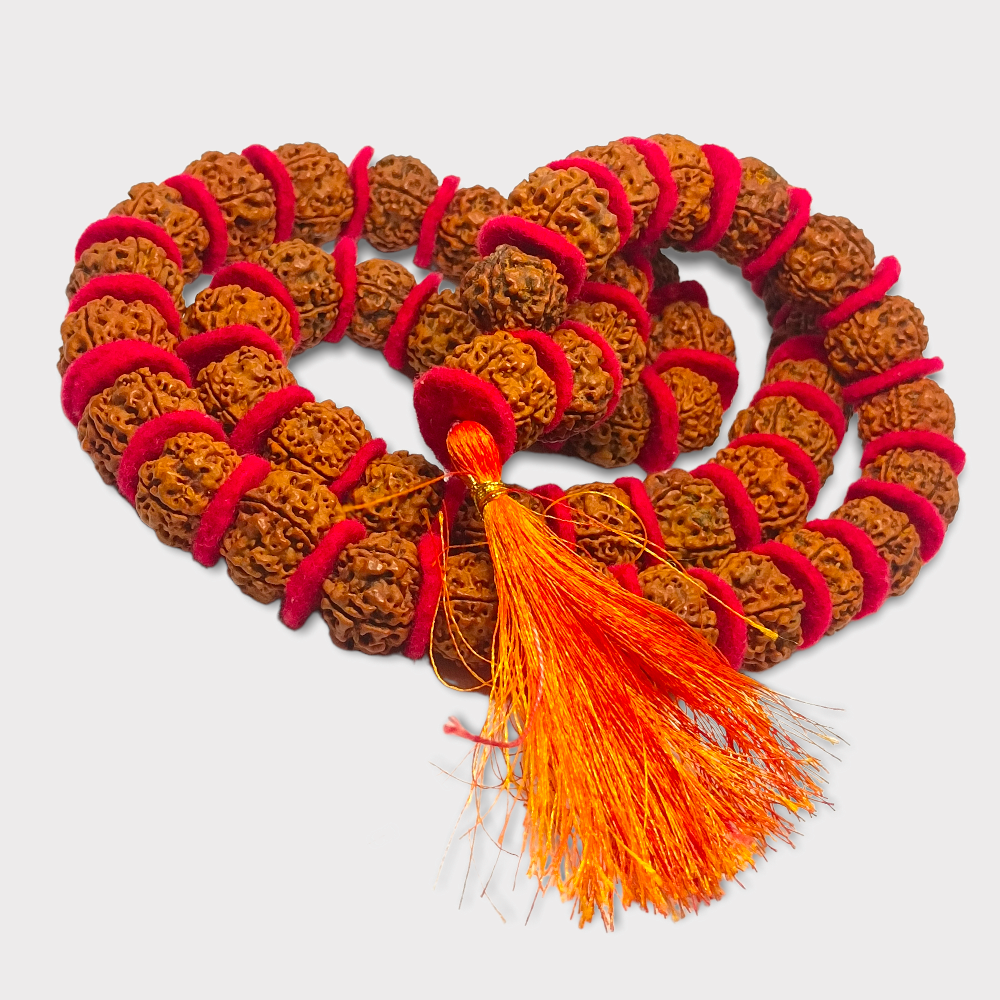
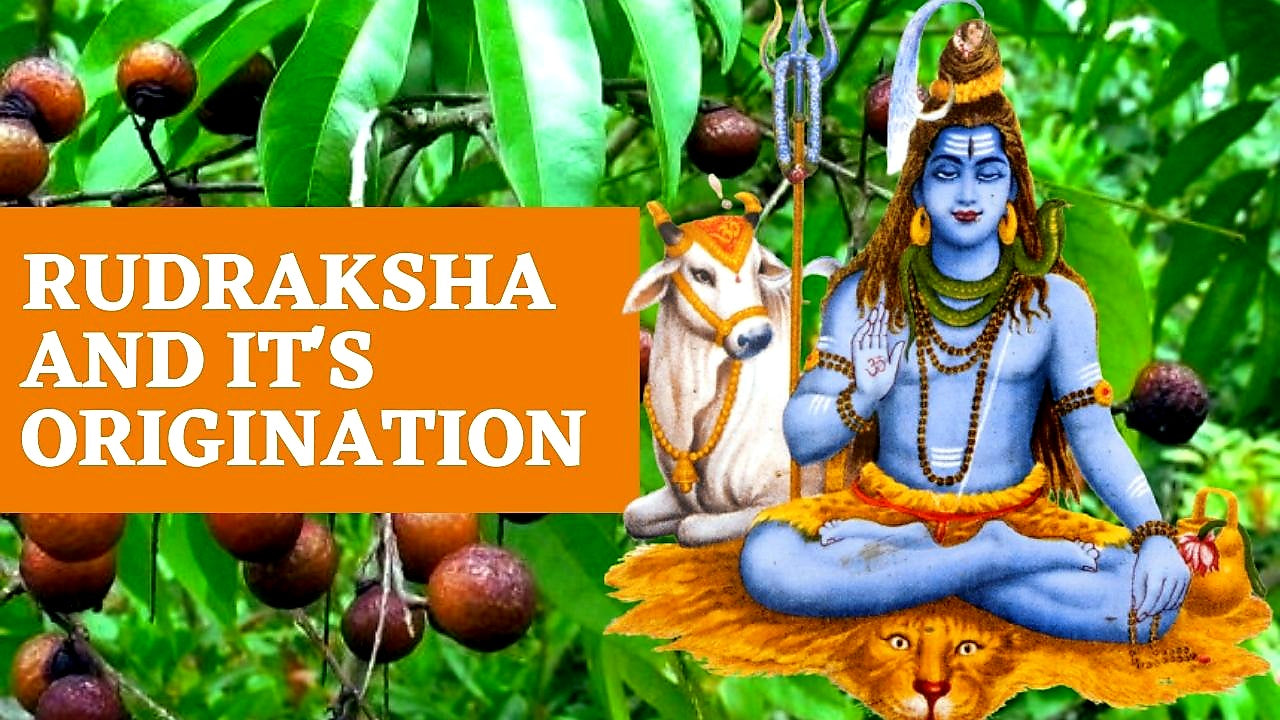
The most well-known and sacred explanation of Rudraksha's origination comes from ancient Shaivite texts. According to the Puranic tradition, Lord Shiva entered a deep meditation for the wellbeing of the world. When he opened his eyes after a long cosmic tapasya, tears of compassion fell upon the Earth. Wherever those tears touched the ground, Rudraksha trees originated.
This is why the word *Rudraksha* literally means: Rudra + Aksha = “The Eyes (Tears) of Shiva.”
▶ This origin story explains why Rudraksha beads are considered powerful, purifying and spiritually protective across Hindu and Shaivite traditions.
2) Botanical Origination — How the Tree Actually Forms 🌱
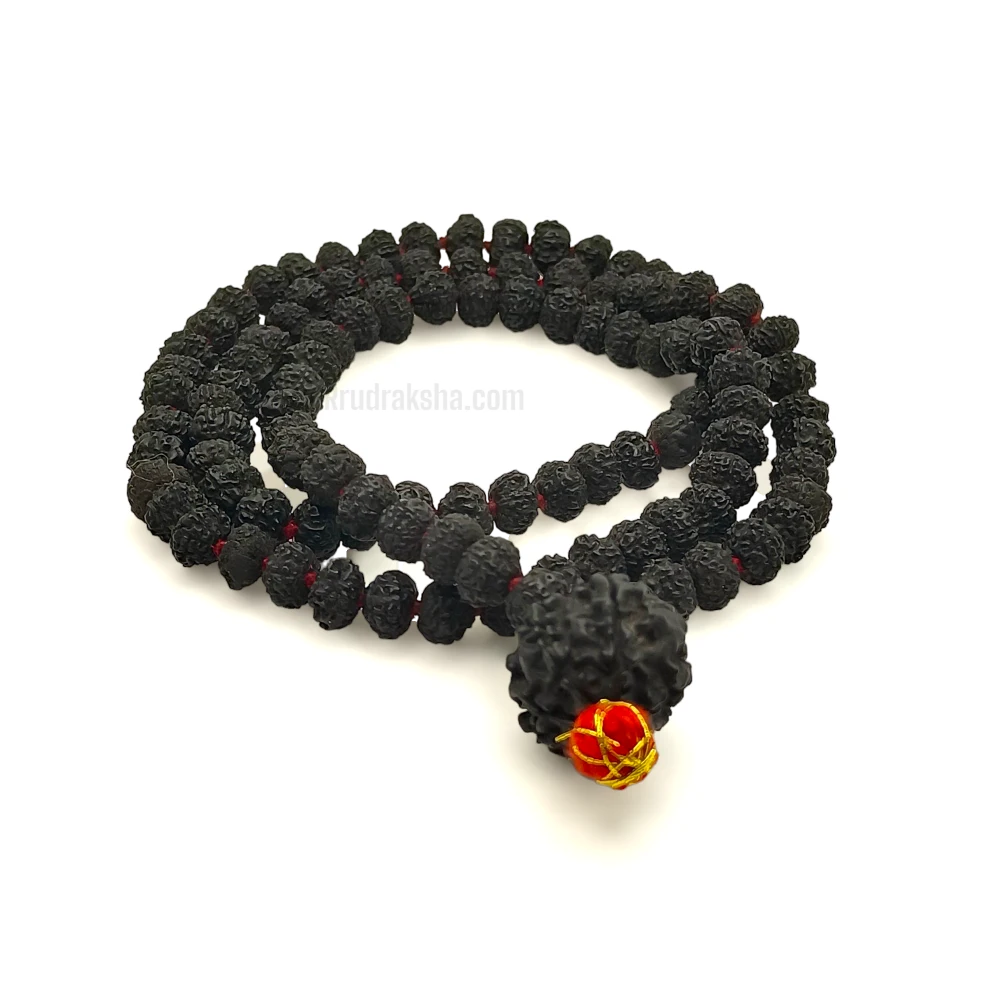
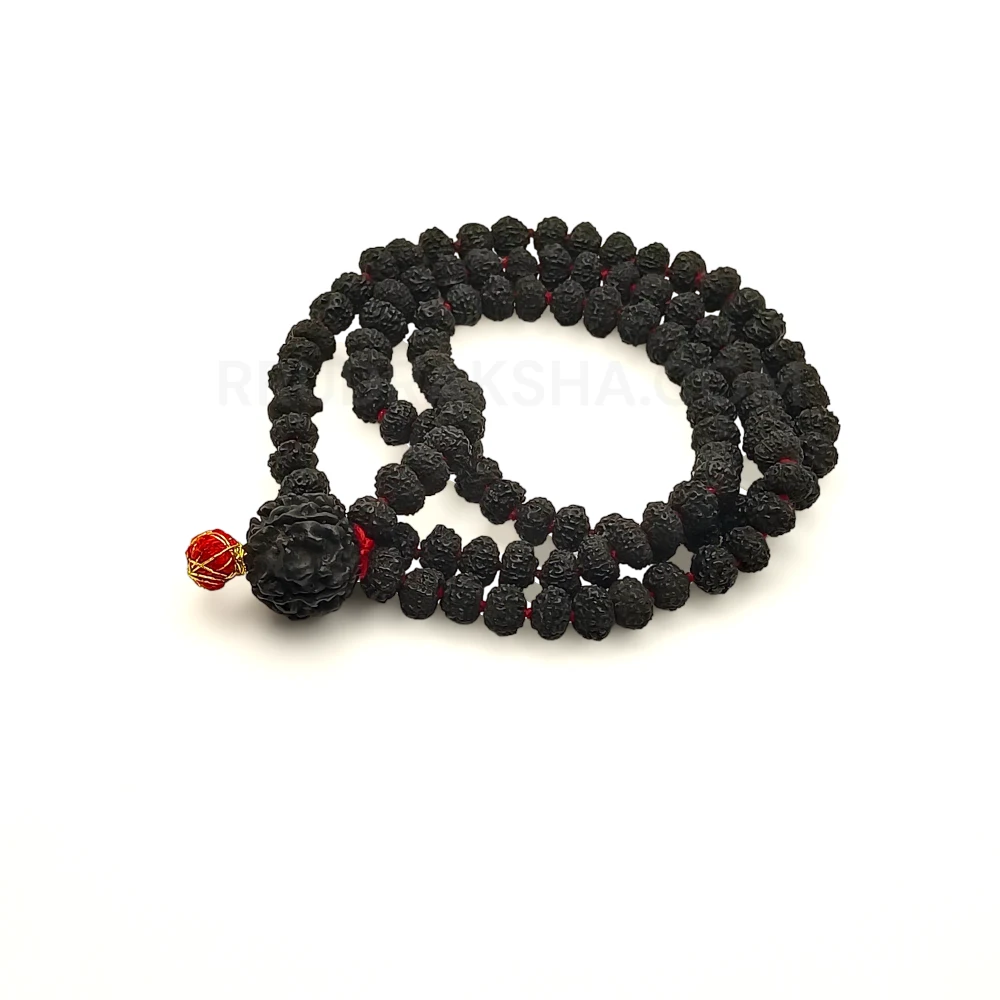
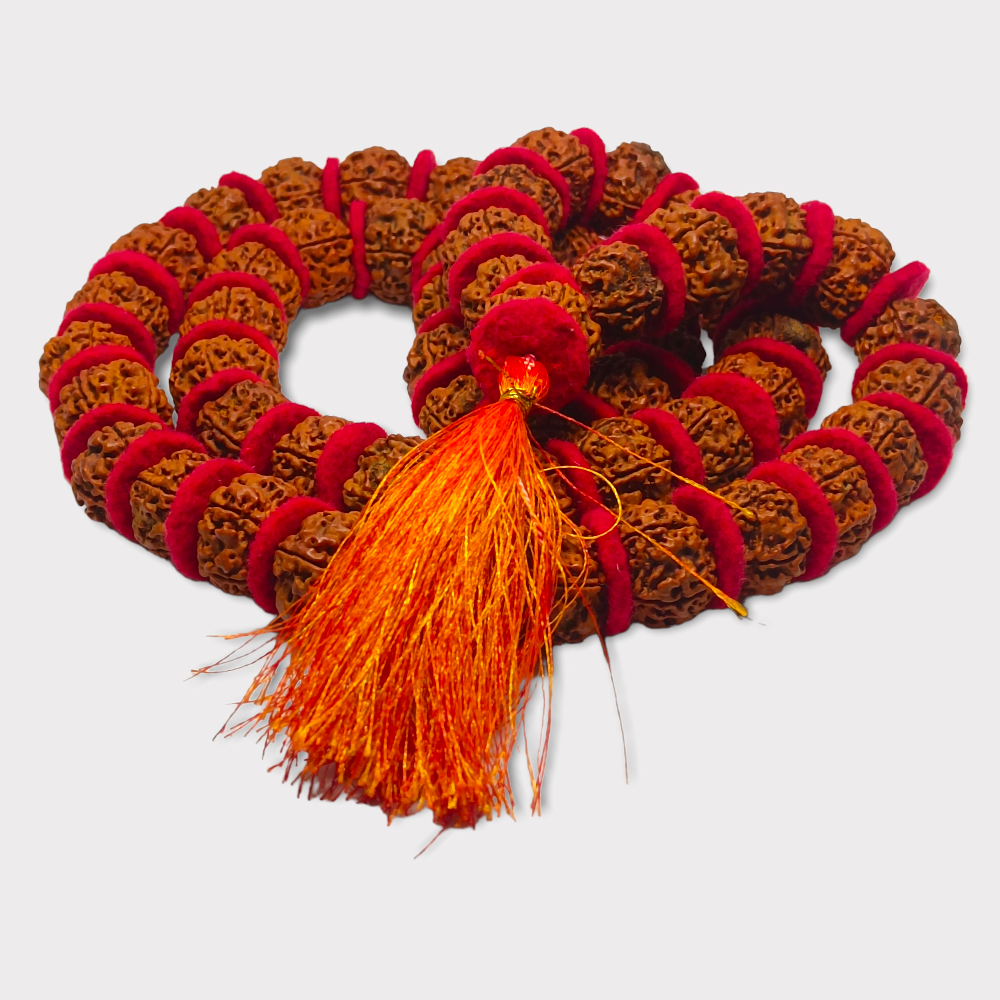
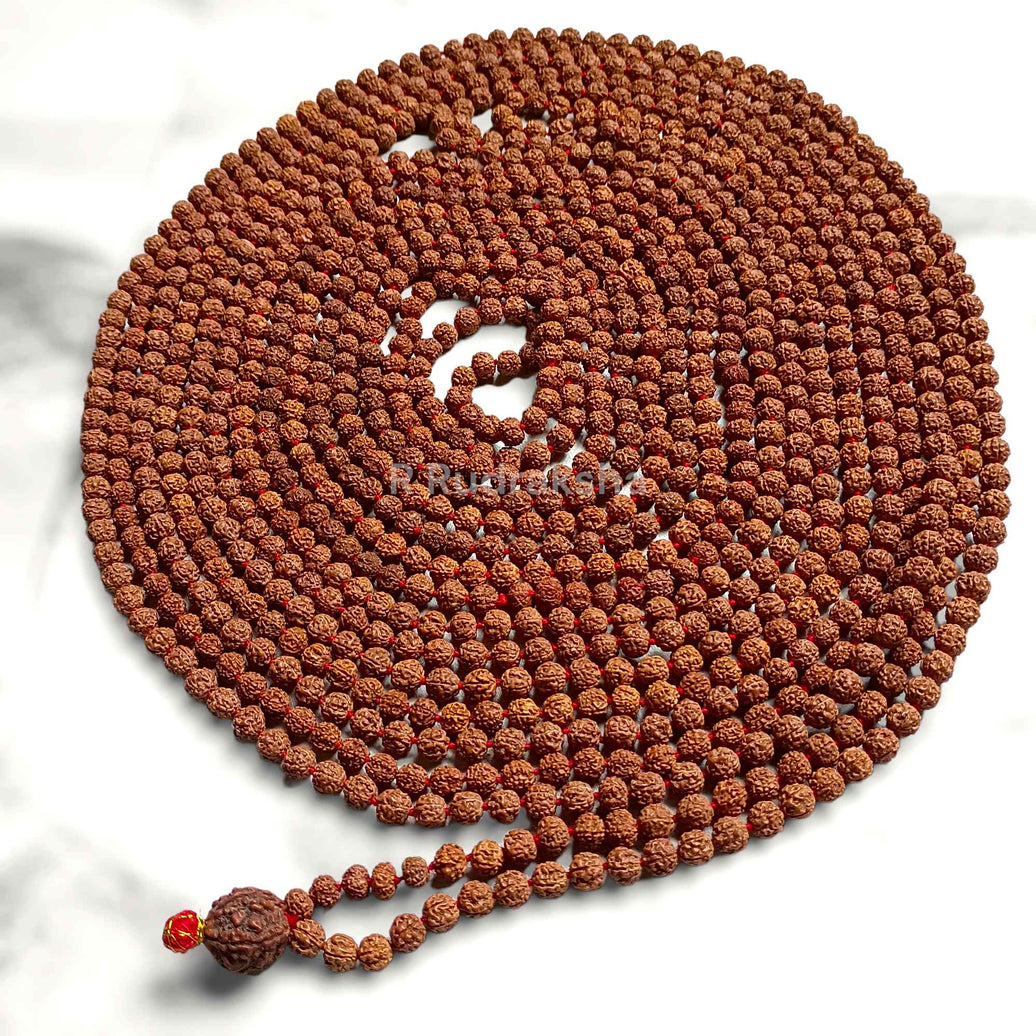
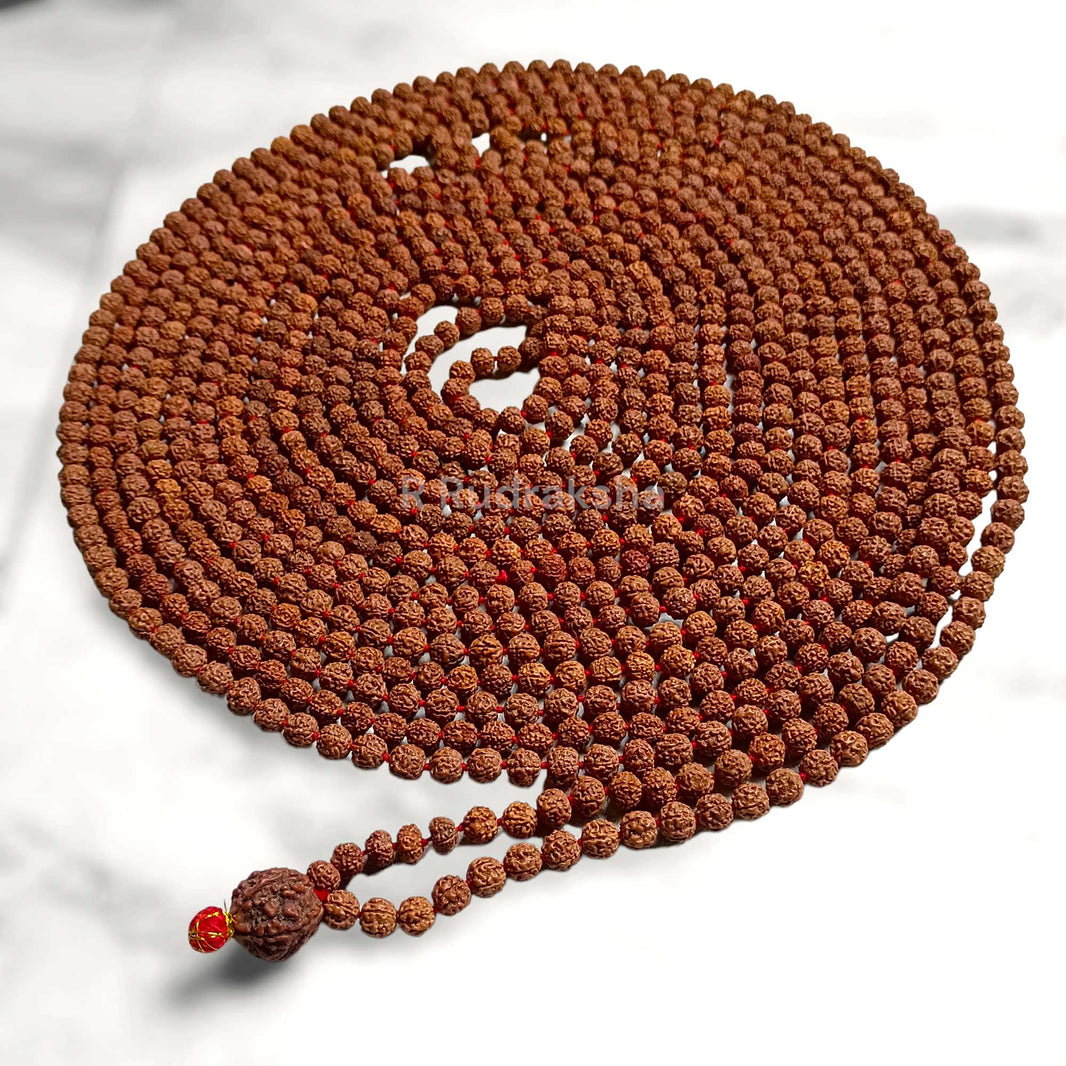
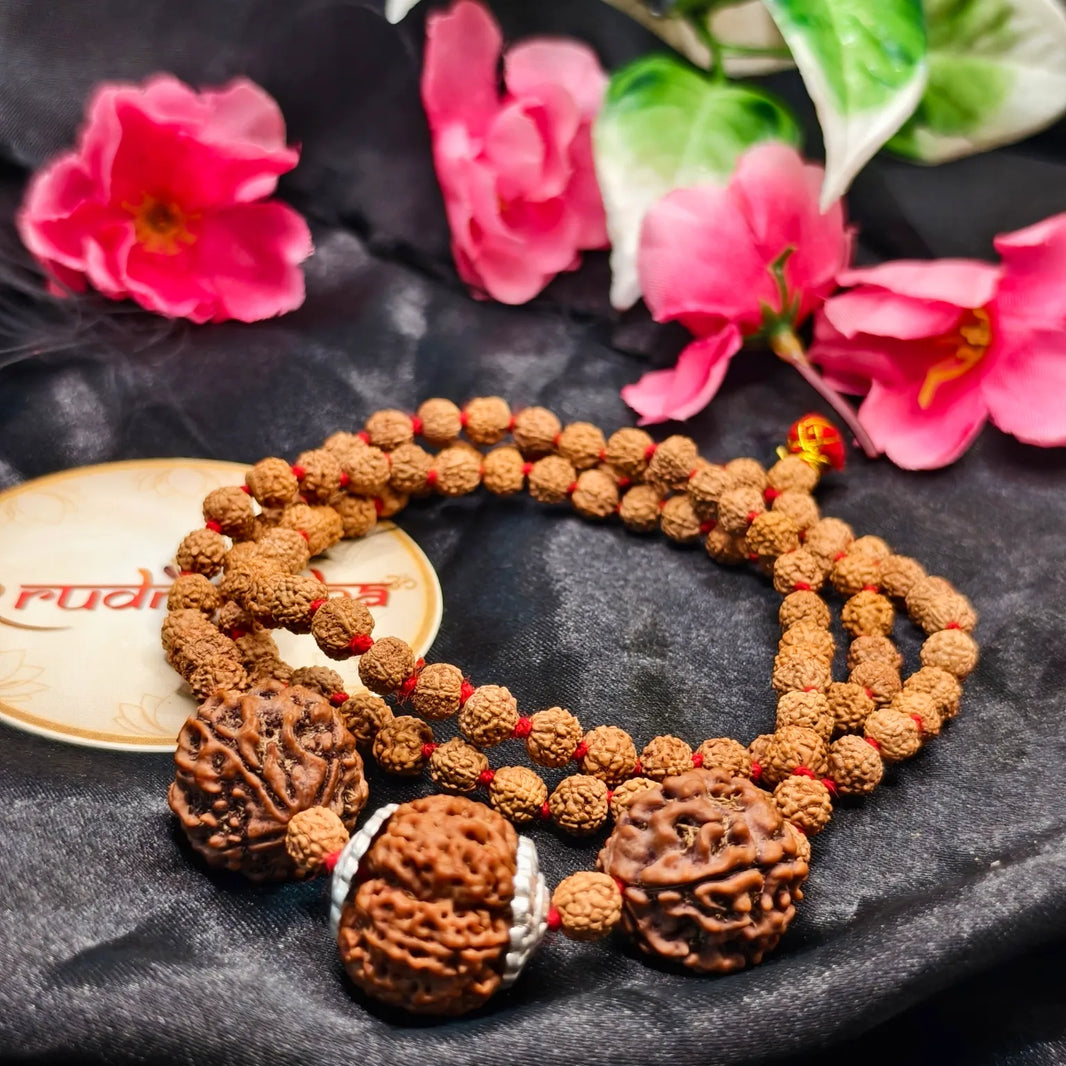
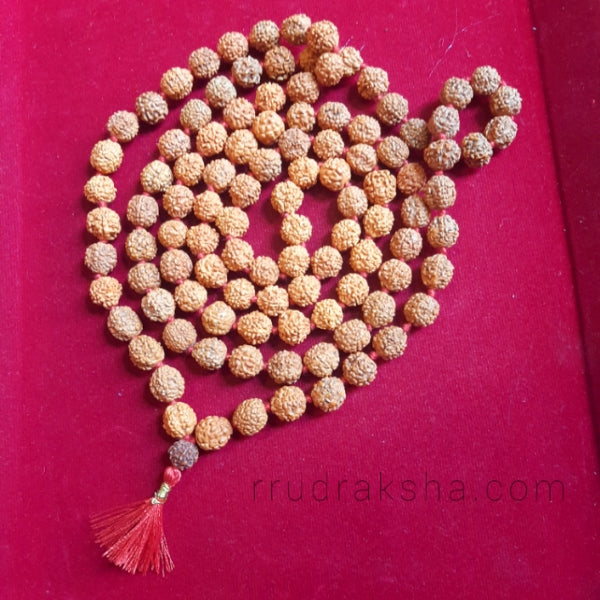
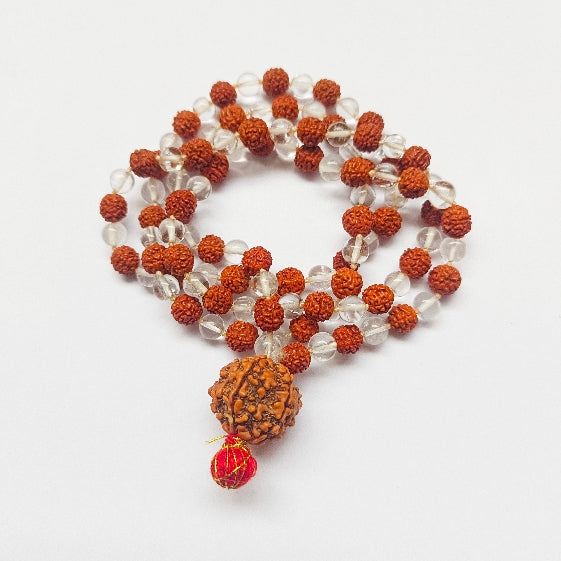
Scientifically, Rudraksha beads come from the seeds of the tree Elaeocarpus ganitrus Roxb. The tree belongs to the Elaeocarpaceae family, primarily found in tropical and subtropical regions.
Key botanical formation facts:
- Rudraksha fruits start as green berries.
- When ripe, they turn blue, then dark purple, then brown.
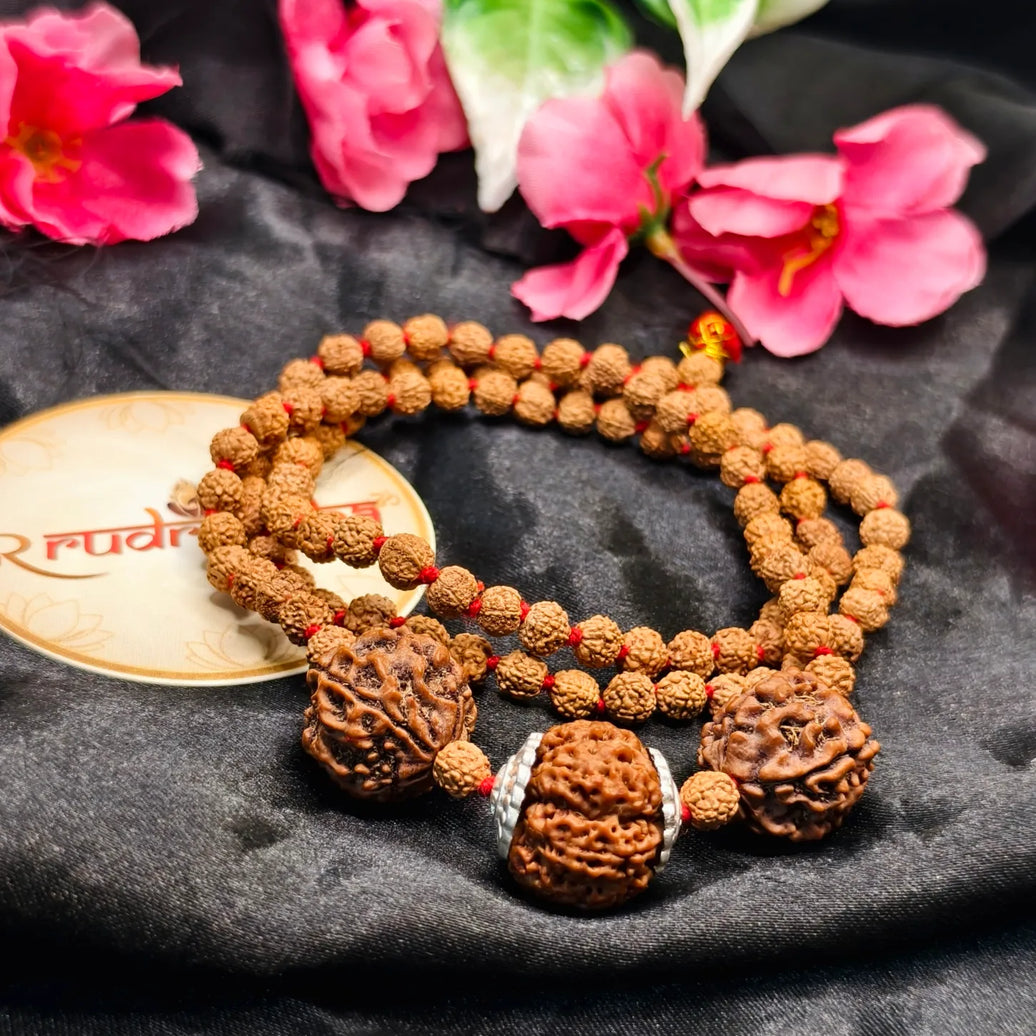
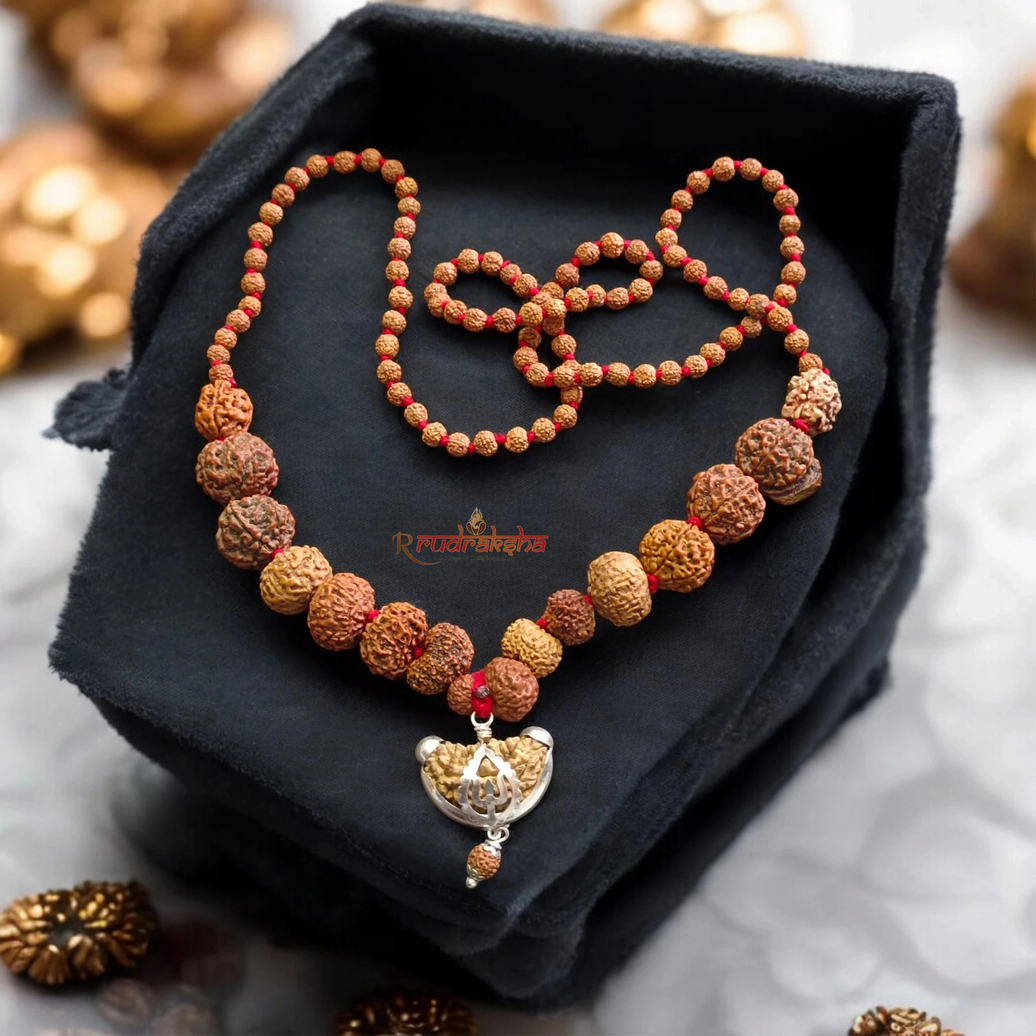
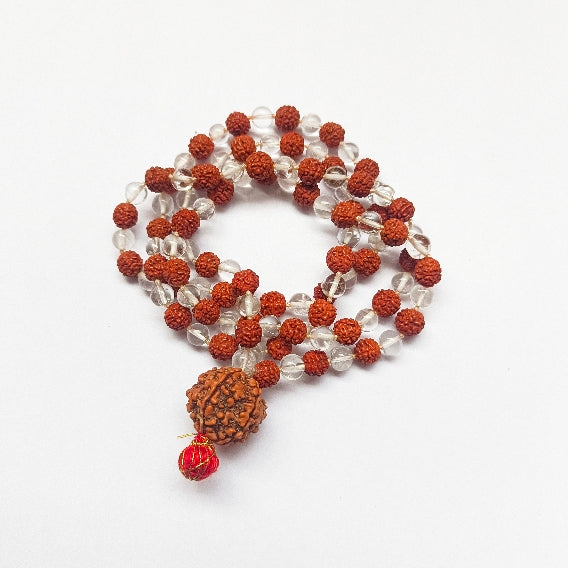
- Inside the fruit is a hard seed with natural clefts — each cleft is called a “Mukhi.”
- The number of natural partitions in the seed determines whether it is 1 Mukhi, 2 Mukhi, 3 Mukhi, etc.
🔬 These mukhi lines are natural — not carved. Genuine Rudraksha seeds develop their grooves genetically and through natural internal germination structures. So always prefer to buy from trusted source like R Rudraksha
3) Geological Origination — Climate & Soil Conditions 🌏
Rudraksha trees thrive in:
- High humidity regions
- Volcanic soil or mineral-rich Himalayan soil
- Areas with heavy rainfall
- Tropical to sub-tropical climates
▶ This explains why regions like Nepal, Indonesia, India and some parts of Sri Lanka have been natural homes to Rudraksha for thousands of years.
4) Geographical Origination — Where Rudraksha First Grew 📍
Historically, Rudraksha trees originated in the following belts:
🌋 Indonesian Region (Largest Natural Producer)
- Indonesia produces the maximum Rudraksha globally.
- Indonesian beads are naturally smaller in size.
- Because of their small size, X-ray testing is often NOT possible.
- Microscopic examination is the most reliable verification method for these beads.
🏔️ Himalayan & Nepali Belt
- Produces larger, heavier beads, especially classic Nepal-origin varieties.
- High mineral content + Himalayan altitude produces deep, bold mukhi lines.
- Because of larger size, X-ray/CT scan testing becomes possible.
🇮🇳 Indian Region (Uttarakhand, Assam, Bengal)
- India naturally produces both round and half-moon variants.
- Himalayan soil gives strong-textured Rudraksha.
- Ancient Shaivite culture kept Rudraksha worship alive here.
🌙 Sri Lankan Origin
- Known for half-moon (Ardha-chandra) shaped Rudraksha.
- Genetically similar to some Indian variants.
5) Scriptural Origination — Mentions in Ancient Texts 📜
Rudraksha appears in several ancient Hindu scriptures, including:
- Shiva Purana
- Padma Purana
- Skanda Purana
- Shiva Rahasya
- Upanishadic references in some commentaries
▶ These texts describe how different mukhi Rudraksha correspond to different energies, deities and benefits based on spiritual tradition.
6) Historical Origination — Expansion Over Centuries 📚
Historically, Rudraksha spread across cultures through:
- Ancient Himalayan ascetic traditions
- Buddhist monks who carried them across Asia
- Tantric and yogic lineages
- Royal families and priestly classes
- Silk Route trade influences
Over time, Rudraksha moved from being a sacred ascetic symbol to becoming globally known among meditators, yogis and spiritual seekers.
7) Scientific View of Origination — Bio-Energy Perspective 🔬
Modern studies show that Rudraksha seeds naturally contain:
- Magnetic properties
- Carbon, oxygen, hydrogen compounds
- Electro-paramagnetic behavior
- Natural dielectric properties
▶ These scientific characteristics explain why many people feel calmness, grounding and clarity while wearing Rudraksha.
8) Why Understanding Origin Matters 🌟
Knowing the true origination of Rudraksha helps you:
- Choose the right mukhi & origin
- Avoid fake/underdeveloped beads
- Understand spiritual significance
- Appreciate cultural and historical depth
- Make informed purchases and trust lab/microscopic testing
💡 A Rudraksha is not just a bead — it is a combination of nature, history, science and spirituality.





Leave a comment