

💫 Some Stories Behind Rudraksha
Short, researched and readable — legends, mythic episodes and cultural notes that explain why Rudraksha are revered across Dharmic traditions.
1) Shiva’s Tears — the most famous origin story 🕉️
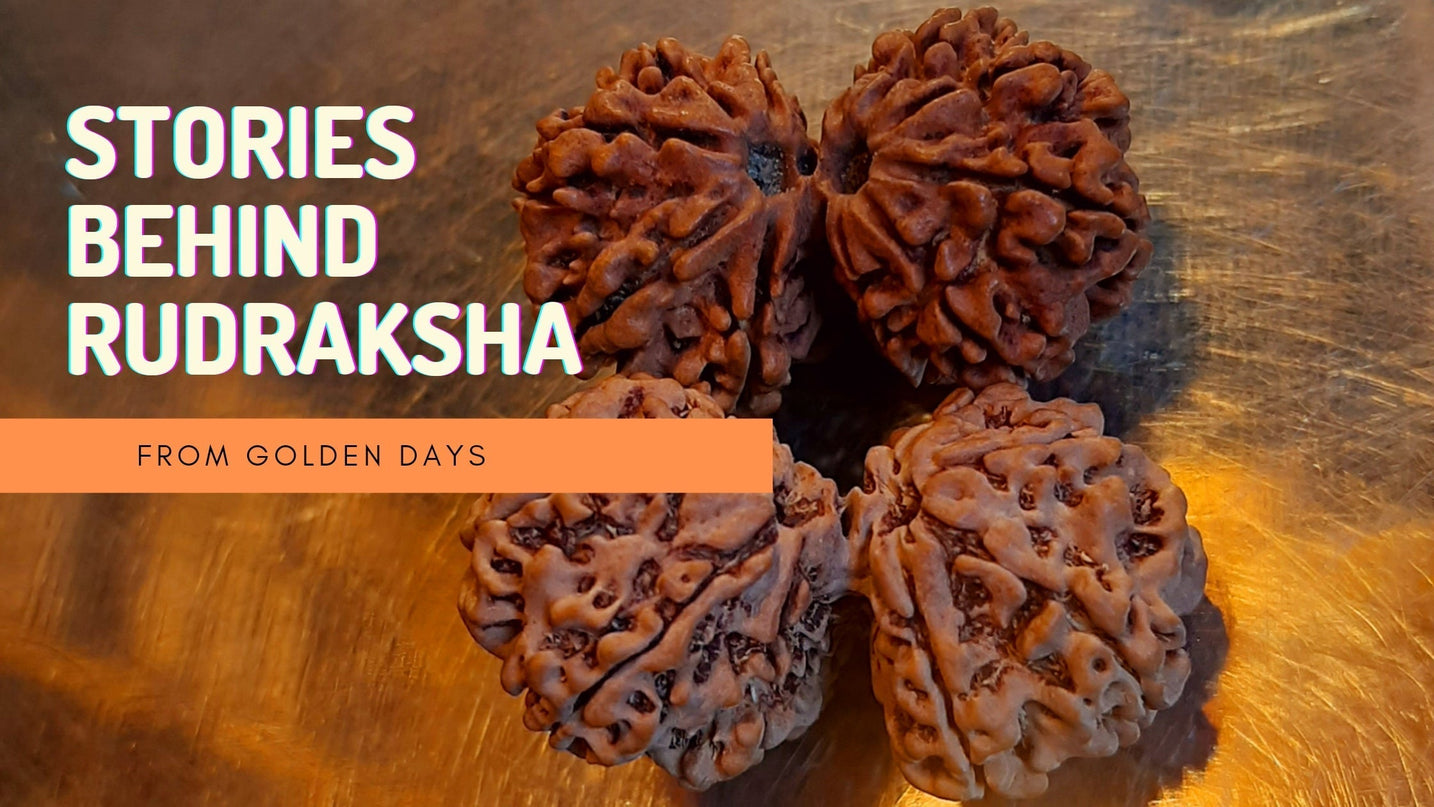
The core : Most classical sources (including Shiva Purana–based retellings) say Rudraksha seeds are the tears of Lord Shiva. The story goes that when Shiva opened his eyes after deep meditation, tears fell to earth and became the seeds of the divine Rudraksha tree — hence the Sanskrit name Rudra-aksha (“Rudra’s tears”). This narrative explains both the sacredness and protective power traditionally ascribed to Rudraksha.
Why it matters: this story links the bead directly to Shiva’s compassion and becomes the theological basis for wearing Rudraksha as a protective, meditative aid.
2) Tripurasura & cosmic dance — a martial origin thread ⚔️
Another classical strand ties Rudraksha into the epic tale of Tripurasura (an asura who became mighty and arrogant). Variations link Shiva’s intervention and the appearance of Rudraksha as instruments of divine power used during cosmic conflict. In some retellings Rudraksha are described as consecrated objects that helped restore cosmic order after the demons’ arrogance.
How to read it: these legends show Rudraksha as both spiritually protective and as symbols of dharma (righteous order) re-established by Shiva’s action.
3) King May (the Paatal ruler) — a moral-legend version 👑
A dramatic folktale (found in several modern retellings) tells of an ambitious subterranean king named May who built powerful forts and oppressed beings; Rudraksha legends in this cycle often end with Shiva’s intervention or the rise of heroic forces and the Rudraksha becoming tokens of protection for devotees. These regional stories vary, but they underline a recurring theme: Rudraksha as an answer to tyranny and suffering.
Local versions: across Himalayan and Subcontinental folklore you’ll find variants of this “rescue through divine token” pattern tied to Rudraksha beads.
4) Gauri-Shankar — the union bead (love & balance) ❤️
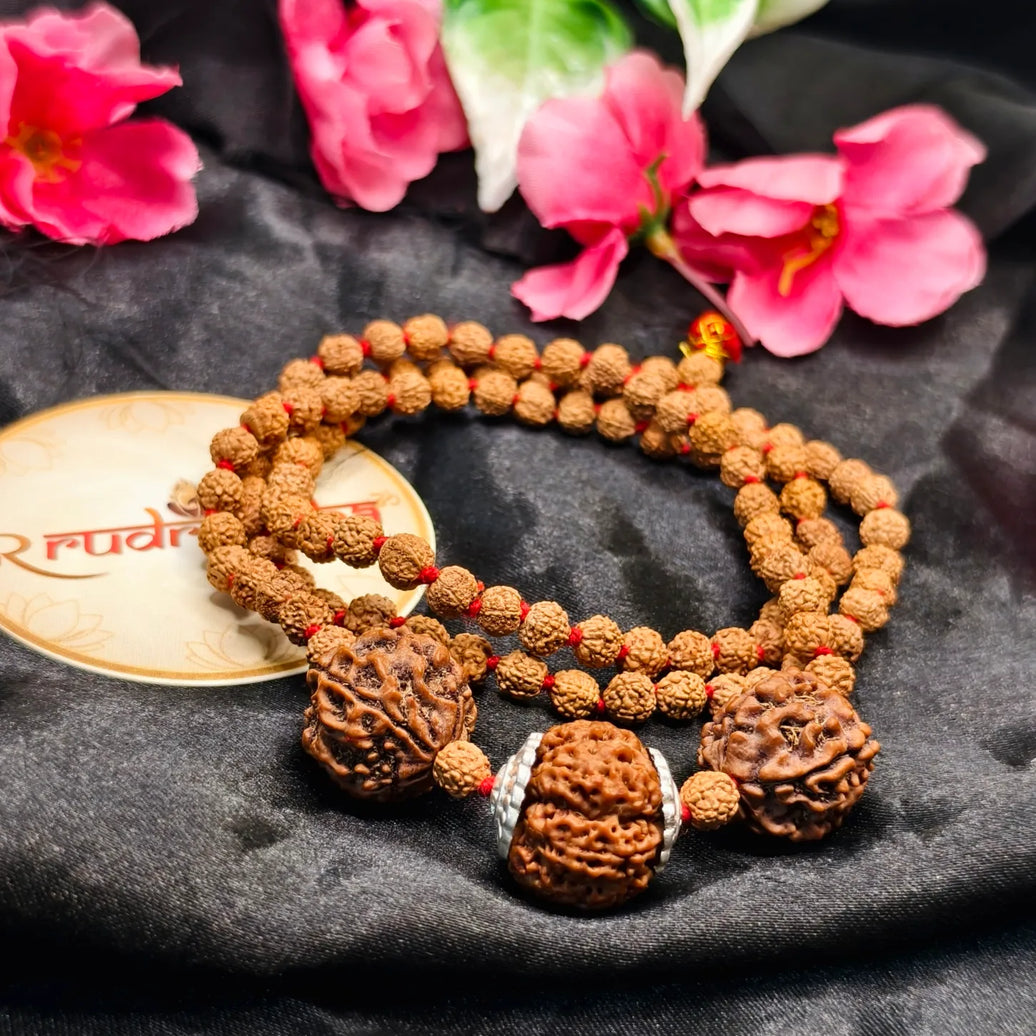
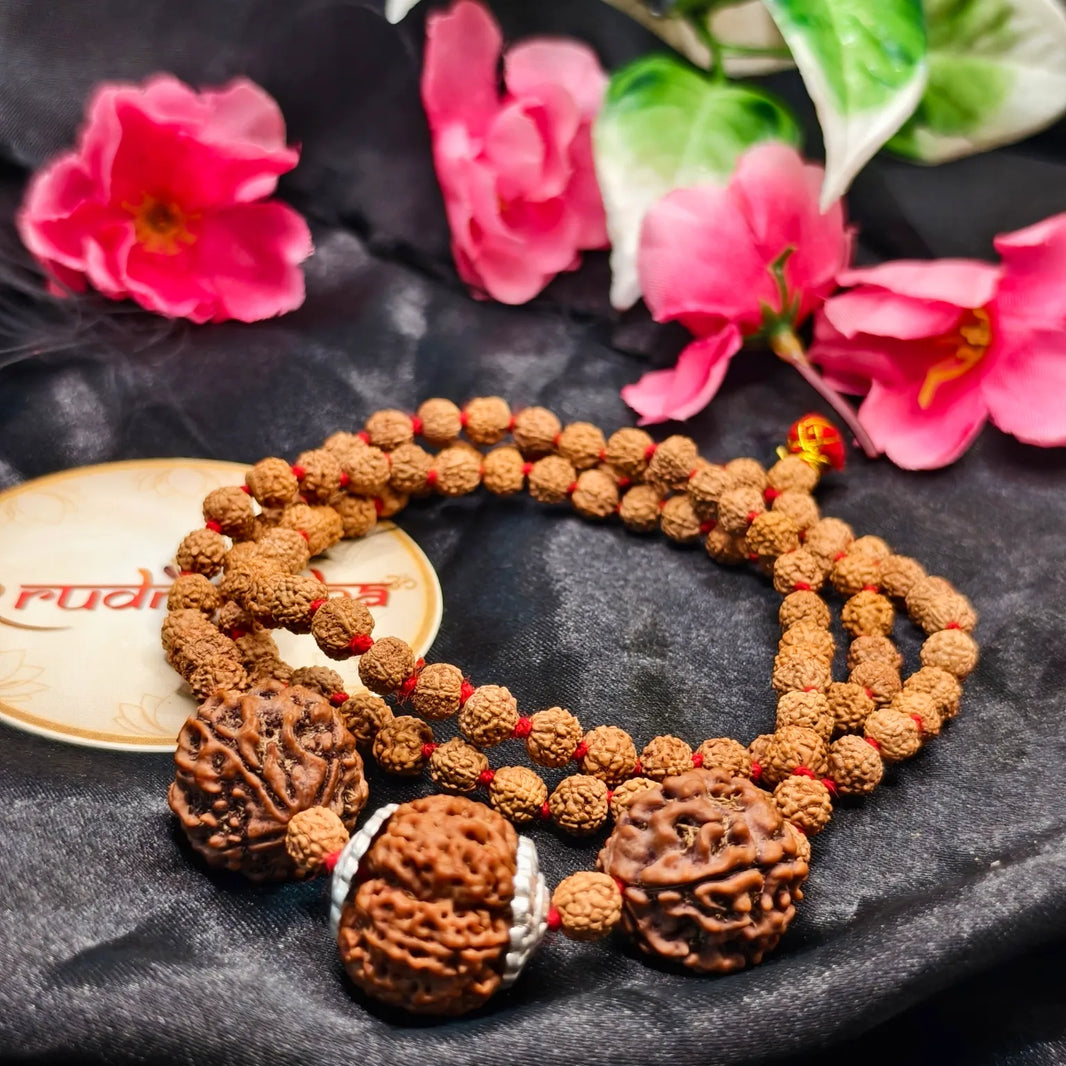
There is a special, naturally twin-joined Rudraksha called Gauri-Shankar — two beads fused together that symbolise Lord Shiva (Shankar) and Goddess Parvati (Gauri). Legend and devotional practice treat this bead as a symbol of marital harmony, perfect balance and combined divine energy. Many devotees prefer a Gauri-Shankar mala for relationship blessings and balanced spiritual practice.
Devotional use: because it directly represents the divine couple, it is often used in family rituals and for blessings related to partnership and harmony.
5) Ganesh-imprint stories — beads with deity faces 🐘
Some Rudraksha varieties have natural shapes or surface patterns that devotees interpret as impressions of deities — for example small forms called “Ganesh Mukhi” where the bead’s lines or protrusions are read as the trunk or face of Ganesha. Stories tell that such impressions appeared when the deity blessed the seed during meditation, making that bead especially suited for removing obstacles — a natural talisman.
Cultural note: symbolic readings of natural patterns are common in many religious cultures — the important part is the devotional significance people attach to those beads.
6) Siddha malas & siddha-beads — tales of perfected practice ✨
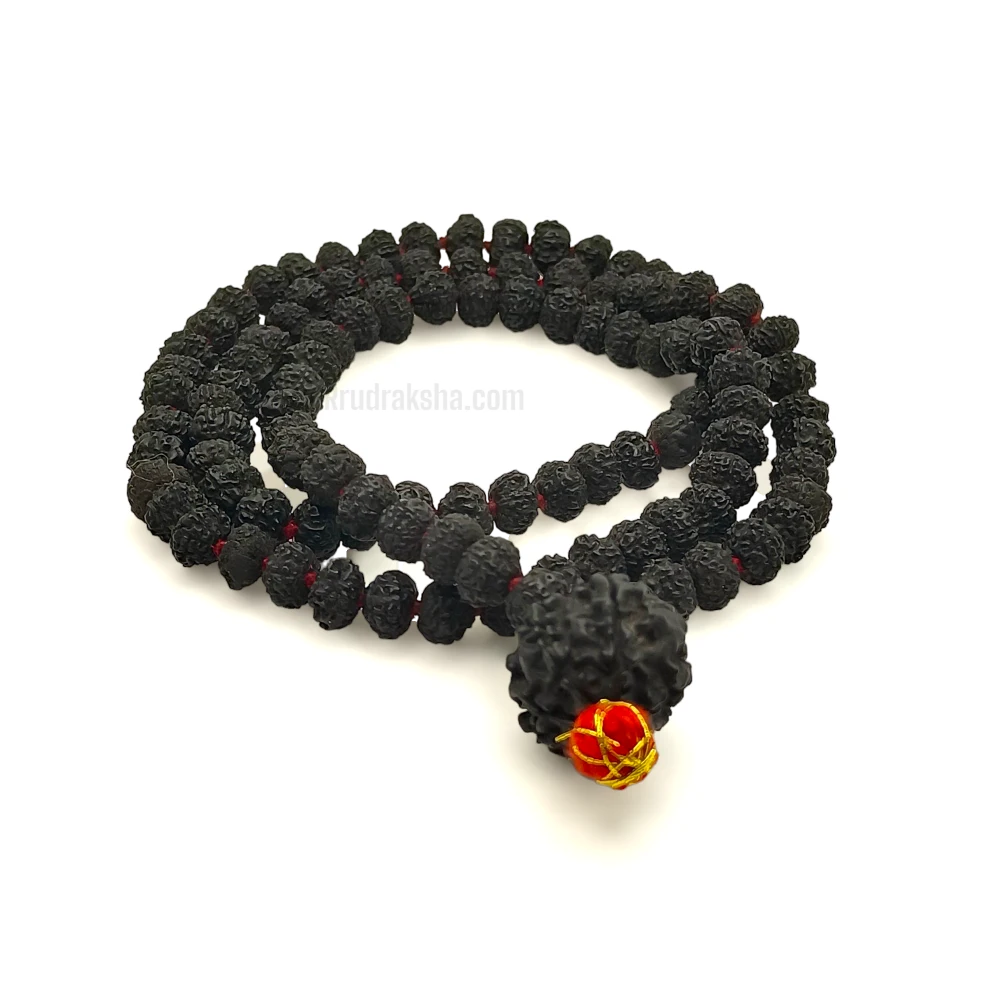
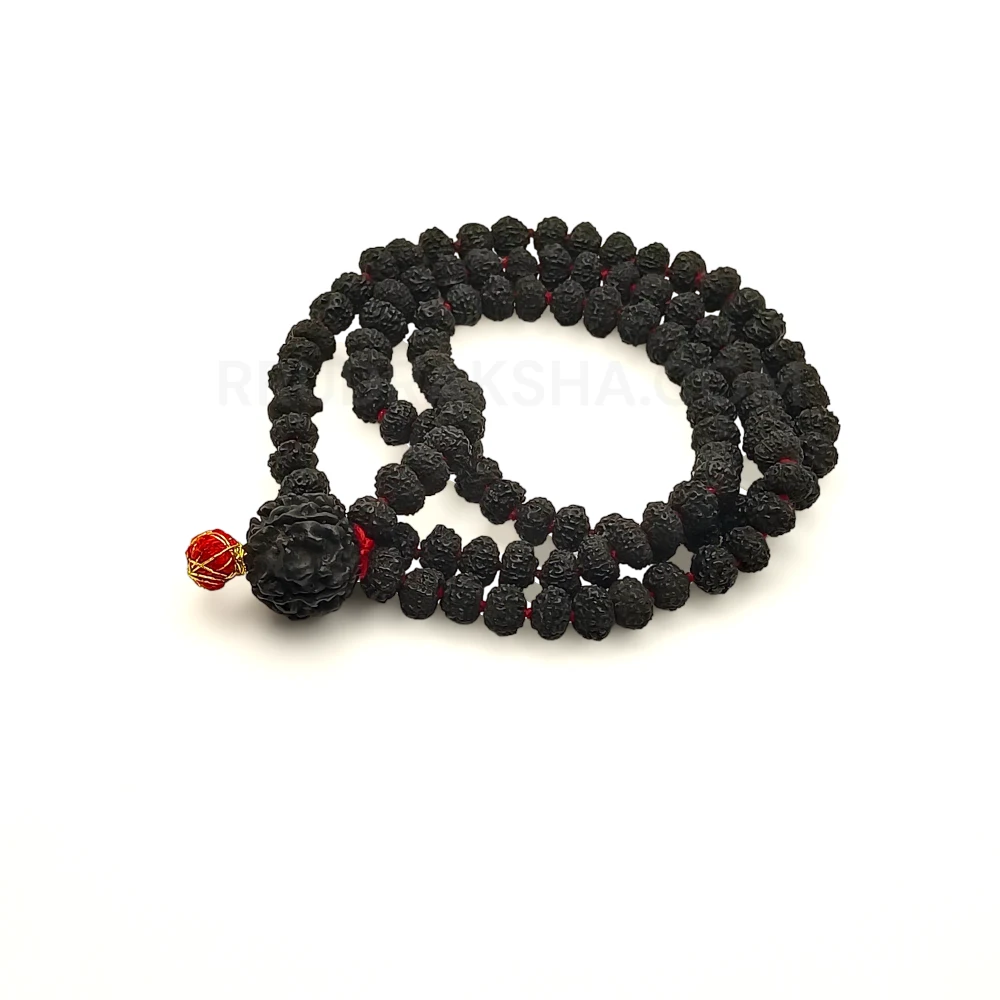
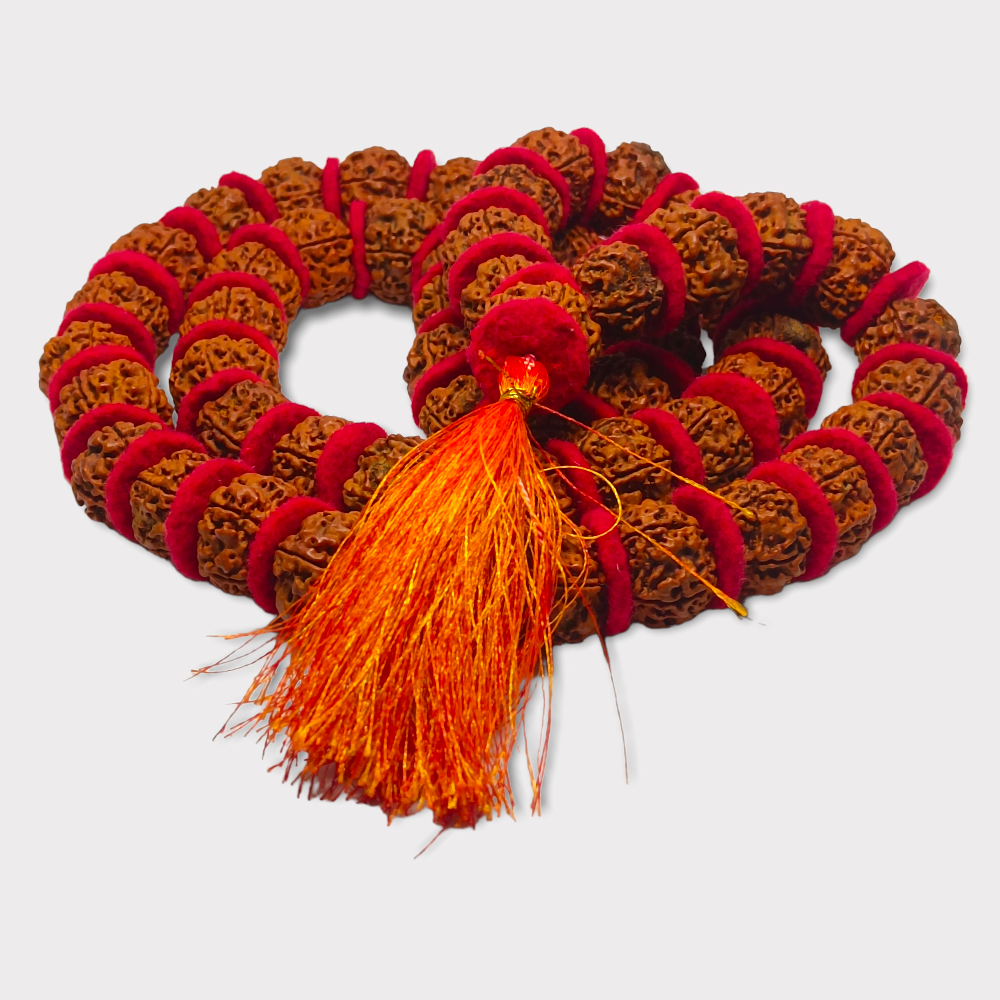
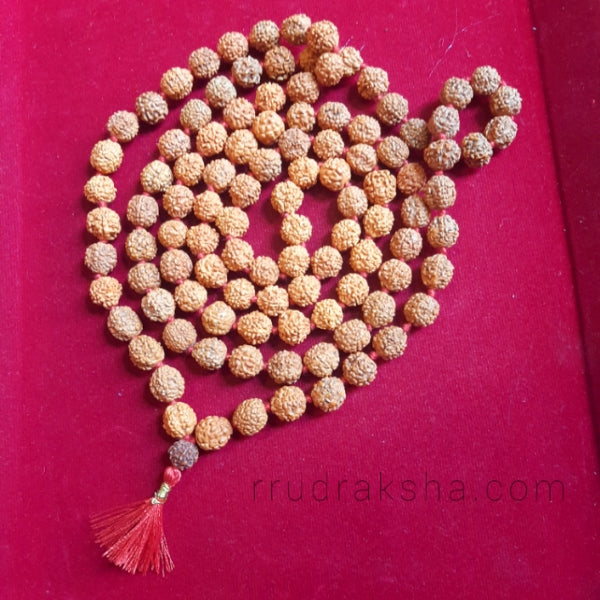
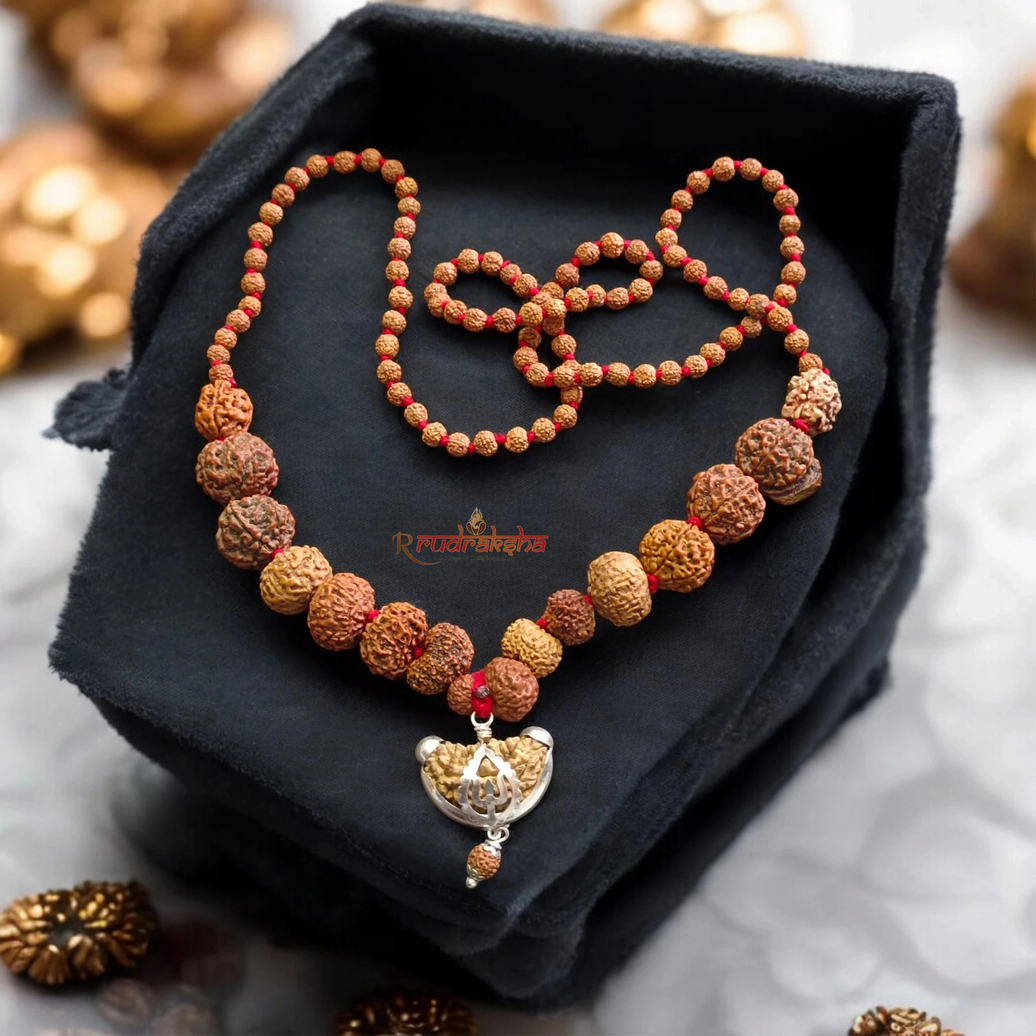
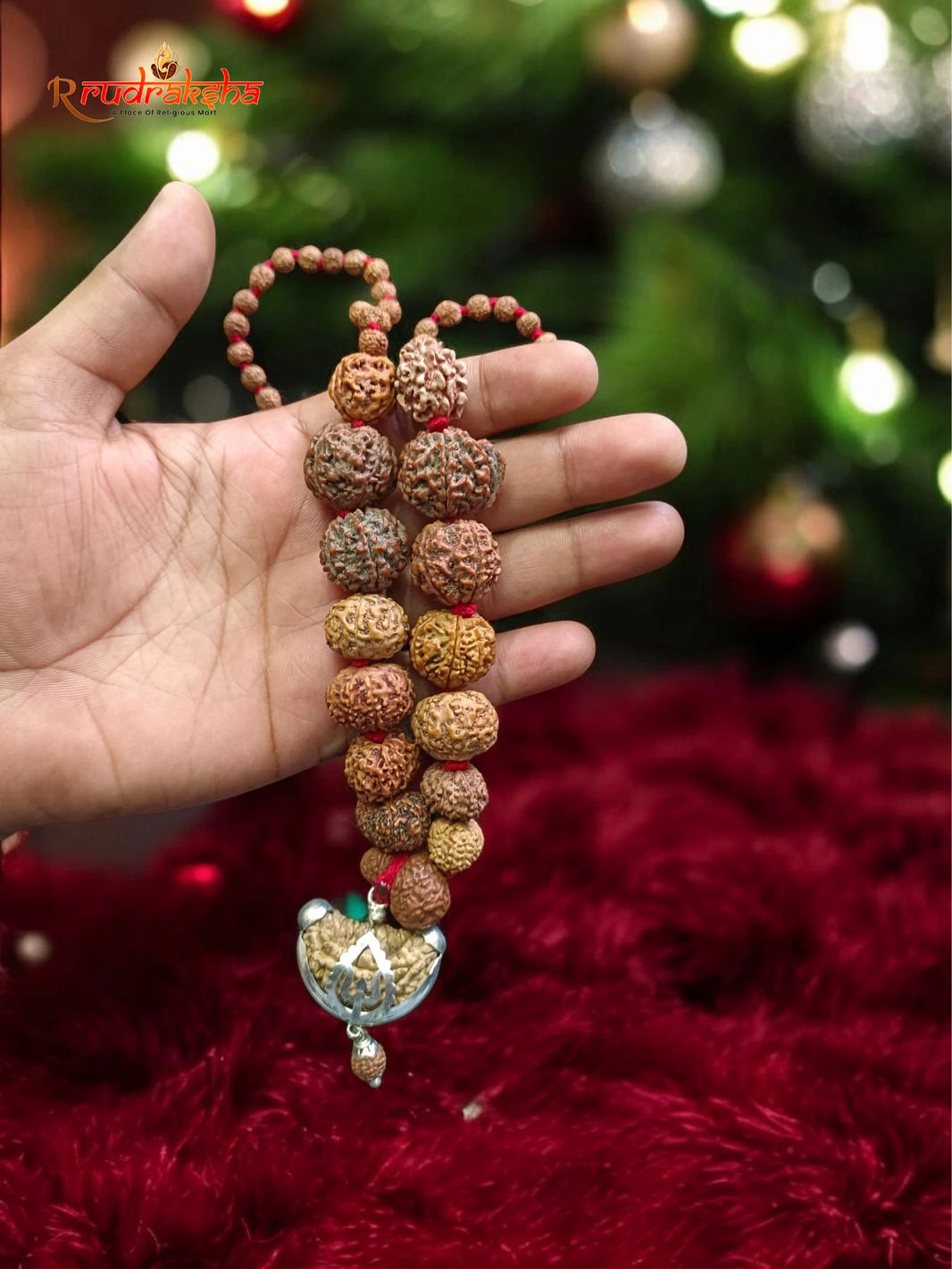
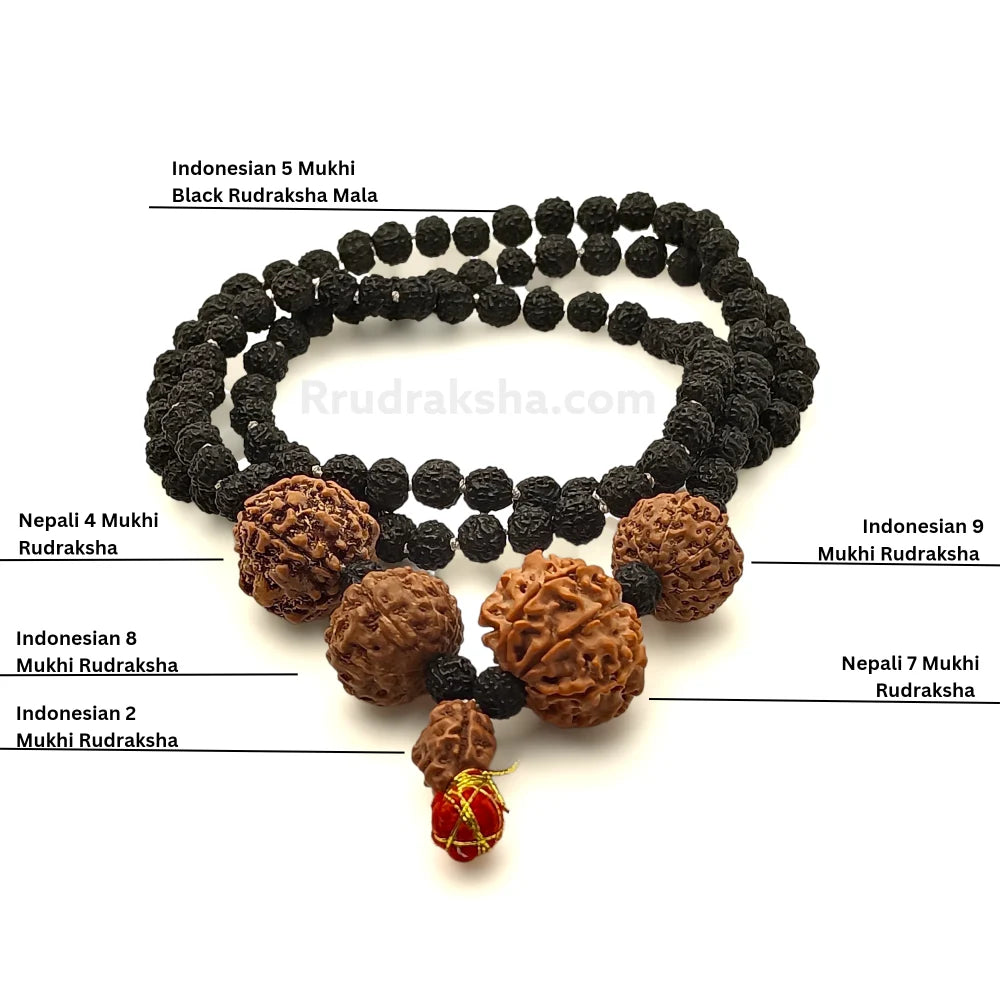
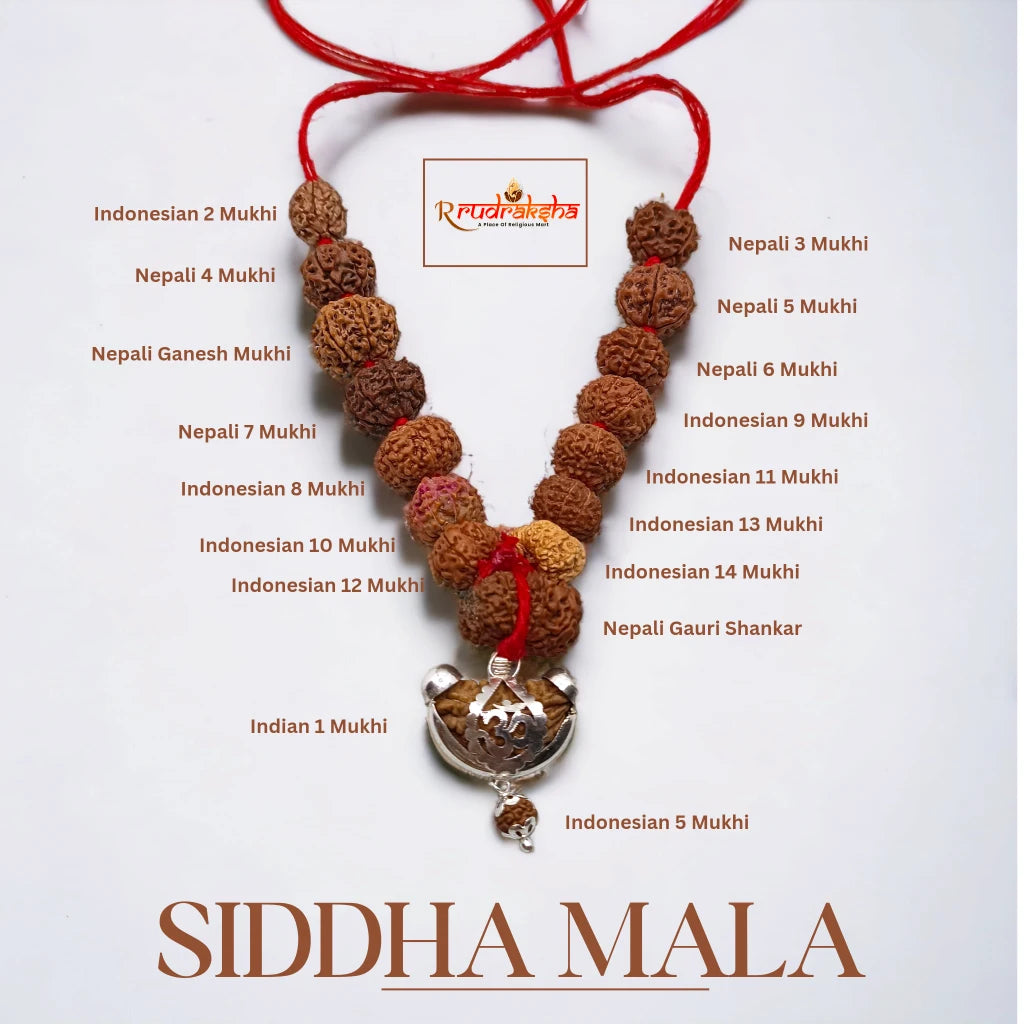
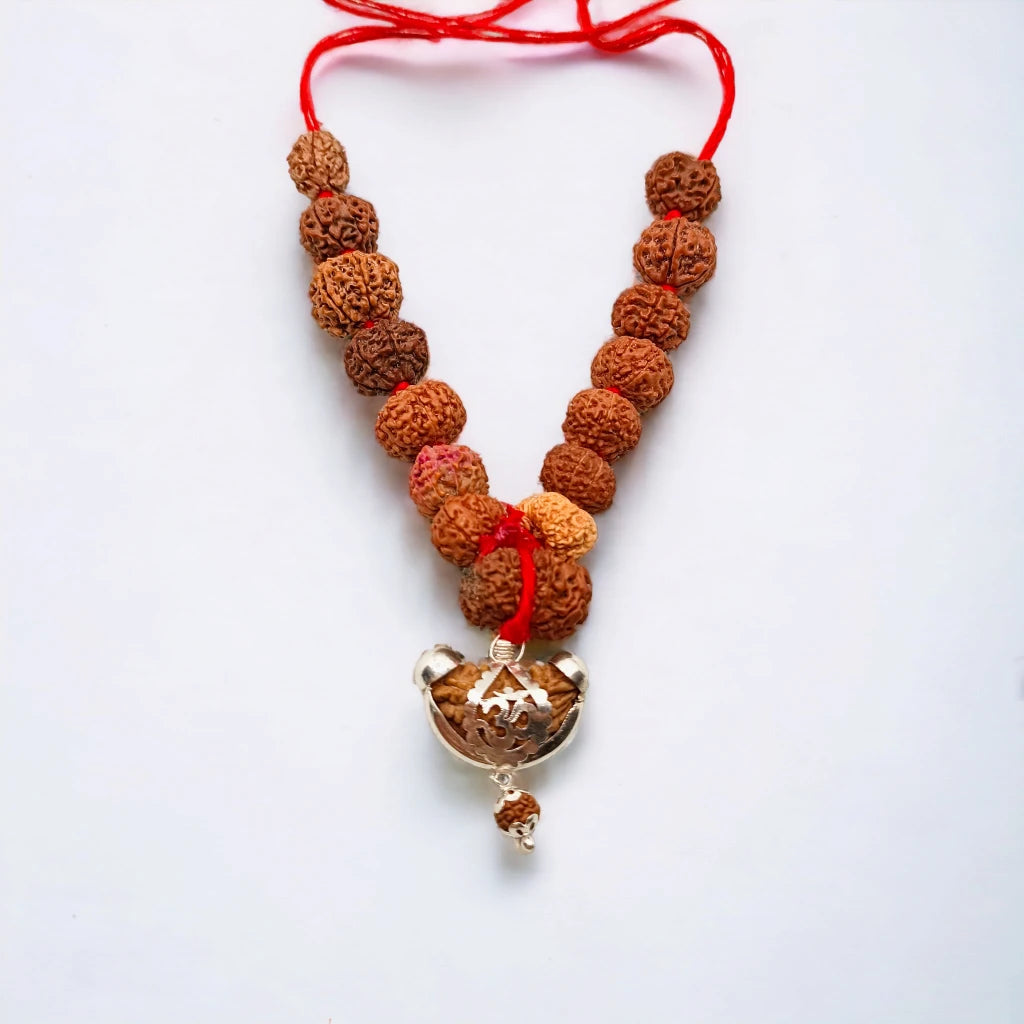
Across siddha (perfected practitioner) lineages there are stories of specially assembled malas — e.g., malas combining 1–14 mukhi beads, Gauri-Shankar and other sacred elements — that were given to deserving disciples as “kawach” (armour) or as accelerants for spiritual progress. These accounts are part hagiography (stories about saints) and part practice guidance: they underline the belief that certain bead combinations can support specific spiritual results.
7) Folk & regional legends — many local tales 🌄
Every Rudraksha-growing region (Nepal, India, Indonesia, Sri Lanka) has its own local myths: local sages discovering sacred groves, miraculous healings after wearing beads, or stories tying particular mukhi types to village protectors. These smaller tales keep ritual life alive and provide cultural variety to the broader Shiva-tear origin. See regional compilations for many such stories.
Practical takeaway: many of these stories explain why certain bead types are associated with particular local festivals, pilgrimages or healing practices.
8) Modern resonance — Sawan, science & public culture 📅🔬
During the holy month of Sawan (devoted to Shiva) Rudraksha receives special attention; newspapers and recent articles underline both the devotional practice and the rise of scientific interest (e.g., studies about electromagnetic properties or wellness claims). Modern reporting blends ancient stories with lab-based authentication (X-ray certificates) and raises both devotional and consumer awareness.
Balance: faith traditions value the stories; modern buyers often ask for lab reports — both can coexist and enrich practice.
9) Why these stories matter (short conclusion) 🌟
Stories do three things for Rudraksha: they sacralise the seed (linking it to Shiva), they encode ethical and devotional lessons (protection vs arrogance, harmony vs conflict), and they guide practice (which bead for which use). Whether you accept each tale literally or read them symbolically, they explain why Rudraksha are more than seeds — they are lived religious objects with layered meanings across centuries.





Leave a comment