











Kashi Vishwanath Jyotirlinga (Varanasi): History, Spiritual Meaning, Darshan Guide, Corridor, Rituals & Complete Travel Plan 🛕
Kashi Vishwanath Jyotirlinga is one of the most revered Shiva temples in the world, and among the 12 Jyotirlingas in India, it holds a spiritual reputation that feels almost untouchable. Located in the sacred city of Varanasi (Kashi), this temple is not only visited—it is experienced. For devotees, Kashi is not merely a destination. It is a living sacred space where Shiva worship is woven into everyday life, where the air feels filled with mantra, and where even silence carries a sense of devotion. 🙏
People search for Kashi Vishwanath Jyotirlinga for many reasons. Some want to plan their darshan and understand the route, timing, and temple rules. Some want to know why Kashi is considered the city of liberation. Some want to understand the spiritual meaning of Vishwanath, the “Lord of the Universe.” Many are also curious about the modern development of the Kashi Vishwanath Corridor and how it has changed the pilgrimage experience. And for spiritual seekers, Kashi is often a personal call—an inner invitation to visit a place that is believed to transform the way you look at life, death, time, and devotion.🕯️
This complete guide is written for both beginners and advanced devotees. You will learn the meaning of Kashi Vishwanath Jyotirlinga, its cultural history, spiritual symbolism, darshan experience, worship methods, rituals and etiquette, best time to visit, and an intelligent travel plan that respects both devotion and practical needs. Everything is explained responsibly, using belief-based language where appropriate, without exaggerated claims or miracle promises. ✅
What Is Kashi Vishwanath Jyotirlinga? (Meaning & Location) 📍
Kashi Vishwanath Jyotirlinga is a sacred Shiva shrine located in Varanasi, Uttar Pradesh, on the banks of the holy Ganga River. It is one of the twelve Jyotirlingas, where Shiva is worshipped as the divine pillar of light and infinite consciousness. The name “Vishwanath” can be understood as “Vishwa” (Universe) + “Nath” (Lord), meaning “Lord of the Universe”. 🕉️
This meaning immediately sets Kashi Vishwanath apart. Many temples represent Shiva in a specific regional or personal form, but Vishwanath represents Shiva in the most universal sense—Shiva as the cosmic ruler, as consciousness itself, and as the eternal truth beyond time. This is why Kashi Vishwanath is not only a major temple in India; it is seen as one of the highest spiritual centres of Shiva worship.
Kashi is also called Banaras and Varanasi, and it is known as one of the most ancient continuously inhabited cities in the world. In devotional tradition, Kashi is not described like an ordinary city. It is described as a sacred realm where Shiva’s presence is always awake. When a devotee says “Kashi is Mahadev’s city,” it is not just a poetic line—it is the spiritual identity of the place. 🙏
Why Kashi Is Called the City of Shiva (The Deeper Meaning) 🔱
Many people ask: “Why is Varanasi called Shiva’s city?” The answer lies in the spiritual role Kashi plays in Hindu tradition. Kashi is believed to be a place where the boundary between the material world and spiritual consciousness feels thinner, where devotion naturally deepens, and where life’s biggest truths—impermanence, surrender, and liberation—become visible in daily reality.
Unlike pilgrimage cities where temples are the central focus but everyday life feels separate, Kashi is different. Here, devotion is not limited to temple visits. It flows through the ghats, the lanes, the chanting, the bells, the sadhus, the rituals, and the river itself. Many devotees experience Kashi as a city that continuously reminds you of Shiva—not as a distant deity, but as a living reality. 🌊🛕
For beginners, Kashi feels like an intense spiritual environment. For advanced seekers, it feels like the perfect place to practice inner detachment while remaining deeply devoted. Kashi teaches that Shiva worship is not only about asking for blessings—it is about understanding truth. It is about living consciously in a world where time moves fast, and still remembering the eternal. ✅
Kashi Vishwanath Jyotirlinga History & Cultural Significance 🏛️
The history of Kashi Vishwanath is deeply connected with the identity of India’s spiritual civilization. Kashi has been a centre of learning, devotion, ritual tradition, and pilgrimage for centuries. Over time, the temple has faced multiple historical phases, including reconstruction and restoration. Yet the devotion never disappeared. Even when structures changed, the sacred identity remained alive through the people, the rituals, and the unstoppable spiritual magnetism of the place.
Kashi Vishwanath is not only a temple for religious worship; it is also a cultural symbol of continuity. It represents the resilience of Shiva devotion across time. It also represents the way sacred geography shapes human psychology. A city like Kashi reminds people that they belong to something greater than their personal worries. It creates perspective. It creates humility. And it invites a deeper spiritual maturity. 🙏
In cultural understanding, Kashi Vishwanath is not “one of the temples.” It is a temple that represents the soul of Kashi itself. For devotees, the relationship between Kashi and Vishwanath is not separate. They are one sacred identity: Kashi is the realm, and Vishwanath is the Lord of that realm.
Kashi Vishwanath Jyotirlinga Story (Mythology & Sacred Beliefs) 🔥
Kashi Vishwanath carries a deep mythological and spiritual identity, where the temple is believed to represent Shiva as the ultimate protector and liberator. Traditional belief systems describe Kashi as a sacred space where the divine presence is intensely alive. Many devotees connect Kashi with the concept of liberation and moksha, believing that Shiva’s grace here is deeply transformative.
While different devotional stories exist, the most important message remains consistent: Kashi is a place of truth. It is a place where the mind is forced to face reality—not with fear, but with awareness. In Kashi, you see rituals of life and death close together. You see devotion and surrender in their raw form. This is why Kashi Vishwanath is not a “comfortable” temple in the usual sense. It is a temple that awakens you. 🕯️
For beginners, mythology creates connection. For advanced devotees, mythology becomes symbolic. It represents the inner journey where the devotee slowly dissolves ego, fear, and attachment, and begins to live in surrender with devotion. Kashi Vishwanath stands as the spiritual centre of this journey.
Spiritual Meaning & Symbolism of Kashi Vishwanath Jyotirlinga ✨
The spiritual meaning of Kashi Vishwanath Jyotirlinga is strongly associated with liberation, truth, and inner awakening. Many devotees believe that Kashi is not visited by accident. It is visited when the soul is ready to face deeper realities of life. That is why Kashi feels spiritually intense even for those who are not deeply religious.
Symbolically, Vishwanath represents Shiva as the lord of everything—your successes, your failures, your time, your relationships, and your destiny. This does not mean Shiva controls your life like a puppet master. It means that when you surrender to Vishwanath, you stop believing you are the centre of the universe. You begin to see life with humility and devotion. And that shift becomes spiritual freedom. 🙏
The Ganga’s presence near the temple adds another layer of symbolism. Rivers in Indian spirituality are not only water bodies—they represent flow, purification, remembrance, and the continuity of time. When you visit Kashi Vishwanath, you are not only visiting a Jyotirlinga; you are stepping into the sacred rhythm of the Ganga and the devotional rhythm of Kashi.
In a deeper devotional sense, Kashi Vishwanath teaches the devotee to move from fear to surrender. Many people come with anxiety, with confusion, or with emotional weight. The darshan may not remove all problems instantly, but many devotees feel a deep shift: the heart becomes calmer, and the mind becomes less afraid of life’s uncertainties. ✅
Kashi Vishwanath Corridor: What It Is & How It Changed the Experience 🛕✨
In recent years, the Kashi Vishwanath Corridor has become an important part of the pilgrimage experience. Many devotees who visited Kashi in the past remember extremely crowded, narrow lanes and a complicated approach to the temple. The corridor development has made access smoother for many pilgrims and has also reshaped how devotees move between the temple area and the ghats.
From a spiritual perspective, the corridor has created a more open and structured environment, allowing devotees to experience the sacred space with more clarity. It has also improved the ability of families and senior citizens to complete darshan more comfortably. While some devotees still feel nostalgic about the old narrow-lane approach, many also appreciate that spiritual places should be accessible and safe for all pilgrims.
The deeper truth remains unchanged: corridor or no corridor, Kashi Vishwanath is Kashi Vishwanath. The divinity does not depend on architecture. It depends on faith. The corridor simply supports the modern needs of pilgrimage while preserving the sacred purpose of darshan and devotion. 🙏
Kashi Vishwanath Darshan Experience: What to Expect 🙏
Darshan at Kashi Vishwanath can feel intensely emotional. Many devotees describe it as a moment where the heart becomes silent. The temple environment is energetic, and during peak seasons it can be crowded. Yet even within that movement, there is a strange inner stillness many people feel as they approach Vishwanath.
Often, darshan is brief. You may get only a few seconds near the Jyotirlinga. But in Kashi, seconds can feel like eternity. The experience is not measured by time. It is measured by the quality of surrender within that moment. This is why devotees often say: “Kashi mein darshan nahi hota, Kashi mein anubhav hota hai.” It is not just a sight—it is an experience. 🕯️
A practical tip for first-time visitors is to keep your prayer simple. Do not overload your mind with complicated wishes. Just look at Vishwanath and offer your devotion. Even a mental “Mahadev” from the heart can be enough. Kashi is not a place where you need to prove devotion. Kashi is a place where devotion becomes natural.
Best Time to Visit Kashi Vishwanath Jyotirlinga 🗓️
The best time to visit Kashi Vishwanath depends on your comfort and your preference for crowd intensity. During Shravan month, Mondays, and Mahashivratri, the temple sees heavy devotion and huge crowds. The atmosphere becomes powerful, but waiting times can increase. If you want a calmer darshan, weekdays outside major festivals can feel more peaceful.
Many devotees prefer early mornings because the mind is naturally quiet, and the spiritual atmosphere feels deeply concentrated. Evenings can also be beautiful, especially when the city begins to glow with aarti vibrations and devotional energy. If your goal is not just darshan but also experiencing the ghats, planning 2–3 days in Varanasi can make the trip more complete.
Kashi is not a city to be rushed. The deeper experience comes when you move slowly, allow the place to speak to you, and absorb the spiritual atmosphere beyond the temple walls. ✅
How to Worship at Kashi Vishwanath Temple (Beginner-Friendly) 🌸
For first-time pilgrims, worship at Kashi Vishwanath Jyotirlinga can feel overwhelming because of crowd movement, temple procedures, and the intensity of devotion around you. The most important truth is simple: Shiva worship in Kashi does not require perfection. It requires sincerity. Your heart is your offering. Your humility is your ritual. 🙏
Many devotees enter the temple with folded hands, chant “Om Namah Shivaya,” and offer their prayer silently. Some devotees perform formal puja through temple priests, while many prefer personal prayer. Both are meaningful when done respectfully. If you feel confused during darshan, simply repeat your Shiva mantra internally and keep your mind focused. In crowded environments, your mantra becomes your protection and your inner discipline.
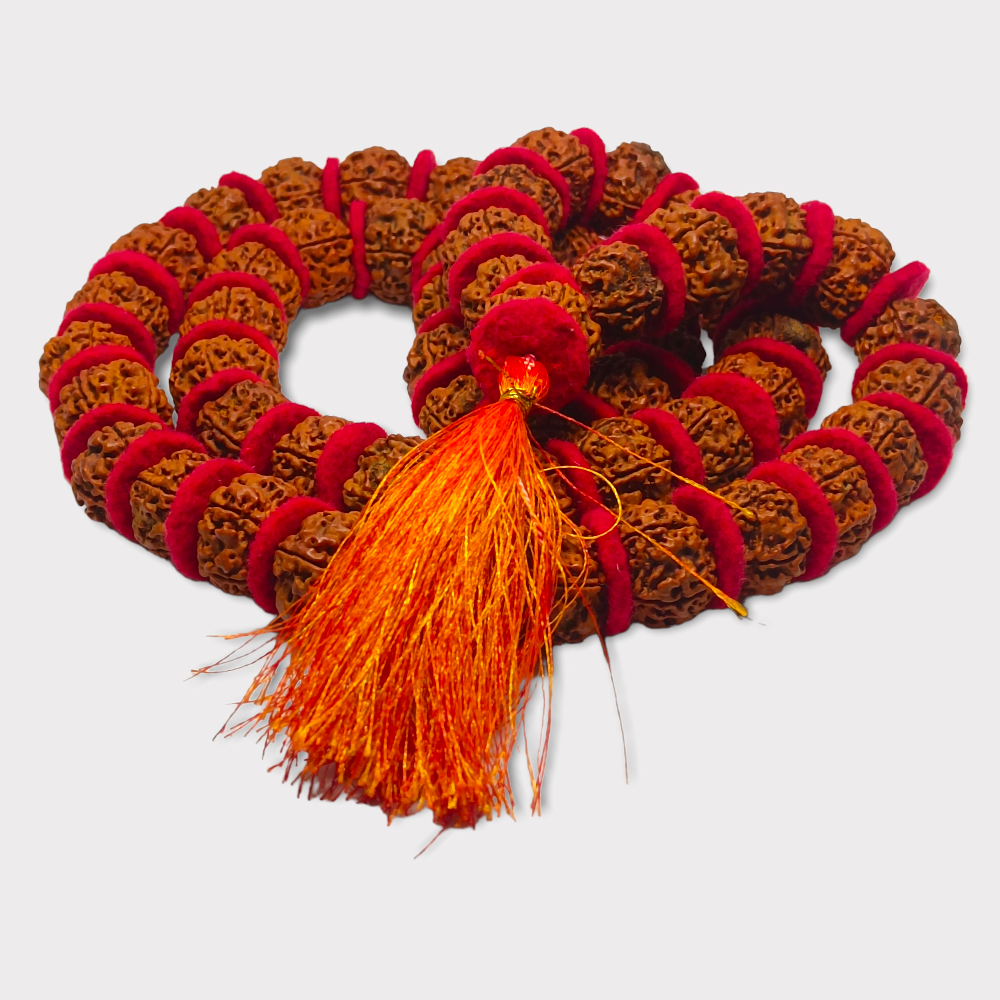
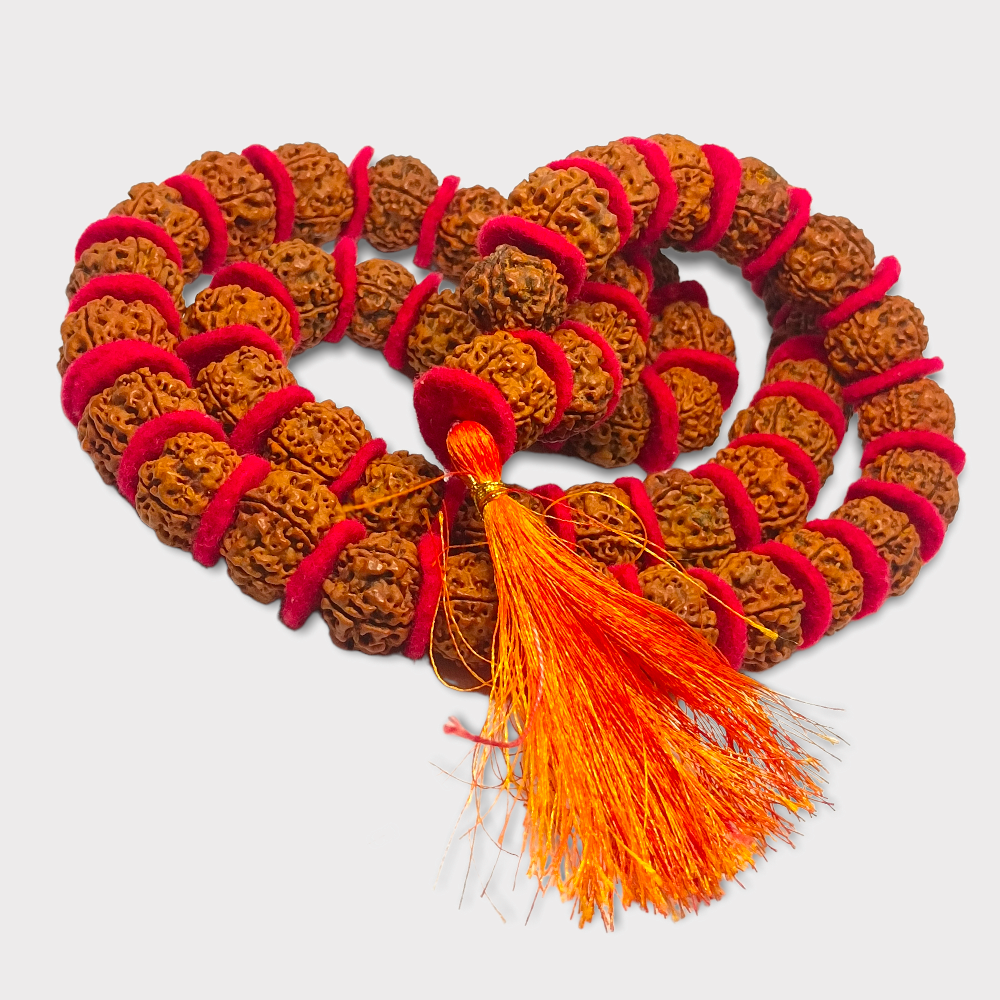
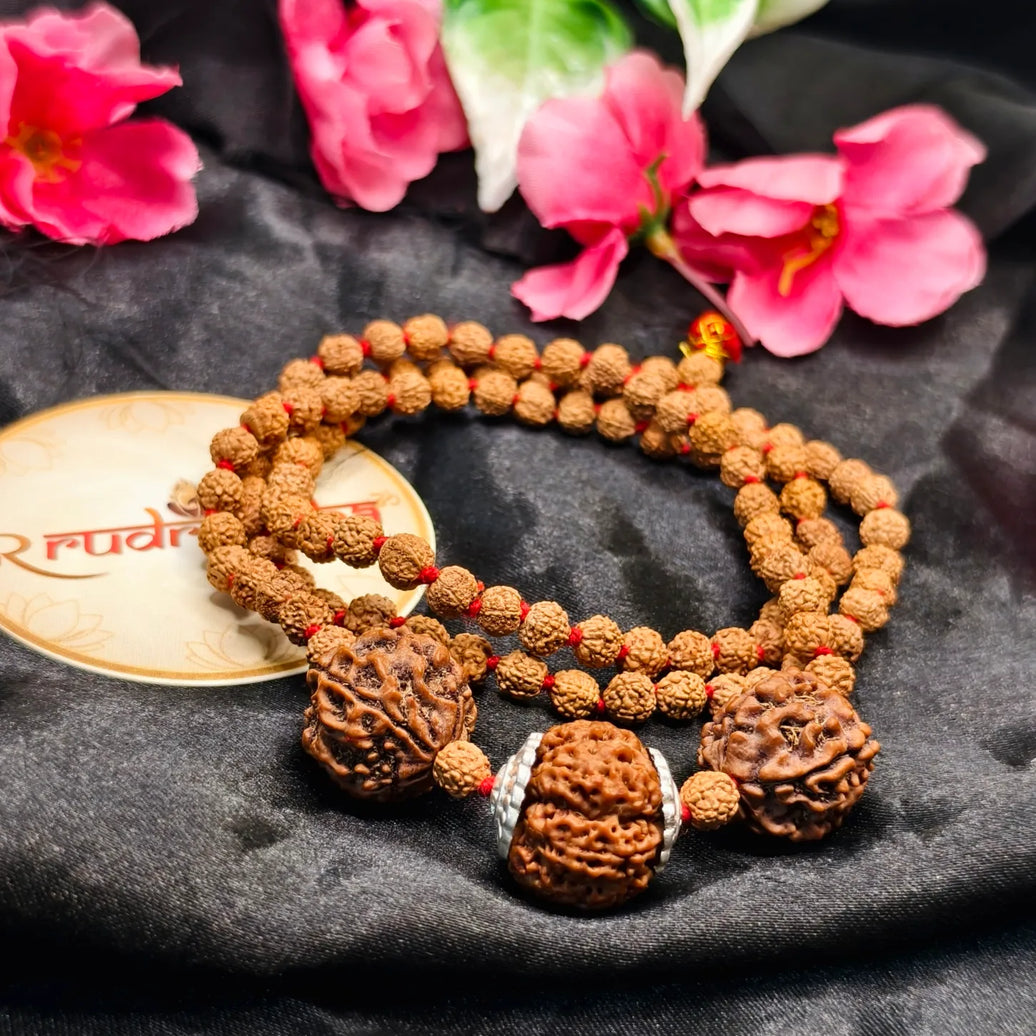
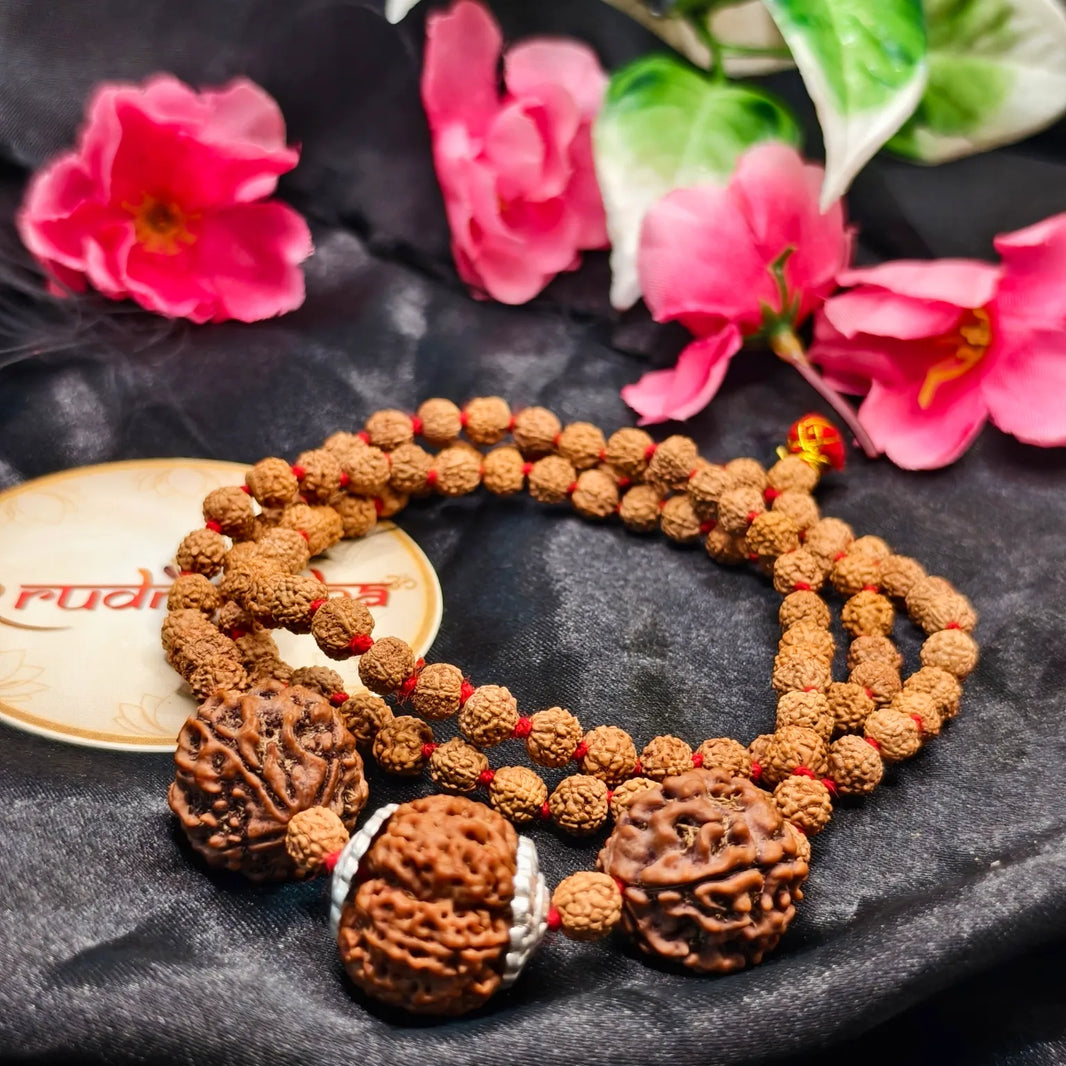
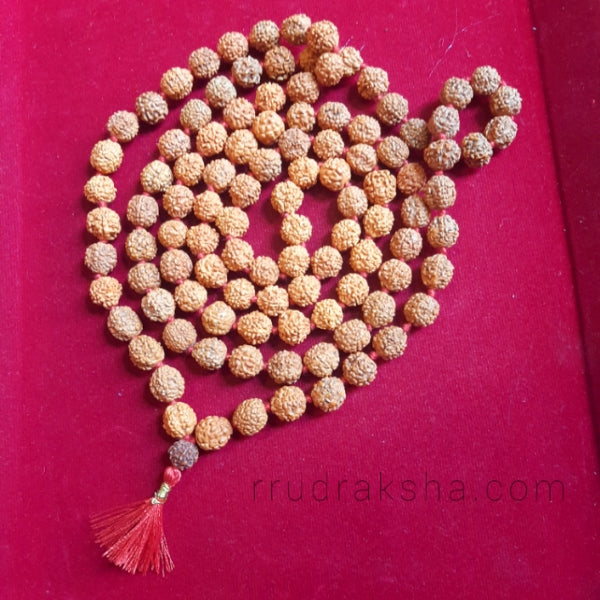
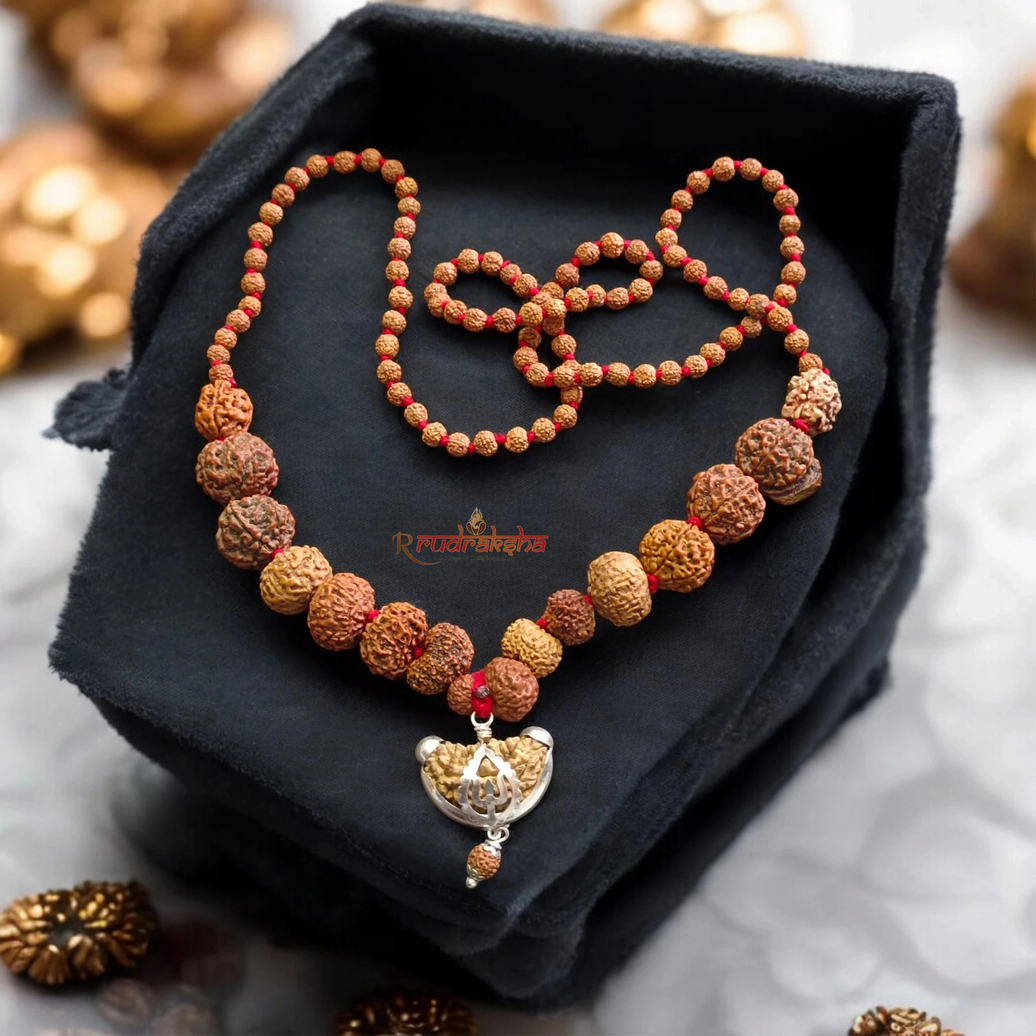
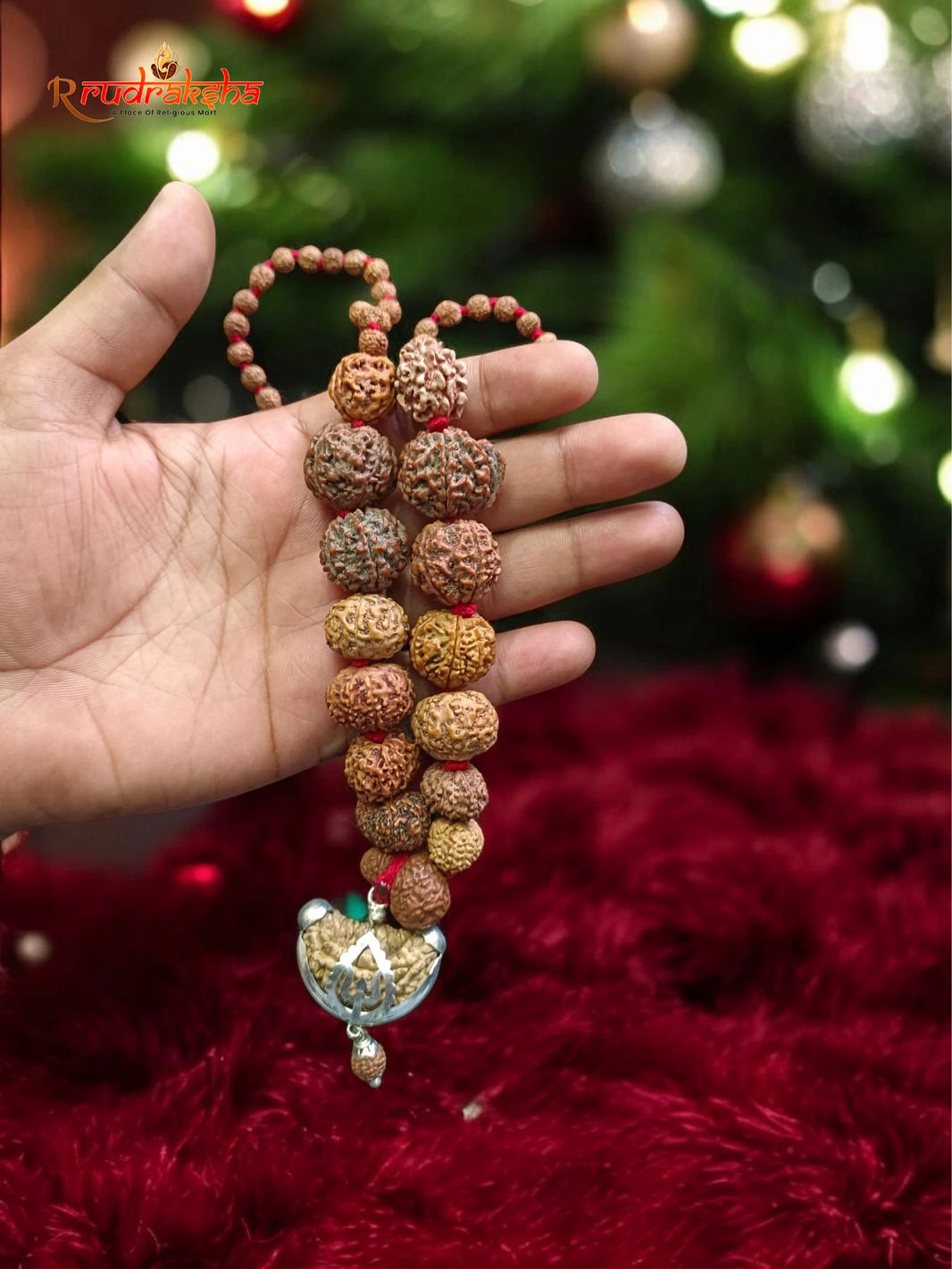
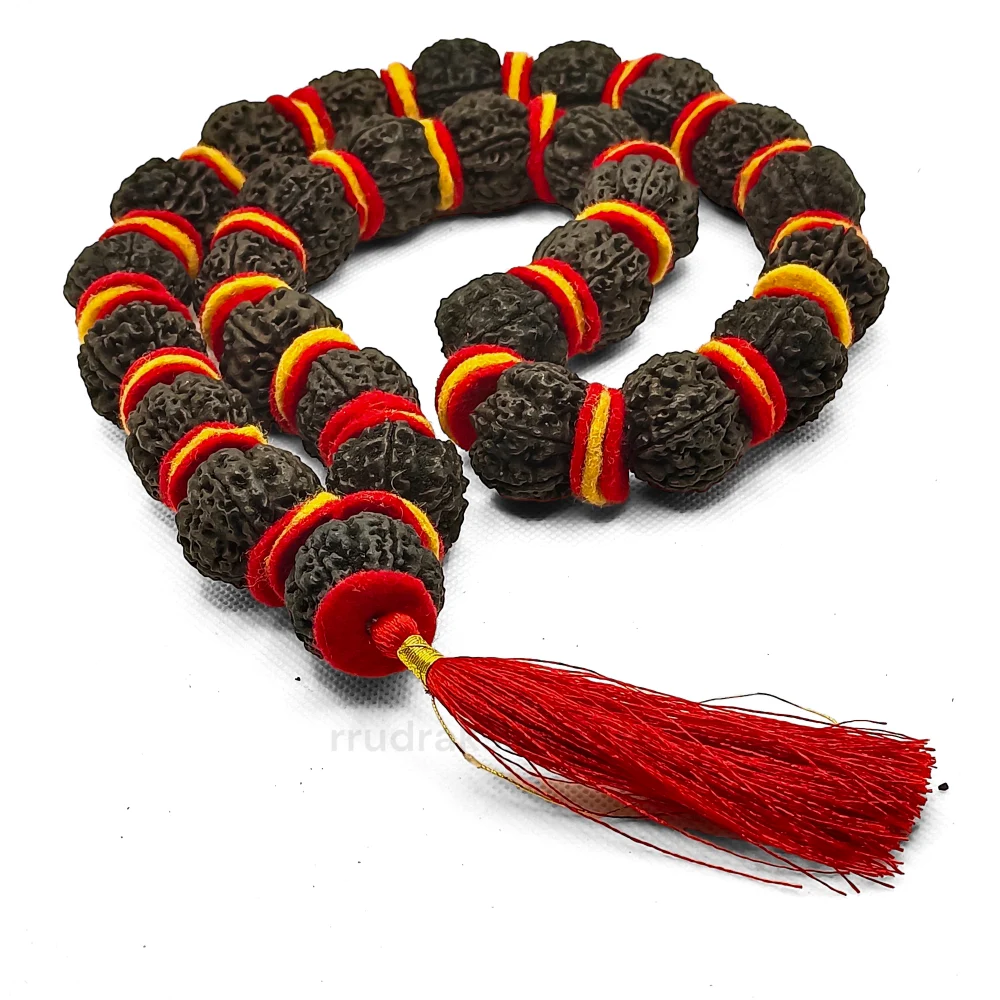
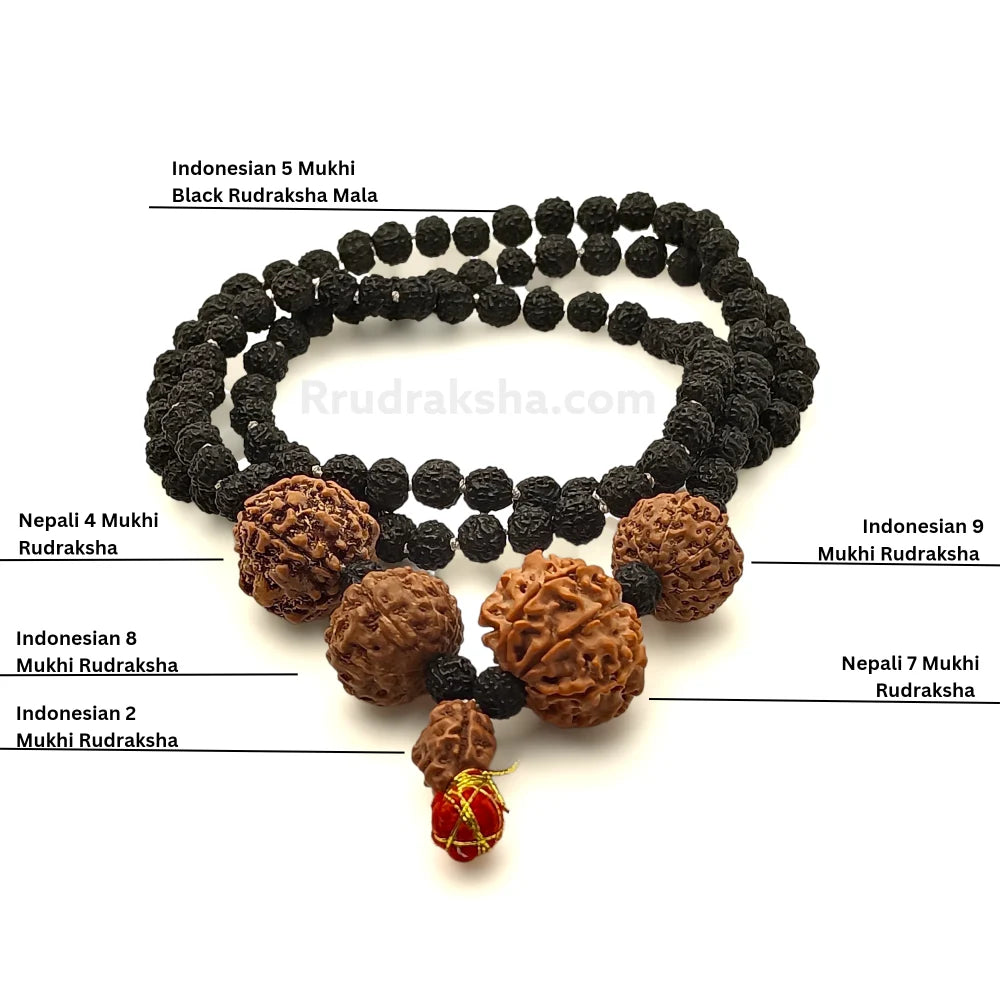
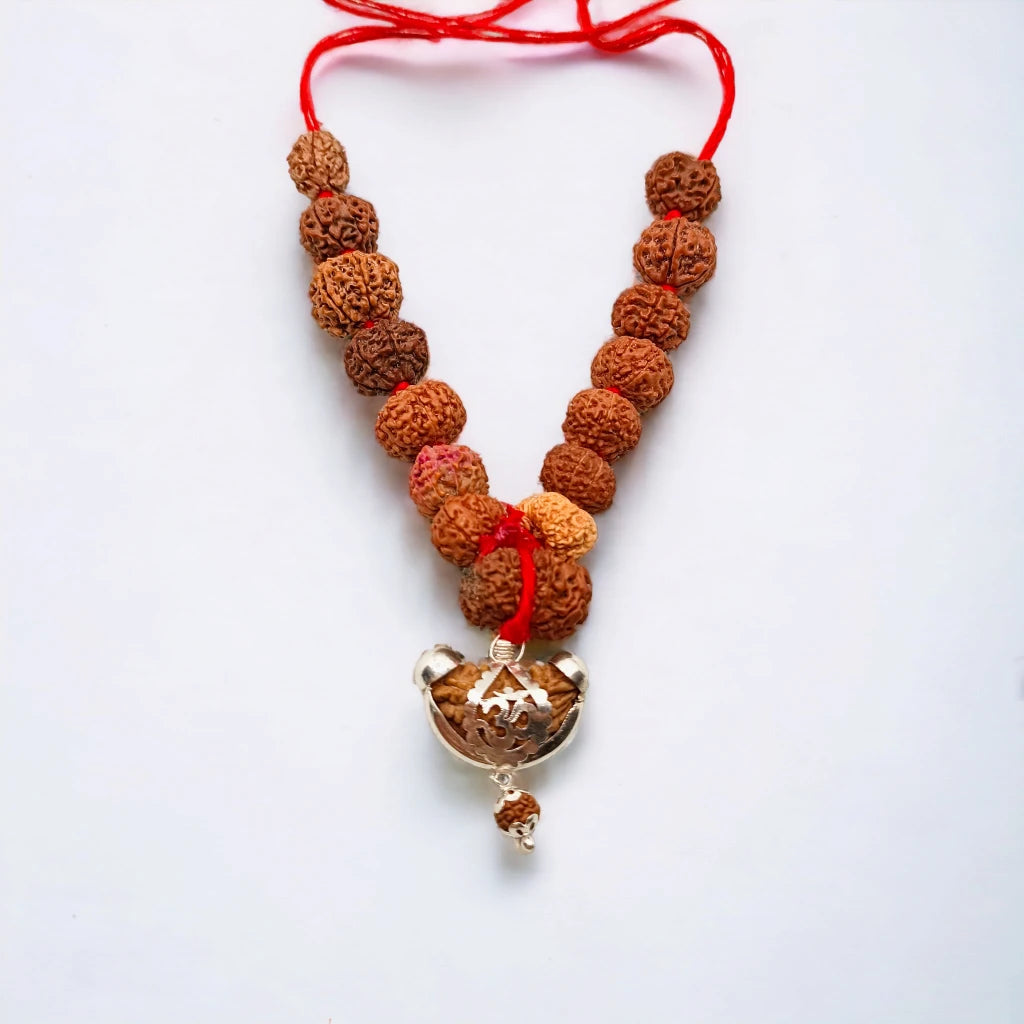
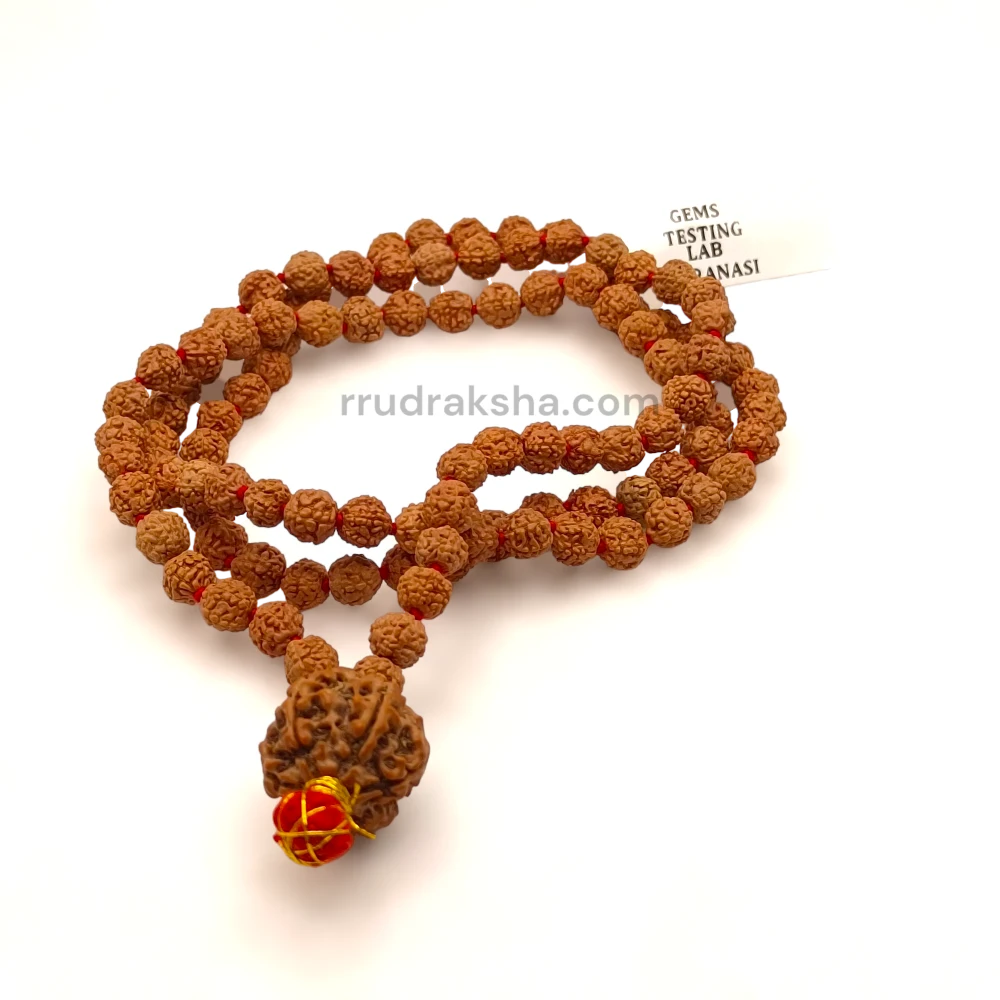
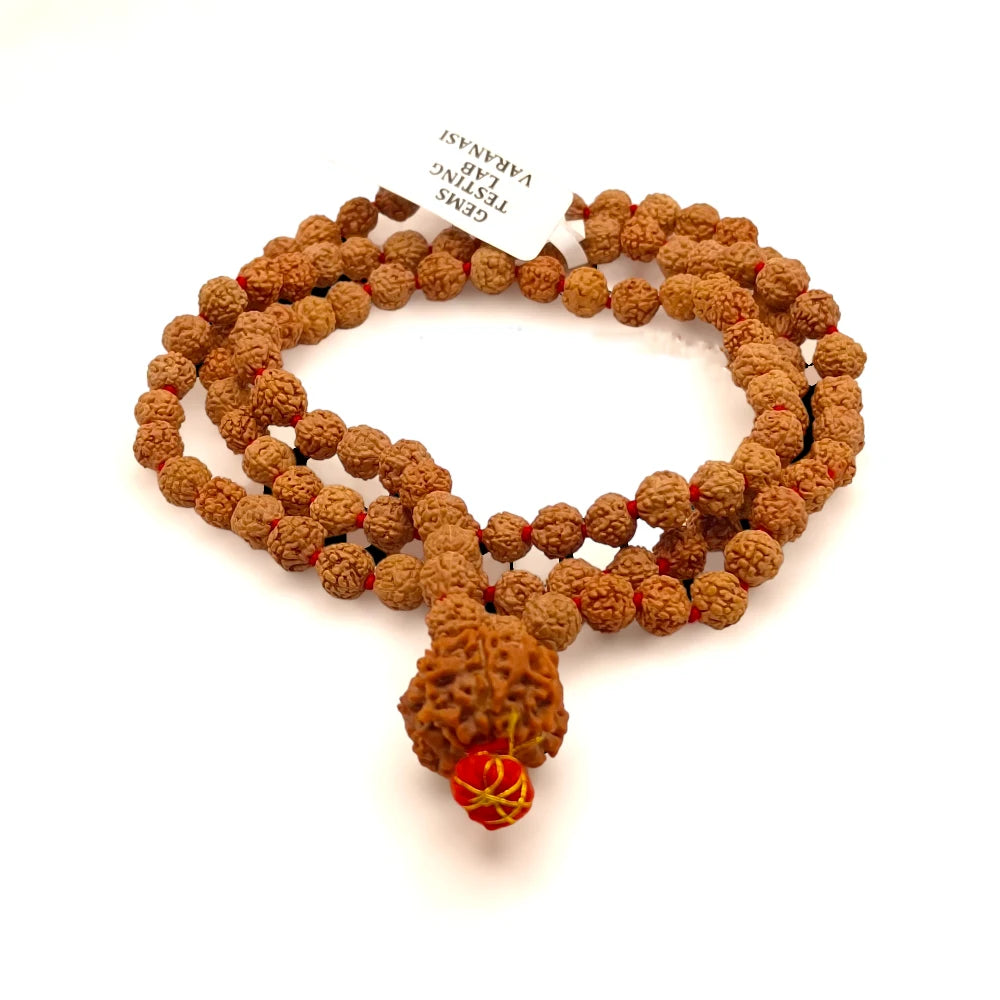
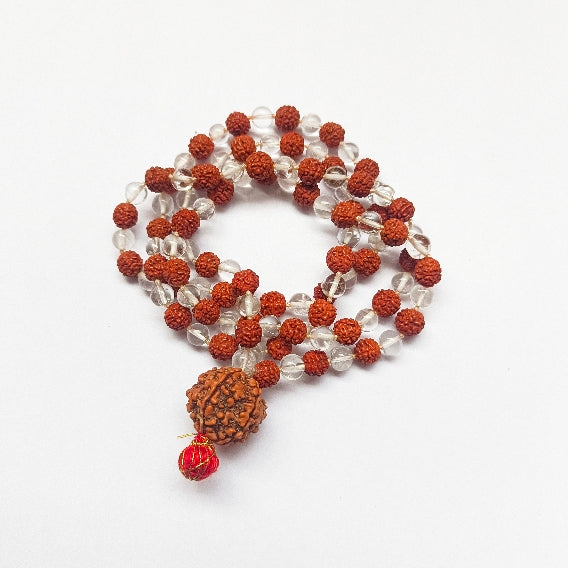
A powerful approach in Kashi is to practice slow chanting, specially with Rudraksha Jaap Mala Instead of rushing through dozens of mantras, chant one mantra with full awareness. This helps your mind connect with the meaning behind the words. Even a short prayer offered with deep sincerity can feel spiritually complete in Kashi.🕯️
Kashi Vishwanath Temple Rules, Dress Code & Pilgrim Etiquette 👕
Kashi Vishwanath is one of India’s most respected temples, and the environment carries strict spiritual seriousness. Modest clothing is recommended, not as a harsh rule but as a devotional discipline. Comfortable attire also helps you manage walking and temple queues.
Many devotees also ask about phones and belongings. The best approach is to carry minimal items and keep your focus on darshan rather than documentation. Photos and videos may feel tempting, but Kashi’s deepest memory is not a photo—it is the inner feeling you carry. The best form of respect is patience. Respect the crowd, respect temple staff, and avoid unnecessary arguments. In Kashi, your behaviour becomes part of your worship. ✅
Kashi Spiritual Circuit: Ghats, Ganga Aarti & Sacred Atmosphere 🌊🕯️
One of the most powerful aspects of visiting Kashi Vishwanath Jyotirlinga is that the spiritual experience does not stop at the temple. Kashi is a city where devotion flows through the ghats. The Ganga is not just a river here—it is a spiritual presence that shapes daily life. Sitting near the river can feel like meditation without effort. Many pilgrims spend quiet time near the ghats after darshan, allowing the mind to absorb the spiritual atmosphere.
Another sacred experience many visitors include is the Ganga Aarti. Even if you do not fully understand the rituals, the visual devotion, the rhythmic chants, and the collective faith can feel emotionally moving. It reminds the mind that devotion does not always need intellectual explanation. Sometimes devotion is simply the heart remembering the divine. 🙏
Kashi’s lanes also carry a special spiritual energy. The city feels alive with chanting, temple bells, and sacred rhythm. Even a simple walk in Kashi can feel like a pilgrimage. This is why people say that Kashi is not visited once—it stays in you forever.
How Many Days Are Enough for Kashi Vishwanath? (1-Day vs 3-Day Plan) ✅
If your time is limited, you can complete Kashi Vishwanath darshan in one day, especially if your travel is well planned. However, if you want to truly experience Varanasi, a 2–3 day plan is ideal. Kashi is not only about entering the temple and leaving. It is about allowing the city to reshape your spiritual mood.
In one day, you can focus on early morning darshan, a short ghat visit, and a simple aarti experience. In two to three days, you can experience Kashi more deeply with relaxed ghats time, additional temple visits, and quiet devotional reflection. The difference is not about sightseeing. It is about absorption. Kashi becomes meaningful when you stop rushing. 🕯️
Best Shiva Mantras to Chant in Kashi Vishwanath 🕉️
Kashi is one of the most powerful places to chant Shiva mantras because the entire environment supports remembrance. The most beginner-friendly mantra remains “Om Namah Shivaya”. It is simple, universal, and deeply respected in Shiva worship. Many devotees chant this mantra while walking in Kashi, while sitting near the ghats, or even silently during darshan.
Some devotees also chant longer Shiva prayers or stotras, but the deeper principle is consistency. Chanting a single mantra with discipline is often more spiritually effective than chanting many different mantras without focus. A mantra is not a performance. It is a relationship. When you chant with humility, the mind becomes quieter and devotion becomes deeper. 🔱
Spiritual Benefits of Kashi Vishwanath Darshan (Belief-Based & Responsible) ✨
Devotees traditionally believe that visiting Kashi Vishwanath Jyotirlinga supports inner transformation, spiritual clarity, and deep devotion. Many people describe a sense of inner silence after darshan, as if the mind becomes more grounded. In belief-based understanding, Kashi is associated with liberation and spiritual awakening, and devotees feel that worship here brings deep emotional strength.
From a modern perspective, Kashi can also have a psychological impact because it changes a person’s perspective. When you see the reality of time, rituals, devotion, and life’s impermanence in such an open environment, you naturally start thinking differently. Many people feel emotionally lighter after visiting Kashi, not because problems disappear instantly, but because the mind becomes more mature and less afraid.
It is important to keep spiritual benefits in a responsible frame. Temple visits can support faith, discipline, and emotional grounding, but they should not be treated as replacements for professional or medical support if required. The healthiest approach is to see Kashi Vishwanath as a spiritual anchor that strengthens your inner world. ✅
Scientific & Modern Perspective: Why Kashi Feels So Transformational 🧠
Modern psychology often explains that sacred environments can influence mental states because they provide structure, meaning, and emotional release. Kashi offers all of these simultaneously. The city forces the mind to slow down, to observe, and to reflect. It also places devotion in front of you everywhere, which encourages inner alignment. When a person experiences meaning repeatedly, the mind begins to reset itself.
Another reason Kashi feels transformational is because it brings deep themes into daily visibility: time, impermanence, surrender, gratitude, and truth. These themes are usually avoided in fast modern life. In Kashi, they are visible and unavoidable. This can create a strong emotional reaction, but it can also create maturity. Many pilgrims return from Kashi feeling calmer, more disciplined, and more aware. ✅
Frequently Asked Questions (FAQs) ❓
1) Where is Kashi Vishwanath Jyotirlinga located?
Kashi Vishwanath Jyotirlinga is located in Varanasi (Kashi), Uttar Pradesh, near the banks of the Ganga River.
2) Is Kashi Vishwanath one of the 12 Jyotirlingas?
Yes, Kashi Vishwanath is one of the 12 Jyotirlingas and is considered among the most spiritually significant Shiva temples in India.
3) Why is Kashi called the city of Shiva?
Kashi is called Shiva’s city because devotional tradition believes Shiva’s presence is deeply active here, and the city’s spiritual culture is centered around Shiva worship and liberation symbolism.
4) What is the meaning of Vishwanath?
Vishwanath means “Lord of the Universe,” symbolizing Shiva as the supreme consciousness beyond time and form.
5) What is the best time to visit Kashi Vishwanath temple?
Shravan month and Mahashivratri are spiritually powerful but crowded. Weekday mornings outside peak festival seasons are often best for peaceful darshan.
6) What is the Kashi Vishwanath Corridor?
The Kashi Vishwanath Corridor is a modern development that improved access and movement between the temple area and nearby ghats, making pilgrimage more comfortable for devotees.
7) How much time is needed for Kashi Vishwanath darshan?
Darshan duration depends on crowd and timing. Many devotees keep at least half a day for temple darshan and nearby spiritual exploration.
8) Can I visit Kashi Vishwanath with family?
Yes, Kashi Vishwanath can be visited with family. Planning early darshan and comfortable travel timings helps seniors and children.
9) What mantra should I chant at Kashi Vishwanath?
“Om Namah Shivaya” is the most common and beginner-friendly Shiva mantra for chanting in Kashi.
10) How many days are enough for Varanasi trip?
One day is enough for darshan, but 2–3 days are ideal to experience ghats, Ganga aarti, and the deeper spiritual atmosphere of Kashi.
11) Is Kashi Vishwanath darshan possible in one day?
Yes, many pilgrims do darshan in one day. However, staying longer allows a more peaceful and complete pilgrimage experience.
12) What should I read next after this blog?
You may read the complete 12 Jyotirlinga guide and explore other Jyotirlinga temple blogs like Mahakaleshwar and Omkareshwar for deeper pilgrimage planning.
♎ Conclusion 🍃
Kashi Vishwanath Is Not a Place You Visit, It’s a Truth You Experience
Kashi Vishwanath Jyotirlinga is not only one of the 12 Jyotirlingas—it is a spiritual centre that reminds the devotee of the deepest truths of life. Kashi teaches that time moves on, life changes, and everything eventually becomes silent, yet Shiva remains eternal. The darshan of Vishwanath is a reminder that the universe is vast, and the soul is not separate from divine consciousness.
If you visit Kashi, go with patience, humility, and an open heart. Do not rush the experience. Sit near the Ganga, walk slowly through the lanes, chant your mantra, and let the city speak to you in its own timeless language. In that quiet surrender, Kashi becomes not only a pilgrimage—it becomes an inner awakening. 🕉️
🙏 हर हर महादेव 🙏





Leave a comment