











🌿 Why Tulsi Is Sacred in Hindu Worship: The Divine Story of Vrinda & Lord Vishnu
Across the spiritual landscape of India, certain symbols transcend their physical form and become living embodiments of faith. Rivers become mothers, mountains become abodes of gods, and plants become sacred companions of devotion. Among all sacred plants in Hindu tradition, Tulsi — also known as Holy Basil — holds an unparalleled position. For millions of devotees, Tulsi is not merely a plant growing in soil; she is Tulsi Mata, a divine presence that lives within the home and connects the household directly to the divine.
Step into a traditional Hindu household and you will often find Tulsi planted in the courtyard, balcony, or near the entrance. Every morning, the plant is greeted with water offerings and prayers. Every evening, a diya is lit beside it as the sun sets. These rituals are not habits formed by chance. They are the continuation of a spiritual tradition that has lived for thousands of years.
But why is Tulsi so sacred? Why do scriptures say that Lord Vishnu never accepts offerings without Tulsi leaves? Why is Tulsi Vivah celebrated as a divine wedding? And why has this plant remained central to Hindu worship across generations and lifestyles?
The answer lies in a powerful mythological story — the divine story of Vrinda and Lord Vishnu. It is a story of devotion, sacrifice, cosmic balance, and divine transformation. Understanding this story reveals the deeper meaning behind Tulsi worship and explains why Tulsi continues to be revered in modern life.
🌱 What Is Tulsi? Understanding the Sacred Plant
Tulsi, scientifically known as Ocimum tenuiflorum or Ocimum sanctum, belongs to the basil family. Botanically, it is an aromatic herb known for its distinctive fragrance and traditional use in herbal practices. Spiritually, however, Tulsi carries a far deeper identity. In Hindu belief, Tulsi is worshipped as a goddess and considered the earthly manifestation of divine purity and devotion.
The word “Tulsi” originates from Sanskrit and means “the incomparable one.” This name reflects the reverence given to the plant in ancient scriptures such as the Padma Purana, Skanda Purana, and Brahma Vaivarta Purana. These texts describe Tulsi as the holiest plant on Earth and a symbol of spiritual purification.
Unlike decorative plants grown for beauty or fragrance, Tulsi is treated as a living deity. Devotees water the plant daily, light diyas, chant prayers, and perform circumambulation around it. These rituals create a deeply personal relationship between the devotee and the divine.
The two most commonly worshipped varieties of Tulsi are Rama Tulsi (green leaves) and Krishna Tulsi (purple leaves). Both are sacred and widely used in spiritual rituals.
📜 The Mythological Origin of Tulsi
The sacredness of Tulsi begins with the story of Vrinda, one of the most devoted women in Hindu mythology. Her story forms the spiritual foundation of Tulsi worship.
Vrinda was a great devotee of Lord Vishnu, known for her purity, faith, and spiritual strength. She later became the wife of Jalandhar, a powerful demon king. Unlike many mythological villains, Jalandhar’s strength did not come from weapons or armies. His invincibility came from Vrinda’s unwavering devotion.
Her purity created a divine shield around him, making him impossible to defeat in battle. This created a cosmic imbalance, and the gods were unable to restore harmony.
💔 The Divine Story of Vrinda & Lord Vishnu
To restore balance, Lord Vishnu took the form of Jalandhar and appeared before Vrinda. Believing him to be her husband, she welcomed him. In that moment, her vow of purity was unknowingly broken, and the protective shield around Jalandhar disappeared.
The gods defeated Jalandhar soon after. When Vrinda discovered the truth, she was heartbroken and cursed Lord Vishnu to turn into stone — believed to be the origin of the sacred Shaligram.
Moved by her devotion, Lord Vishnu granted her a divine boon. He declared she would be reborn as the sacred Tulsi plant and that he would never accept worship without Tulsi leaves.
💫 Spiritual Symbolism of Tulsi
Tulsi represents devotion, surrender, and divine love. Offering Tulsi leaves symbolizes offering one’s heart and faith.
🏛️ Cultural Significance of Tulsi
Tulsi has been planted in Indian homes for centuries, symbolizing spirituality at the center of family life.
🕯️ Daily Tulsi Worship Rituals
Daily rituals include watering the plant, lighting a lamp, chanting prayers, and performing parikrama.
💍 Tulsi Vivah: Sacred Festival
Tulsi Vivah symbolizes the marriage of Tulsi and Lord Vishnu.
🌍 Tulsi in Modern Life
Tulsi continues to remain relevant in modern lifestyles.
🌸 Why Tulsi Is Essential in Vishnu & Krishna Worship
In Vaishnav traditions, Tulsi is not simply a sacred plant — it is considered the most beloved offering of Lord Vishnu and Lord Krishna. Devotees across centuries have believed that even the most luxurious offerings remain incomplete without Tulsi leaves. This belief originates from the divine promise Lord Vishnu made to Vrinda after granting her rebirth as Tulsi.
This teaching carries profound symbolism. Hindu scriptures consistently emphasize that devotion and sincerity hold greater value than material wealth. When devotees place Tulsi leaves on offerings, they symbolically add devotion, humility, and surrender.
This ritual continues in temples across India. From the sacred town of Vrindavan to the Jagannath Temple in Puri, Tulsi leaves remain an essential part of daily worship.
🏡 Tulsi in Hindu Homes
In traditional homes, Tulsi is planted in the courtyard or entrance area. This placement symbolizes spirituality at the center of daily life. Families gather around Tulsi for morning and evening prayers, creating shared moments of reflection and devotion.
These daily rituals quietly shape family values and emotional bonding across generations.
🕯️ Daily Rituals Around Tulsi
Morning rituals include offering water and chanting prayers. Evening rituals involve lighting a diya and performing parikrama. These practices create daily moments of mindfulness and calmness.
📿 Tulsi in Bhakti Traditions
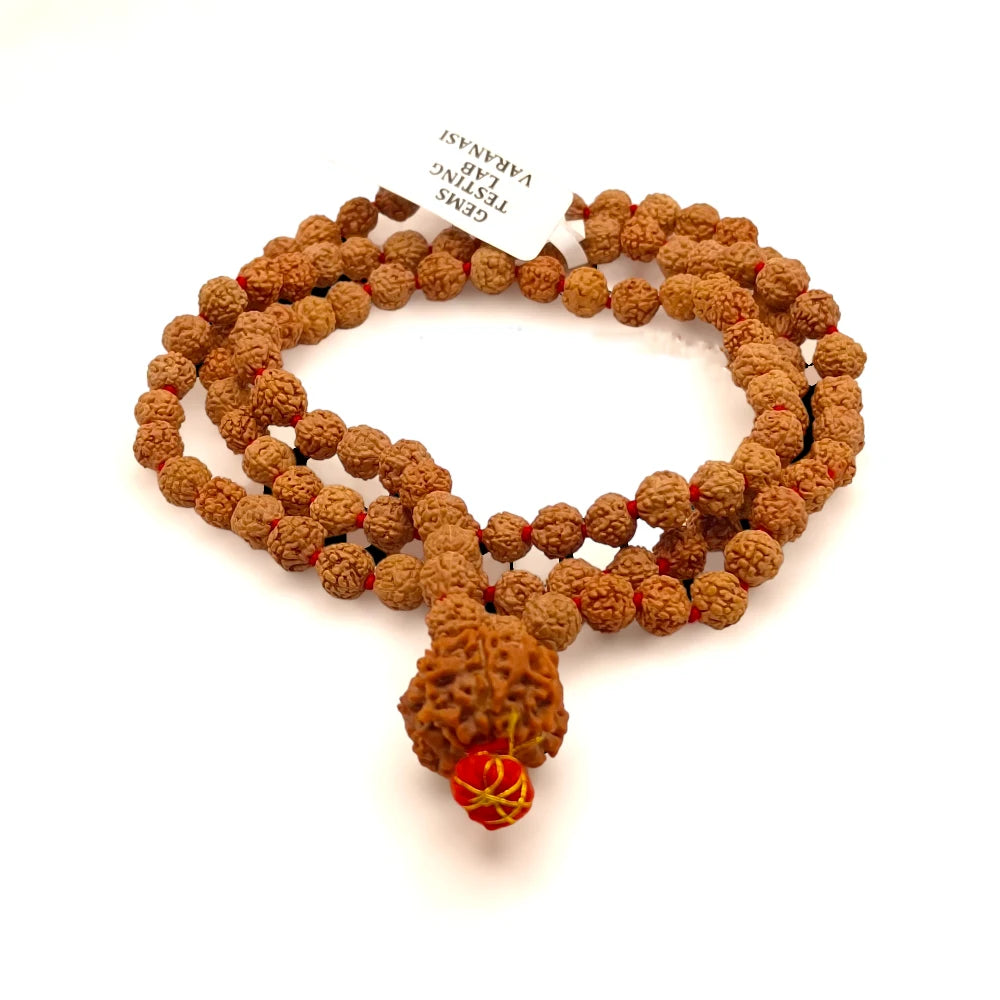
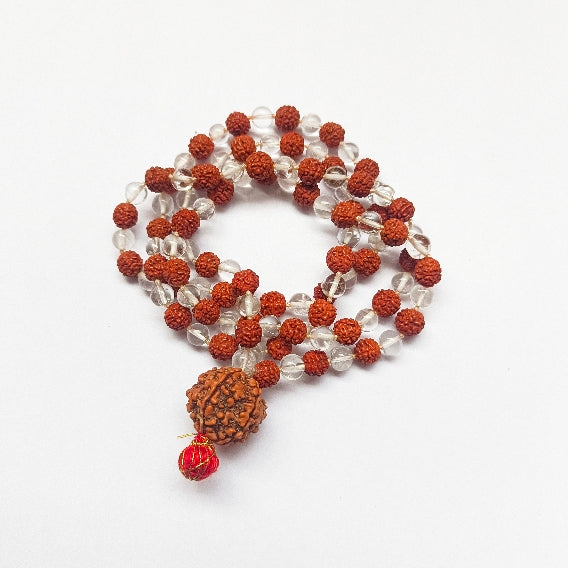
Devotees often use Tulsi malas for chanting and meditation, symbolizing surrender and spiritual focus.
🧘 Tulsi and Spiritual Psychology
Daily Tulsi rituals create structure and emotional grounding. These practices help individuals feel calm and centered.
🌿 Tulsi as a Bridge Between Tradition and Modern Life
Even in urban lifestyles, Tulsi traditions continue to thrive on balconies and terraces.
📖 Tulsi in Scriptures
Ancient texts describe Tulsi as the holiest plant and emphasize devotion over material offerings.
👣 Tulsi Parikrama
Walking around Tulsi symbolizes gratitude and discipline.
🌞 Morning & Evening Rituals
These rituals create peaceful daily transitions.
🌿 Tulsi as a Symbol of Devotion Across Generations
One of the most beautiful aspects of Tulsi worship is how naturally it passes from one generation to the next. In many Indian households, children grow up watching elders water the Tulsi plant every morning and light a lamp beside it every evening. These simple daily rituals become part of childhood memory, quietly shaping a lifelong emotional and spiritual connection with the plant.
Unlike complex rituals that require deep scriptural knowledge, Tulsi worship is accessible to everyone. A small diya, a little water, and a moment of prayer are enough to participate. This simplicity has allowed the tradition to survive centuries of social change, urbanization, and evolving lifestyles.
Over time, Tulsi becomes more than a plant. It becomes a symbol of continuity, family identity, and shared faith. Many people remember the fragrance of incense near Tulsi during childhood evenings, the gentle sound of prayer bells, and the calm atmosphere created by these rituals.
These emotional memories strengthen the bond between spirituality and everyday life. Tulsi reminds devotees that devotion does not always require grand gestures. Small, consistent acts of faith can create deep spiritual connections.
🌍 Tulsi and Environmental Awareness
Ancient Hindu traditions often connected spirituality with nature. Tulsi worship is one of the most beautiful examples of this connection. By encouraging people to care for a plant daily, the tradition quietly promotes environmental awareness and respect for nature.
Long before modern environmental movements began, Indian households were nurturing plants as part of spiritual practice. Tulsi became a daily reminder of the relationship between humans and the natural world.
Today, this message feels more relevant than ever. In a world facing environmental challenges, Tulsi traditions remind us of the importance of nurturing and protecting nature.
✨ Tulsi as a Daily Practice of Gratitude
Watering the Tulsi plant every morning symbolizes gratitude for life and nourishment. Lighting a diya every evening symbolizes hope and the removal of darkness. These small daily acts create moments of reflection and appreciation.
Modern psychology recognizes gratitude practices as powerful tools for emotional well-being. Tulsi rituals naturally incorporate gratitude into daily life.
🧡 Emotional Comfort and Spiritual Connection
For many devotees, Tulsi provides emotional comfort during difficult times. Sitting near the plant, offering prayers, or simply caring for it can create a sense of peace and connection.
These experiences highlight the deep emotional dimension of Tulsi worship.
🌼 Tulsi and the Rhythm of Daily Life
Tulsi rituals create a rhythm that structures the day. Morning prayers begin the day with positivity, while evening rituals bring calmness and closure.
This daily rhythm provides emotional stability and continuity.
🔮 Astrological Significance of Tulsi in Hindu Tradition
In Vedic astrology, plants are not seen as ordinary elements of nature. They are believed to carry subtle planetary vibrations that influence the energy of the environment around them. Tulsi holds a particularly sacred place in this tradition and is strongly associated with the planet Jupiter (Guru), the planet of wisdom, dharma, spirituality, and divine grace.
Jupiter represents higher knowledge, faith, ethics, and spiritual growth. When Tulsi is planted and worshipped in a home, it symbolically strengthens these qualities in the household. For centuries, astrologers have recommended Tulsi worship as a way to cultivate discipline, clarity, and positive spiritual habits.
🌟 Placement of Tulsi According to Vastu
Traditional Vastu Shastra suggests placing Tulsi in the north, northeast, or east direction of the home. These directions are associated with spiritual growth and positive cosmic energy. Keeping Tulsi in these directions is believed to create harmony and balance in the living environment.
💫 Spiritual Benefits of Tulsi (Belief-Based)
🧠 Mental & Emotional Balance
Daily Tulsi worship creates structured moments of mindfulness and reflection. Lighting a lamp, offering water, and chanting prayers encourage calmness and emotional stability.
💖 Spiritual Growth
Tulsi symbolizes devotion and surrender. Offering Tulsi leaves strengthens the emotional connection between devotees and the divine.
🔬 Scientific & Modern Perspective
Modern science studies Tulsi as an aromatic herb, while psychology recognizes the benefits of daily rituals and plant care. Caring for plants is linked to improved mood and reduced stress.
🪴 How to Grow Tulsi at Home
Tulsi thrives in sunlight and requires regular watering. Traditionally, it is planted in a Tulsi Vrindavan.
✨ Care & Maintenance
Regular watering and sunlight keep Tulsi healthy.
Frequently Asked Questions (FAQs) ❓
1. Why is Tulsi considered sacred in Hinduism?
Tulsi is considered sacred because of its deep connection with Lord Vishnu and the mythological story of Vrinda. Scriptures describe Tulsi as a divine manifestation symbolizing purity, devotion, and spiritual protection.
2. Why is Tulsi offered to Lord Vishnu and Krishna?
According to mythology, Lord Vishnu promised Vrinda that he would never accept worship without Tulsi leaves. Therefore, Tulsi became an essential offering in Vishnu and Krishna worship.
3. Can Tulsi be kept inside the house?
Tulsi can be kept indoors if it receives adequate sunlight. Balconies, windows, and terraces are considered ideal locations.
4. Why should we not pluck Tulsi leaves at night?
Traditional beliefs suggest that Tulsi rests at night. Therefore, leaves are usually plucked in the morning after offering prayers.
5. What is Tulsi Vivah?
Tulsi Vivah is a Hindu festival celebrating the symbolic marriage of Tulsi and Lord Vishnu in the form of Shaligram. It marks the beginning of the Hindu wedding season.
6. Which direction is best for placing Tulsi at home?
According to Vastu Shastra, the north, northeast, or east direction is considered ideal for placing Tulsi.
7. Can anyone worship Tulsi?
Yes, Tulsi worship is simple and accessible. Anyone can care for and worship the Tulsi plant.
8. Why is a diya lit near Tulsi in the evening?
Lighting a lamp symbolizes the removal of darkness and negativity and creates a peaceful spiritual atmosphere.
9. What is Tulsi Parikrama?
Tulsi Parikrama involves walking around the plant while chanting prayers. It symbolizes gratitude and devotion.
10. What are the main types of Tulsi?
The two main types are Rama Tulsi (green leaves) and Krishna Tulsi (purple leaves). Both are sacred and widely worshipped.





Leave a comment