








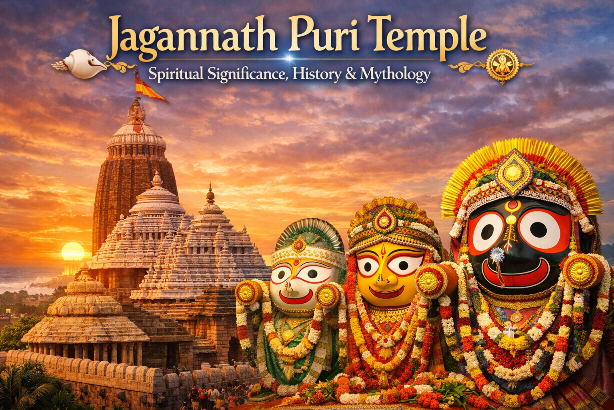
Jagannath Puri Temple – Complete Spiritual, Mythological & Historical Guide to the Sacred Abode of Lord Jagannath 🛕
Jagannath Puri Temple stands as one of the most mysterious and spiritually powerful temples in Sanatan Dharma. Located in the eastern direction of India, this sacred temple represents devotion, surrender, and divine love. Unlike many temples that follow traditional forms of worship and iconography, Jagannath Temple holds unique traditions, rituals, and symbolism that have fascinated devotees and scholars for centuries.
As one of the four sacred Char Dham pilgrimage sites established by Adi Shankaracharya, Jagannath Puri represents the eastern direction and the path of Bhakti — the path of devotion and surrender. The temple is dedicated to Lord Jagannath, a form of Lord Krishna, along with Lord Balabhadra and Goddess Subhadra.
The spiritual traditions of Jagannath Temple go far beyond rituals and festivals. The temple represents the universal love of the divine, the acceptance of all devotees regardless of background, and the deep philosophy of surrender in Sanatan Dharma.
✨ What is Jagannath Puri Temple?
Jagannath Temple is dedicated to Lord Jagannath, whose name means “Lord of the Universe.” This form of Lord Krishna represents divine compassion, inclusivity, and unconditional love. The temple is unique because the idols of Jagannath, Balabhadra, and Subhadra are made of sacred wood and follow a tradition unlike any other temple in India.
The wooden idols symbolize impermanence and the cyclical nature of life, reminding devotees that the material world is temporary while divine consciousness is eternal.
🌅 The Spiritual Symbolism of the Eastern Direction
In Hindu sacred geography, the eastern direction represents new beginnings, sunrise, and spiritual awakening. Jagannath Puri, located in the east, symbolizes the awakening of devotion in the heart of the seeker.
This direction is associated with hope, renewal, and the beginning of the spiritual journey through love and surrender.
📜 Origins of Jagannath Worship
The origins of Jagannath worship date back to ancient tribal traditions that later merged with Vedic practices. This fusion of traditions makes Jagannath Temple one of the most inclusive spiritual centers in Hinduism.
The temple represents unity and acceptance, reflecting the idea that divine love transcends social boundaries and cultural differences.
👑 Mythological Story of King Indradyumna
According to ancient legend, King Indradyumna was guided by divine visions to establish the temple of Lord Jagannath. He sought to create a temple that would welcome all devotees and celebrate universal devotion.
This story symbolizes faith, perseverance, and devotion.
🕉️ The Unique Form of Lord Jagannath
The idol of Lord Jagannath is unlike any other representation of Krishna. The large eyes and simplified form carry deep symbolism. They represent the all-seeing nature of the divine and the idea that God watches over all beings equally.
This unique form also emphasizes accessibility and inclusivity, reflecting the temple’s philosophy of universal devotion.
🌊 Jagannath & the Ocean Symbolism
The temple’s proximity to the ocean holds deep symbolic meaning. The ocean represents infinity, vastness, and surrender. It reminds devotees of the boundless nature of divine love.
👳 Adi Shankaracharya & Char Dham Connection
Jagannath Puri became one of the Char Dham pilgrimage sites through the efforts of Adi Shankaracharya. Its inclusion represents the eastern spiritual gateway of India and the path of devotion..
🪵 The Mystery of the Wooden Idols (Daru Brahma)
One of the most fascinating aspects of Jagannath Puri Temple is the tradition of wooden idols. Unlike stone or metal idols found in most temples, the idols of Lord Jagannath, Balabhadra, and Subhadra are carved from sacred wood known as “Daru.” This unique practice carries deep philosophical and spiritual symbolism.
In Sanatan Dharma, the material world is considered temporary and constantly changing. The wooden idols symbolize the impermanent nature of physical existence and remind devotees that the divine transcends all material forms. This tradition reflects the belief that while forms may change, divine consciousness remains eternal.
🔄 Nabakalebara – The Renewal of Divine Forms
Jagannath Temple follows a rare tradition known as Nabakalebara, where the idols are ceremonially replaced after a certain number of years. This sacred ritual represents the cycle of birth, death, and rebirth — a fundamental concept in Hindu philosophy.
The ritual symbolizes transformation and renewal, teaching devotees that change is a natural and sacred part of life.
👁️ Symbolism of the Large Eyes of Jagannath
The large round eyes of Lord Jagannath are one of the most recognizable features of the idol. Spiritually, these eyes symbolize the all-seeing nature of the divine and the idea that God watches over all beings with compassion and love.
The absence of eyelids represents constant awareness and eternal presence.
🎉 Rath Yatra – The Festival of Universal Devotion
The Rath Yatra festival is one of the most celebrated traditions associated with Jagannath Temple. During this festival, the deities are taken outside the temple in grand chariots, symbolizing the divine coming out to bless humanity.
This tradition reflects the inclusive nature of Jagannath worship, where the divine is accessible to everyone.
🍚 Mahaprasad – Symbol of Equality
The Mahaprasad offered at Jagannath Temple holds deep social and spiritual significance. It is shared among devotees without distinction, symbolizing equality and unity.
This tradition emphasizes the belief that all individuals are equal in the eyes of the divine.
🧠 Spiritual Psychology of Bhakti (Devotion)
Jagannath Puri represents the path of Bhakti Yoga — the path of love and devotion. Devotion cultivates gratitude, compassion, and emotional balance. The temple teaches that love for the divine is a powerful path to inner transformation.
🌍 Jagannath as Lord of the Universe
The name Jagannath means “Lord of the Universe,” symbolizing the universal nature of divine love. The temple welcomes people from all backgrounds, reflecting the inclusive spirit of Sanatan Dharma.
📿 Role of Mantra & Devotional Practices
Devotees often engage in chanting and meditation as part of their spiritual practice. These practices help cultivate mindfulness and devotion.
🌅 Jagannath Puri as the Path of Bhakti Yoga
Among the four Char Dham temples, Jagannath Puri represents Bhakti Yoga — the path of devotion and unconditional love for the divine. Bhakti Yoga teaches that love, surrender, and faith can lead to spiritual transformation. Unlike the path of knowledge or action, Bhakti emphasizes emotional connection and heartfelt devotion.
The traditions of Jagannath Temple reflect this philosophy deeply. The temple’s rituals, festivals, and inclusive practices highlight the idea that devotion is accessible to everyone, regardless of background or status.
🕉️ Inclusivity & Universal Devotion
Jagannath Puri has long been associated with inclusivity and acceptance. The temple’s traditions emphasize equality and the idea that divine love transcends social boundaries. This philosophy reflects the spiritual teaching that all beings are expressions of the same universal consciousness.
The sharing of Mahaprasad among devotees symbolizes unity and equality, reinforcing the idea that spirituality brings people together.
🌊 The Ocean as a Symbol of Infinite Love
The temple’s proximity to the ocean carries profound spiritual symbolism. The ocean represents the infinite nature of divine love and compassion. Just as the ocean embraces all rivers, divine love embraces all beings.
This symbolism encourages acceptance, humility, and surrender.
📖 Jagannath in Vaishnava Traditions
Jagannath worship holds a special place in Vaishnava traditions. Devotional saints and poets have celebrated Lord Jagannath as a compassionate and accessible form of Krishna. The temple has inspired centuries of devotional literature and spiritual music.
🎶 Influence on Devotional Culture
The traditions of Jagannath Temple have influenced devotional music, art, and literature for centuries. Songs and stories celebrating Lord Jagannath continue to inspire devotion and spiritual reflection.
🧭 Symbolism of the Chariot Festival
The Rath Yatra festival symbolizes the divine journey toward humanity. The movement of the chariots represents the movement of the divine into the hearts of devotees.
🪷 Emotional Transformation Through Devotion
Devotion is often described as a path that transforms the heart. Jagannath Puri encourages gratitude, compassion, and emotional balance. These qualities support spiritual growth and inner peace.
🌍 Cultural & Spiritual Influence Across Generations
Jagannath Puri continues to inspire millions of devotees and remains a powerful symbol of faith and devotion in modern times.
🕯️ The Philosophy of Surrender in Jagannath Tradition
One of the deepest spiritual teachings associated with Jagannath Puri is the philosophy of surrender. In Bhakti Yoga, surrender does not mean weakness; it means trust in divine wisdom and acceptance of life’s flow. The traditions of Jagannath worship encourage devotees to release ego, expectations, and attachments.
Surrender creates emotional freedom and inner peace. The symbolism of Jagannath reminds seekers that divine love supports and guides every stage of life.
🌿 The Concept of Divine Accessibility
Jagannath Temple emphasizes accessibility and inclusivity. The Rath Yatra festival, where the deities are brought outside the temple, symbolizes the divine coming closer to humanity. This powerful symbolism highlights the idea that the divine is not distant but present and accessible.
👁️ Constant Awareness & Divine Presence
The large eyes of Lord Jagannath symbolize constant awareness and the ever-present nature of the divine. This symbolism encourages mindfulness and reminds devotees that divine guidance is always available.
🧠 Emotional Healing Through Devotion
Devotional practices such as chanting, singing, and prayer are believed to support emotional balance and inner peace. The traditions of Jagannath Temple emphasize joy, gratitude, and compassion.
🌍 Jagannath Puri in the Modern World
In the fast-paced modern world, many individuals seek emotional balance and spiritual connection. The teachings of Jagannath Puri continue to inspire mindfulness, compassion, and devotion.
The temple’s message of universal love and inclusivity remains deeply relevant today.
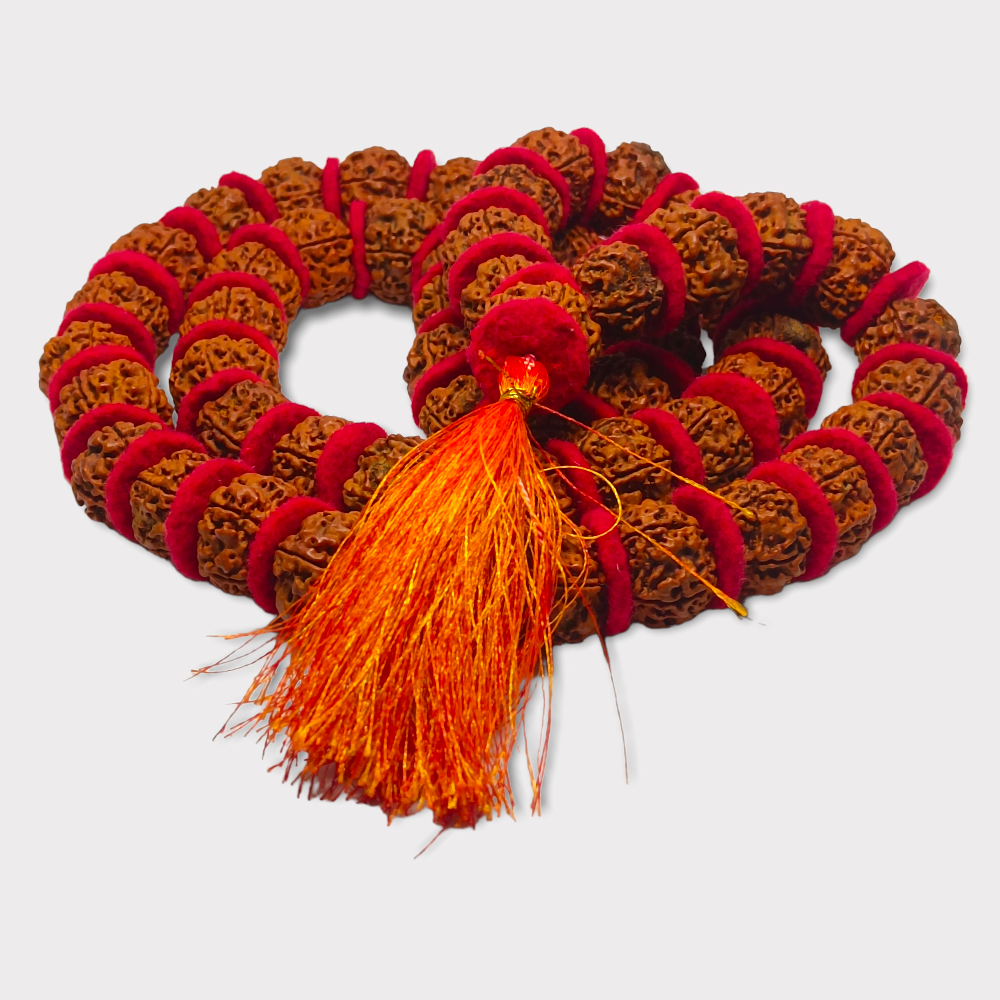
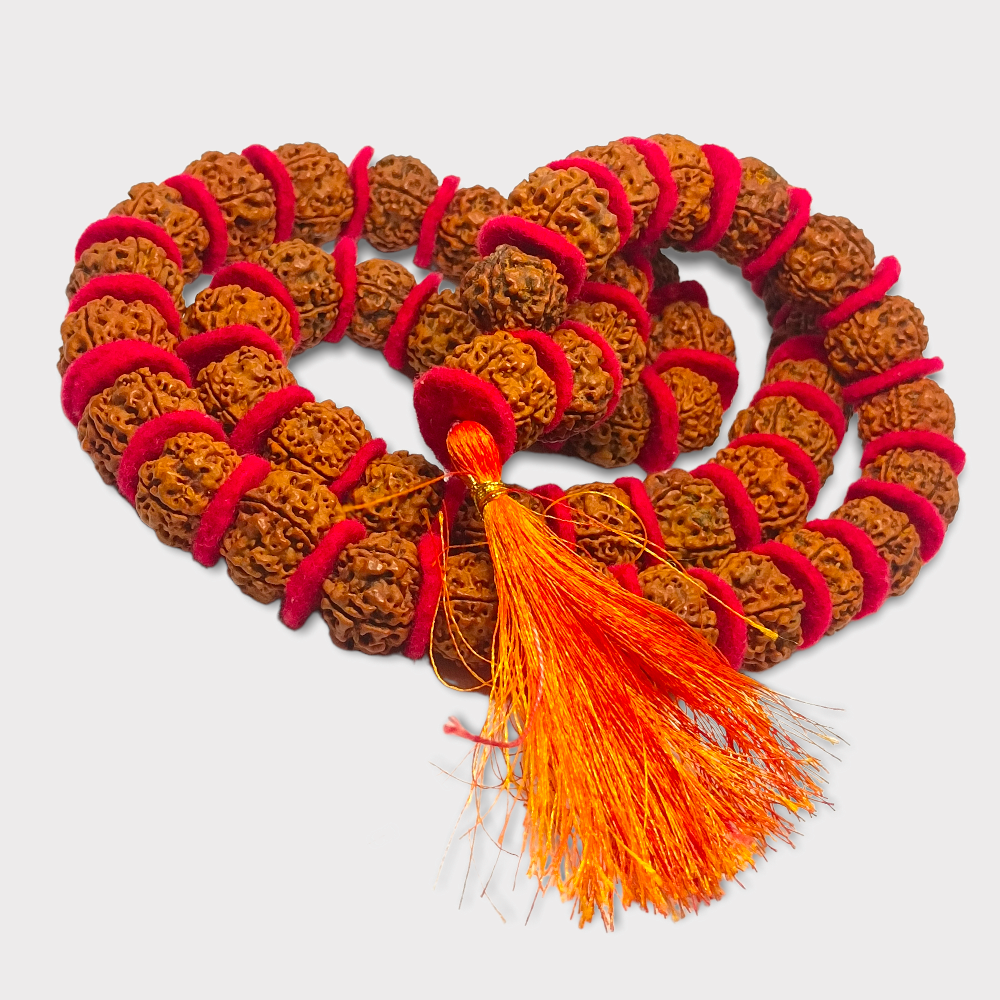
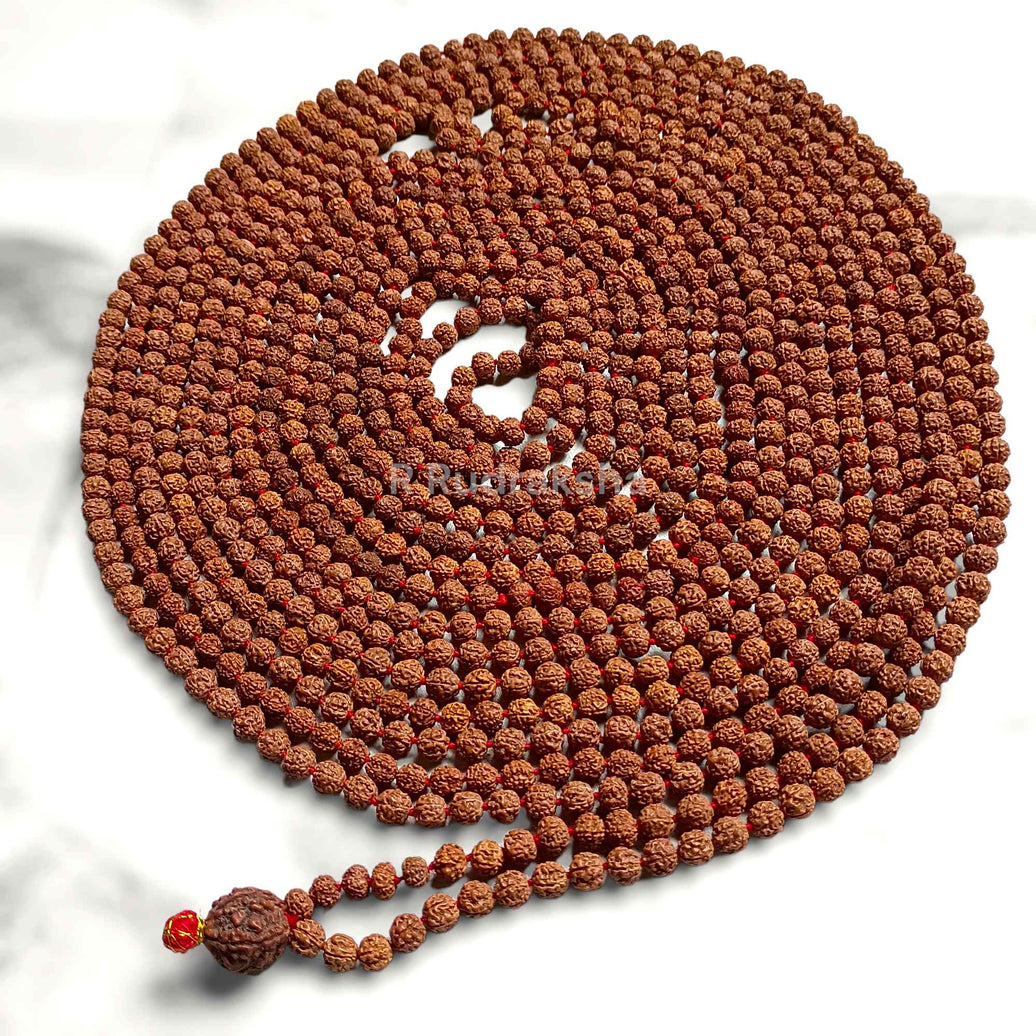
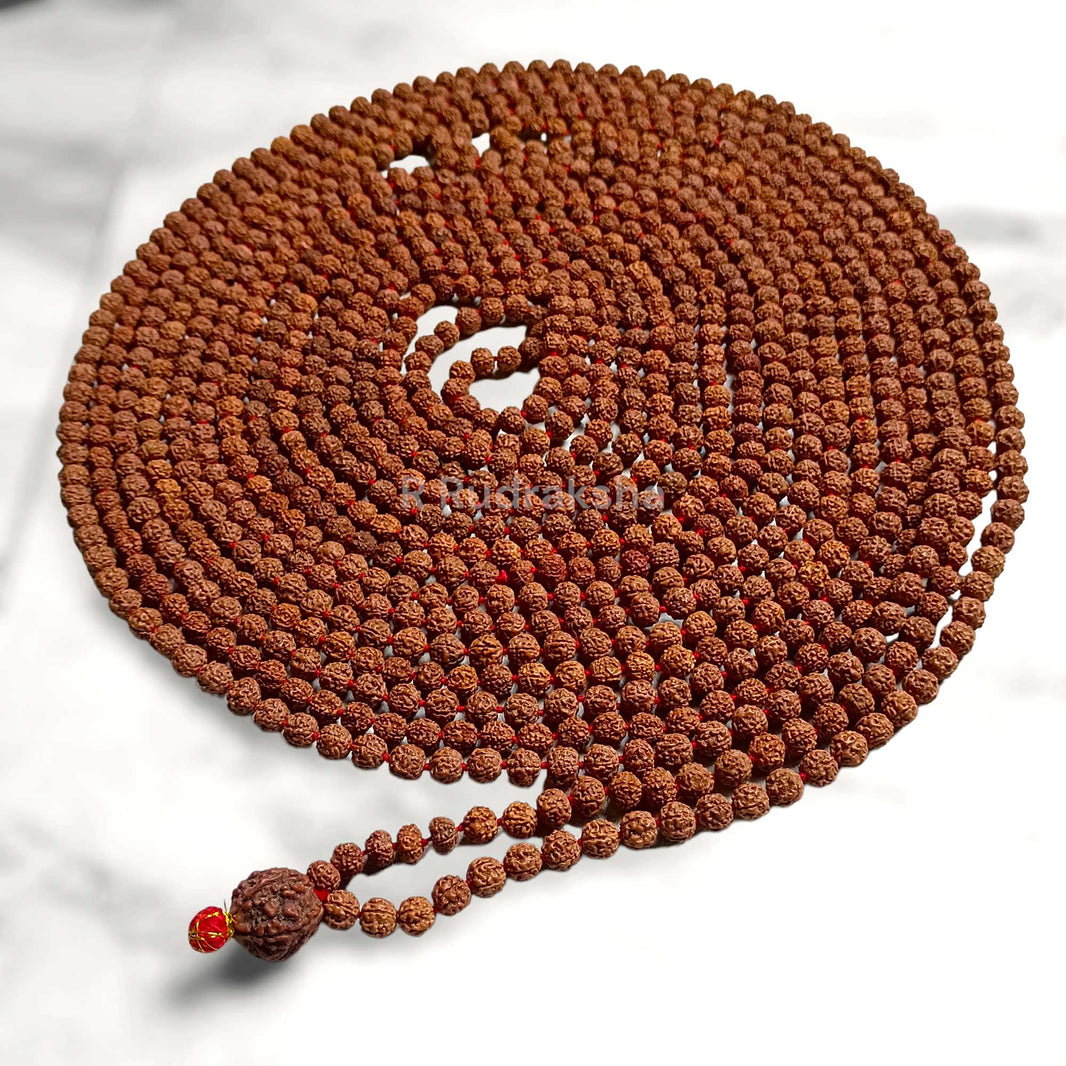
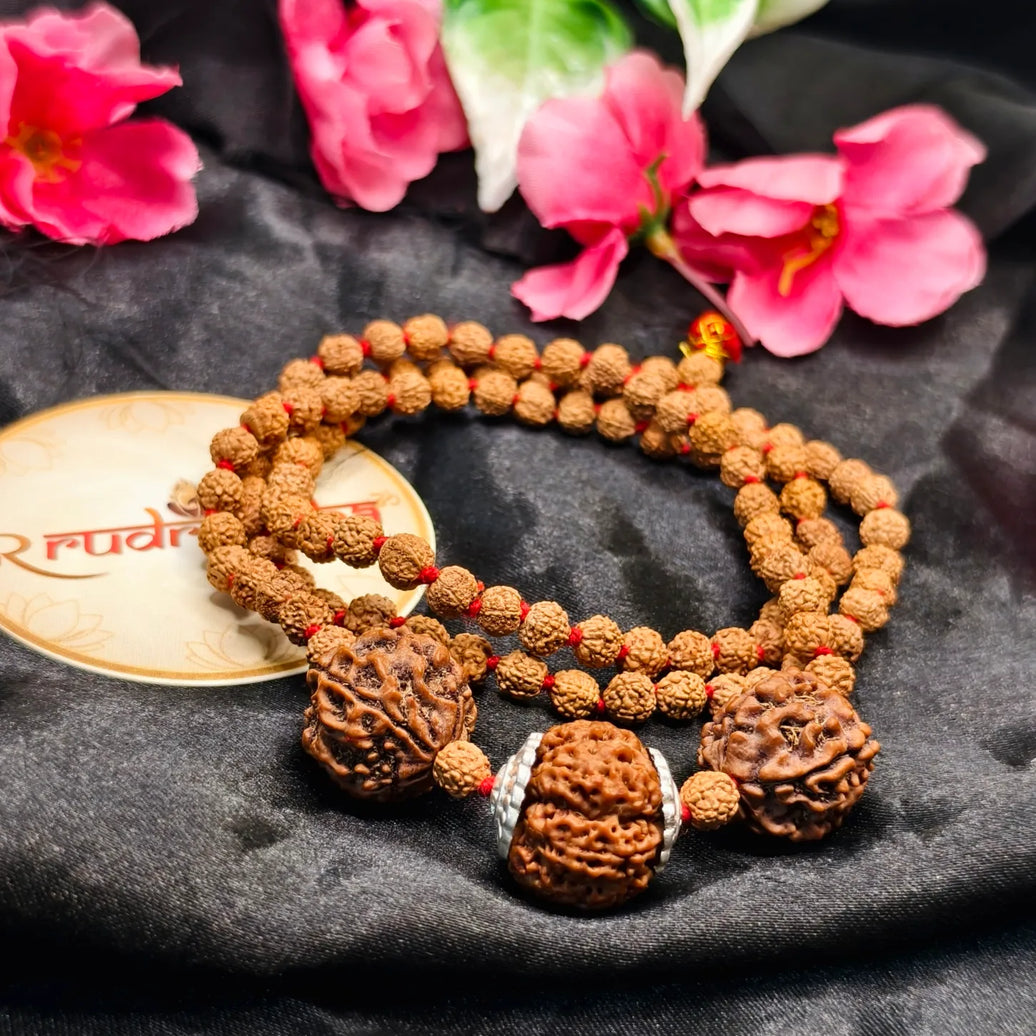
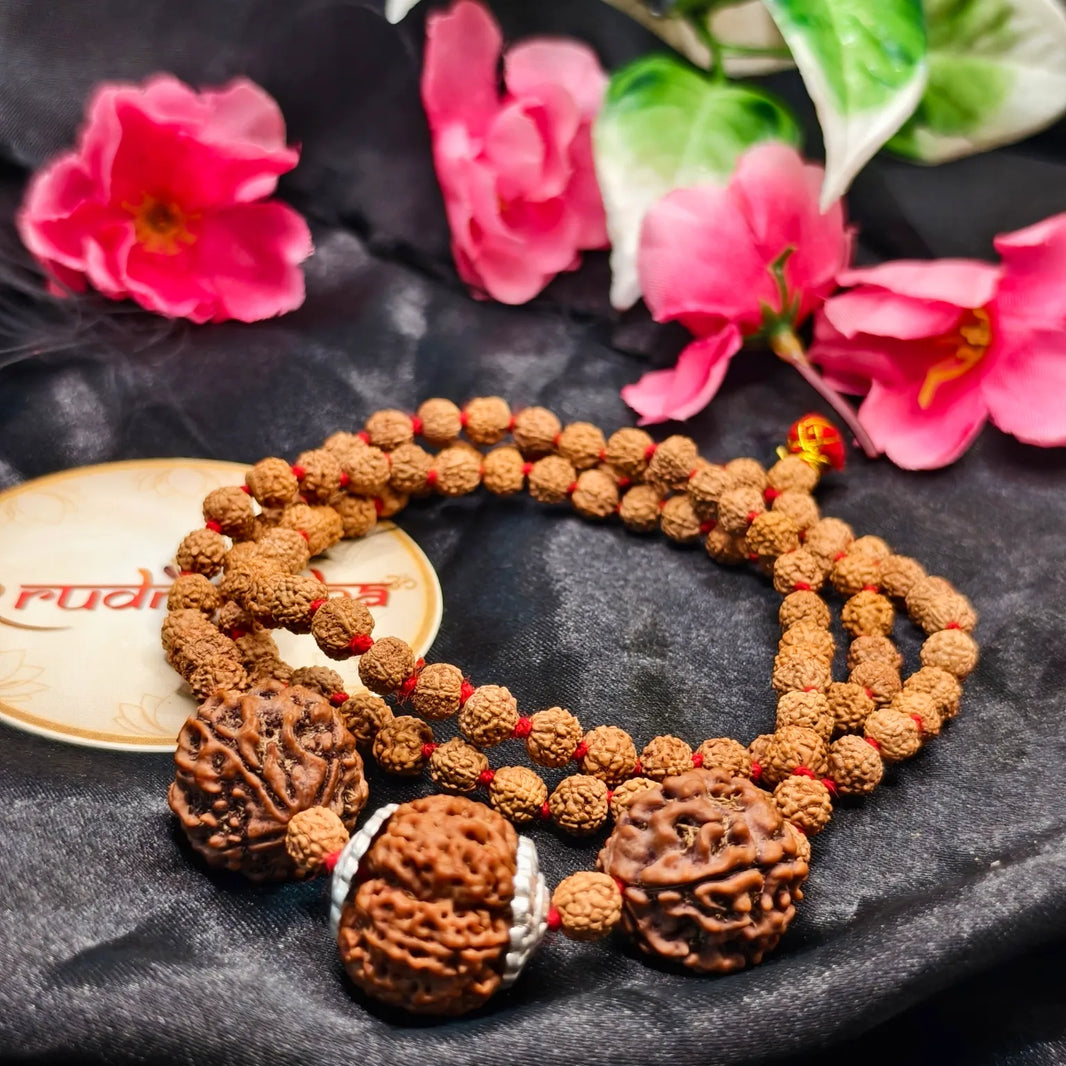
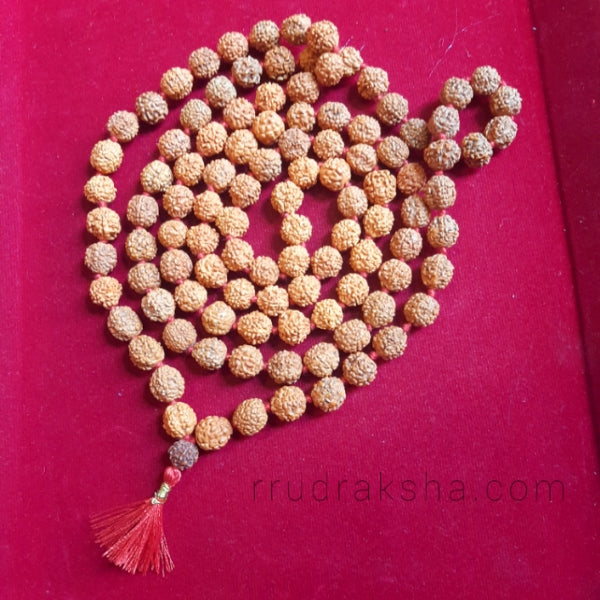
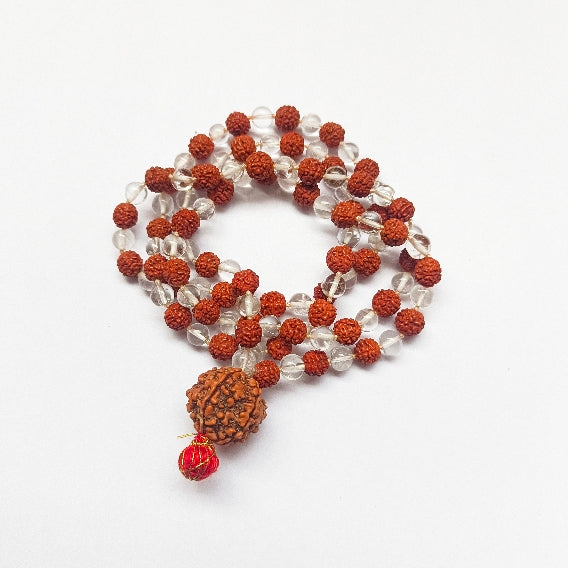
To support calmness, clarity, and emotional balance in modern day life, many devotees choose the Rudraksha + Sphatik Combination
🏛️ Temple Architecture & Sacred Design of Jagannath Puri
The architecture of Jagannath Puri Temple carries deep spiritual symbolism rooted in ancient temple design traditions of Sanatan Dharma. Hindu temples are not merely structures; they are designed as sacred diagrams representing the universe and the journey of the soul toward divine realization.
The temple stands on the Nilachala Hill, meaning the “Blue Hill,” which symbolizes spiritual elevation and divine presence. In spiritual symbolism, elevated sacred spaces represent the rising of human consciousness toward higher awareness.
The temple’s towering structure represents the cosmic mountain, often described in Hindu cosmology as the center of the universe. This symbolism reminds devotees that the temple represents the meeting point between the earthly and the divine.
🚩 The Sacred Temple Flag & Sudarshan Chakra
One of the most fascinating traditions of Jagannath Temple is the temple flag that flies atop the shrine. The flag symbolizes divine protection and the constant presence of the divine. The Sudarshan Chakra placed above the temple represents cosmic order and divine guidance.
This symbolism reminds devotees that divine wisdom governs the universe.
🔥 The Temple Kitchen – Symbol of Divine Nourishment
Jagannath Temple houses one of the largest temple kitchens in the world. Spiritually, the temple kitchen represents the concept of Annadan — the sacred act of offering food. In Hindu philosophy, food is considered divine energy that sustains life.
The preparation and sharing of Mahaprasad symbolize gratitude, abundance, and equality.
💛 Jagannath & the Final Pastimes of Lord Krishna
Jagannath is deeply connected with the later pastimes of Lord Krishna. According to spiritual traditions, the form of Jagannath reflects Krishna’s divine emotions of love and compassion. The unique appearance symbolizes the overwhelming love of the divine for humanity.
This connection highlights the temple’s role as a center of devotion and divine love.
🎶 Chaitanya Mahaprabhu & the Bhakti Movement
Jagannath Puri played a central role in the Bhakti movement led by Chaitanya Mahaprabhu. He emphasized devotion through singing, chanting, and joyful worship. His teachings highlighted the power of love and devotion as a path to spiritual awakening.
This tradition continues to influence devotional culture across the world.
📿 Role of Mantra, Kirtan & Devotional Practice
Devotional practices such as chanting, kirtan, and meditation play a central role in Jagannath traditions. These practices cultivate joy, emotional balance, and spiritual awareness.
The traditions of Jagannath Puri emphasize love, gratitude, and devotion as powerful tools for spiritual growth.
Frequently Asked Questions (FAQs) ❓
1. Why is Jagannath Puri Temple famous in Hinduism?
Jagannath Puri Temple is one of the Char Dham pilgrimage sites and is dedicated to Lord Jagannath, a form of Lord Krishna. It is known for its unique traditions, wooden idols, Rath Yatra festival, and the philosophy of universal devotion.
2. What does the name Jagannath mean?
Jagannath means “Lord of the Universe,” symbolizing the universal and inclusive nature of divine love.
3. Why are the idols made of wood?
The wooden idols symbolize impermanence and the cycle of life, reminding devotees that divine consciousness transcends material forms.
4. What is Nabakalebara?
Nabakalebara is a sacred ritual where the idols are replaced periodically, symbolizing renewal and rebirth.
5. What is the significance of Rath Yatra?
Rath Yatra symbolizes the divine coming out of the temple to bless humanity and represents inclusivity and accessibility.
6. Why is Mahaprasad important?
Mahaprasad represents equality and unity, as it is shared among devotees without distinction.
7. What spiritual path does Jagannath Puri represent?
Jagannath Puri represents Bhakti Yoga, the path of devotion and surrender.
8. How is Jagannath connected with Lord Krishna?
Jagannath is a form of Lord Krishna representing divine compassion and love.
9. Why are the eyes of Jagannath so large?
The large eyes symbolize constant awareness and the all-seeing nature of the divine.
10. Why is Jagannath Puri considered inclusive?
The temple’s traditions emphasize equality and acceptance of all devotees.
11. What role did Chaitanya Mahaprabhu play?
He spread the message of devotion and love through the Bhakti movement centered around Jagannath.
12. What does the ocean symbolize in Jagannath traditions?
The ocean symbolizes infinite love, surrender, and divine vastness.
13. Why is Jagannath part of Char Dham?
It represents the eastern spiritual gateway and the path of devotion.
14. How does Jagannath inspire modern life?
Its teachings encourage compassion, inclusivity, and emotional balance.
15. Why is Jagannath worship timeless?
Its message of universal love continues to inspire generations.
✨ Conclusion 🌱
The Eternal Message of Jagannath
Jagannath Puri Temple stands as a timeless symbol of devotion, inclusivity, and divine love. Its mythology, traditions, and philosophy continue to inspire millions of devotees across generations. The temple represents the path of surrender and reminds humanity that divine love is accessible to all.
In a world seeking unity and compassion, the teachings of Jagannath remain deeply relevant. By reflecting on these timeless values, individuals can cultivate gratitude, emotional balance, and spiritual awareness.
Jagannath is not merely a temple or a tradition; it is a symbol of universal love and the spiritual journey toward surrender and devotion.
🙏 हर हर महादेव 🙏





Leave a comment