












🧘 Why Meditation Feels Easier With Rudraksha: Science, Psychology & Spiritual Perspective
The first time most people try meditation, they expect silence. They imagine a peaceful mind, steady breathing, and a sense of calm. What they often experience instead is something completely different.
Thoughts appear instantly. The mind jumps from one idea to another. The body feels restless. Minutes feel longer than they should. Many beginners leave their first meditation session thinking:
“I don’t think meditation works for me.”
This experience is not failure — it is the normal starting point of meditation.
The human mind is designed to think continuously. Its job is to predict, plan, remember, and analyze. Asking it to suddenly become quiet is like asking a busy marketplace to fall silent instantly.
This is why meditation traditions across the world never relied on silence alone. They introduced tools to support attention and focus. One of the most common tools used for centuries is prayer beads.
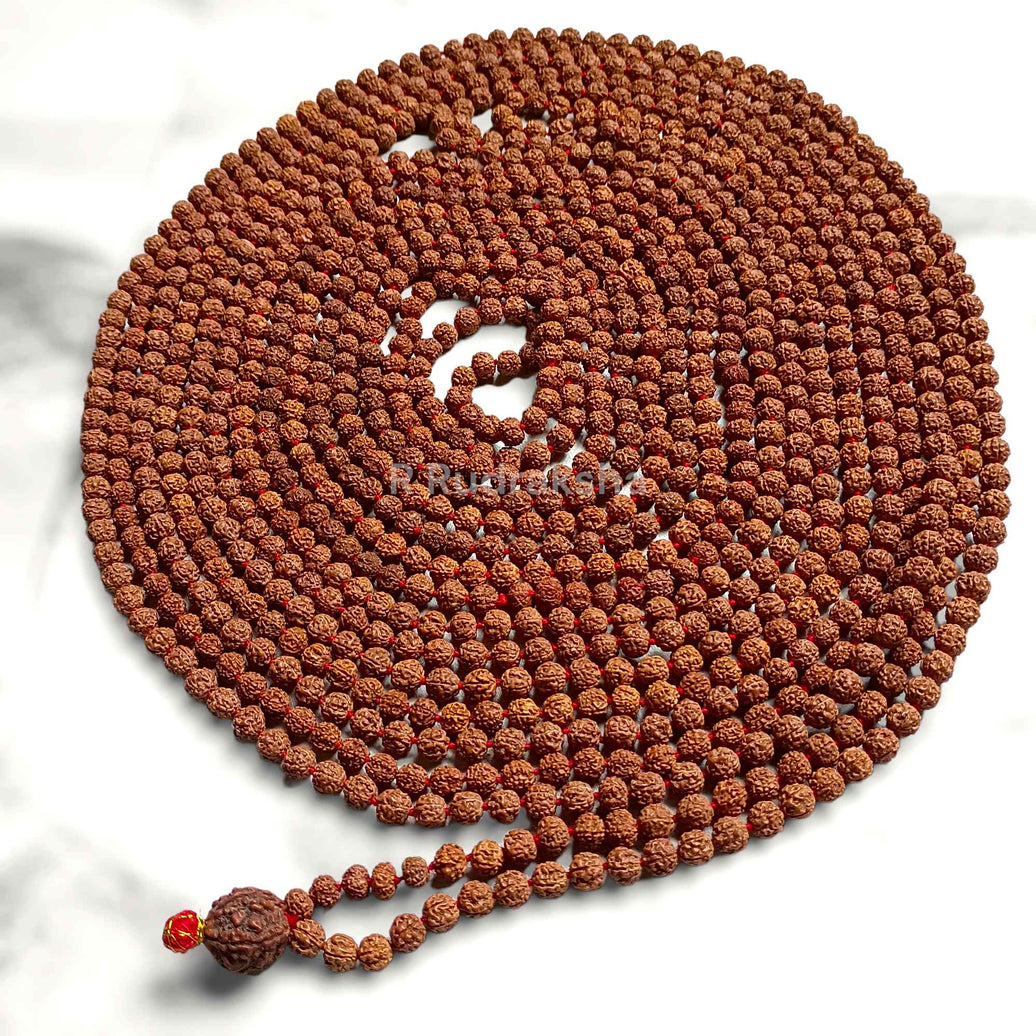
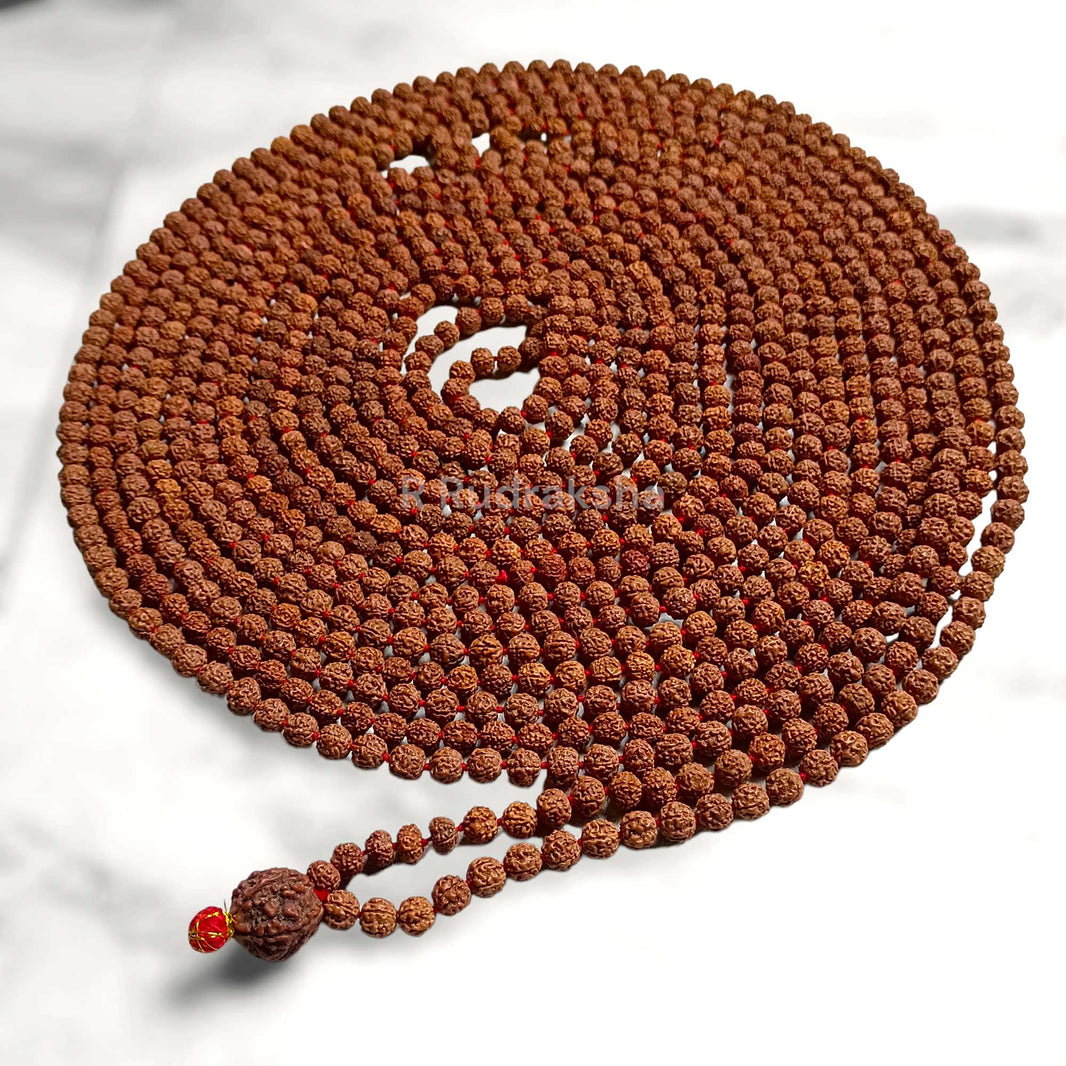
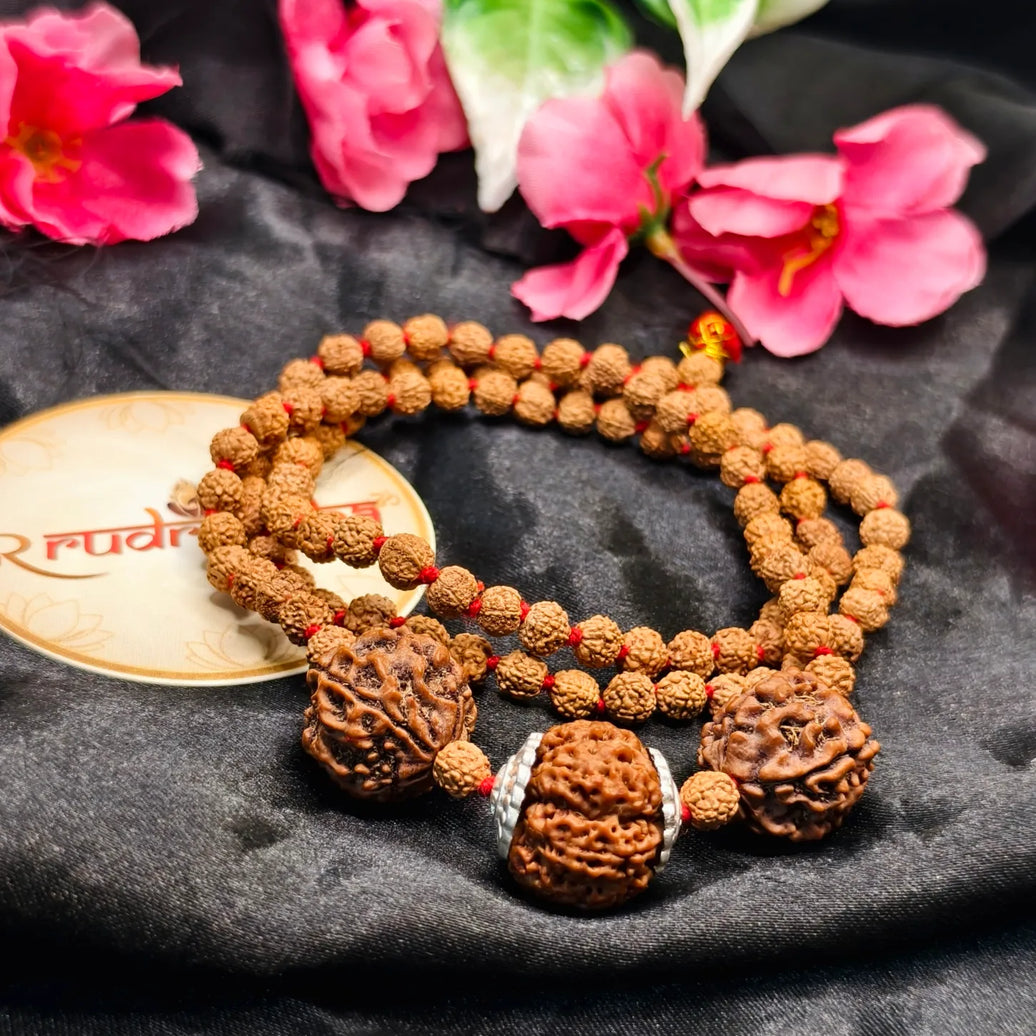
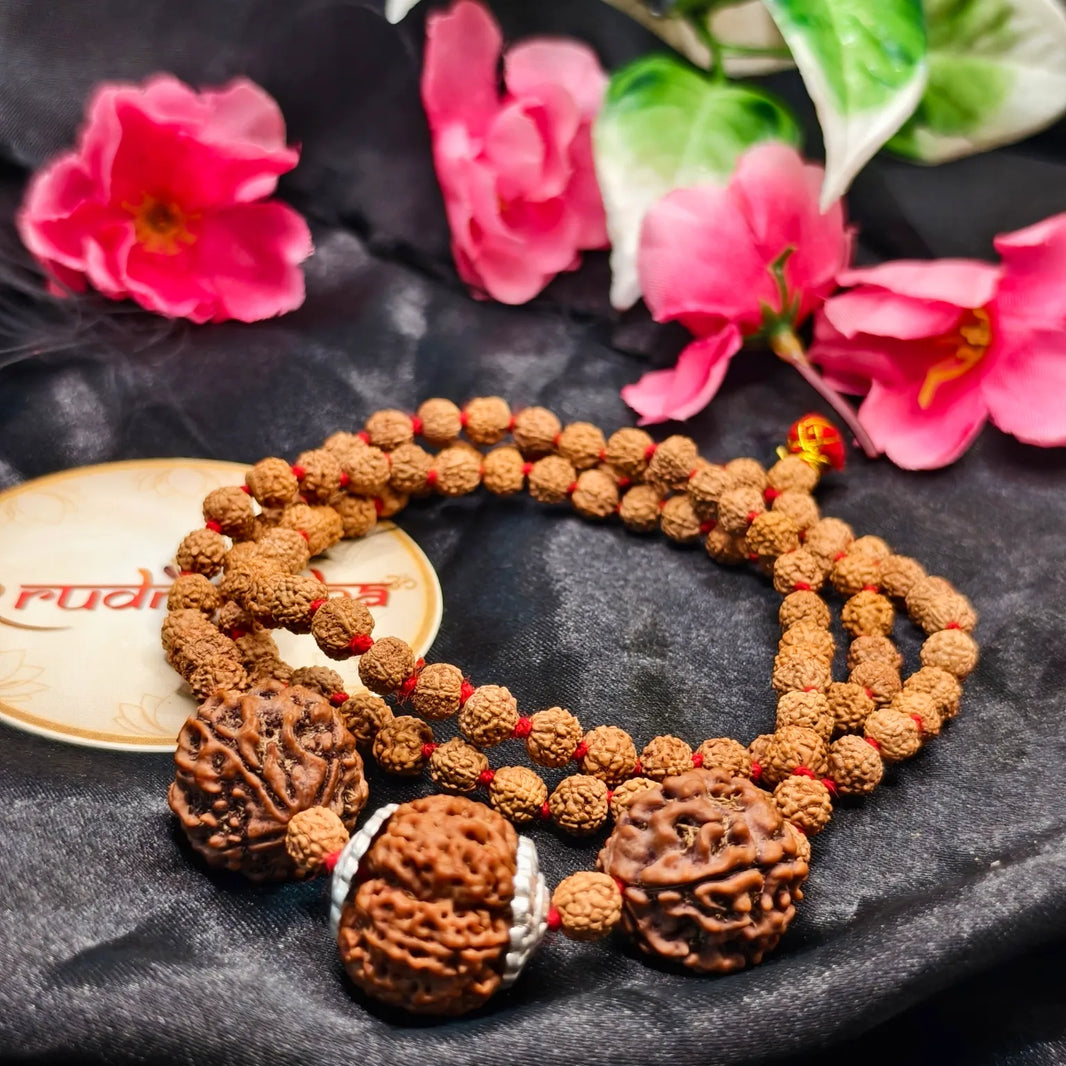
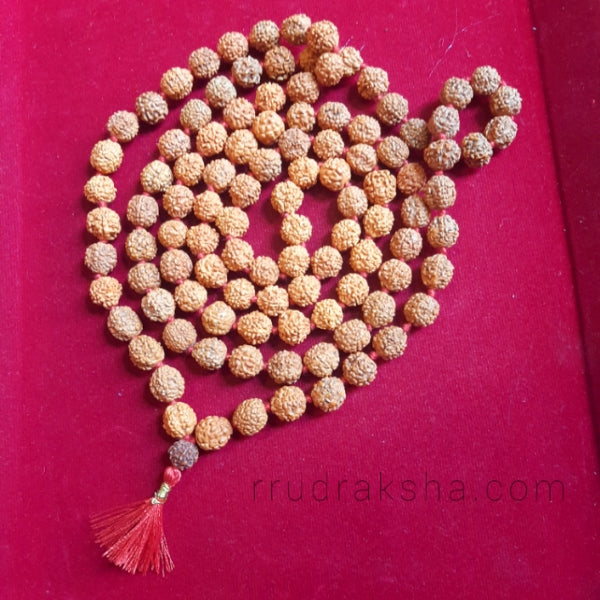
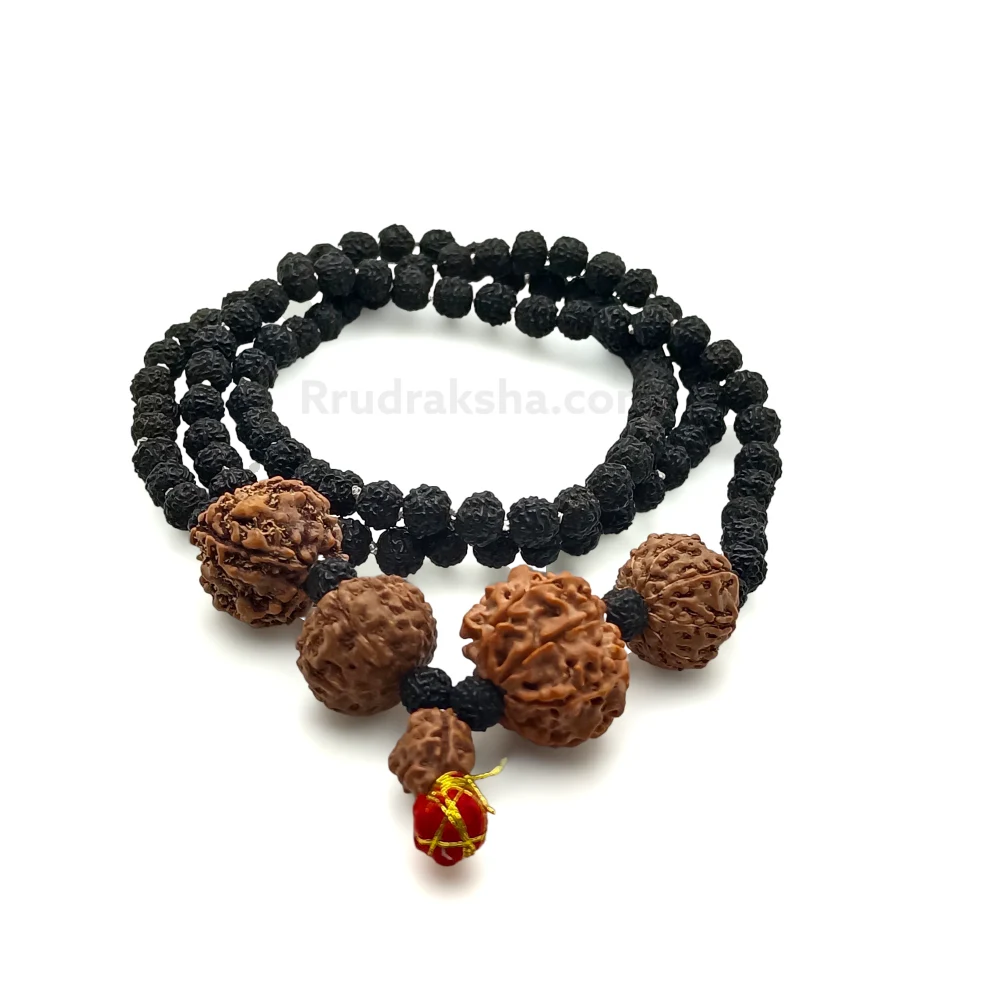
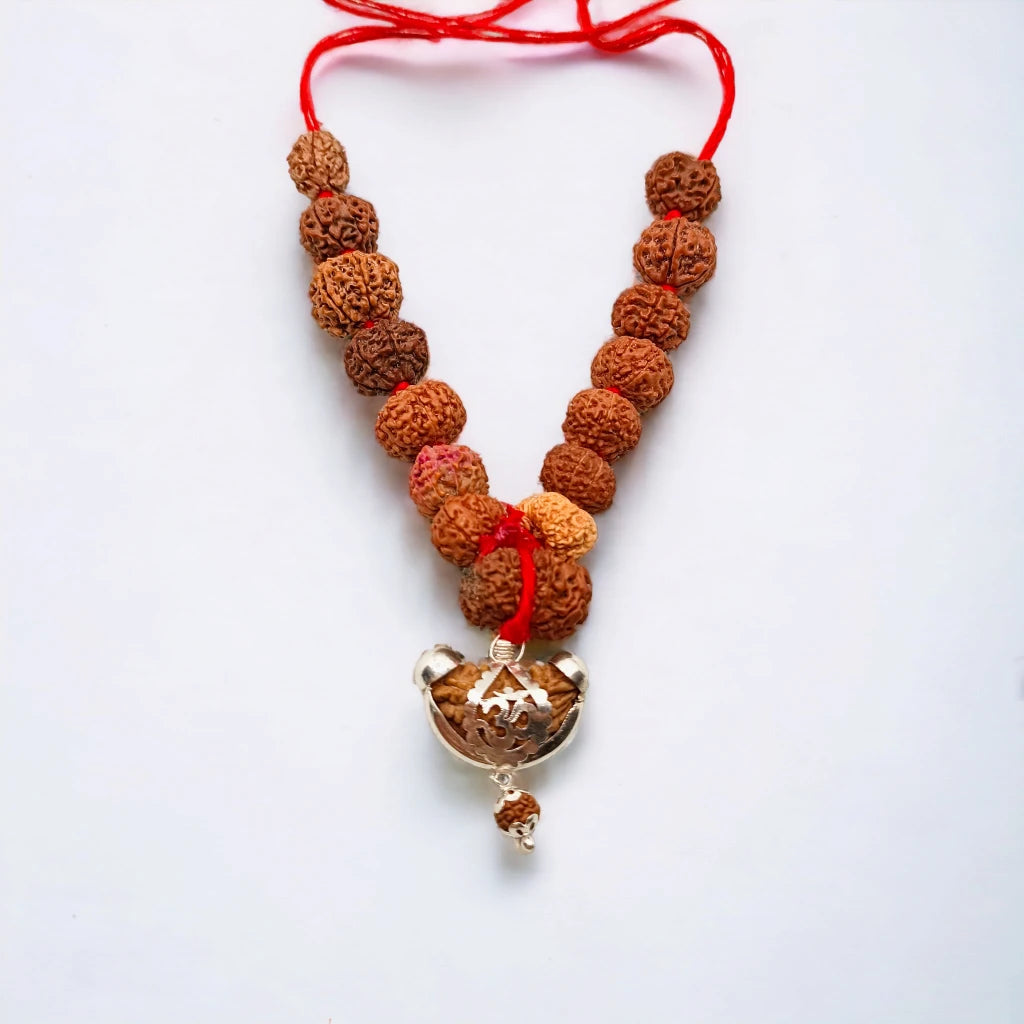
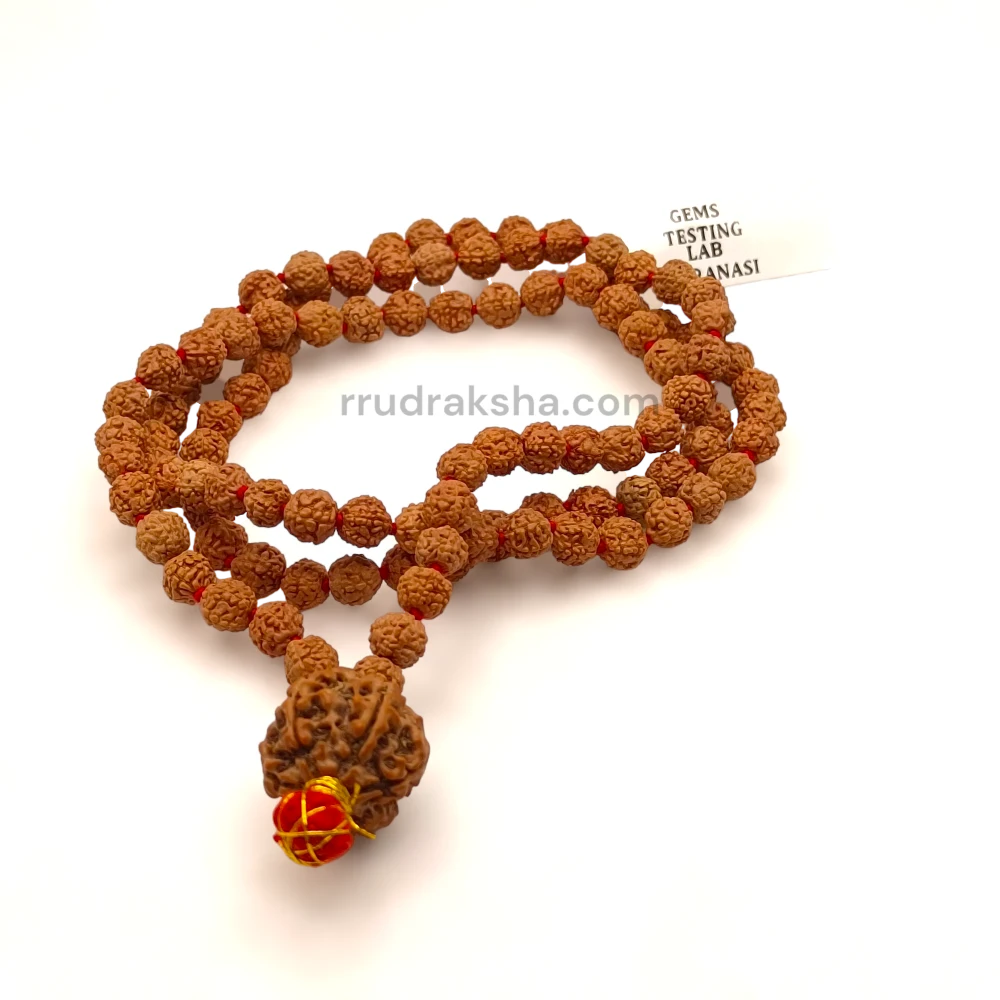
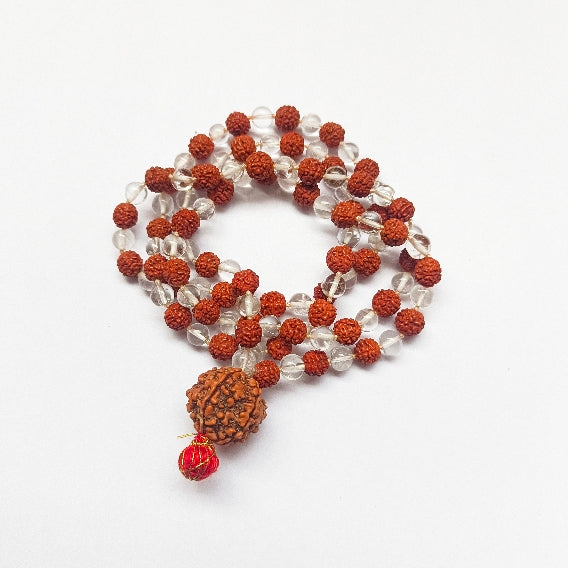
In Hindu meditation traditions, these beads are often Rudraksha.
Many practitioners share a similar observation after using Rudraksha during meditation:
“Meditation feels easier when I use Rudraksha.”
This raises an important question worth exploring deeply:
Why does meditation feel easier with Rudraksha?
This blog explores the answer through neuroscience, psychology, spiritual tradition, and real-life meditation experiences.
🌍 Meditation Was Never Meant to Be Done Without Support
Modern meditation is often presented as a purely mental practice. Many beginners are told to simply sit quietly and focus on their breath.
Historically, meditation was rarely practiced this way.
Across cultures and traditions, meditation has always included tools:
• Mala Beads in Hinduism and Buddhism
• Rosary beads in Christianity
• Tasbih in Islam
• Counting cords in ancient spiritual traditions
This repeated pattern tells us something important about human attention.
The mind benefits from physical anchors.
🧠 The Wandering Mind Problem
Neuroscience explains why meditation feels difficult for beginners. The brain has a network known as the Default Mode Network (DMN). This network becomes active when the mind is not focused on a task.
The DMN generates thoughts about the past, future, worries, and plans.
When beginners sit to meditate, the DMN becomes very active. This is why meditation feels difficult.
📿 The Moment Rudraksha Enters Meditation
When Rudraksha beads are introduced into meditation, something changes. The practice gains structure, rhythm, and physical engagement.
This small shift can make meditation feel more accessible.
🧠 The Brain Needs Something to Hold On To
When beginners sit down to meditate, they often encounter an unexpected problem. The instruction sounds simple: “Focus on your breath.” But the mind quickly responds with a flood of thoughts — unfinished tasks, memories, worries, plans, and random ideas.
This is not a sign of failure. It is a sign that the brain is doing what it was designed to do.
The brain is a prediction machine. It constantly scans the environment, plans for the future, and analyzes the past. When external activity stops, internal activity becomes more noticeable.
This is why meditation can feel difficult at first.
📿 How Rudraksha Introduces Structure to Meditation
When Rudraksha beads are used during meditation, they provide structure and rhythm. Each bead represents one breath or one mantra repetition. This transforms meditation from an abstract mental task into a structured practice.
Structure helps the brain stay engaged.
Instead of thinking, “I must stop my thoughts,” the practitioner follows a simple sequence: breathe, move one bead, repeat.
This sequence reduces mental wandering.
🧘 Tactile Focus and Sensory Anchoring
Touch is one of the most grounding senses. When fingers move across beads, the sense of touch creates a physical anchor for attention. This is known as tactile focus.
Tactile focus helps bring attention back to the present moment. Each bead becomes a reminder to return to the breath or mantra.
🔁 Repetition Creates Rhythm
Meditation becomes easier when it gains rhythm. The movement of beads creates a gentle, repetitive pattern that the brain finds calming. Rhythm reduces mental resistance.
🧠 Habit Formation and Consistency
Using Rudraksha during meditation can support habit formation. When the same object is used repeatedly, the brain begins to associate the object with the meditation state.
Over time, holding the beads can signal the brain that it is time to focus and slow down.
🧭 The Beginner’s Journey: From Resistance to Rhythm
To understand why Rudraksha can make meditation feel easier, imagine the journey of a beginner during the first few weeks of practice.
In the beginning, meditation often feels like effort. Sitting still feels unfamiliar. Silence feels loud. Thoughts feel overwhelming. Many beginners quietly wonder whether they are doing something wrong.
This stage is known in meditation traditions as the resistance phase. The brain is adjusting to a new habit, and anything unfamiliar creates subtle resistance.
When Rudraksha beads are introduced during this stage, meditation shifts from a vague mental activity into a guided physical routine. The act of moving from bead to bead creates a clear beginning, middle, and end to the session. This structure gives beginners a sense of progress and completion.
The session is no longer “sitting and hoping the mind becomes quiet.” It becomes a journey across beads.
⏳ The Psychology of Small Milestones
One of the biggest challenges in meditation is the feeling that nothing is happening. Without a visible marker of progress, beginners often lose motivation.
Rudraksha beads quietly solve this problem by introducing small milestones. Each bead represents one completed breath or mantra repetition. Each completed round becomes a visible sign of progress.
The brain naturally responds to milestones. Completing small steps releases a sense of satisfaction and encourages continuation. Over time, this positive reinforcement supports consistency.
🌀 The Shift From Effort to Flow
When meditation becomes structured and repetitive, the experience gradually shifts from effort to flow. Flow is a psychological state where attention becomes steady and time feels less noticeable.
The repetitive movement of beads, combined with breath or mantra repetition, helps create this flow state. The mind becomes gently absorbed in the rhythm of the practice.
This absorption reduces the feeling of struggle.
🎯 Reducing Decision Fatigue During Meditation
Decision fatigue is the mental exhaustion caused by making repeated choices. Surprisingly, meditation beginners often experience decision fatigue during practice. They constantly wonder:
“Am I doing this correctly?”
“How long should I continue?”
“Should I stop now?”
Rudraksha beads remove many of these decisions. The number of beads provides a clear session length. The practice continues bead by bead until the round is complete.
This clarity reduces mental effort and allows attention to remain focused.
🌿 Creating a Dedicated Meditation Space
Using Rudraksha regularly during meditation helps create a sense of sacred space. The beads become associated with quiet time, reflection, and intentional pause.
Even in a busy environment, holding the beads can signal the beginning of a quiet moment. Over time, this association strengthens the meditation habit.
🧠 Emotional Regulation Through Consistent Practice
Meditation supports emotional regulation by encouraging awareness of thoughts and feelings. When Rudraksha makes meditation easier to maintain, it indirectly supports emotional stability by helping people remain consistent with the practice.
Consistency is the key that transforms occasional meditation into a habit.
📿 A Gentle Bridge Between Mind and Body
Meditation is often described as a mental practice, yet the body plays an important role in attention and awareness. Rudraksha beads create a gentle bridge between mind and body by combining physical movement with mental focus.
This connection helps beginners feel grounded during meditation.
Frequently Asked Questions (FAQs) ❓
1. Why do beginners struggle with meditation?
Beginners often struggle because the human brain naturally produces continuous thoughts. Meditation asks the mind to observe rather than react, which feels unfamiliar at first. Without structure, this can feel frustrating.
2. How do Rudraksha beads help beginners meditate?
Rudraksha beads introduce structure, rhythm, and tactile focus. Moving bead by bead gives the mind a simple task that supports attention.
3. Are Rudraksha beads necessary for meditation?
No, meditation can be practiced without tools. However, many people find tools helpful, especially during the early stages.
4. Why do many traditions use prayer beads?
Prayer beads provide tactile focus, repetition, and structure. These elements help maintain attention.
5. Can Rudraksha improve meditation consistency?
Using the same object regularly can support habit formation and consistency.
6. Do Rudraksha beads make meditation faster?
They do not make meditation faster but may make it feel more accessible.
7. Why does repetition feel calming?
Repetition creates rhythm and predictability, which the brain finds comforting.
8. Is tactile focus scientifically supported?
Research on sensory focus and mindfulness supports the use of tactile anchors.
9. Can experienced meditators use Rudraksha?
Yes, many experienced practitioners continue to use beads.
10. What is the main takeaway?
Rudraksha can act as a helpful tool that supports meditation practice.
✅ Conclusion 🧭
Meditation becomes easier when the mind receives structure, rhythm, and physical focus. Rudraksha beads provide these elements through tactile focus, repetition, and habit formation. Rather than replacing meditation, they act as a supportive tool that helps beginners and experienced practitioners maintain consistency.
🙏 हर हर महादेव 🙏





Leave a comment