
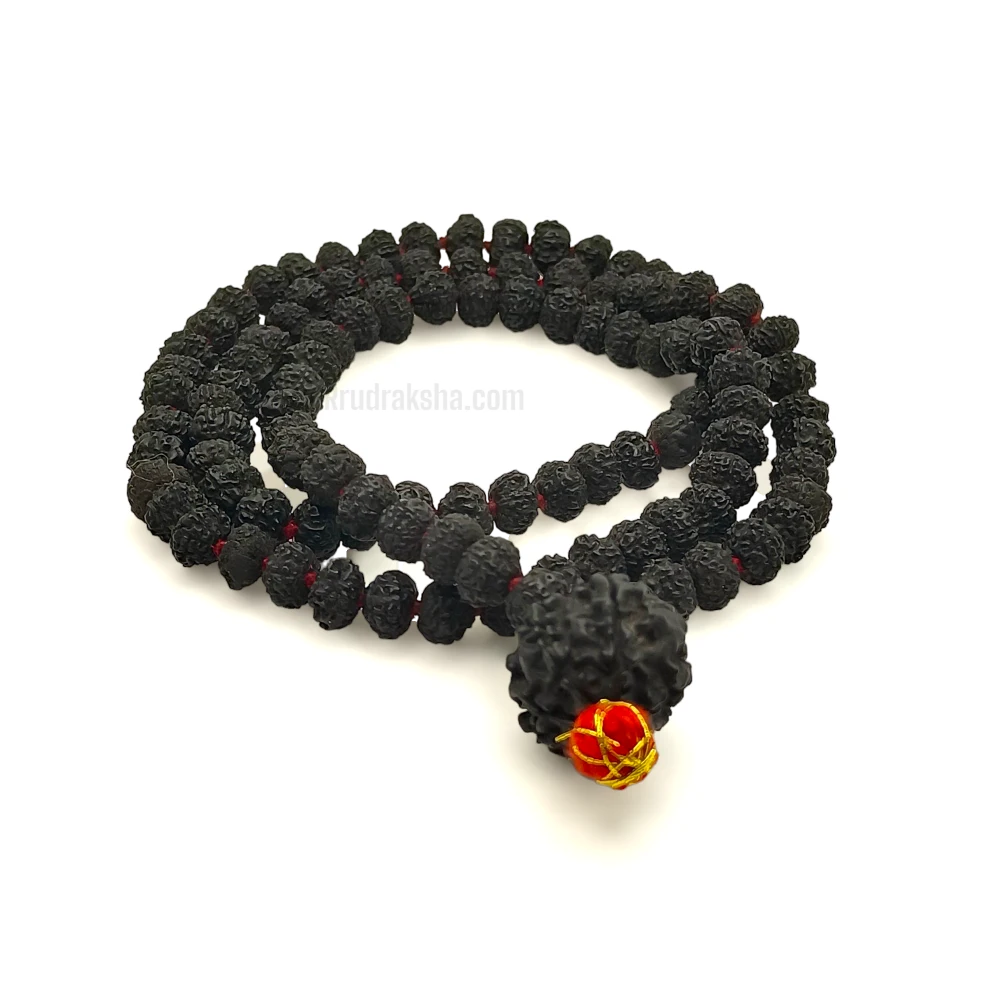
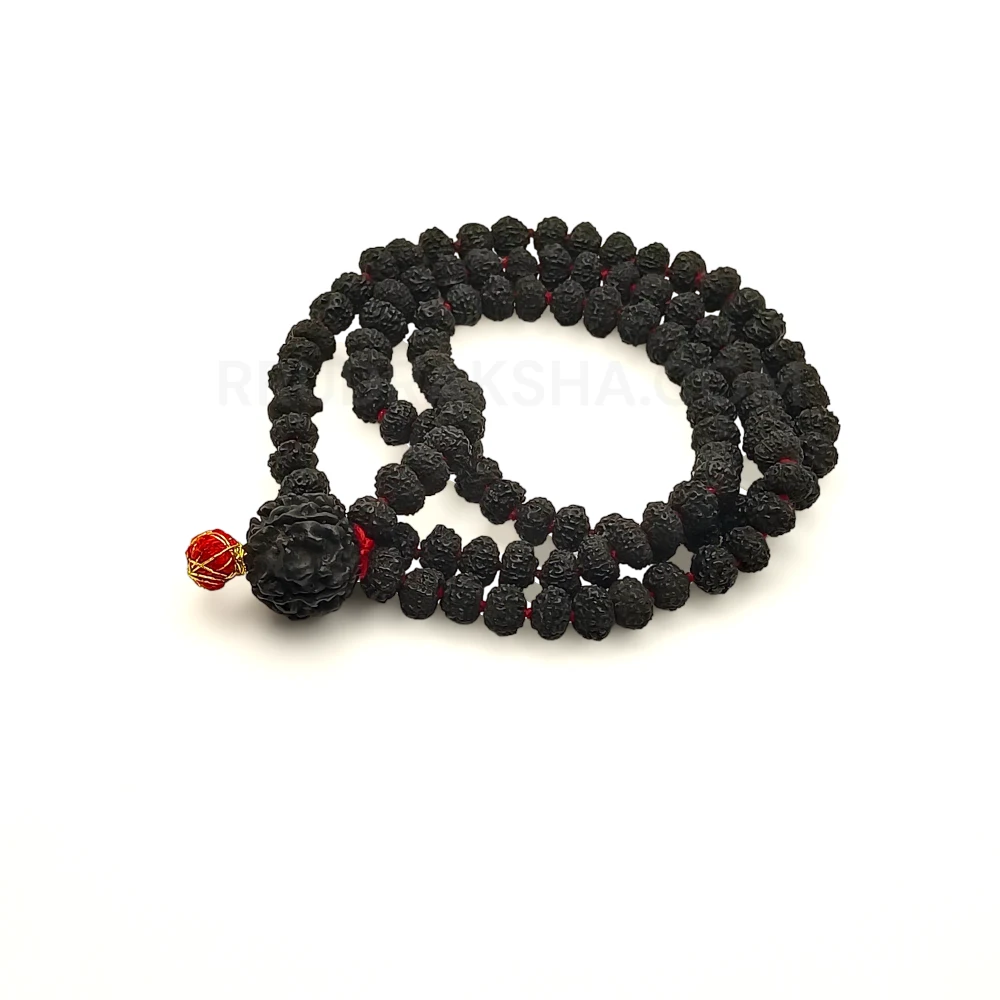
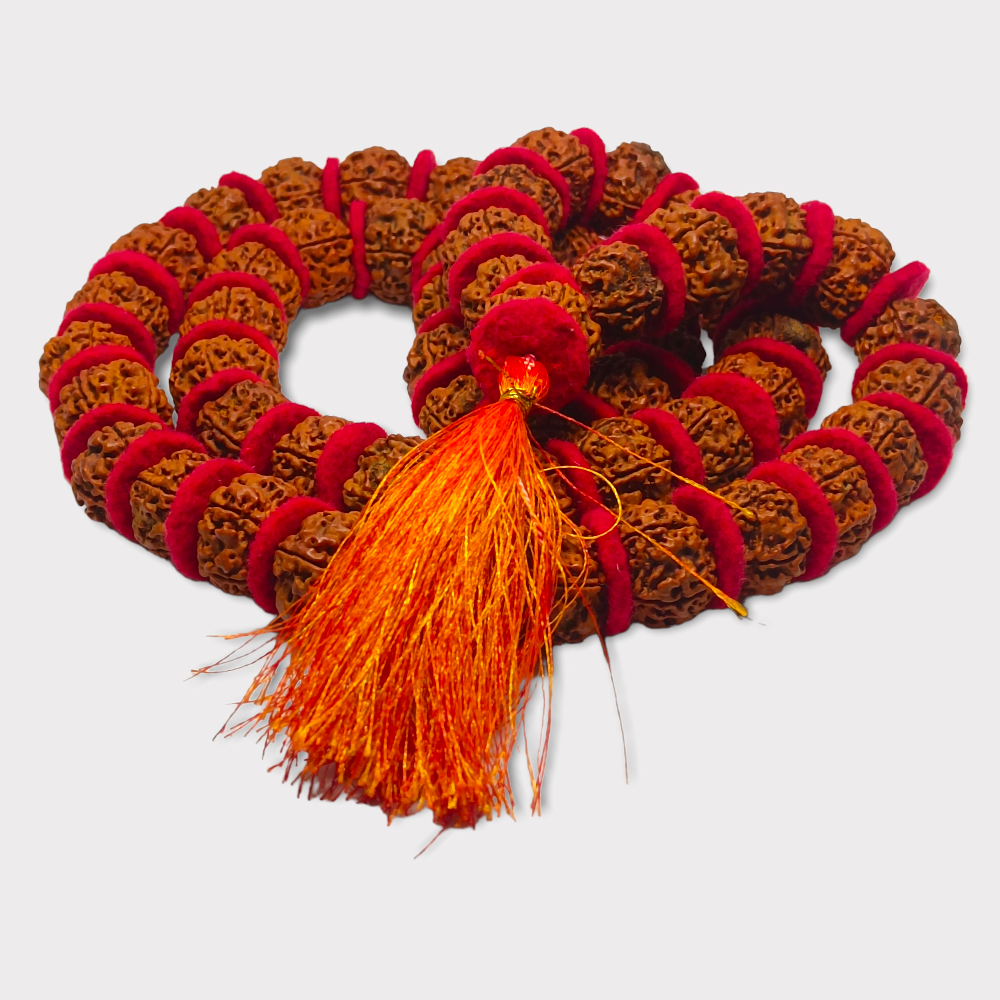
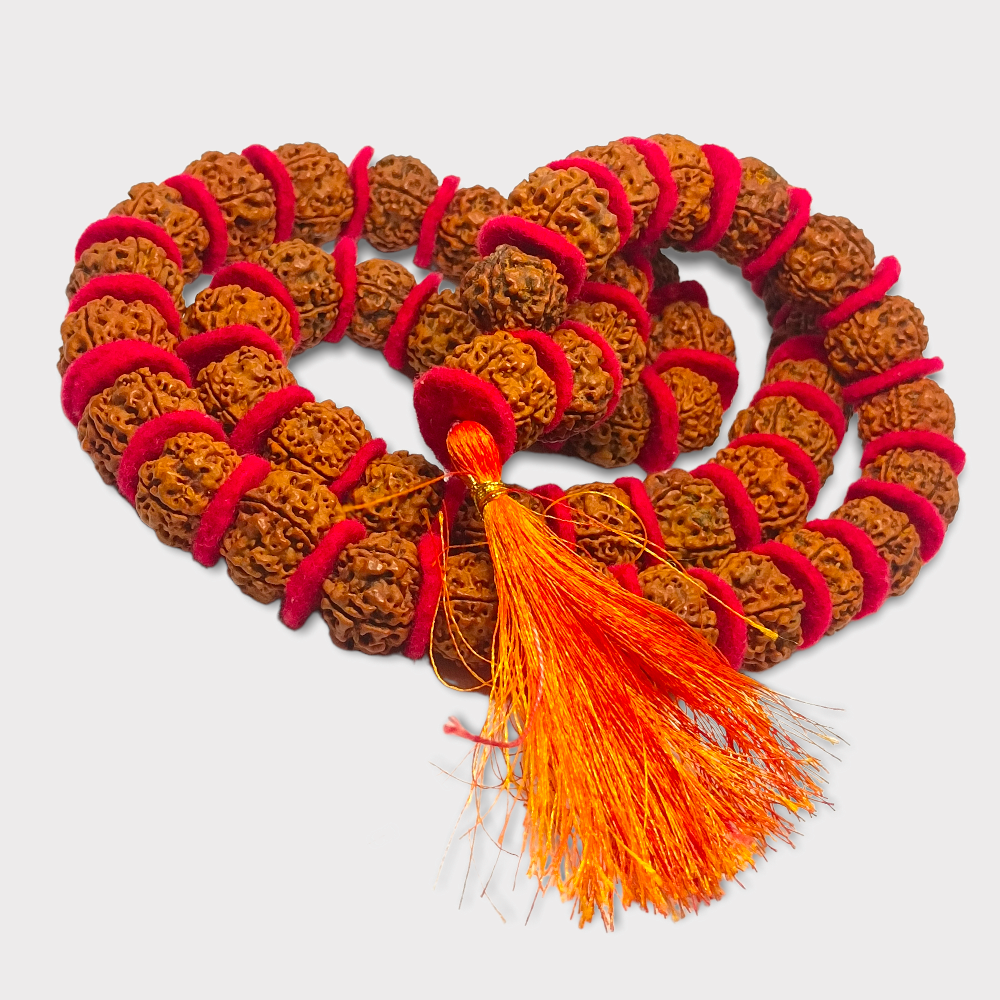

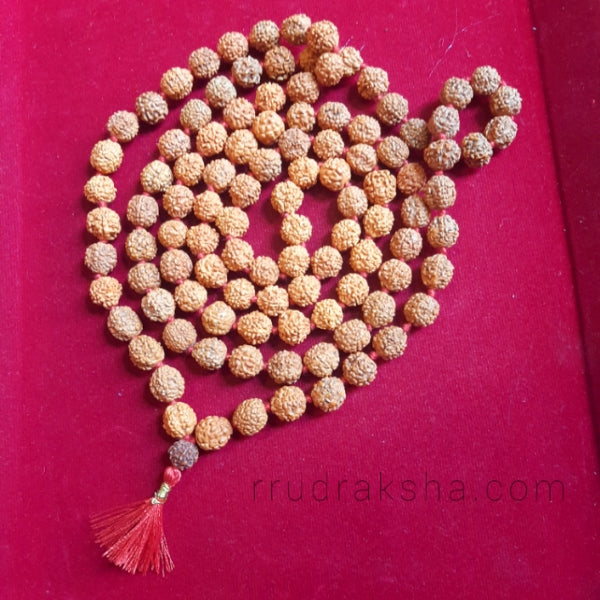

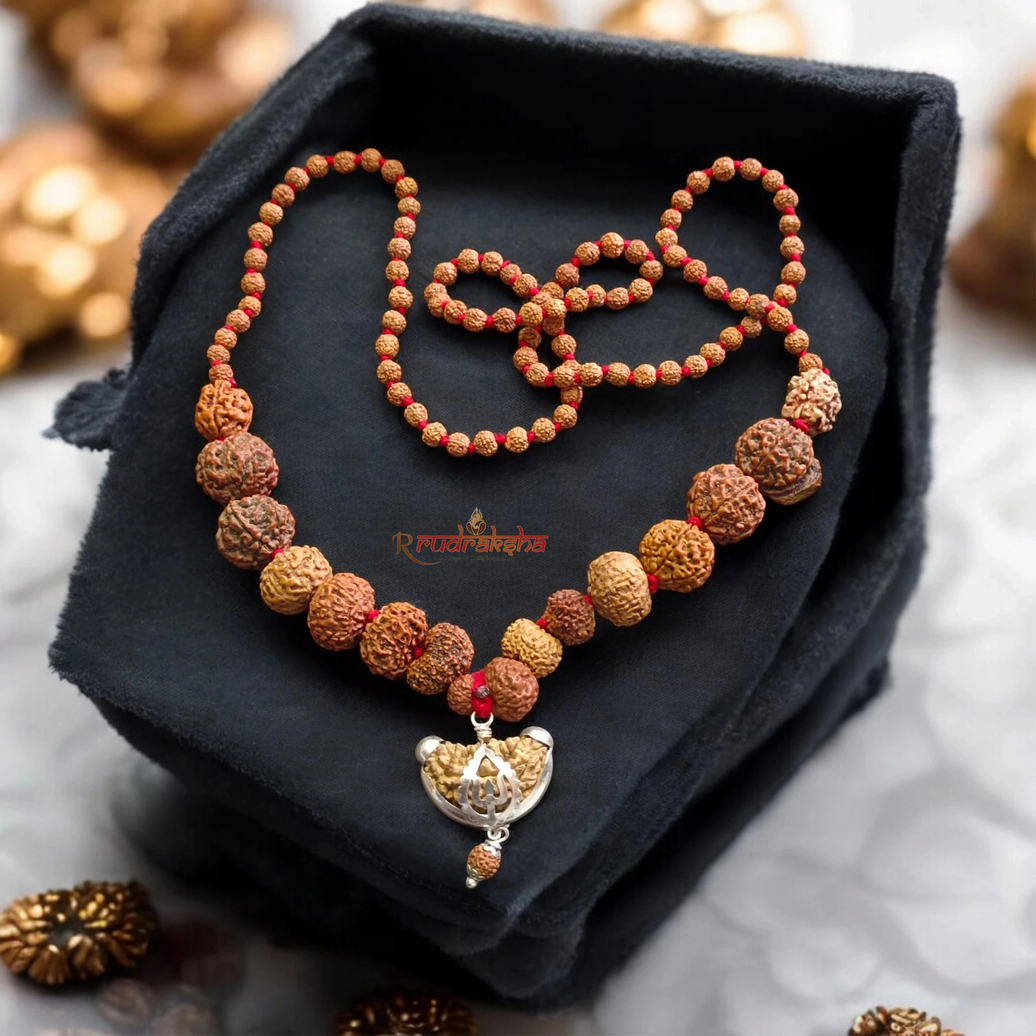
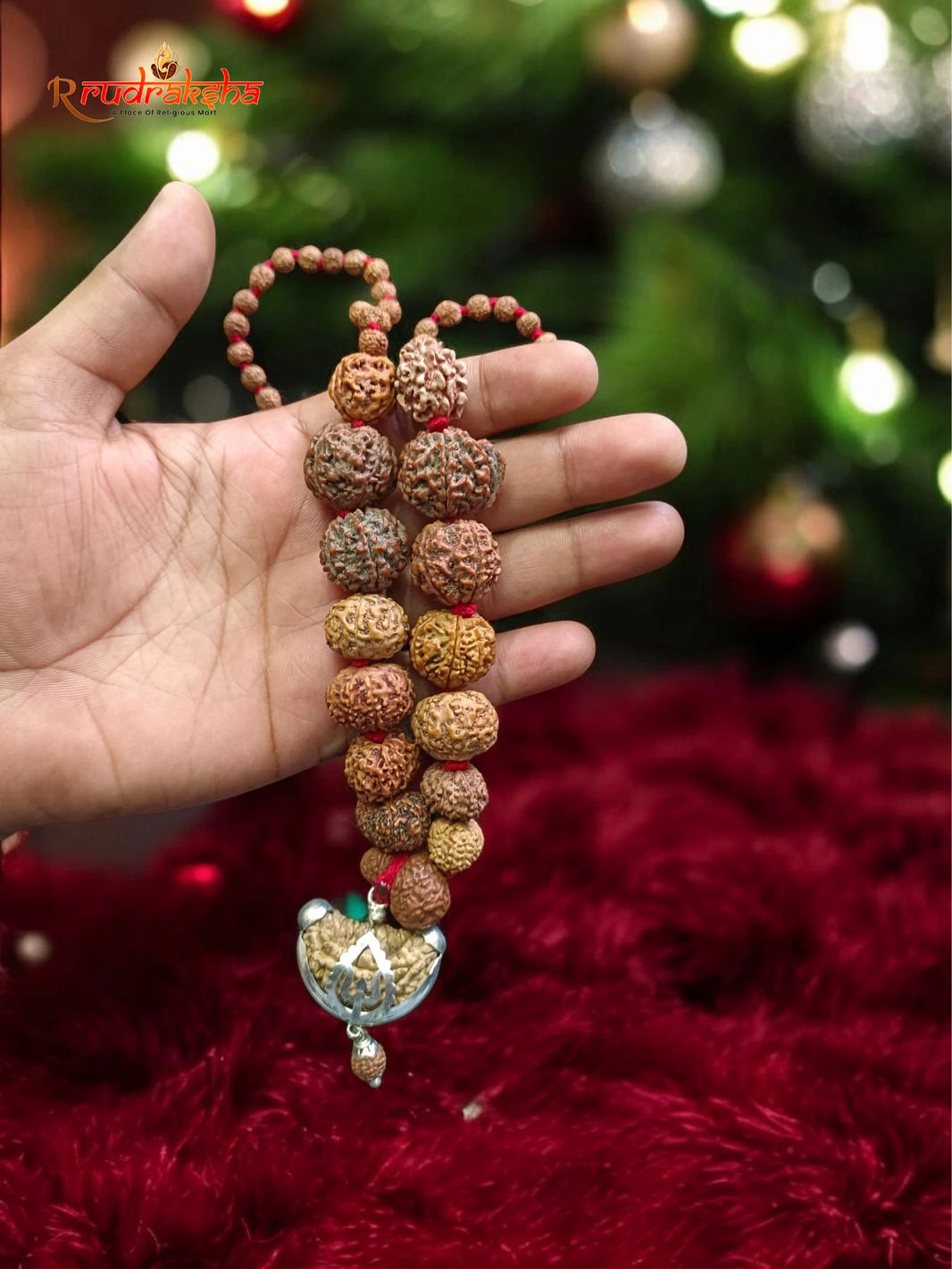

🧠 Why People Feel Calm Wearing Rudraksha: Science, Psychology & Spiritual Perspective
In a fast-moving world filled with deadlines, notifications, and constant mental stimulation, the search for calm has become one of the defining pursuits of modern life. People try meditation apps, breathing exercises, yoga classes, therapy sessions, and digital detox routines. Yet, alongside these modern solutions, one ancient symbol quietly continues to appear in everyday life — the Rudraksha bead.
You may notice it on the wrist of a colleague, around the neck of a yoga teacher, in the hands of a meditation practitioner, or worn by a devotee visiting a temple. Across cultures, cities, and lifestyles, Rudraksha beads continue to be worn by millions of people.
And many of them report something remarkably similar:
“I feel calmer when I wear Rudraksha.”
This statement appears in conversations, testimonials, and personal stories across generations. Some describe emotional balance. Some describe reduced stress. Some say they feel more focused. Others simply say they feel “better” or “more grounded.”
This raises a fascinating question — one that deserves careful, responsible exploration.
Why do people feel calm wearing Rudraksha?
Is the calmness spiritual? Is it psychological? Is it cultural? Could it be a combination of all these factors?
This blog explores the question in depth through storytelling, psychology, anthropology, neuroscience, and spiritual tradition. Rather than making exaggerated claims, we will carefully examine why Rudraksha has been associated with calmness for centuries.
🌍 Humans Have Always Needed Anchors
Long before smartphones, modern medicine, and therapy, human beings searched for ways to manage fear, uncertainty, and emotional stress. Life in ancient times was unpredictable. Weather, illness, war, and survival created constant uncertainty.
In response, humans developed rituals, symbols, and sacred objects that helped them feel connected, protected, and grounded.
Across cultures, sacred beads appeared repeatedly:
• Prayer beads in Christianity and Islam
• Mala beads in Hinduism and Buddhism
• Worry beads in Greece
• Meditation beads in East Asia
This pattern is not accidental. It reveals something fundamental about the human mind.
Humans naturally connect emotions to objects.
We attach meaning to wedding rings, photographs, heirlooms, and souvenirs. Objects become reminders of memories, intentions, and identity.
Rudraksha belongs to this ancient category of meaningful objects.
📿 The First Time Someone Wears Rudraksha
To understand why Rudraksha feels calming, imagine the first moment someone decides to wear it.
Often, the decision is not random. It may come after a stressful period, a spiritual experience, a recommendation from a mentor, or a personal desire to start meditation.
The bead becomes associated with intention from the very beginning.
It is rarely worn casually. It is worn with meaning.
This moment is important because the human brain pays attention to meaningful events.
When an action carries intention, the brain remembers it more strongly.
🧠 The Brain and Meaningful Rituals
Neuroscience shows that the brain responds differently to meaningful rituals than to routine actions. When an activity carries personal meaning, the brain activates emotional and memory centers more strongly.
This is why lighting a candle during prayer feels different from turning on a light switch.
The action is simple, but the meaning changes the experience.
Wearing Rudraksha often begins as a ritual. And rituals shape emotional experience.
🔁 The Power of Repetition
After the first day of wearing Rudraksha, something subtle begins to happen. It becomes part of daily life.
The bead is present during morning routines, meditation sessions, prayers, commutes, and quiet moments of reflection.
The brain begins to notice this repetition.
And repetition creates familiarity.
Familiarity creates comfort.
Comfort creates calm.
🧘 Association with Meditation and Mindfulness
Many people wear Rudraksha during meditation or prayer. Over time, the bead becomes linked with these calm experiences.
This is where psychology introduces an important concept: associative learning.
When a physical object repeatedly appears during a calm activity, the brain begins to associate the object with that emotional state.
Eventually, the object itself may remind the mind of calmness.
🧠 How the Brain Creates Emotional Associations
To understand why people feel calm wearing Rudraksha, we must look deeper into how the brain creates emotional associations. The human brain constantly forms connections between experiences, emotions, and sensory cues. This process is known as associative conditioning.
A simple example helps explain this idea. Imagine hearing a song that reminds you of a peaceful vacation. The moment the song begins, your body relaxes and your mood shifts. The song itself does not create the vacation — but it reminds your brain of the feelings associated with that experience.
The same psychological mechanism can apply to meaningful objects.
When Rudraksha is worn during meditation, prayer, or moments of reflection, the brain gradually links the bead with calm, focused states of mind.
🔁 Emotional Anchoring Explained
Psychologists use the term emotional anchoring to describe how certain objects or actions become linked with specific emotional states. Anchors can be sounds, scents, objects, or routines.
Over time, these anchors begin to trigger emotional responses automatically.
For example:
• The smell of incense may trigger relaxation.
• The sound of rain may trigger calmness.
• A familiar place may trigger comfort.
Rudraksha can become a similar emotional anchor for many people.
🧘 Tactile Focus and the Power of Touch
Another important factor is touch. Rudraksha beads are often touched during meditation, prayer, or quiet reflection. This introduces the concept of tactile focus.
Tactile focus refers to using physical touch as a way to anchor attention. Many meditation techniques use breath, sound, or touch as focal points.
Holding or feeling beads provides a physical sensation that helps the mind stay present. This reduces mental wandering and encourages concentration.
This is one reason prayer beads exist in many cultures.
💗 Emotional Comfort and Familiar Objects
Humans naturally seek comfort in familiar objects. Children hold favorite toys. Adults keep photographs and sentimental jewelry. These objects create a sense of continuity and stability.
Rudraksha can become a familiar object that represents personal intention and emotional grounding.
🌍 Cultural Belief and Collective Meaning
Cultural traditions influence emotional experiences. In communities where Rudraksha is associated with spirituality and calmness, individuals often approach the bead with positive expectations.
These expectations shape perception and emotional experience.
🌿 The Role of Ritual in Reducing Anxiety
One of the most powerful yet often overlooked aspects of human psychology is the calming effect of ritual. Rituals provide structure, predictability, and a sense of control in an uncertain world. From morning routines to bedtime habits, rituals help signal safety to the brain.
Wearing Rudraksha often becomes part of a daily ritual. Some people wear it during prayer, some during meditation, and others as a daily reminder of discipline and mindfulness. Over time, the act of wearing the bead becomes a signal to the brain that the day includes moments of calm and reflection.
This signal can gradually influence emotional stability.
🧘 Why Repetition Creates Emotional Stability
The human nervous system responds strongly to repetition. Repeated actions create familiarity, and familiarity reduces perceived threat. When a routine is repeated daily, the brain begins to predict it and relax in response.
If wearing Rudraksha becomes part of a repeated routine associated with calm activities, the brain may gradually associate the bead with emotional safety.
💭 The Expectation Effect and Positive Belief
Expectations influence perception more than many people realize. When people expect a calming effect, they often become more attentive to calm moments and less focused on stress.
This is known as the expectation effect. It does not mean the experience is imaginary. It means the mind plays an active role in shaping perception.
🧠 Mindfulness and Constant Reminder Effect
Rudraksha can act as a constant reminder to pause, breathe, and remain aware. Each time a person notices the bead, they may become slightly more mindful of their thoughts and actions.
Over weeks and months, this repeated reminder can influence emotional habits.
🌱 Real-Life Scenarios of Emotional Association
Imagine a student wearing Rudraksha during exam preparation, a professional wearing it during meditation before work, or a traveler wearing it during stressful journeys. Over time, the bead becomes linked with moments of focus and calm. These real-life experiences strengthen emotional association.
To understand how Rudraksha can support focus, discipline, and long-term mental stability, read our guide: Rudraksha for Students & Professionals.
Frequently Asked Questions (FAQs) ❓
1. Is the calmness from Rudraksha spiritual, psychological, or cultural?
The experience of calmness is often influenced by multiple factors working together. Spiritual belief, emotional association, cultural tradition, and psychological mechanisms all play a role. Wearing Rudraksha frequently becomes part of mindfulness routines, and over time the bead becomes associated with calm, focused moments.
2. Can meaningful objects really influence emotions?
Yes. Psychology recognizes that meaningful objects can influence emotions through memory and association. When an object is repeatedly linked with positive habits or calming routines, it may act as a reminder of those experiences.
3. Why do many cultures use prayer beads?
Prayer beads appear across cultures because they provide tactile focus and structure during prayer and meditation. Touching beads can help maintain attention and reduce mental distraction.
4. Is the calming effect scientifically proven?
Scientific research specifically on Rudraksha is limited. However, research on meditation, mindfulness, tactile focus, and habit formation supports the idea that routines and sensory anchors can influence emotional states.
5. Why do some people feel calmer immediately?
Positive expectations, emotional meaning, and mindfulness can influence perception and emotional experience.
6. Can Rudraksha replace meditation?
Rudraksha is not a replacement for meditation but may complement mindfulness practices.
7. Why do people keep wearing Rudraksha for years?
Many people develop a strong emotional and spiritual connection with the bead.
8. Is calmness guaranteed?
Experiences vary from person to person.
9. Can beginners wear Rudraksha?
Yes, beginners often wear Rudraksha as part of their spiritual journey.
10. What is the key takeaway?
Rudraksha may act as a meaningful reminder of mindfulness and calmness.
📌 Conclusion ✅
The calmness many people experience while wearing Rudraksha is best understood as a combination of spiritual belief, emotional association, cultural meaning, and psychological mechanisms. The bead becomes a reminder of mindfulness, intention, and personal growth.
Rather than viewing Rudraksha as a magical solution, it can be seen as a meaningful tool that supports calmness and awareness.
🙏 हर हर महादेव 🙏





Leave a comment