























Badrinath Temple – Complete Spiritual, Mythological, Historical & Philosophical Guide to the Himalayan Abode of Lord Vishnu 🏔️
High in the sacred Himalayas lies a spiritual destination that has inspired saints, sages, and seekers for thousands of years. Badrinath Temple is not merely a place of worship; it is a symbol of humanity’s eternal search for truth, liberation, and divine connection. In Sanatan Dharma, certain locations are believed to hold immense spiritual vibrations where the boundary between the material and spiritual worlds becomes thin. Badrinath is one such sacred space, revered as a gateway to higher consciousness and ultimate liberation.
For centuries, this temple has occupied a central place in Hindu spiritual thought. It is one of the four sacred Char Dham pilgrimage sites established by Adi Shankaracharya, representing the northern direction and the path of knowledge and enlightenment. Devotees believe that remembering or contemplating Badrinath purifies the mind and inspires spiritual growth. The temple’s mythology, symbolism, and ancient traditions continue to influence millions of spiritual seekers across generations.
This detailed guide explores the spiritual significance, history, mythology, symbolism, rituals, and philosophical importance of Badrinath Temple through the lens of Sanatan Dharma.
✨ What is Badrinath Temple?
Badrinath Temple is dedicated to Lord Vishnu in his form as Badrinarayan, the meditative and compassionate protector of the universe. In contrast to many temples where Vishnu is depicted standing in royal posture, the idol at Badrinath is seated in meditation. This unique depiction carries profound spiritual symbolism, highlighting introspection, self-realization, and the pursuit of higher knowledge.
The name Badrinath comes from two Sanskrit words: “Badri,” referring to the sacred Badri tree, and “Nath,” meaning Lord. According to ancient traditions, Goddess Lakshmi took the form of the Badri tree to protect Lord Vishnu during his intense meditation in the Himalayas. This story reflects themes of devotion, compassion, and divine protection.
Badrinath represents the spiritual journey of the soul toward liberation. It symbolizes the pursuit of knowledge, detachment from material distractions, and surrender to divine wisdom.
📜 Understanding Pilgrimage in Sanatan Dharma
To truly appreciate the importance of Badrinath, one must first understand the concept of pilgrimage in Sanatan Dharma. The Sanskrit word for pilgrimage is “Tirtha Yatra.” The word “Tirtha” means a sacred crossing or bridge between the physical and spiritual realms. Pilgrimage is not about travel; it is about transformation.
Ancient rishis believed that certain places on Earth carry powerful spiritual vibrations due to centuries of meditation, rituals, and divine presence. Visiting or even remembering these places is believed to inspire inner purification and spiritual awakening.
In this tradition, journeys to sacred locations were intentionally challenging. The hardships symbolized the shedding of ego and attachment. The Himalayas, being the abode of sages and yogis, became the ultimate destination for seekers. Badrinath emerged as one of the most revered spiritual centers in this sacred geography.
👳 Adi Shankaracharya & the Revival of Badrinath
In the 8th century, India faced a period of philosophical fragmentation. Various schools of thought existed, but the unity of Sanatan Dharma needed revival. Adi Shankaracharya, one of the greatest philosophers and spiritual reformers of India, undertook a monumental journey across the subcontinent to restore spiritual harmony.
During his travels, he rediscovered the ancient temple of Badrinath, which had fallen into neglect. Recognizing its spiritual importance, he revived the temple and re-established worship. He also established the Char Dham pilgrimage circuit to unify the spiritual identity of India.
This effort helped reawaken the spiritual consciousness of the nation and ensured the preservation of ancient traditions for future generations.
🌏 Sacred Geography & the Himalayan Spiritual Energy
In Hindu philosophy, geography is deeply intertwined with spirituality. Mountains, rivers, forests, and oceans are not seen merely as natural features but as manifestations of divine energy. The Himalayas are revered as the crown of India and the abode of sages, yogis, and divine beings.
Badrinath lies within this sacred Himalayan region, making it a powerful center for meditation and spiritual practice. The northern direction in spiritual symbolism represents knowledge, wisdom, and liberation. Badrinath therefore represents the ultimate destination of spiritual understanding.
🕉️ Mythological Origins of Badrinath
Ancient mythology describes Badrinath as a place sanctified by divine penance. According to legend, Lord Vishnu came to the Himalayas to meditate for the welfare of humanity. Seeing the harsh weather conditions, Goddess Lakshmi transformed herself into the Badri tree to provide shelter. This act of devotion gave the temple its name and symbolizes divine protection for spiritual seekers.
Another legend speaks of Nar and Narayan, twin sages believed to be incarnations of Lord Vishnu. They performed intense penance in the region, creating a spiritual energy field that continues to influence seekers today.
🔱 Spiritual Symbolism of Lord Badrinarayan
The meditative posture of Lord Vishnu at Badrinath represents the importance of introspection and self-realization. The temple teaches that true peace lies not in material success but in understanding the deeper nature of existence.
Badrinath reminds devotees that the ultimate purpose of life is spiritual awakening. It symbolizes knowledge, detachment, and surrender.
🧠 Spiritual Psychology of Pilgrimage
Pilgrimage has deep psychological significance. It encourages detachment from routine and material distractions, creating space for reflection and inner growth. Sacred journeys inspire humility, patience, and mindfulness.
Even contemplating sacred places like Badrinath can inspire individuals to reflect on life’s deeper purpose.
🏛️ Temple Architecture & Sacred Symbolism
The architecture of Badrinath Temple reflects deep spiritual symbolism rooted in ancient Hindu temple design. Every aspect of the temple structure carries metaphysical meaning, reminding devotees that temples are not merely buildings but symbolic representations of the cosmos and the human body.
The colorful façade of the temple stands in contrast to the stark Himalayan surroundings, symbolizing divine presence shining amid the harsh realities of life. The entrance represents the transition from the external world to the inner spiritual realm. In traditional temple symbolism, crossing the threshold signifies leaving behind ego, distractions, and material concerns.
The sanctum sanctorum, where Lord Badrinarayan resides, represents the heart or spiritual center. Just as the heart sustains life, the sanctum represents the divine source of consciousness. Devotees moving toward the sanctum symbolically move toward their own inner self.
🕉️ The Idol of Lord Badrinarayan
The idol of Lord Vishnu at Badrinath is one of the most unique representations of the deity. Unlike standing Vishnu idols found in many temples, Lord Badrinarayan sits in a meditative posture. This posture emphasizes introspection, contemplation, and spiritual awakening.
The idol is believed to be made of Shaligram stone, a sacred fossil stone associated with Lord Vishnu. In spiritual symbolism, Shaligram represents the eternal nature of the universe and the divine presence within creation.
The meditative form of Vishnu teaches that preservation of the universe begins with inner stillness. The temple therefore becomes a place where devotees reflect on the importance of inner balance and awareness.
🌄 The Himalayan Landscape in Spiritual Thought
The Himalayas have always been associated with spirituality in Sanatan Dharma. Ancient sages chose these mountains for meditation because the serene environment supports deep introspection and silence. The towering peaks symbolize the aspiration of the human soul to rise above worldly limitations.
Badrinath’s location in this sacred landscape reinforces the idea that spiritual growth often requires stepping away from distractions and turning inward.
📖 Role of Badrinath in Vedanta Philosophy
Vedanta, one of the most influential philosophical traditions in Hinduism, emphasizes self-realization and understanding the true nature of reality. Badrinath holds a special place in Vedanta because it represents the path of knowledge (Jnana Yoga).
The temple reminds seekers that liberation is achieved through understanding the unity of the individual soul and universal consciousness. The meditative form of Lord Vishnu symbolizes the still mind required for spiritual realization.
🌿 Rituals & Sacred Traditions
Rituals at Badrinath reflect devotion, discipline, and continuity of ancient traditions. These rituals symbolize purification, gratitude, and surrender to the divine. For centuries, priests and devotees have preserved these practices, ensuring that ancient spiritual traditions remain alive.
These rituals emphasize mindfulness, humility, and the importance of connecting with higher consciousness through devotion and discipline.
🎉 Festivals Celebrated in Honor of Lord Badrinarayan
Festivals dedicated to Lord Vishnu celebrate devotion, gratitude, and spiritual renewal. These celebrations preserve ancient traditions and connect communities with their spiritual heritage. Festivals serve as reminders of the timeless relationship between humanity and the divine.
🔗 Connection Between Badrinath & the Char Dham
Badrinath represents the northern direction in the Char Dham pilgrimage circuit and symbolizes knowledge and liberation. Each Char Dham temple represents a unique aspect of spiritual growth, and Badrinath stands as the embodiment of wisdom and introspection.
This symbolic placement highlights the unity of India’s spiritual geography and the interconnectedness of sacred traditions.
📿 Role of Mantra & Meditation in Devotional Practice
Devotees often engage in mantra chanting and meditation as part of their spiritual practice. These practices are believed to support focus, mindfulness, and devotion. Chanting sacred mantras creates a sense of calm and encourages introspection.
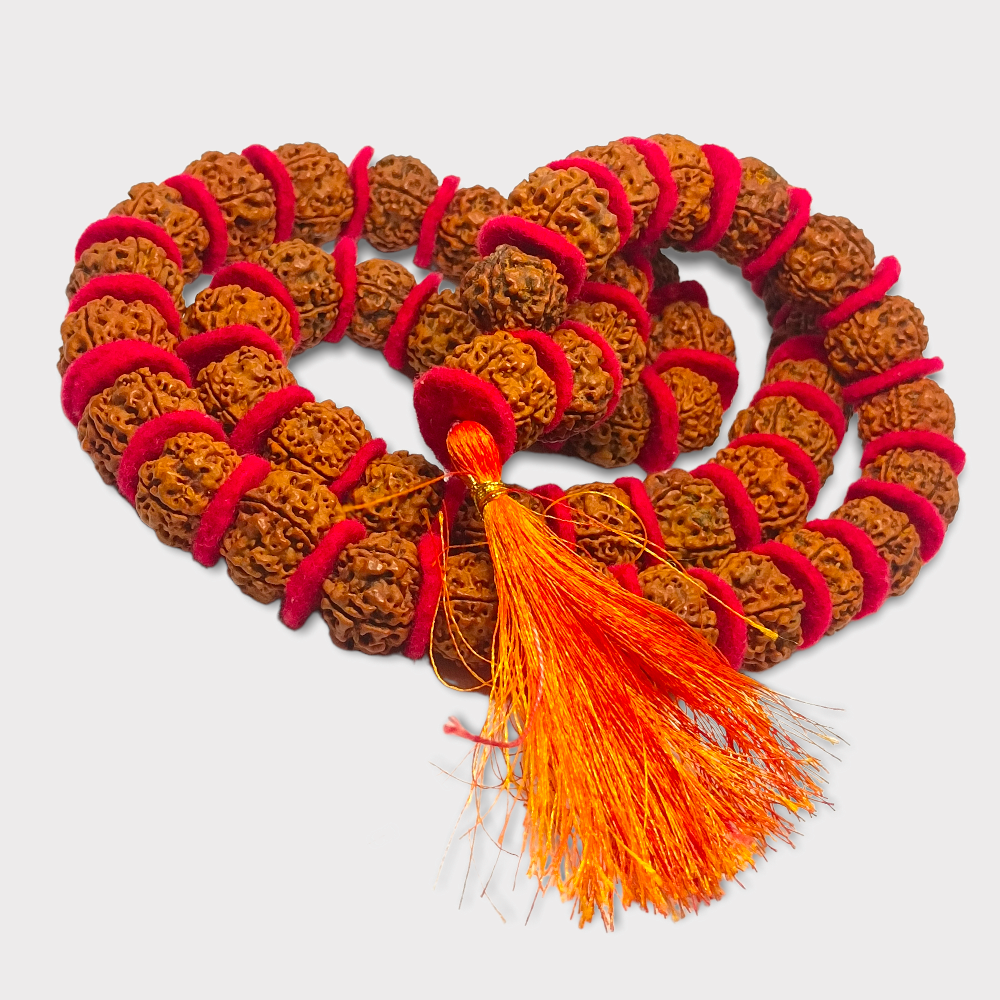
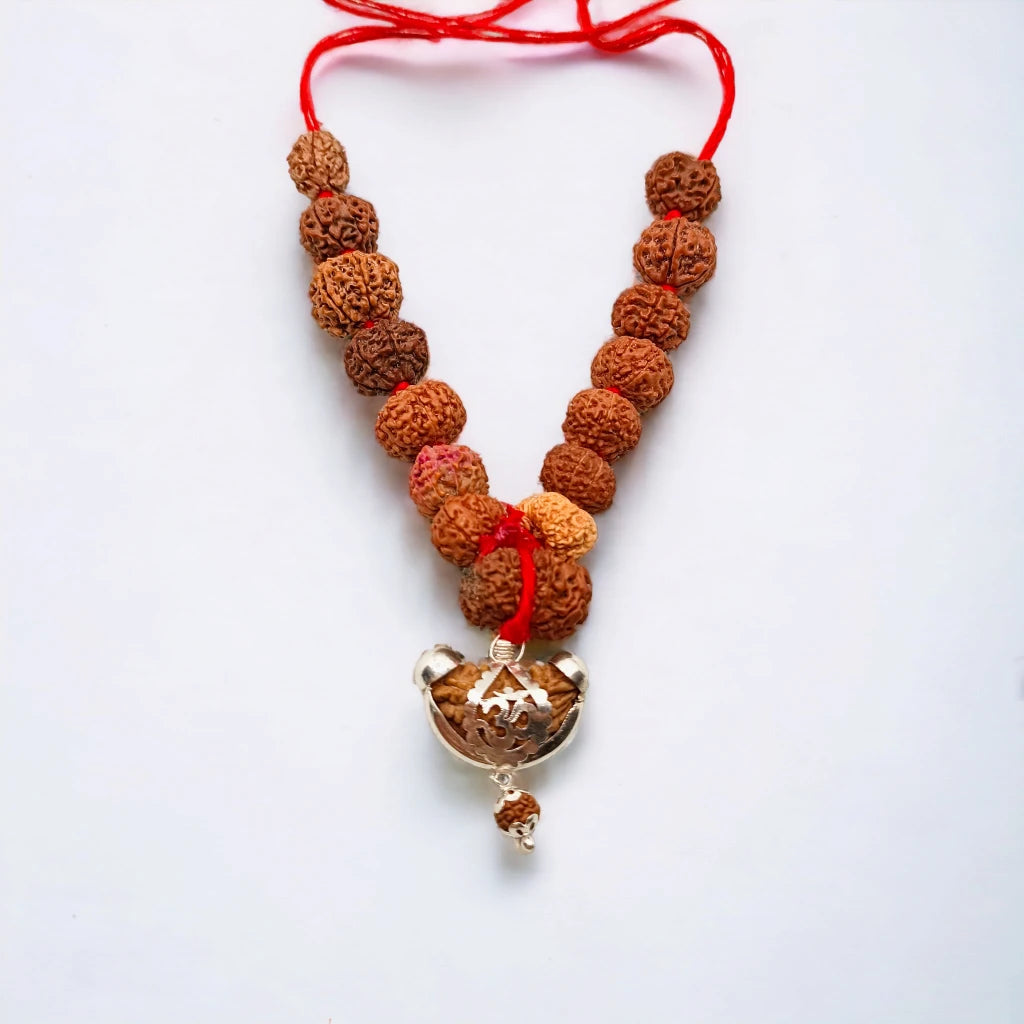
Many devotees also wear Rudraksha beads as part of their spiritual discipline, believing they support concentration and spiritual awareness.
🌍 Relevance of Badrinath in the Modern World
In today’s fast-paced world, people often seek ways to reconnect with their inner selves. Sacred traditions like those associated with Badrinath continue to inspire reflection, mindfulness, and spiritual balance.
The teachings of Badrinath remind individuals that true fulfillment lies in understanding life’s deeper purpose and cultivating inner peace.
🧭 Badrinath as the Path of Knowledge (Jnana Yoga)
Within the spiritual map of Sanatan Dharma, Badrinath is often associated with the path of Jnana Yoga — the path of knowledge and self-realization. This association is not accidental. The meditative form of Lord Vishnu at Badrinath symbolizes the silent contemplation required to understand the true nature of existence.
Jnana Yoga teaches that liberation arises from understanding the difference between the temporary and the eternal. The Himalayas, where Badrinath resides, represent detachment from worldly distractions, encouraging seekers to focus on inner wisdom. The temple therefore becomes a symbol of the human journey from ignorance to awareness.
🕉️ Unity of Bhakti, Karma & Jnana
Although Badrinath is strongly associated with knowledge, it also represents the harmony of the three primary spiritual paths: Bhakti (devotion), Karma (action), and Jnana (knowledge). Sanatan Dharma teaches that these paths are not separate but interconnected. Devotion inspires discipline, action purifies the mind, and knowledge leads to liberation.
The temple therefore symbolizes a balanced spiritual life, reminding seekers that inner transformation involves both the heart and the intellect.
🌙 Symbolism of the Alaknanda River
The Alaknanda River, flowing near Badrinath, holds deep spiritual symbolism. Rivers in Hindu philosophy represent the flow of consciousness and the continuous movement of life. The presence of the river near the temple reflects purification, renewal, and the flow of spiritual wisdom.
Water has always symbolized cleansing in spiritual traditions. The flowing river reminds devotees of the importance of releasing past burdens and embracing spiritual renewal.
📖 Badrinath in Ancient Texts & Traditions
Ancient scriptures and traditions refer to Badrinath as a sacred region of penance and divine presence. The Himalayas are described as the abode of sages and yogis, and Badrinath is often mentioned as a place where divine consciousness is strongly felt.
These references reinforce the temple’s importance as a spiritual center that has inspired seekers for centuries.
🪔 Sacred Rituals Symbolizing Inner Transformation
Rituals performed at Badrinath reflect themes of purification, surrender, and devotion. In spiritual symbolism, rituals are not merely external acts but reminders of internal transformation. Lighting diyas symbolizes the removal of ignorance, offering prayers symbolizes surrender, and chanting mantras symbolizes focus and mindfulness.
These traditions connect present generations with ancient wisdom and encourage seekers to cultivate discipline and devotion.
🌿 The Role of Silence & Contemplation
Silence has always been an essential element of spiritual practice. The serene Himalayan environment surrounding Badrinath symbolizes the importance of inner stillness. Silence allows the mind to slow down, creating space for reflection and insight.
In spiritual psychology, silence is considered a gateway to self-awareness. Badrinath therefore represents the power of introspection and mindful living.
🧠 Detachment & the Spiritual Journey
One of the core teachings associated with Badrinath is the importance of detachment. In spiritual philosophy, detachment does not mean rejecting the world but understanding its temporary nature. This understanding helps individuals develop balance and resilience.
The temple reminds seekers that true happiness comes from inner peace rather than external circumstances.
📿 Spiritual Discipline & Daily Practice
Daily spiritual practices such as meditation, mantra chanting, and mindful reflection are considered essential in Sanatan Dharma. These practices help cultivate awareness and emotional balance. The teachings associated with Badrinath encourage individuals to integrate spirituality into everyday life.
For those who practice meditation and mantra chanting, the Rudraksha Jaap Mala (108+1) is commonly used to support focus, discipline, and consistent practice.
🌟 Badrinath as a Symbol of Liberation
In the broader context of Hindu philosophy, Badrinath represents liberation and the realization of one’s true nature. The temple symbolizes the final stage of the spiritual journey, where the seeker understands the unity of all existence.
This symbolism continues to inspire millions of devotees and spiritual aspirants across generations.
🕯️ The Sacred Fire of Knowledge in Hindu Philosophy
In many Hindu scriptures, knowledge is compared to fire because it removes ignorance just as fire removes darkness. Badrinath is often described as a place where the inner fire of knowledge is awakened. This symbolism connects deeply with the concept of spiritual illumination, where the seeker gradually understands the true nature of existence.
The idea of inner illumination appears in the Upanishads, where knowledge is described as the highest form of liberation. Badrinath therefore represents the awakening of awareness and the journey toward truth.
🌄 The Himalayas as the Land of Tapasya
The Himalayas have always been associated with intense spiritual practice known as tapasya. Ancient sages believed that solitude and silence were essential for deep meditation. The rugged terrain and serene atmosphere of the mountains naturally encourage introspection and discipline.
Badrinath’s presence in this sacred landscape reinforces the idea that spiritual growth often requires simplicity and focus. The mountains symbolize strength, endurance, and the aspiration to rise above worldly distractions.
🕉️ Symbolism of the Four Stages of Life
Sanatan Dharma describes life as a journey through four stages known as Ashramas: Brahmacharya (student life), Grihastha (householder life), Vanaprastha (retirement), and Sannyasa (renunciation). Badrinath is closely associated with the final stage of life, where individuals focus on spiritual understanding and liberation.
This symbolism reflects the belief that life ultimately leads toward self-realization and inner peace.
📖 Connection with the Upanishads
The teachings associated with Badrinath resonate strongly with the philosophy of the Upanishads. These ancient texts emphasize self-inquiry and the realization that the individual soul is not separate from universal consciousness.
Badrinath therefore becomes a physical representation of the spiritual wisdom found in these texts, encouraging seekers to reflect on the deeper meaning of life.
🌊 Symbolism of Sacred Waters
Water has always been a powerful symbol in spiritual traditions. It represents purification, renewal, and the flow of consciousness. Sacred rivers near Badrinath reinforce the idea of cleansing and transformation.
The presence of sacred waters reminds devotees that spiritual growth involves letting go of past burdens and embracing new understanding.
🪷 Inner Stillness & Meditation
Meditation plays a central role in the spiritual teachings associated with Badrinath. The meditative posture of Lord Vishnu symbolizes the still mind required for self-realization. Meditation encourages awareness, patience, and emotional balance.
In the fast-paced modern world, the teachings of meditation continue to inspire individuals seeking peace and clarity.
🌍 Cultural Influence Across Generations
Badrinath has influenced art, literature, and spiritual traditions for centuries. Stories and teachings associated with the temple have been passed down through generations, preserving the cultural heritage of Sanatan Dharma.
This continuity reflects the enduring relevance of ancient wisdom in modern life.
🔱 Harmony of Nature & Spirituality
Hindu internal tradition emphasizes harmony between nature and spirituality. Mountains, rivers, forests, and temples are viewed as interconnected aspects of the divine. Badrinath represents this harmony, reminding devotees of the sacred relationship between humanity and the natural world.
This perspective encourages respect for nature and mindful living.
🌟 Badrinath as a Timeless Symbol of Faith
For centuries, Badrinath has symbolized devotion, resilience, and spiritual aspiration. Its teachings continue to inspire individuals to seek knowledge, cultivate mindfulness, and embrace compassion.
The temple stands as a reminder that spiritual wisdom transcends time and continues to guide humanity toward inner peace.
Frequently Asked Questions (FAQs) ❓
1. What is the spiritual importance of Badrinath Temple in Hinduism?
Badrinath Temple represents the path of knowledge, meditation, and liberation in Sanatan Dharma. It symbolizes the spiritual journey toward understanding the deeper nature of existence and realizing the unity of the individual soul with universal consciousness.
2. Why is Lord Vishnu worshipped in a meditative posture at Badrinath?
The meditative posture of Lord Vishnu symbolizes introspection, self-realization, and inner stillness. It highlights the importance of meditation and awareness in the journey toward spiritual awakening.
3. Who revived Badrinath Temple in ancient times?
Adi Shankaracharya revived Badrinath Temple during the 8th century while re-establishing the spiritual unity of Sanatan Dharma across India.
4. What does the name Badrinath mean?
The name combines “Badri,” referring to the sacred Badri tree associated with Goddess Lakshmi, and “Nath,” meaning Lord. It signifies the divine shelter provided to Lord Vishnu during meditation.
5. Is Badrinath connected with liberation (moksha)?
In spiritual traditions, Badrinath symbolizes the final stage of the spiritual journey and is associated with liberation and self-realization.
6. Why is the Himalaya region spiritually significant?
The Himalayas have long been considered the abode of sages and yogis. Their serene and isolated environment encourages meditation, introspection, and spiritual discipline.
7. What is the connection between Badrinath and Vedanta?
Badrinath is closely associated with Vedanta philosophy, which emphasizes self-realization and understanding the true nature of reality.
8. Why is pilgrimage important in Sanatan Dharma?
Pilgrimage represents inner transformation and the journey toward self-awareness. Sacred journeys encourage reflection, humility, and spiritual growth.
9. What does the Badri tree symbolize spiritually?
The Badri tree symbolizes protection, compassion, and divine care, reflecting the nurturing aspect of spiritual devotion.
10. What role does meditation play in Badrinath traditions?
Meditation is central to the spiritual teachings associated with Badrinath, encouraging mindfulness, awareness, and emotional balance.
11. Is Badrinath part of the Char Dham pilgrimage?
Yes, Badrinath represents the northern direction in the Char Dham pilgrimage and symbolizes knowledge and liberation.
12. Why do devotees chant mantras during spiritual practices?
Mantra chanting supports focus, calmness, and devotion, helping individuals maintain mindfulness and spiritual discipline.
13. How does Badrinath inspire modern spiritual seekers?
Badrinath reminds individuals to reconnect with mindfulness, compassion, and inner peace in the fast-paced modern world.
14. What does Badrinath symbolize in the journey of life?
The temple symbolizes the final stage of spiritual understanding, where the seeker recognizes the unity of all existence.
15. Why is Badrinath considered timeless?
Its teachings continue to inspire spiritual growth, mindfulness, and compassion across generations.
🌟 Conclusion 📌
The Eternal Call of Badrinath
Badrinath Temple stands as a timeless beacon of spiritual wisdom, devotion, and self-realization. Its mythology, symbolism, and philosophical teachings continue to inspire seekers across generations. The temple represents the path of knowledge and liberation, reminding humanity that the ultimate purpose of life lies in understanding the deeper nature of existence.
The teachings associated with Badrinath encourage mindfulness, compassion, and inner peace. In a world filled with distractions, these timeless values remain more relevant than ever.
Badrinath is not merely a sacred location; it is a symbol of the human journey toward truth and awareness. By reflecting on its teachings, individuals can cultivate spiritual balance and connect with the deeper meaning of life.
🙏 हर हर महादेव 🙏





Leave a comment