






















🔱 Shivratri Mantras & Their Meaning: Complete Chanting Guide
Maha Shivratri is one of the most spiritually powerful nights in the Hindu calendar. It is a night dedicated to meditation, prayer, self-reflection, and deep spiritual connection with Lord Shiva. Devotees across the world observe fasts, perform night-long vigils, and chant sacred mantras to invoke divine blessings.
Among all Shivratri rituals, mantra chanting holds a special place. The vibrations of sacred mantras are believed to help calm the mind, deepen meditation, and create an atmosphere of spiritual focus. Chanting on Shivratri is not just a ritual — it is a practice that connects sound, intention, and devotion.
This complete guide explains the most important Shivratri mantras, their meanings, and how to chant them correctly.
🕉️ Why Mantras Are Chanted on Shivratri
Shivratri is traditionally observed as a night of heightened spiritual awareness. According to spiritual traditions, the stillness of the night creates a powerful environment for meditation and mantra chanting.
Mantras are sacred sound vibrations composed in Sanskrit. They are not ordinary words; they are carefully structured sounds designed to support concentration and mindfulness.
Chanting helps the mind stay focused and creates a rhythmic breathing pattern that supports meditation.
🔱 Importance of Sound and Vibration
Ancient traditions describe the universe as originating from sound. The concept of “Nada Brahma” means the universe is sound. Mantras are therefore considered sacred sound patterns.
On Shivratri, chanting these sacred sounds is believed to deepen spiritual awareness and devotion.
📿 How Mantra Chanting Works
Mantra chanting combines repetition, breath control, and focus. Repetition helps quiet mental distractions, while breath awareness creates calmness.
🌙 Why Night Chanting Is Special
Shivratri is observed during the night when external distractions are minimal. This makes it easier to concentrate on mantra chanting and meditation.
✨ Beginning of the Mantra Guide
Let us now explore the most important Shivratri mantras and their meanings.
🕉️ Maha Mrityunjaya Mantra
Mantra:
ॐ त्र्यम्बकं यजामहे सुगन्धिं पुष्टिवर्धनम्।
उर्वारुकमिव बन्धनान्मृत्योर्मुक्षीय मामृतात्॥
Transliteration:
Om Tryambakam Yajamahe Sugandhim Pushtivardhanam
Urvarukamiva Bandhanan Mrityor Mukshiya Maamritat
Meaning:
We worship the three-eyed Lord Shiva who nourishes and sustains all beings. Just as a ripe cucumber is freed from its vine, may we be liberated from the cycle of fear and limitations and move toward spiritual growth.
This mantra is one of the most powerful Shiva mantras and is widely chanted on Maha Shivratri.
🔱 Om Namah Shivaya – The Panchakshari Mantra
Mantra:
ॐ नमः शिवाय
Transliteration:
Om Namah Shivaya
Meaning:
I bow to Lord Shiva.
This simple yet profound mantra is considered the most important Shiva mantra. It represents surrender, devotion, and inner transformation.
🌙 Om Tatpurushaya Vidmahe – Shiva Gayatri Mantra
Mantra:
ॐ तत्पुरुषाय विद्महे महादेवाय धीमहि।
तन्नो रुद्रः प्रचोदयात्॥
Transliteration:
Om Tatpurushaya Vidmahe Mahadevaya Dhimahi
Tanno Rudrah Prachodayat
Meaning:
We meditate on the great Lord Shiva and seek divine guidance and wisdom.
🧘 Om Namo Bhagavate Rudraya
Mantra:
ॐ नमो भगवते रुद्राय
Transliteration: Om Namo Bhagavate Rudraya
Meaning:
Salutations to Lord Rudra.
🧘 How to Chant Shivratri Mantras Correctly
Chanting mantras is not about speed or volume; it is about focus, rhythm, and intention. Even simple chanting becomes meaningful when done with awareness and consistency. On Shivratri night, devotees traditionally dedicate time to chanting, meditation, and silent reflection.
🌿 Create a Calm Space
Choose a quiet place where you can sit comfortably without distractions. A calm environment supports concentration and helps you remain present during chanting.
🕯️ Maintain a Steady Posture
Sit comfortably with a straight spine. This posture supports breathing and helps maintain alertness during chanting.
📿 Use a Mala for Counting
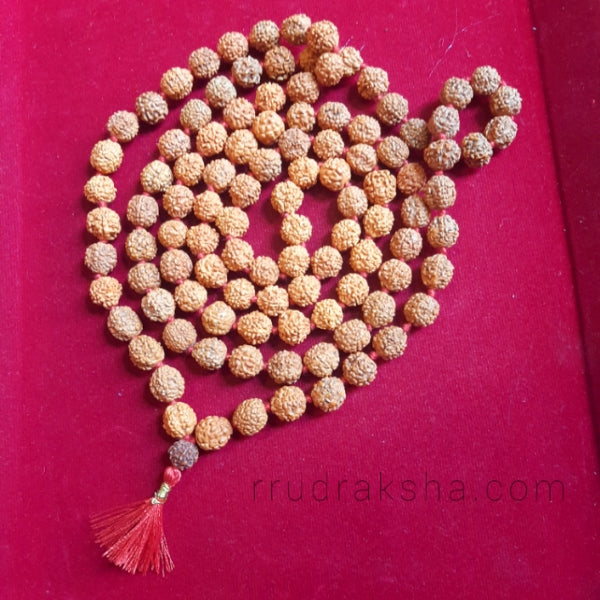
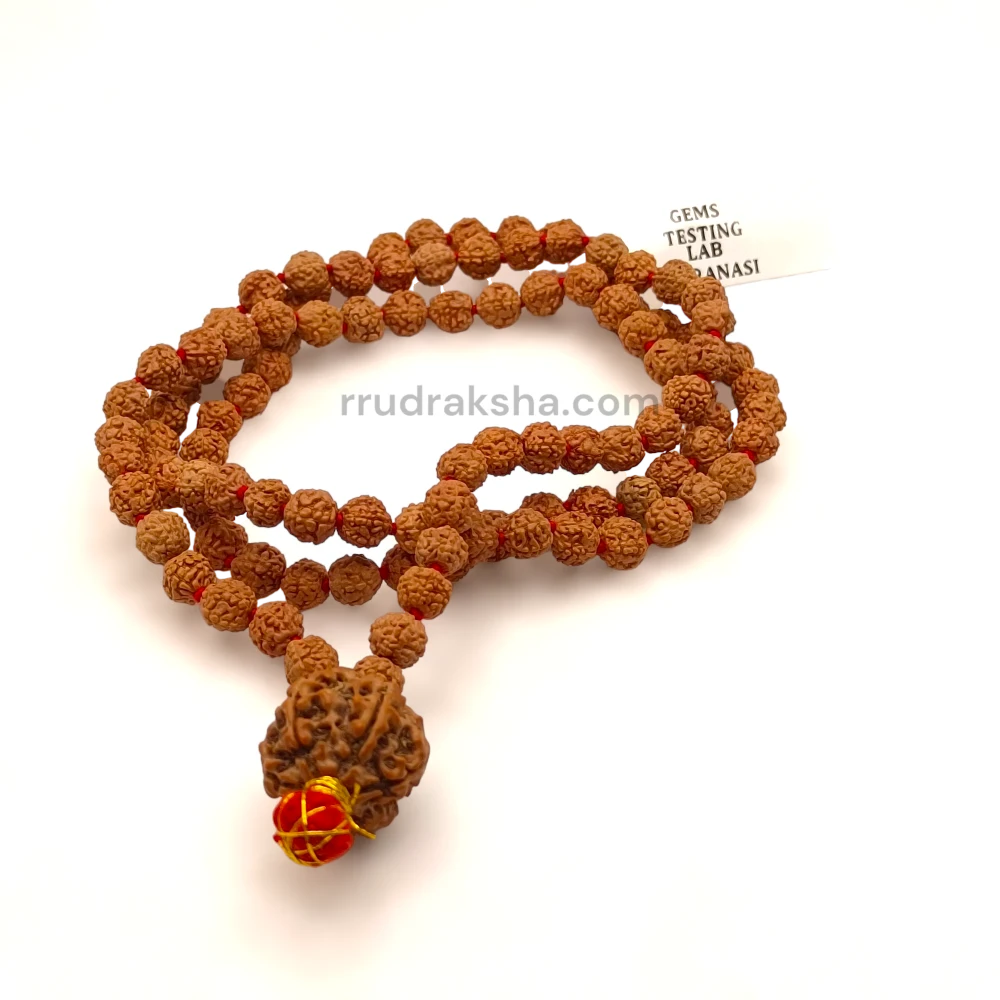
Many practitioners use a Jaap Mala to count mantra repetitions. The repetitive motion of moving beads helps maintain rhythm and focus.
🌬️ Focus on Breath
Chant slowly and synchronize your breathing with the mantra. This creates a calming rhythm that supports meditation.
🌙 Shivratri Night Chanting Routine
Shivratri is traditionally observed as a night-long vigil divided into four time periods called Prahars. Devotees often dedicate each Prahar to meditation, chanting, and prayer.
A simple chanting routine may include repeating Om Namah Shivaya throughout the night, combined with the Maha Mrityunjaya Mantra and Shiva Gayatri Mantra.
🧠 Benefits of Mantra Chanting (Belief-Based)
Spiritual traditions believe mantra chanting helps calm the mind, improve focus, and deepen meditation. Repetition encourages mindfulness and emotional balance.
🔱 Lingashtakam – A Powerful Hymn to Lord Shiva
Verse (Opening):
ब्रह्ममुरारि सुरार्चित लिङ्गं
निर्मलभासित शोभित लिङ्गम्।
जन्मज दुःख विनाशक लिङ्गं
तत् प्रणमामि सदाशिव लिङ्गम्॥
Meaning:
I bow to the sacred Shiva Lingam, worshipped by Brahma and Vishnu, radiant and pure, and believed to remove suffering.
Lingashtakam is traditionally chanted during Shivratri while offering prayers to the Shiva Lingam.
🌙 Bilvashtakam – The Bilva Leaf Mantra
Opening Verse:
त्रिदलं त्रिगुणाकारं त्रिनेत्रं च त्रयायुधम्।
त्रिजन्म पापसंहारं एकबिल्वं शिवार्पणम्॥
Meaning:
I offer the sacred Bilva leaf to Lord Shiva, symbolizing devotion and purity.
This hymn is often chanted while offering Bilva leaves during Shivratri worship.
🕉️ Shiva Panchakshara Stotram
Opening Verse:
नागेन्द्रहाराय त्रिलोचनाय
भस्माङ्गरागाय महेश्वराय।
Meaning:
Salutations to Lord Shiva, who wears serpents as ornaments and symbolizes meditation and awareness.
Frequently Asked Questions (FAQs) ❓
1. Which mantra is best for Maha Shivratri?
Om Namah Shivaya is considered the most important and widely chanted mantra on Shivratri.
2. How many times should Shivratri mantras be chanted?
Traditionally, mantras are chanted 108 times using a mala, but any sincere repetition is meaningful.
3. Can beginners chant Shiva mantras?
Yes, Shiva mantras are simple and suitable for beginners.
4. What time is best for chanting on Shivratri?
The night of Shivratri, especially midnight, is considered ideal for chanting.
5. Is fasting required for chanting?
Fasting is optional and depends on personal choice and tradition.
6. Can mantras be chanted silently?
Yes, silent chanting or mental repetition is also practiced.
7. Do I need a mala for chanting?
No, but a mala can help maintain count and focus.
8. Can mantras be chanted at home?
Yes, chanting at home is common and encouraged.
9. Why is Shivratri night special for chanting?
The night is traditionally associated with meditation and spiritual awareness.
10. Can multiple mantras be chanted?
Yes, devotees often chant several Shiva mantras during the night.
🌌 Conclusion 💫
Shivratri mantra chanting is a powerful spiritual practice that combines sound, breath, and devotion. From the simple Om Namah Shivaya to ancient hymns like the Maha Mrityunjaya Mantra, these sacred sounds help create a peaceful and focused atmosphere for meditation and prayer.
Whether chanted quietly at home or during temple worship, Shivratri mantras offer an opportunity to pause, reflect, and connect with spiritual traditions.
🙏 हर हर महादेव 🙏





Leave a comment