


📊 Rudraksha Grading System Explained: How Quality Is Evaluated
When buyers enter the Rudraksha market, one of the most confusing aspects they encounter is the idea of grading. Terms like premium quality, collector grade, and high-grade Rudraksha are frequently used, yet very few buyers fully understand what these labels actually mean.
Unlike manufactured products, Rudraksha beads are natural seeds. Each bead forms differently based on environmental conditions and natural growth patterns. Because of this natural variation, a structured grading approach helps buyers understand quality differences more clearly.
This guide explains the Rudraksha grading system in simple and practical terms, helping buyers understand how quality is evaluated and how to make informed purchasing decisions.
🌱 Why a Grading System Is Needed
Natural products always show variation. No two Rudraksha beads are exactly identical. Some beads develop clear surface lines and symmetrical shapes, while others may appear irregular or less defined.
A grading system helps organize these natural differences and provides buyers with a clearer understanding of quality.
📿 Understanding Natural Variation
Every Rudraksha bead grows inside a fruit, and its final appearance depends on environmental conditions such as rainfall, soil quality, and temperature. These natural factors influence bead size, shape, and surface texture.
🔍 Key Factors Used in Rudraksha Grading
Several factors are considered when evaluating Rudraksha quality. These factors help create a consistent grading framework.
Size of the Bead
Larger beads are less common and often considered higher grade due to longer growth cycles.
Surface Definition
Clear and well-defined mukhi lines are generally preferred.
Shape and Symmetry
Beads with balanced shapes are often categorized as higher grade.
Natural Condition
Beads free from cracks or damage are considered better quality.
📏 Size as a Primary Grading Factor
One of the most visible and widely discussed grading factors in the Rudraksha market is bead size. Since Rudraksha beads grow naturally inside fruit, their size depends on environmental conditions, tree maturity, and seasonal growth cycles. Larger beads generally take longer to develop and are less commonly found in nature.
Because of this natural scarcity, larger beads are often categorized as higher grade. However, it is important to understand that size alone does not determine overall quality. It is simply one factor among many.
🔍 Surface Texture and Mukhi Definition
The surface of a Rudraksha bead contains natural grooves or lines known as mukhis. The clarity and definition of these lines play an important role in grading. Beads with well-defined and continuous mukhi lines are often preferred because they are easier to identify and visually distinct.
Natural formation varies widely, so beads with clearly visible lines are considered more desirable in the marketplace.
⚖️ Shape and Symmetry
Symmetry is another factor that influences grading. Perfectly symmetrical beads are rare because Rudraksha grows naturally without human intervention. Beads that appear balanced and evenly shaped are often categorized as higher grade due to their rarity.
🧬 Structural Integrity
During harvesting and processing, some beads may develop cracks or structural weaknesses. Beads that remain intact and durable are considered better quality.
🌍 Influence of Geographic Origin
The region where Rudraksha grows can influence bead characteristics such as size and texture. Environmental conditions play a role in natural variation.
🧠 Understanding Grade vs Suitability
Higher grade does not always mean better suitability for every buyer. The right bead depends on individual preference and purpose.
📊 Market Terminology and Grading Labels
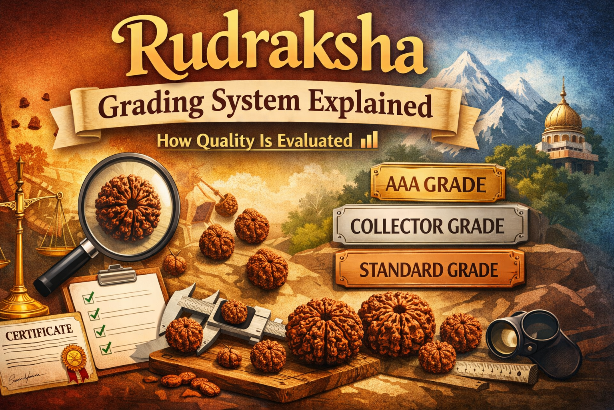
As buyers explore the Rudraksha market, they often encounter terms such as premium quality, collector grade, super grade, or AAA grade. These labels can create confusion because there is no single global authority that standardizes Rudraksha grading terminology. Instead, these labels are commonly used by sellers to communicate relative quality levels.
This does not mean the labels are meaningless. They typically reflect a combination of size, surface clarity, symmetry, and overall condition. However, buyers should understand that these terms represent a general quality scale rather than a strict universal standard.
🪵 Role of Natural Imperfections
Because Rudraksha beads are natural seeds, minor variations and imperfections are normal. Tiny surface irregularities do not necessarily reduce authenticity. In fact, natural variation is often a sign that the bead has not been artificially modified.
Understanding this distinction helps buyers avoid unrealistic expectations of perfect uniformity.
🔬 Certification vs Grading
Another common source of confusion is the difference between grading and certification. Certification focuses on authenticity, while grading focuses on physical quality and appearance.
Both concepts are important but serve different purposes.
📿 Grading in Malas and Bracelets
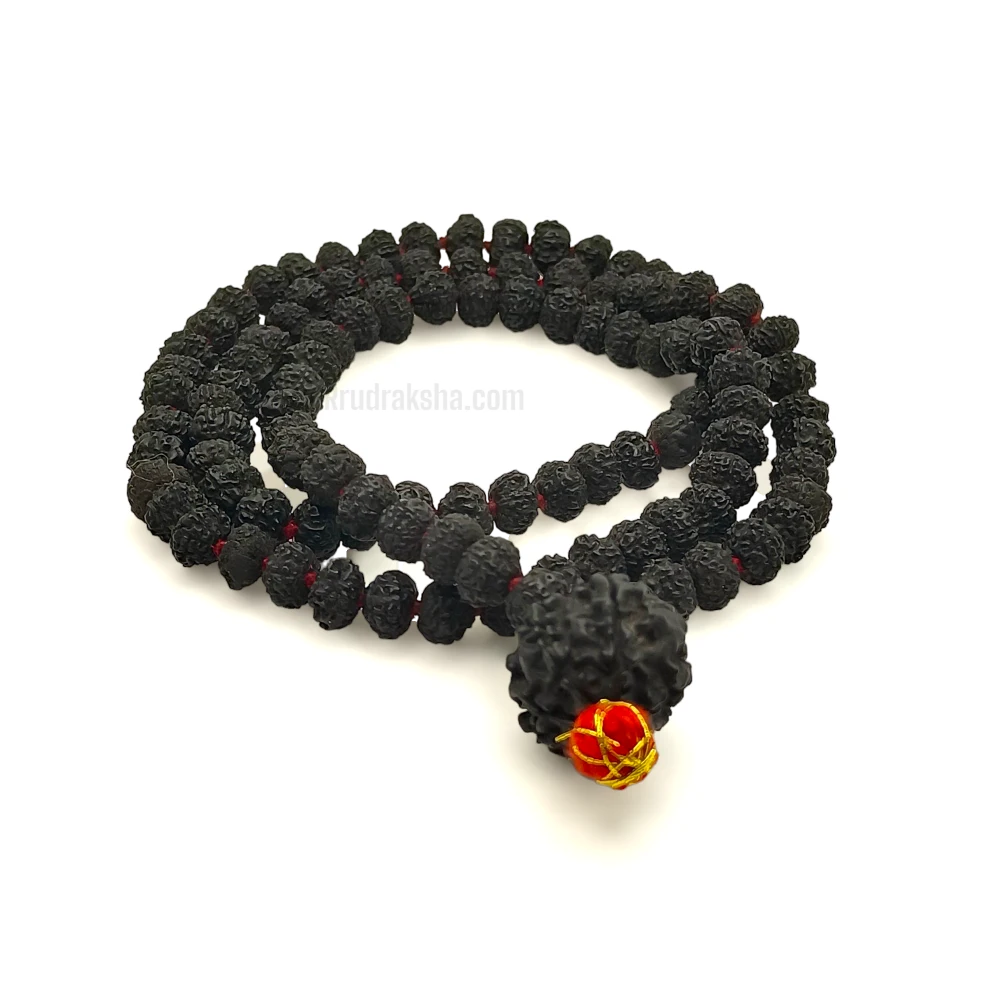
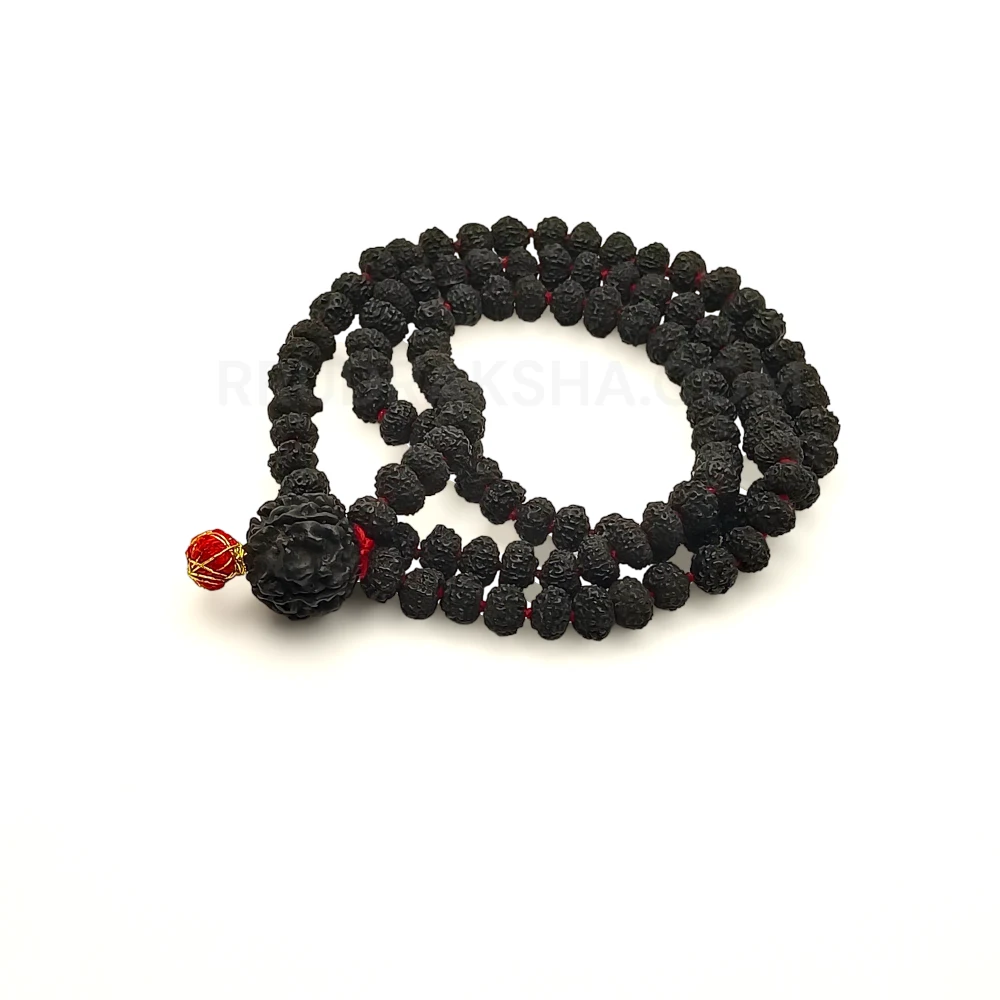
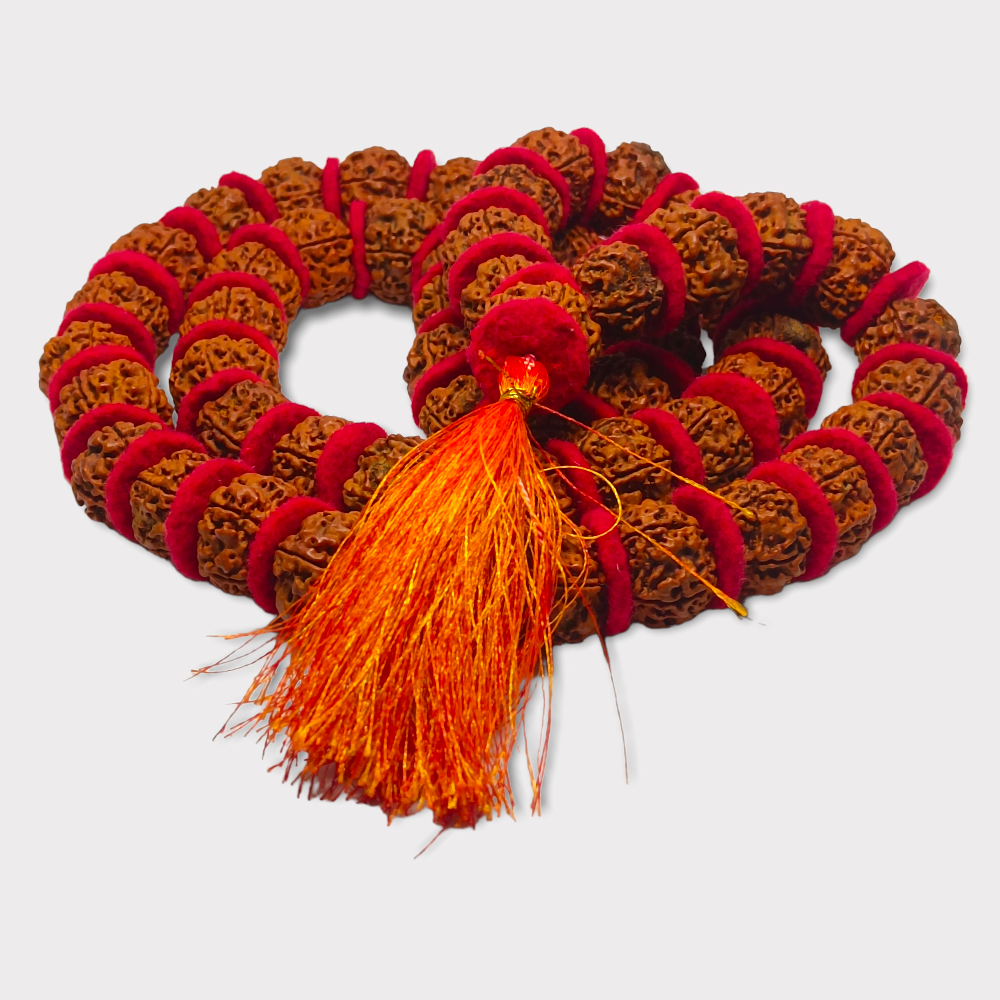
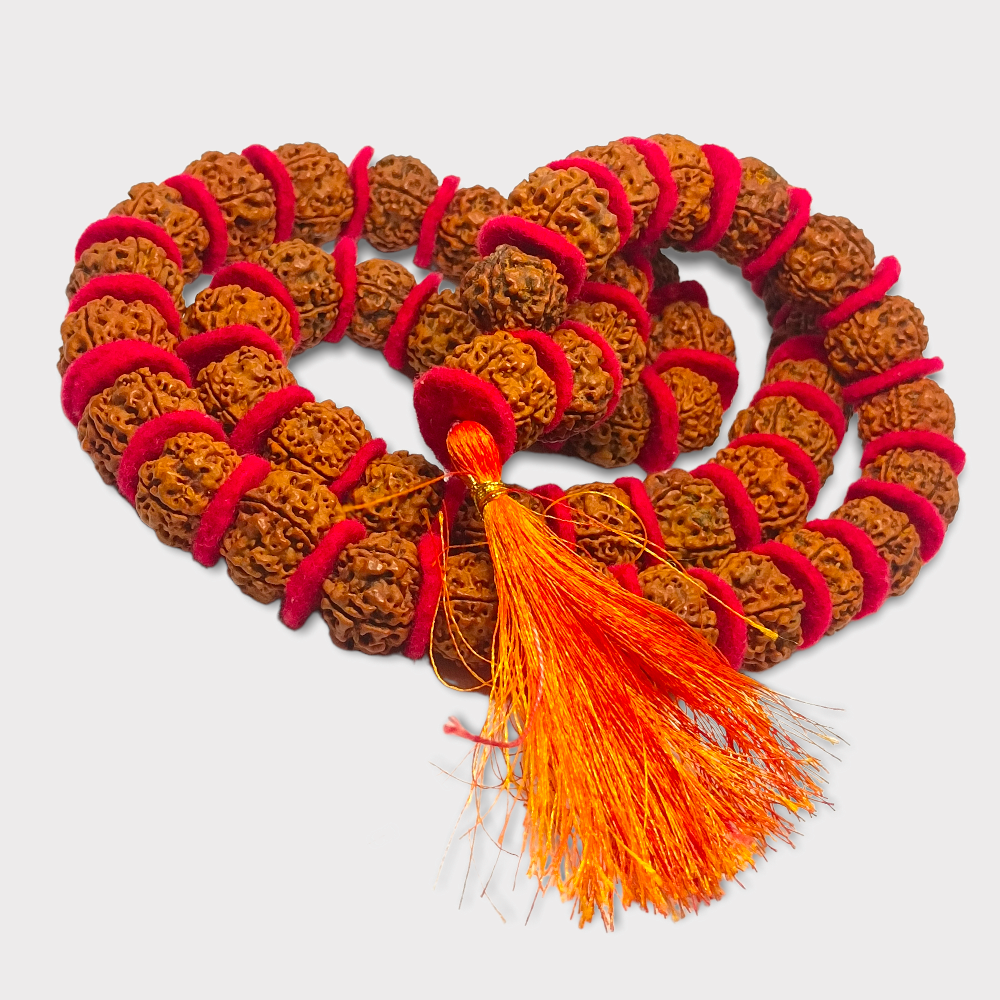
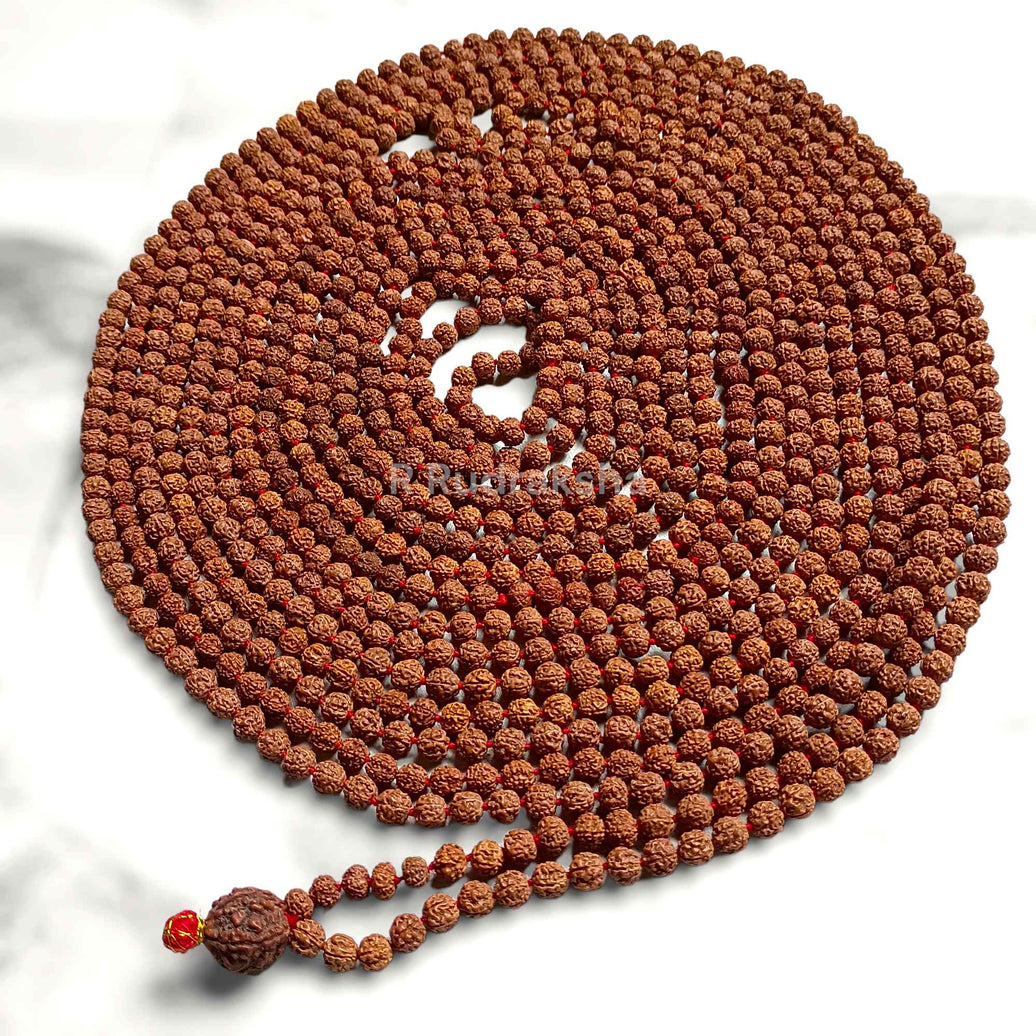
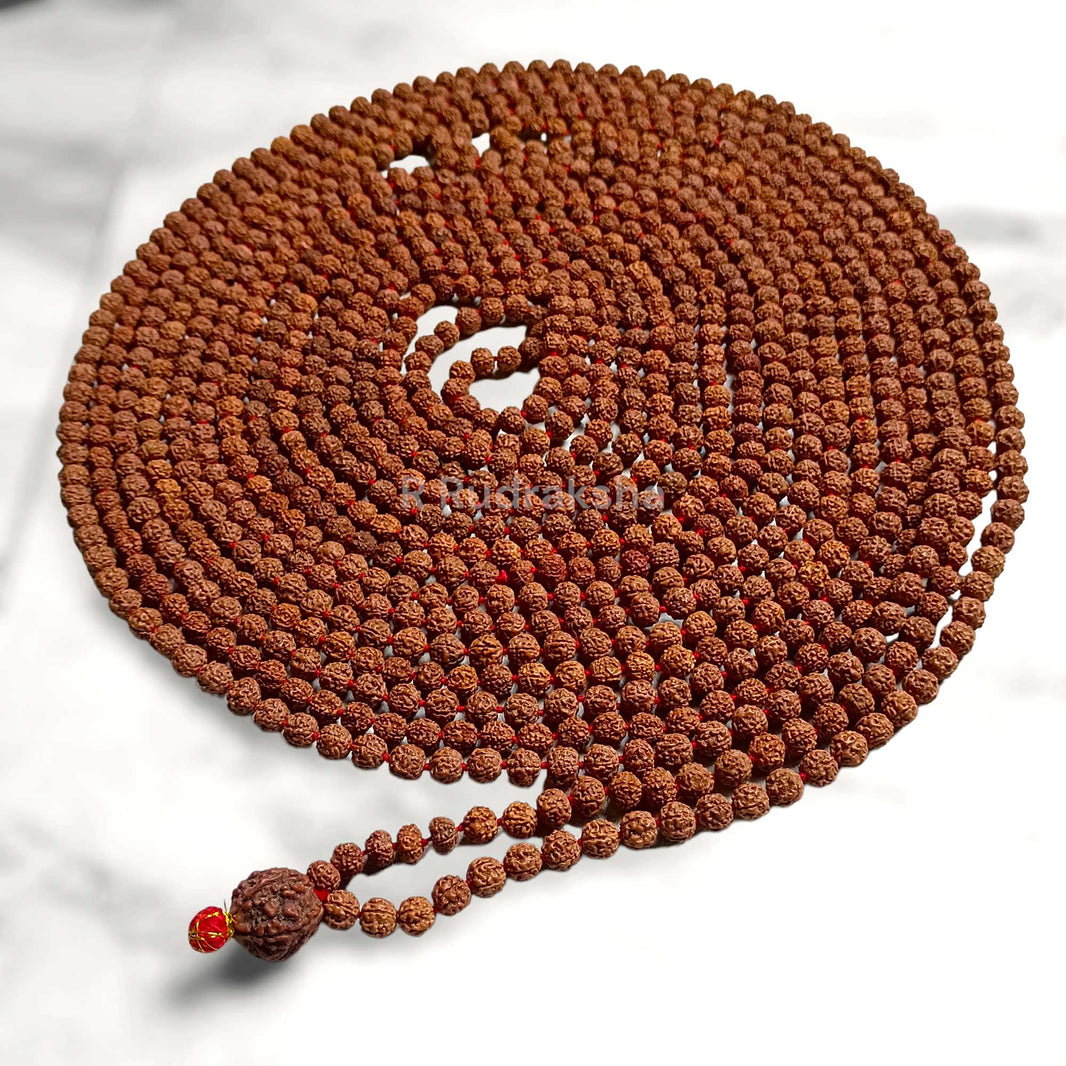
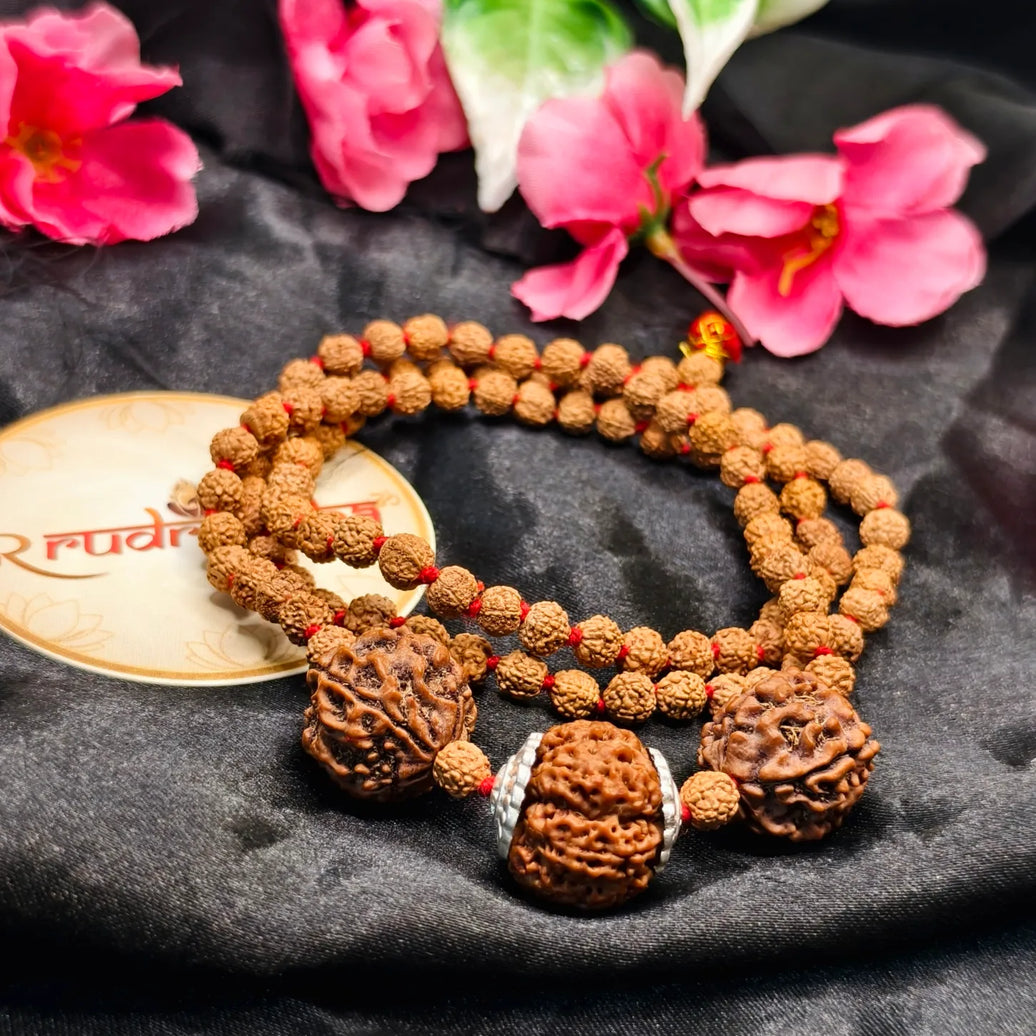
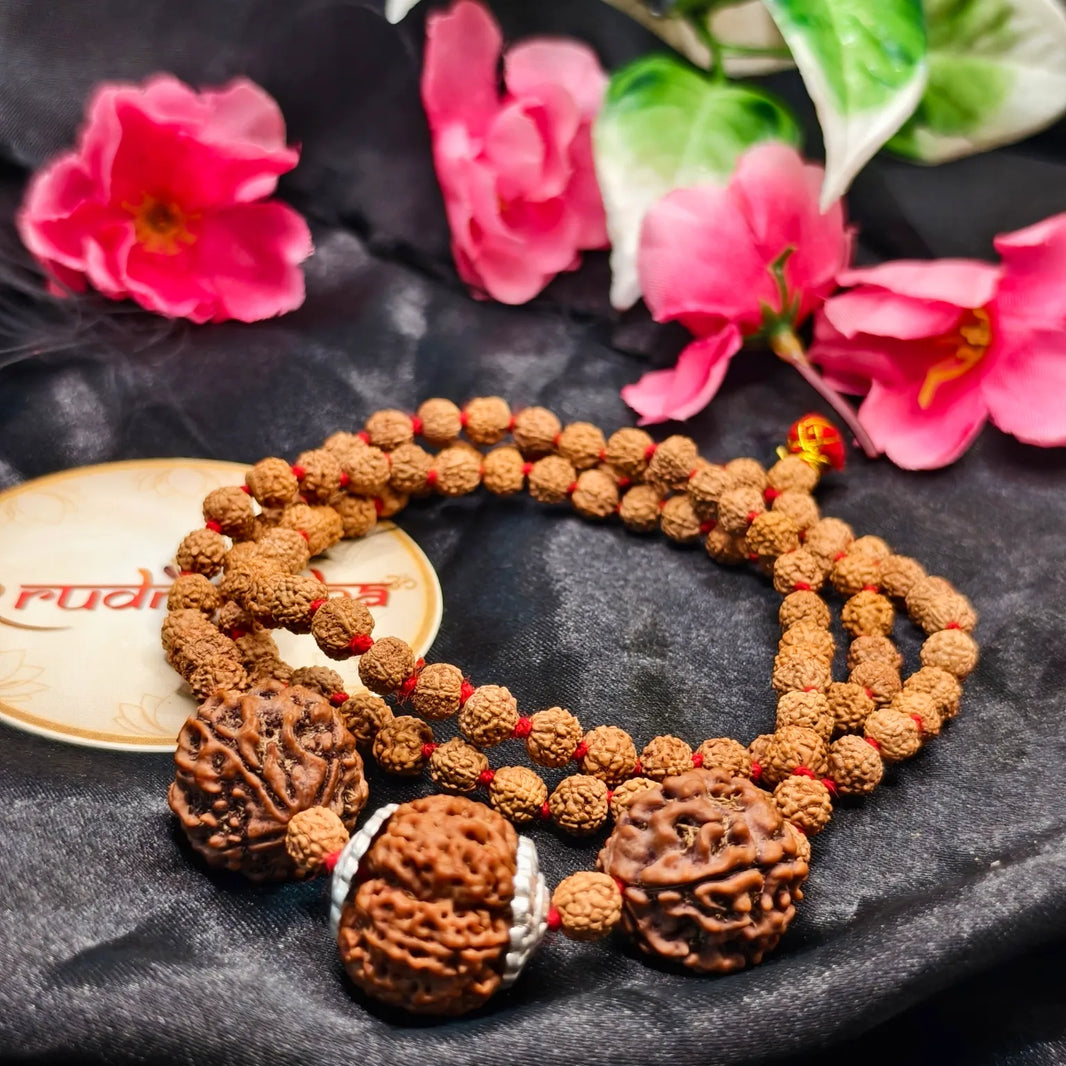
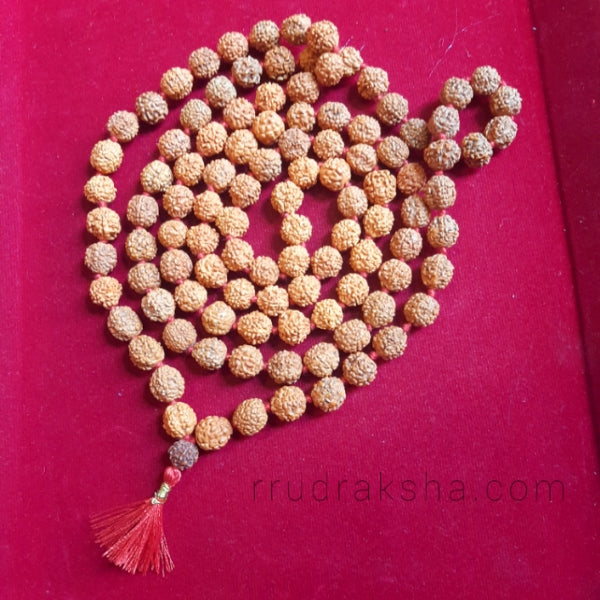
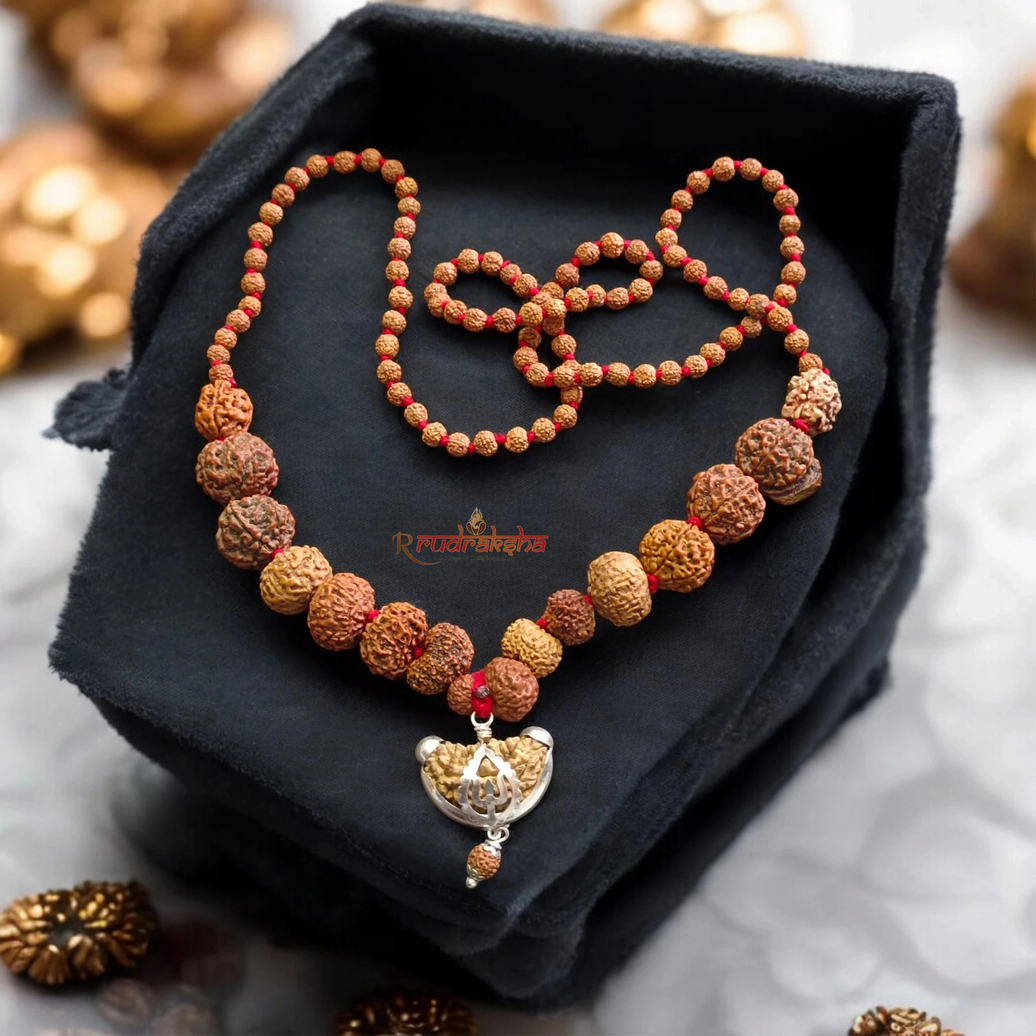
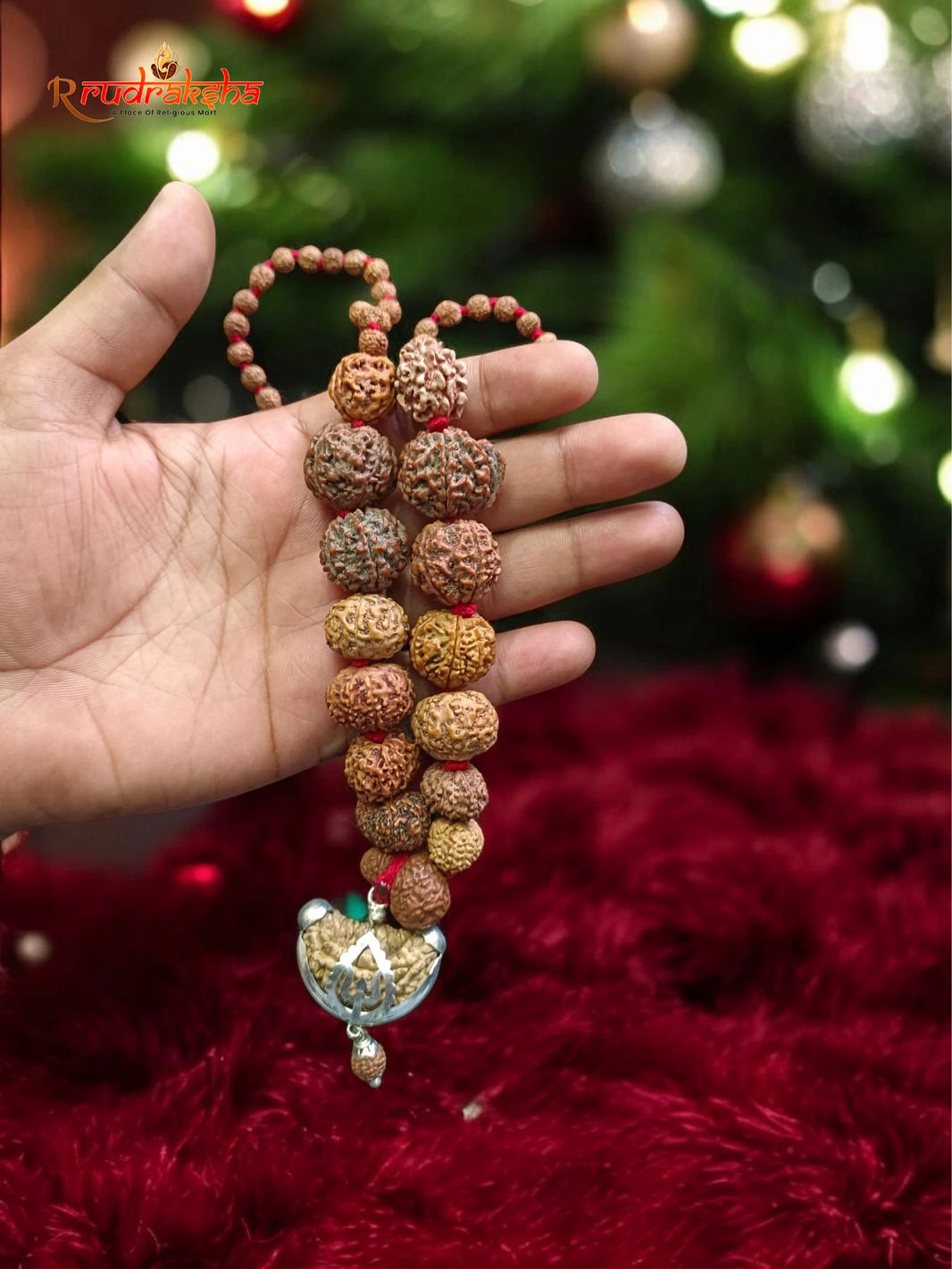
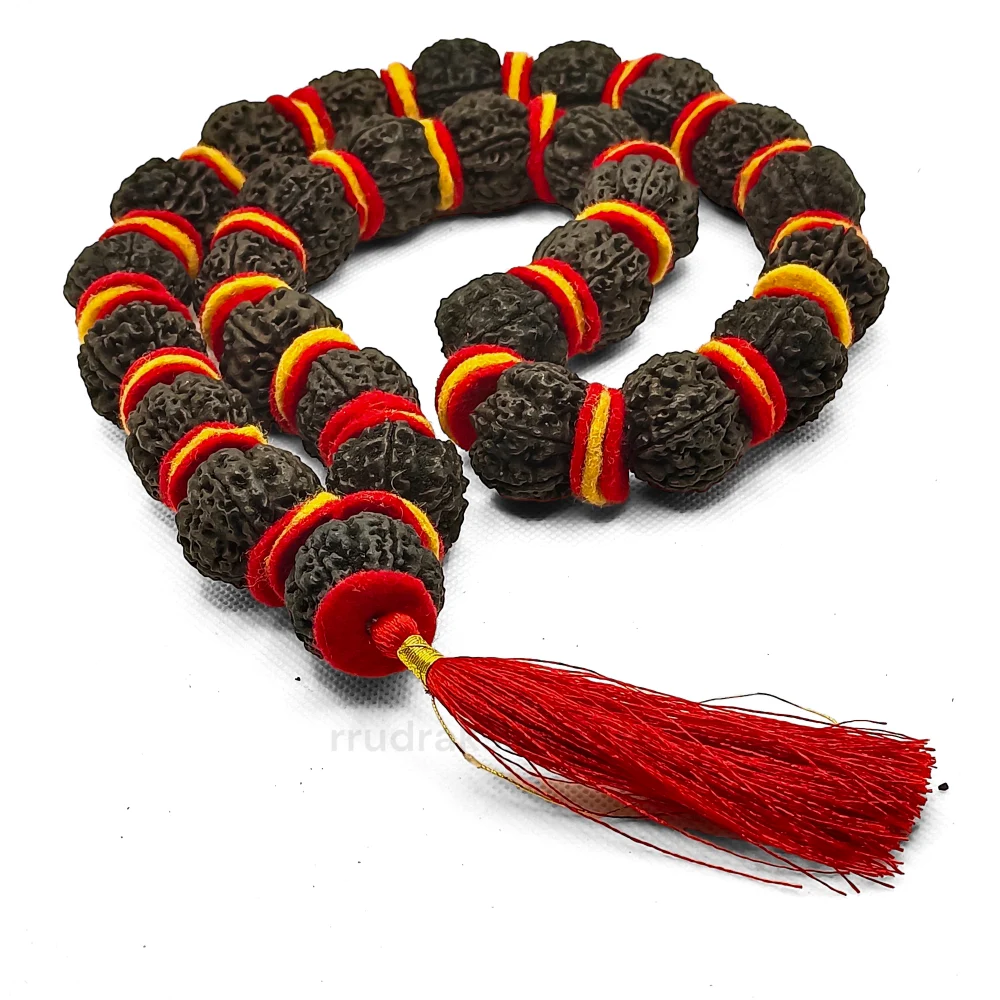
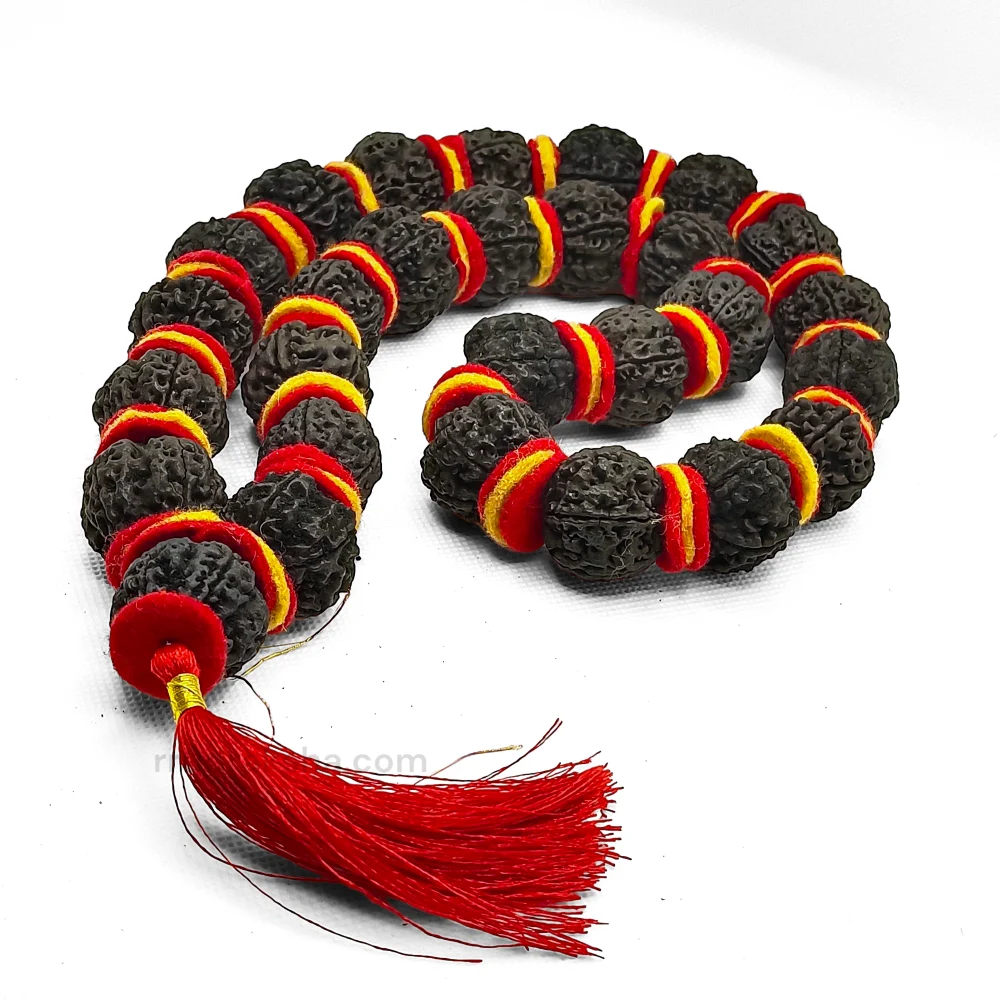
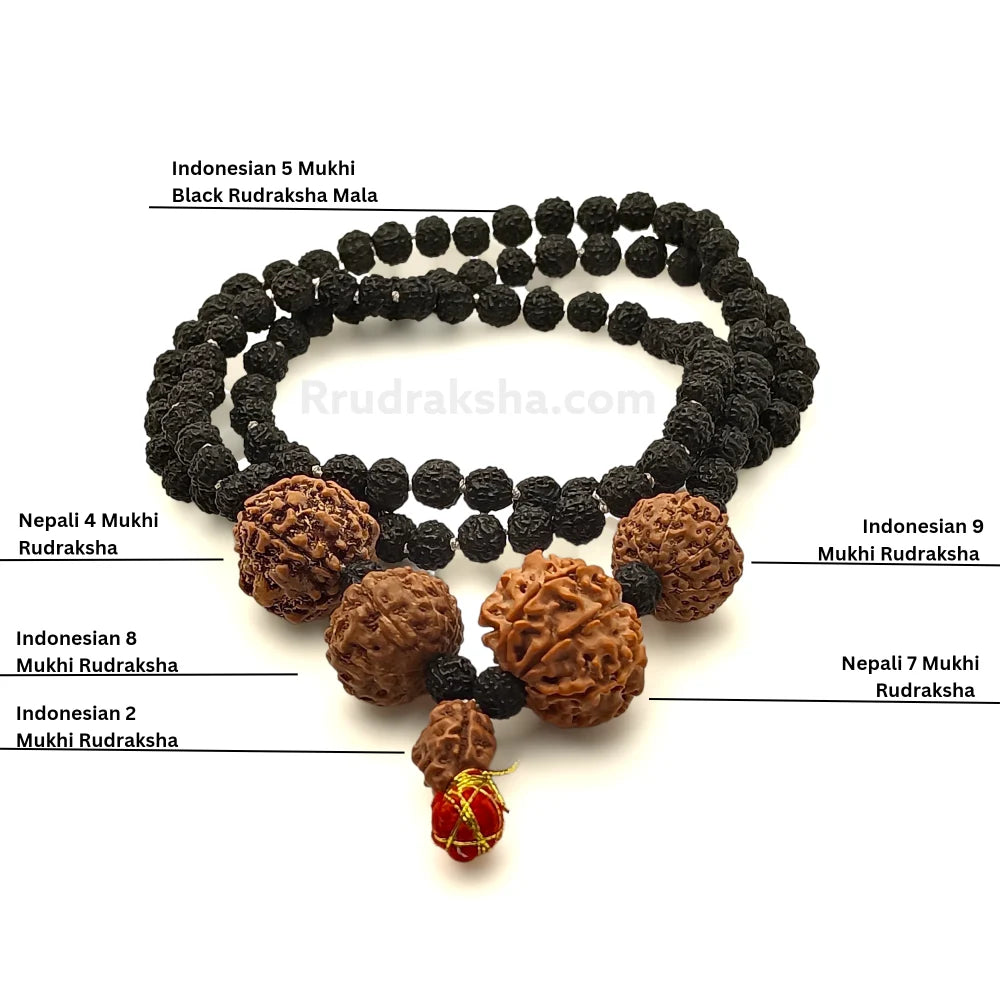
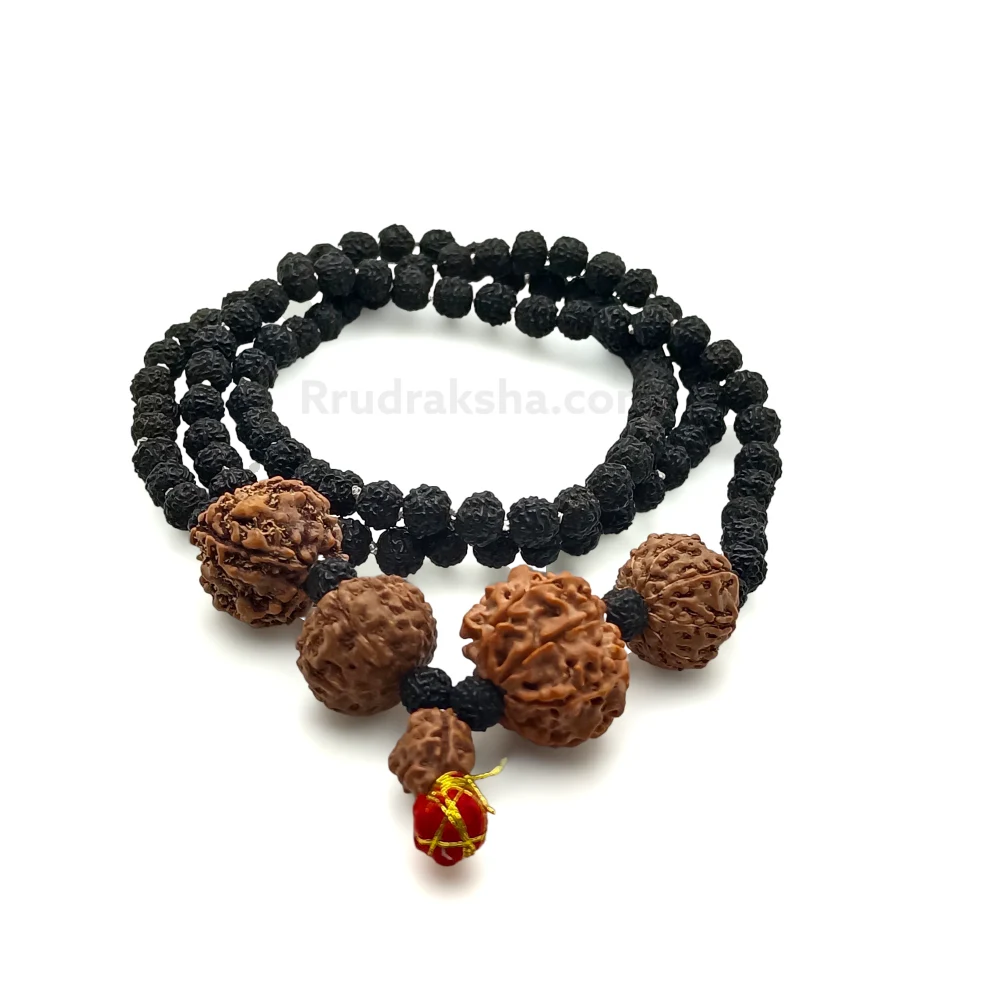
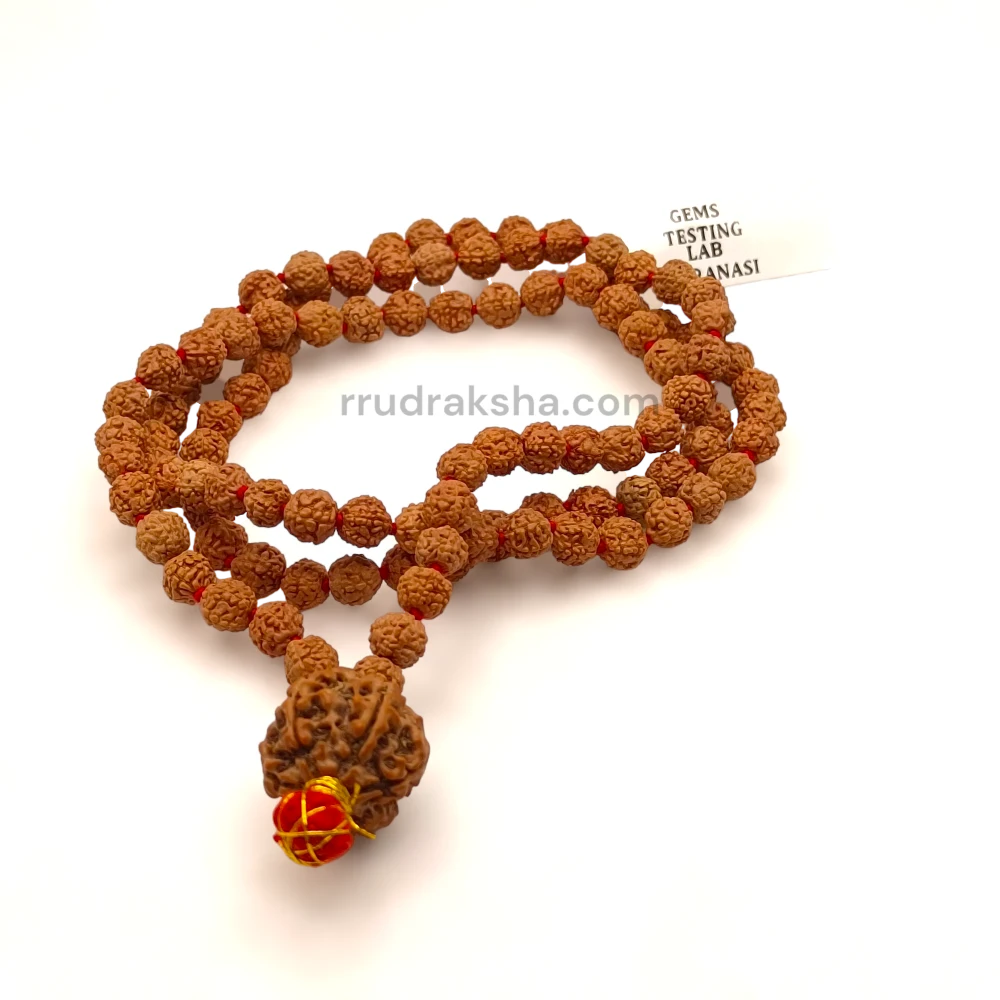
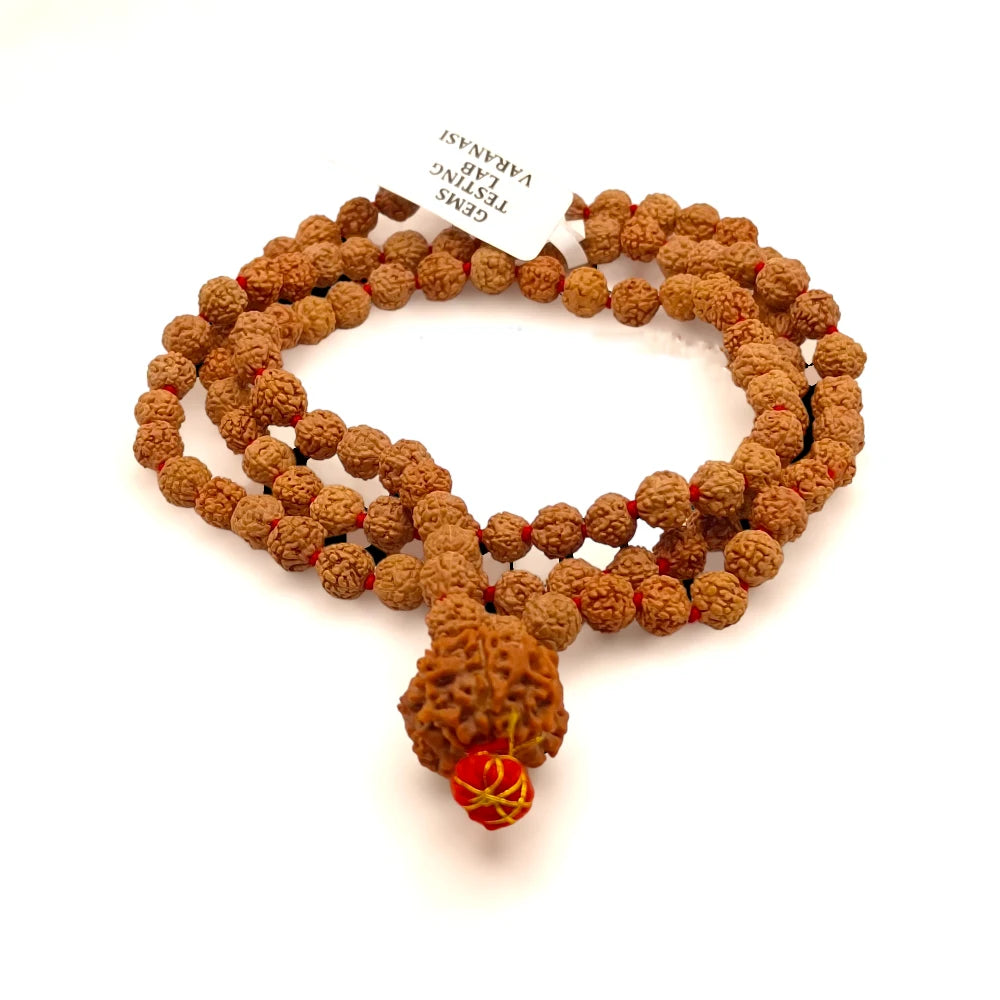
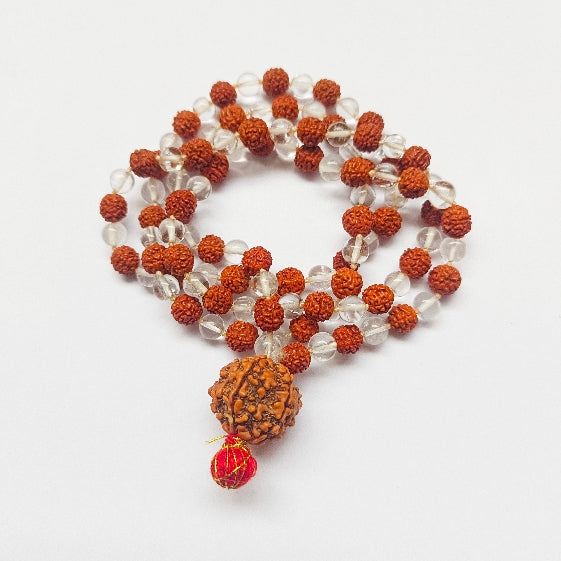
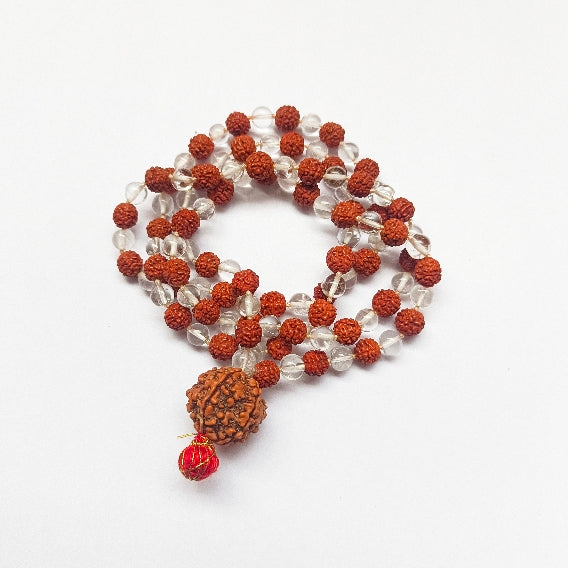
When Rudraksha beads are used in malas or bracelets, grading helps ensure visual consistency. Beads are selected to match in size and shape, creating a balanced final product.
🧠 Buyer Awareness and Realistic Expectations
Understanding the grading system helps buyers set realistic expectations and make confident decisions.
📊 Market Terminology and Grading Labels – A Deeper Buyer Perspective
When buyers begin exploring Rudraksha, they quickly encounter labels such as “Premium Quality,” “Collector Grade,” “AAA Grade,” or “Temple Quality.” These terms can sound authoritative, but many buyers are unsure what they actually represent. Unlike gemstones or diamonds, Rudraksha does not have a globally standardized grading authority. Instead, grading terminology evolved organically within the marketplace to help communicate relative quality differences.
Understanding this context is essential. These labels are best viewed as a quality spectrum rather than strict scientific categories. They help buyers compare beads within the same seller’s inventory and set expectations regarding appearance, size, and finishing.
Why Sellers Use Quality Labels
Rudraksha inventory can include thousands of beads with subtle variations in appearance. Sellers need a way to categorize these beads into groups that are easier for buyers to understand. Quality labels act as shorthand descriptions that communicate relative visual appeal, finishing, and uniformity.
For example, beads placed in higher-grade categories typically show consistent color tone, uniform surface texture, and visually appealing structure. Lower-grade categories may include beads with uneven coloration or irregular visual characteristics. These variations are natural outcomes of growth conditions rather than indicators of authenticity.
🪵 Understanding Natural Imperfections Without Misinterpretation
A major challenge for new buyers is distinguishing between natural variation and actual damage. Rudraksha beads form organically inside fruit, which means no two beads develop identically. Small variations in texture, color tone, or surface pattern are normal and expected.
Over time, experienced collectors learn to appreciate these variations as part of the bead’s natural identity. Instead of expecting machine-like uniformity, informed buyers focus on durability, stability, and overall appearance.
Natural Texture vs Structural Damage
Natural texture includes uneven surfaces, slight color variation, and unique shape patterns. Structural damage, on the other hand, involves cracks, weak points, or deep fractures that may affect long-term durability. Understanding this distinction helps buyers evaluate quality more confidently.
🔬 Certification vs Grading – Understanding Their Roles
Certification and grading are often confused, yet they serve completely different purposes. Certification focuses on authenticity verification, while grading evaluates physical appearance and quality characteristics.
A bead can be authentic but fall into different grading categories based on appearance and finish. Similarly, a high-grade bead still benefits from certification to confirm authenticity.
📿 Visual Consistency in Mala Crafting
When Rudraksha beads are used to create malas or bracelets, visual harmony becomes an important consideration. Artisans carefully select beads that complement one another in size, tone, and surface appearance. This matching process ensures that the final mala appears balanced and aesthetically pleasing.
Creating this harmony requires time and careful selection, which contributes to the final product’s perceived quality and value.
🧠 Building Realistic Buyer Expectations
The purpose of a grading system is not to create confusion or hierarchy, but to help buyers develop realistic expectations. When buyers understand how natural variation, craftsmanship, and finishing influence quality categories, they can make informed decisions with greater confidence.
This awareness transforms the buying experience from uncertainty into understanding, helping buyers focus on suitability and personal preference rather than confusing terminology.
🏷️ How Sellers Internally Sort Rudraksha Inventory
Behind the scenes, Rudraksha sellers often maintain large inventories that include beads collected across different seasons, regions, and harvest cycles. Before these beads ever reach a product page or showroom, they typically pass through a multi-step sorting process. This internal sorting helps sellers organize beads into visually consistent groups before assigning quality labels.
This stage is rarely visible to buyers, yet it plays a crucial role in the final grading system that customers see.
Step 1: Initial Size Segmentation
The first level of sorting usually involves grouping beads by size ranges. Even small differences in diameter can become noticeable when beads are strung together in malas. Separating beads by size helps create uniform sets later in the crafting process.
Step 2: Surface Pattern Matching
After size sorting, beads are examined for surface consistency. Workers compare surface tone, texture, and groove depth to create visually cohesive batches. This stage helps ensure malas and bracelets look balanced rather than mismatched.
Step 3: Structural Durability Check
Before beads move to the next stage, their durability is assessed. Beads that show signs of weakness are separated to prevent future issues during drilling or stringing. This process helps maintain product reliability.
🎨 The Role of Visual Harmony in Finished Products
When customers see a finished Rudraksha mala, they often focus on the overall appearance without realizing the careful selection process behind it. Creating a visually harmonious mala requires matching dozens or even hundreds of beads with similar characteristics.
This matching process takes time and skilled judgment. The effort involved contributes to differences in pricing between malas that appear similar at first glance.
📦 Batch Grading vs Individual Bead Grading
Another important distinction in the grading system is the difference between batch grading and individual bead grading. Individual grading evaluates a single bead’s characteristics, while batch grading evaluates how well a group of beads match when assembled into a product.
This distinction becomes especially relevant for malas and bracelets, where uniformity plays a major role in visual appeal.
🌍 Market Expectations Across Regions
Buyer expectations can vary between markets. Some buyers prioritize larger beads and bold appearance, while others prefer smaller beads suitable for daily wear. Sellers often adapt grading categories to meet these regional preferences.
This variation explains why grading terminology may differ slightly across markets and sellers.
🧠 The Importance of Transparent Communication
Clear communication between sellers and buyers helps build trust. When grading terminology is explained openly, buyers feel more confident about their choices. Transparency transforms grading from a confusing concept into a helpful guide.
This understanding empowers buyers to navigate the Rudraksha market with clarity and confidence.
Frequently Asked Questions (FAQs) ❓
1. What does Rudraksha grading mean?
Rudraksha grading refers to evaluating beads based on size, surface definition, symmetry, durability, and overall appearance.
2. Is there an official grading authority for Rudraksha?
No. Grading terminology is commonly used by sellers to describe relative quality levels.
3. Does higher grade mean more powerful Rudraksha?
No. Grading reflects physical appearance and quality, not spiritual suitability.
4. Are small beads lower grade?
Not necessarily. Smaller beads may simply be more common in nature.
5. Do malas use graded beads?
Yes. Matching beads helps create visually balanced malas and bracelets.
6. Can natural imperfections reduce grade?
Minor variations are natural and expected.
7. Is certification the same as grading?
No. Certification verifies authenticity, while grading evaluates appearance.
8. Why do sellers use terms like premium or AAA?
These labels help communicate relative quality levels.
9. Does grading affect price?
Yes. Higher grade beads may require more selection and craftsmanship.
10. How should buyers use grading information?
As a guide to compare products and set expectations.
✅ Conclusion 📌
The Rudraksha grading system helps buyers understand natural variation, craftsmanship, and visual quality. While grading labels are not standardized globally, they provide a helpful framework for comparing beads and products.
By understanding how grading works, buyers can make informed decisions with confidence and clarity.
🙏 हर हर महादेव 🙏





Leave a comment