


🧿 Why Most Rudraksha in the Market Are Mislabelled: Understanding Common Fraud Patterns
Rudraksha has always been positioned as a sacred object — not because it promises miracles, but because it represents discipline, continuity, and restraint. Historically, Rudraksha was never chosen in haste. It was observed, understood, and worn patiently. Yet today, the Rudraksha market looks very different. Labels are loud, claims are urgent, and accuracy often takes a back seat.
This blog is not written to create fear or suspicion. It is written to restore clarity. Most mislabelling in the Rudraksha market does not happen because of deliberate fraud alone. It happens when commercial pressure replaces traditional understanding, and when speed becomes more important than correctness.
To understand why mislabelling has become so widespread, we need to step back and examine how Rudraksha was traditionally approached — and how that approach slowly disappeared.
⏳ Rudraksha Was Never a Quick Solution
In traditional systems, Rudraksha was not selected during crisis moments. It was chosen after observing one’s lifestyle, responsibilities, mental stability, and consistency of effort. The question was never, “Which bead will fix my problem fastest?” The real question was, “Which bead supports the phase of effort I am already committed to?”
Modern buyers often approach Rudraksha as a shortcut. Stress appears — a bead is bought. Financial pressure increases — another bead is added. Relationship instability — a stronger bead is suggested. This mindset creates urgency, and urgency creates the perfect environment for mislabelling.
When buyers are rushed, accuracy becomes optional. Labels become more important than understanding.
🔍 Where Mislabelling Usually Begins: Mukhi Identification
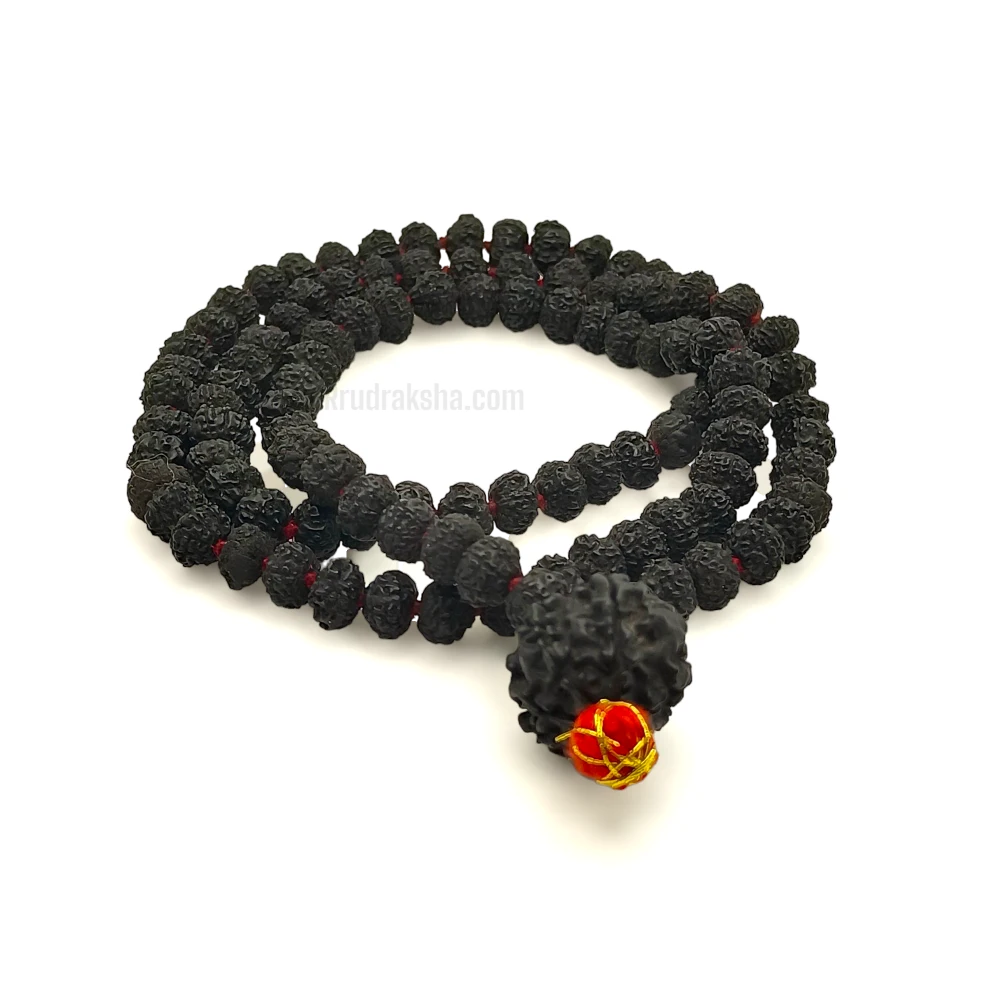
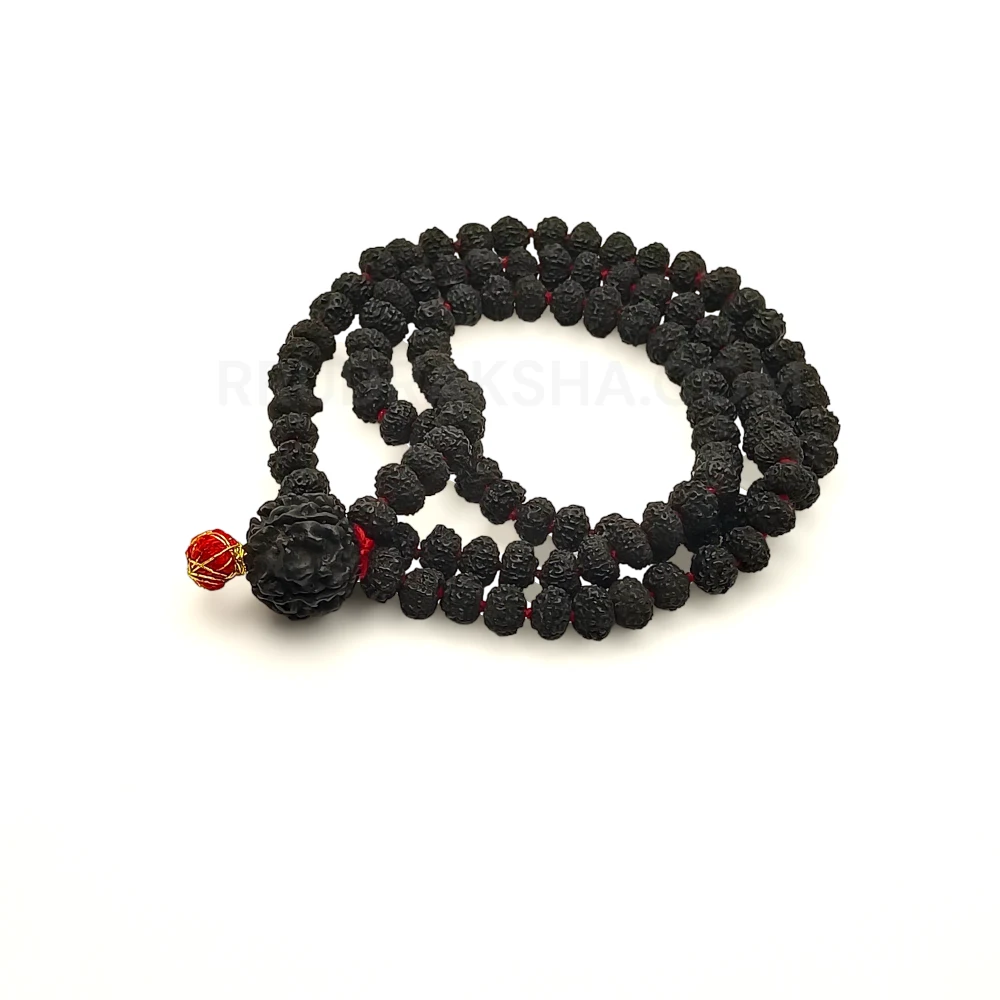
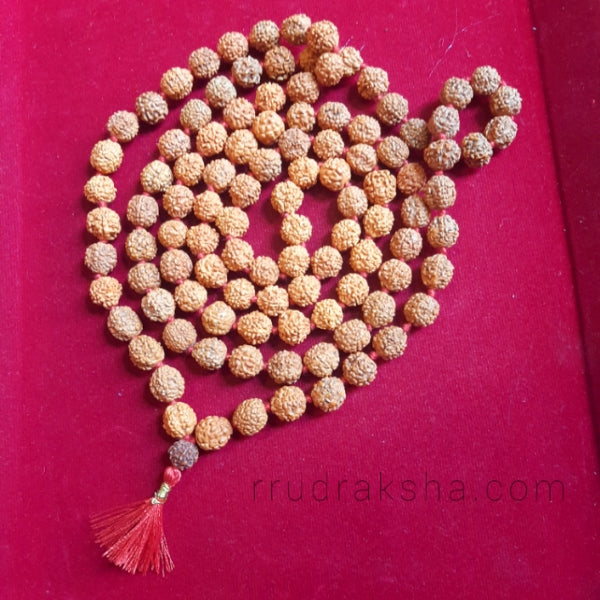
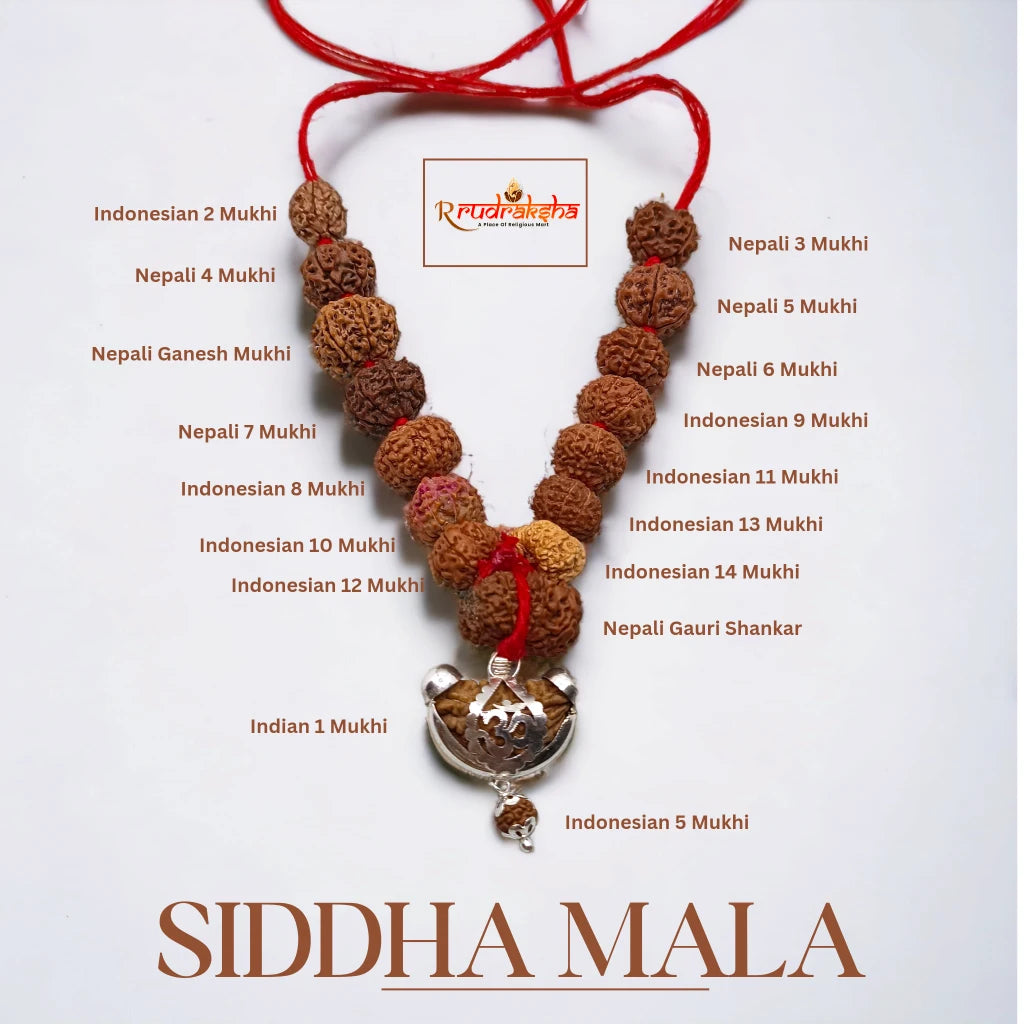
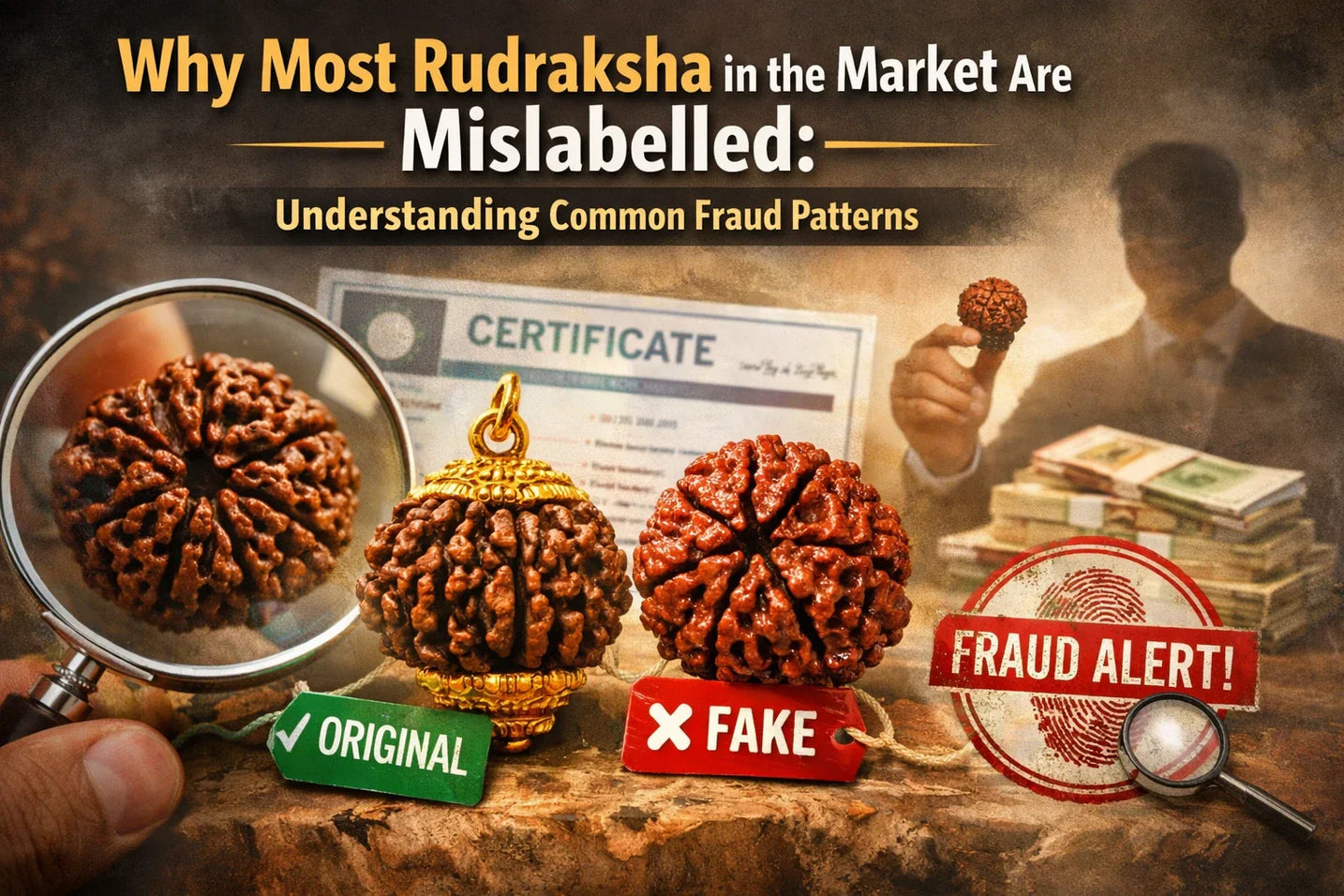
The most common source of mislabelling is incorrect mukhi identification. A mukhi is not just a visible line on the surface of the bead. It is a natural structural division that must run clearly from top to bottom, uninterrupted.
Many beads sold today are identified based on partial grooves, surface cracks, or texture patterns that resemble mukhi lines but are not true divisions. This problem is especially common with Indonesian Rudraksha, where natural surface textures can confuse untrained observation.
Because buyers rarely know how to verify mukhi structure themselves, incorrect identification often goes unquestioned. Over time, this error becomes normalized in the market.
⚠️ How “Rarity” Became a Selling Tool
Rarity is one of the most misused words in the Rudraksha trade. The rarer the bead sounds, the faster it sells. This has encouraged sellers to label commonly available beads as rare simply to increase perceived value.
True rarity in Rudraksha depends on multiple factors — tree yield, geographical origin, natural formation, and statistical probability. Without understanding these factors, rarity becomes a marketing term rather than a factual description.
Many buyers are never taught this difference. As a result, rarity is assumed rather than verified.
📜 Certification Helps, But It Is Not Absolute Protection
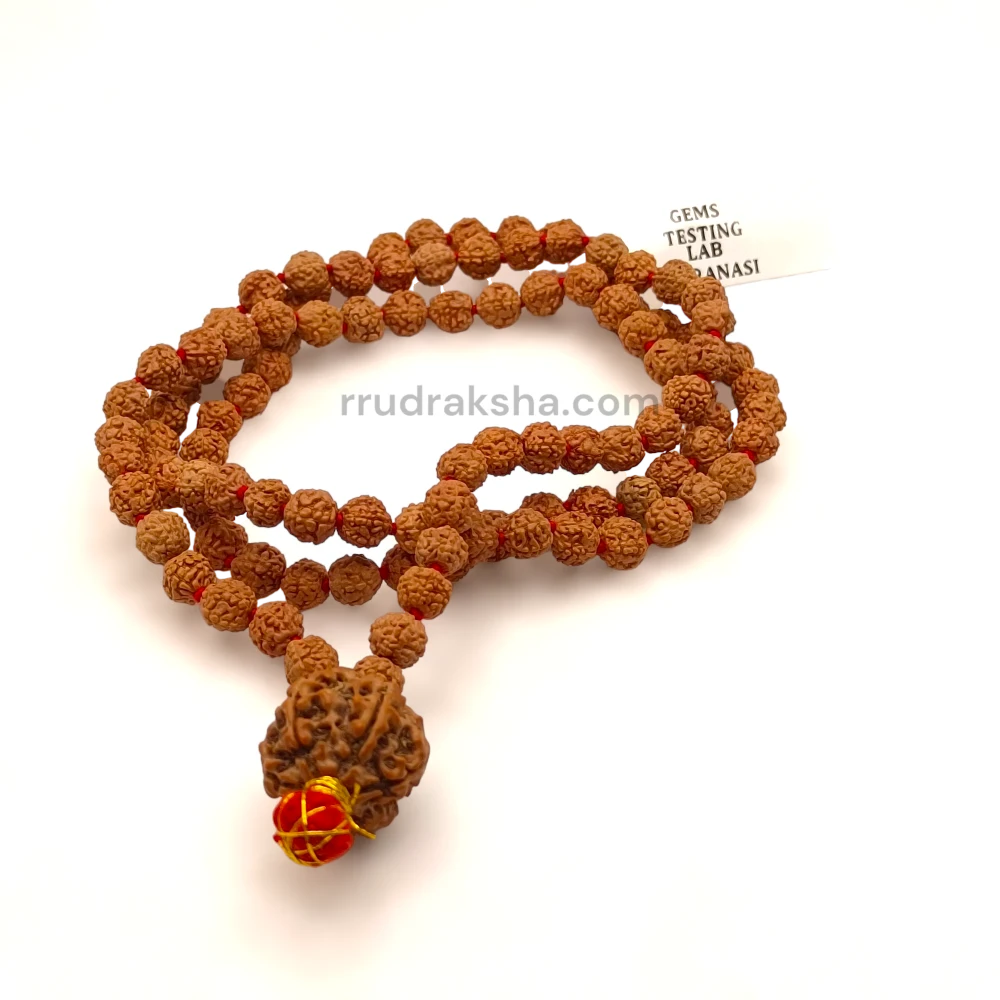
Laboratory certification has improved awareness, but it is not a complete safeguard. Certificates confirm botanical identity, not always correct mukhi interpretation or suitability for the wearer.
A bead can be natural and still be incorrectly labelled in terms of mukhi count, rarity, or purpose. Certification must be understood — not blindly trusted.
Traditional systems never relied on certificates alone. They relied on observation, consistency, and long-term association.
🧠 Why Buyers Must Learn to Read Claims Carefully
One of the biggest reasons mislabelling continues is because buyers are rarely taught how to evaluate claims. Promises of instant results, guaranteed outcomes, or dramatic transformations contradict the philosophy Rudraksha is based on.
Rudraksha does not replace effort. It supports steadiness. It does not remove responsibility. It reinforces discipline. When claims sound urgent or absolute, they deserve questioning rather than acceptance.
Correct understanding does not require suspicion — it requires education.
🧩 The Long-Term Cost of Mislabelling
The damage caused by mislabelling is not only financial. It creates confusion, erodes trust, and disconnects Rudraksha from its original role. When expectations fail, people blame the bead instead of the misunderstanding.
Over time, this weakens the tradition itself. Tools meant for stability are reduced to superstition.
Restoring integrity to Rudraksha requires slowing down — asking better questions, observing patterns, and remembering that true spiritual tools were never meant to impress. They were meant to stabilize.
❓ Frequently Asked Questions (FAQs)
Why is Rudraksha mislabelling so common today?
Rudraksha mislabelling has increased due to commercial pressure, lack of traditional training, and buyer urgency. When speed and sales replace observation and patience, accuracy often suffers.
Are all uncertified Rudraksha fake?
No. Many authentic Rudraksha exist without certification. However, without proper knowledge, buyers may struggle to verify mukhi count, origin, or suitability on their own.
Can a certified Rudraksha still be mislabelled?
Yes. Certification confirms botanical authenticity, but it may not always guarantee correct mukhi interpretation, rarity claims, or alignment with the wearer’s needs.
How can a buyer reduce the risk of purchasing mislabelled Rudraksha?
Buyers should prioritize education over urgency, question exaggerated claims, understand basic mukhi structure, and choose sellers who emphasize suitability and long-term use rather than instant results.
Does a higher mukhi always mean a better Rudraksha?
No. Higher mukhi Rudraksha are not inherently superior. Traditionally, suitability, consistency, and the wearer’s discipline mattered more than rarity or mukhi number.
Why do instant-result claims contradict Rudraksha tradition?
Rudraksha was never meant to override effort or responsibility. Claims promising immediate transformation conflict with its original purpose of supporting steadiness, restraint, and gradual alignment.
Is Indonesian Rudraksha more likely to be mislabelled?
Not inherently, but Indonesian Rudraksha often has surface textures that can confuse mukhi identification. Without proper training, this increases the chance of honest misinterpretation.
What is the biggest mistake buyers make when choosing Rudraksha?
The biggest mistake is seeking urgency-driven solutions. When Rudraksha is approached as a quick fix rather than a long-term companion, mislabelling becomes easier to overlook.
Can mislabelled Rudraksha cause harm?
The harm is usually psychological rather than physical. Incorrect expectations, disappointment, and loss of trust arise when the bead does not match the claims made about it.
What mindset aligns best with authentic Rudraksha use?
A mindset of patience, observation, and responsibility aligns best. Rudraksha supports discipline — it does not replace it.
🪔 Final Perspective 🔚
Rudraksha has survived centuries not because it promised miracles, but because it supported discipline. When chosen correctly and understood properly, it complements effort rather than replacing it.
Mislabelling thrives where urgency dominates. Accuracy returns when awareness leads. The future of the Rudraksha tradition depends not on louder claims, but on quieter understanding.
🙏 हर हर महादेव 🙏





Leave a comment