
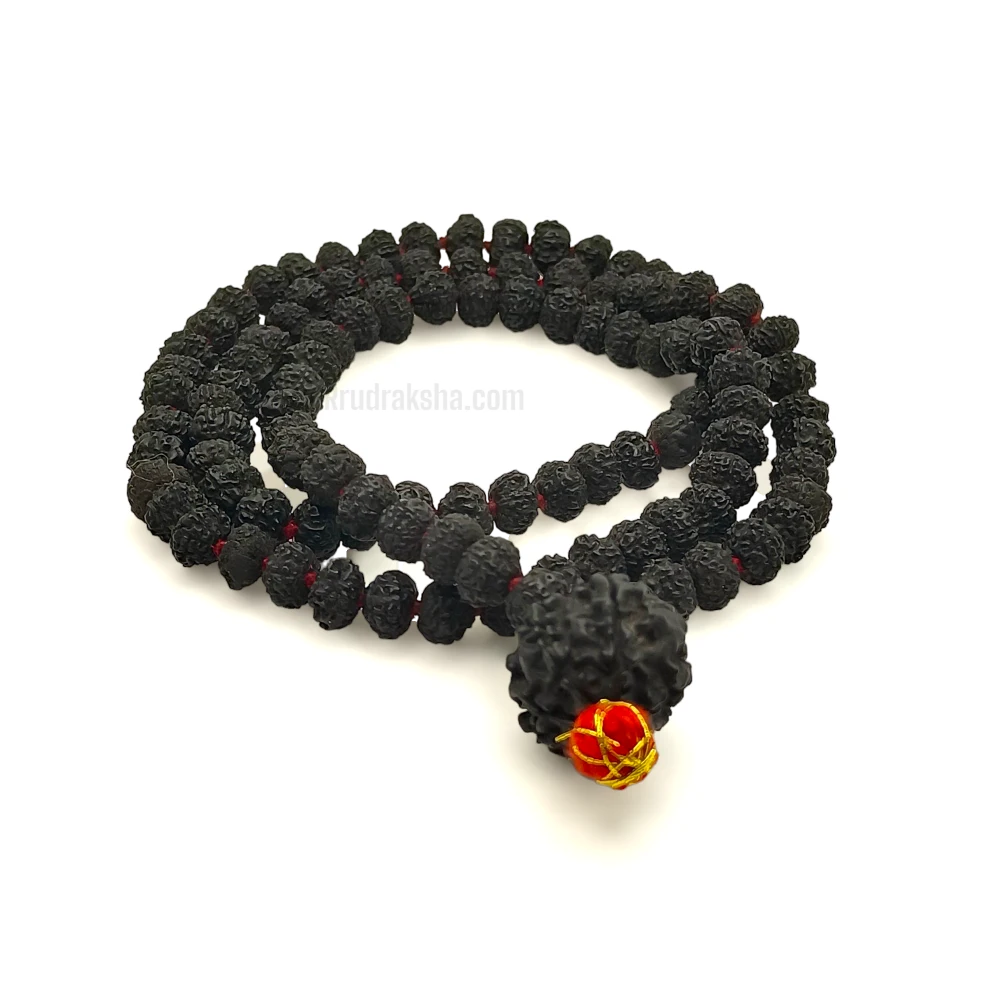
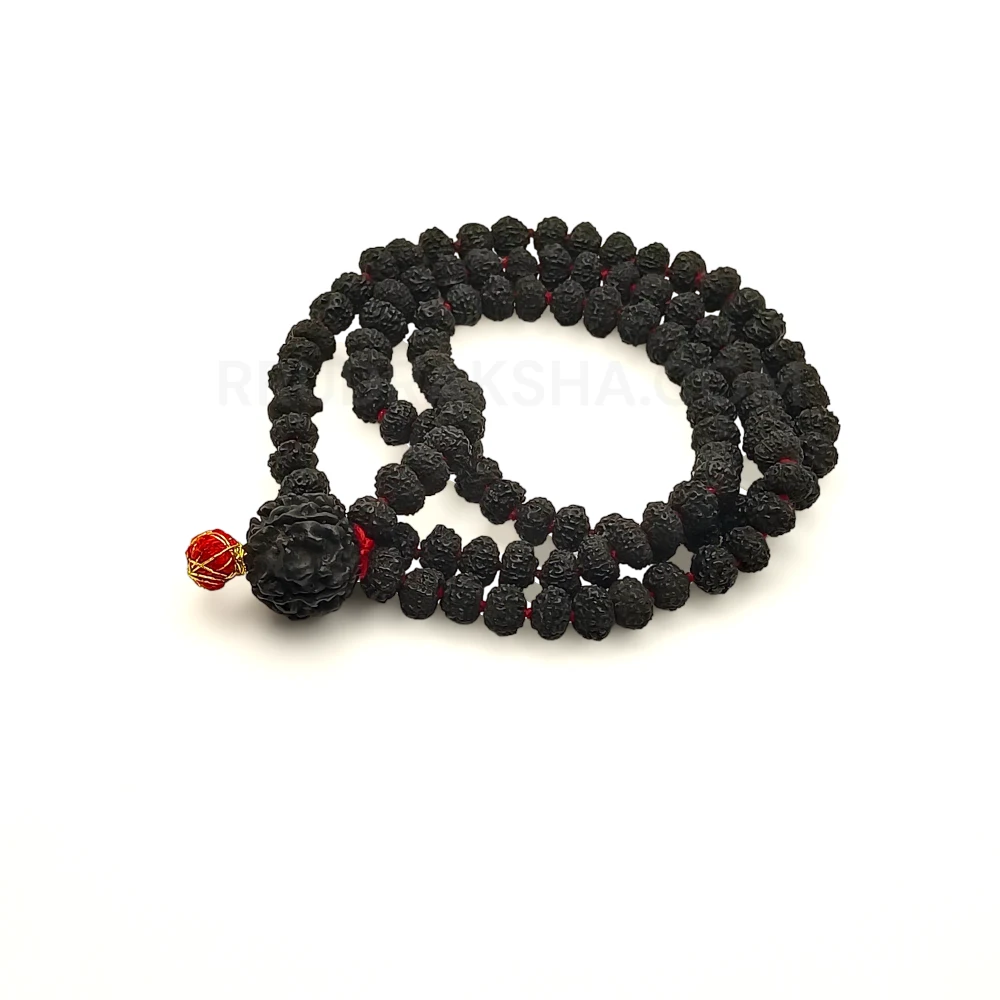
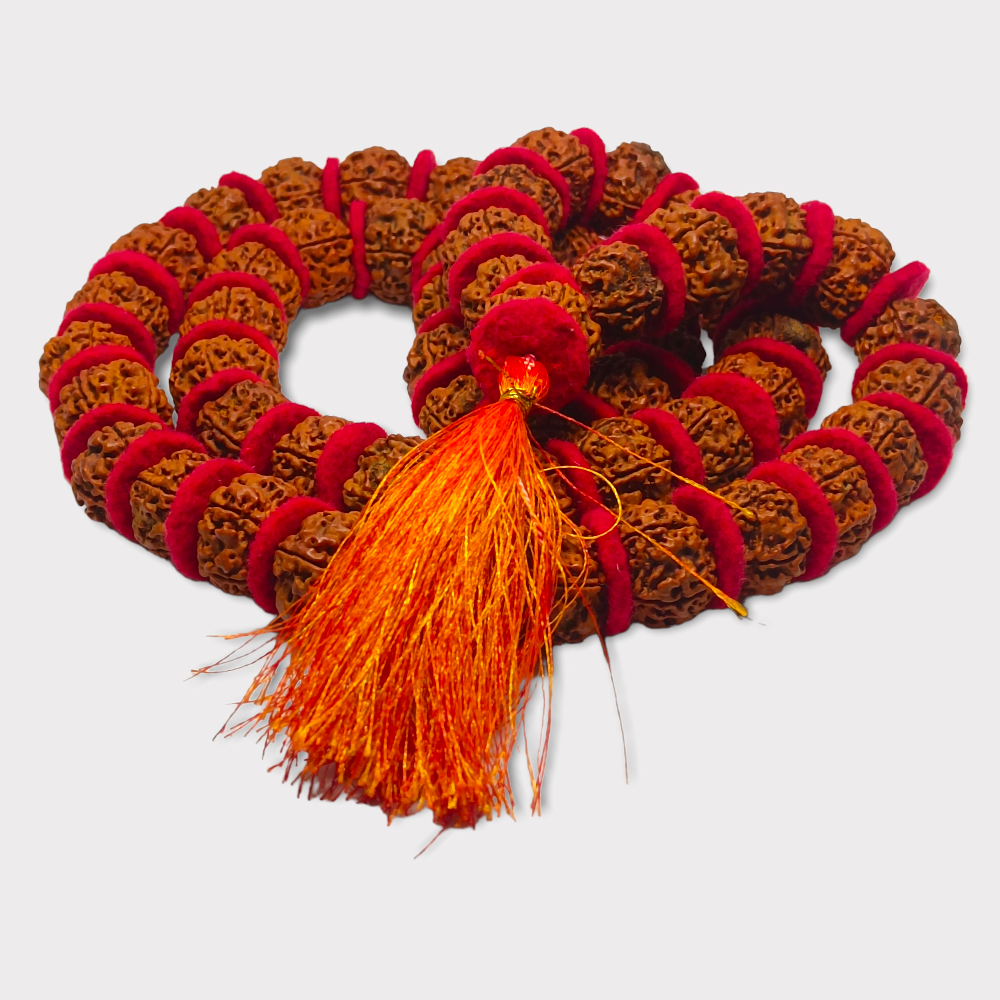
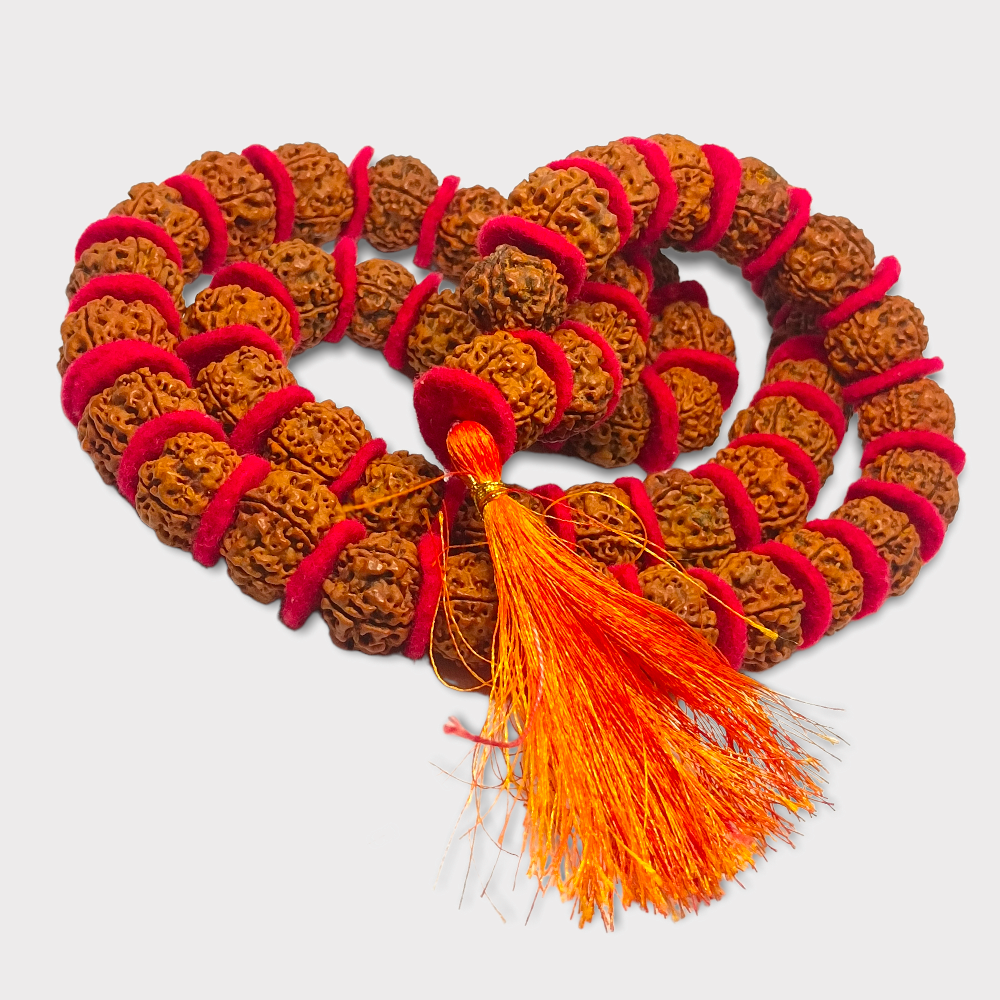


📿 The Assumption That Bigger or Rarer Means Better
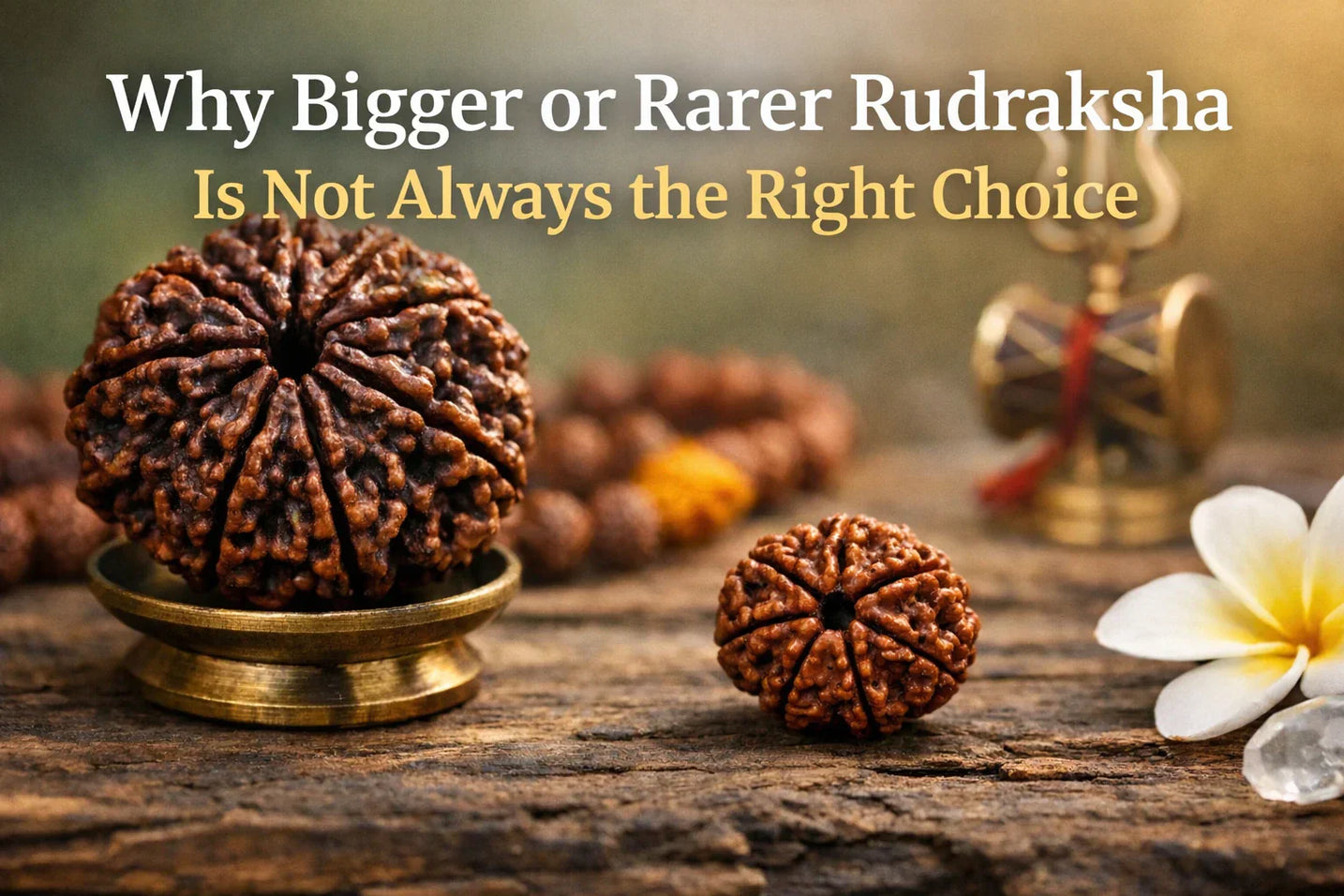
In the Rudraksha world, one belief quietly dominates most buying decisions: that a bigger bead or a rarer Mukhi must naturally be more powerful, more effective, or more suitable. This assumption is rarely questioned because it mirrors how value works in material life. Bigger homes, rarer metals, premium labels, and limited editions are usually associated with higher worth. When this logic is carried into spiritual tools, it feels intuitive rather than examined.
However, spiritual tools operate on a different principle than material assets. Their effectiveness is not measured by rarity, size, or market value, but by compatibility, consistency, and the capacity of the wearer to integrate them into daily life. When these factors are ignored, even the most authentic and rare Rudraksha can feel burdensome rather than supportive.
⚖️ How Market Narratives Shape Rudraksha Choices
Modern exposure has significantly influenced how Rudraksha is perceived. Social media, product listings, and promotional content often highlight size, rarity, and exclusivity. Phrases like “most powerful,” “very rare,” or “highest Mukhi” subtly create a hierarchy in the mind of the buyer. Over time, this hierarchy turns into pressure. Choosing something simpler begins to feel like settling for less.
This pressure rarely comes from tradition. It comes from comparison. When seekers compare their choices with others, the focus shifts from suitability to status. Instead of asking, “Is this right for me?” the question becomes, “Am I choosing enough?” This shift is the first step toward misalignment.
🧩 The Psychological Weight of Wearing Something ‘Premium’
Wearing a bigger or rarer Rudraksha often carries an unspoken psychological load. The wearer becomes hyper-aware of the object, its value, and the expectations attached to it. This awareness can create subtle tension. Instead of fading into the background as a stabilizing anchor, the Rudraksha becomes a focal point of monitoring.
Thoughts begin to arise: Am I wearing it correctly? Am I disciplined enough? Am I doing justice to something so rare? These questions do not strengthen practice; they fragment it. The tool, which is meant to support steadiness, inadvertently becomes a source of self-evaluation and pressure.
🪨 Size, Comfort, and Daily Wear Reality
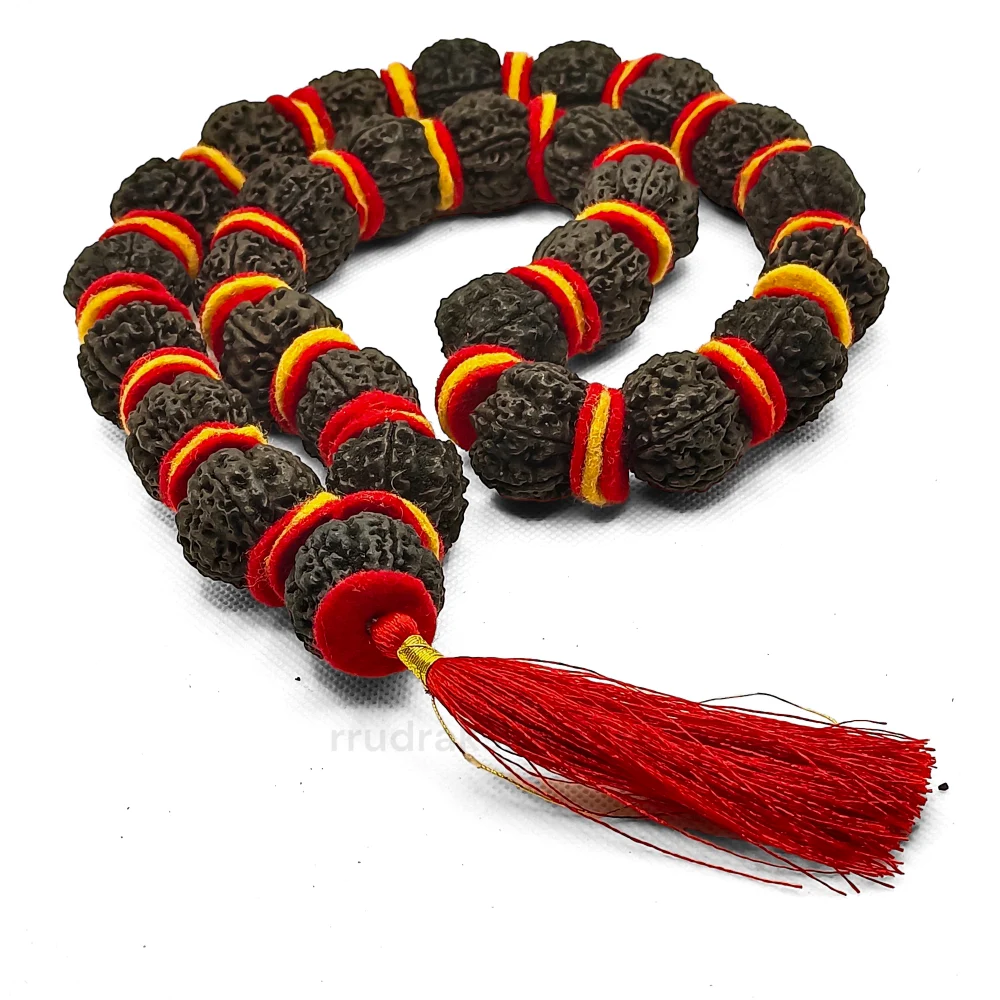
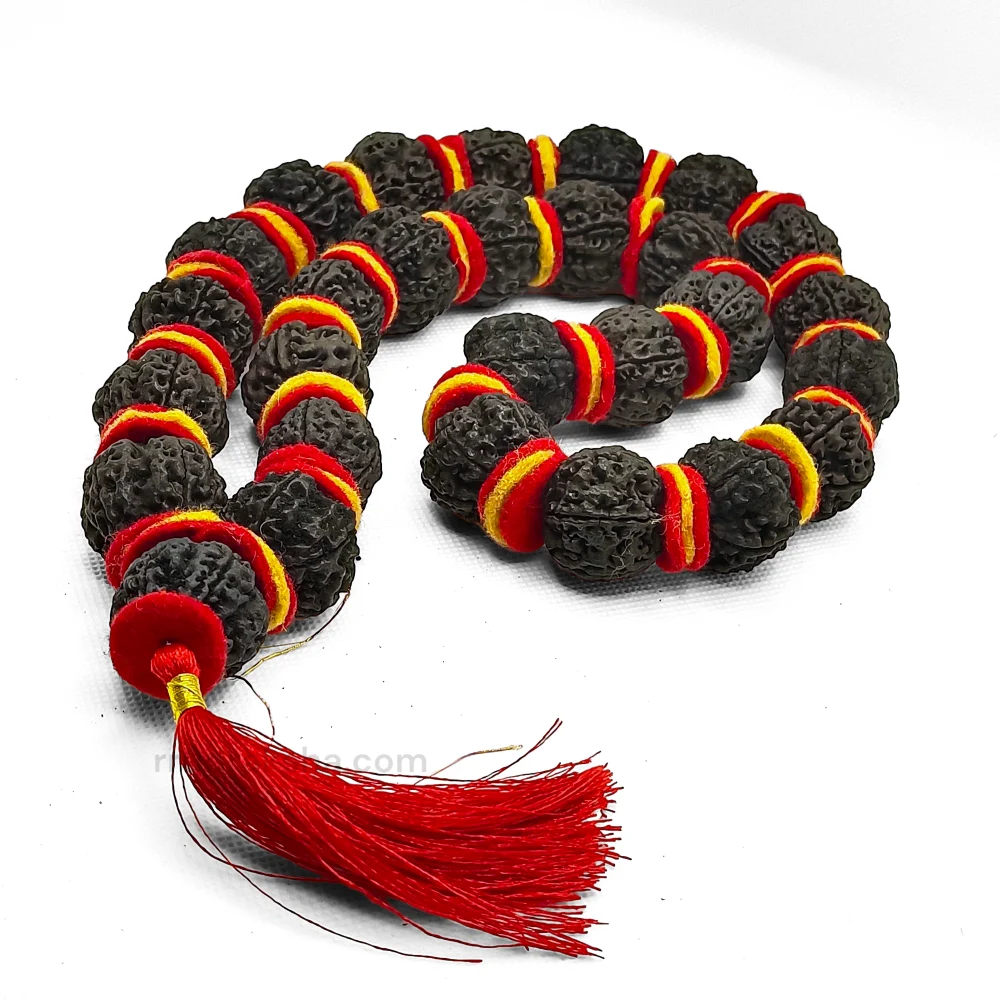
Beyond psychology, there is the practical reality of size. Larger Rudraksha beads are heavier, more noticeable, and often less comfortable for continuous daily wear. While they may appear impressive, they can interfere with routine activities, clothing, sleep, and movement. Discomfort leads to inconsistency, and inconsistency weakens any spiritual discipline.
A smaller or simpler Rudraksha, when worn consistently without discomfort, often proves more supportive over time than a larger bead worn intermittently. Consistency builds familiarity, and familiarity builds trust. Trust allows the mind to relax, which is where stability develops.
🔄 Why Rarity Can Create Expectation Pressure
Rarity naturally amplifies expectation. When something is described as rare, the mind expects extraordinary outcomes. These expectations often operate silently, influencing how experiences are interpreted. When results do not match heightened expectations, disappointment follows—not because the Rudraksha failed, but because expectations were unrealistic.
This disappointment often leads to doubt, tool-switching, or the belief that something is “wrong.” In many cases, the issue is not the Rudraksha but the mismatch between expectation and integration. Rare Rudraksha are not designed to compensate for impatience or inconsistency. They require the same, if not greater, steadiness as simpler forms.
📜 Why Most Seekers Traditionally Did Not Begin with Rare Rudraksha
In traditional spiritual environments, Rudraksha was introduced as a support for discipline, not as a display of attainment. Most seekers began with simple, stable forms that could be worn daily without distraction. This was not because rarer Rudraksha were unknown, but because readiness was valued more than possession. The emphasis was always on building consistency first. Only when practice became steady and self-directed were additional or rarer tools considered, and even then, they were introduced cautiously.
This gradual approach protected the seeker from premature expectations. A simple Rudraksha allowed attention to settle without pressure. There was no sense of having to “live up” to the object being worn. Over time, familiarity replaced novelty, and the tool blended seamlessly into daily life. This blending is what allowed spiritual tools to function as anchors rather than distractions.
🧭 Aspiration Versus Readiness: Where Mismatch Begins
Aspiration is natural. Wanting to progress, deepen practice, or choose something meaningful reflects sincerity. Problems arise when aspiration moves faster than readiness. Bigger or rarer Rudraksha often represent an aspirational jump rather than a grounded step. The wearer may admire the idea of commitment more than the reality of sustaining it.
Readiness involves patience, routine, and the ability to remain steady without constant validation. When a Rare Rudraksha is chosen before these qualities are established, the mind compensates by overthinking. Instead of settling into discipline, the wearer monitors outcomes, compares experiences, and questions suitability. This internal turbulence is often mistaken for transformation, but it usually signals imbalance.
⏳ Why Premium Choices Can Slow Progress
Premium spiritual tools carry implicit timelines. The expectation that something rare should deliver quicker or stronger results compresses patience. When results are expected sooner, the mind becomes impatient sooner. This impatience erodes the quiet persistence required for any meaningful practice. Ironically, what was chosen to accelerate progress often ends up slowing it.
Progress in spiritual discipline is subtle and cumulative. It depends on repetition, not intensity. When premium choices increase pressure, repetition suffers. Days are skipped, routines are adjusted excessively, and self-trust weakens. In contrast, simpler tools encourage regularity. They demand less attention and allow effort to remain focused on practice rather than evaluation.
🪨 Physical Presence and the Burden of Awareness
Larger Rudraksha beads have a stronger physical presence. They are heavier, more noticeable, and harder to ignore. While some may see this as beneficial, constant awareness can also be disruptive. When the body repeatedly registers the presence of an object, the mind is pulled back to it. Instead of fading into the background, the tool becomes foreground.
For many, this heightened awareness interrupts natural flow. Activities feel segmented, attention shifts frequently, and comfort decreases. Over time, the desire to remove the bead increases, not because of incompatibility, but because of fatigue. A tool that is frequently removed cannot build continuity. Continuity is more important than prominence.
🔄 How Comparison Distorts Rudraksha Choices
Comparison plays a significant role in the appeal of bigger and rarer Rudraksha. Seeing others wear large beads or high Mukhi creates a subtle benchmark. Choices become influenced by visibility rather than necessity. This comparison-driven selection often ignores personal lifestyle, temperament, and capacity.
When comparison guides choice, satisfaction becomes fragile. There is always something larger, rarer, or more exclusive. This endless ladder keeps attention external. Instead of settling into one’s own rhythm, the seeker remains in a state of evaluation. Simpler choices, though less impressive outwardly, often support deeper inward stability.
🏙️ Lifestyle Compatibility: Where Many Choices Quietly Fail
One of the most underestimated factors in choosing Rudraksha is lifestyle compatibility. A bead may be authentic, rare, and spiritually significant, yet still be unsuitable for the daily rhythm of the wearer. Modern life involves travel, work environments, social interactions, physical movement, and changing schedules. When a Rudraksha is too large, too heavy, or too conspicuous, it often conflicts with these realities. What begins as reverence gradually turns into adjustment, and adjustment slowly becomes avoidance.
When a tool requires frequent modification—removal during work, concealment under clothing, or careful handling during routine activities—it interrupts continuity. Continuity is essential because spiritual tools function through regular association, not occasional use. A smaller, simpler Rudraksha that can be worn effortlessly throughout the day often integrates more deeply than a larger one that is worn selectively.
🧘 Consistency Over Intensity: The Quiet Advantage
Intensity is often mistaken for depth. Bigger or rarer Rudraksha can feel intense simply because of their physical presence and the expectations attached to them. This intensity, however, does not guarantee stability. Stability grows from consistency—the ability to remain connected without strain. Consistency does not demand constant attention; it allows attention to settle naturally.
When a Rudraksha is comfortable and unobtrusive, it becomes part of the wearer’s baseline rather than a constant reminder. This baseline presence supports steadiness. Over time, steadiness has a cumulative effect, subtly influencing discipline, focus, and behavior. Intensity, by contrast, often fluctuates. What feels powerful initially may feel heavy later, leading to cycles of enthusiasm and withdrawal.
🔕 Why Quiet Support Often Outperforms Dramatic Presence
Spiritual tools are most effective when they do not demand constant acknowledgment. Quiet support allows the mind to relax. When the tool fades into the background, attention can turn inward toward practice, awareness, and conduct. This inward turn is where meaningful change occurs.
Dramatic presence, whether through size, rarity, or visibility, keeps attention outward. The wearer remains conscious of what is being worn, how it looks, and what it represents. This outward focus can dilute the inward orientation that spiritual practice aims to cultivate. Simpler Rudraksha often excel precisely because they do not compete for attention.
🧩 Suitability as a Living, Not Static, Choice
Suitability is not a fixed label applied once and forever. It evolves with the individual. What may feel overwhelming at one stage can feel natural at another. The mistake lies in assuming that readiness can be purchased through size or rarity. Readiness develops through habit, patience, and familiarity.
Recognizing suitability as dynamic encourages humility in choice. It allows seekers to begin where they are rather than where they imagine they should be. This humility reduces pressure and creates space for genuine growth. When growth is organic, progression happens naturally, without force or comparison.
🔄 How Simpler Choices Often Build Stronger Foundations
Foundations are built through repetition, not prestige. A Rudraksha that supports daily repetition—morning to night, activity to rest—creates a stable reference point. This reference point anchors behavior and intention over time. Larger or rarer beads may symbolize advancement, but symbolism alone cannot replace foundation.
When foundations are strong, advancement feels natural rather than aspirational. The transition to more complex tools, if it happens at all, is guided by necessity rather than desire. This progression mirrors traditional wisdom, where tools followed discipline, not the other way around.
⚖️ When Bigger or Rarer Rudraksha Actually Makes Sense
It is important to clarify that bigger or rarer Rudraksha is not inherently inappropriate. There are situations where such choices align naturally with a seeker’s stage, discipline, and lifestyle. The problem arises only when rarity is chosen as a shortcut rather than as a continuation. When a person has already developed steadiness, consistency, and a quiet relationship with simpler forms, transitioning to a rarer or larger Rudraksha can feel supportive rather than overwhelming.
In these cases, the bead does not demand attention because the mind is already trained to remain settled. Expectations are lower, patience is higher, and comparison has lost its grip. The Rudraksha becomes an extension of an existing discipline rather than a test of worthiness. This distinction is subtle but critical. The same object that feels heavy to one person may feel neutral or supportive to another, depending entirely on readiness.
🧭 How to Assess Readiness Without Pressure or Comparison
Readiness is not measured by years, labels, or external approval. It reveals itself through ease. If a tool can be worn consistently without discomfort, obsession, or constant evaluation, readiness is likely present. If wearing a Rudraksha triggers anxiety, excessive self-monitoring, or frequent questioning, it is usually a sign that the choice is premature.
Another indicator of readiness is reduced dependence on outcomes. When the desire for quick results fades, and practice becomes valuable for its own sake, the mind is less likely to overload a tool with expectation. This internal shift matters more than any external factor. Rare Rudraksha requires this level of internal maturity, not because it is powerful, but because it carries symbolic weight that the mind must be able to hold lightly.
🪜 Progression Without Urgency: A Healthier Path
Urgency is one of the biggest disruptors of spiritual alignment. The urge to “move ahead” often leads to skipping foundational stages. Bigger or rarer Rudraksha then becomes a marker of progress rather than a support for it. This inversion creates pressure, and pressure undermines stability.
A healthier progression allows practice to mature naturally. When tools are introduced in response to necessity rather than desire, they integrate smoothly. This approach reduces regret, minimizes confusion, and preserves trust in one’s own judgment. Progress becomes experiential rather than symbolic.
🧠 Choosing with Clarity Instead of Aspiration
Aspiration has value, but it must be balanced with self-awareness. Choosing a Rudraksha to match who one hopes to become can be motivating, but choosing one that ignores present capacity often backfires. Clarity lies in honest self-assessment rather than idealized identity.
When choices are made with clarity, tools support rather than challenge. The mind remains settled, routines remain intact, and discipline deepens quietly. In such conditions, size and rarity lose their dominance. Suitability becomes the guiding principle, restoring the original intent behind using spiritual tools at all.
We at rrudraksha.com provide not only genuine Rudraksha With Lab Certificate, But also ensures best premium quality in best reasonable prices
❓ Frequently Asked Questions (FAQs)
Is a bigger Rudraksha more powerful than a smaller one?
No. Size does not determine effectiveness. A Rudraksha supports the wearer through consistency and suitability, not physical dimensions. A smaller bead worn regularly often proves more beneficial than a larger one worn occasionally or with discomfort.
Does rare Mukhi Rudraksha work faster or stronger?
Rarity does not guarantee faster or stronger outcomes. Rare Rudraksha carries symbolic weight that requires patience, steadiness, and readiness. Without these qualities, expectations can overshadow integration, leading to disappointment rather than clarity.
Why do some people feel pressure after wearing premium Rudraksha?
Premium or rare Rudraksha often creates subconscious expectation. The wearer may feel the need to “live up” to the object, leading to overthinking and self-monitoring. This pressure interferes with the calming, grounding role Rudraksha is meant to play.
How can I know if I’m ready for a bigger or rarer Rudraksha?
Readiness is reflected in ease. If you can wear a Rudraksha comfortably, consistently, and without constantly evaluating results, readiness is likely present. If anxiety, discomfort, or frequent doubt arises, a simpler form may be more suitable.
Is it wrong to choose a simple Rudraksha instead of a rare one?
No. Simpler Rudraksha often builds stronger foundations. Spiritual growth values steadiness and discipline over prestige. Choosing simplicity is not a compromise; it is often a wiser starting point.
🧭 Final Conclusion 🌟
Suitability Creates Stability, Not Size or Rarity
The belief that bigger or rarer Rudraksha must be better is shaped more by market narratives and comparison than by traditional wisdom. Spiritual tools are not meant to impress or accelerate identity; they are meant to support steadiness, clarity, and consistency. When size or rarity introduces pressure, discomfort, or impatience, the very purpose of the tool is compromised.
True alignment comes from choosing what integrates smoothly into daily life. A Rudraksha that supports routine without drawing constant attention allows discipline to deepen quietly. Over time, this quiet steadiness produces far more meaningful change than any dramatic or aspirational choice.
By prioritizing suitability over prestige, seekers honor the original intent behind Rudraksha use. Progress then unfolds naturally—without urgency, without comparison, and without burden—guided by clarity rather than assumption.
🙏 हर हर महादेव 🙏





Leave a comment