



💰 Why Rudraksha Prices Vary So Much: Complete Buyer Guide
One of the most common questions asked by Rudraksha buyers is simple yet important: Why does the price of Rudraksha vary so much? A quick search online reveals Rudraksha beads priced anywhere from a few hundred rupees to several lakhs. For beginners, this price range can be confusing and sometimes even intimidating.
Is expensive Rudraksha always better? Is cheap Rudraksha fake? Are higher prices justified or exaggerated? These questions naturally arise when buyers encounter such wide price differences.
This guide explains the real reasons behind Rudraksha pricing so that buyers can make informed decisions with confidence.
📿 Understanding the Nature of Rudraksha Pricing
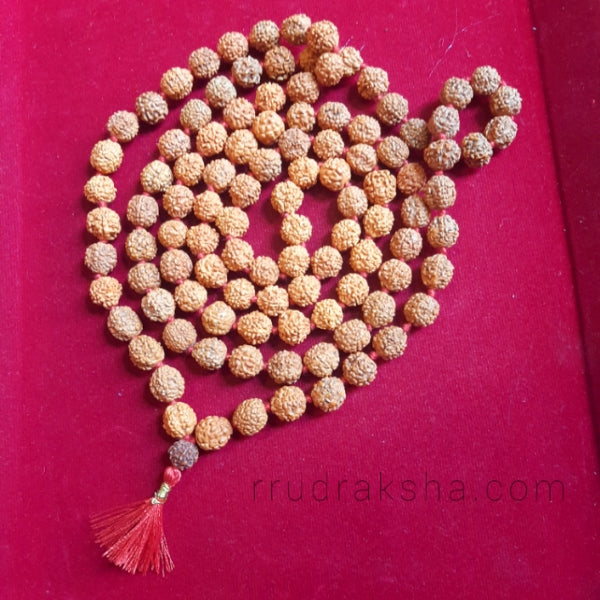
Unlike manufactured products, Rudraksha beads are natural seeds. Their pricing is influenced by natural factors such as rarity, size, availability, and demand. Just as gemstones vary in price based on quality and rarity, Rudraksha pricing follows similar principles.
Each Rudraksha bead is unique. No two beads are exactly identical. This natural uniqueness plays a major role in pricing differences.
🌱 Factor 1: Natural Rarity
Rudraksha beads are categorized by the number of natural lines or “mukhis” on their surface. Some types occur more frequently in nature, while others are extremely rare.
Rarity naturally affects price. Beads that occur less frequently are typically more expensive because of limited supply.
🏔️ Factor 2: Geographic Origin
The region where Rudraksha grows can influence its size and appearance. Environmental conditions such as altitude, rainfall, and soil affect tree growth.
Beads from different regions may differ in size and availability, which contributes to price variation.
📏 Factor 3: Size of the Bead
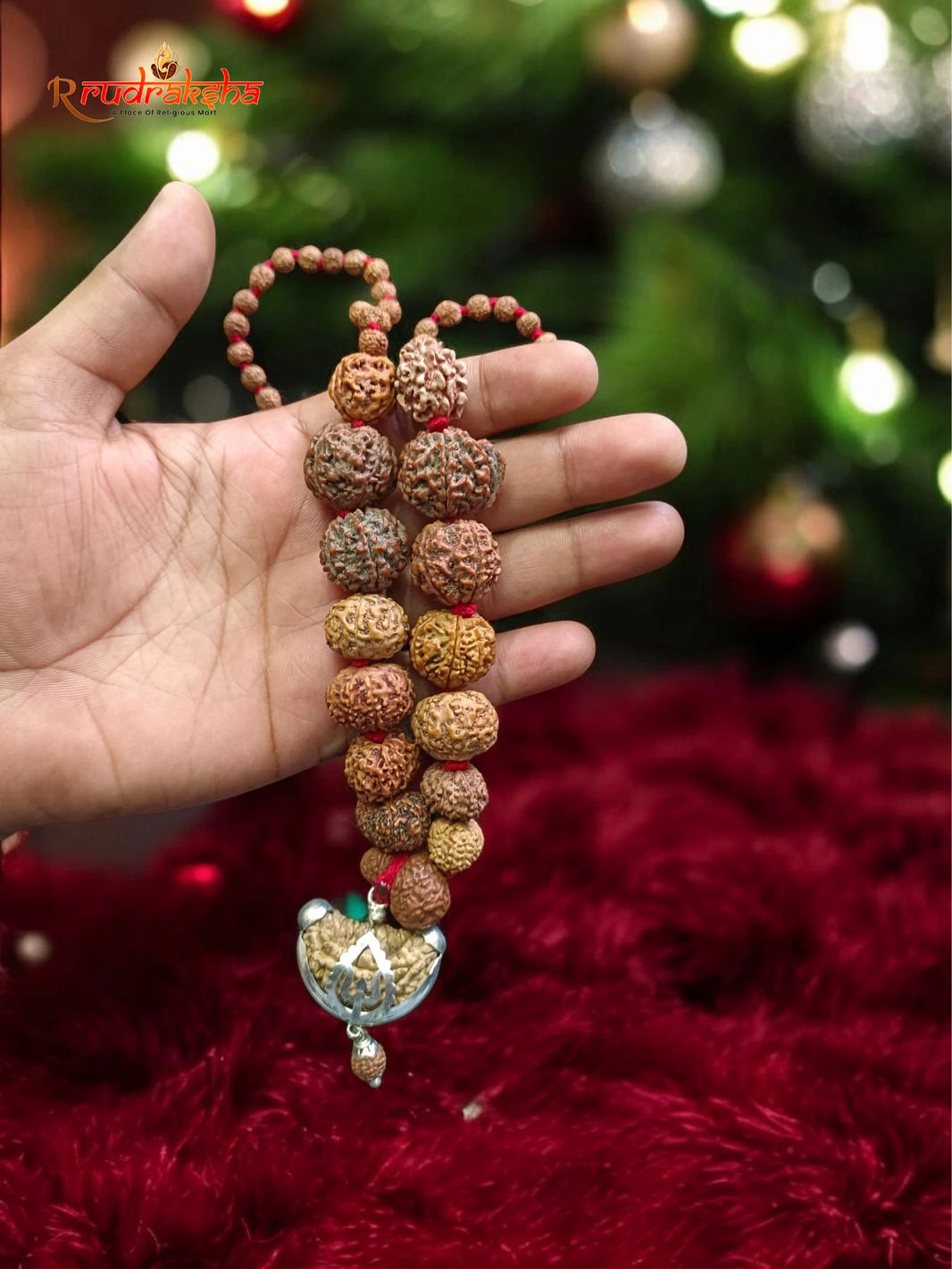
Larger beads require longer growth cycles and are less common, which often increases price.
🔍 Factor 4: Quality and Surface Definition
Well-defined mukhi lines and symmetrical shape may influence pricing.
📊 Factor 5: Supply and Demand
Growing global interest in meditation and spirituality has increased demand for Rudraksha.
📊 Factor 6: Mukhi Count and Market Availability
One of the most important elements affecting Rudraksha pricing is the number of natural grooves or lines present on the bead, commonly known as mukhi. Each Rudraksha bead forms naturally with a specific number of segments. Some occur frequently in nature, while others are extremely rare.
Beads that appear in large quantities are generally more affordable because supply is consistent. As the mukhi count increases, natural availability decreases. This natural rarity contributes significantly to price variation in the market.
Buyers often encounter wide price differences between beads of different mukhi counts. Understanding that this variation is largely driven by natural occurrence helps remove confusion and unrealistic expectations.
🧬 Factor 7: Natural Formation and Imperfections
Because Rudraksha beads are natural seeds, they rarely grow in perfectly symmetrical shapes. Some beads develop clear, well-defined lines, while others may appear irregular. Beads with clearer natural patterns are often preferred by collectors and practitioners.
This preference for well-defined natural features contributes to price variation. Just as gemstones are evaluated based on clarity and shape, Rudraksha beads are evaluated based on natural formation.
🔬 Factor 8: Certification and Testing
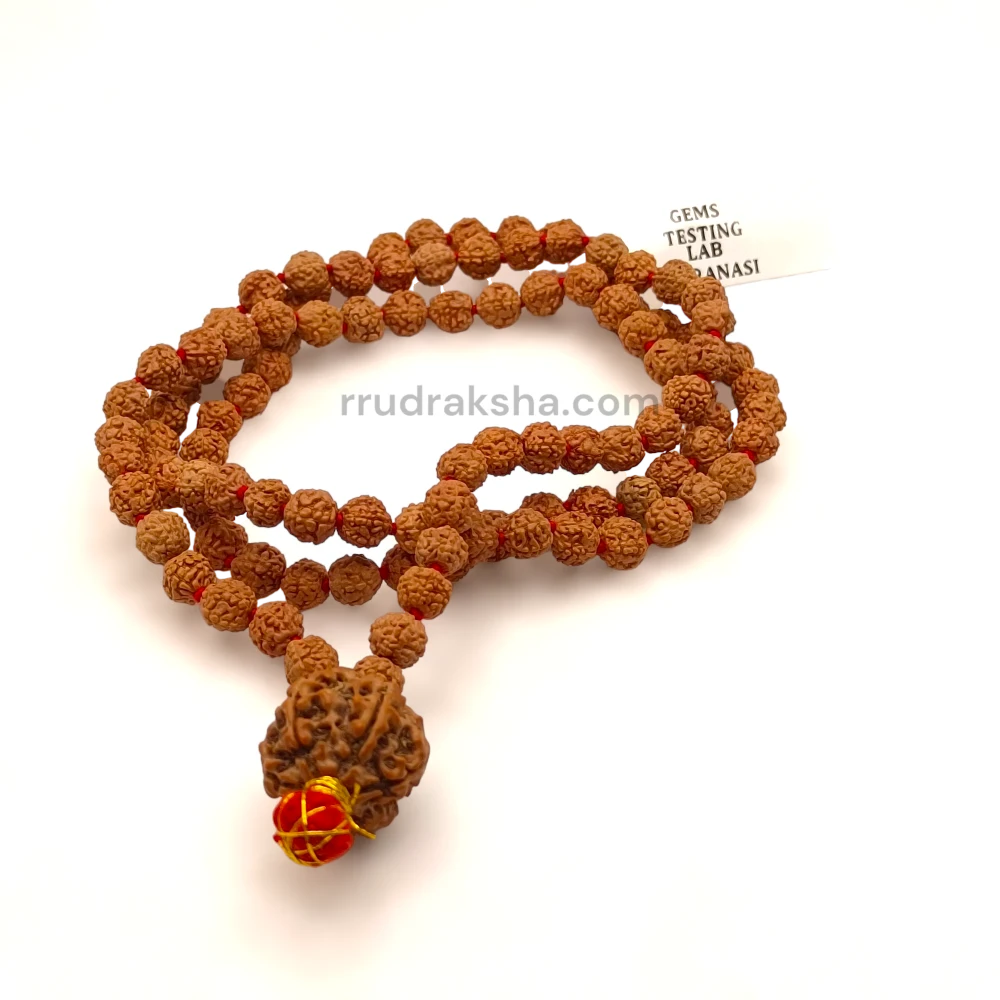
Another major factor affecting price is certification. Many buyers prefer beads that have been tested and certified by laboratories or trusted sellers. Certification helps verify authenticity and increases buyer confidence.
The testing process involves time, expertise, and cost. These additional steps can influence the final price of the bead.
📿 Factor 9: Craftsmanship and Mala Making
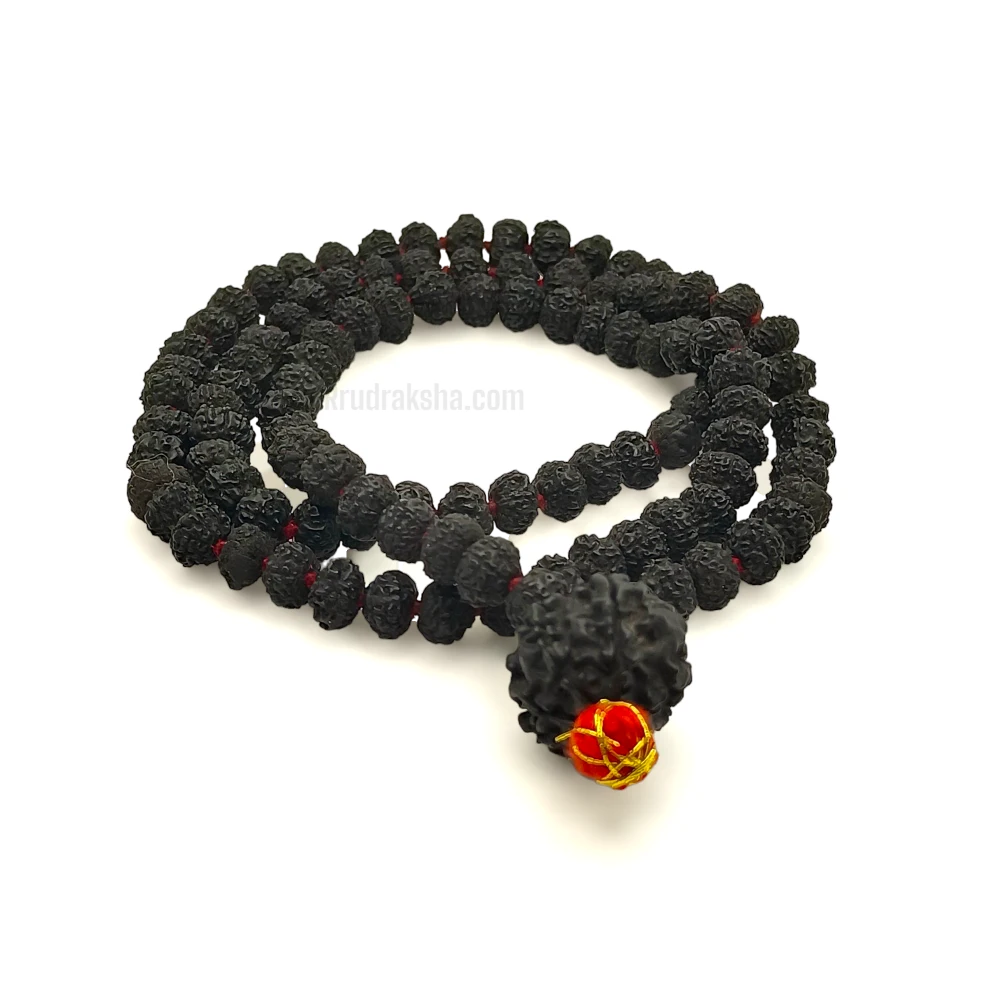
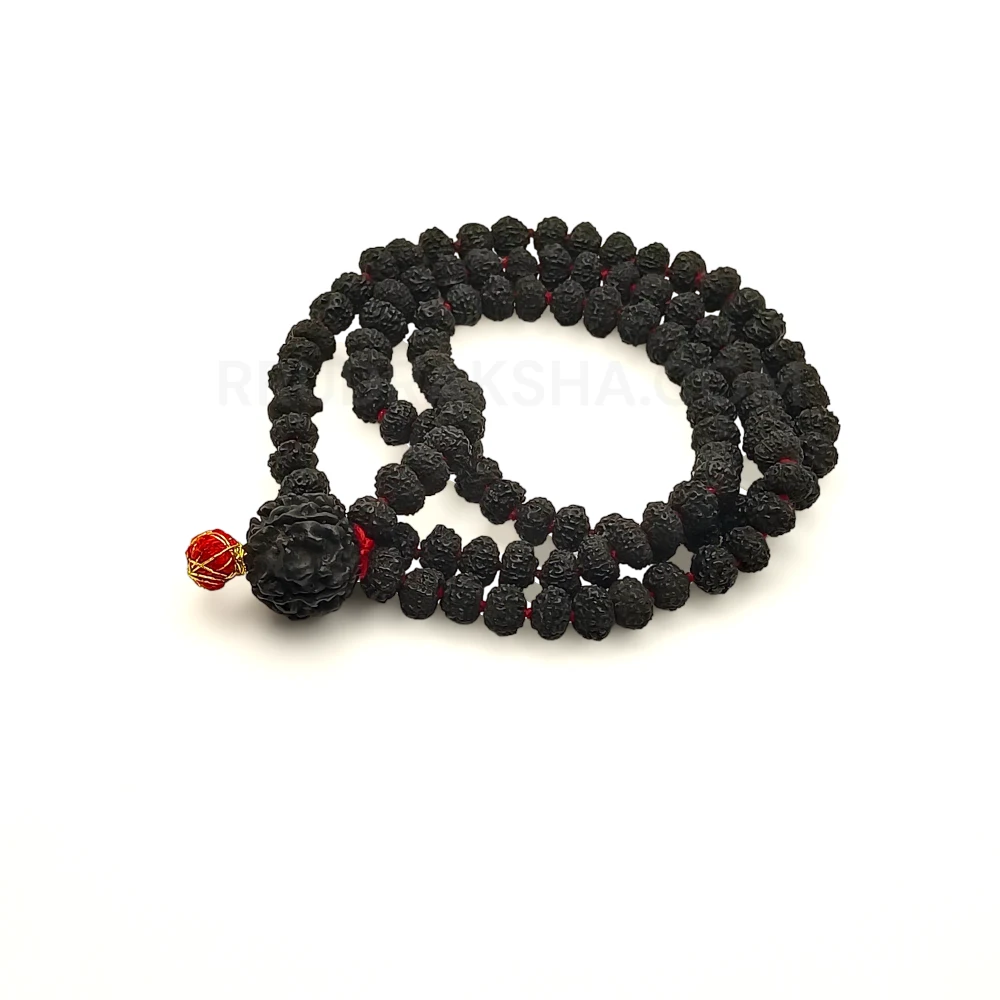
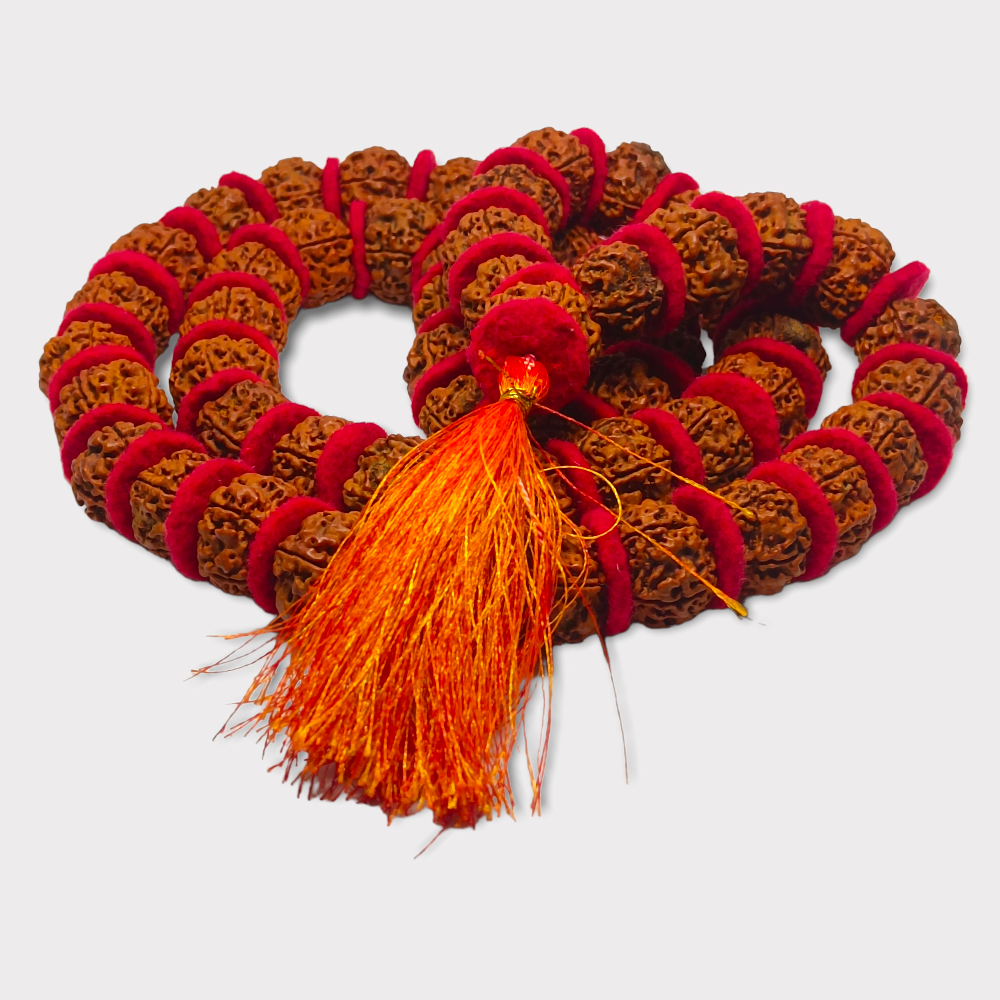
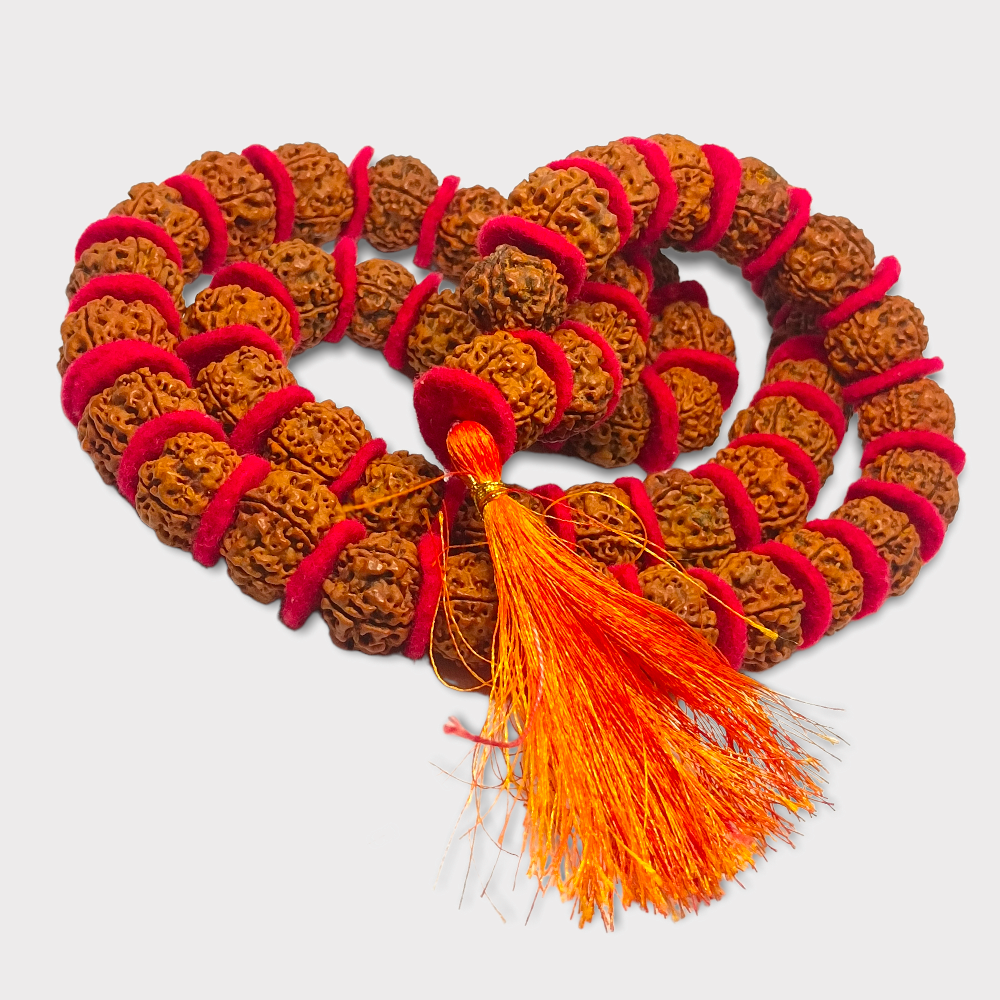
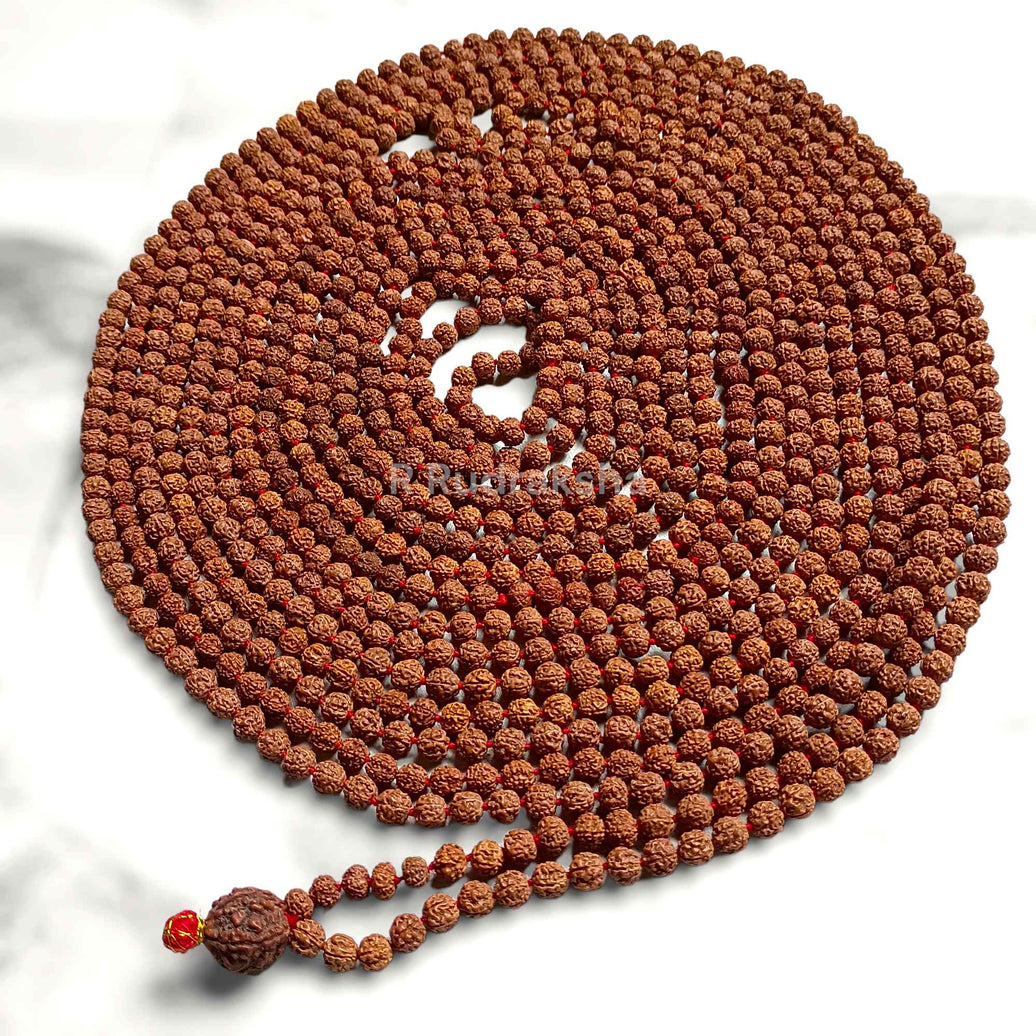
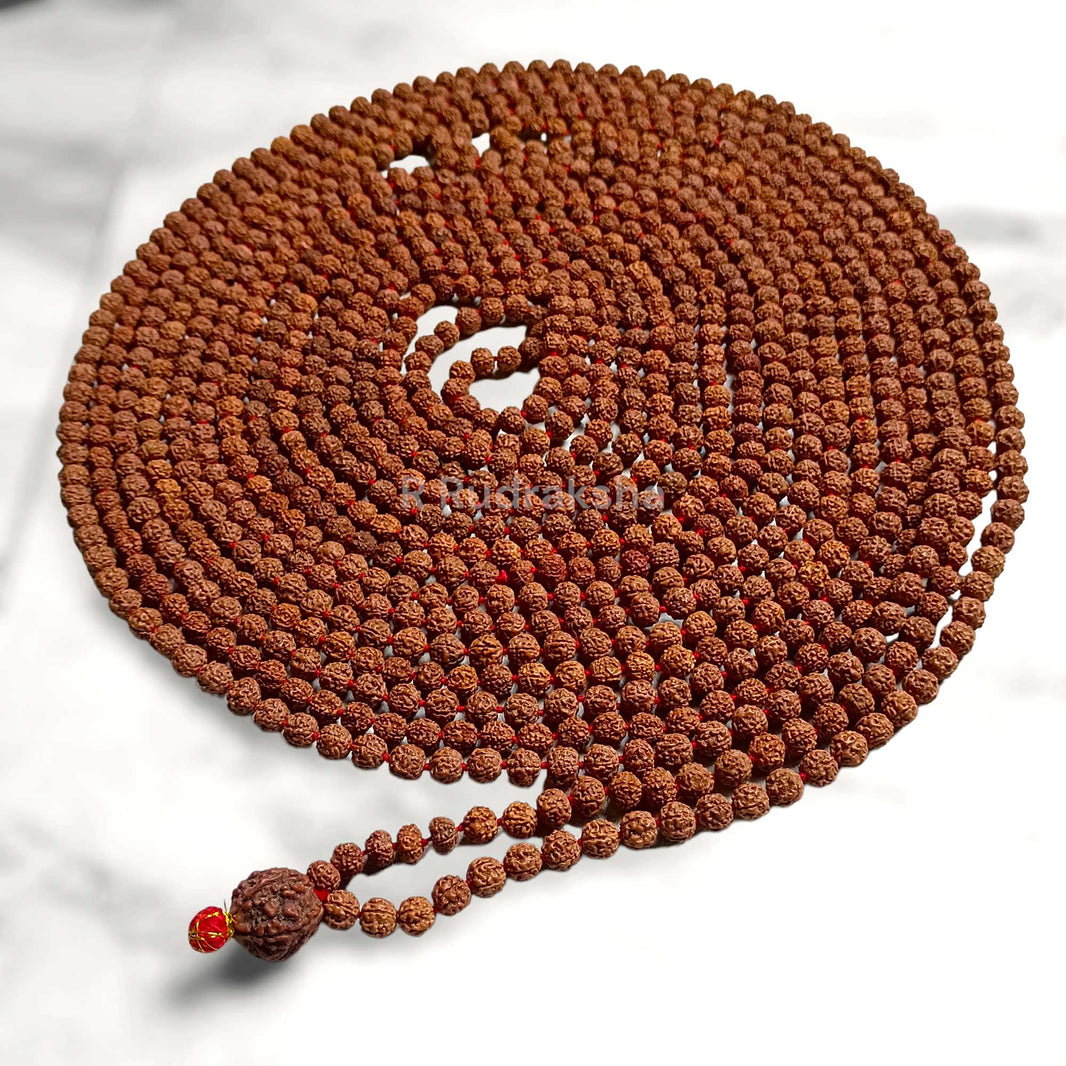
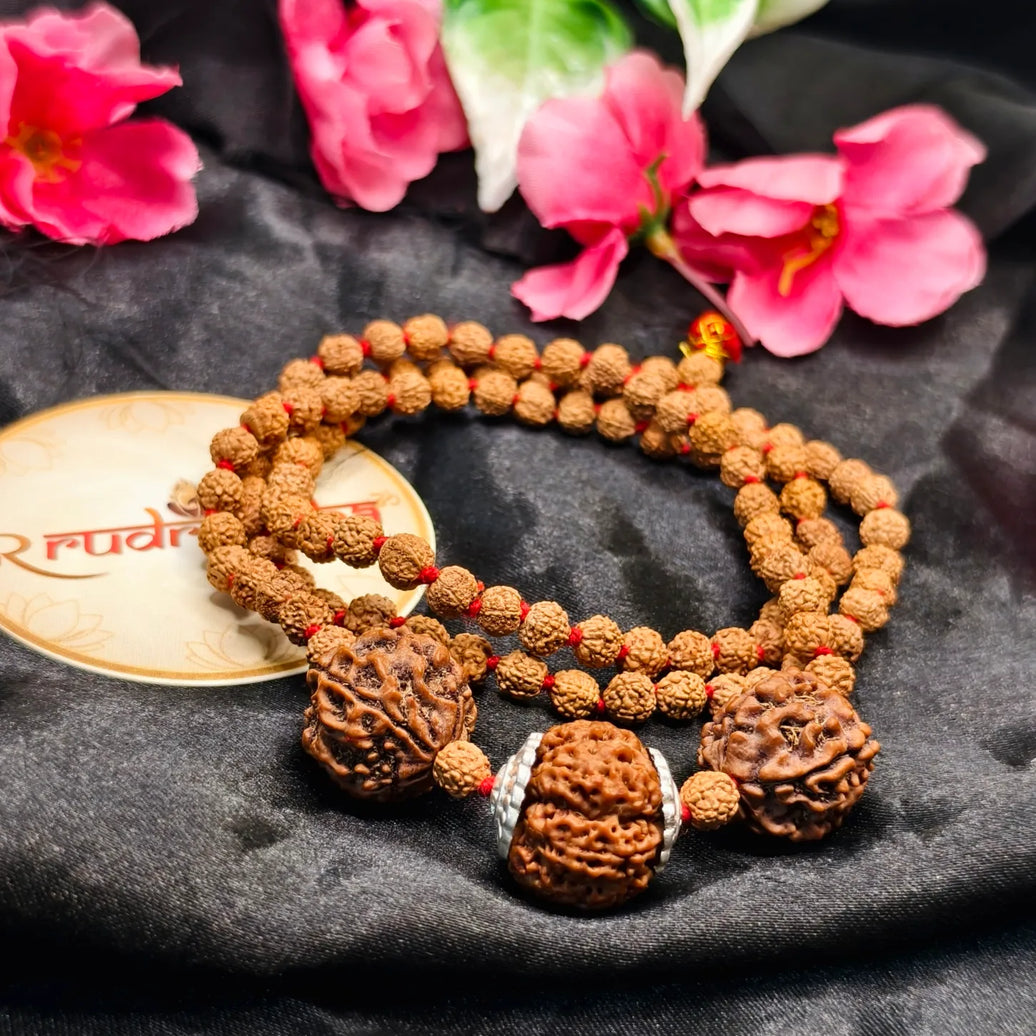
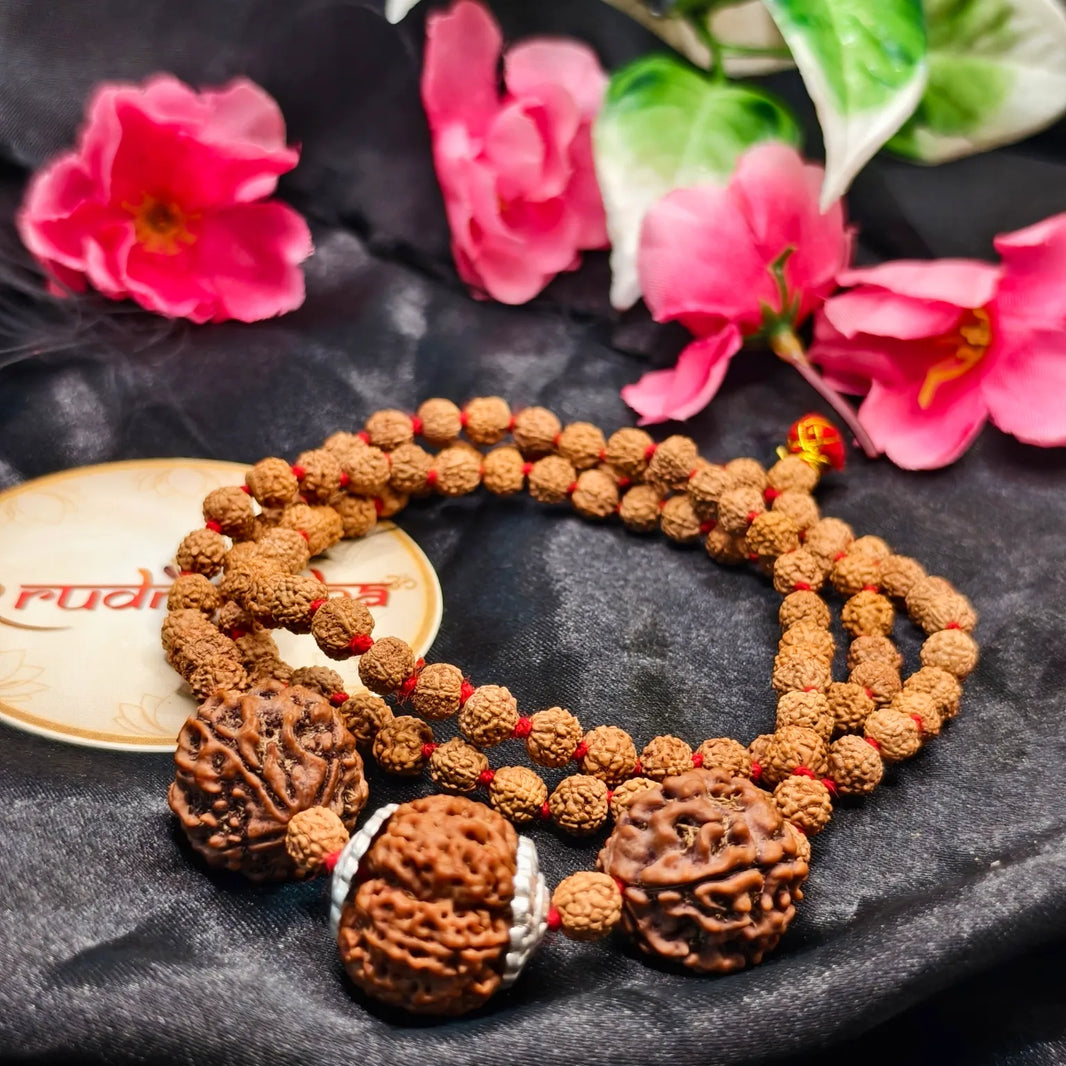
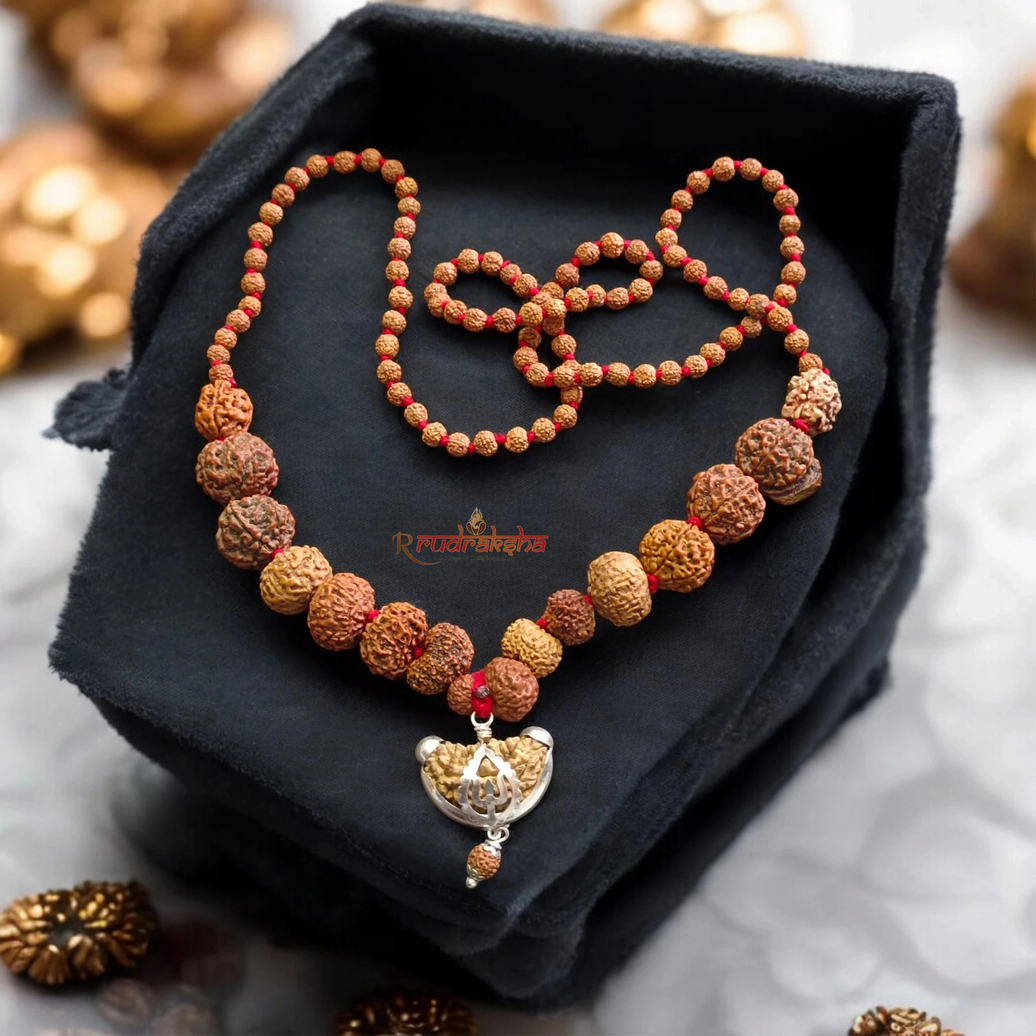
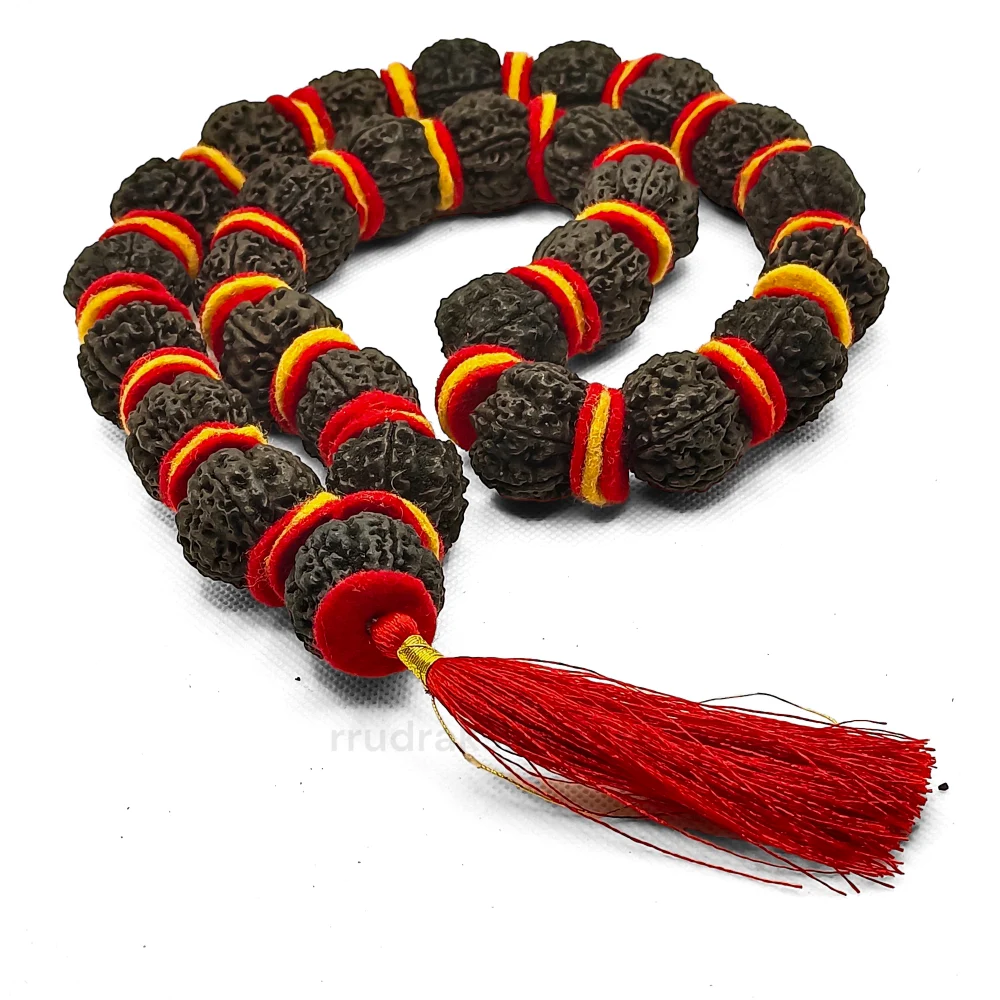
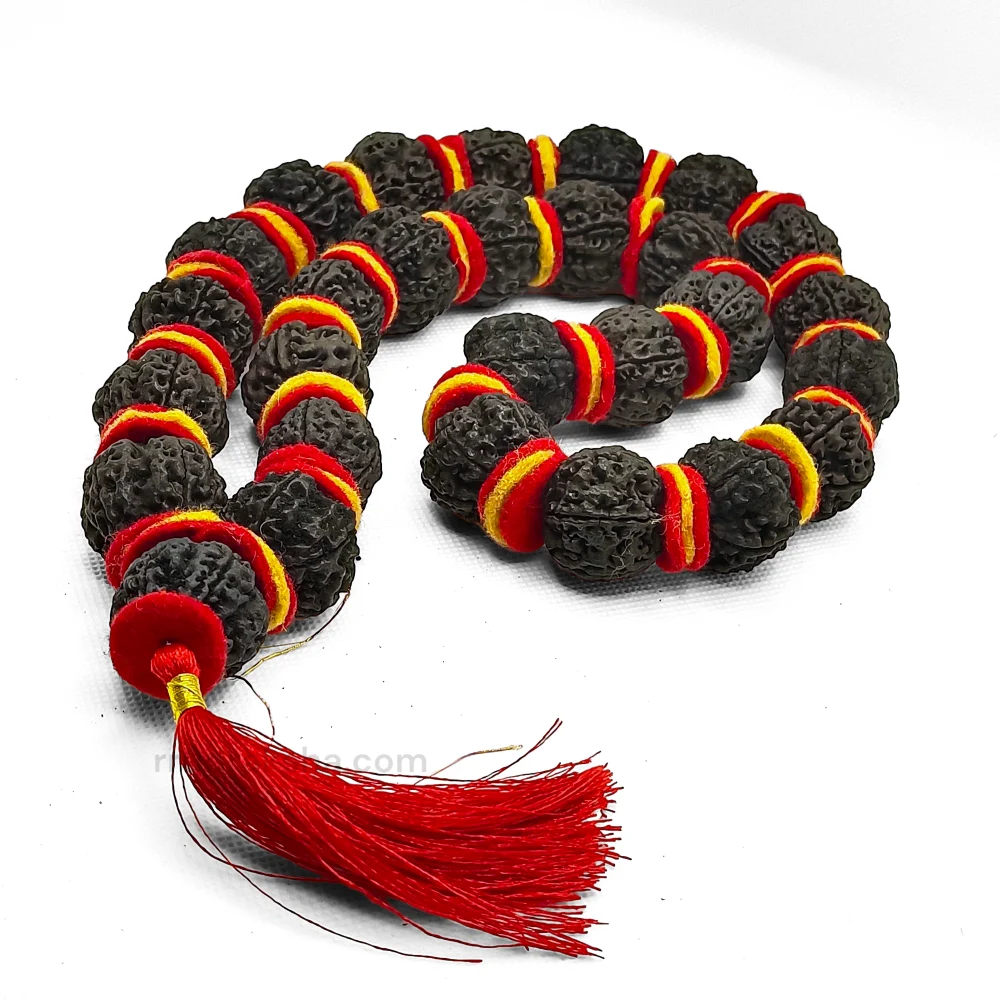
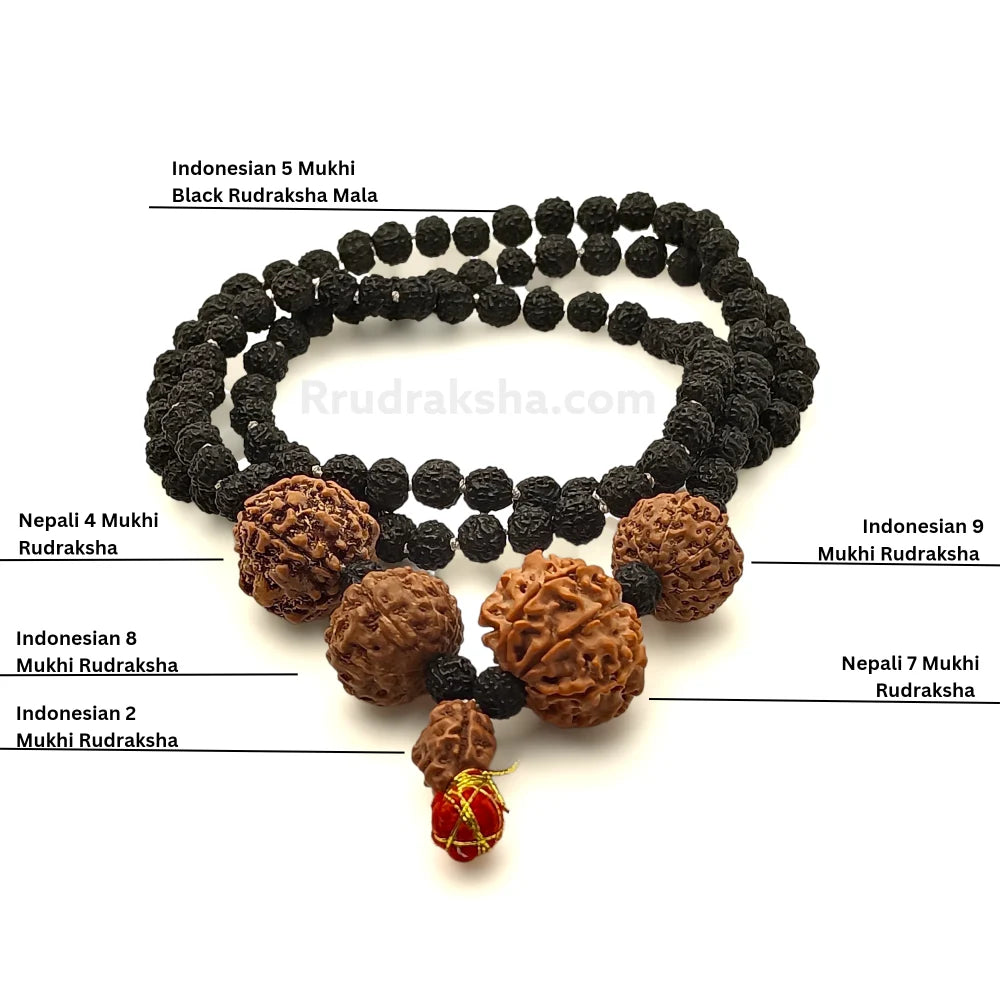
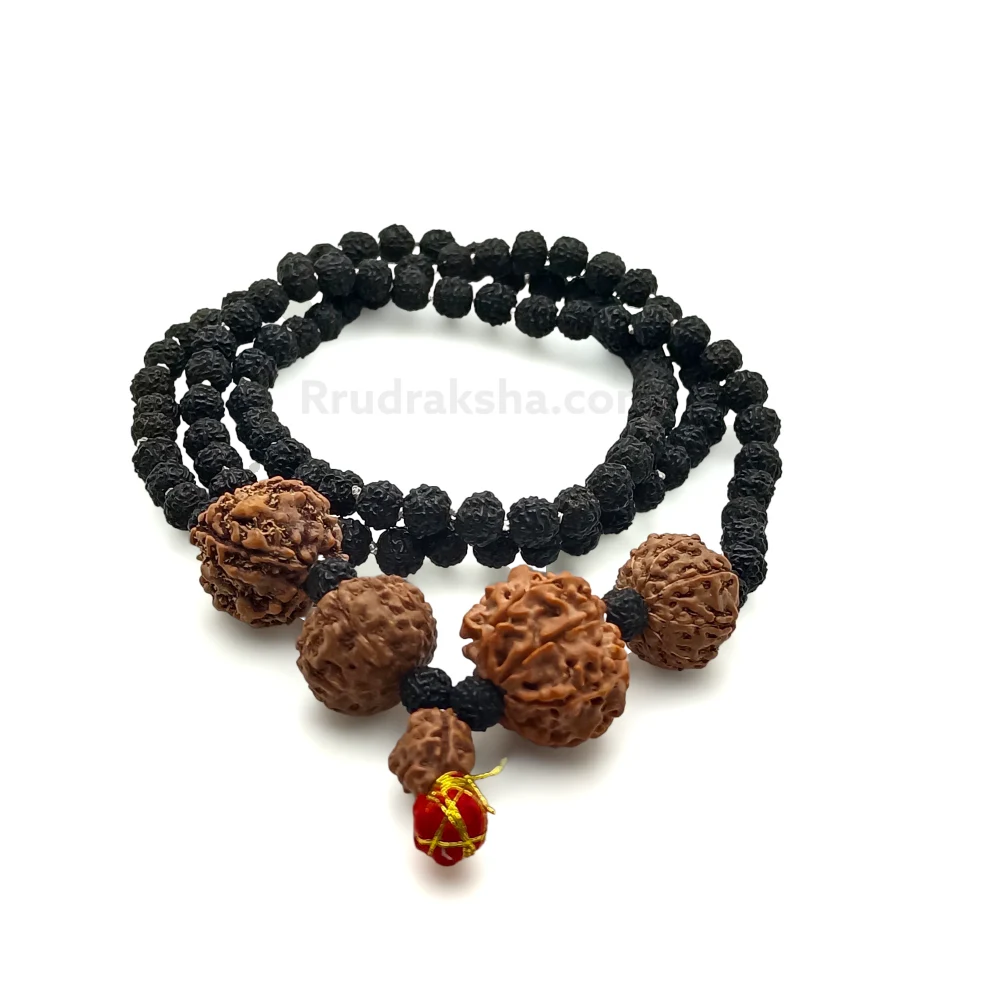
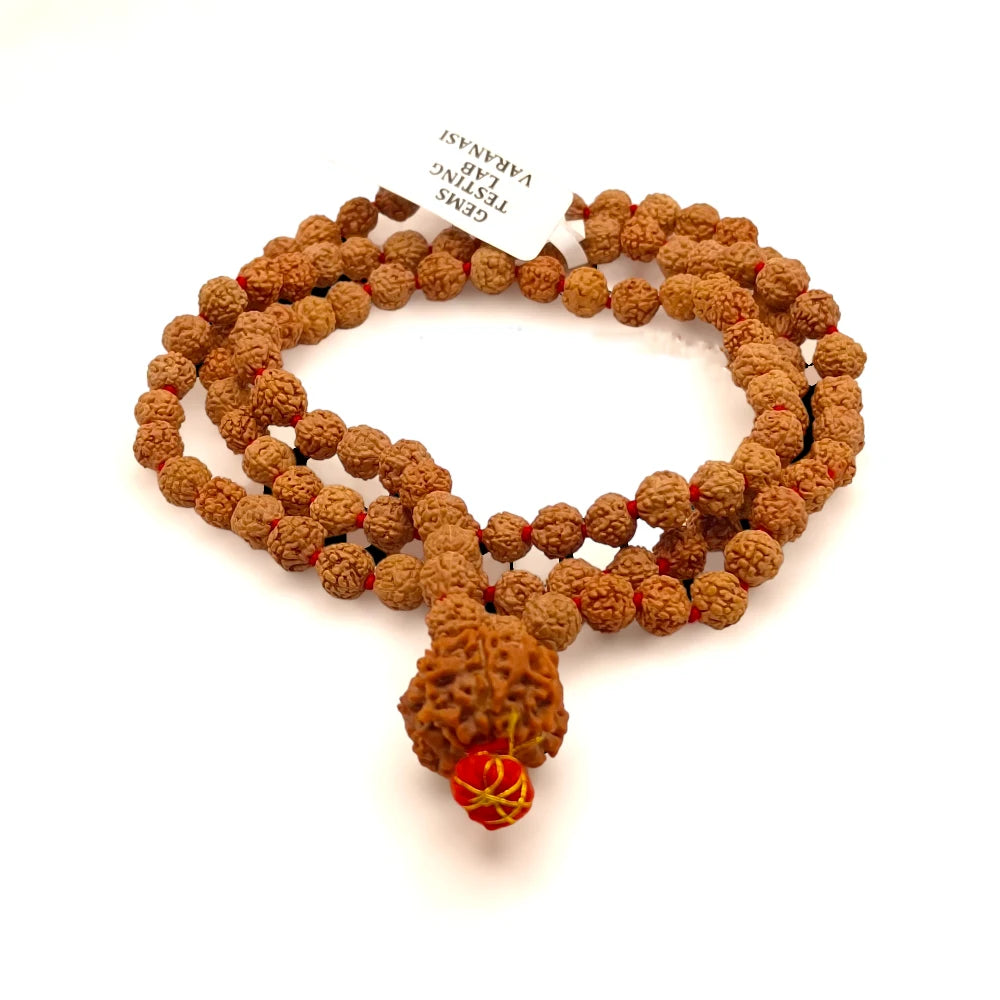
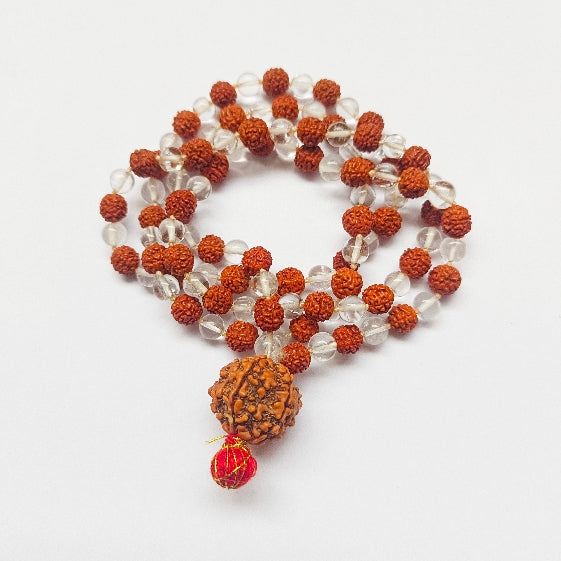
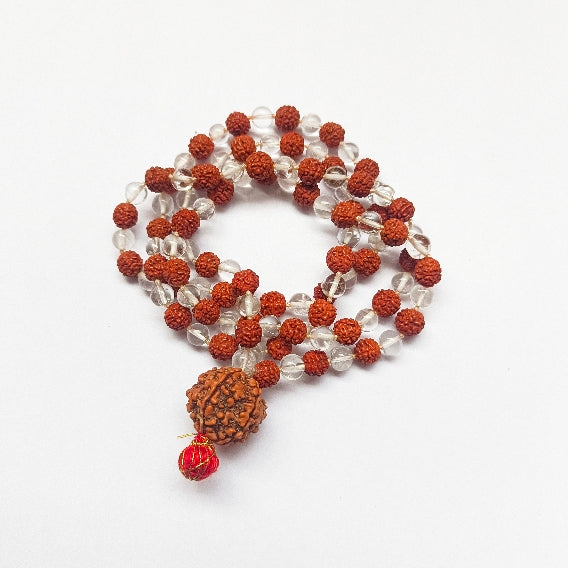
When Rudraksha beads are used in malas or bracelets, additional craftsmanship is involved. Skilled artisans carefully drill, clean, and string the beads. The quality of stringing materials and workmanship can influence the final price.
🌍 Factor 10: Global Demand and Market Trends
The global rise of meditation and yoga has increased demand for Rudraksha beads. As demand grows, prices may fluctuate depending on supply and market trends.
🧠 Understanding Price vs Value
Price and value are not always the same. Higher price does not automatically mean better suitability for every buyer. Understanding personal needs and purpose helps buyers make informed decisions.
🛍️ The Role of Buyer Awareness in Rudraksha Pricing
One of the biggest reasons behind confusion in Rudraksha pricing is lack of buyer awareness. Many first-time buyers enter the market without understanding how natural products are priced. When they see a wide range of prices, they often assume that either the expensive beads are overpriced or the cheaper ones are fake. In reality, the truth lies somewhere in between.
Rudraksha pricing is influenced by multiple natural, environmental, and market-driven factors. Without understanding these factors, buyers may feel overwhelmed or unsure about their choices. Educating buyers about these influences helps create transparency and trust in the marketplace.
⚖️ Price vs Authenticity: Clearing the Biggest Confusion
A common myth in the Rudraksha market is that expensive beads are always authentic and cheaper beads are always fake. This assumption can lead to unnecessary fear and confusion. Authenticity is determined by the natural origin of the bead, not by its price.
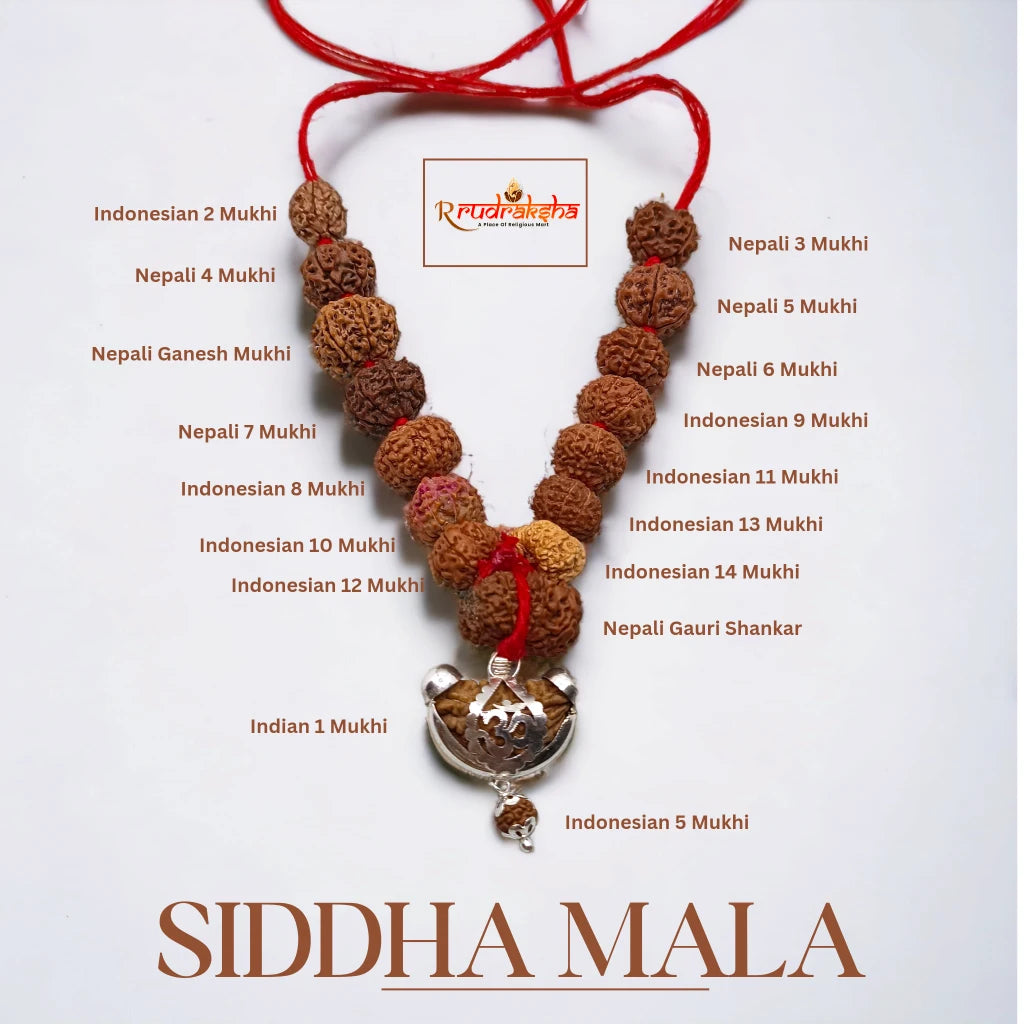
Some beads are affordable simply because they are more common in nature such as Nepali 5 Mukhi Rudraksha. Others are expensive because they occur less frequently like Nepali 15 Mukhi Rudraksha. Understanding this difference helps buyers focus on authenticity rather than price alone.
💼 Market Layers and Distribution Costs
Another important factor affecting price is the number of intermediaries involved in the supply chain. Rudraksha beads often travel through multiple stages before reaching the final buyer. Each stage — harvesting, processing, transport, wholesale distribution, and retail — adds to the final cost.
This layered distribution network contributes to price variation across markets and sellers.
📦 Packaging, Branding, and Presentation
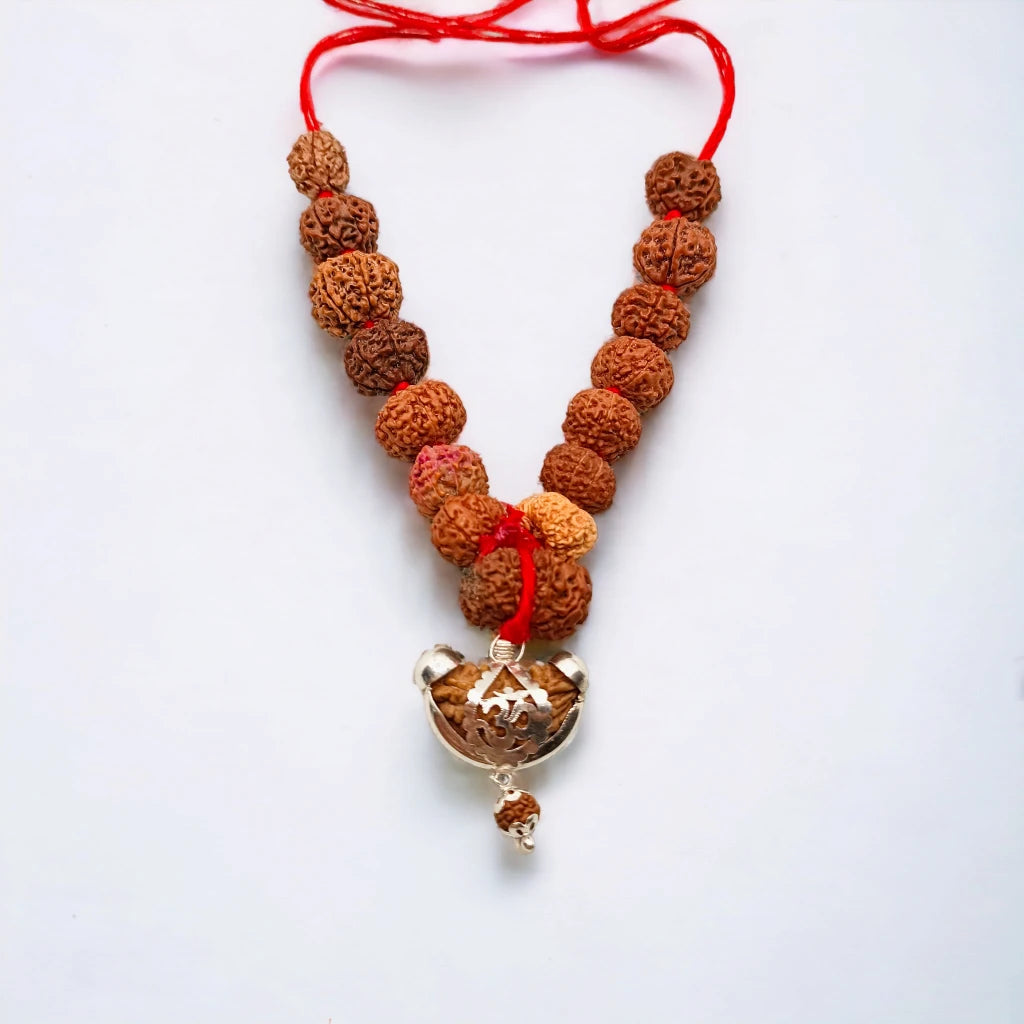
In modern markets, packaging and branding also influence pricing. Some Rudraksha products are sold with premium packaging, detailed documentation, or additional accessories such as silver caps and designer stringing. These additions increase the overall cost of the final product.
🌏 Online vs Offline Market Pricing
Prices may also vary between online and offline markets. Online platforms often offer wider access and competitive pricing, while physical stores may include additional operational costs.
🧠 Buyer Psychology and Perceived Value
Human psychology plays an important role in pricing perception. People often associate higher price with higher value. While this may be true in some cases, it is not a universal rule.
🧠 The Psychology Behind Premium Pricing
Understanding Rudraksha pricing also requires understanding how human psychology works when making purchasing decisions. Across industries, premium pricing often influences how products are perceived. When buyers see a high price, they may assume the product is rare, superior, or more authentic. This perception is not unique to Rudraksha; it appears in luxury goods, gemstones, and even technology products.
In the Rudraksha market, this psychological effect can amplify price differences. Some buyers feel reassured when purchasing higher-priced beads because the price itself creates a perception of value. At the same time, other buyers prefer affordable options that meet their needs without focusing on rarity.
Recognizing this psychological influence helps buyers make balanced decisions rather than emotional ones.
📉 Why Cheap Rudraksha Exists
Another common question is why some Rudraksha beads are available at very affordable prices. The answer often lies in natural abundance. Some types of Rudraksha occur frequently in nature and are harvested in large quantities. Because supply is high, prices remain accessible.
Affordable Rudraksha does not automatically mean fake Rudraksha. Many genuine beads are available at reasonable prices simply because they are more common.
For genuine Rudraksha available at fair and affordable prices with proper certification, you can explore the collection at R Rudraksha.
📈 Why Some Rudraksha Are Extremely Expensive
At the other end of the spectrum, certain Rudraksha beads are rare and difficult to find. Limited availability combined with high demand naturally increases price. Collectors and enthusiasts often seek rare beads, further increasing demand.
This rarity-driven pricing is similar to how rare gemstones or collectibles are valued.
⚖️ Finding the Right Balance as a Buyer
For most buyers, the goal is not to purchase the most expensive bead but to find a bead that suits their purpose and budget. Understanding the factors behind pricing helps buyers focus on suitability rather than extremes.
💰 Hidden Factors That Quietly Influence Rudraksha Pricing
Beyond the obvious factors such as size, rarity, and origin, there are several hidden elements that quietly influence the price of Rudraksha in the global market. Many buyers are unaware of these behind-the-scenes factors, yet they play a significant role in shaping the final price that reaches consumers.
Understanding these deeper influences helps buyers move beyond surface-level assumptions and develop a clearer perspective about Rudraksha value.
🚚 Transportation and Logistics
Rudraksha beads often travel long distances before reaching buyers. Harvested in Nepal, Indonesia, or India, the beads must pass through multiple stages of transportation, packaging, customs clearance, and distribution. Each stage adds cost to the final price.
Shipping fragile natural products also requires careful handling and protective packaging, further increasing logistics costs.
📦 Storage and Preservation
Proper storage is essential to maintain bead quality. Rudraksha must be stored in controlled conditions to prevent moisture exposure and preserve durability. Warehousing and preservation add to operational expenses.
🧵 Craftsmanship and Manual Labor
Unlike machine-made accessories, Rudraksha malas and bracelets are often handcrafted. Skilled artisans drill, clean, and string beads carefully. This craftsmanship requires time, skill, and experience.
Handcrafted work contributes to pricing differences across products.
🏷️ Branding and Market Positioning
Brand reputation and presentation can influence price. Established sellers invest in packaging, documentation, and customer support. These services add value but also contribute to cost.
🌍 Global Spiritual Wellness Market
The growing global interest in meditation and mindfulness has expanded the Rudraksha market significantly. Increased demand often leads to price variation based on supply availability.
📊 Seasonal Market Fluctuations
Demand for Rudraksha may increase during certain seasons and festivals like Mahashivratri. This seasonal demand can influence pricing temporarily.
🧠 Understanding Long-Term Value
Rudraksha is not typically purchased as a disposable product. Many buyers view it as a long-term spiritual companion. This perception of long-term value can influence purchasing decisions.
Frequently Asked Questions (FAQs) ❓
1. Why do Rudraksha prices vary so much?
Rudraksha pricing depends on rarity, size, origin, availability, craftsmanship, certification, and market demand.
2. Does expensive Rudraksha mean better quality?
Not always. Higher prices often reflect rarity or demand rather than suitability for every buyer.
3. Is cheap Rudraksha fake?
No. Many authentic Rudraksha beads are affordable because they are more common in nature.
4. Why are larger beads more expensive?
Larger beads require longer growth cycles and are less common.
5. Does certification increase price?
Yes. Testing and verification add cost and increase buyer confidence.
6. Does origin affect pricing?
Yes. Environmental factors influence bead size and availability.
7. Why do prices differ between sellers?
Supply chain costs, branding, packaging, and distribution all affect pricing.
8. Do malas cost more than single beads?
Yes. Craftsmanship and materials add to the final price.
9. Why do prices change during festivals?
Seasonal demand can temporarily increase prices.
10. How should buyers choose the right Rudraksha?
Focus on authenticity, suitability, and budget rather than price alone.
✅ Conclusion 🔱
Rudraksha pricing reflects a complex combination of natural rarity, craftsmanship, global demand, and market dynamics. Understanding these factors helps buyers move beyond confusion and make informed decisions.
Rather than focusing solely on price, buyers should consider authenticity, suitability, and long-term value. This balanced approach ensures a confident and meaningful purchasing experience.
🙏 हर हर महादेव 🙏





Leave a comment