



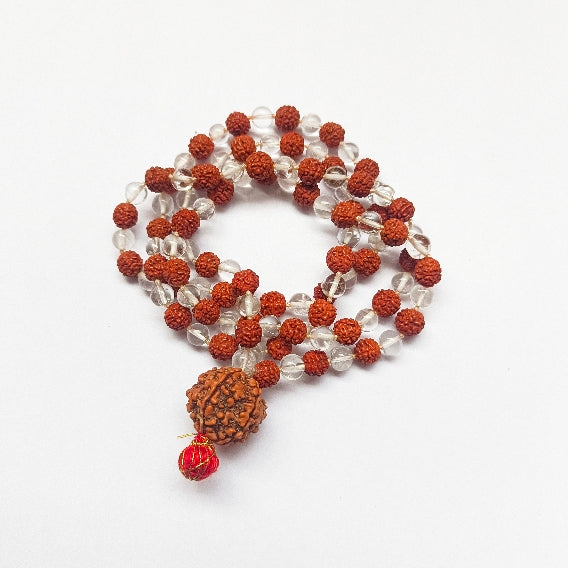

📿 When Should You Remove Rudraksha? The Most Detailed Wearing Rules Guide
For many people, the journey of wearing Rudraksha begins with devotion, curiosity, or a desire for spiritual connection. The first day someone wears Rudraksha often feels meaningful — a quiet decision to invite mindfulness, discipline, or a deeper spiritual routine into everyday life.
But after the excitement of wearing Rudraksha settles, questions begin to appear.
One of the most common questions people ask is simple yet filled with confusion:
“Should Rudraksha be worn all the time, or are there moments when it must be removed?”
This question has created confusion for decades. Some people hear strict rules from elders. Others hear that Rudraksha can be worn anytime. Some fear doing something wrong. Some worry that removing it might be disrespectful. Others believe it must never be taken off.
The truth is far more balanced and practical than most people think.
This complete guide explains in detail when to remove Rudraksha, when you can continue wearing it, and the real reasoning behind traditional guidance. This blog combines tradition, lifestyle practicality, and spiritual understanding to give you a complete and realistic perspective.
🕉️ The Real Purpose of Wearing Rudraksha
Before discussing when to remove Rudraksha, it is important to understand why people wear it in the first place. Without understanding the purpose, wearing rules often feel confusing or overly strict.
For centuries, Rudraksha beads have been worn by yogis, monks, spiritual seekers, and devotees of Lord Shiva. For many, wearing Rudraksha is a daily reminder of mindfulness, discipline, and inner balance.
It becomes part of a routine — like prayer, meditation, or chanting. Over time, the bead becomes associated with personal intention and spiritual practice. This perspective helps us understand the wearing rules more clearly.
🤔 Why So Much Confusion Exists
One of the main reasons confusion exists is that Rudraksha traditions have been passed down through families, teachers, and communities for generations. Over time, practical advice, cultural habits, and spiritual symbolism blended together.
Some rules were created to protect the bead. Some were created to encourage discipline. Some were simply cultural habits.
As lifestyles changed, these rules were repeated without explanation. Eventually, many people began to follow them out of fear rather than understanding.
This guide separates practical care from spiritual symbolism so the rules make sense in modern life.
📿 Can Rudraksha Be Worn All the Time?
This is the most common question beginners ask.
Traditionally, Rudraksha is considered suitable for daily wear. Many yogis and spiritual practitioners wear Rudraksha continuously as part of their lifestyle.
However, daily wear does not necessarily mean wearing it during every activity without pause.
⚖️ Understanding “Removal” the Right Way
Removing Rudraksha does not mean disrespecting it. Instead, it often means protecting the bead and ensuring it lasts for years.
Many traditional recommendations are based on practical care rather than spiritual restrictions.
When seen from this perspective, the rules become simple and logical rather than strict or fearful.
🚿 Why Bathing Became the Most Discussed Rule
One of the most debated questions about Rudraksha wearing is whether it should be worn while bathing.
In ancient times, bathing involved natural water sources such as rivers and wells. Today, bathing includes soaps, shampoos, and chemical products.
Modern products can gradually dry the natural oils of Rudraksha beads. Over time, repeated exposure to chemicals may affect the bead’s appearance and durability.
This is why removing Rudraksha during bathing is widely recommended.
😴 The Practical Reason Behind Removing During Sleep
Another commonly discussed situation is sleep. Many beginners worry that removing Rudraksha at night may be incorrect.
In reality, this recommendation developed for comfort and protection.
During sleep, malas and bracelets can twist, rub against surfaces, or experience pressure. Removing Rudraksha helps prevent unnecessary wear and tear.
From a spiritual perspective, there is no universal rule forbidding wearing Rudraksha during sleep. The recommendation is primarily practical.
🏊 Swimming and Water Exposure
Swimming pools contain chlorine and other chemicals. Sea water contains salt. Both can gradually dry the bead’s surface.
Removing Rudraksha during swimming helps preserve its natural condition.
🏋️ Exercise and Physical Activity
Intense physical activity involves sweat, friction, and movement. While sweat itself is natural, constant moisture combined with friction may affect the thread or chain.
Removing Rudraksha during heavy activity is therefore recommended for durability.
🧴 Modern Lifestyle Situations Where Removing Rudraksha Is Practical
As lifestyles evolved, new daily activities became part of modern routines. Many of these situations did not exist centuries ago, which is why traditional guidance rarely mentions them directly. However, when we understand the intention behind the traditional advice, it becomes easier to apply the same logic to modern life.
The goal has always been simple: protect the bead, maintain cleanliness, and wear it with respect.
Using Perfumes, Deodorants, and Cosmetics
Perfumes, deodorants, lotions, and sprays often contain alcohol and chemical compounds. Direct contact with these substances over long periods can affect the natural surface of Rudraksha beads.
Removing Rudraksha while applying such products helps preserve the bead’s natural condition. Once the products have absorbed into the skin, the Rudraksha can be worn again comfortably.
Hair Styling Products and Sprays
Hair sprays, gels, and styling products can accidentally come into contact with Rudraksha malas or bracelets. These products are designed to hold and coat surfaces, which makes it practical to remove Rudraksha while applying them.
Heavy Household Work
Activities such as cleaning, gardening, or working with strong detergents may expose Rudraksha to chemicals and rough surfaces. Removing Rudraksha during such activities is a practical precaution.
🕉️ Spiritual Mindset: Respect vs Fear
One of the most important aspects of Rudraksha wearing rules is understanding the difference between respect and fear.
Traditionally, Rudraksha has been worn as a symbol of devotion and mindfulness. The intention behind wearing it has always been considered more important than rigid restrictions.
Removing Rudraksha when necessary is not seen as disrespectful. Instead, it reflects responsibility and care.
⚖️ Myths vs Facts About Removing Rudraksha
Myth: Removing Rudraksha Brings Bad Luck
There is no traditional scripture stating that removing Rudraksha causes bad luck. This belief likely developed from misunderstandings over time.
Myth: Rudraksha Must Never Be Removed
Many spiritual practitioners remove Rudraksha during certain activities. Practical care has always been part of tradition.
🧠 Emotional and Psychological Perspective
For many people, Rudraksha becomes emotionally meaningful. It represents personal intention, discipline, or spiritual growth. This emotional connection sometimes creates anxiety about doing something wrong.
Understanding the purpose behind wearing rules helps remove this anxiety and replace it with confidence.
Frequently Asked Questions (FAQs) ❓
1. Is it disrespectful to remove Rudraksha at night?
Removing Rudraksha at night is not considered disrespectful. Many people remove it before sleeping to protect the bead from accidental pressure, twisting, or friction. Tradition emphasizes care and respect rather than strict rules. If removing it helps preserve the bead and maintain comfort, it is completely acceptable.
2. Can I wear Rudraksha while bathing?
It is generally recommended to remove Rudraksha before bathing, especially when using soaps or shampoos. The advice is practical, not fear-based. Modern bathing products contain chemicals that may gradually affect the bead’s natural oils and surface. Removing Rudraksha during bathing helps maintain its longevity and natural appearance.
3. Is it okay to wear Rudraksha while sleeping?
Yes, it can be worn during sleep. However, many people choose to remove it for comfort and safety. Necklaces and malas may twist or rub against surfaces during sleep, which can cause wear and tear over time. Removing it before sleep is therefore a practical choice rather than a strict requirement.
4. Should Rudraksha be removed during exercise or gym workouts?
Removing Rudraksha during intense physical activity is recommended. Exercise often involves heavy sweating, friction, and movement, which can affect the thread or chain holding the bead. Removing it during workouts helps preserve its durability.
5. Can Rudraksha be worn while swimming?
It is best to remove Rudraksha before swimming. Chlorinated pool water and salt water can gradually dry the bead and affect its natural texture. Removing it before entering the water is a simple way to protect the bead.
6. Where should Rudraksha be kept when removed?
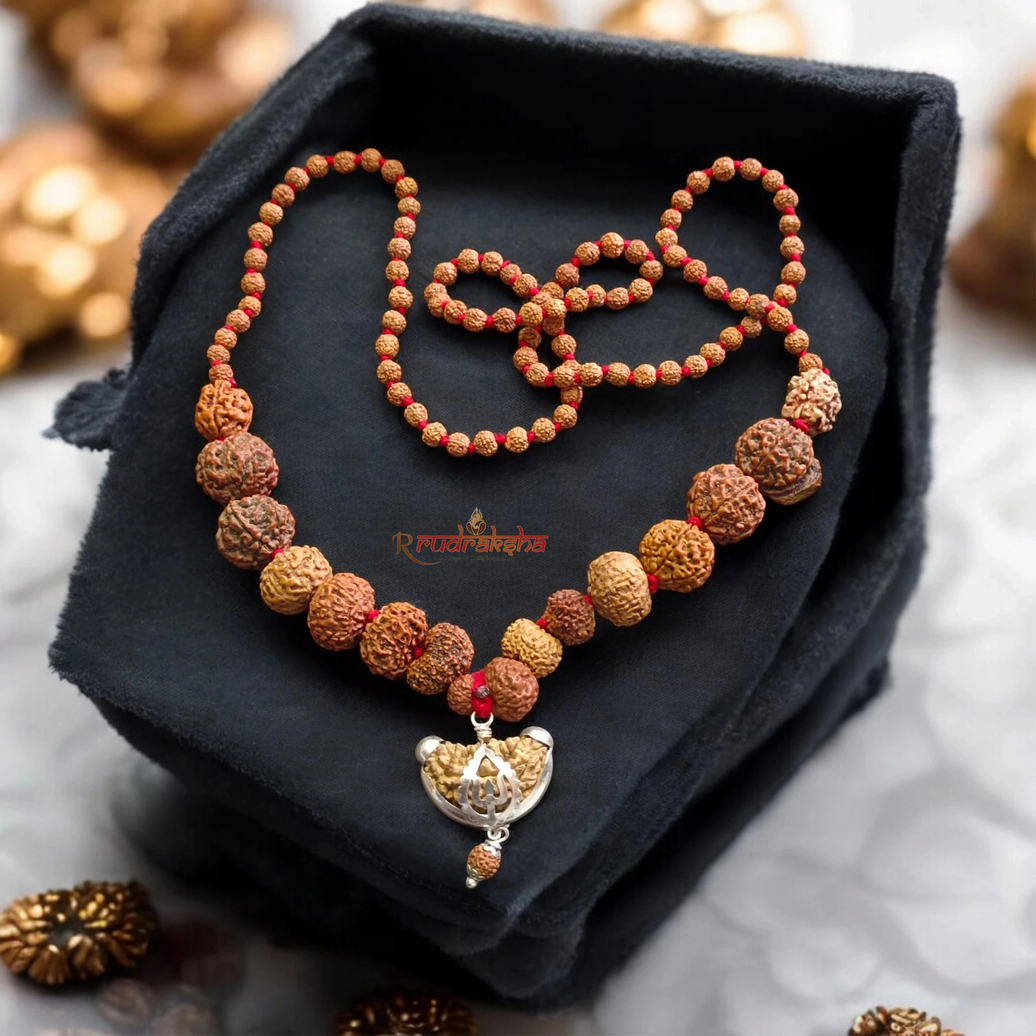
When not wearing Rudraksha, it is traditionally kept in a clean and respectful place, such as a puja area, a small cloth pouch, or a dedicated storage box. Keeping it in a clean place reflects care and respect.
7. Can I remove Rudraksha during travel?
Yes, many people remove Rudraksha during travel to avoid loss or damage. The intention behind wearing Rudraksha remains unchanged even if it is temporarily removed for safety.
8. Can Rudraksha be removed during illness?
Comfort and practicality always come first. Removing Rudraksha during illness is perfectly acceptable.
9. What is the most important rule of wearing Rudraksha?
The most important rule is respect and care. Understanding the purpose behind wearing Rudraksha is more important than following rigid rules.
10. Can Rudraksha be worn daily?
Yes, Rudraksha is traditionally worn daily. Removing it during certain activities does not reduce its significance.
📌 Conclusion ✅
The question of when to remove Rudraksha often creates unnecessary confusion. When understood properly, the guidance is simple and practical. Rudraksha is meant to be part of daily life, but like any natural object, it benefits from care and mindful handling.
Removing Rudraksha during bathing, swimming, heavy activity, or sleep is primarily about protecting the bead and ensuring comfort. These recommendations are not strict rules but practical wisdom passed down through generations.
By balancing tradition with modern lifestyle needs, Rudraksha can remain a meaningful and natural part of daily life.
🙏 हर हर महादेव 🙏





Leave a comment