



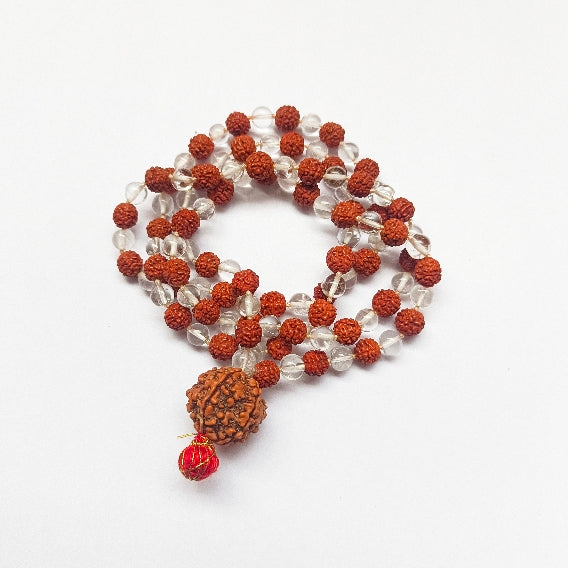

Rudraksha for Students & Professionals: A Practical Introduction 📘
Students preparing for competitive exams and professionals navigating demanding careers often share the same struggle — scattered attention, inconsistent routines, and mental fatigue that builds silently over time. Productivity tools promise quick fixes, motivation hacks come and go, but the core problem remains unchanged: lack of internal stability.
Rudraksha, when viewed outside astrology and fear-based remedies, was never meant to “fix” problems overnight. Traditionally, it functioned as a long-term stabilizer — something worn consistently to support focus, rhythm, and mental containment. This perspective makes Rudraksha especially relevant for students and professionals, not as a belief-based solution, but as a discipline-supporting tool.
This blog does not assume faith, astrology, or planetary alignment. Instead, it explores how Rudraksha fits into modern life when the goal is clarity, routine, and sustained effort.
Why Students and Professionals Lose Focus (Even When They Are Capable) 🎯
Loss of focus is rarely caused by lack of intelligence or ambition. More often, it results from mental overload without containment. Continuous information intake, performance pressure, irregular schedules, and emotional spillover weaken attention over time.
For students, this appears as procrastination, anxiety before exams, or difficulty retaining information. For professionals, it shows up as burnout, decision fatigue, and constant mental noise even outside work hours.
Traditional systems understood this long before modern productivity science. Focus was not treated as something to force, but something that emerges naturally when mental rhythm is stabilized. This is where long-term, non-stimulating supports were introduced — not to increase output, but to reduce internal friction.
Rudraksha Without Astrology: What Actually Matters 🧩
One of the biggest barriers for rational users is the assumption that Rudraksha only works through astrology. In reality, astrology was just one framework layered on top of a much older understanding: consistency shapes the nervous system.
When something is worn daily, without obsession, without urgency, it becomes part of routine. Over time, this consistency reinforces predictability — and predictability calms the mind. This is why Rudraksha was traditionally worn continuously, not activated for specific events.
For students and professionals, the relevance lies here:
- Not in “results”
- Not in manifestation
- But in reducing mental volatility
When the mind is less reactive, learning deepens and work quality improves naturally.
Focus Is Not Motivation — It Is Containment 🧠
Modern culture treats focus as motivation — something you generate through inspiration. Traditional discipline treated focus as containment — something you preserve through structure.
Students often wait to “feel motivated” before studying. Professionals wait to “feel fresh” before working deeply. Both approaches fail under pressure.
Containment works differently. When daily anchors exist — fixed routines, predictable cues, and steady tools — attention stabilizes even when motivation fluctuates. This is where Rudraksha fits logically, not symbolically.
Worn consistently, without expectation, it becomes a neutral reference point — reminding the mind to return to steadiness rather than urgency.
Why Long-Term Wearing Matters More Than Choice 📿
A common mistake is overthinking “which Rudraksha” instead of understanding how it is worn. For non-astrology users, bead selection matters far less than consistency.
Short-term wearing produces no meaningful effect because the nervous system does not rewire instantly. Stability is learned through repetition.
This is why traditional users emphasized:
- Daily wearing
- Minimal changes
- No constant experimentation
For students and professionals, this long-term approach aligns perfectly with academic and career growth — both require patience, repetition, and delayed gratification.
Why Routine Fails Before Intelligence Does ⏳
Most students and professionals do not fail because they lack ability. They fail because routine collapses under pressure. When exams approach or workloads increase, sleep shifts, meals become irregular, attention fragments, and emotional leakage increases. Intelligence remains intact, but structure dissolves.
Traditional disciplines always prioritized routine over performance. Performance was seen as an outcome; routine was the cause. This is where Rudraksha fits naturally — not as a performance enhancer, but as a routine anchor.
When something is worn daily, without change, without obsession, it becomes part of the body’s expectation. This predictability subtly reinforces discipline. The mind stops negotiating and starts complying.
Rudraksha as a Neutral Anchor, Not a Stimulus 📿
Most modern tools stimulate — caffeine, notifications, motivation content, pressure tactics. Stimulation increases output briefly but drains consistency. Rudraksha works in the opposite direction. It does not excite the system; it stabilizes it.
For students, this translates into longer attention spans without mental fatigue. For professionals, it supports decision-making without emotional overload. The key is neutrality.
Because Rudraksha does not create emotional highs, many dismiss it as “doing nothing.” In reality, it is doing something far more valuable — reducing internal noise so effort can sustain itself.
Which Rudraksha Types Make Sense Without Astrology 🧠
When astrology is removed from the equation, Rudraksha selection becomes simpler. The focus shifts from planetary correction to functional support.
For most students and professionals, traditionally favored choices were those associated with steadiness, learning rhythm, and emotional neutrality — not intensity.
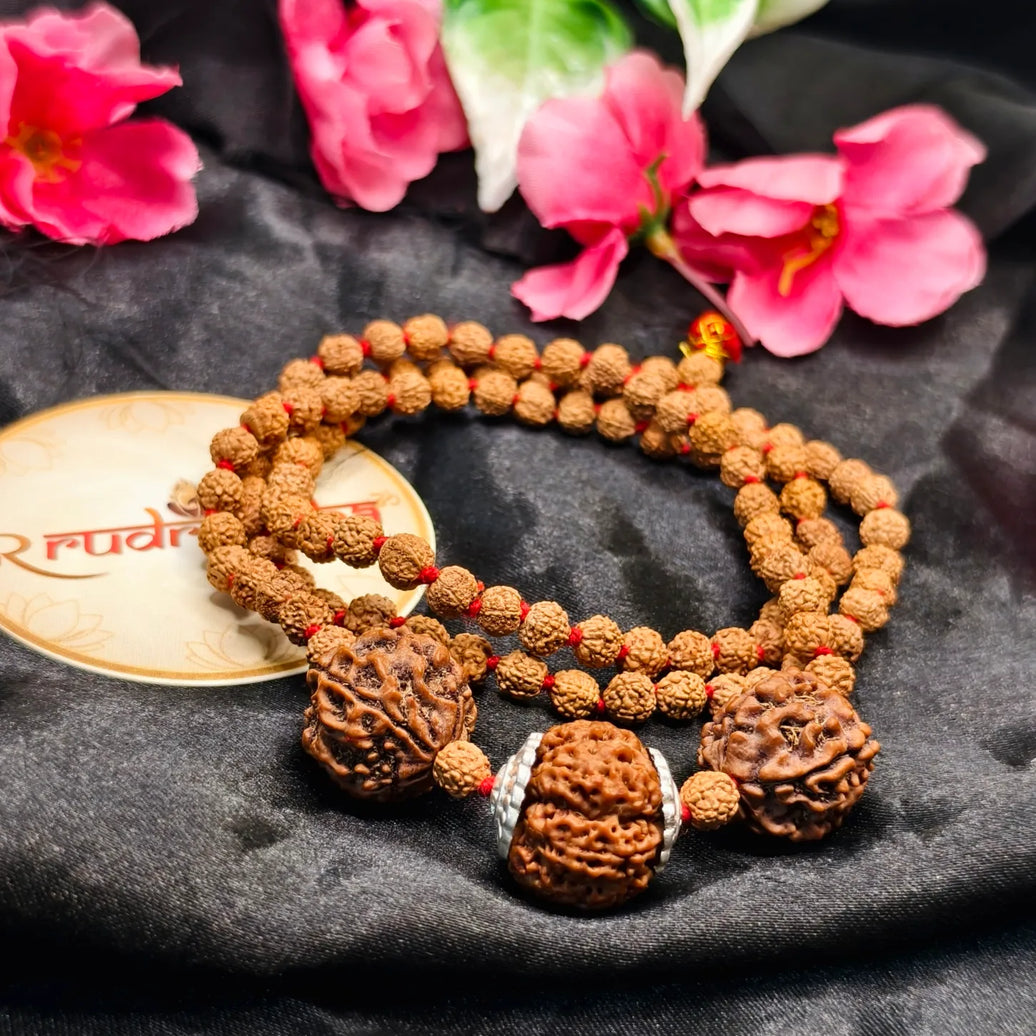
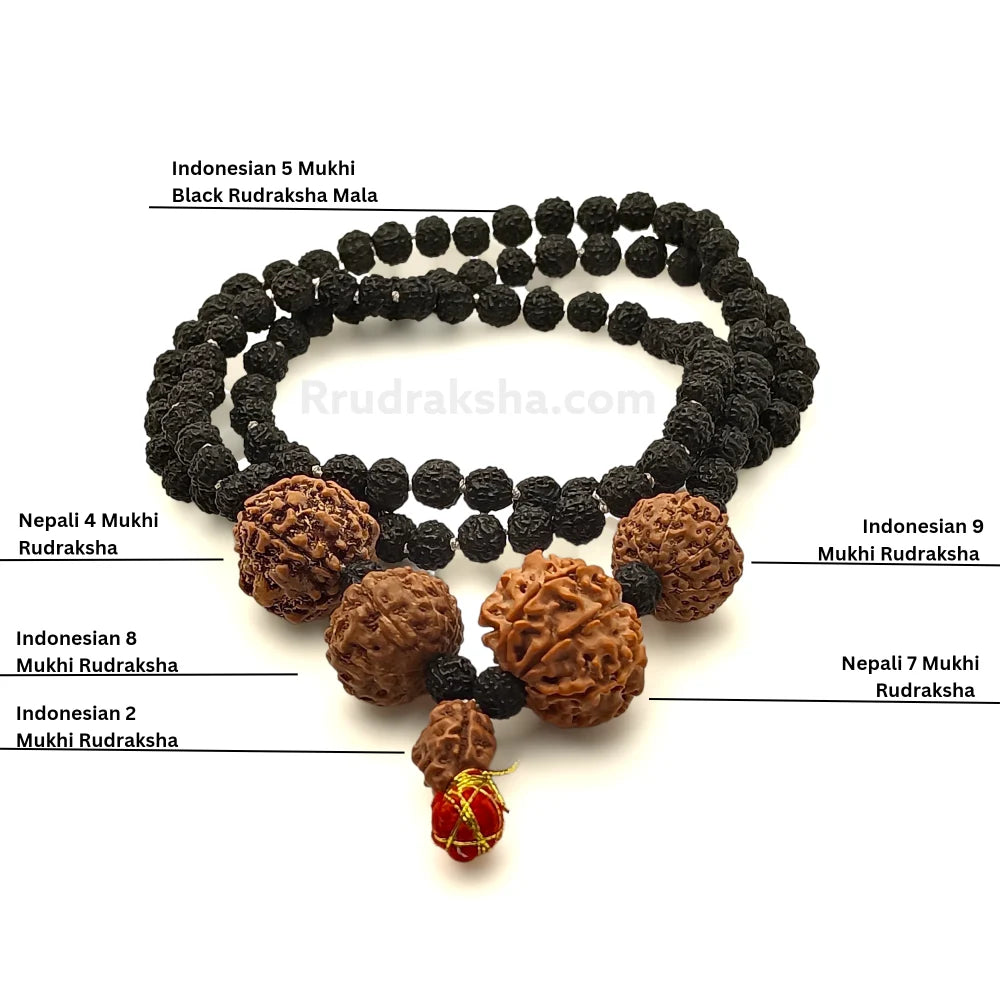
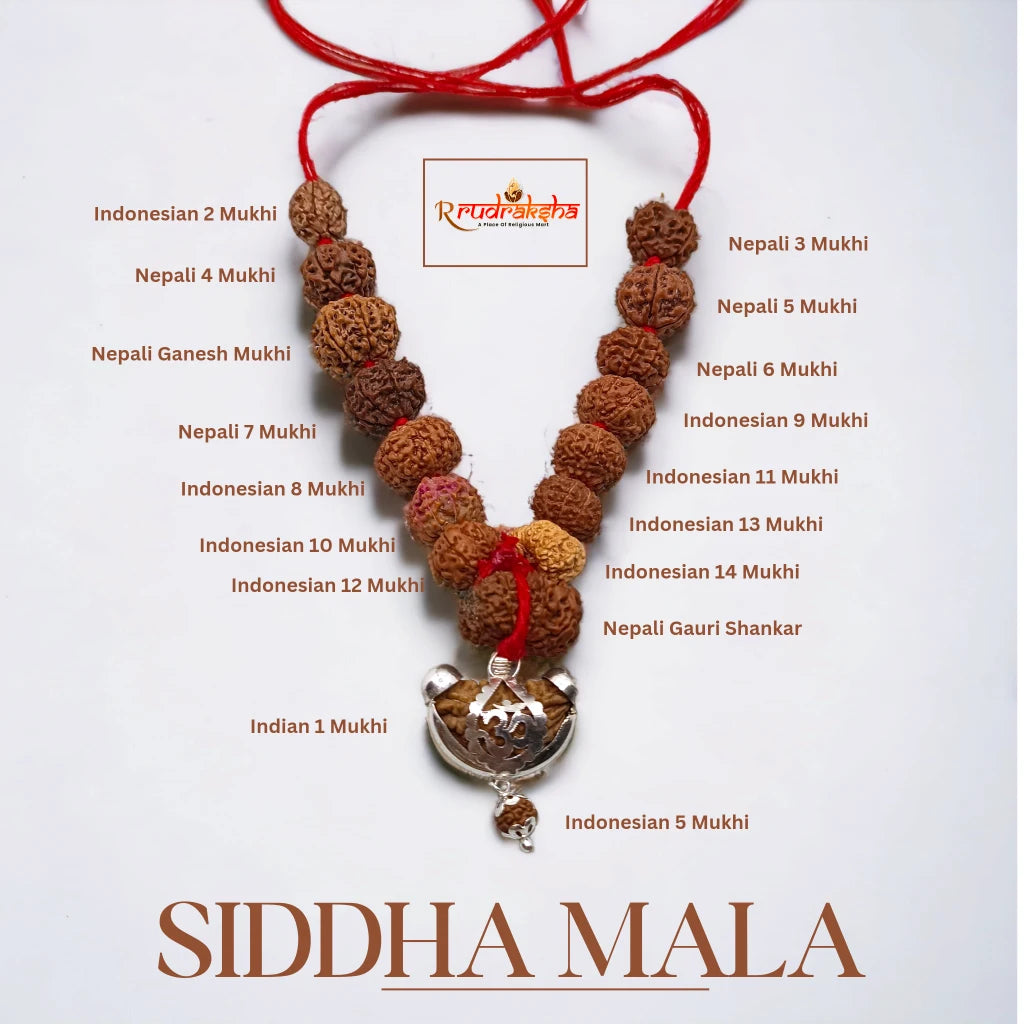
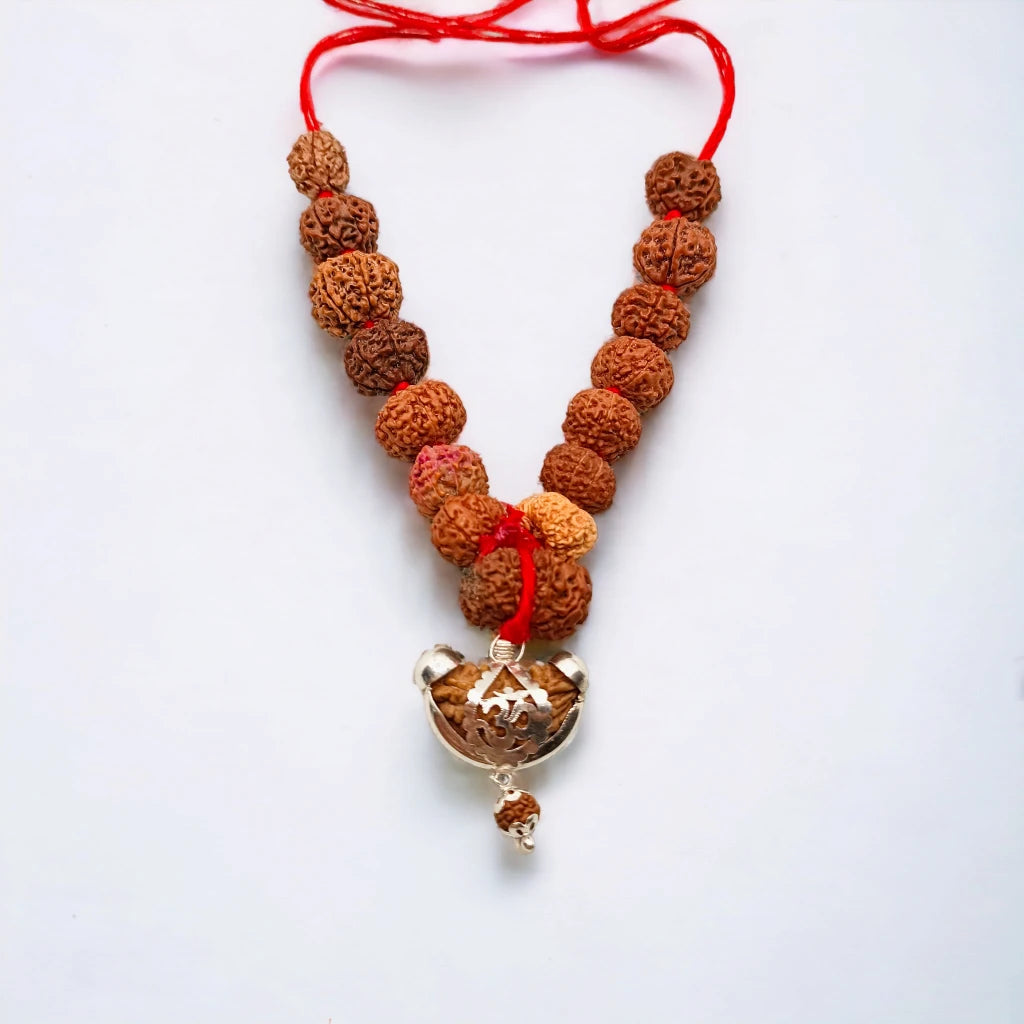
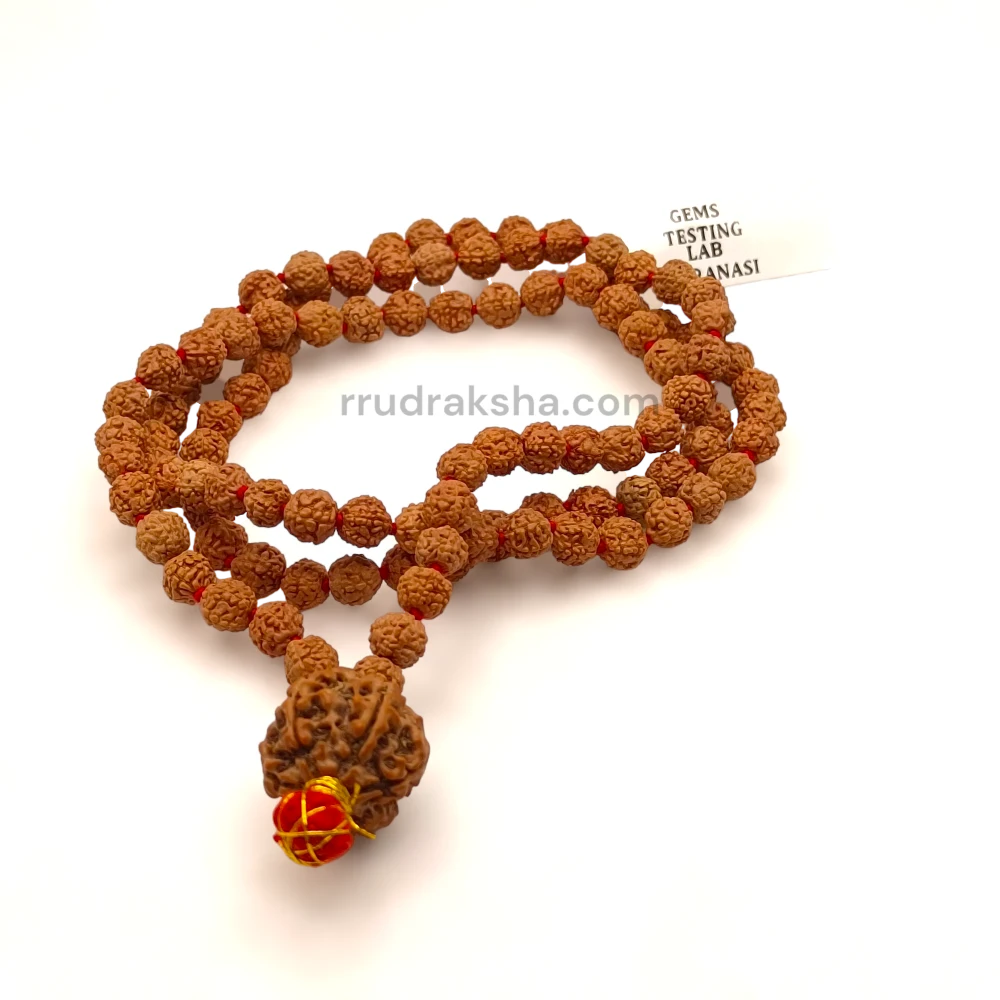
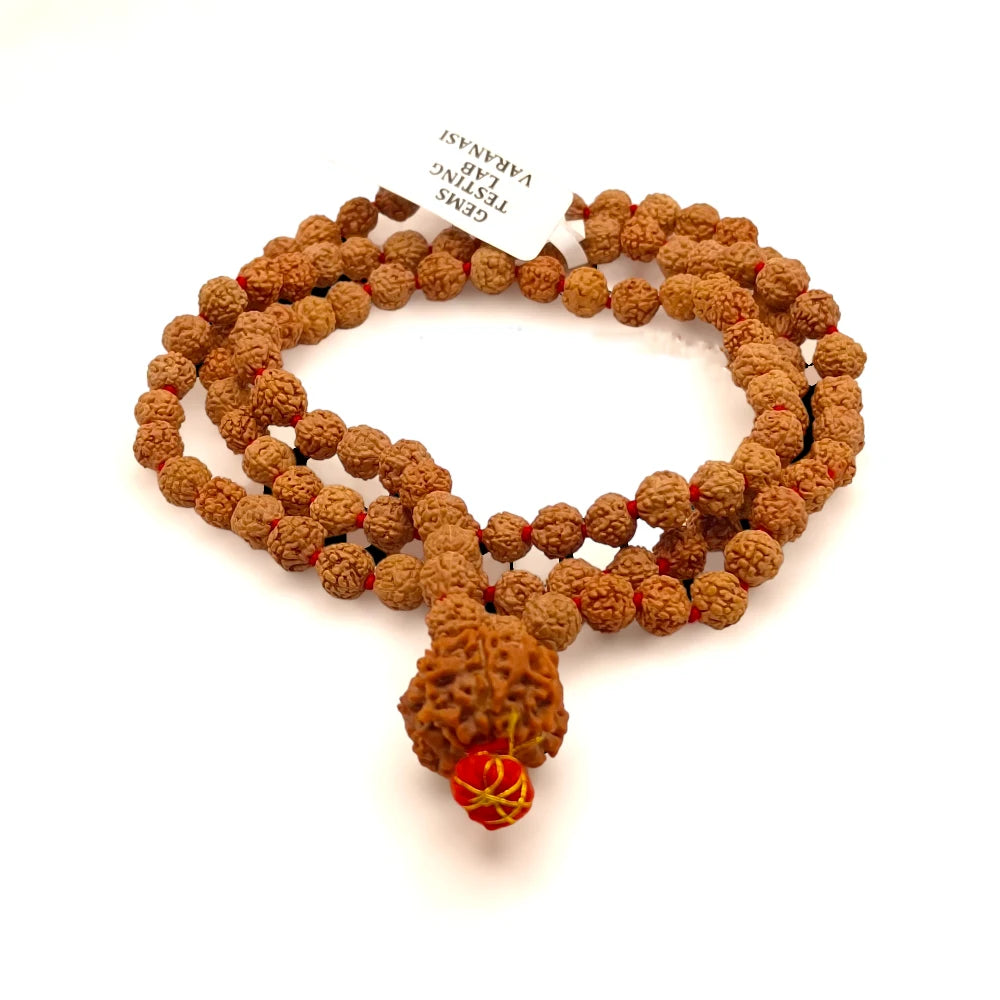
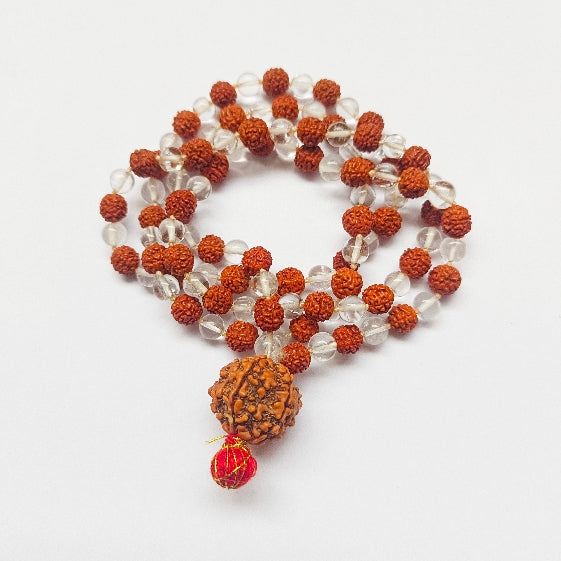
- 5 Mukhi Rudraksha – Traditionally associated with learning discipline, consistency, and mental balance. Often used by students and teachers.
- 7 Mukhi Rudraksha – Linked with responsibility, material steadiness, and reduction of financial anxiety. Relevant for working professionals.
These were not worn to “attract success,” but to reduce fear-based behavior that disrupts long-term effort.
Students: How to Wear Rudraksha Without Distraction 📘
For students, the biggest risk is turning Rudraksha into another distraction — constantly touching it, questioning results, or comparing experiences. This defeats the purpose.
The traditional approach was simple:
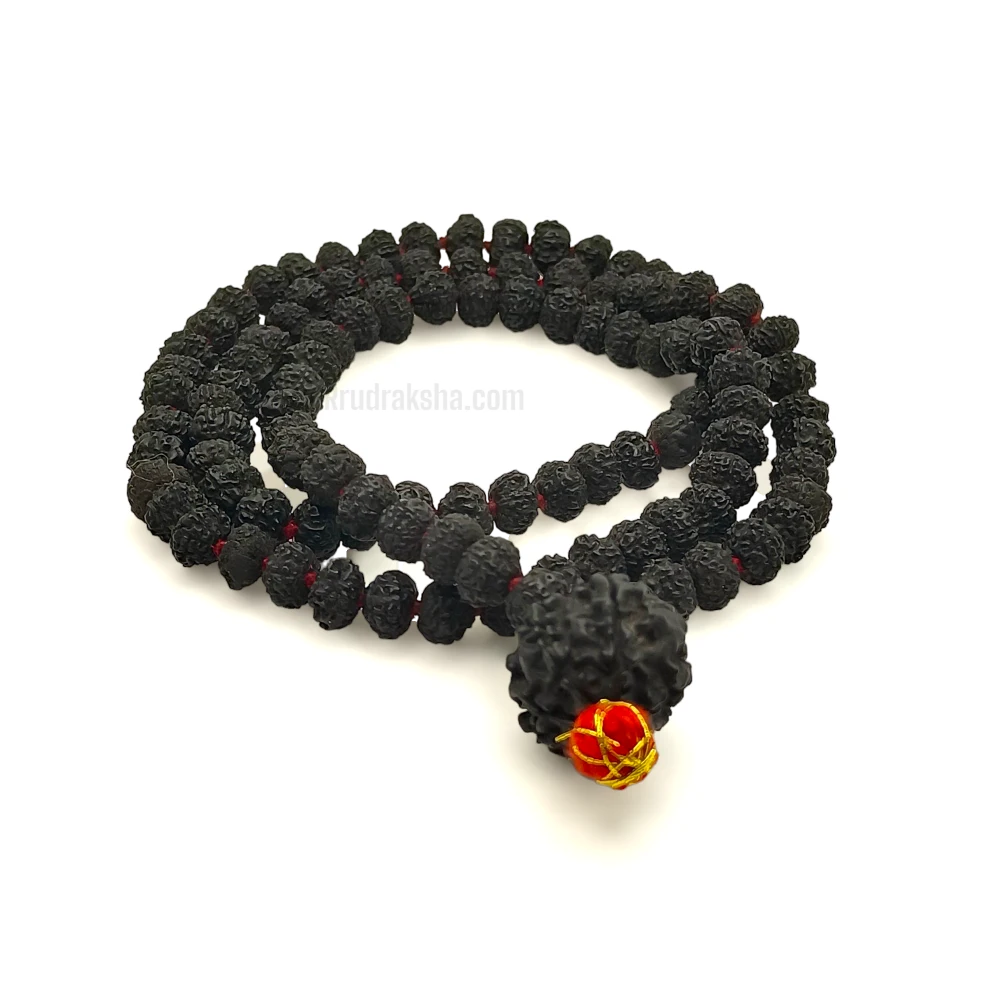
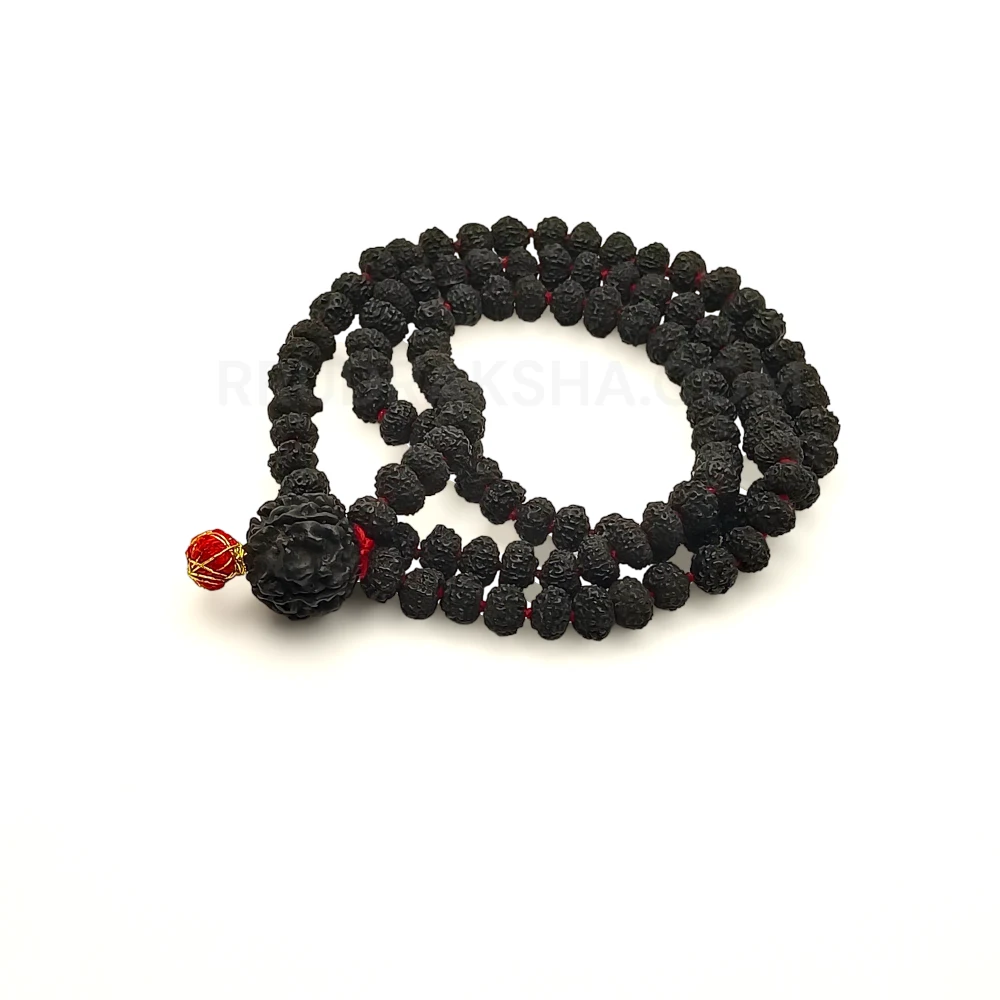
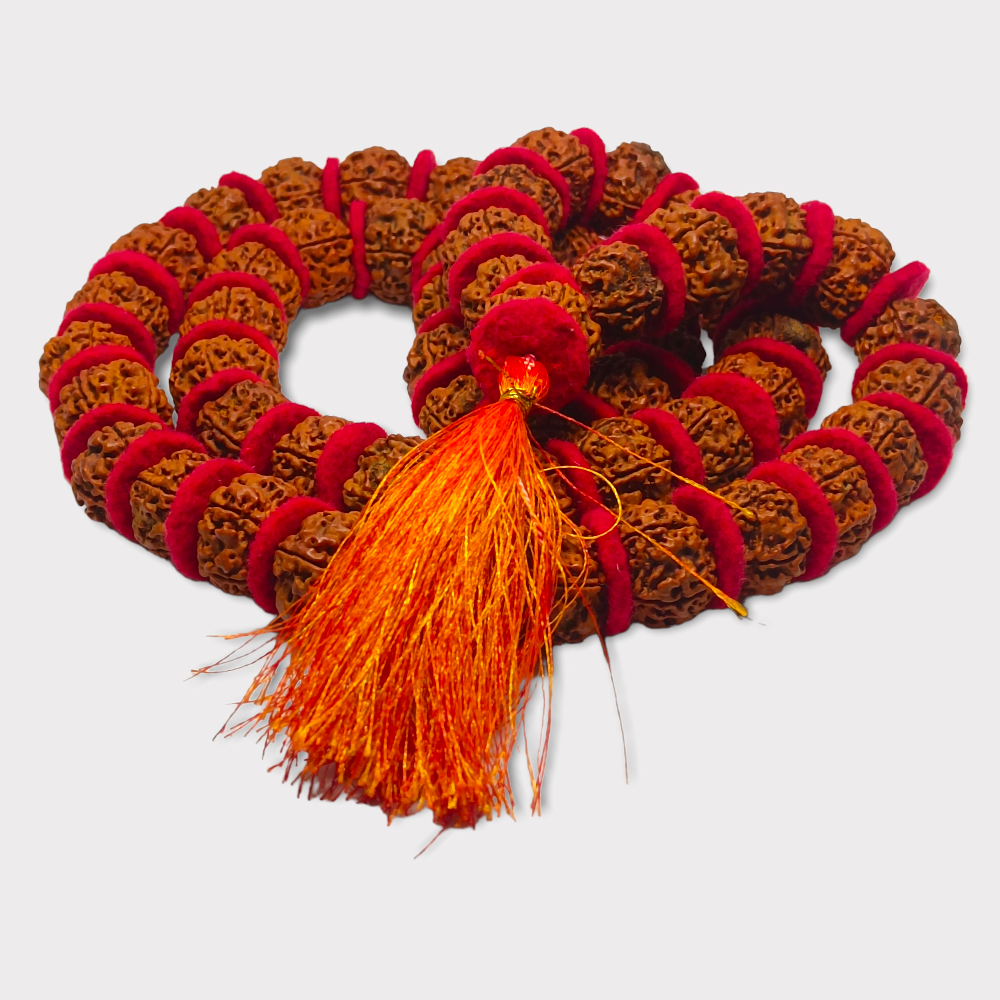
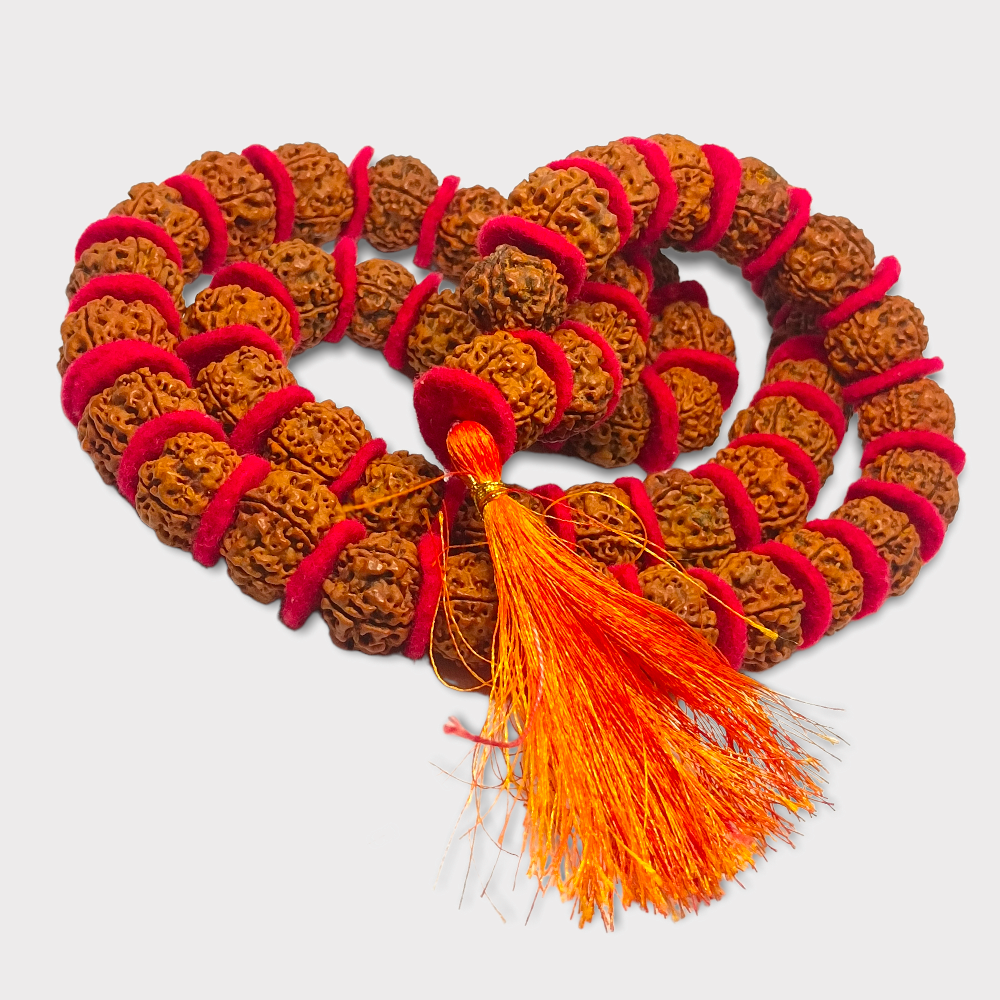
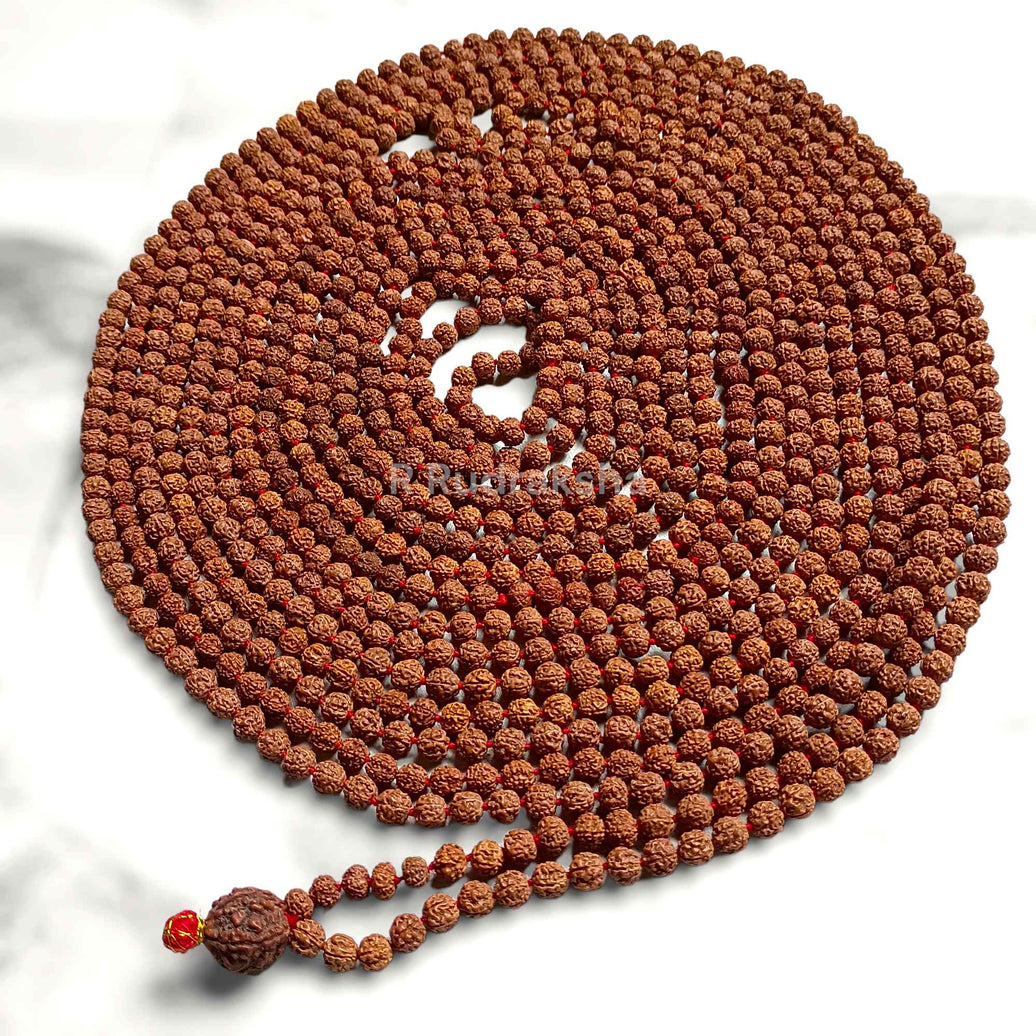
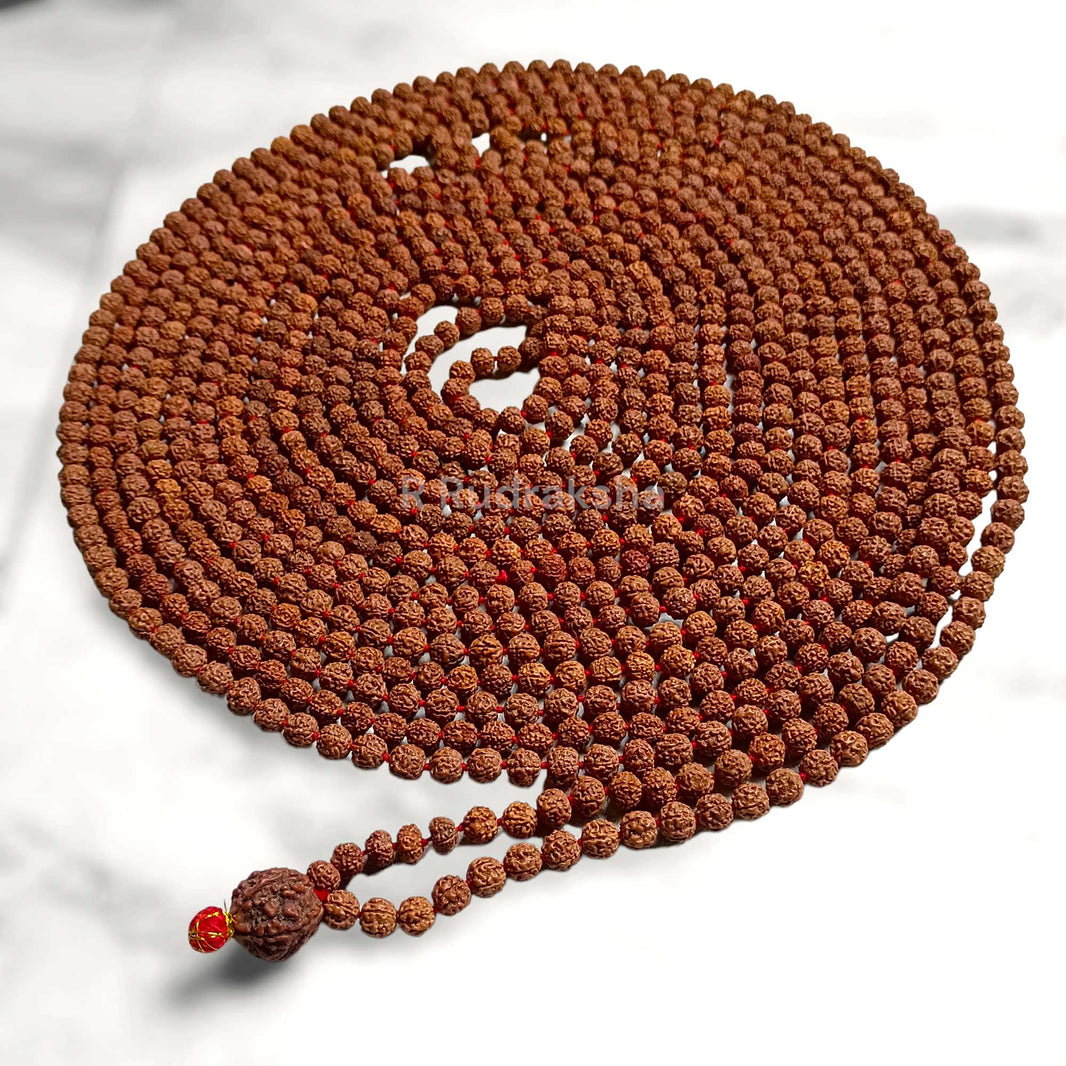
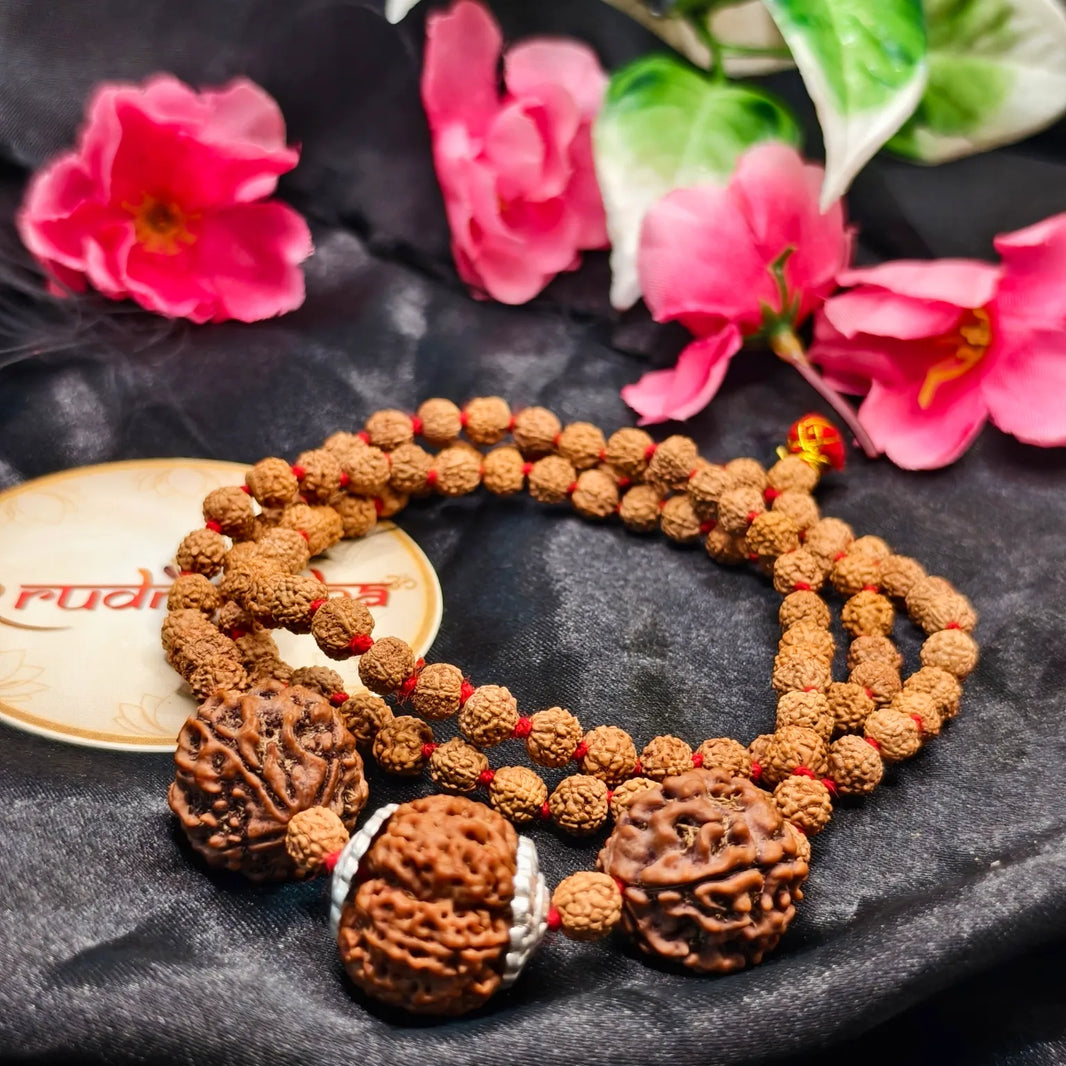
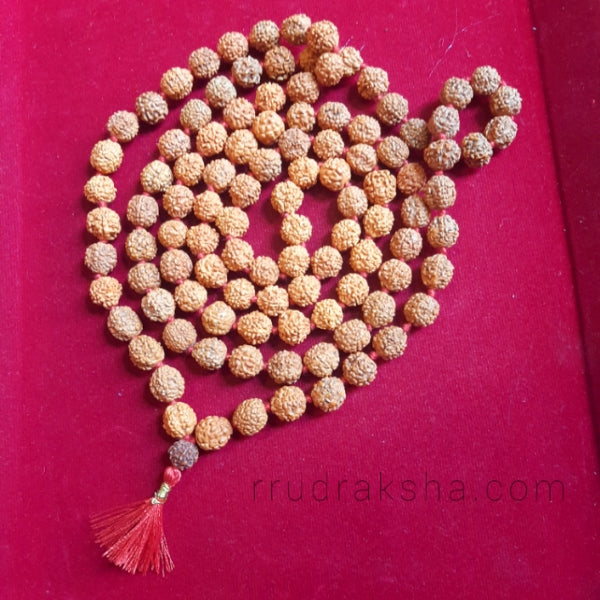
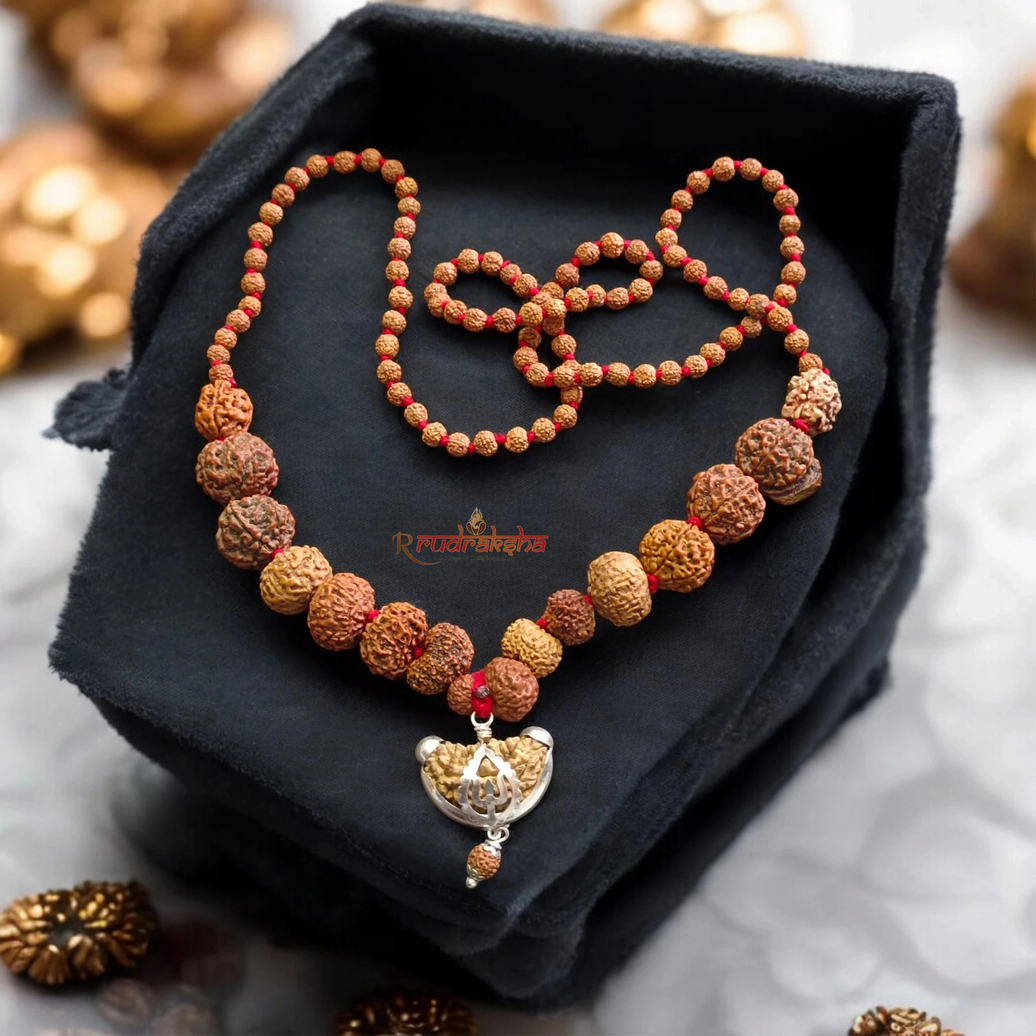
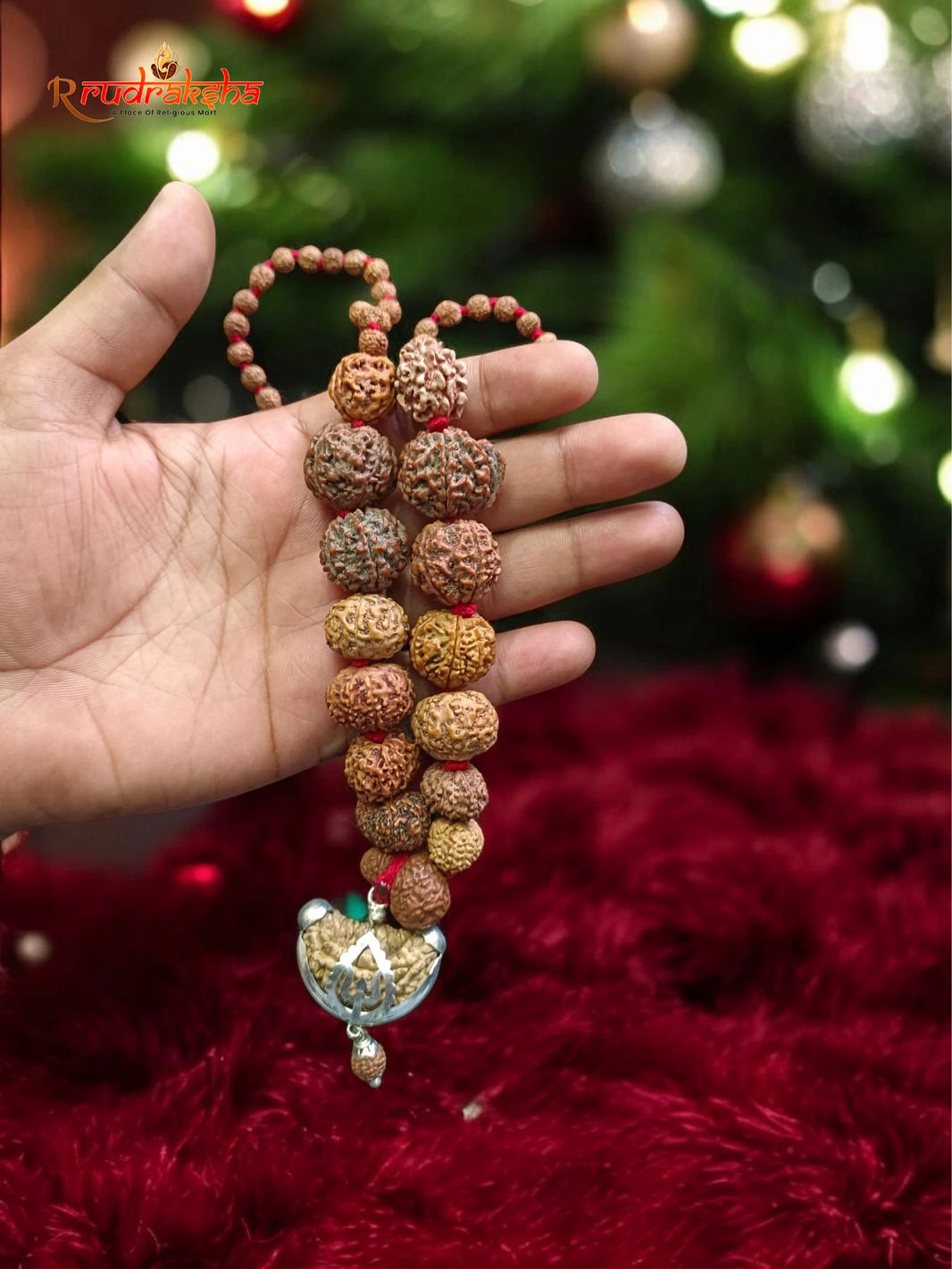
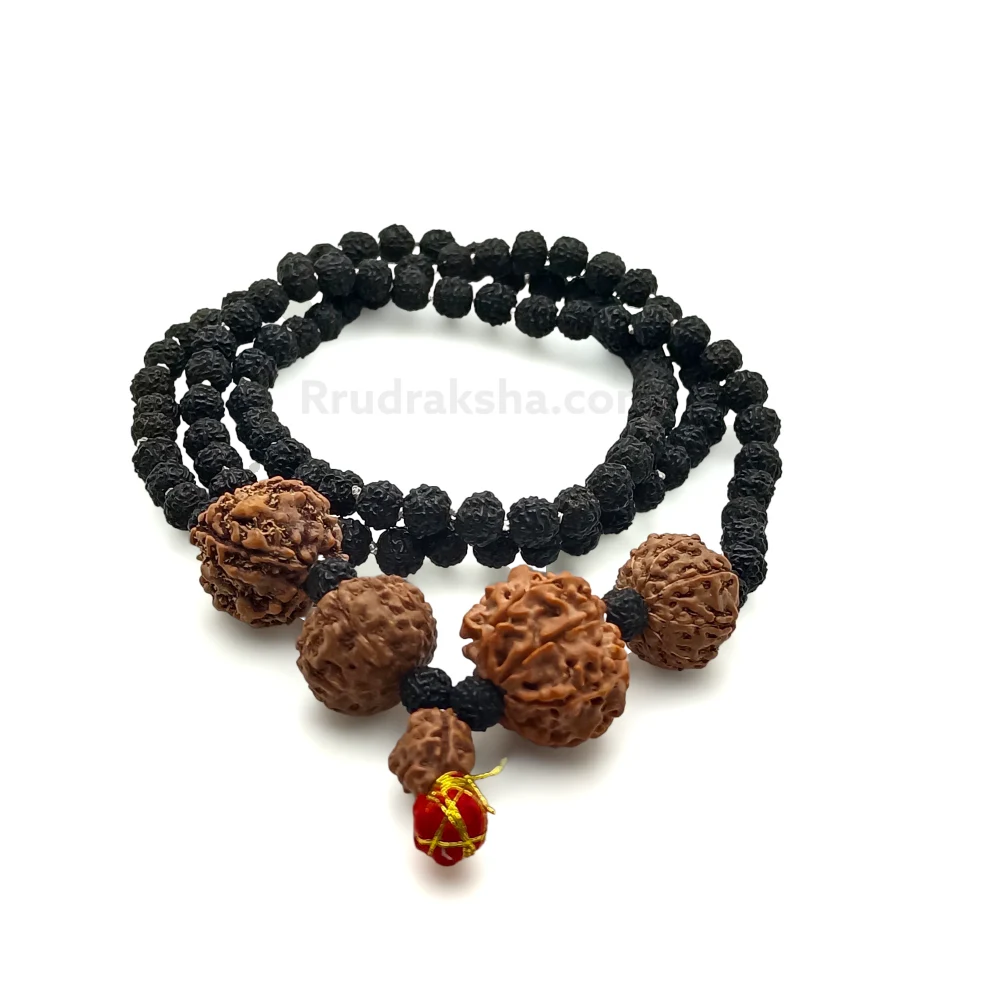
- Wear it daily, preferably as a mala or bracelet
- Do not remove it for exams or stressful days
- Do not track “results” daily
Over time, this consistency trains the mind to remain stable even when pressure increases. Study sessions become longer, anxiety reduces gradually, and retention improves — not dramatically, but reliably.
Professionals: Stability Before Growth 💼
Professionals often chase growth without stabilizing their base. Career transitions, leadership roles, financial pressure, and decision overload create constant background stress.
Rudraksha, when worn continuously, functions as a reminder of responsibility over urgency. This is especially relevant in environments where reaction is rewarded more than reflection.
Instead of amplifying ambition, it tempers impulsiveness. Instead of removing stress, it increases capacity to handle it without emotional spillover.
Common Mistakes That Cancel Any Benefit ⚠️
- Changing beads frequently
- Wearing only during stress
- Expecting instant results
- Using Rudraksha as a replacement for effort
All traditional systems were clear on one thing: supports do not replace discipline. They reinforce it.
Why This Approach Works Long-Term 🧩
Students graduate. Jobs change. Responsibilities evolve. What remains is the nervous system’s learned response to pressure.
By supporting routine instead of chasing outcomes, Rudraksha aligns with how real growth happens — slowly, quietly, and cumulatively.
This is why it continues to remain relevant in modern academic and professional life, even without belief or astrology.
Frequently Asked Questions (FAQs) 📌
Does Rudraksha really work if I don’t believe in astrology?
Yes — because this approach does not rely on astrology. Rudraksha here is understood as a long-term stabilizing companion, not a planetary remedy. Its role is to support routine, emotional regulation, and consistency, which function independently of belief systems.
How long does it take to notice any change?
Changes are gradual. Most people notice subtle shifts in emotional steadiness and focus within a few weeks, but meaningful impact appears over months of consistent wearing. This mirrors how habits and discipline develop — slowly, not suddenly.
Can students wear Rudraksha daily, even during exams?
Yes. In fact, consistency during stressful periods is essential. Rudraksha is not meant to be removed during pressure. It is designed to support steadiness when routine is challenged, not only when life feels calm.
Is it necessary to chant or follow rituals?
No rituals are required in this framework. Traditional long-term use emphasized continuity over ceremony. Chanting may be practiced if one already follows it, but Rudraksha does not depend on ritual to function as a stabilizing anchor.
Can professionals wear Rudraksha at work?
Yes. Many prefer subtle forms such as bracelets or simple malas worn under clothing. The purpose is not display, but uninterrupted association. Its effectiveness increases when it becomes part of daily professional life.
Is it okay to wear multiple Rudraksha types together?
It is generally better to keep things simple. Adding multiple types out of anxiety or experimentation often disrupts consistency. Long-term benefit comes from stable use, not accumulation.
🌀 Conclusion 🔚
Why This Approach Actually Works
Rudraksha is often misunderstood because it is judged by the wrong standard. It does not produce excitement, instant confidence, or dramatic transformation. It supports something far more valuable — the ability to remain consistent when pressure increases.
For students, this means attention that does not collapse during exams. For professionals, it means decision-making that does not fracture under responsibility. These outcomes do not come from belief, fear, or expectation. They come from repetition, predictability, and reduced internal noise.
This is why Rudraksha was never positioned as a quick solution in traditional systems. It was worn continuously, quietly, and without constant evaluation. Over time, it became part of the body’s rhythm — reinforcing discipline without force.
If you are looking for shortcuts, Rudraksha will disappoint you. If you are willing to build structure patiently, it can become one of the most reliable supports you ever use — not because it changes fate, but because it strengthens the person living it.
🙏 हर हर महादेव 🙏





Leave a comment