
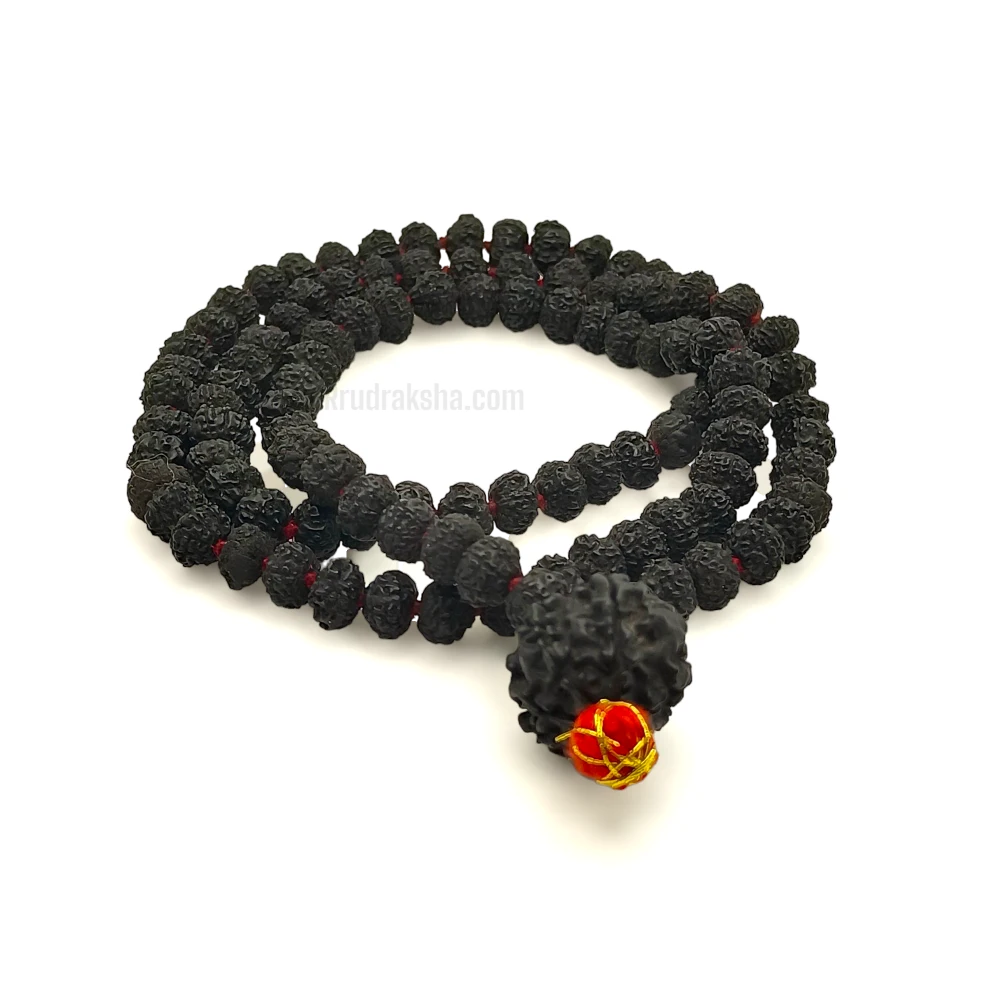
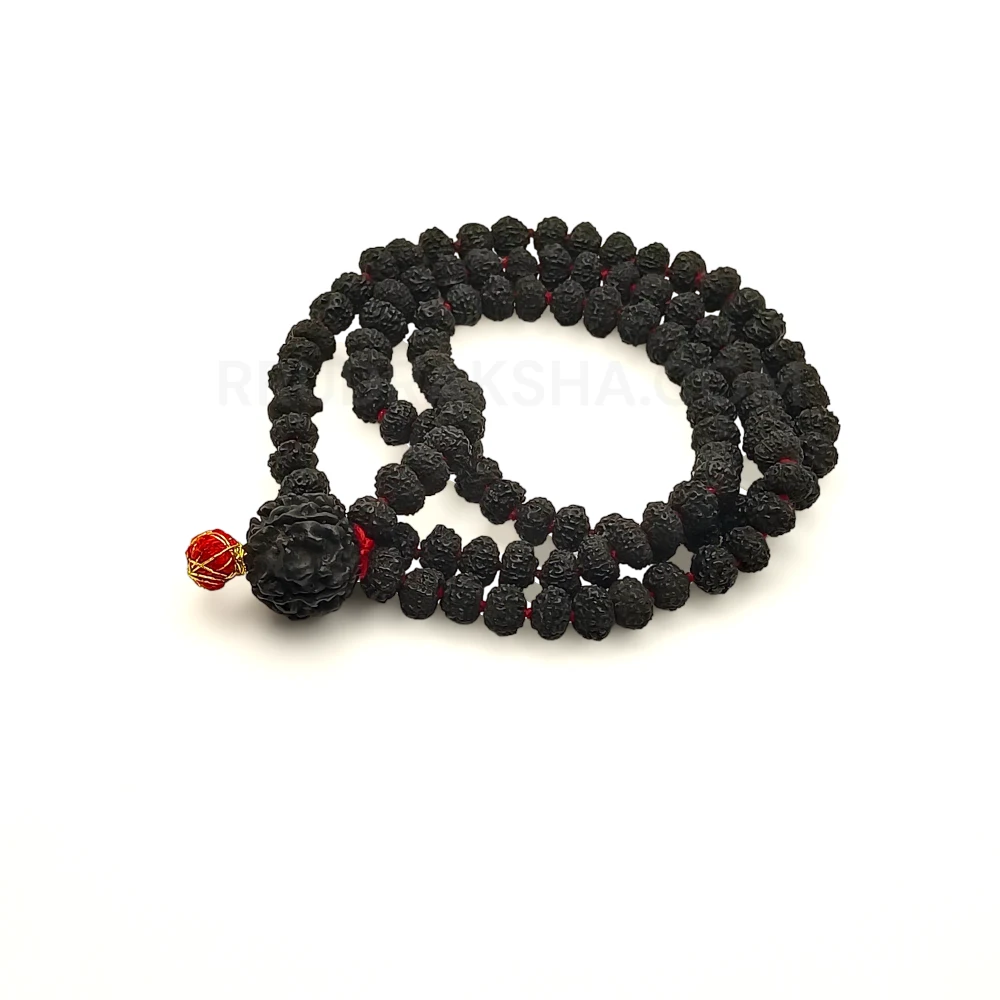
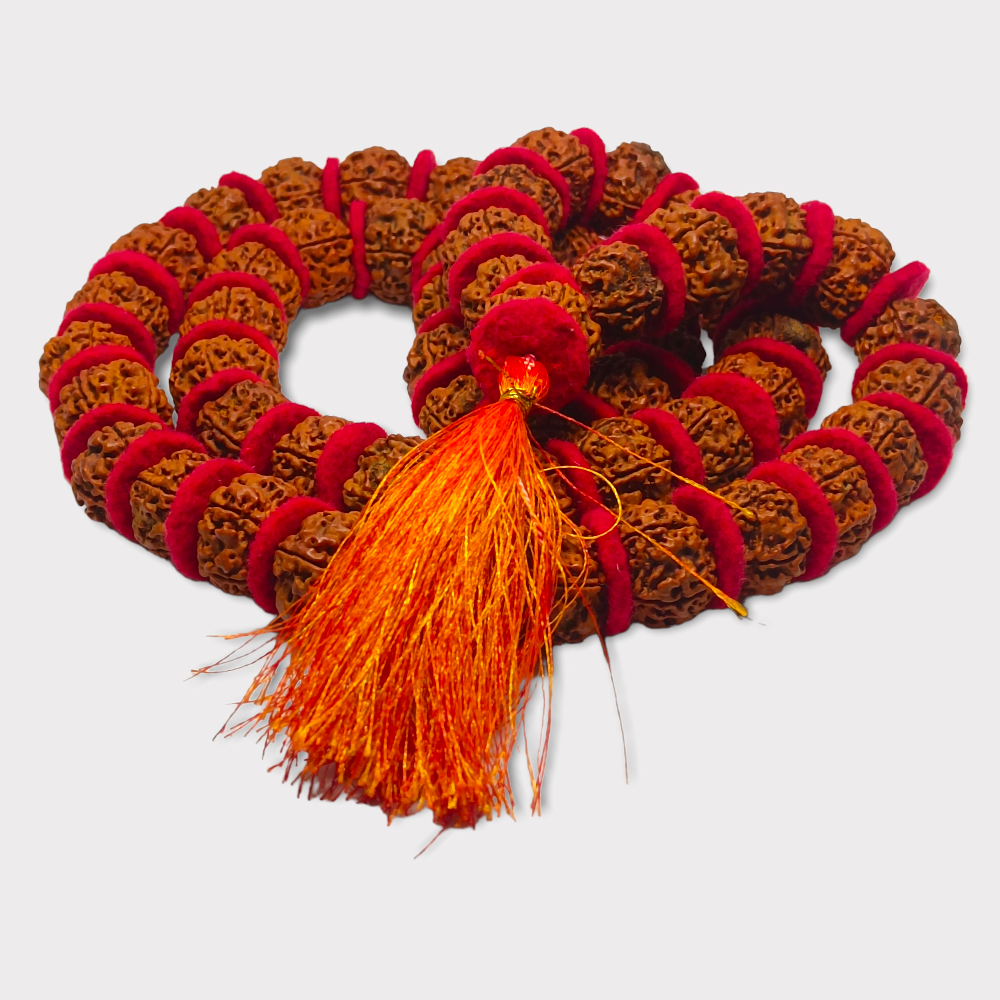
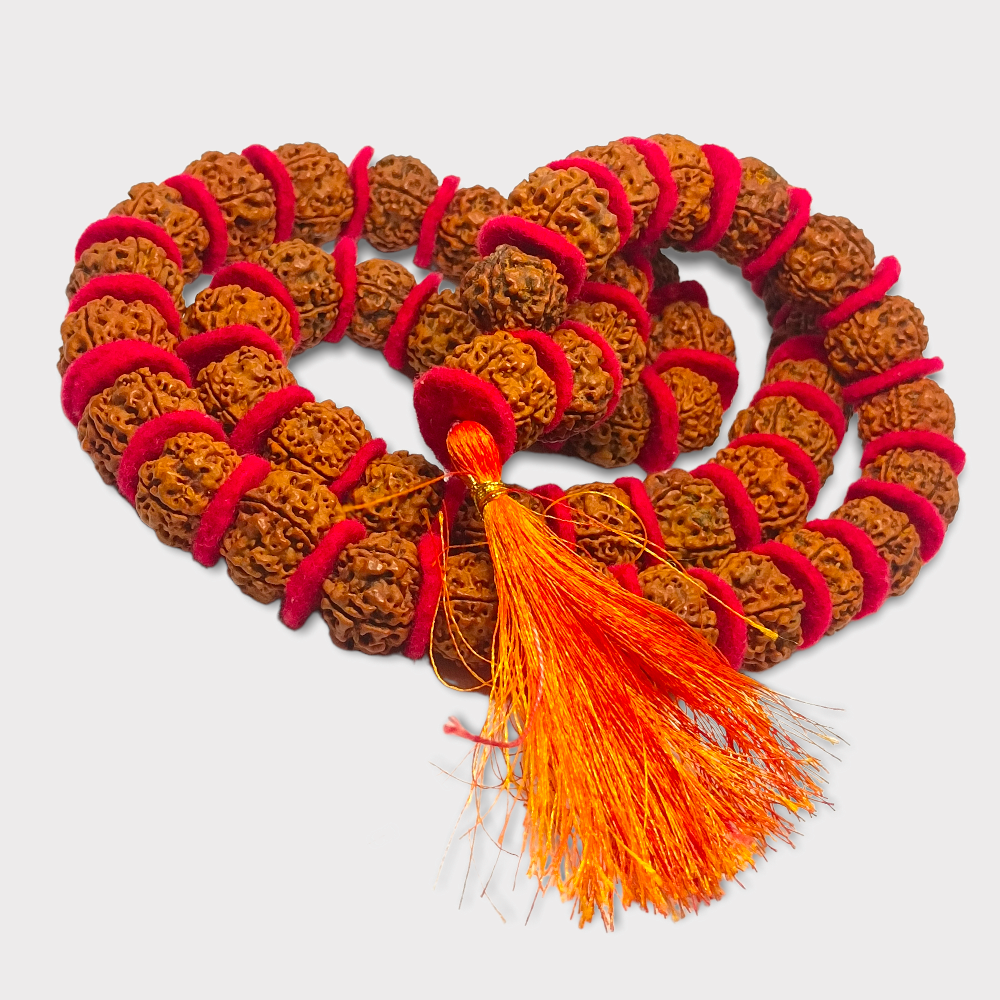

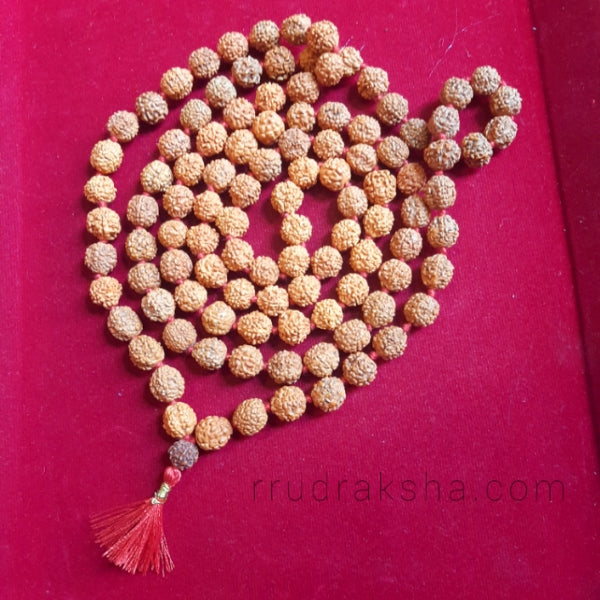

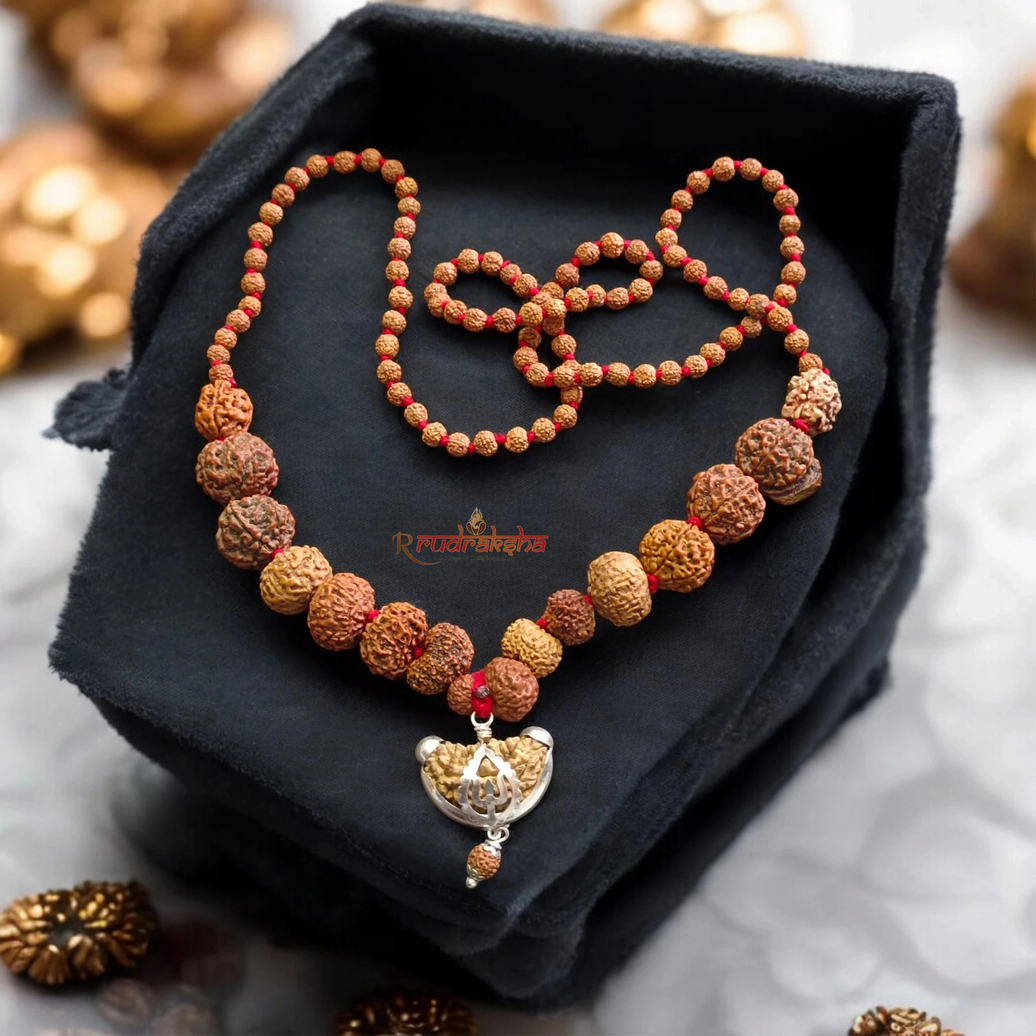
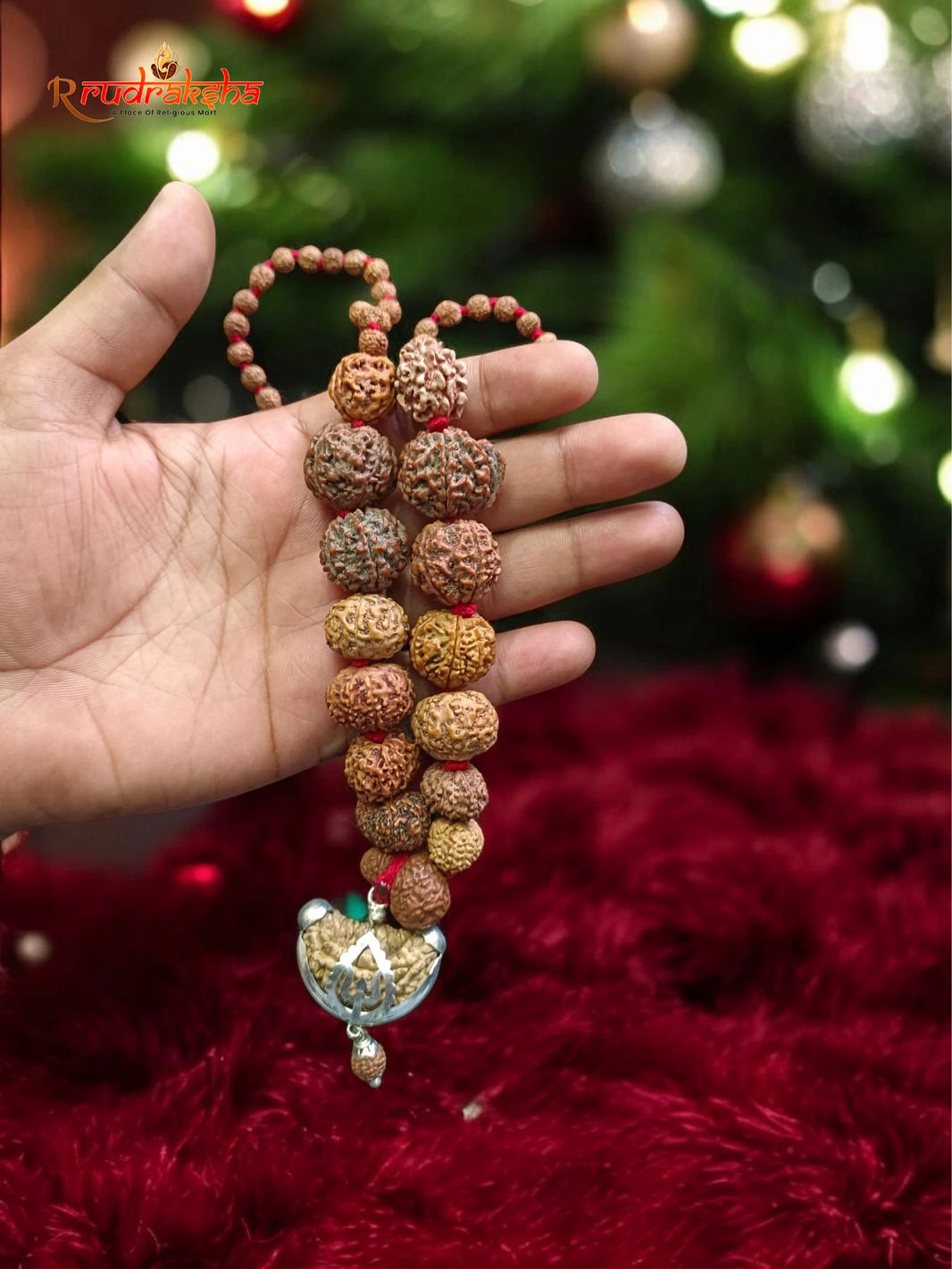


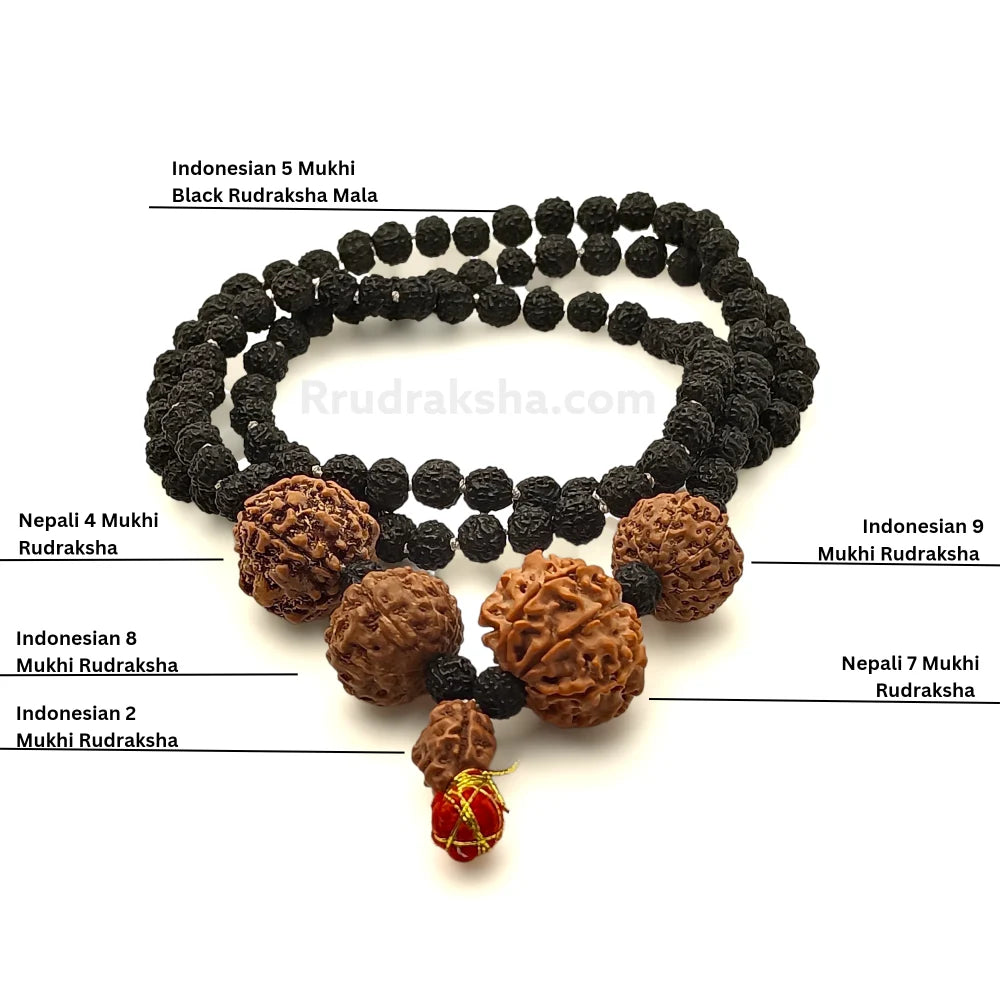
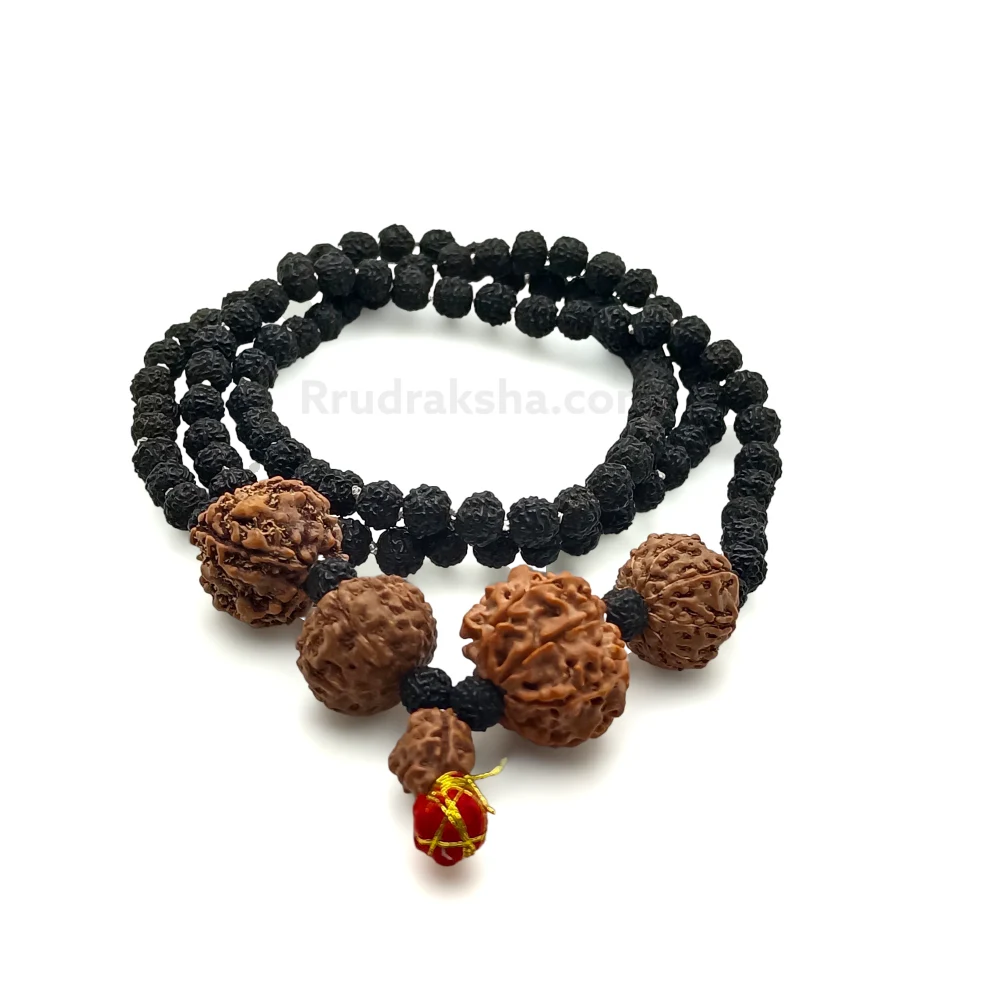

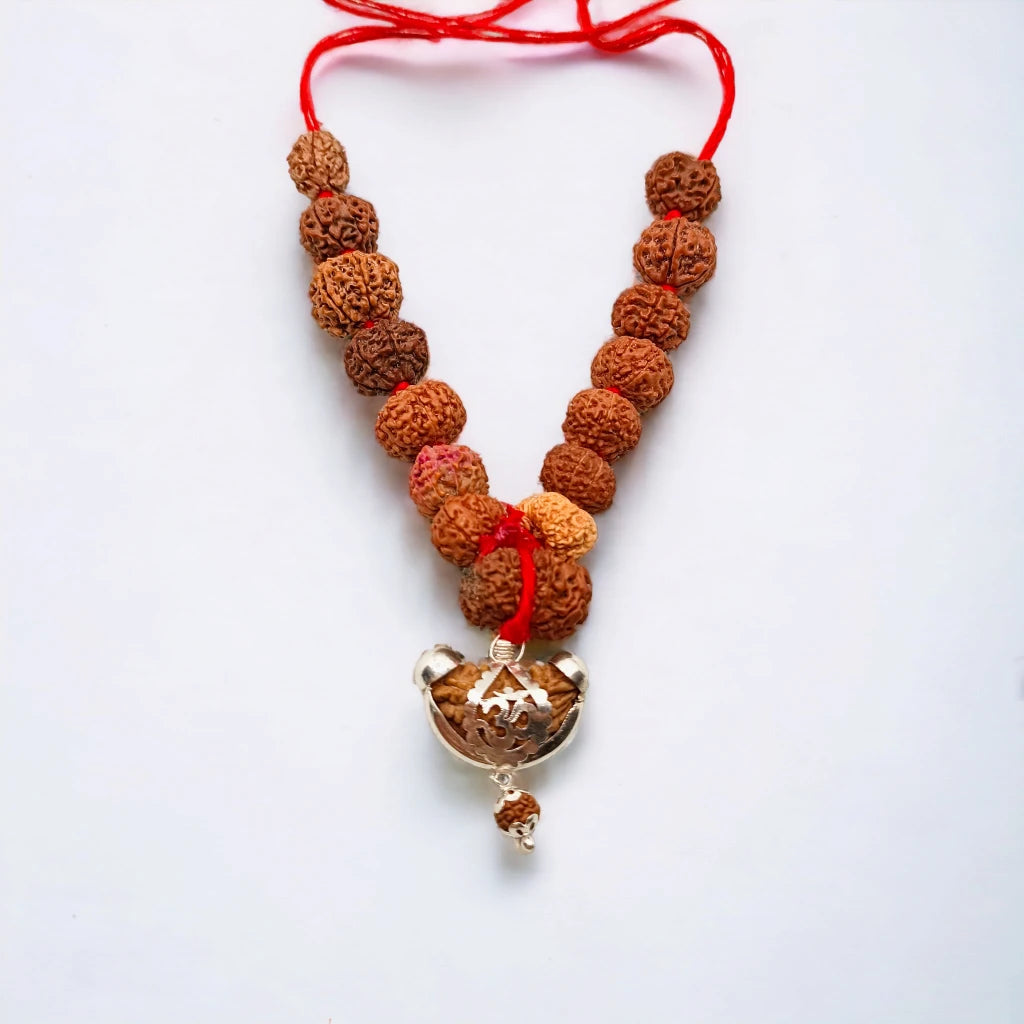
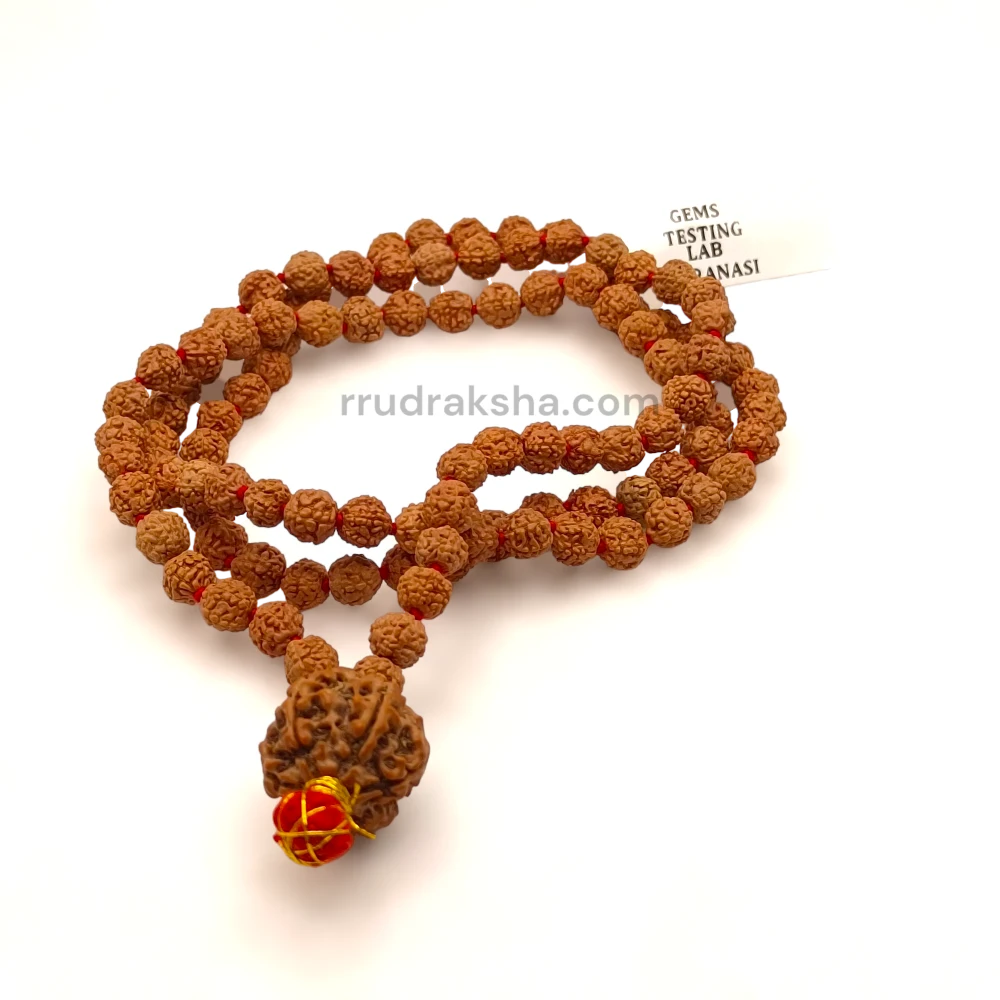
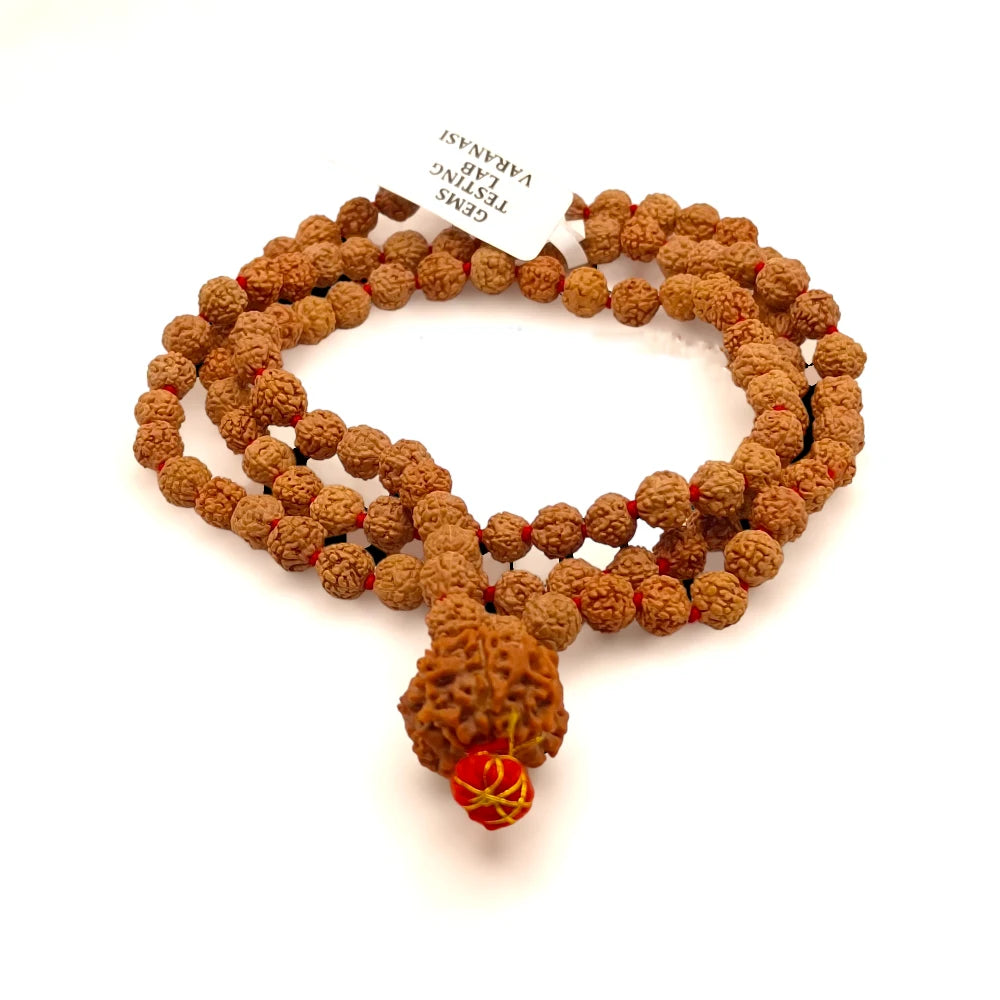
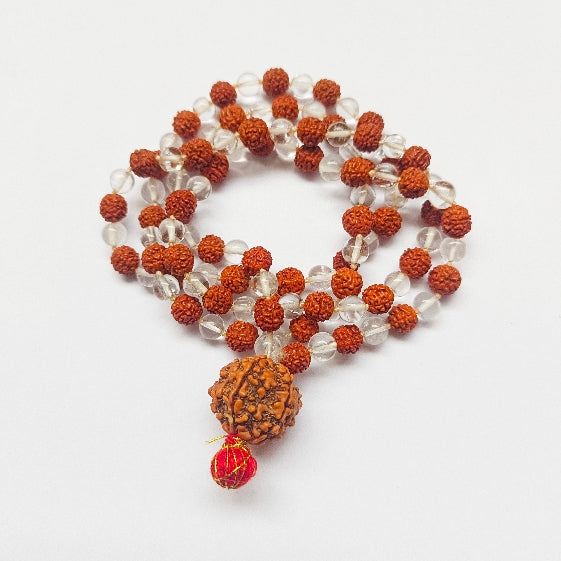
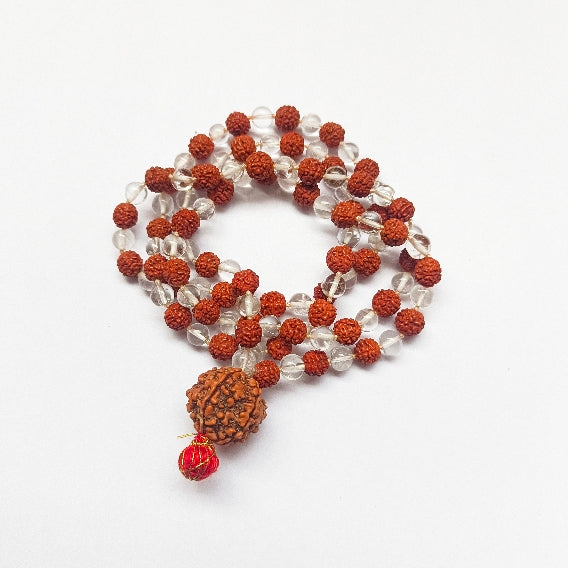

🔱 Customized Kawach & Kantha: The Right Way to Build One
In the world of Rudraksha, customization is often misunderstood. Many people approach a Kawach or Kantha expecting an instant solution — a shortcut to fix problems, reverse situations, or override effort. This expectation is not only unrealistic, it contradicts how Rudraksha has traditionally been understood and used.
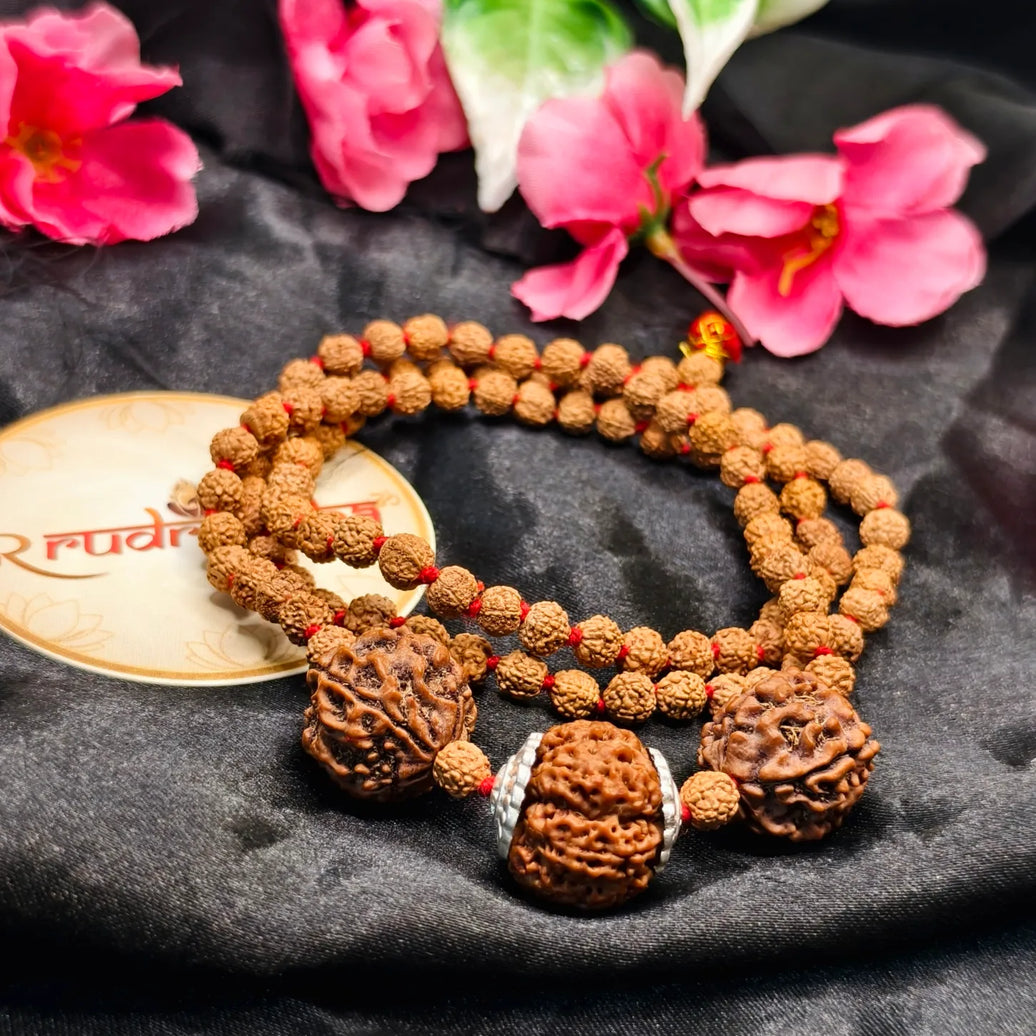
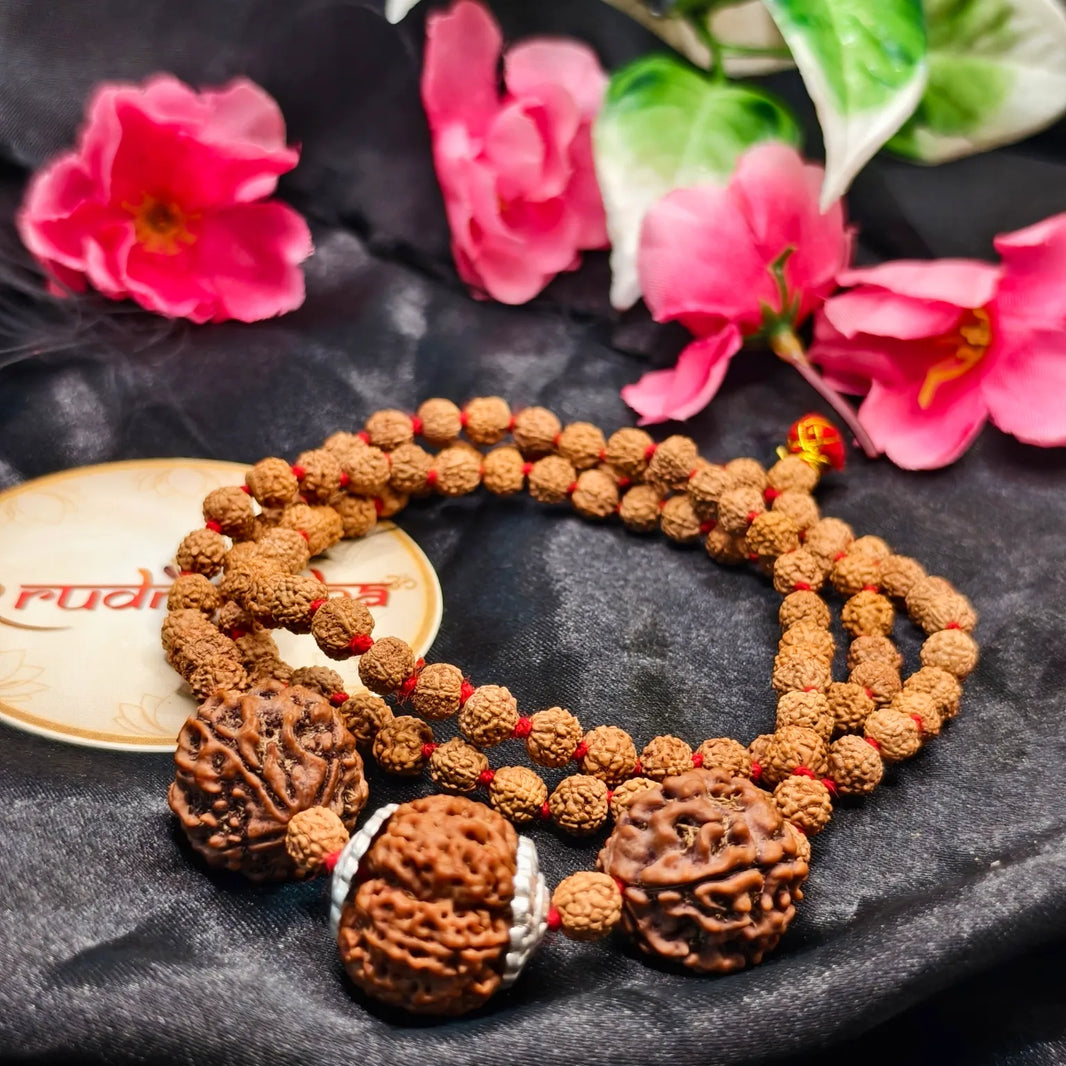
A Customized Kawach or Kantha is not about wearing “more beads” or choosing the “rarest mukhi.” It is about alignment. Alignment between intention, daily life, mental patterns, and discipline. When built correctly, a customized piece does not replace effort — it supports structure so effort becomes sustainable.
This blog explains the correct way to design a Customized Kawach or Kantha using a clear framework: Goal clarity → Bead logic → Wearing plan. No fear-based astrology. No exaggerated claims. Only practical understanding.
🌀 Why Customization Exists (And Why Most People Get It Wrong)
Traditionally, Rudraksha was never worn randomly. Sadhus, householders, and seekers selected beads based on the kind of discipline they were cultivating — not on panic, trends, or hearsay. Customization existed to support consistency, not to chase outcomes.
Modern misuse begins when customization is treated like a prescription. People ask: “Which Rudraksha will fix my money problem?” “Which Kawach will remove obstacles immediately?”
This approach leads to confusion, disappointment, and constant switching of beads. The issue is not Rudraksha — the issue is unclear intention.
A well-designed Kawach or Kantha works quietly. It stabilizes routine, reinforces focus, and reduces inner friction over time. It does not announce results. It builds capacity.
Step One: Define the Goal (Not the Problem) 🎯
The first and most critical step in building a Customized Kawach or Kantha is **goal definition**. Not problems. Not fear. Not symptoms.
A goal answers the question: “What kind of stability am I trying to build?”
For example:
- Improving focus and consistency at work
- Reducing anxiety-driven decision-making
- Building emotional steadiness in relationships
- Strengthening discipline during long-term responsibilities
Notice how these goals describe patterns, not events. Rudraksha works at the level of patterns, not instant outcomes. A Kawach designed around clarity will support clarity every day — not just during crisis.
👎 Why Problem-Based Selection Fails
When customization starts from fear (“I’m stuck”, “Everything is blocked”), bead selection becomes reactive. People keep adding more mukhis, more combinations, more changes — hoping something will “click.”
This creates the opposite effect. Instead of stability, the system becomes overloaded. The wearer keeps adjusting instead of settling.
Traditional logic was simple: One clear direction → Few well-chosen beads → Long-term wearing
Customization is not about intensity. It is about coherence.
Step Two: Bead Logic (Why Each Mukhi Is Chosen) 📿
Once the goal is clear, bead logic becomes straightforward. Each Rudraksha mukhi is traditionally associated with a type of discipline, not a miracle.
For example:
- 5 Mukhi is associated with balance, routine, and mental steadiness
- 7 Mukhi aligns with responsibility, material stability, and fear reduction around effort
- 6 Mukhi supports clarity, learning, and structured thinking
In a customized Kawach or Kantha, beads are not added to “cover all areas of life.” They are chosen to reinforce the core goal.
For instance, someone building long-term career discipline may benefit more from a grounded combination emphasizing steadiness rather than a complex mix aimed at “quick success.”
🛞 Why Fewer Beads Often Work Better
One of the biggest misconceptions is that more beads equal more power. In reality, excessive combinations often dilute focus.
Traditional practitioners preferred:
- Minimal combinations
- Repeated daily exposure
- Consistent wearing without frequent changes
A Kantha with fewer, well-matched beads worn close to the body becomes a constant reference point. Over time, this familiarity reinforces discipline far more effectively than novelty.
Step Three: Wearing Plan (Where Most People Fail) 🧭
Even the best-designed Kawach fails if the wearing plan is inconsistent.
Rudraksha was never meant to be worn “when needed.” It was meant to be worn while building life.
A proper wearing plan includes:
- Daily wearing during routine activities
- Avoiding frequent removal unless necessary
- Maintaining respectful handling, not obsession
The purpose of a wearing plan is to normalize the Rudraksha’s presence so it becomes part of one’s rhythm — not an object of constant attention.
When worn this way, a Customized Kawach or Kantha supports stability quietly, without creating dependence.
🔍 Kawach vs Kantha: Understanding the Real Difference
Many people use the terms Kawach and Kantha interchangeably, assuming they serve the same purpose. Traditionally, however, the difference was functional rather than decorative.
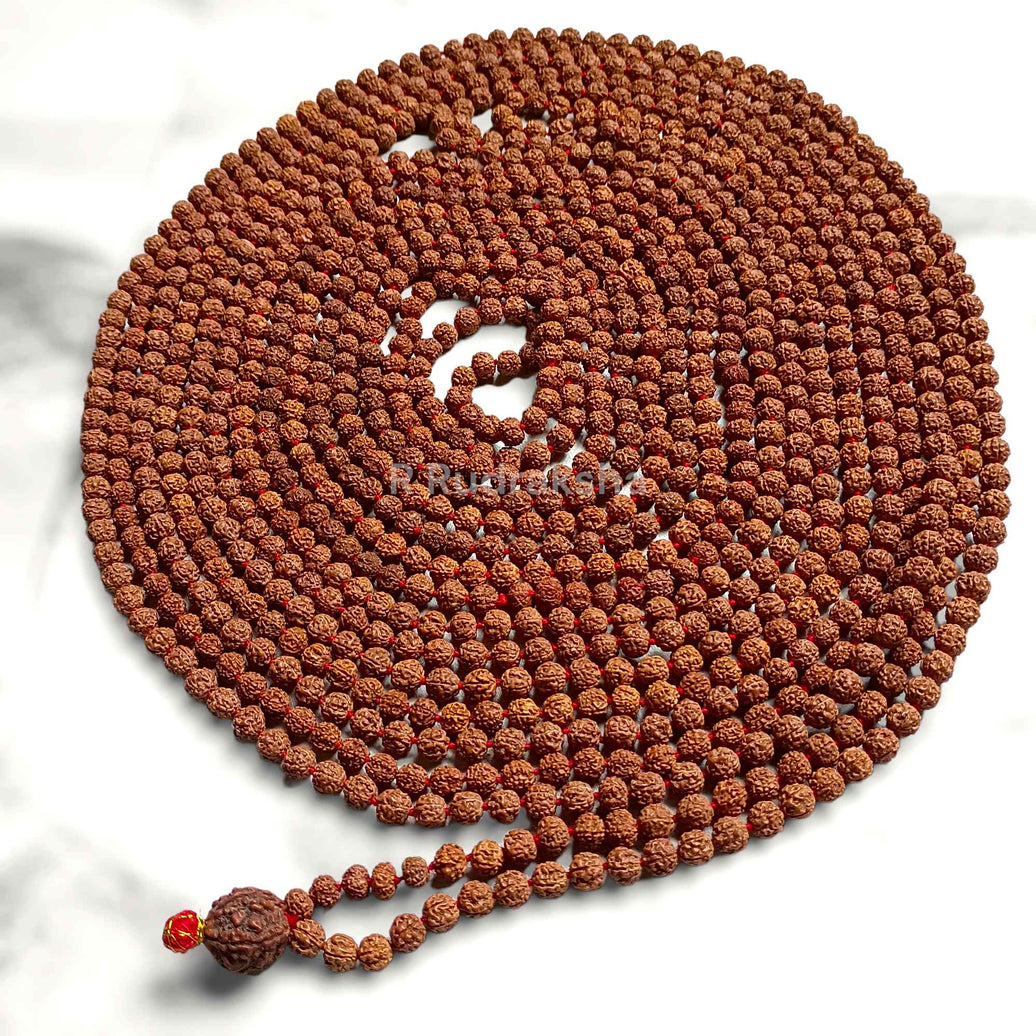
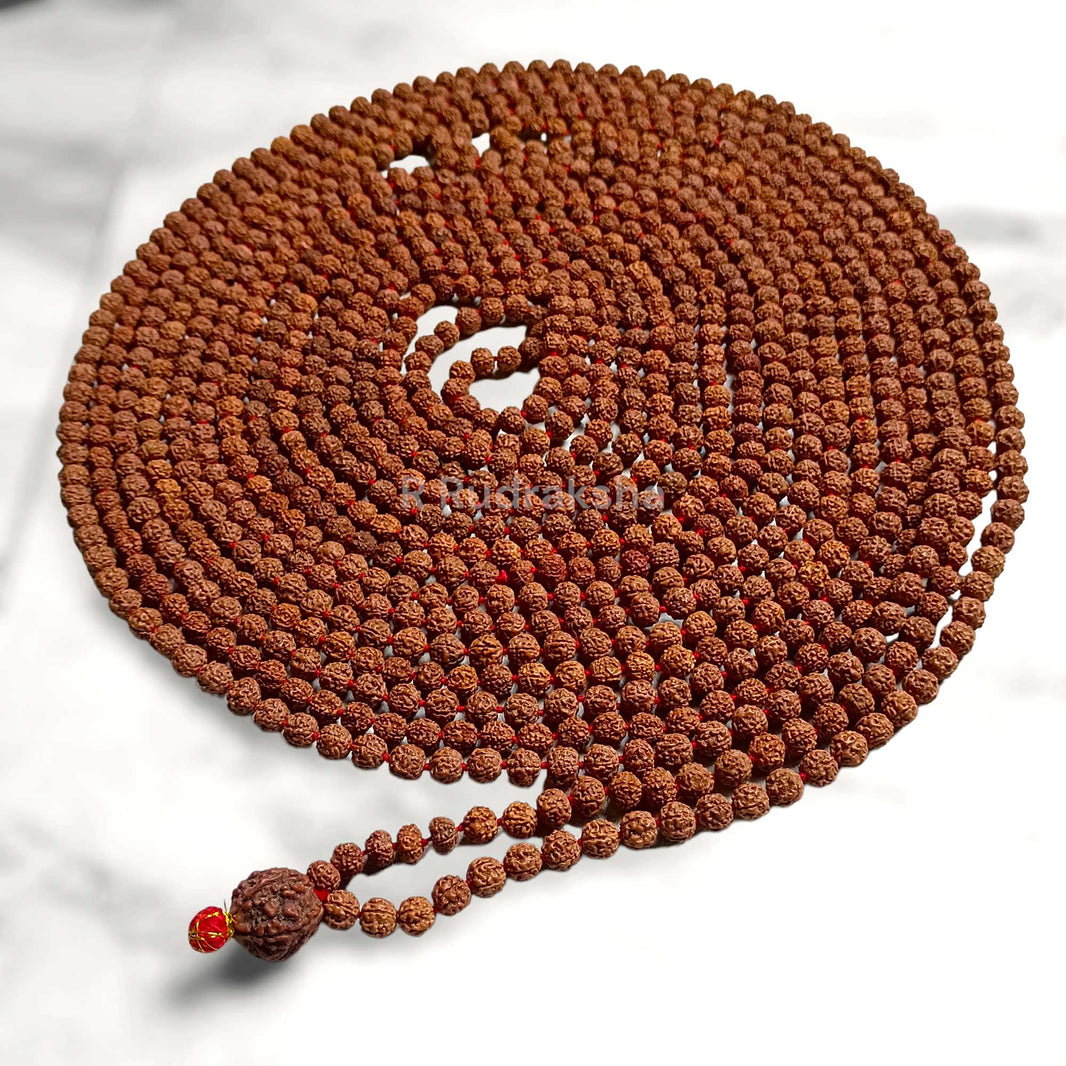
A Kantha is worn close to the chest or around the neck, remaining in continuous contact with the body. It was preferred for long-term disciplines — responsibility, routine, emotional steadiness, and sustained effort. Kantha designs emphasized continuity over intensity.
A Kawach, on the other hand, was structured and intentional in placement. It was often designed to support a specific phase of life, a demanding responsibility, or a period requiring focused containment. Kawach does not mean “stronger” — it means “targeted.”
In modern terms, Kantha supports ongoing lifestyle alignment, while Kawach supports situational stability. Choosing between the two depends not on urgency, but on how long and how consistently the support is required.
Why Most Customized Pieces Fail (Common Mistakes) ⚠️
Despite good intentions, many customized Kawach and Kantha designs fail to deliver meaningful support. The reason is rarely the quality of Rudraksha — it is the approach.
One of the most common mistakes is over-customization. People stack multiple mukhis, gemstones, and elements hoping to cover every area of life. Instead of coherence, this creates noise. The nervous system struggles to settle, and the wearer keeps adjusting instead of stabilizing.
Another mistake is short-term testing. Rudraksha is worn for a few weeks, then removed because “nothing happened.” Traditional understanding never measured effect through sensation. It observed changes in consistency, patience, and reaction over months.
A third mistake is treating customization as a one-time fix. Life evolves. Responsibility shifts. A well-designed piece supports growth, but growth still requires participation. Rudraksha does not replace effort — it supports effort.
⏳ How Long Does a Customized Kawach or Kantha Take to Work?
This is perhaps the most important question — and the most misunderstood.
A Customized Kawach or Kantha does not “activate” in days. It does not produce sudden emotional highs or dramatic changes. Its influence is gradual, cumulative, and often subtle.
Traditionally, meaningful shifts were observed over:
- 6–8 weeks of consistent wearing for mental steadiness
- 3–6 months for behavioral patterns to soften
- Longer periods for deep-rooted habits to realign
The changes are often noticed in hindsight — calmer responses, improved consistency, reduced impulsiveness, and better tolerance for responsibility. These are not headline results, but they are durable.
Customization Is a Partnership, Not a Product ♎
A critical truth often overlooked is that a customized Kawach or Kantha works best when treated as a partnership. The Rudraksha provides structure; the individual provides participation.
When daily routine is chaotic, sleep is irregular, and decisions are reactive, no customization can override instability. But when effort is present, even modest support becomes effective.
This is why traditional systems emphasized wearing with awareness but without obsession. Respect without dependency. Discipline without fear.
❓Frequently Asked Questions (FAQs)
Can I change beads if my situation changes?
Yes, but changes should be intentional and infrequent. Constant switching prevents stabilization. Ideally, reassess only after sustained use and clear life changes.
Is astrology mandatory for customization?
No. While astrology can offer context, effective customization can be done purely based on lifestyle, goals, and behavioral patterns.
Can I sleep wearing a Kawach or Kantha?
Yes, unless advised otherwise for comfort or hygiene. Continuous contact supports continuity.
Does stronger mukhi mean faster results?
No. Higher mukhi does not mean quicker impact. Appropriateness matters more than rarity.
Should I energize or re-energize my piece often?
Excessive rituals are unnecessary. Respectful use and consistency matter more than frequent energization.
🍃Conclusion 🔚
Customization Done Right Builds Stability, Not Dependency
A Customized Kawach or Kantha is not a shortcut. It is a structure. When designed with clarity, restraint, and long-term intention, it becomes a quiet ally in building discipline and steadiness.
The right way to build one is simple but demanding: Clear goals, thoughtful bead logic, and consistent wearing.
When these elements align, Rudraksha does not promise miracles — it supports maturity. And maturity, unlike miracles, lasts.
🙏 हर हर महादेव 🙏





Leave a comment