



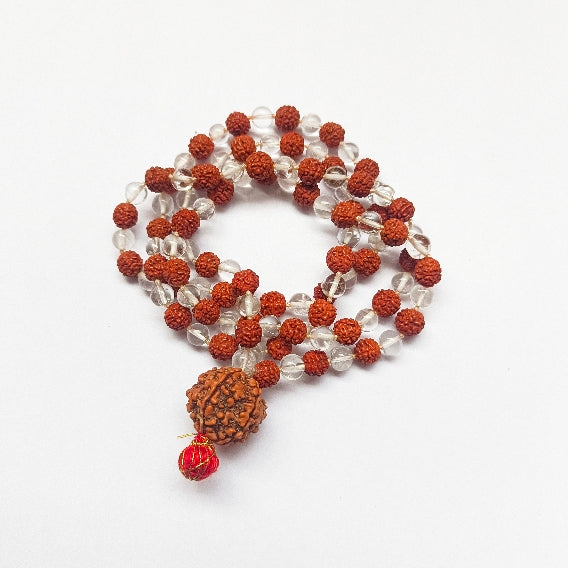

🧠 Vagus Nerve & Rudraksha: Why Neck and Chest Placement Matters
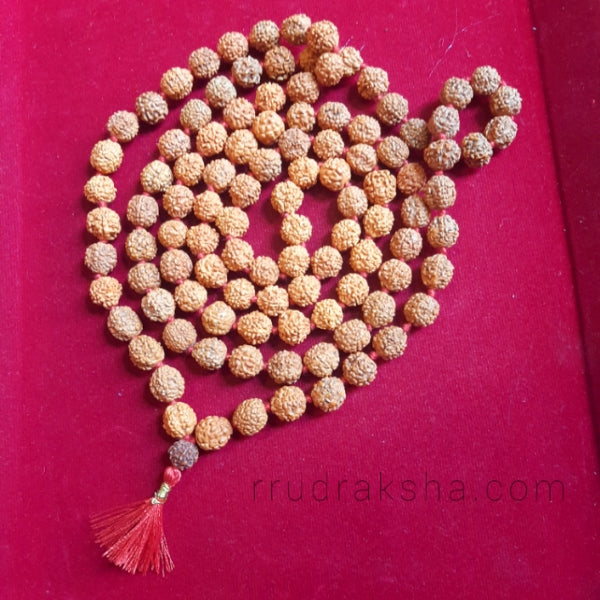
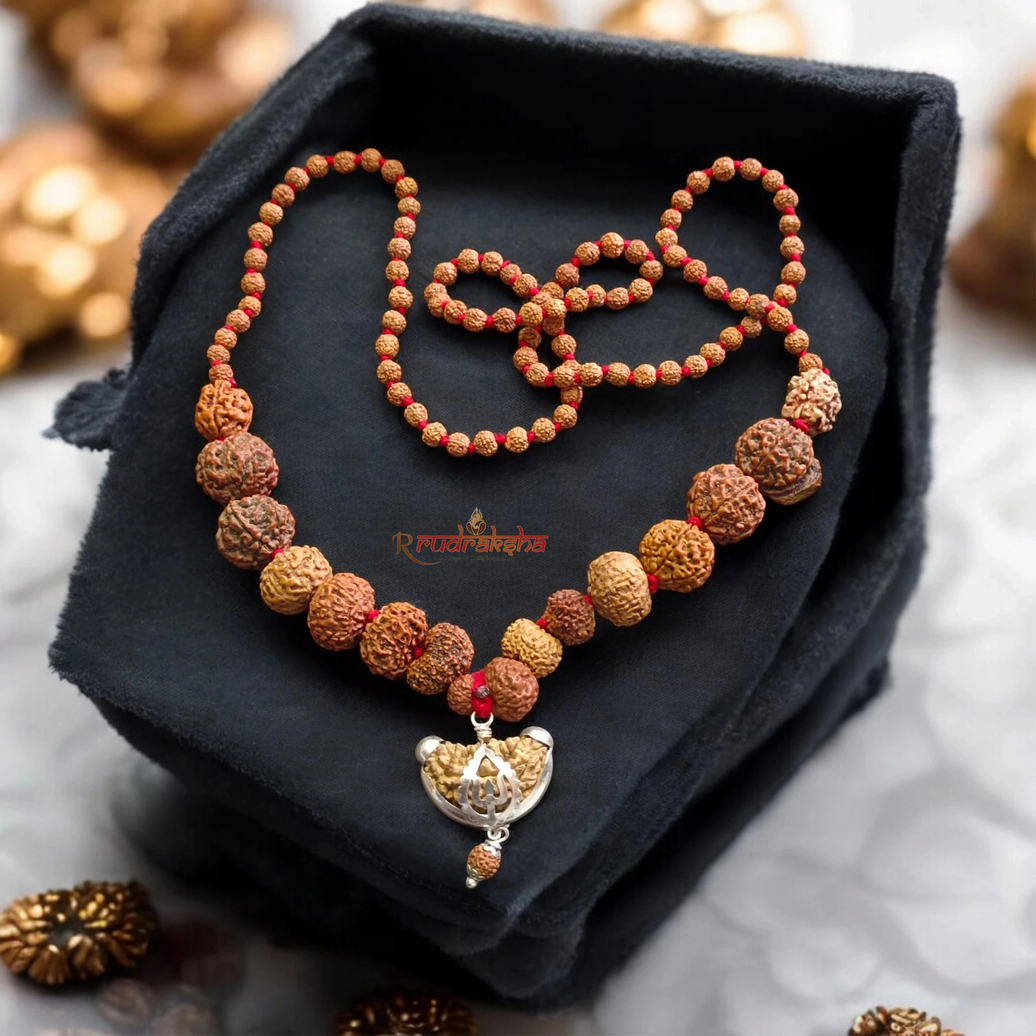
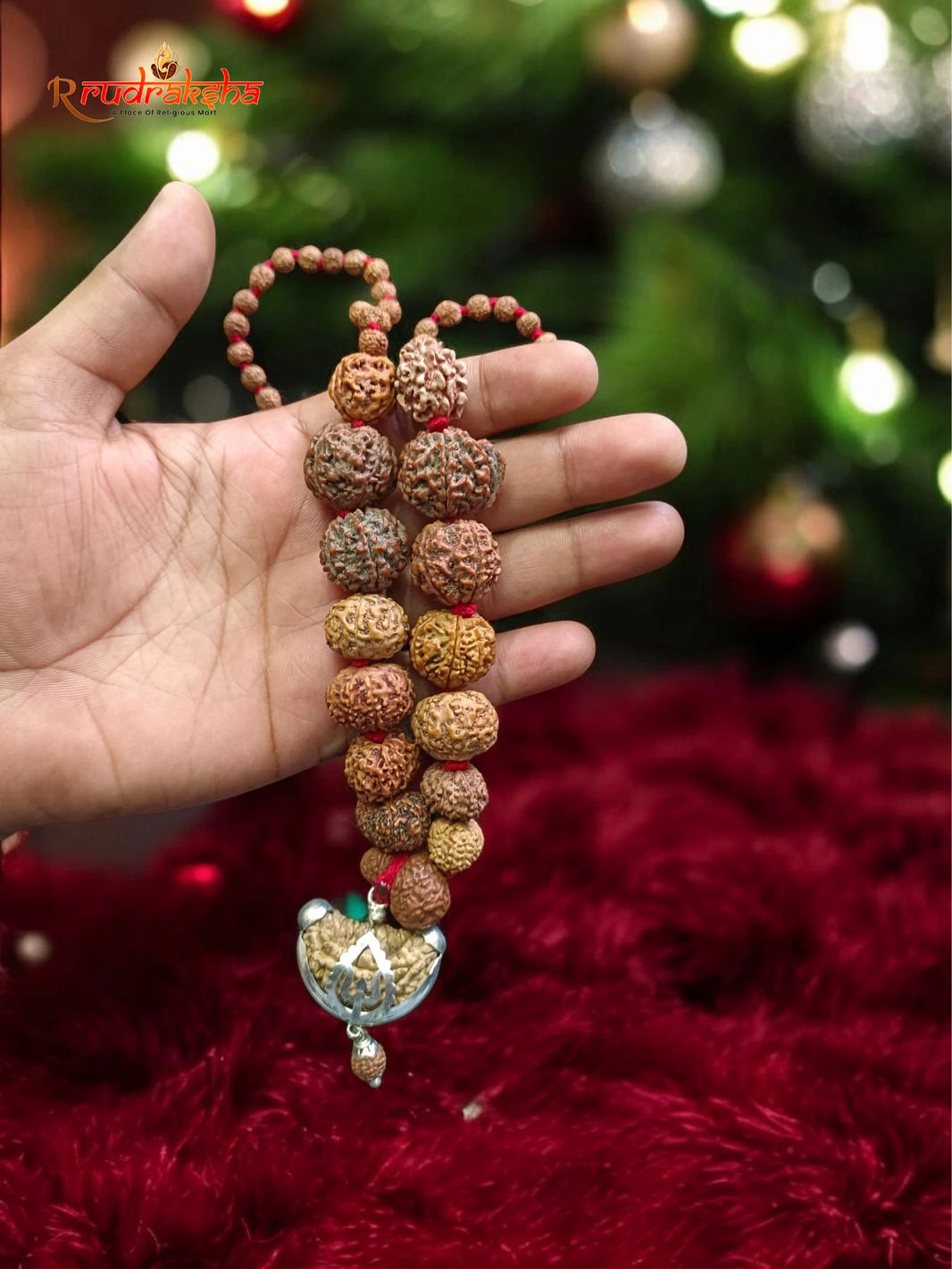
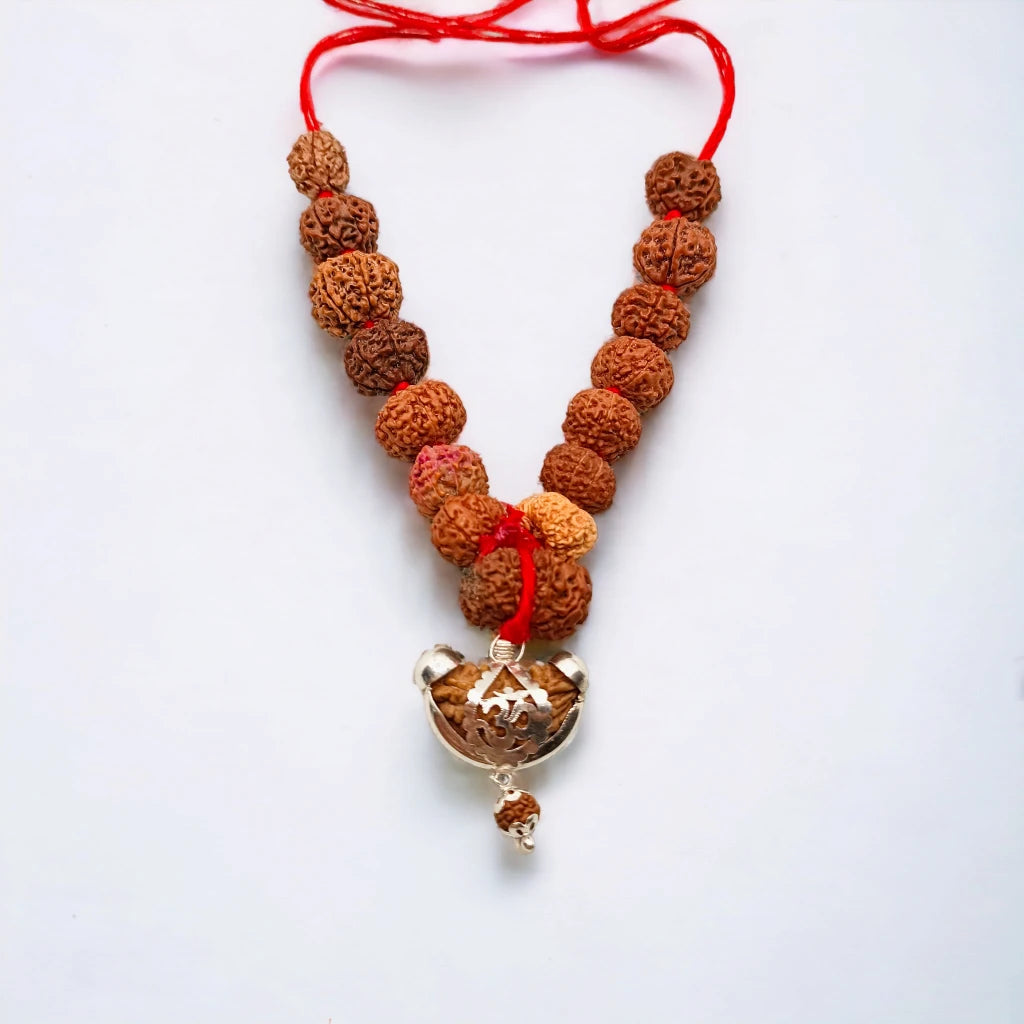
Across centuries of spiritual practice, Rudraksha has rarely been worn randomly. Ancient depictions, traditional guidance, and lived experience all point to one consistent pattern — placement matters. Neck malas, Kantha Malas, and chest-level Rudraksha strands were chosen intentionally, not for symbolism alone, but for their effect on awareness, steadiness, and inner regulation.
In the modern world, this wisdom is often reduced to instruction without explanation: “wear it around the neck.” What is rarely explored is why the neck and chest region has always been preferred, and why different placements create noticeably different experiences even when the same Rudraksha beads are used.
To understand this fully, we must move beyond belief and examine the intersection of ancient observation and modern neuroscience — particularly the role of the vagus nerve and the body’s stress-regulation systems.
🧬 Understanding the Vagus Nerve (In Simple Terms)
The vagus nerve is one of the primary pathways through which the body regulates calmness, stress response, digestion, and emotional balance. It connects the brain to key organs such as the heart, lungs, and digestive system, acting as a communication highway between mind and body.
When the vagus nerve is well-regulated, the body shifts toward stability — breathing slows, heart rhythm steadies, and emotional reactions soften. When it is overstimulated or under-supported, stress responses dominate.
Importantly, the vagus nerve passes through the neck and upper chest region. This makes these areas neurologically sensitive zones, where continuous physical contact and sensory input can subtly influence regulation over time.
📍 Why the Neck and Upper Chest Are Special Zones
The neck and upper chest are not just symbolic centers in spiritual traditions; they are biologically significant. These regions house dense neural pathways, blood vessels, and sensory receptors that constantly relay information to the brain.
Objects worn close to these areas — especially those that maintain continuous contact — become part of the body’s sensory environment. Over time, the nervous system adapts to this presence, integrating it into its baseline state.
This is why a mala worn at the neck or chest feels different from one worn loosely or intermittently. The difference is not imaginary; it is rooted in how the nervous system processes sustained sensory input.
📿 Rudraksha as a Sensory Anchor
Modern psychology recognizes the concept of sensory anchoring — using stable physical sensations to ground attention and regulate emotional responses. Weighted objects, textured surfaces, and consistent pressure points are commonly used in therapeutic settings for this reason.
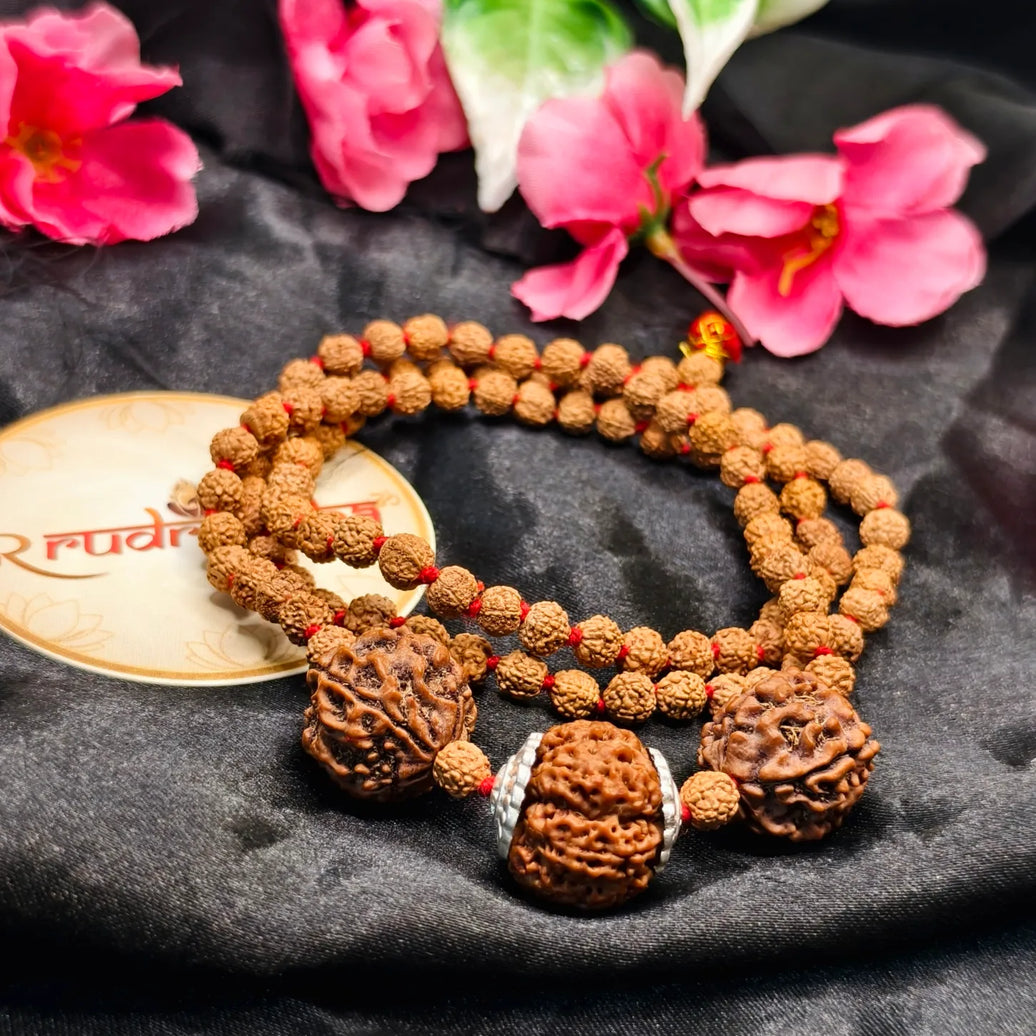
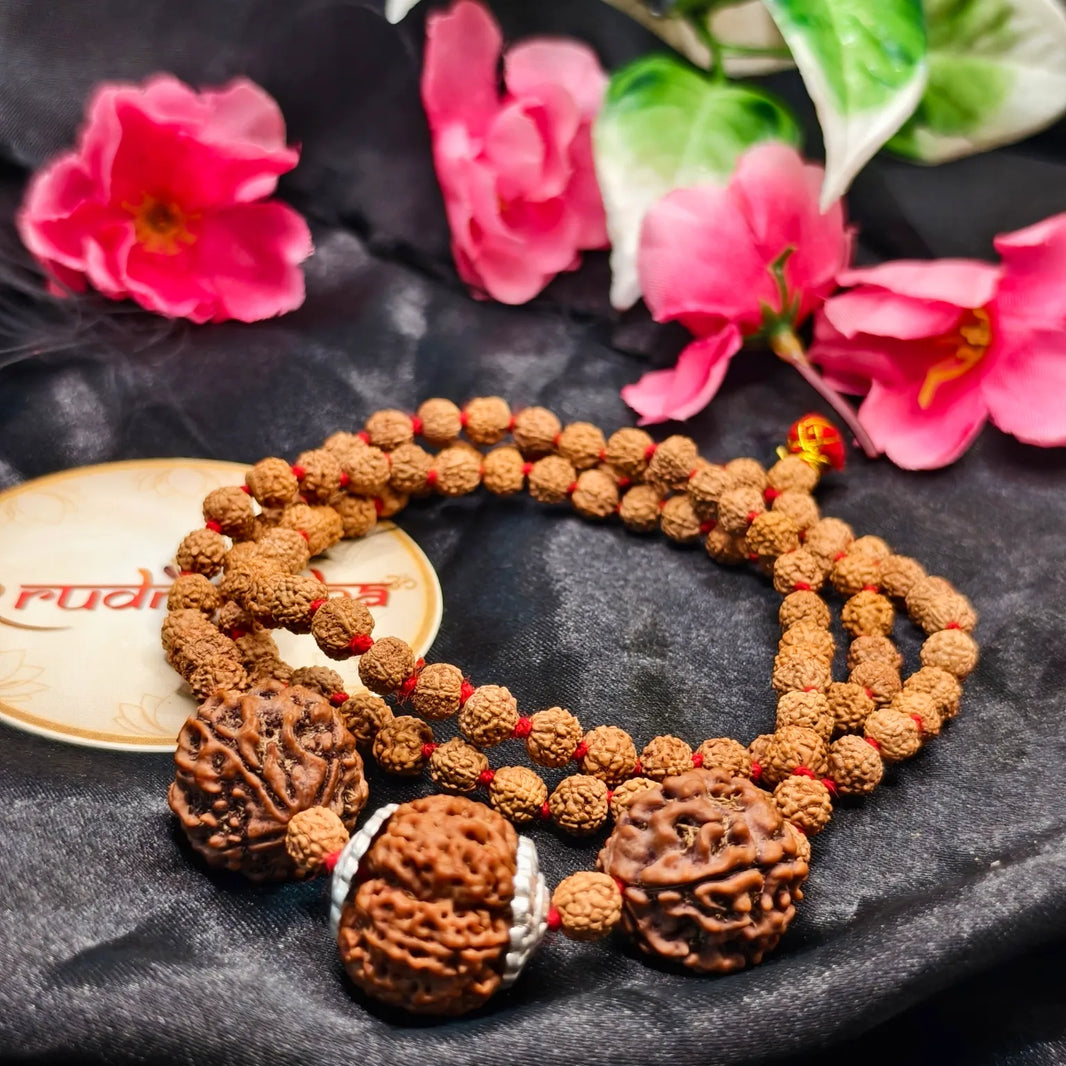
Rudraksha, when worn at the neck or chest, functions in a similar way. Its texture, weight, and constant presence provide a subtle but persistent sensory reference. This reference helps anchor awareness in the body rather than allowing it to scatter through excessive mental activity.
This anchoring effect becomes stronger with continuity. Removing and wearing the mala intermittently reduces adaptation, while consistent placement strengthens regulation.
🔱 Why Kantha Mala Feels Stronger Than a Loose Mala
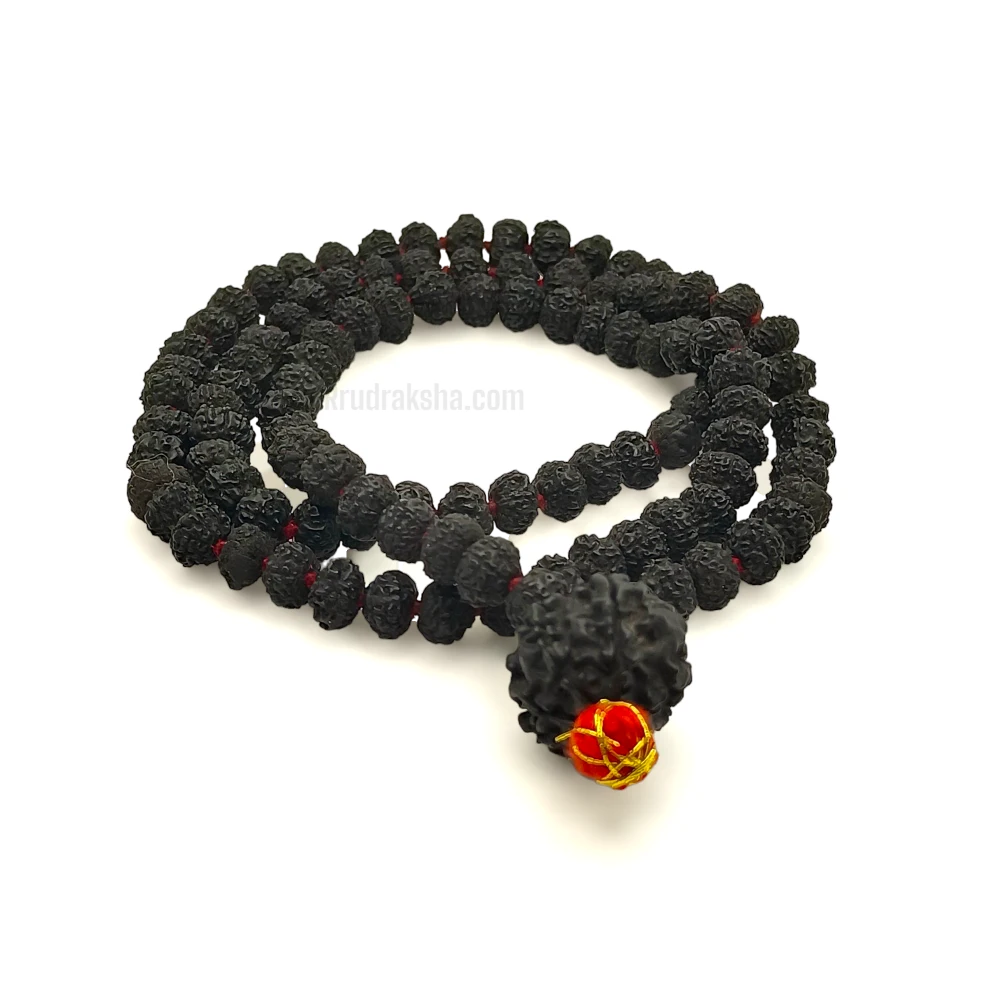
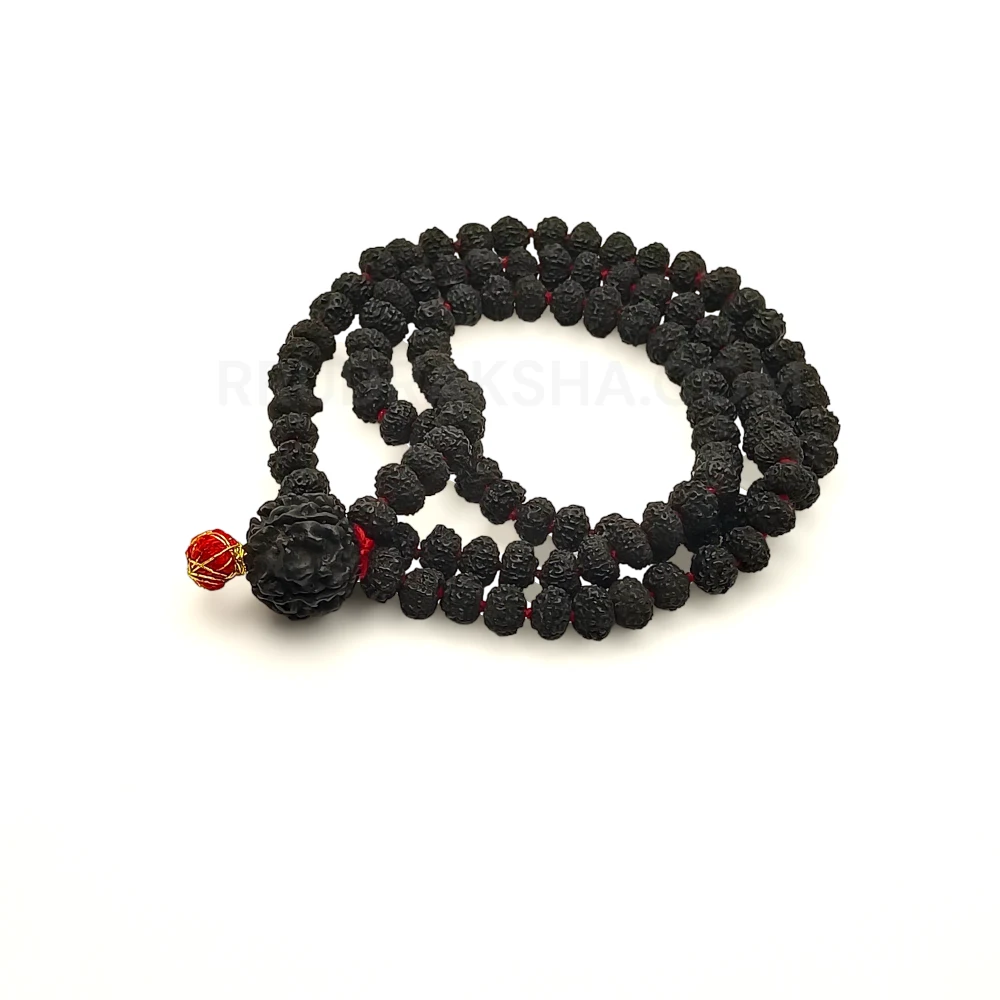
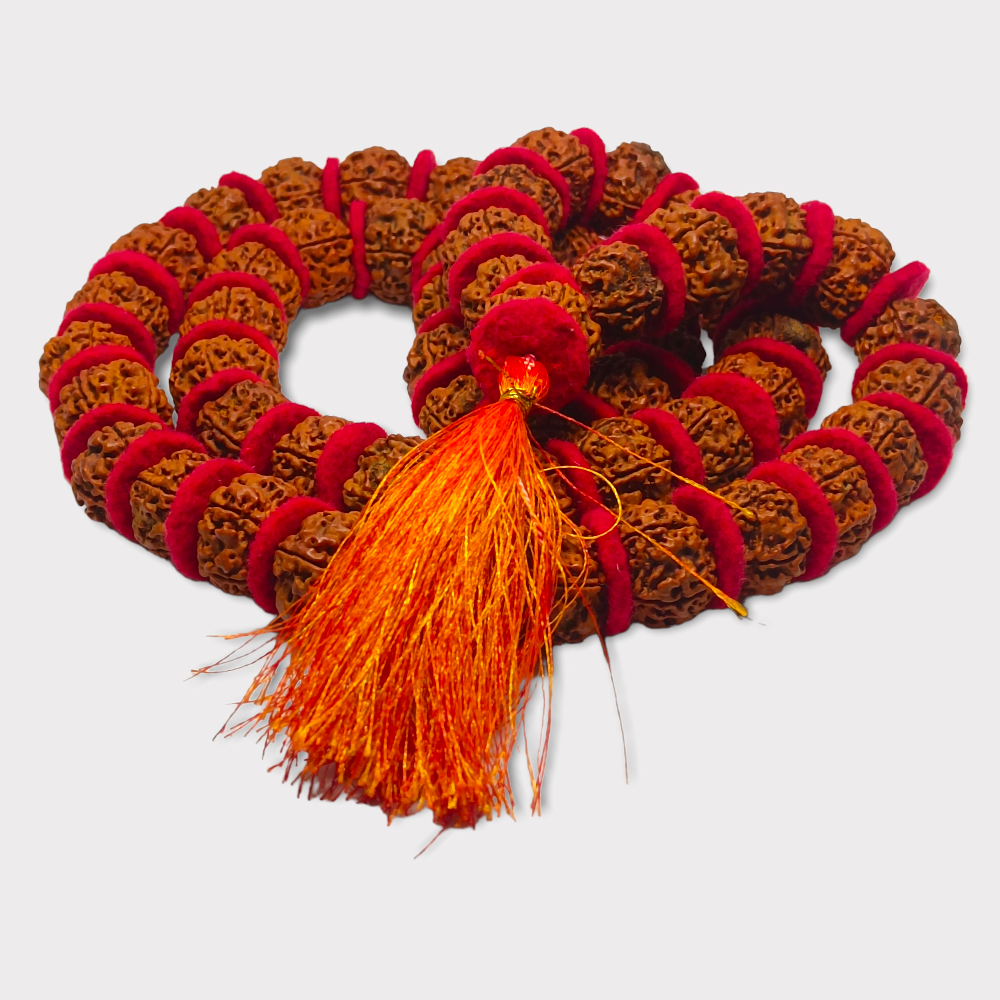
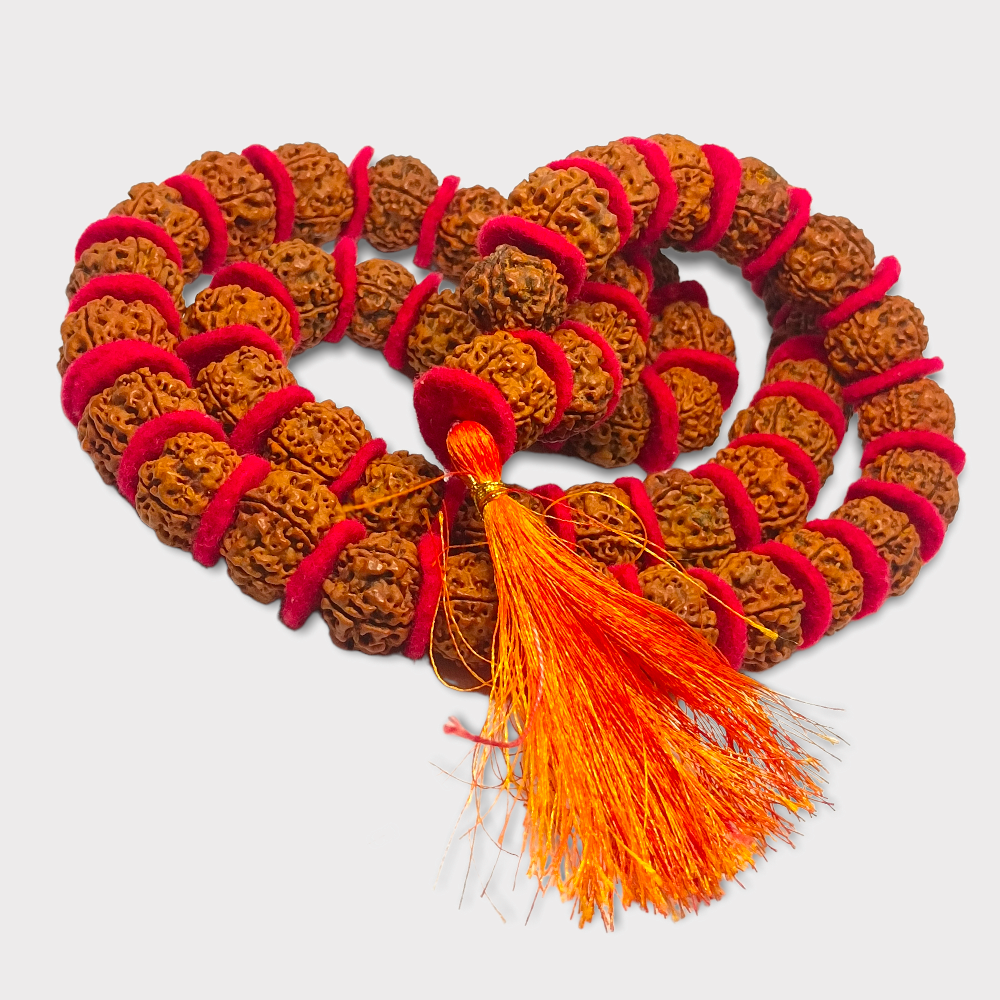
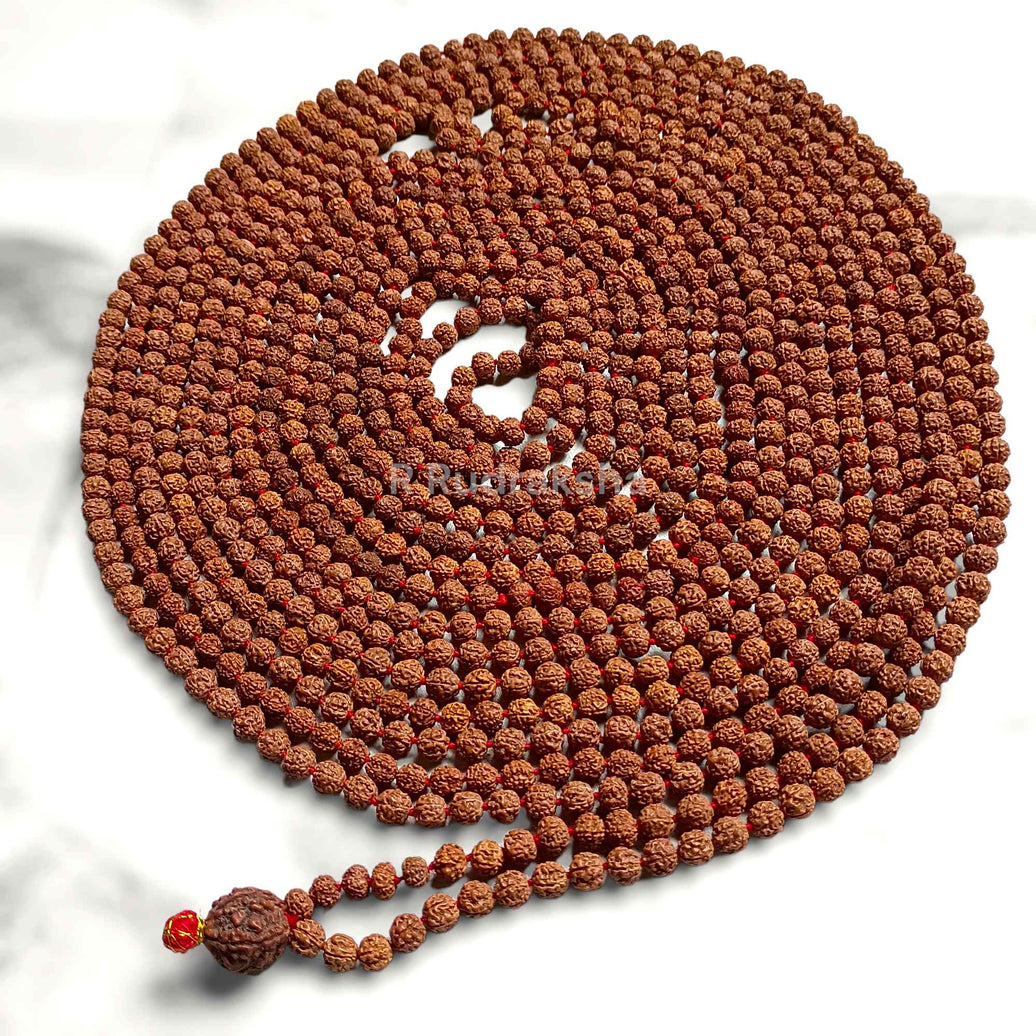
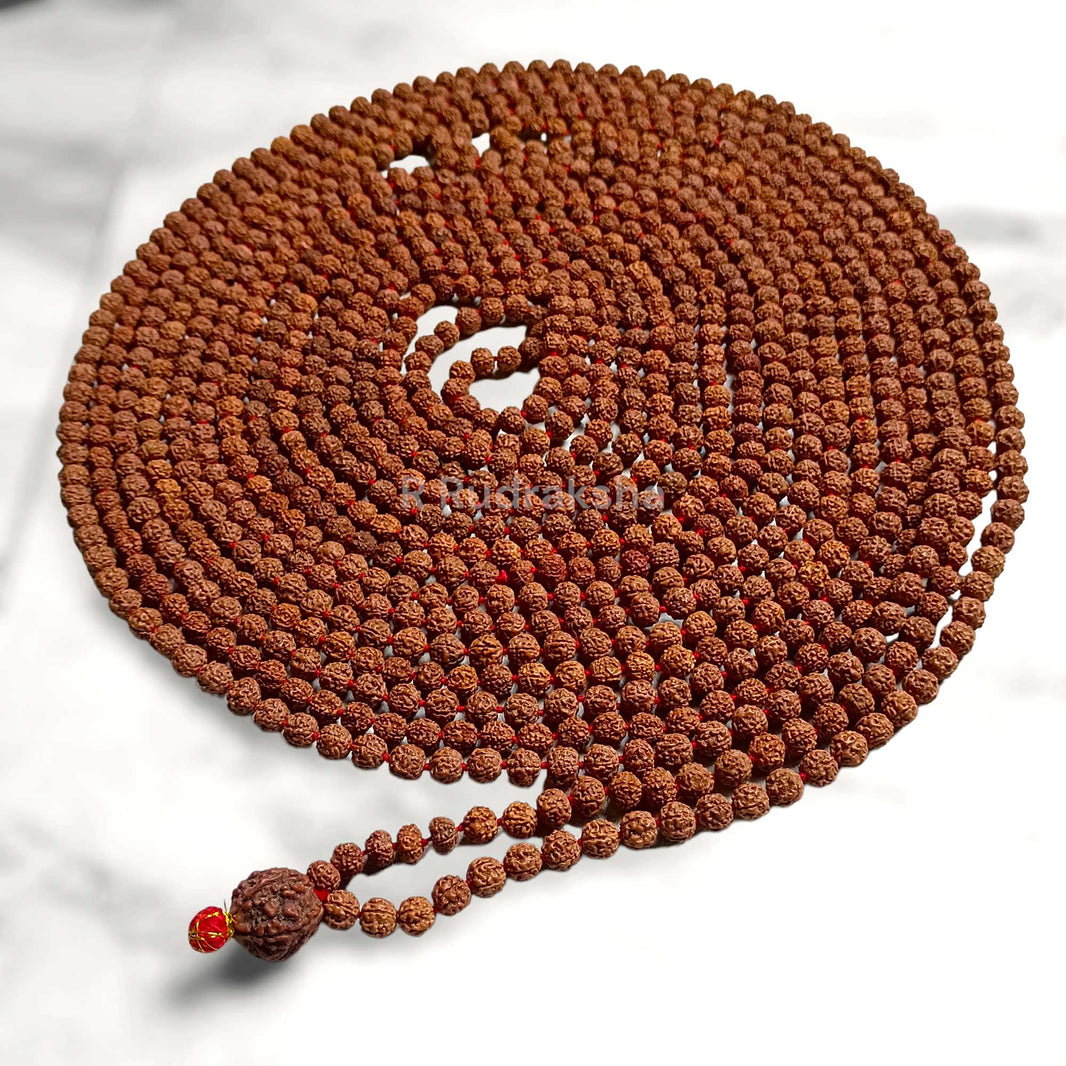
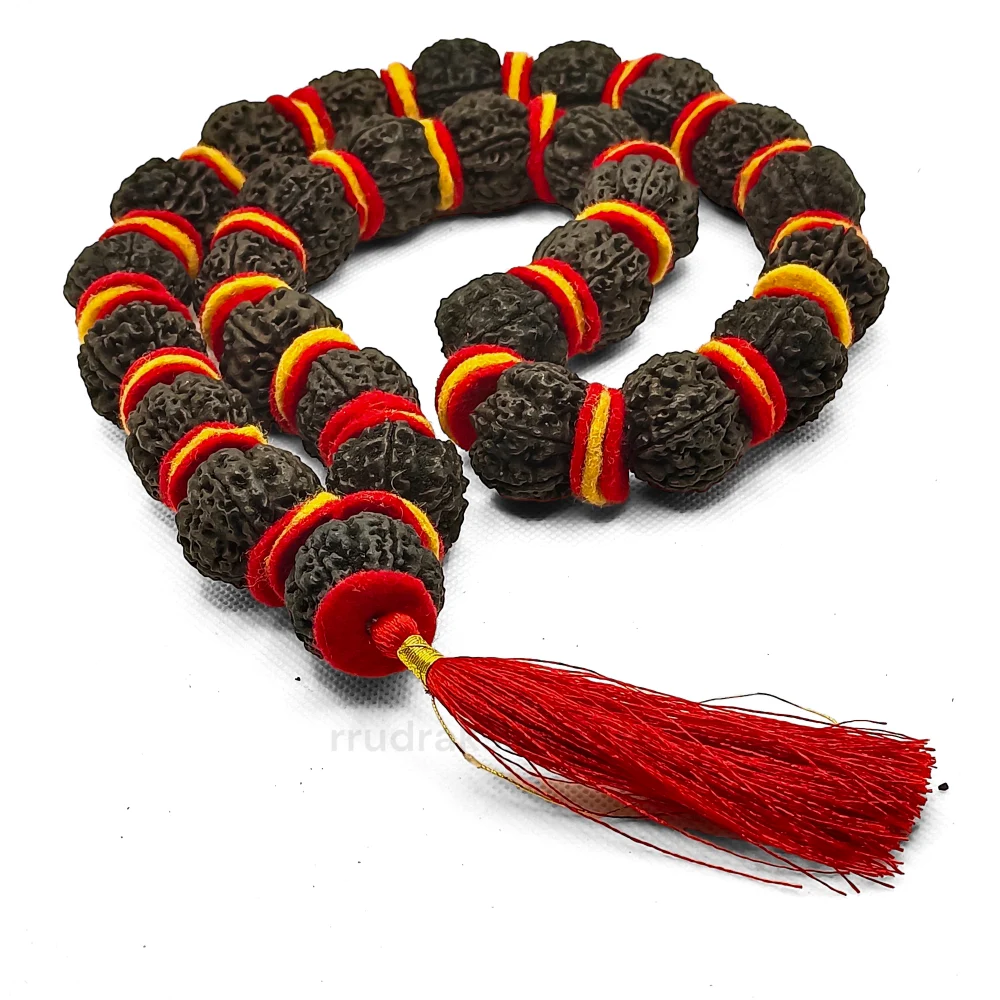
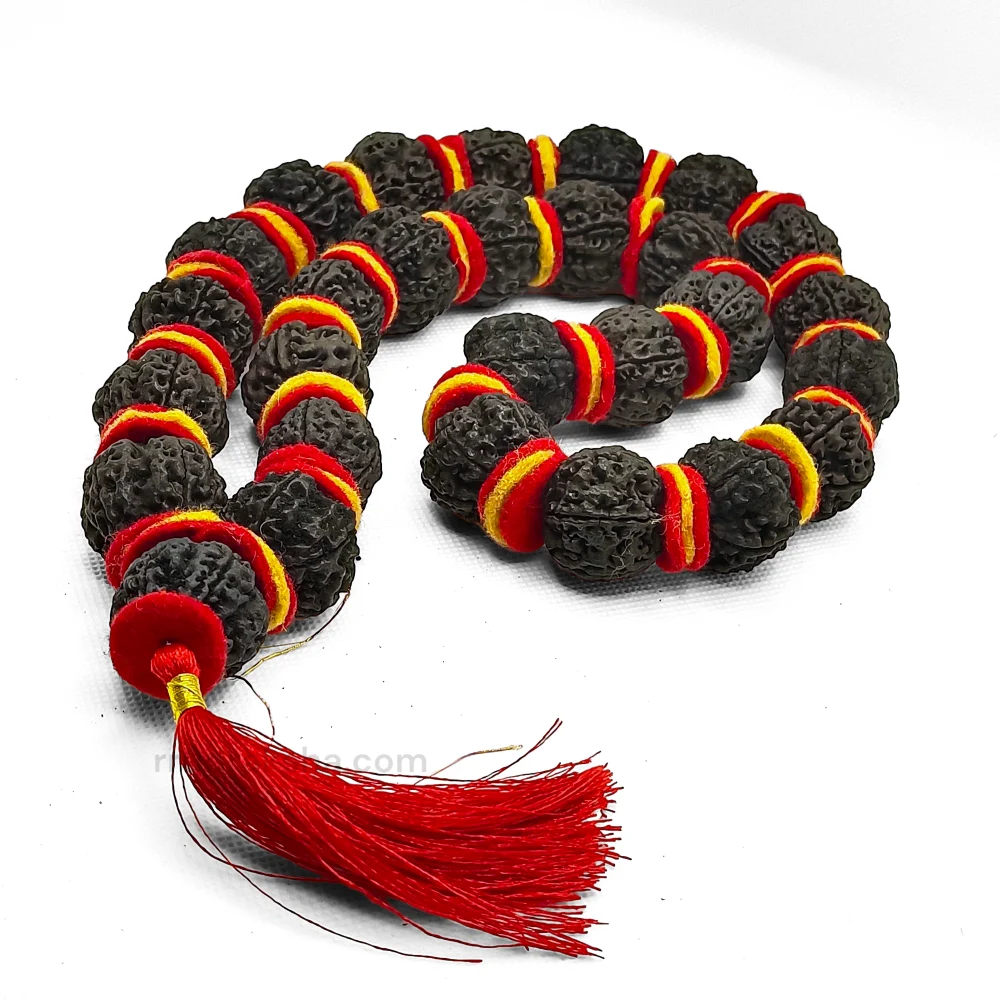
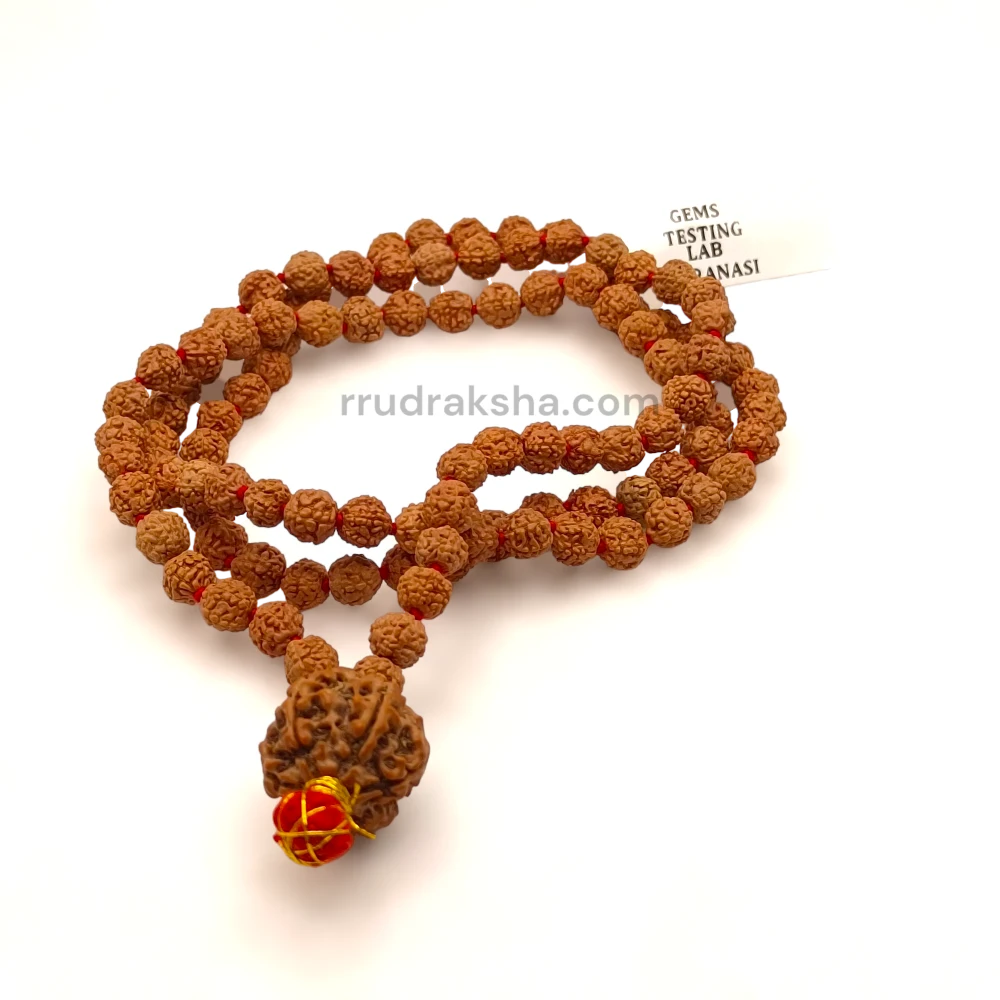
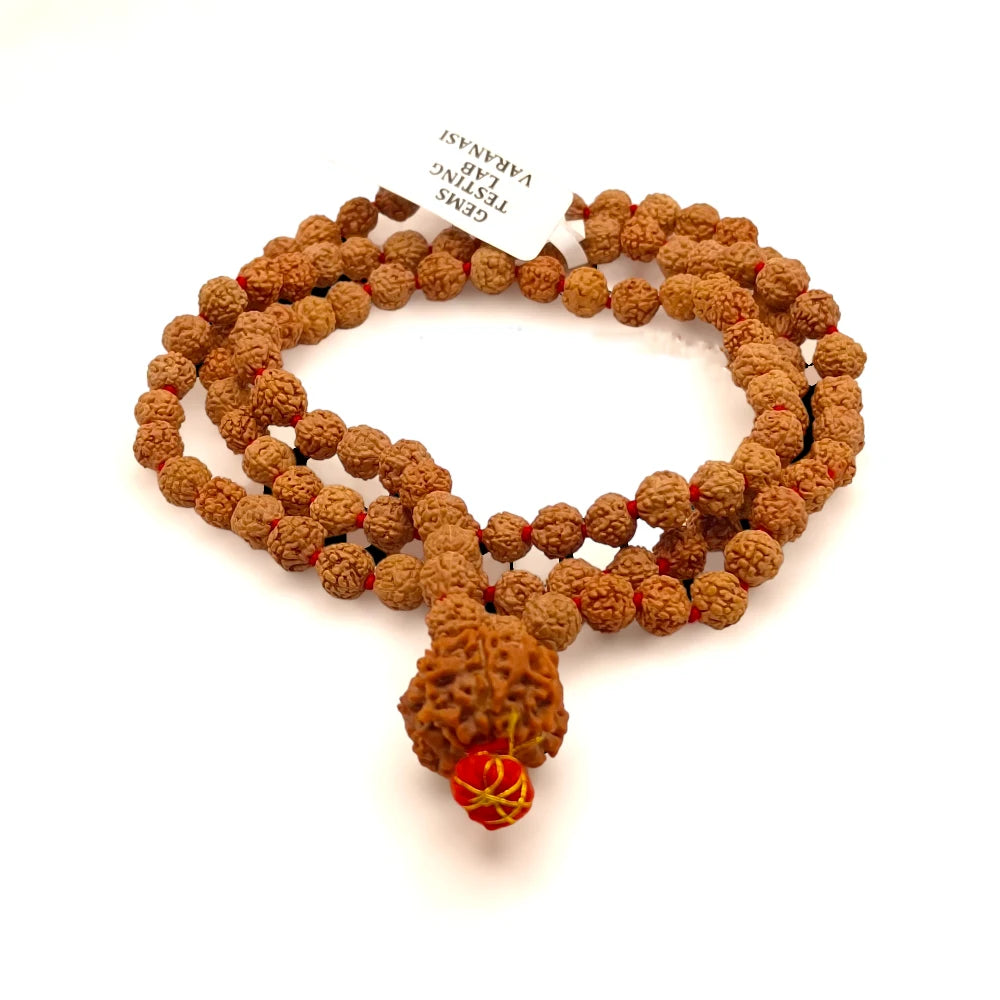
Kantha Mala is worn tightly around the neck, ensuring uninterrupted contact with the body. This design amplifies sensory input and accelerates nervous system adaptation.
For individuals ready for discipline and inner steadiness, this constant presence can feel grounding and stabilizing. For others, especially those accustomed to distraction or emotional suppression, it may initially feel intense.
The difference lies not in the Rudraksha itself, but in the level of sensory engagement created by placement and fit.
⚖️ Placement Is Not About Power, But Suitability
It is important to clarify that no placement is universally “better.” Neck, chest, wrist, and even pocket placement serve different purposes and suit different temperaments.
Neck and chest placement emphasize regulation and awareness. Wrist placement offers flexibility and lighter influence. Pocket placement minimizes sensory input and is often used during transitional phases.
Understanding placement as a spectrum rather than a hierarchy prevents misuse and unrealistic expectations.
📿 Neck vs Chest vs Wrist: How Placement Changes the Experience
One of the most common confusions among Rudraksha wearers is why the same bead feels calming for one person and uncomfortable for another. In many cases, the difference does not lie in the Rudraksha itself, but in where and how it is worn.
Placement determines the level of sensory engagement. The closer the Rudraksha is to neurologically sensitive zones, the stronger and more continuous its influence becomes. This is why neck and chest placement produce very different experiences compared to wrist or intermittent use.
Understanding this distinction removes fear and replaces it with clarity.
🧠 Neck Placement: Regulation and Awareness
When Rudraksha is worn around the neck, especially close to the throat region, it maintains constant contact with an area dense in neural pathways. This proximity supports heightened sensory awareness and steady regulation.
For many wearers, neck placement leads to reduced emotional reactivity, improved focus, and a feeling of inner steadiness. However, because the effect is continuous, individuals unused to inward awareness may initially feel heaviness or alertness.
This sensation is not negative. It reflects increased sensory input and nervous system engagement.
🫀 Chest Placement: Grounded Calmness
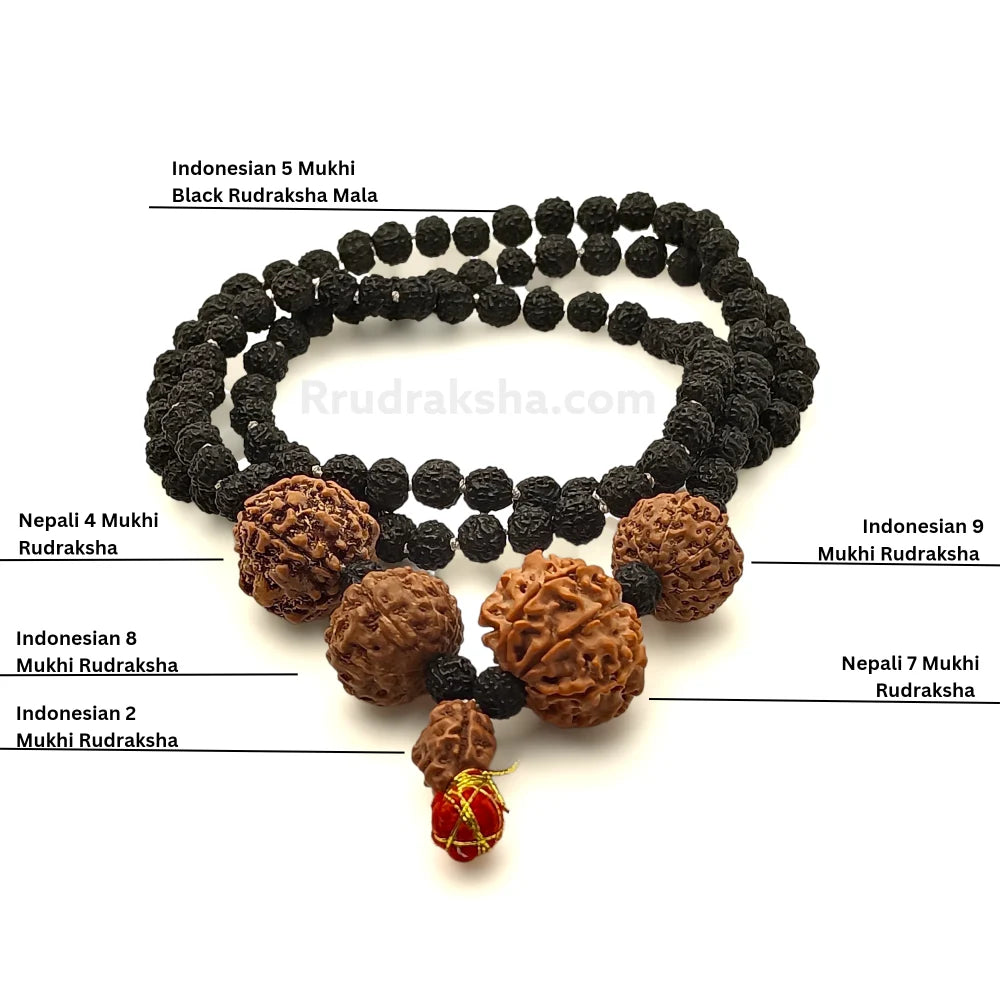
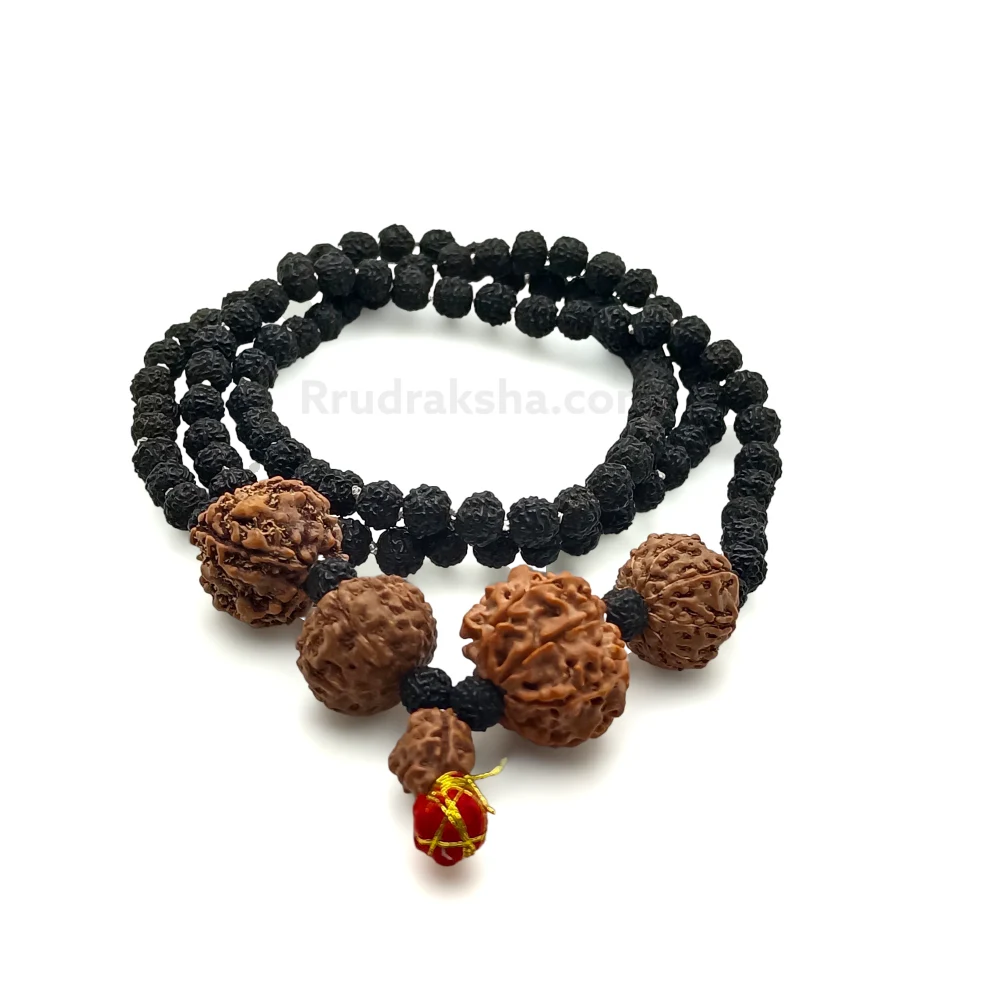
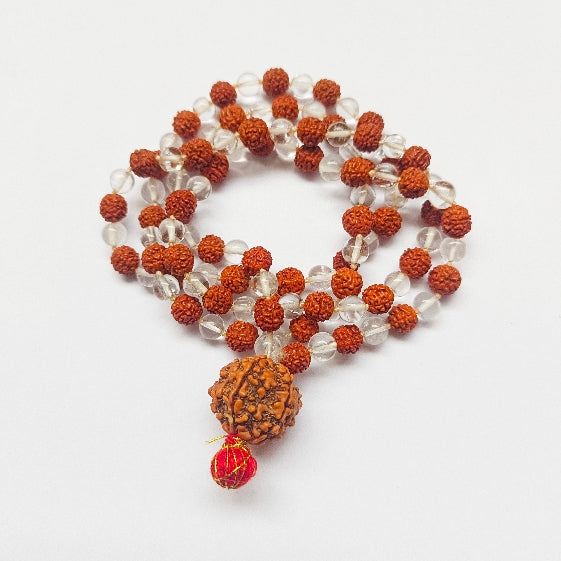
Chest-level Rudraksha malas rest closer to the heart region and upper torso. This placement often feels gentler than tight neck placement while still offering grounding benefits.
Many individuals report a sense of emotional softness, calmness, and stability when wearing Rudraksha at the chest. The sensory input remains present but less concentrated than at the neck.
This makes chest placement suitable for those seeking emotional balance without intense inward focus.
⌚ Wrist Placement: Flexibility and Light Influence
Wrist placement provides intermittent sensory feedback. Unlike neck or chest placement, the Rudraksha does not remain within constant sensory awareness.
This flexibility makes bracelets ideal for beginners, individuals with demanding routines, or those testing compatibility. The influence is lighter, allowing the nervous system to adapt gradually.
However, the regulatory effect is also milder, which explains why some people feel “less” when wearing Rudraksha on the wrist compared to the neck.
⚖️ Why Some People Feel Calm While Others Feel Heavy
The sensation often described as “heaviness” is one of the most misunderstood experiences associated with Rudraksha. Scientifically, this feeling usually reflects grounding — a shift from mental overactivity toward bodily awareness.
For individuals accustomed to constant stimulation, distraction, or emotional suppression, grounding can feel unfamiliar. The nervous system slows down, and the mind becomes more aware of the body’s state.
Those already comfortable with bodily awareness often describe the same shift as calmness rather than heaviness. The difference lies in familiarity, not compatibility.
🌙 Placement During Sleep: What Changes at Night
Sleep is a period of deep nervous system regulation. Wearing Rudraksha during sleep — especially at the neck or chest — maintains sensory continuity even during unconscious states.
Some individuals report deeper sleep and vivid dreams, while others may feel restless initially. This variation reflects adaptation rather than suitability.
For those sensitive to sleep disruption, starting with daytime wear and gradually extending into night wear often leads to smoother adjustment.
🔄 Continuous vs Intermittent Placement
Continuous placement trains the nervous system toward a new baseline. Intermittent placement provides situational support.
Neither approach is superior. Continuous placement suits those seeking long-term regulation and discipline. Intermittent placement suits those balancing intense external demands.
Choosing between them should be guided by lifestyle, not hierarchy.
🔱 Why Kantha Mala Intensifies the Effect
Kantha Mala is not simply a thicker or more traditional form of Rudraksha mala. Its defining feature is proximity and continuity. Worn tightly around the neck, it ensures uninterrupted contact with one of the most neurologically sensitive regions of the body.
From a sensory perspective, Kantha Mala provides constant tactile input. The nervous system does not get breaks from this stimulus, which accelerates adaptation. Over time, this leads to deeper regulation, reduced impulsive reactions, and heightened awareness of internal states.
This intensity is why Kantha Mala feels grounding for some and overwhelming for others. The difference lies not in spiritual worth, but in readiness for sustained inward engagement.
⚠️ Who Should Avoid Certain Placements (Temporarily)
Placement suitability is dynamic, not fixed. Individuals experiencing emotional instability, severe stress, or nervous system overload may find tight neck placement too demanding initially.
In such cases, chest or wrist placement allows the nervous system to adapt gradually. This staged approach often prevents resistance and builds long-term compatibility.
Avoiding intense placement temporarily is not avoidance of Rudraksha itself; it is intelligent sequencing.
🧠 Common Placement Mistakes People Make
One common mistake is assuming that stronger placement always equals better results. This belief leads some individuals to adopt Kantha Mala prematurely, resulting in discomfort or frustration.
Another mistake is frequent switching between placements without allowing time for adaptation. The nervous system needs consistency to recalibrate. Constant change disrupts this process.
Wearing Rudraksha purely based on external advice without considering personal sensitivity is another frequent error. Placement should be chosen consciously, not competitively.
🧭 How to Choose the Right Placement Consciously
Choosing the right placement begins with honest self-assessment. Consider emotional stability, daily routine, stress levels, and willingness for inward awareness.
Those seeking discipline and long-term regulation may eventually benefit from neck or Kantha placement. Those balancing high external demands may find chest or wrist placement more supportive.
Starting gently and progressing gradually often leads to deeper benefits than starting intensely and retreating.
🔄 Adaptation Is a Process, Not an Event
Nervous system adaptation unfolds over weeks and months. Early sensations—heaviness, alertness, restlessness—are part of adjustment, not judgment.
Allowing the body time to adapt without expectation of instant results creates a stable foundation. This patience transforms Rudraksha from an accessory into a regulating companion.
Placement awareness is ultimately about relationship, not control.
🌿 Respecting Tradition Without Blind Imitation
While traditional depictions of sadhus wearing Kantha Mala offer guidance, they are not mandates. Those individuals lived highly regulated lives that supported such placement.
Modern seekers must interpret tradition intelligently rather than imitate it blindly. Respecting tradition means understanding its logic, not copying its appearance.
When tradition and self-awareness meet, placement becomes natural rather than forced.
❓ Frequently Asked Questions (FAQs)
Why does Rudraksha feel different when worn on the neck compared to the wrist?
The neck region is neurologically more sensitive than the wrist. When Rudraksha is worn near the neck or upper chest, it remains within constant sensory awareness, influencing nervous system regulation more continuously. Wrist placement provides lighter, intermittent sensory input, which explains the difference in experience.
Is the vagus nerve directly stimulated by Rudraksha?
Rudraksha does not directly stimulate the vagus nerve in a medical sense. Instead, continuous sensory input near the neck and chest can support nervous system regulation, which indirectly influences how the body shifts between stress and calm states.
Why do some people feel heaviness when wearing Rudraksha on the neck?
Heaviness is often a sign of grounding. When attention shifts from mental overactivity toward bodily awareness, the sensation may feel unfamiliar. For those accustomed to constant stimulation, grounding can initially feel heavy rather than calming.
Is Kantha Mala suitable for everyone?
Kantha Mala is not universally suitable at all times. Its tight neck placement creates continuous sensory engagement, which benefits those ready for discipline and inward awareness. Others may benefit more from chest or wrist placement initially.
Should Rudraksha be removed during sleep?
There is no universal rule. Some individuals benefit from continuous wear during sleep, while others may prefer daytime use only. Sensitivity and sleep quality should guide the decision rather than rigid instruction.
Can changing placement reduce discomfort?
Yes. Adjusting placement from neck to chest or wrist often reduces intensity while preserving benefit. This gradual approach supports adaptation without forcing the nervous system.
Does belief affect how placement works?
Belief can enhance awareness but is not required. Placement works through sensory and neurological mechanisms that function regardless of belief, though expectations may shape how sensations are interpreted.
🧘 Final Conclusion 🌟
Rudraksha has never been worn randomly in authentic traditions. Neck, chest, and Kantha placements were chosen with an understanding—observed through centuries—of how the human body responds to sustained sensory presence. Modern science offers language for this wisdom, but the insight itself is ancient.
Understanding the role of the vagus nerve and nervous system regulation allows us to see Rudraksha placement not as superstition, but as intentional design. Neck and chest placements emphasize regulation and awareness, while wrist placement offers flexibility and gentleness. None is superior; each serves a different phase and temperament.
When placement is chosen consciously—based on lifestyle, sensitivity, and readiness—Rudraksha becomes a supportive companion rather than a source of confusion. Tradition is honored not by blind imitation, but by intelligent application.
🙏 हर हर महादेव 🙏





Leave a comment