



📿 Who Should Wear Which Mukhi Rudraksha? A Suitability-First Guide (1–10 Mukhi)
Choosing the right Mukhi Rudraksha has never been about collecting the most powerful bead or following popular trends. In authentic Sanatan tradition, Mukhi selection was always guided by suitability — the mental temperament, lifestyle responsibilities, emotional readiness, and life phase of the seeker.
Over time, this nuanced understanding has been replaced by simplified claims and sales-driven narratives. As a result, many people wear Rudraksha without clarity and later experience confusion, discomfort, or unrealistic expectations. This guide exists to restore balance — not by promoting fear, but by offering discernment.
This blog does not list “benefits.” Instead, it explains who each Mukhi truly suits, who should approach it carefully, and why certain Mukhis feel supportive for some and overwhelming for others.
📘 Mukhis Covered in This Part (1–10 Mukhi Rudraksha)
To make navigation easier, this part focuses exclusively on the foundational Mukhi Rudrakshas — from 1 Mukhi to 10 Mukhi. Each Mukhi is explained through suitability, lifestyle compatibility, and inner readiness.
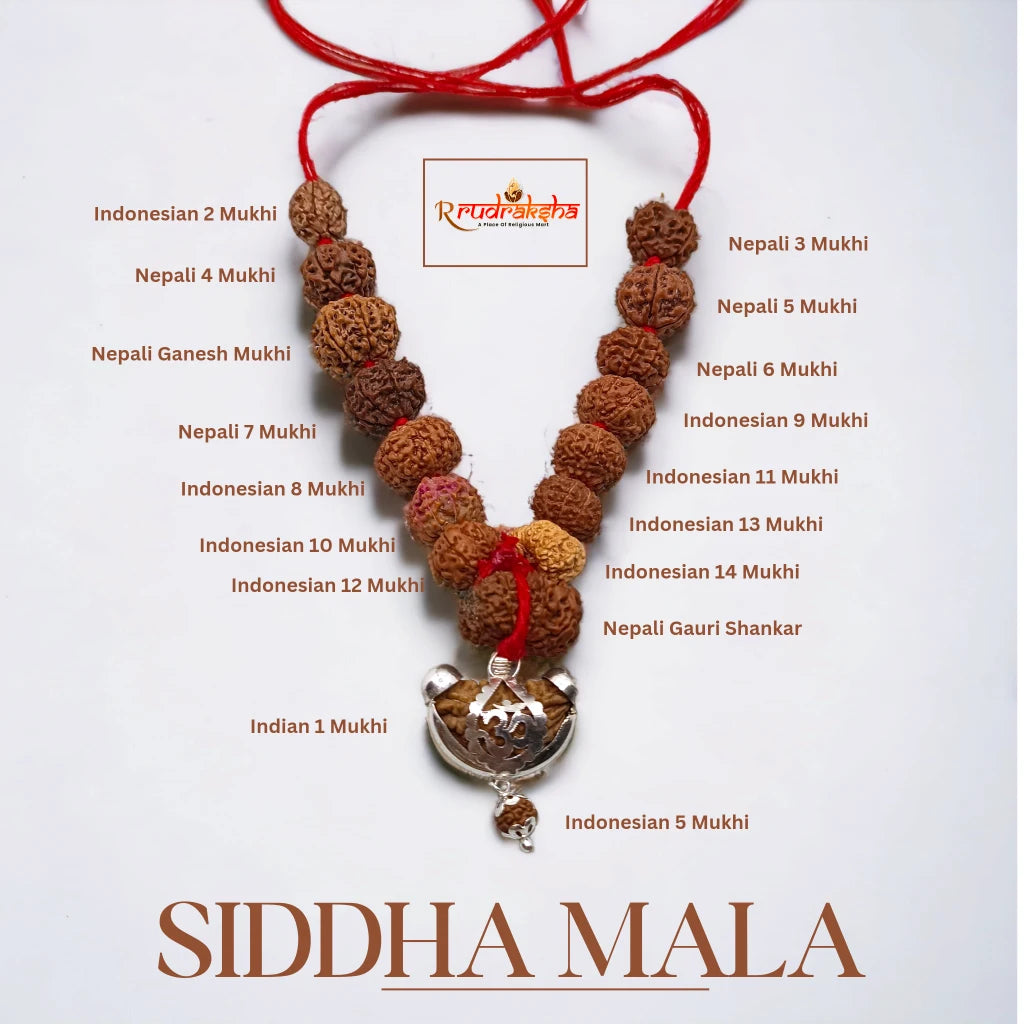
- 1 Mukhi Rudraksha – Renunciative temperament & inward withdrawal
- 2 Mukhi Rudraksha – Emotional balance & relational sensitivity
- 3 Mukhi Rudraksha – Responsibility, confidence & self-discipline
- 4 Mukhi Rudraksha – Intellect, learning & mental clarity
- 5 Mukhi Rudraksha – Universal stability & everyday suitability
- 6 Mukhi Rudraksha – Focus, restraint & controlled expression
- 7 Mukhi Rudraksha – Material responsibility & grounding
- 8 Mukhi Rudraksha – Obstacle handling & mental steadiness
- 9 Mukhi Rudraksha – Strength, courage & disciplined energy
- 10 Mukhi Rudraksha – Protection, balance & boundary awareness
🕉️ Why Mukhi Selection Was Never Random in Sanatan Dharma
In traditional practice, Rudraksha was not chosen impulsively. Gurus assessed the seeker’s capacity for discipline, emotional stability, and responsibility before recommending a specific Mukhi. The intention was not restriction, but protection — ensuring the seeker was not overwhelmed by a tool they were not yet ready to integrate.
Higher or rarer Mukhi Rudrakshas were not considered “better.” They were considered more demanding. Suitability mattered more than rarity, and stability mattered more than intensity.
This context is essential to understanding why the same Mukhi can feel supportive for one person and uncomfortable for another.
🔱 1 Mukhi Rudraksha: Who It Truly Suits
The 1 Mukhi Rudraksha is associated with inward withdrawal, solitude, and renunciation. It is traditionally suited for individuals who are naturally inclined toward introspection, simplicity, and reduced external engagement.
This Mukhi often suits seekers who are already detached from excessive social obligations and who possess emotional stability in solitude. It is not designed for individuals actively navigating complex relationships, material responsibilities, or high external demands.
For householders or highly social individuals, wearing 1 Mukhi without readiness may feel isolating or emotionally disconnecting. This is not negativity — it is misalignment.
🔱 2 Mukhi Rudraksha: Emotional Sensitivity & Relational Balance
The 2 Mukhi Rudraksha is closely linked with emotional awareness and relational harmony. It suits individuals who are sensitive, emotionally expressive, or seeking balance in personal relationships.
This Mukhi often supports those who are already willing to observe their emotional patterns rather than suppress them. It may feel challenging for individuals who avoid emotional engagement or struggle with vulnerability.
Choosing 2 Mukhi requires willingness to engage with emotions consciously. Without that readiness, it may feel uncomfortable rather than supportive.
🔱 3 Mukhi Rudraksha: Responsibility & Self-Regulation
The 3 Mukhi Rudraksha aligns with confidence, responsibility, and self-discipline. It suits individuals actively working on accountability, leadership, or personal growth through effort.
This Mukhi supports those ready to face consequences of action rather than avoid them. It may feel heavy for individuals seeking escape from responsibility or relying on avoidance as a coping mechanism.
When worn with readiness, it fosters inner strength. When worn without clarity, it can highlight unresolved resistance.
🔱 4 Mukhi Rudraksha: Intellect, Learning & Mental Discipline
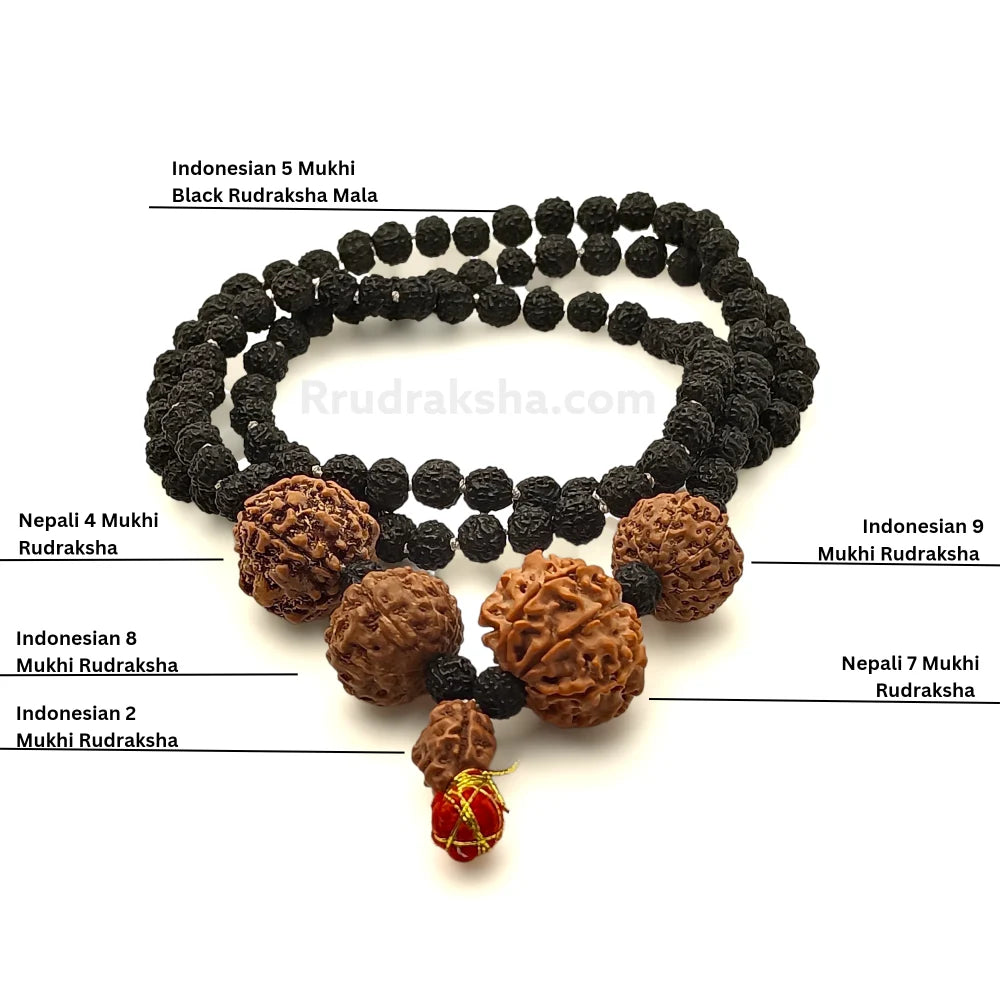
The 4 Mukhi Rudraksha is associated with intellect, speech, learning, and structured thinking. It is traditionally suited for individuals who are actively engaged in education, teaching, writing, analysis, or knowledge-based work.
This Mukhi supports clarity of thought, but it also demands discipline of speech and intention. It suits those who are willing to refine how they think and communicate. For individuals with scattered focus or inconsistent effort, the 4 Mukhi may initially feel demanding.
It is often unsuitable for those seeking instant results without sustained mental effort. The 4 Mukhi rewards consistency, not shortcuts.
🔱 5 Mukhi Rudraksha: Universal Stability & Daily Life Balance
The 5 Mukhi Rudraksha is considered the most universally compatible Mukhi. It supports stability, moderation, and overall balance in daily life. This Mukhi suits a wide range of individuals — students, professionals, householders, and spiritual seekers alike.
What makes the 5 Mukhi unique is its adaptability. It does not demand extreme discipline or withdrawal. Instead, it gently supports emotional steadiness and mental clarity without overwhelming the wearer.
For this reason, the 5 Mukhi is often recommended as a foundational Rudraksha. However, even here, intention matters. Wearing it casually without awareness may limit its perceived impact.
🔱 6 Mukhi Rudraksha: Focus, Restraint & Controlled Expression
The 6 Mukhi Rudraksha is linked with focus, restraint, and regulation of desire. It suits individuals working on self-control, consistency, and disciplined expression — particularly in demanding environments.
This Mukhi often suits professionals and seekers who recognize the need to channel energy rather than disperse it. It may feel restrictive to those who resist structure or prefer impulsive expression.
Wearing 6 Mukhi requires willingness to observe habits and impulses honestly. Without that readiness, it may feel uncomfortable rather than empowering.
🔱 7 Mukhi Rudraksha: Material Responsibility & Grounding
The 7 Mukhi Rudraksha is associated with material responsibility, stability, and grounded decision-making. It suits individuals handling financial responsibility, leadership roles, or long-term commitments.
This Mukhi supports those who are willing to face practical realities without avoidance. It may feel heavy for individuals seeking escape from responsibility or living in denial of obligations.
When worn with maturity, it fosters steadiness and confidence. When worn without readiness, it may amplify discomfort around responsibility.
🔱 8 Mukhi Rudraksha: Obstacle Handling & Mental Steadiness
The 8 Mukhi Rudraksha aligns with obstacle management and inner steadiness during challenge. It suits individuals navigating repeated difficulties or transitions that require patience and resilience.
This Mukhi does not remove obstacles automatically. Instead, it supports the mental capacity to face them without panic or avoidance.
It may feel intense for individuals who react emotionally to disruption. For those ready to cultivate steadiness, it becomes deeply supportive.
🔱 9 Mukhi Rudraksha: Strength, Courage & Disciplined Energy
The 9 Mukhi Rudraksha is associated with courage, strength, and disciplined energy. It suits individuals who are already engaged in purposeful action and who seek refinement rather than raw force.
This Mukhi often suits leadership-oriented personalities, but only when emotional maturity is present. Without self-control, its intensity may feel overwhelming.
It is not recommended for individuals prone to impulsive behavior or emotional volatility without guidance.
🔱 10 Mukhi Rudraksha: Protection, Balance & Boundary Awareness
The 10 Mukhi Rudraksha is associated with protection, balance, and boundary awareness. It suits individuals exposed to varied environments, social demands, or external pressures.
This Mukhi supports mental balance rather than isolation. It is often suited for those who engage with the world actively but require inner steadiness to remain unaffected.
It works best for individuals who recognize the importance of boundaries — emotional, mental, and energetic — rather than those seeking withdrawal.
🧭 How to Read Mukhi Suitability Correctly (Very Important)
One of the most common mistakes readers make while learning about Mukhi Rudraksha is trying to identify a single “best” option. In reality, Mukhi suitability is not about superiority — it is about alignment. Each Mukhi serves a different inner function and responds differently based on temperament, lifestyle, and emotional readiness.
If a Mukhi description feels uncomfortable or intimidating, it does not mean the bead is harmful. It usually indicates that the qualities it amplifies are not yet integrated into the wearer’s life. Discomfort is information, not rejection.
Reading Mukhi suitability correctly requires honesty rather than aspiration. Choosing based on who you want to become, rather than who you are today, often creates resistance.
⚖️ Why Wearing the “Wrong” Mukhi Feels Uncomfortable
Uncomfortable experiences with Rudraksha are often described using fear-based language, but the reality is simpler. When a Mukhi amplifies qualities that conflict with the wearer’s current coping patterns, inner friction arises.
For example, a Mukhi associated with discipline may feel heavy to someone who avoids structure. A Mukhi linked with emotional awareness may feel overwhelming to someone accustomed to suppression. These reactions are signals — not punishments.
Understanding this prevents unnecessary fear and helps the seeker make adjustments rather than abandoning the practice entirely.
🧠 Lifestyle Matters More Than Mukhi Count
Mukhi suitability cannot be separated from lifestyle. Sleep patterns, work stress, emotional regulation, and daily routines all influence how a Rudraksha is experienced.
Someone with a highly demanding lifestyle may feel overstimulated by intense Mukhi Rudrakshas, while the same Mukhi may feel stabilizing for a person with a regulated routine.
This is why traditional systems always considered lifestyle before recommendation. The bead adapts to the person, but only when the environment allows it.
🔄 Why Gradual Progression Is Better Than Immediate Intensity
Many seekers feel tempted to start with higher or more intense Mukhi Rudrakshas. While the intention may be sincere, the nervous system benefits more from gradual progression.
Starting with universally stabilizing Mukhi Rudrakshas and slowly moving toward more demanding ones allows the body and mind to adapt without resistance.
This approach builds long-term compatibility and reduces confusion, frustration, and misinterpretation.
🕉️ The Role of Guidance in Mukhi Selection
Historically, Mukhi selection was rarely done in isolation. Guidance ensured that the seeker was not overwhelmed and that the Rudraksha supported growth rather than conflict.
In modern times, self-selection is common. While this offers freedom, it also requires responsibility. Seeking guidance is not weakness — it is awareness.
Especially when considering multiple Mukhi combinations or higher Mukhis, consultation prevents mismatch and helps align expectation with reality.
❓ Frequently Asked Questions (FAQs)
Is it necessary to wear higher Mukhi Rudraksha for better results?
No. Higher Mukhi does not mean better results. Rudraksha works on suitability, not hierarchy. Many individuals experience greater stability with foundational Mukhis (like 5 or 7 Mukhi) compared to higher ones that demand stronger discipline and readiness.
What happens if I wear the wrong Mukhi Rudraksha?
Wearing an unsuitable Mukhi does not cause bad luck or harm. However, it may create discomfort, restlessness, or resistance. These experiences usually indicate misalignment rather than negativity and suggest the need for adjustment or guidance.
Can beginners wear Rudraksha safely?
Yes. Beginners are generally advised to start with universally stabilizing Mukhis such as 5 Mukhi. These support balance without demanding extreme lifestyle changes or intense inward discipline.
Should Rudraksha be chosen based on astrology?
Astrology can offer insights, but it should not be the sole deciding factor. Lifestyle, emotional readiness, and personal responsibility play a more direct role in determining Mukhi suitability.
Is it okay to wear more than one Mukhi together?
Yes, combinations are possible, but they should be chosen carefully. Combining Mukhis without understanding their interaction may increase intensity unnecessarily. Guidance is recommended when using multiple Mukhis.
How long does it take to feel the effects of Rudraksha?
Rudraksha does not work instantly like a switch. Adaptation varies from person to person and may take weeks or months. Gradual awareness and subtle changes are more common than dramatic shifts.
Can I stop wearing Rudraksha if it feels uncomfortable?
Yes. Temporarily removing Rudraksha is acceptable and often wise if discomfort arises. Observing your response and reintroducing it later usually leads to better alignment.
Is Rudraksha only for spiritual seekers?
No. While Rudraksha has spiritual roots, many Mukhis (especially 5–7 Mukhi) are suitable for householders, professionals, and individuals managing everyday responsibilities.
🧘 Final Conclusion 🌟
Mukhi Selection Is About Alignment, Not Ambition
Choosing a Mukhi Rudraksha is not a race toward higher numbers or rarer beads. From 1 Mukhi to 10 Mukhi, each Rudraksha serves a distinct inner function and demands a specific level of emotional readiness, lifestyle stability, and personal responsibility.
Discomfort with a Mukhi does not indicate bad luck or negativity. It usually signals misalignment between the bead’s nature and the wearer’s current life phase. When suitability is respected, Rudraksha supports growth naturally. When it is ignored, confusion follows.
This is why traditional systems emphasized guidance and self-honesty over impulse. The most effective Mukhi is not the most powerful one — it is the one that aligns with who you are today, not who you aspire to become overnight.
With the foundational Mukhis (1–10) now clearly understood, seekers can make informed, respectful choices. In the next part, we will explore higher and rarer Mukhis, where readiness, discipline, and guidance become even more critical.
🙏 हर हर महादेव 🙏





Leave a comment